Remembrances from the Incas
Ollantaytambo is called The Living City of the Incas. Ollanta (as everybody here calls it) was a very important center of the Inca Empire, and it has been continually inhabited since the 1400’s. The Incas defeated the Spaniards here in a famous battle where they diverted the Urubamba River to mire the Spaniards´ horses, and the mountains surrounding the town are full of Inca ruins and temples. The most famous structure is a temple that was carved into Tamboqasa Mountain, on the west side of town. This temple was a religious site that honored the sun and the stars and the condor, and that channeled water down into sacred baths. What makes the site so spectacular and mind-boggling, though, is that the Incas built the entire temple (it is huge, not just one building) in the shape of a llama, which is only visible from high up on Pinkuylluna Mountain, which is on the other side (the eastern side) of Ollanta. The Incas saw a llama in the dark spaces of the night sky, between the stars, below the Southern Cross. (It is still a treat for us to look up into the southern sky and see the Southern Cross each night. The people in the southern hemisphere cannot see the Big Dipper and the North Star. It’s the same with the northern hemisphere and the Southern Cross.) Anyway, they saw a llama up there, and they decided to build a temple to reflect the llama and to honor it. They loved their llamas. The architects planned it, and the masons and laborers and stone-cutters built it so that it could be seen from a mile away, across the valley, half-way up the mountain on the other side. They also planned it so that on June 21, the shortest day of the year, as the sun first peeks out from the mountain to shine on Tamboqasa, the very first rays shine directly on the llama’s eyes. Perhaps you can make out the geometric llama in some of the photos.
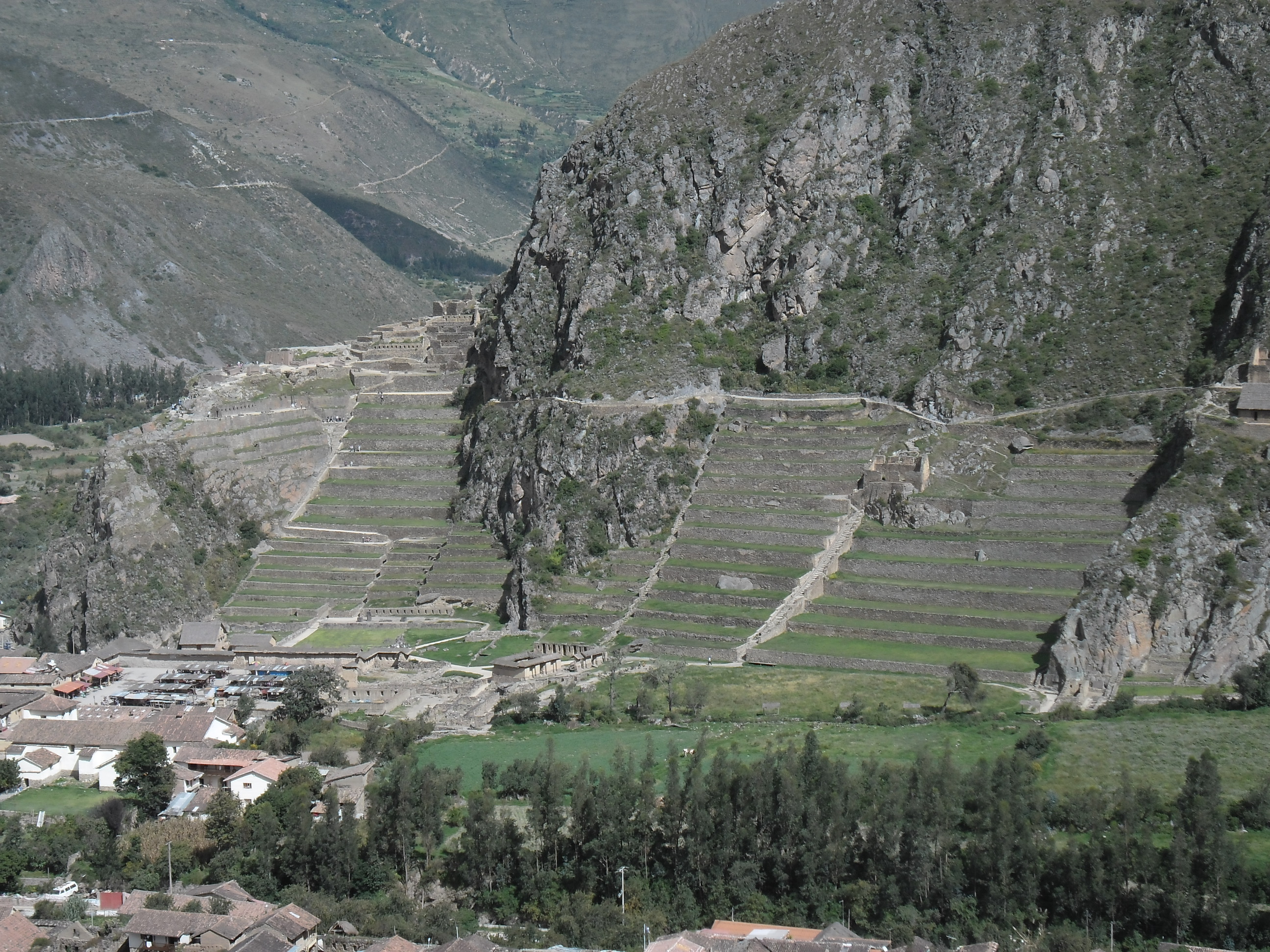
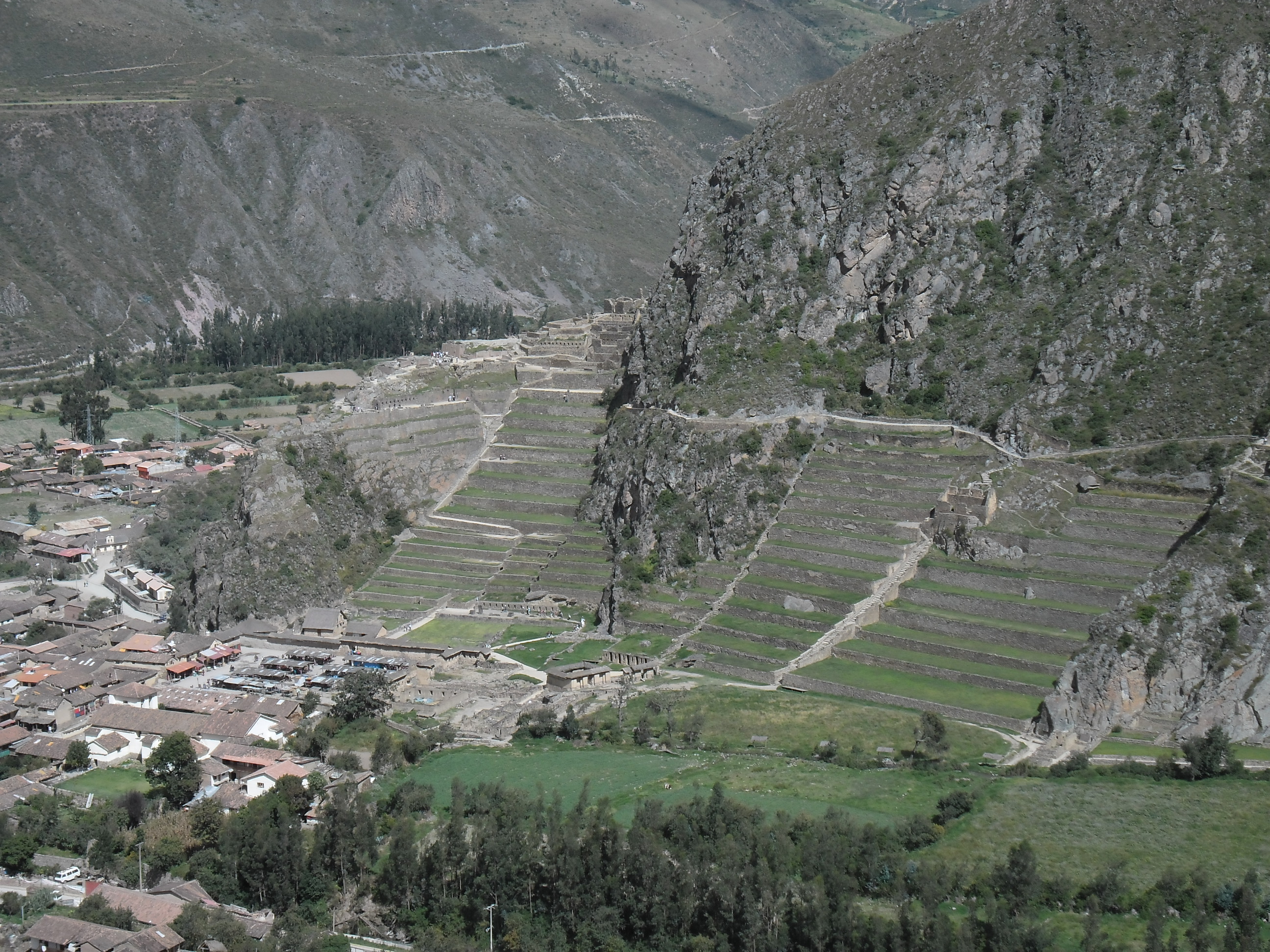
The llama´s head is up to the left. She´s facing the left. The V-shaped green shape in the middle is her fur.
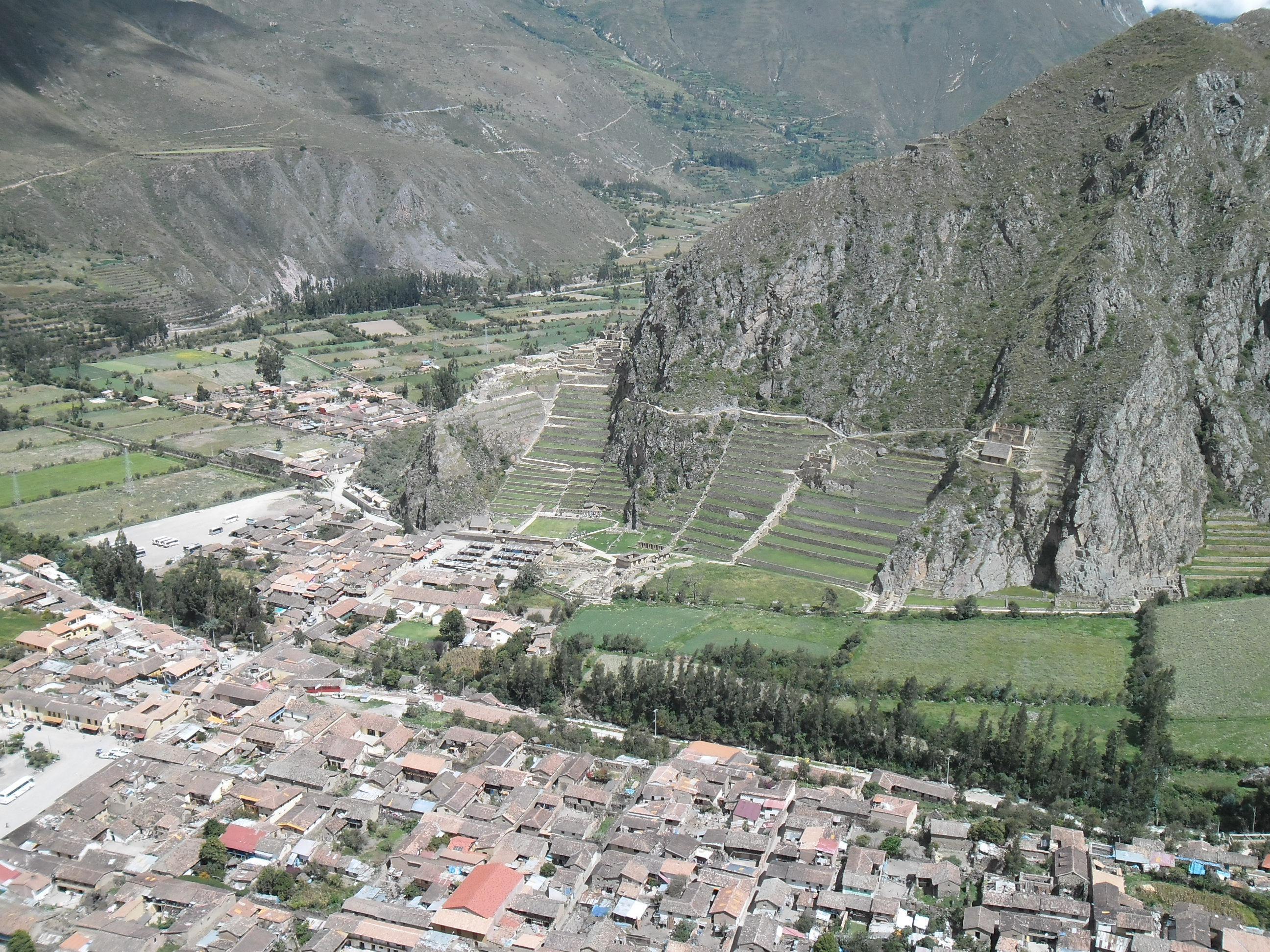
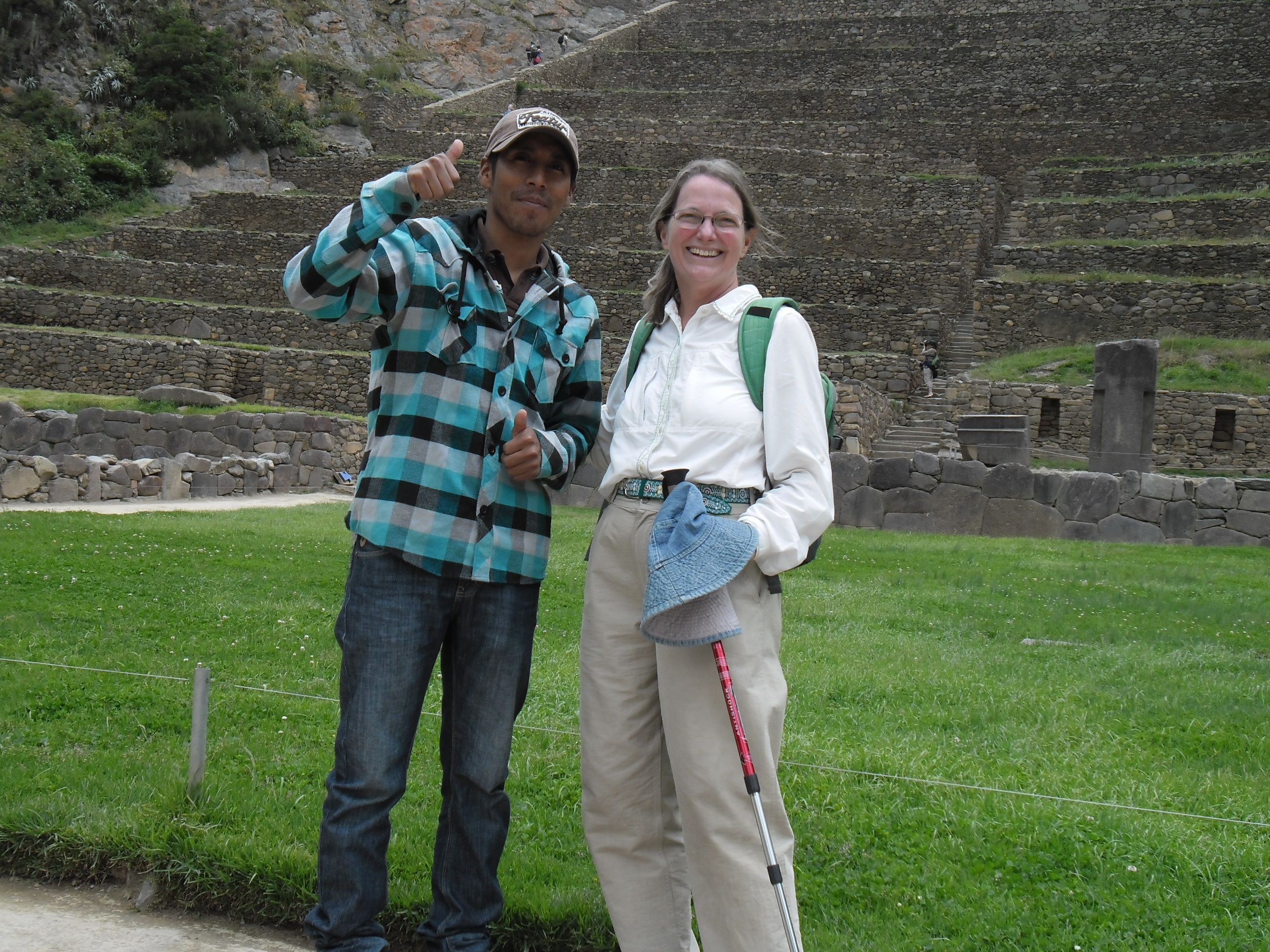
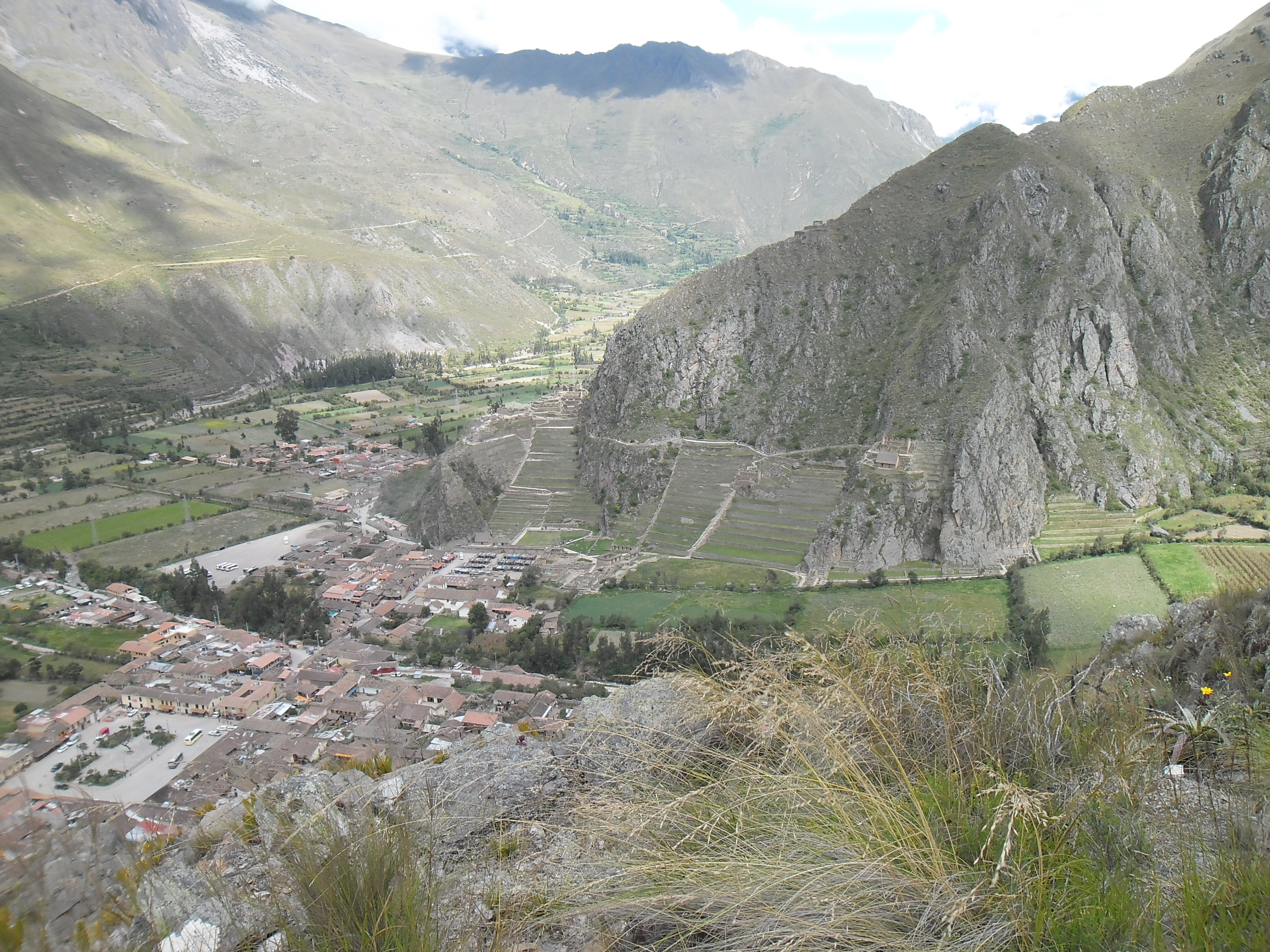 We went up to visit the ruins with our friend Alberto, who also was our guide. The terraces on the way up are impressive.
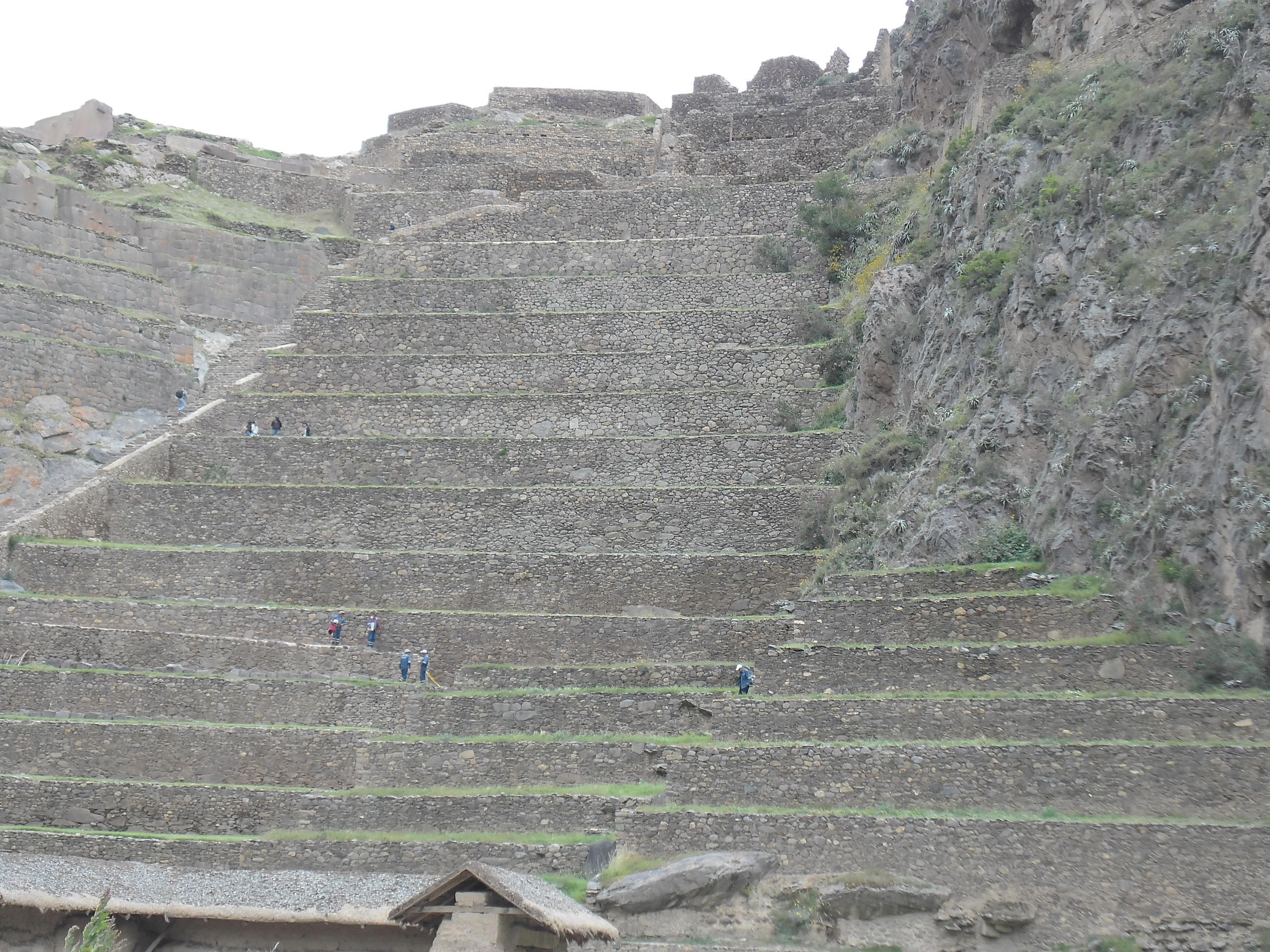
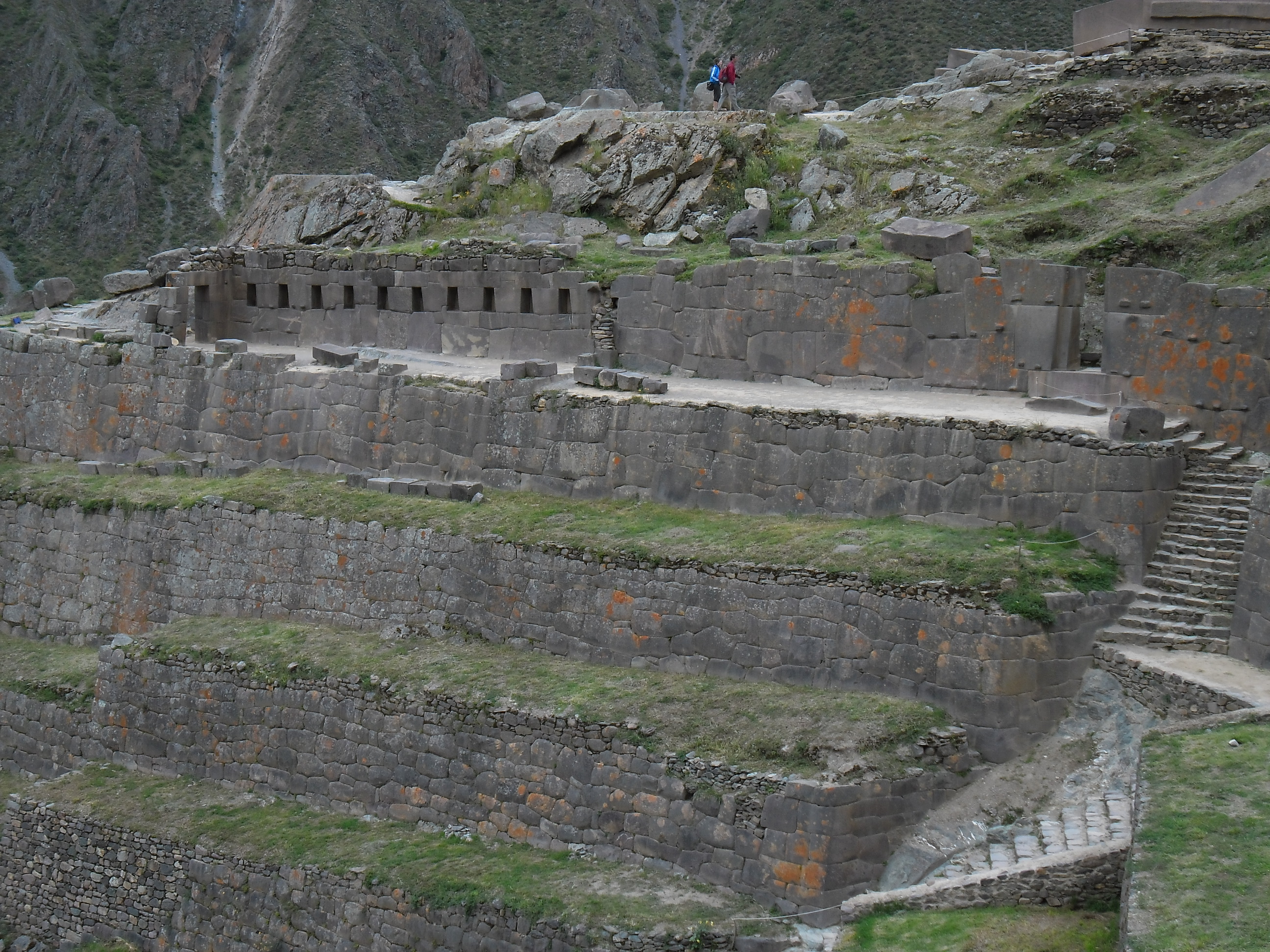 Their stonework was the hallmark of the Incas. The masonry is so precise, and the stones had to be brought over such distances, and they were built so sturdily, that today they are a marvel. The Incas didn´t quite finish building this temple before the Spaniards invaded. There are rocks on the site that were in the process of being sculpted but were never finished. There are other walls that were built to withstand earthquakes, and many people are convinced today that the only way they could have built them was with help from extraterrestrials. Albert doesn´t go along with this theory, instead believing that with their bronze tools, water, and patience, the Incas very well could have sculpted the rocks, and with the help of levers, they could have gradually elevated even the heaviest of the stones.
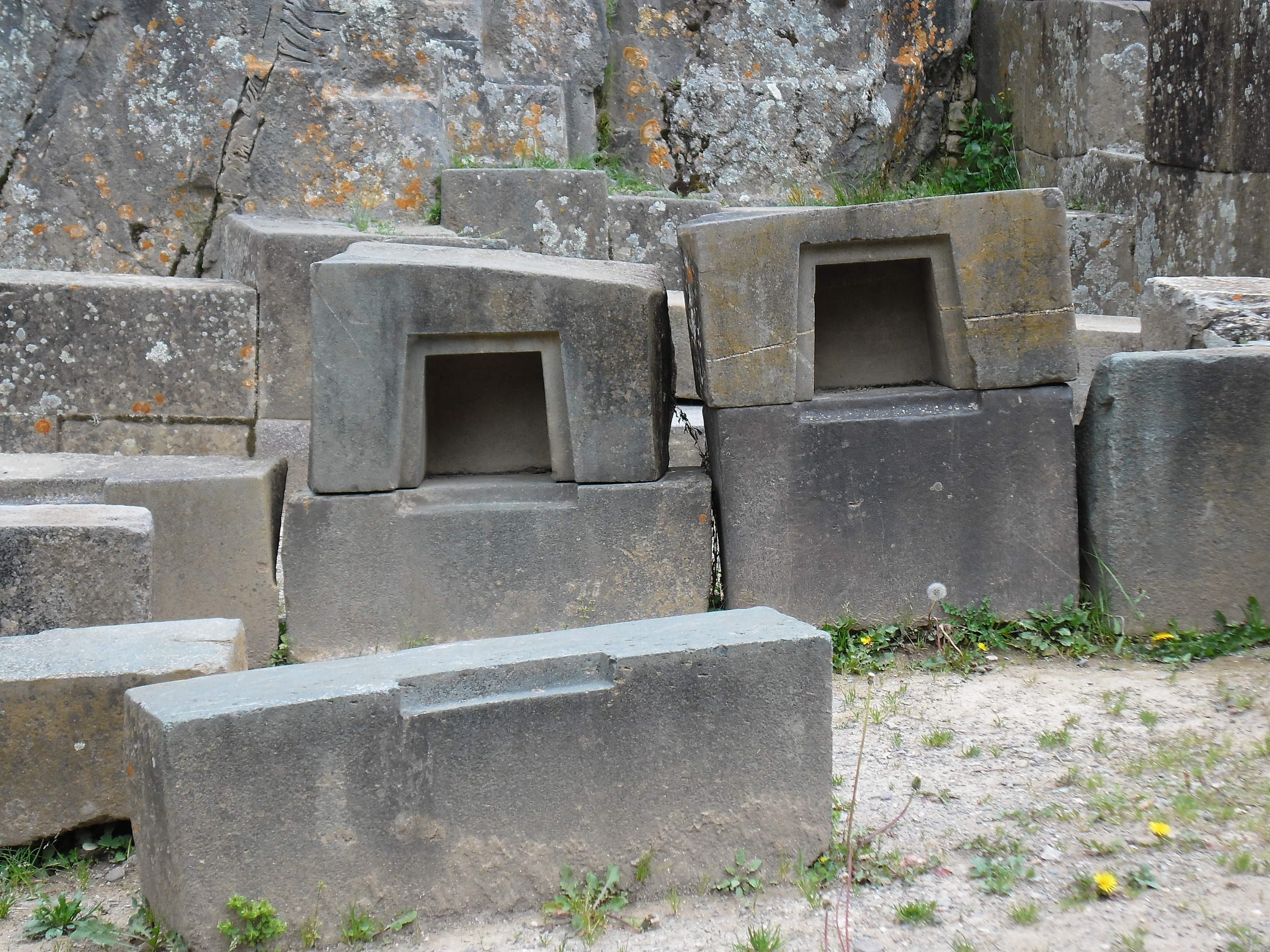
The stone-cutting workshop
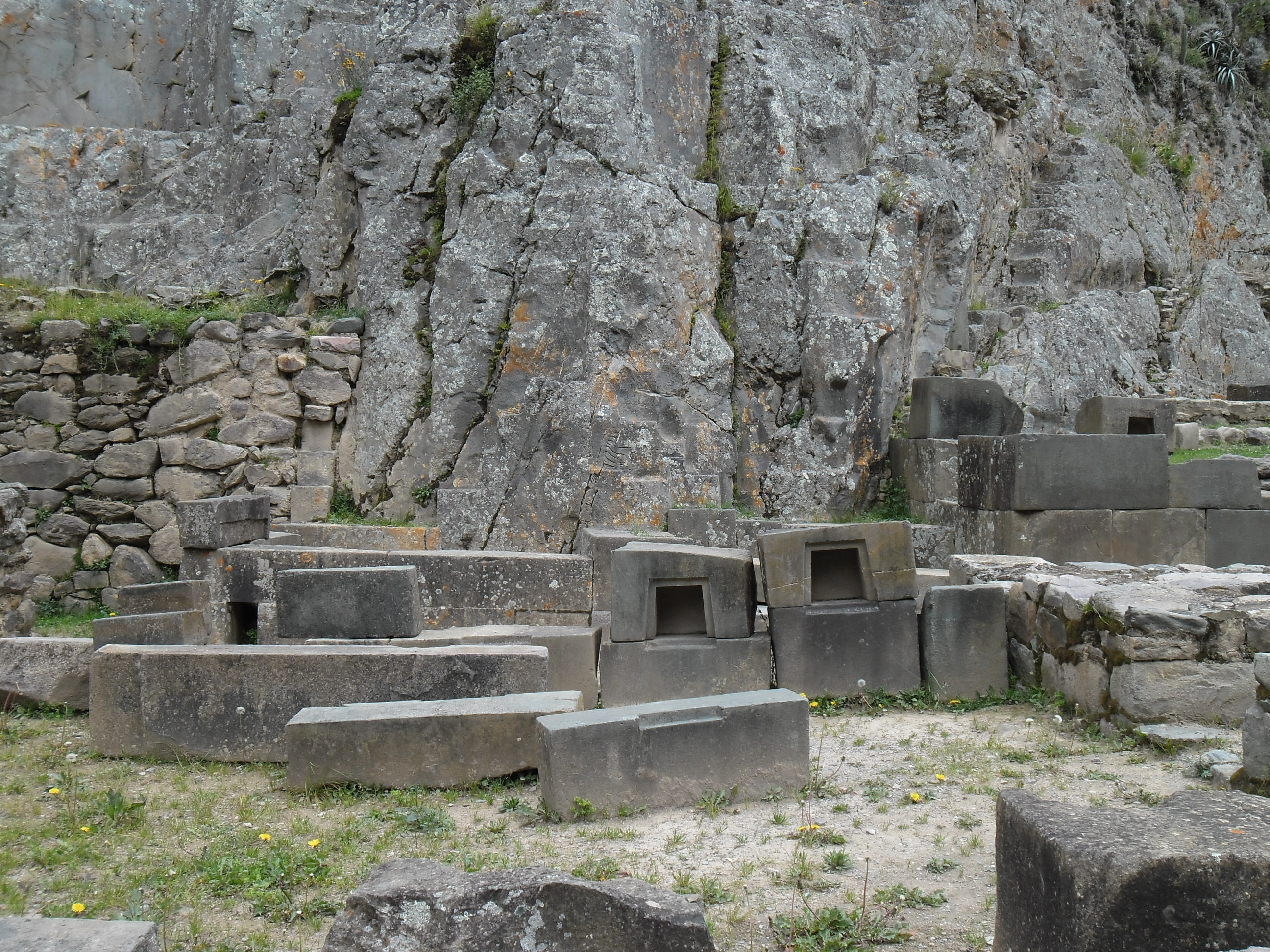
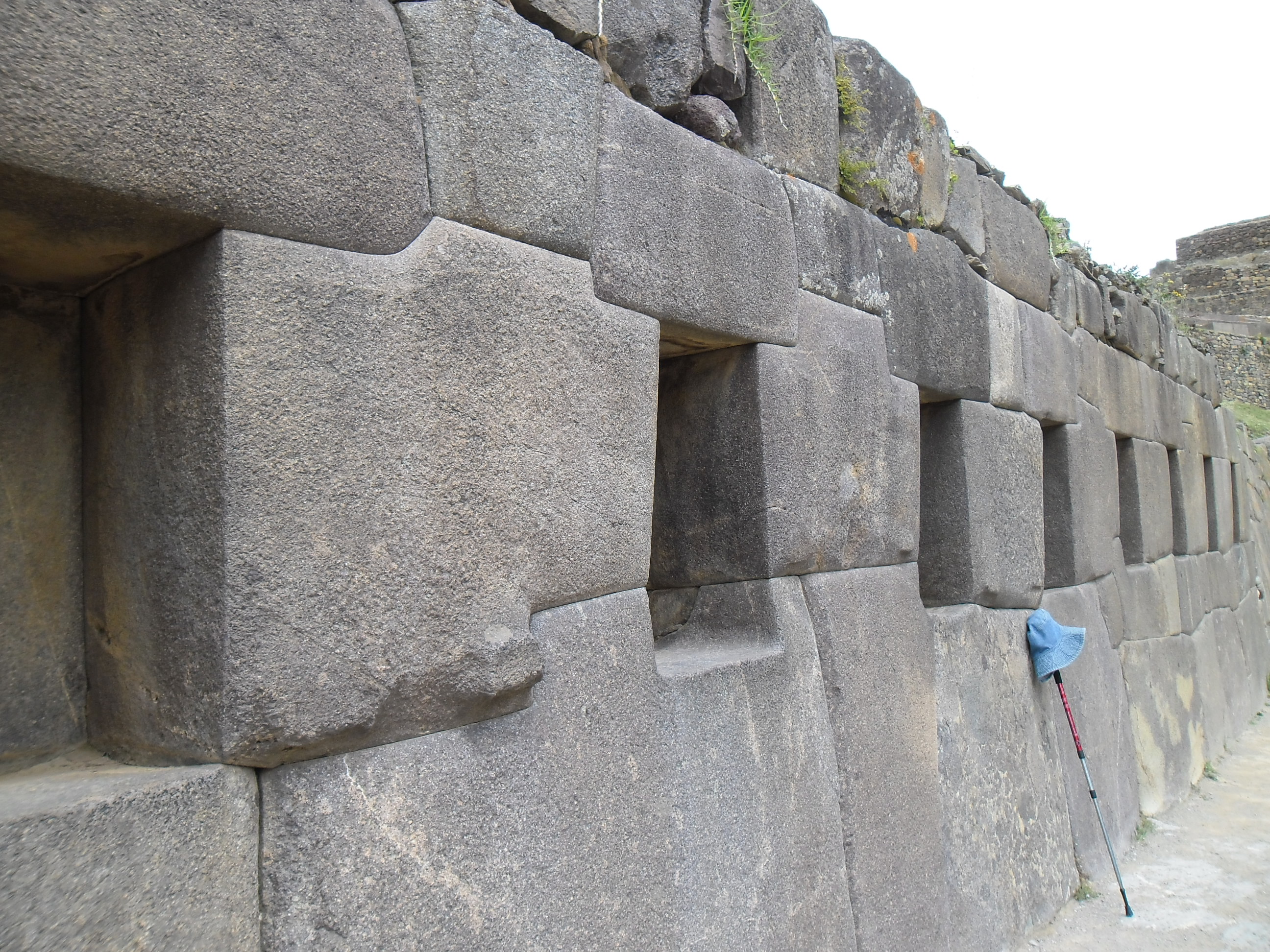
a jigsaw puzzle is stronger than a straight fit.
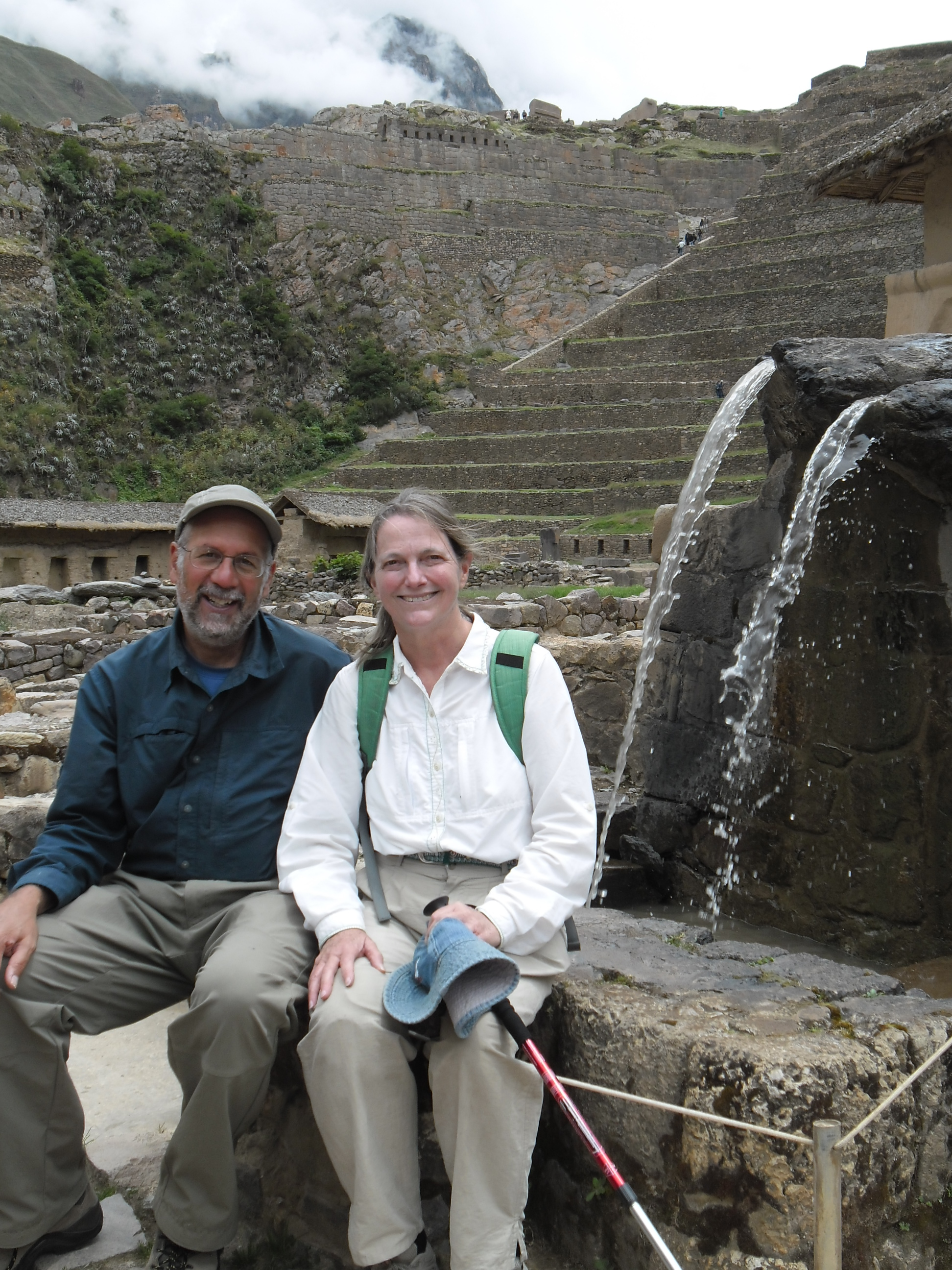
Here we are by the baths. The water has been flowing like this for seven hundred years.
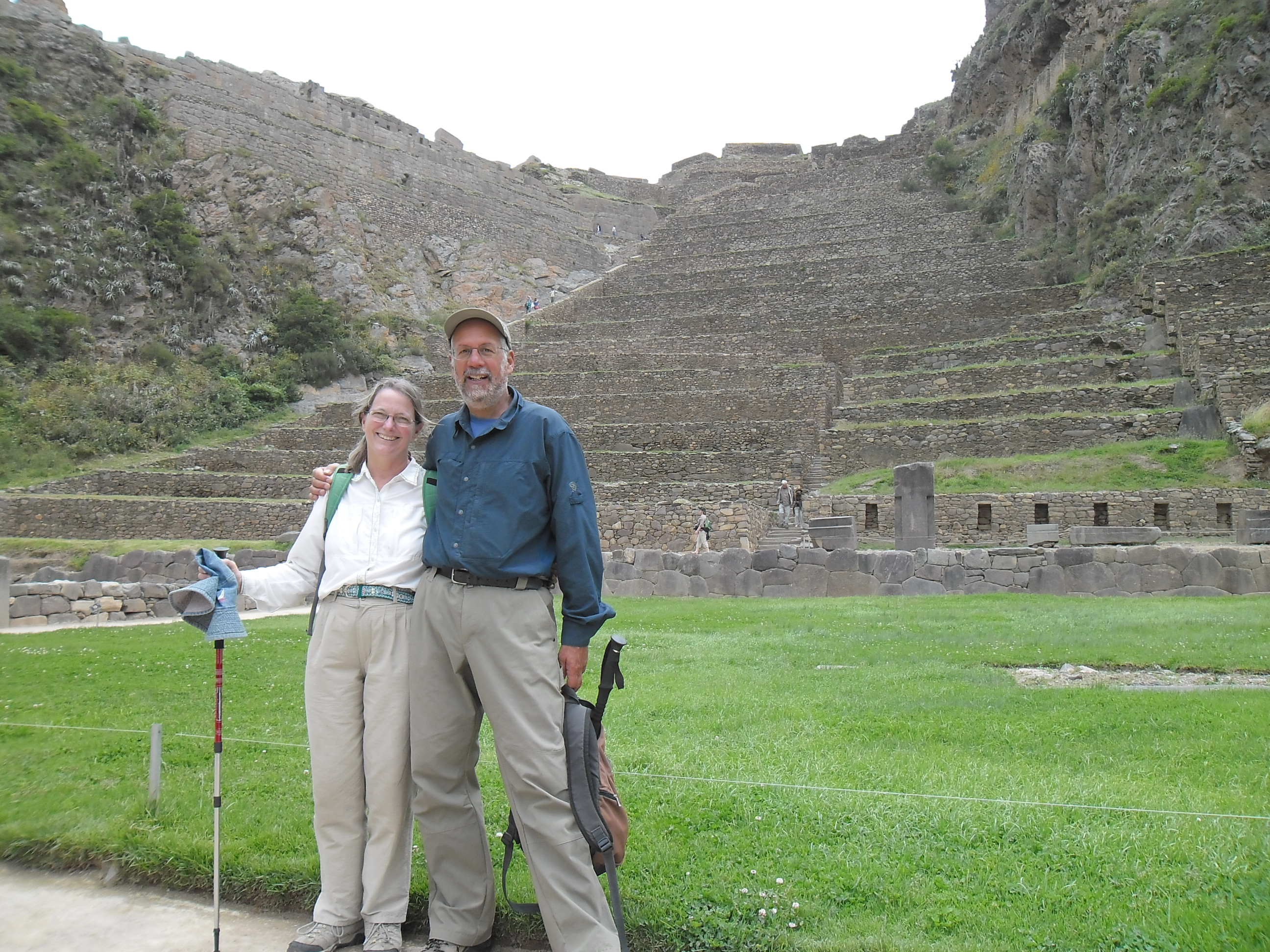 You can see across the valley to Tunupa, the messenger and watcher, next to his storehouses. The Incas used the storehouses to store potatoes and corn.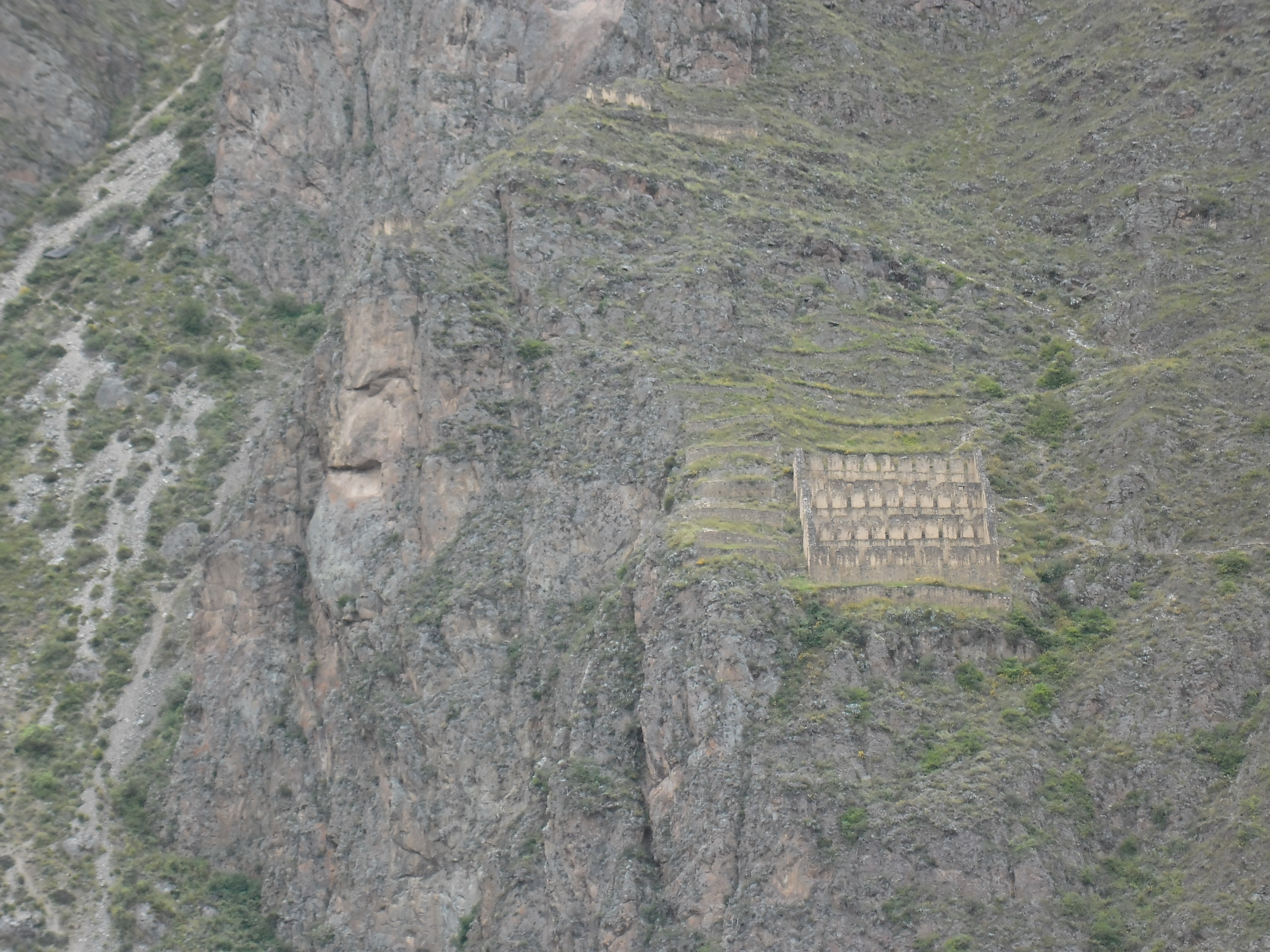
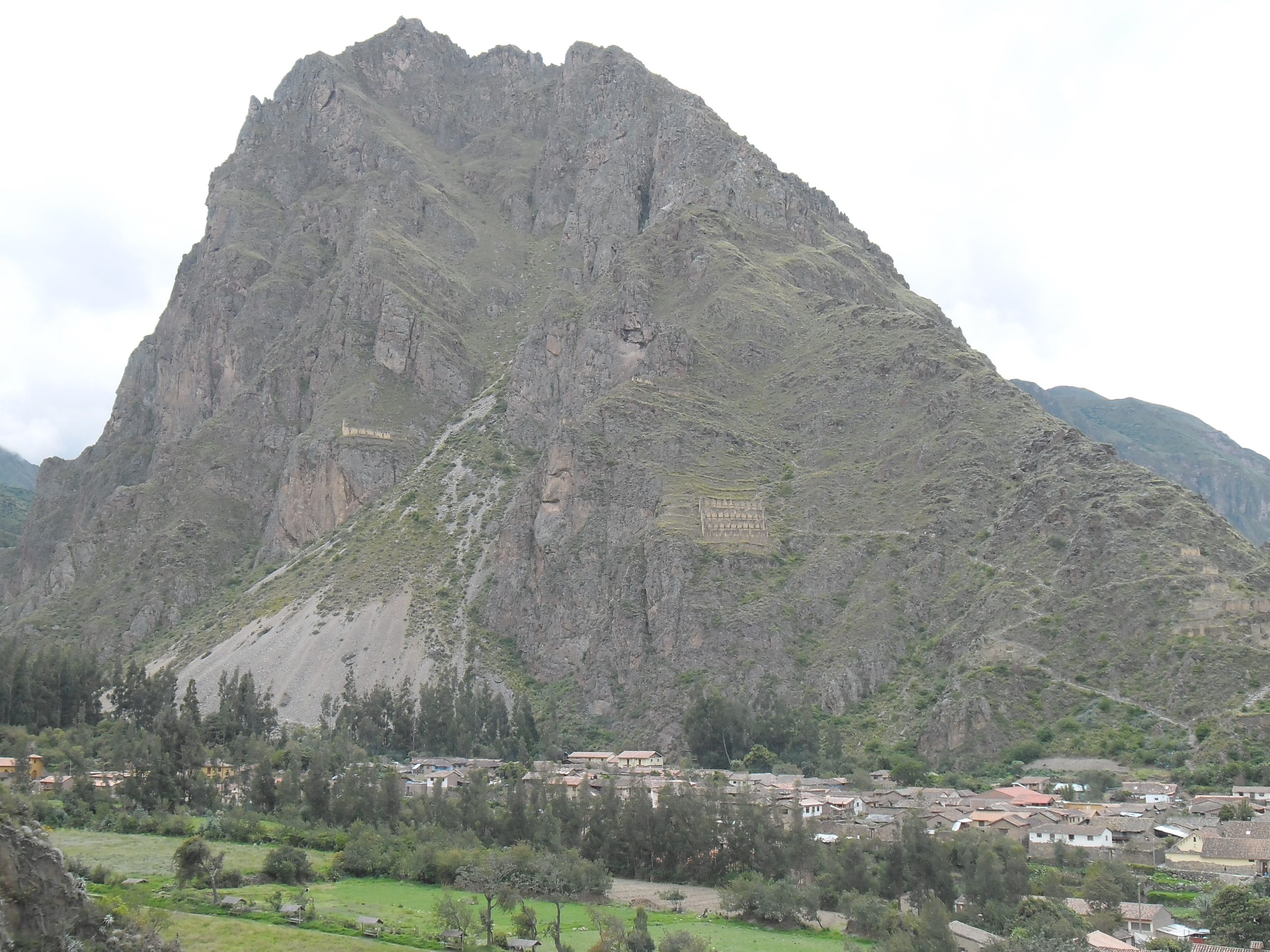 And here is what the storehouses look like up close. They are called colcas. They were designed so that the wind could flow through and dry the potatoes and corn, and they could keep food stored for years. The Incas had hundreds of these sites throughout the empire, and if there was a bad year for crops, they could distribute food to the people who needed it. The storehouses were full most of the time. These people were not just scraping by.
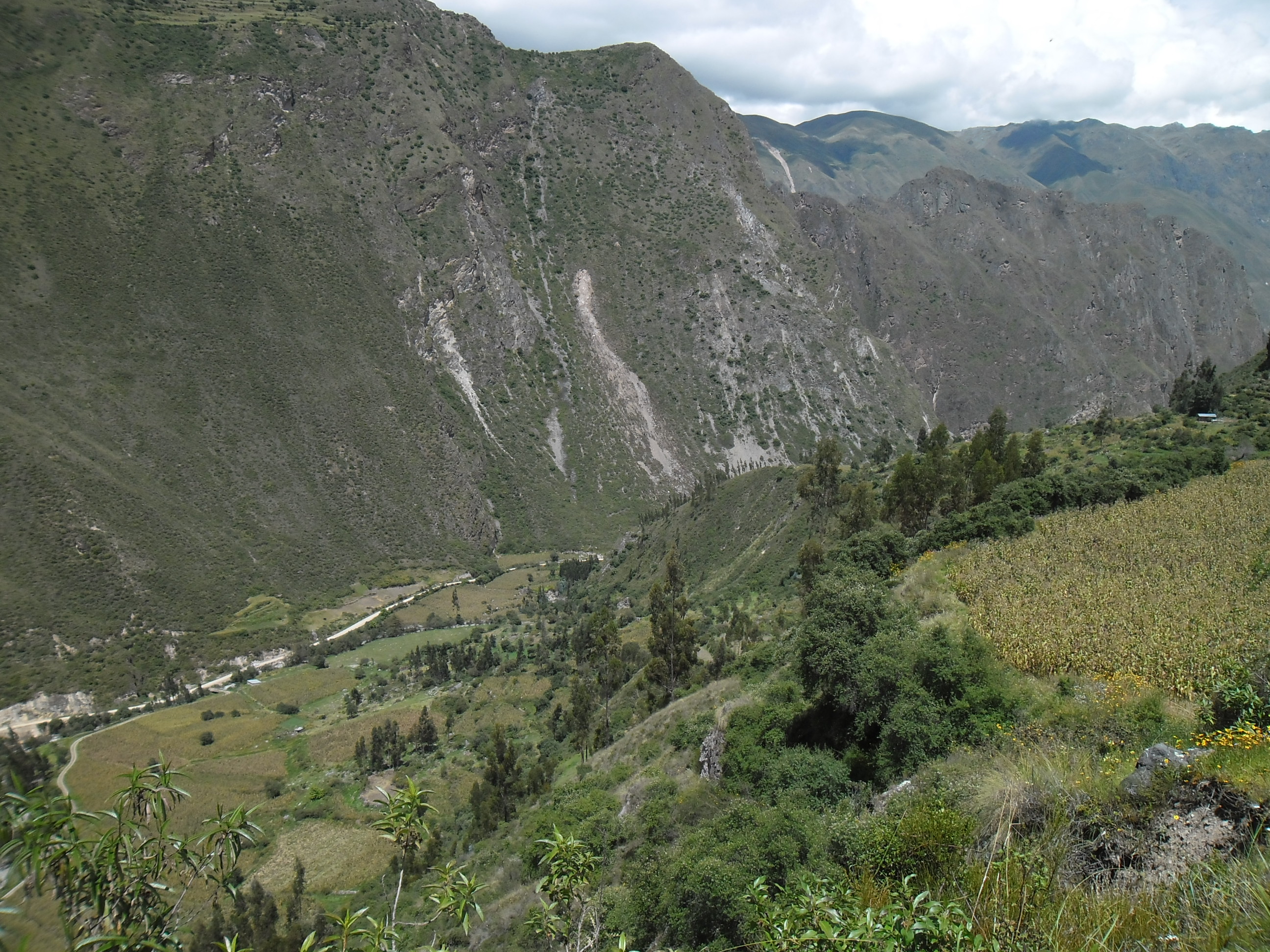
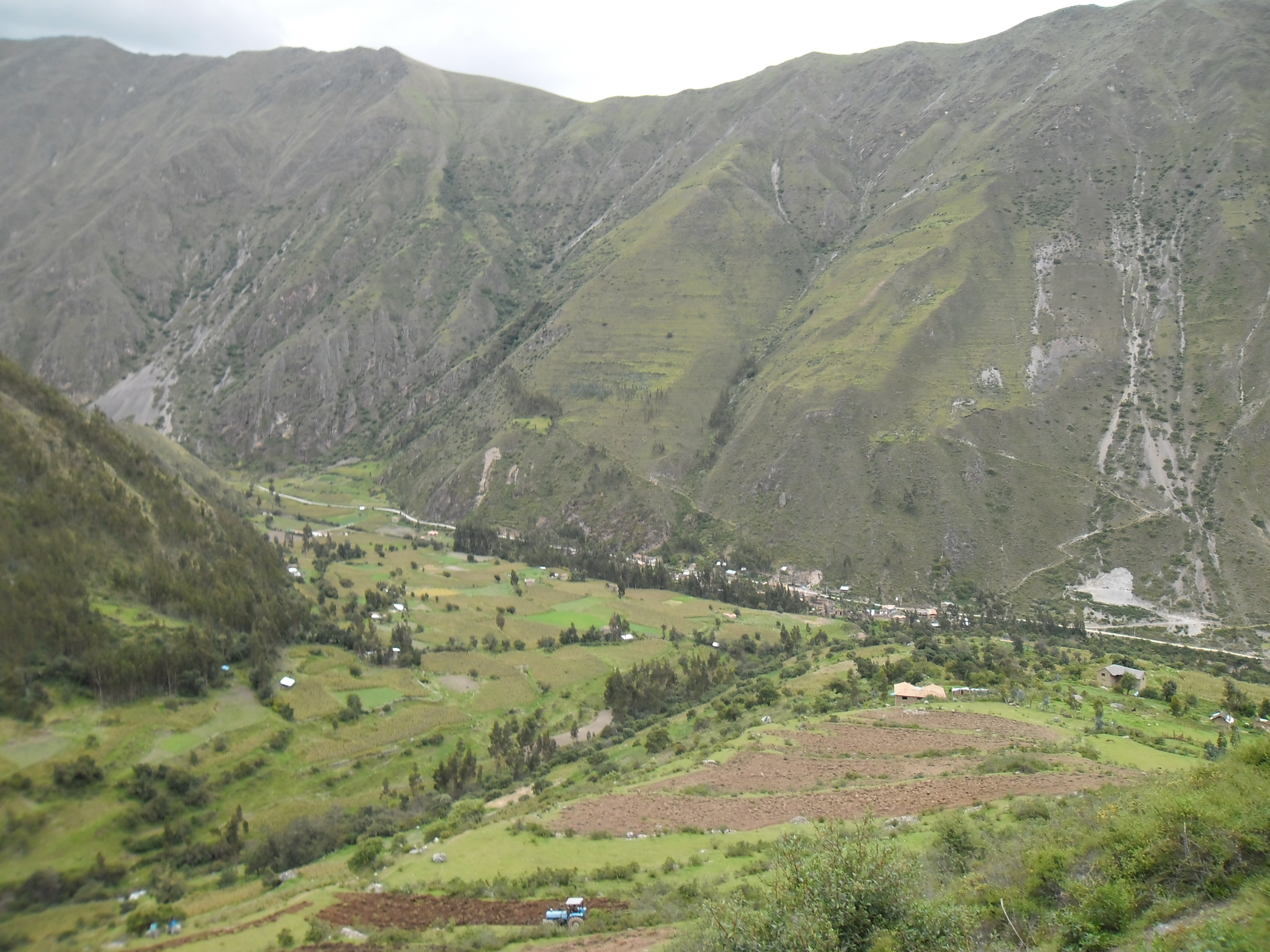
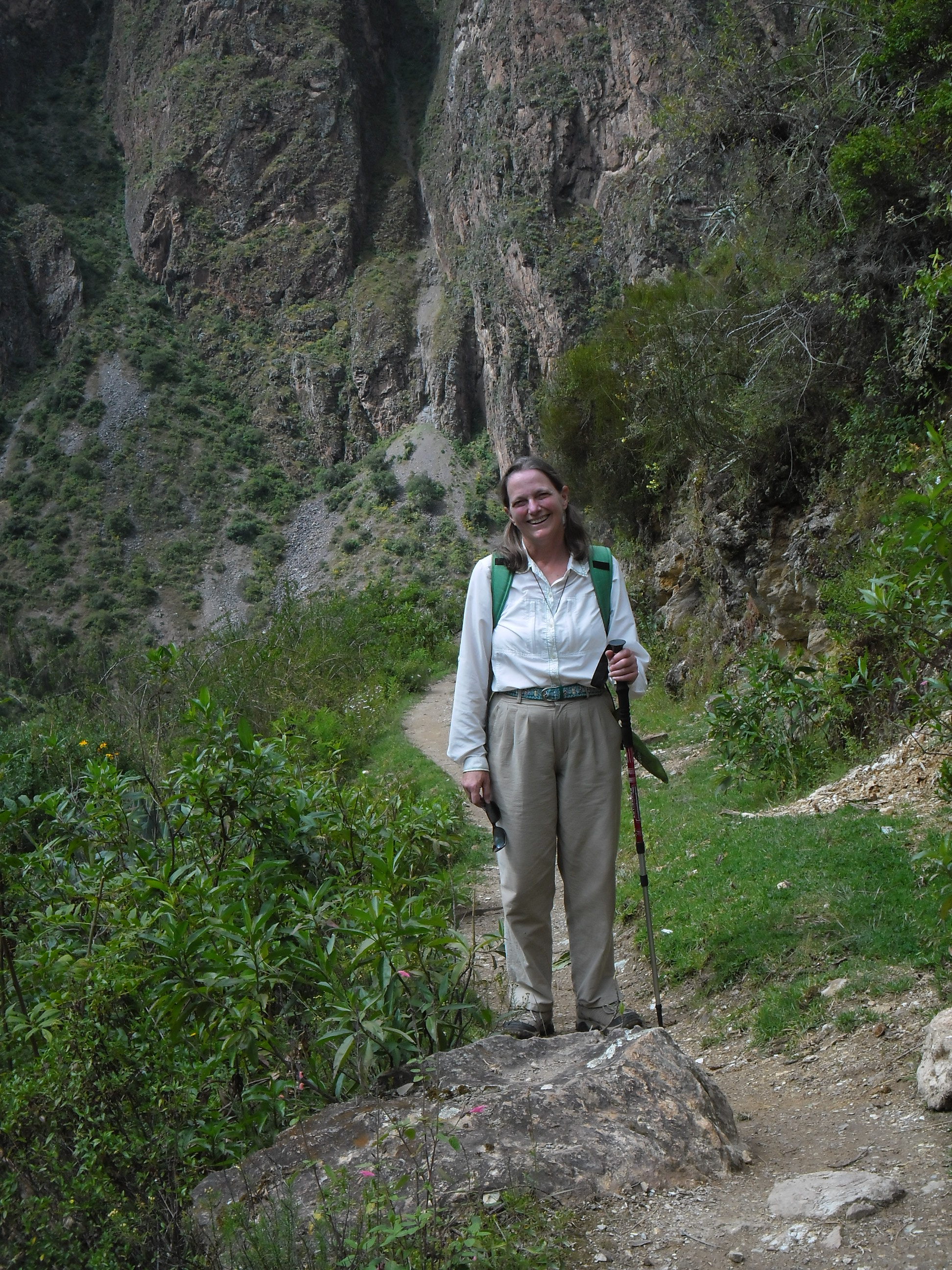
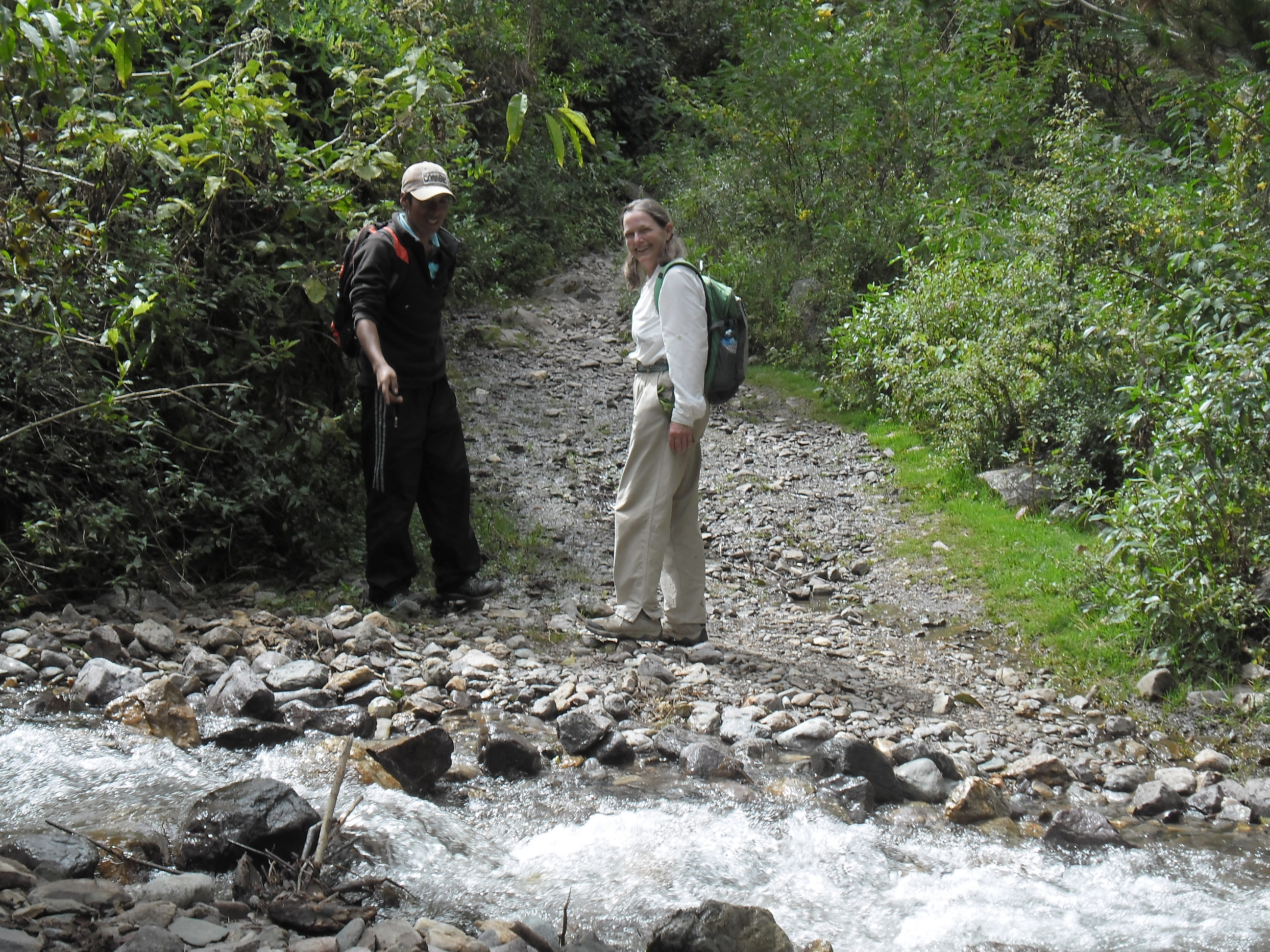
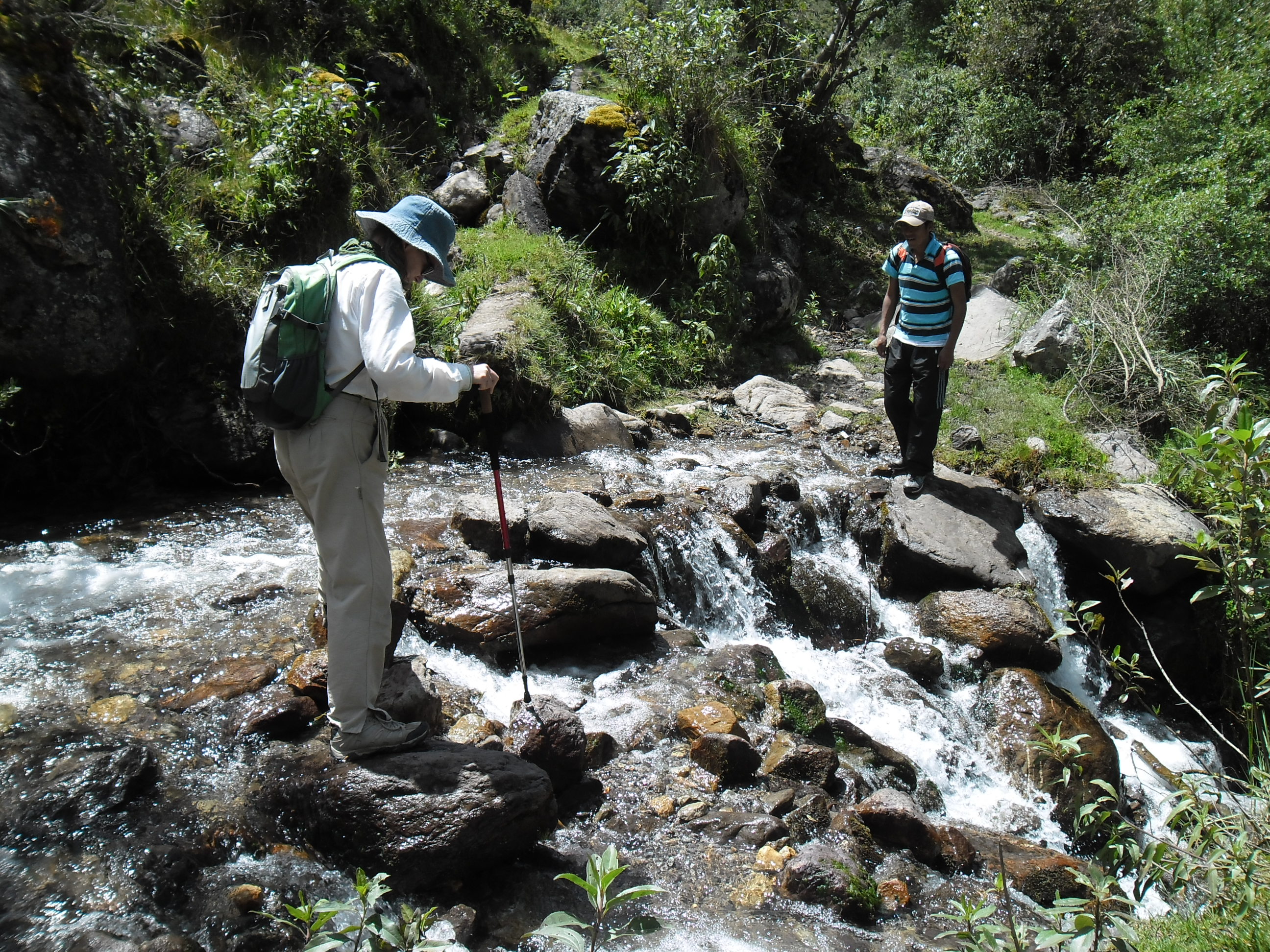
 Another day, we spent most of the day hiking from our hotel to another set of ruins, called Pumamarka. These ruins are about five miles from town, up up up into the mountains. We went there again with Alberto. We started up at a little town called Muñaypata, and walked by some terraces. The terraces allowed the Incas to grow food on the steep mountainsides.
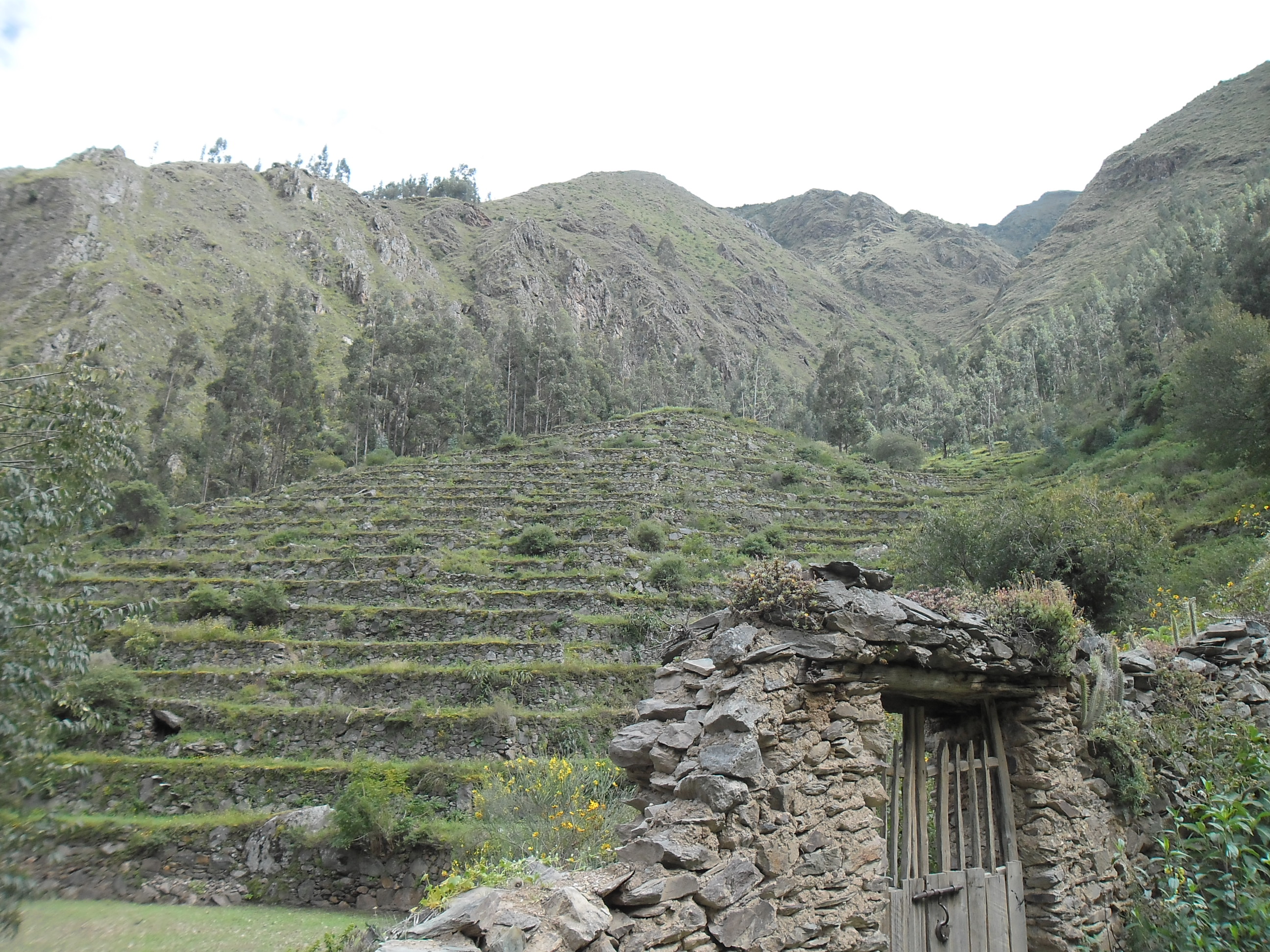
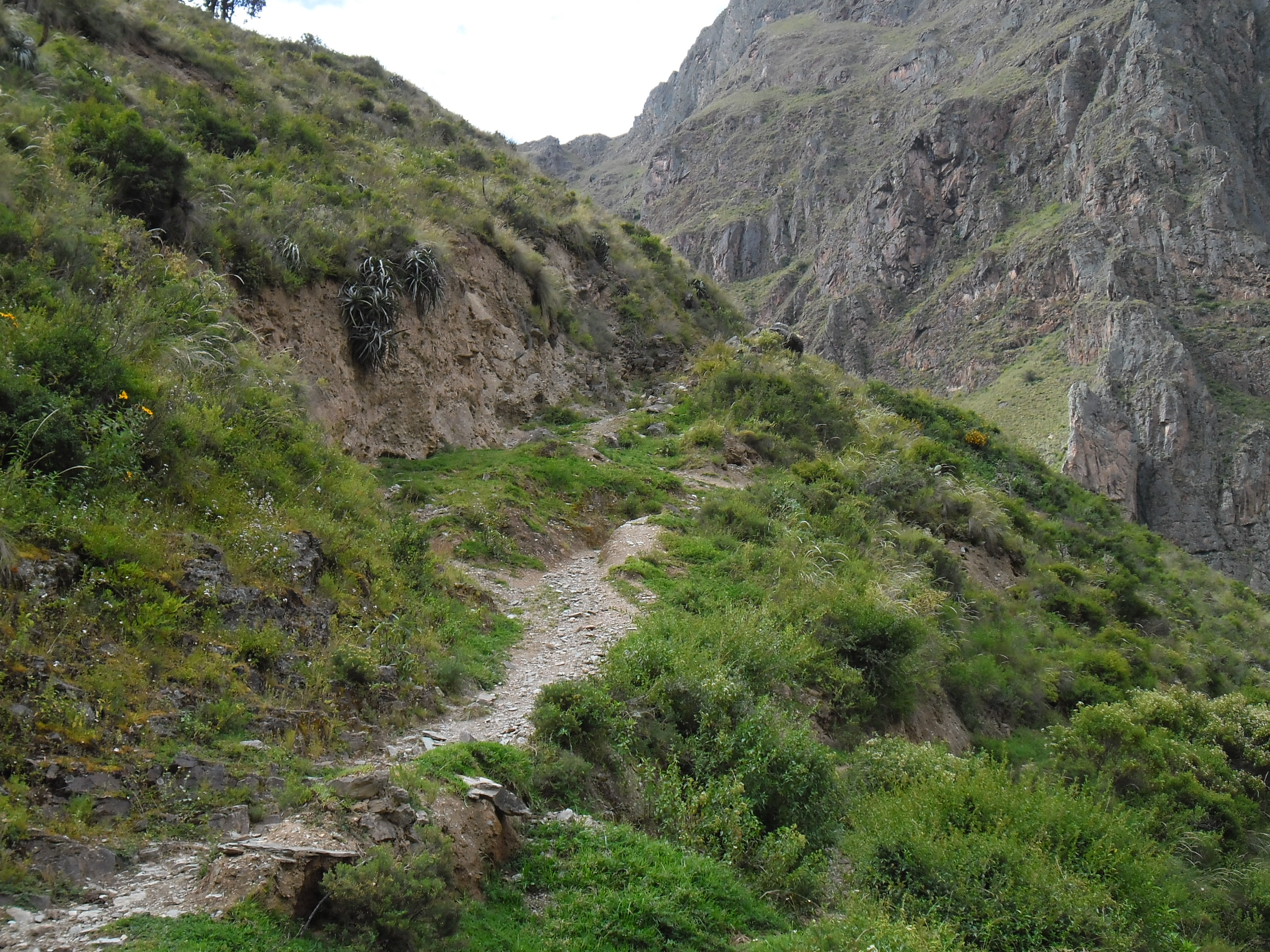 Soon, we entered an archaeological park called Media Luna.
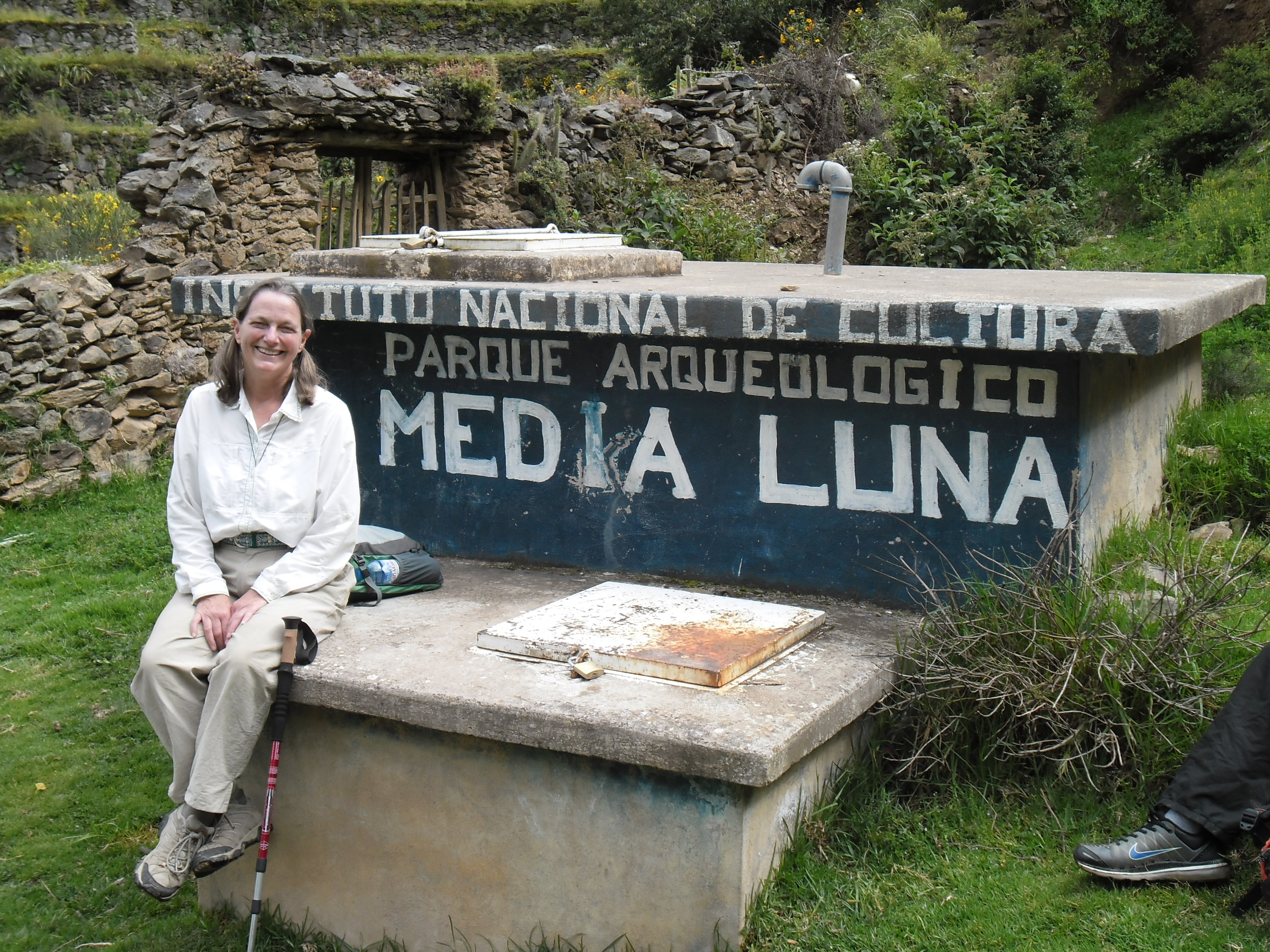
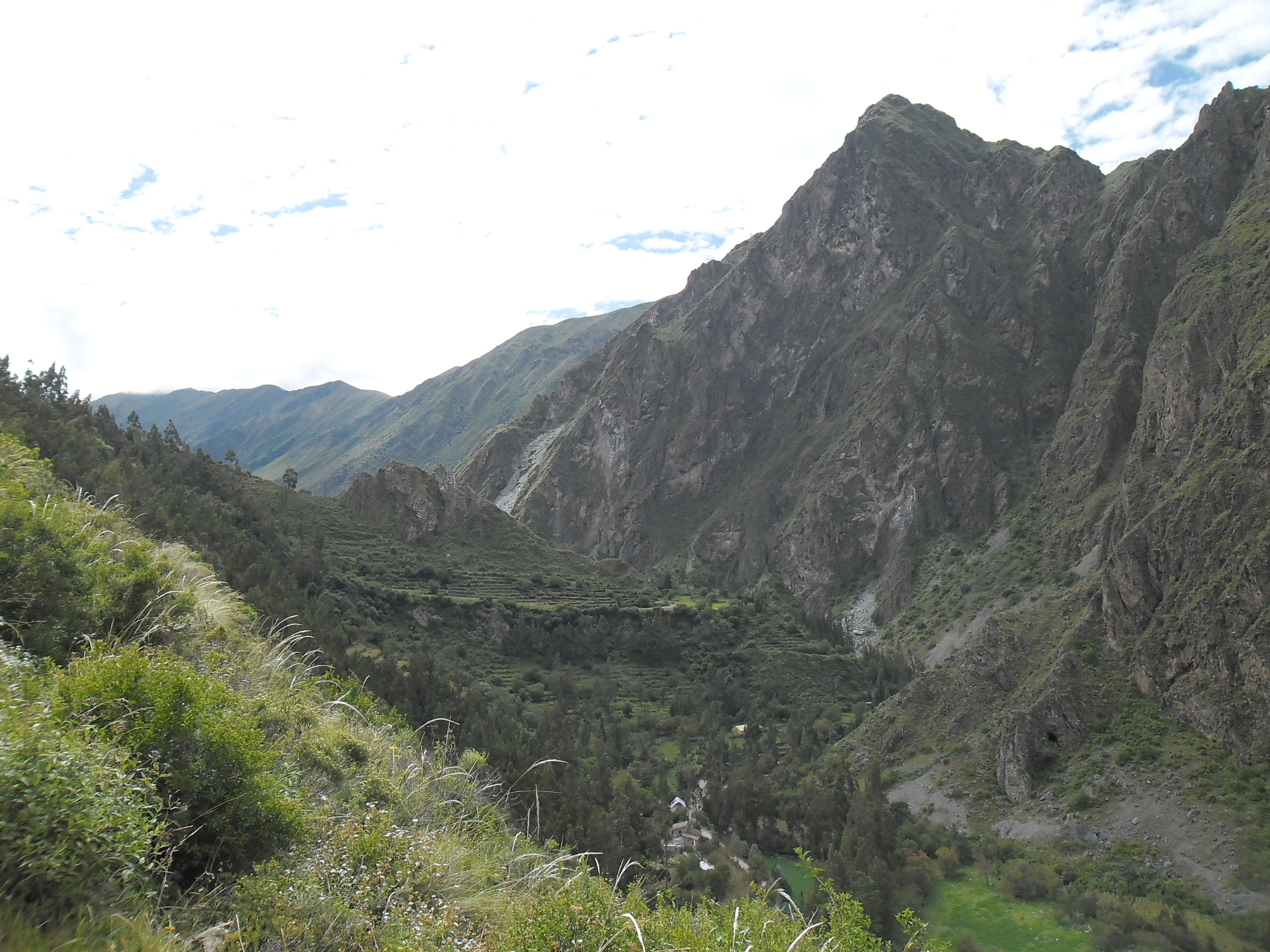
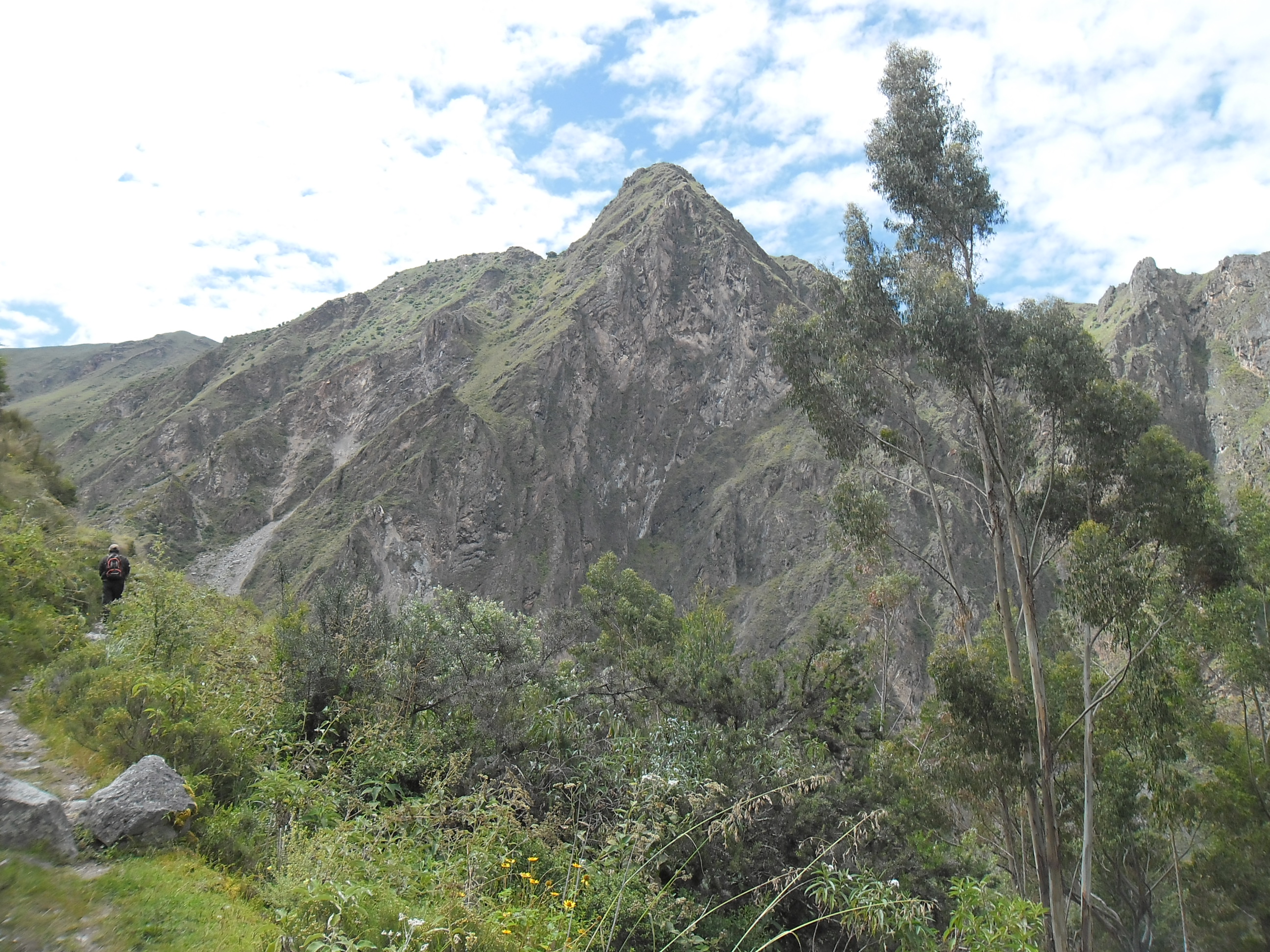
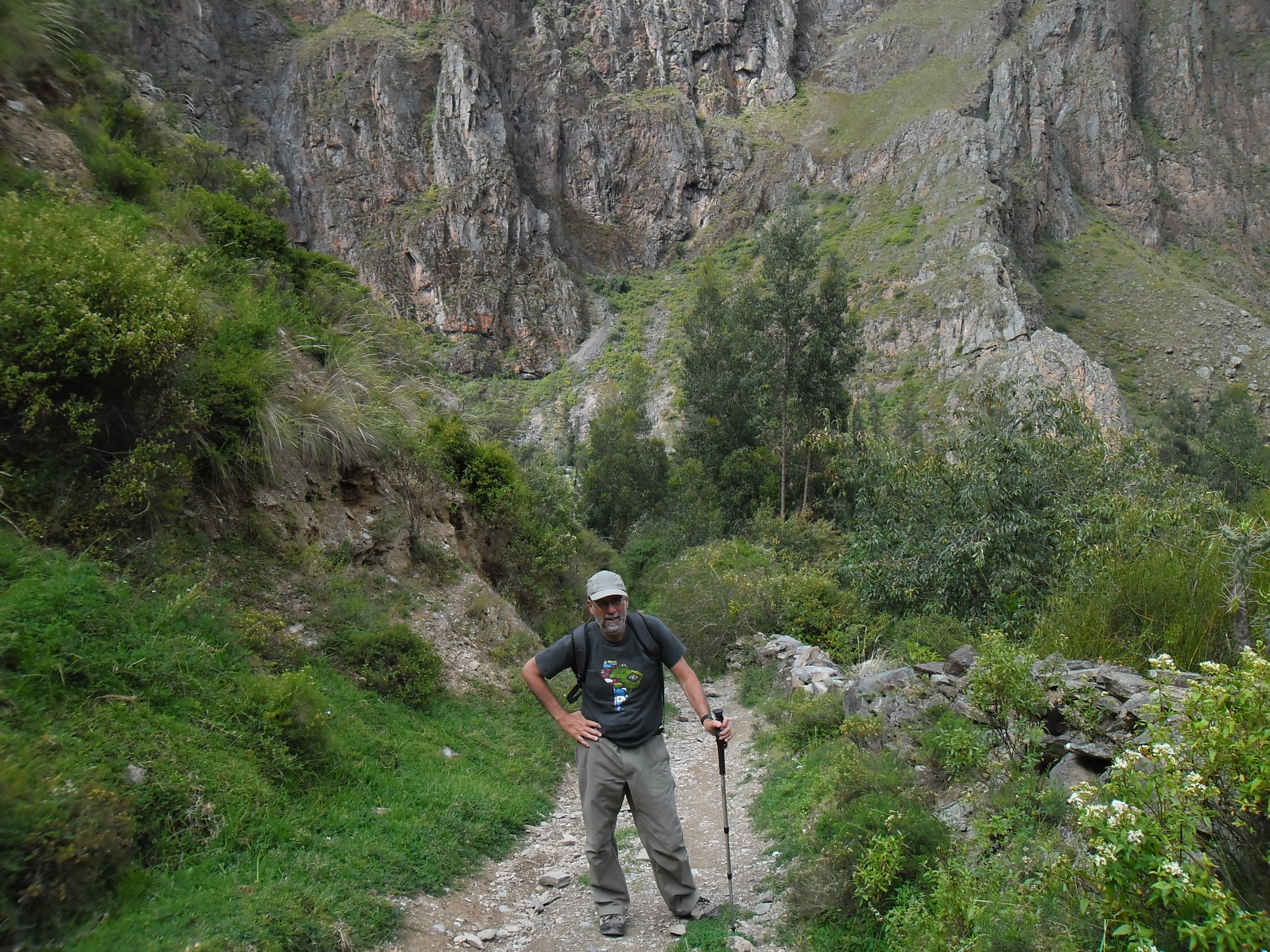 The trail continued up and up. Eventually, the valley reaches a pass, up at close to 15,000 feet. We didn´t get nearly that high.
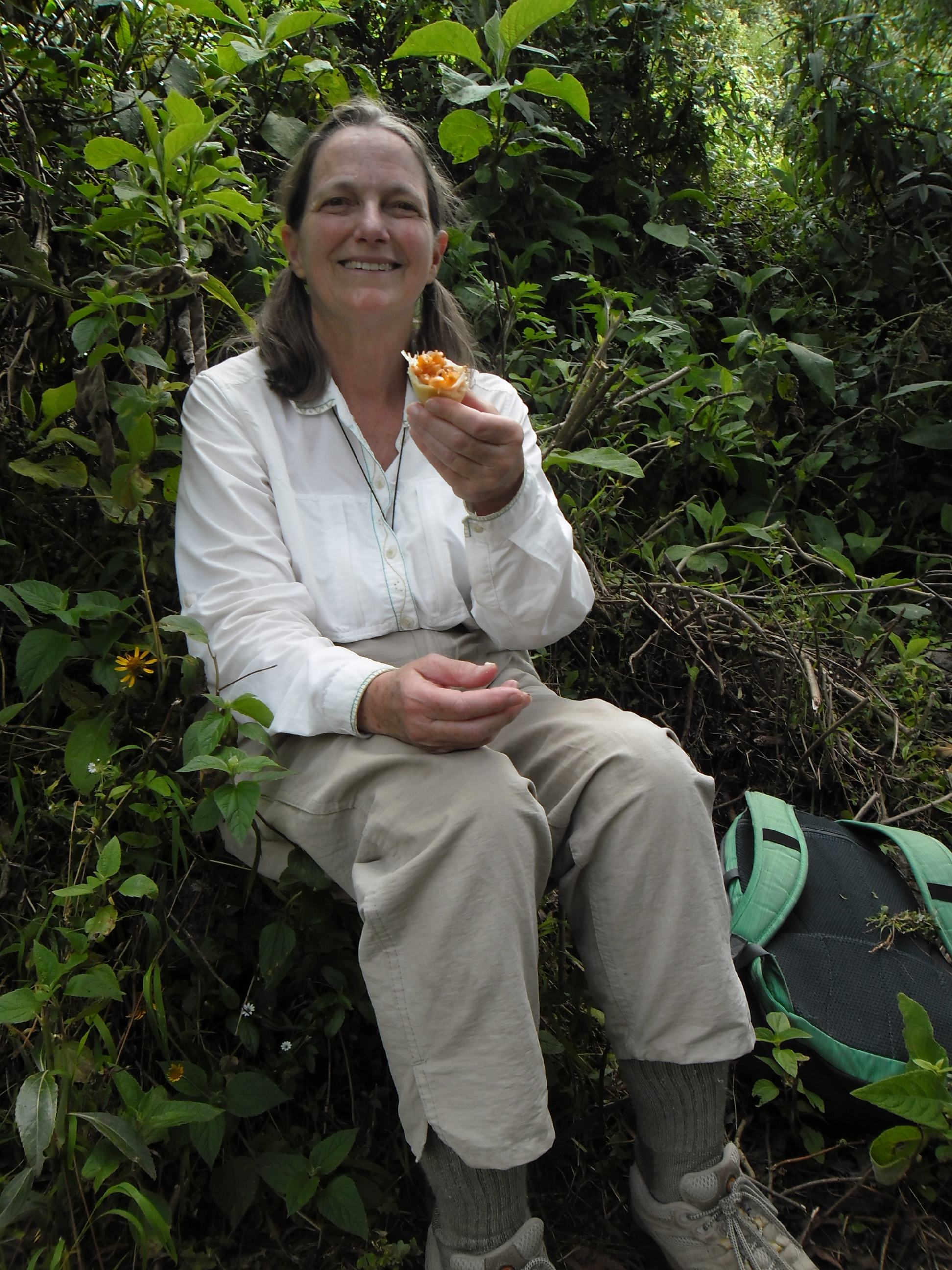
A fruit break along the way. The fruit is a tumbo. It’s kind of like a passion fruit.
We reached the ruins in about three hours. They used to be a military training post. We looked around, ate lunch, took a nap, and headed back to town.
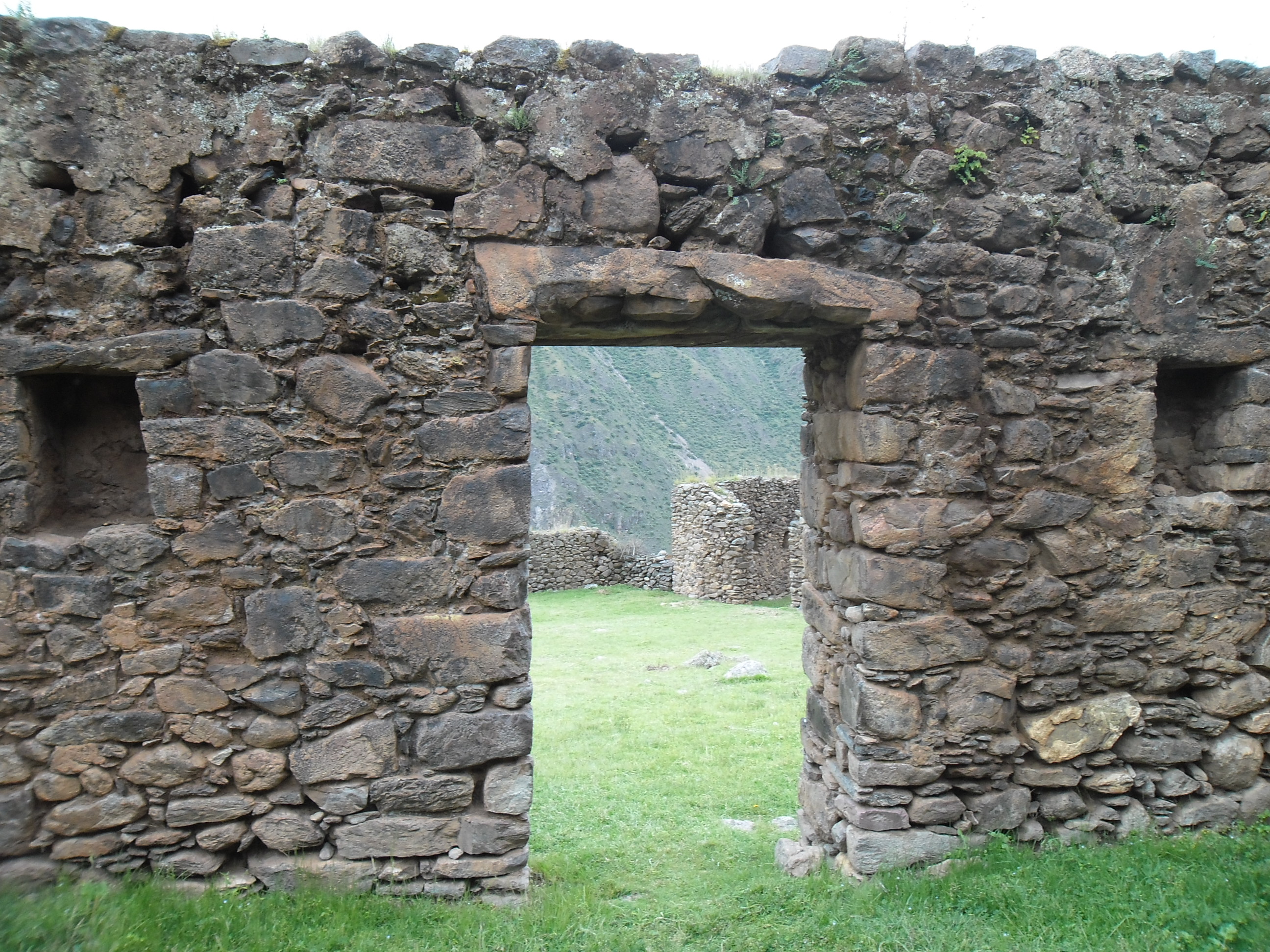
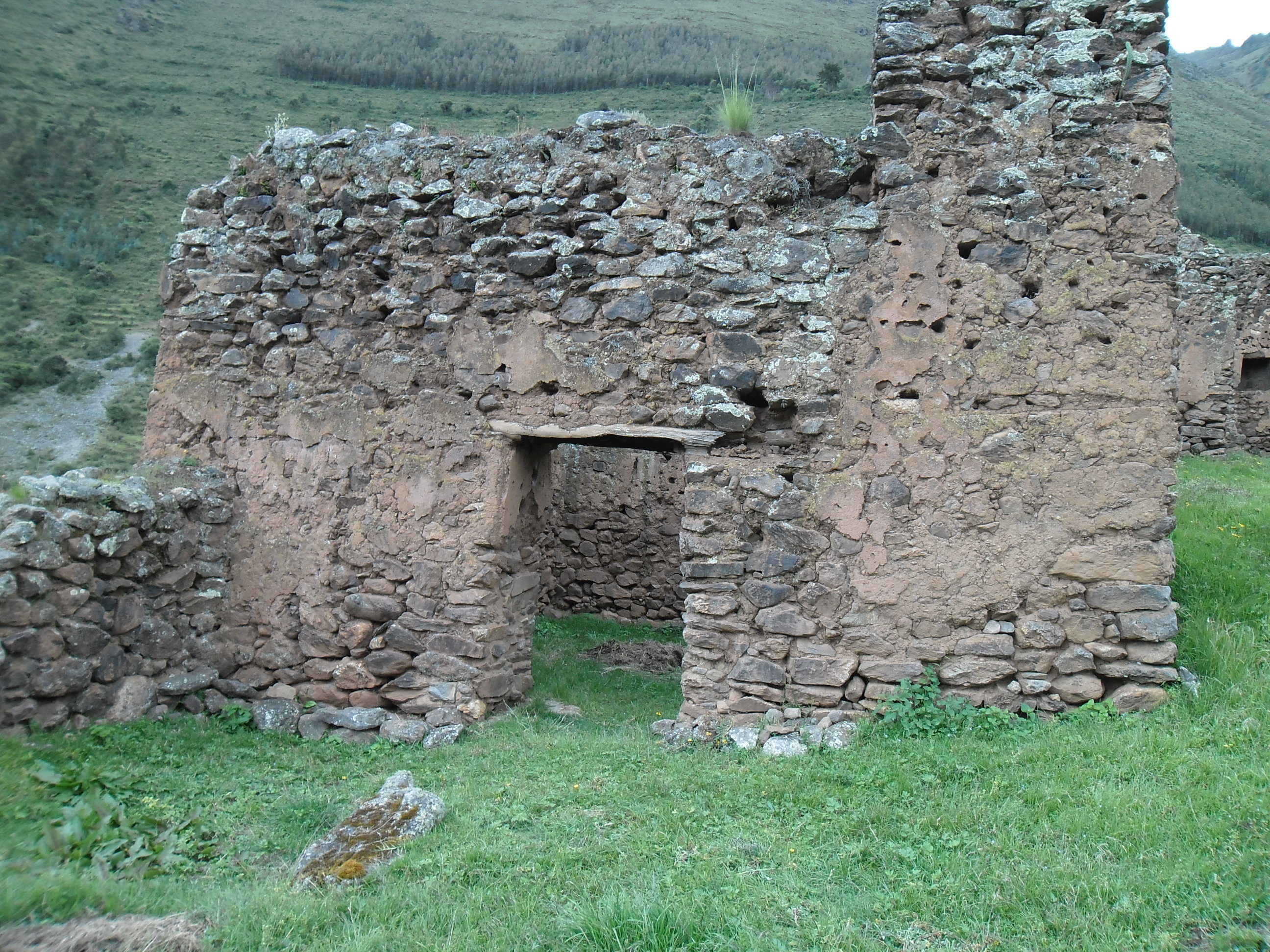
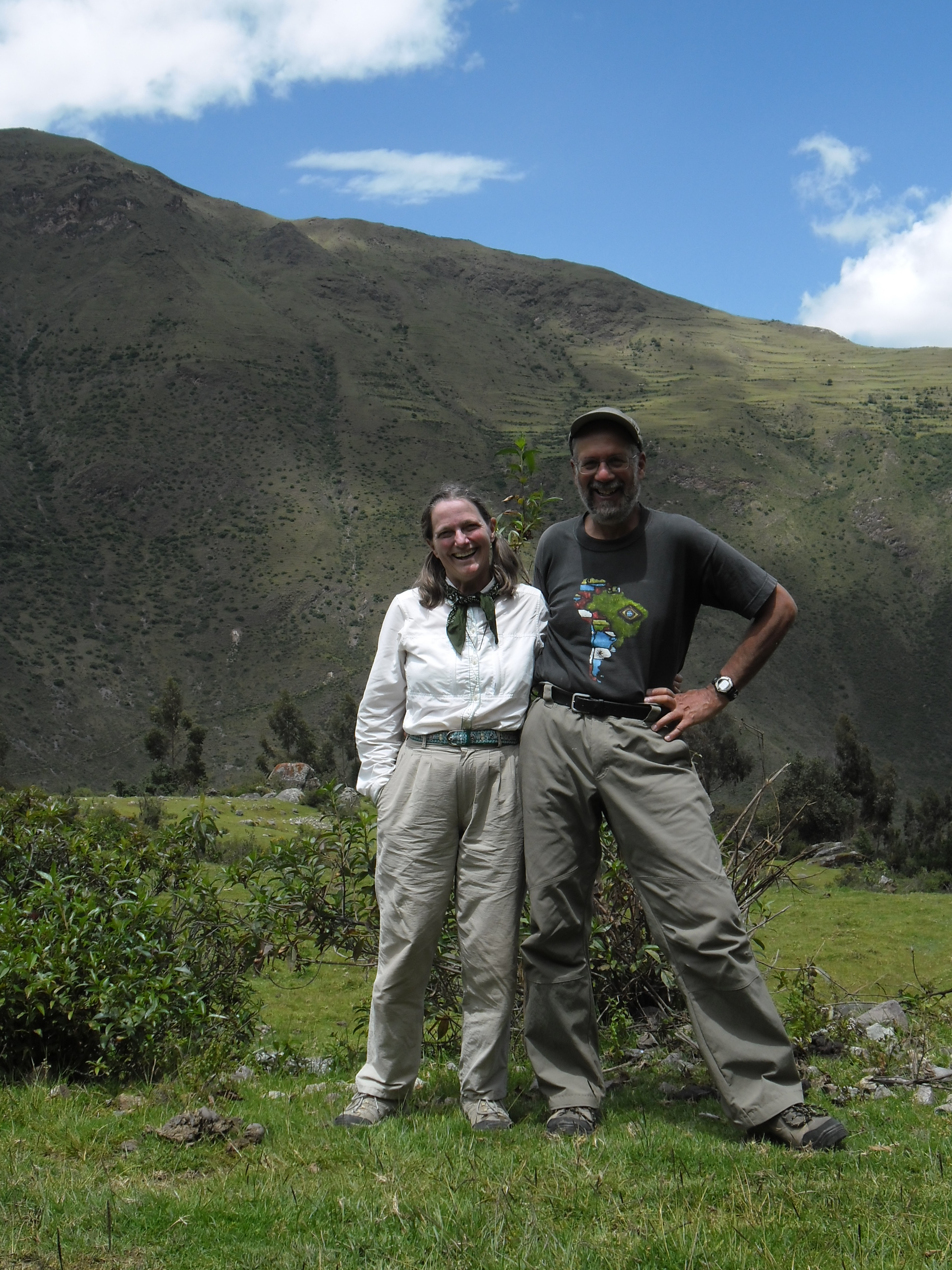
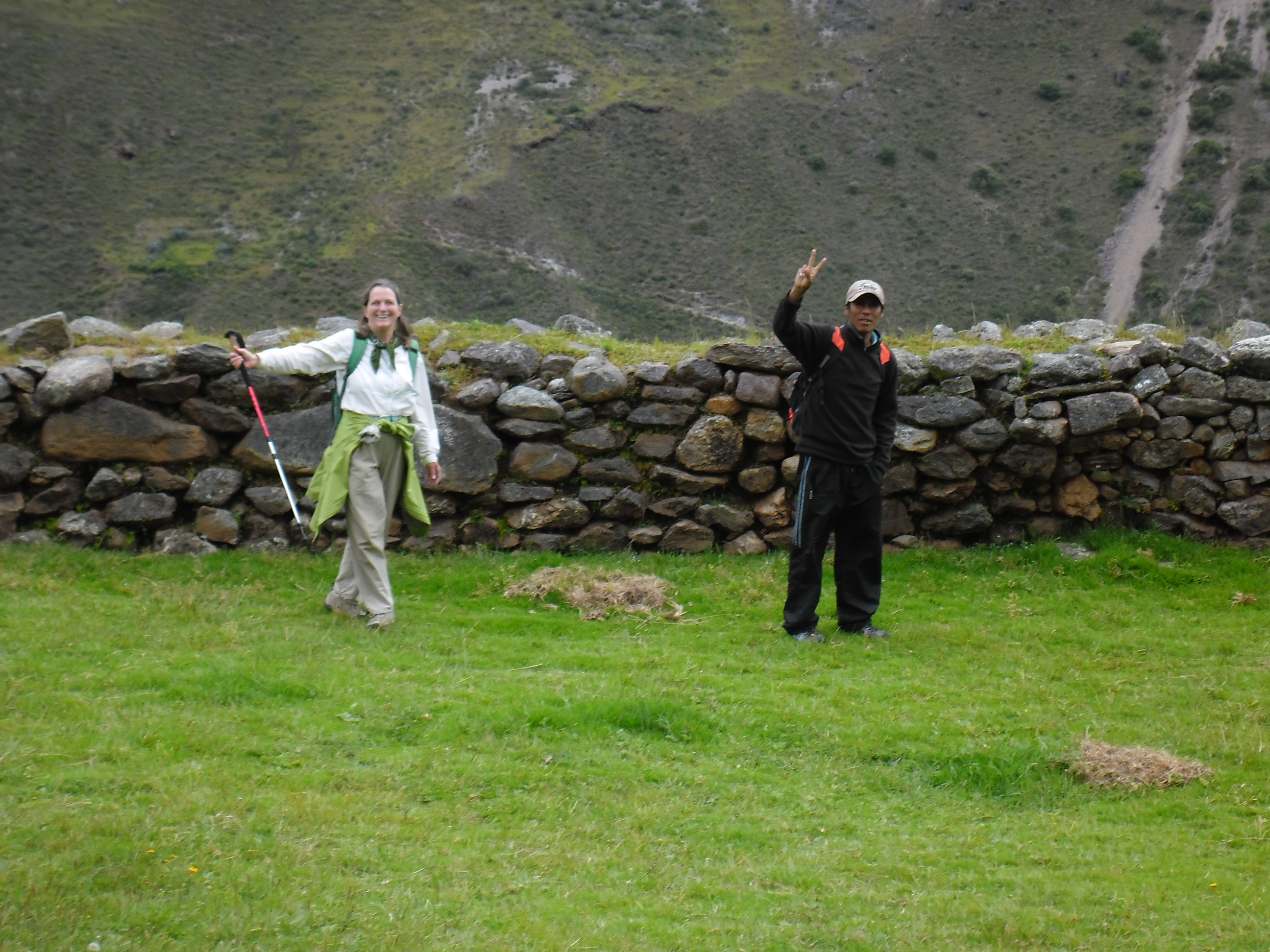 A lovely day up in the Andes!
 mikeandmonica
GREAT blog ! LOVE the pics of you guys and the amazing place you are ! you two are lucky ducks ! you both look so sleek and happy ! I love you pig tails, Moni ! hehe ! What a true adventure you are having !!! WOW ! Mahalo !
love you both, Jan xxoo
Love you guys! Looking good. How can you be so far away but so near. XXXXXOOOO Laurenski