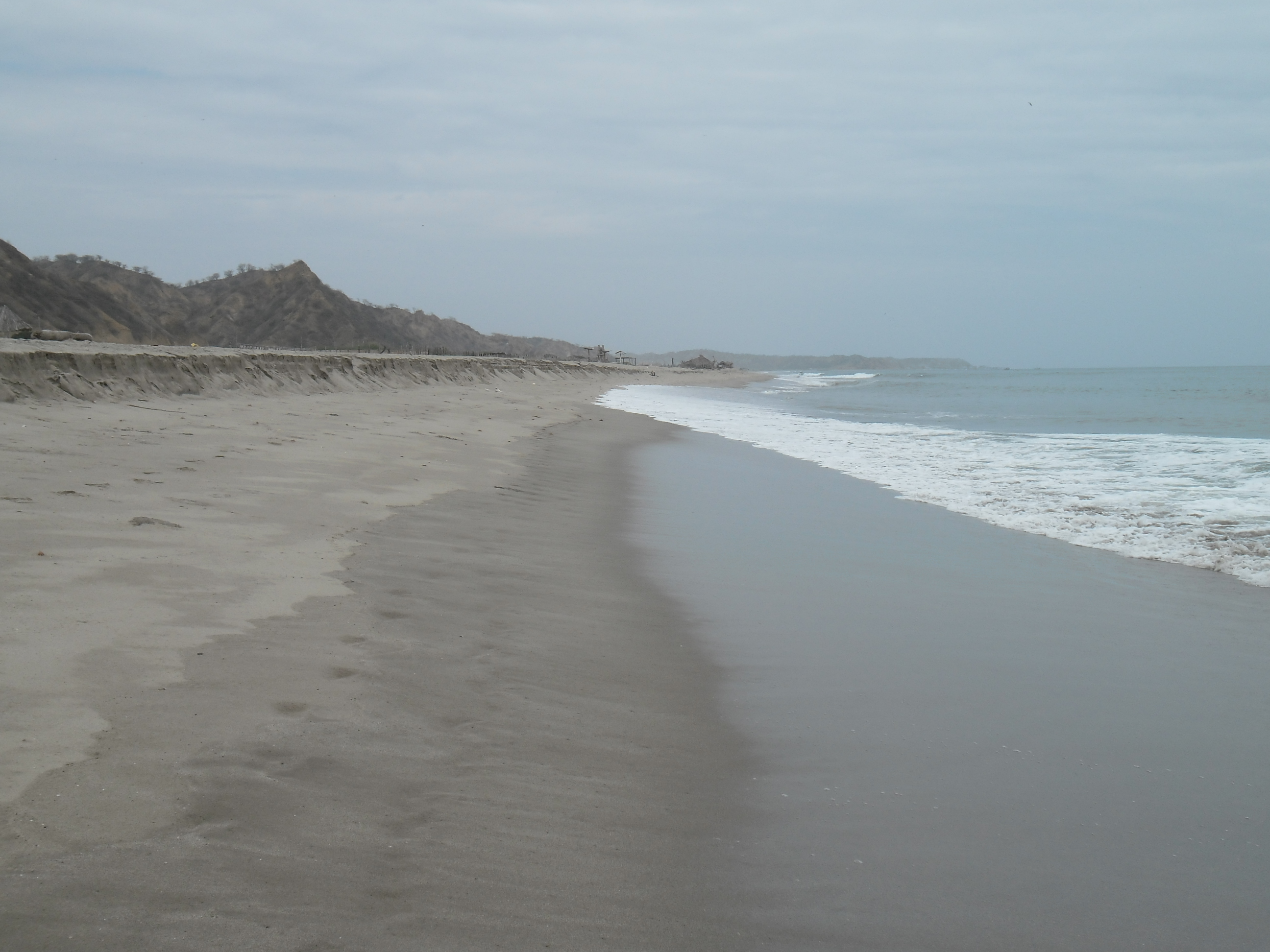
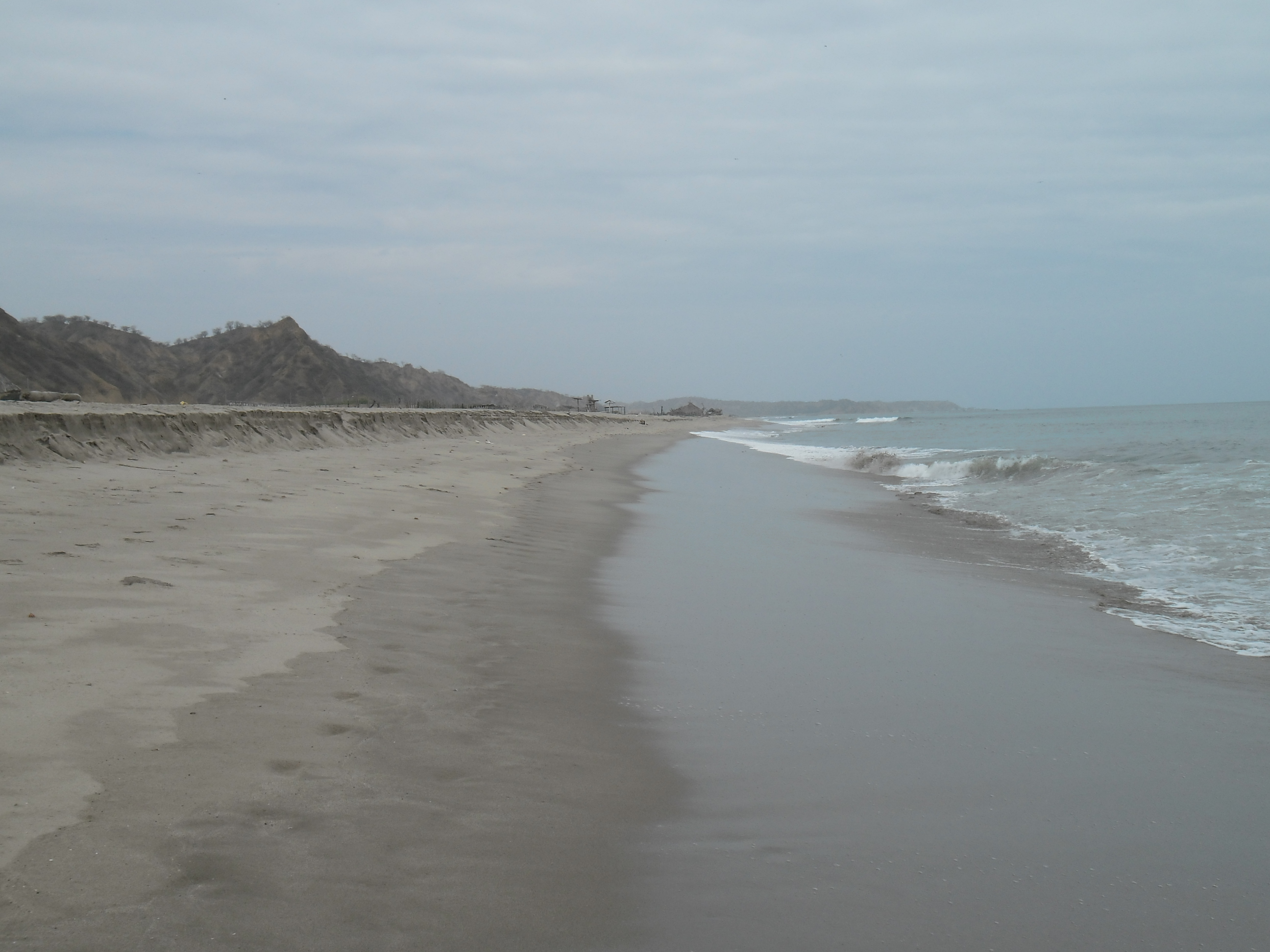
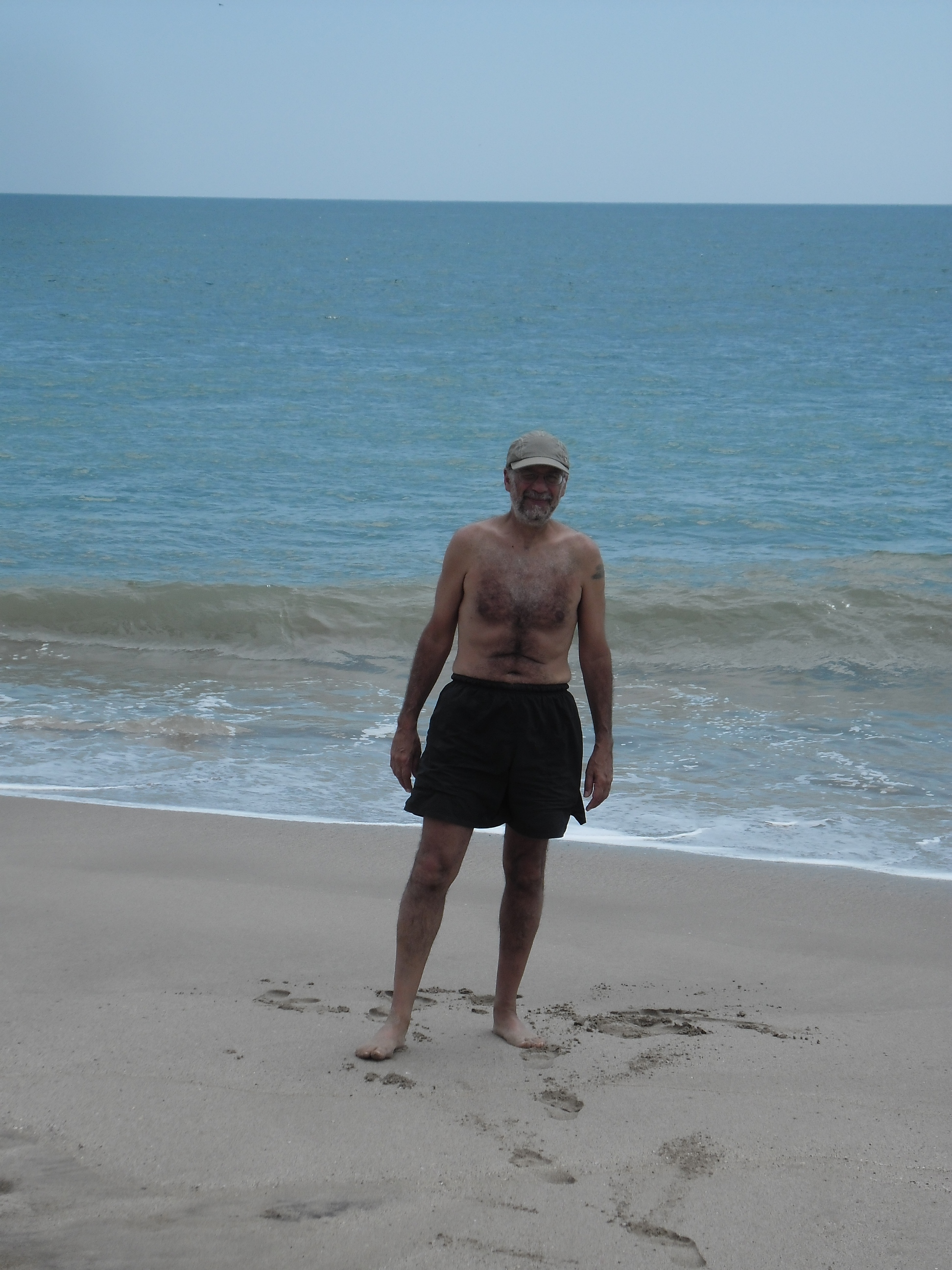
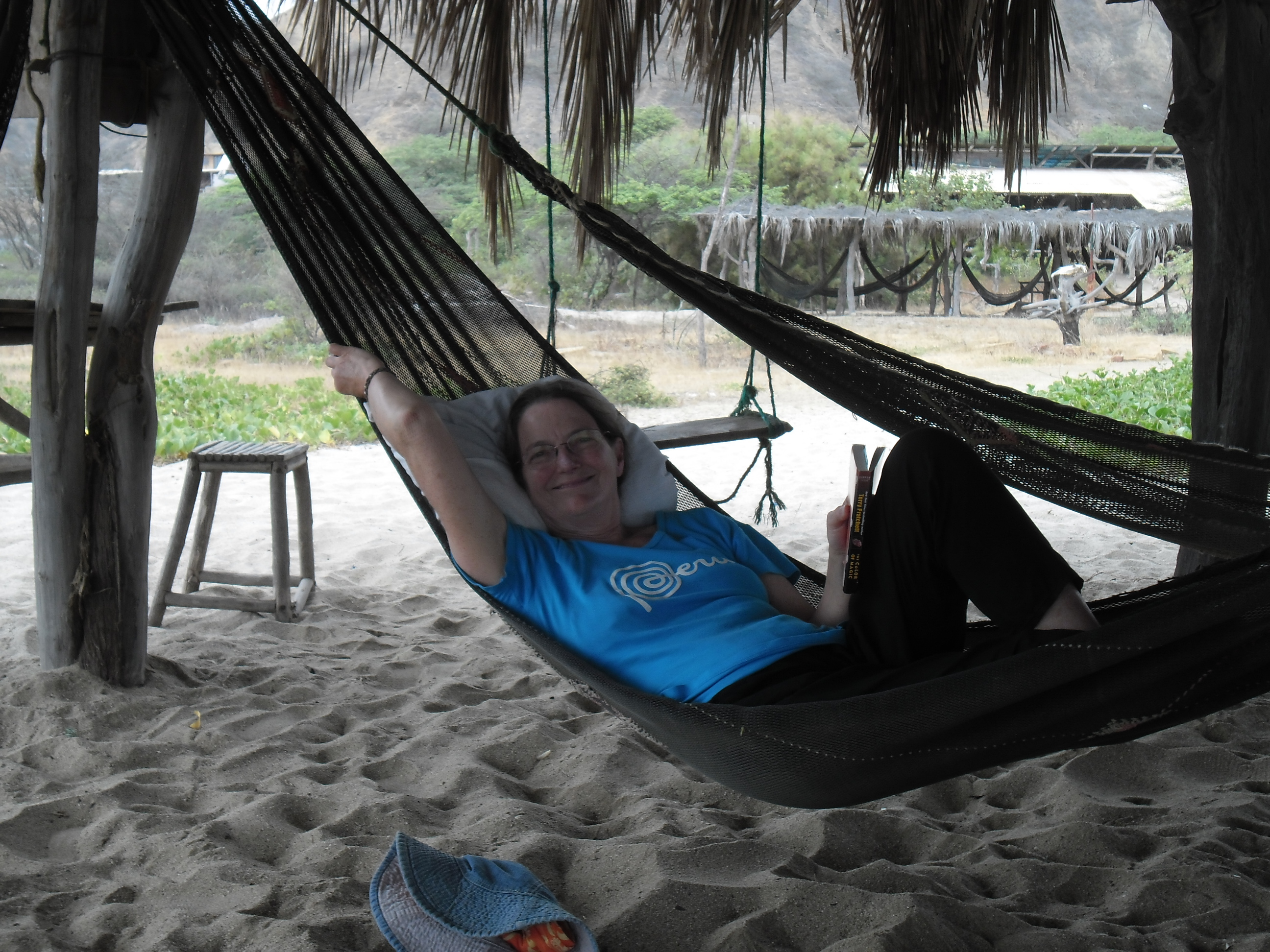
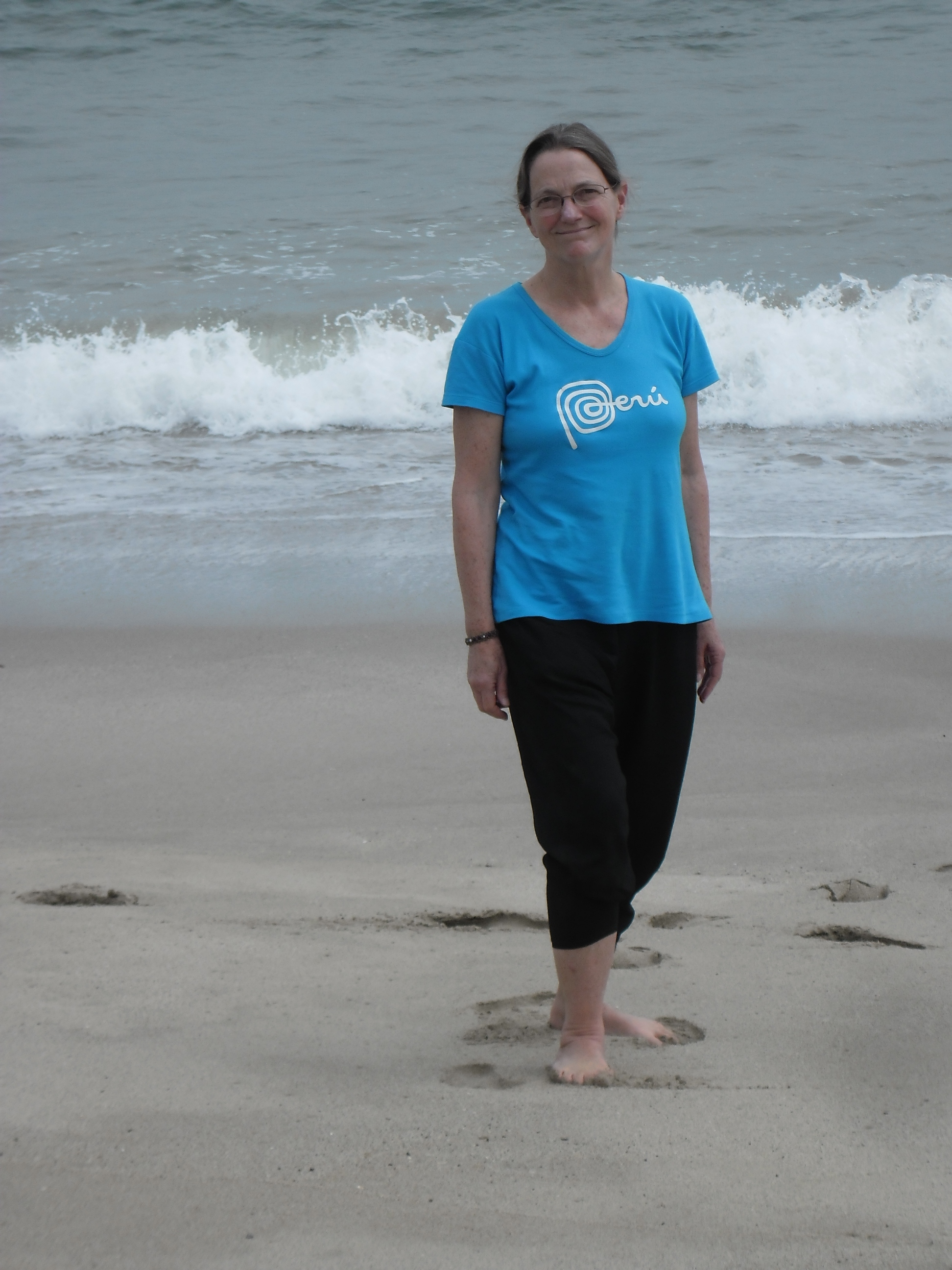
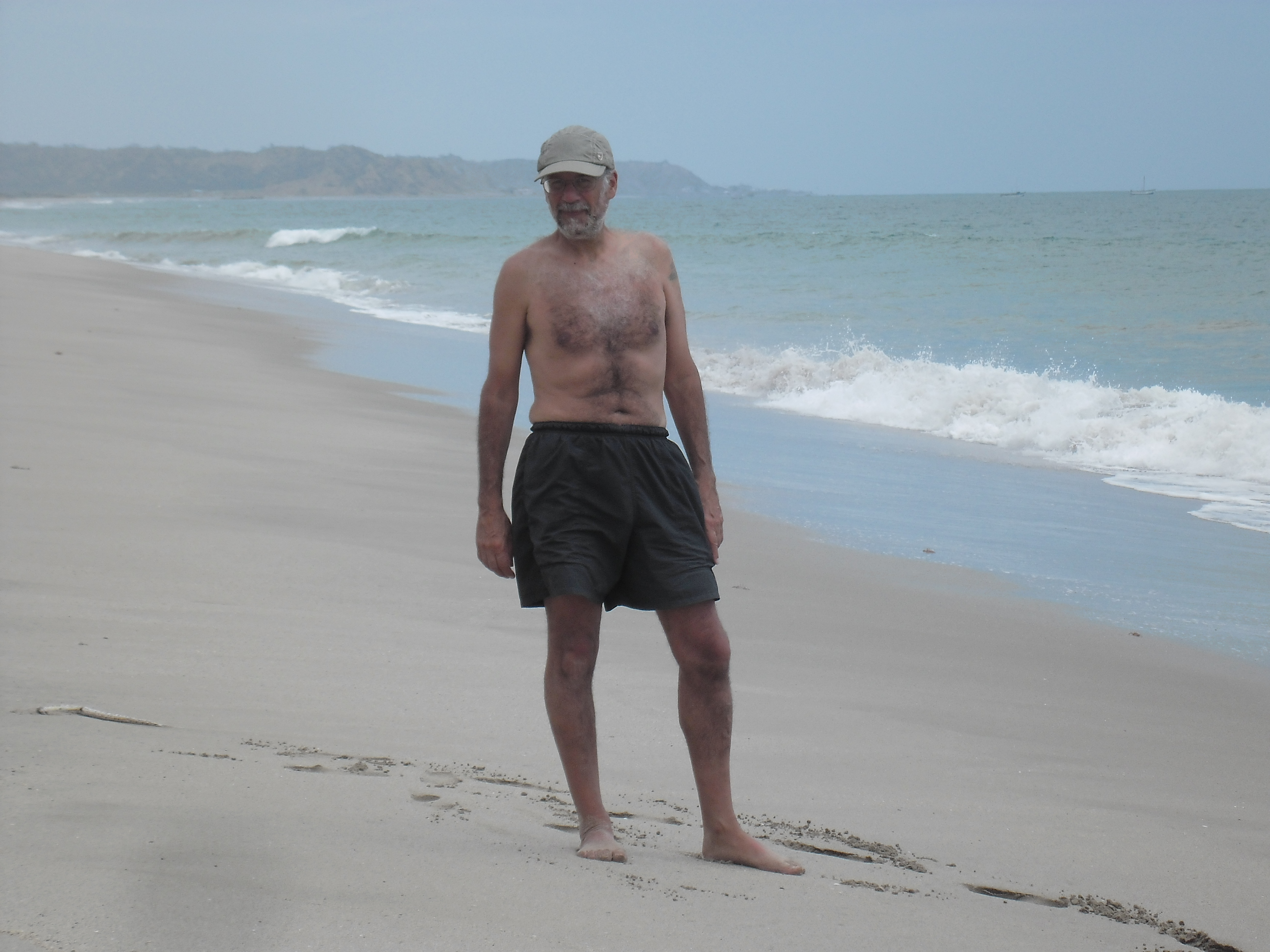
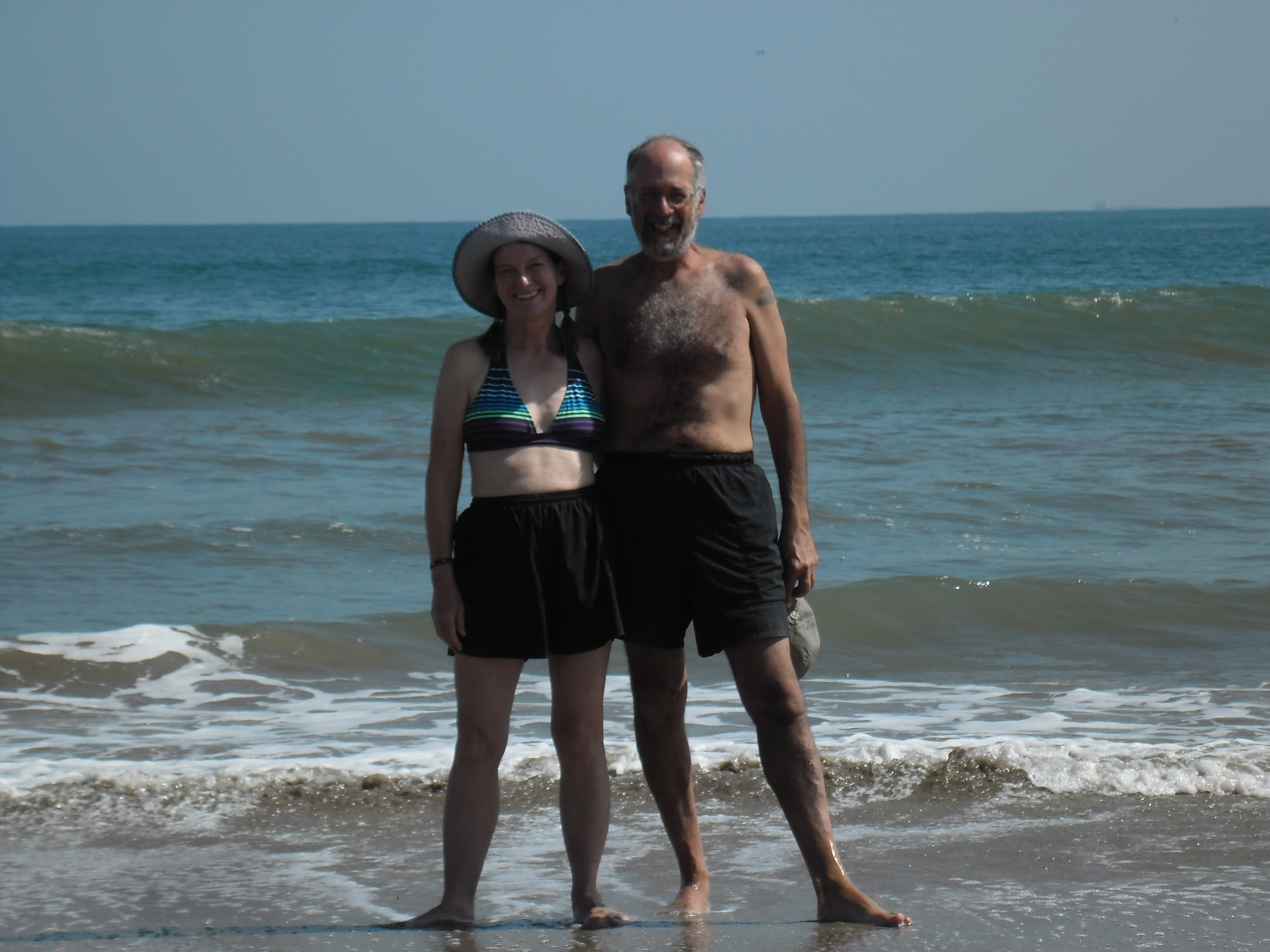
We left Ollantaytambo, high up in the Andes, and flew to Northern Peru, just south of the border with Ecuador. We stayed on the beautiful, isolated tropical beach south of the town of Zorritos. It was high season in Ollanta, but low season on the coast. We stayed in a hostel called Grillo Tres Puntas, and we pretty much had the whole place, and the beach, to ourselves. We relaxed in the hammocks and took long walks, ate lots of ceviche and seafood stew, drank quite a few caiparinhas, and lazed away a few perfect days.
A great way to say goodbye to South America and to Peru after being on the continent for nine months. It has seemed to us that every experience we had was better than the last one. Everywhere we went was the best place we had been yet. This beach was no exception. The water was warm and the breeze was gentle. The pelicans flew by, skimming the waves, and the magnificent frigate birds (that´´s their real name) soared overhead.
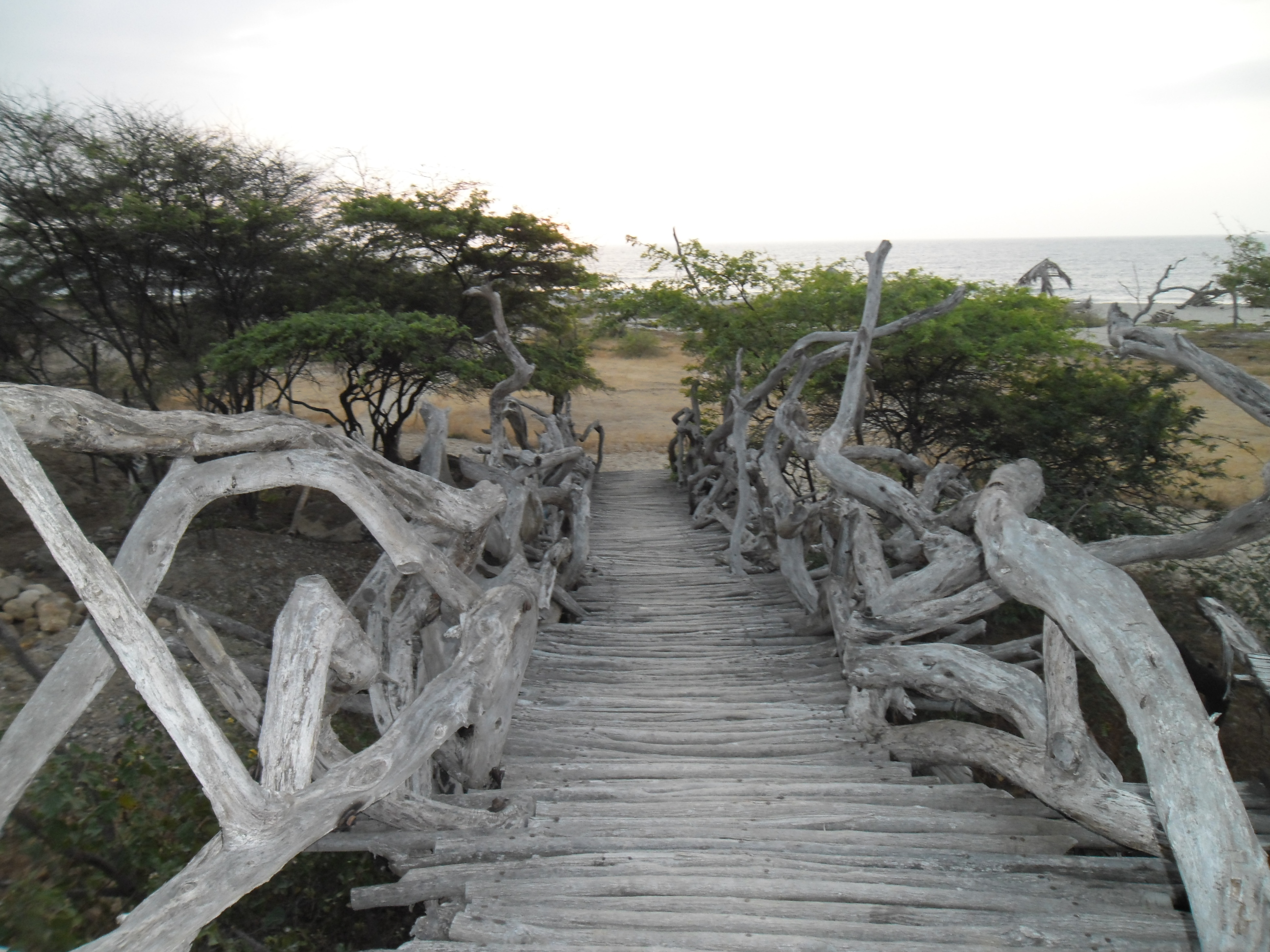
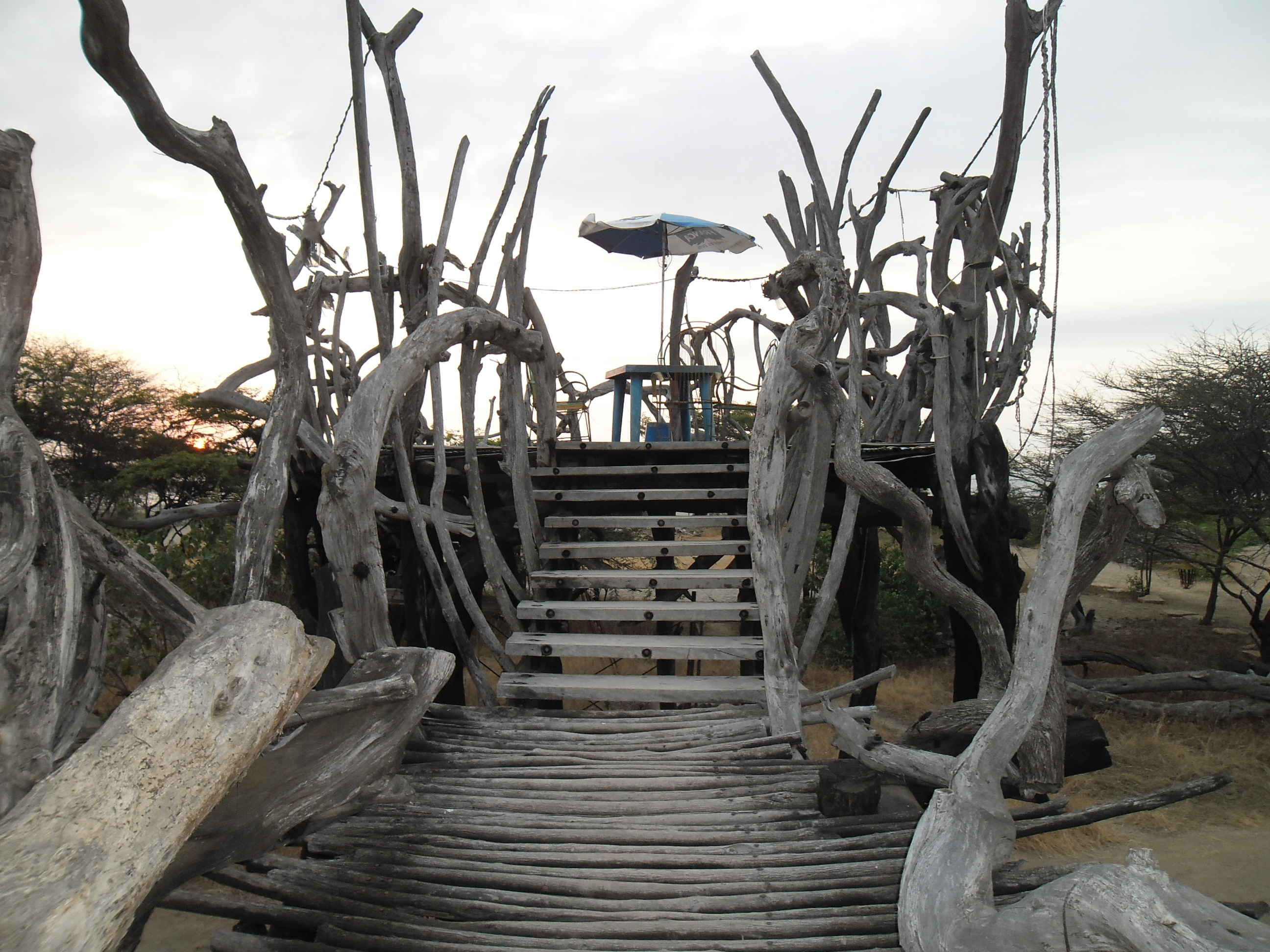
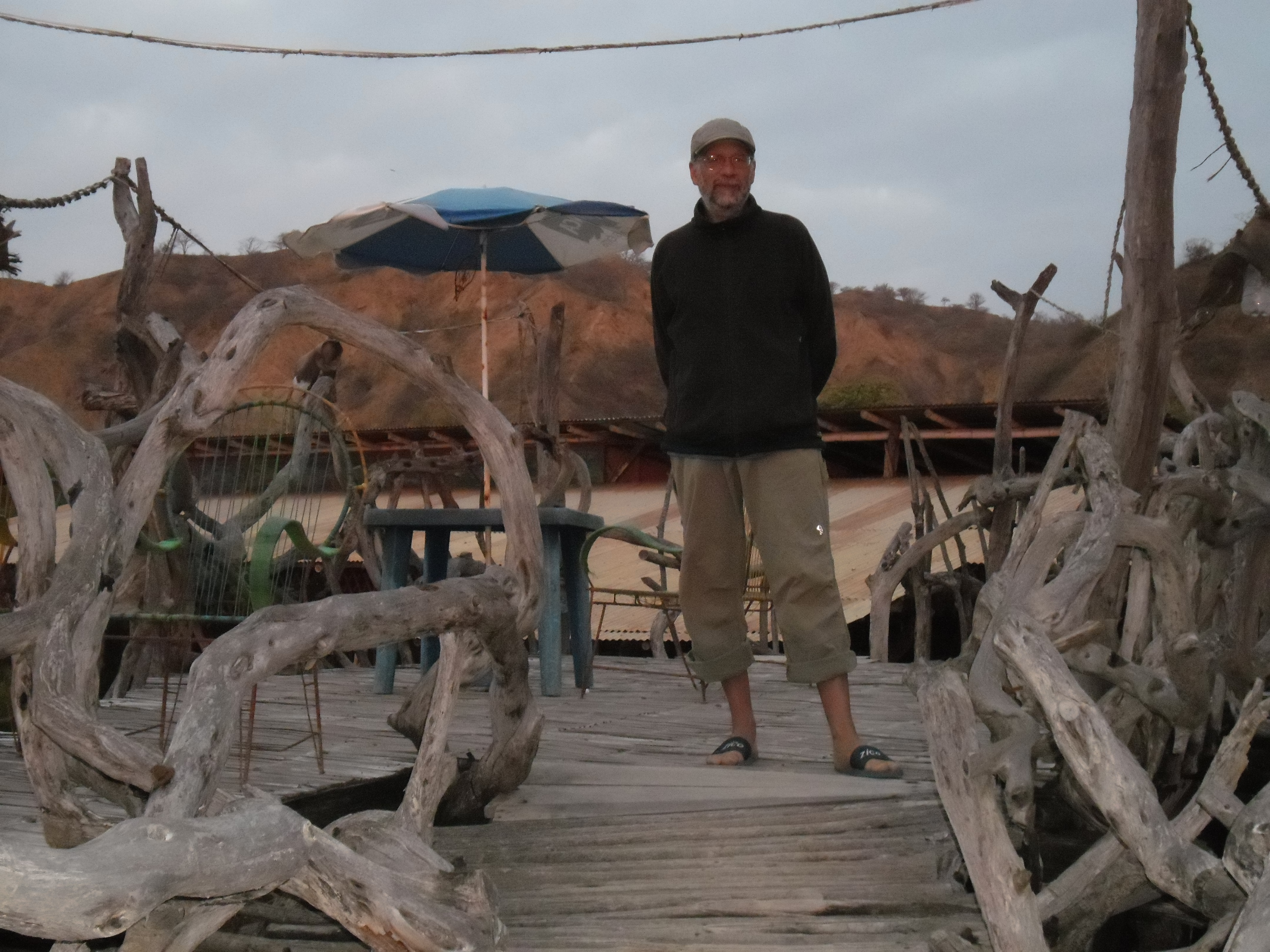
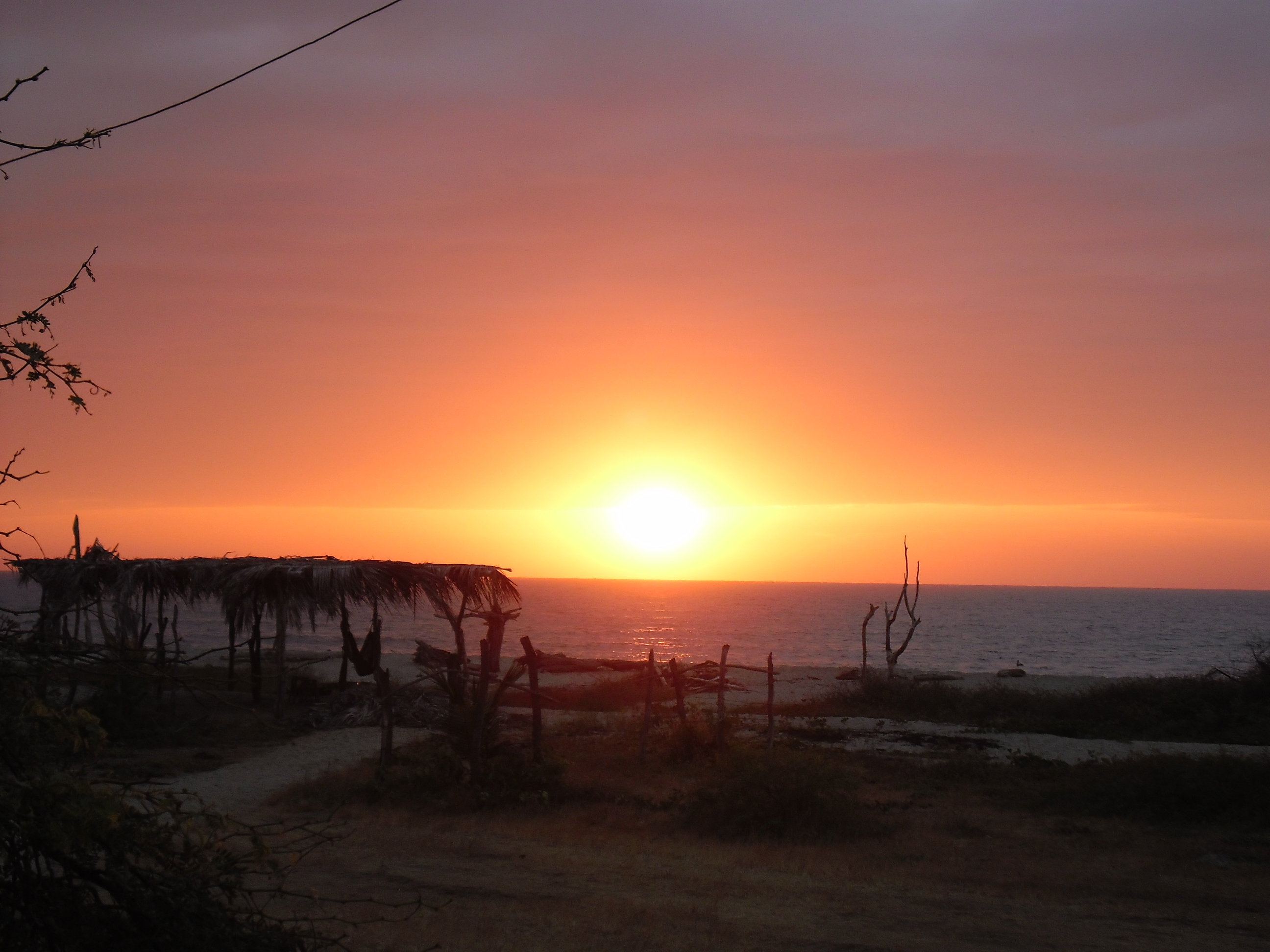
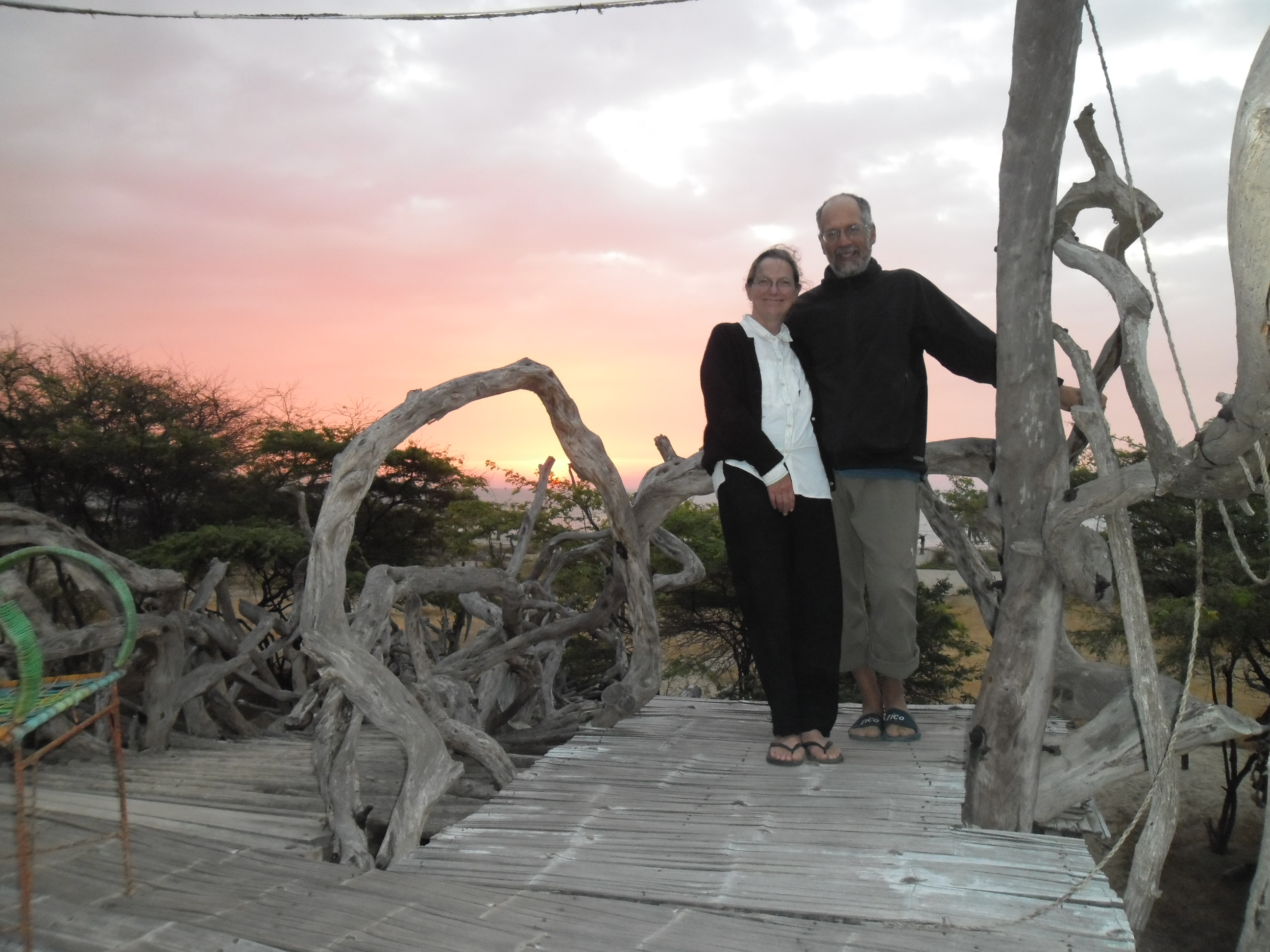
Tres Puntas was built by a guy named Leon, from Barcelona, over the course of years. One of the features was El puente rústico. He collected twisted wood and built the bridge, which really didn´t go over anything, but it did afford some elevation, and we often sat up on top to watch the sunset. Leon also loves the hairless Peruvian dogs, and he raises them.
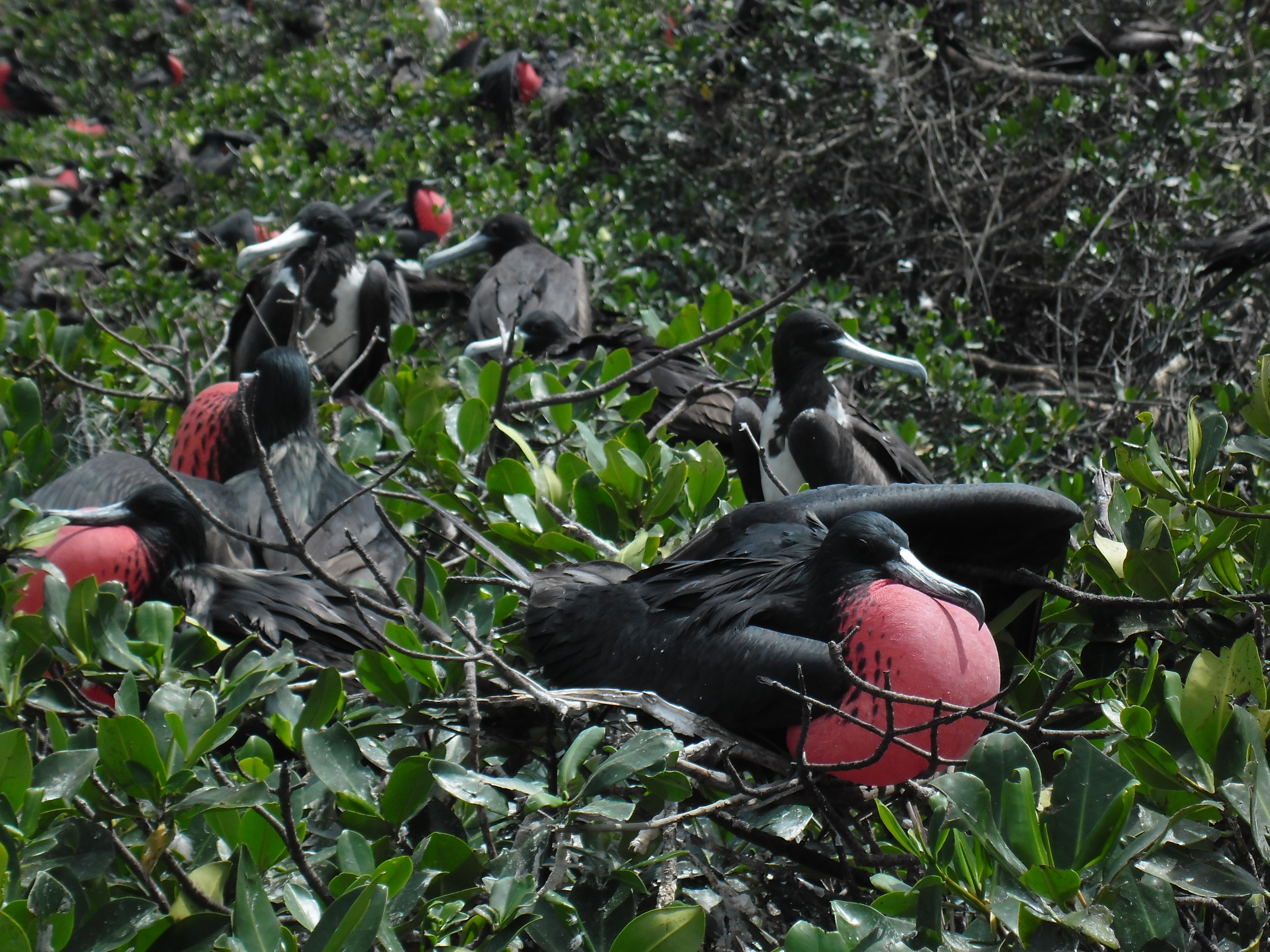
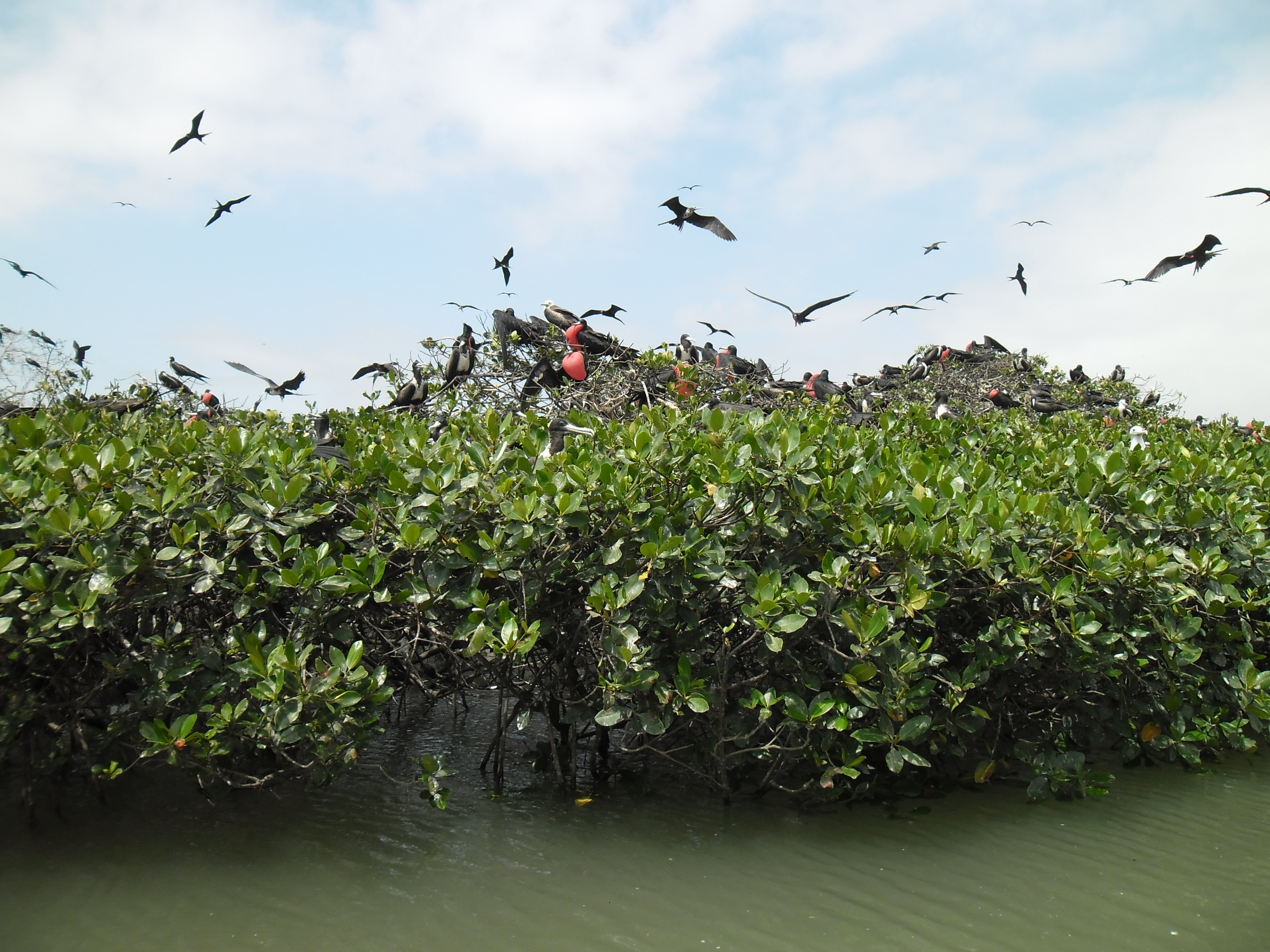
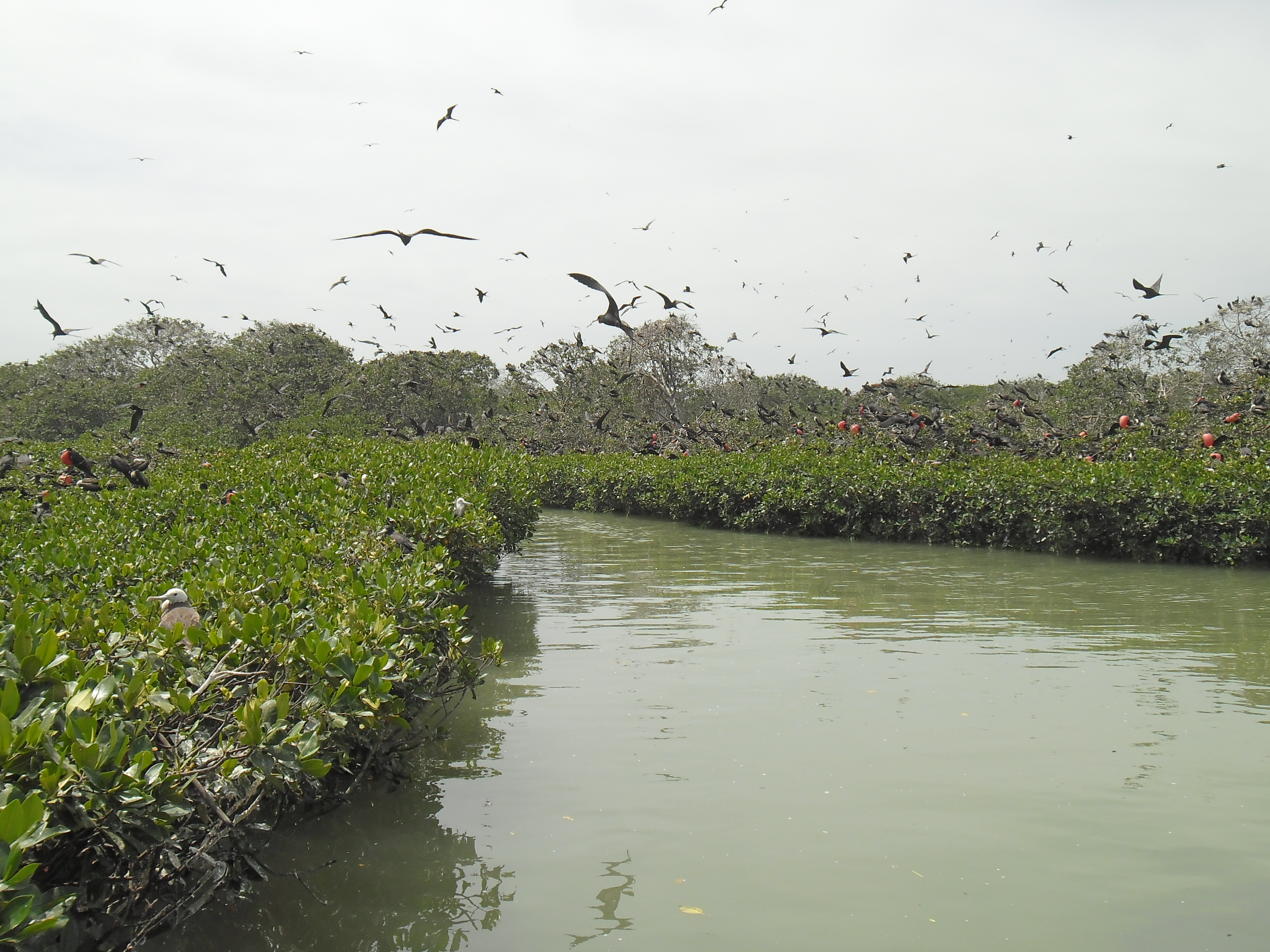
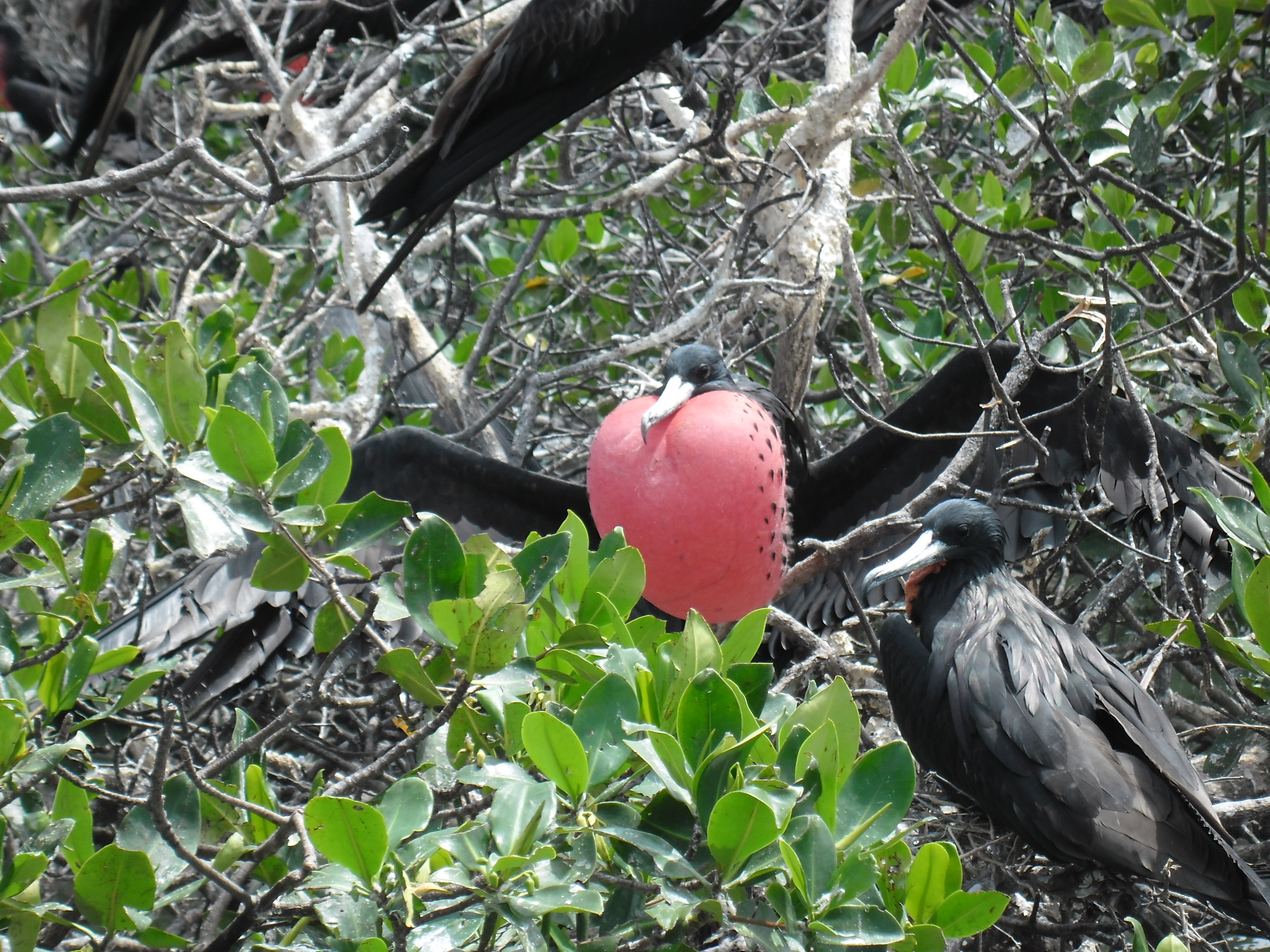
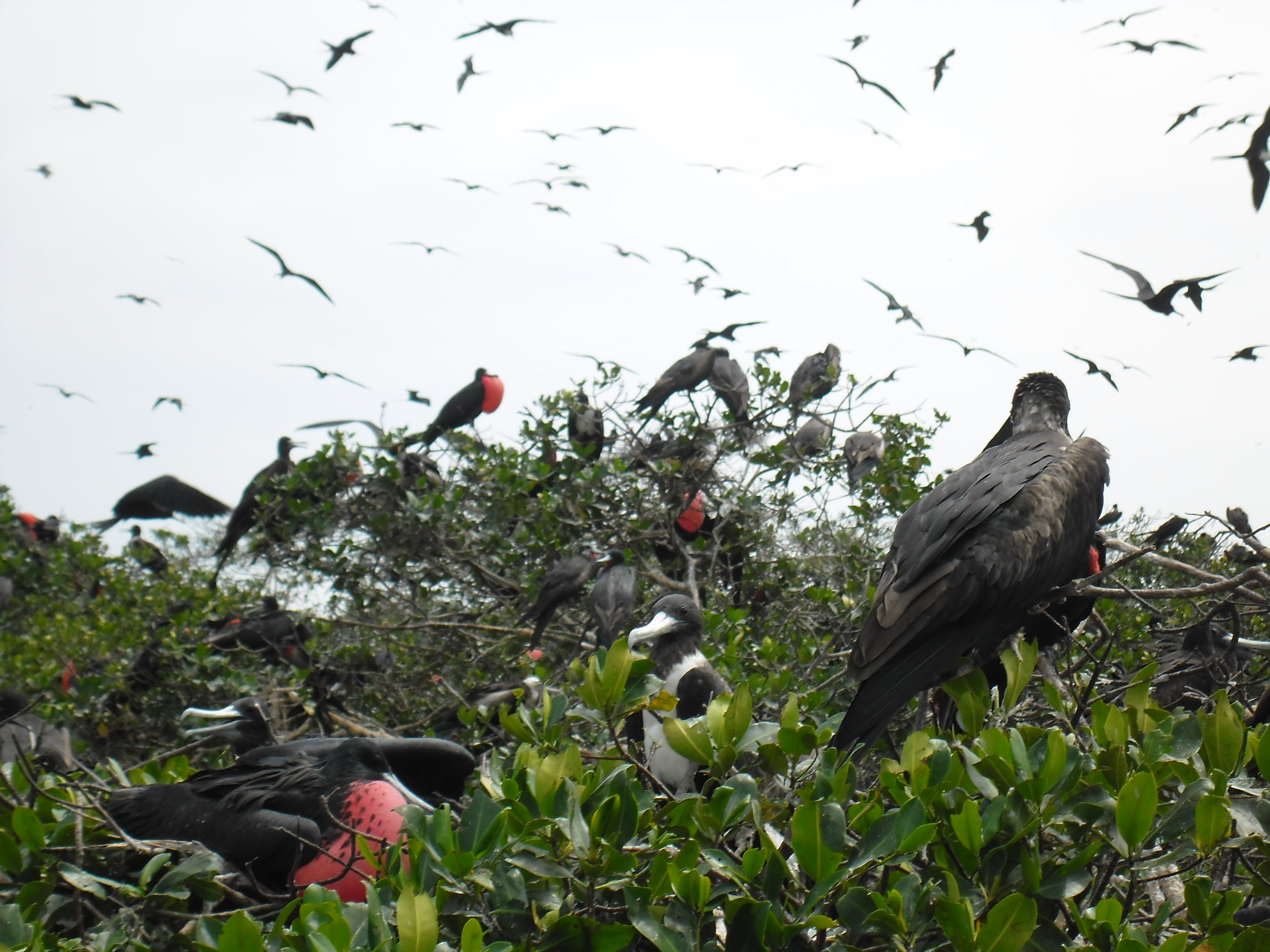
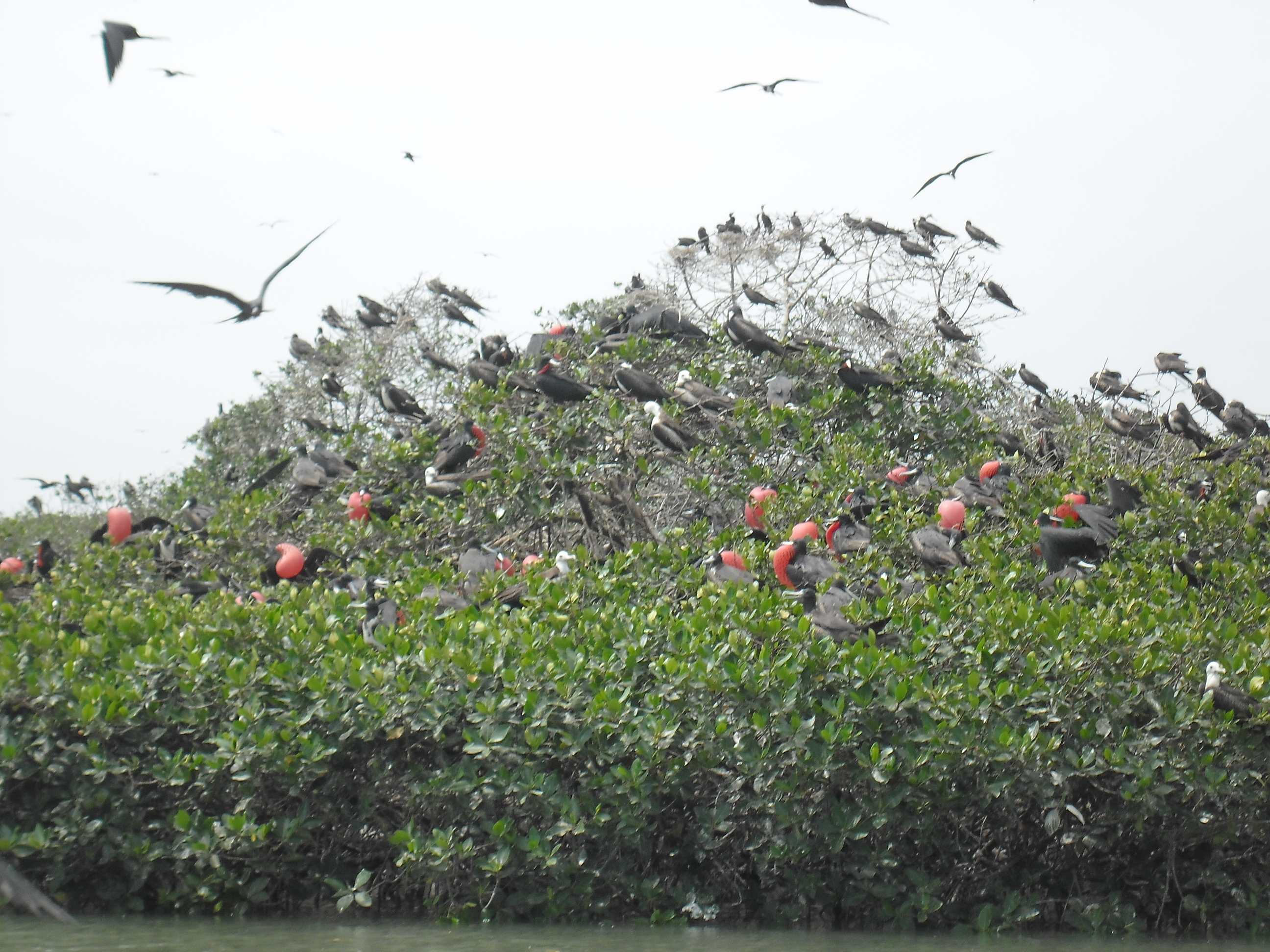
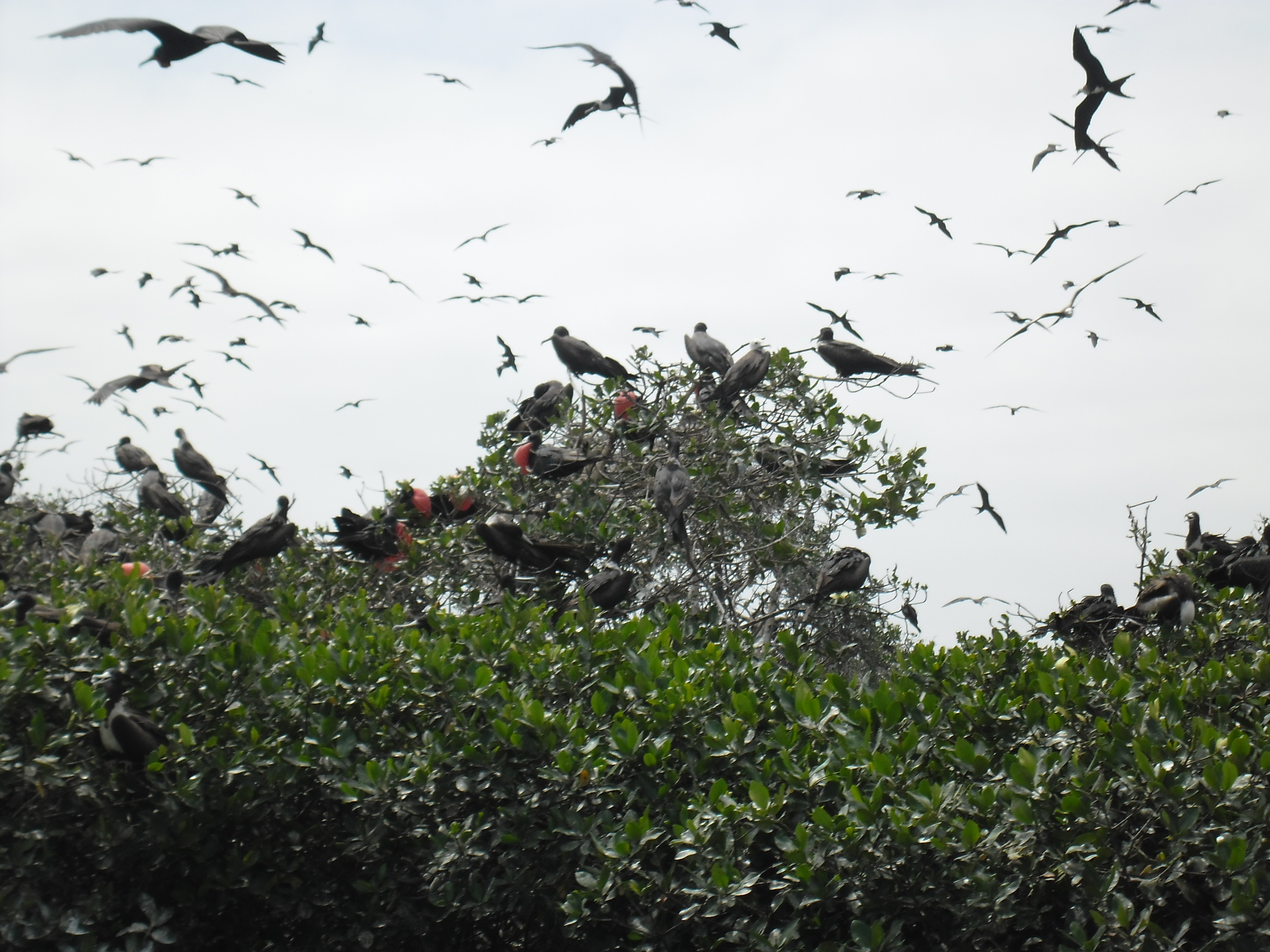
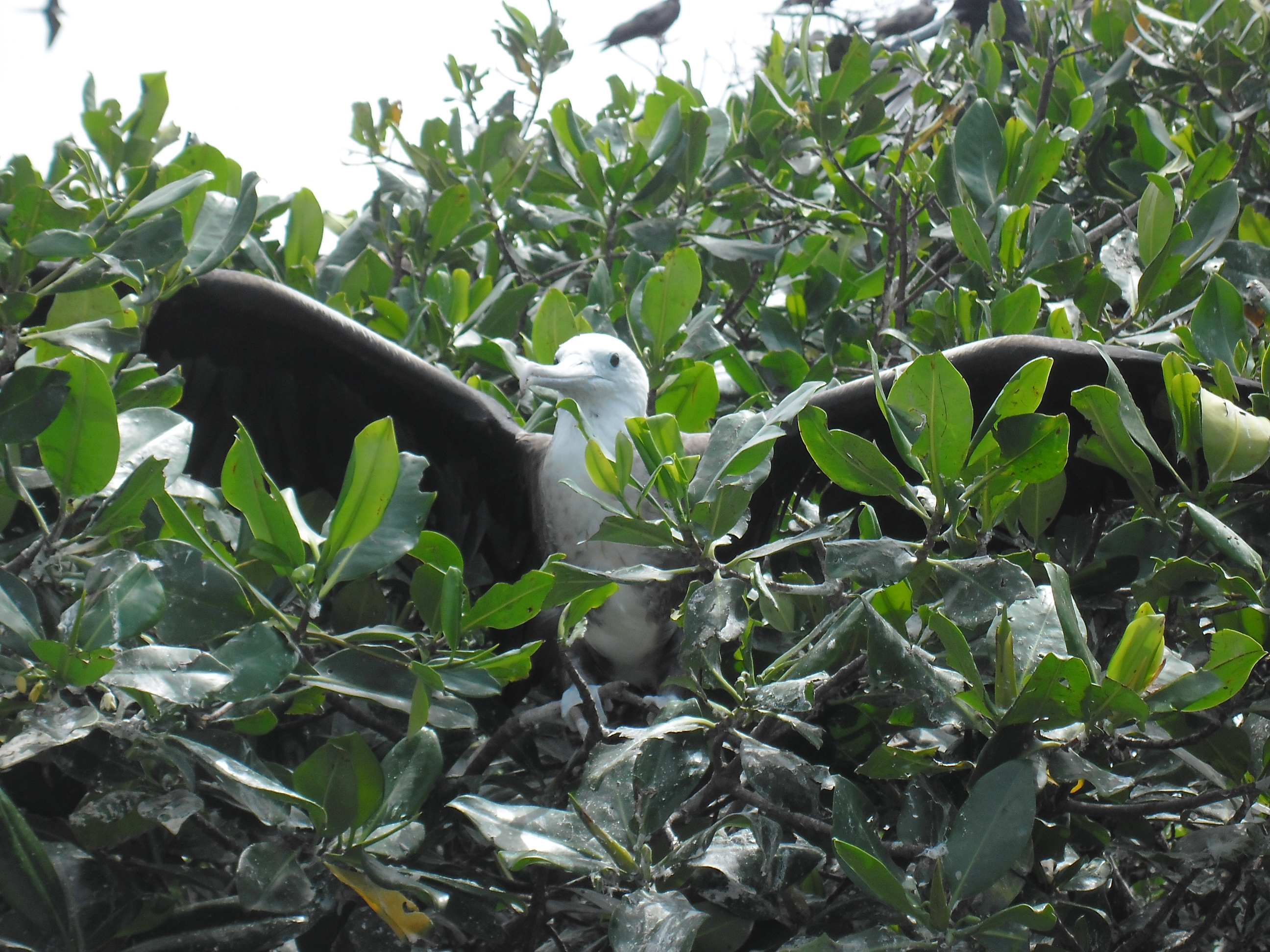
A group of five Australian tourists showed up one day, and all of us went out on an excursion to see the magnificent frigate birds in their nests. The birds truly are magnificent, with a wingspan of six and a half feet, and their ability to soar. They cannot swim, and they never go on land. They soar over the ocean and they skim things off the water. This particular species nests in mangrove trees near the Ecuador/Peru border, and they don’t really wander too far. We drove to Punto Pizarro, then got in a boat, and motored to the mangroves, called manglares. It was impossible to estimate how many birds were there, but my guess was close to one hundred thousand of them. Each pair lays one egg, then the male and female take turns on the nest until the egg hatches. We arrived at the beginning of the nesting season. The males inflate a red pouch on their chests to impress the females. The pouch looks like a red balloon, and it also looks like a heart. We got extremely close to them. Truly a Wild Kingdom outing.
We´re off
After we left the mangroves, we stopped at a little island for lunch. Very good ceviche.
There were a few other outings that we could have gone on, but we couldn’t bring ourselves to leave the beach. The hammocks were calling, and it was just a little too tranquil and beautiful.
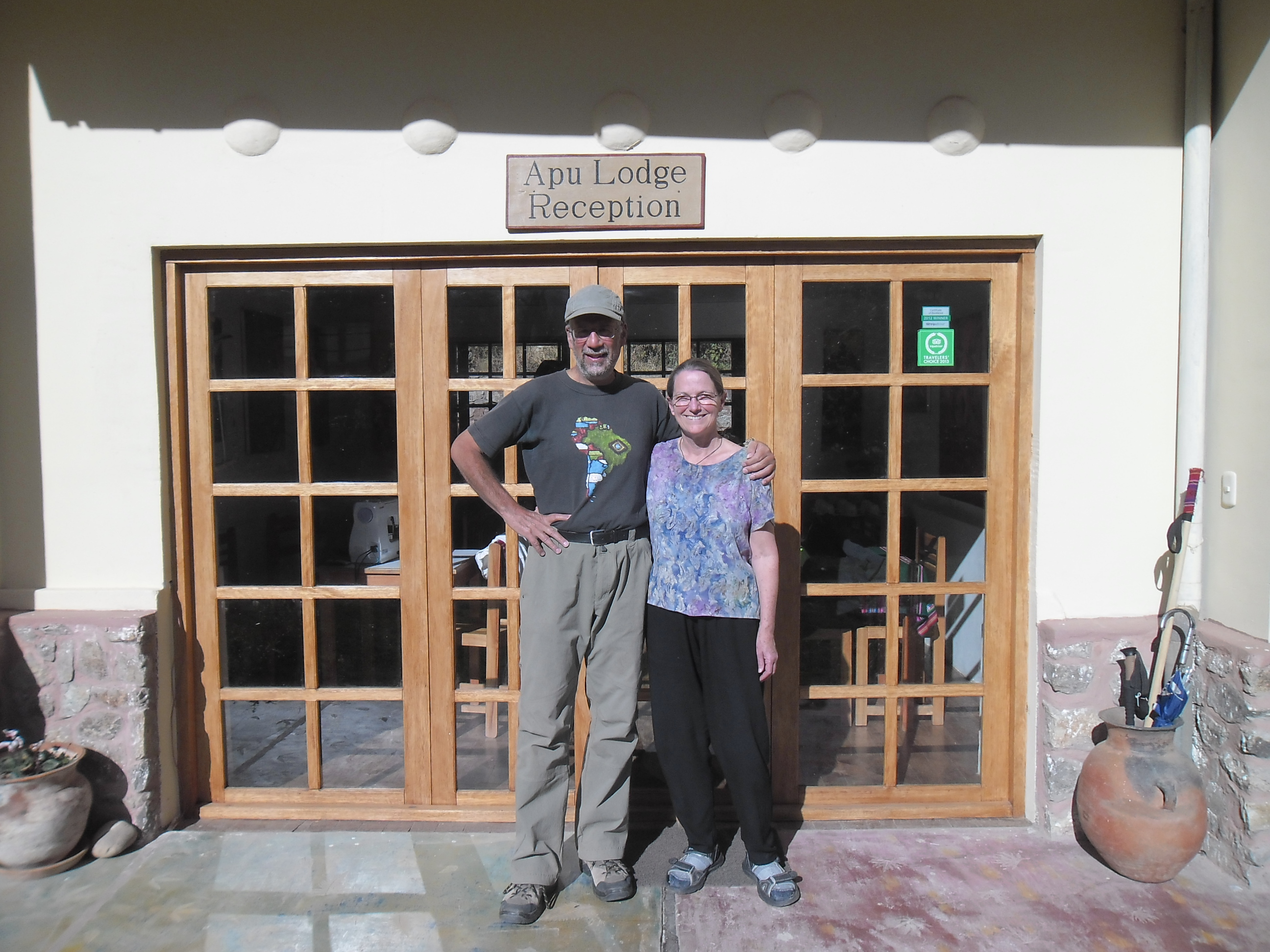
We´ve been in Ollantaytambo for two and a half months, living and working at Apu Lodge, and being part of the community. We´ve made some friends, and it will be sad to leave. At Apu, we helped out with breakfast in the morning. We also helped with the shopping, welcoming guests, we gave English lessons, and we did whatever needed to be done.
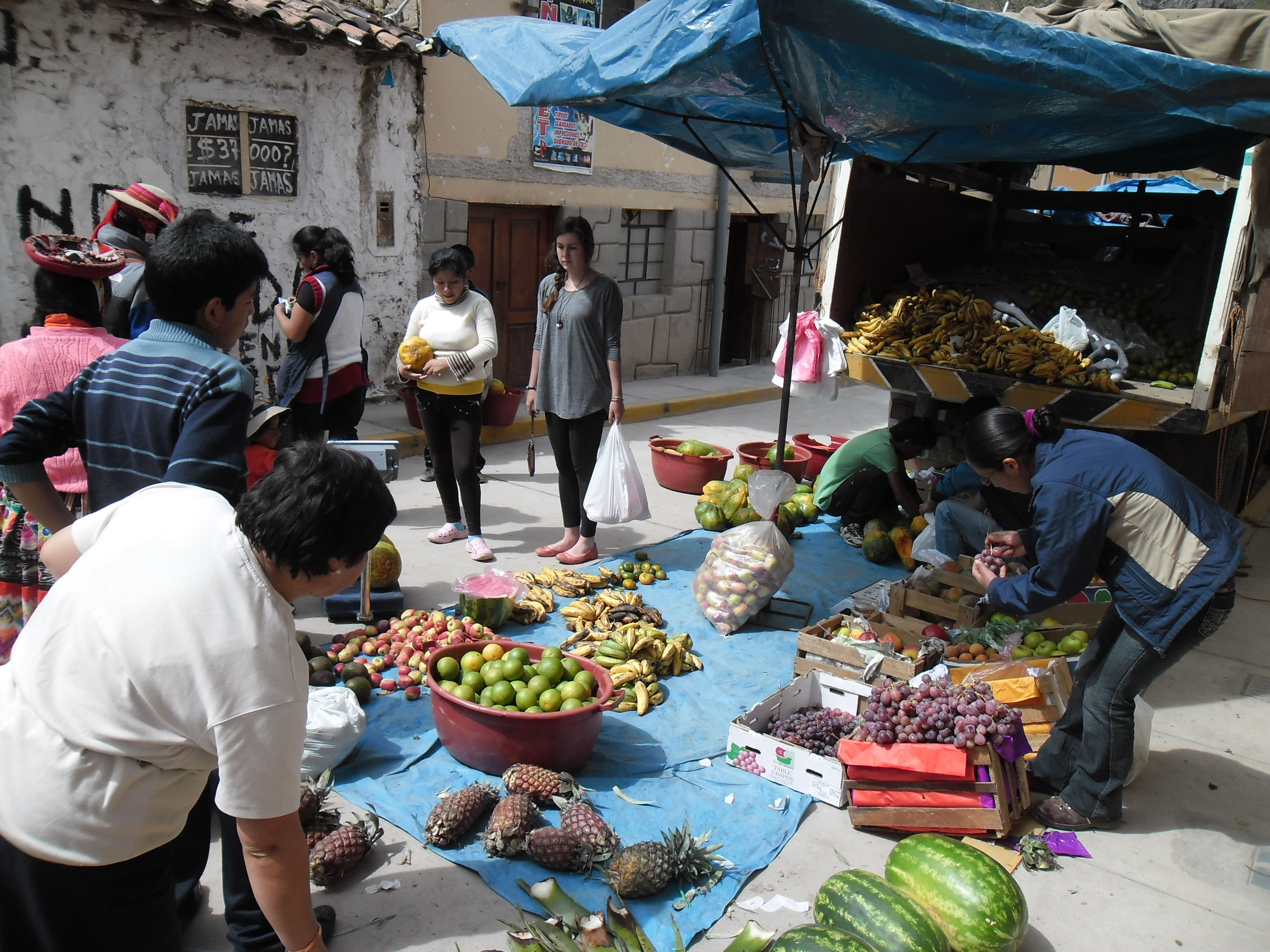
Every Tuesday morning, the produce truck pulls into Ollanta, and we stock up for the week
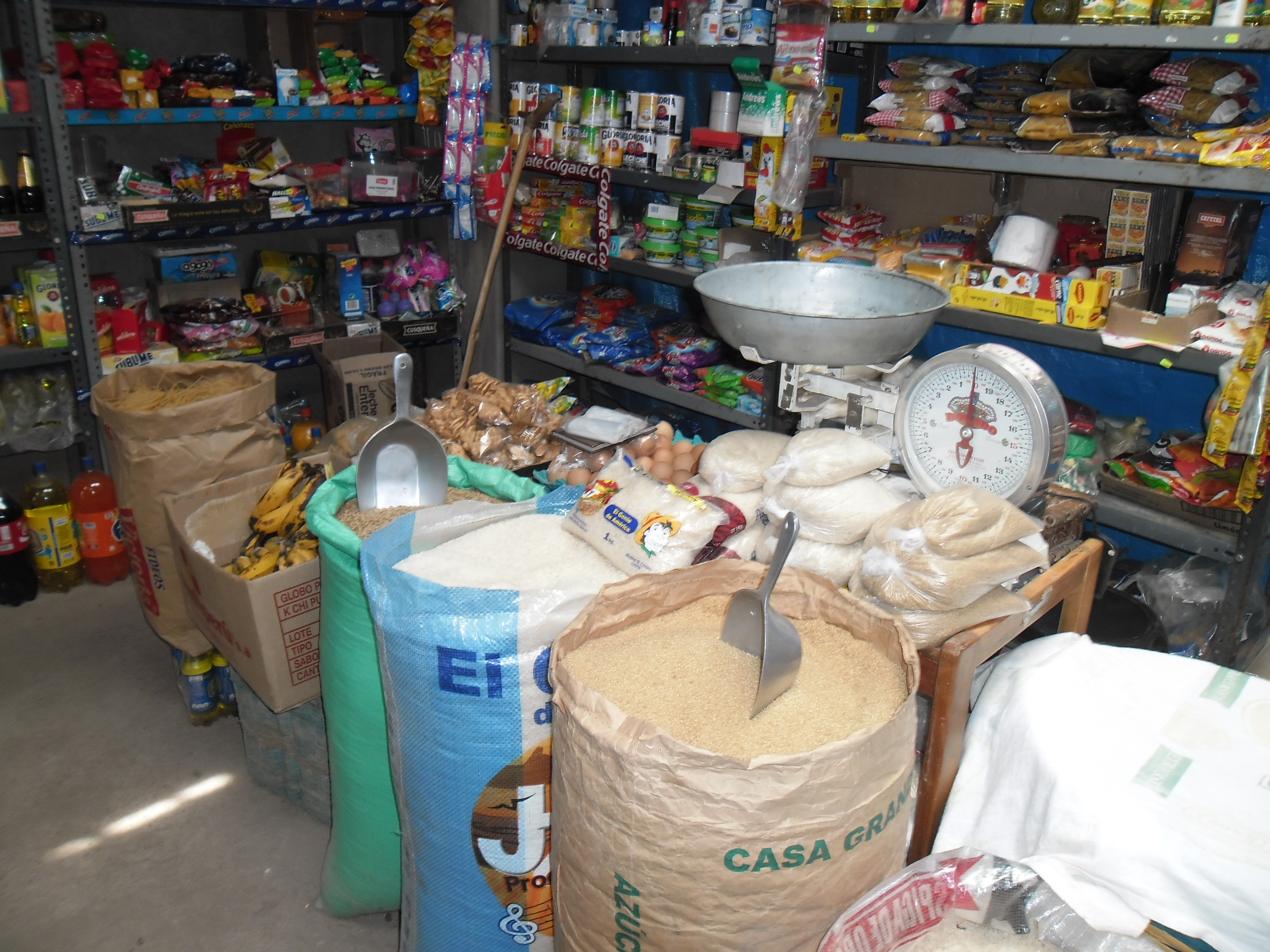
We would buy things in stores too
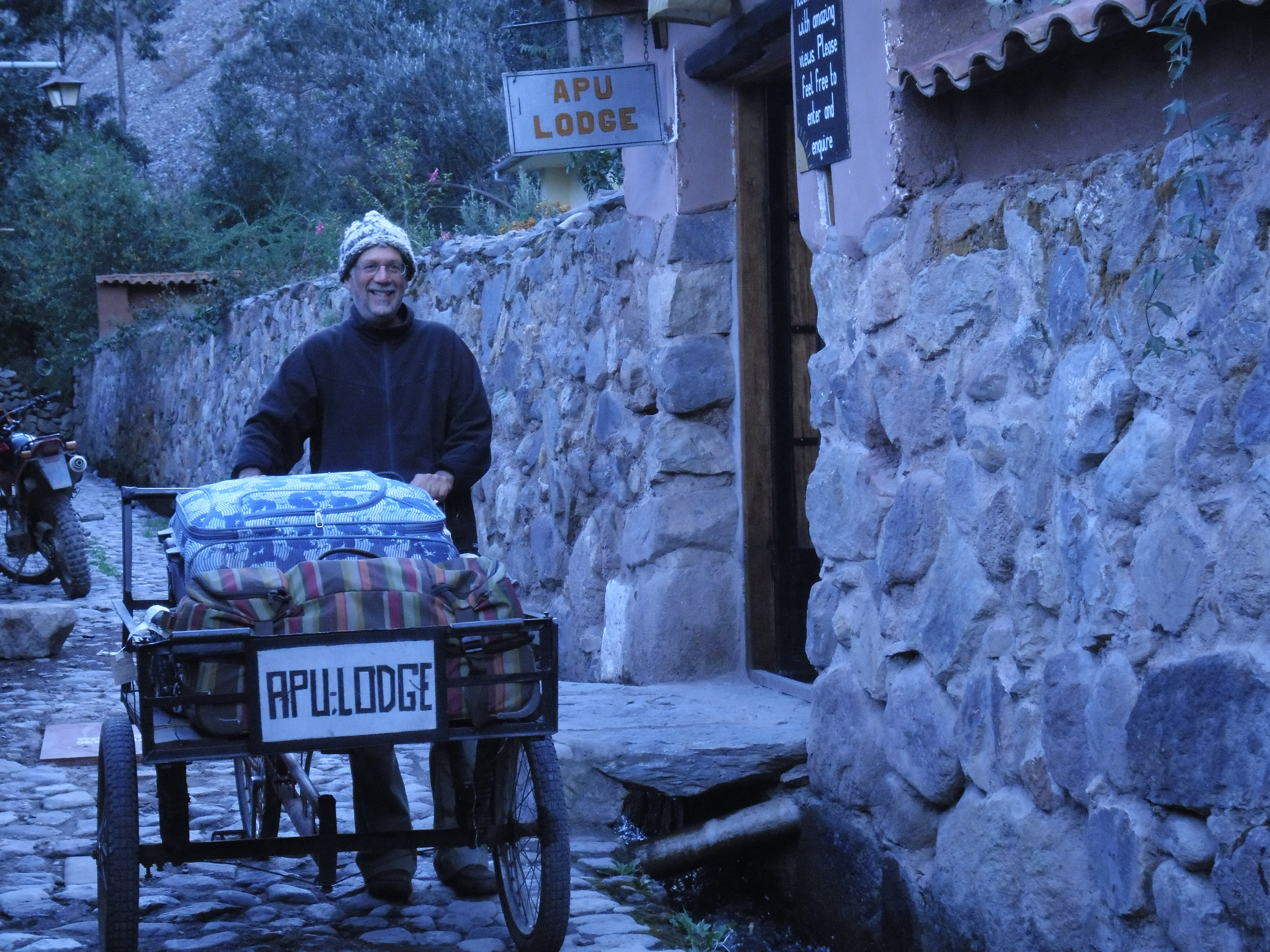
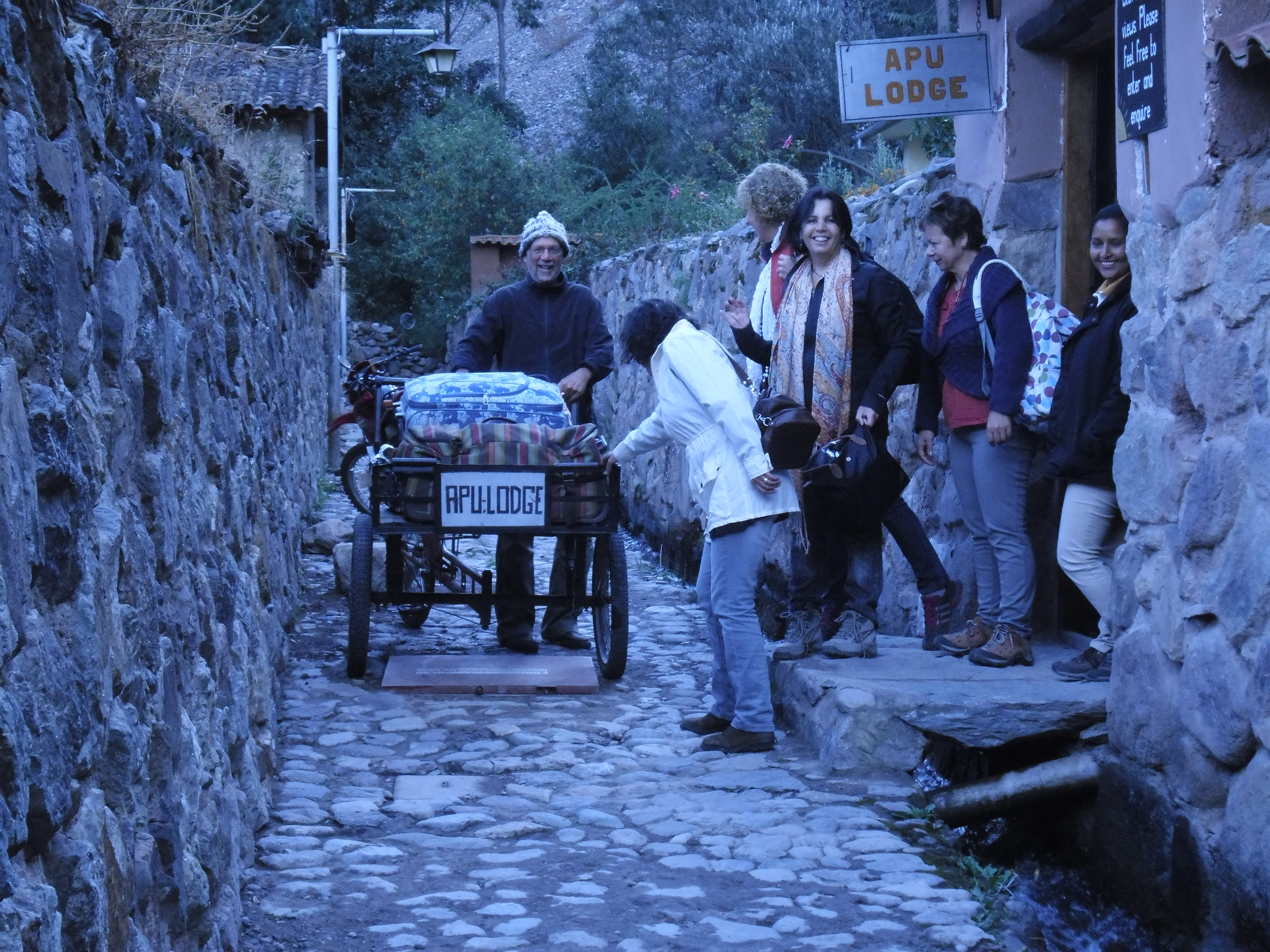
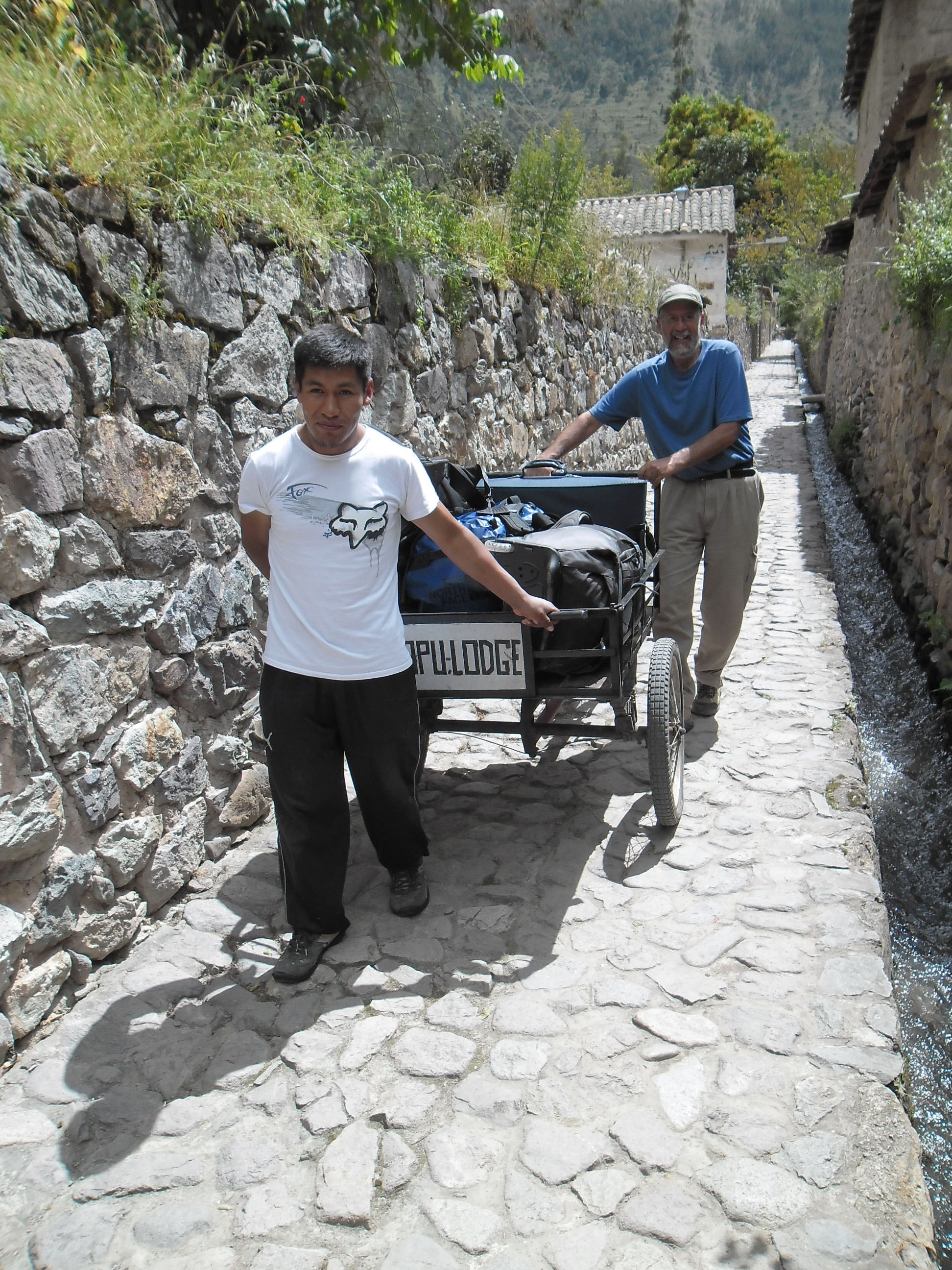
The lodge is at the end of a little street, and there is no vehicle access. Very often, we would help the guests, either when they were arriving or when they were leaving. We would use the trici to wheel their luggage.
Mike helping a group of Chilenas
Gregorio in the front. We tried to keep the luggage from dumping into the irrigation ditch.
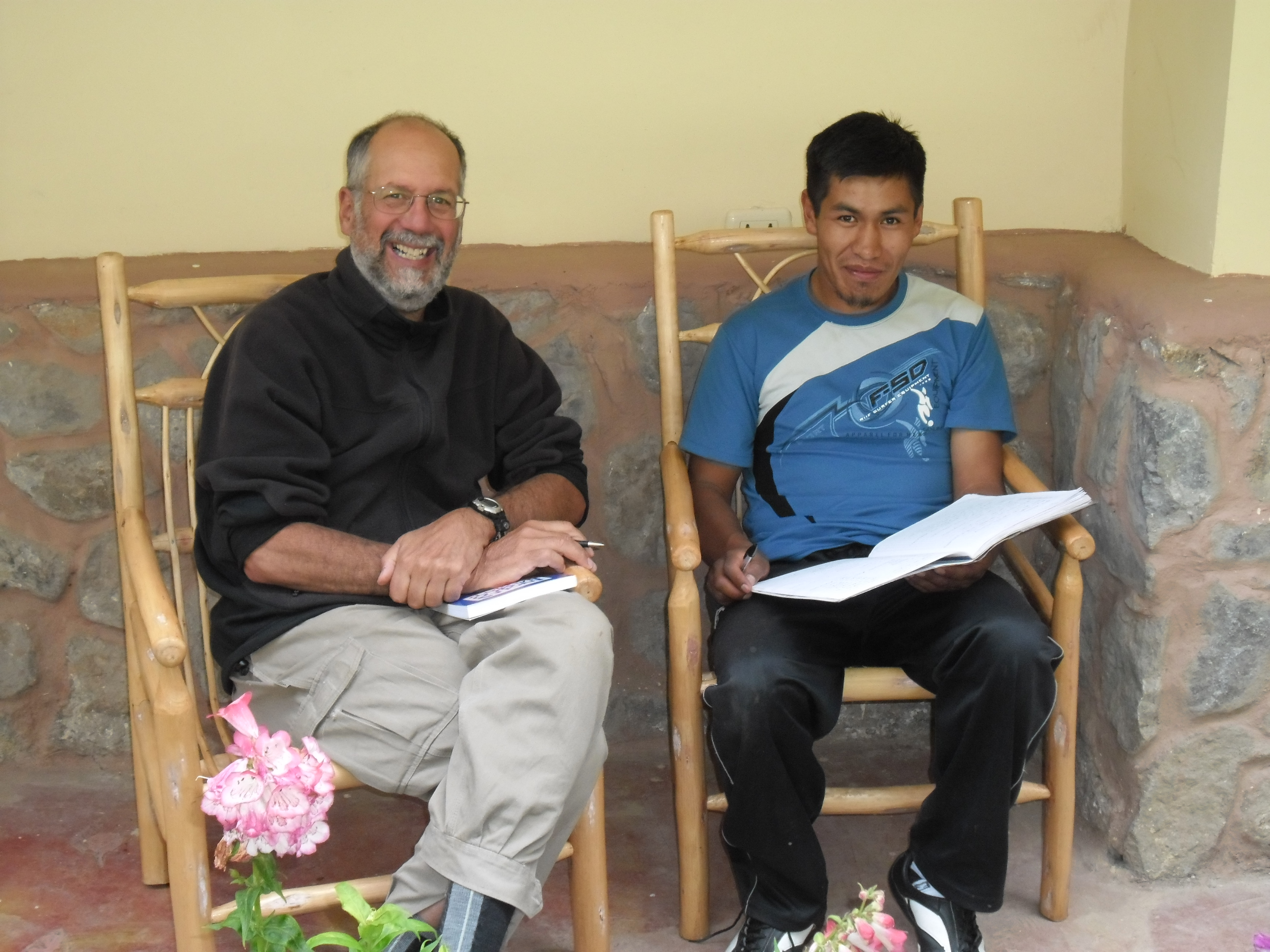
An English lesson with Grego
Samir would help us with breakfast sometimes
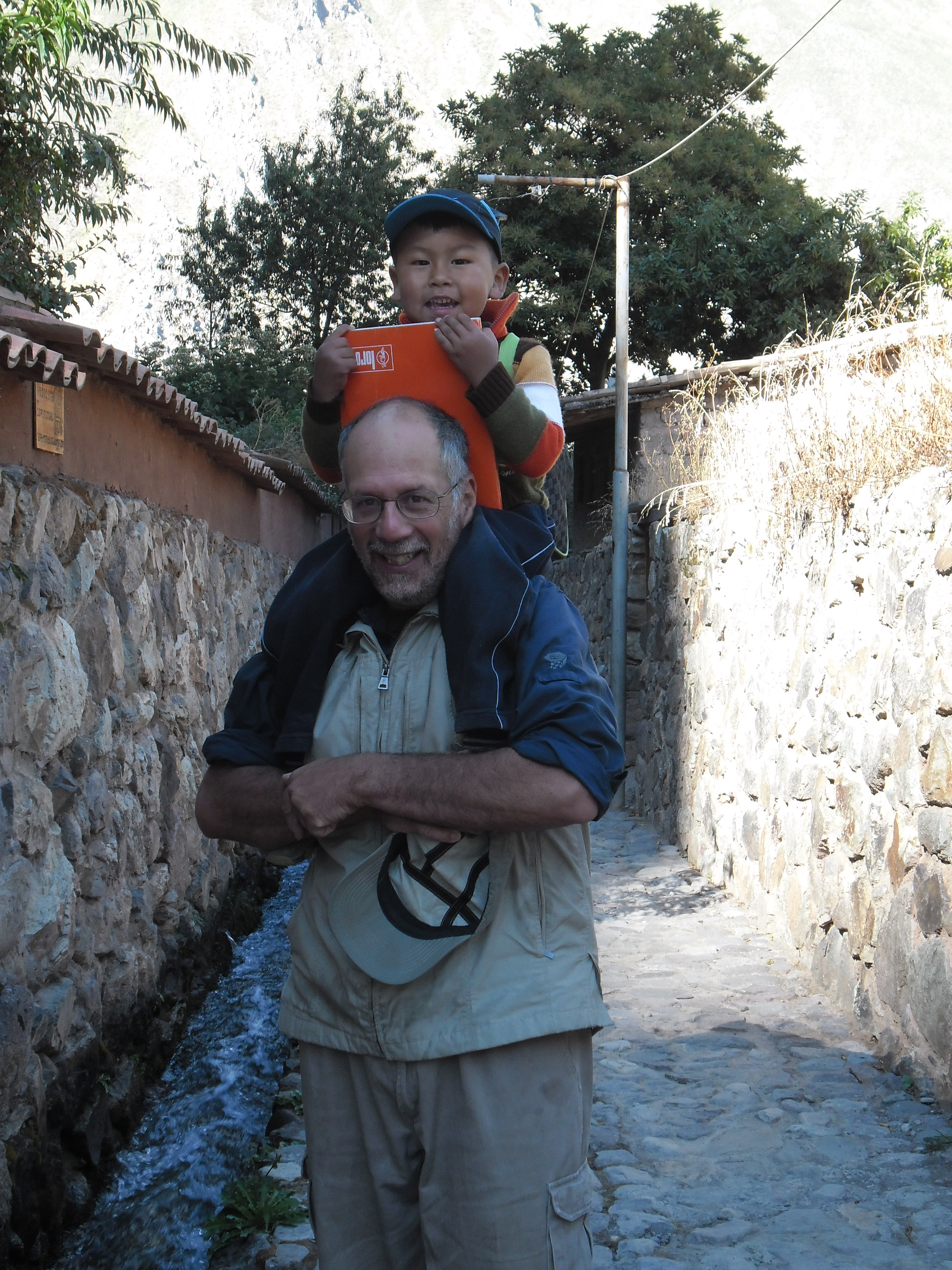
After breakfast, Mike would often accompany Ruth and Samir to school.
Sometimes we would go down to the plaza with Nina or Mayu Rumi. Sometimes we played “Old Maid” with them. Monica would often sew with them.
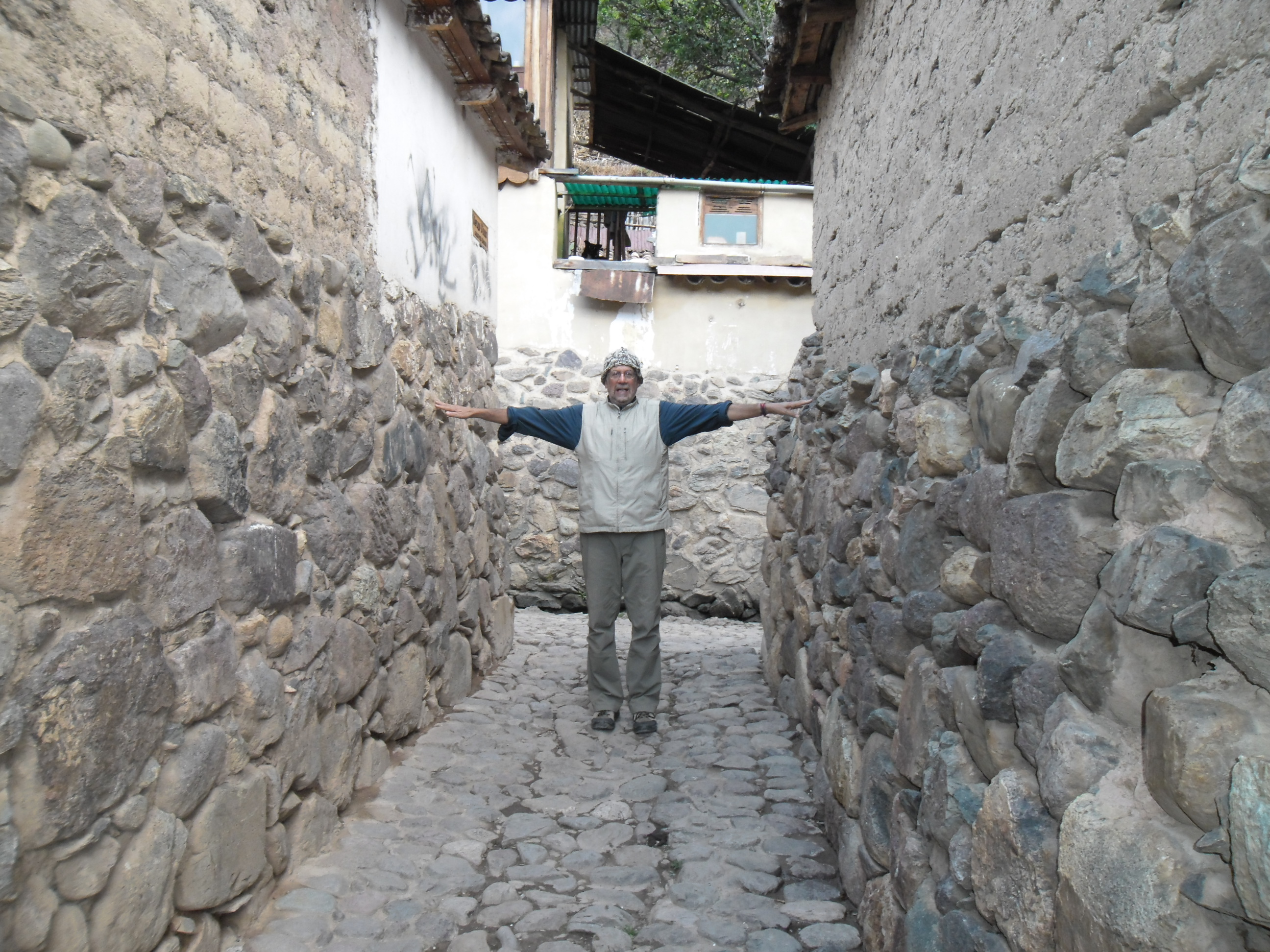
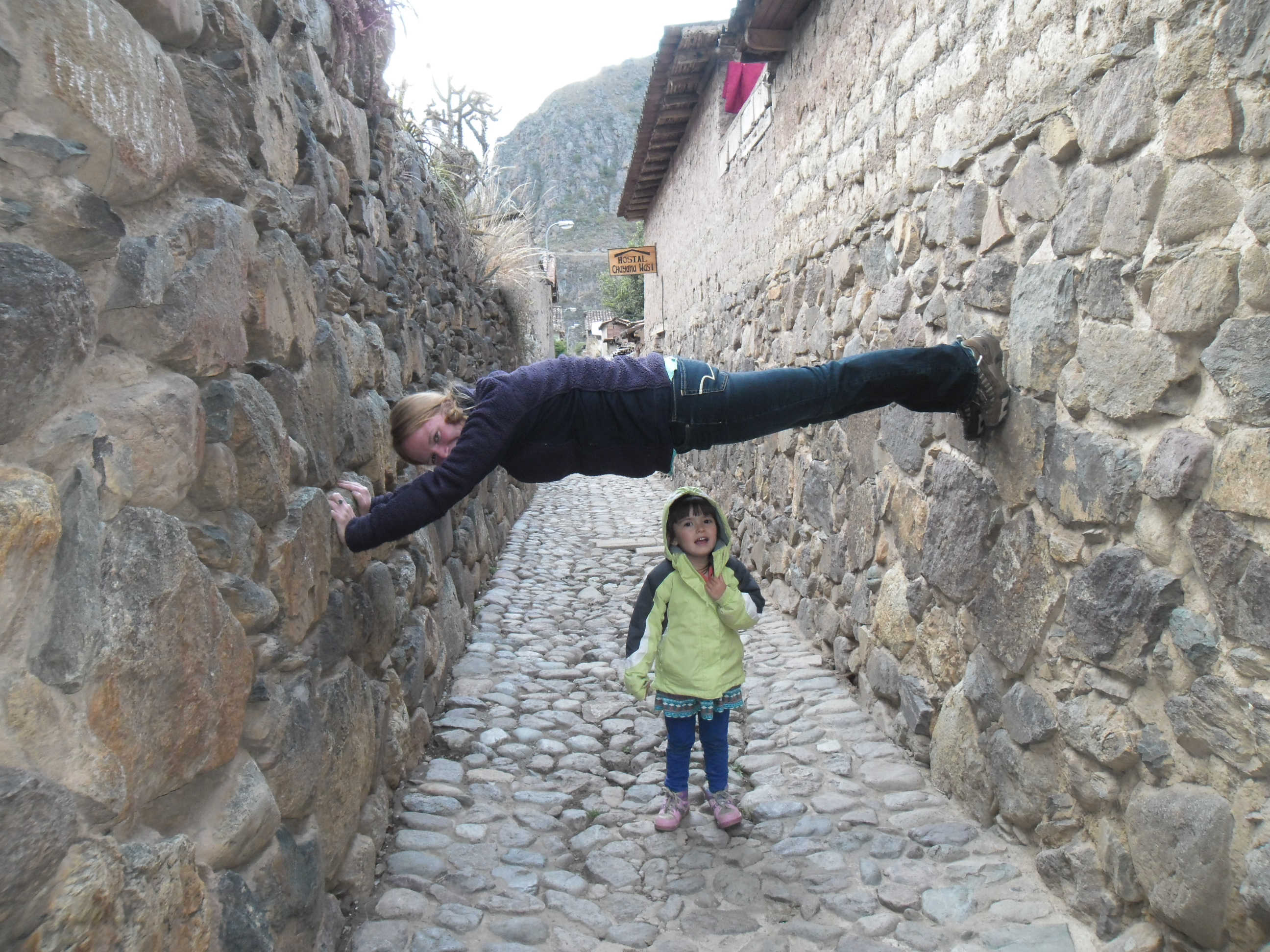
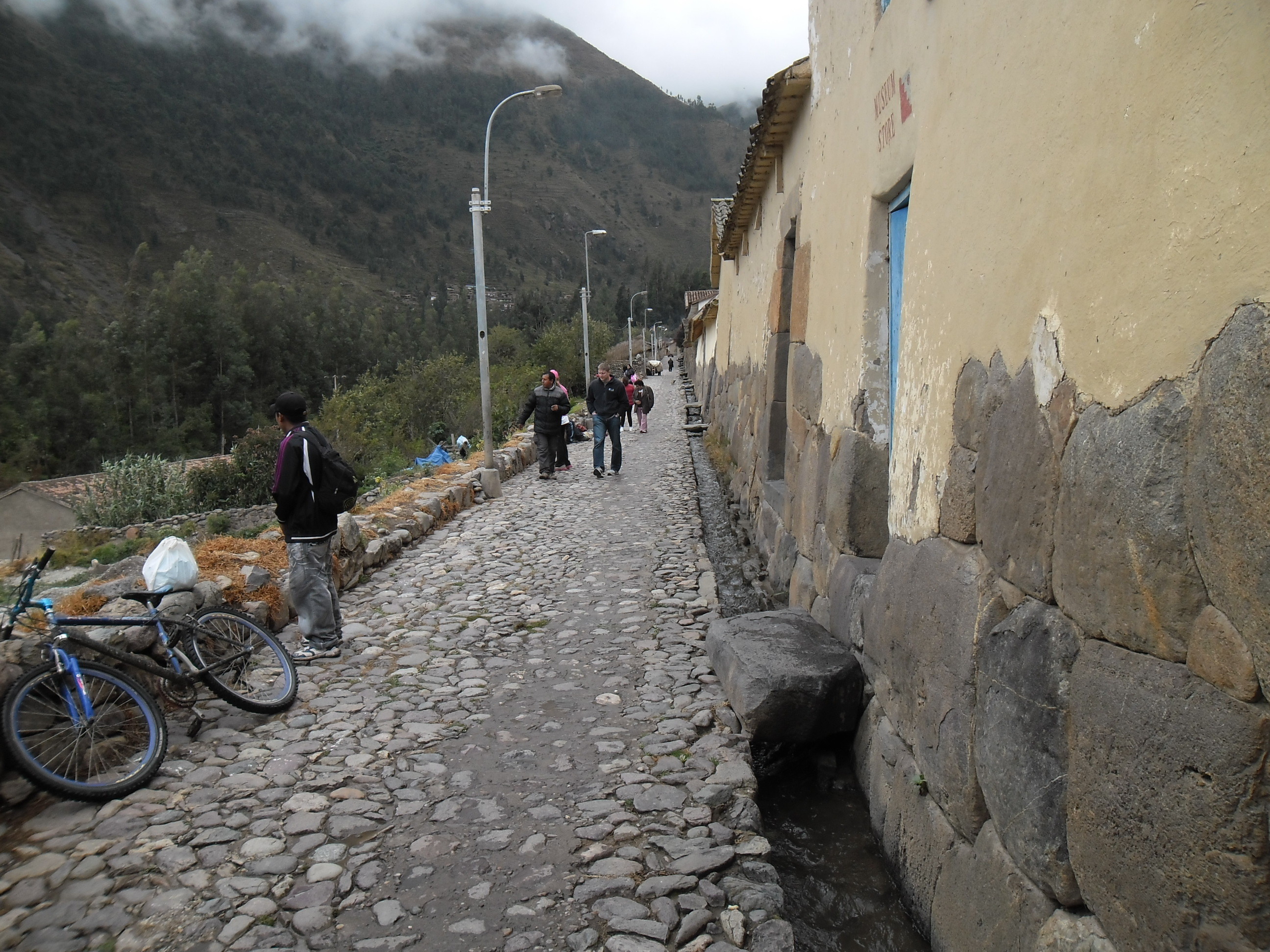
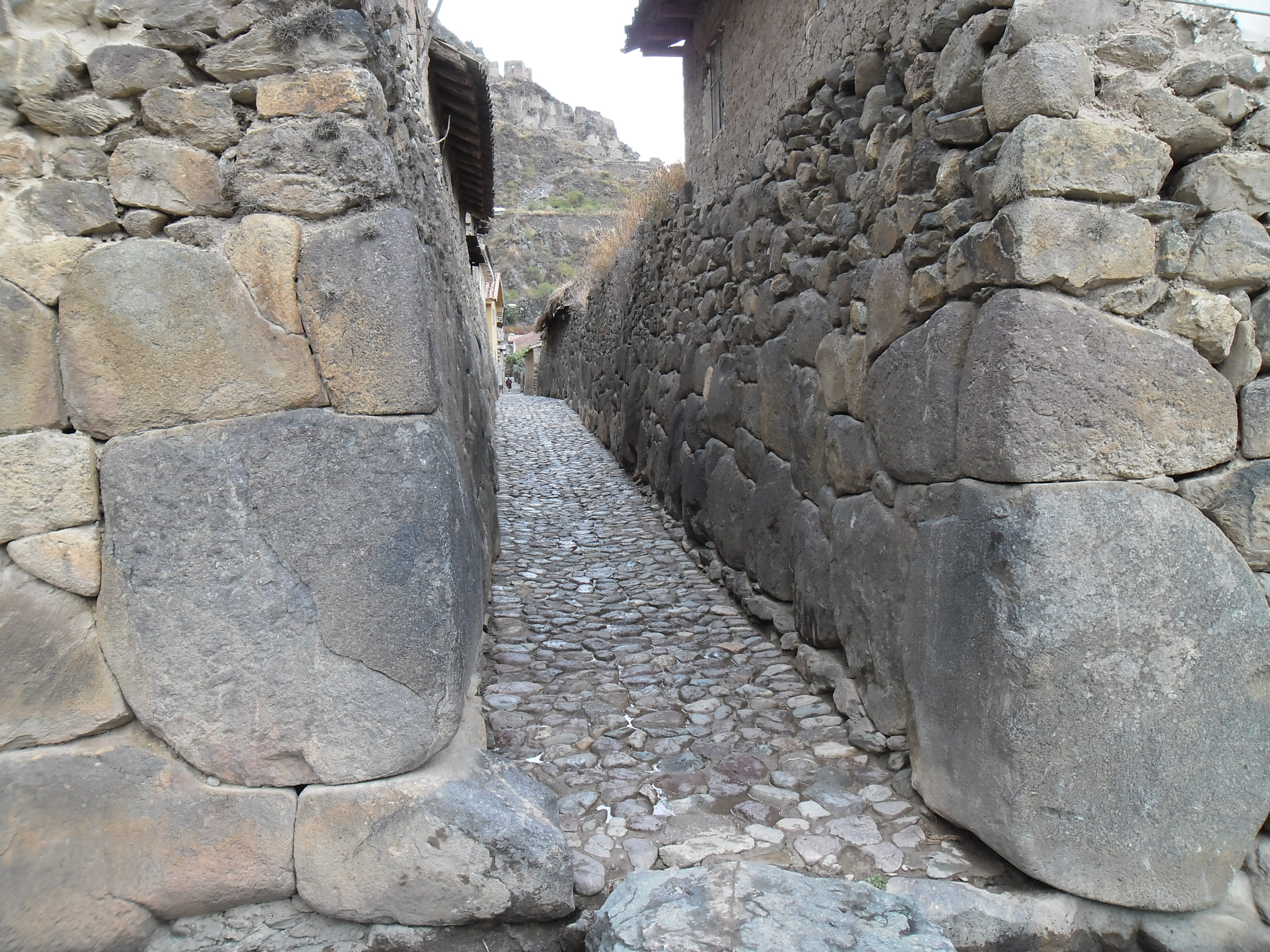
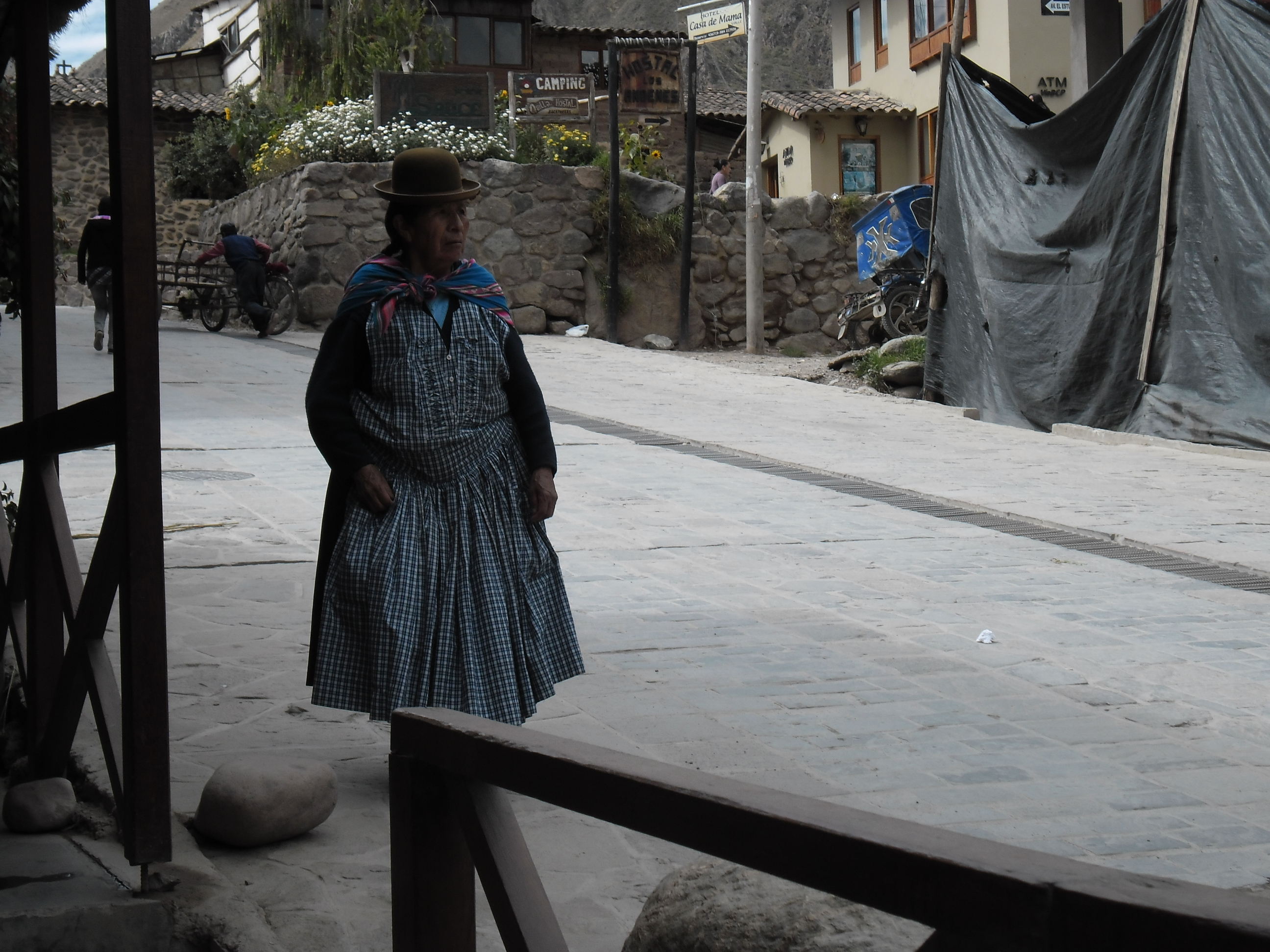
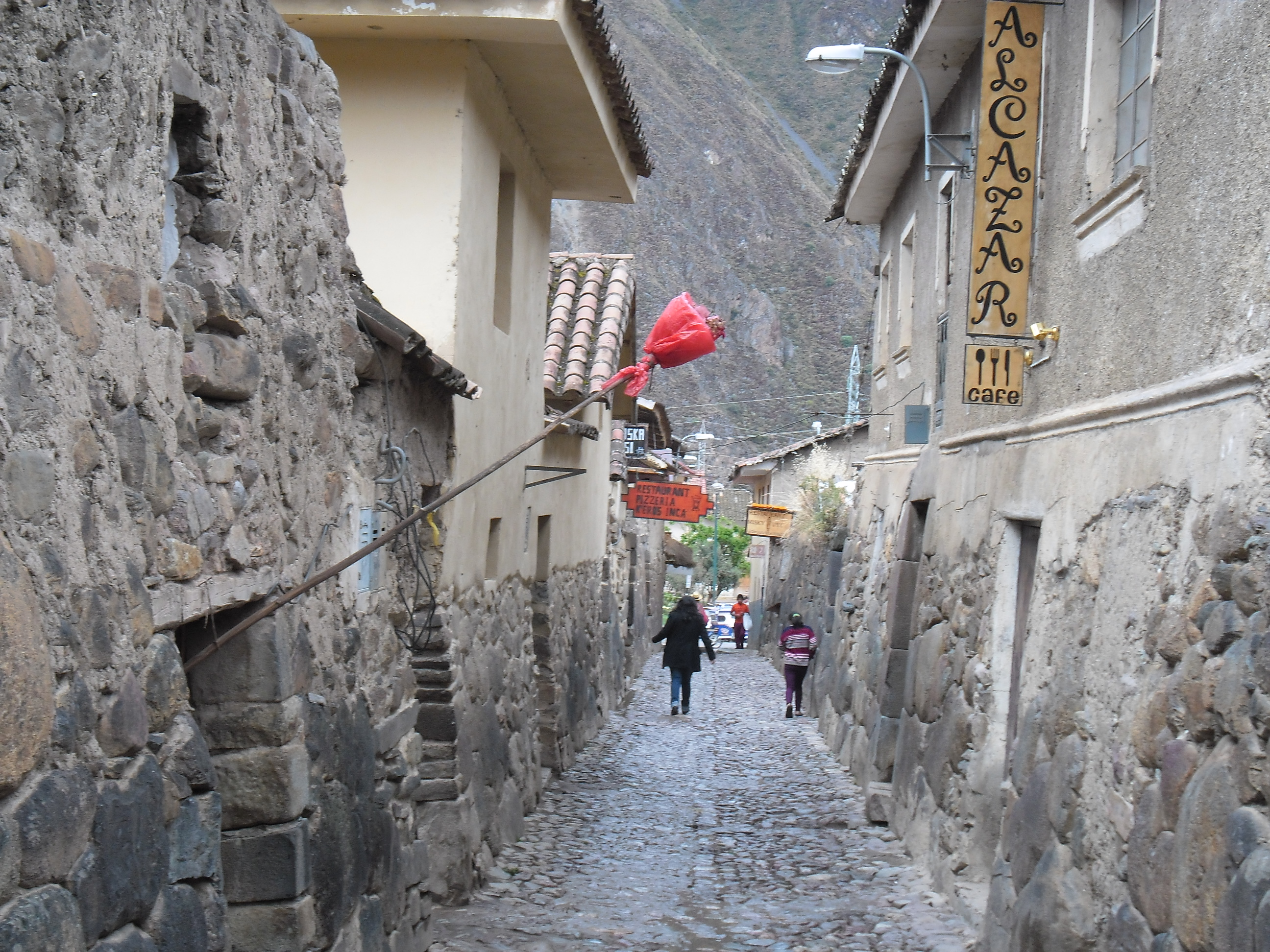
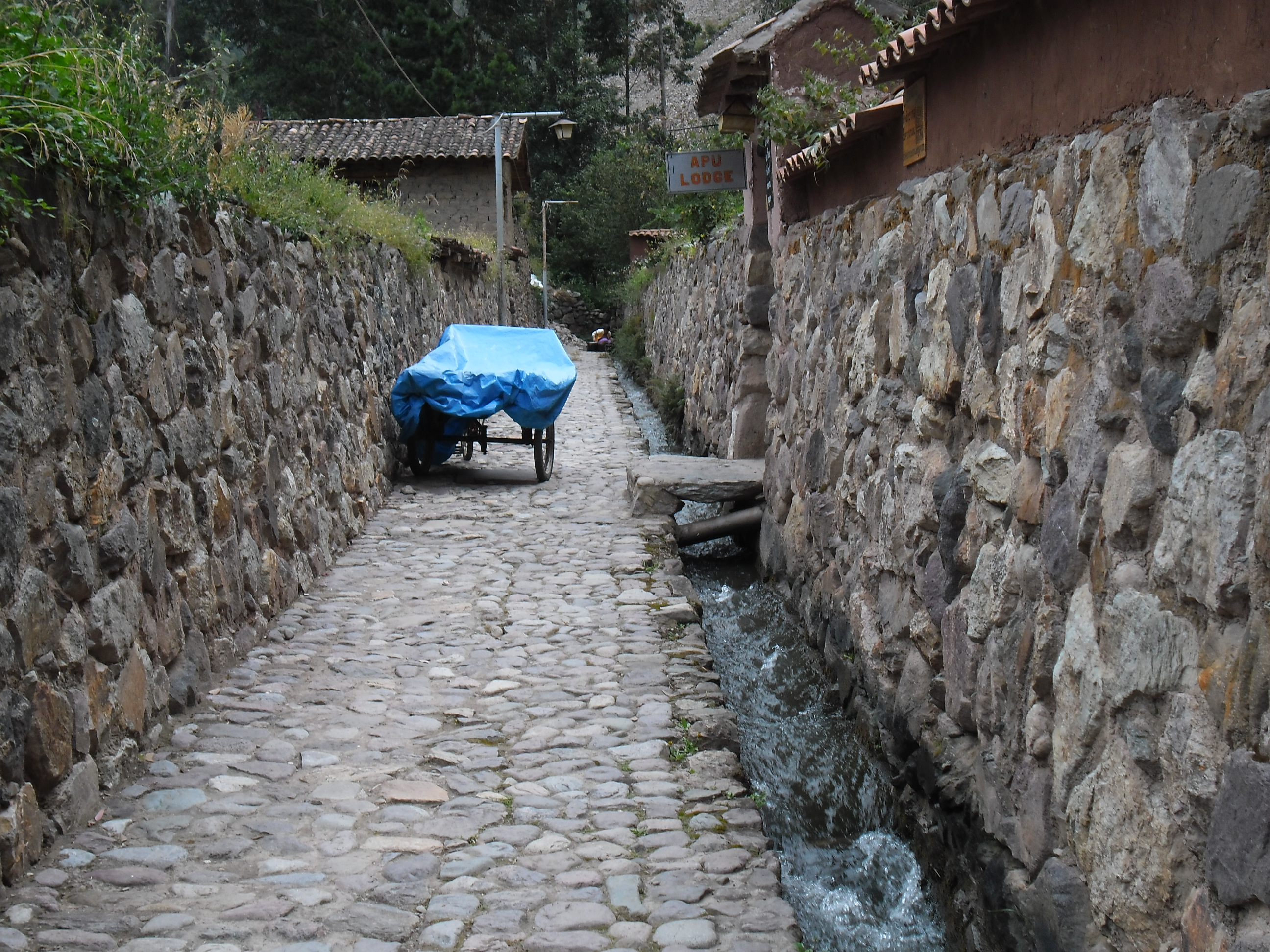
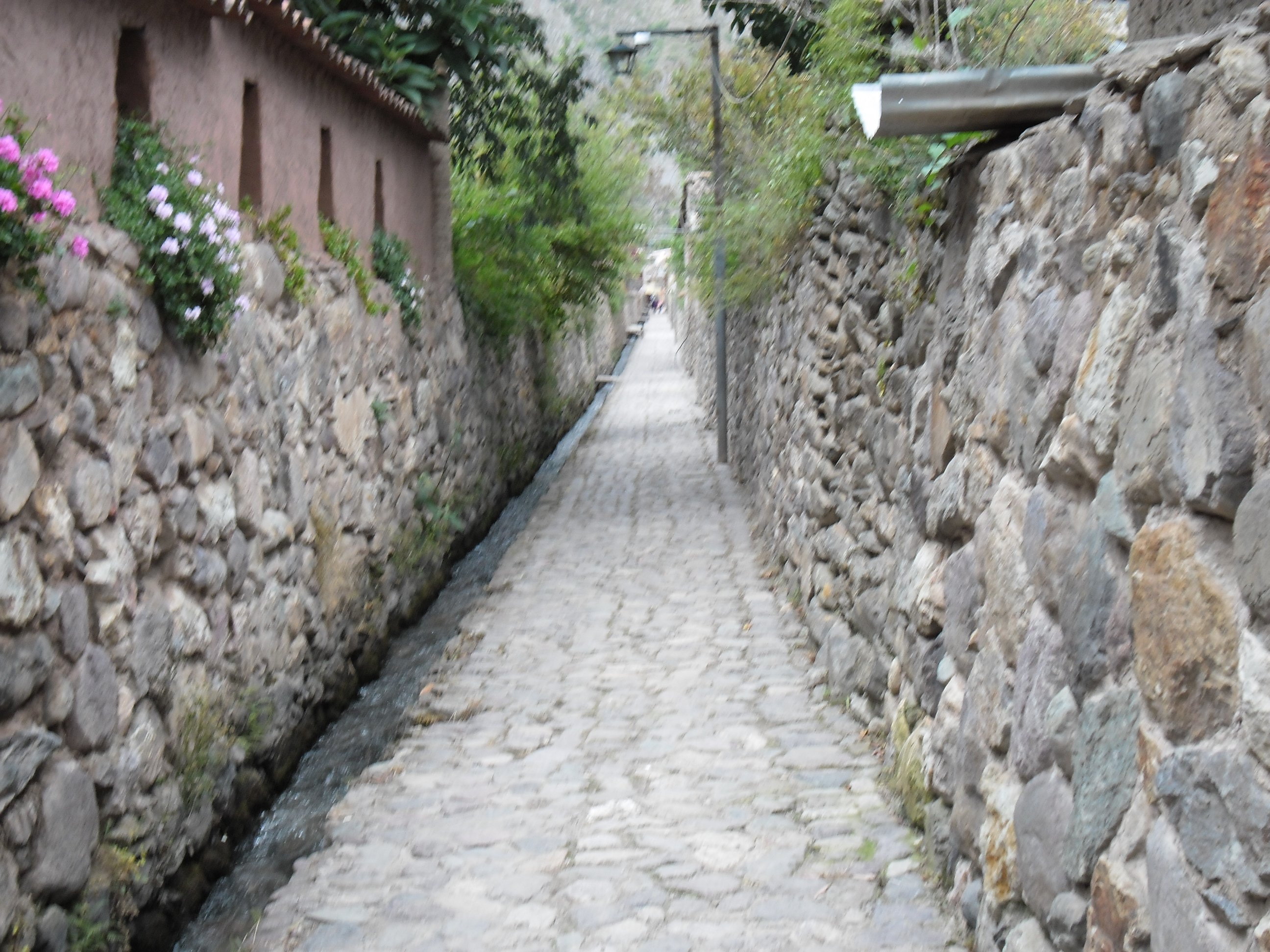
The narrow streets of Ollantaytambo. These are the original Inca streets and some of the walls.
Amy is a fellow volunteer at Apu
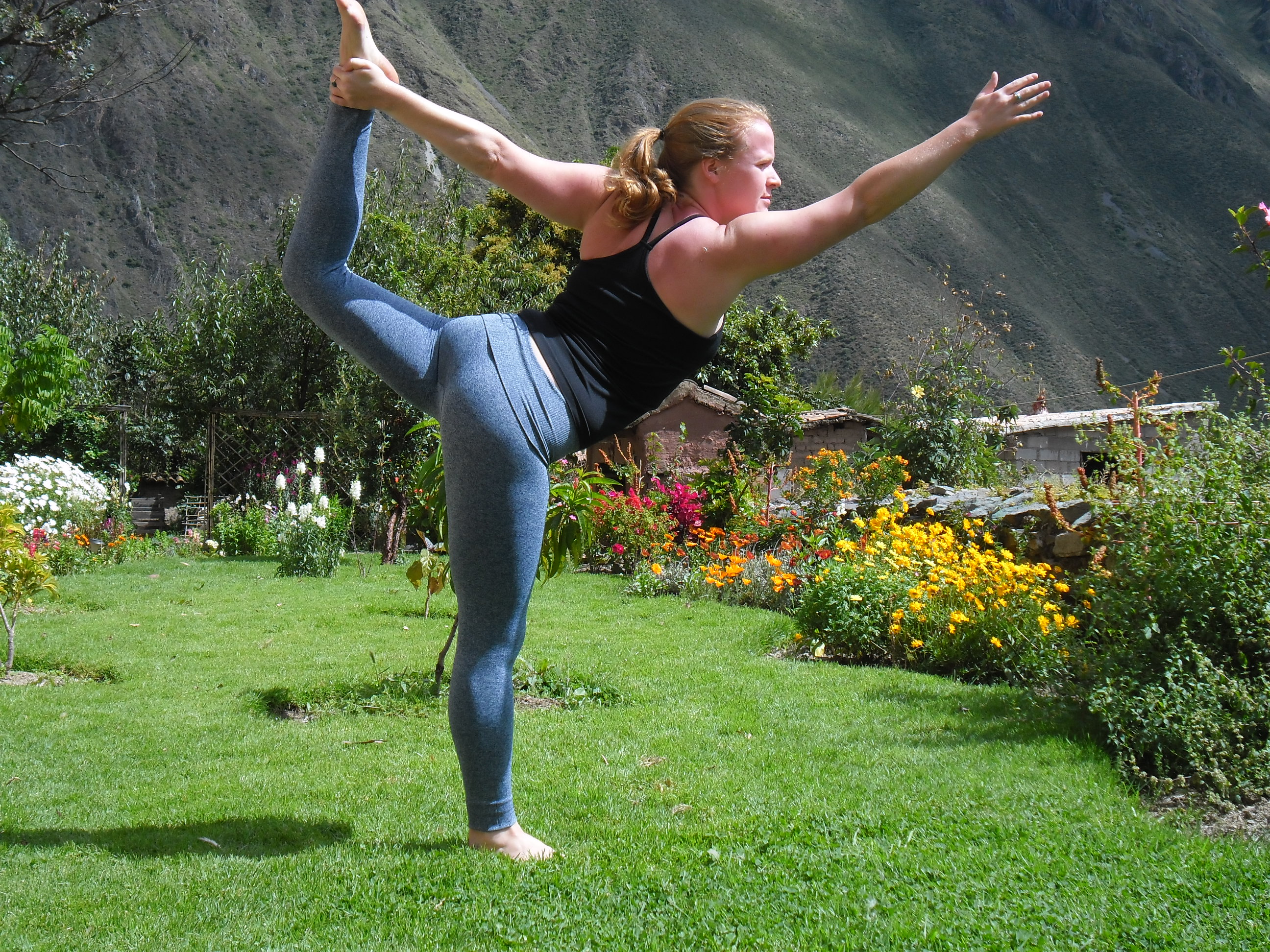
She´s also a Yoga teacher
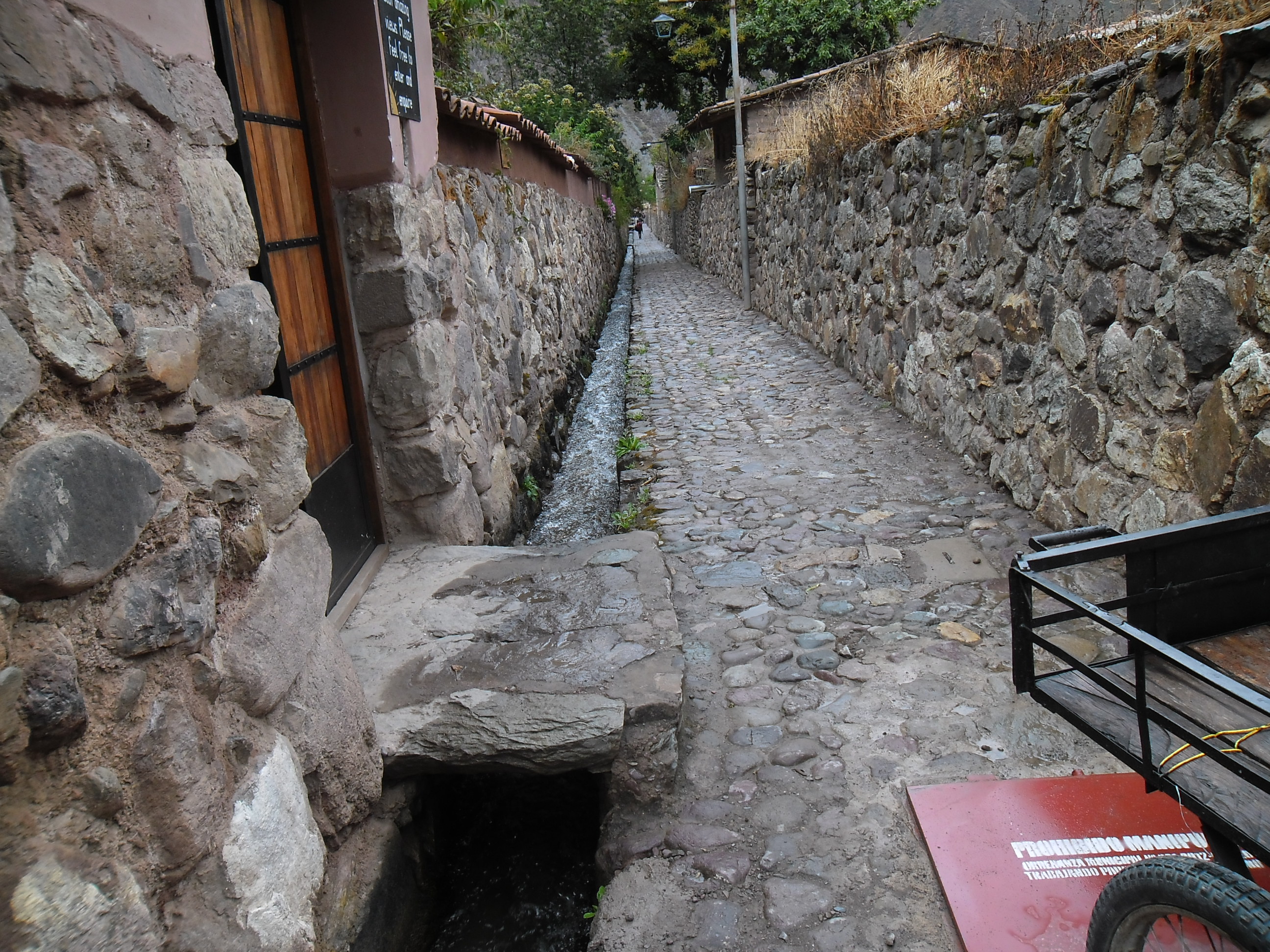
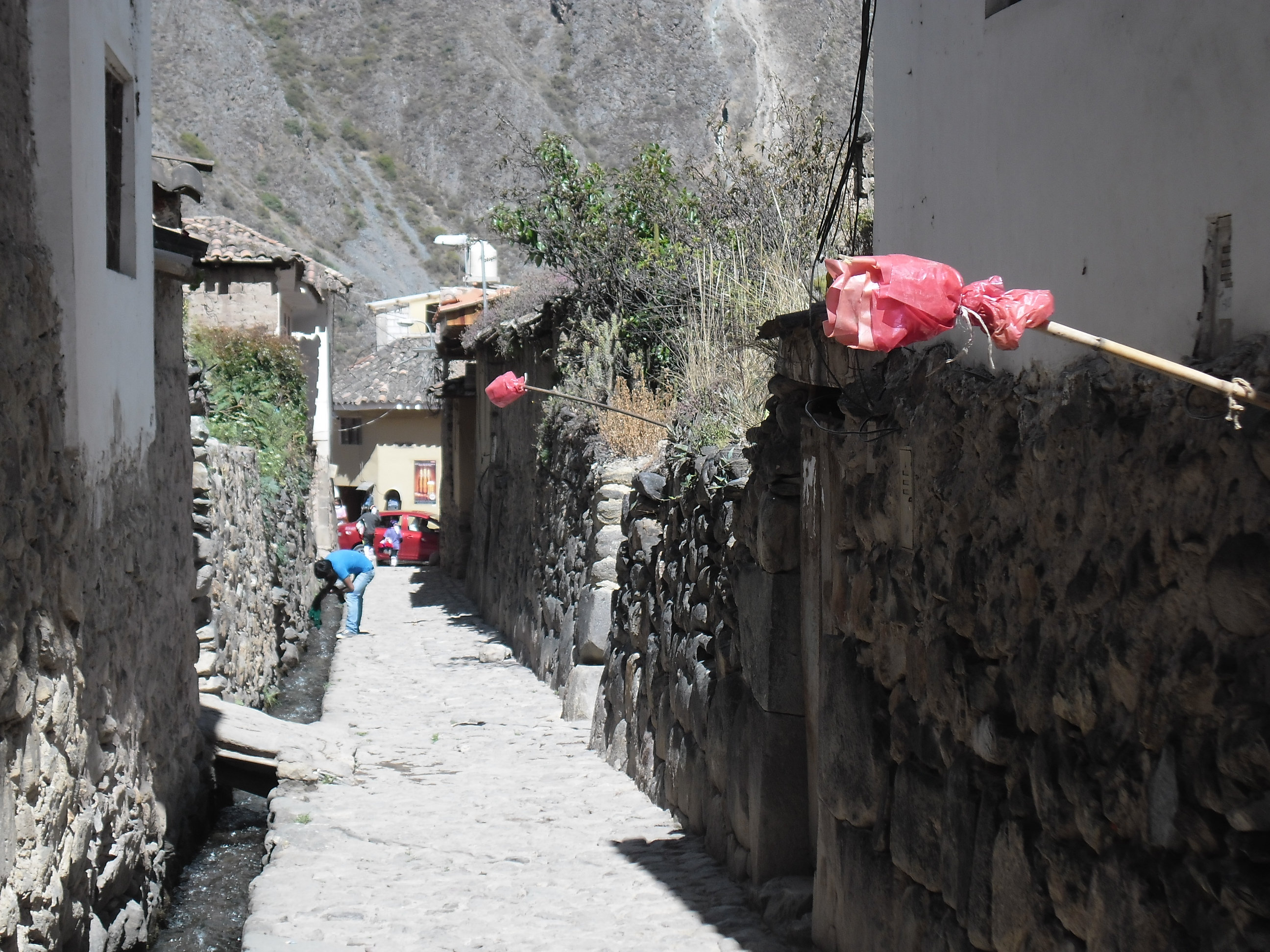
Here is a photo of the irrigation canal that runs by the lodge. These were built by the Incas, and they still are functional. They are called sequias. These canals run down all four of the streets of town. They also run through the backyards. It´s beautiful to have such an abundance of free water. The water is clear and cold. You know that you´re becoming acculturated when you walk down the street, past a guy who is butchering a sheep by the sequia, and you don´t even hesitate. Or a pig. One night, Moni and I were returning to the lodge, and as I stepped over this stone bridge, a guy shot under my feet, carried along by the water. I thought he was dead. Monica and I ran down the street, caught up with him, and hauled him out of the water. He was alive, unconscious, and drunk. Soon, some police officers arrived, flipped him on to a board, and carried him away. Apparently, it´s not unheard of for drunk guys to fall into the canals.
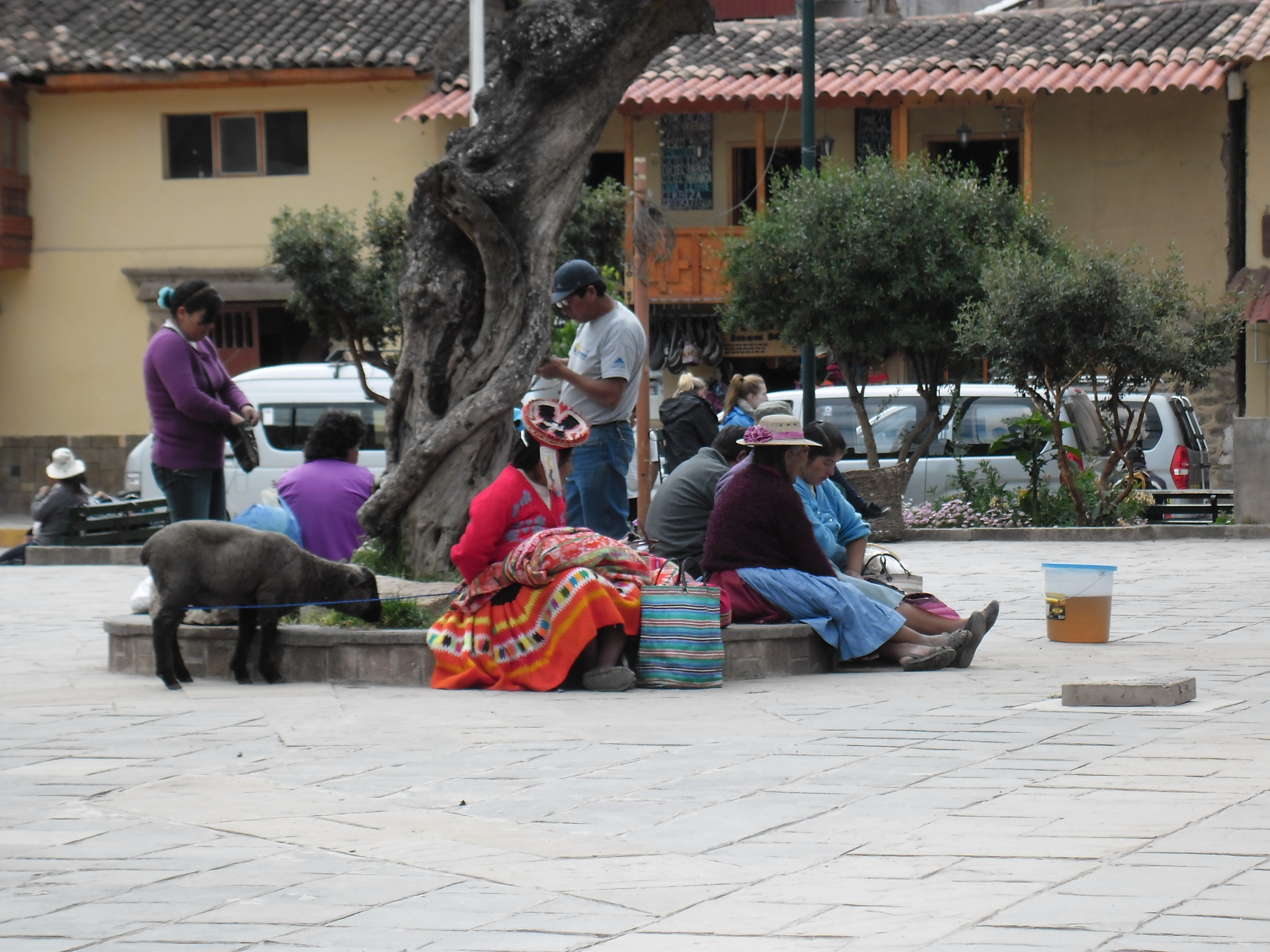
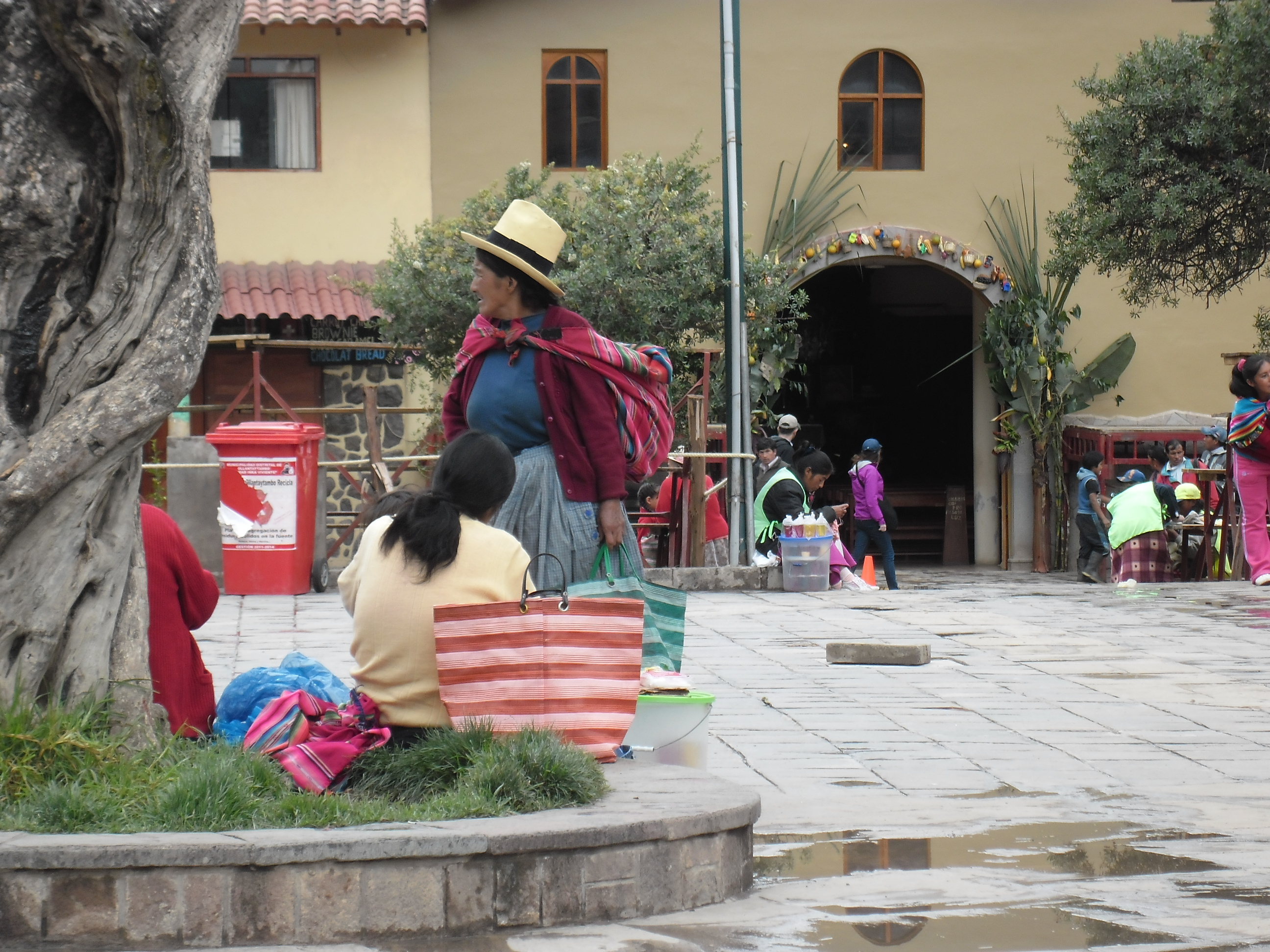
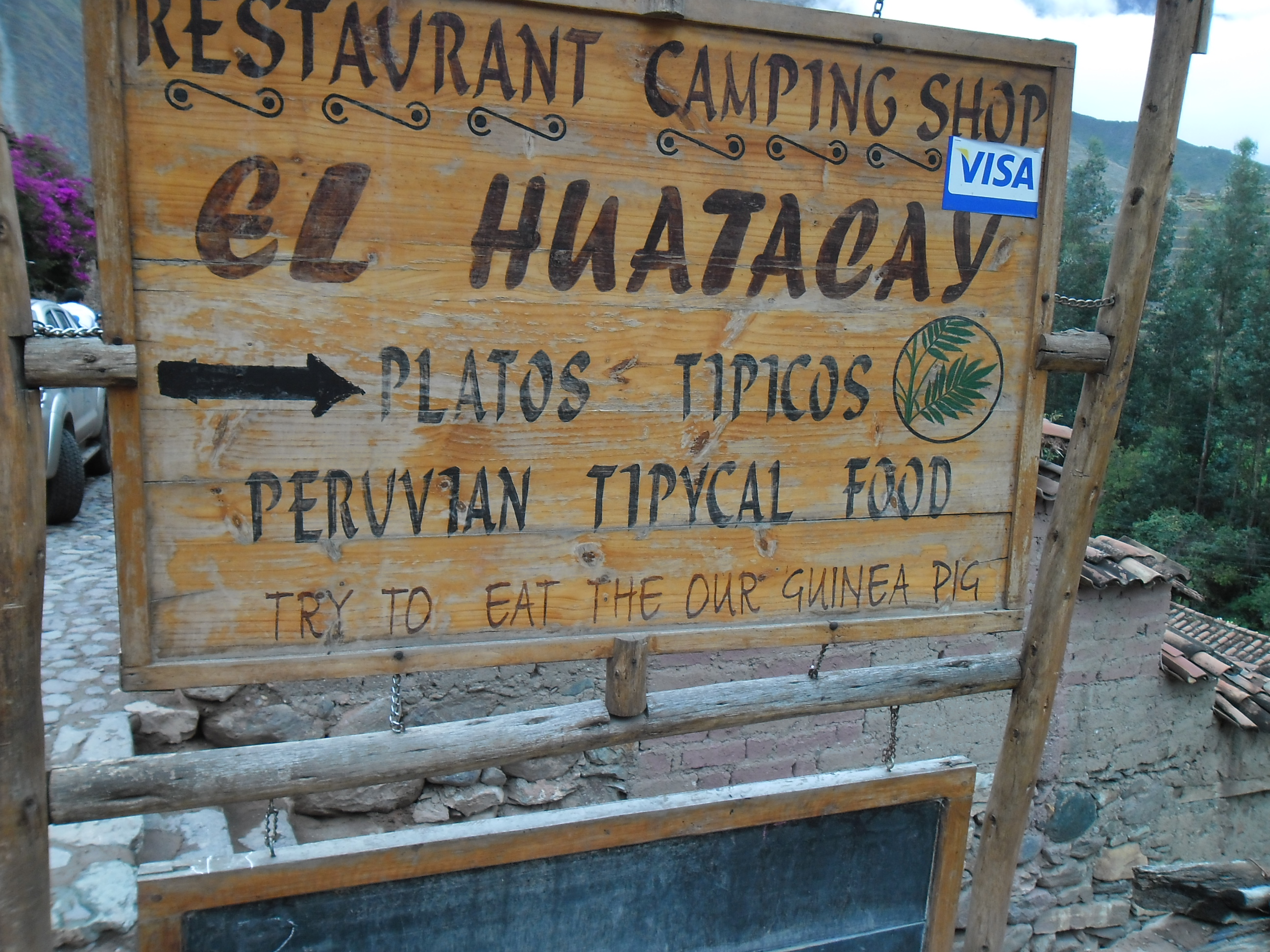
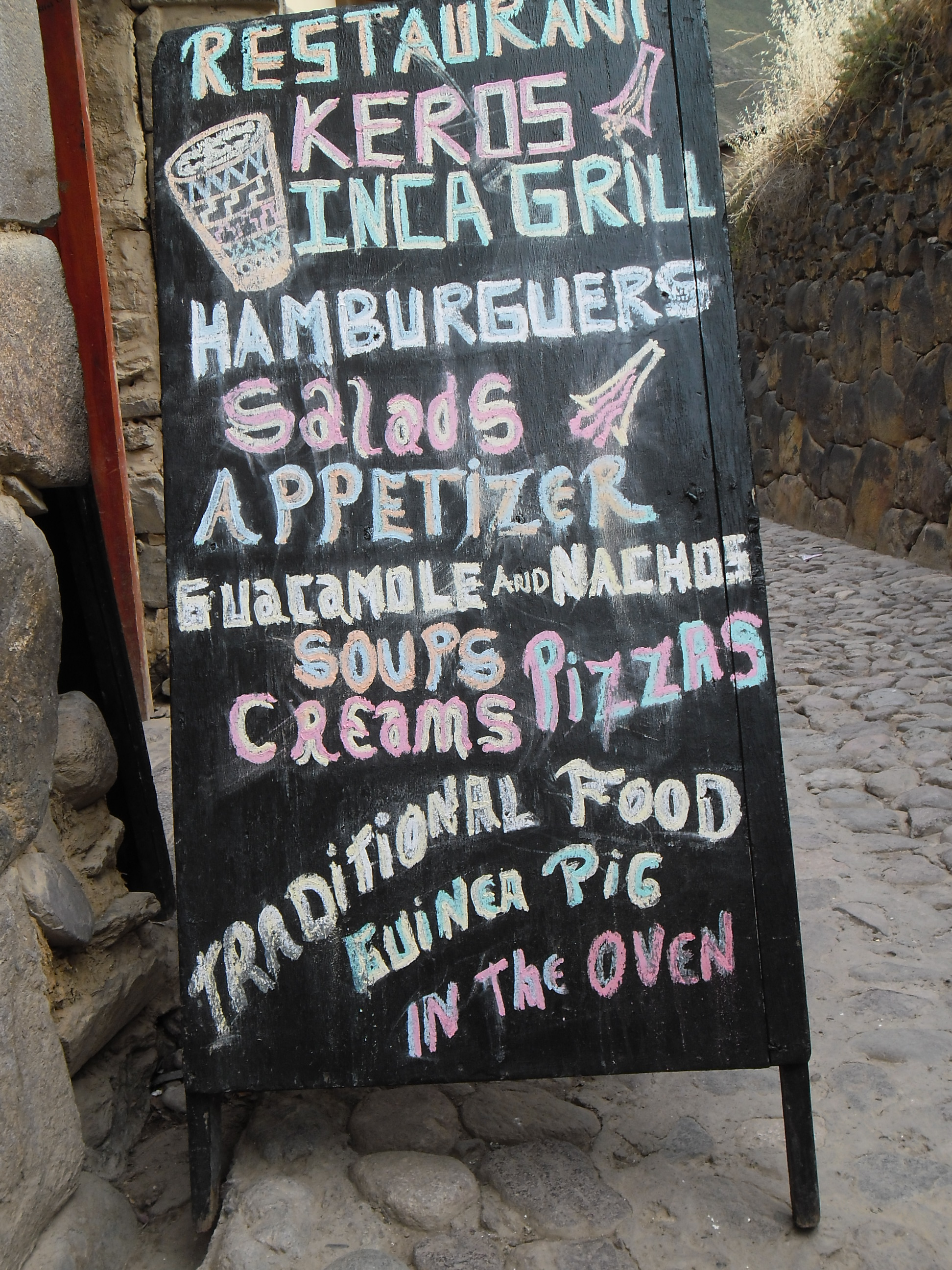
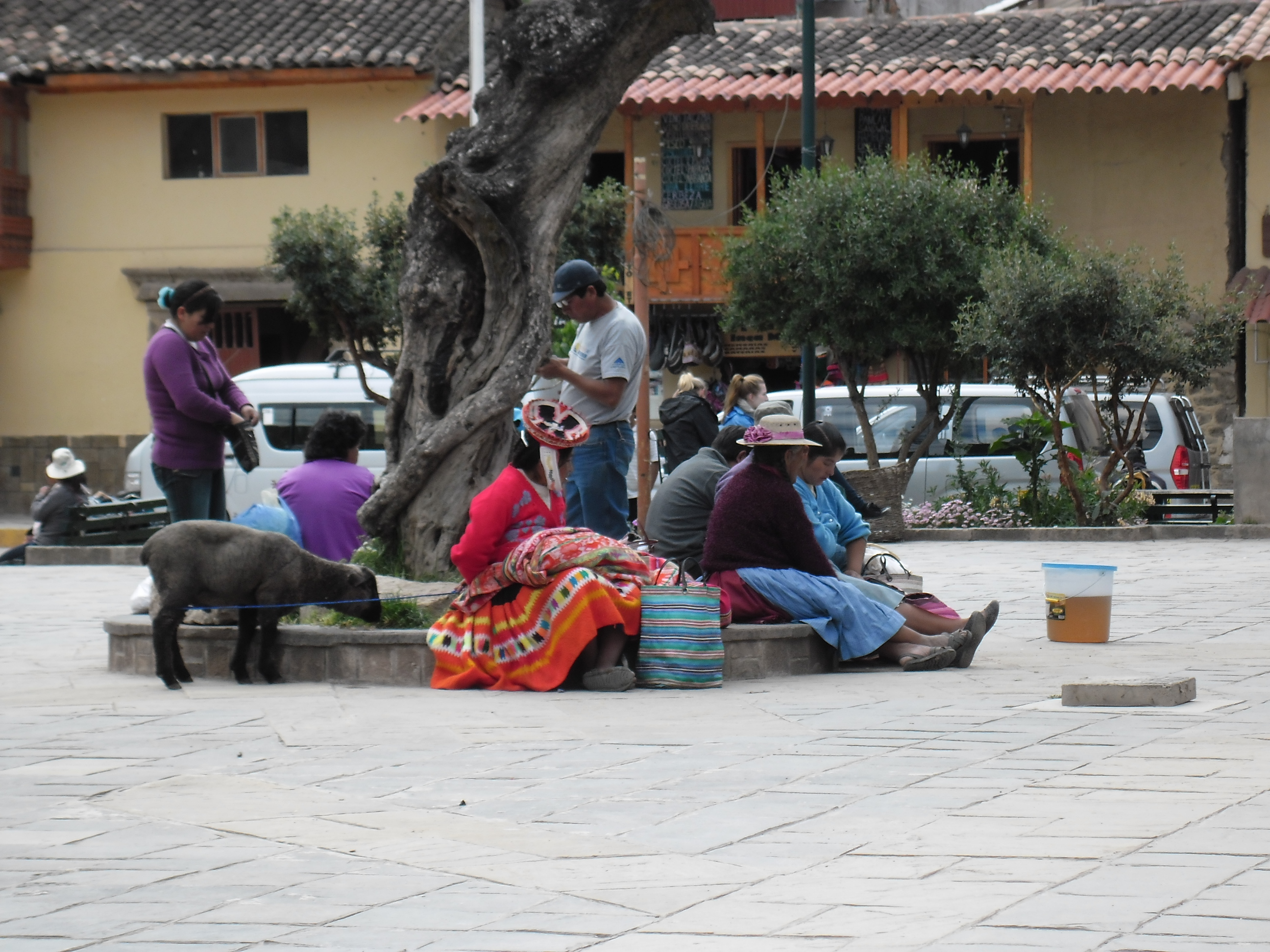
The plaza is a very lively and friendly place. A perfect place to hang out in the afternoon. The streets of Ollanta are also friendly and interesting. Some of the restaurants have their menus outside, and some of them try to entice the tourists to try some cuy. Cuys are definitely guinea pigs. They´re all over, and they actually have a good life, up until the moment.
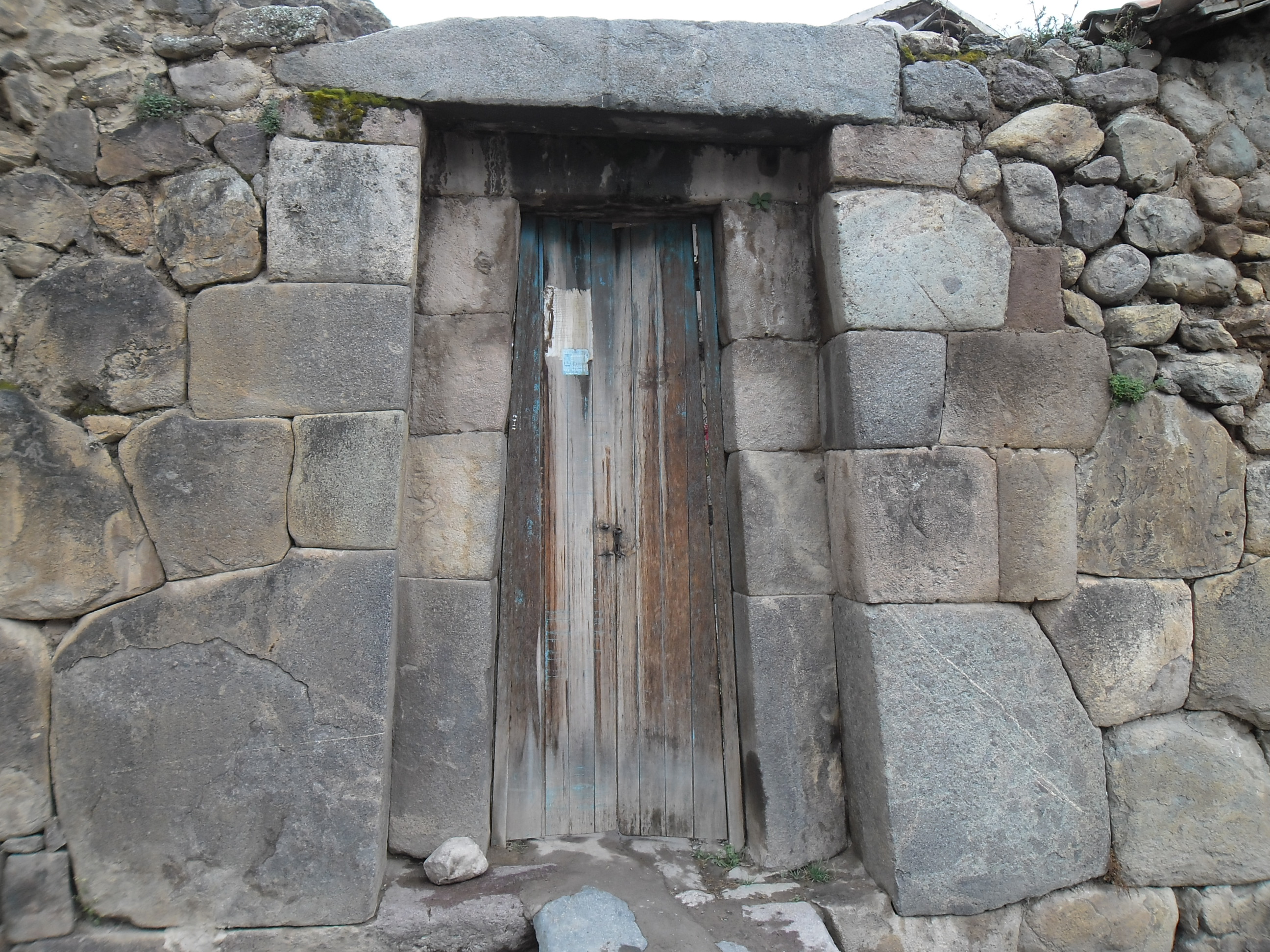
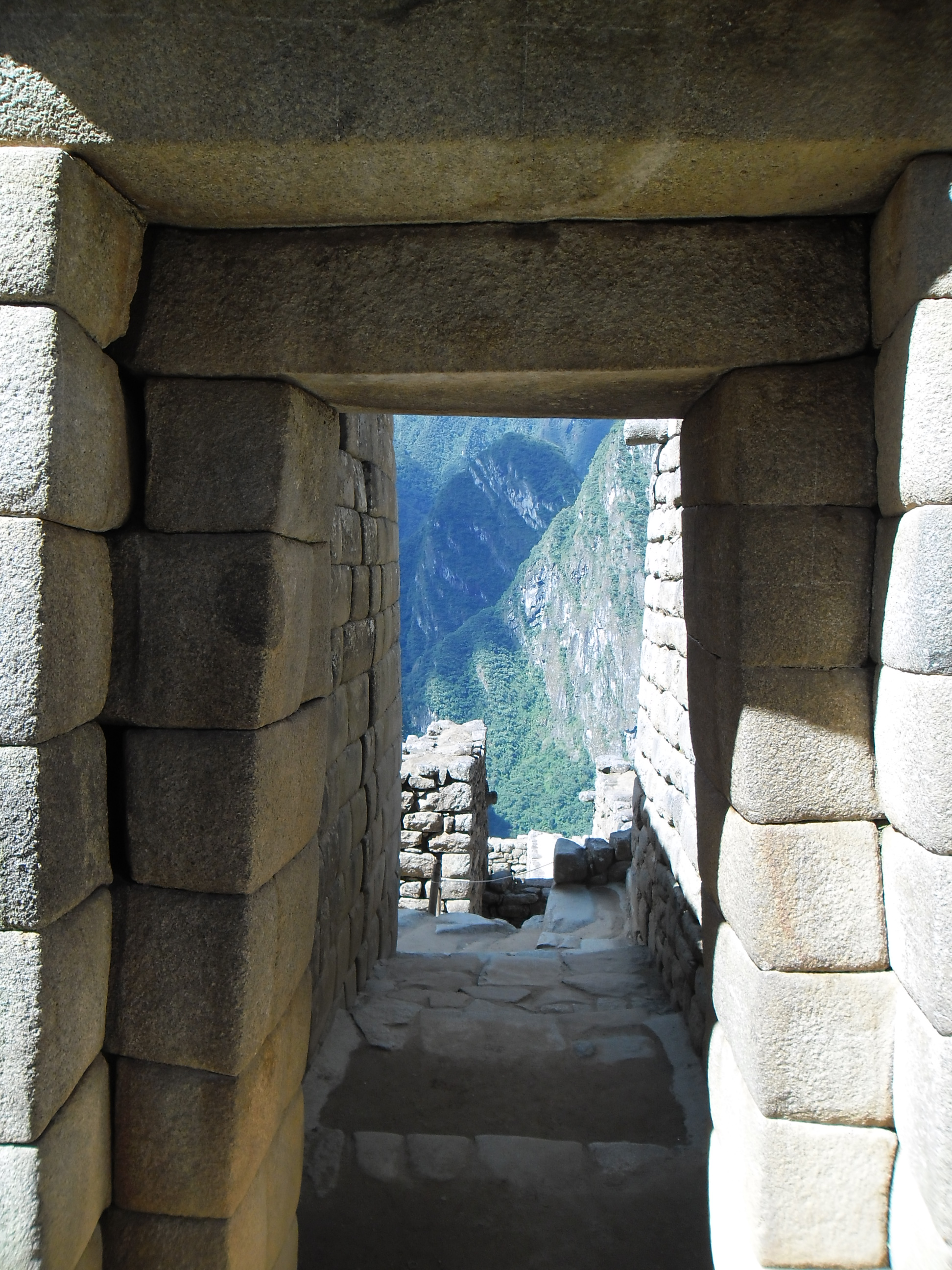
An original Inca doorway
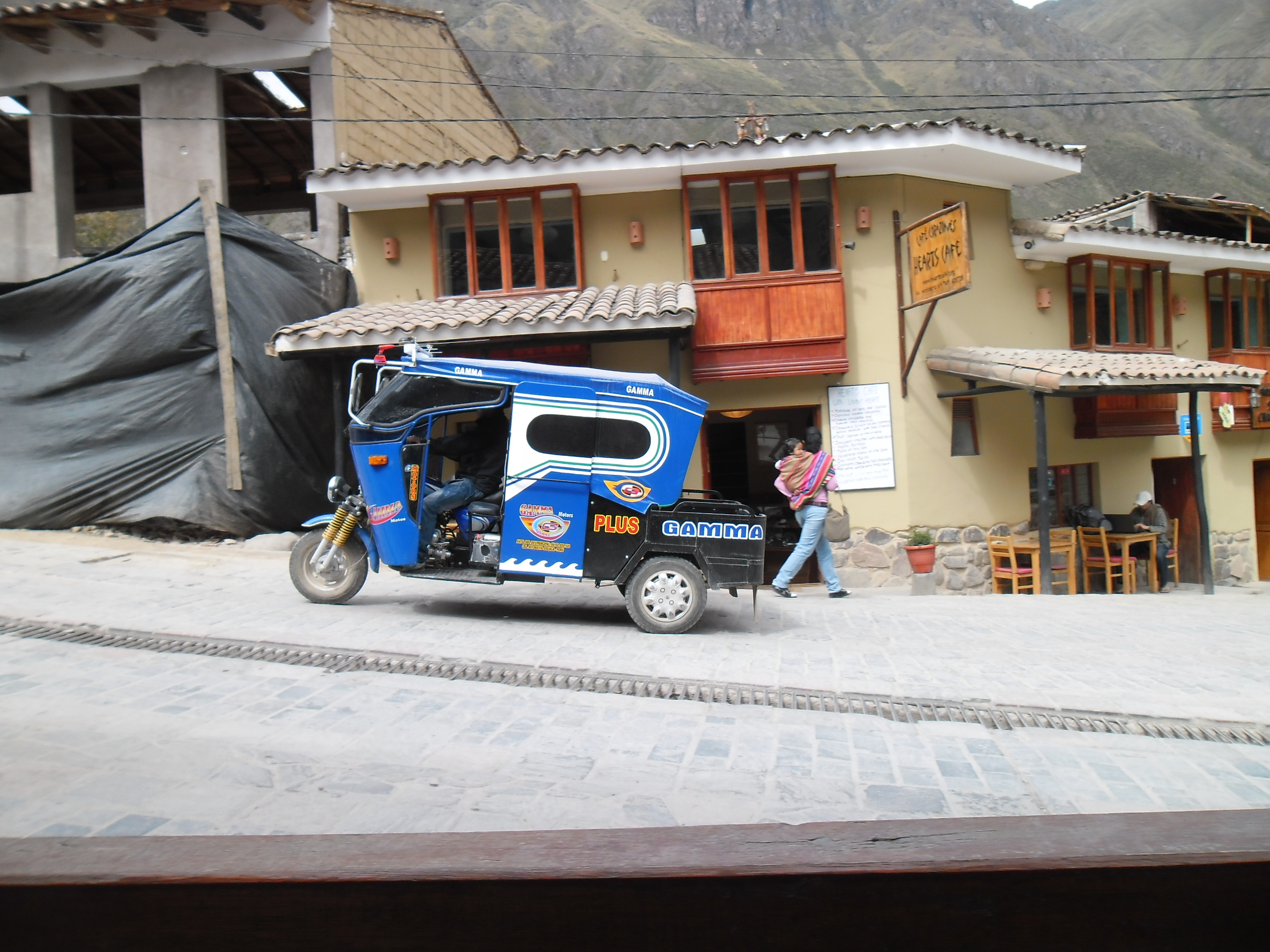
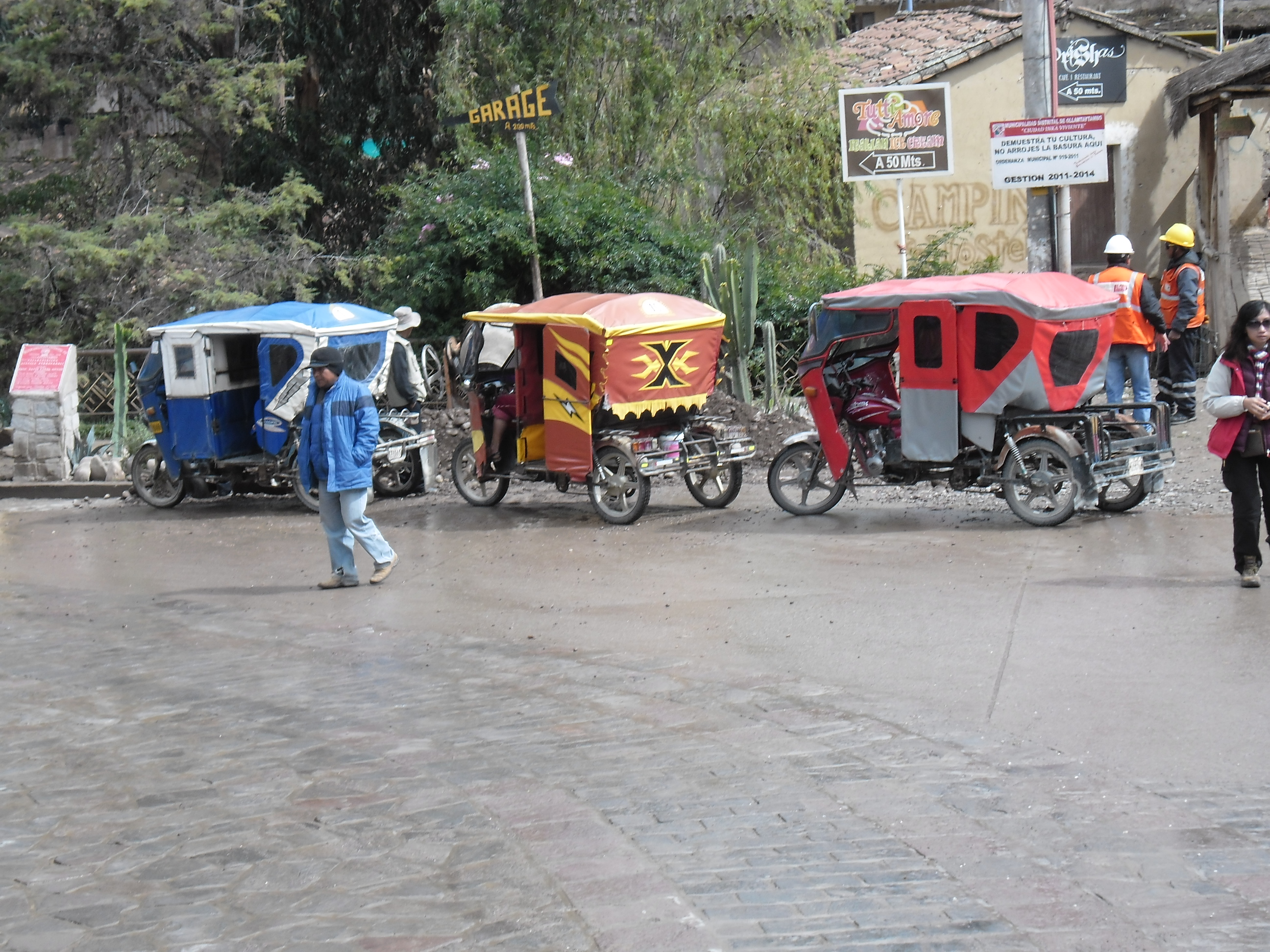
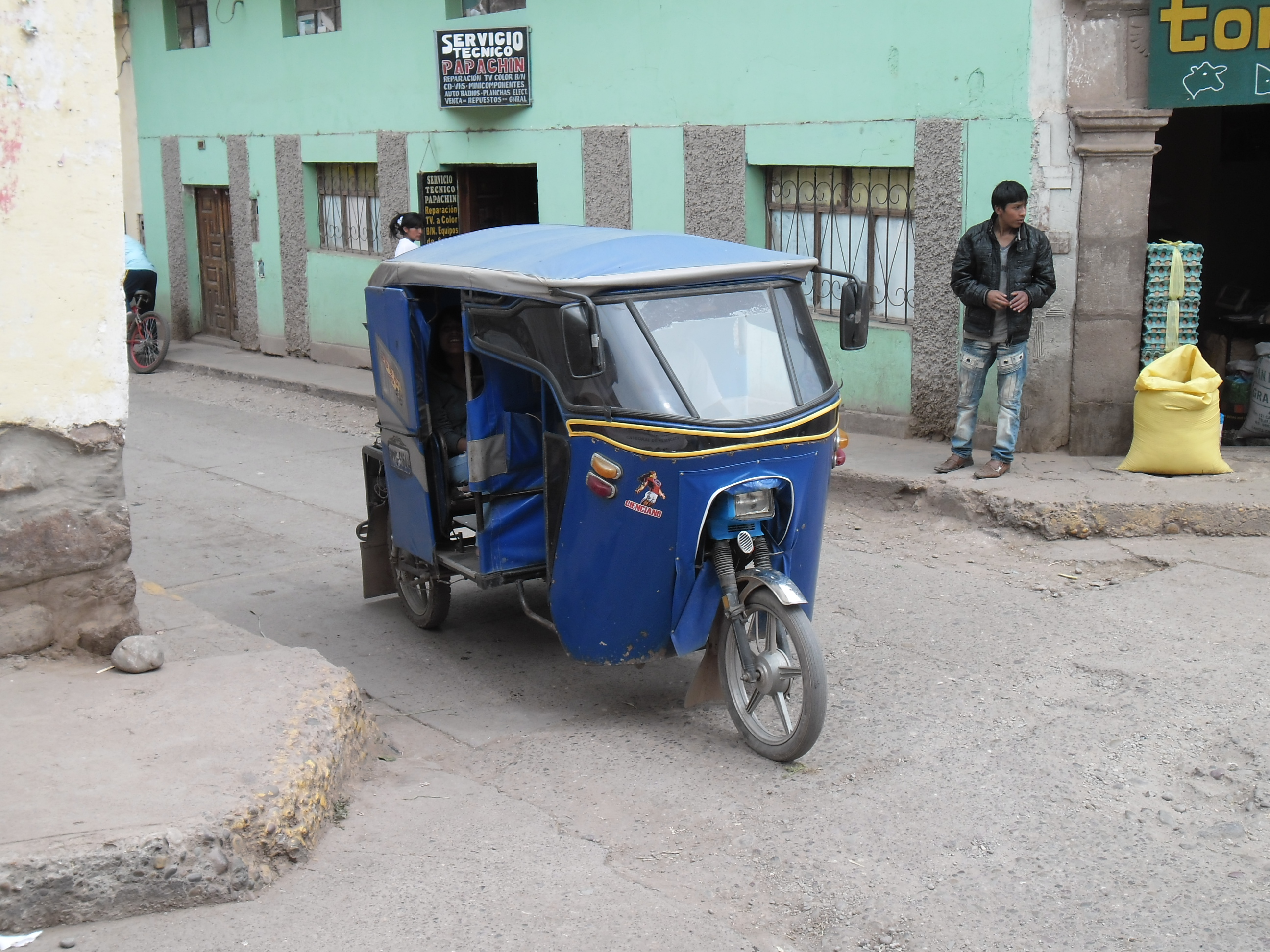
Mototaxis are a popular mode of transportation. These are motorcycles with three wheels. The driver straddles the seat, and often pushes off with his leg to turn or back up. They look an awful lot like Fred Flintstone when they do it. They give cheap rides, often short ones, and they are everywhere where we´ve been in Peru.
Chicha is a drink that they´ve been drinking in The Andes for centuries. It ismade by boiling corn and then fermenting it. It´s like beer. A little sweet. A little sour. When the señoras brew up a batch, and they´re ready to sell it, they hang a red plastic bag from their door. That´s the sign. People come in and buy a glass, or a bottle to go, and sit and talk. The one time Monica and I went into a house for some chicha, I told them that Moni was a nurse. Then they all took turns explaining their ailments to her and asking advice.
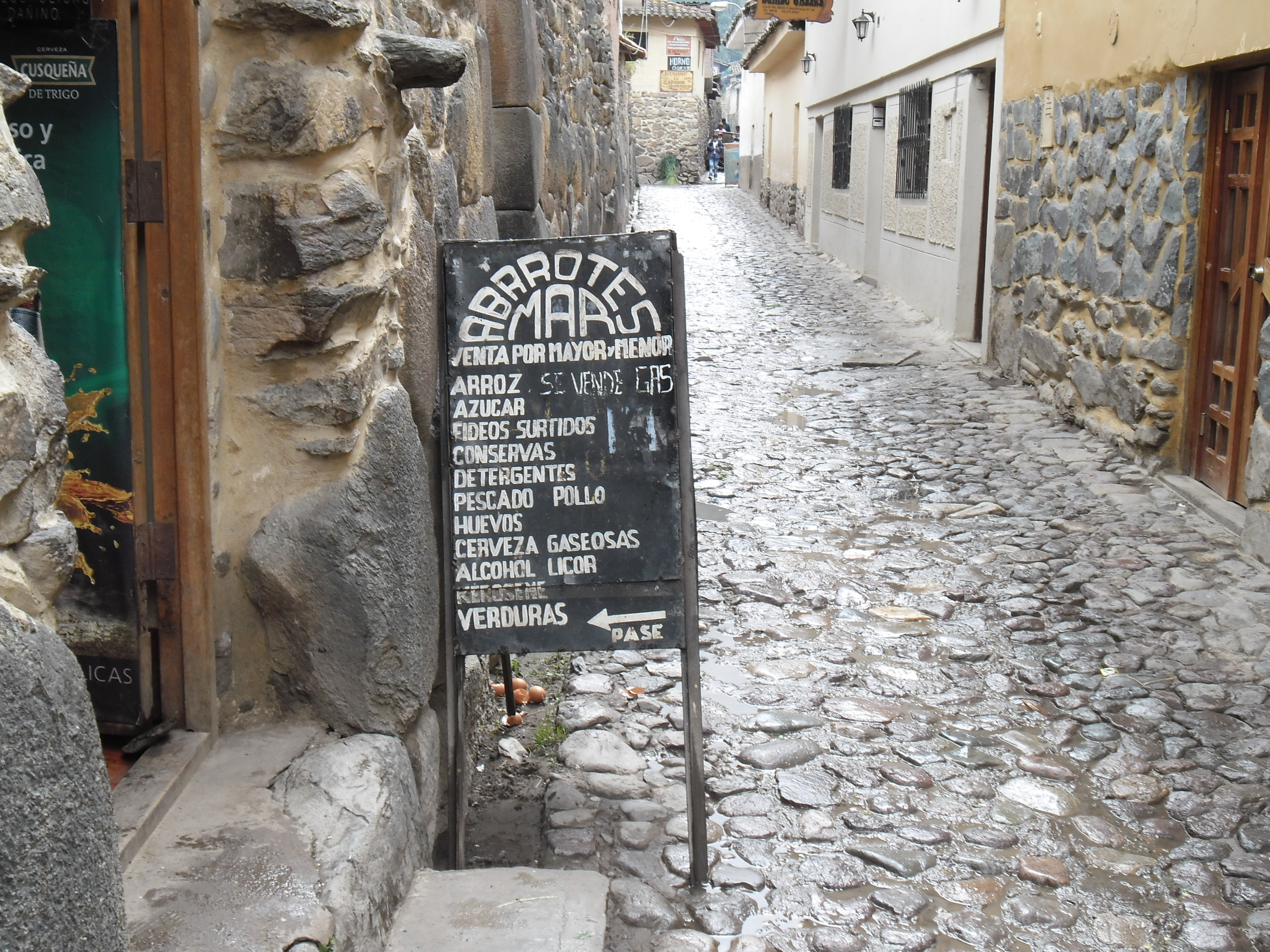
Abarrotes Mar was our favorite little grocery store. You could buy an egg, or a cigarette, or a quarter kilo of rice, or just about anything.
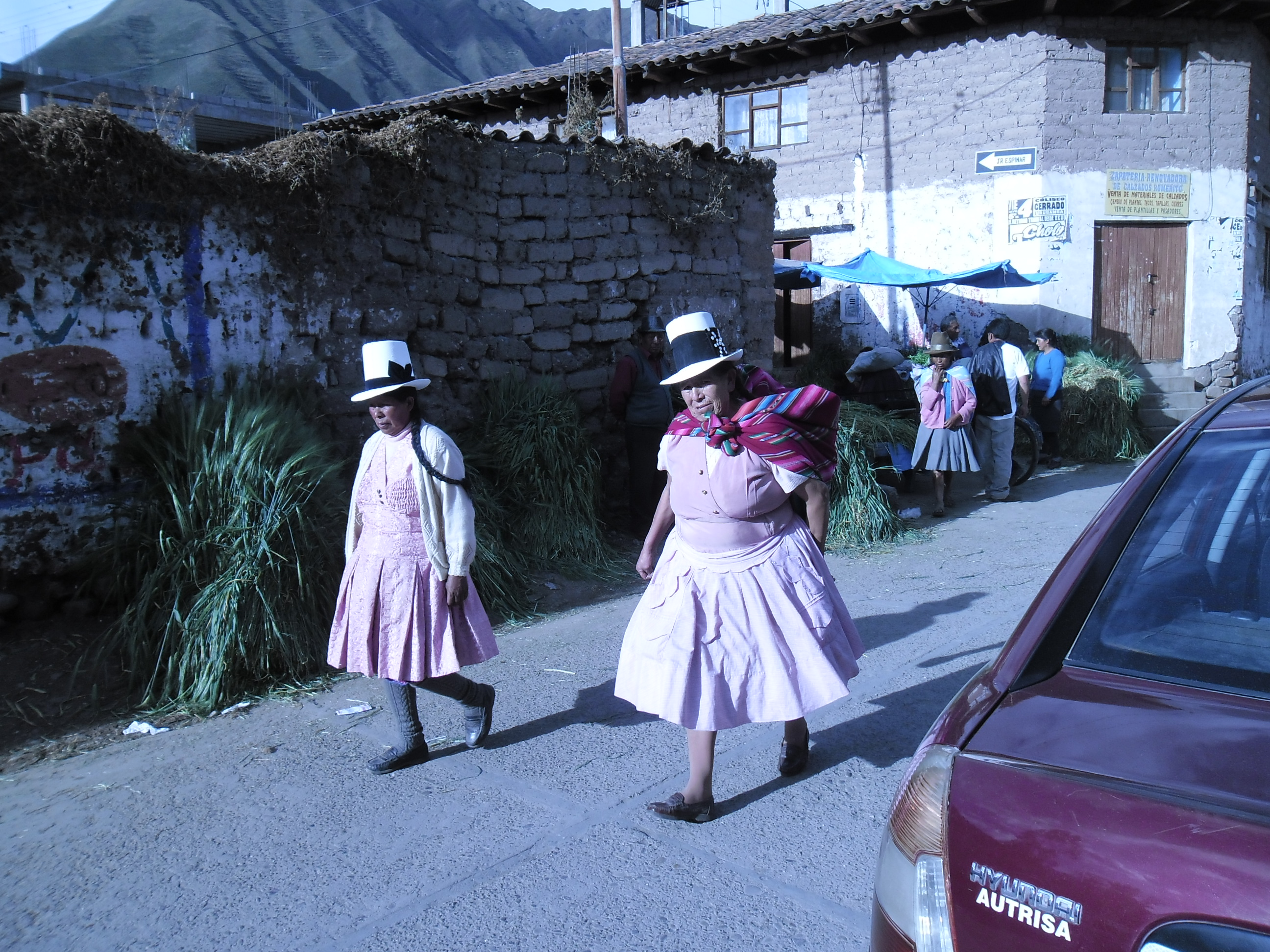
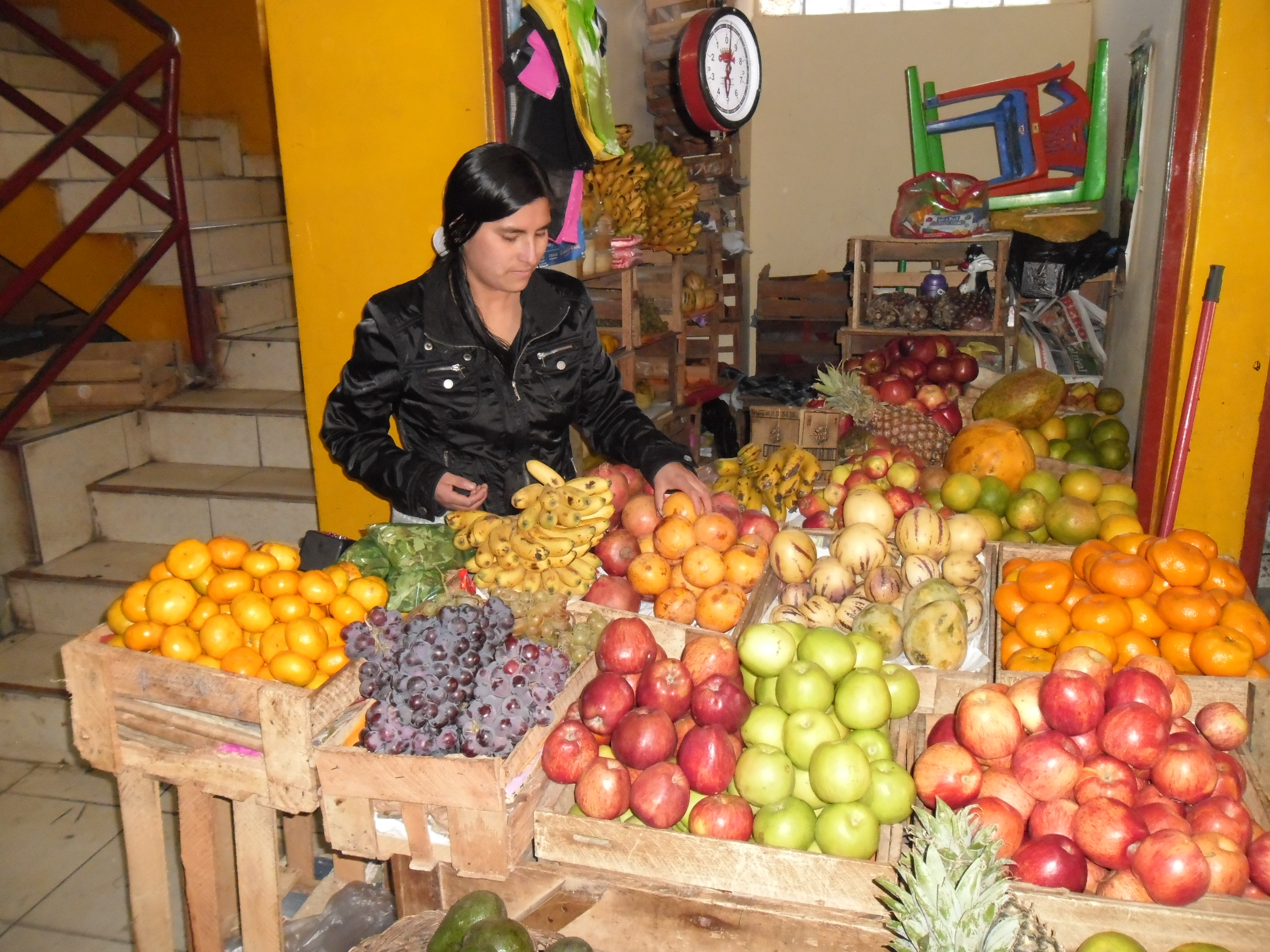
We bought a lot of mangoes from Maria, in the public market.
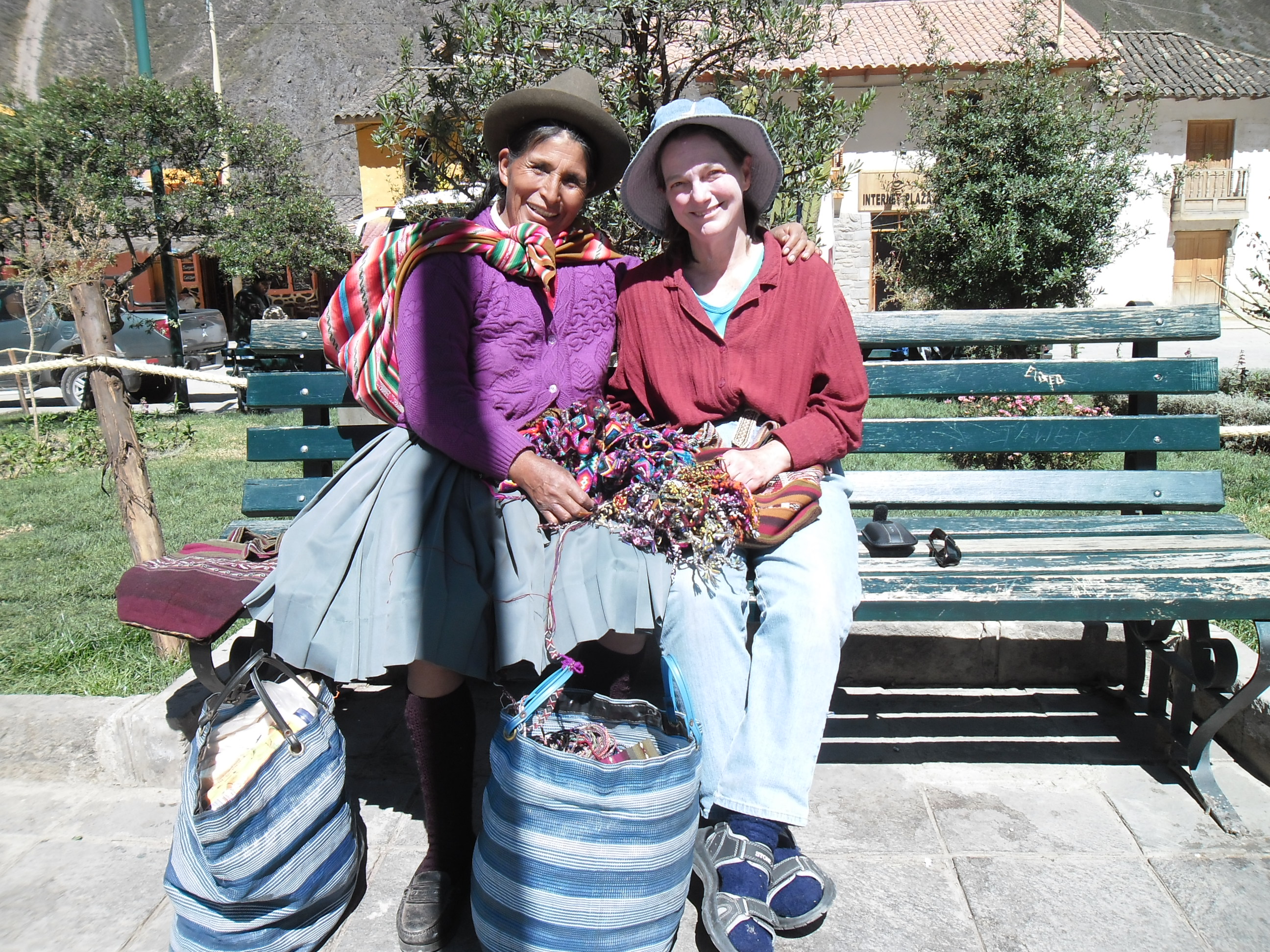
Justina was from Chinchero, a small town on the way to Cusco. She would come by a couple times a week to sell her weavings. We got to know her, and we bought bracelets and wall hangings from her.
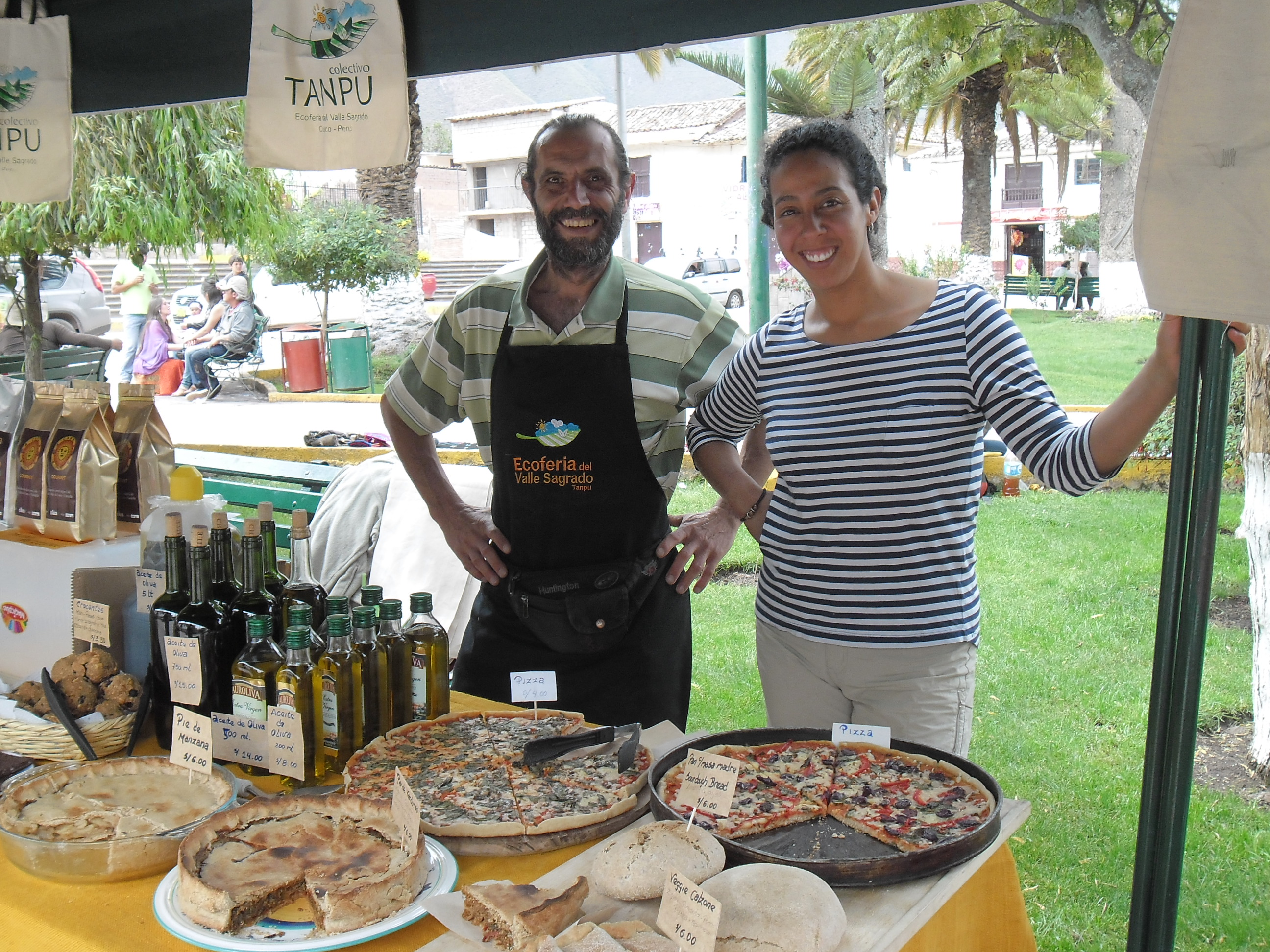
Our friends Mino and Sabrina, from Piccolo Forno
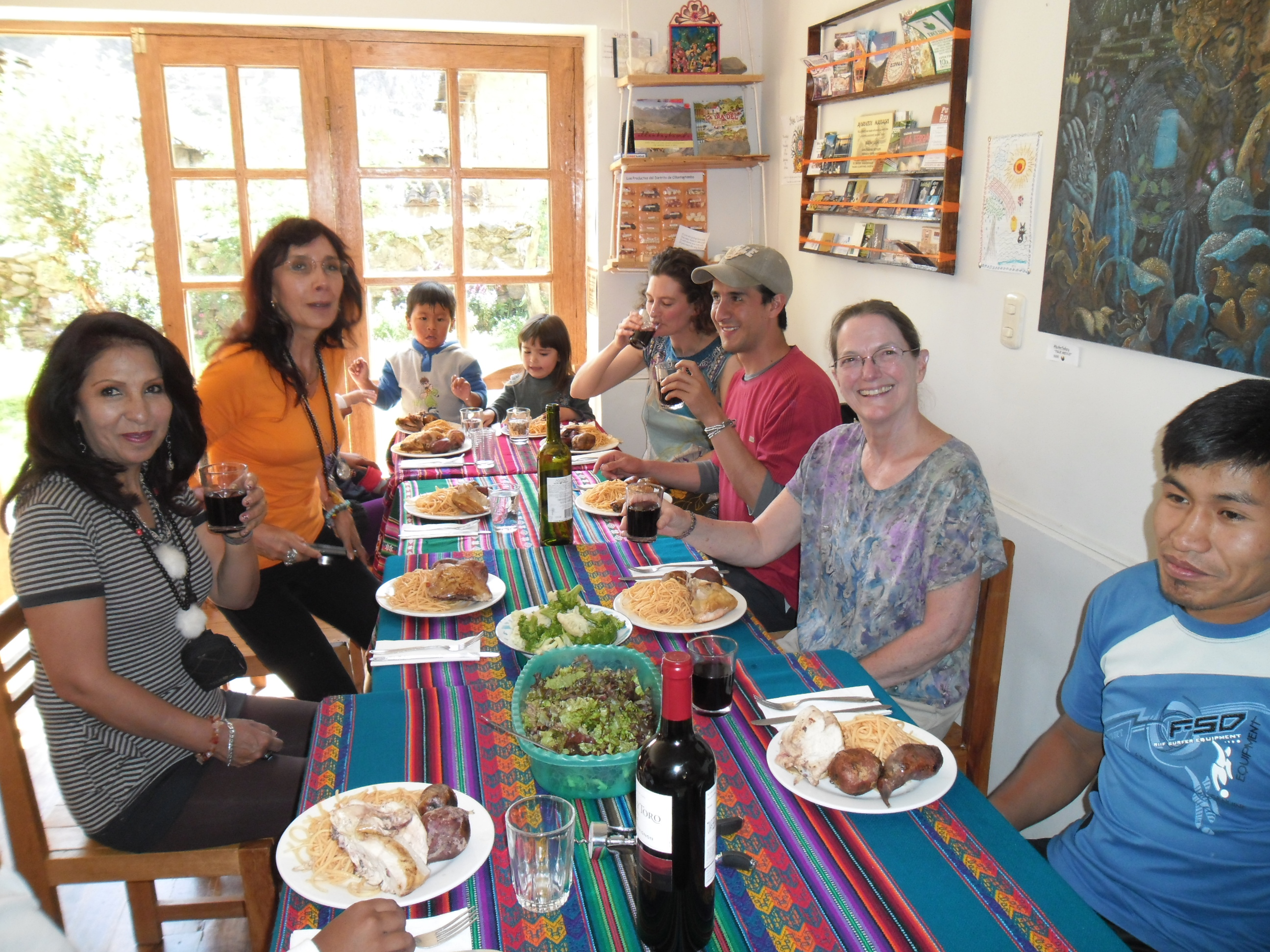
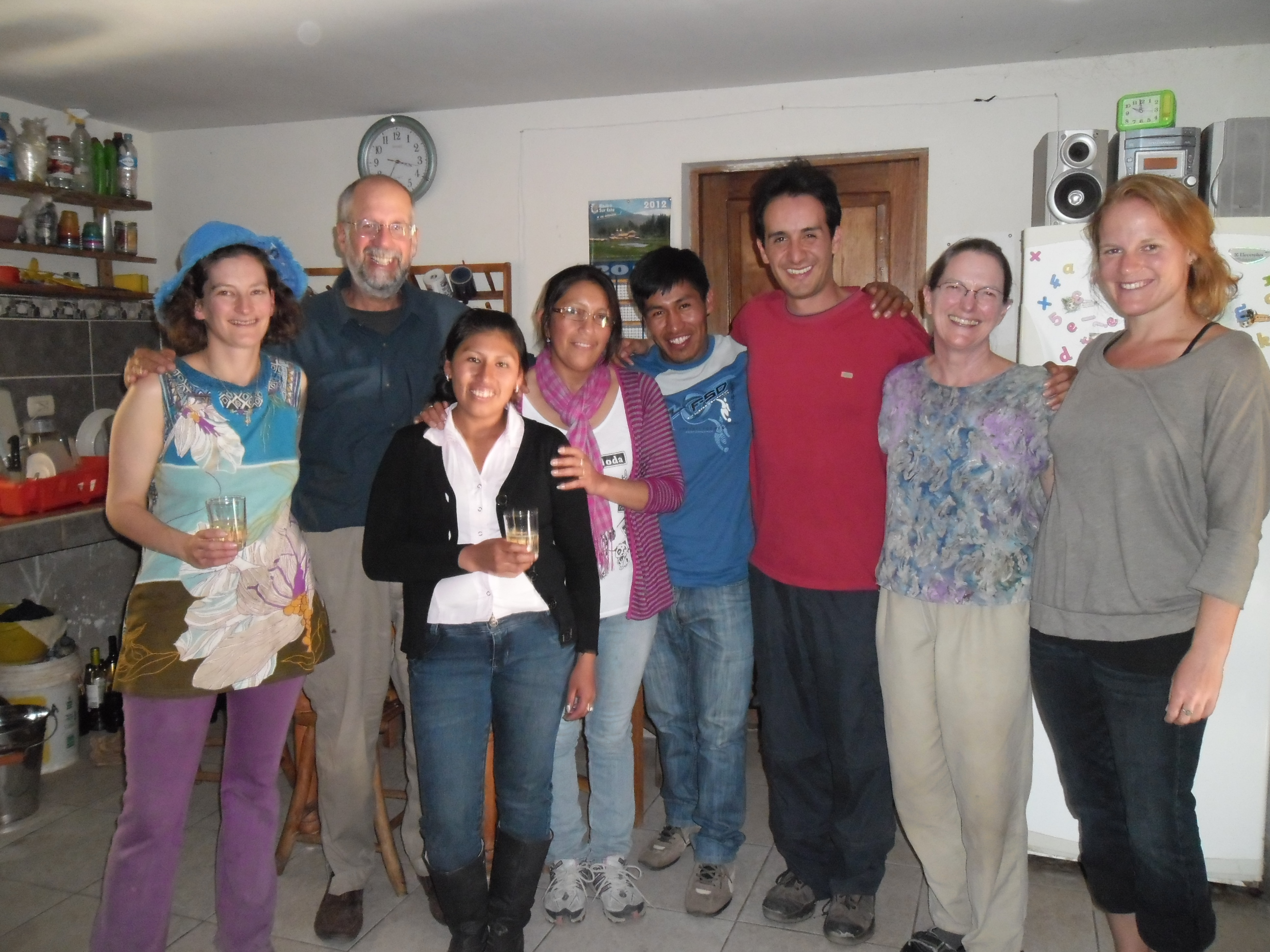
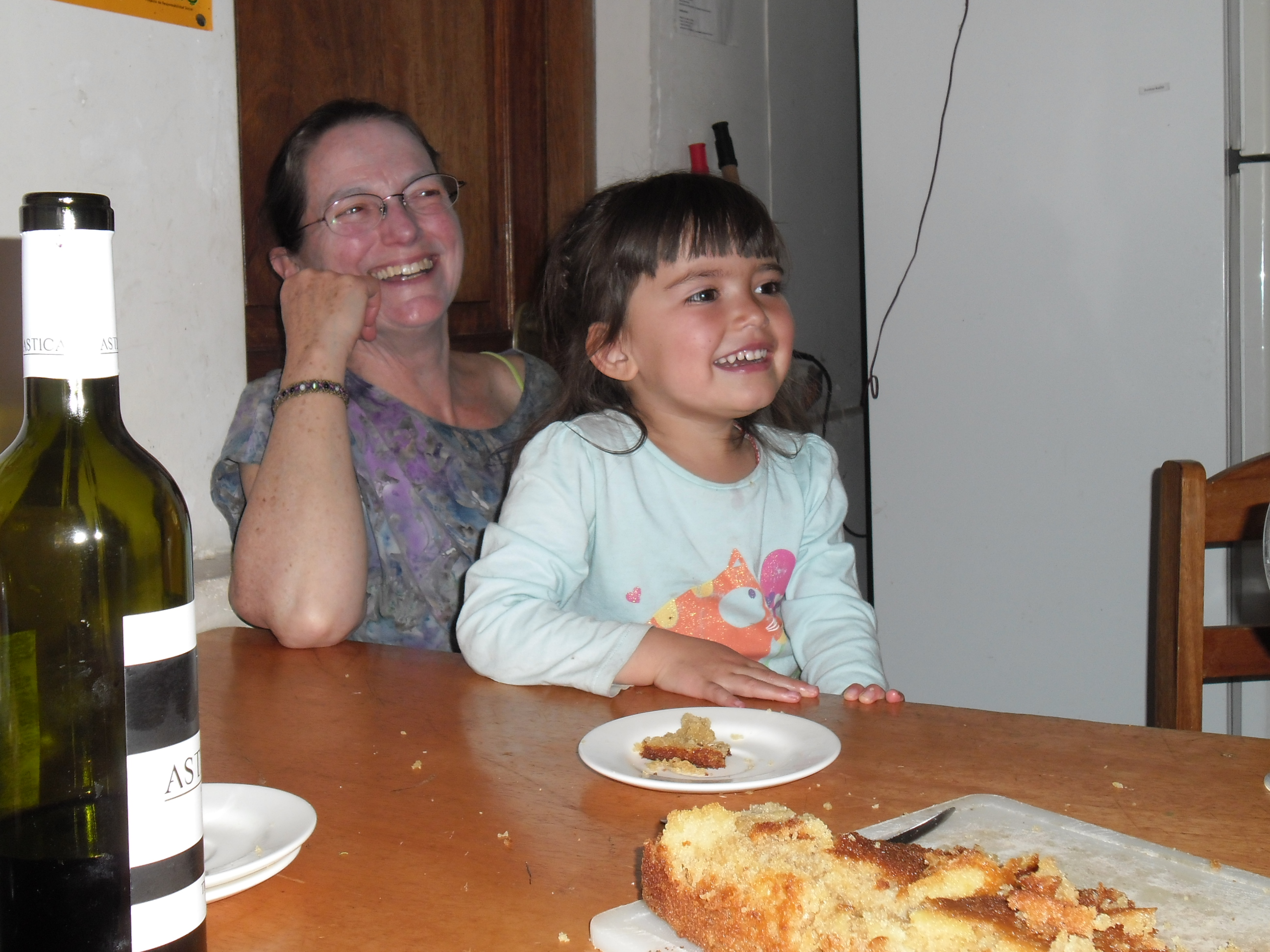
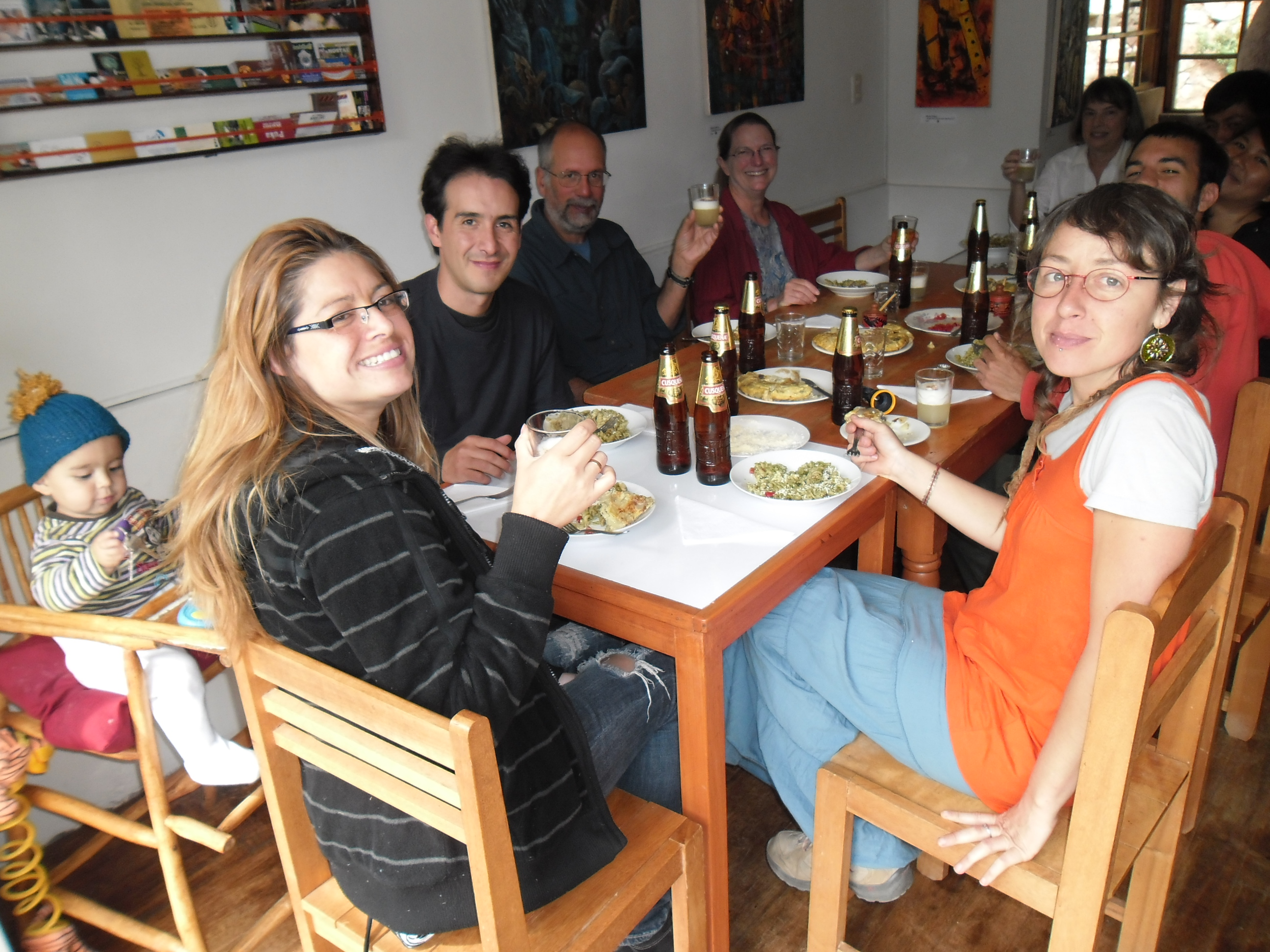
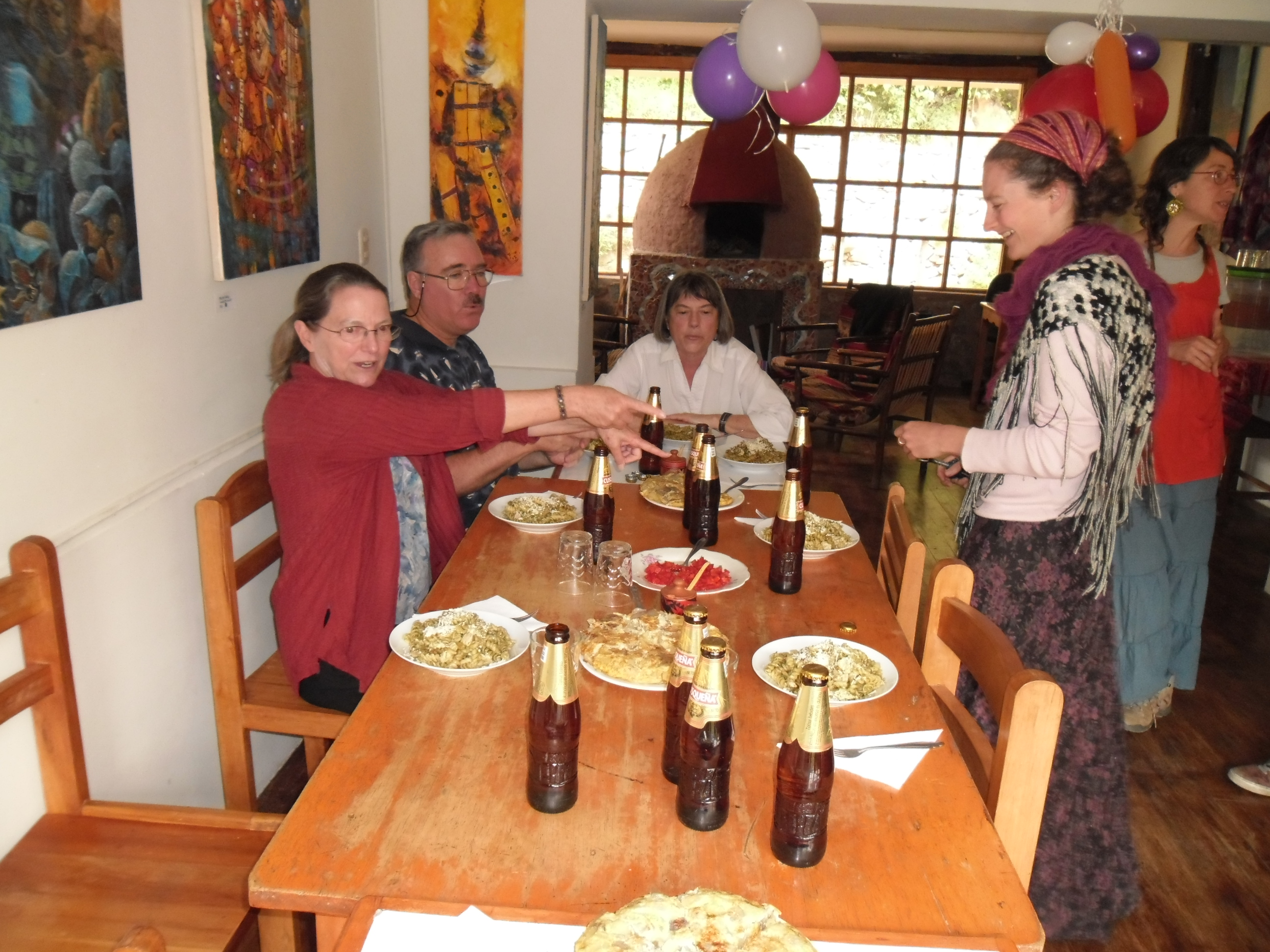
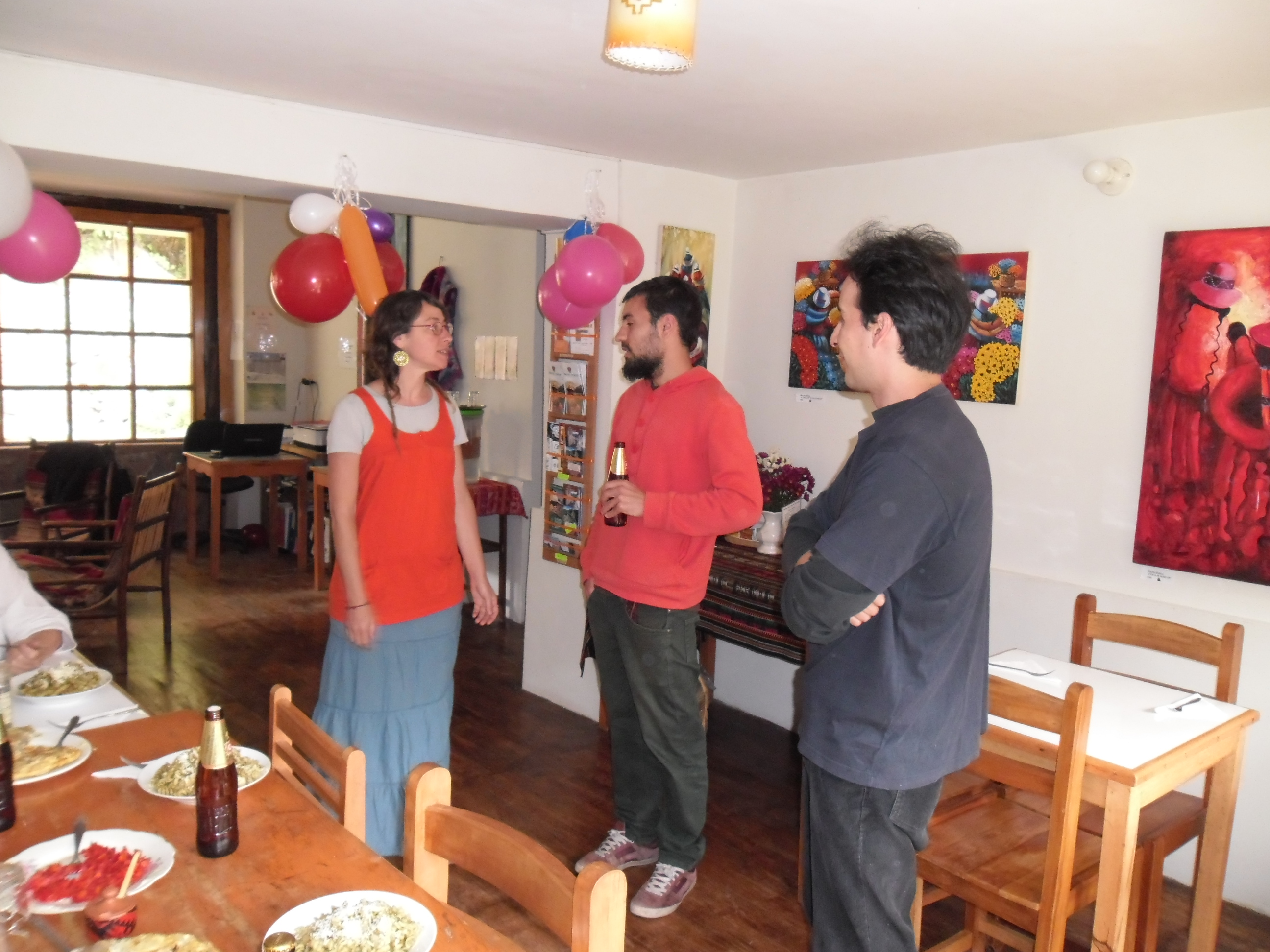
We loved working at Apu Lodge. We liked being part of this team, which was great not only at working together and getting things done, but also at having fun. Any excuse for a party was a good one. Carlos was working there when we arrived, but left halfway through our stay, to work at a bigger hotel, closer to his home in Urubamba. We had a party for his goaway, then a little party for Mike´s birthday.
This was the whole crew. Louise, Mike, Ruth, Pancha, Grego, Carlos, Monica, Amy
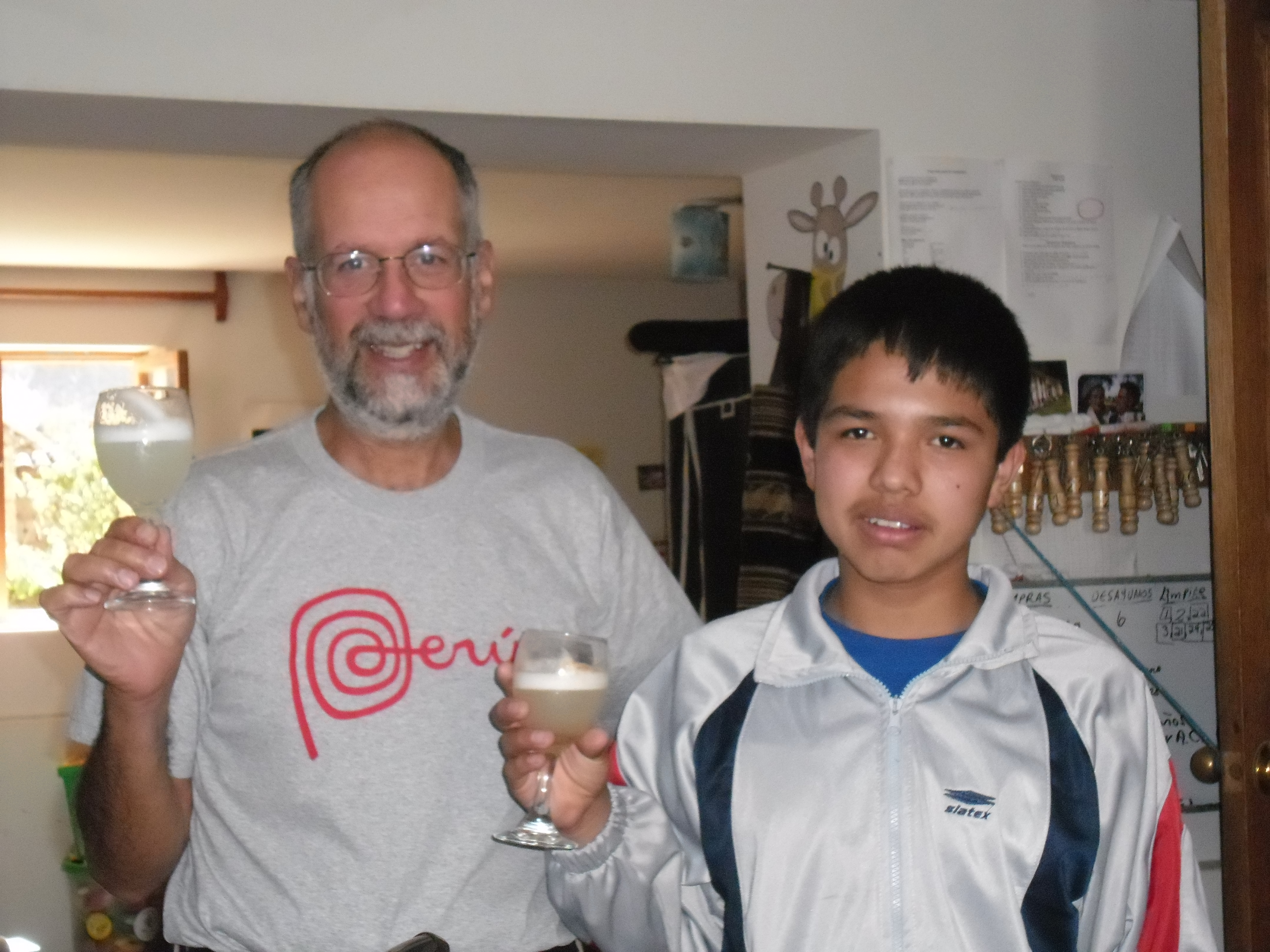
Yonel was a pleasure to work with on Sunday, when the other crew took days off. A little pisco sour won´t hurt him.
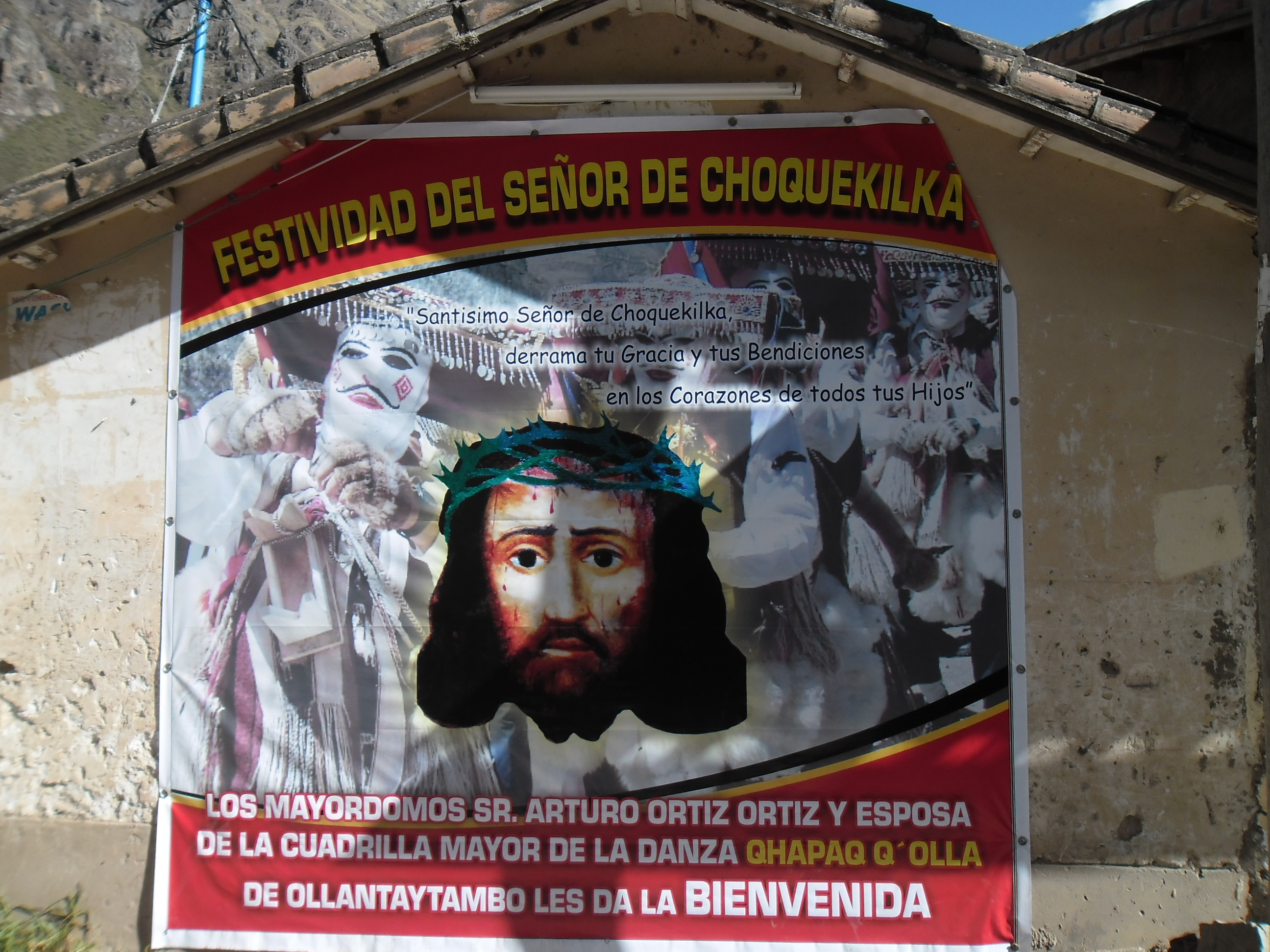
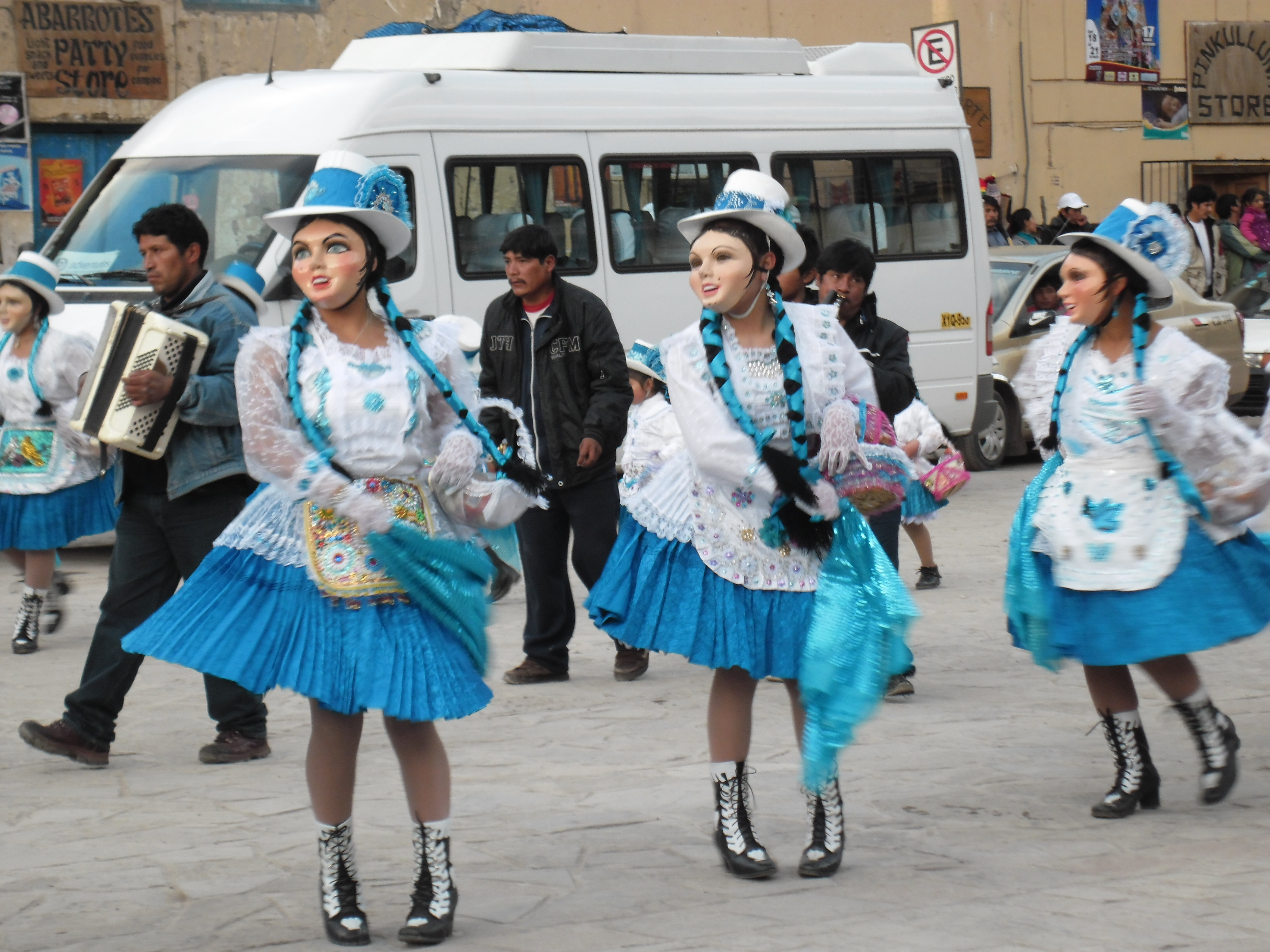
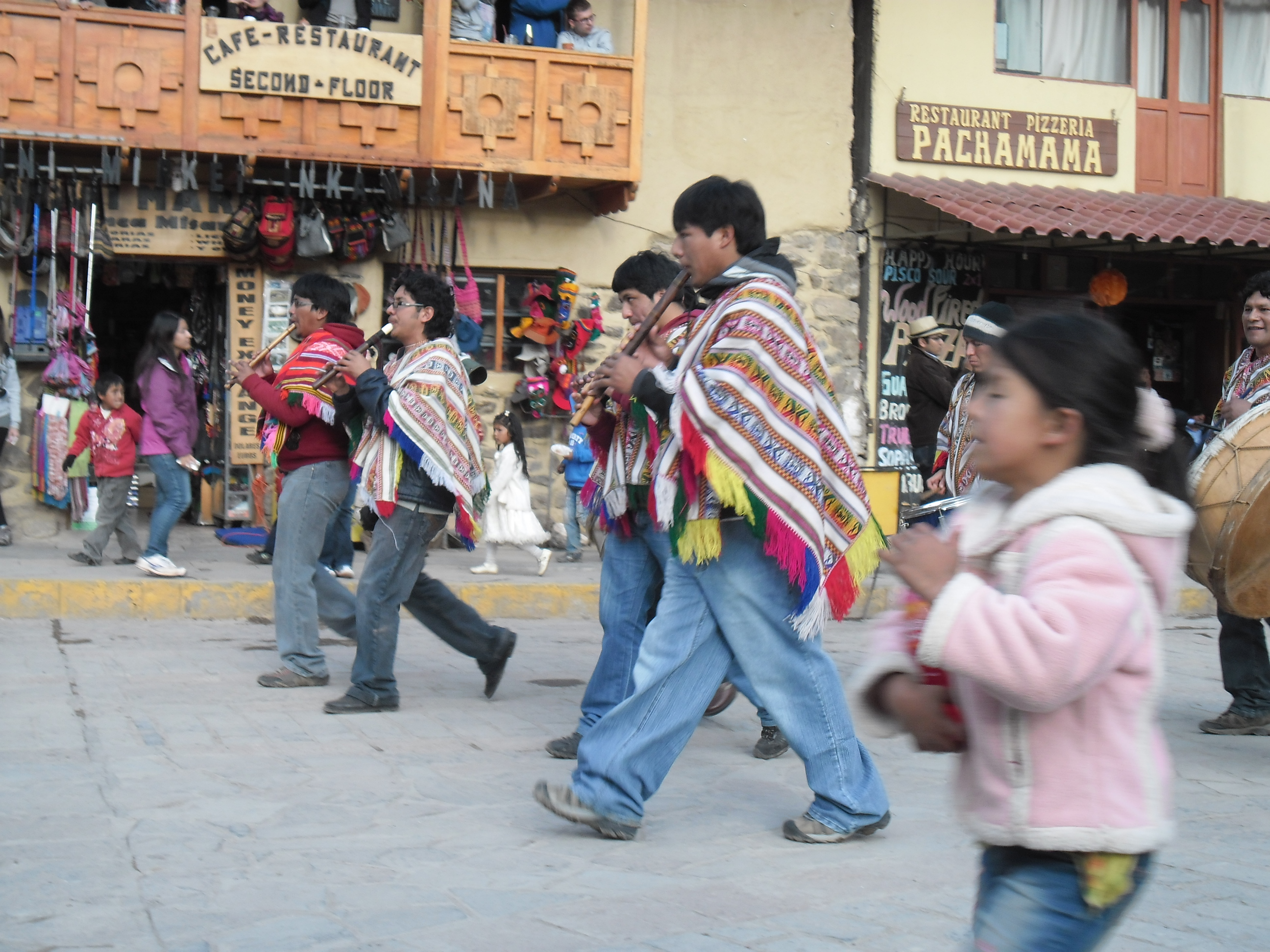
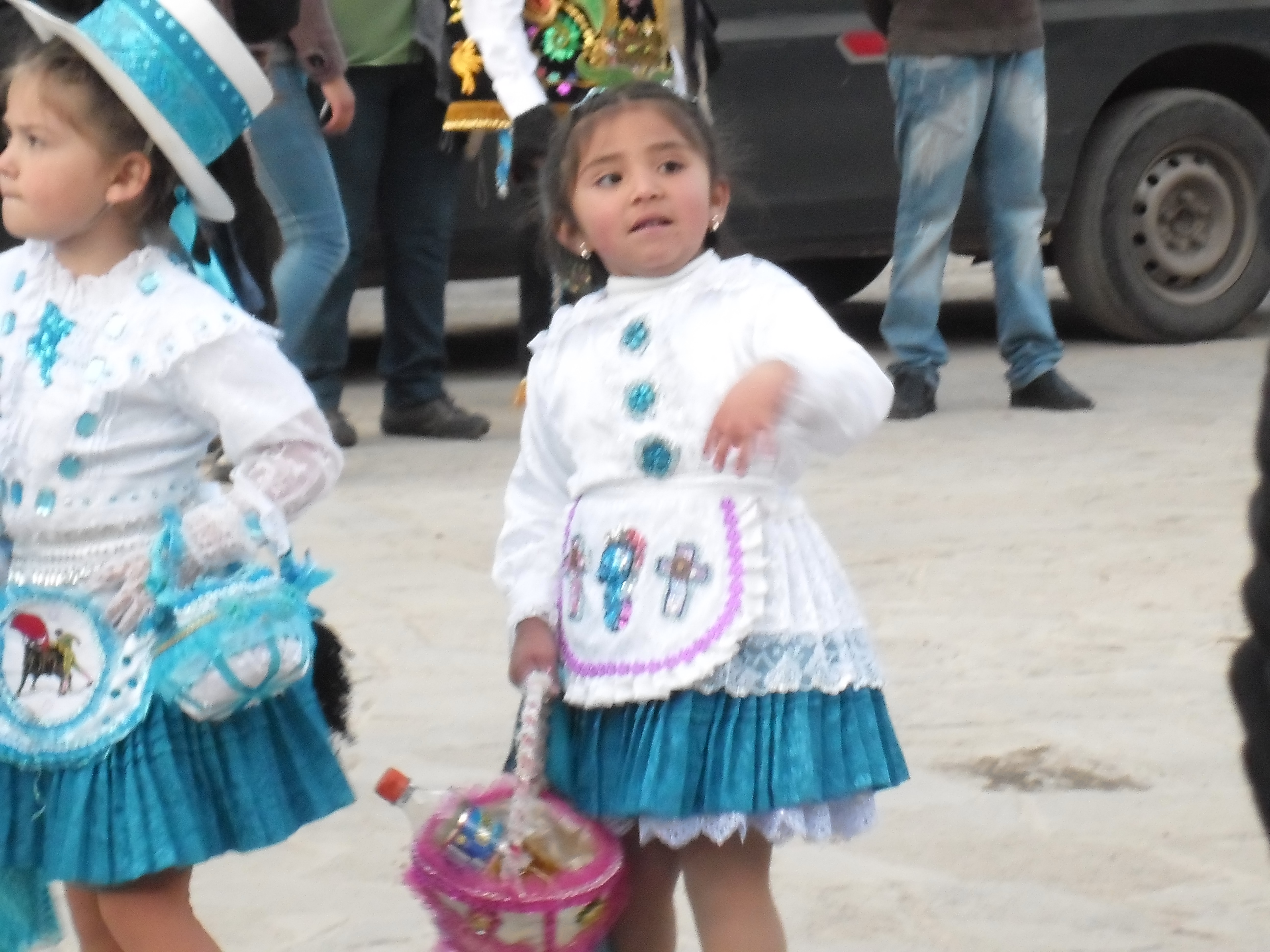
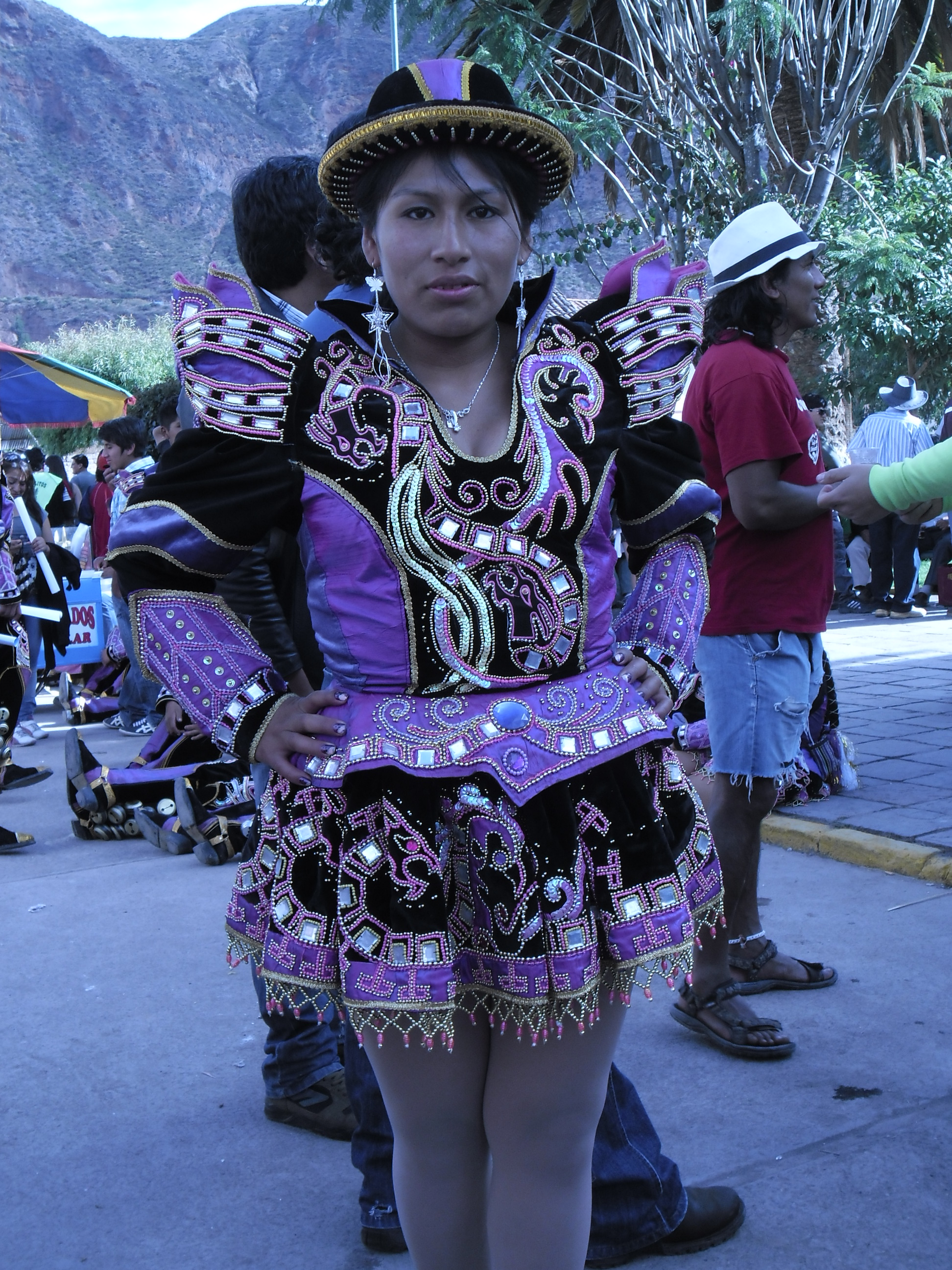
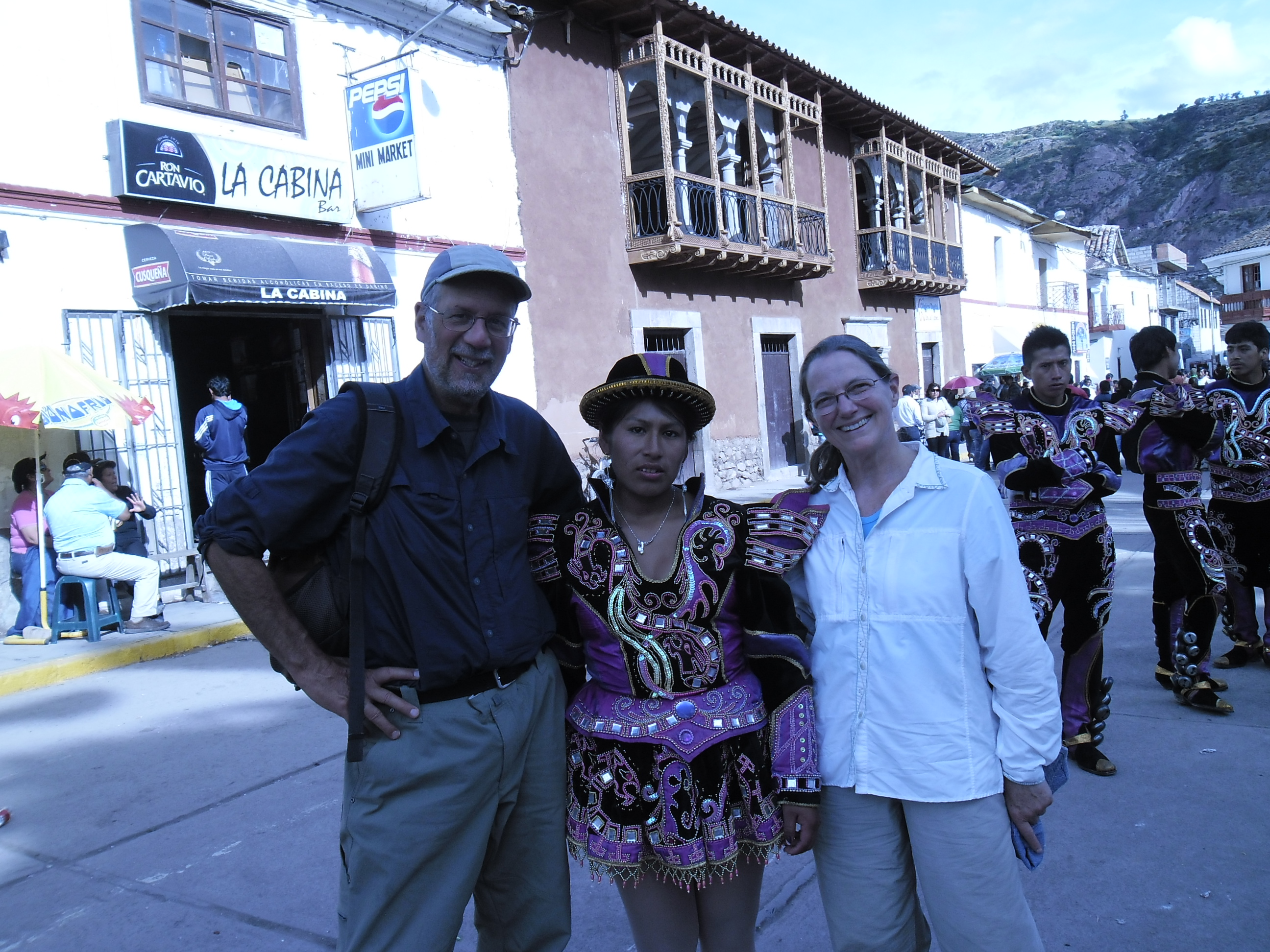
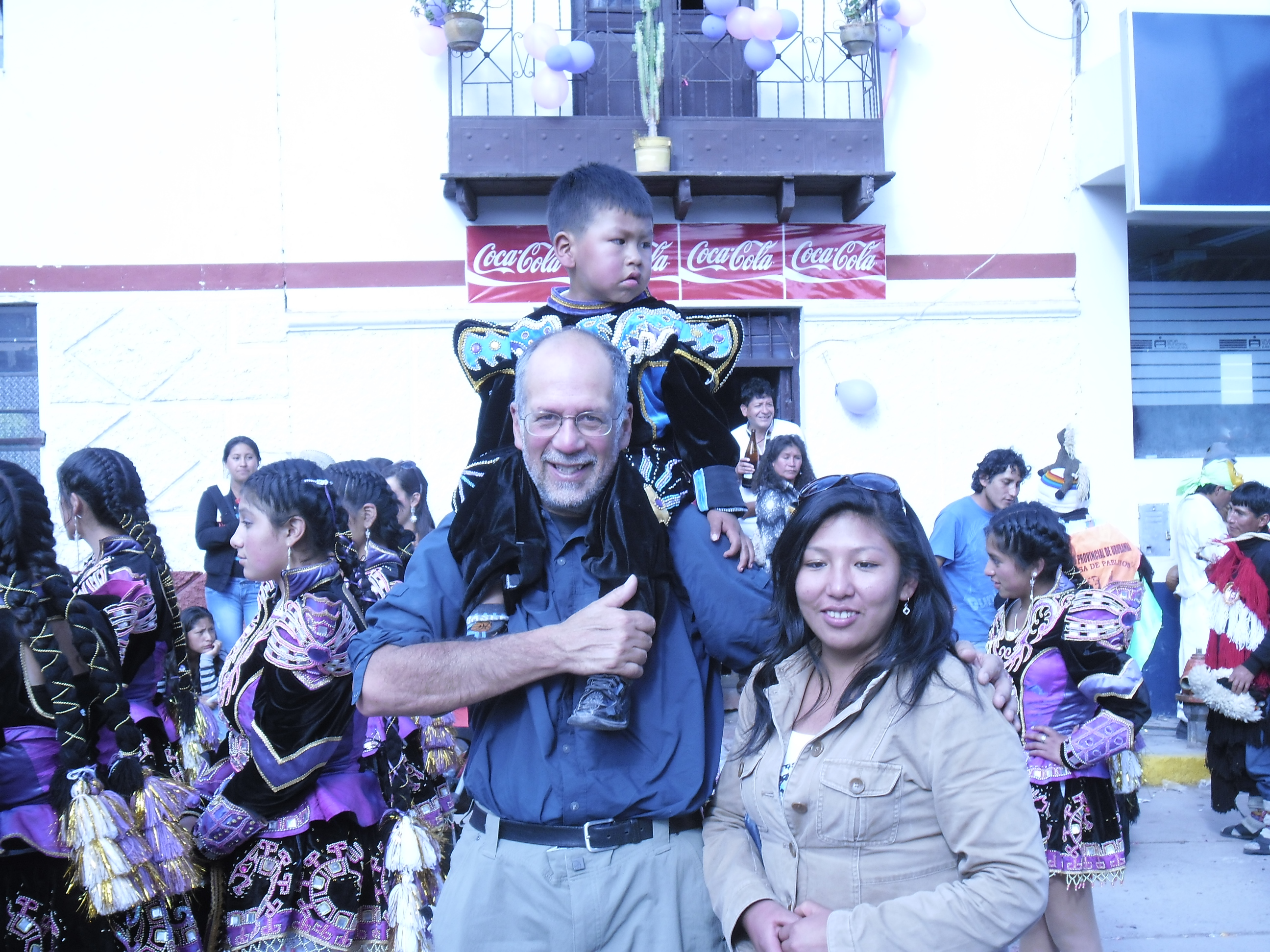
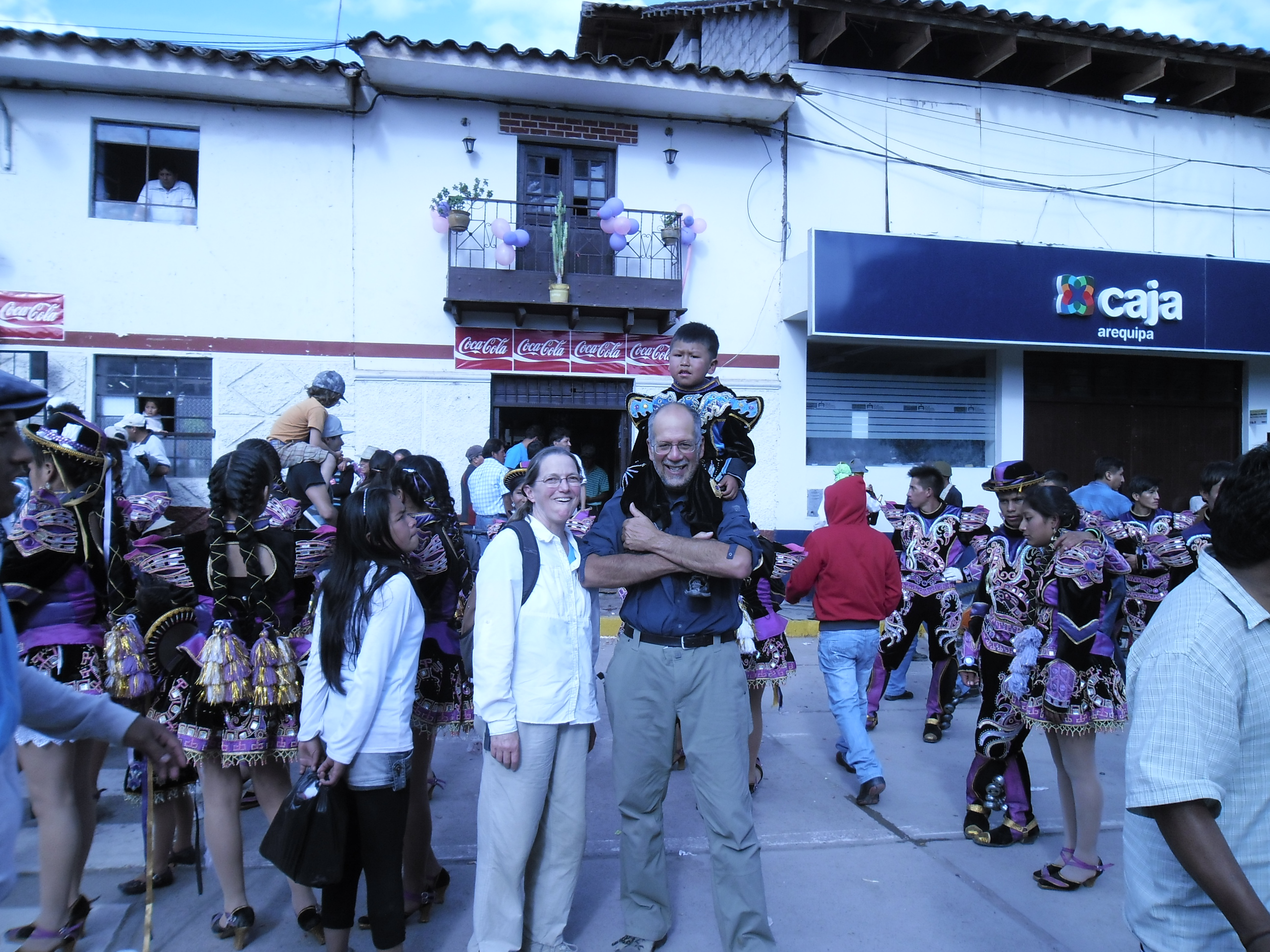
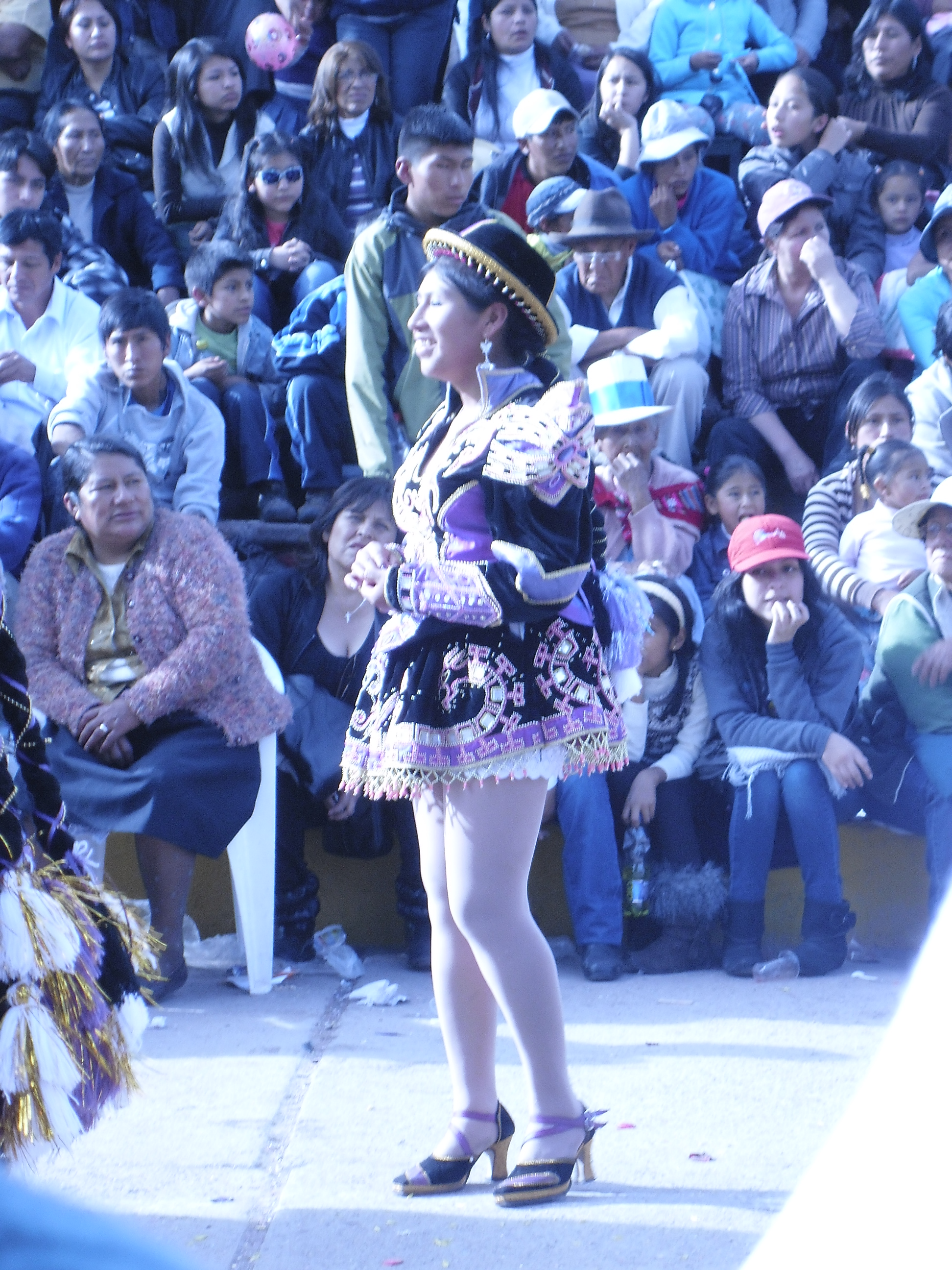
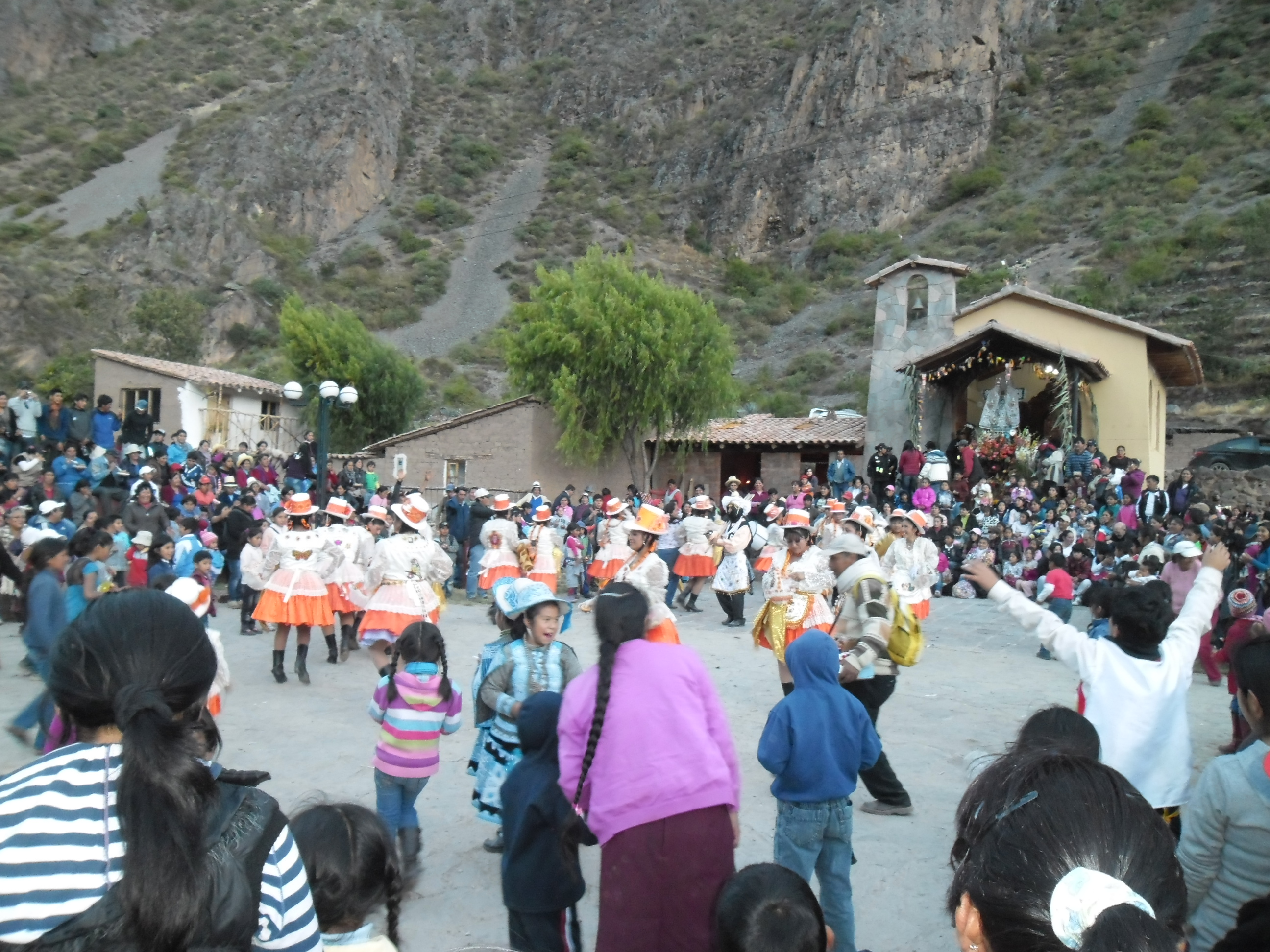
A week and a half before we leave Ollantaytambo, the town threw its biggest party of the year. The party is in honor of the patron saint of Ollanta, named Señor Choquekilka. He´s the protector of the town, the wise being who helps assure that the crops are abundant and the people are happy. Each town has its own saint, and the saints are celebrated on different days in different ways. Ollanta looks forward to its celebration each year. We had heard a lot about the fiesta a long time before it arrived. It´s a four-day celebration, with lots of music and dancing by dance troupes. They set up stages and bleachers in the plaza, and the normally tranquil town square is turned into a noisy, music-filled square, full of parades of dancers and processions with people carrying Señor Choquekilka in and out of the church.
The entire celebration is a mixture of Christian and Indigenous beliefs. El Señor is an indigenous, pre-Spaniard deity, but he is also none other than Jesus. This mixture of cultures and beliefs is evident everywhere through the Andes. Everyone agrees that the Spaniards were horrible, and the pre-Spanish culture is treasured, but at the same time, Catholicism is the main religion. Everything is a balance.
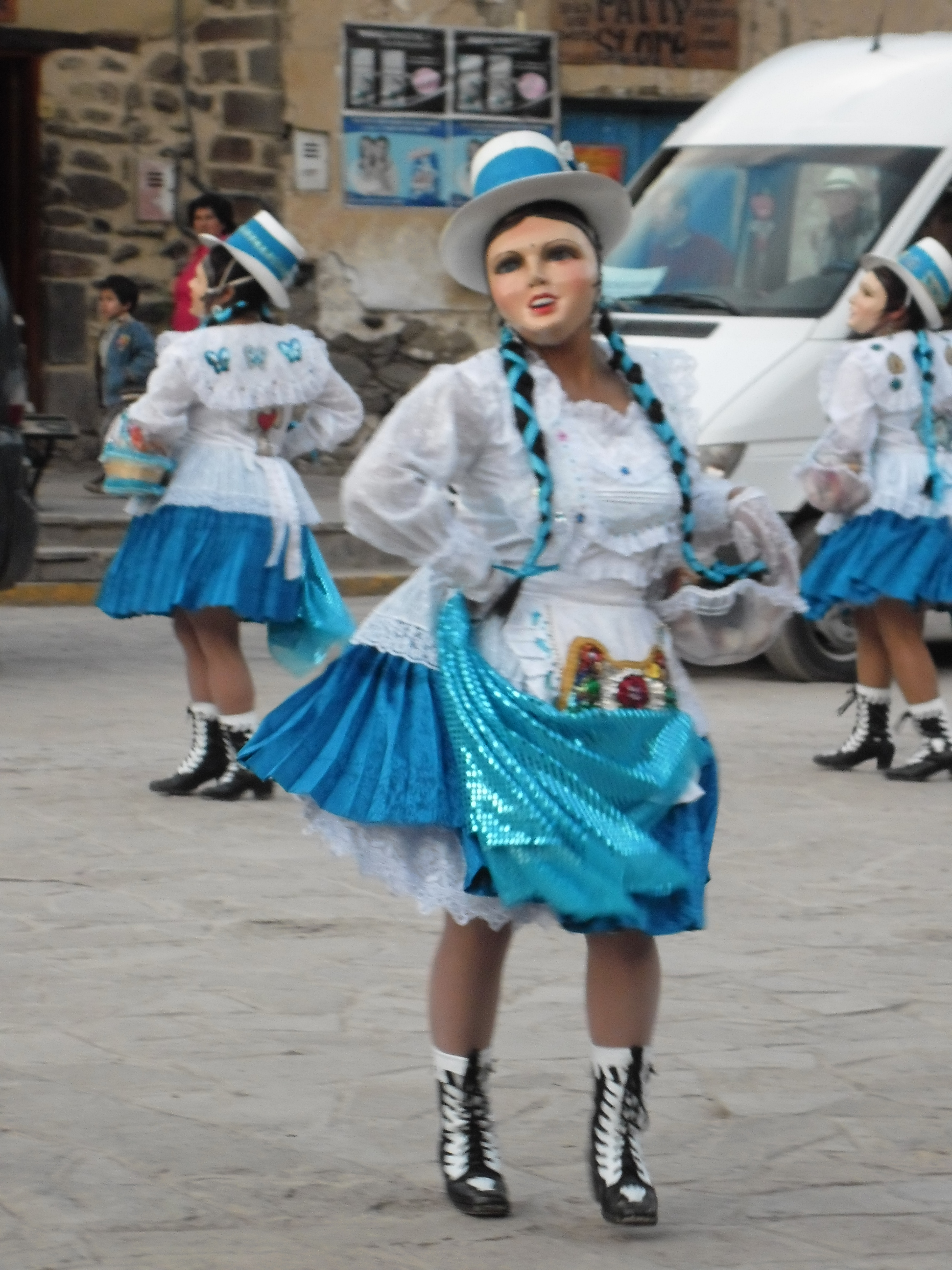
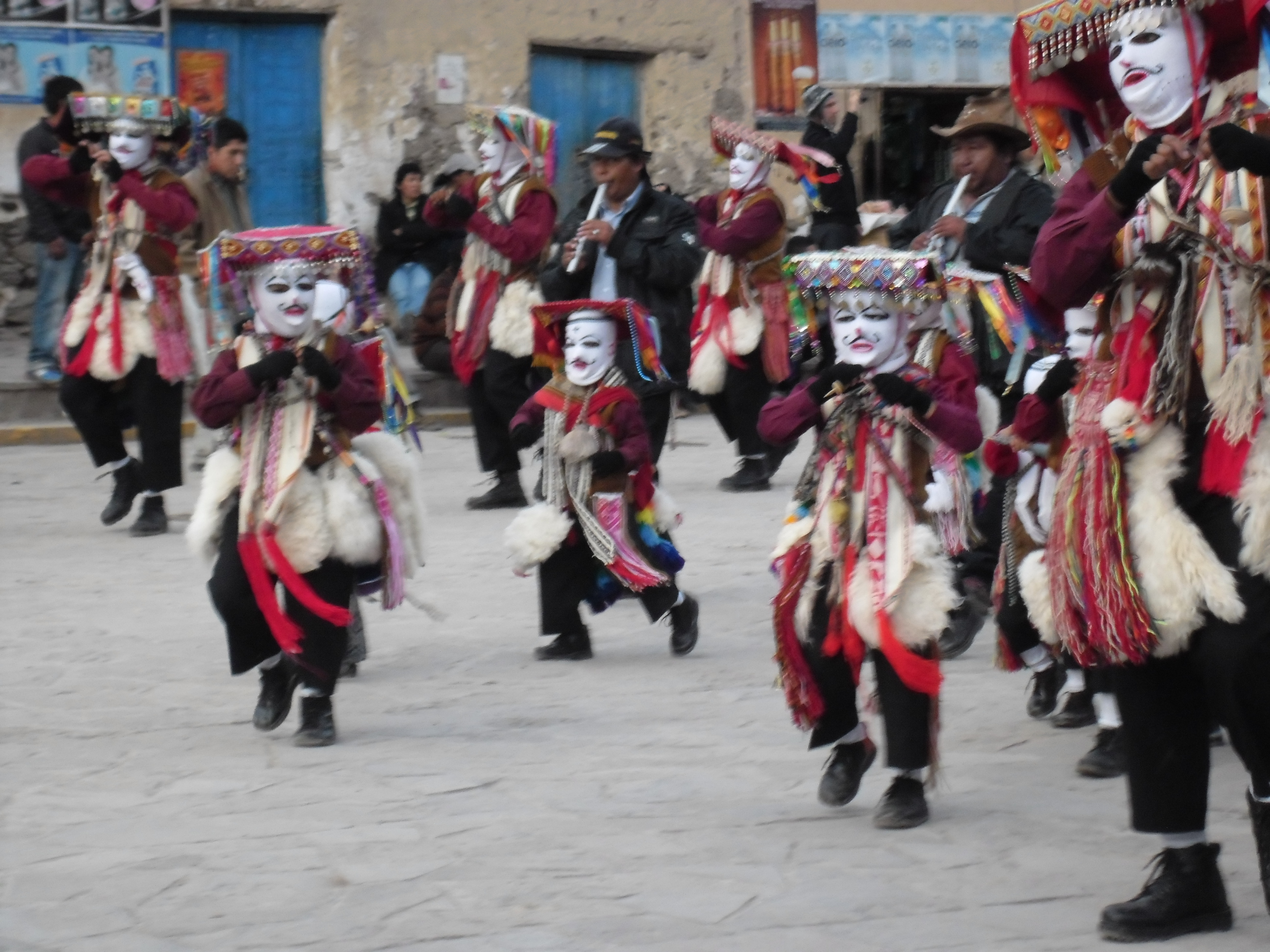
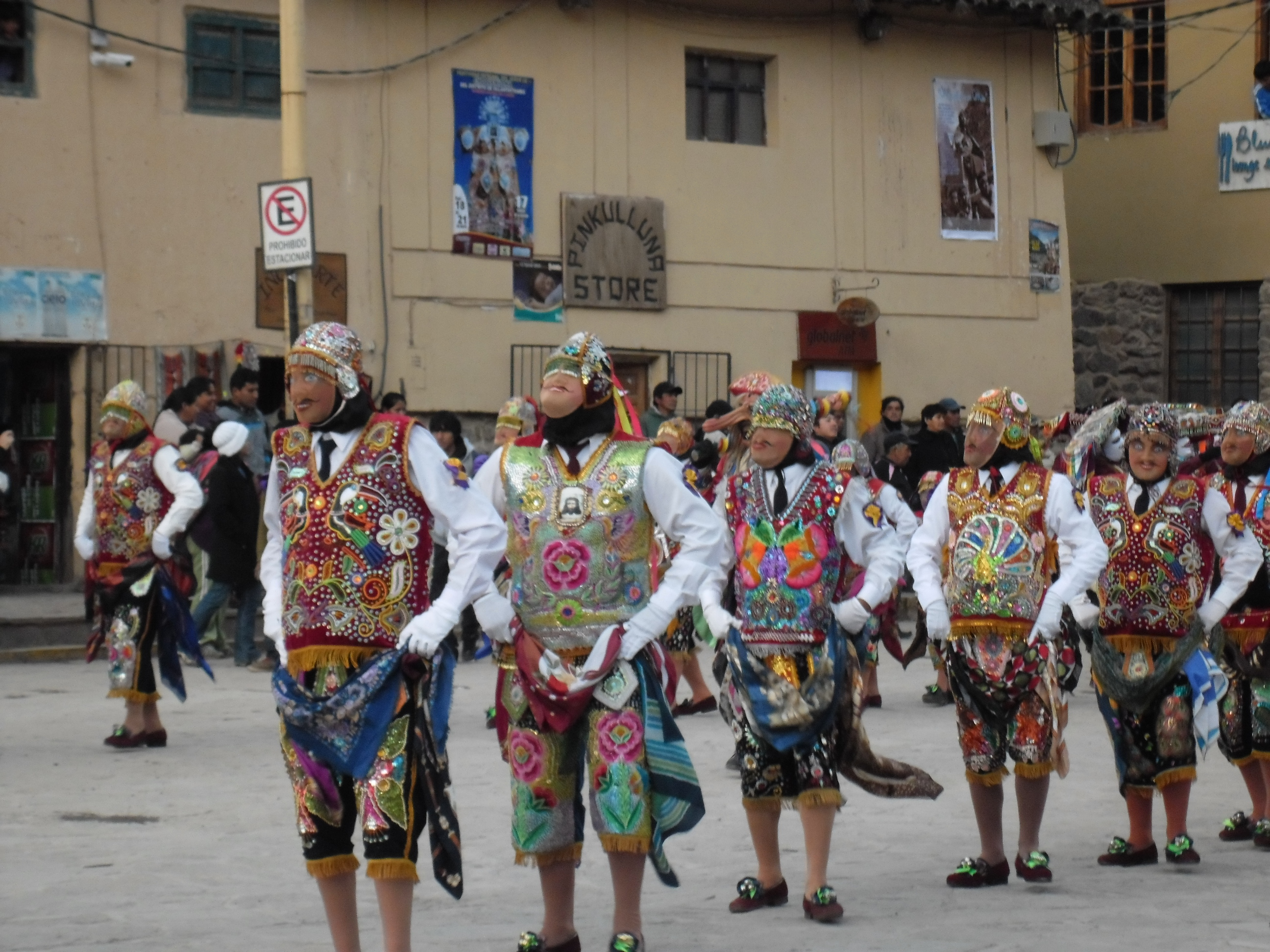
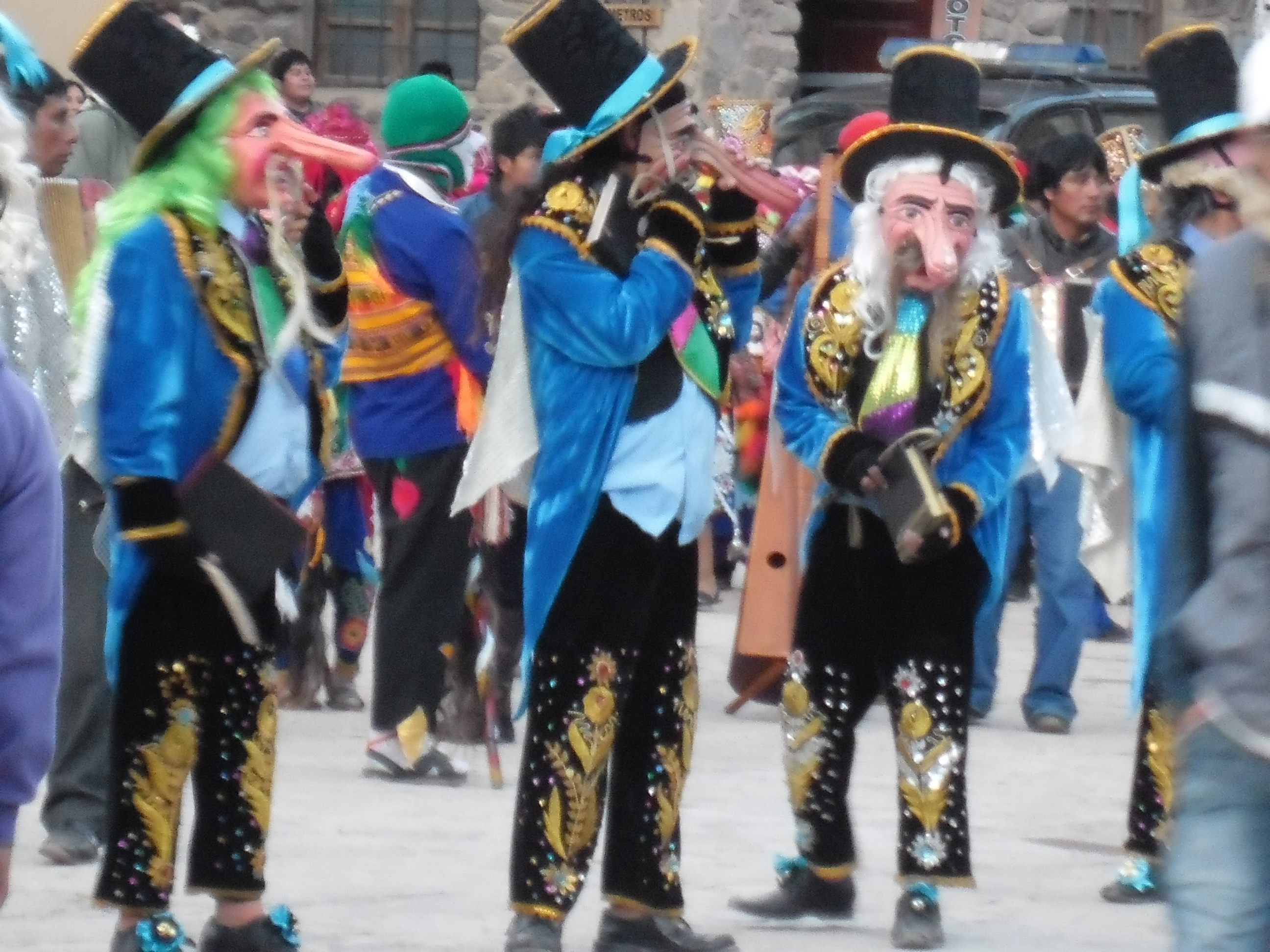
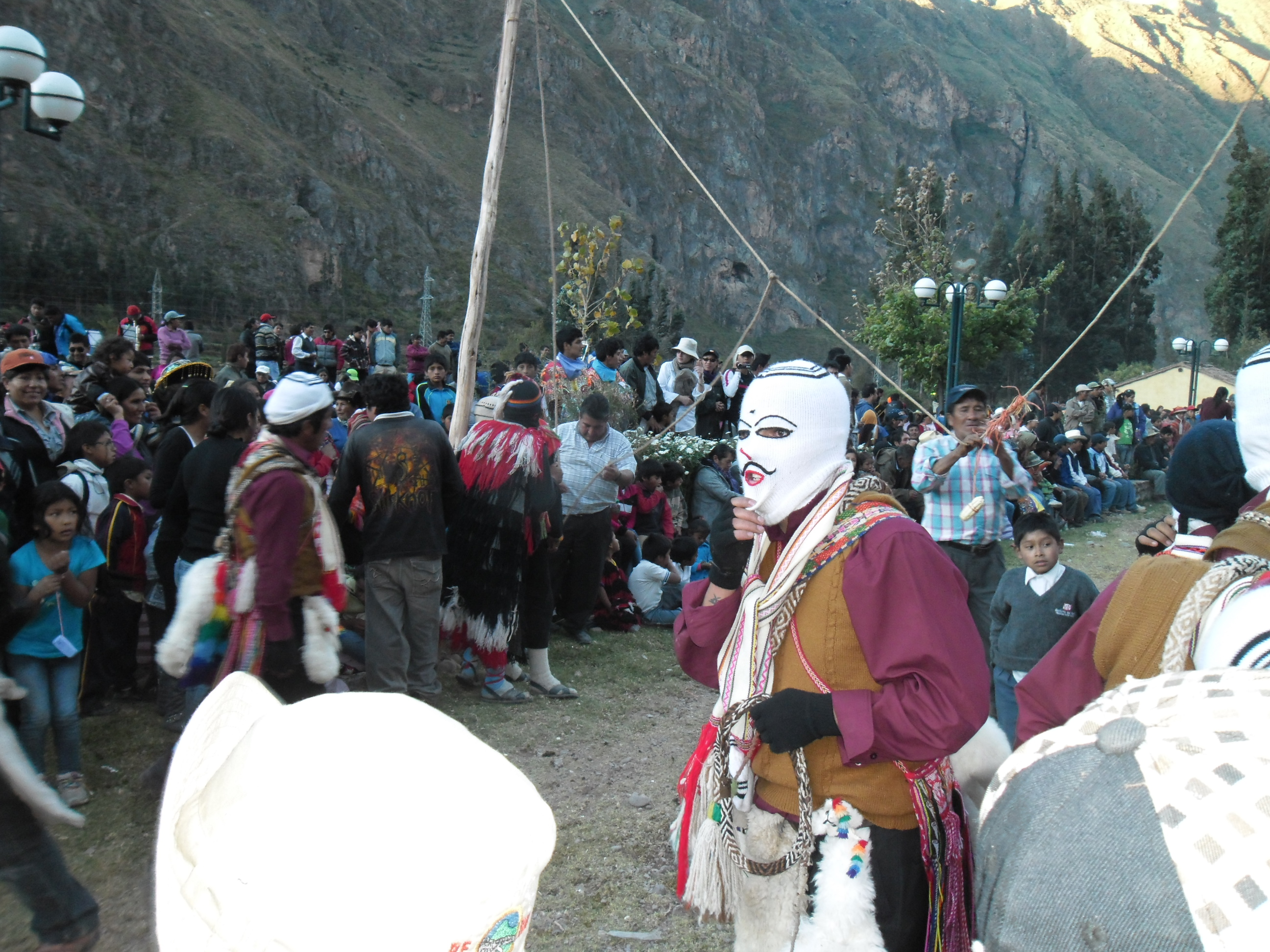
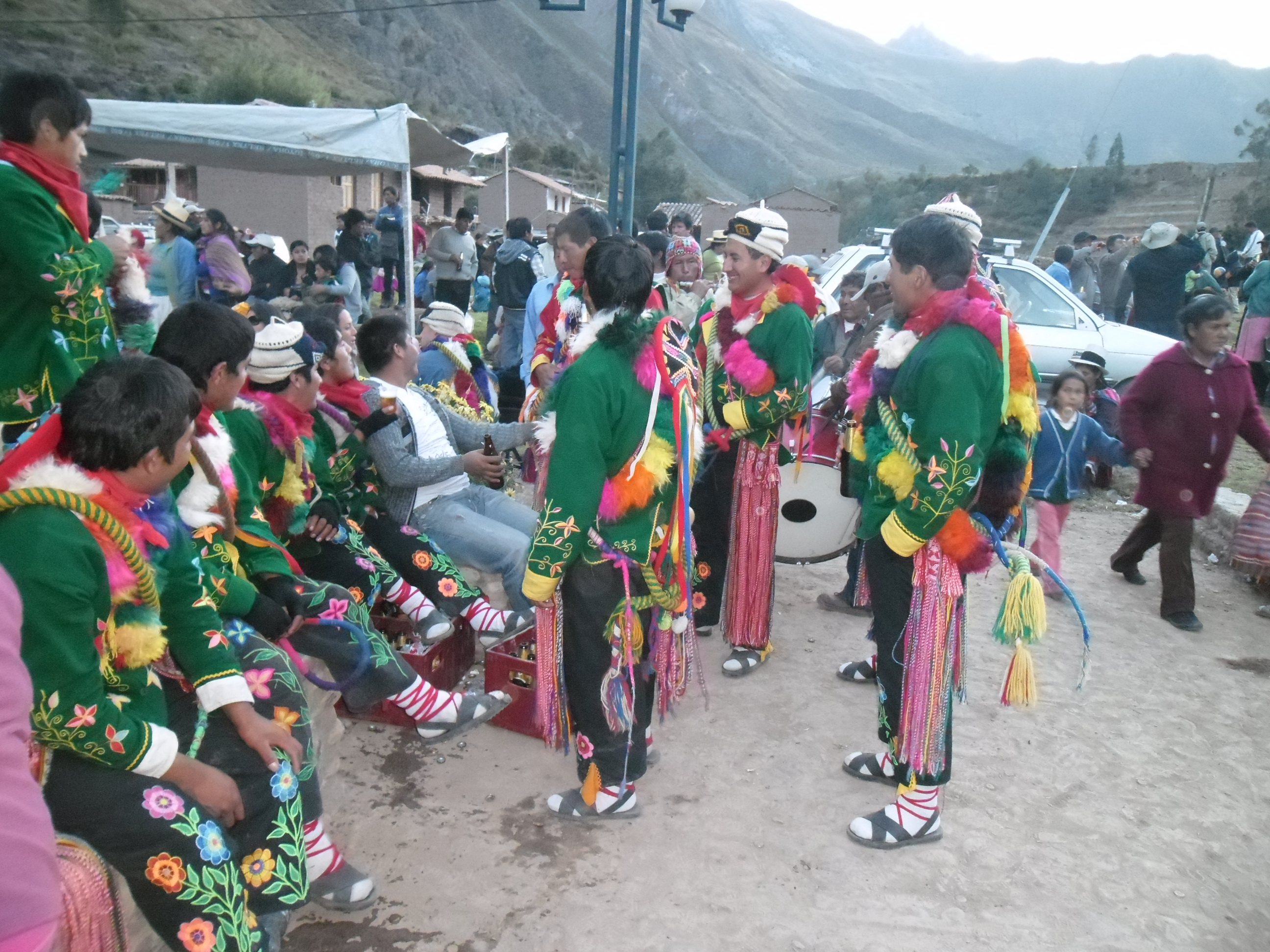
Most of the dance troops wore masks and costumes. The masks made it all about the group, not about the individuals. The bands would play and the dancers would dance. The dances lasted fifteen minutes, twenty minutes, a half hour.
This troupe was a crowd favorite. They were dressed up as old ugly guys with giant noses. They were rude and crude, farting and drinking and scaring the kids.
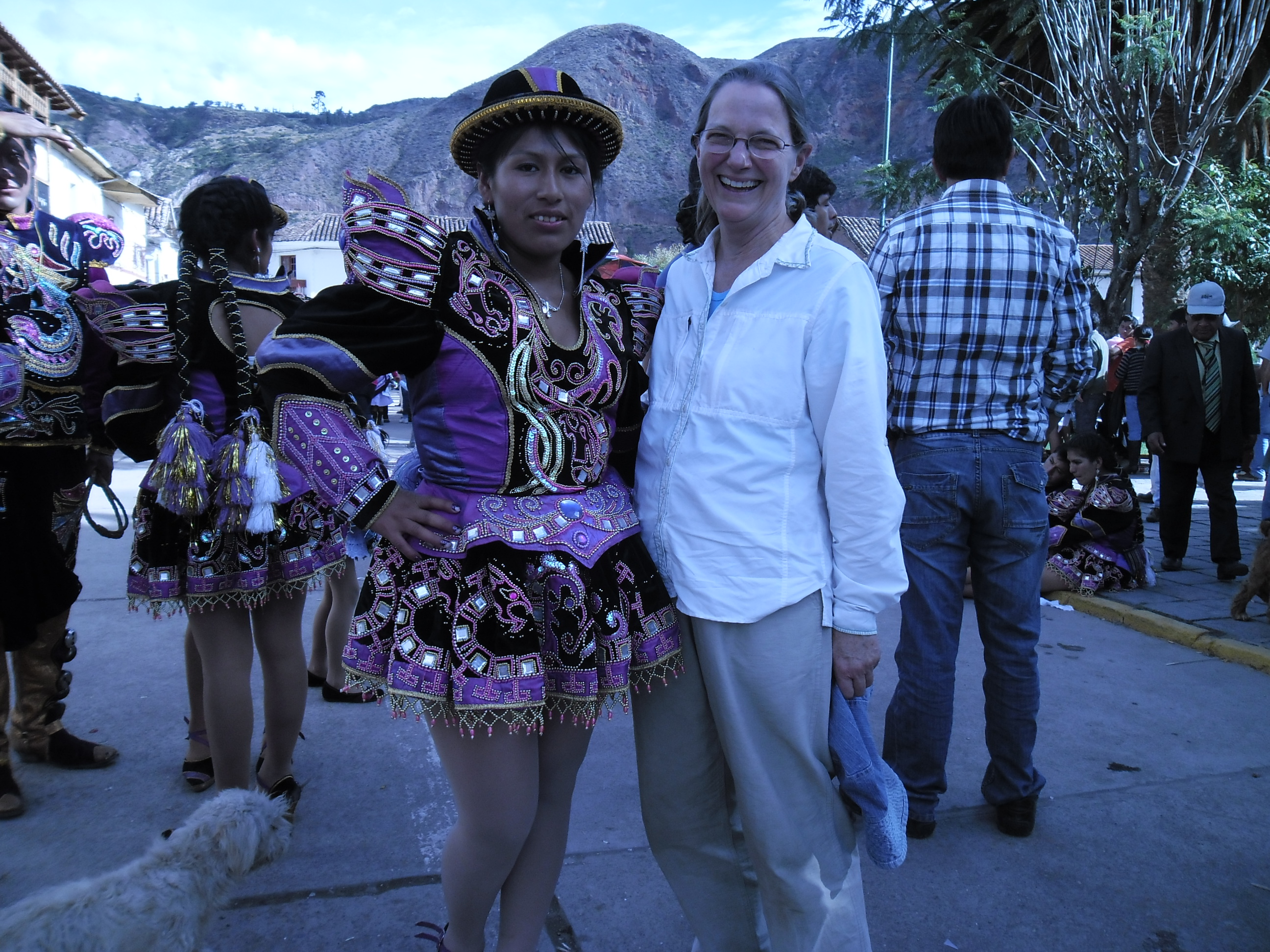
On Sunday, our friend Ruth was in a dance troupe that was performing in Urubamba, a town about a half-hour ride up the valley. We went to see her.
Here I am with Ruth´s son Samir, and her sister Sylvia.
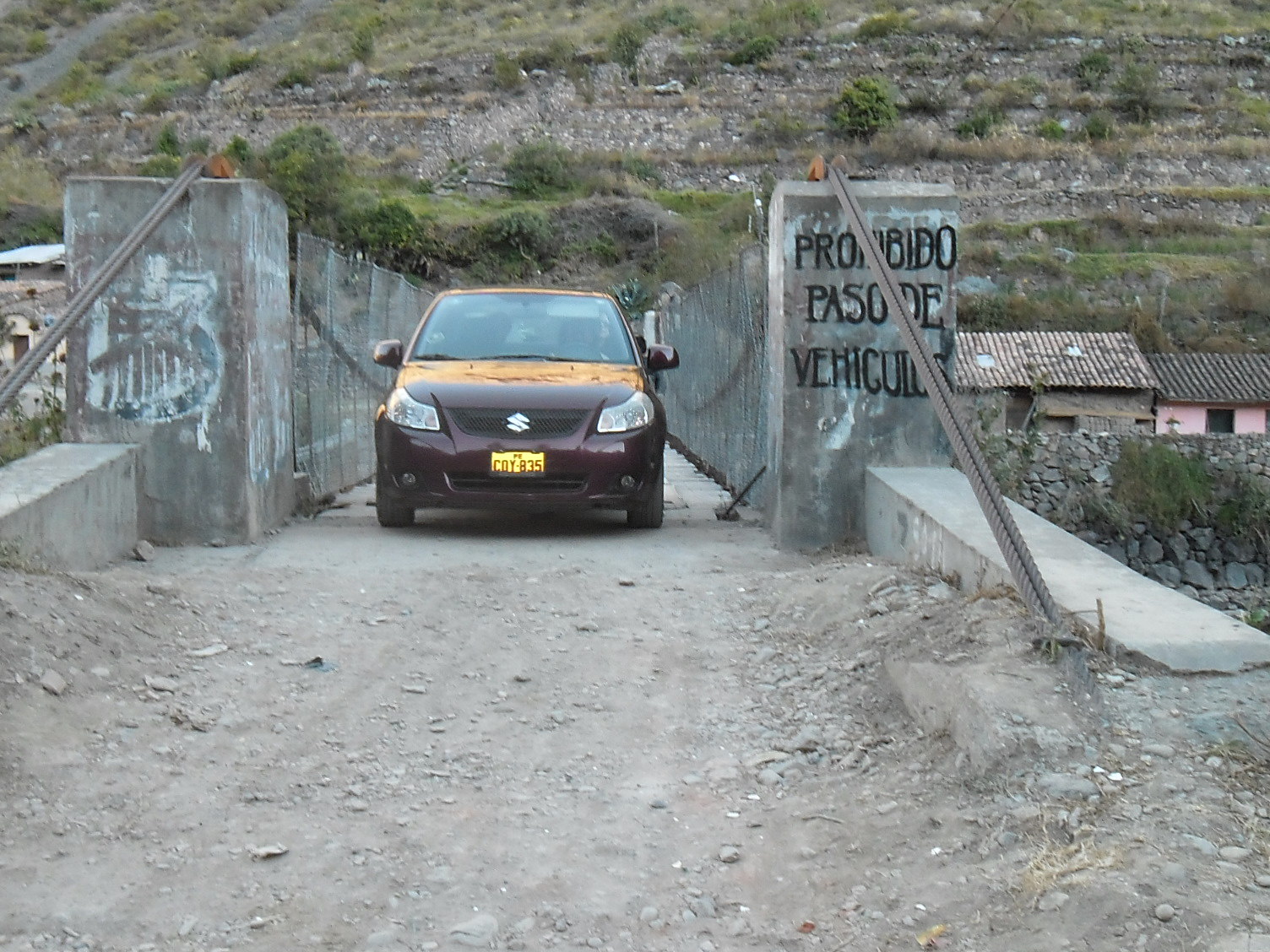
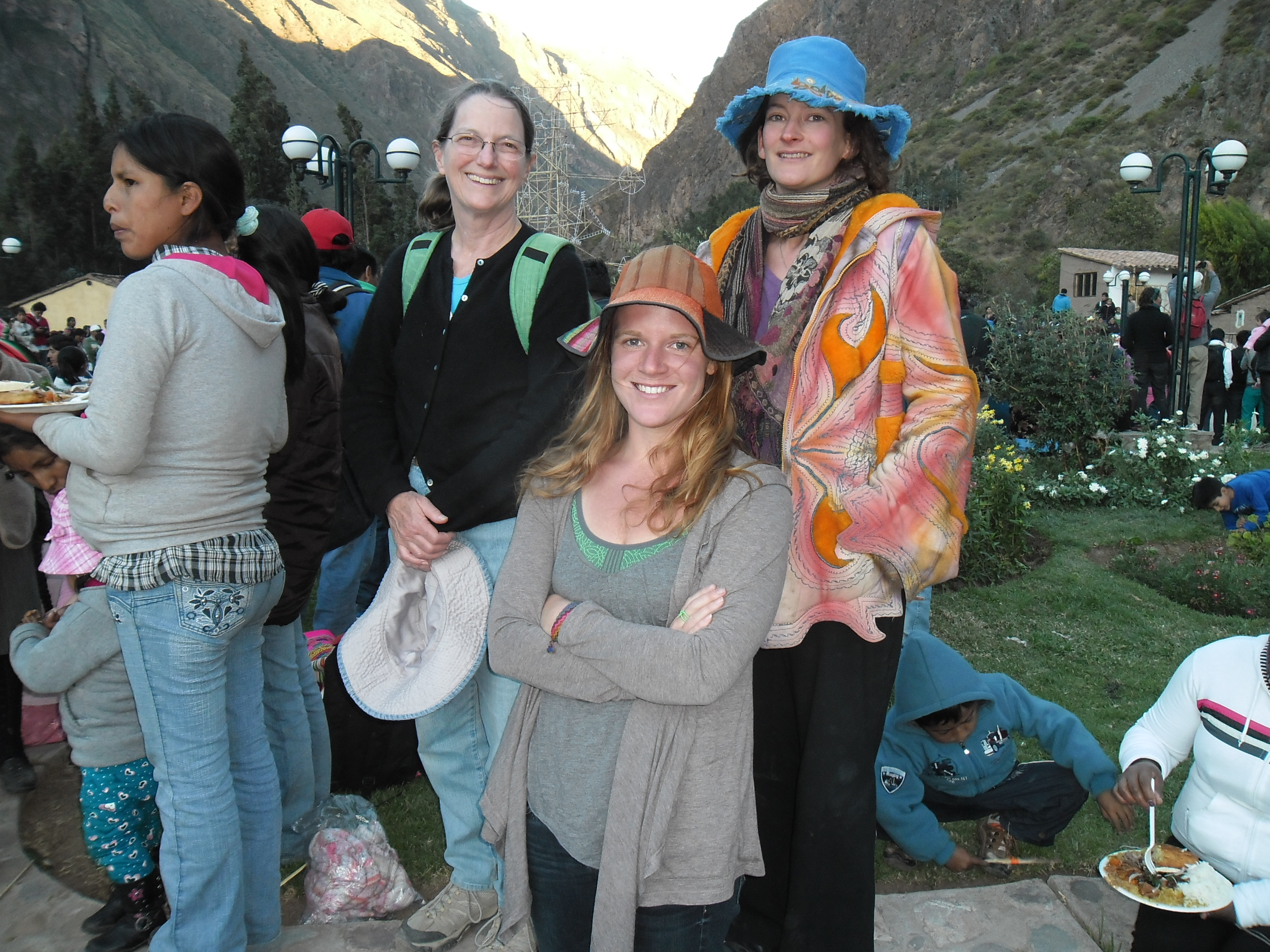
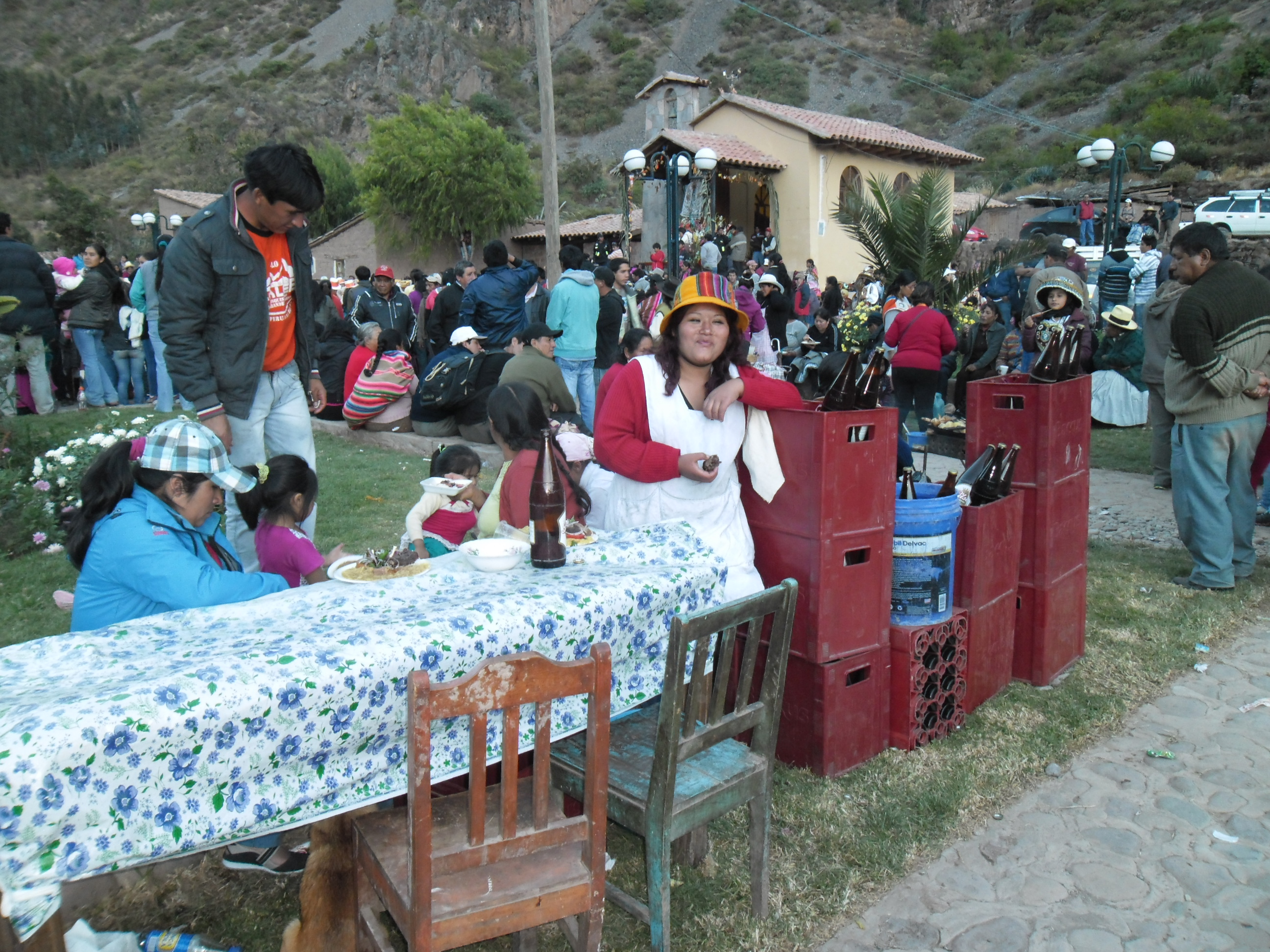
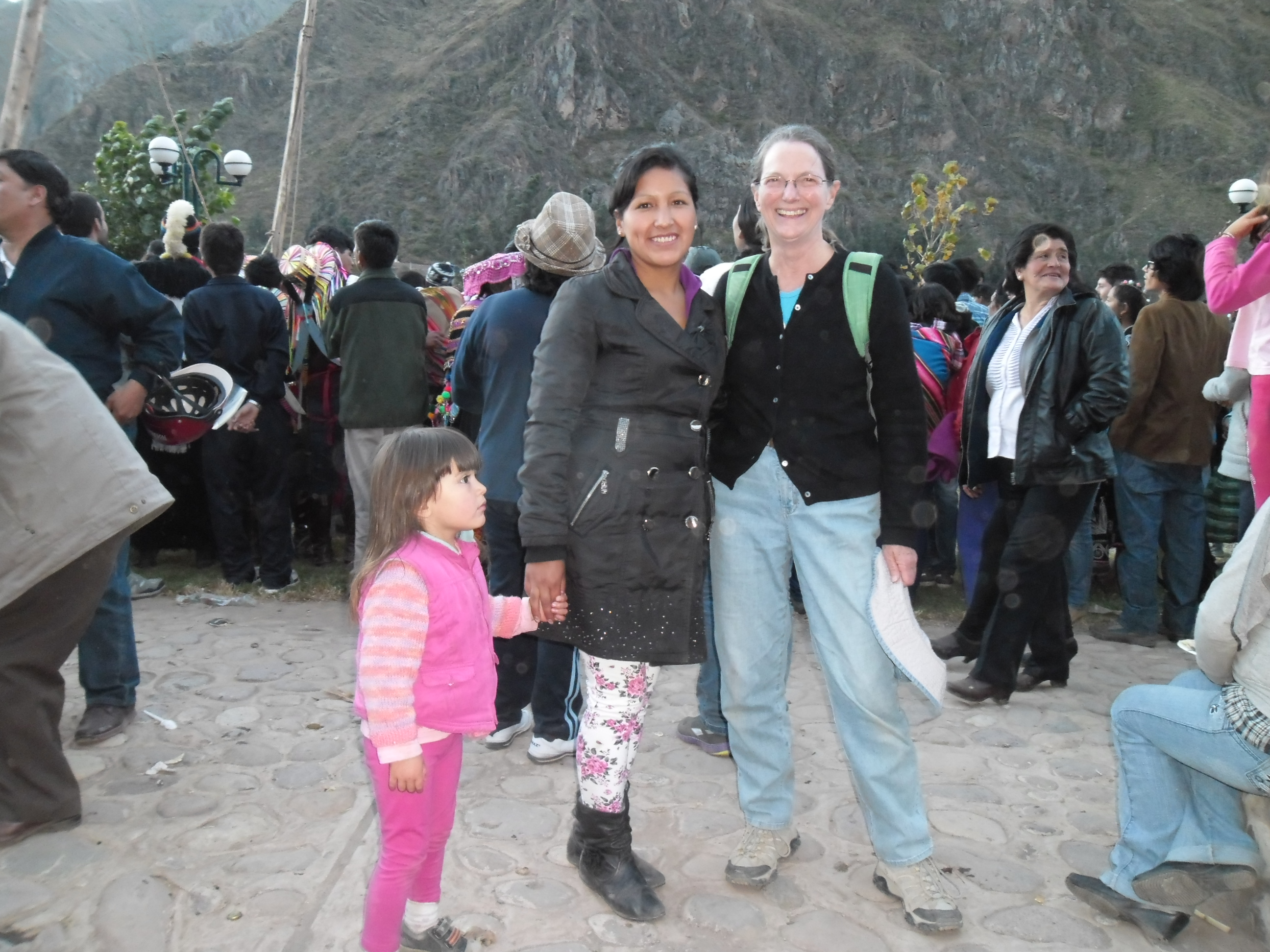
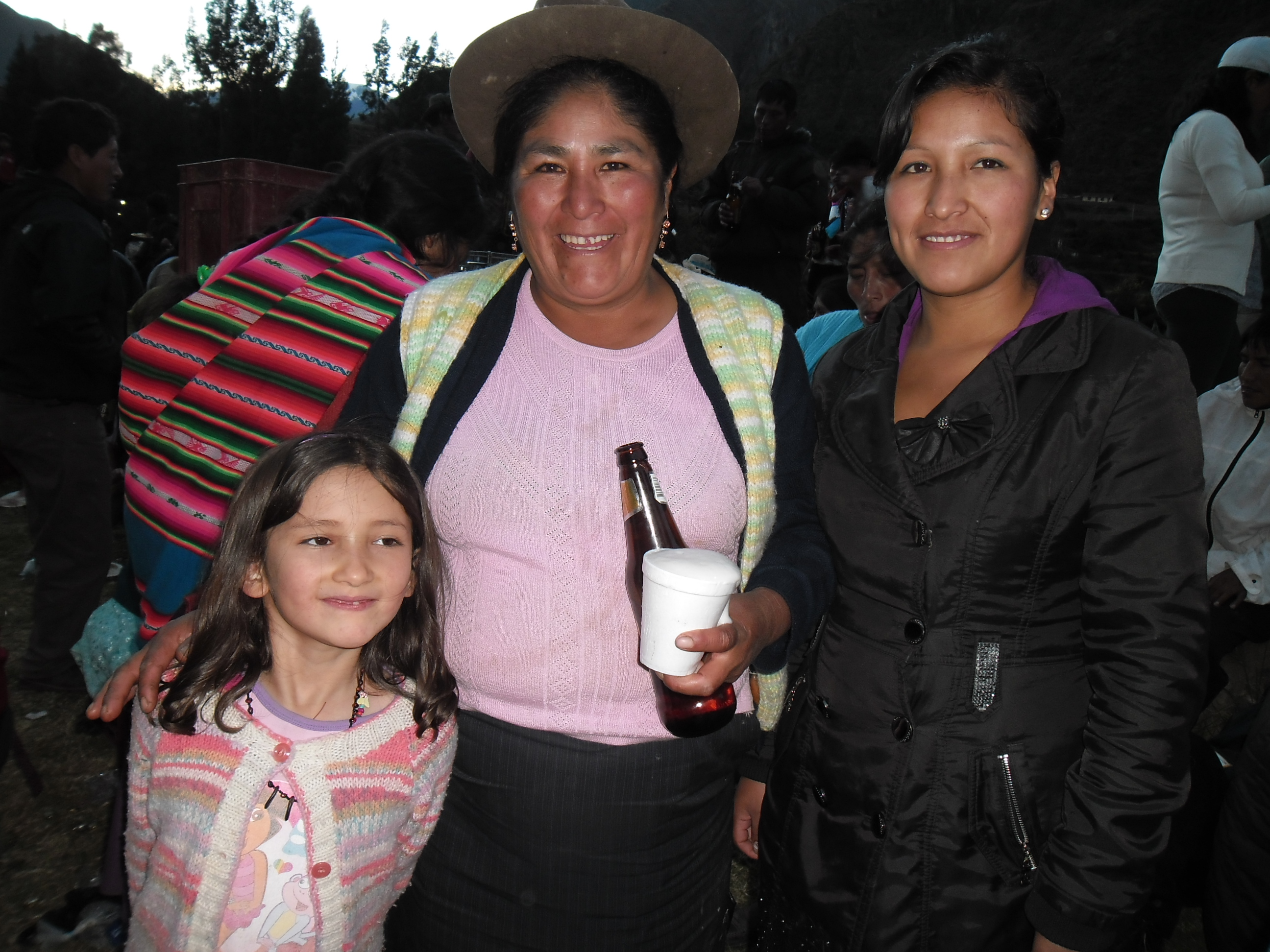
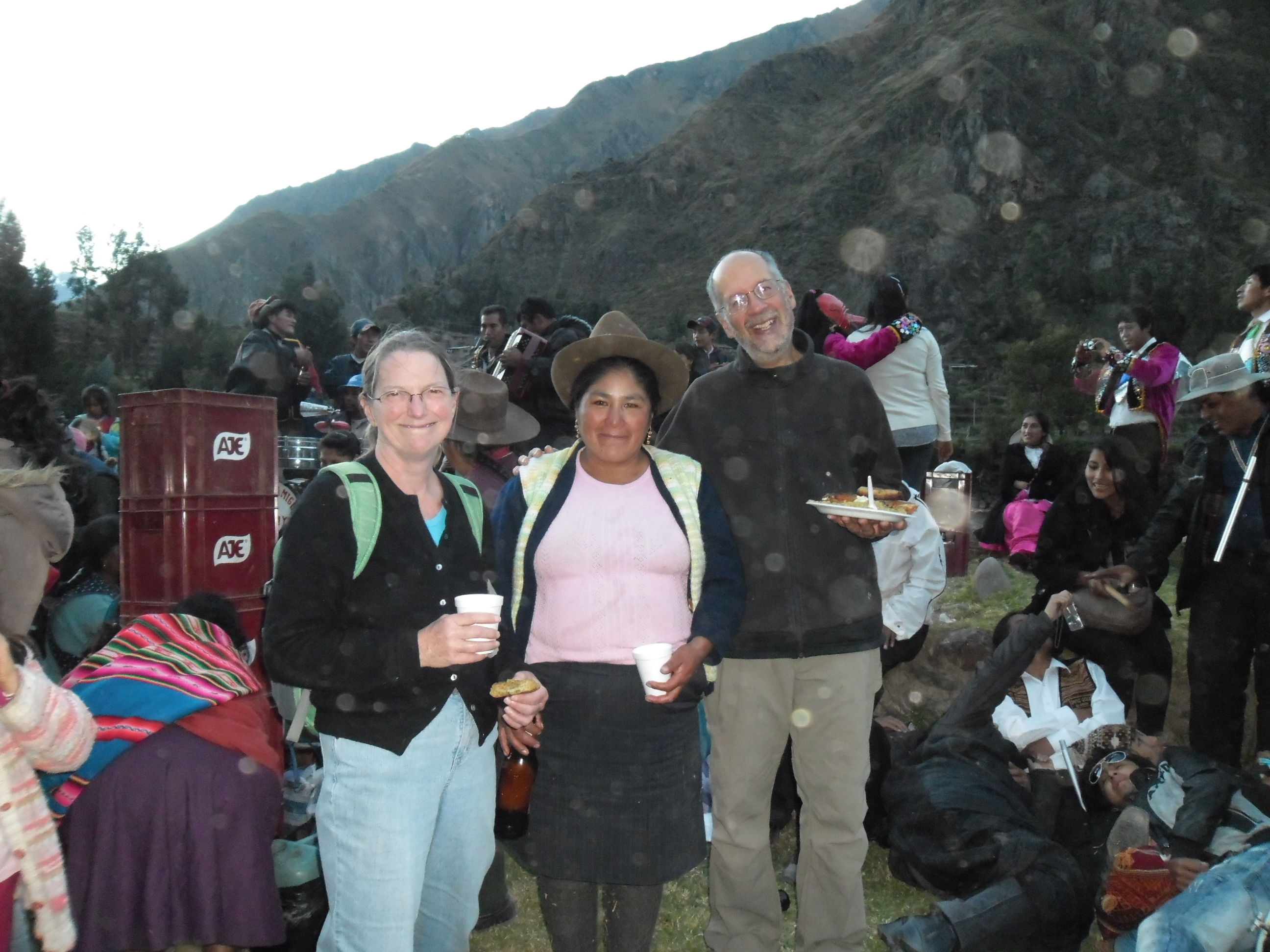
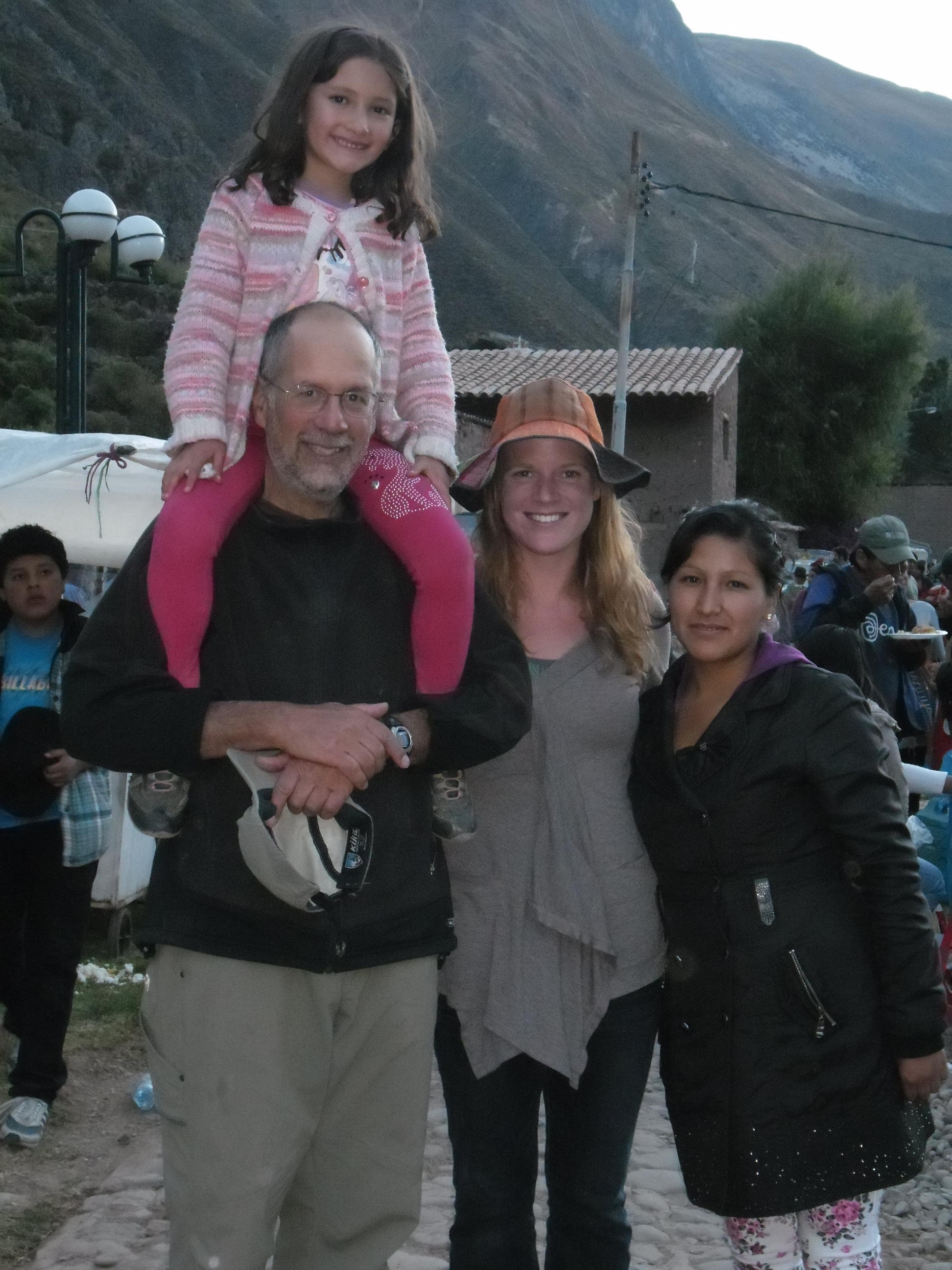
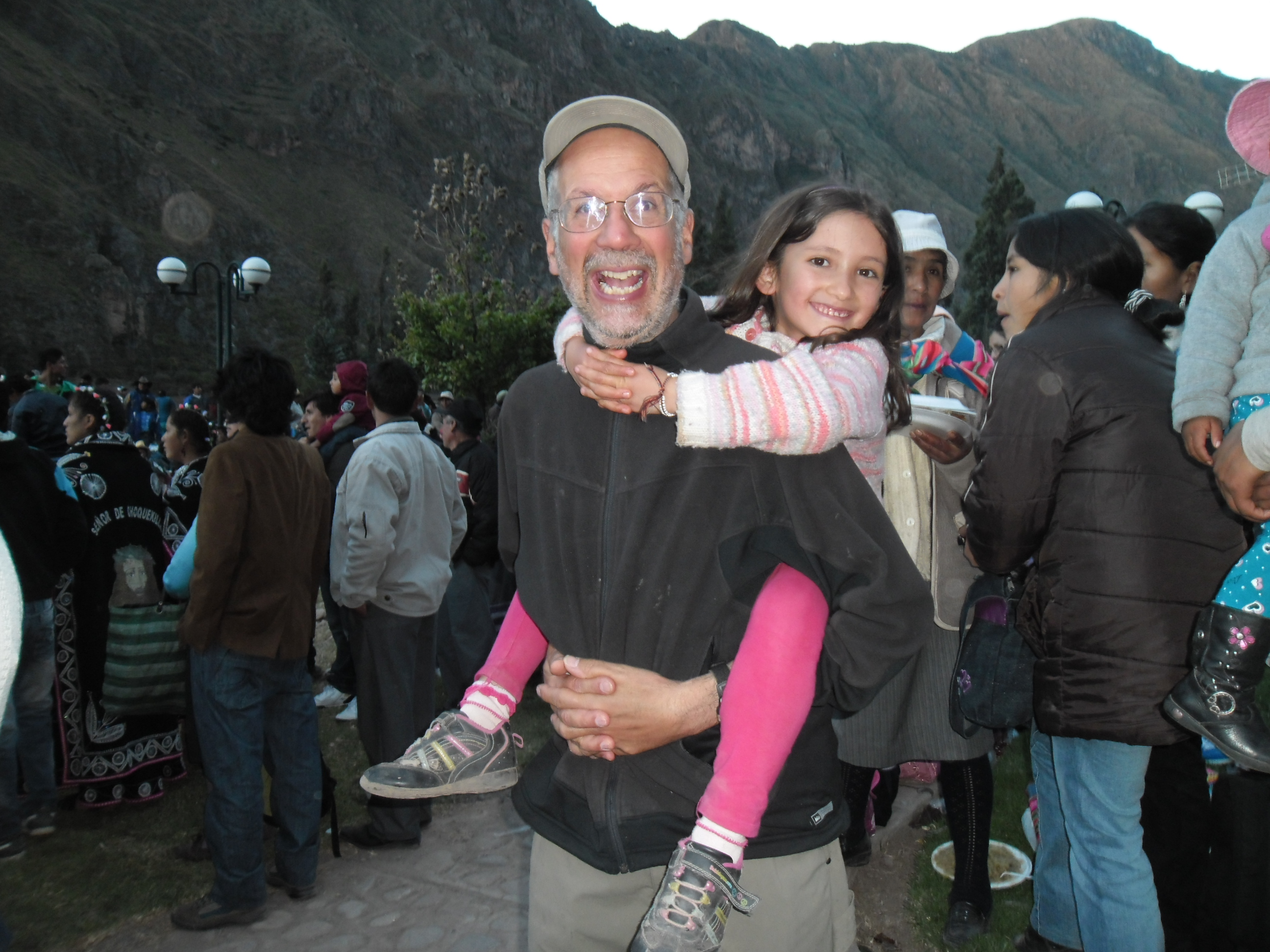
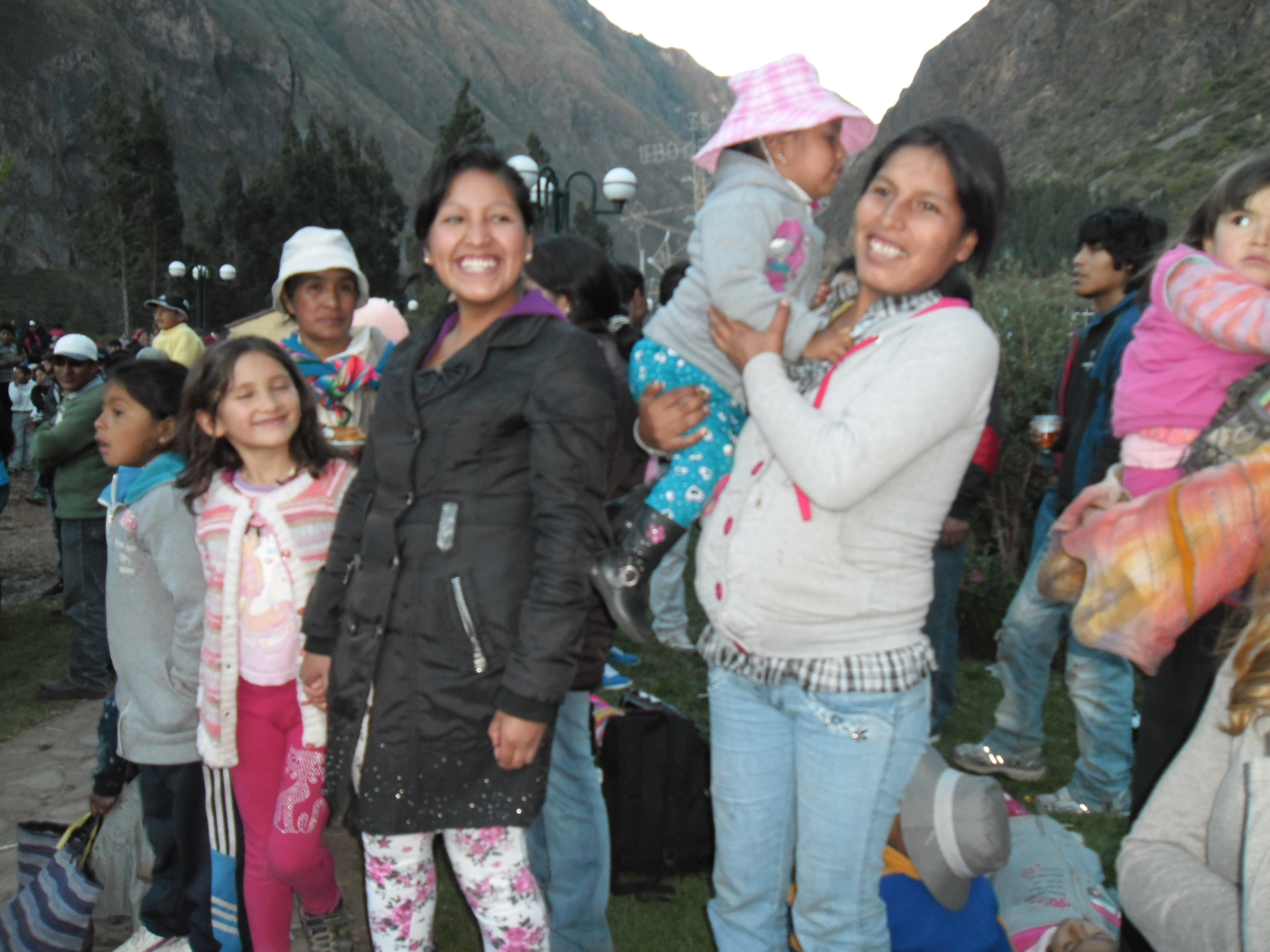
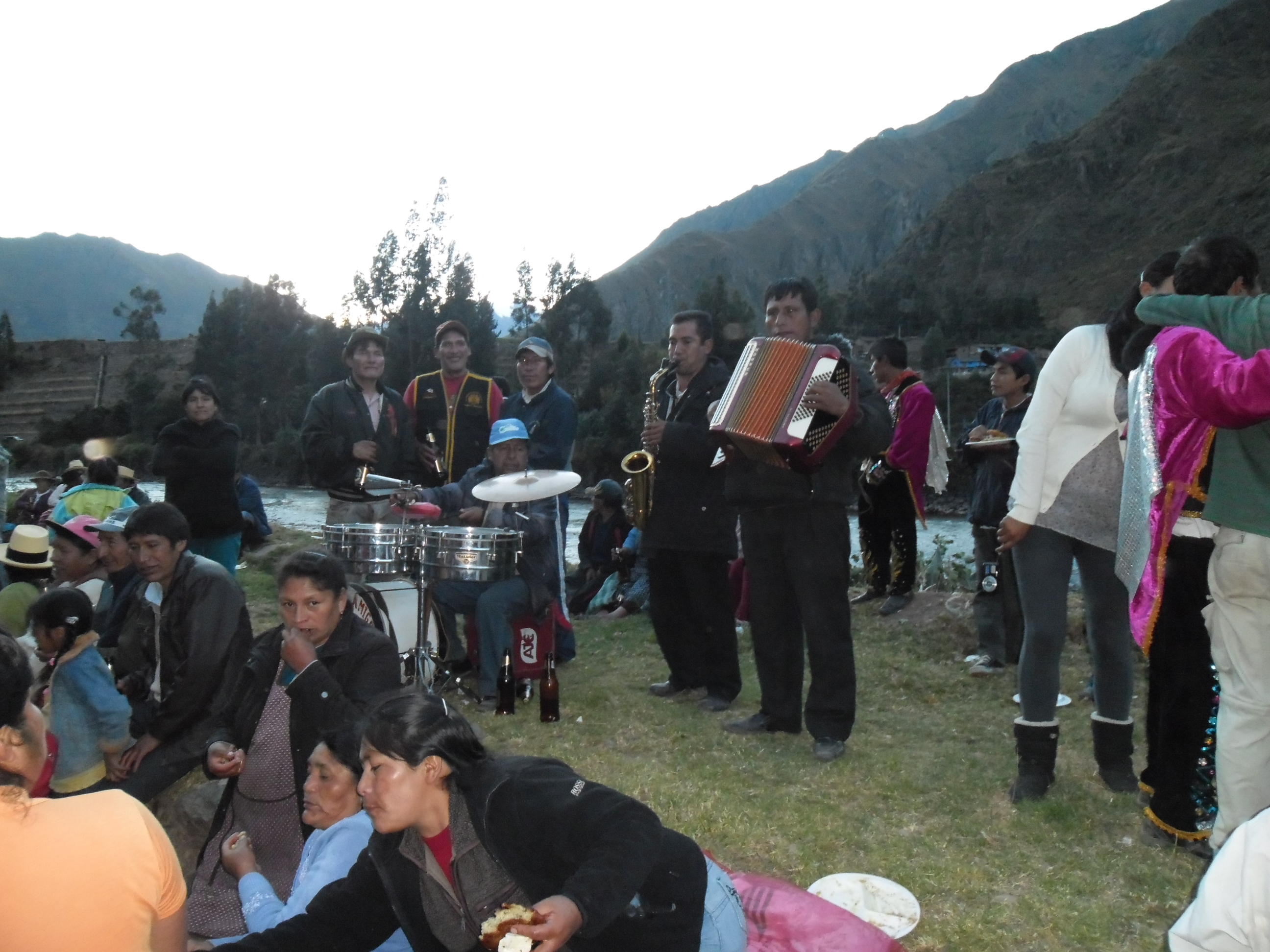
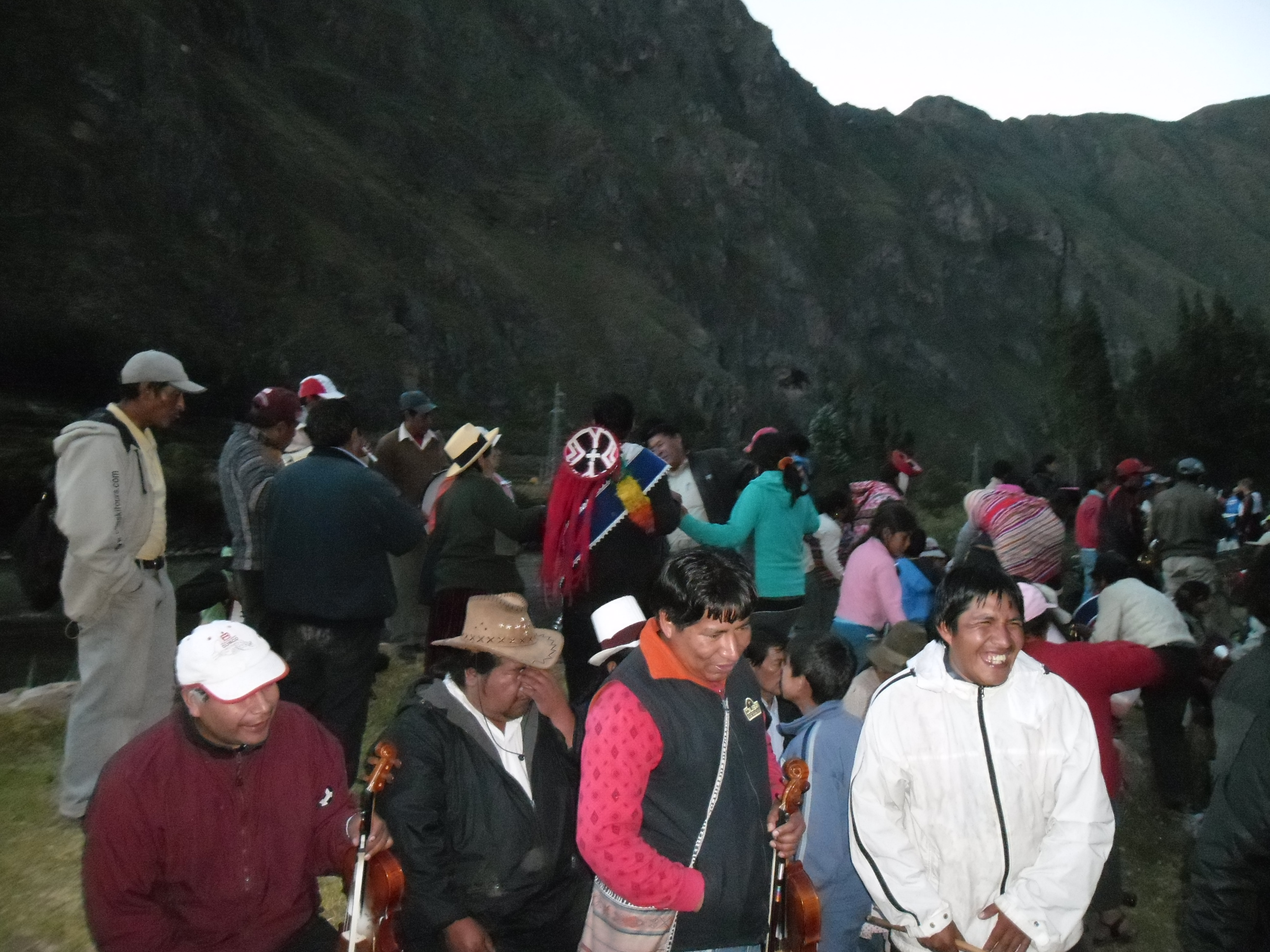
The final night of the fiesta was especially exciting. All the dance troupes, all the musicians, and I think everybody in Ollantaytambo left town in the late afternoon, and went across the river to a still smaller town to set up food and drink places by the riverside, to play music, to dance, and to celebrate the celebration. We went there with Karina, a friend from the hotel. It was as if everybody was finally relieved of all the tension of the fiesta, and now it was all about being happy. The place was filled with joy and happiness. Everybody was eating and drinking, but I didn´t see anybody buying or selling anything. There was an abundance to share. We drank some beer and some chicha, and shared some food that Karina´s mom had cooked. Everybody was giving, laughing, and smiling. To get to the party place, we had to cross a little footbridge over the river. It´s prohibited for cars to drive over the bridge, because it´s so rickety. Today, though, there was a steady procession of cars. We walked.
Motor Vehicles Prohibited
Monica, Amy, Louise
No shortage of beer
Monica and Karina, with little Mayu Rumi
Karina and her mom, Tomasa, along with Nina
Tomasa
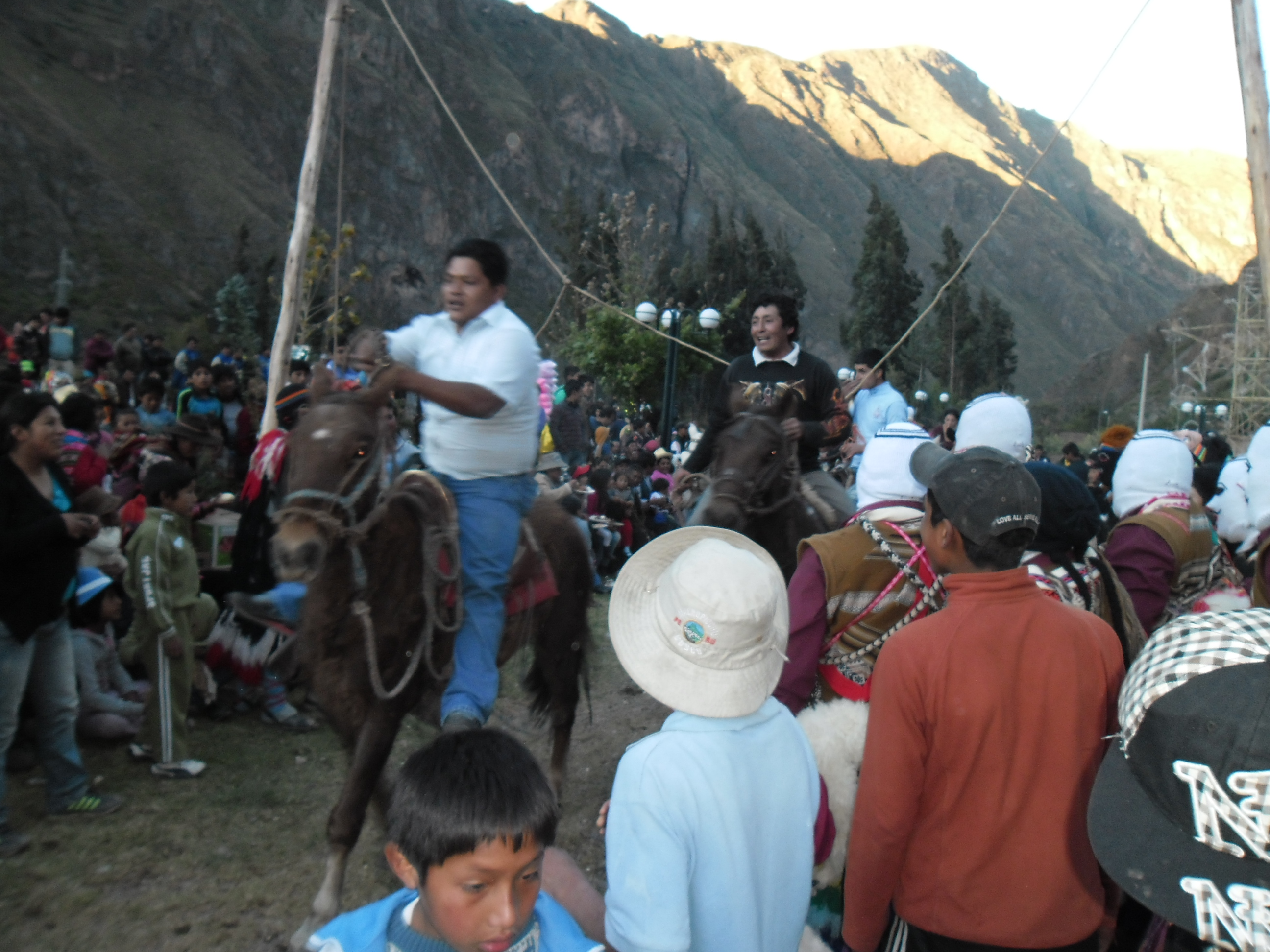
There was a competition to see who could grab the corn. They tied a corncob up to some ropes, then they pulled strings to make it jump up and down. Guys (and some girls) on horses would gallop at full speed and try to grab it as they sped by. Whoever was able to grab it got a chicken. If nobody could get it, the guys with masks would push each other and leap up for it.
A good time was had by all at the biggest party of the year.
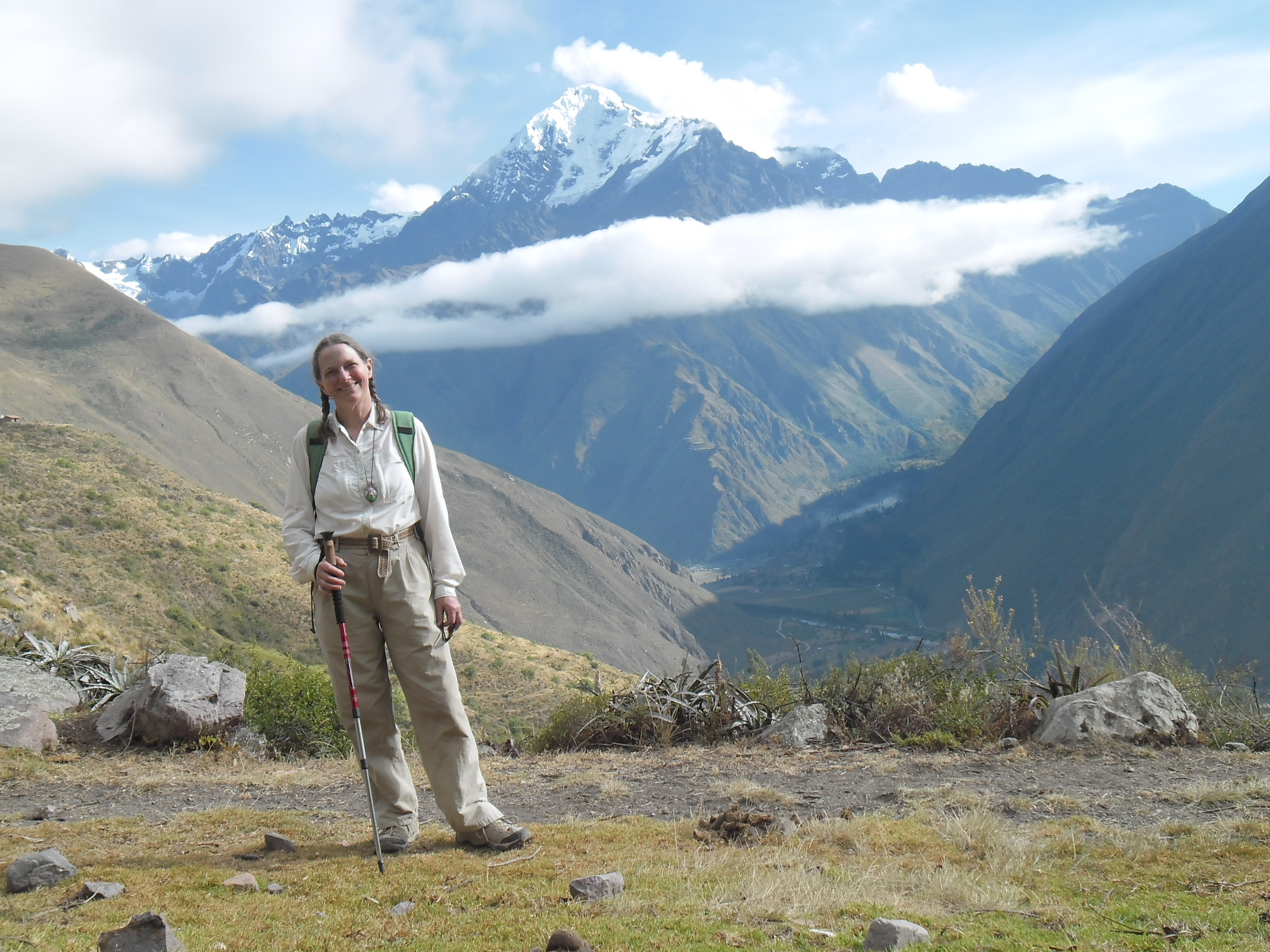
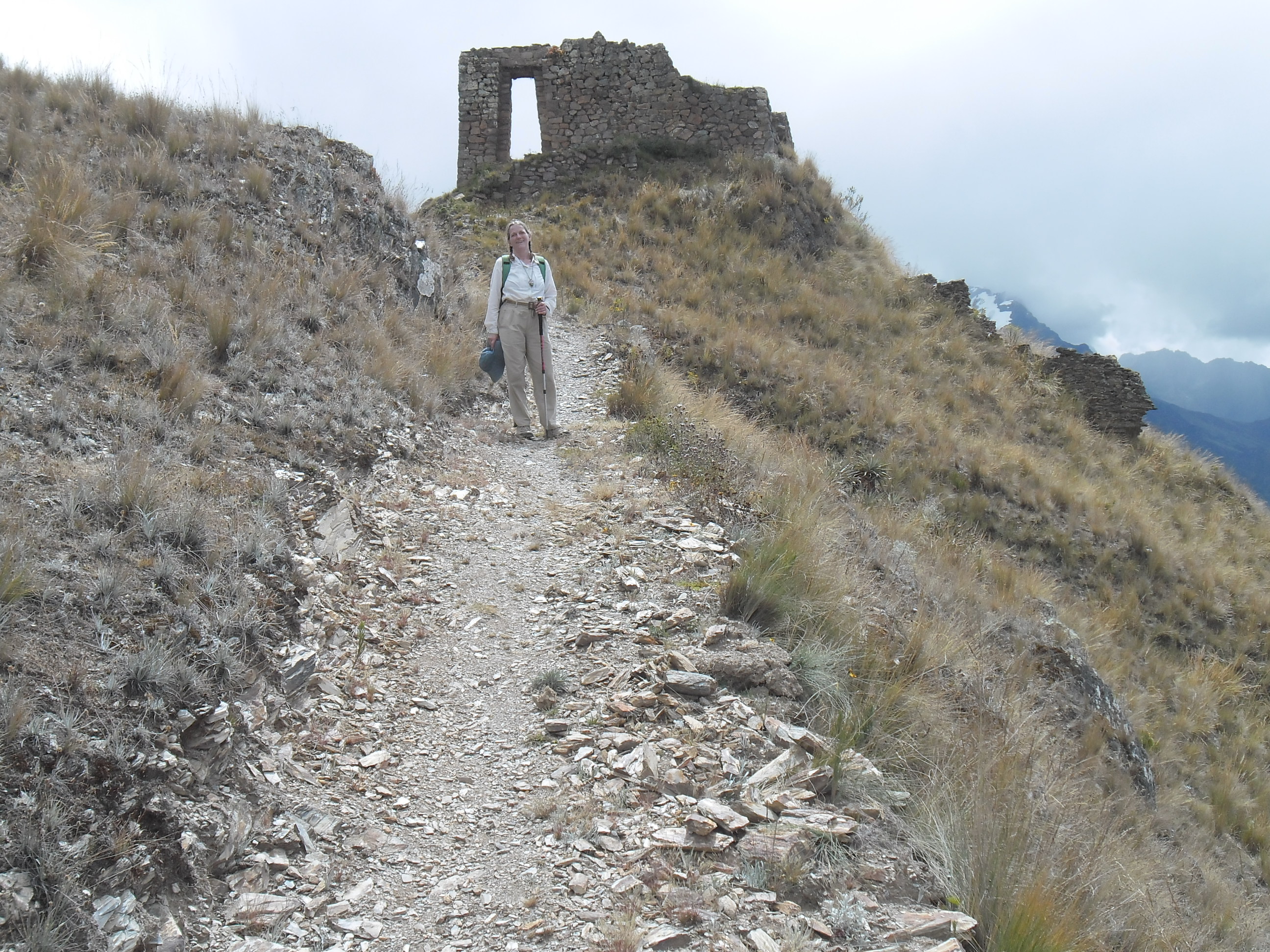
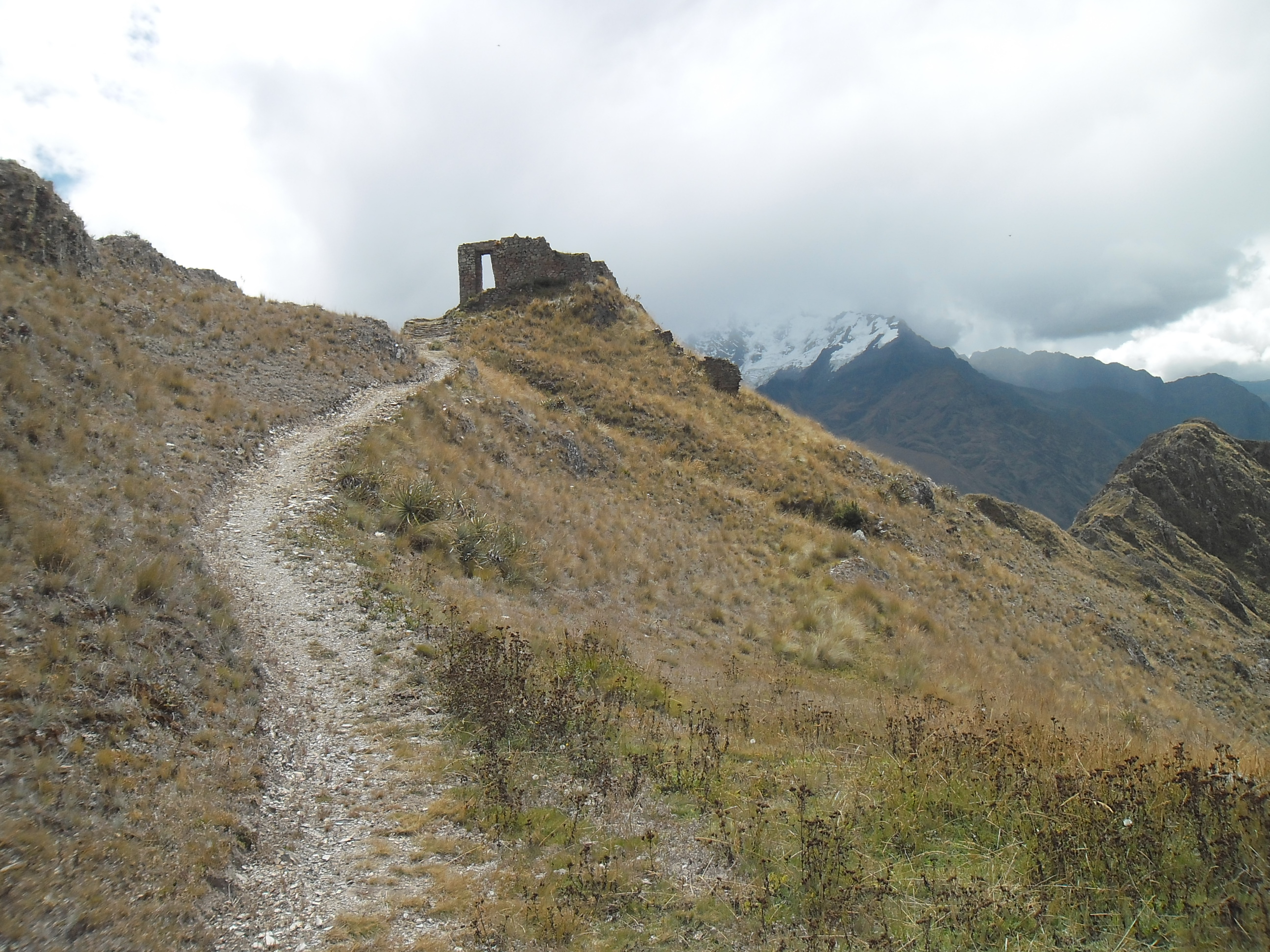
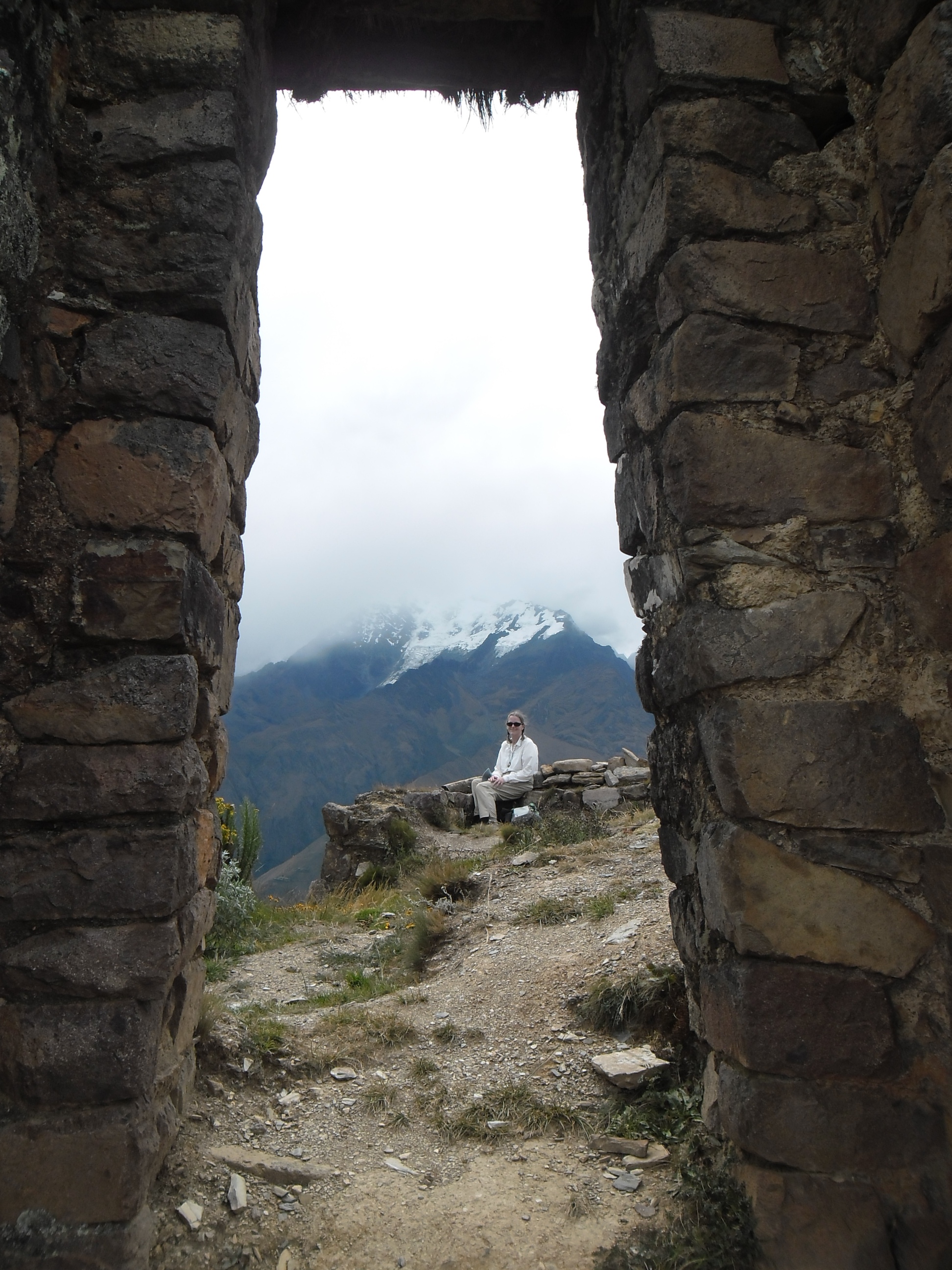
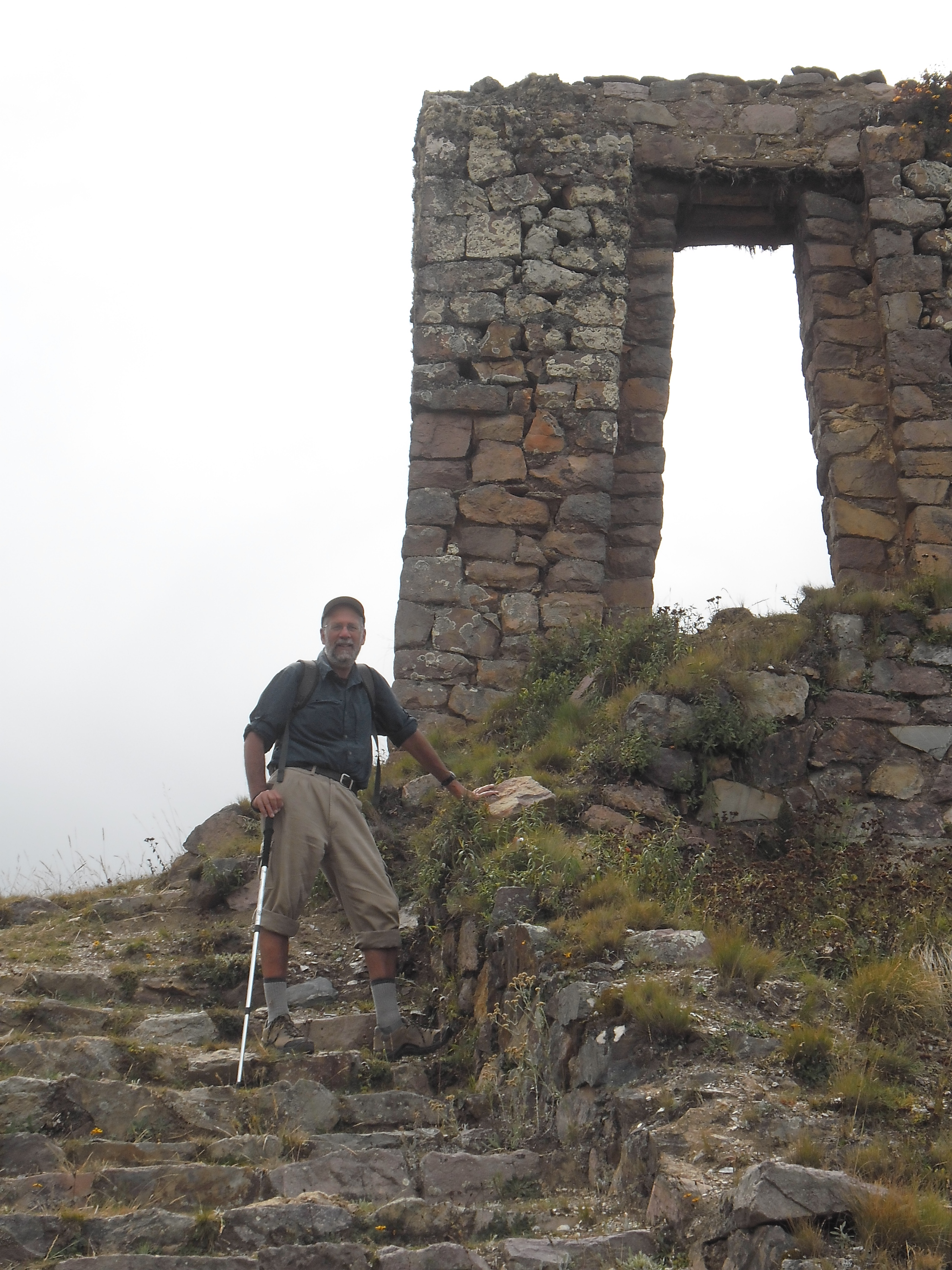
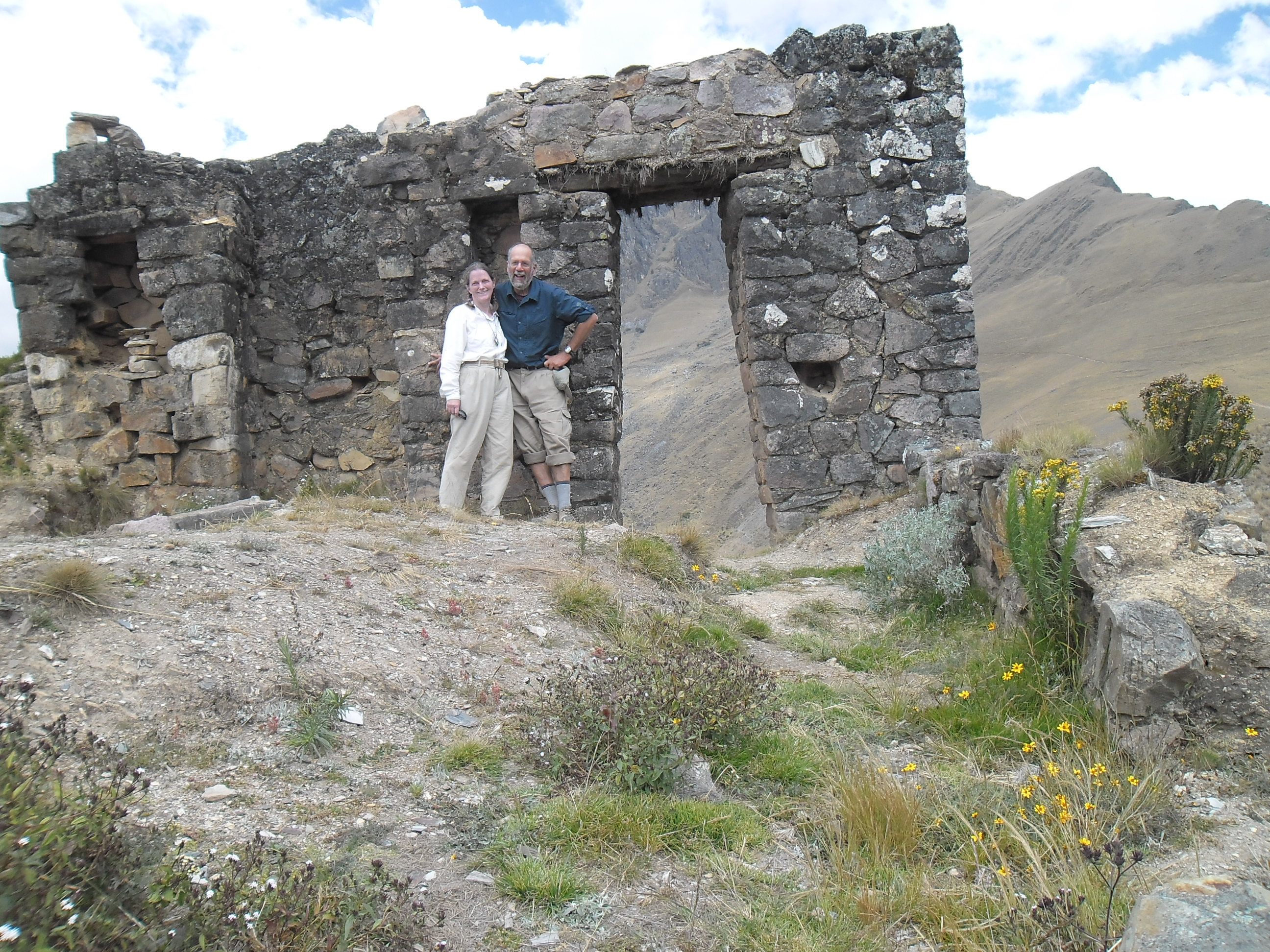
Ollantaytambo is located in The Sacred Valley, surrounded by mountains on all sides. People have been walking through the mountains for centuries, and there are trails everywhere. Monica and I took a day to hike up to the Sun Gate and back. The Incas built Sun Gates all over the Andes. These are structures built to honor the sun, usually at such an angle that they frame a distant mountain and welcome the first rays of the winter solstice. They called these sun gates Inti Punku.
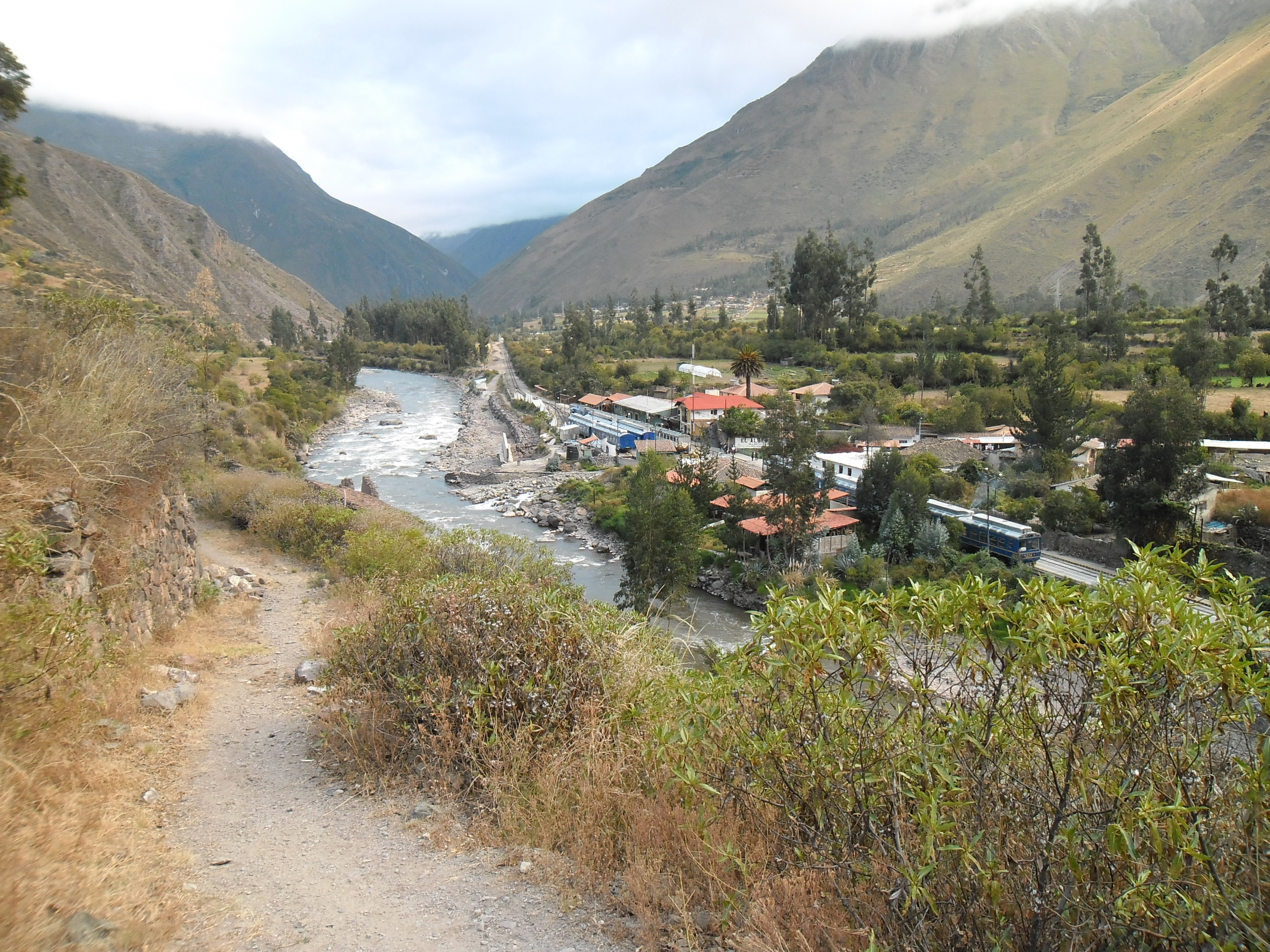
The most famous sun gate is at Machu Picchu. It frames Huaynapicchu. There is also a sun gate near Ollanta. It´s about ten kilometers from the town square, which makes it a twenty kilometer hike. You leave the town square and walk down to the river, then along the river for a while before the trail starts to climb. In all, there is a 3500 foot elevation gain from town up to the gate. The gate is about 12,400 feet above sea level, and it took us six hours of steady ascent to get there.
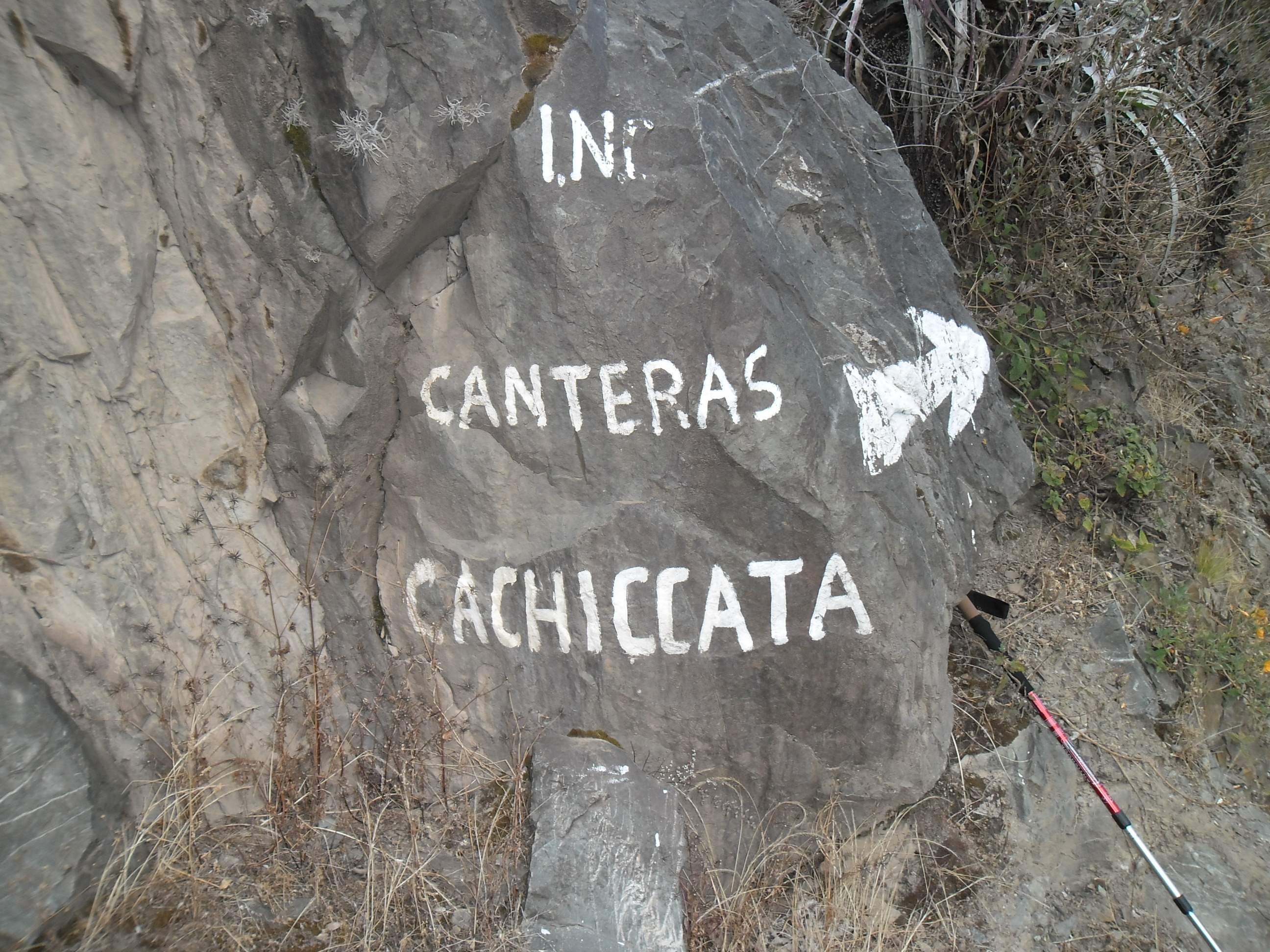
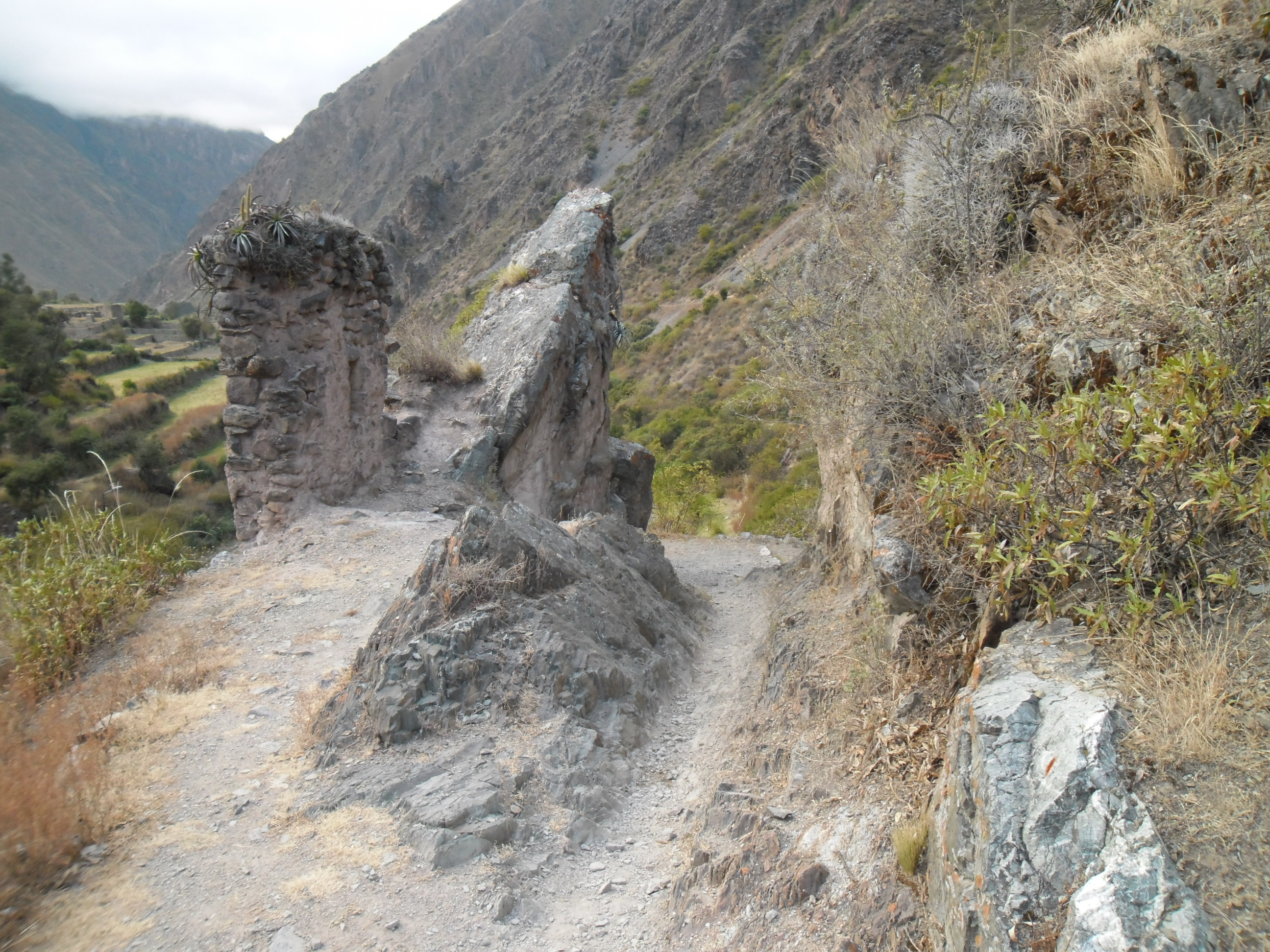
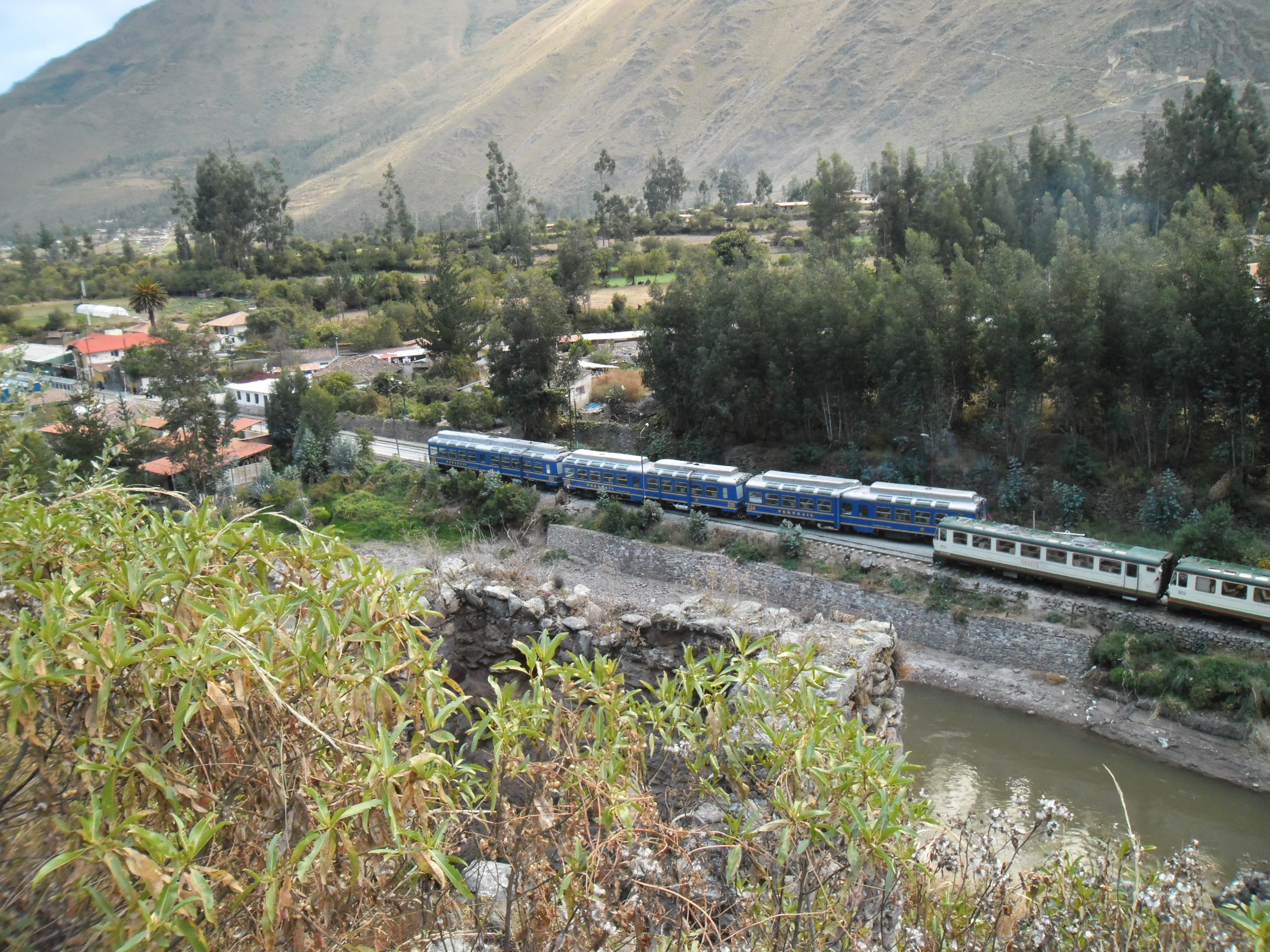
We set our alarm for 5:00, and we were hiking by a quarter to six. We followed the trail that is marked on a big rock by the Instituto Nacional de Cultura. The trail continues with a view of the train station, with trains leaving for nearby Machu Picchu. The trail goes to the rock quarries, called canteras, where the Incas found and sculpted the giant rocks that they used in Ollanta for their temples.
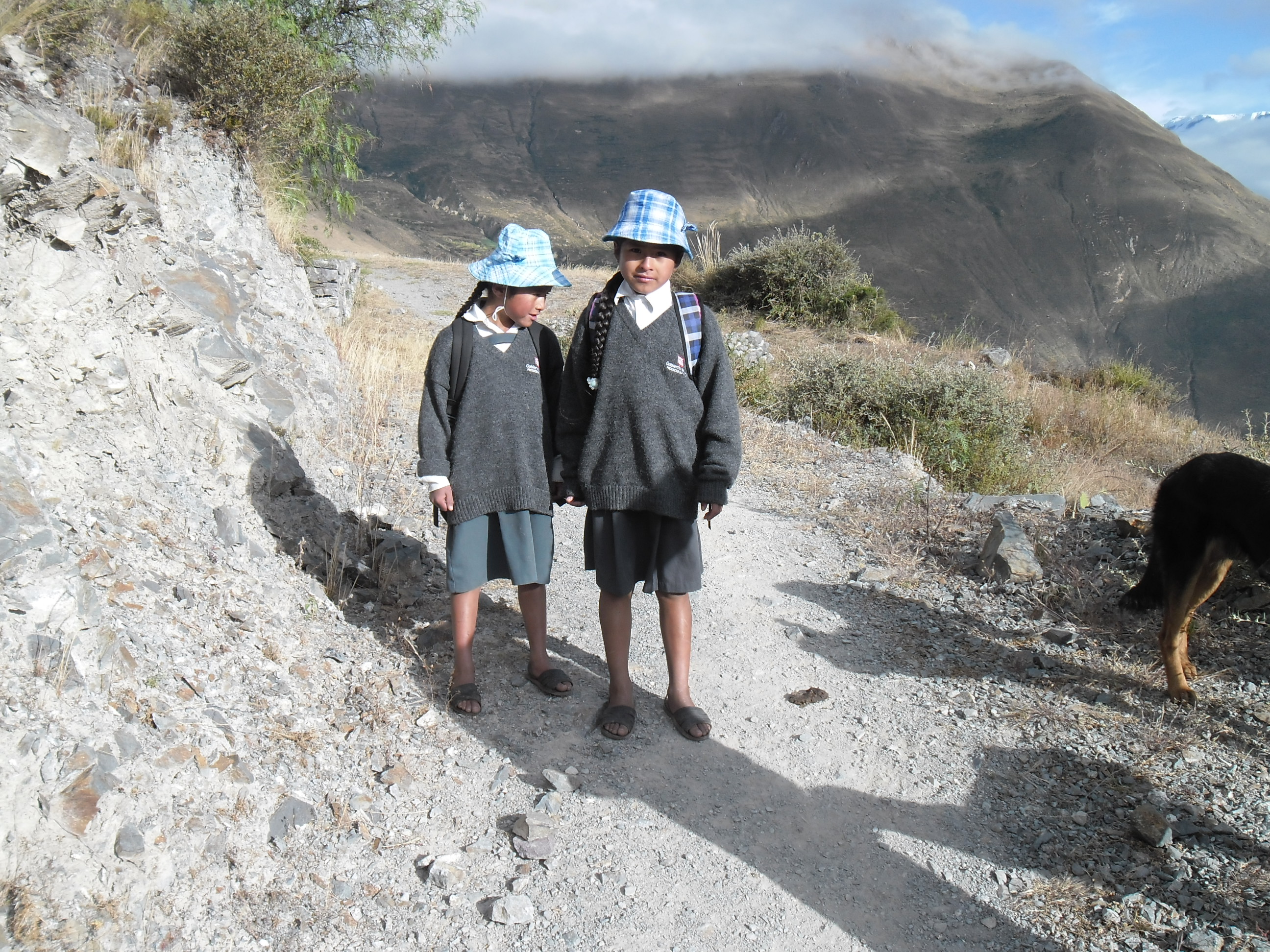
We continued walking for an hour or so, when we met Neirut and Virginia. They were on their way to school, and they walk this trail every day. We stopped and talked with them for a while, and shared some chocolate with them. You can think that you are really out there in the wilderness, but people live everywhere in the mountains. Neirut and Virginia live in a little house, that we soon would pass. Later on in the day, when we were returning from high up in the mountains, we ran into them again, returning from their day at school. It kind of puts to shame the myths of “When I was your age, I walked five miles to school, through the snow.” These kids walk through the Andes every day.
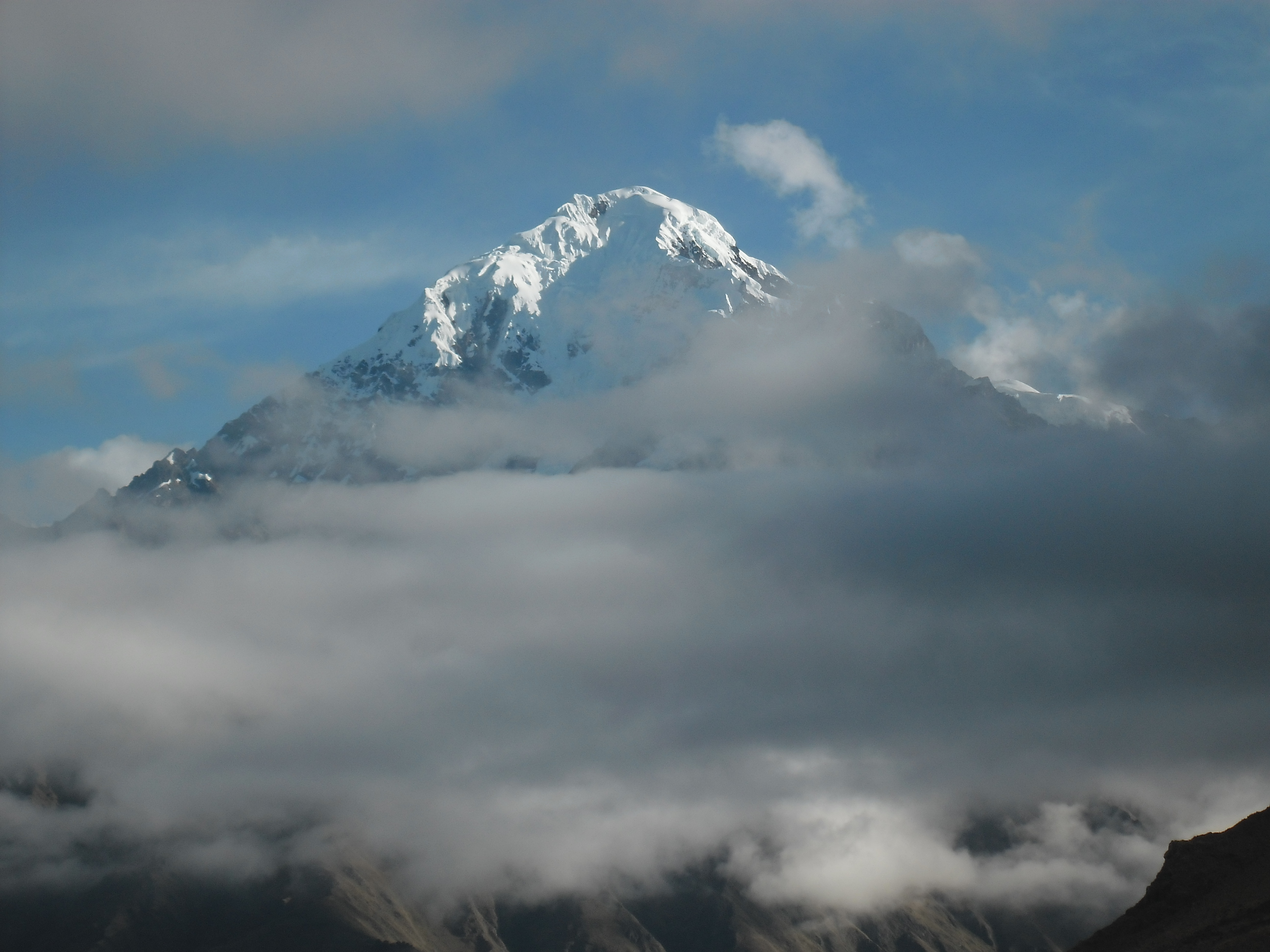
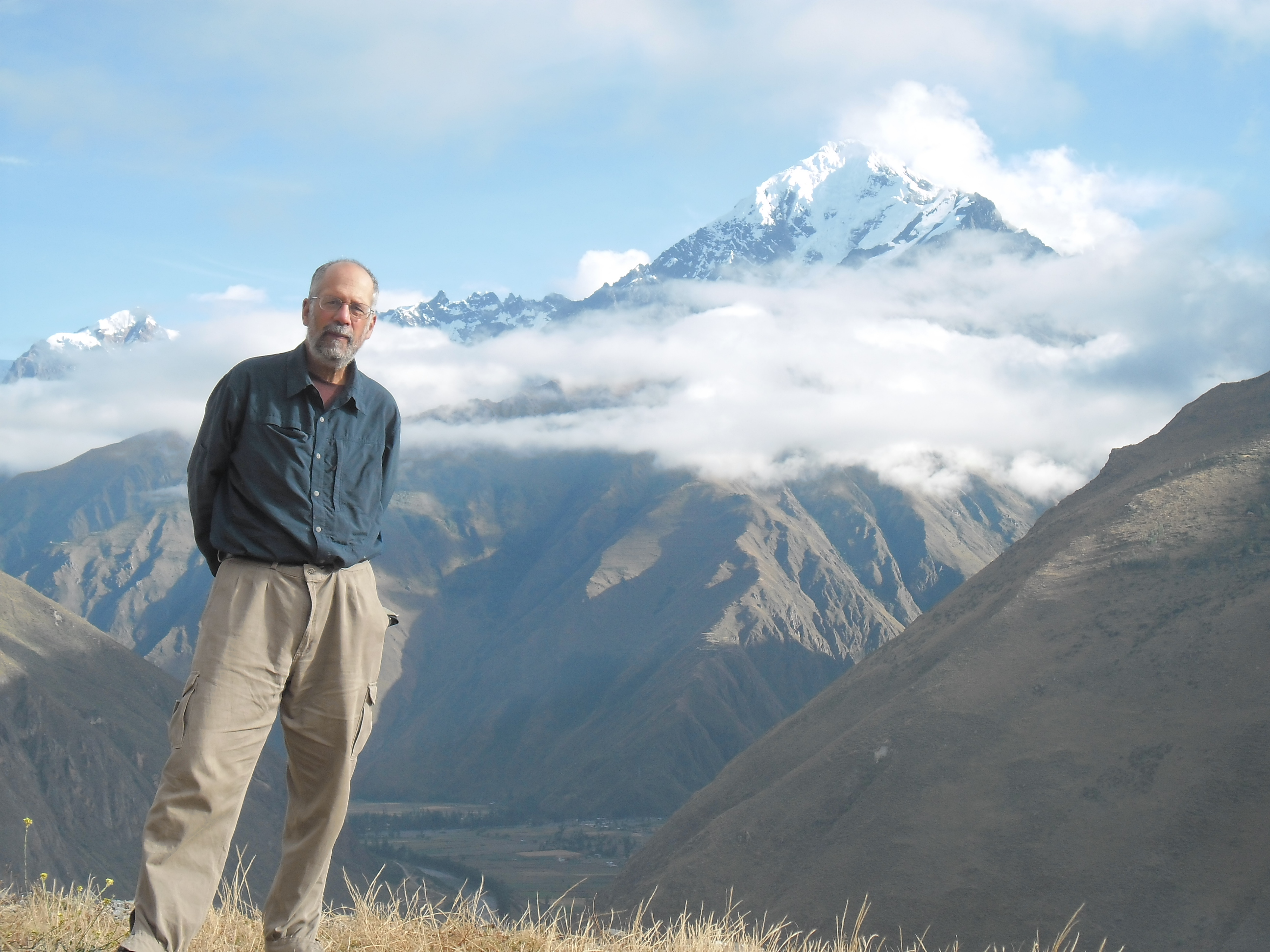
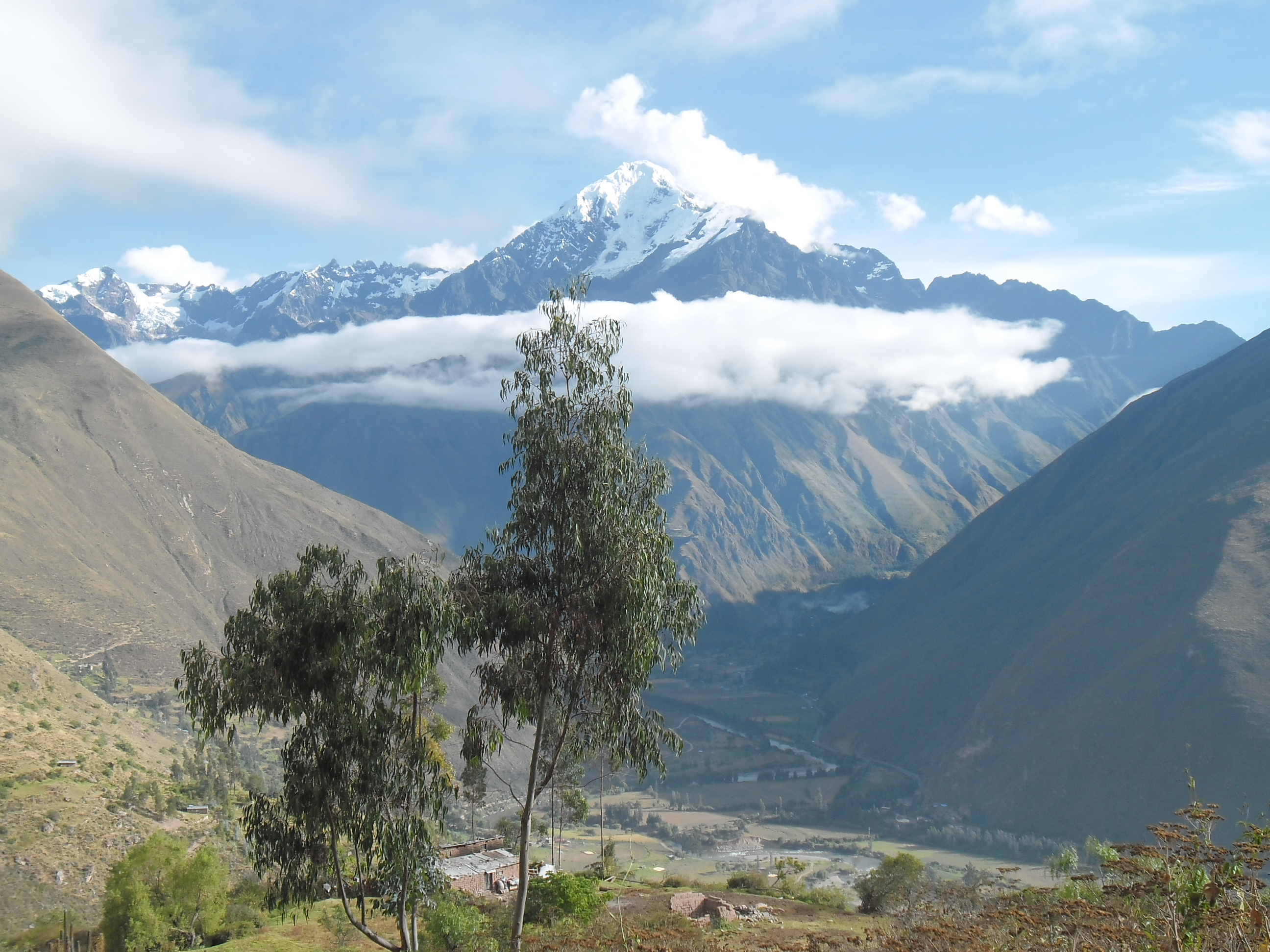
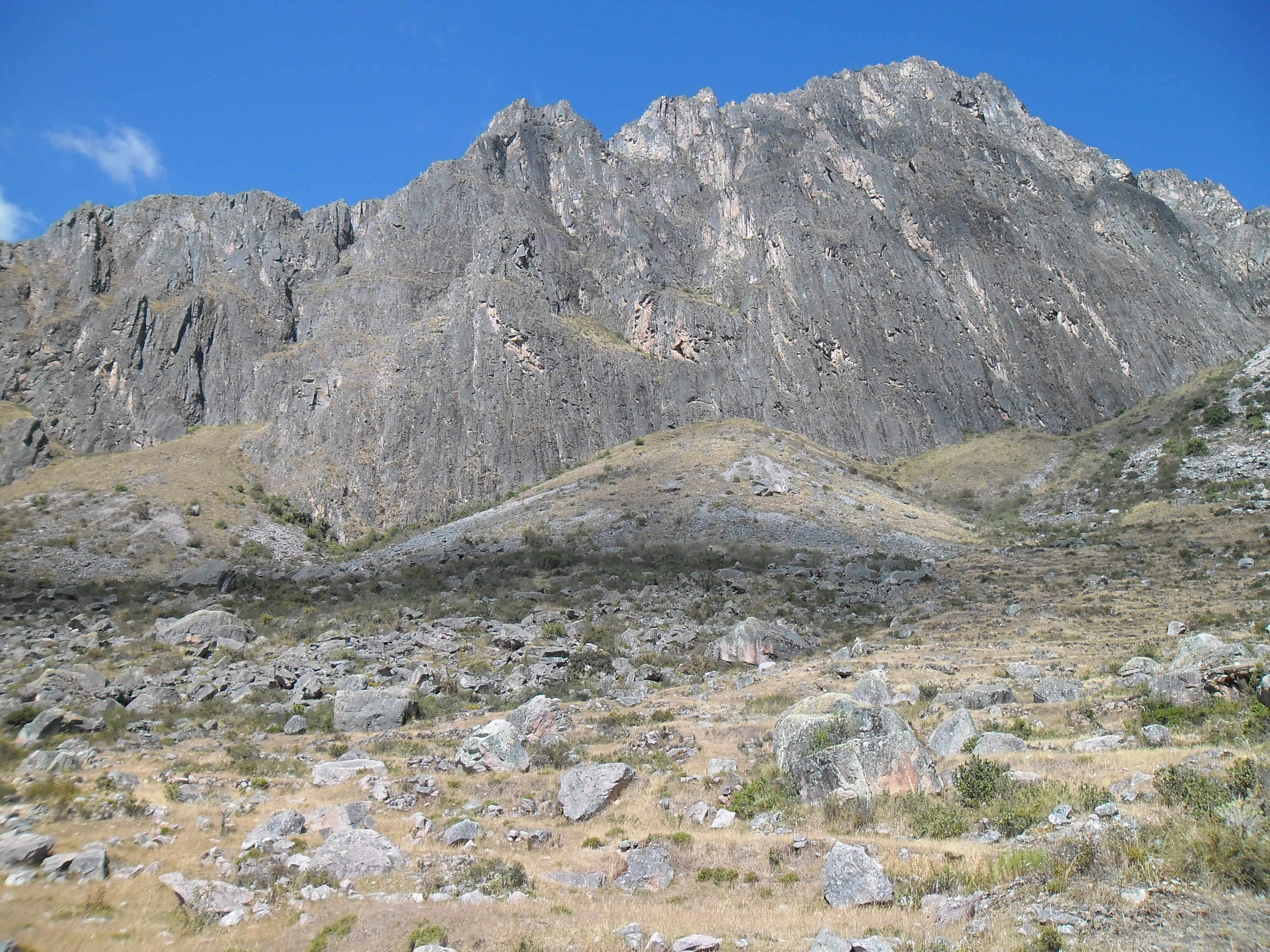
Mount Veronica is the tallest mountain near Ollanta. It is a 20,000 foot peak, but you can´t see it from town, because of the other mountains. Once you get around, them, though, Veronica is there.
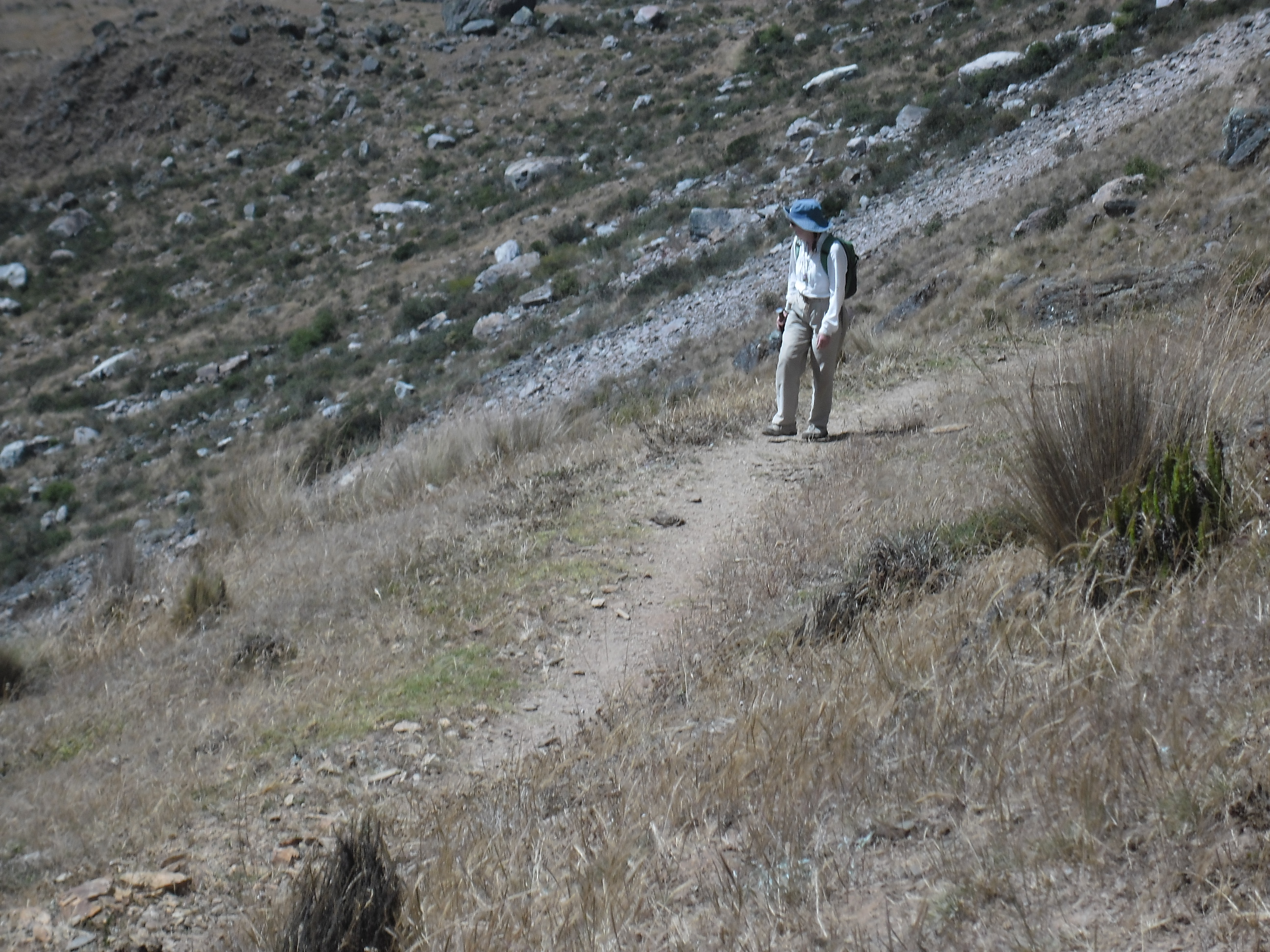
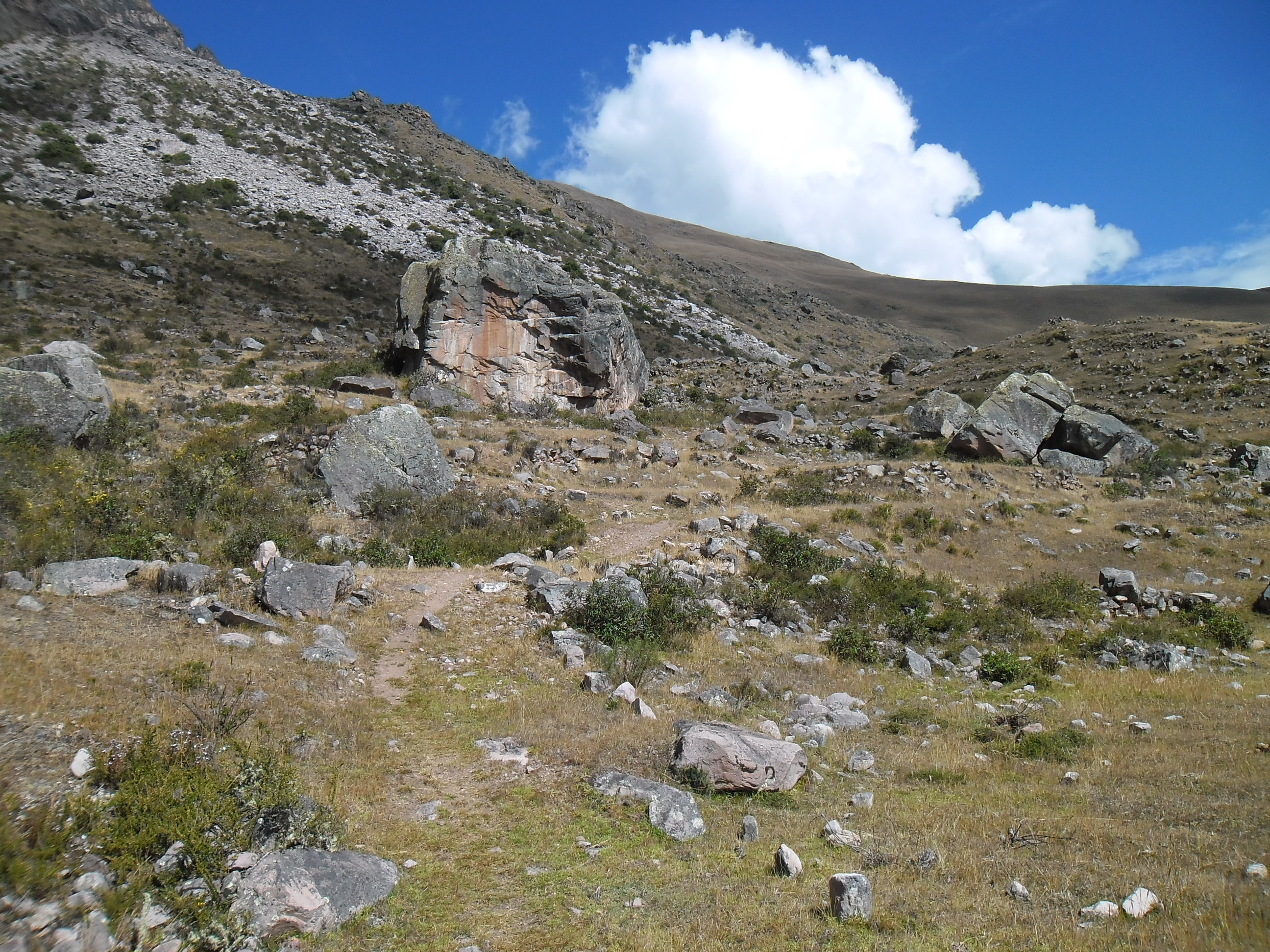
The trail climbed and climbed, sometimes brutally. We followed some steep switchbacks up and up, and then we arrived at the rock quarry. Huge rocks, some the size of small houses. The Incas came up here and then dragged the rocks down into town. They had to cross the river. For some of the larger rocks, they dragged them to the river, then diverted the river around them, so they didn´t have to drag them through the water. The Incas were so industrious and ingenious. We really worked to get up to the quarry. It´s incredible that they came up here and worked with these giant rocks, sculpting and dragging them. When we got up to the quarry, there were some cows, just passing the day.
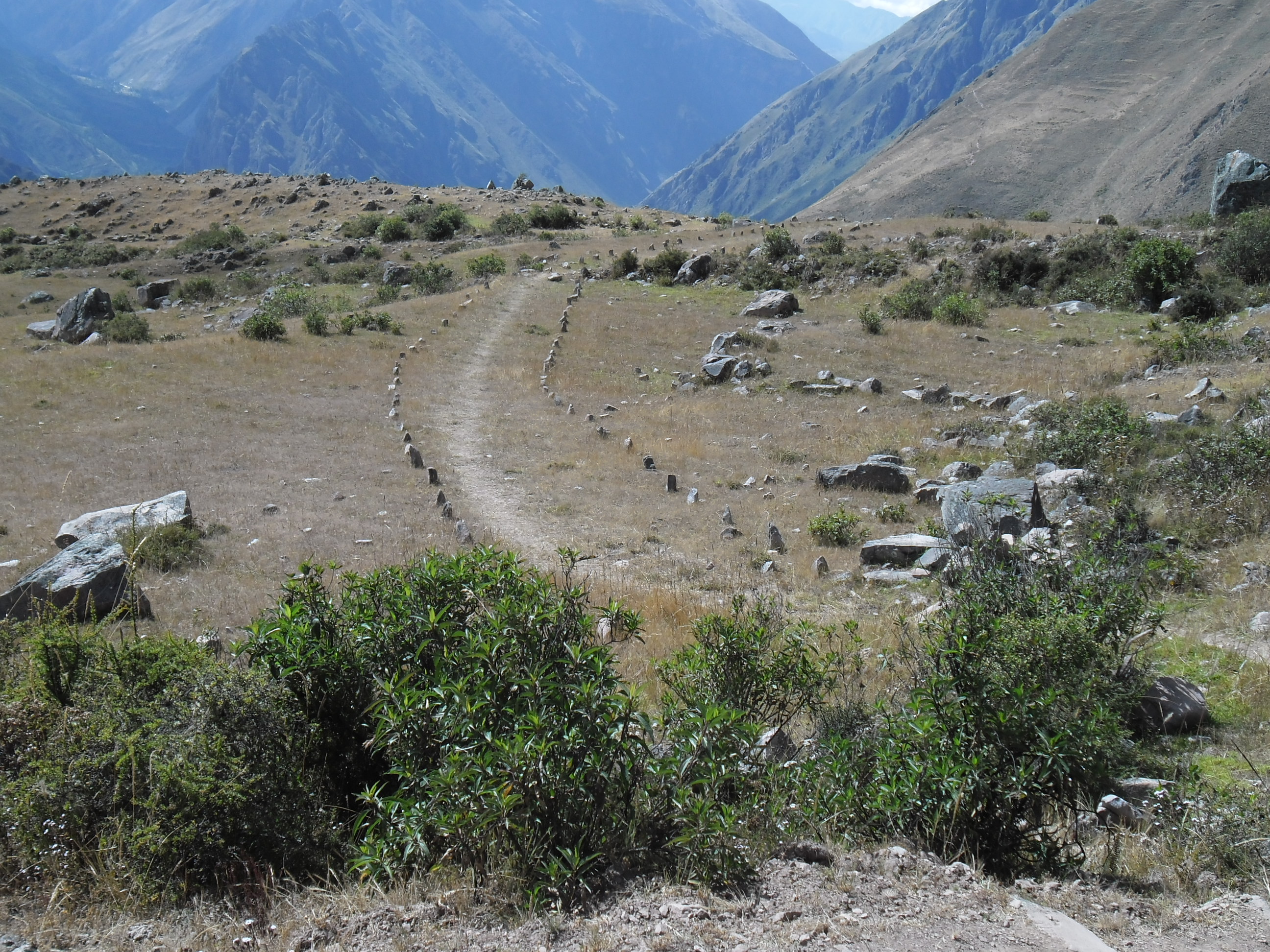
The trail through the quarry was lined with stones.
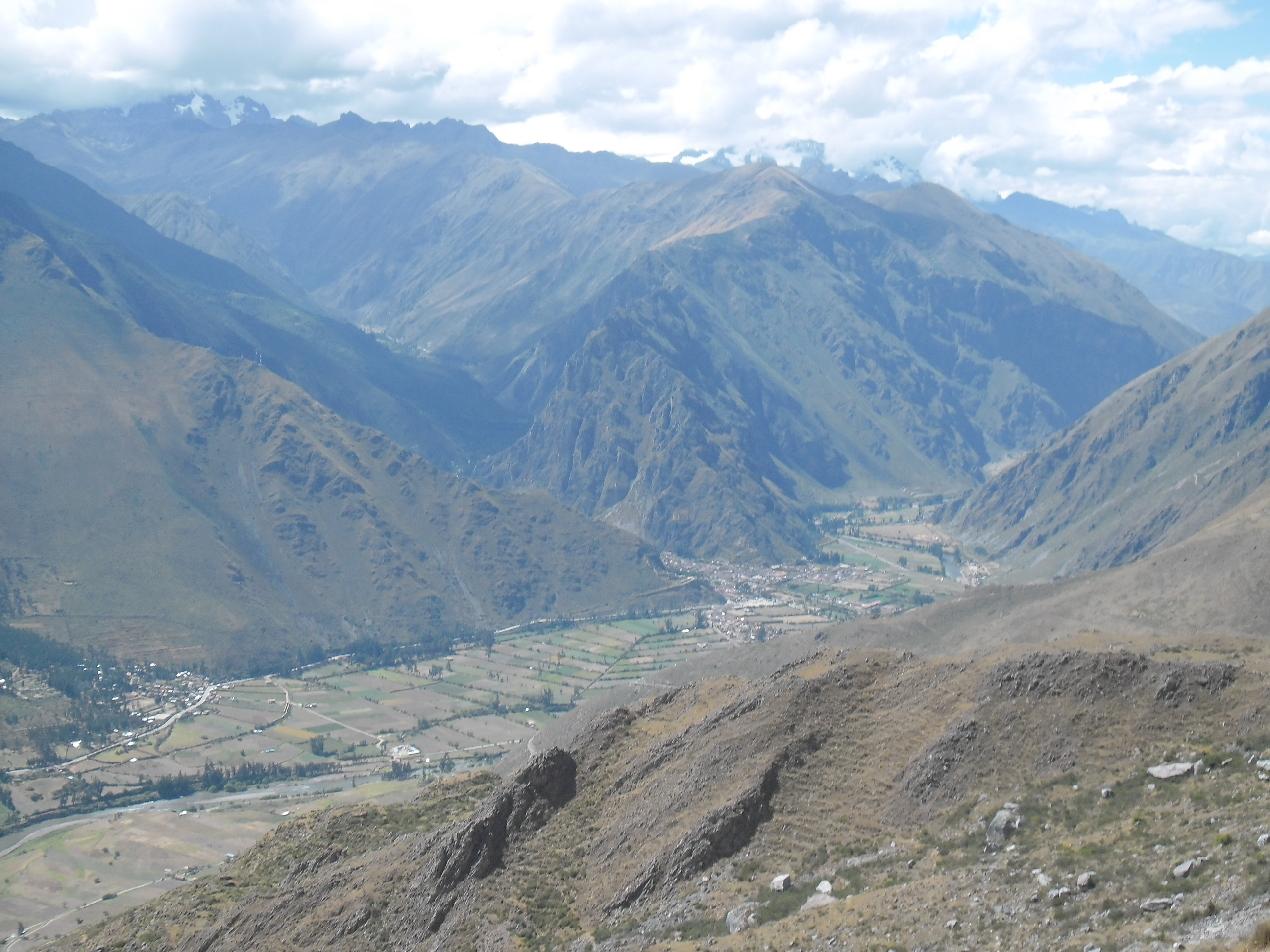
Ollantaytambo and the Sacred Valley from the quarry.
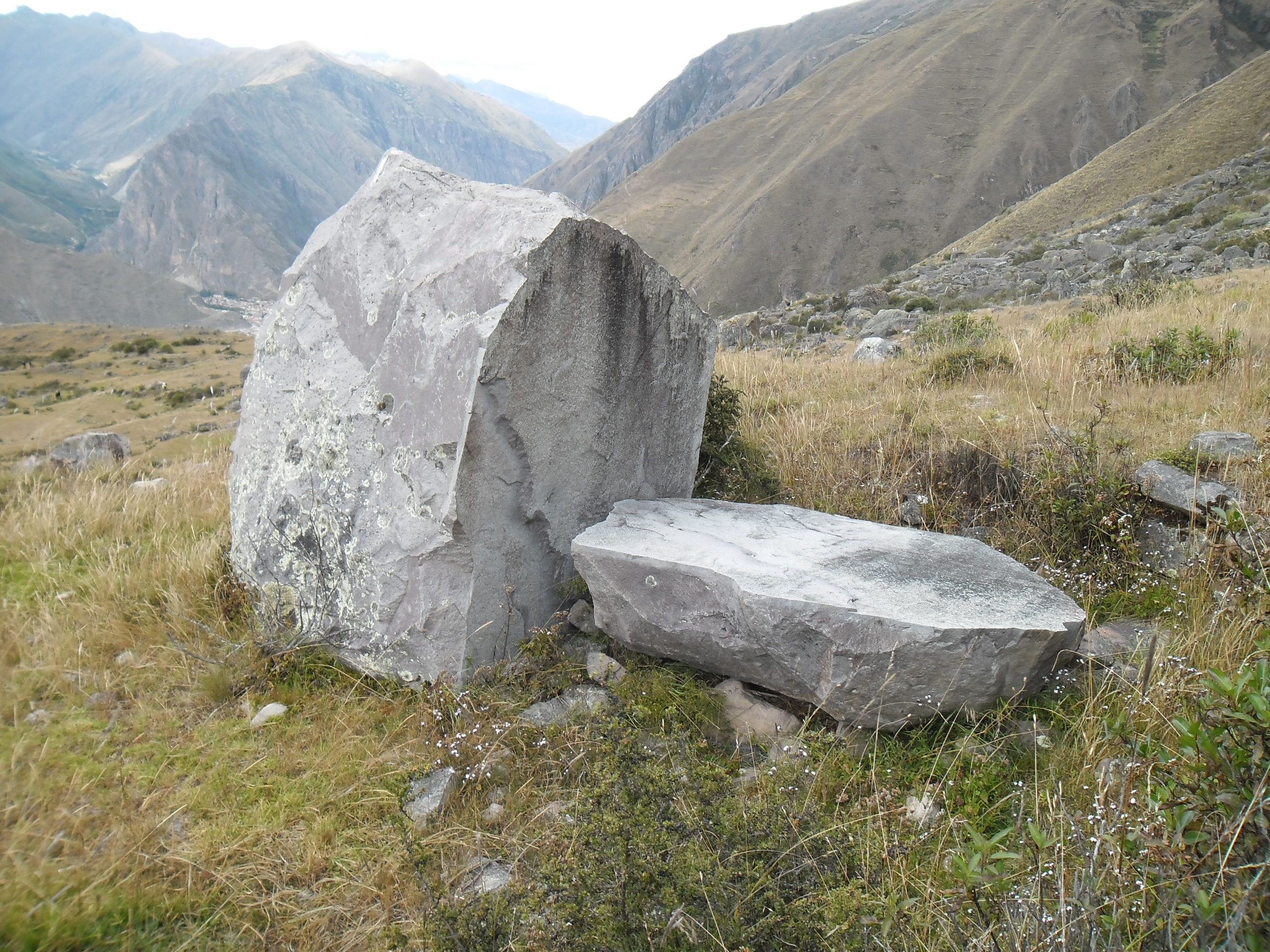
They worked on the rocks up here, then moved them down to town. There are a lot of rocks that were on their way down when the work stopped. They´re called piedras cansadas, tired rocks, because they stopped before they made it.
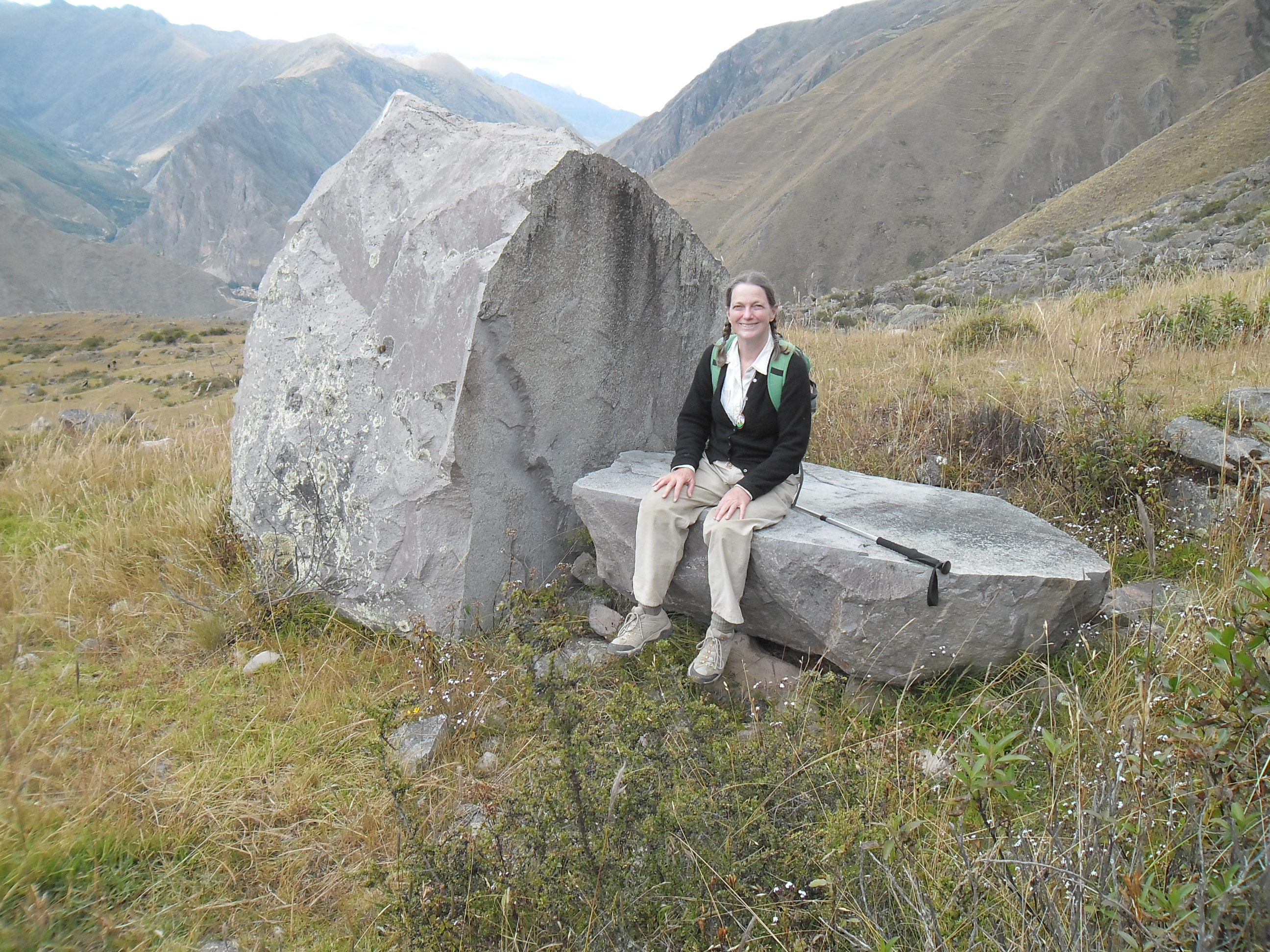
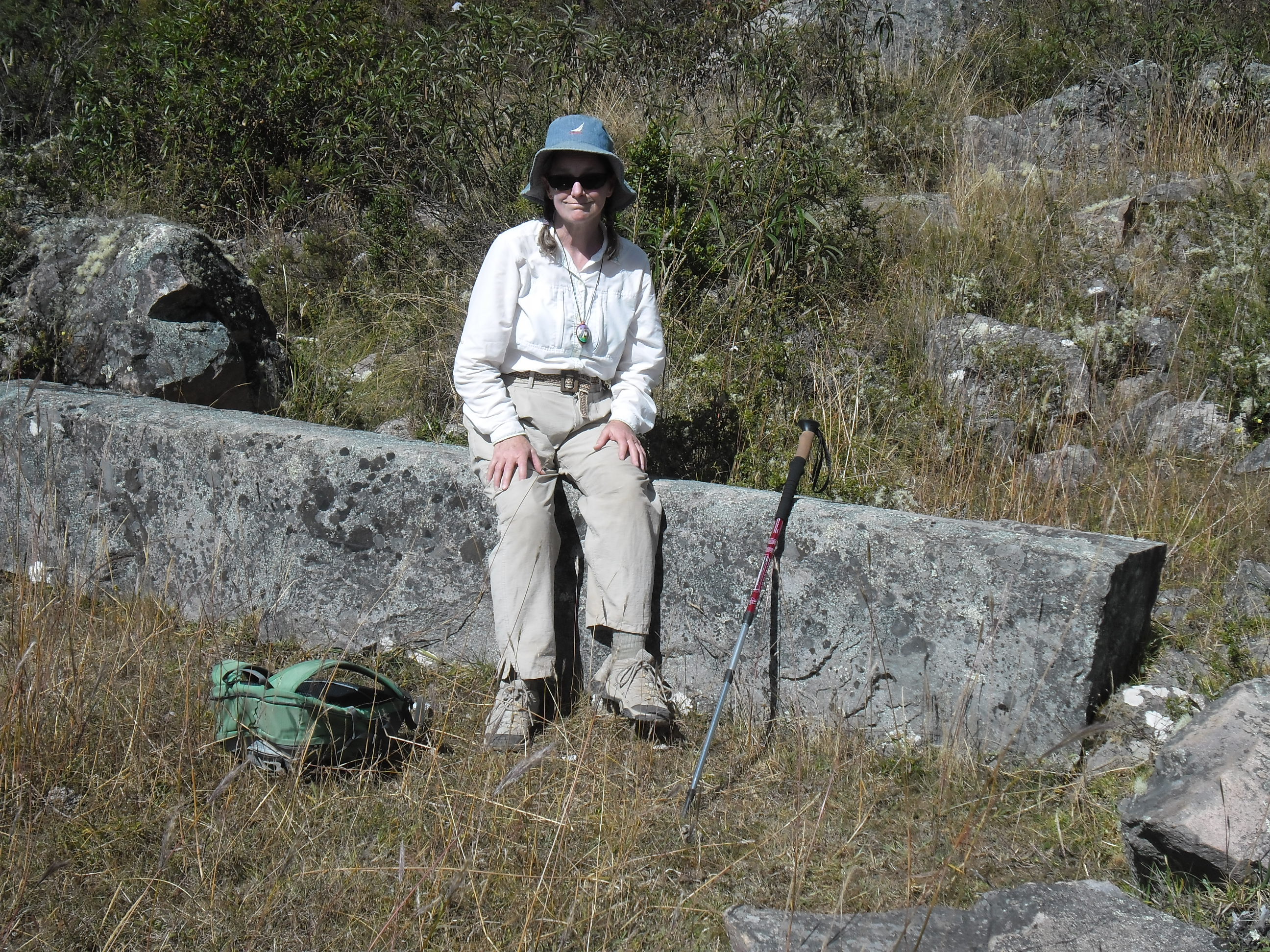
A hiker cansada
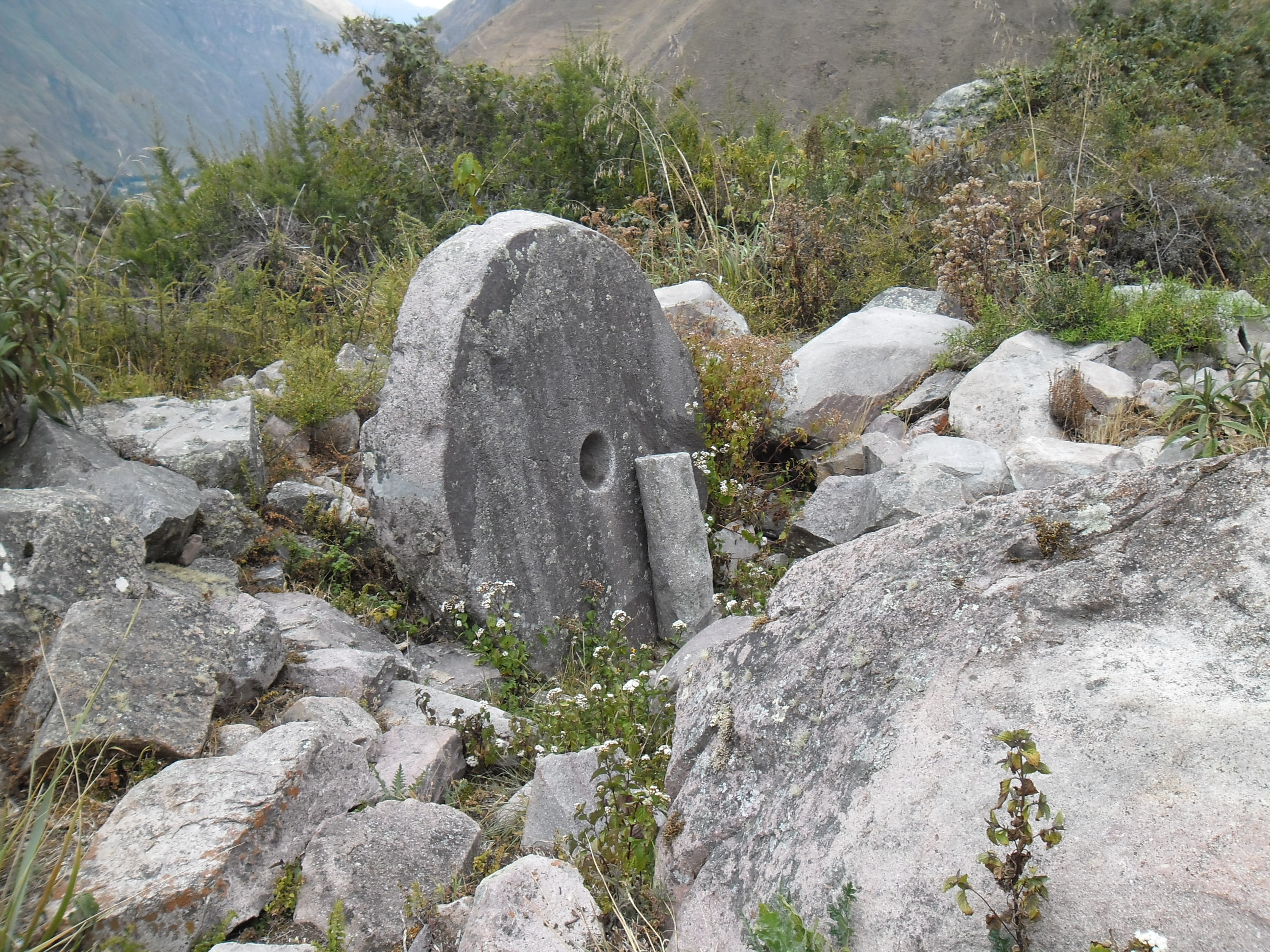
There is also a primitive wheel up there. It was obviously sculpted, and it is a mystery. The Incas didn´t have wheels. Perhaps this was a prototype. Maybe somebody was inventing it.
After the quarry, the trail continued up, toward the Sun Gate. We could see it in the distance.
We kept climbing, and it got closer. We could still look down on the valley.
That´s our town, Ollantaytambo.
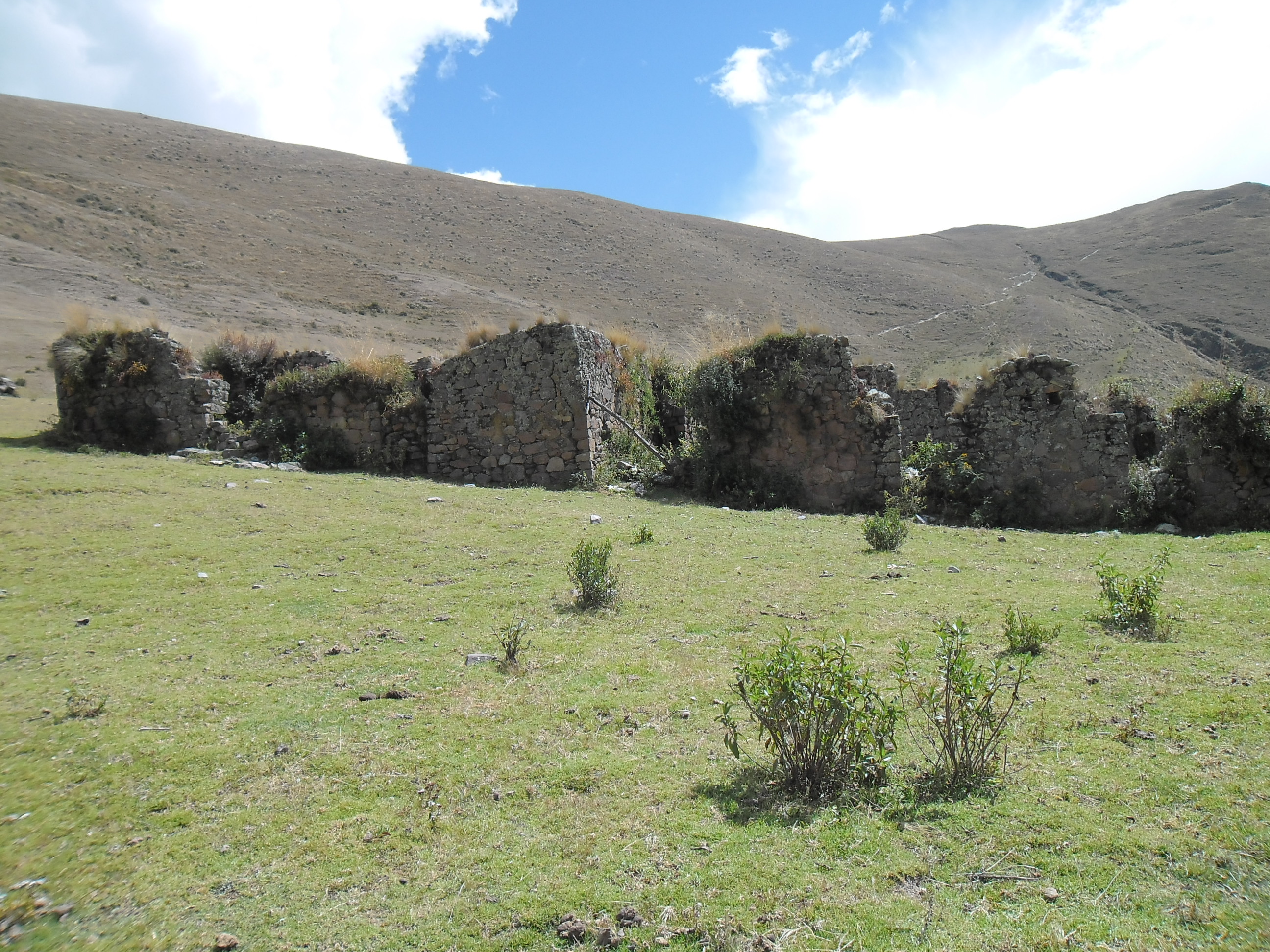
We passed some ruins on the way up.
Did I mention that we were climbing? It got exciting as we got closer.
It´s on a peak. On three sides of the gate, it is just a dropoff down into the valley. The clouds came down, so we really didn´t get a magnificent view of Mount Veronica, but the views were spectacular nonetheless. Being so high up in the mountains was exhilarating.
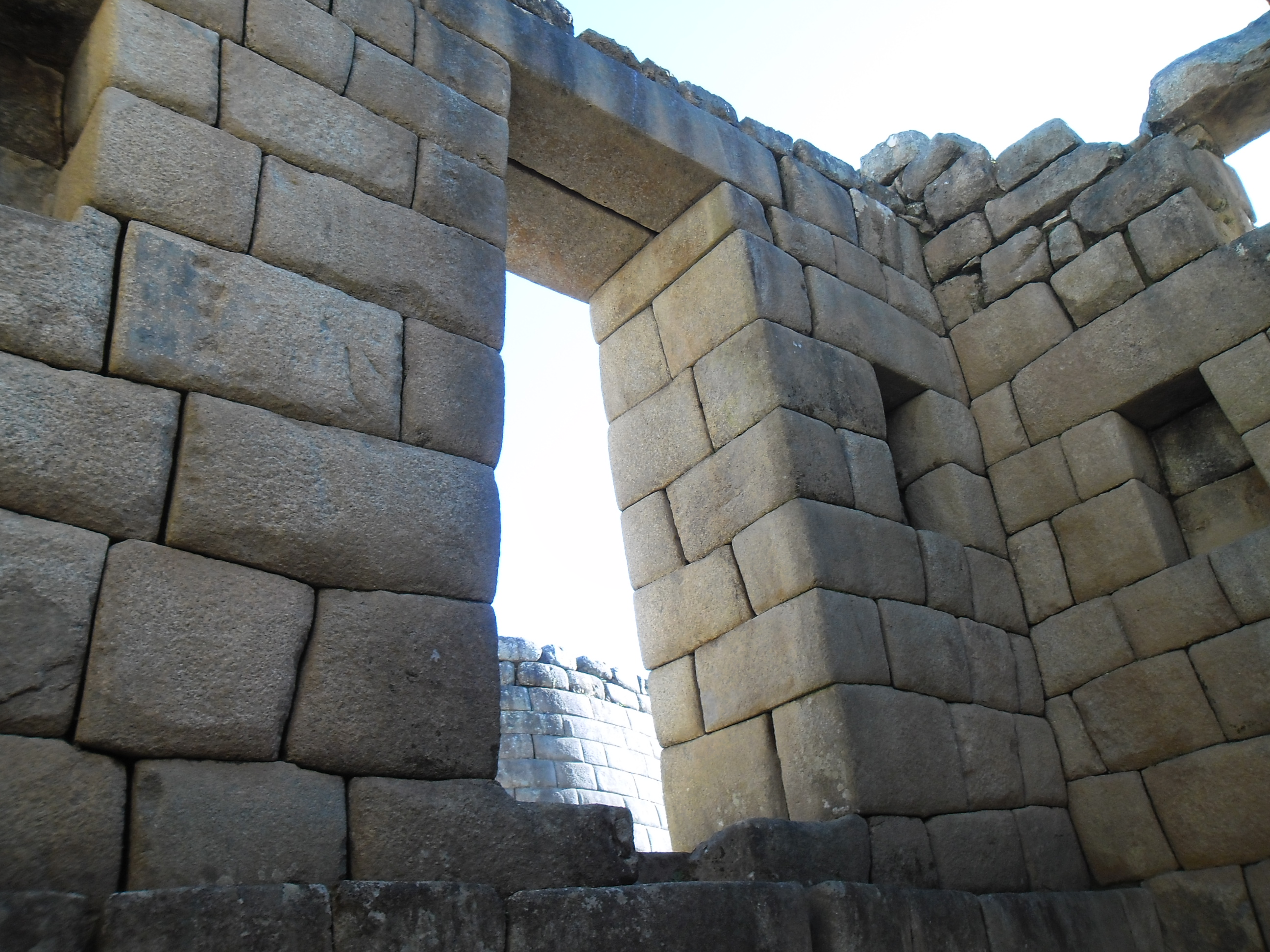
The familiar trapezoid shape, with the sides leaning in toward each other, gives strength to the Inca structures.
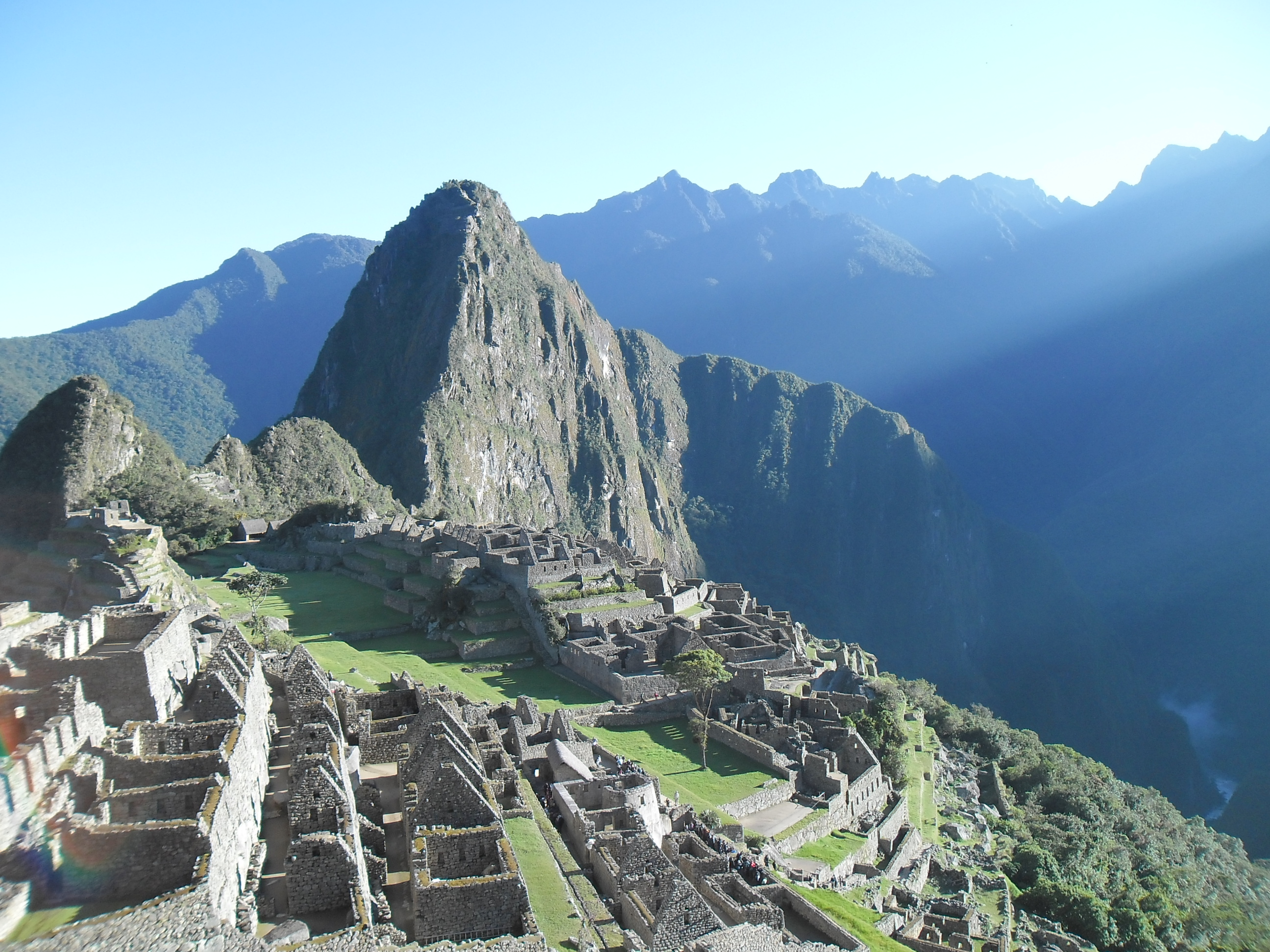
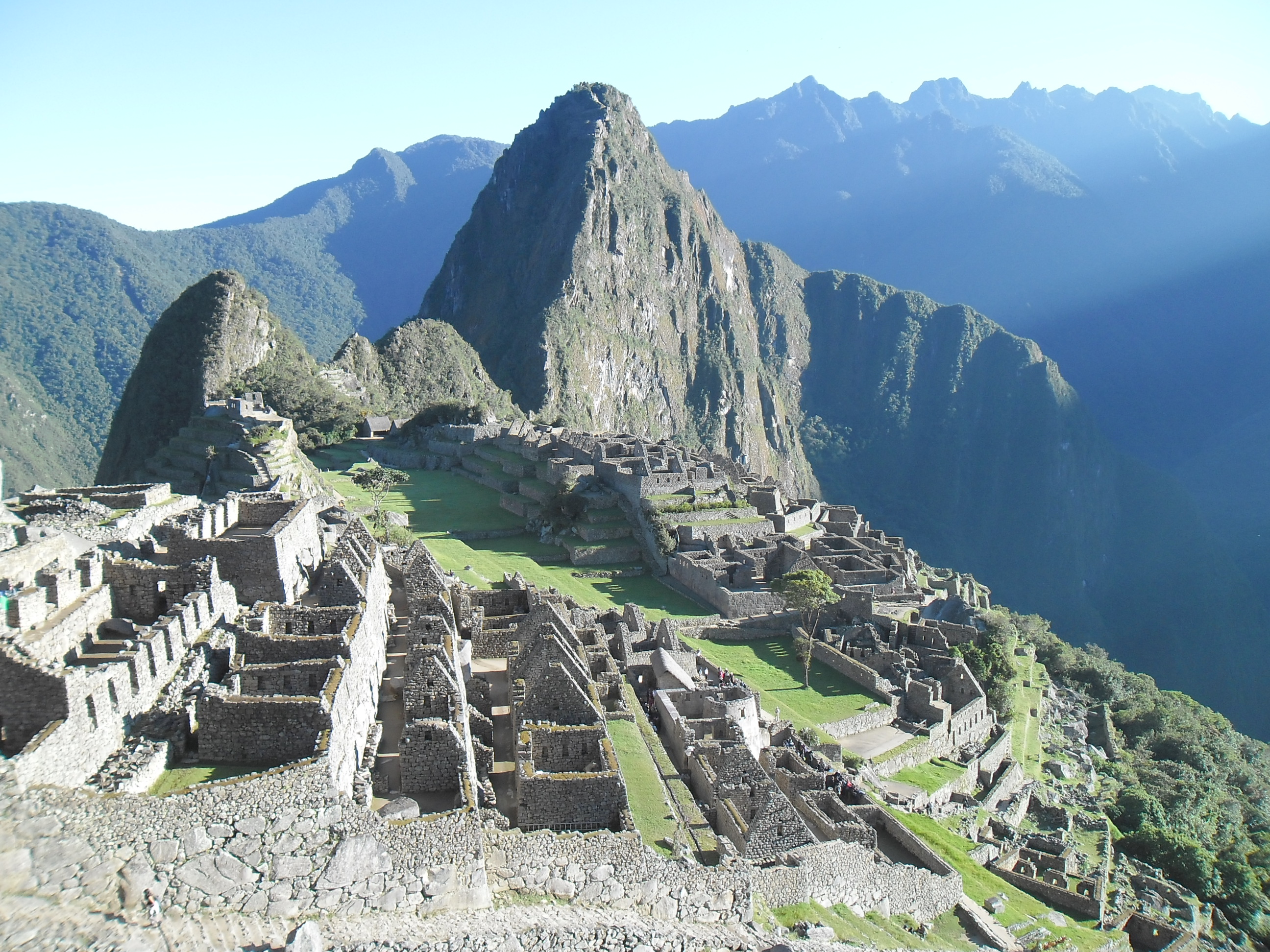
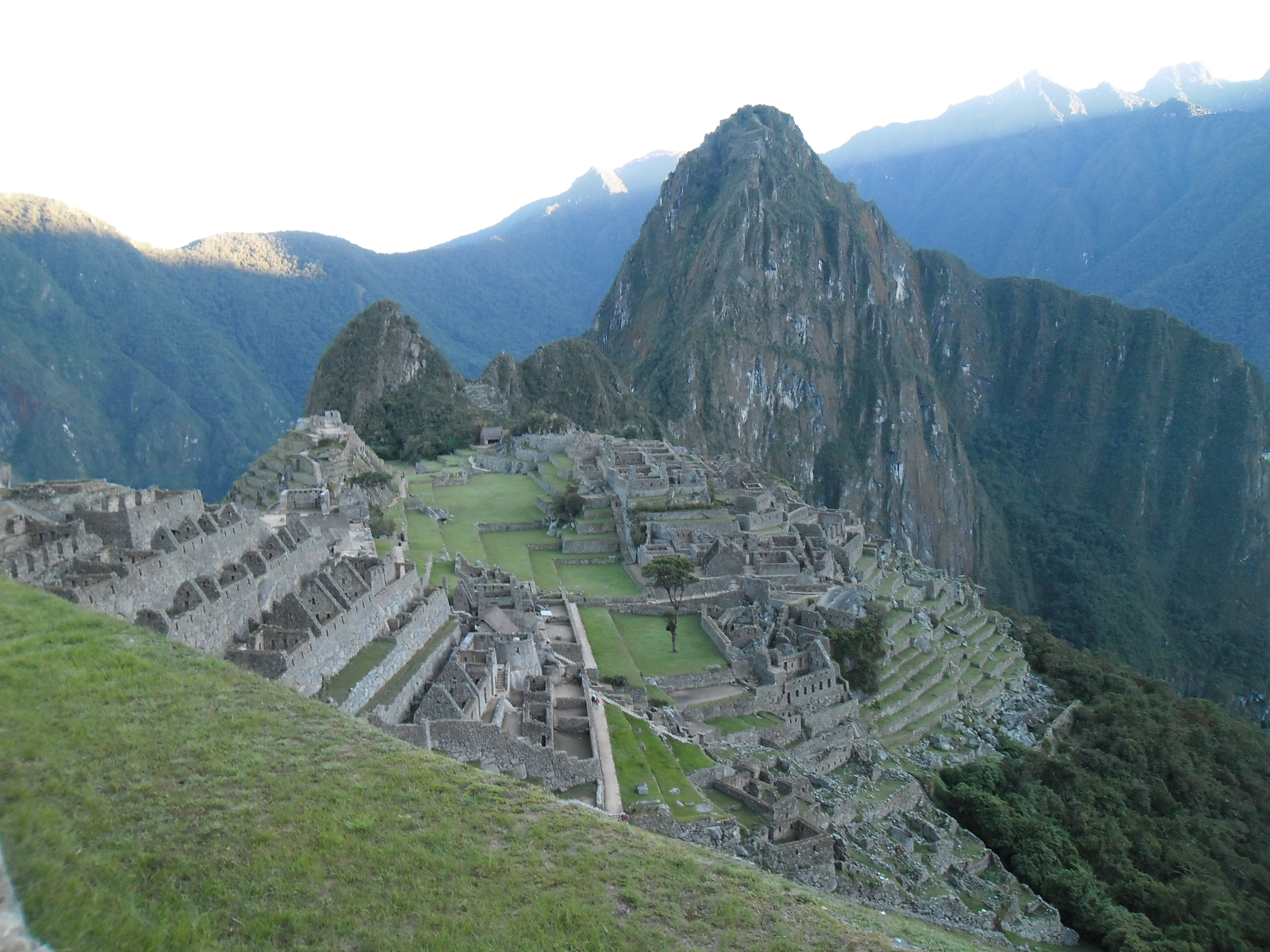
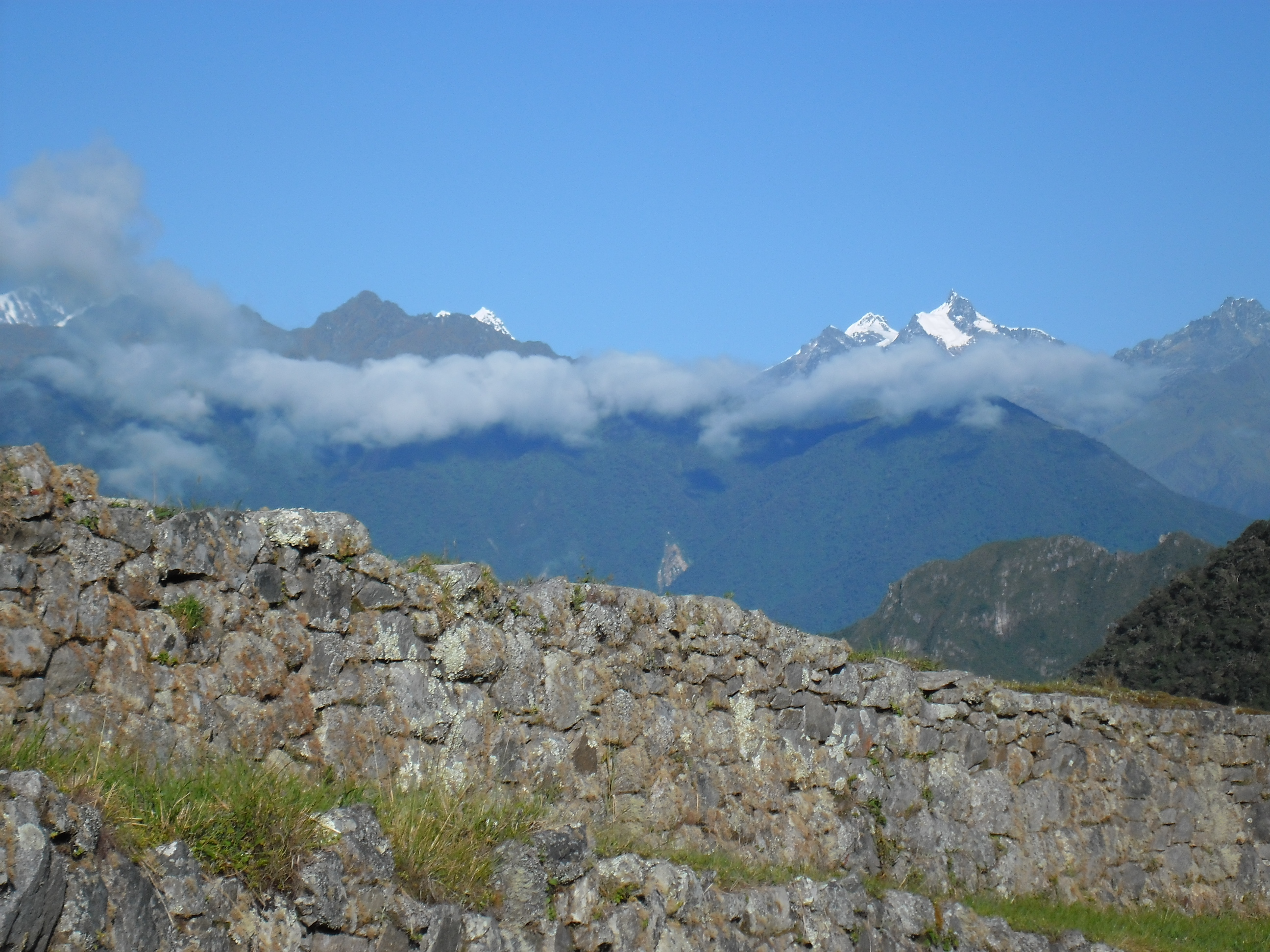
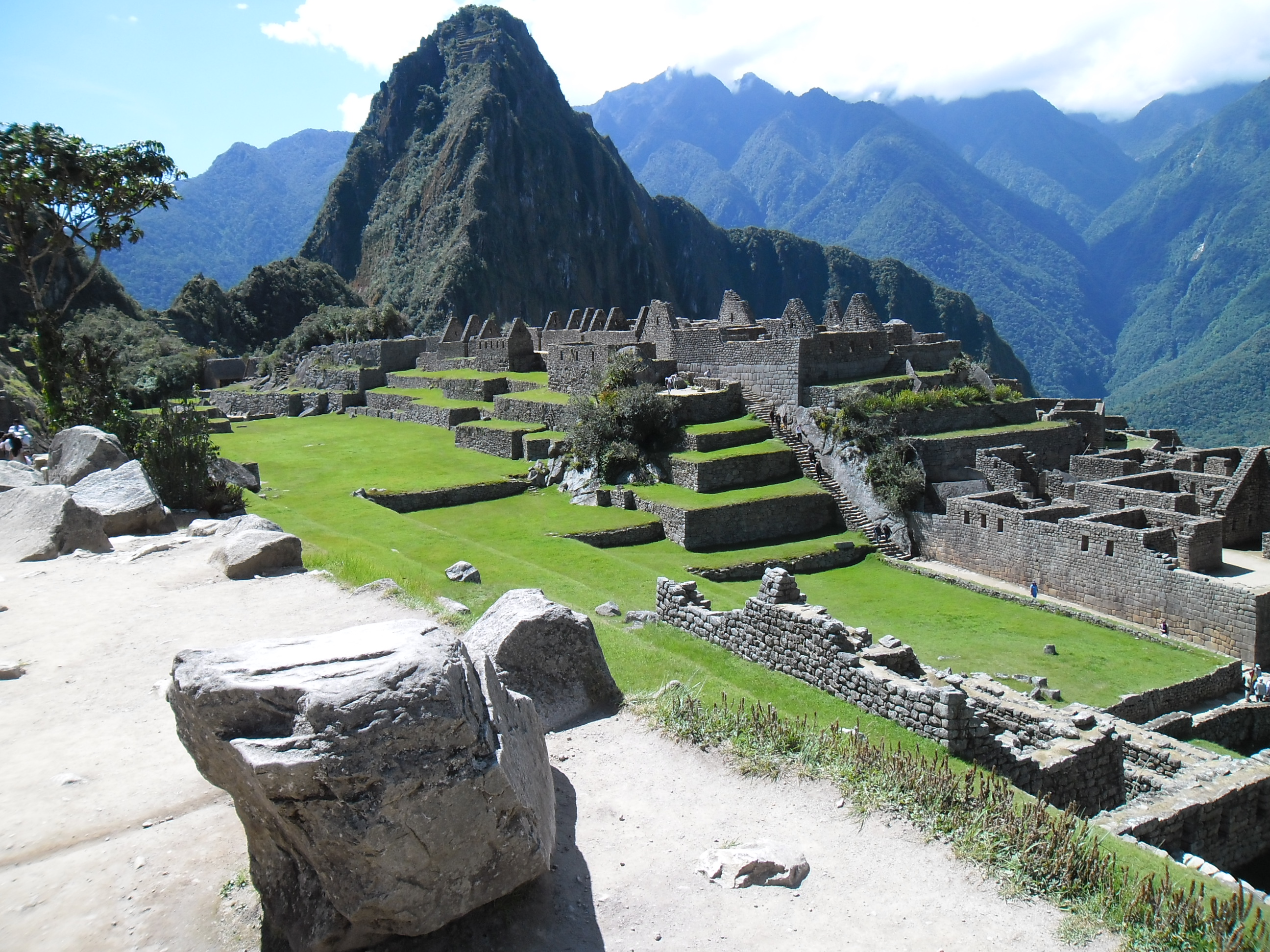
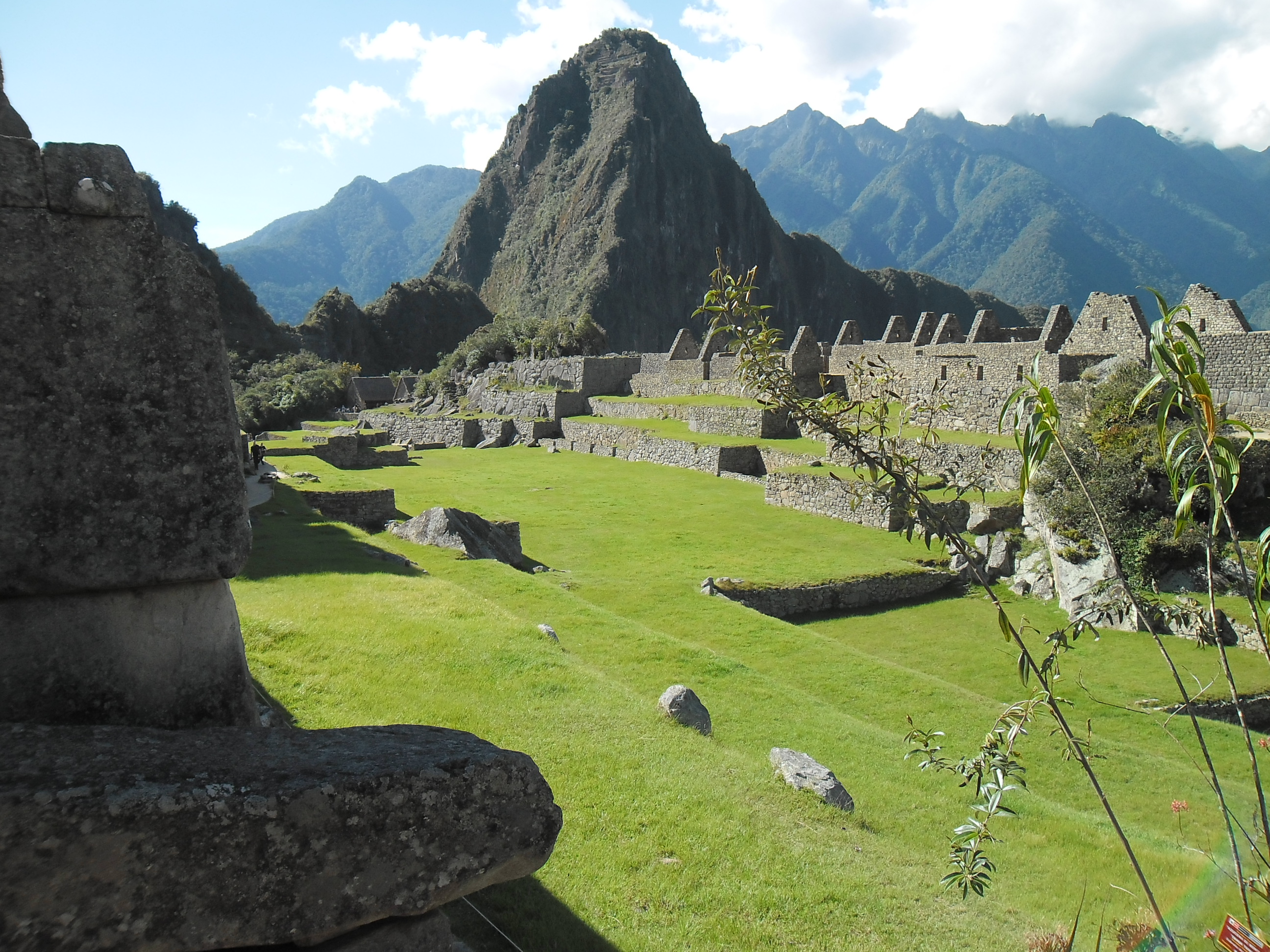
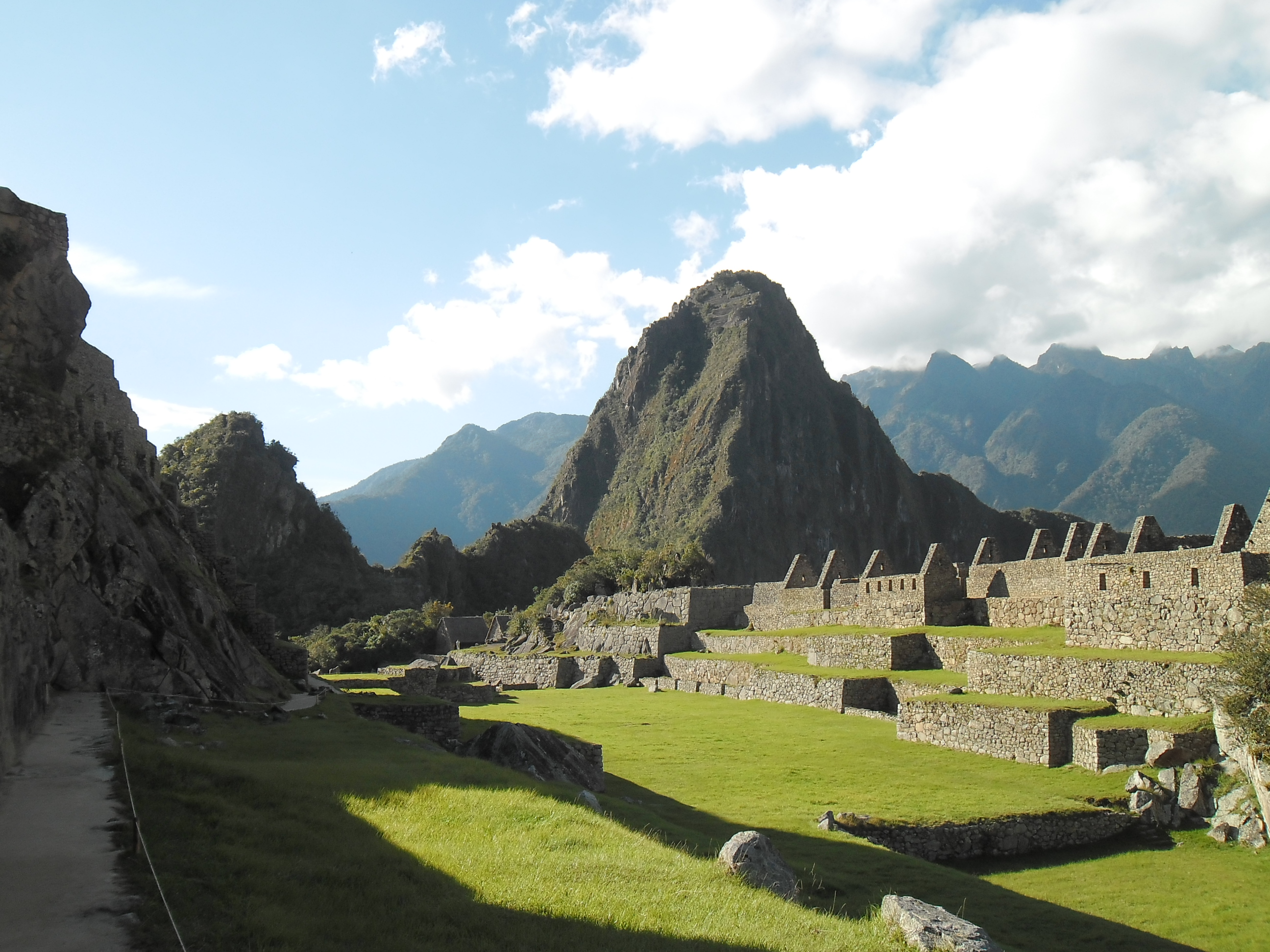
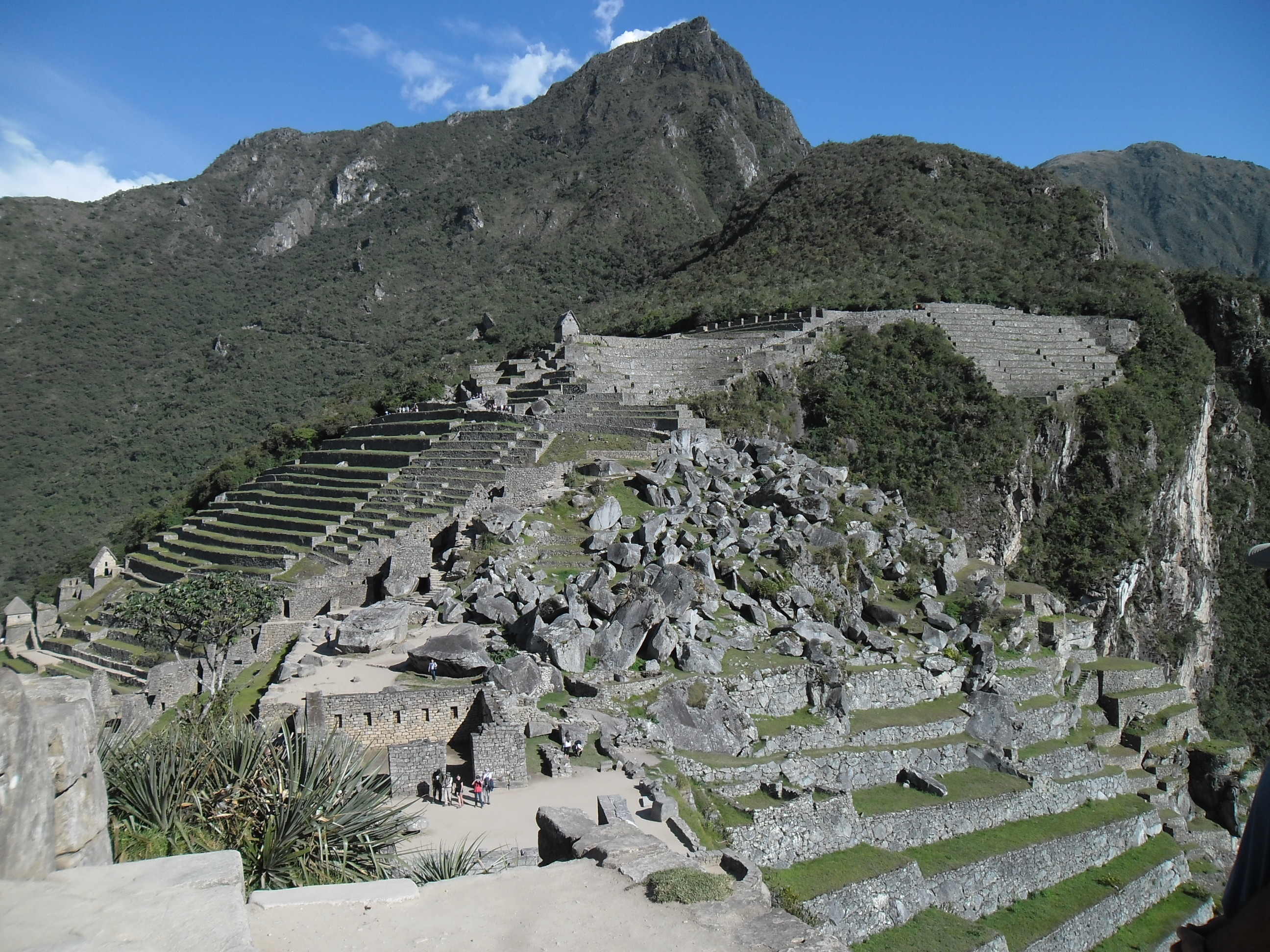
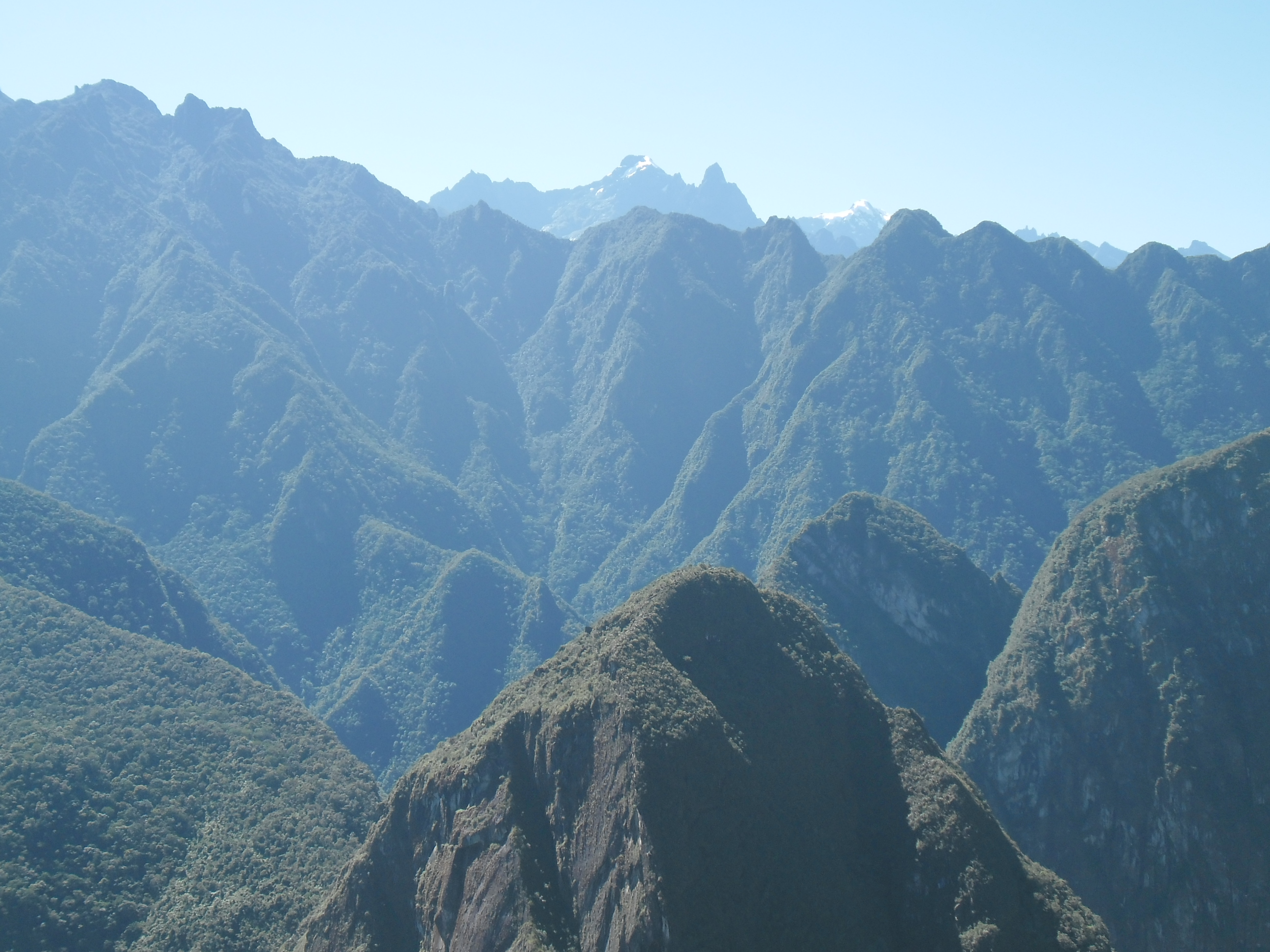
We had read books about Machu Picchu before we went there. We had read articles and first-hand accounts. We had talked to many people and heard their stories. We knew what to expect. Still, nothing can prepare you for the magnificence of the place. The spectacular isolation surrounded by rainforest mountains, ringed by the 20,000 foot snow-capped peaks.
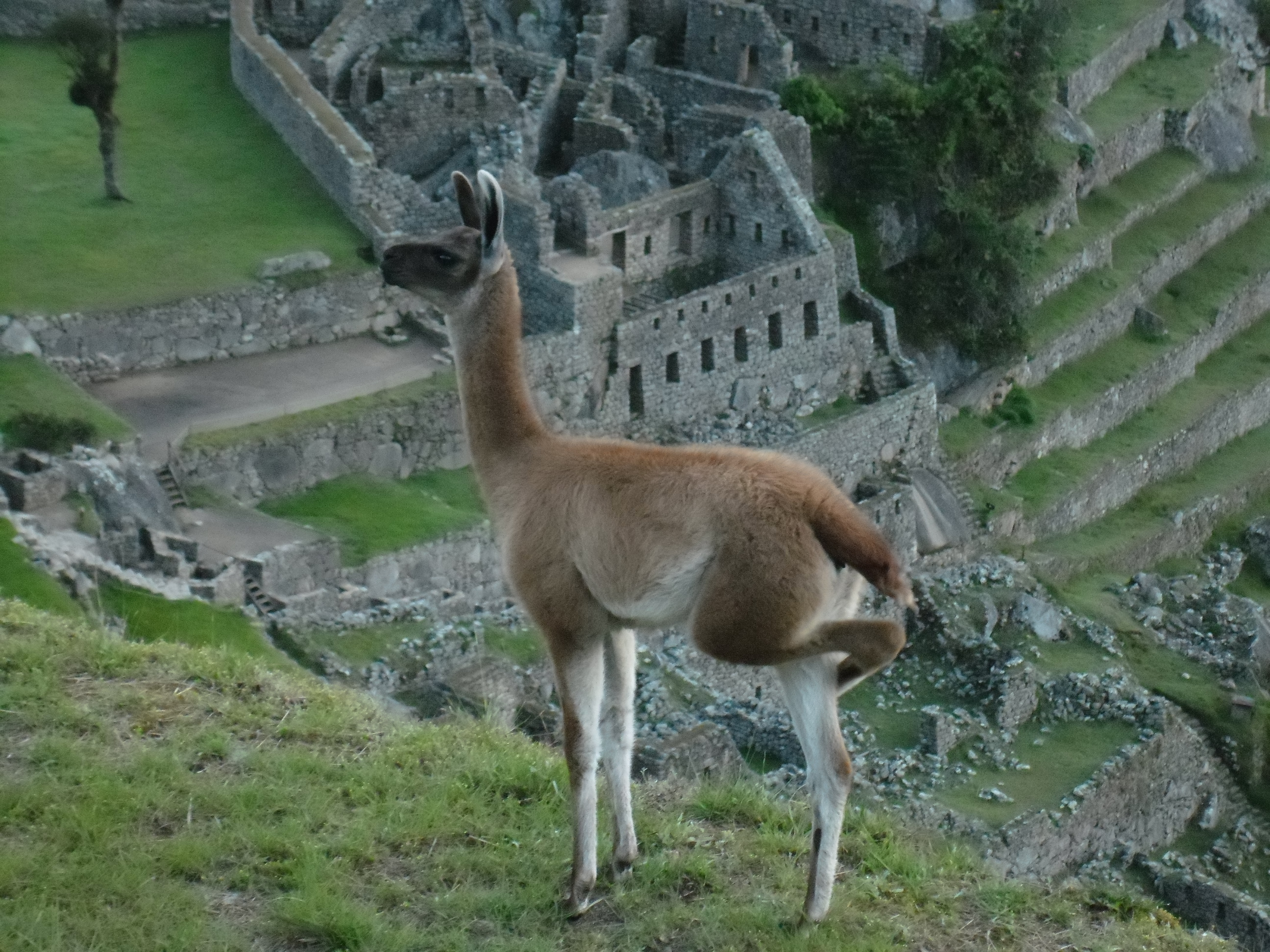
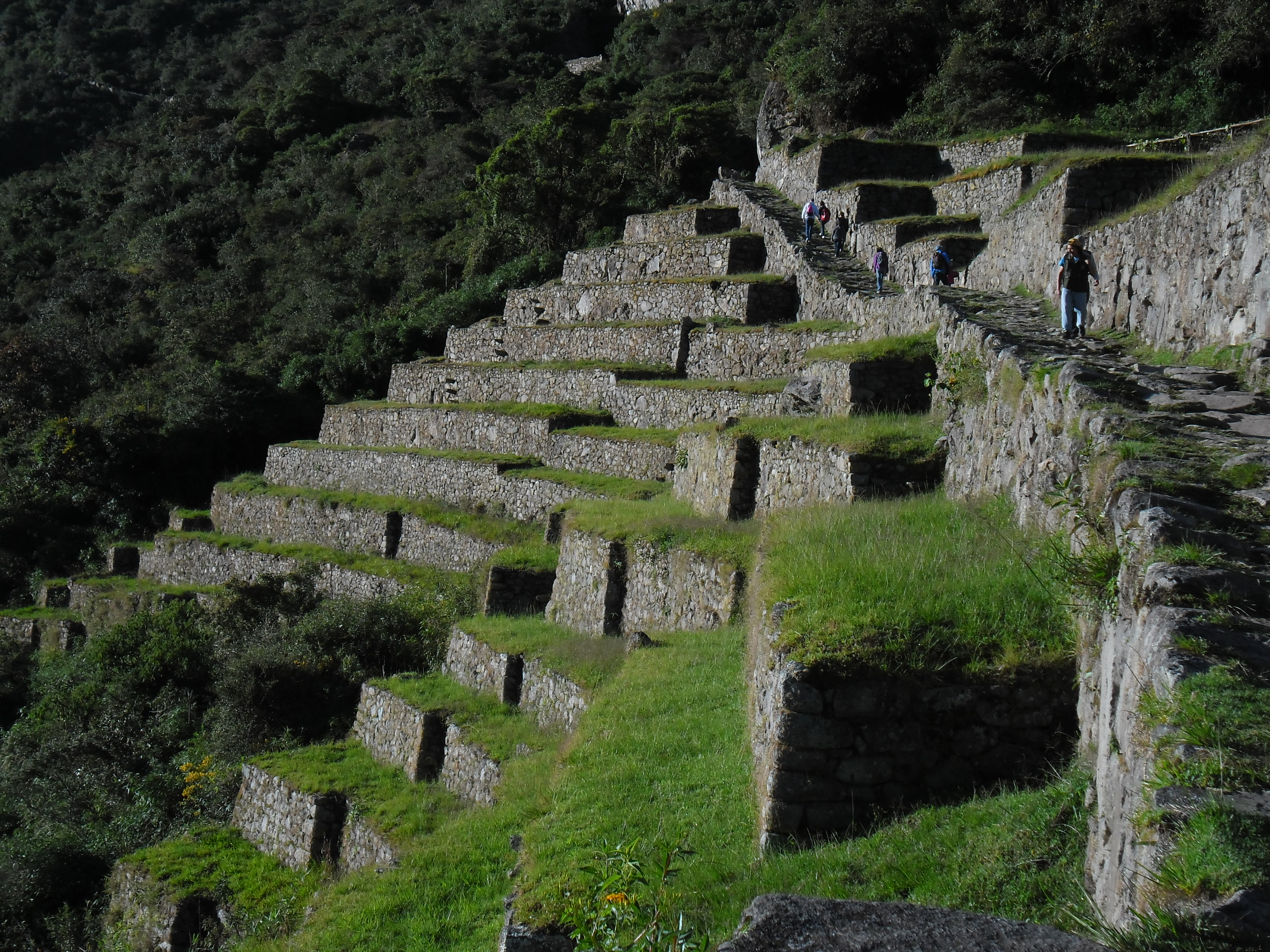
A resident vicuña Agricultural terraces below the Inca Trail
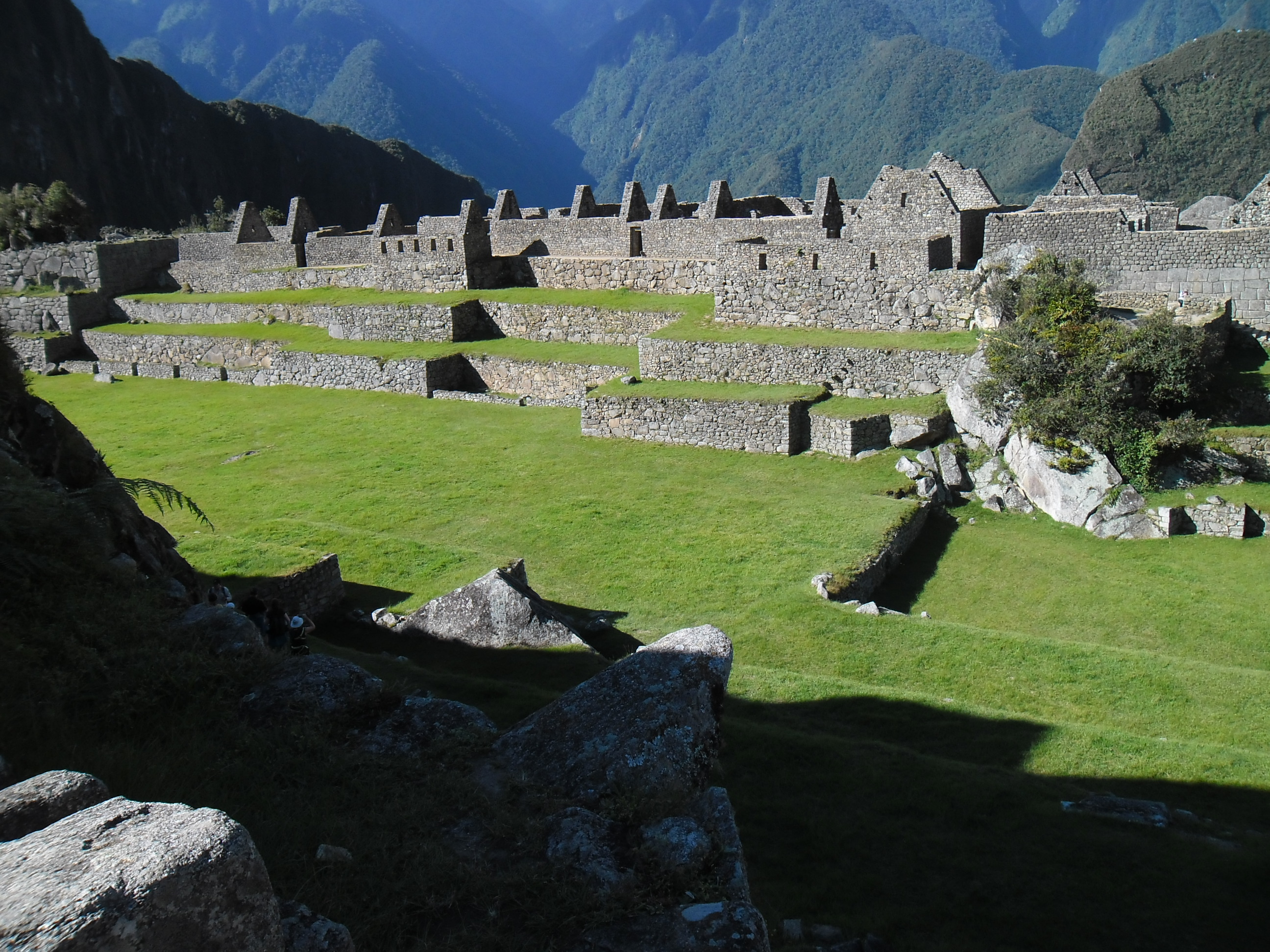
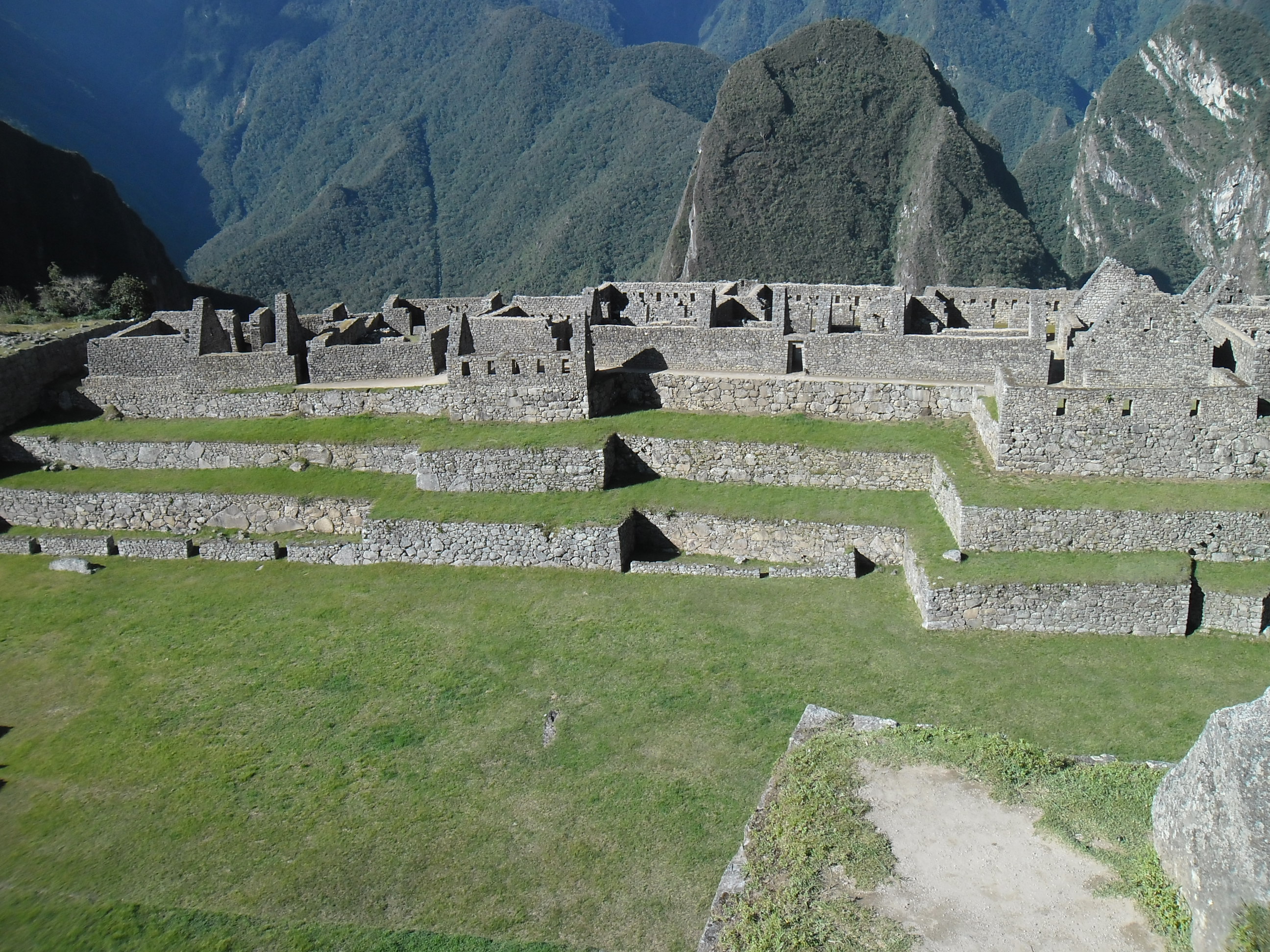
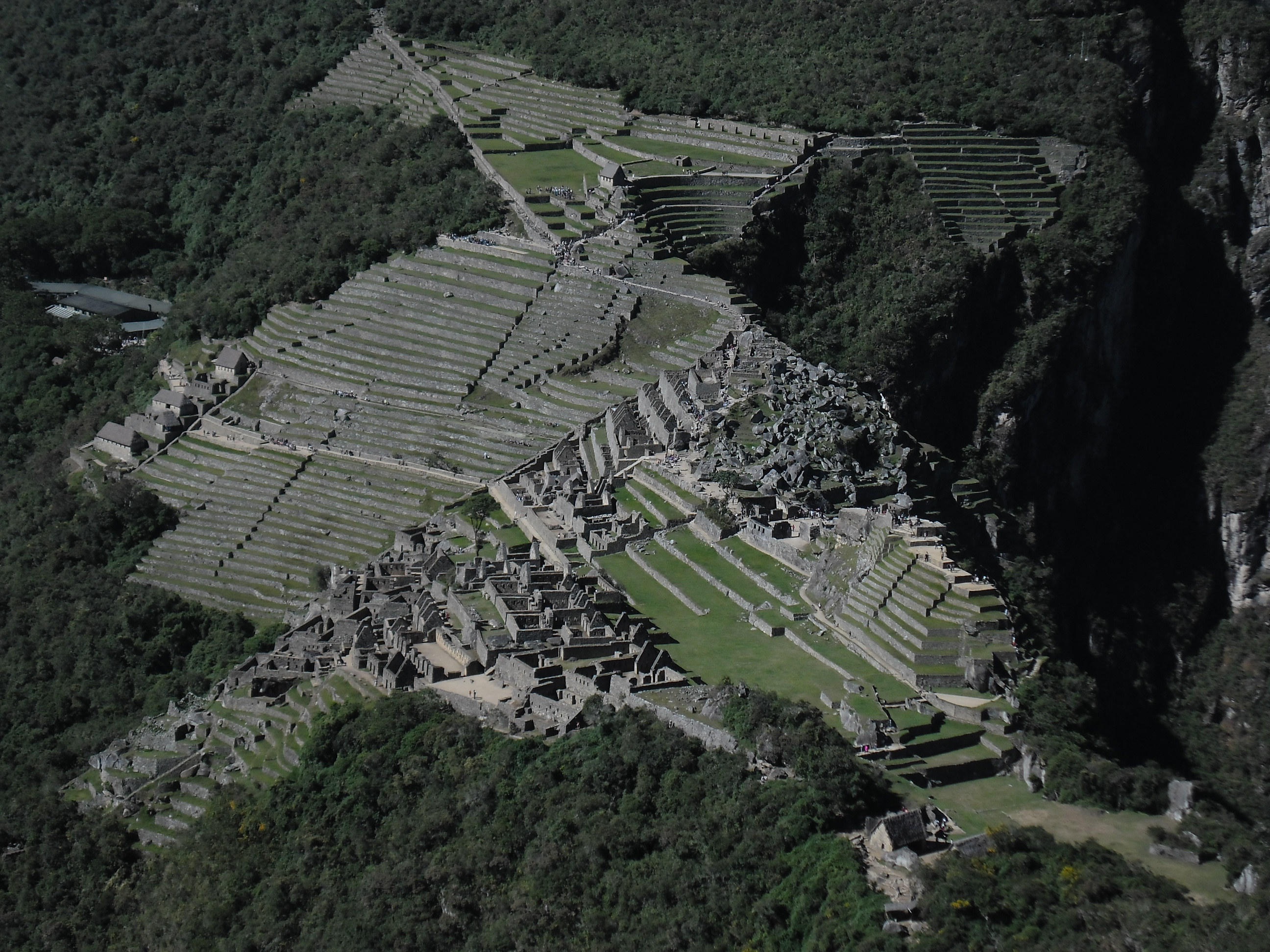
The city of Machu Picchu itself was designed, built, and lived in by the Incas in the 1400´s and 1500´s. It was abandoned and never discovered by the Spaniards, then it sat in the jungle, pretty much undisturbed, for almost four hundred years, before Hiram Bingham brought it to the world´s attention in 1911. Because it was never discovered, it is now a perfectly conserved example of the architecture and the life of indigenous culture before western contact. And because the Incas were such intricate and skilled architects and engineers, it is a testament to the world of how to build a city in perfect harmony with its surroundings.
The Incas were pantheists, which means that they worshipped nature. The mountains were living gods, the sun was a living god, the rivers were living gods. Machu Picchu was totally designed before one stone was put in place, and it was designed not only as a city where people could live and with its own agriculture, but it also was designed to reflect and to offer prayers to the mountains and the sun. One of the temples, called El Templo Principal, is a three-walled building. Its open side is perfectly aligned, facing Mount Machu Picchu, so that the mountain god could be received in the temple. Mount Machu Picchu is the tallest mountain at the site, and was the main god of the site.
Mount Machu Picchu in the background. In the foreground is the quarry, which the stones were chosen from.
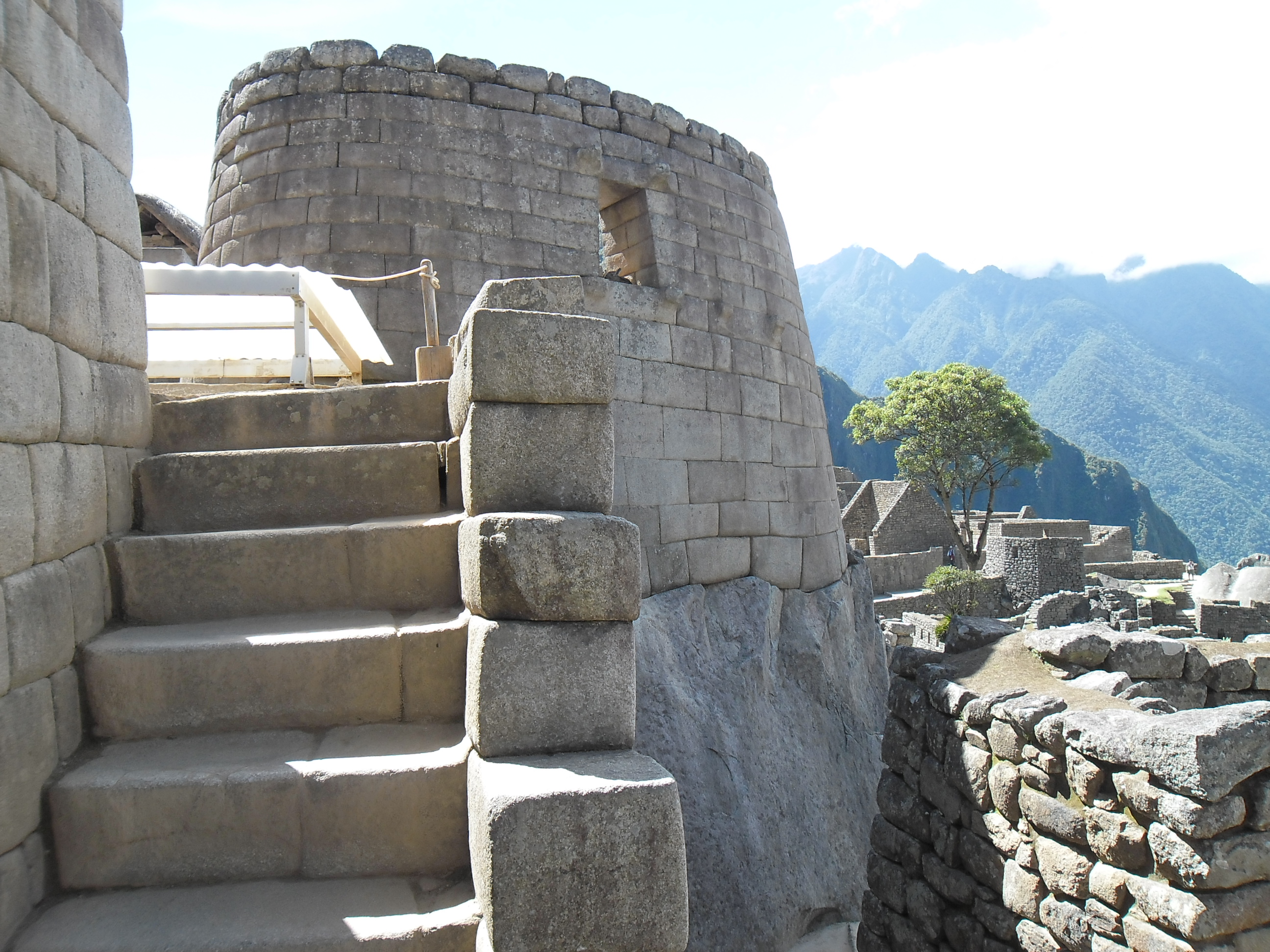
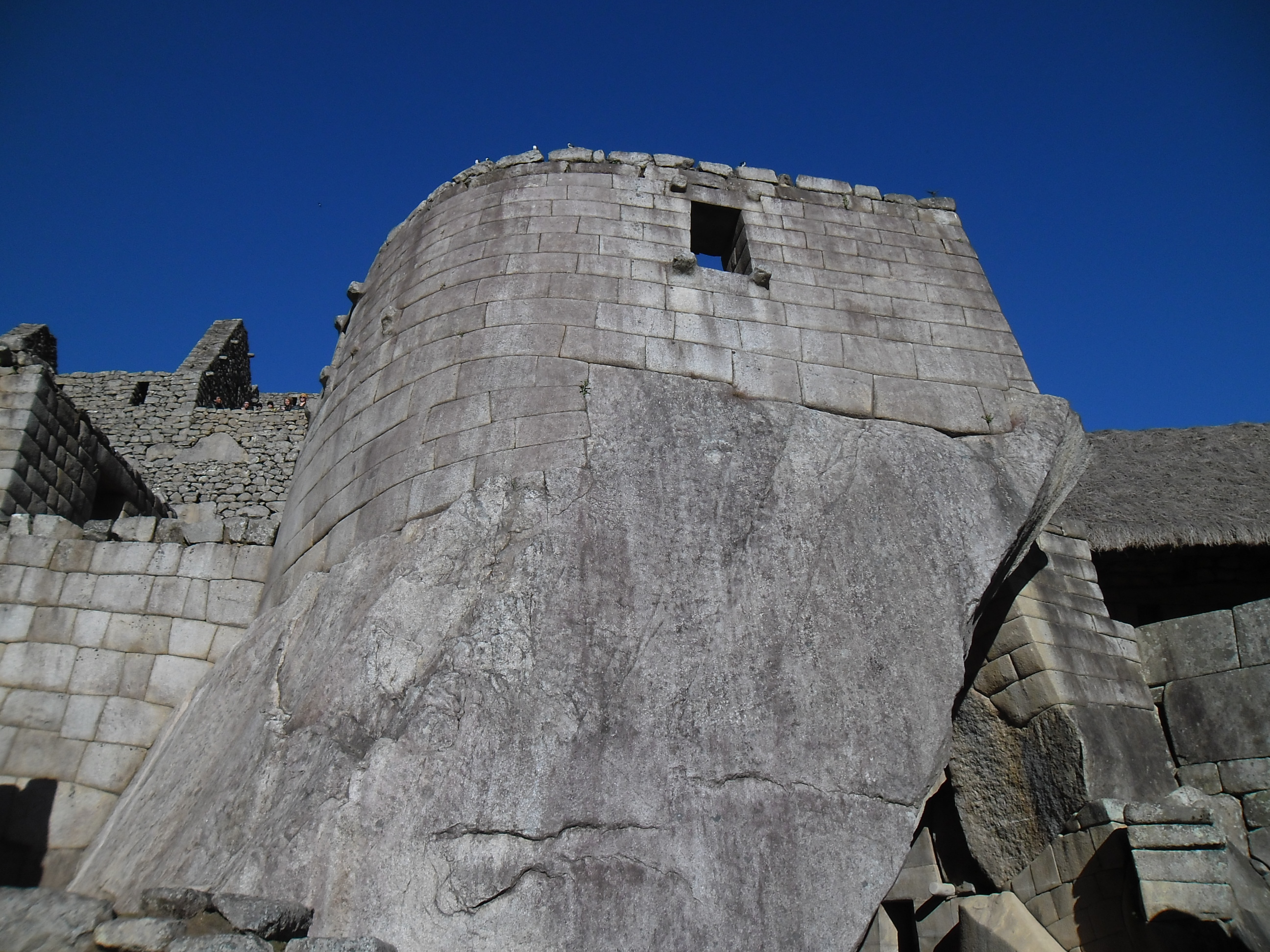
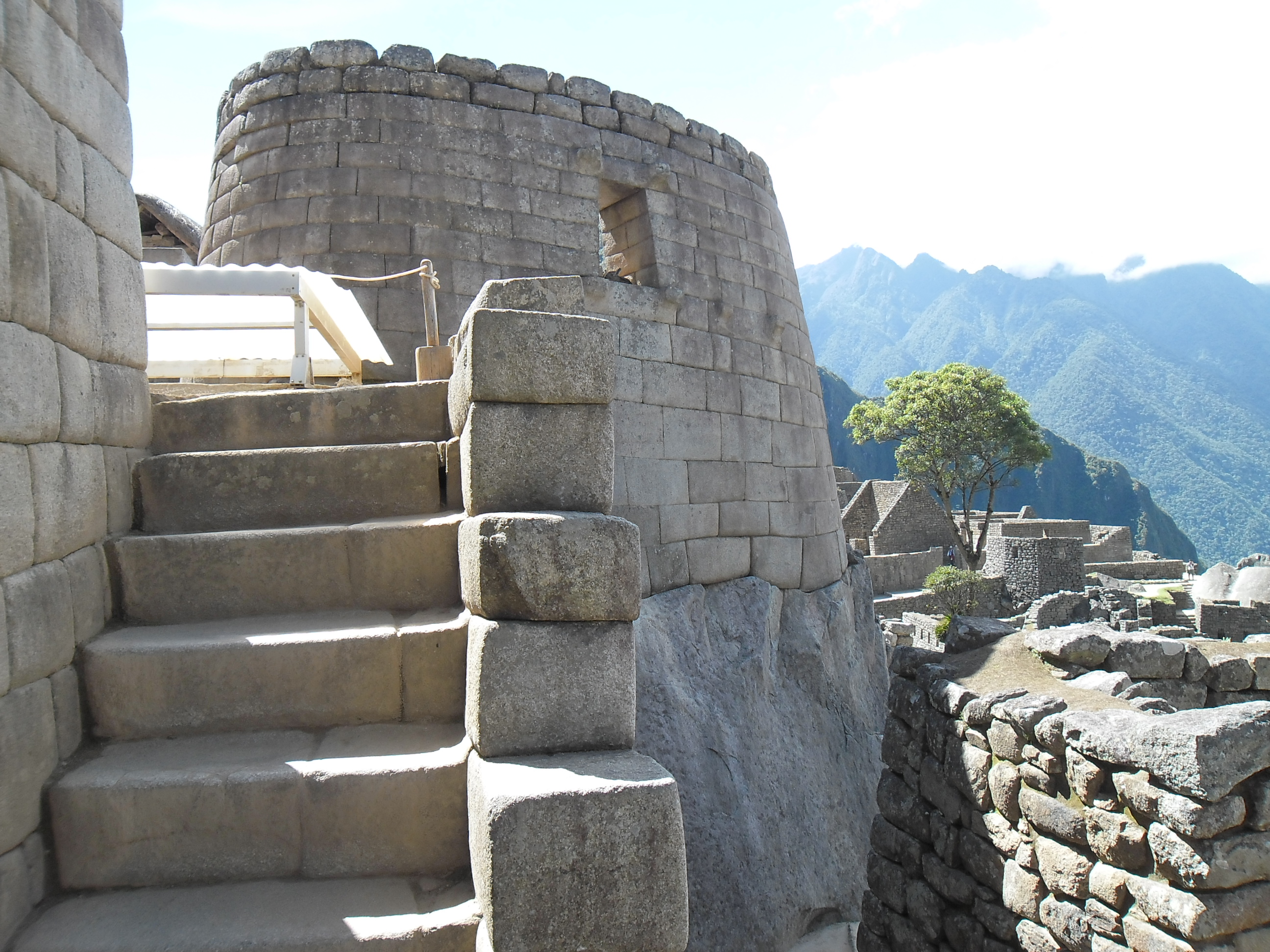
“The Temple of the Sun” has two windows, and a perfect rectangular stone inside. One window is aligned so that the sunrise on December 21, the longest day of the year, completely illuminates the rectangle, with no shadows. That’s like the scene in Indiana Jones, where he finds the secret door to the treasure. The producers of that movie read all of Hiram Bingham’s writings before they started the movie. The other window is aligned to do the same on June 21, the shortest day of the year. Exact and precise. Every stone is perfect. Every stone has a purpose. The temple itself is built upon a natural rock. The stones seem to grow out of the rock.
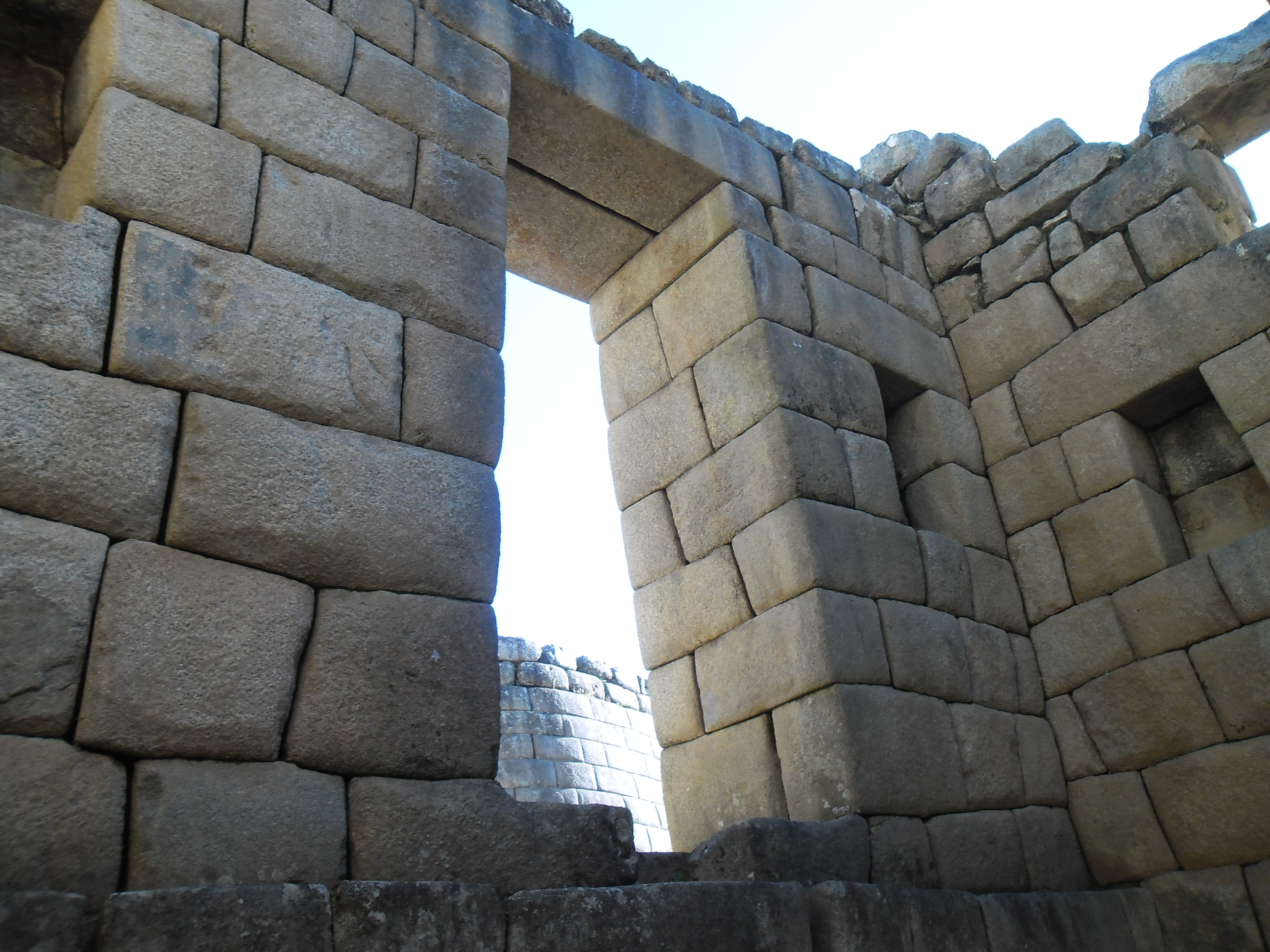
El Templo del Sol The temple is built on a granite outcropping. This is the window that faces the summer solstice, on December 21. Fine stonework inside the temple. Trapezoidal doors are a trademark of the Incas.
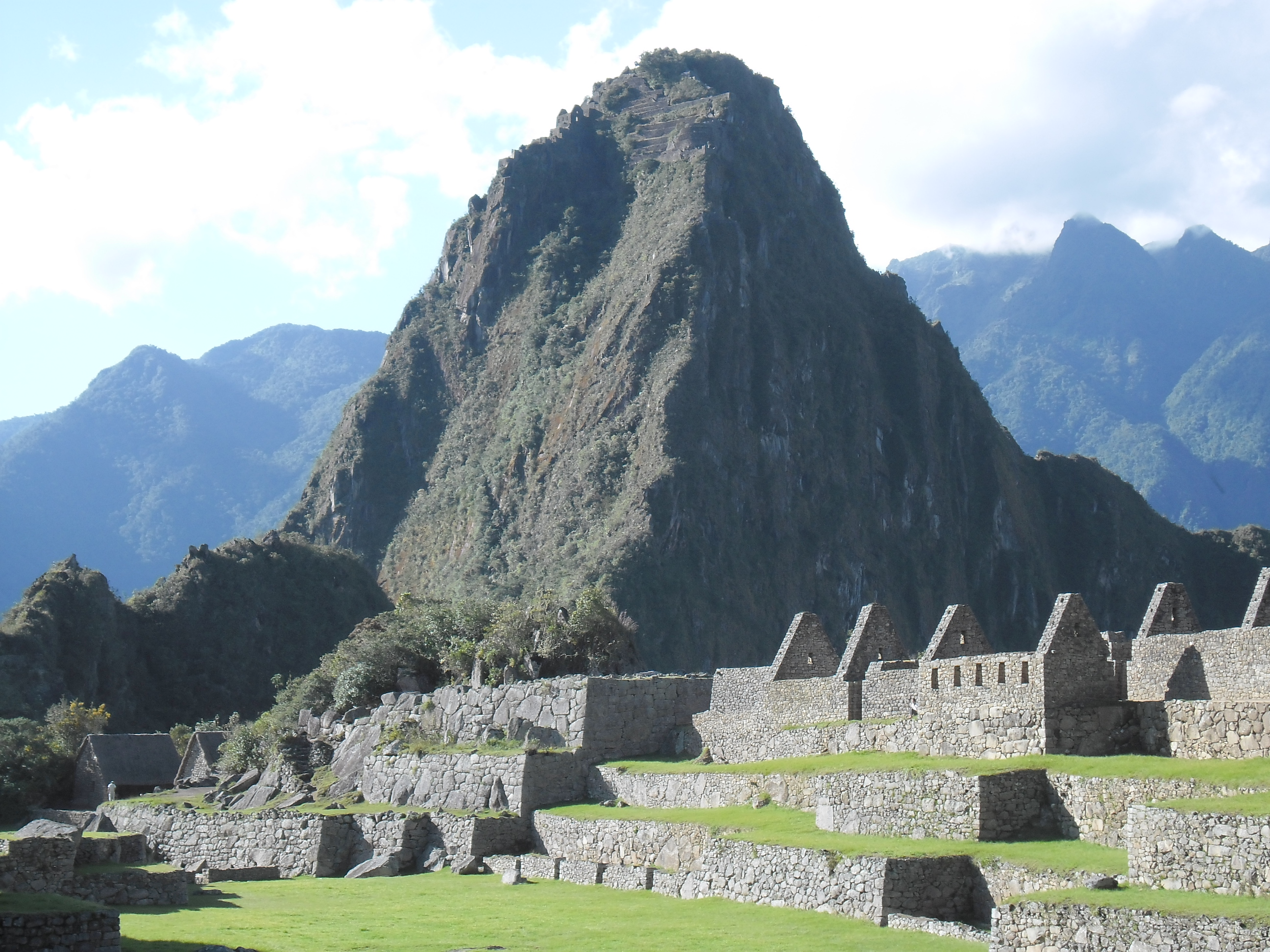
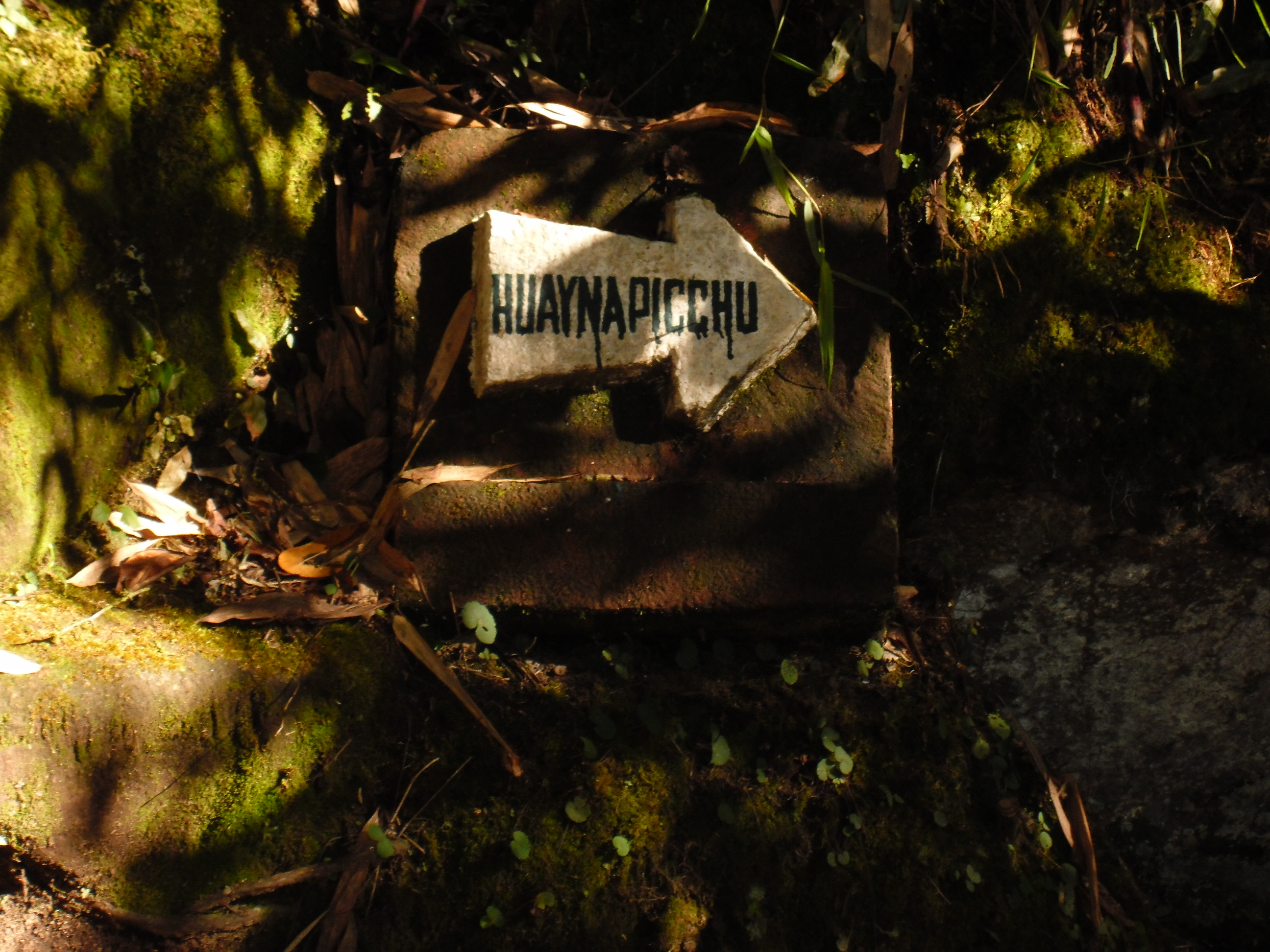
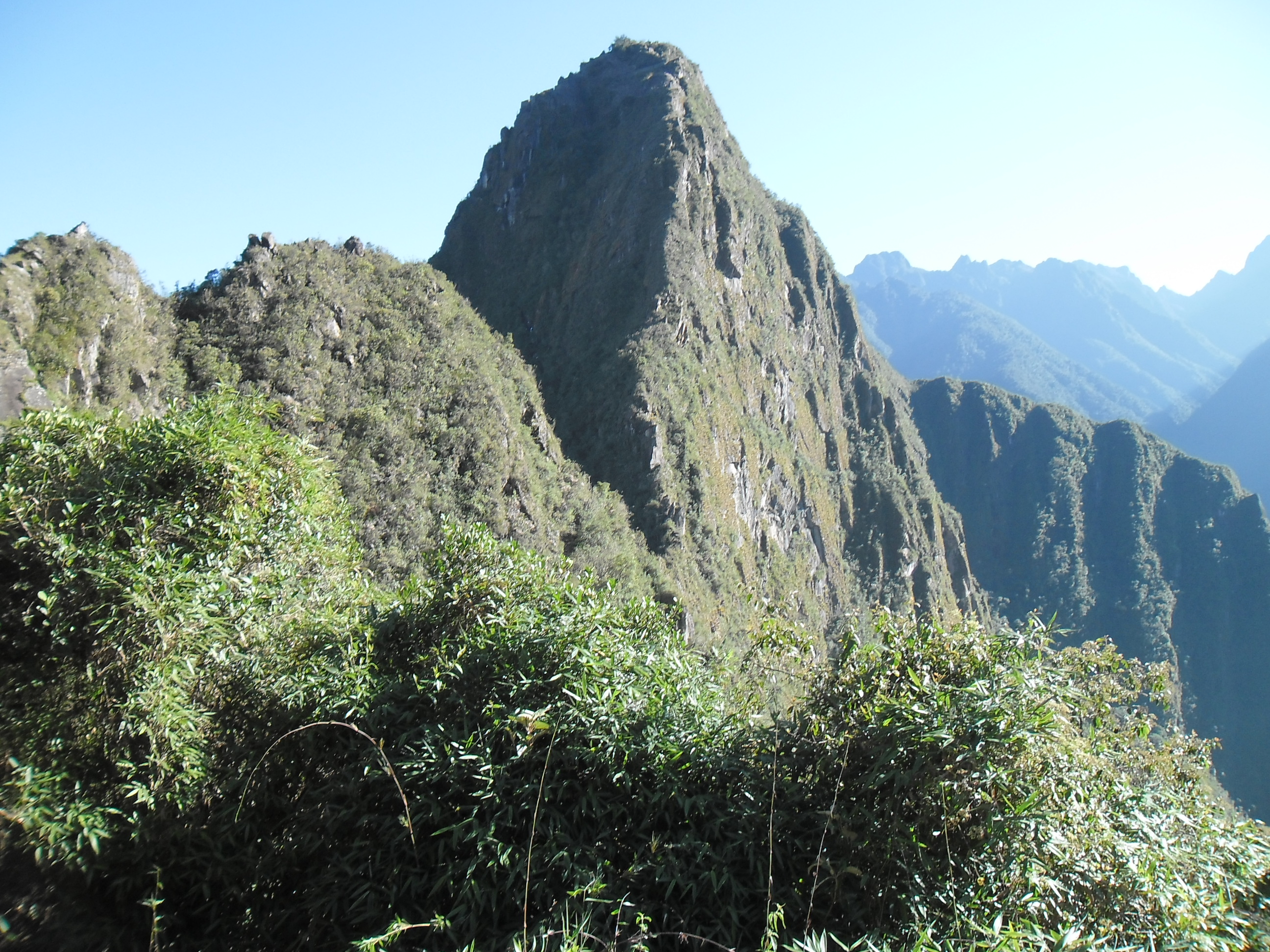
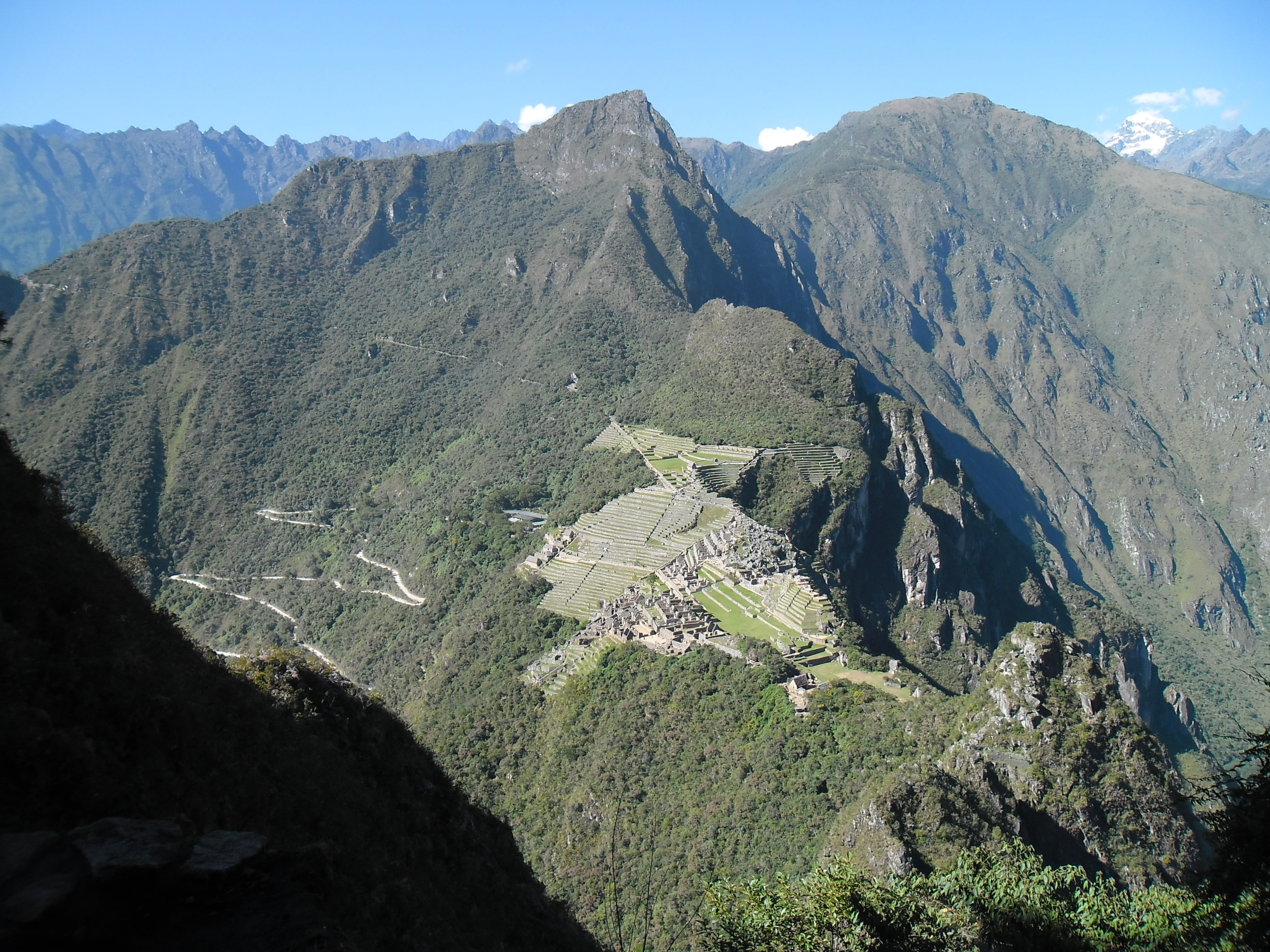
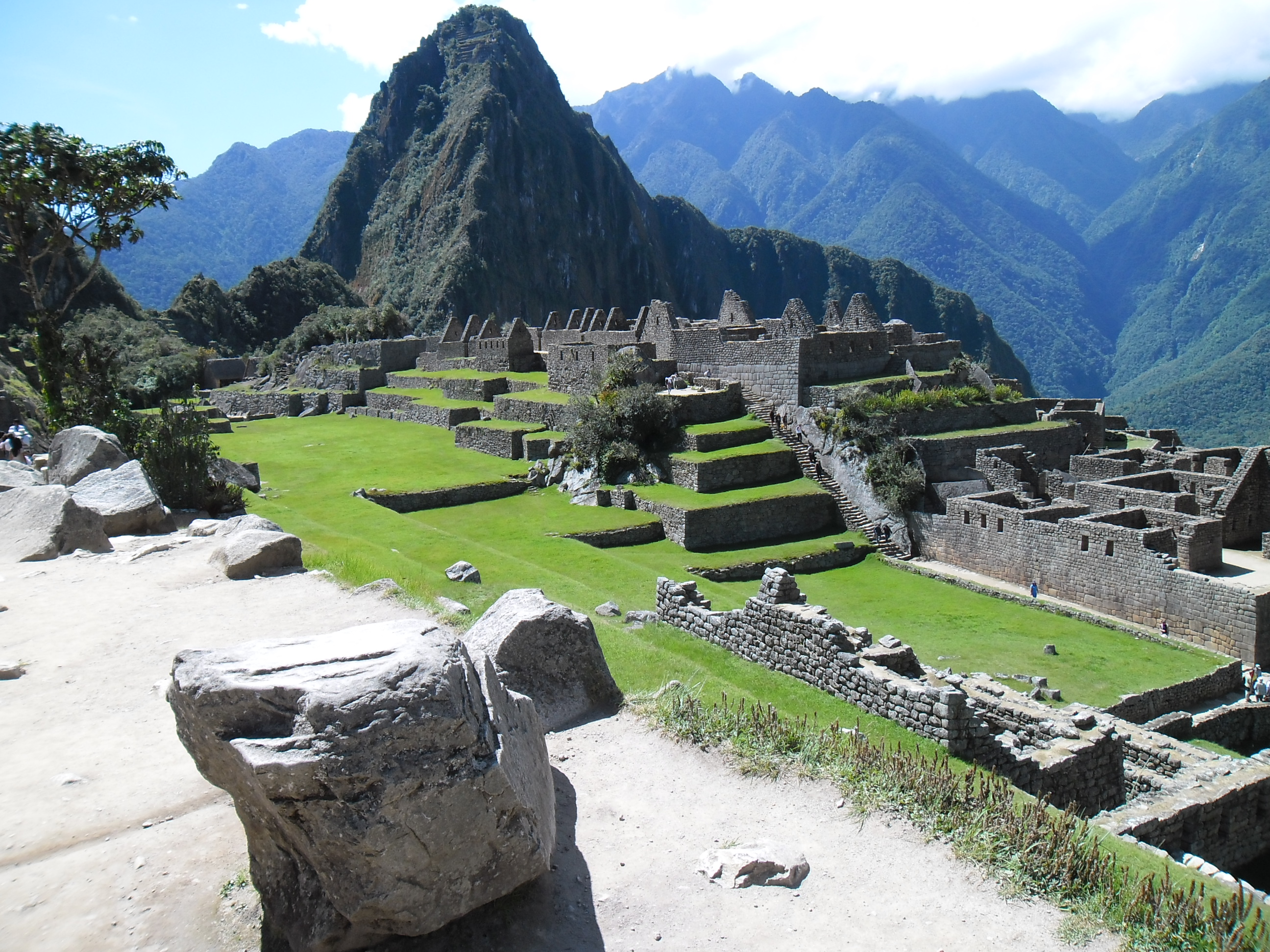
The natural setting for the city is literally breathtaking. Machu Picchu itself is 8,000 feet above sea level. It is a level piece of land, having been carved and leveled by the Incas, kind of like a diving board between two mountains. The diving board is a peninsula of land, a ridgetop that drops vertically down on three sides, 1500 feet down to the raging Urubamba River. Two words that could be used over and over to describe the territory would be: Massive and Steep. The city´s access is from the fourth side, where the Inca Trail arrives through the mountains from Cusco and Ollantaytambo. Huayna Picchu is one of the mountains that punctuate the city. When you see the iconic photograph of Machu Picchu, with the city in the foreground and a huge, space-needle like mountain in the background, that mountain is Huayna Picchu. It rises 1200 feet, straight up, from one end of Machu Picchu.
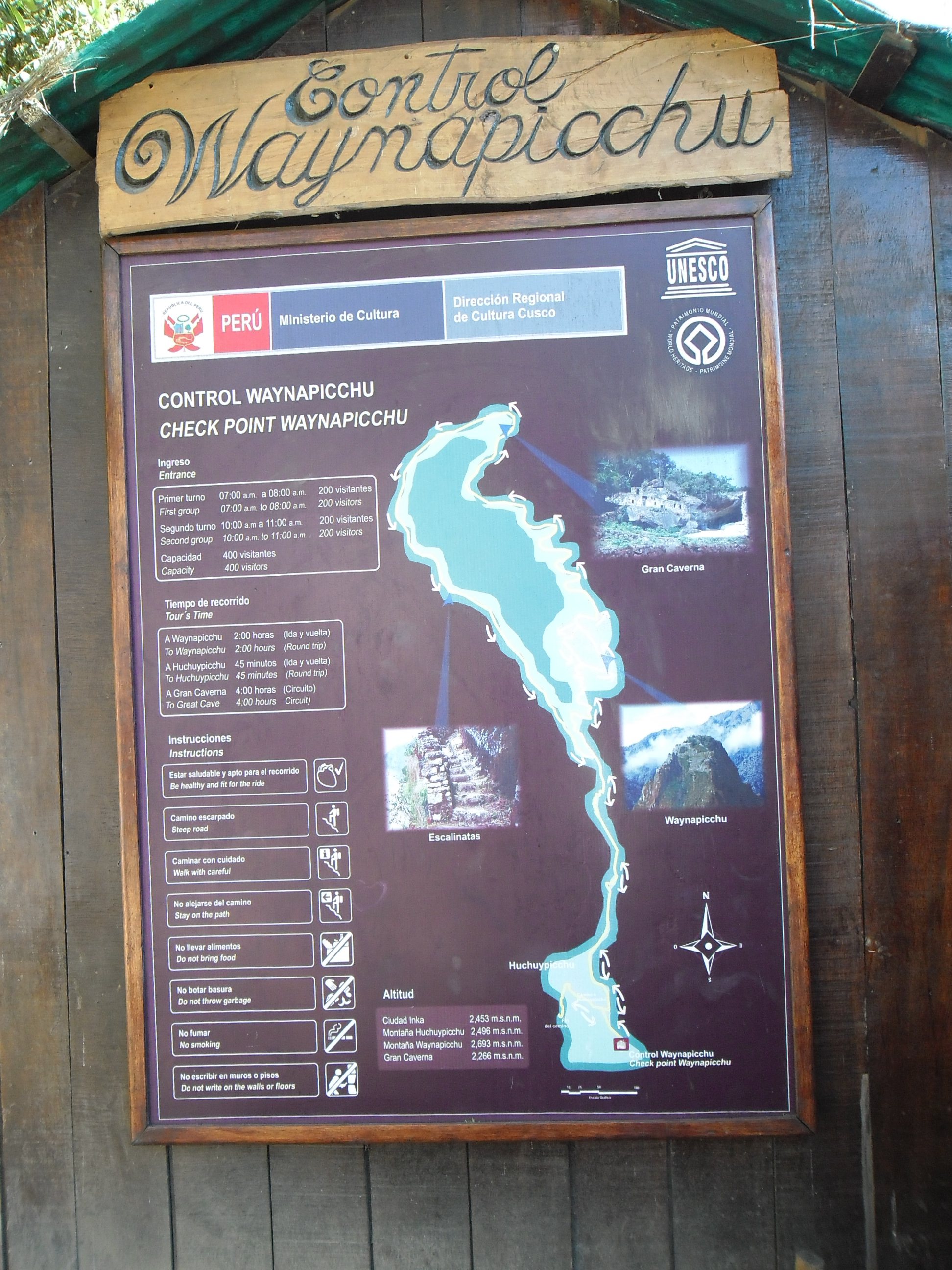
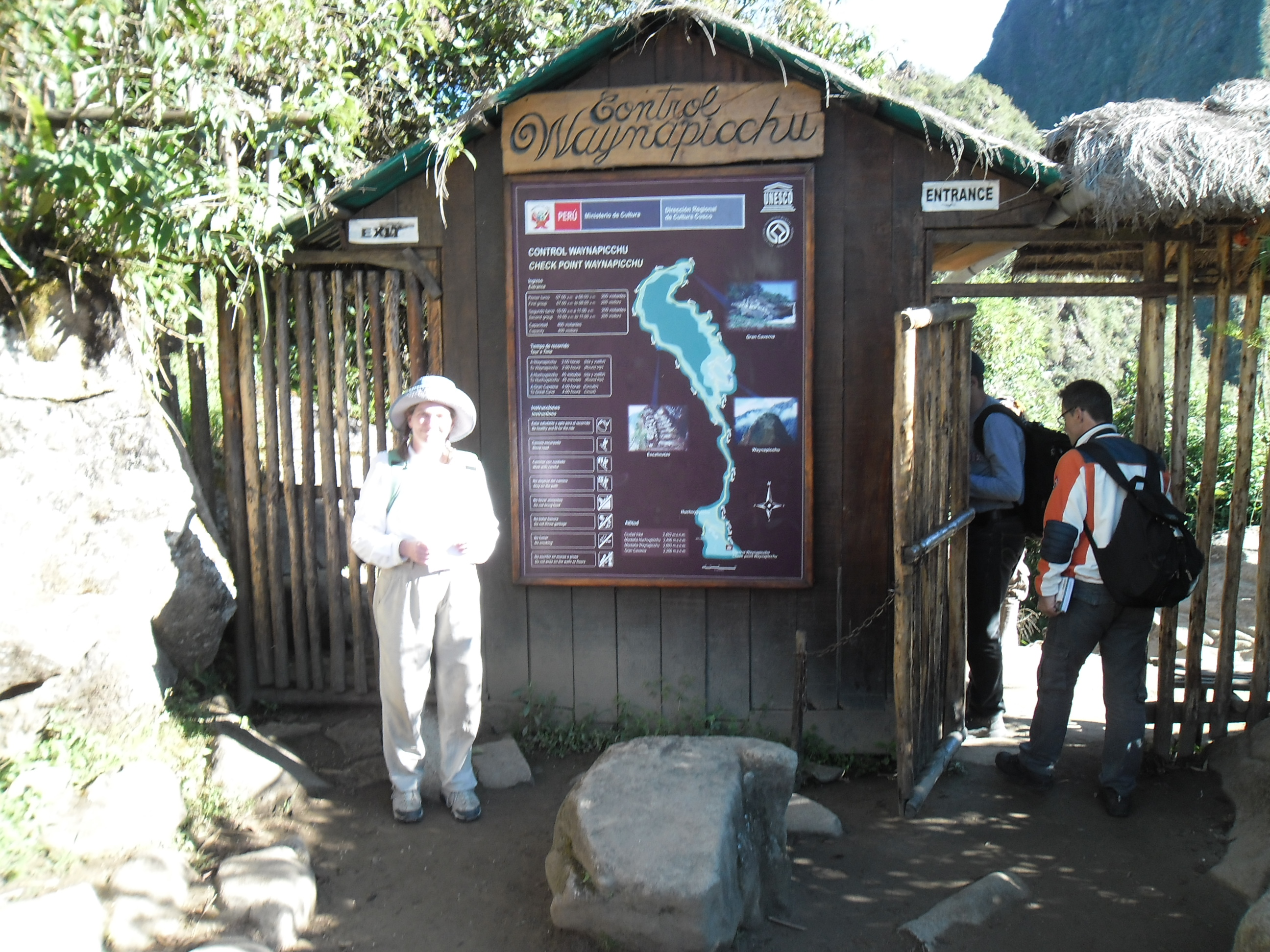
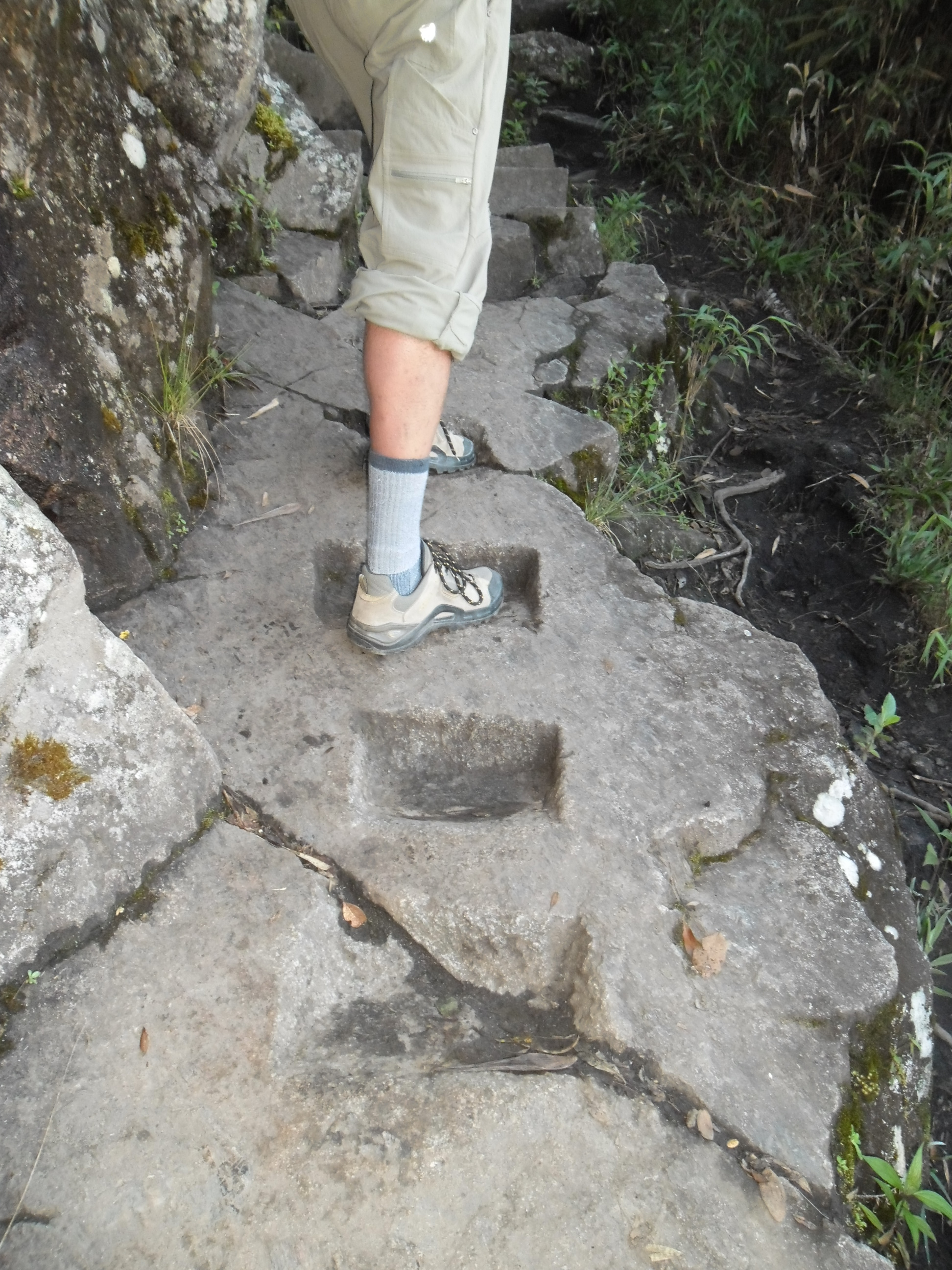
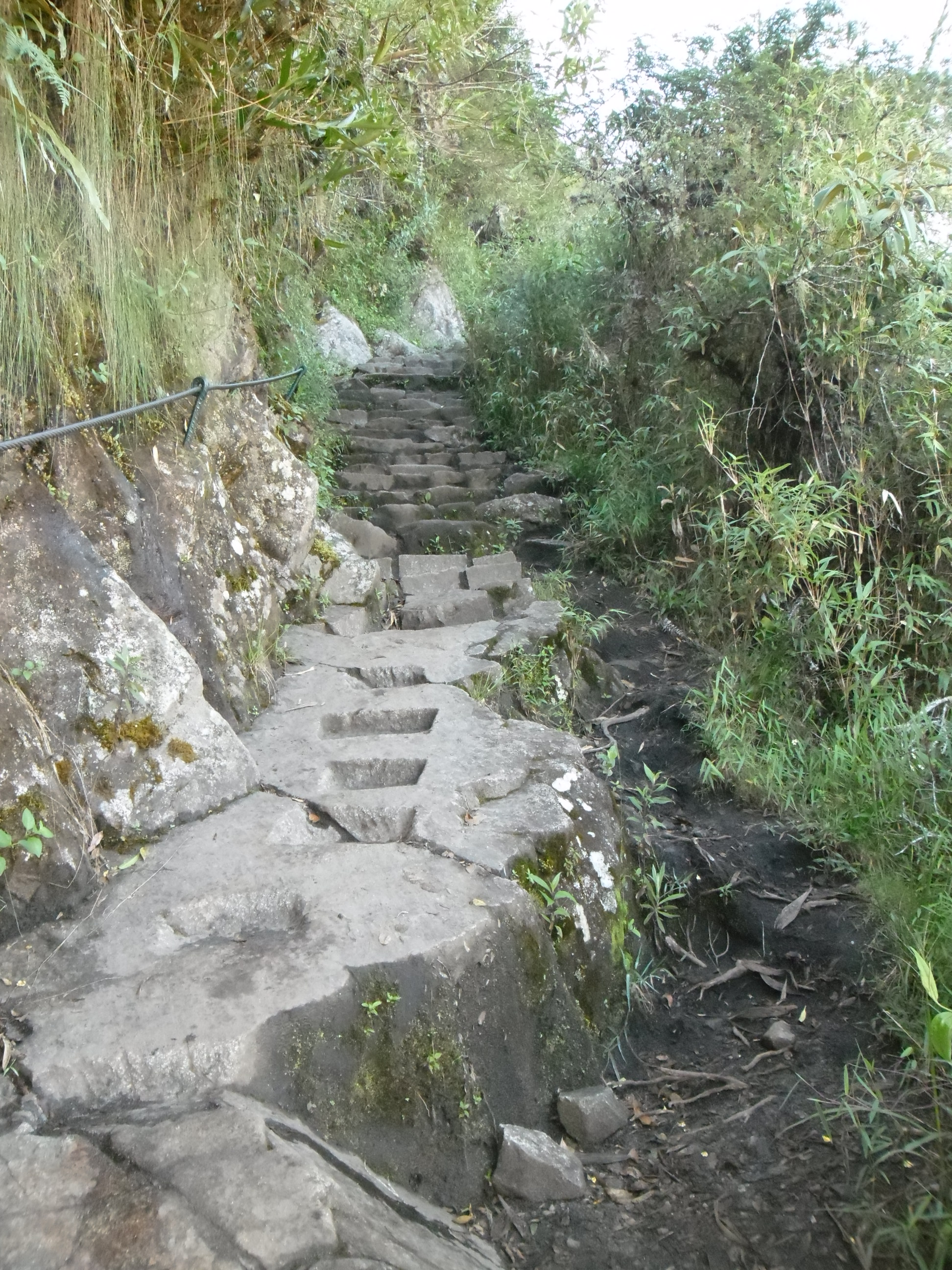
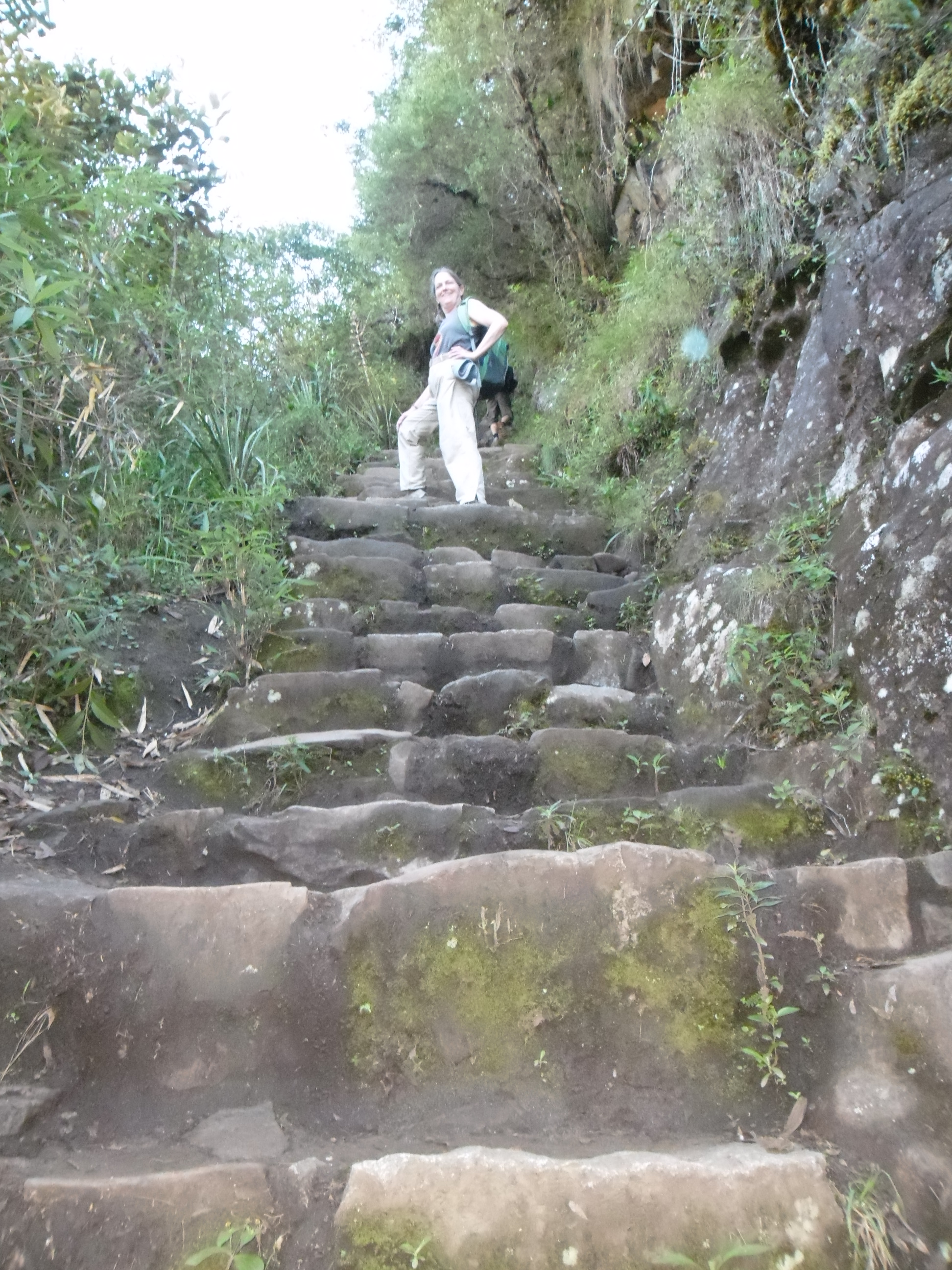
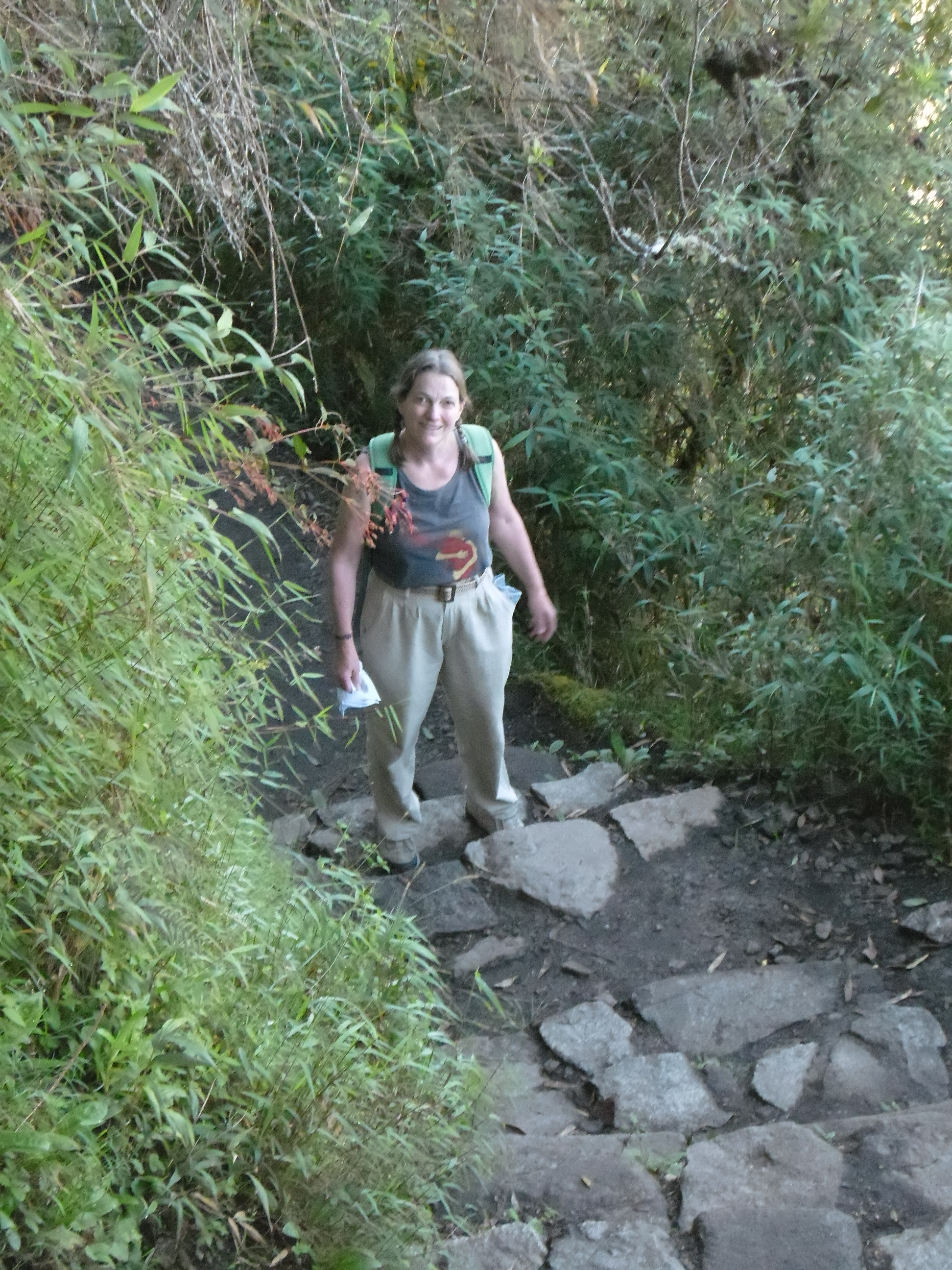
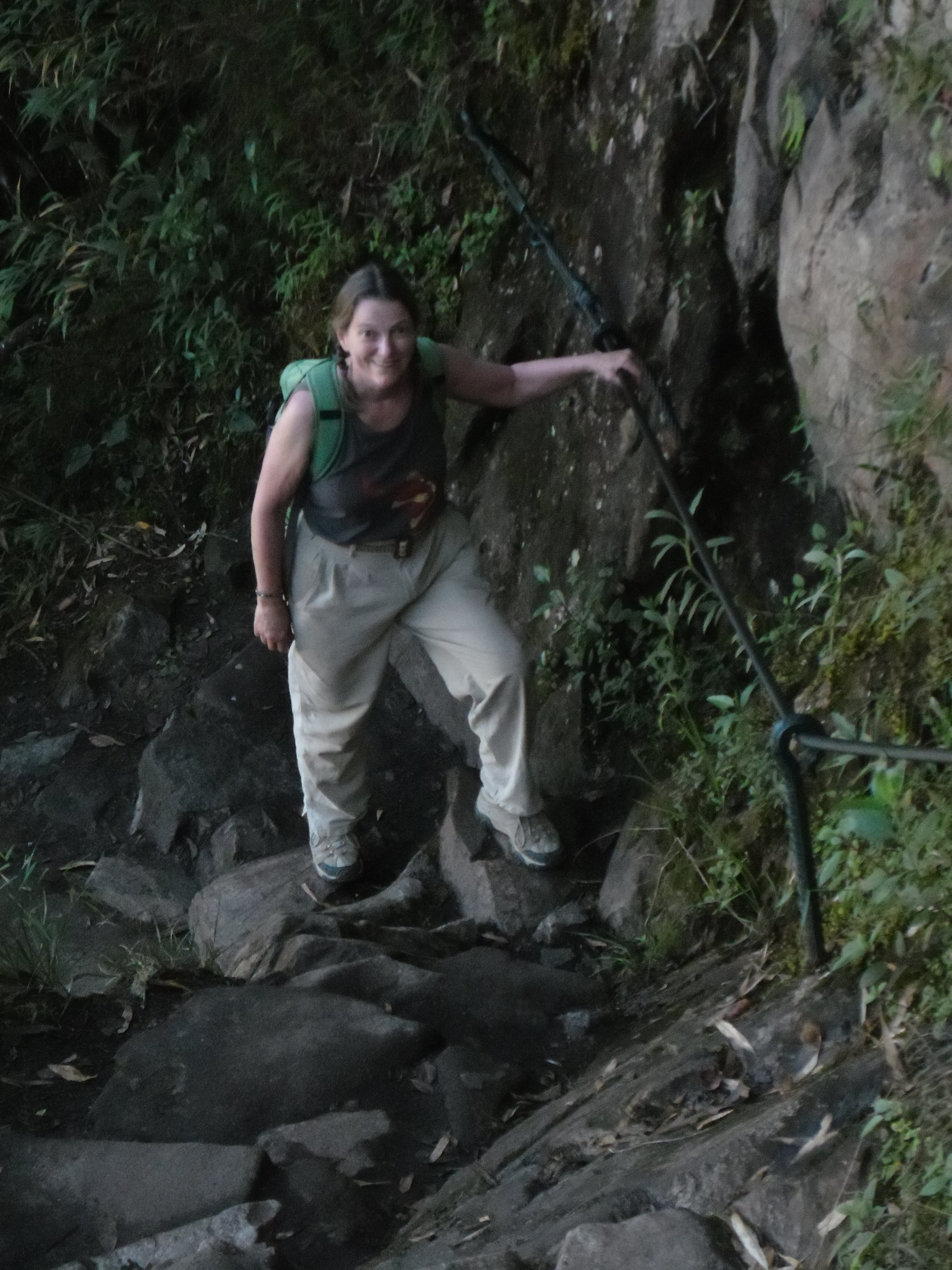
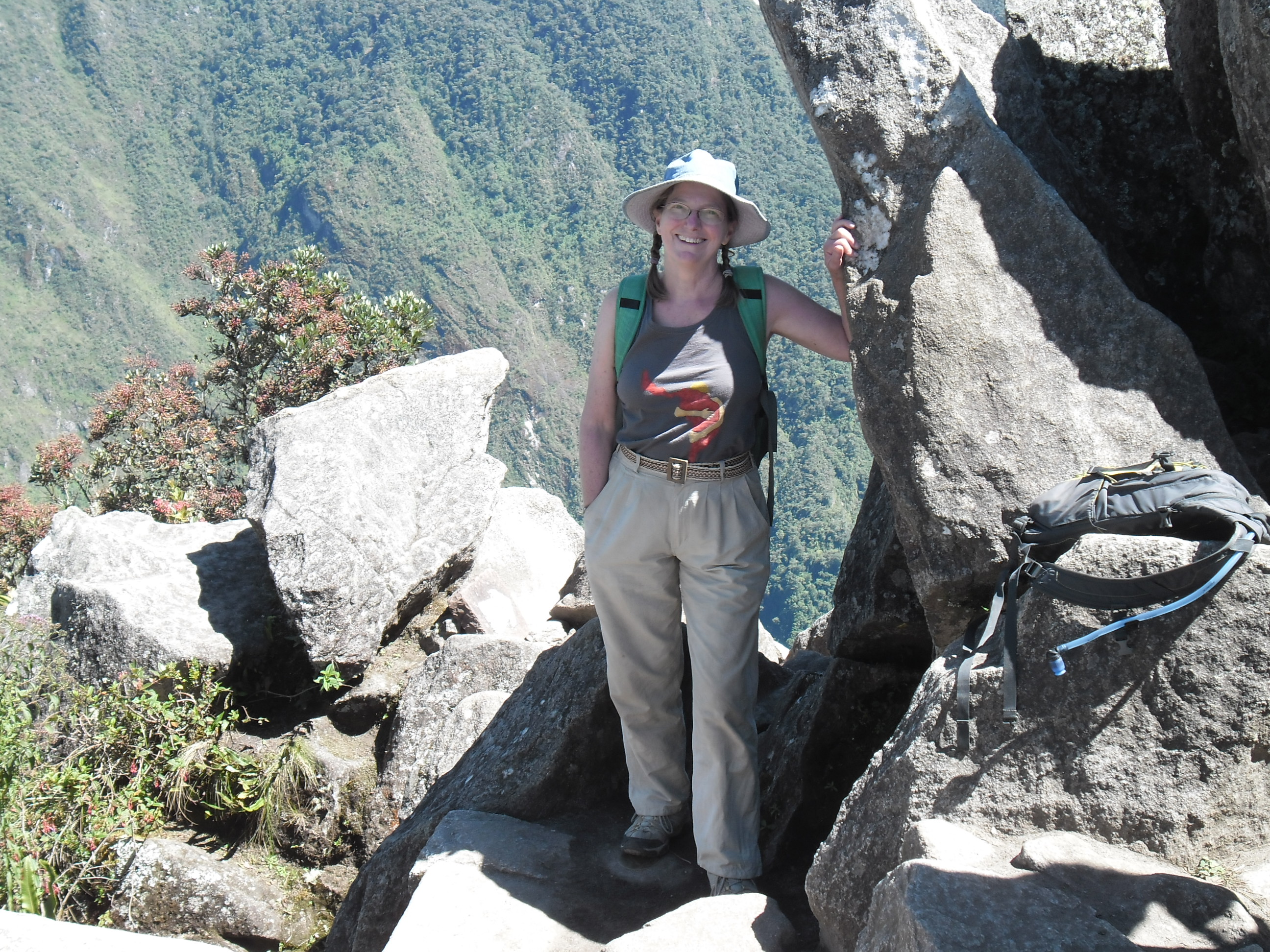
Monica and I, along with about four hundred other people that day, climbed to the top of Huayna Picchu. A few years ago, you could have arrived at Machu Picchu, and just hiked up. Because of the growing amount of people, now you have to register and buy a ticket in advance. It´s like climbing to the top of the Empire State Building on the outside of it. When you look up at the mountain, it seems impossible that anybody could climb it. The Incas, however, climbed it a lot, and they carved steps into the granite that snake ever-upwards.
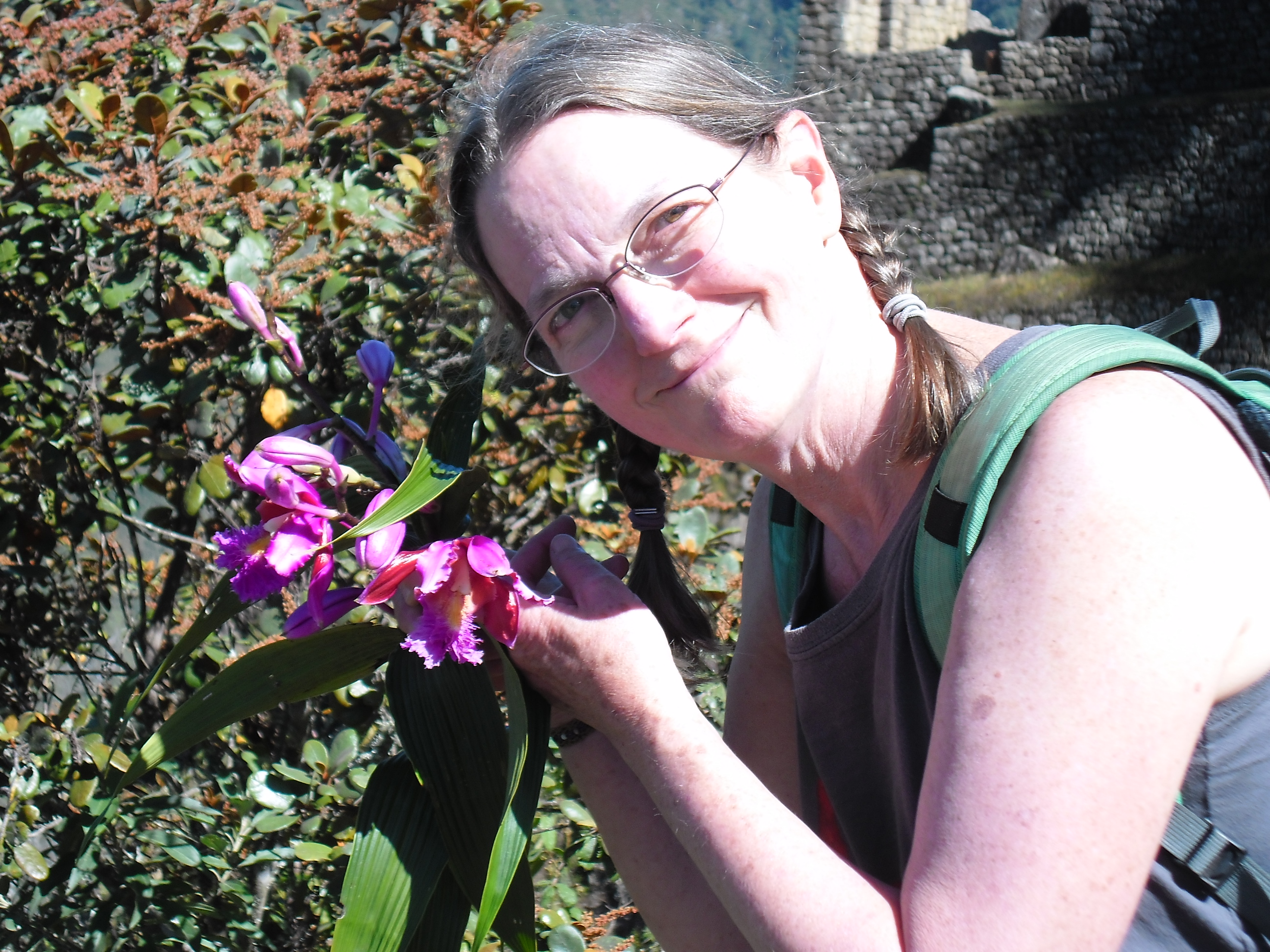
Orchids were everywhere on the trail
Our destination You have to sign in on the way up, and sign out on the way down. Maybe they´ll come looking for you if you don´t sign out. Before
Climbing
The guidebook describes the journey as “like a never-ending stair-master, but with much better views than your gym has.” It then says that when you finally reach a look-out point, “you look down onto one of the most spectacular scenic views in the western hemisphere.”
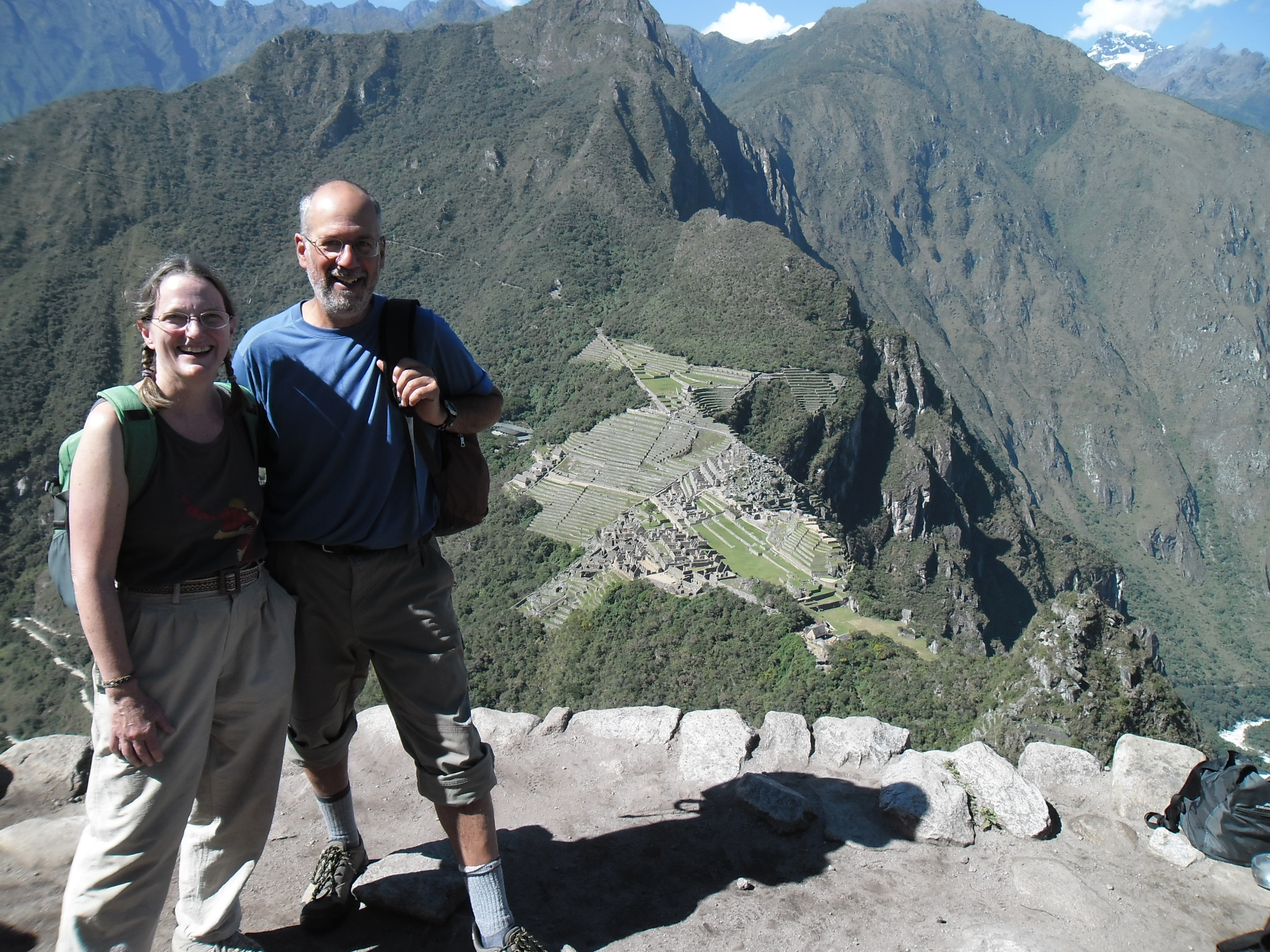
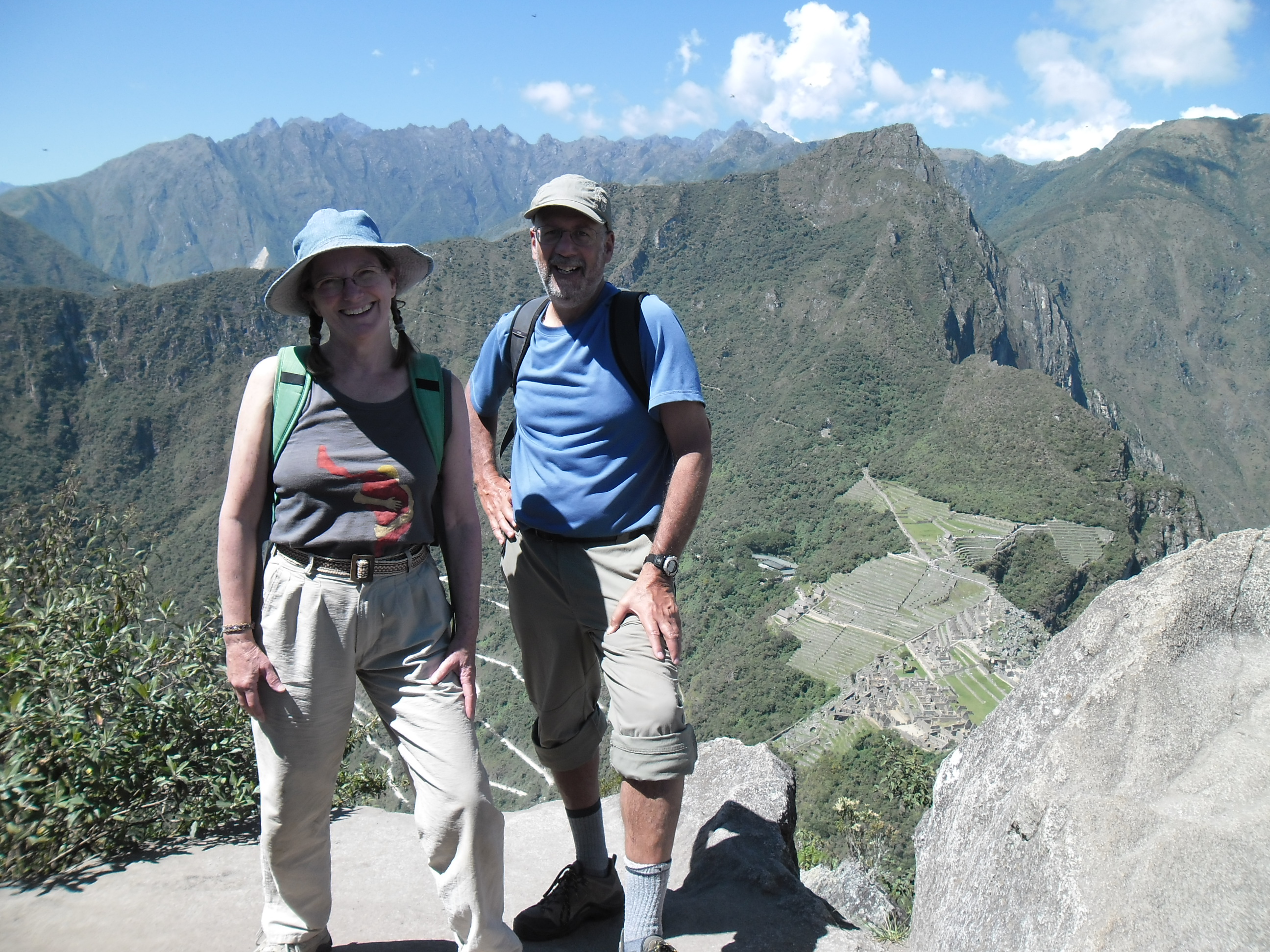
Machu Picchu from Huayna Picchu
At the lookout point
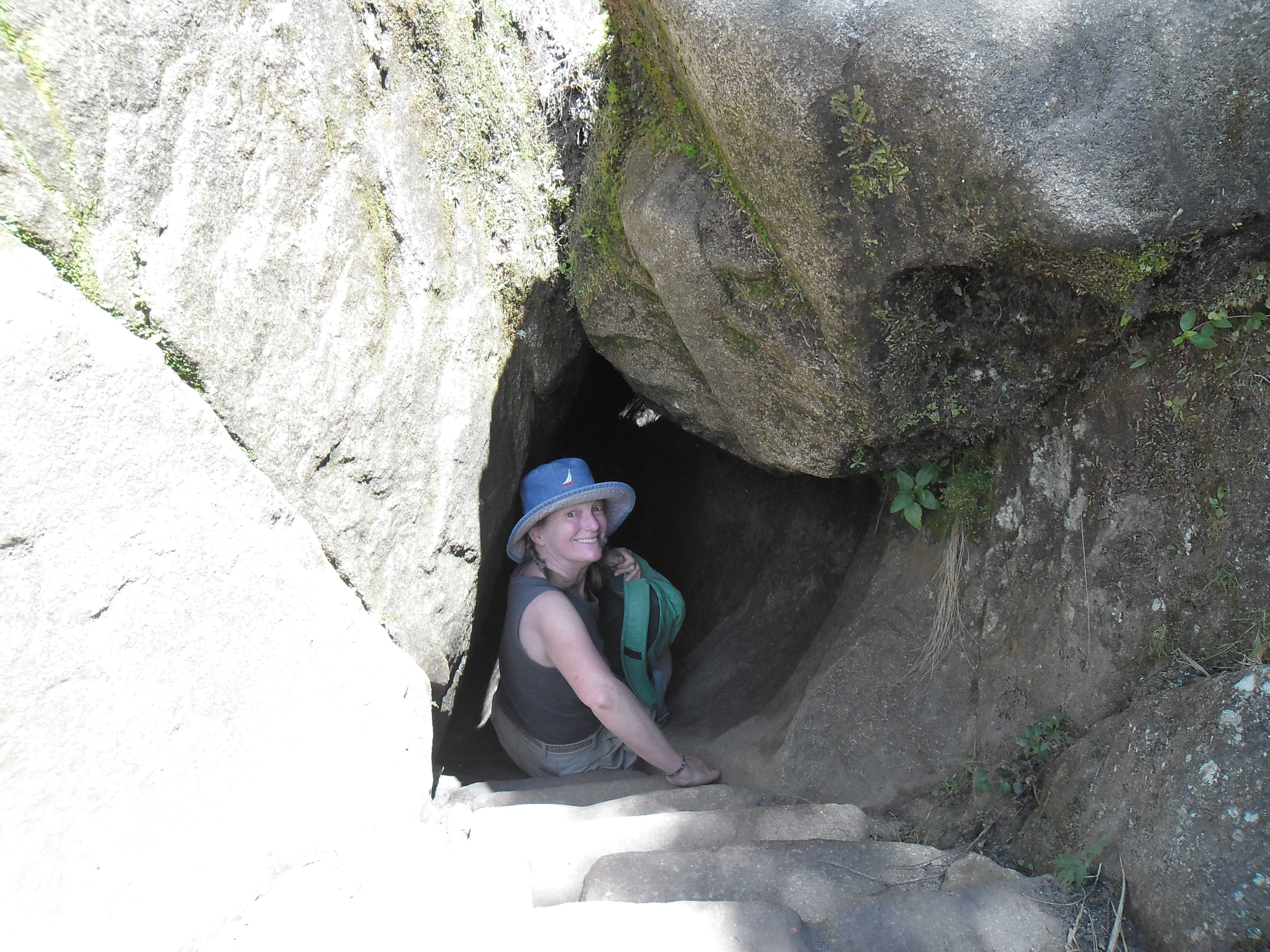
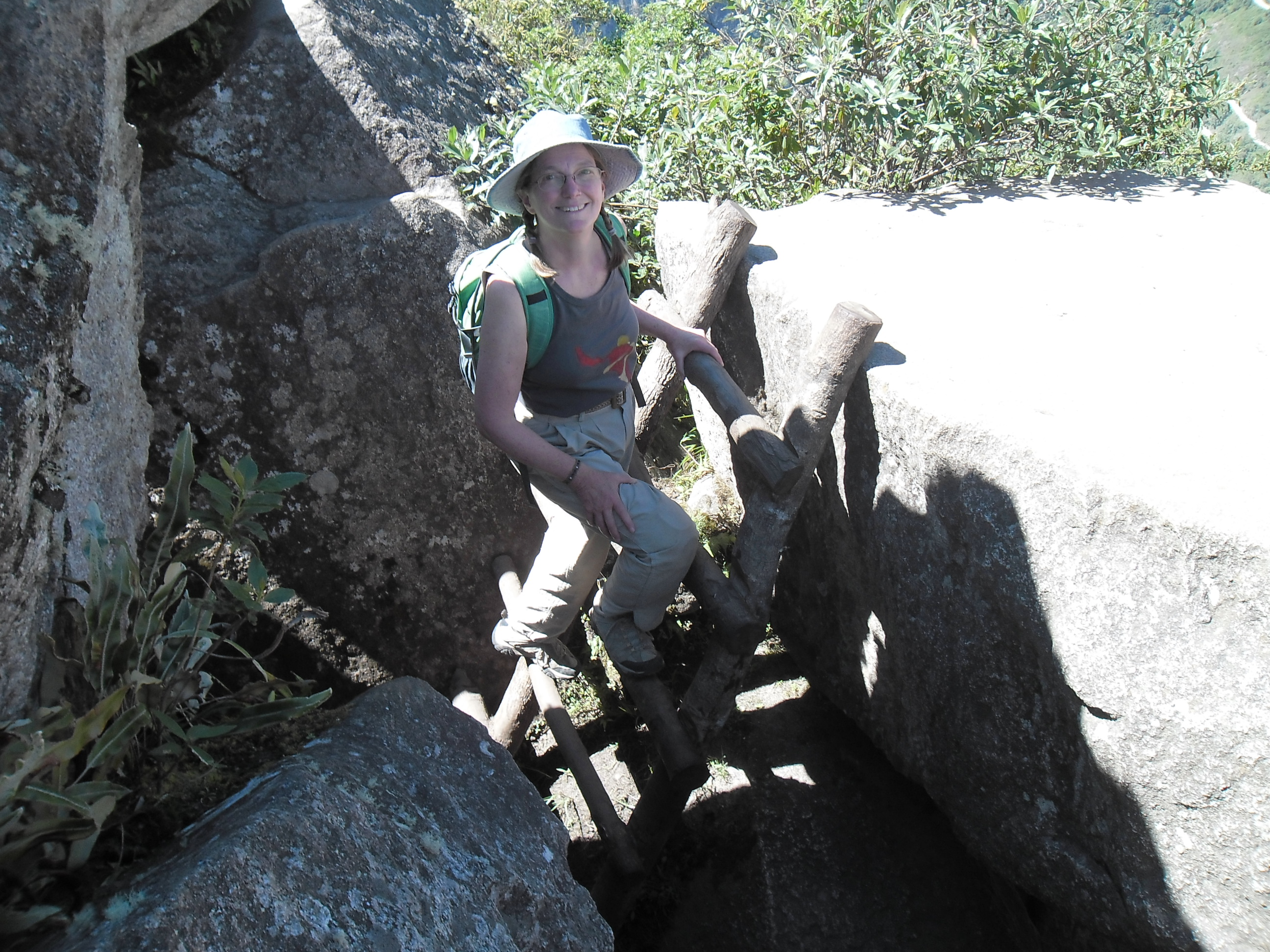
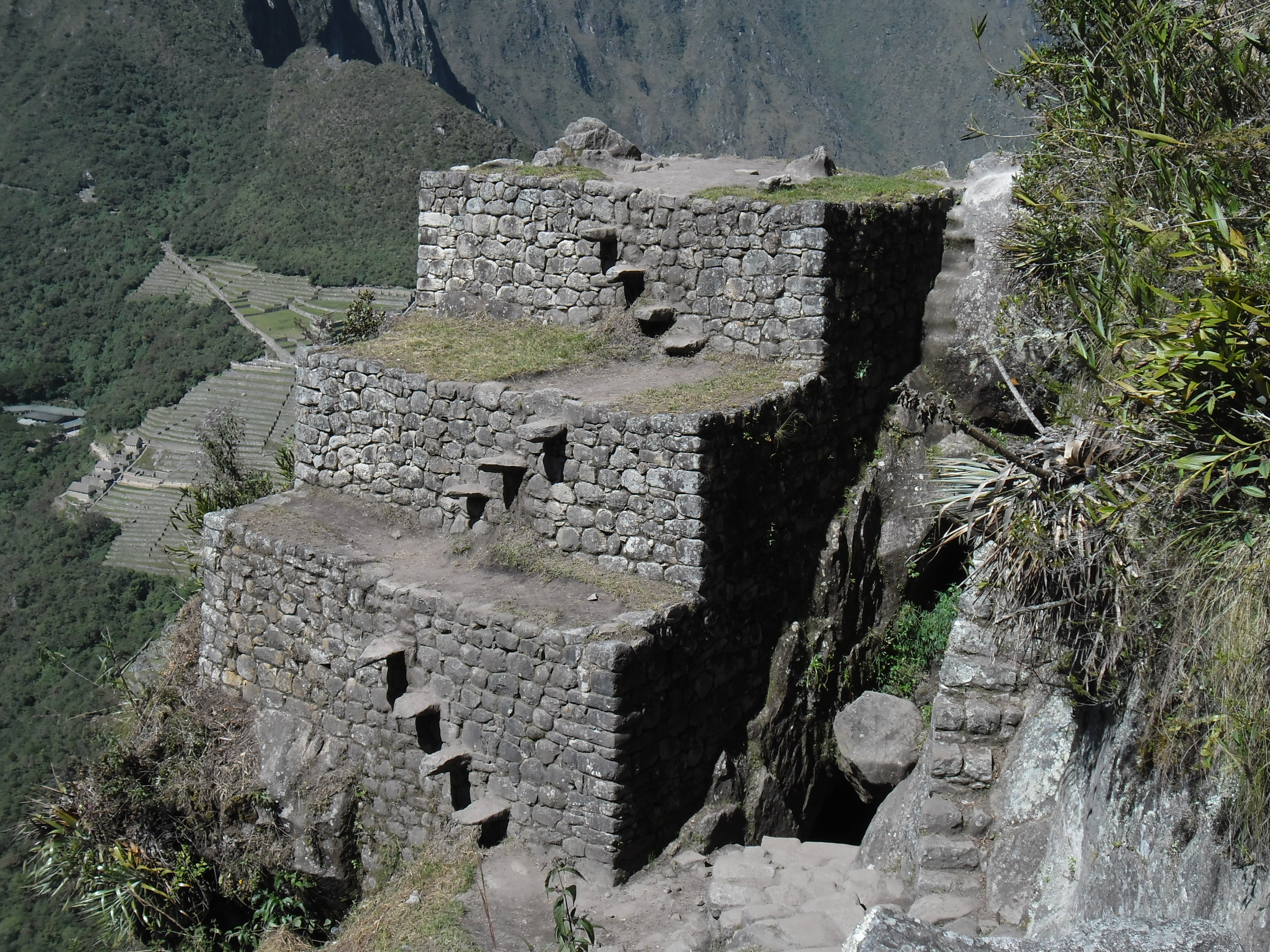
We continued up to the top, through a tunnel, up a ladder, and over some boulders.
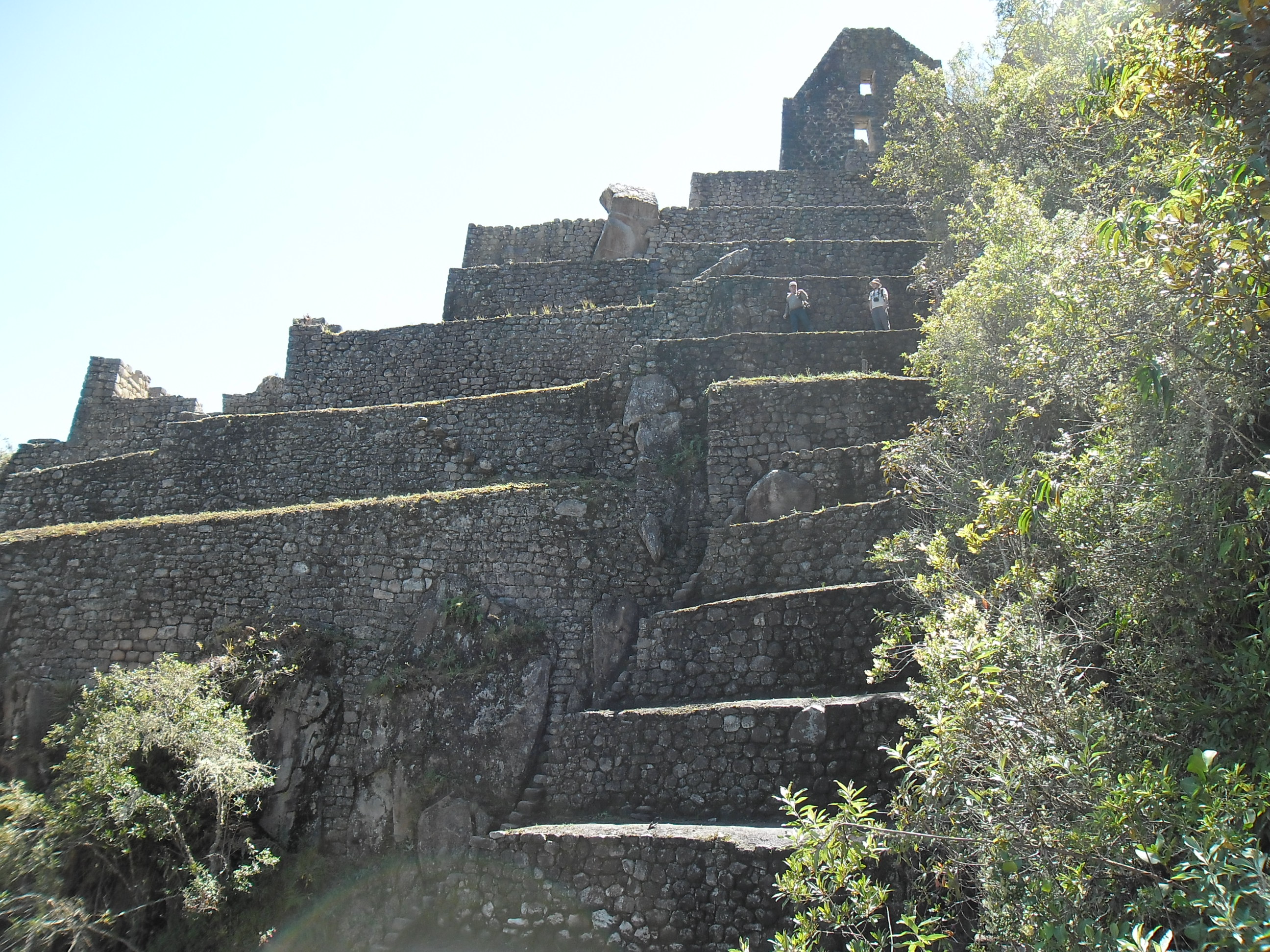
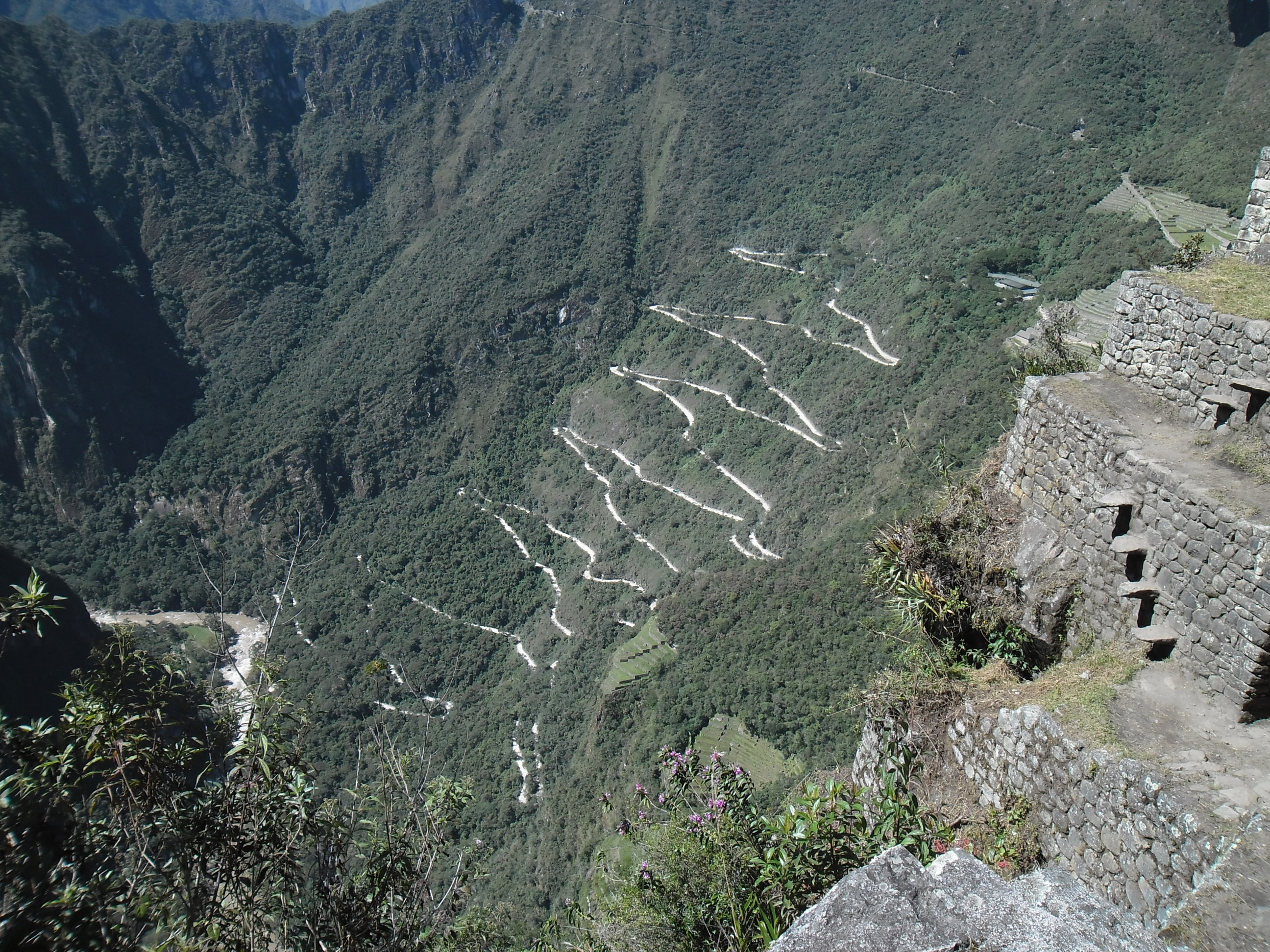
A ceremonial “usnu” near the top. A storehouse near the top The Hiram Bingham Highway. This is the road that the buses use to reach Machu Picchu.
Climbing Huaynapicchu, and being on top of the mountain for a few hours, was the highlight of our day. The views and the perspectives were immense. After we descended, we took a break before exploring the city in more detail. (I asked Mon if she would climb Huaynapicchu again. She said, “Are you kidding? I hope I’ll be able to climb the steps up to our room tonight.”)
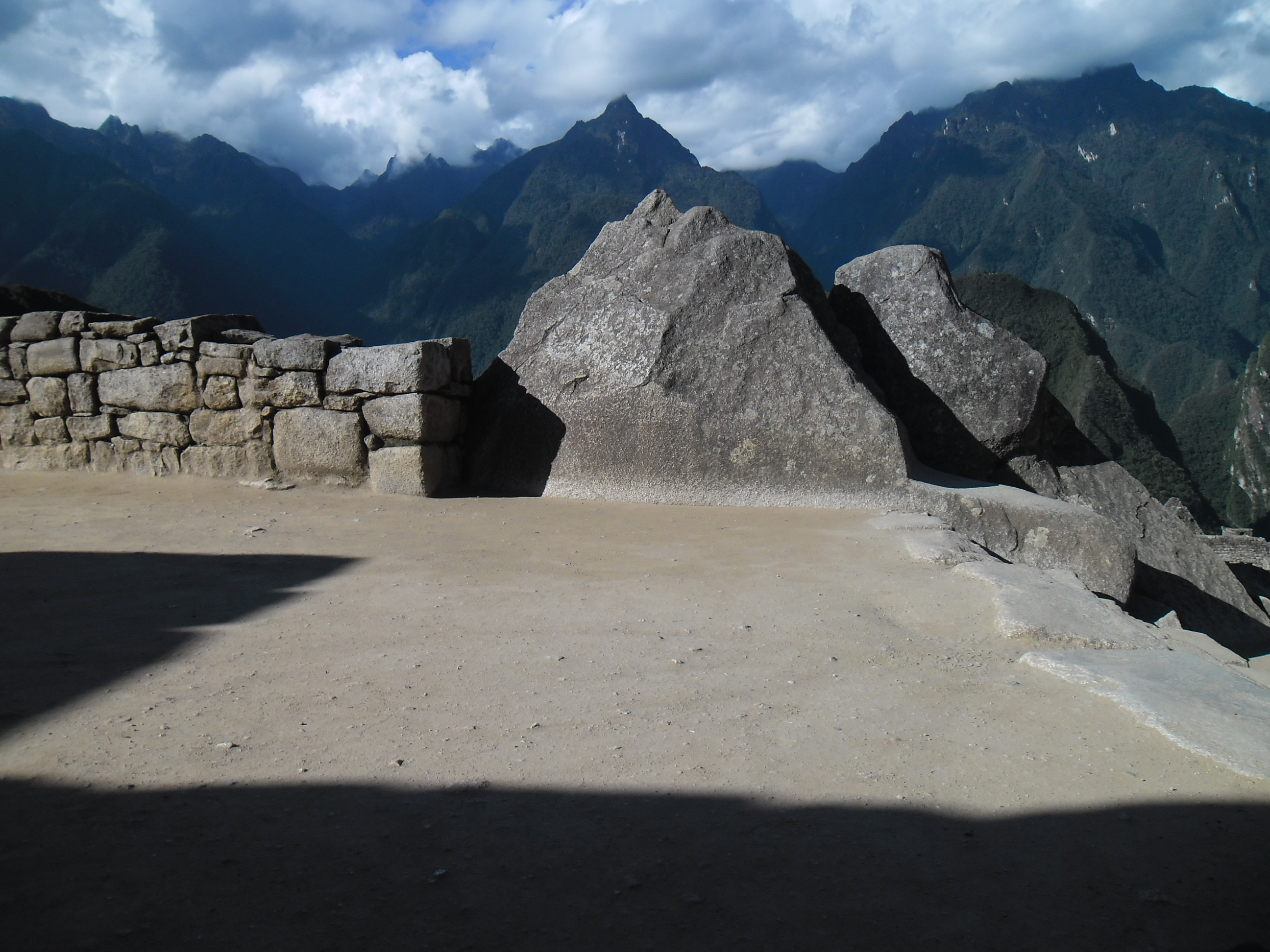
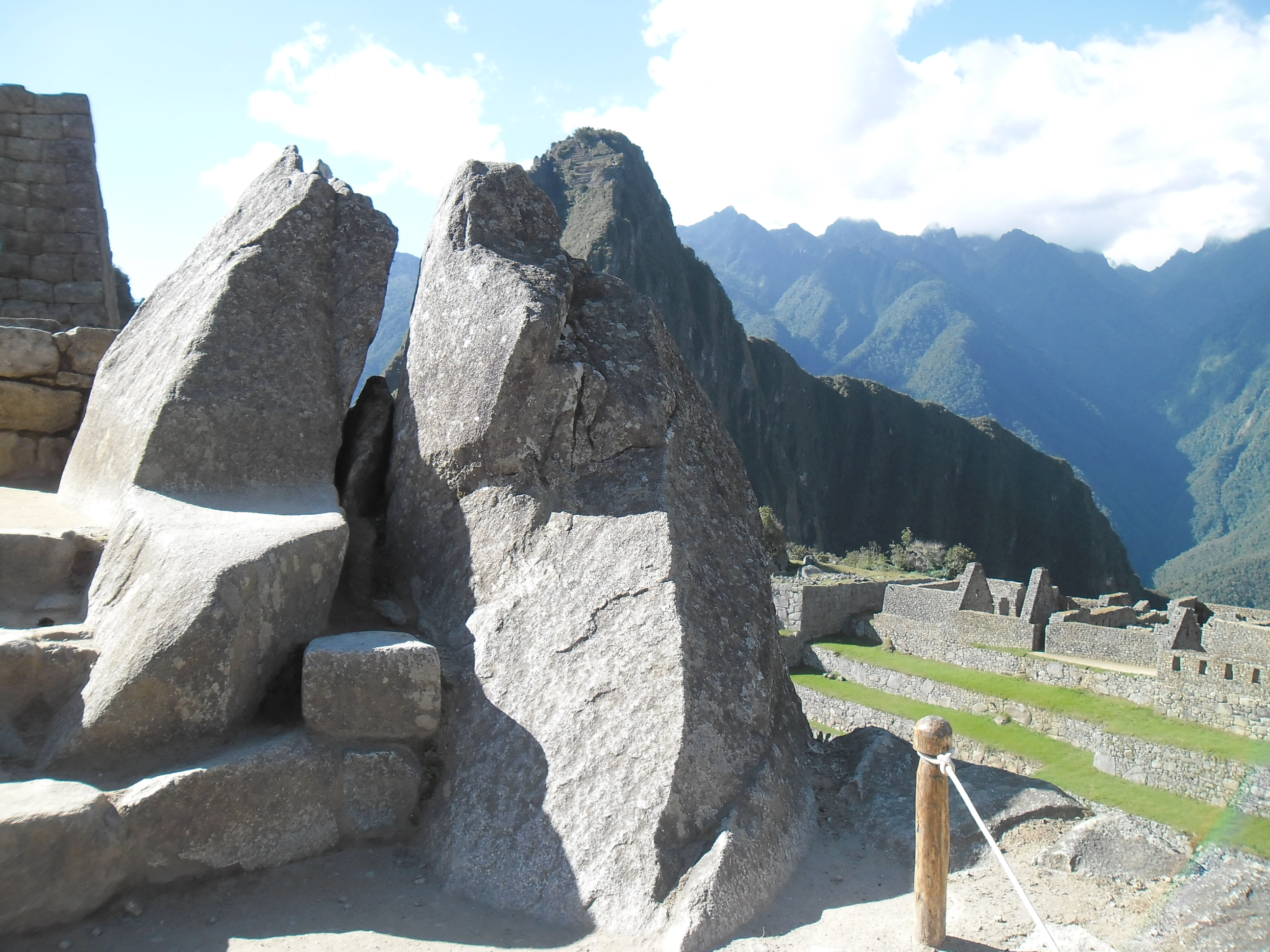
We went to El Templo del Sol (Temple of the Sun), to El Templo de Tres Ventanas (Temple of the Three Windows), and to El Templo Principal (The Main Temple), among other places. The Incas worshipped the mountains. Machu Picchu was built as an homage to the mountains. In the photos below, you can see how the sculpted rocks in the foreground reflect the distant peaks.
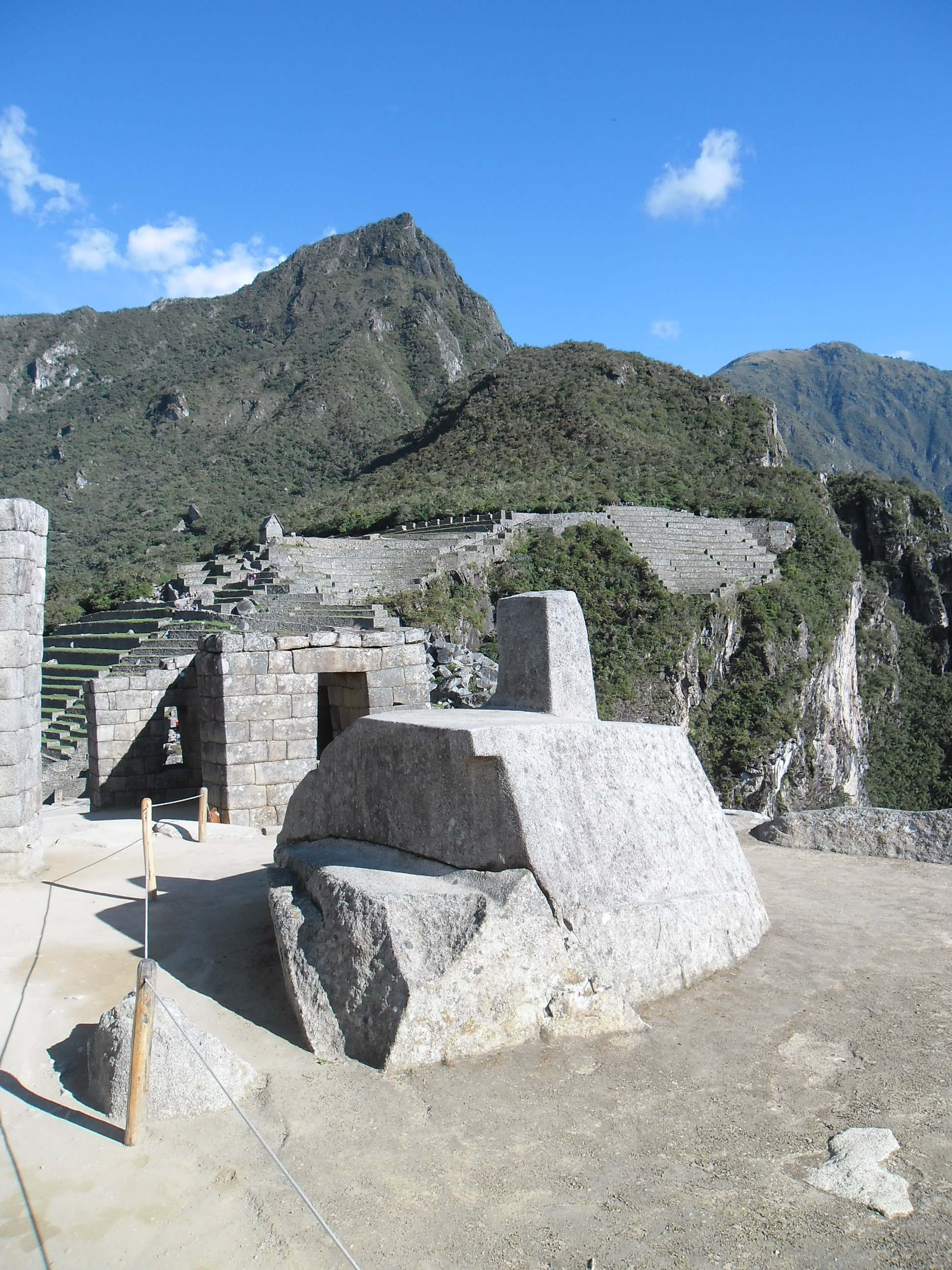
Above the Plaza Principal is the Intihuatana. This is a sacred rock that´s not exactly a sundial, but rather a sculpture that casts the shadows of the winter and summer solstice in a certain way. Spritual seekers claim that they can feel energy emanating from the rock. Others say that the rock sits in the sun all day, of course it´s warm.
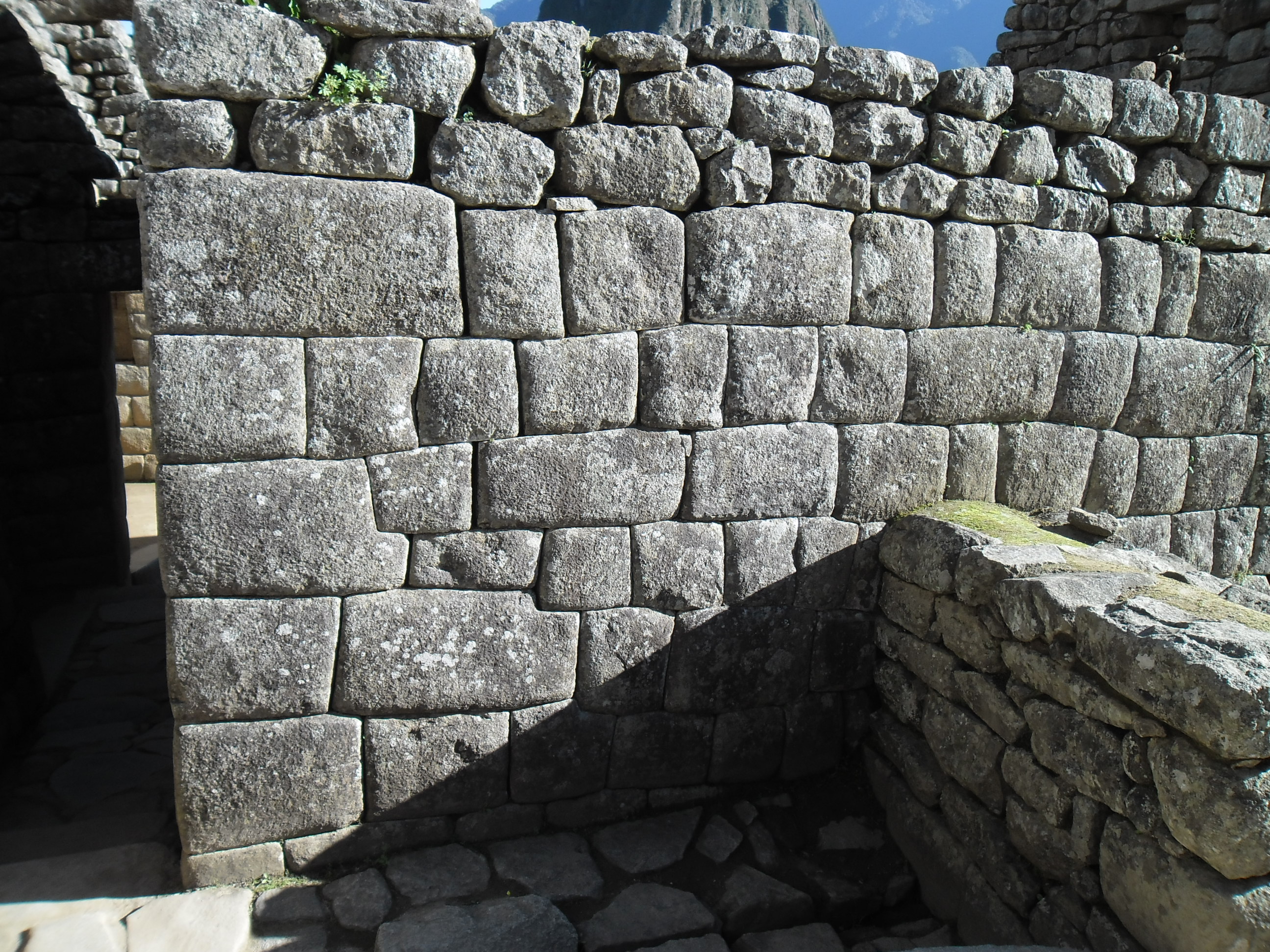
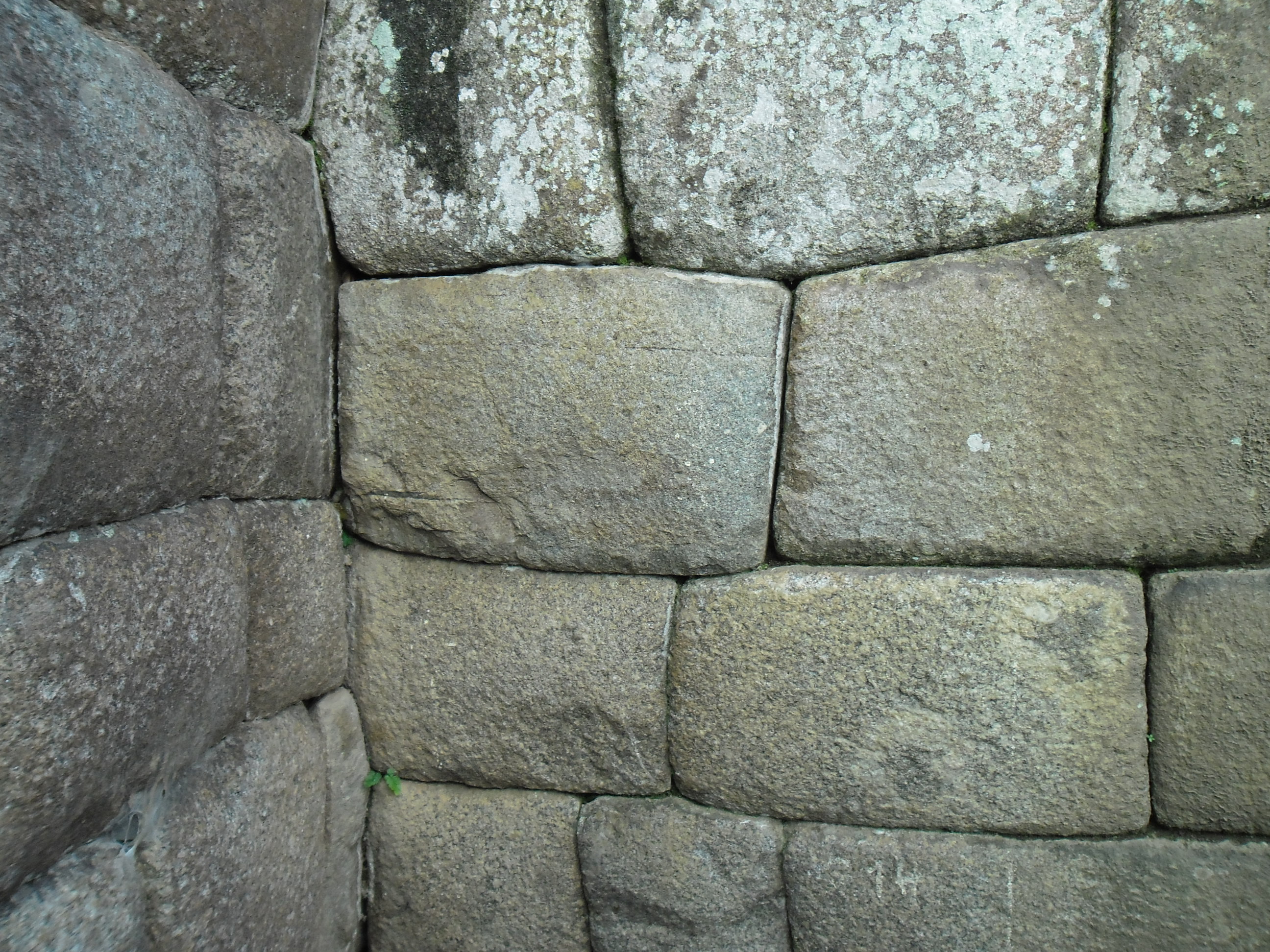
The masonry work in Machu Picchu is exquisite. For the normal people who lived there, they could build a house in just a few months, roughly cutting stones and slapping them together with mud. (These houses are still standing just fine.) For the temples, however, they pulled out all the stops. The stones were cut and polished with painstaking precision, and then assembled flawlessly. The buildings reflect the mountains. The mountains reflect the buildings.
Templo del Sol
A trapezoidal doorway in Templo del Sol
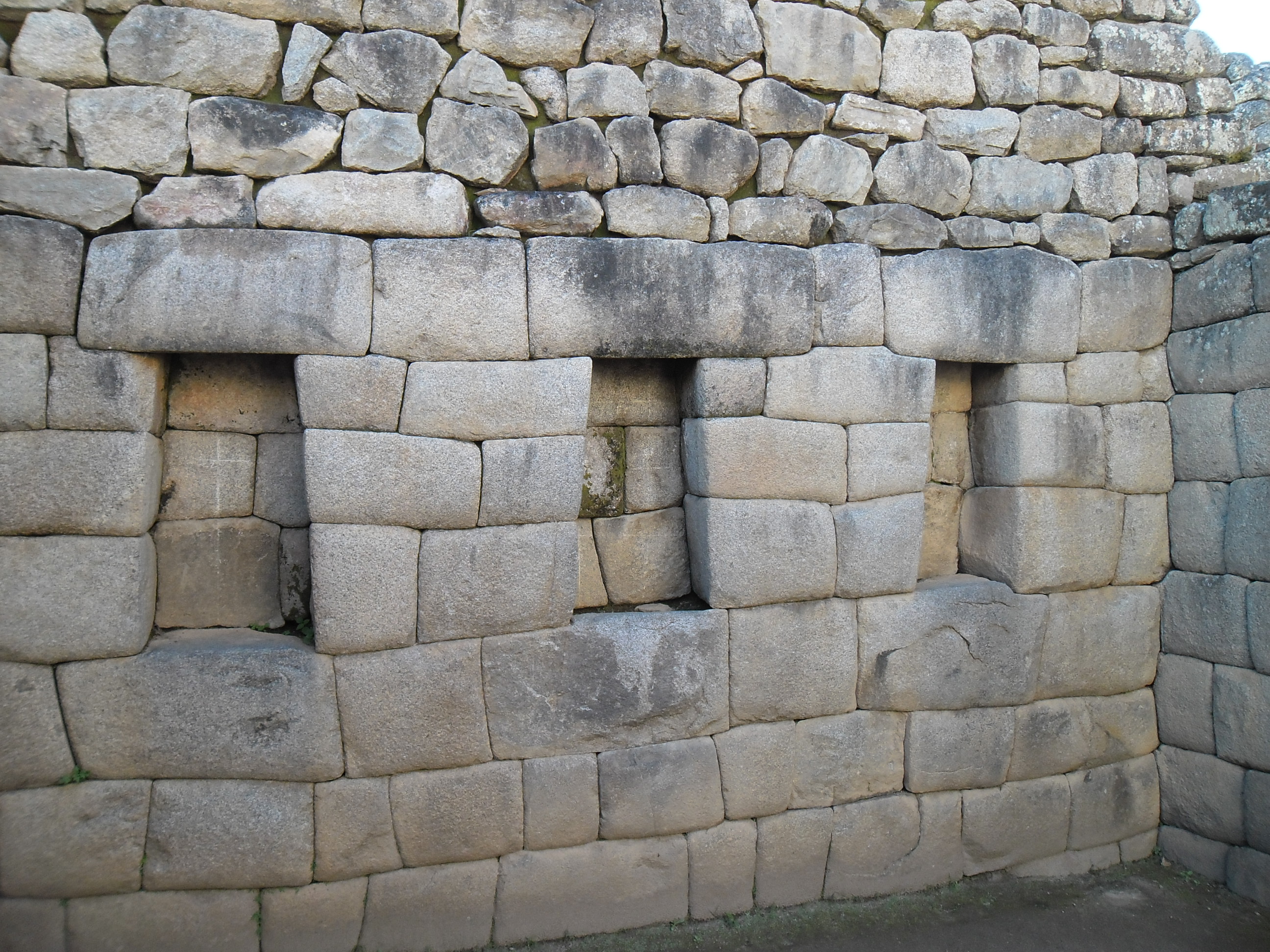
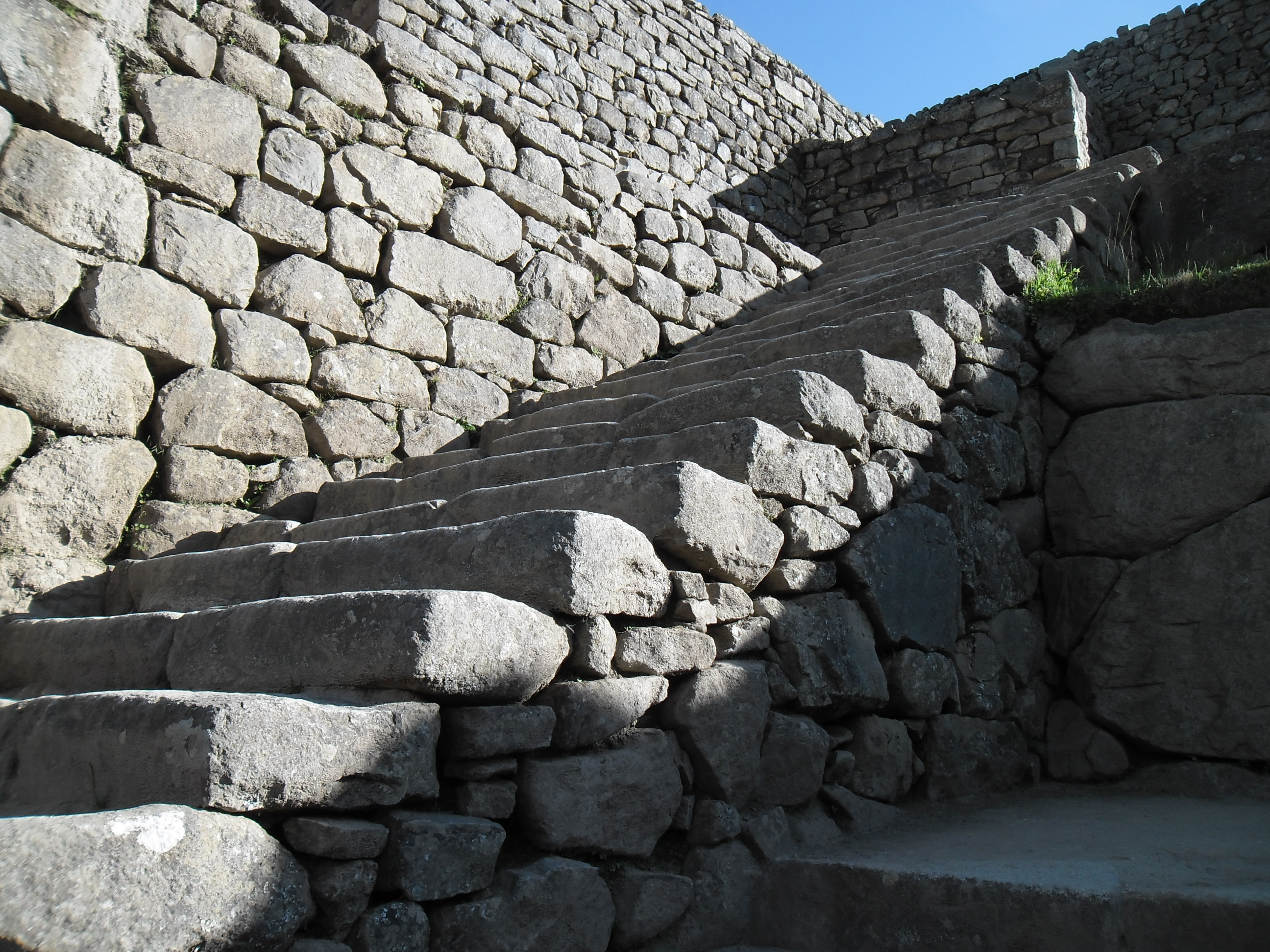
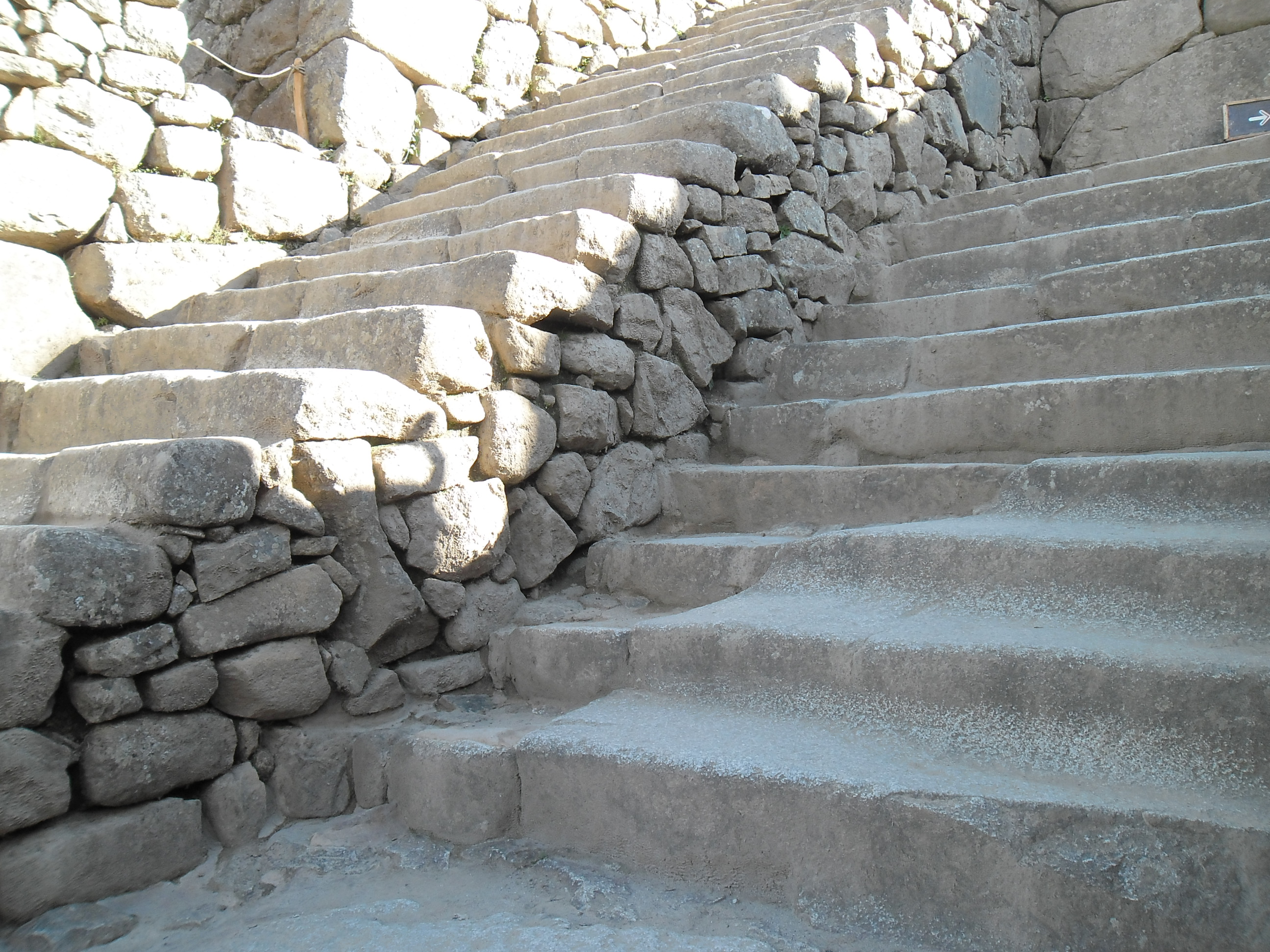
This was a priest´s private bedroom. The niches were for personal belongins. A granite staircase
There are many ways to get to Machu Picchu. Lots of people choose to walk there on the Inca Trail. To do so, you must go in with a group, with a registered guide. It’s either a four-day or a five-day trek. Your choice. The hike takes you up and down, through mountain passes and valleys, and is one of the “to do” treks on the list of world trekkers. Arriving at Machu Picchu on the Inca Trail is arriving as the Incas arrived. Exhilarating.. Monica and I chose to take a train, then a bus. We slept in Aguas Calientes, the town at the base of the mountains. We set our alarm for 5:00 in the morning, left the hotel in the dark, and walked to the bus stop. The buses were already rolling, and there were a couple of hundred people waiting in line. Machu Picchu is the premier attraction in South America. It’s a dream of millions of people to come here. We’re glad we made it.
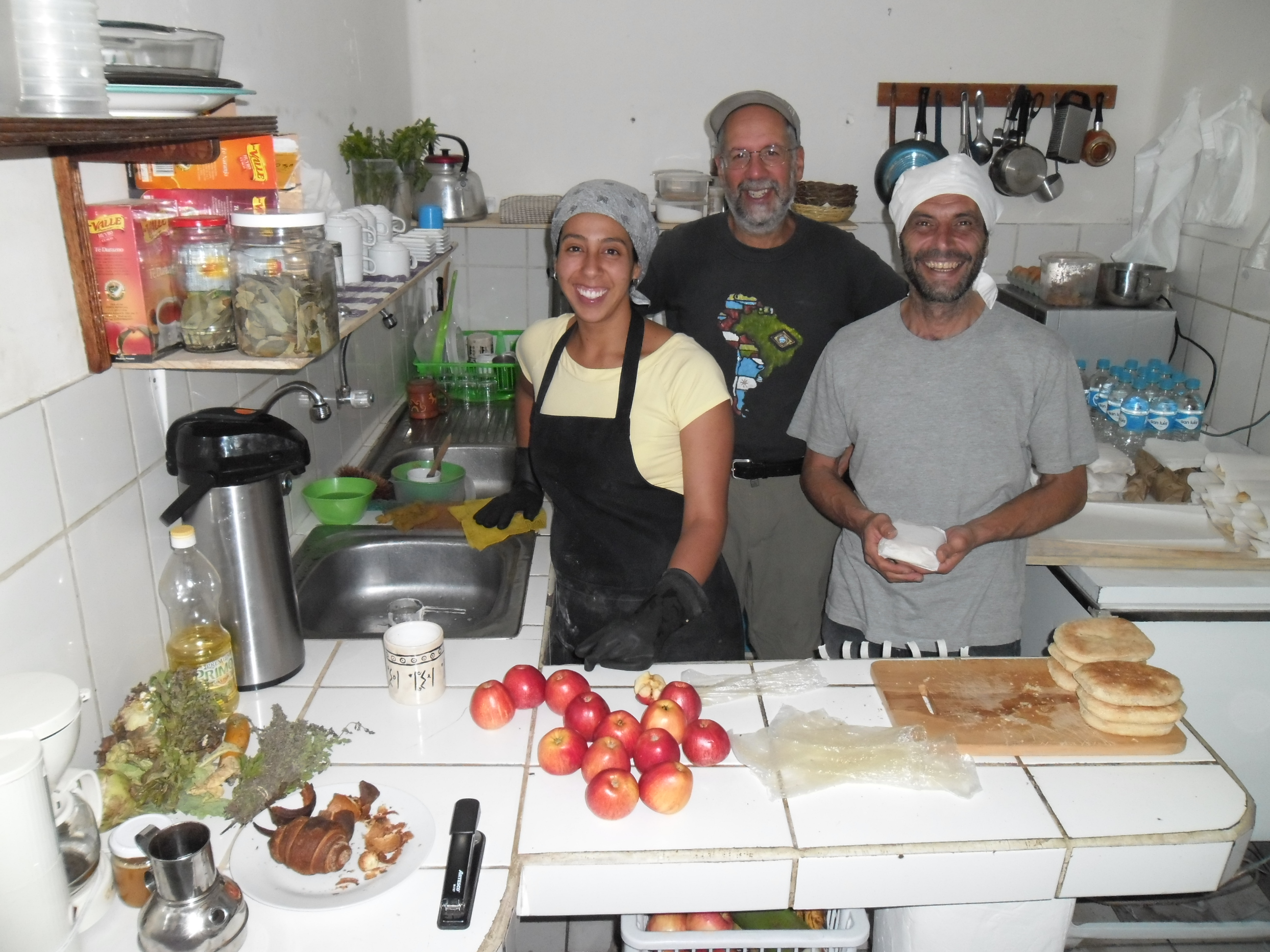
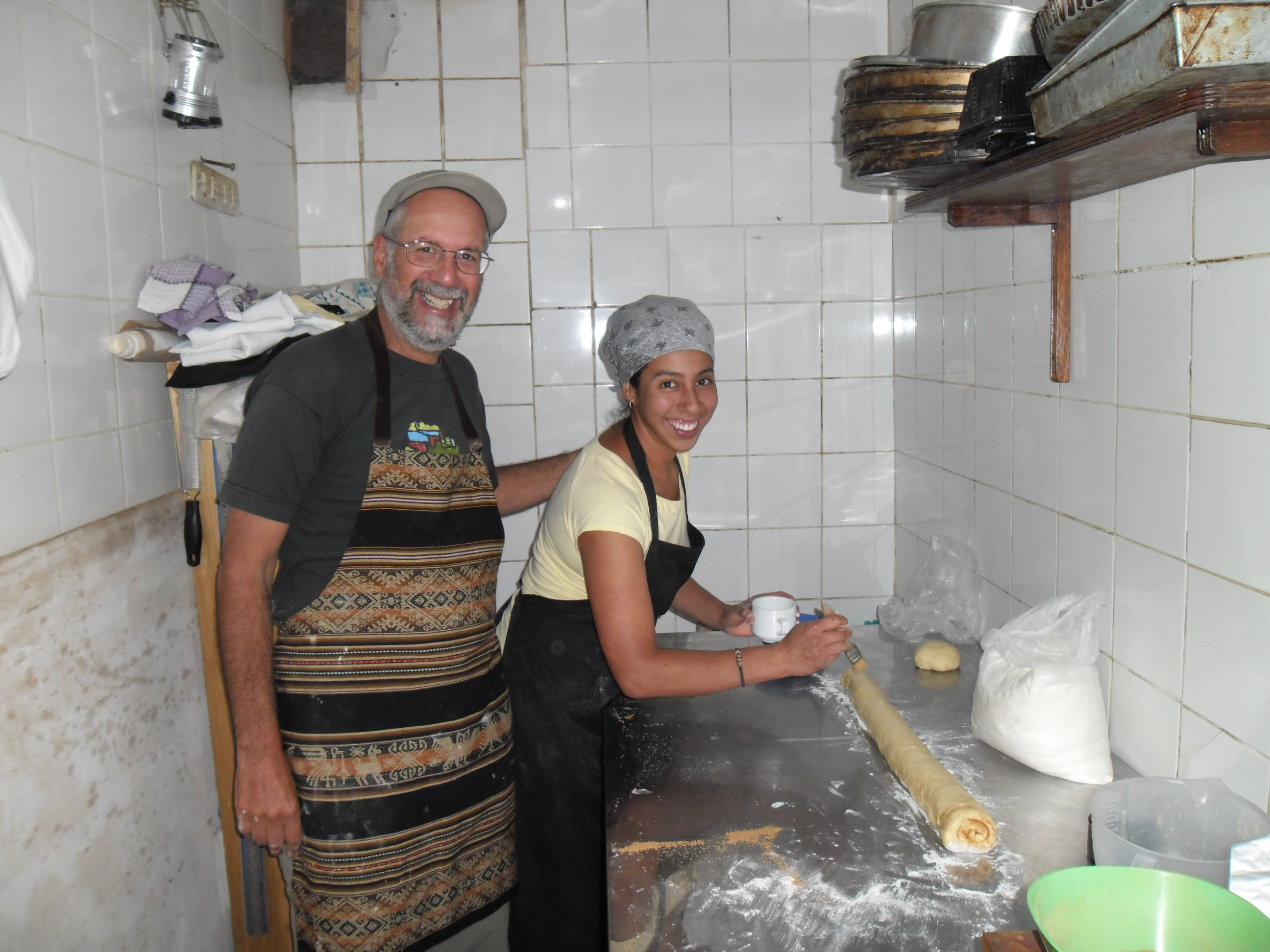
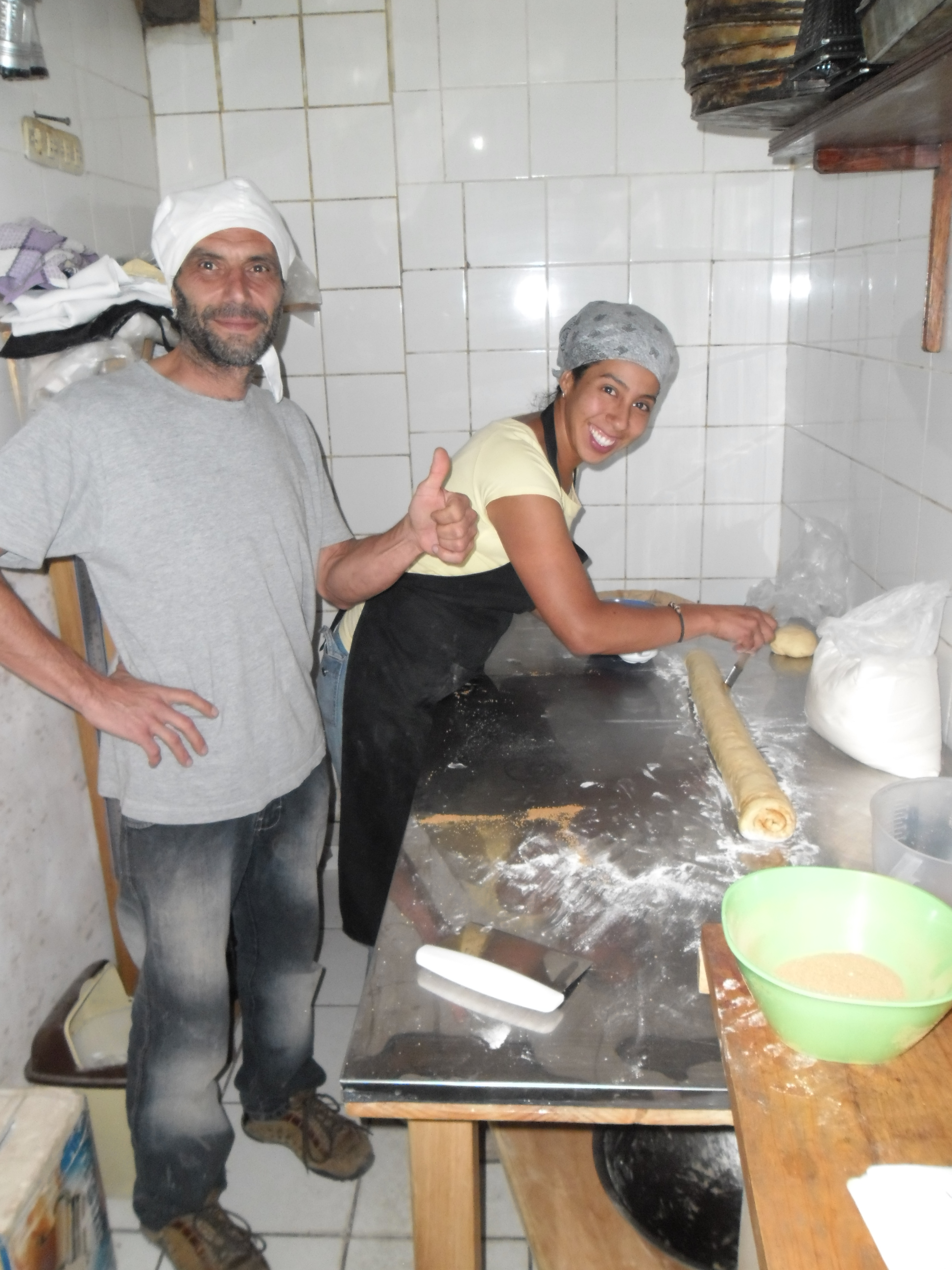
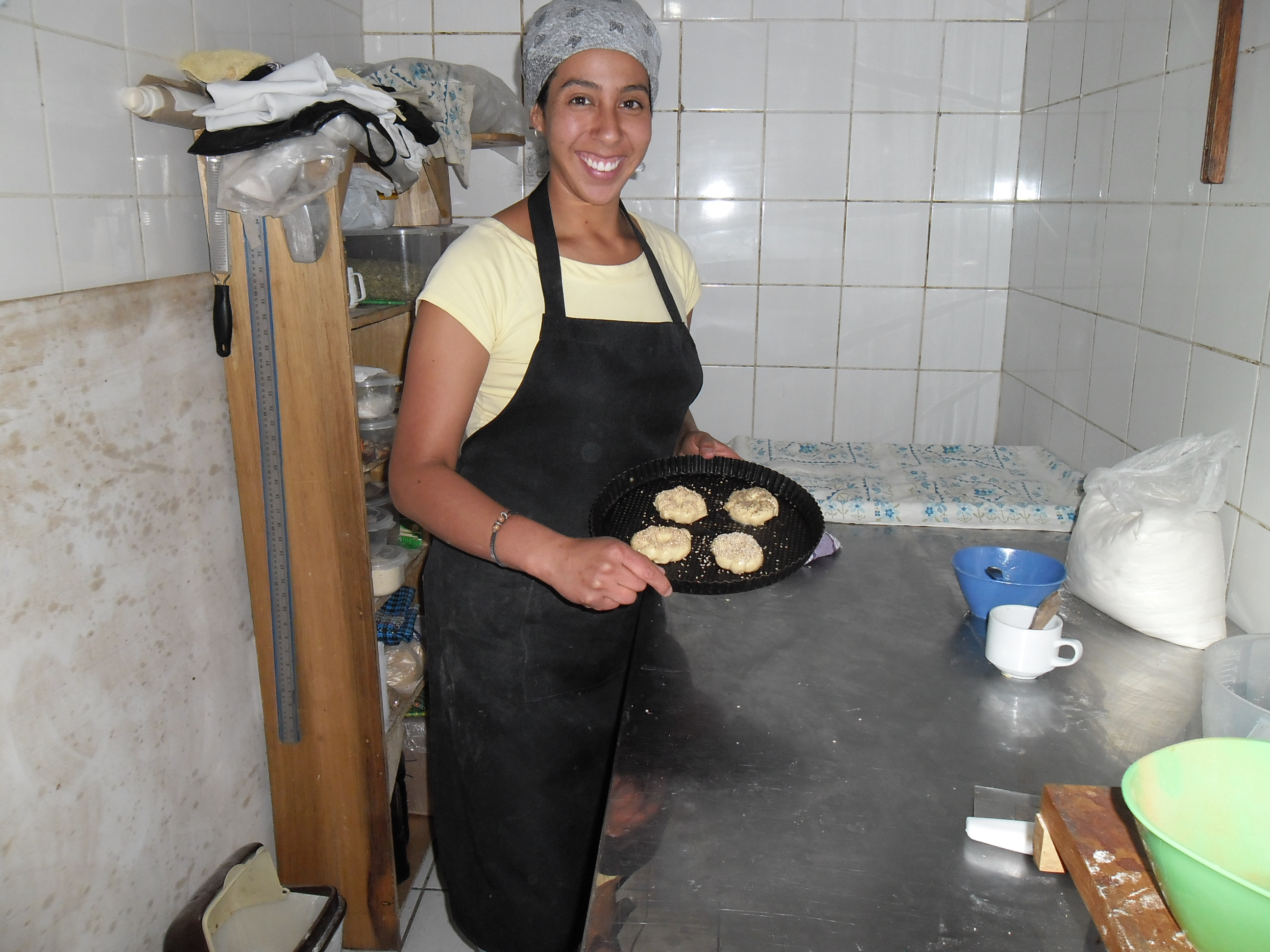
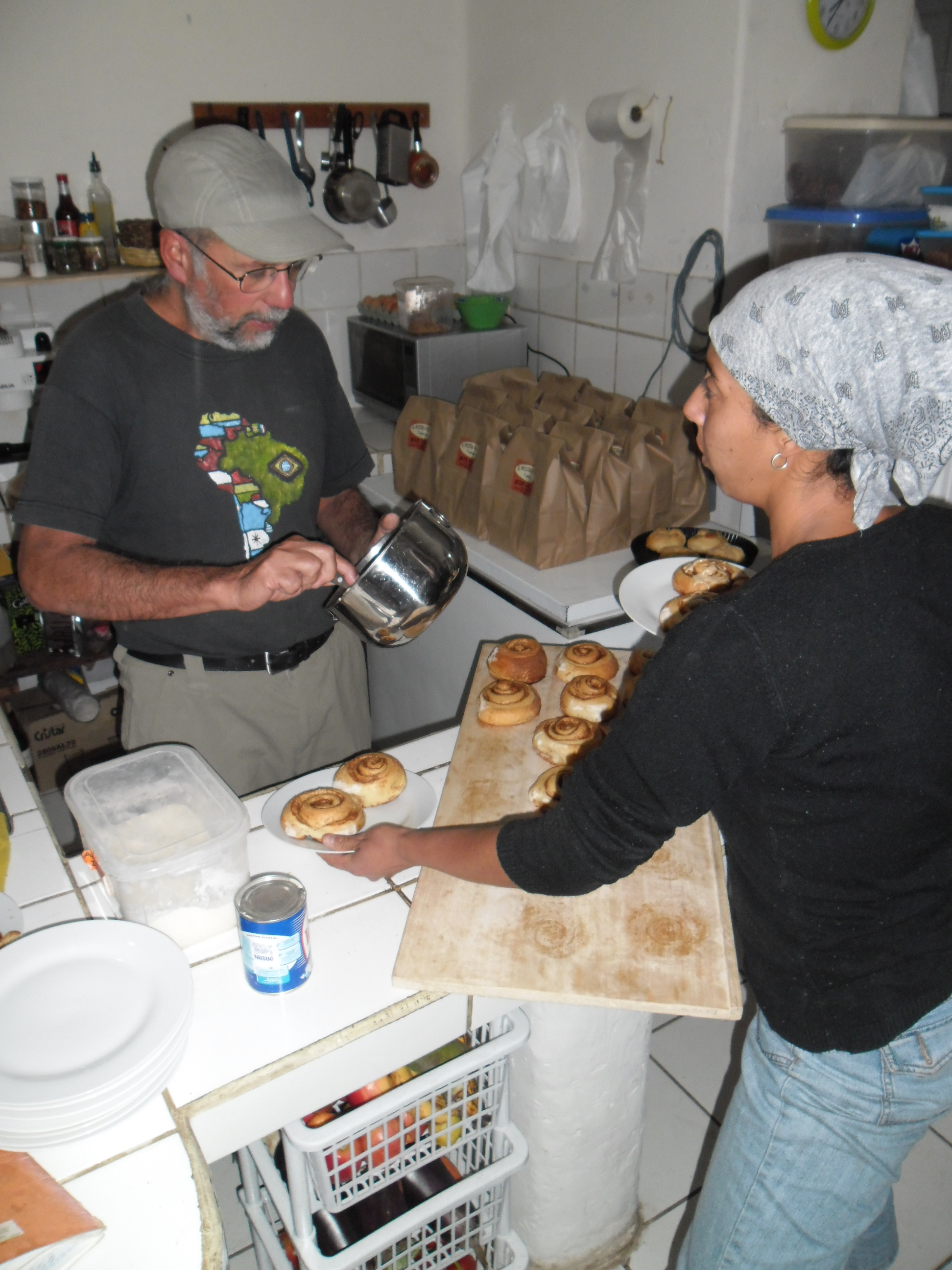
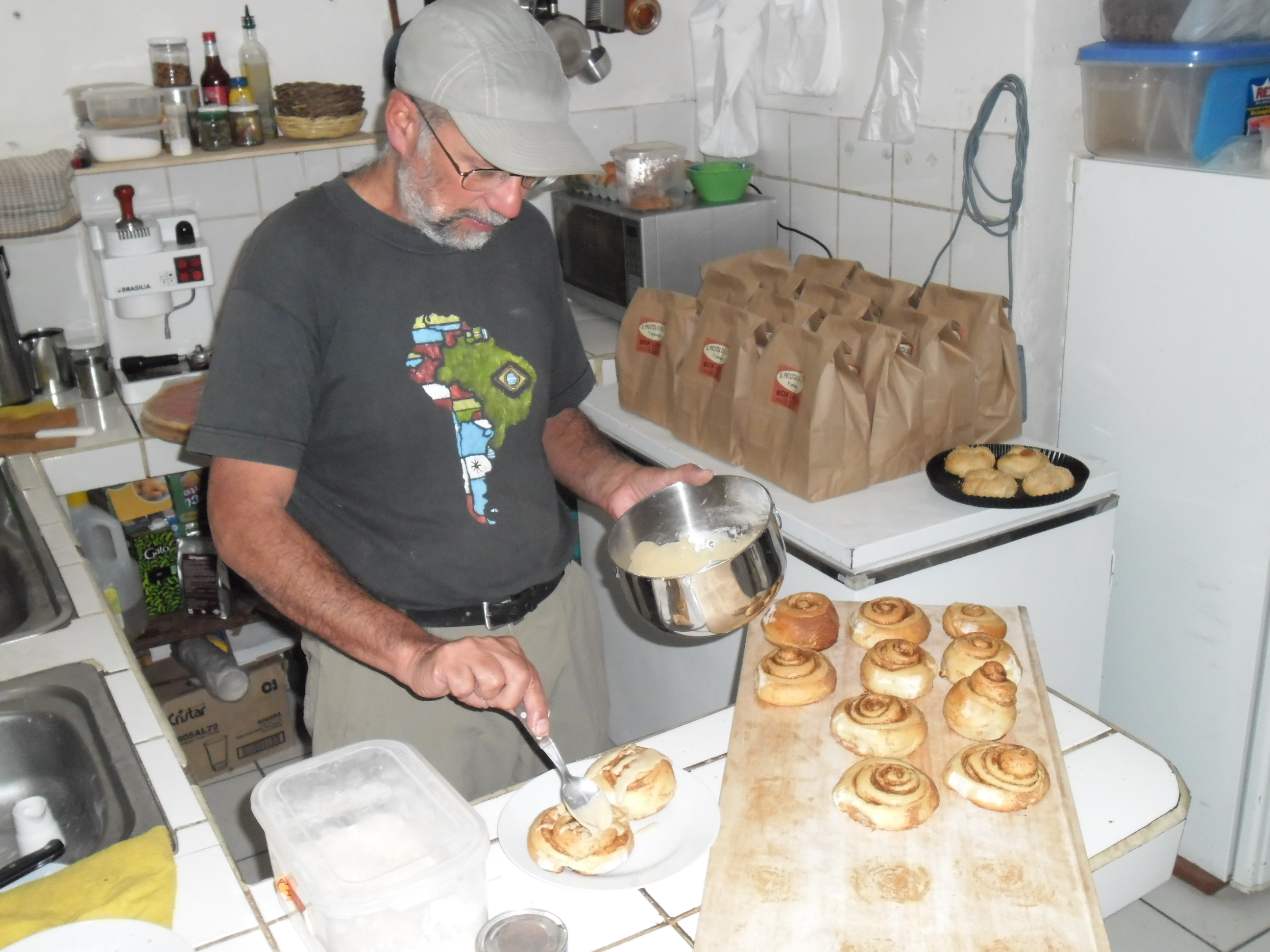
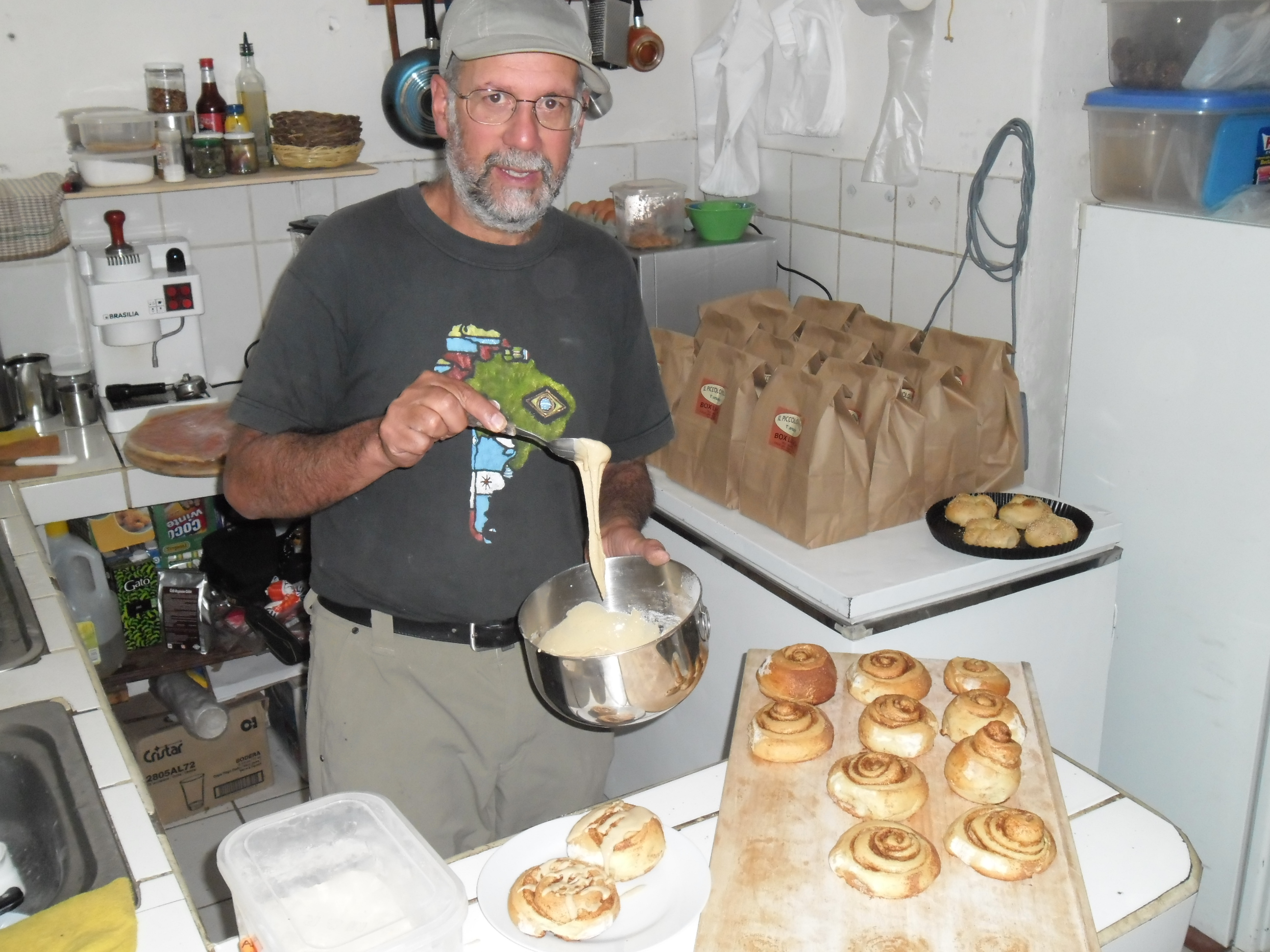
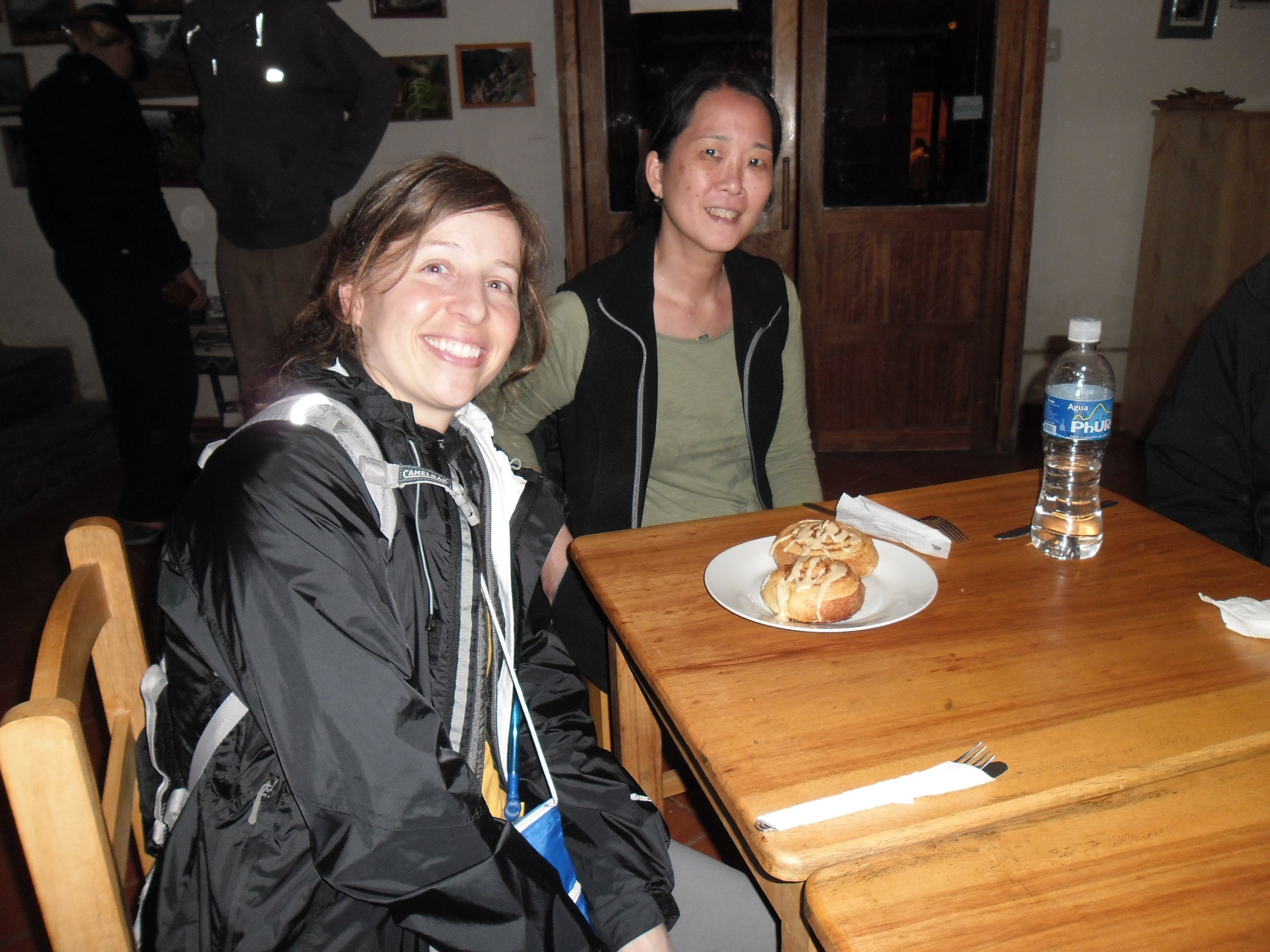
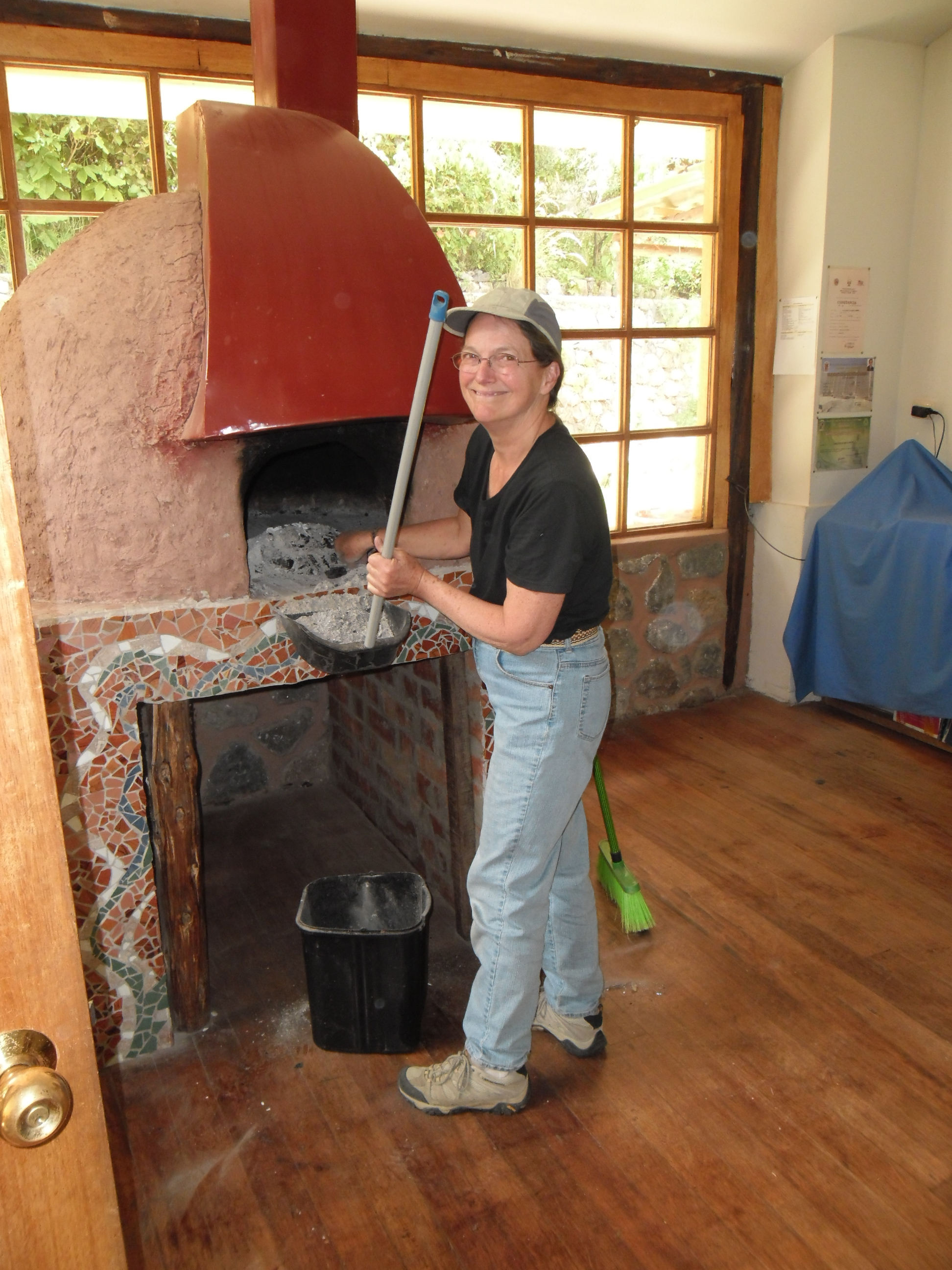
We met Sabrina and Mino, who opened up a little bakery in Ollanta, just a couple of months ago. Sabrina is from Arequipa, Peru, and Mino is from Rome, Italy. They decided that they wanted to live in Ollantaytambo, and they started their bakery. It´s called Piccolo Forno, which means “Little Oven” in Italian. Mino has lots of experience, baking in Rome, and Sabrina is enthusiastic, warm, and welcoming. We talked a little about baking, and Sabrina said that she wanted to learn how to make cinnamon rolls, so away we went. I baked at the bakery one day, then I returned the next week after their daily production, and we made some dough and let it rise, then later in the day, we rolled it out and made some cinnamon rolls. Ollanta is full of tourists who are going to or coming from Machu Picchu, and cinnamon rolls seem like something a lot of them would like.
We put the first batch in the oven about 7:00 pm, and then, at about 7:15, a whole group of tourists came in the door, from Portland, Oregon of all places, in search of some baked goods. They sat down, and when the cinnamon rolls were done, they bought them all up and sat there and ate them. Not bad for the first time. I hope that the cinnamon rolls become a regular feature at Piccolo Forno.
Sabrina and Mino, welcoming Mike into their bakery.
The Inca civilization was advanced and organized in so many different ways. The three golden rules that guided the civilization were: Do not steal. Do not lie. Do not be lazy. The Incas were extremely industrious, and their engineers and architects were extremely exact. The had no concept of money, but “taxes” were collected in the form of three months of labor per year from every male. Everything belonged to the state. In return for working and doing whatever the state wanted, the families were provided for. There was no hunger. Everybody had everything they needed. It was a truly socialist civilization.
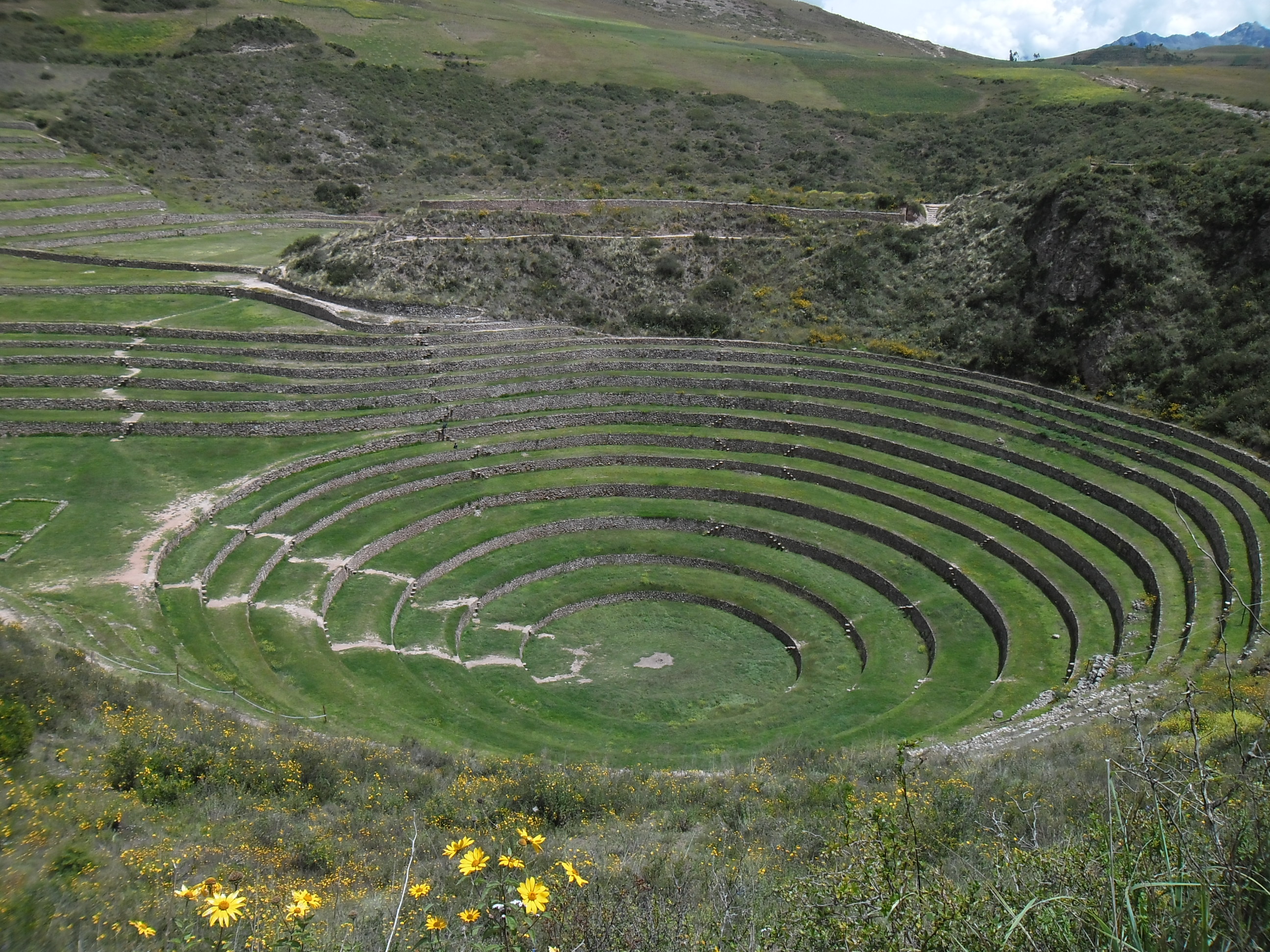
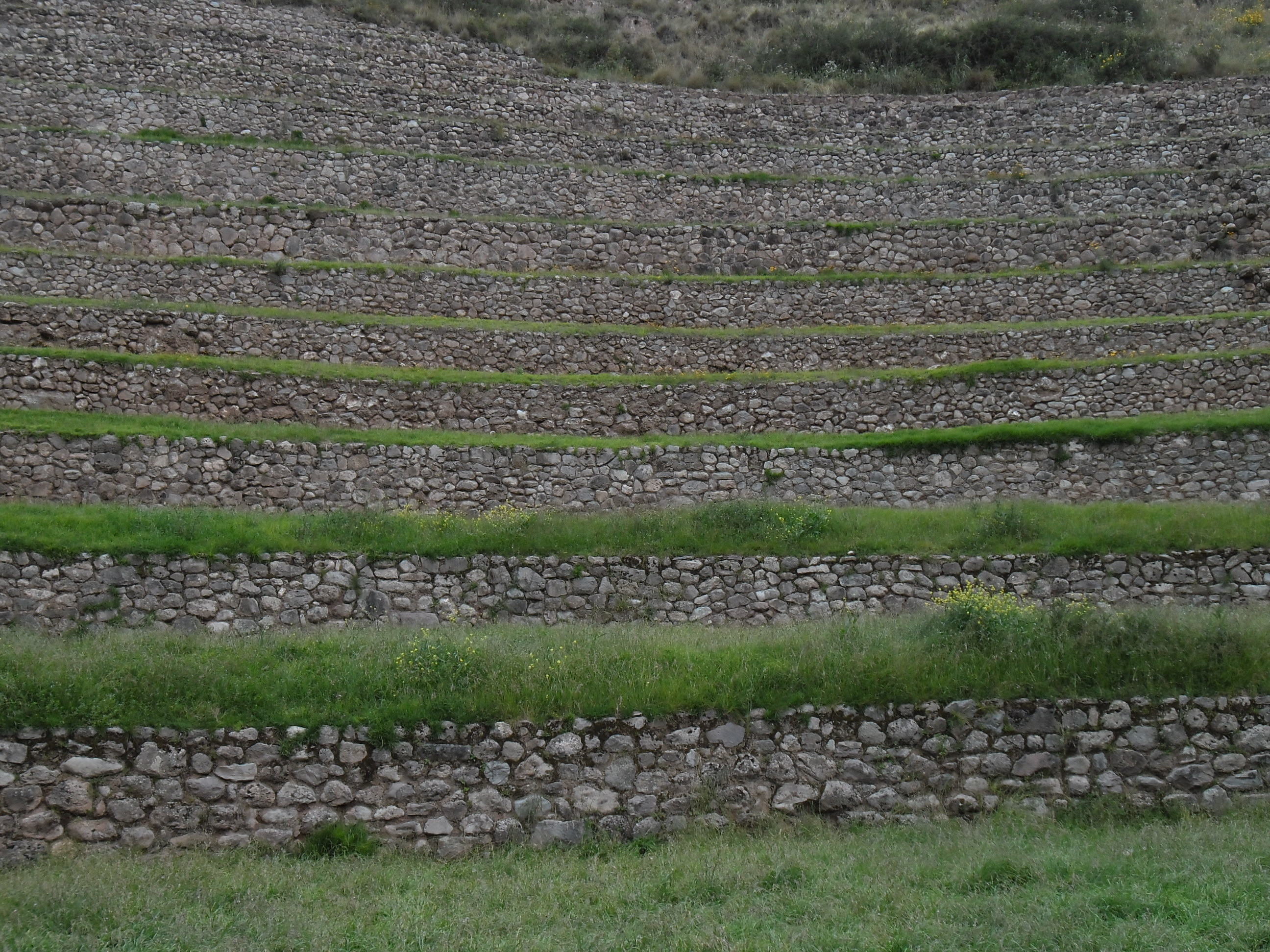
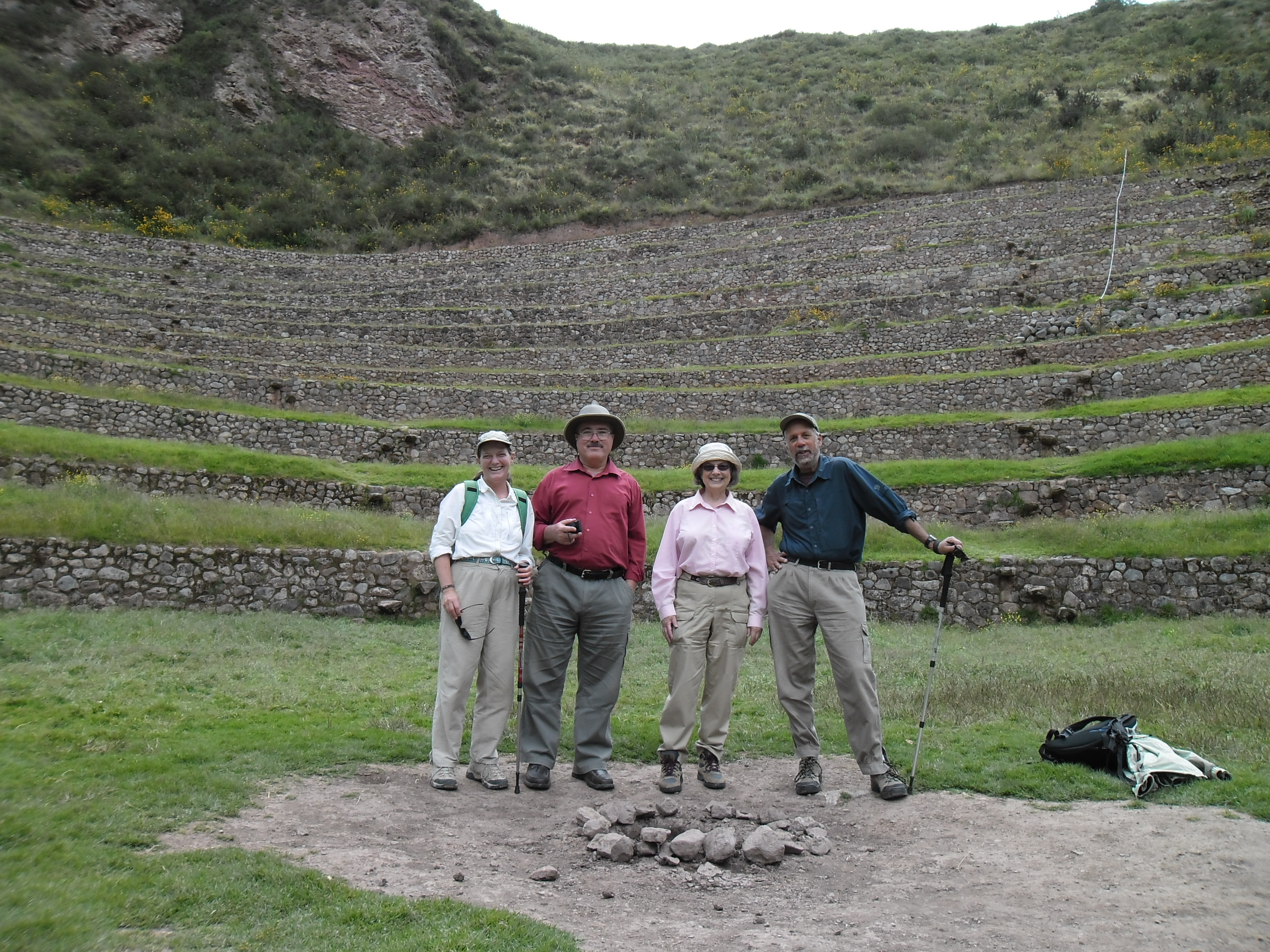
About an hour drive from Ollantaytambo is an archaeological site named Moray. This site is a spectacular illustration of the Incas´ forward thinking and their priorities for the common good. Moray is located at 11,000 feet of elevation, and it was used as a laboratory for growing corn seeds that would produce corn at varying elevations. They built terraces in concentric rings, down in a depression, which varied in temperature, according to elevation and sun angle. They grew different seeds on different terraces of different temperatures, then they took those seeds to areas that duplicated the conditions. Using this method, they developed seeds that were resistant to frost, and that would grow in limited sunlight or full sun, and they took those seeds and planted them in the best sites in the Andes.
From top to bottom is about 500 feet.
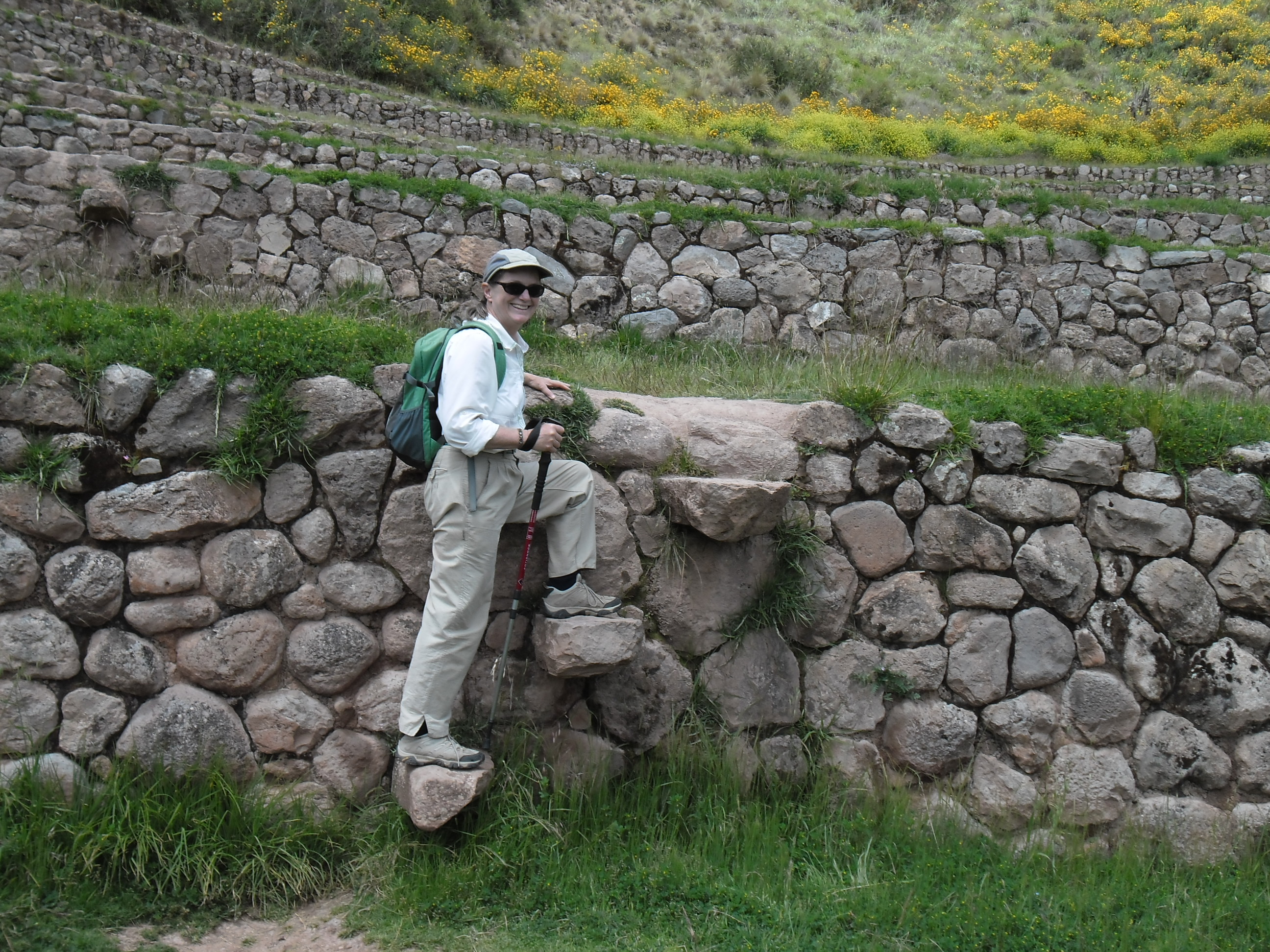
The terraces are about ten feet wide. They had good drainage, and lots of different types of corn were developed here.
We spent a few hours at Moray with Deb and Steve. We went down to the bottom, where it was almost ten degrees warmer than it was on top. Of course, after descending and leaving an offering down at the bottom, we had to climb back up.
A fascinating place that speaks of planning, abundance, and preparation.
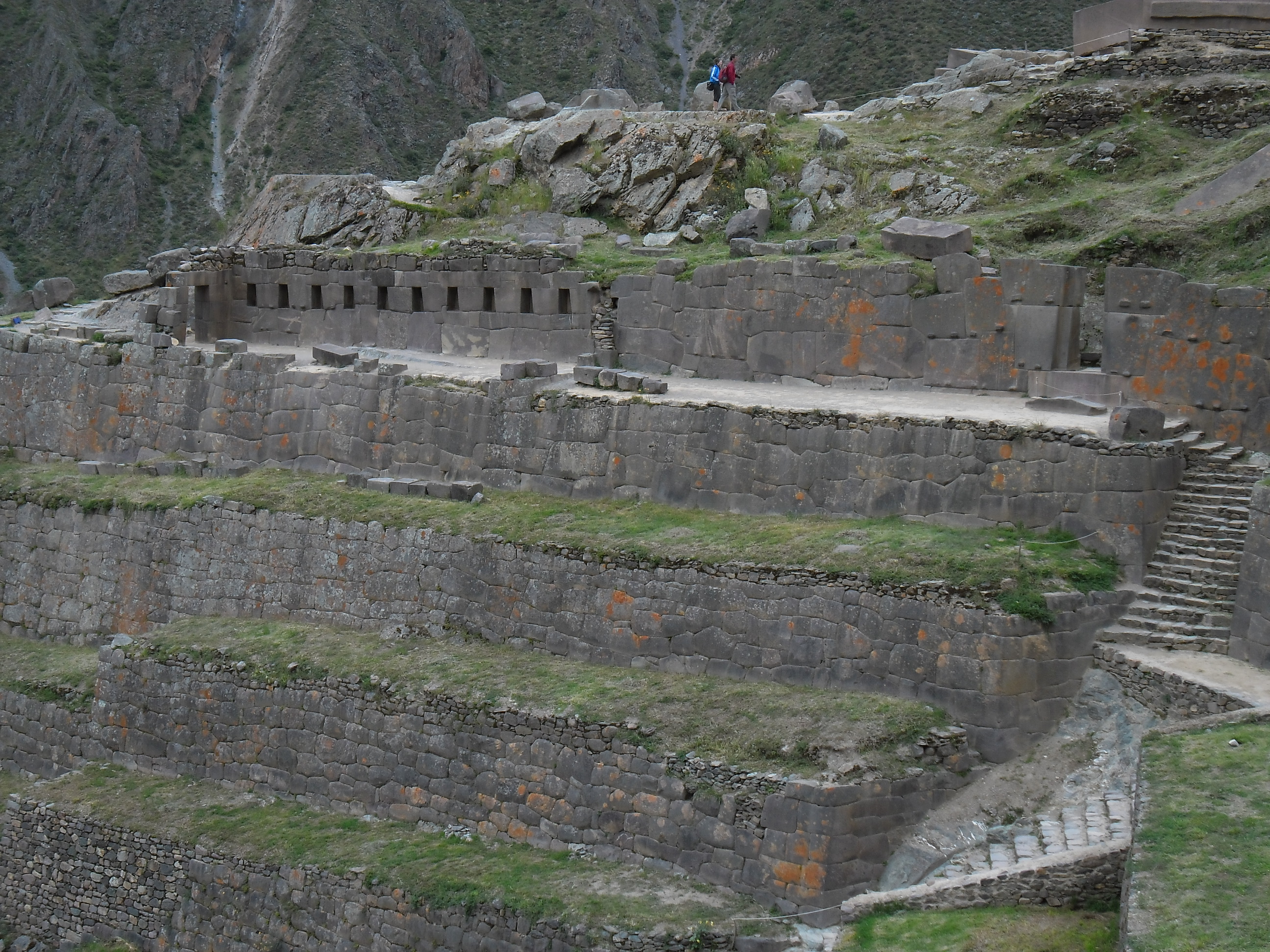
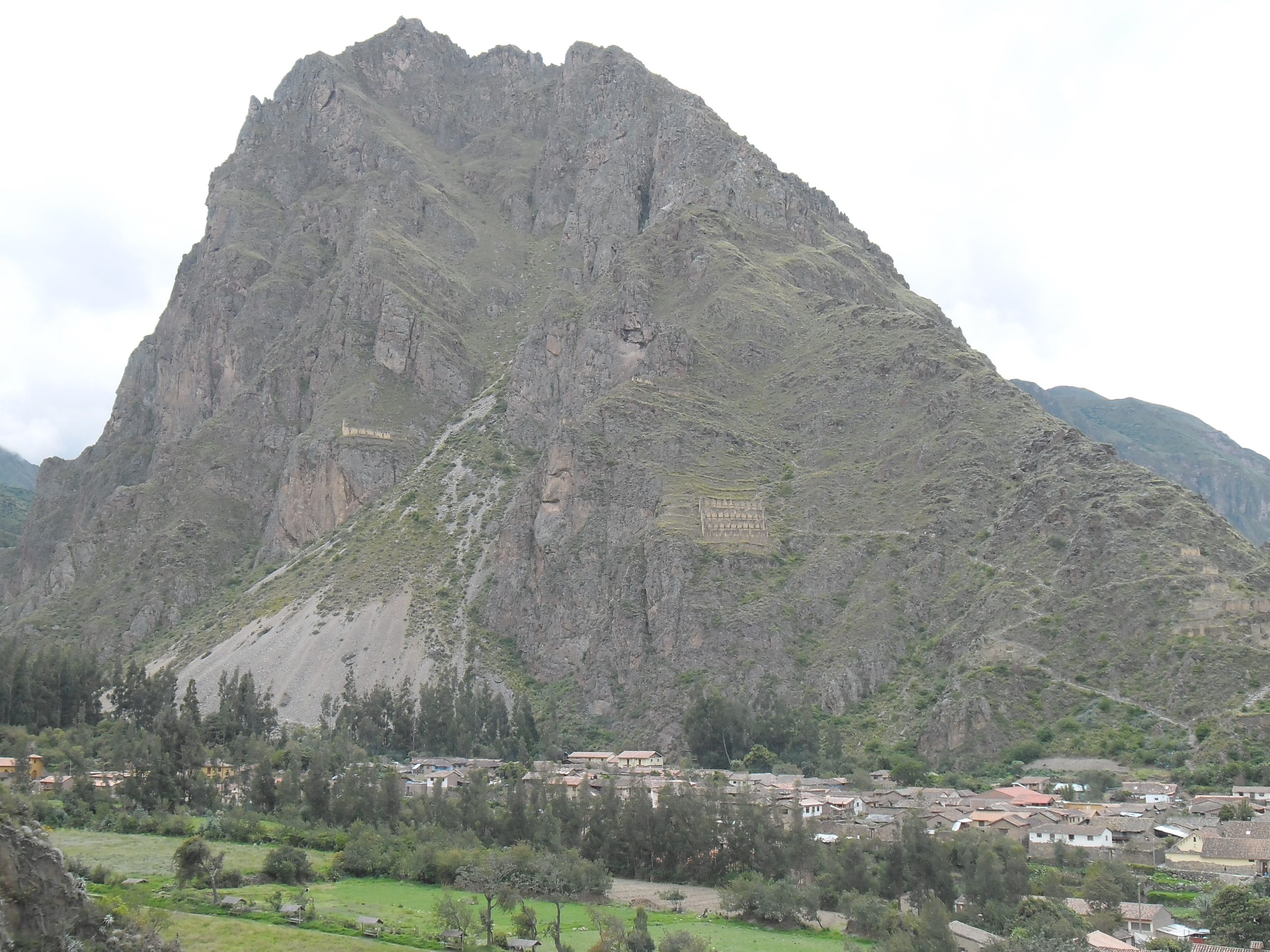
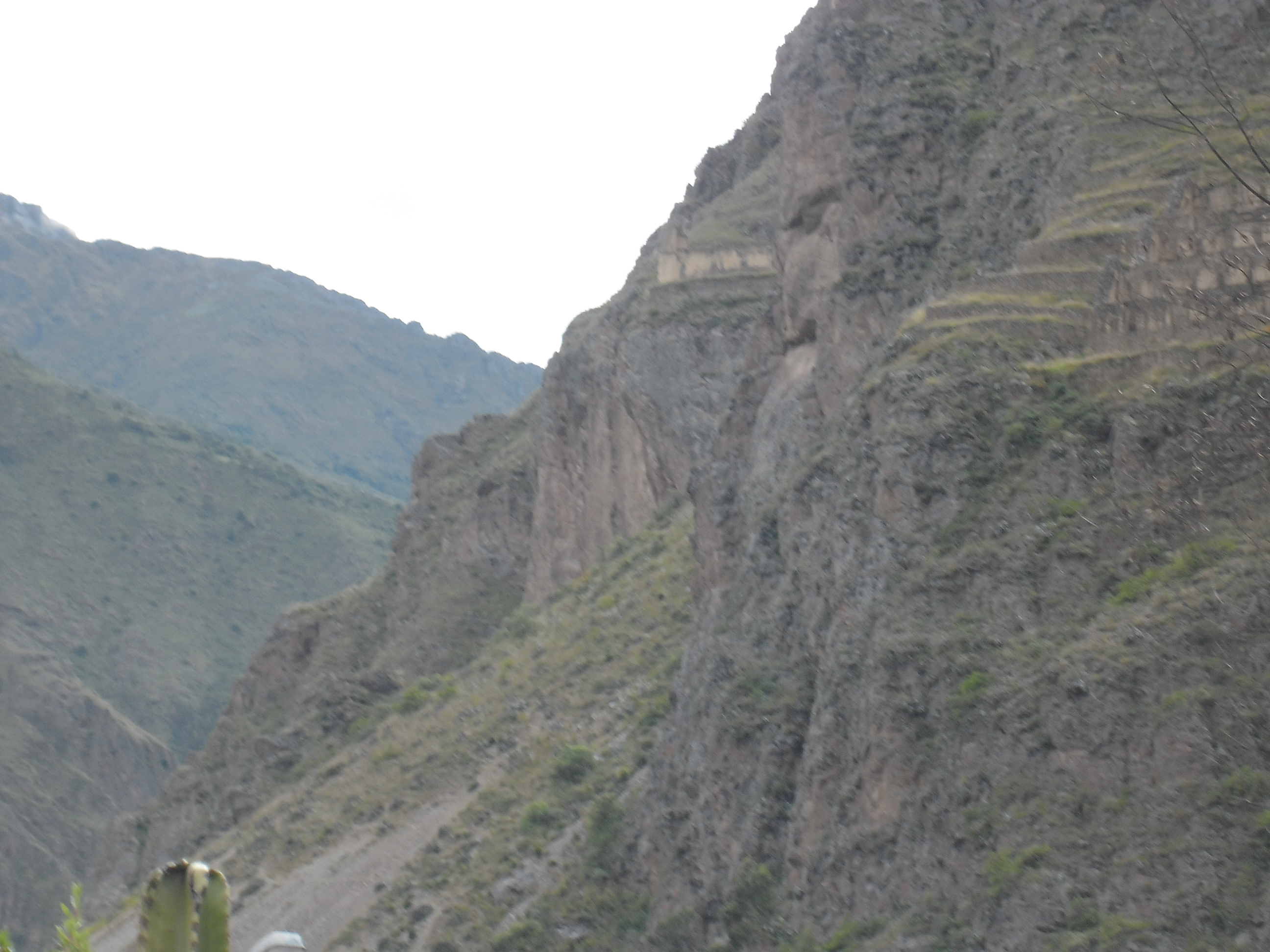
Ollantaytambo is called The Living City of the Incas. Ollanta (as everybody here calls it) was a very important center of the Inca Empire, and it has been continually inhabited since the 1400’s. The Incas defeated the Spaniards here in a famous battle where they diverted the Urubamba River to mire the Spaniards´ horses, and the mountains surrounding the town are full of Inca ruins and temples. The most famous structure is a temple that was carved into Tamboqasa Mountain, on the west side of town. This temple was a religious site that honored the sun and the stars and the condor, and that channeled water down into sacred baths. What makes the site so spectacular and mind-boggling, though, is that the Incas built the entire temple (it is huge, not just one building) in the shape of a llama, which is only visible from high up on Pinkuylluna Mountain, which is on the other side (the eastern side) of Ollanta. The Incas saw a llama in the dark spaces of the night sky, between the stars, below the Southern Cross. (It is still a treat for us to look up into the southern sky and see the Southern Cross each night. The people in the southern hemisphere cannot see the Big Dipper and the North Star. It’s the same with the northern hemisphere and the Southern Cross.) Anyway, they saw a llama up there, and they decided to build a temple to reflect the llama and to honor it. They loved their llamas. The architects planned it, and the masons and laborers and stone-cutters built it so that it could be seen from a mile away, across the valley, half-way up the mountain on the other side. They also planned it so that on June 21, the shortest day of the year, as the sun first peeks out from the mountain to shine on Tamboqasa, the very first rays shine directly on the llama’s eyes. Perhaps you can make out the geometric llama in some of the photos.
The llama´s head is up to the left. She´s facing the left. The V-shaped green shape in the middle is her fur.
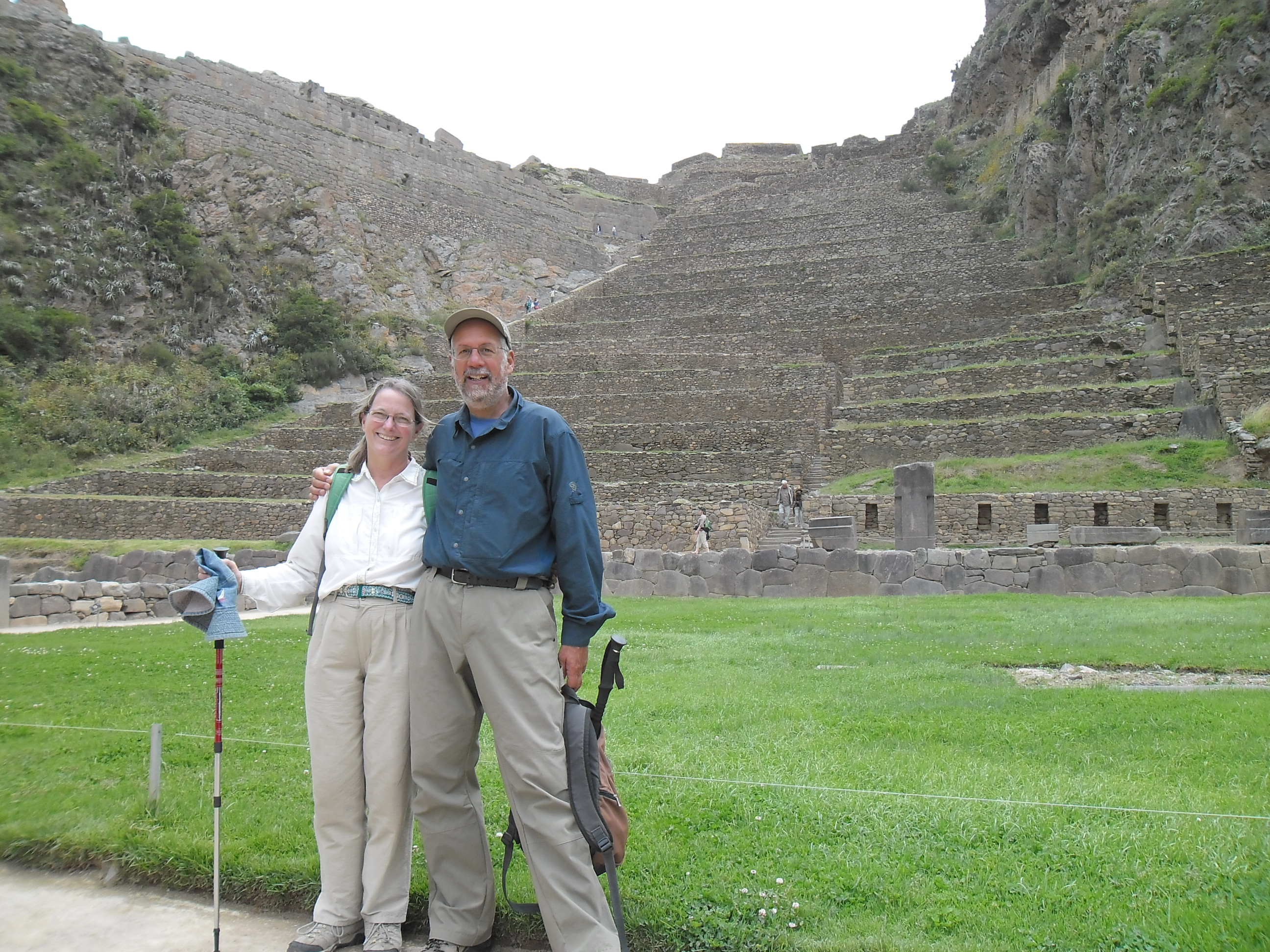
We went up to visit the ruins with our friend Alberto, who also was our guide. The terraces on the way up are impressive.
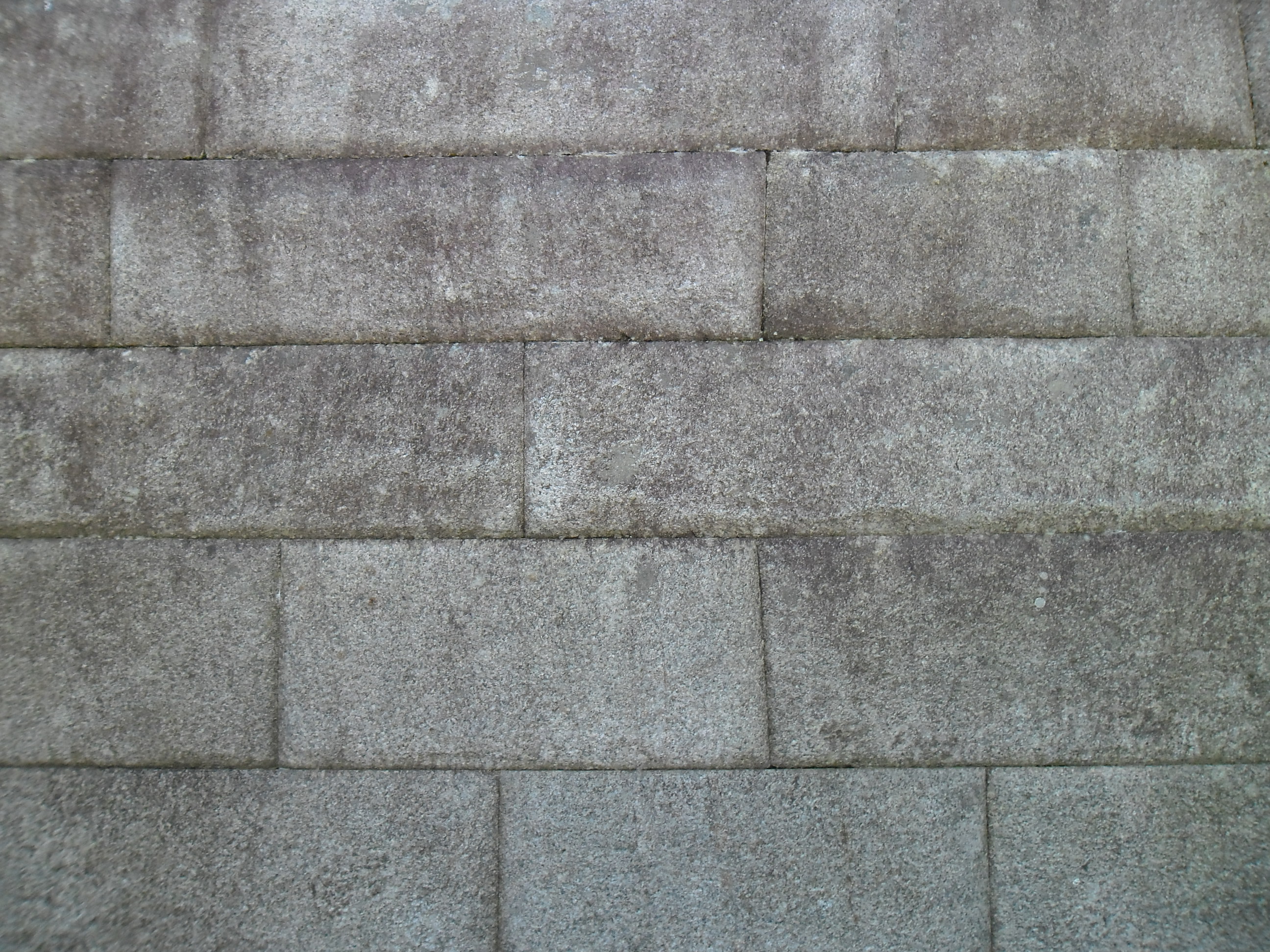
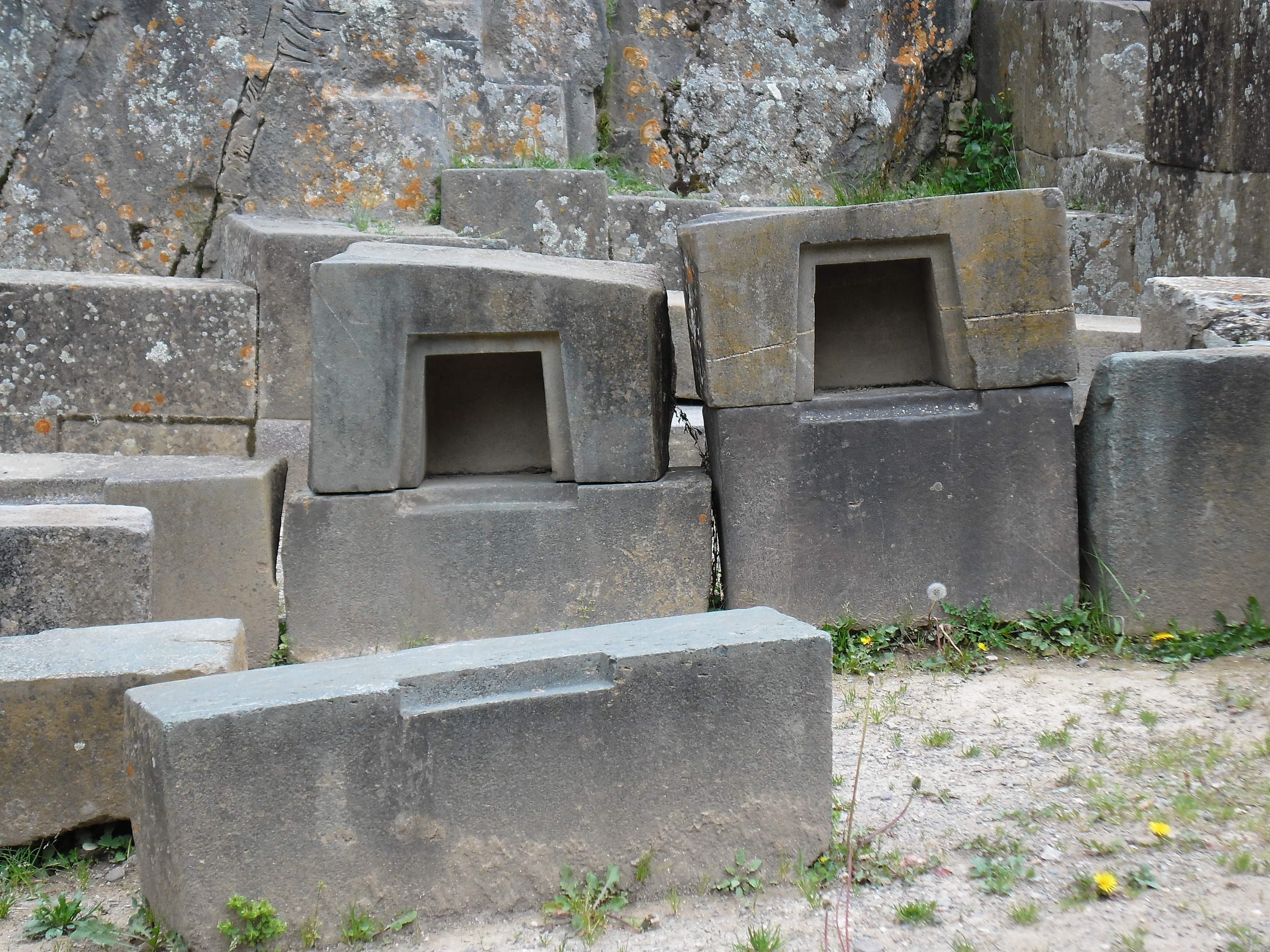
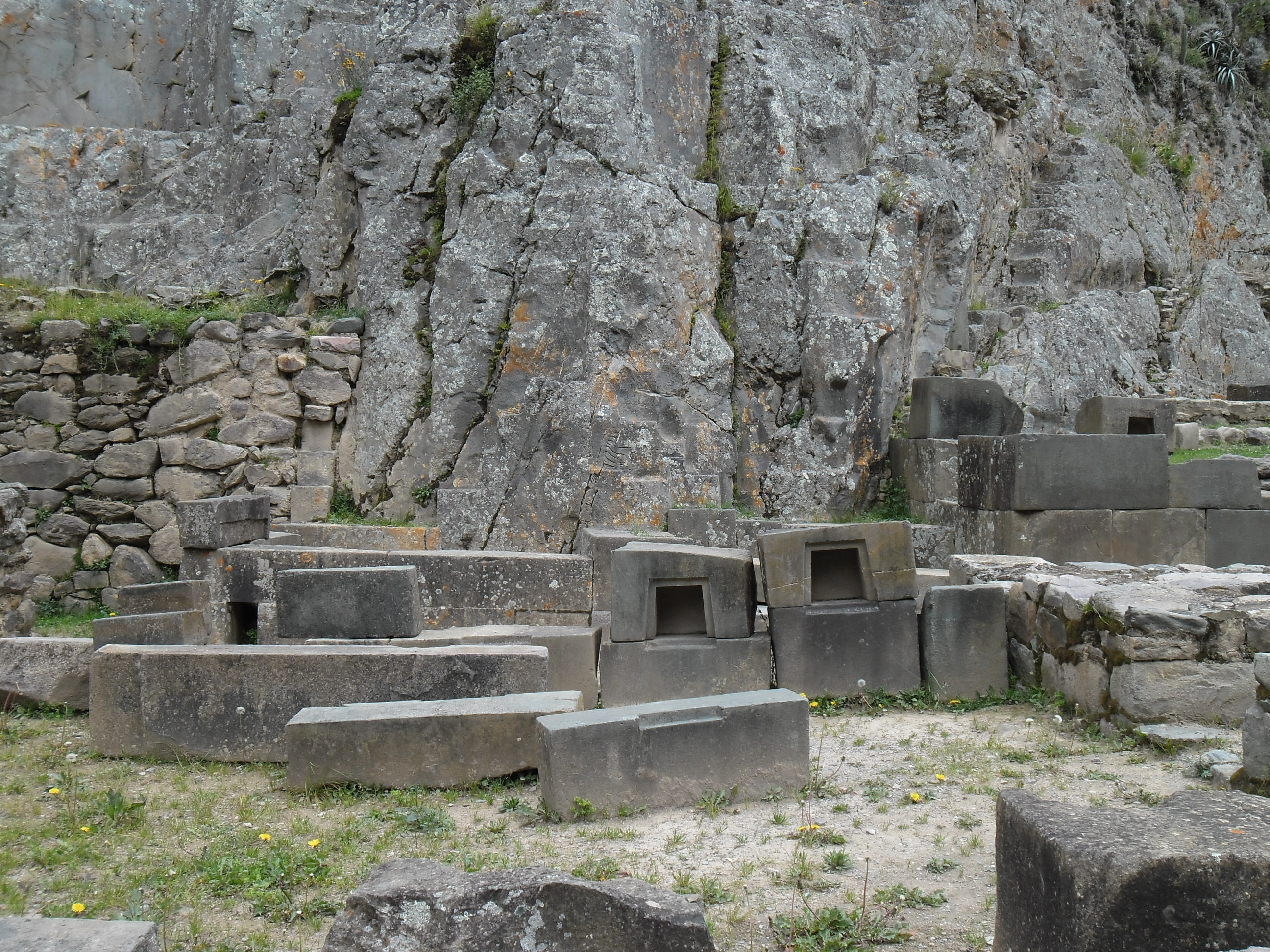
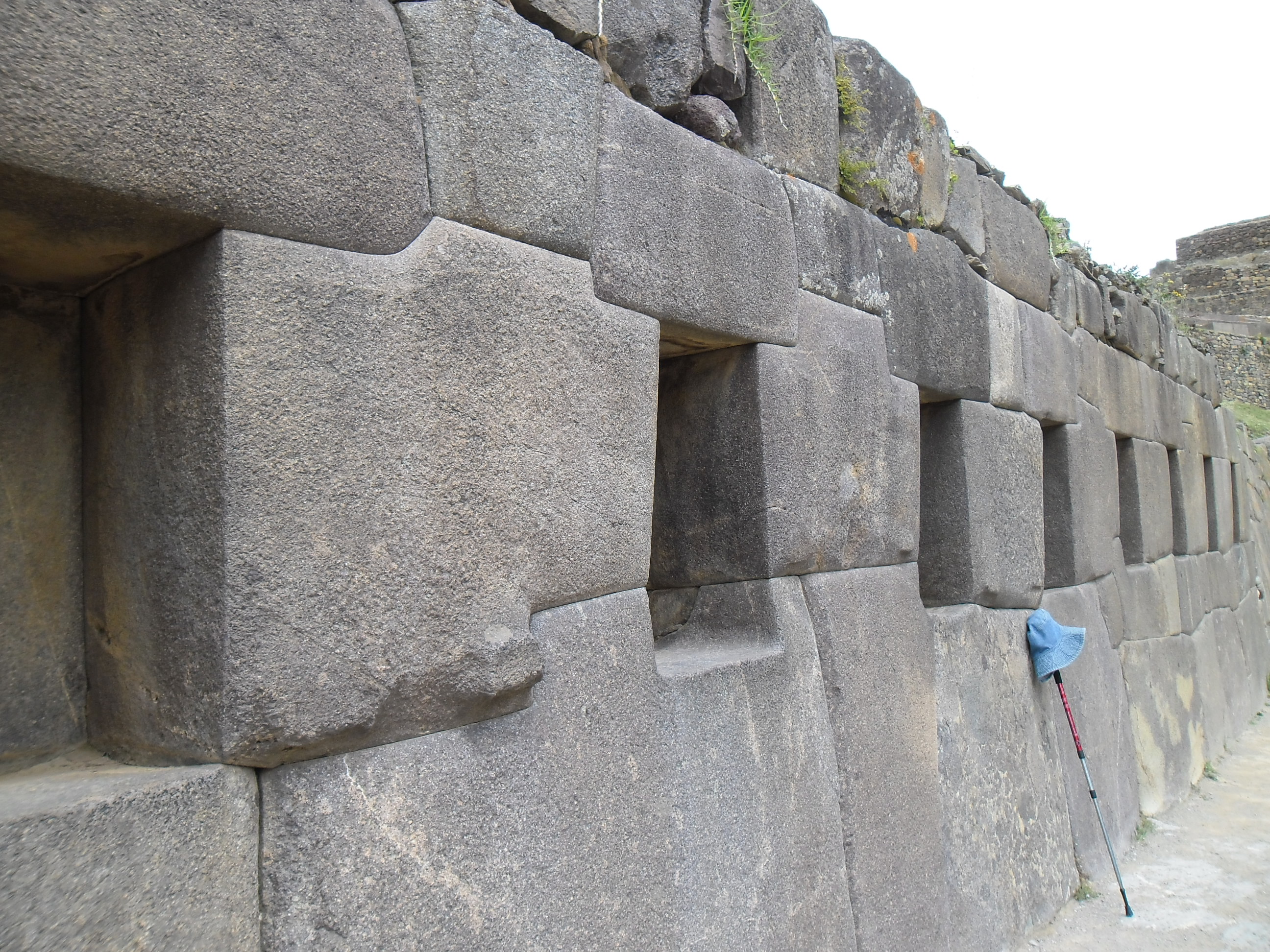
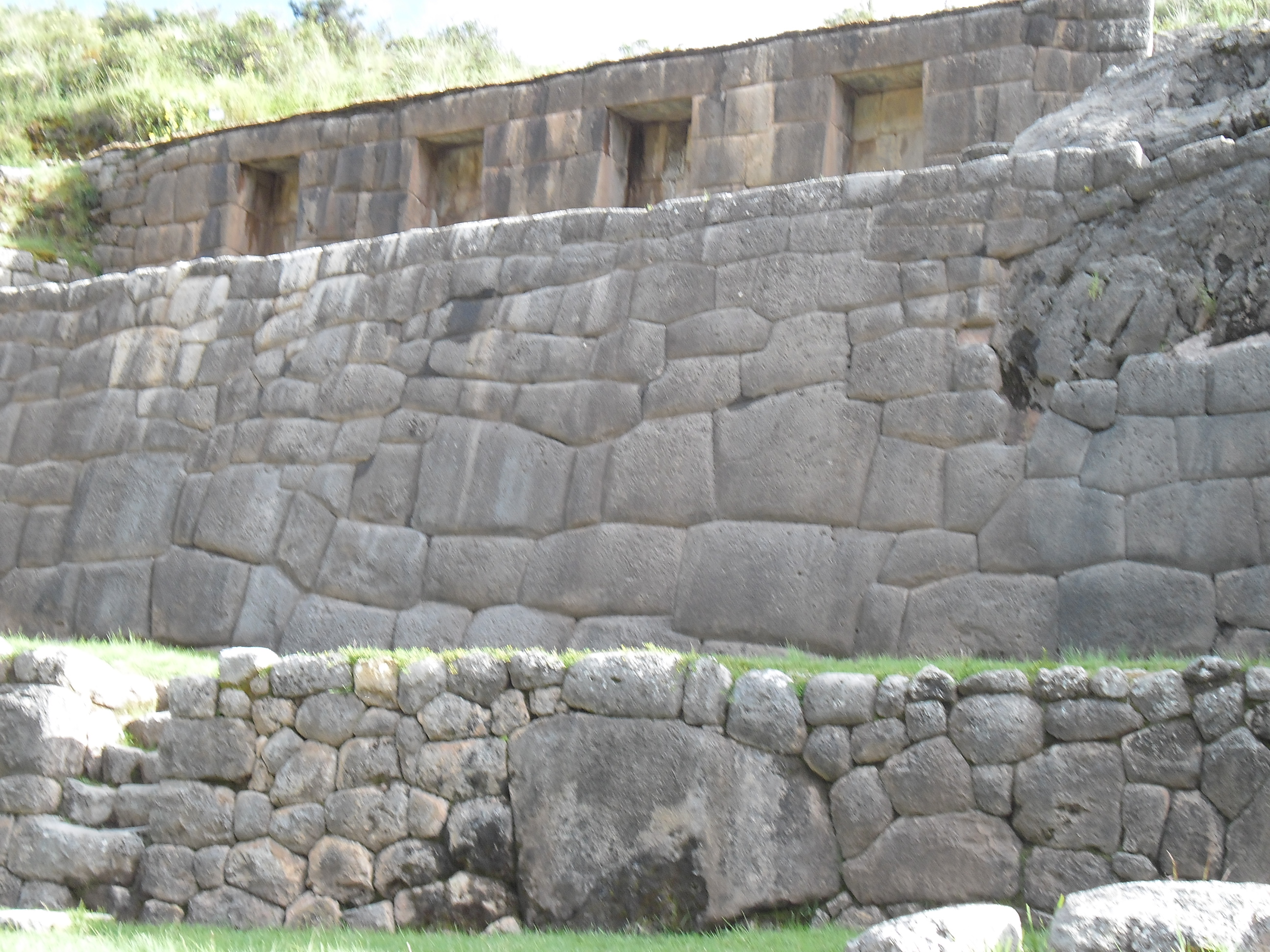
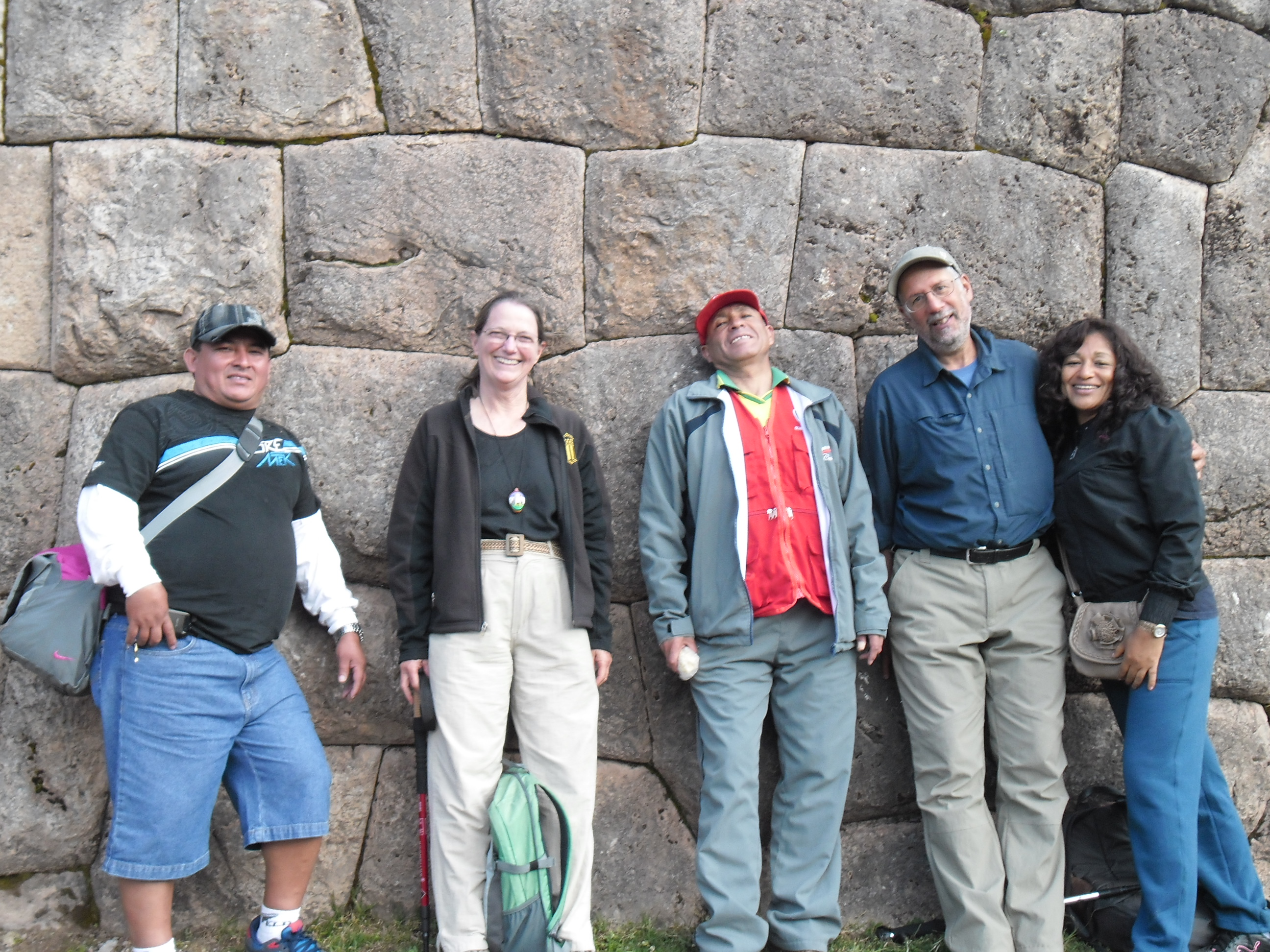
Their stonework was the hallmark of the Incas. The masonry is so precise, and the stones had to be brought over such distances, and they were built so sturdily, that today they are a marvel. The Incas didn´t quite finish building this temple before the Spaniards invaded. There are rocks on the site that were in the process of being sculpted but were never finished. There are other walls that were built to withstand earthquakes, and many people are convinced today that the only way they could have built them was with help from extraterrestrials. Albert doesn´t go along with this theory, instead believing that with their bronze tools, water, and patience, the Incas very well could have sculpted the rocks, and with the help of levers, they could have gradually elevated even the heaviest of the stones.
The stone-cutting workshop
a jigsaw puzzle is stronger than a straight fit.
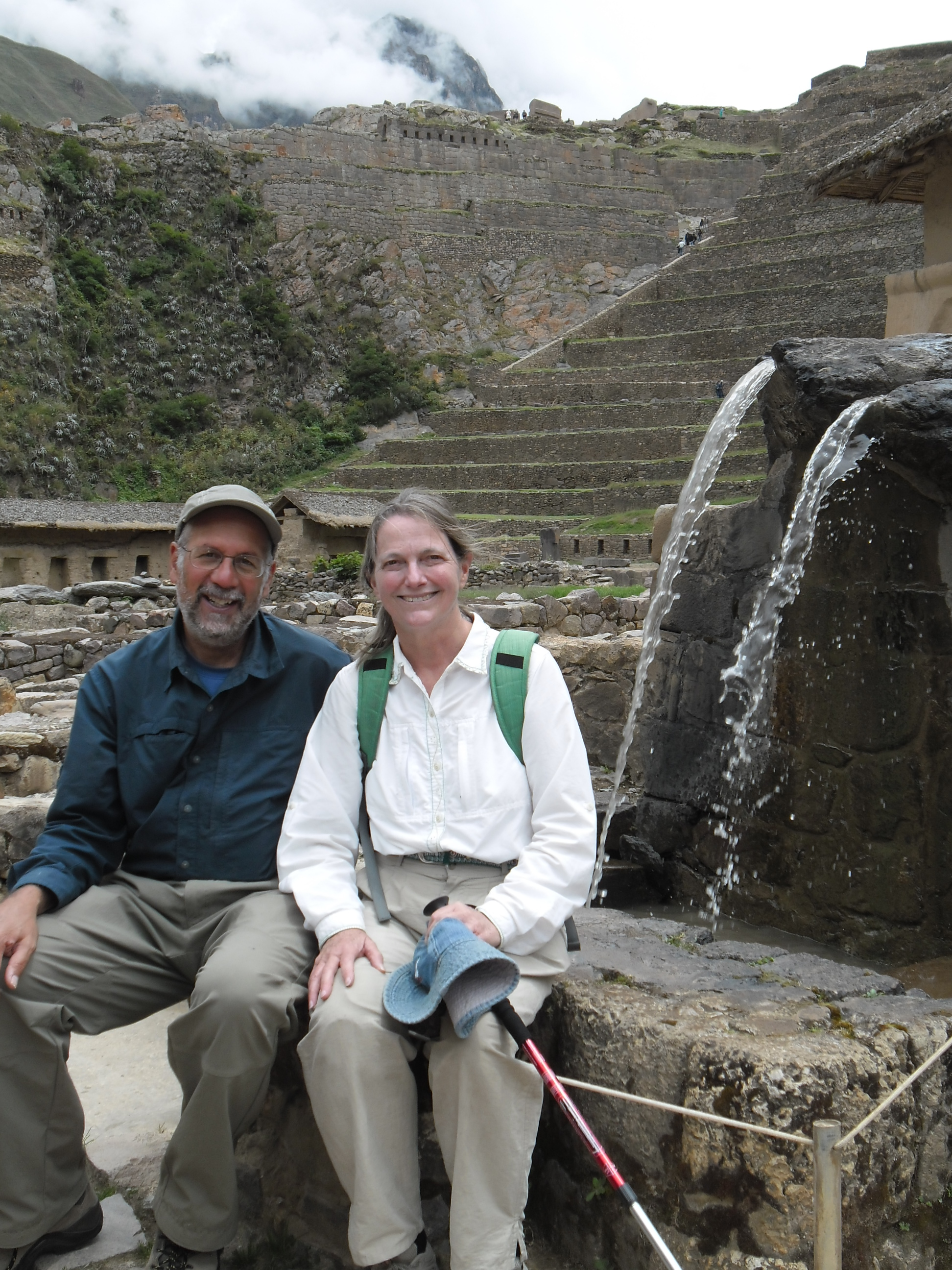
Here we are by the baths. The water has been flowing like this for seven hundred years.
And here is what the storehouses look like up close. They are called colcas. They were designed so that the wind could flow through and dry the potatoes and corn, and they could keep food stored for years. The Incas had hundreds of these sites throughout the empire, and if there was a bad year for crops, they could distribute food to the people who needed it. The storehouses were full most of the time. These people were not just scraping by.
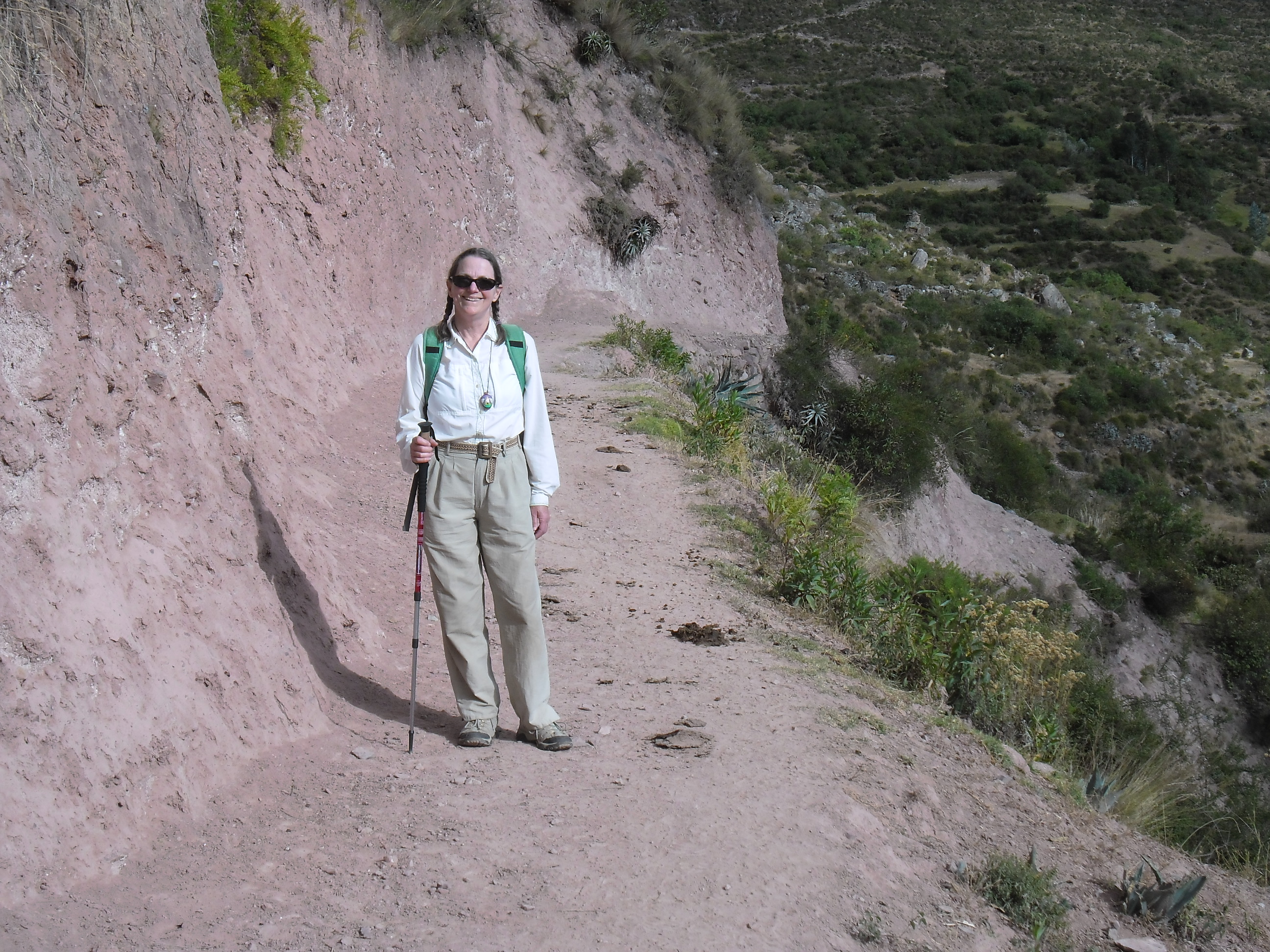
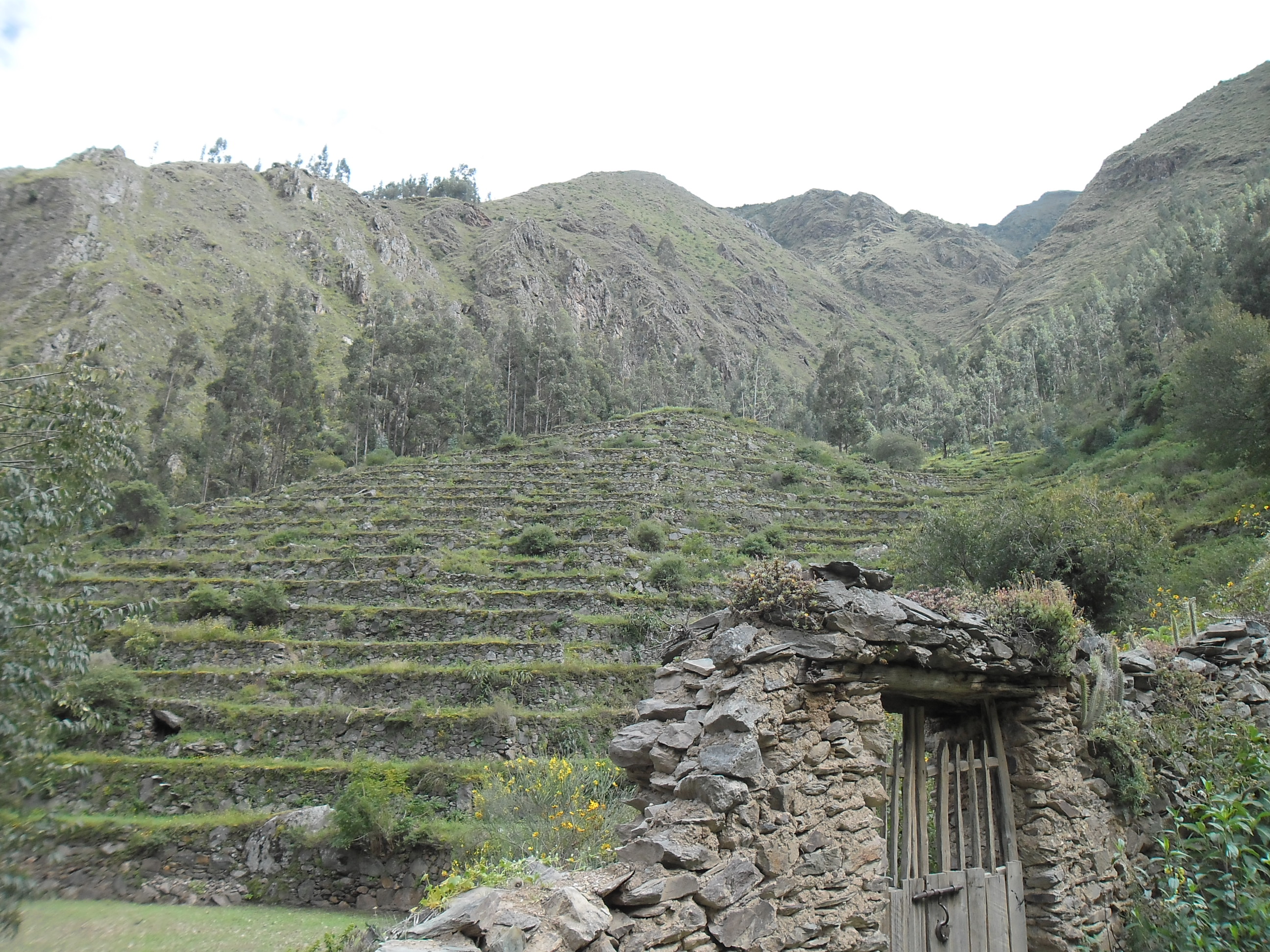
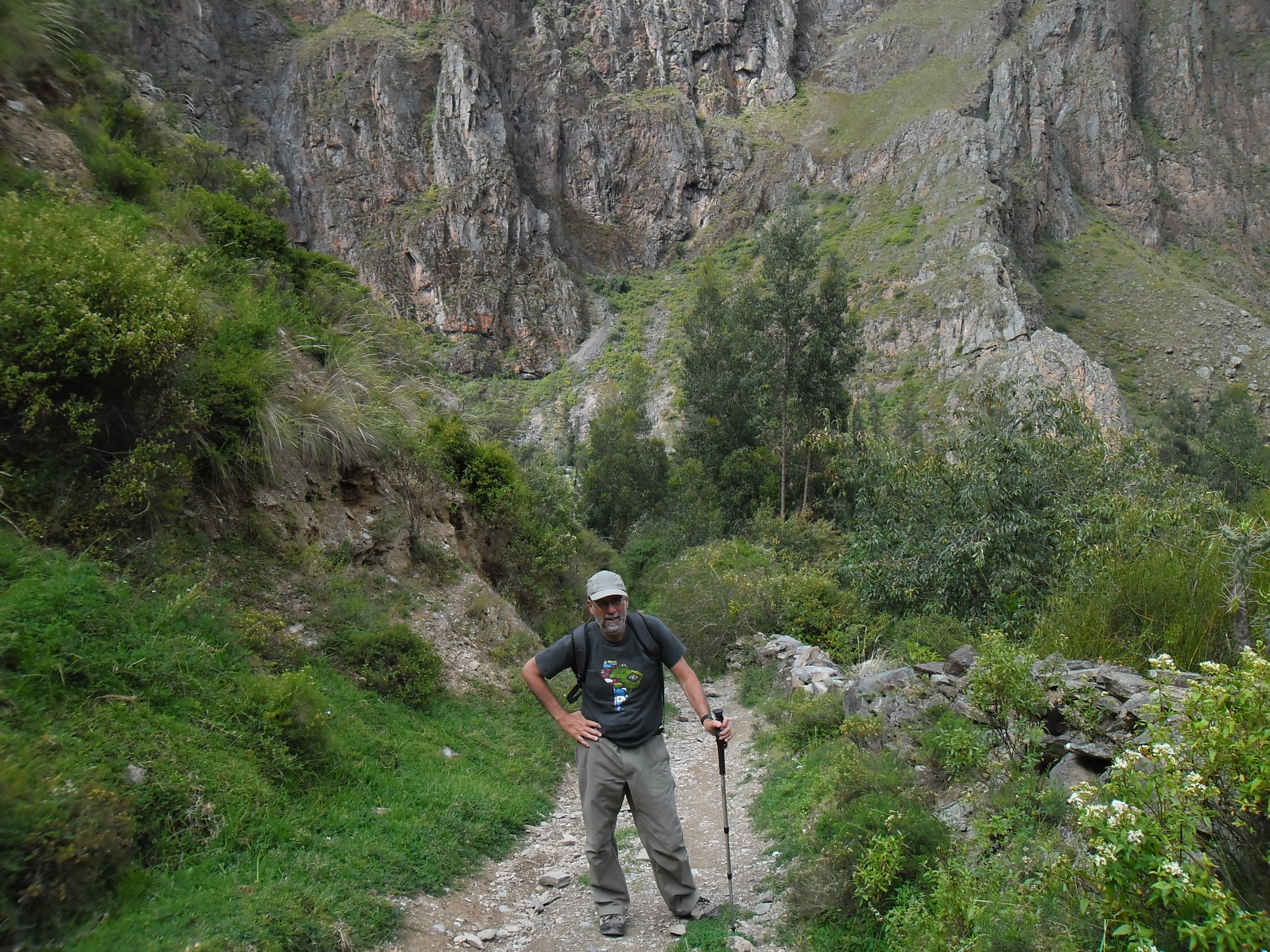
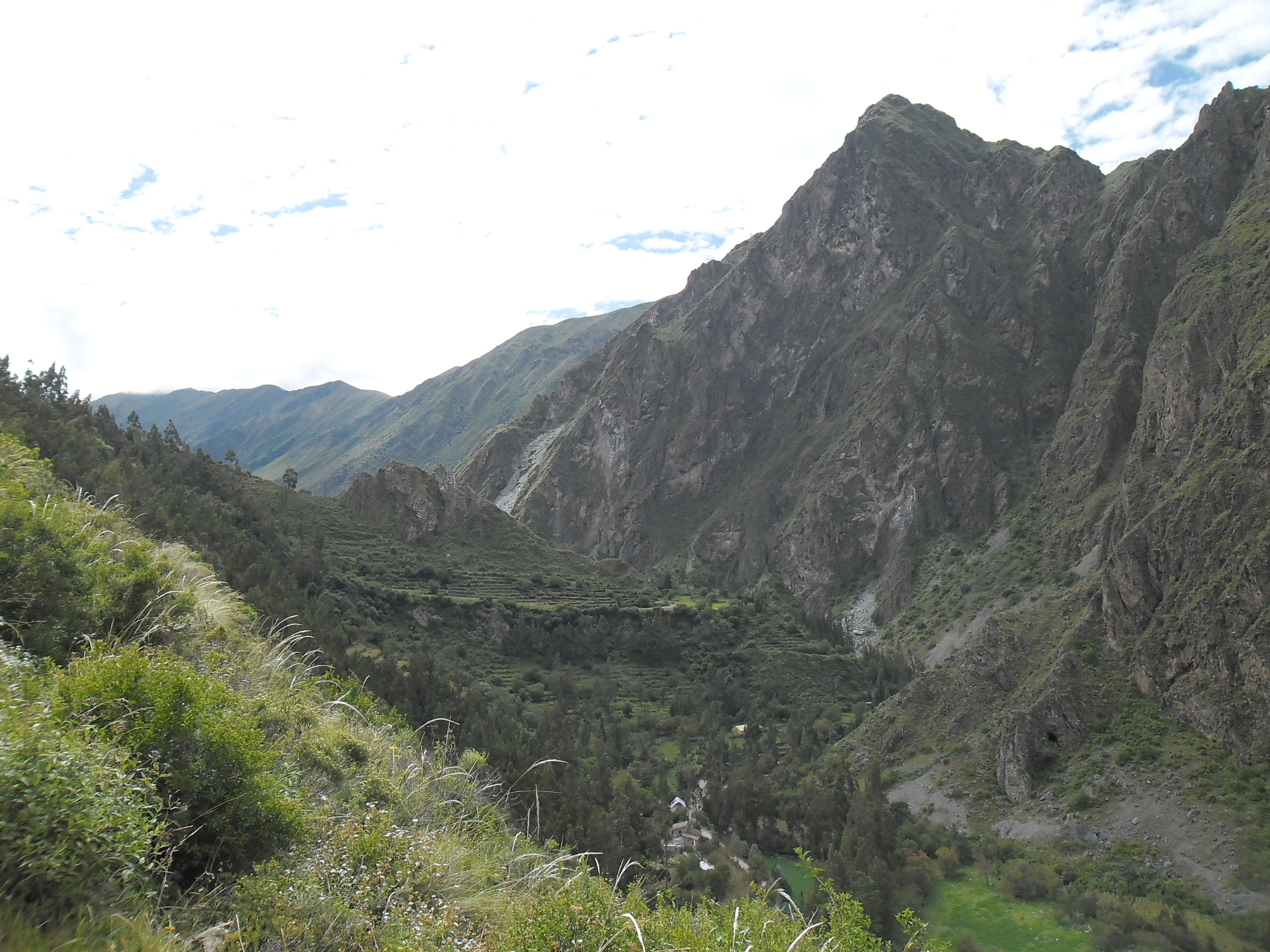
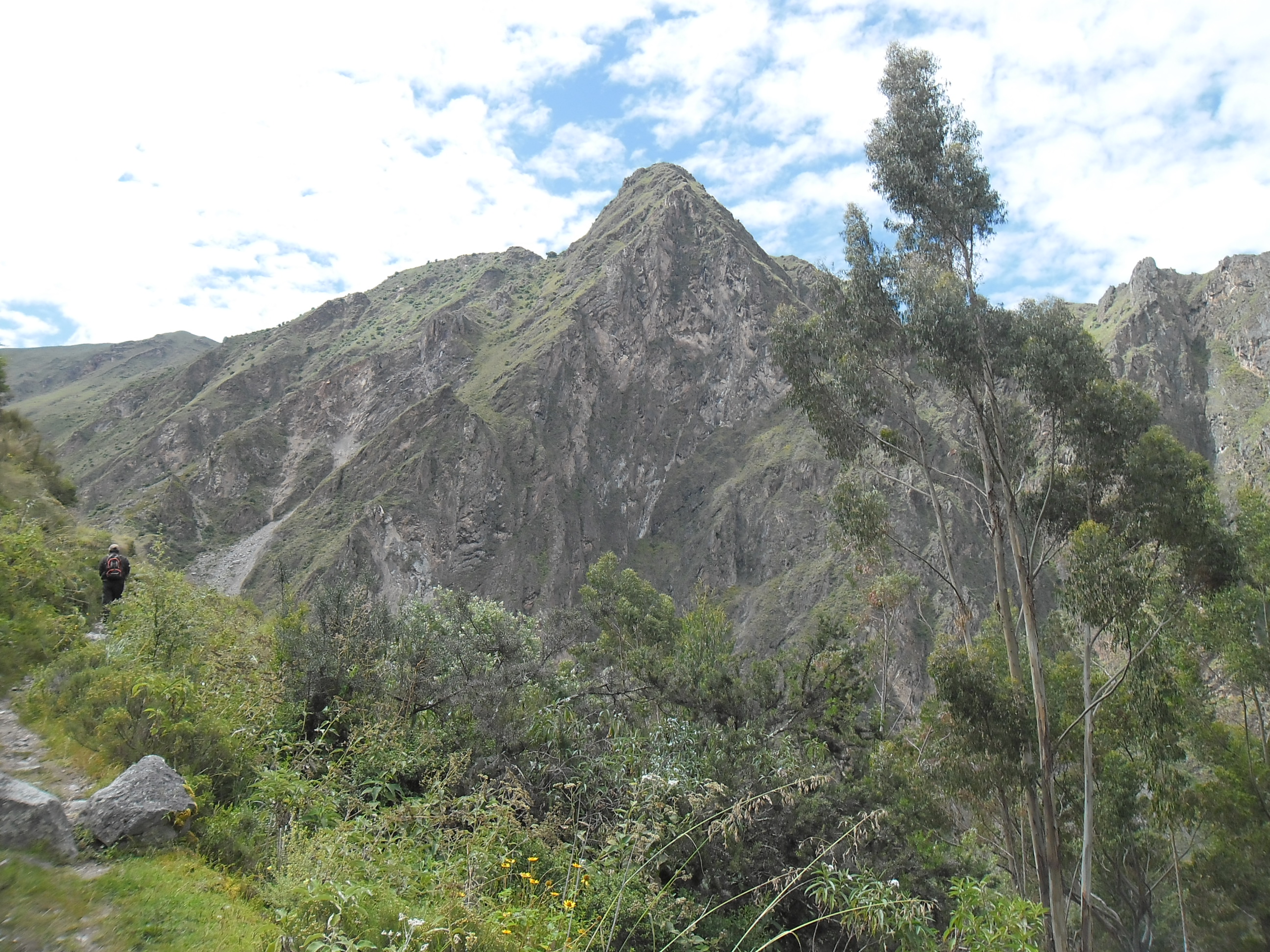
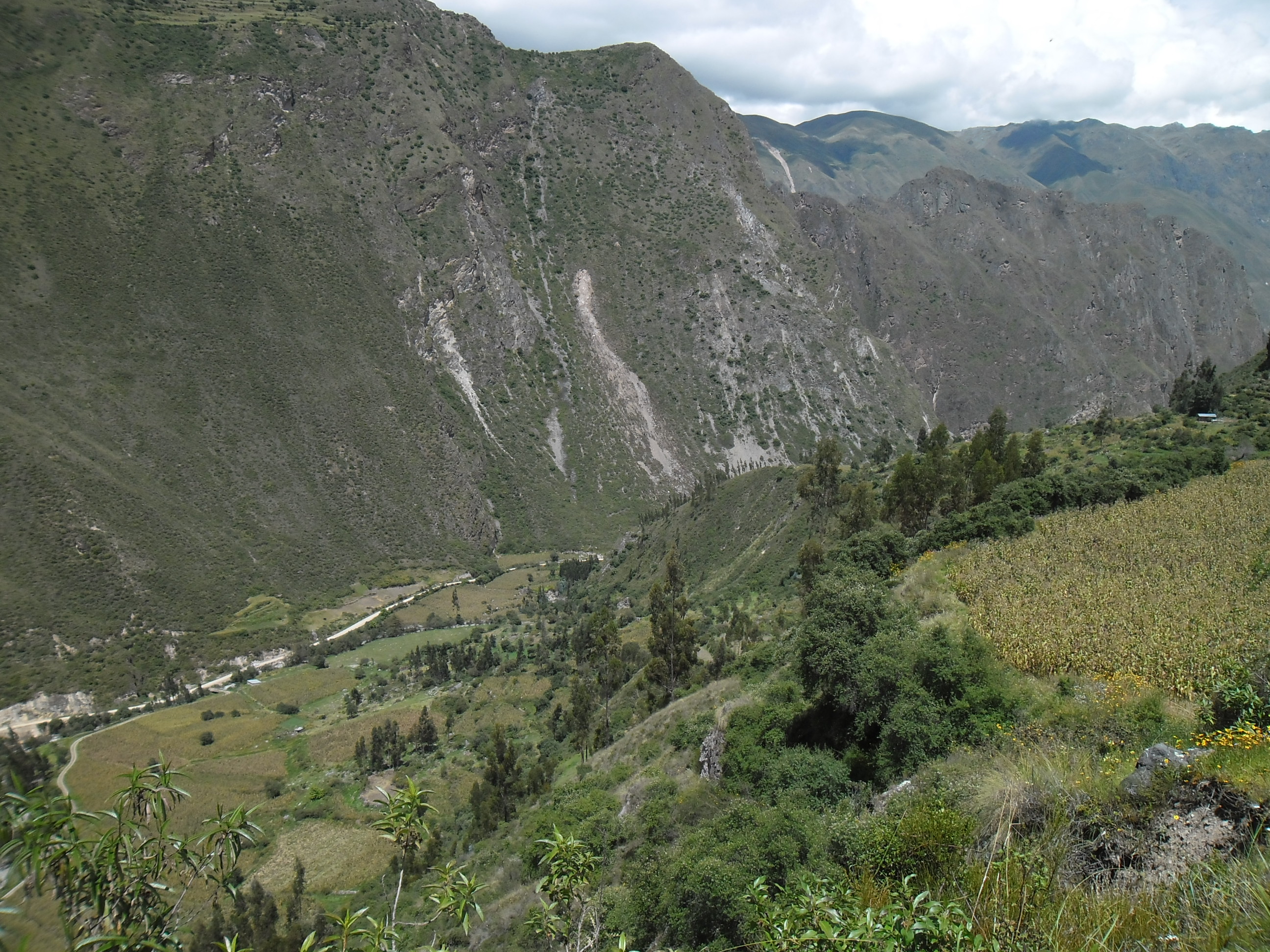
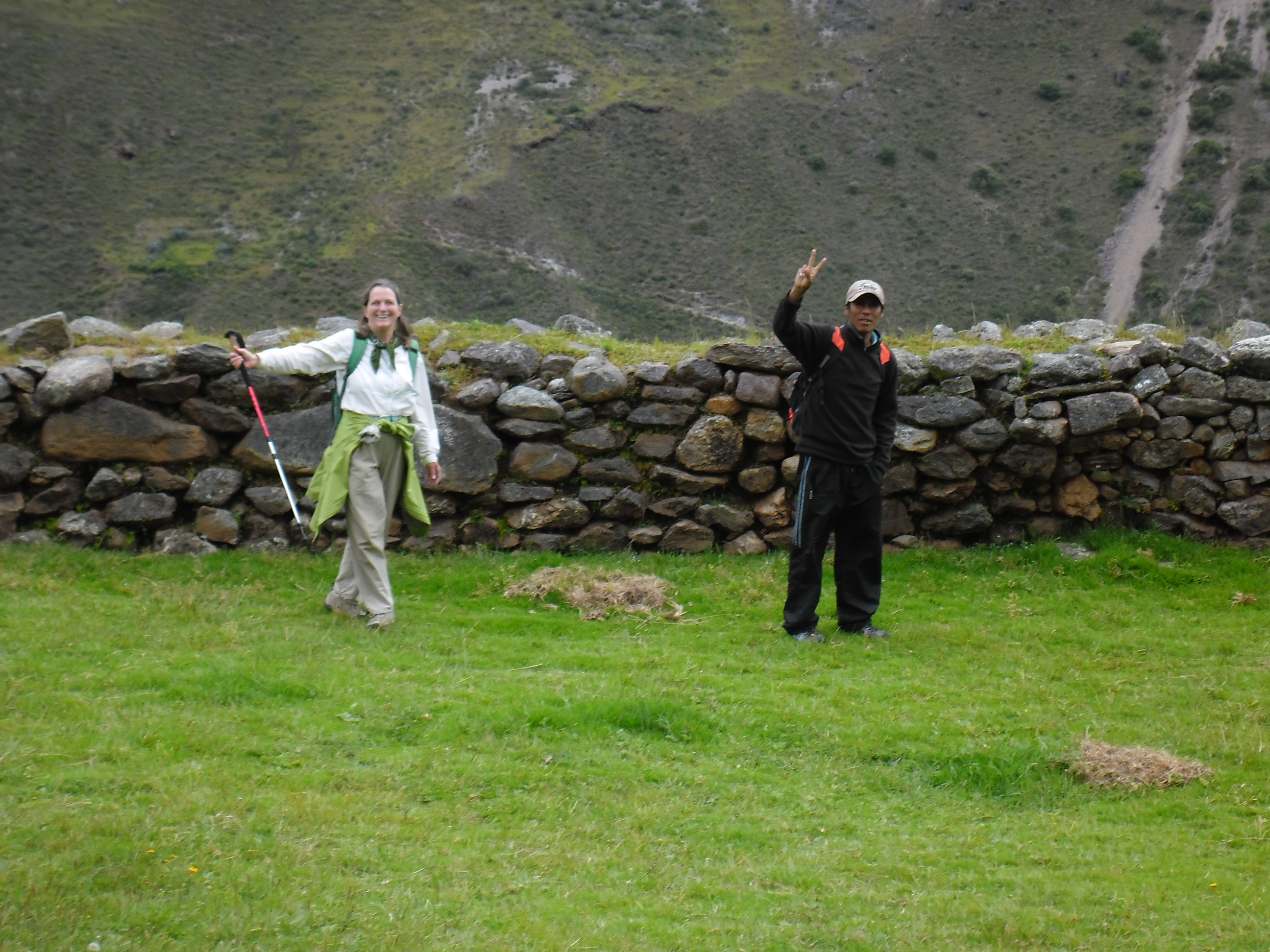
Another day, we spent most of the day hiking from our hotel to another set of ruins, called Pumamarka. These ruins are about five miles from town, up up up into the mountains. We went there again with Alberto. We started up at a little town called Muñaypata, and walked by some terraces. The terraces allowed the Incas to grow food on the steep mountainsides.
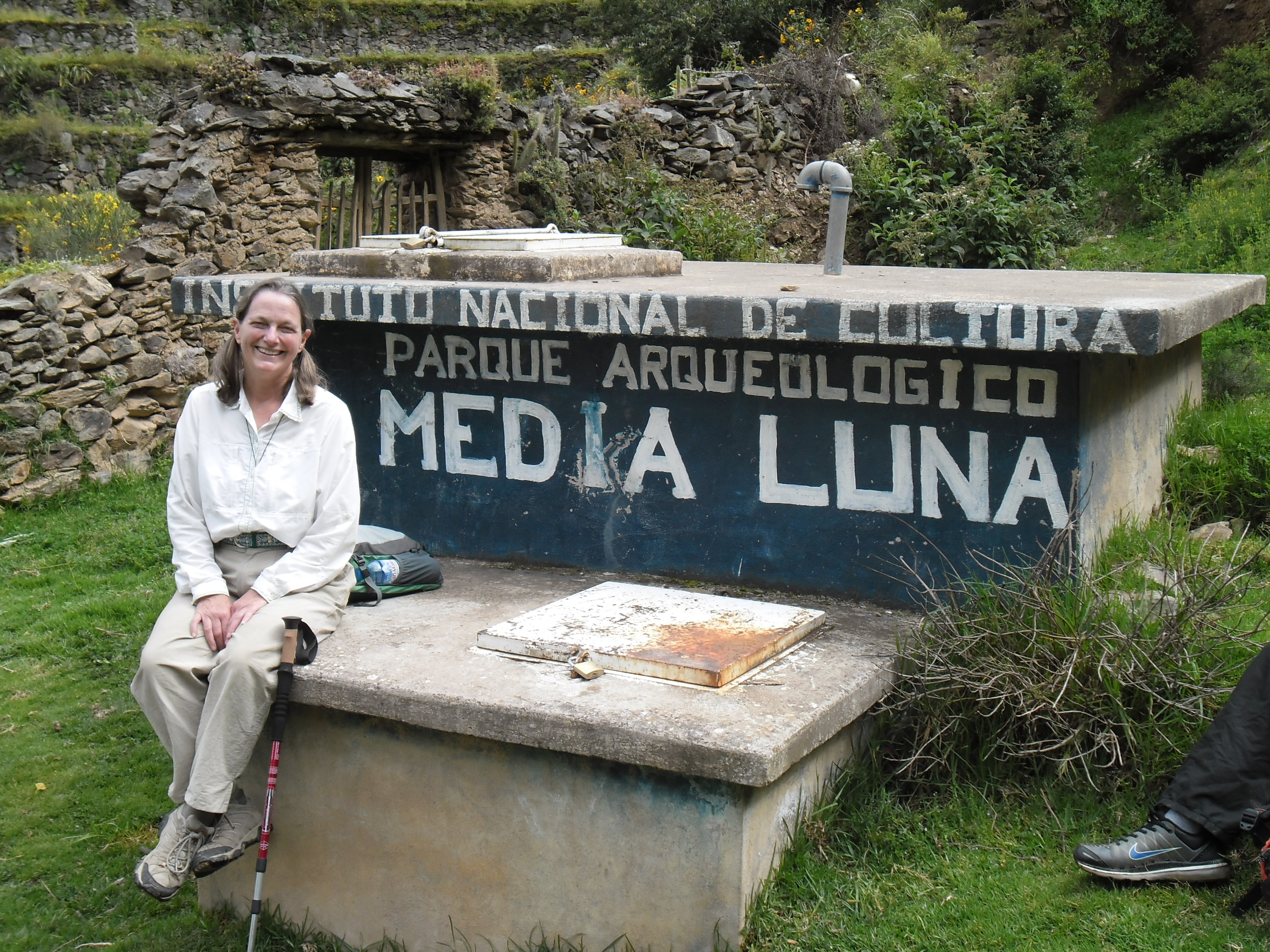
Soon, we entered an archaeological park called Media Luna.
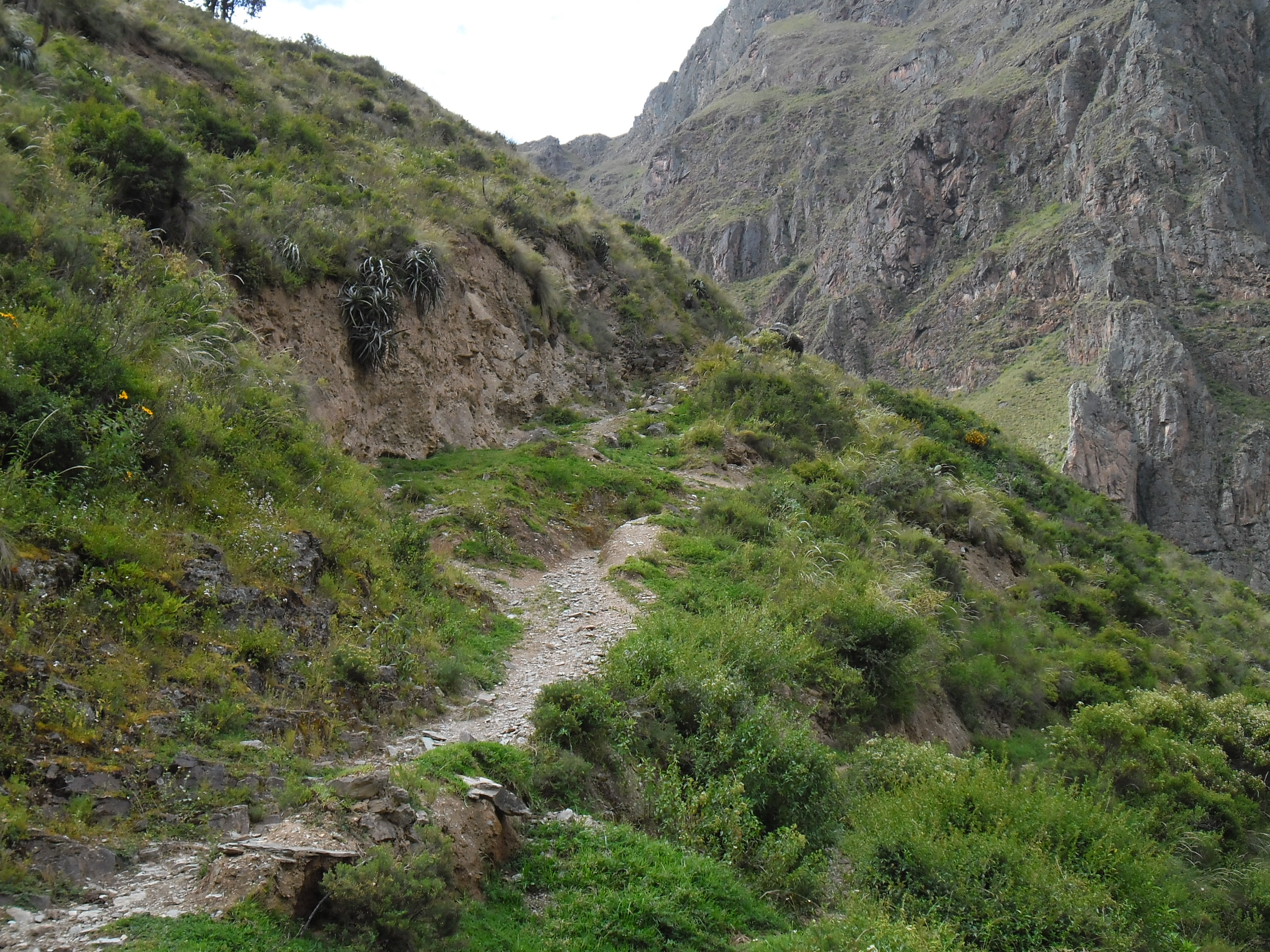
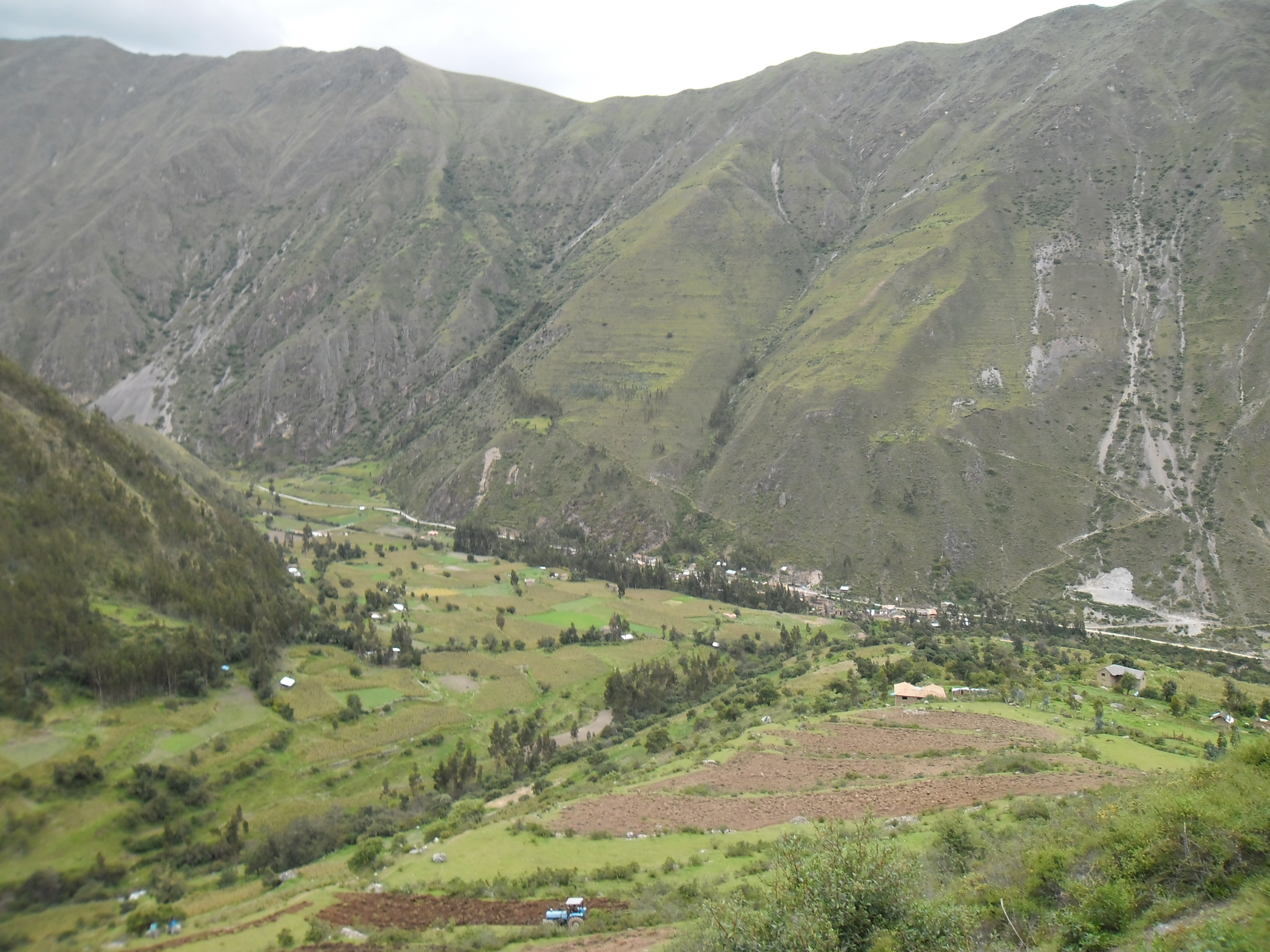
The trail continued up and up. Eventually, the valley reaches a pass, up at close to 15,000 feet. We didn´t get nearly that high.
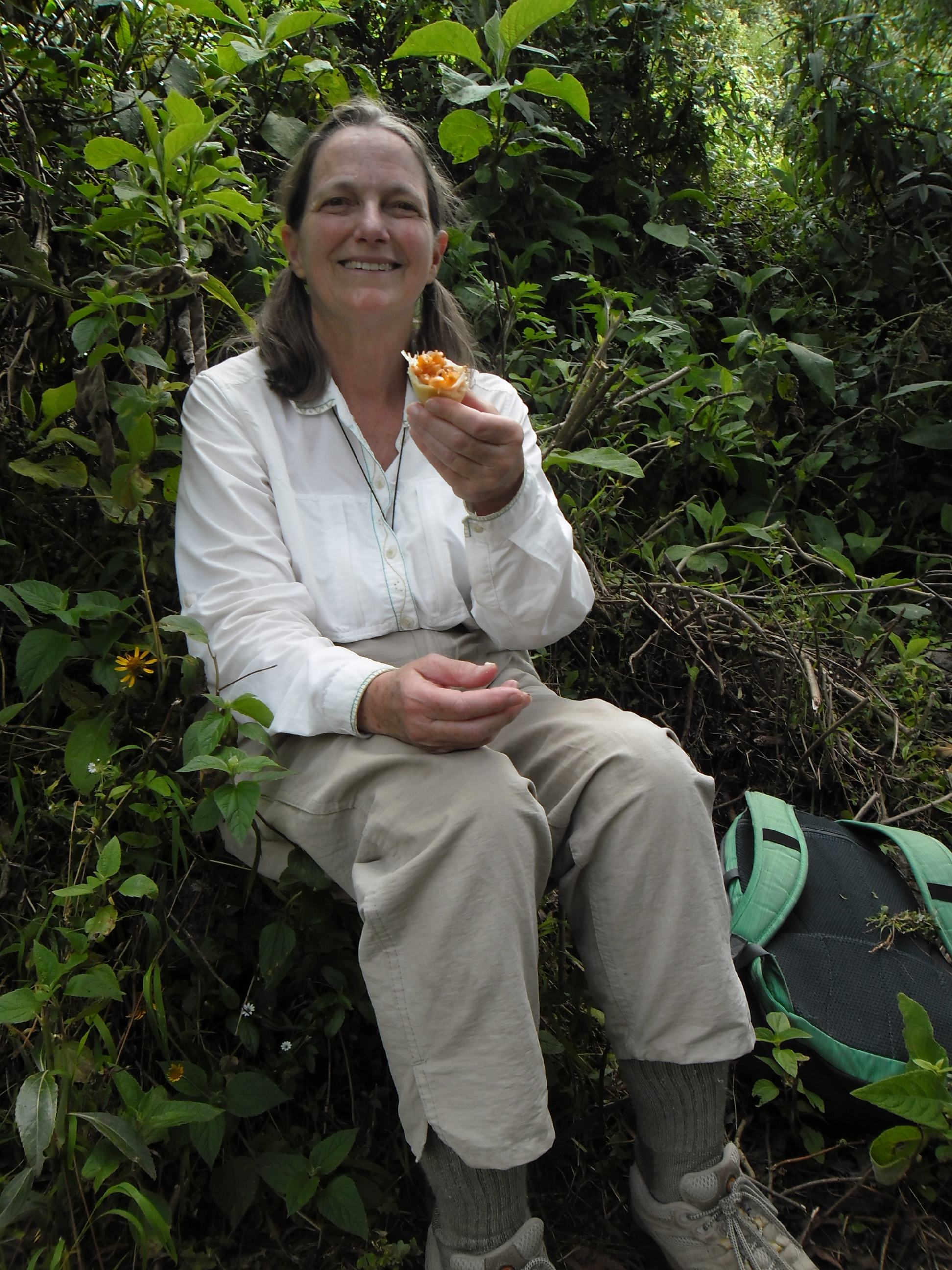
A fruit break along the way. The fruit is a tumbo. It’s kind of like a passion fruit.
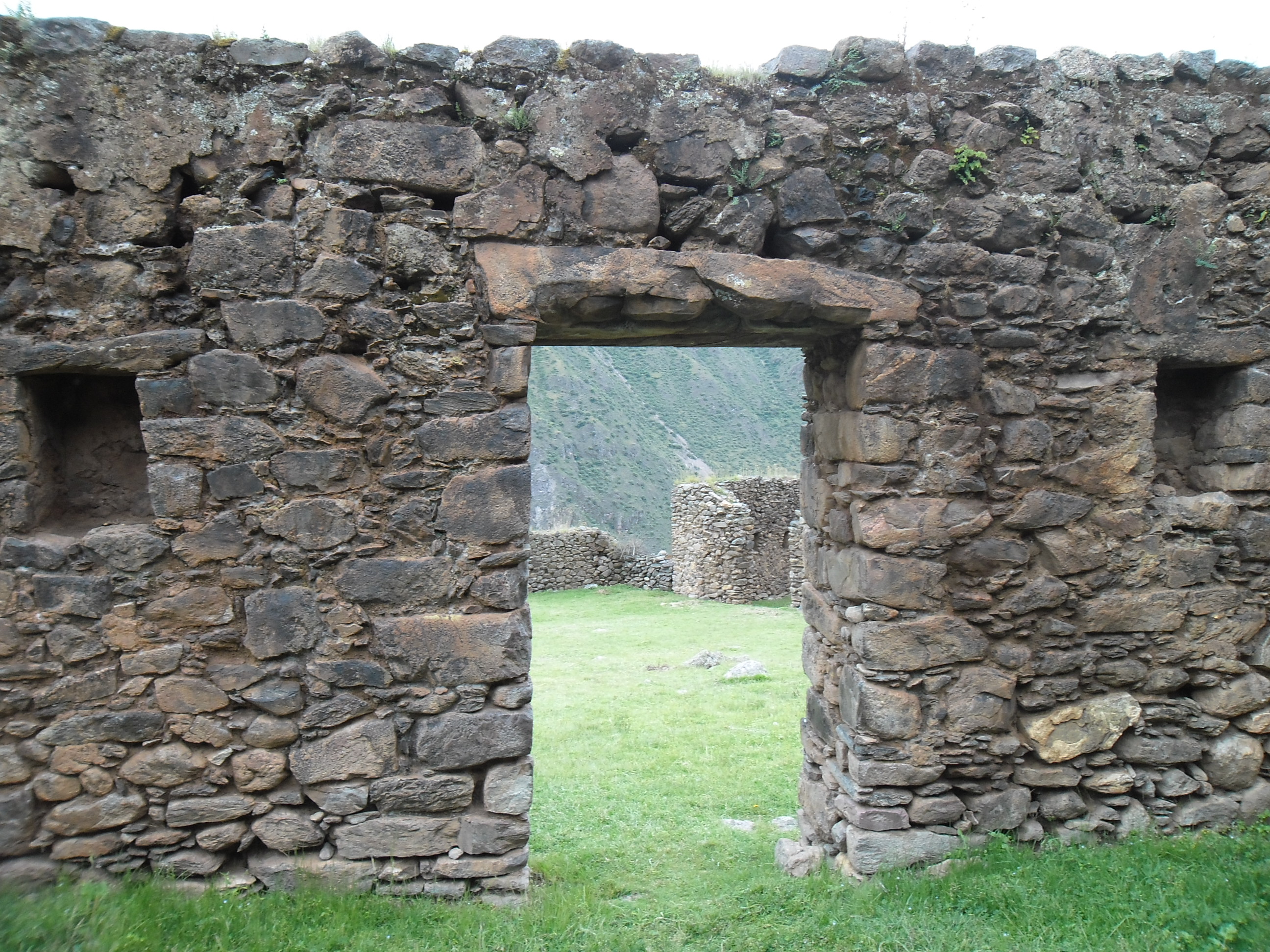
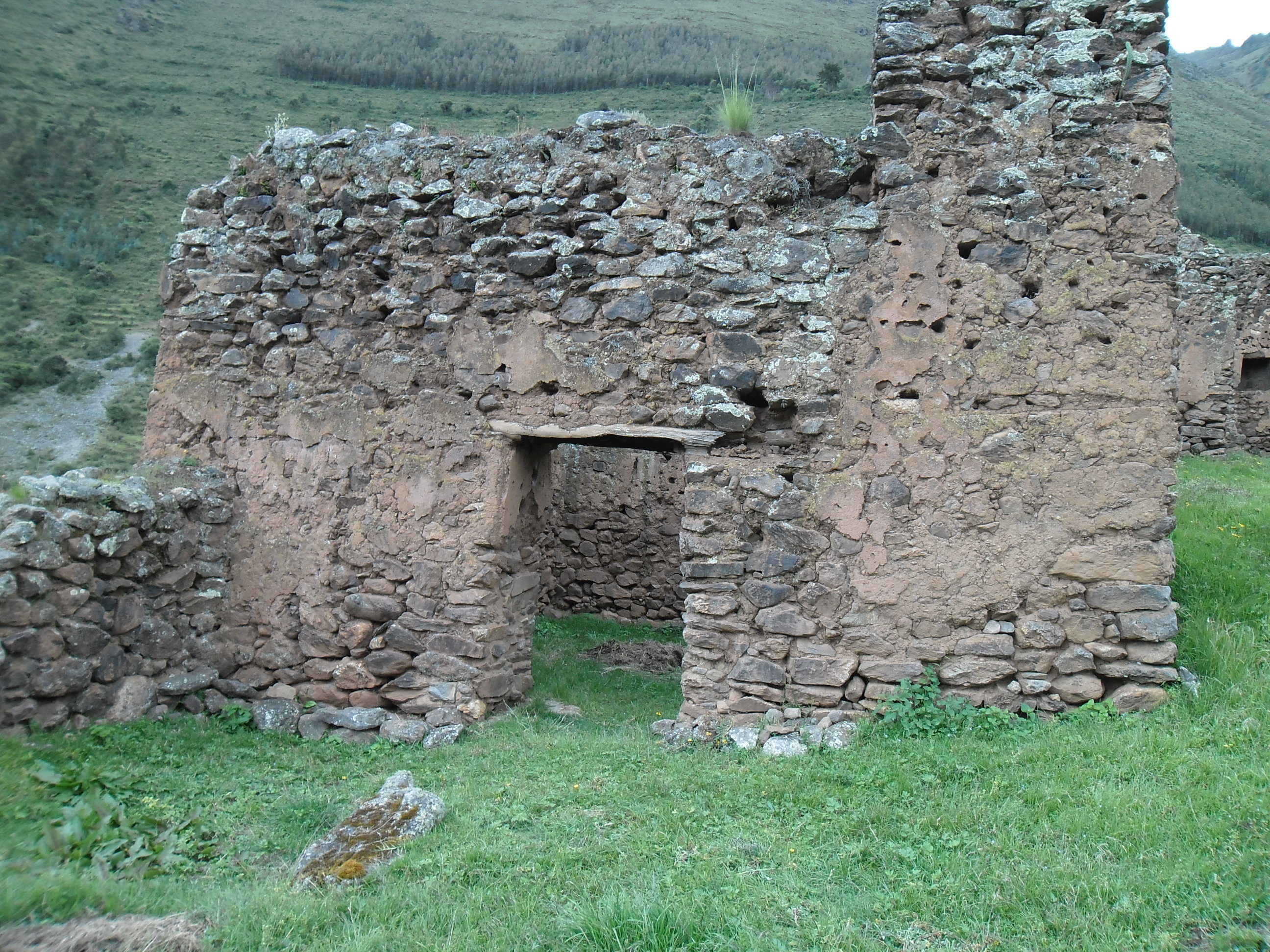
We reached the ruins in about three hours. They used to be a military training post. We looked around, ate lunch, took a nap, and headed back to town.
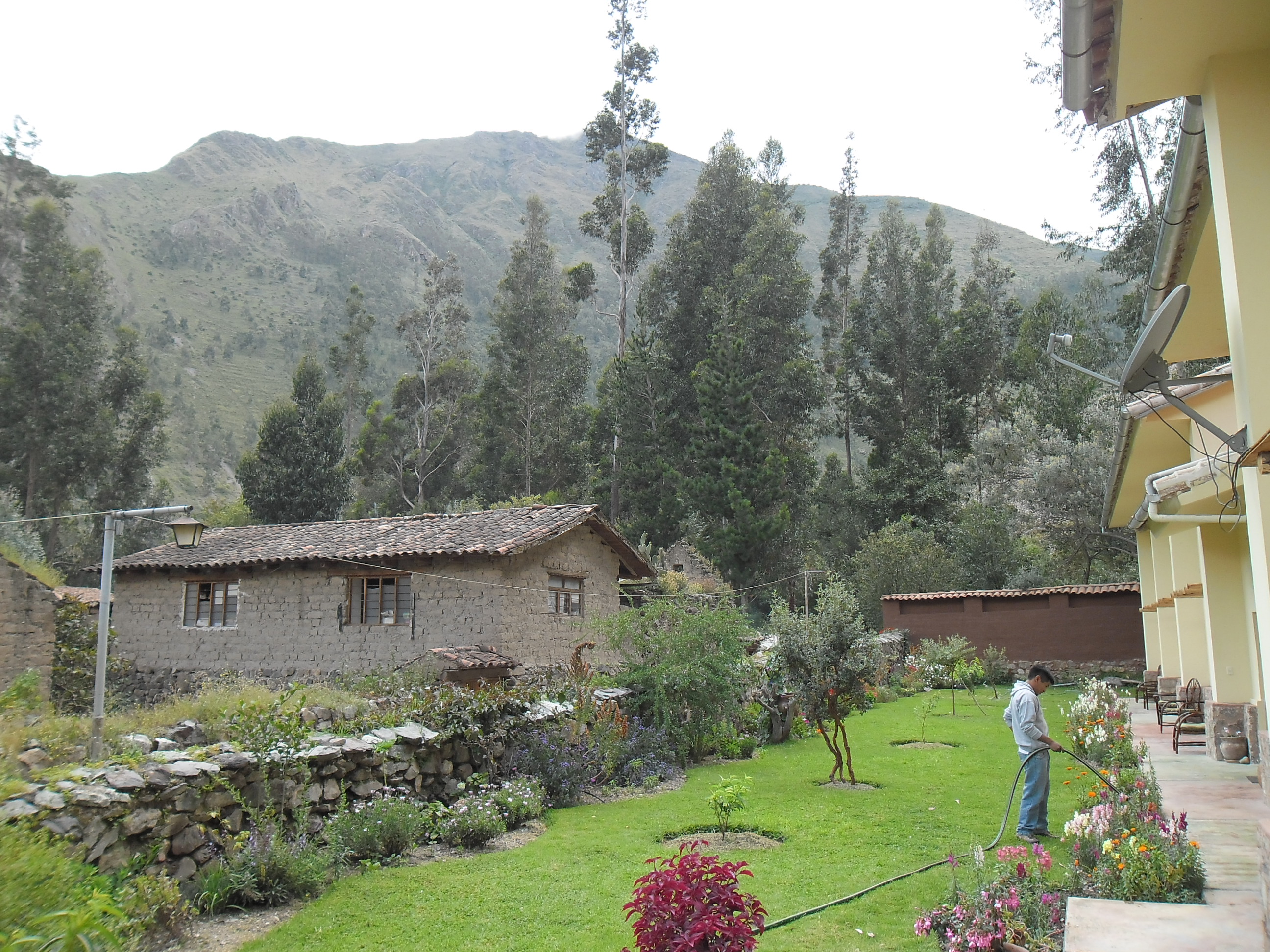
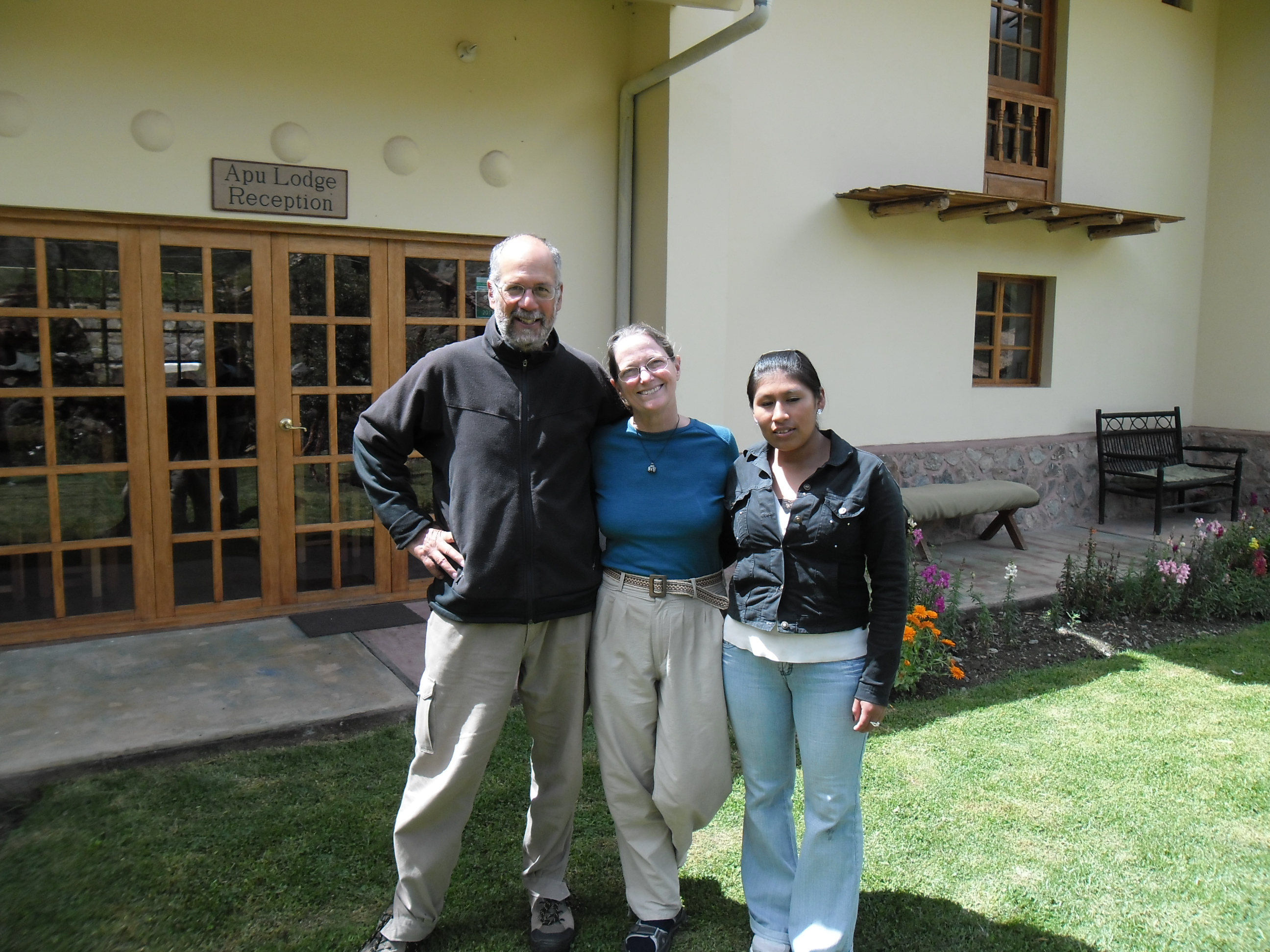
We’ve arrived in Ollantaytambo, Peru, and we have started working at Apu Lodge. Apu Lodge is a bed and breakfast in Ollanta, as everybody here calls it, about a five-minute walk from the plaza. Ollanta is known as The Living Inca City, because the city was built about seven or eight hundred years ago, and it still is pretty much the same city now as it was then. There are no cars in town, except for entering and leaving from the plaza. The streets themselves are way too narrow for cars. The roads in town were built by the Incas, as were many of the walls and buildings.
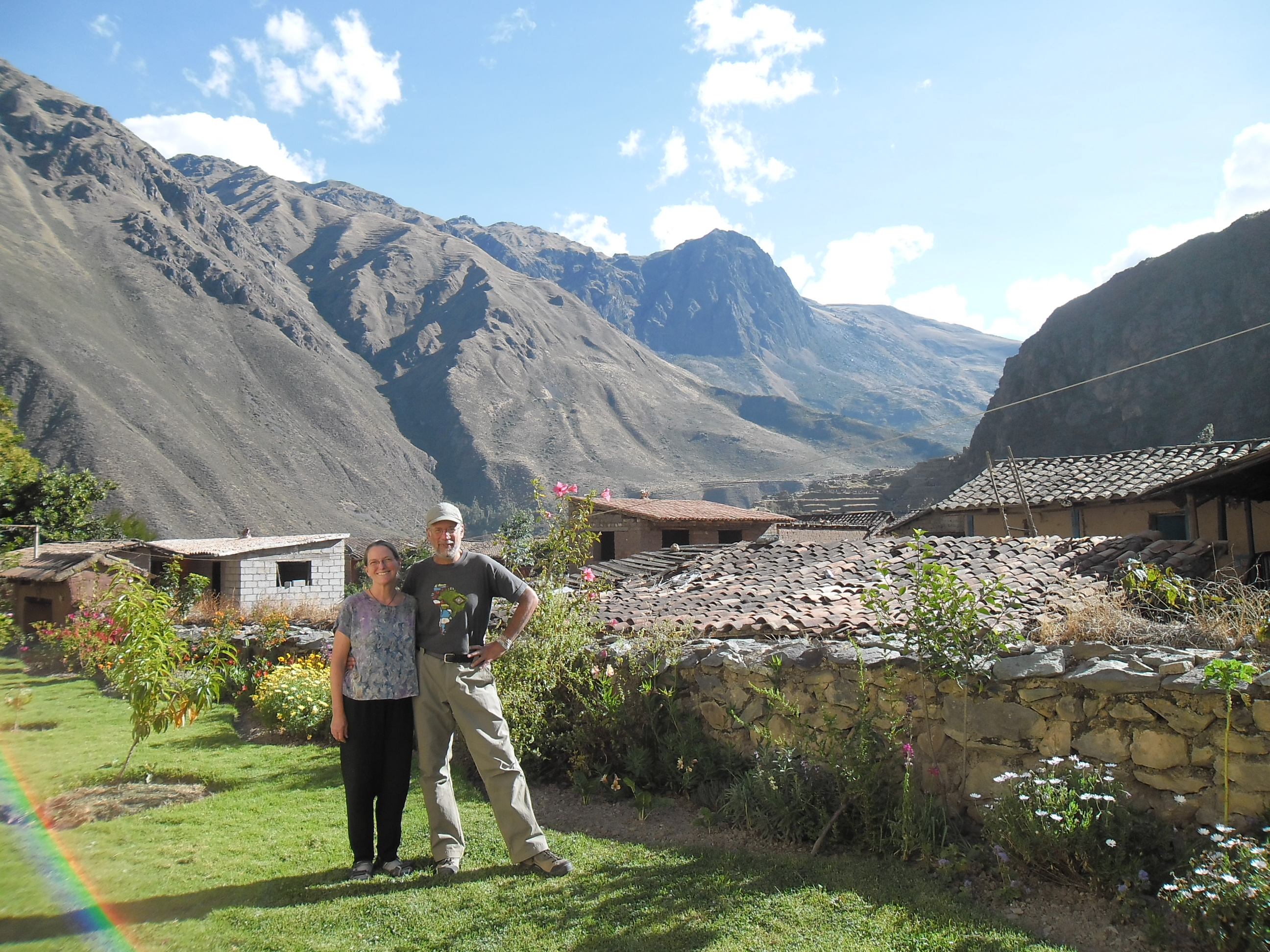
Ollantaytambo is actually a small village in the Sacred Valley, and it is at once magnificent and extremely mellow. It is 10,000 feet in elevation, surrounded by peaks. It is mainly known to the outside world as the starting point for hiking to Machu Picchu, or for getting the train there. By train, it’s two hours to Machu Picchu. It is a four-day hike from here.
We will be here until the end of May, working at the lodge. We greet guests and welcome them, help out with breakfast, help arrange tours and taxis, teach English to the staff, go shopping, help keep the place clean and running. It feels great for us to stay in one place for a while and be able to help. It feels great to hear people say Thank you, instead of us always being the ones saying it.
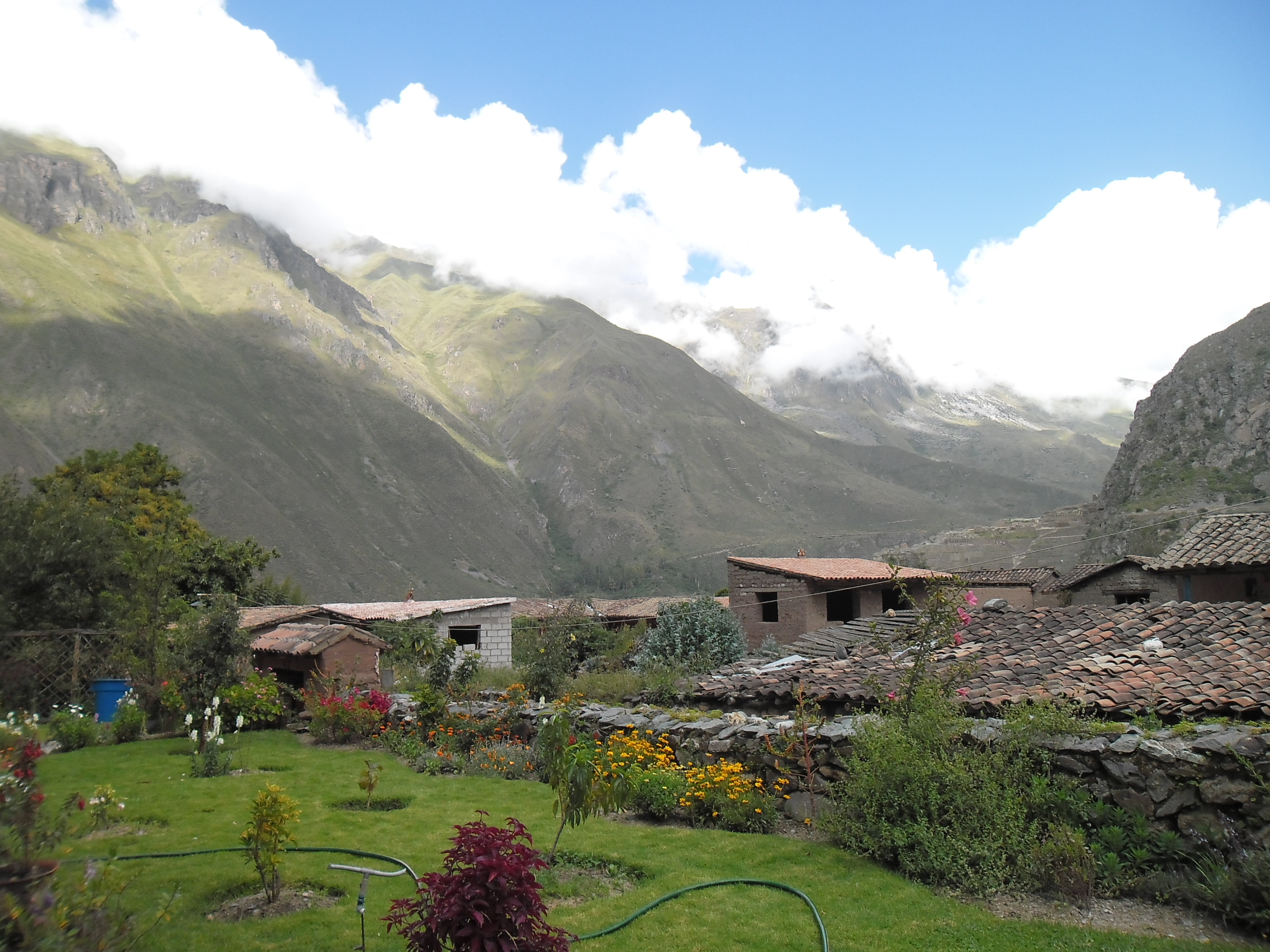
One of the views, clouds and mountains
Looking the other way
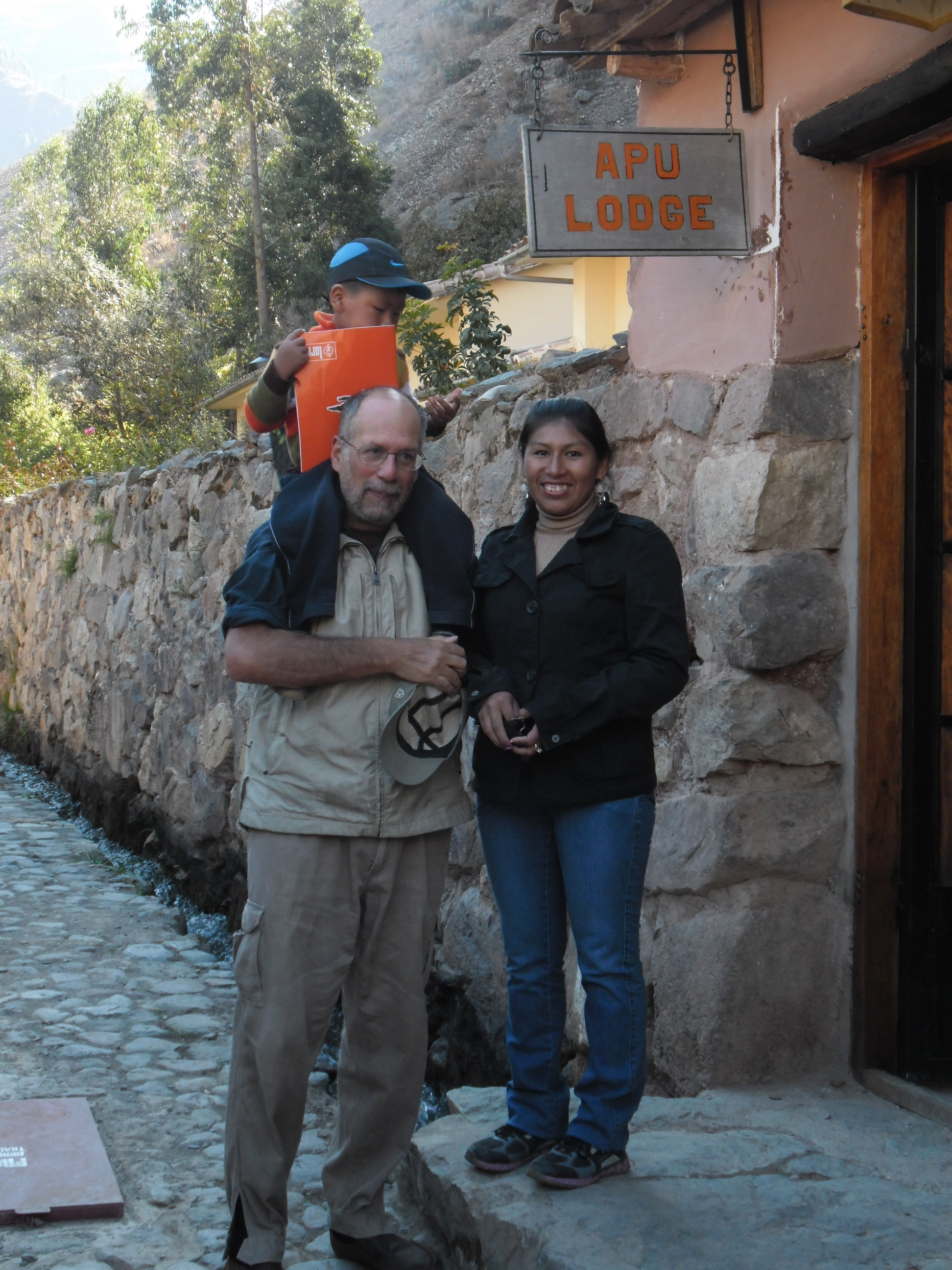
Apu is located at the end of a street. Because no cars can drive here, one of our jobs is to go down to the plaza to meet guests and bring them back, or to help them carry luggage.
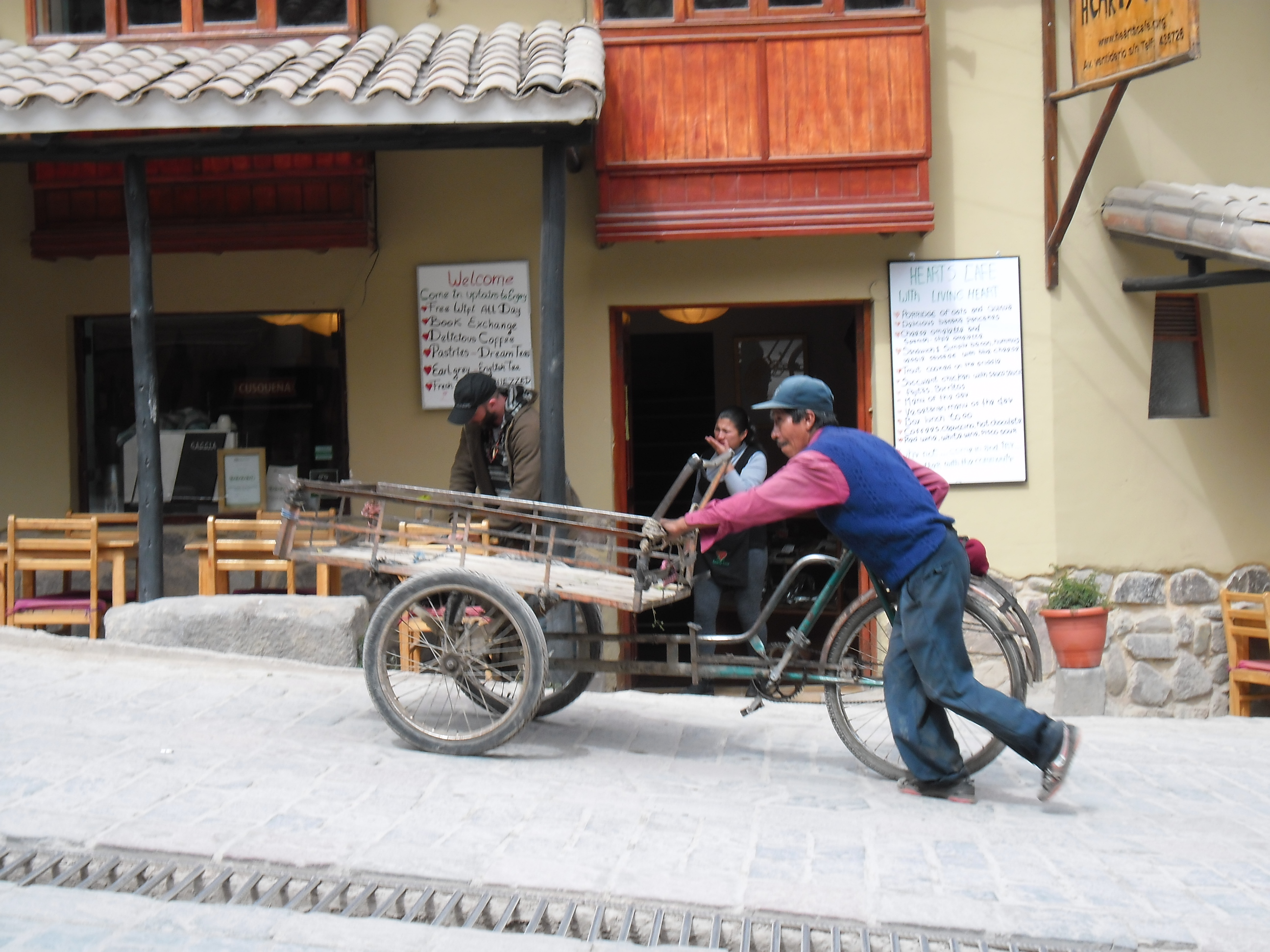
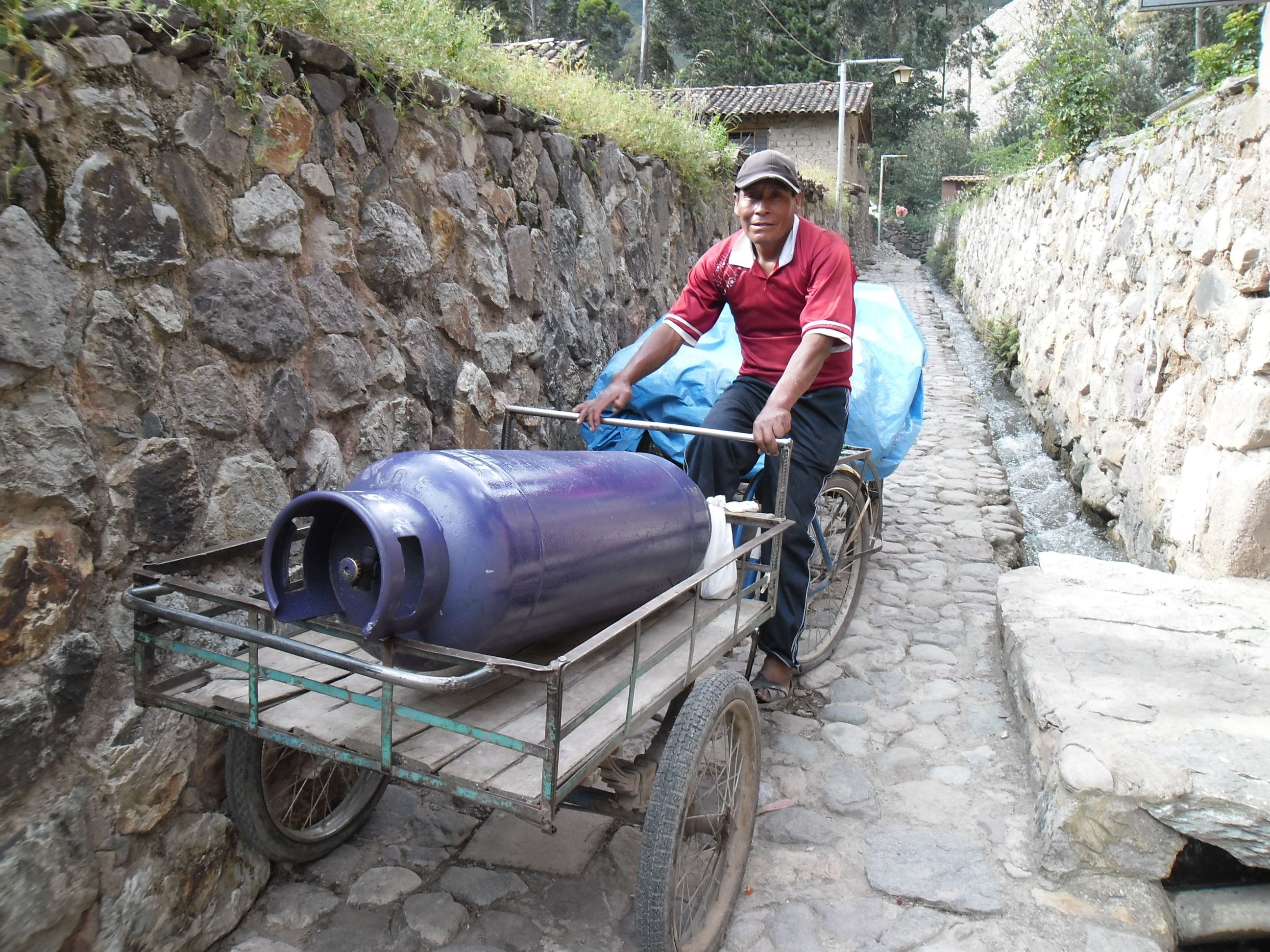
The water that’s running alongside the road is the original Inca irrigation canal. The water comes from up high in the mountains. When we need to get a delivery that’s heavy, people use tricycles to carry the load. There are lots of tricycles in town, most of them missing pedals, a lot of them missing seats. Here is Mateo, the guy who delivers gas tanks for heating water, delivering a tank to the lodge.
The plaza on an early morning
Monica and I took over the volunteer position at the lodge from two other couples: Gemma and Cesar from Spain, and Deb and Steve from Canada. We had a few days of overlap with them to learn from them, and we had a kind of passing the torch, with a good-bye party.
Toinette and Margarita, along with Carlos and us
Steve and Deb bade farewell. Louise, from Scotland, is the owner of Apu.
Margarita, César, and Carlos
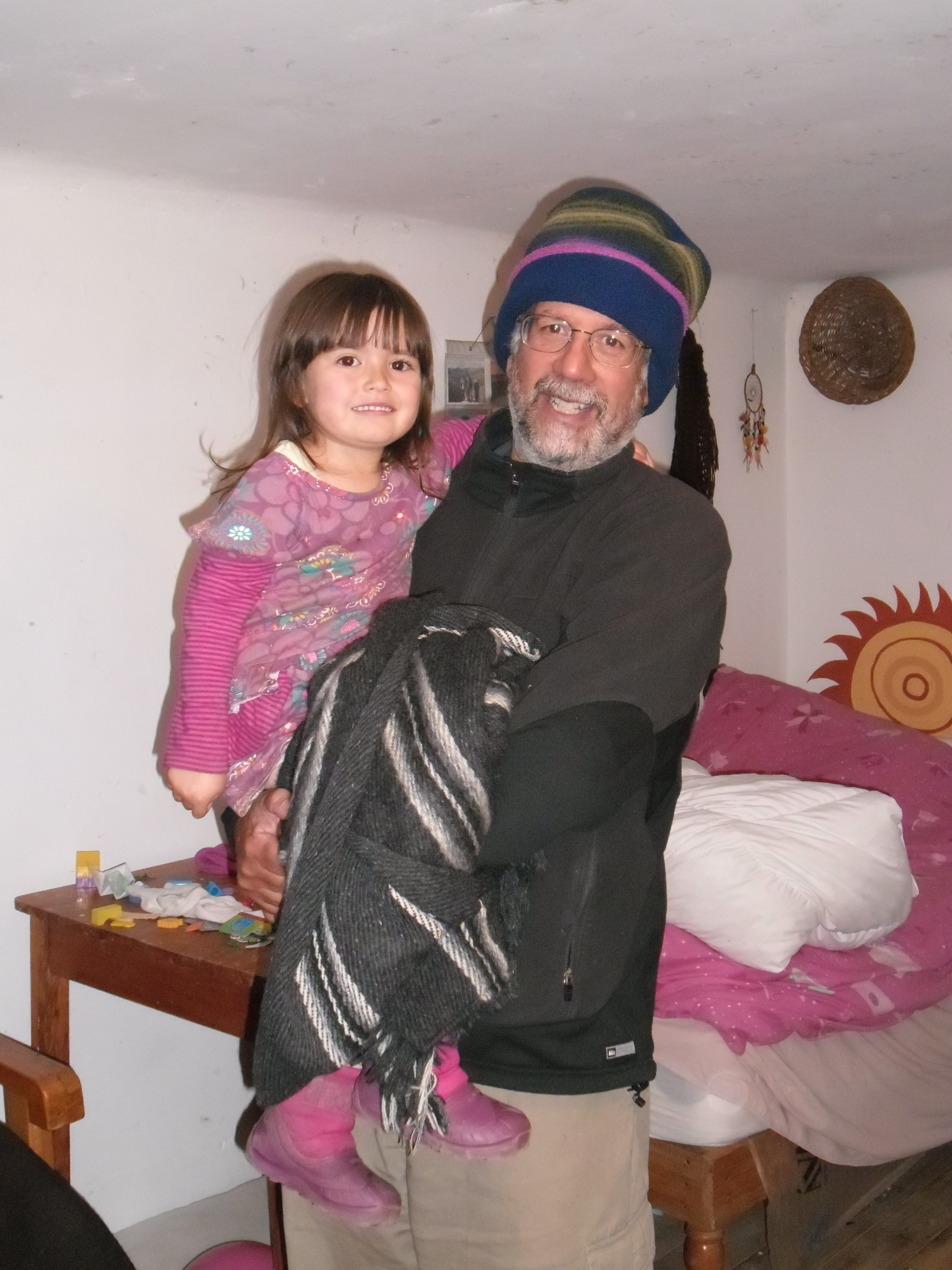
Mike with Mayu Rumi, Louise’s daughter. Mayu is already bilingual.
Everybody who comes to Ollanta goes to Machu Picchu. Everybody. For a lot of them, it has been a life-long dream to come here. We’ve met people from France, England, Japan, Taiwan, Serbia, Spain, The USA, Argentina, Austalia, Canada, and we’ve just begun. People are happy and excited to be here, and it is a pleasure for us to welcome them and help them, and to get to know them a bit.
Megan from Melbourne, and Kim from Vancouver stayed for five days and laughed and laughed.
Romina and Hernán are from Buenos Aires. We talked about everything with them.
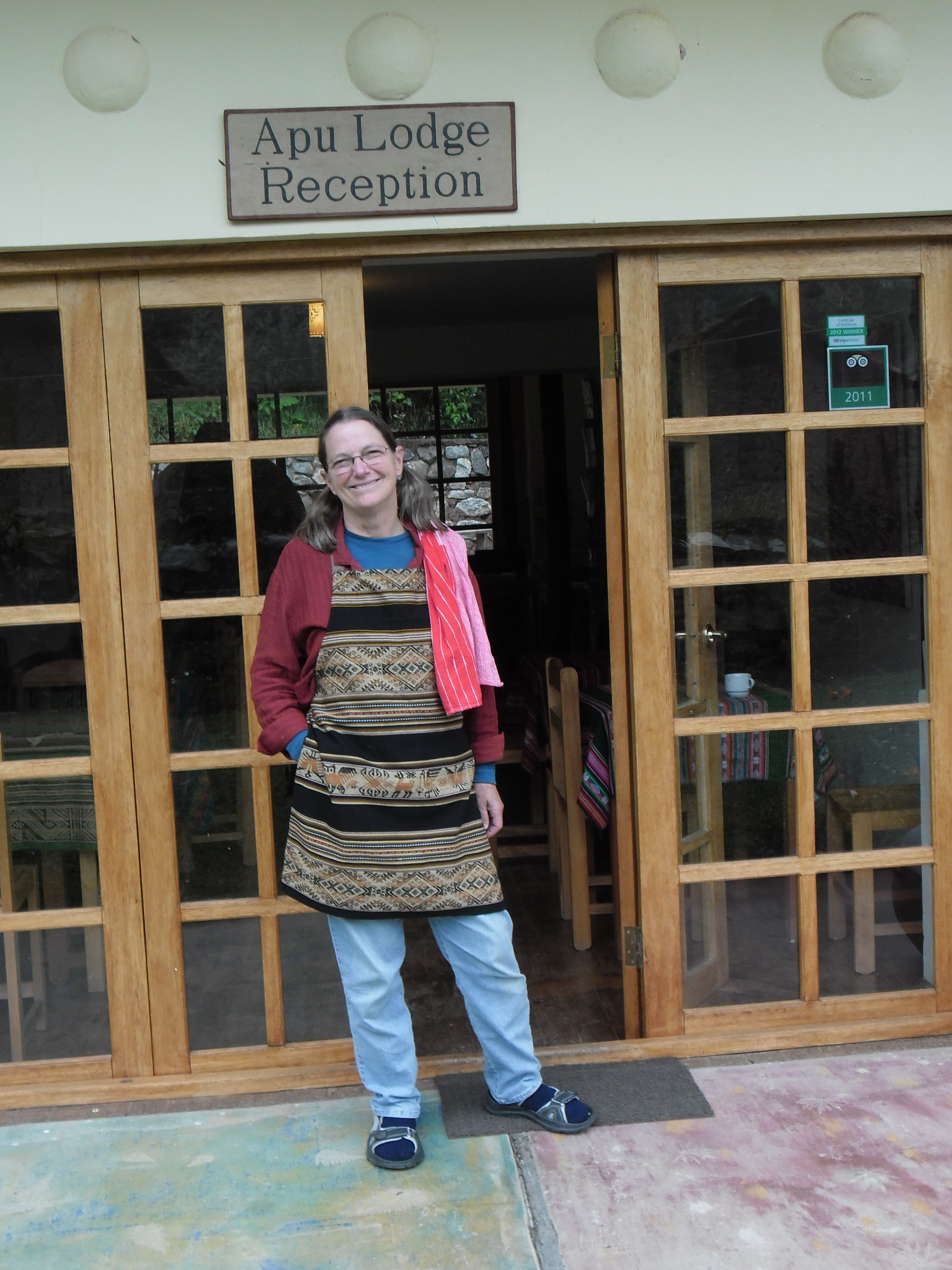
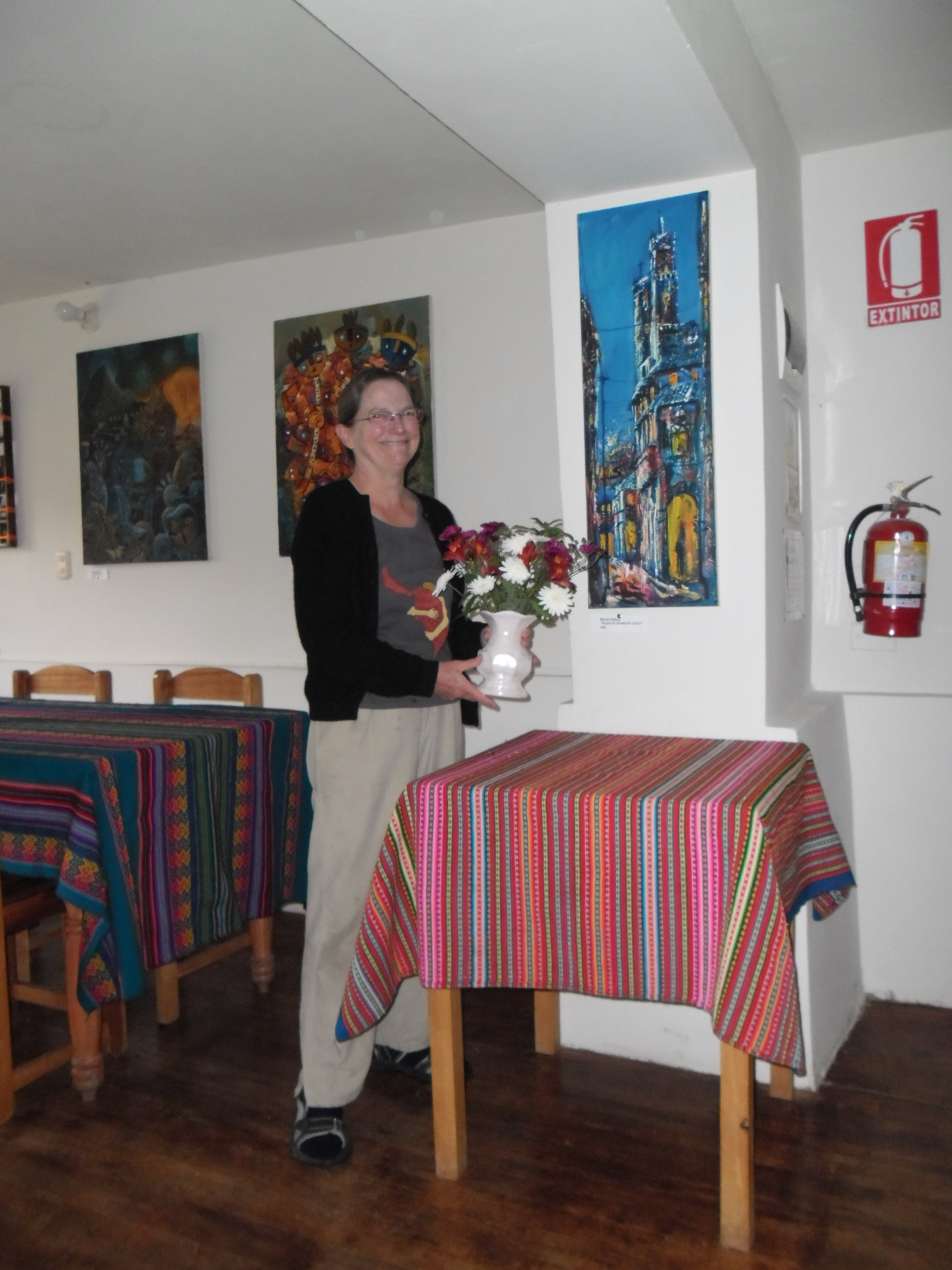
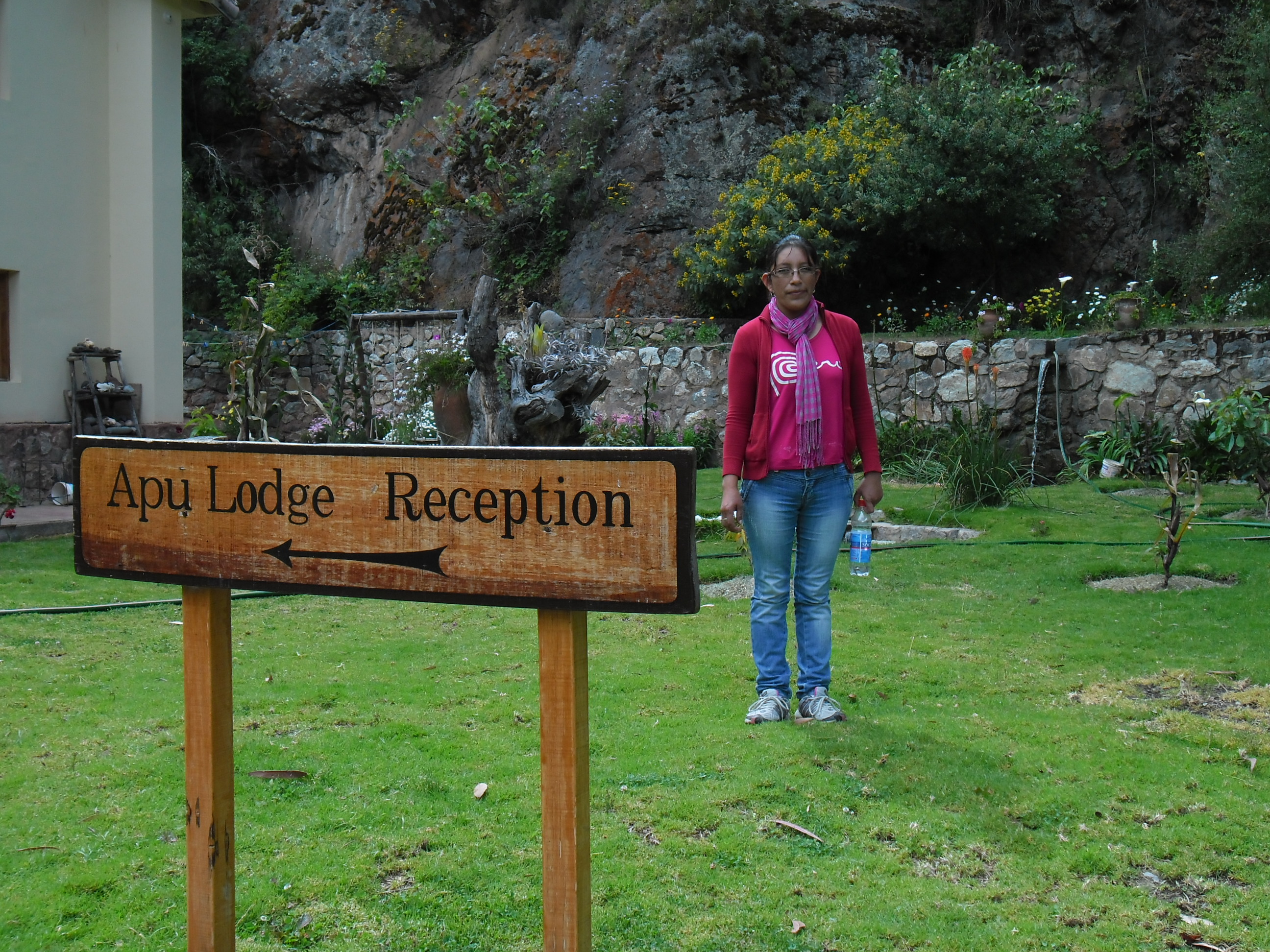
Apu Lodge has eight rooms available for rent. We work together with the staff, comprised of Ruth, Francisca, Gregorio, and Carlos, to hopefully keep everything running smoothly. Monica is everywhere, cleaning the fireplace, washing dishes, arranging flowers. Everybody works together and it is usually fun.
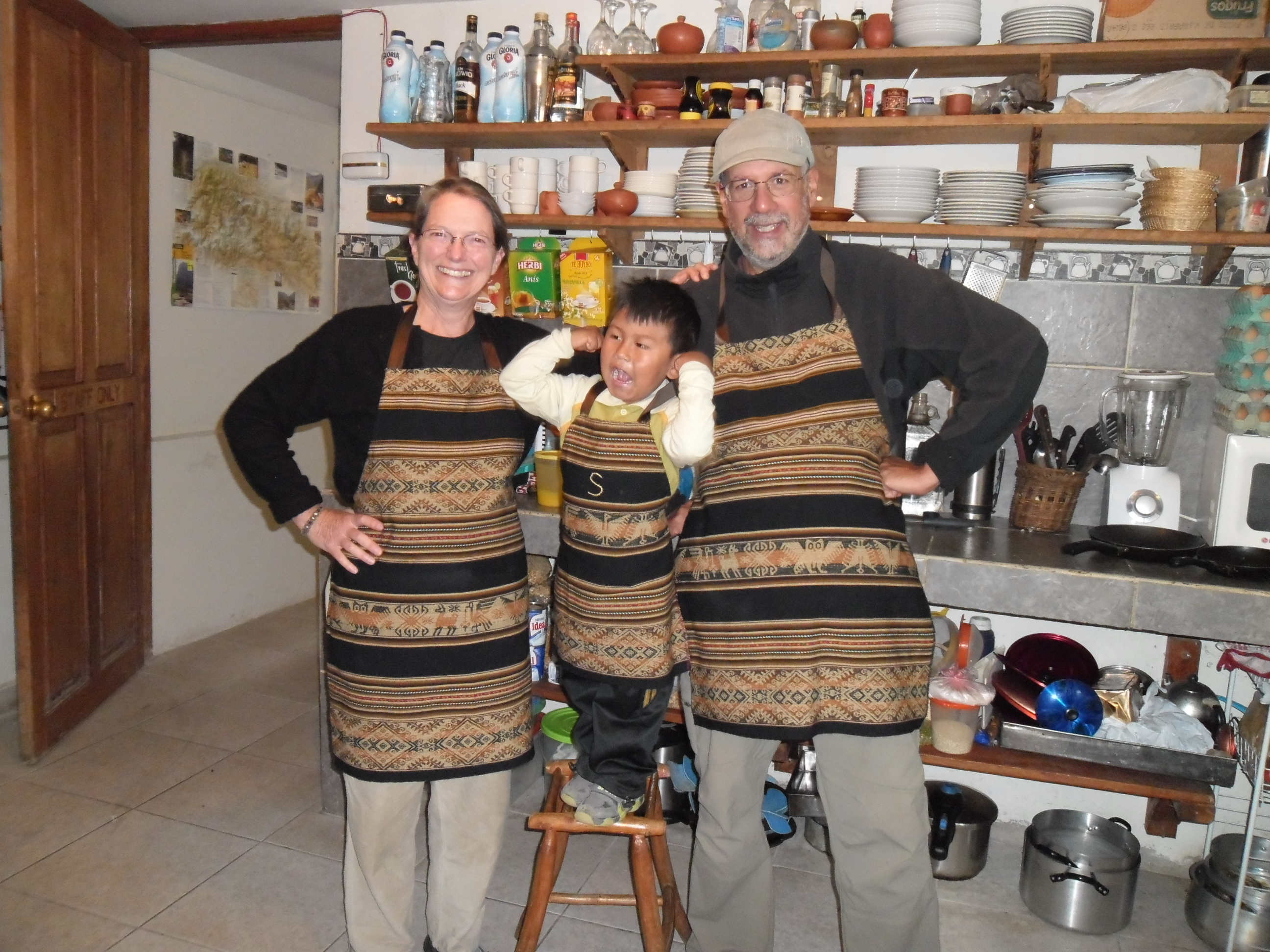
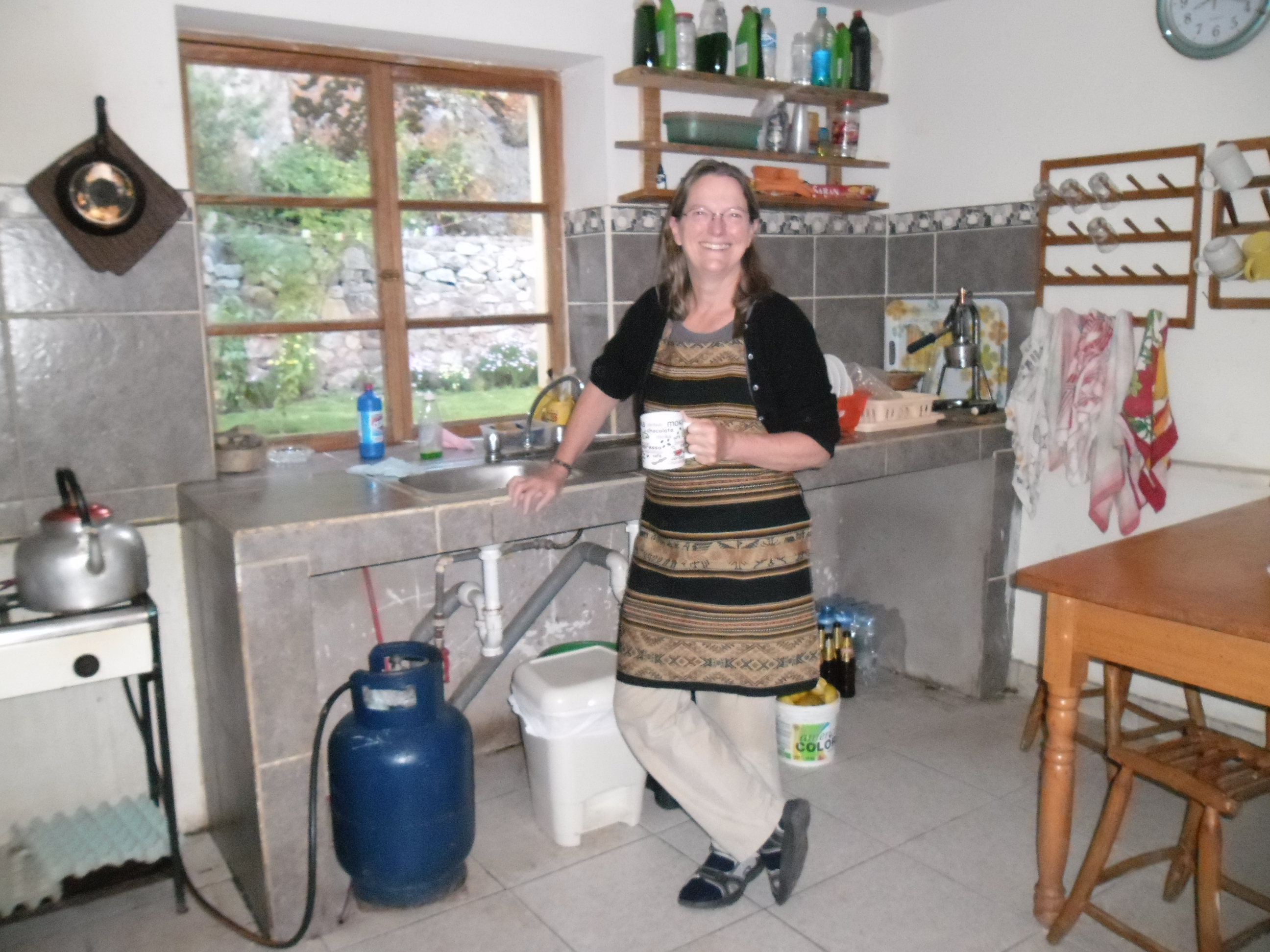
Moni bought this fabric in the marketplace, then sewed a few aprons.
Ruth comes in every morning and takes care of everything.
Whenever anything needs to be done, Gregorio is on it.
Francisca is a steady hand.
Apu means, Spirit of the Mountain. The Incas saw the mountains as living beings. The lodge is located directly underneath Tunupa, whom the Incas carved into the mountain. He is a guy who watches over things in the valley, as well as delivering messages. He is very visible from the plaza, and from almost anywhere in the valley. Perhaps you can see him in the following photo.
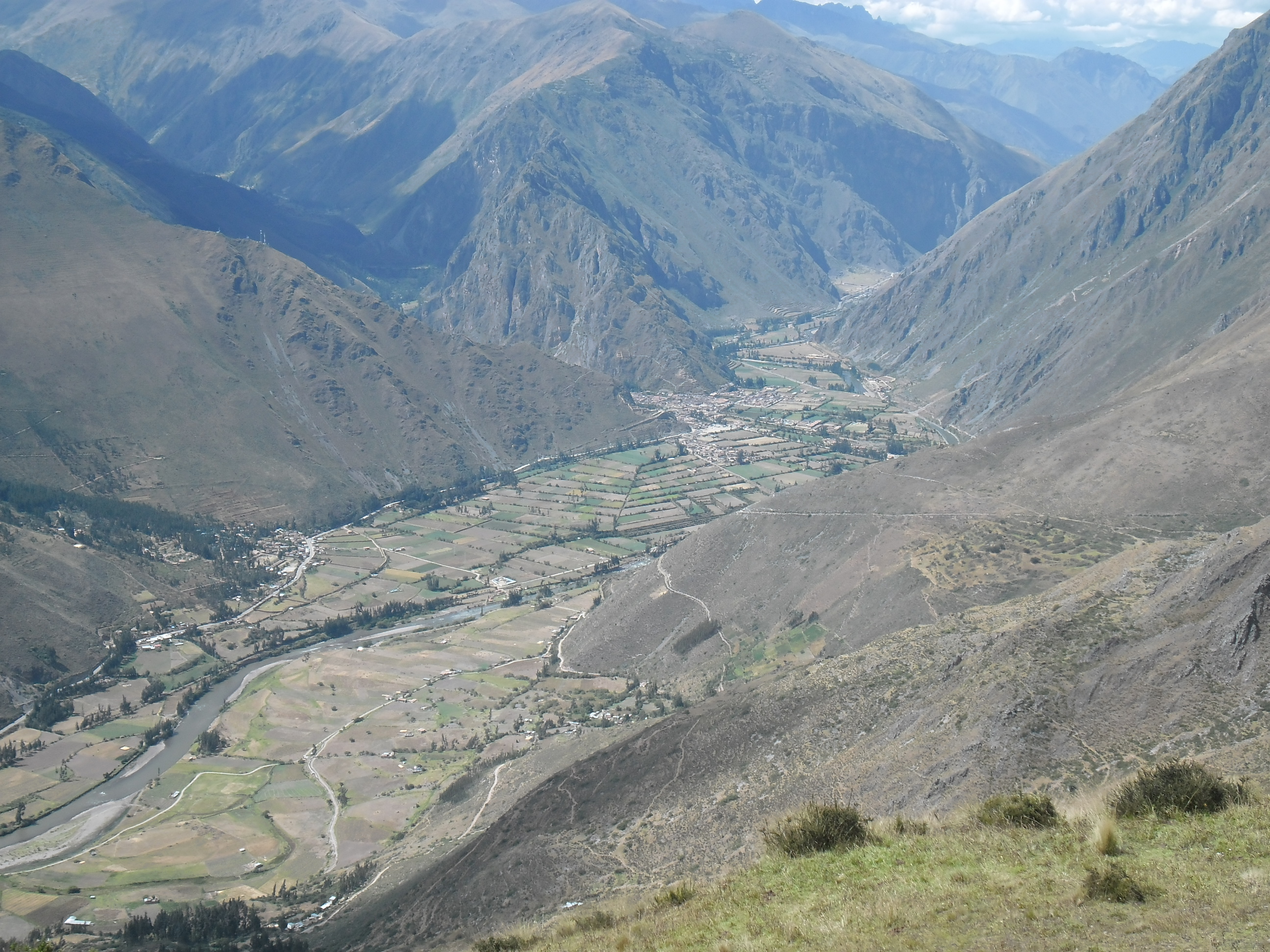
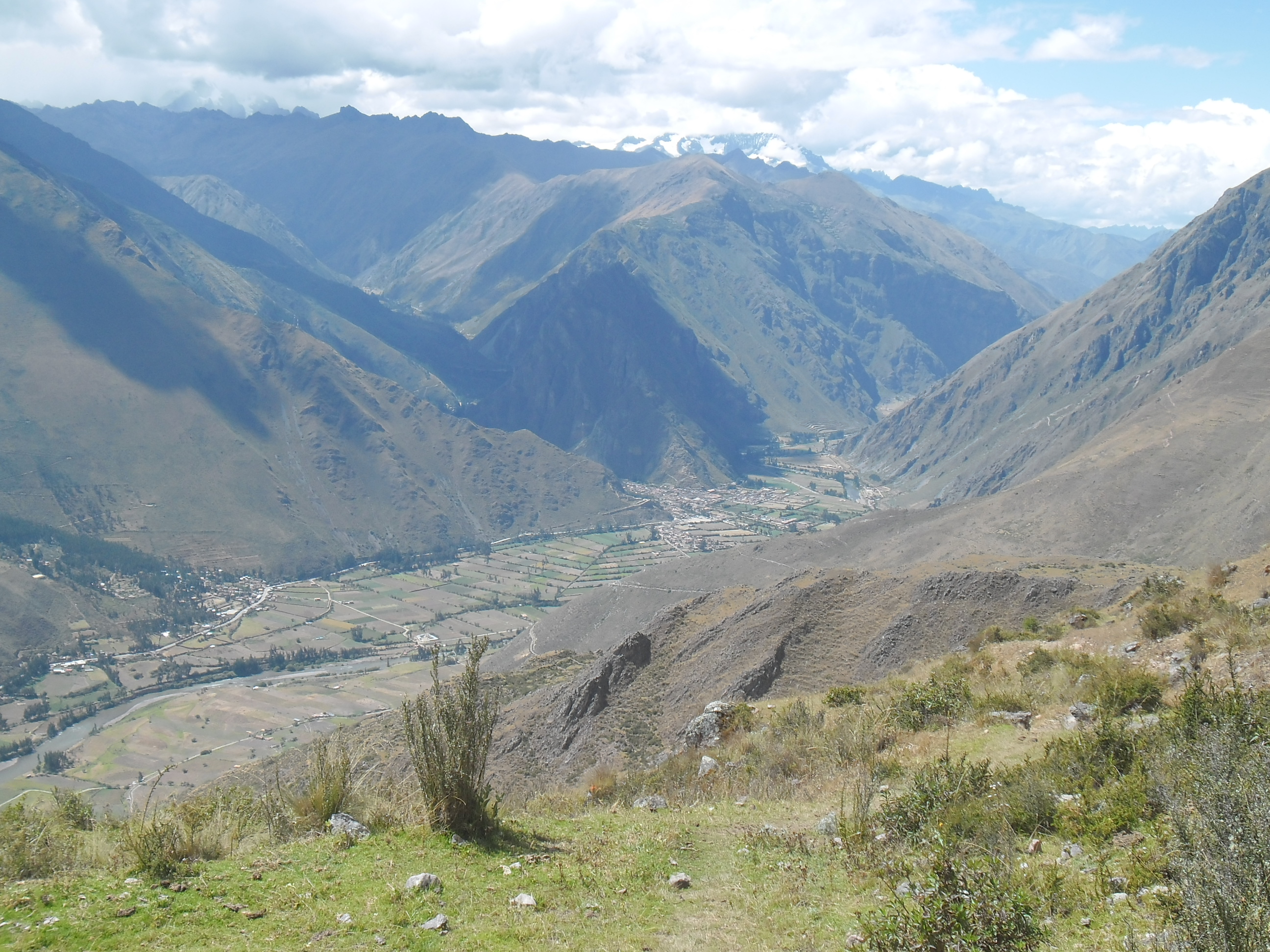
As we stay here longer, we are becoming more familiar with the spirits of the mountains. We have plenty of time for excursions and hikes, and we are getting to know the area. The Sacred Valley is a beautiful place.
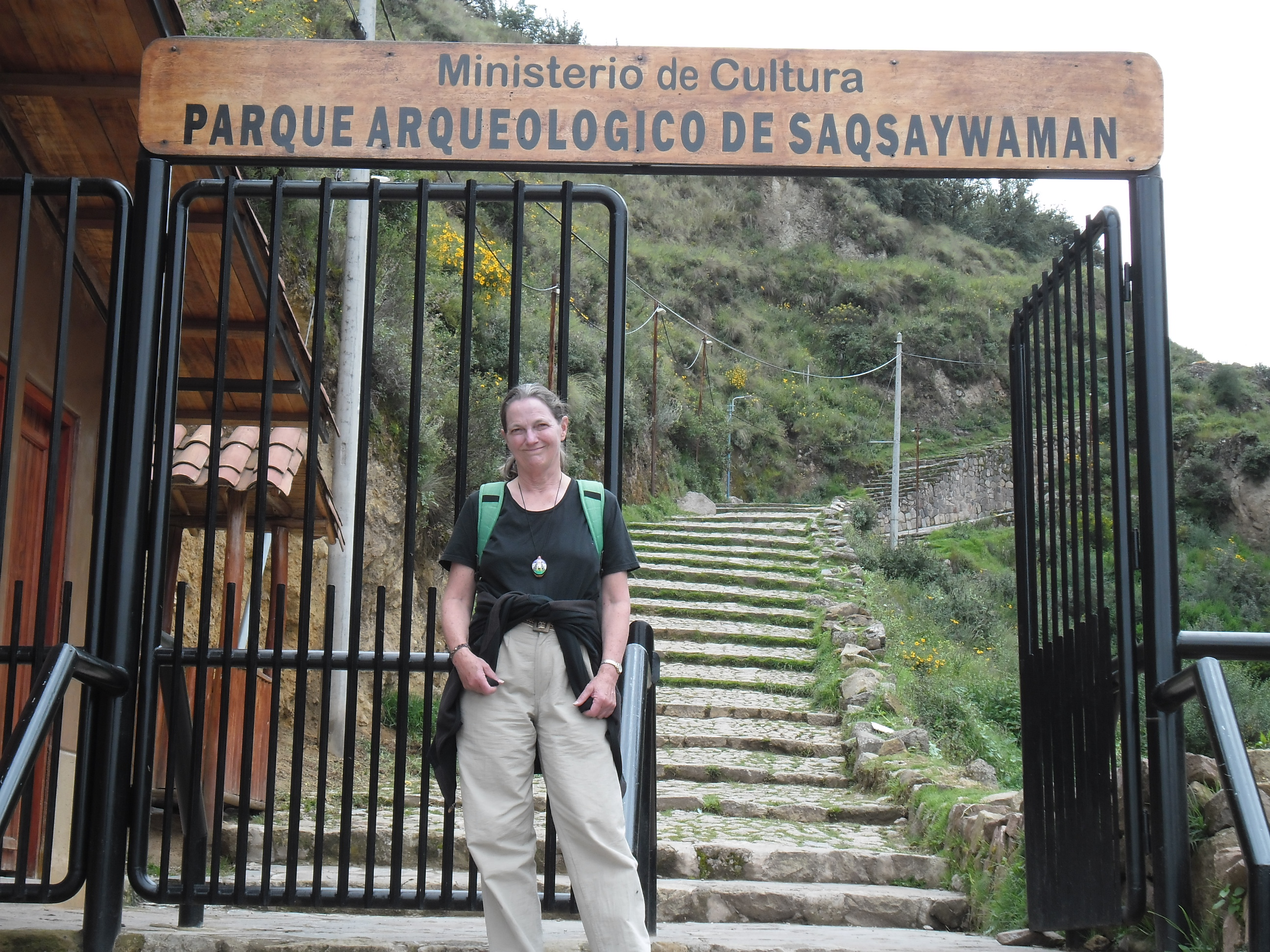
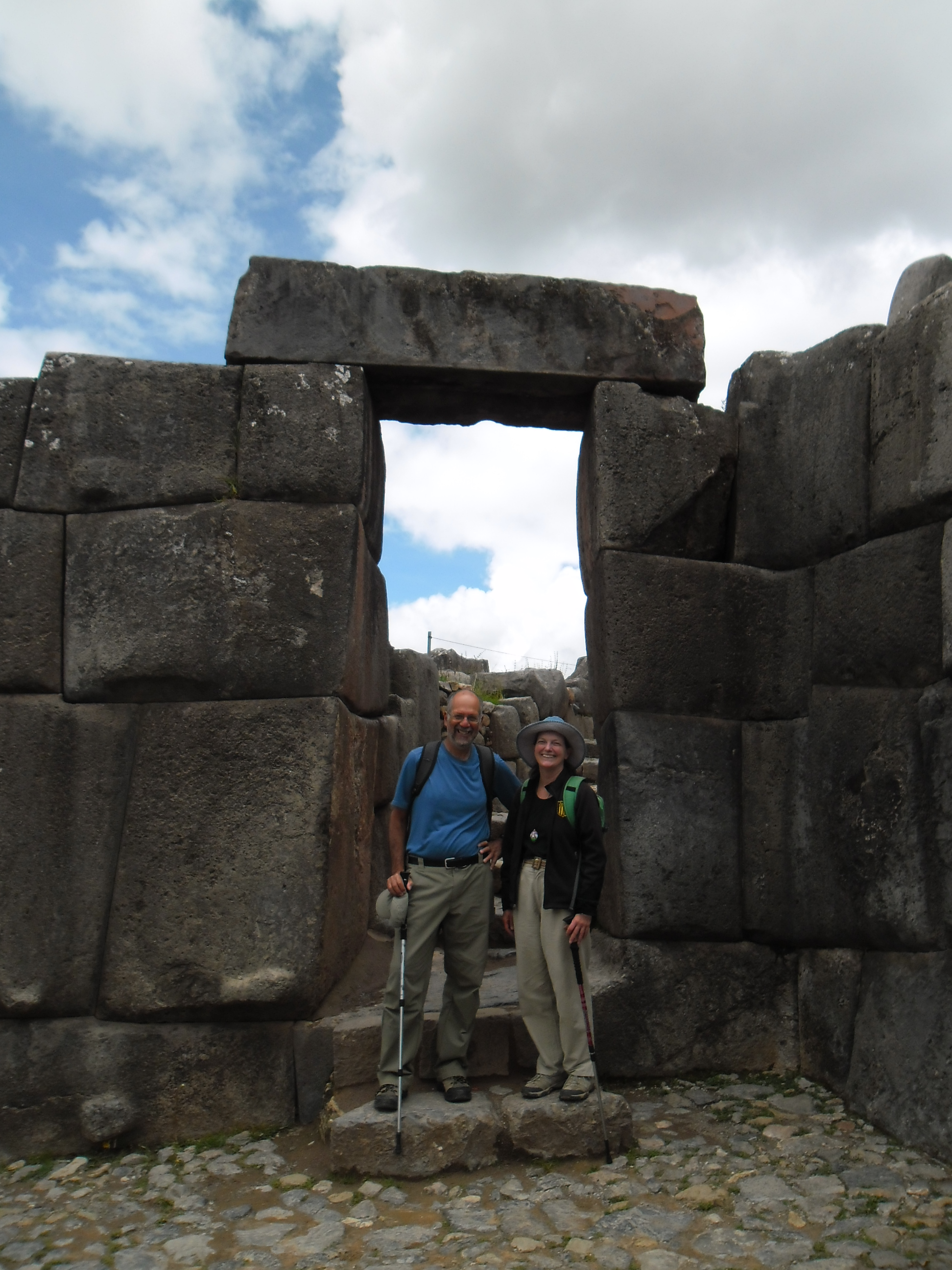
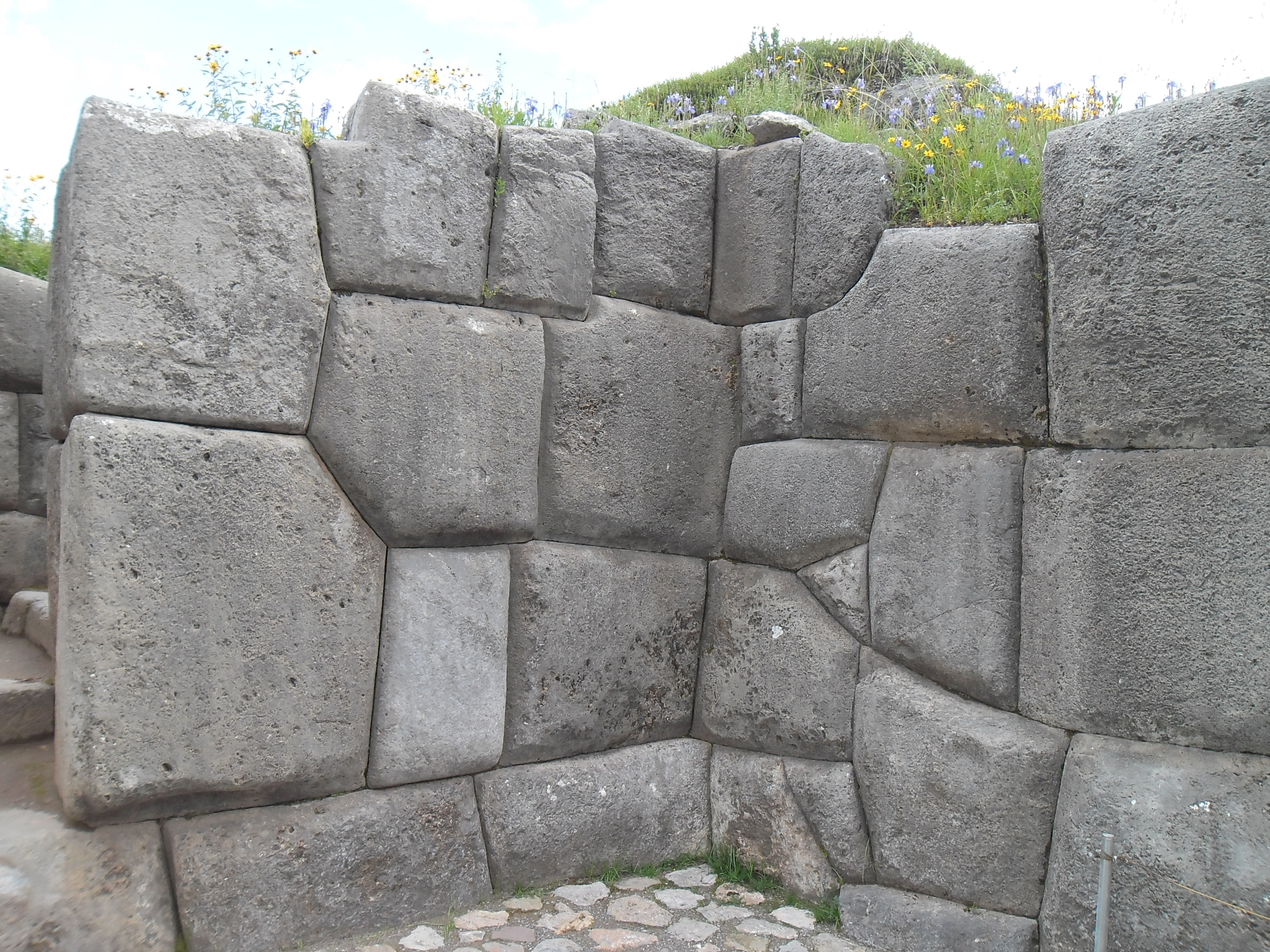
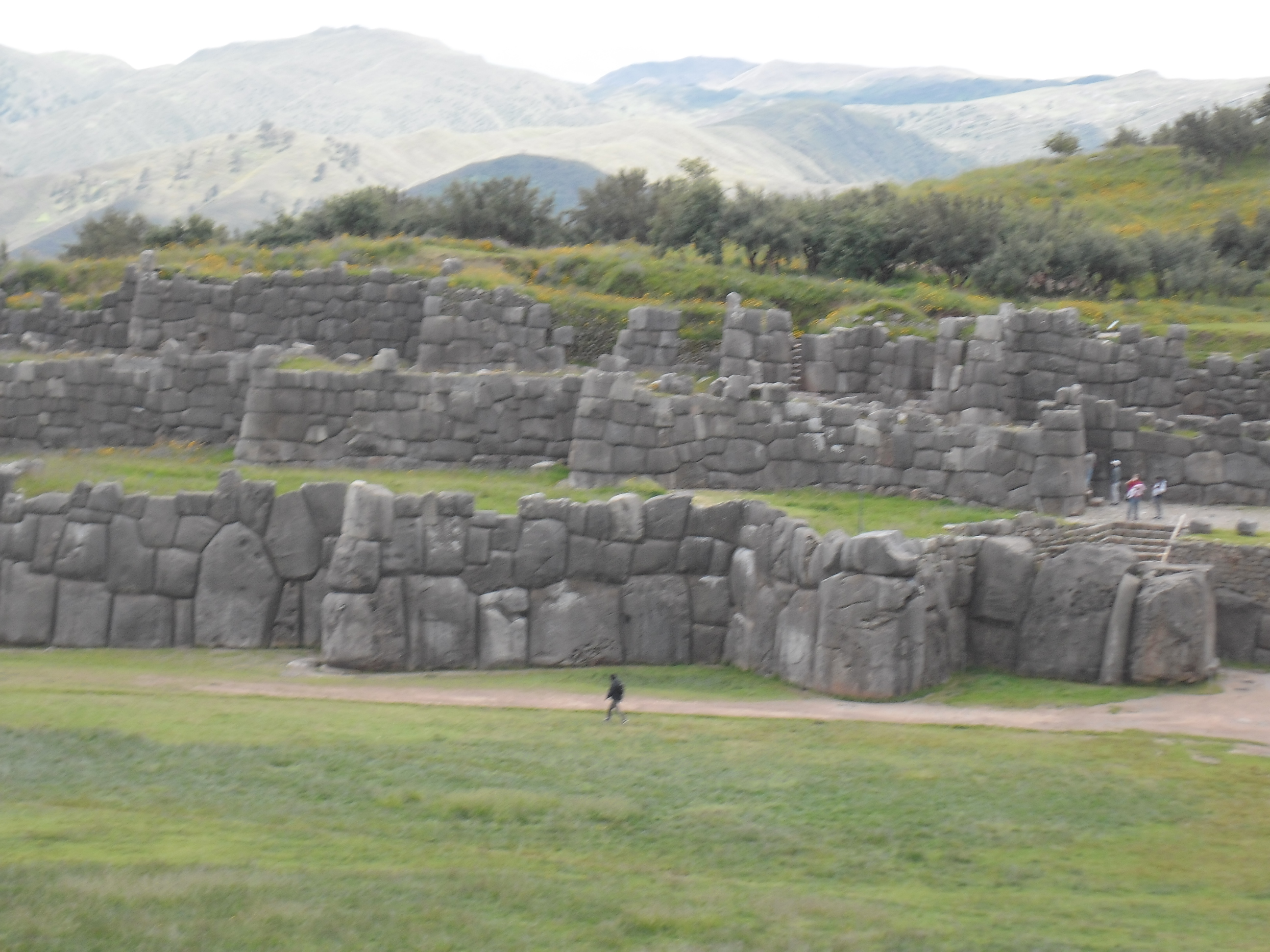
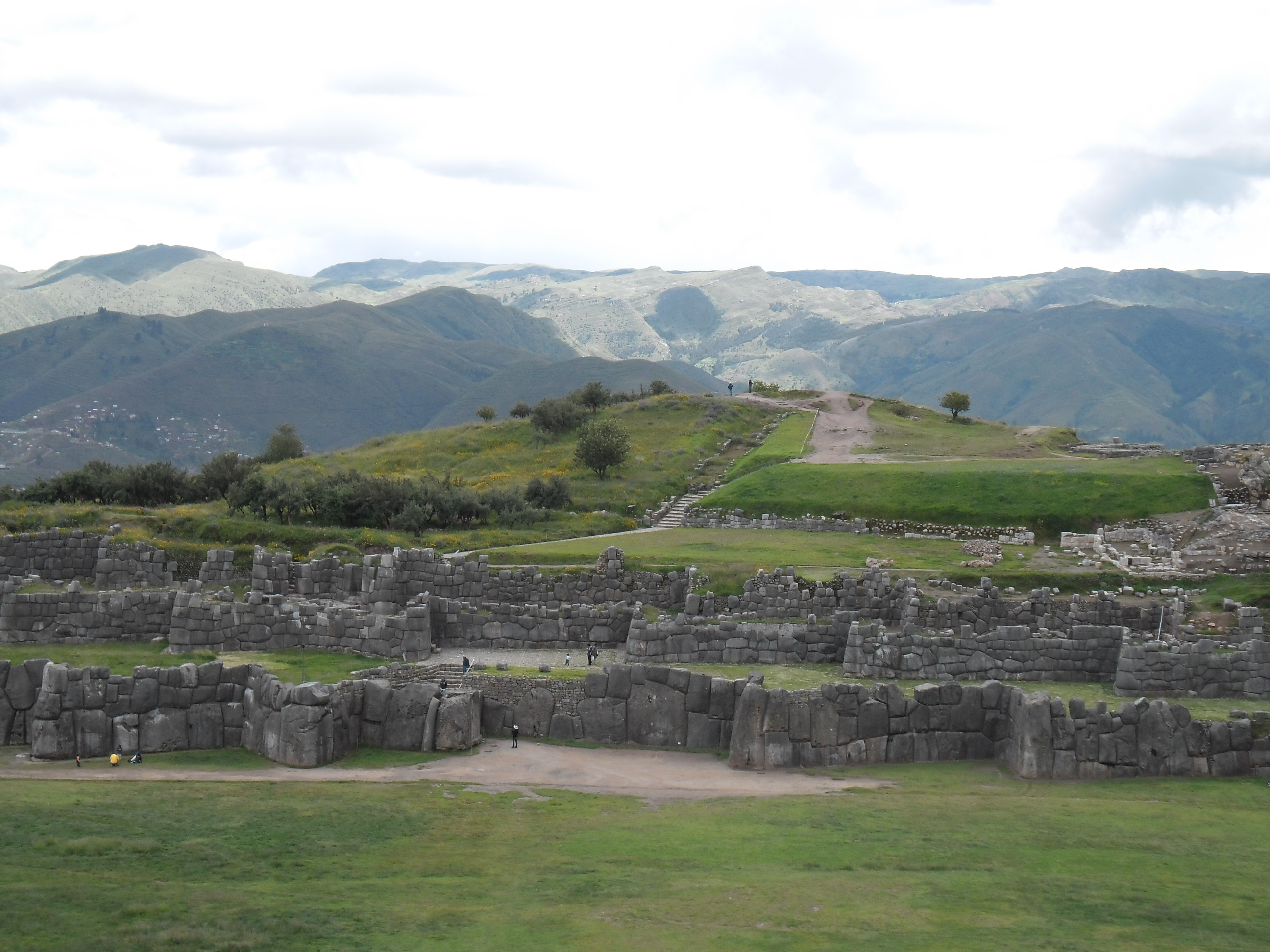
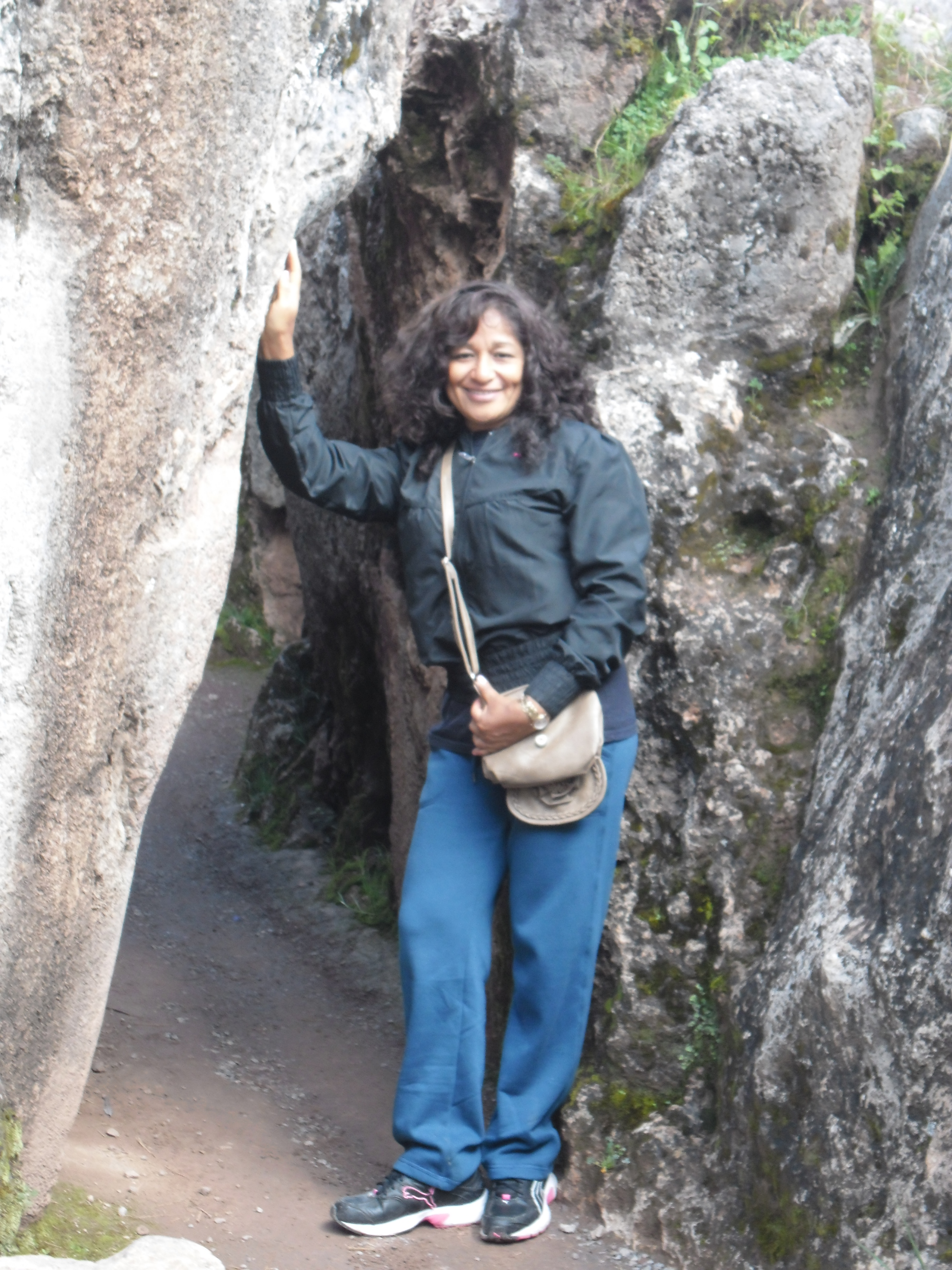
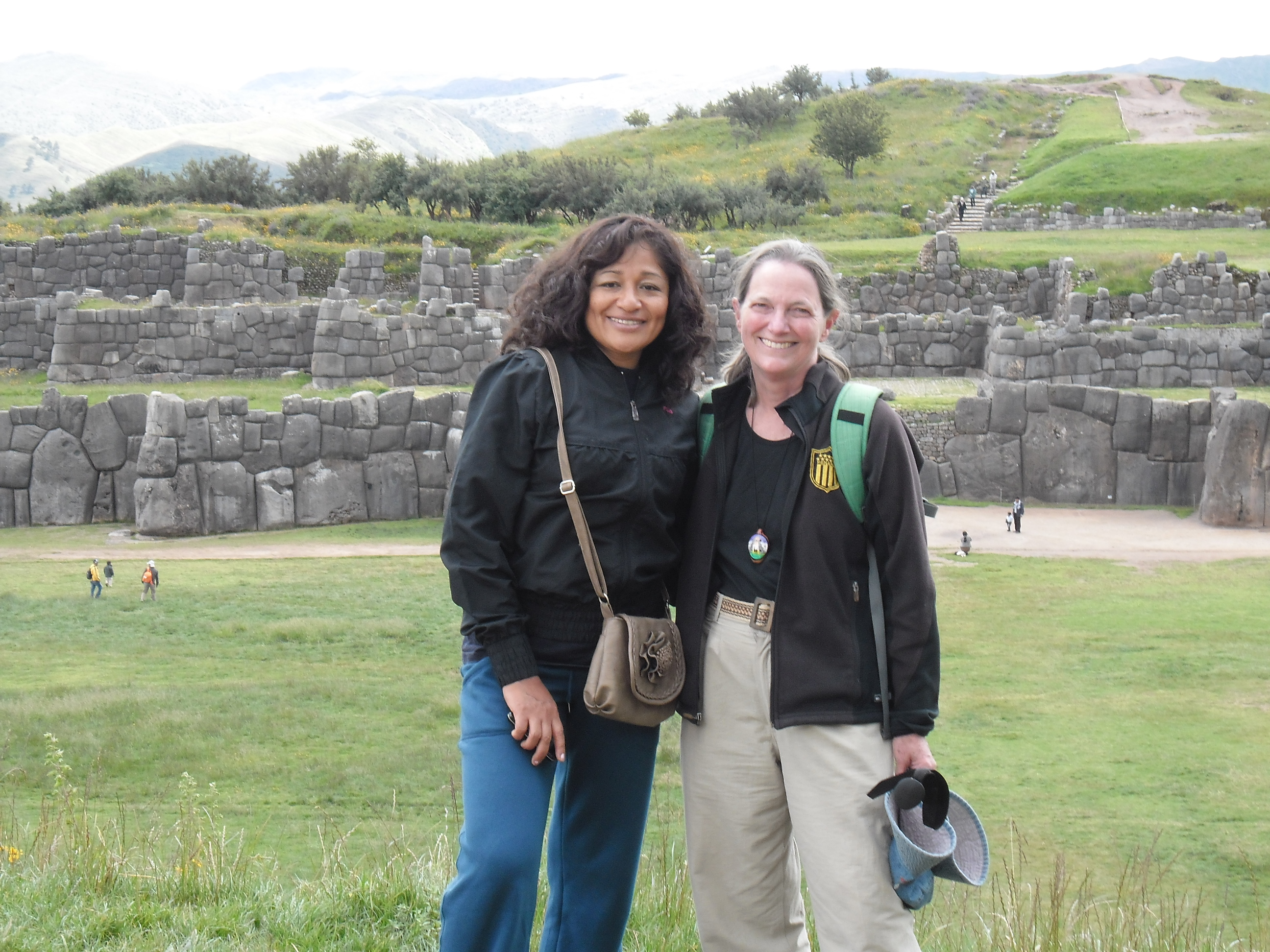
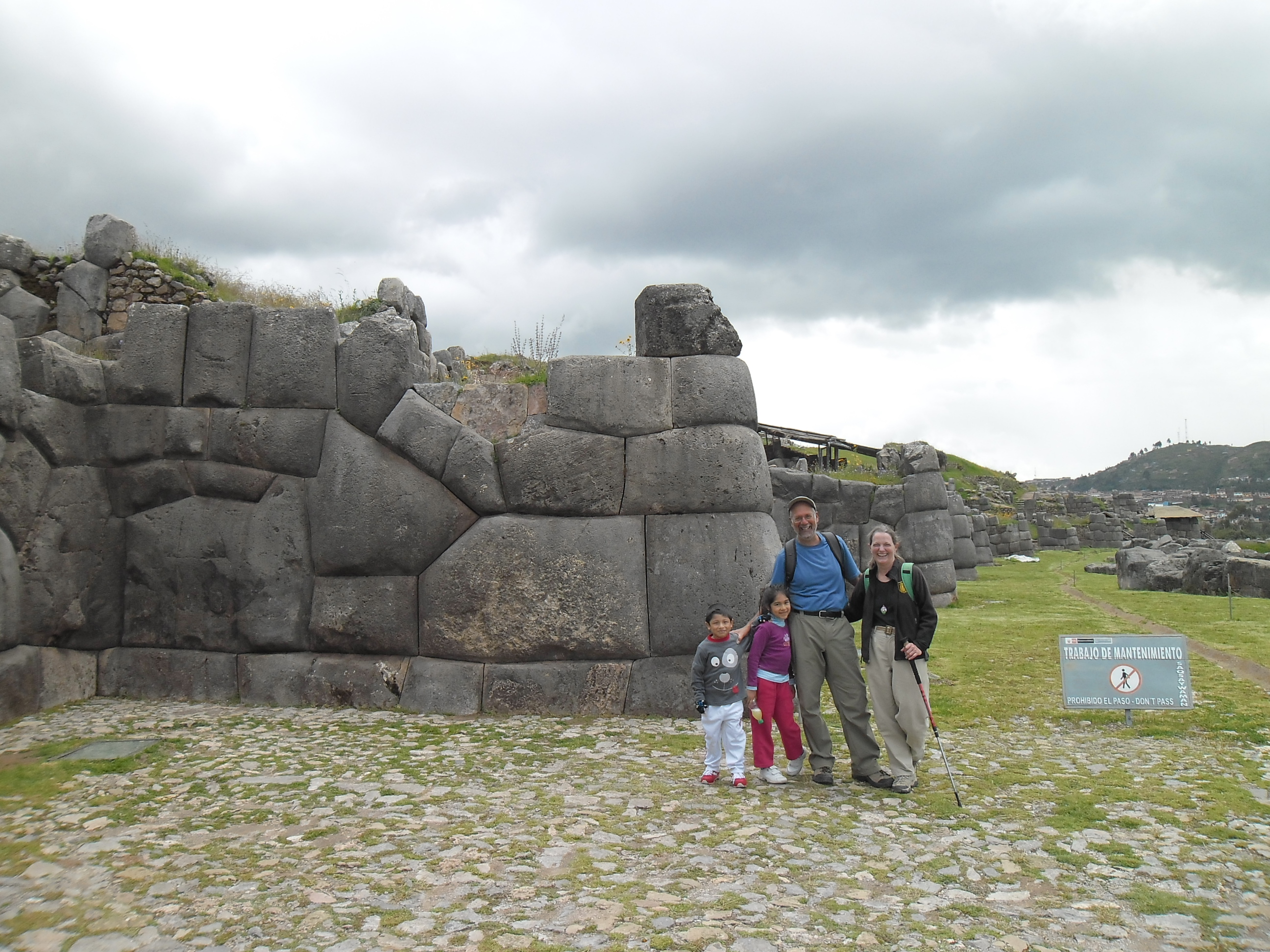
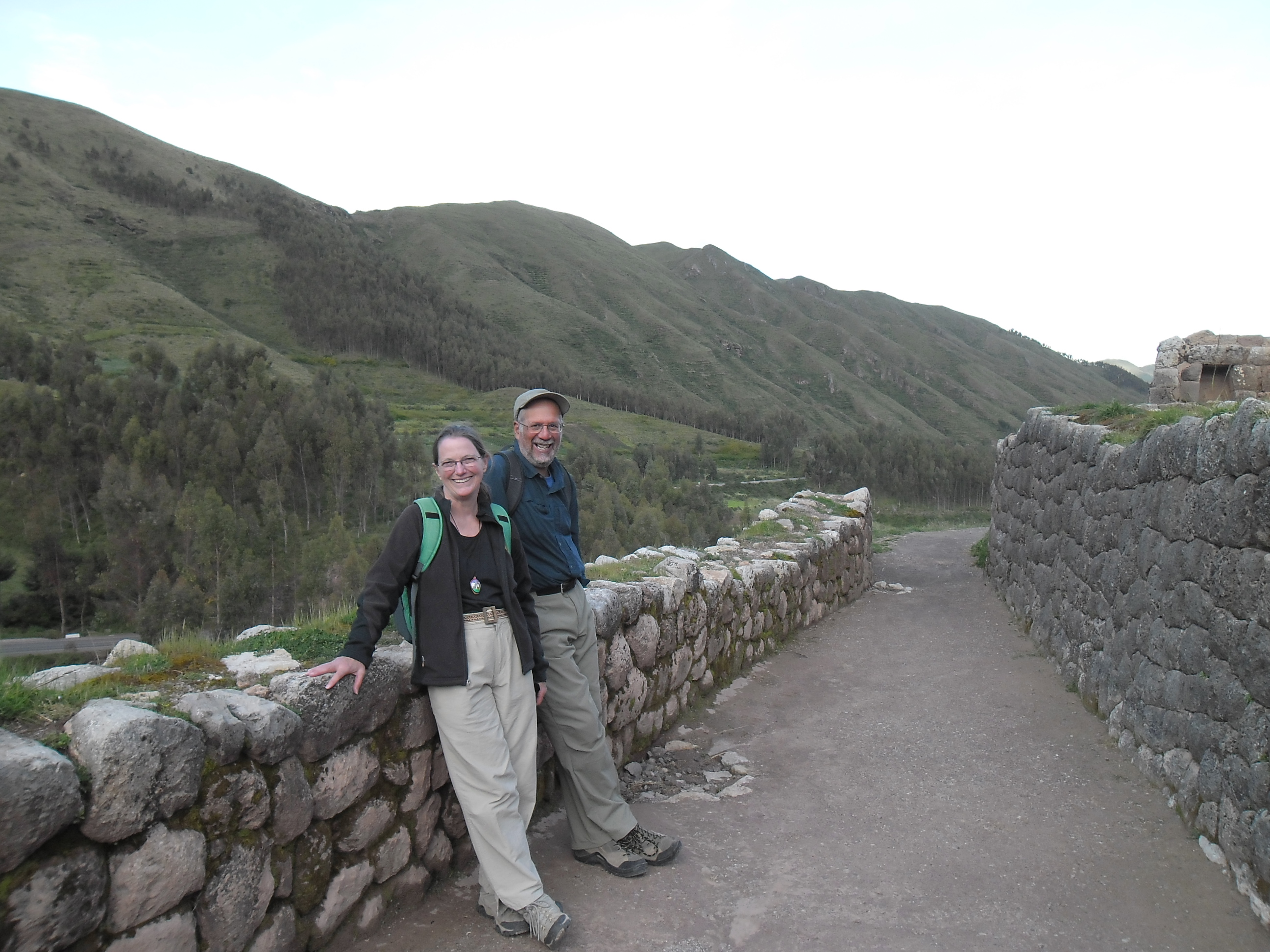
One day, we left our hotel in Cusco and walked up to some Inca ruins just out of town. The ruins are of a fortress and settlement called Sacsayhuamán. It is a huge area above Cusco, about 1,000 feet above the town. It was an important site for the Incas, a watchpoint for Cusco, the capital of the empire, and a place where families lived and crops were stored. Nowadays, it is a magnificent display of intricate masonry and planning that illustrates the advanced society that the Incas organized. Don’t be intimidated by the pronunciation of the site. Even when the local people talk about it, it sounds exactly like, Sexy Woman.
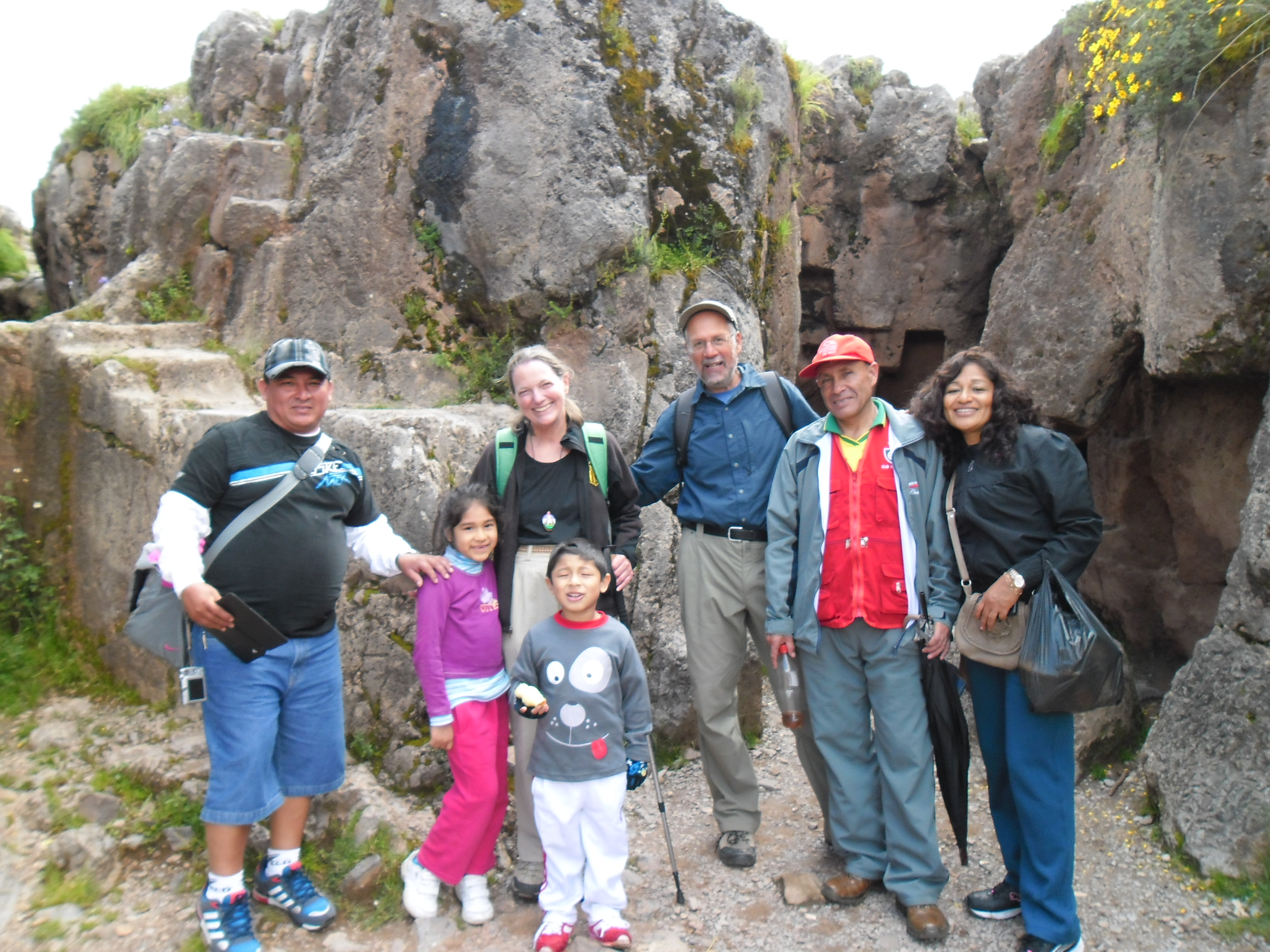
On our way up, we met a family from Lima, visiting their friend from Cusco. The friend from Cusco was Carlos, a high-school teacher who often brings his students to Sacsayhuamán. We spent the whole day with them, and Carlos was an excellent guide, as we not only walked through Sacsayhumán, but also three other archaeological sites nearby.
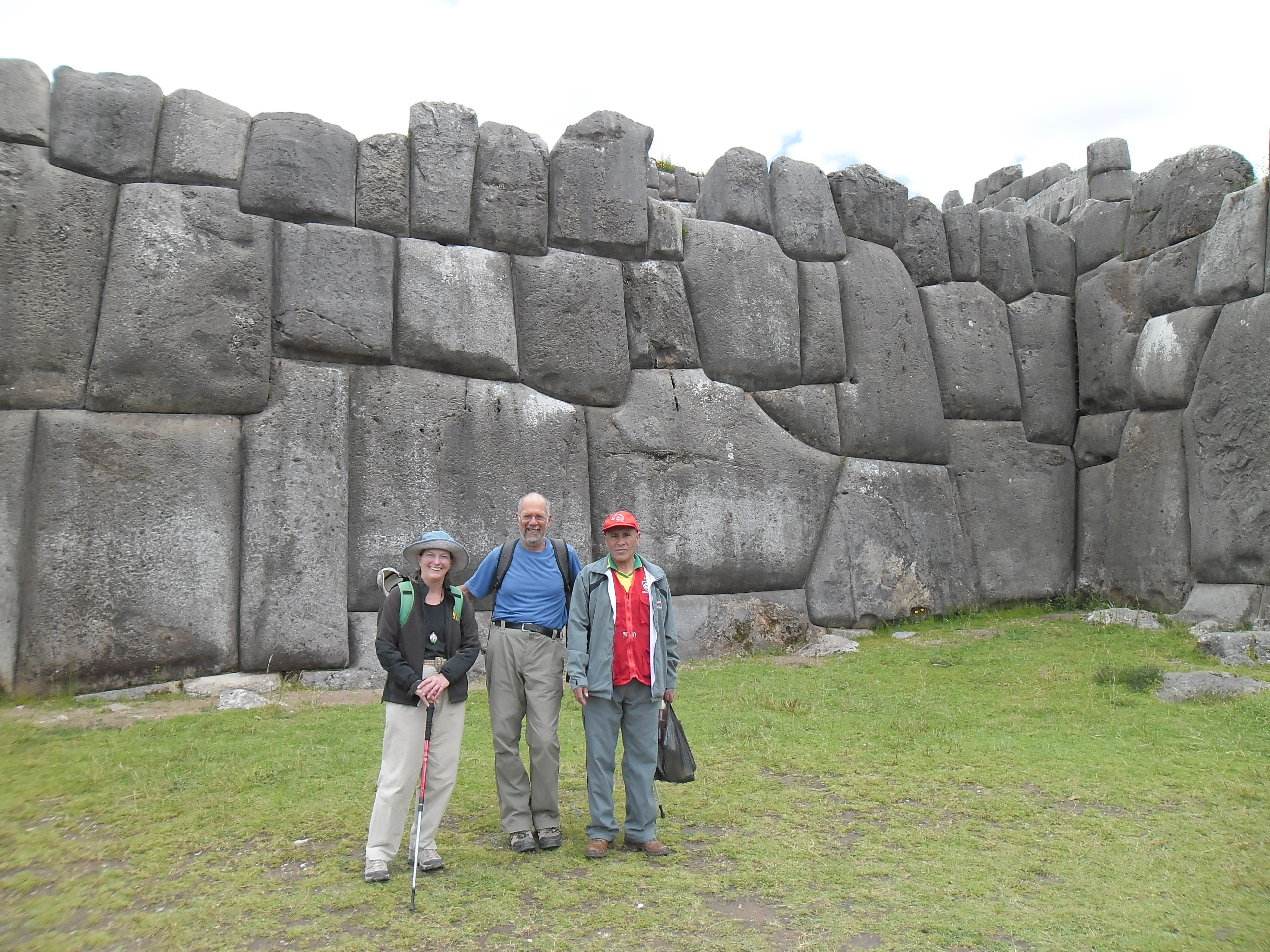
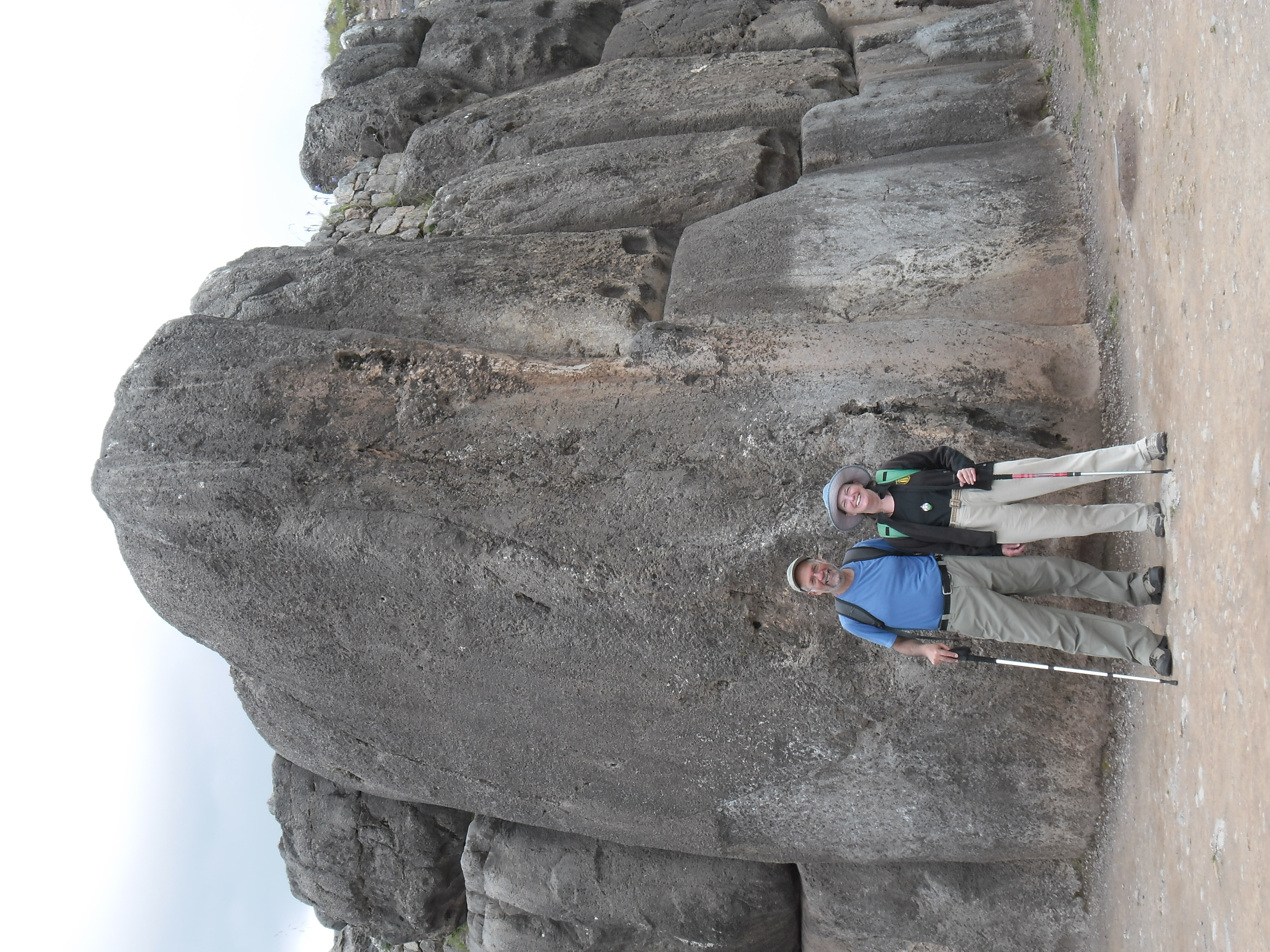
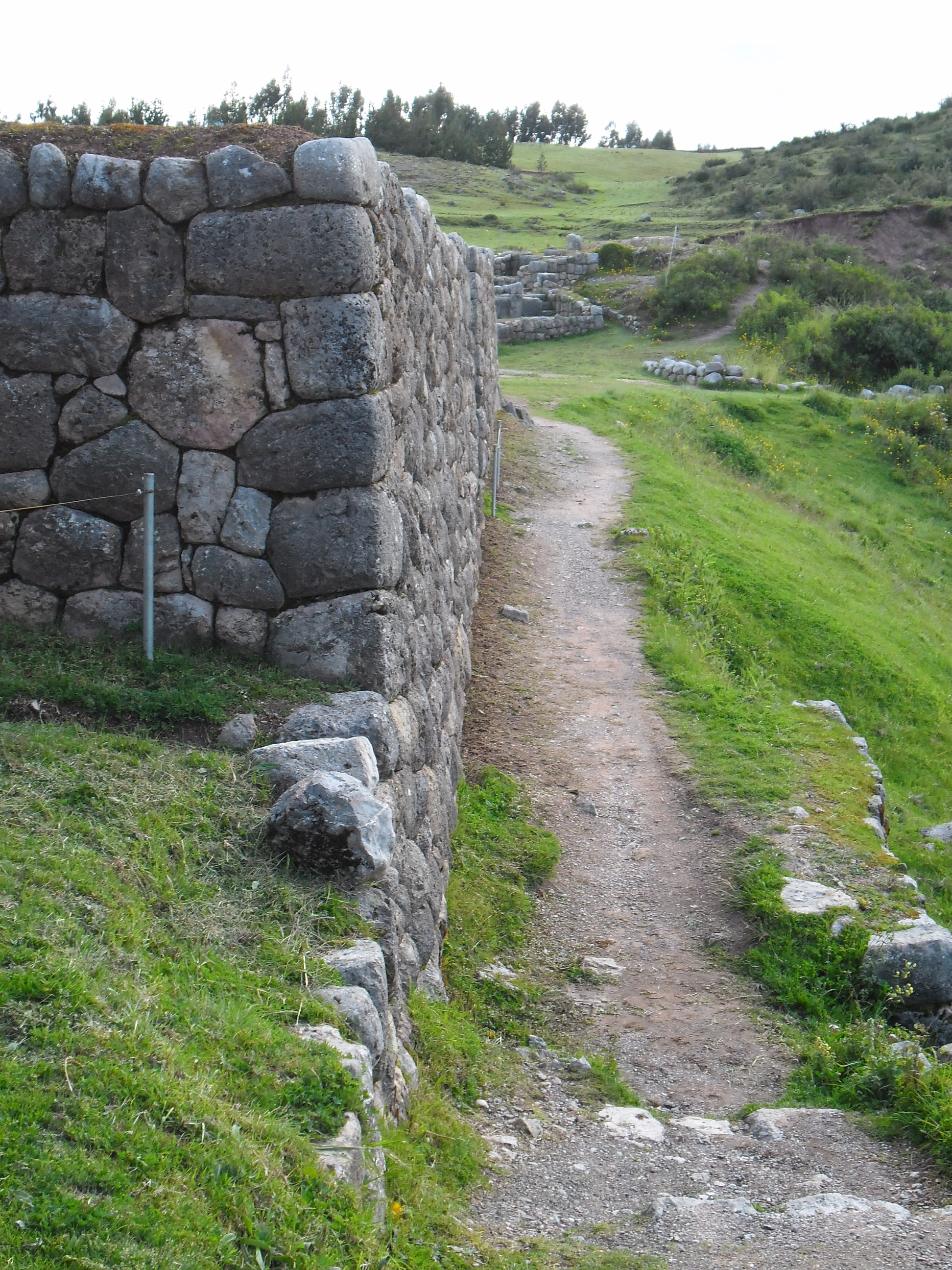
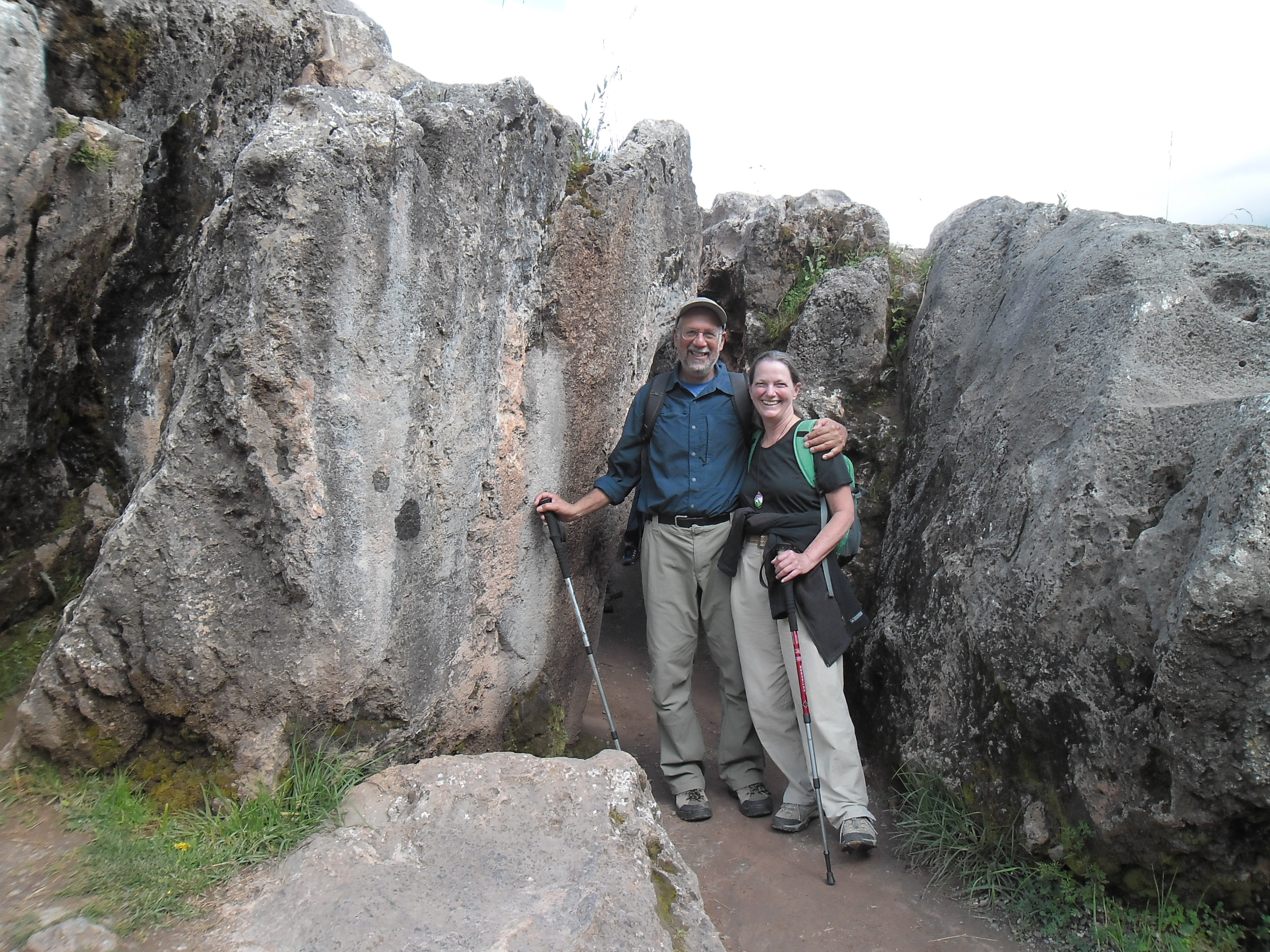
The stonework at Sacsayhuamán is precise and incredible. The rocks were brought from quarries miles away and shaped onsite to fit perfectly. The walls, the houses, the temples were all built like this.
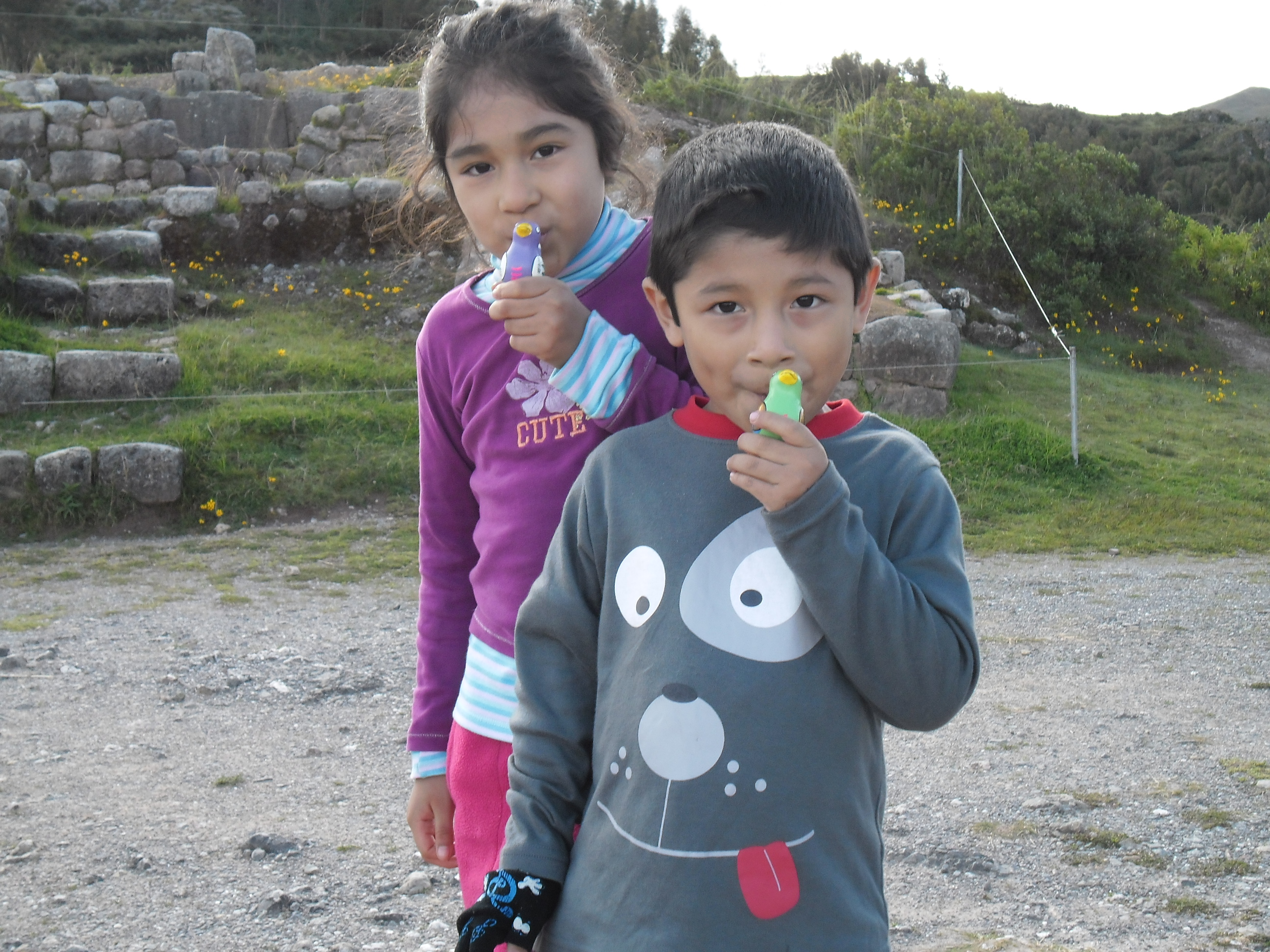
Some of the heaviest stones weigh 300 tons. The Incas brought them up here without the use of wheels. How they manipulated them and sculpted them so perfectly is still a matter of hot conjecture among the archaeologists. We had a great time with Pilar and Roel and their three kids. We hope to visit them in Lima when we get there in June.
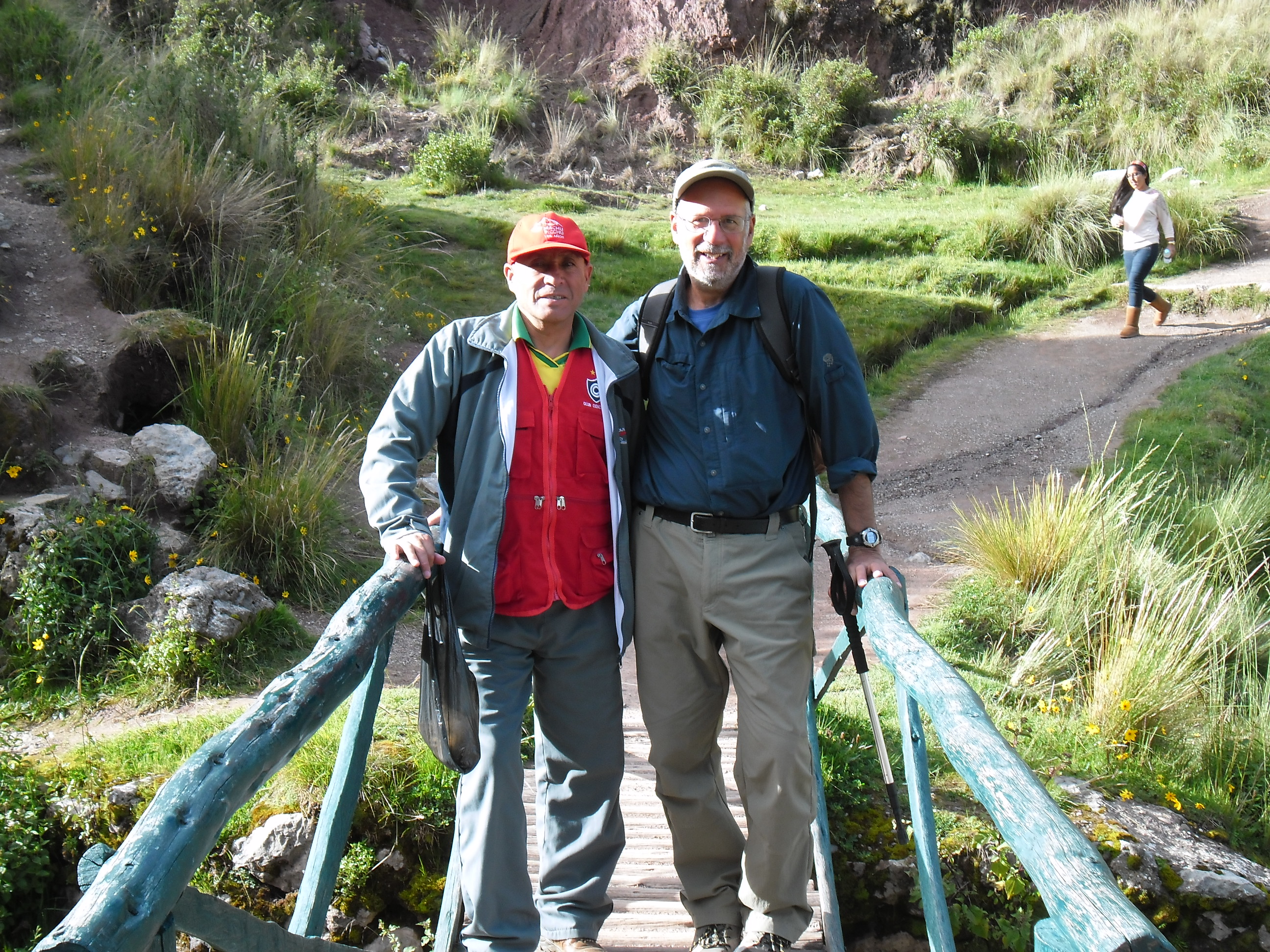
Carlos and Mike at Tambomachay
Pilar
Josue and Kiara had fun all day long
Roel, Moni, Carlos, Mike, Pilar
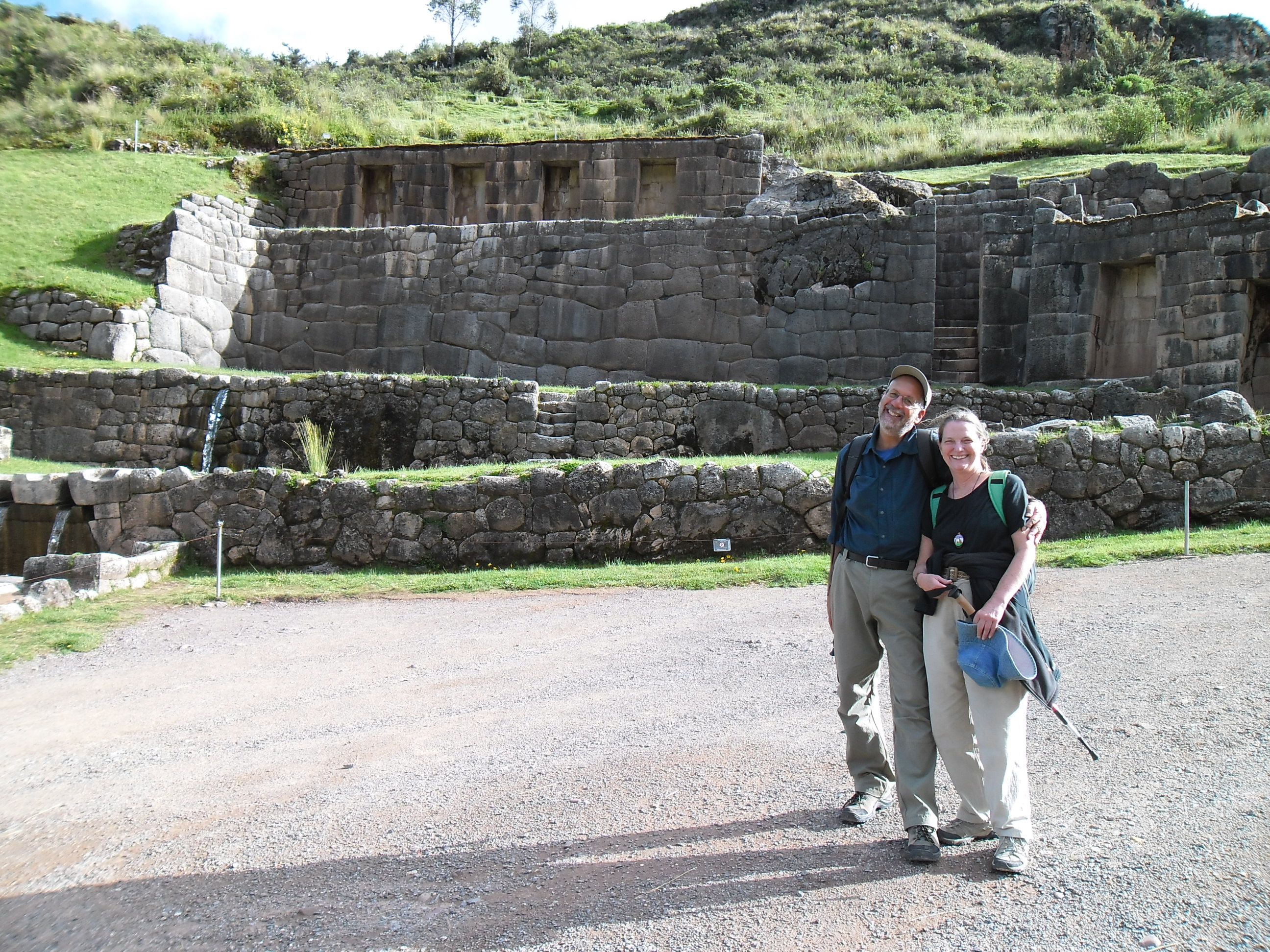
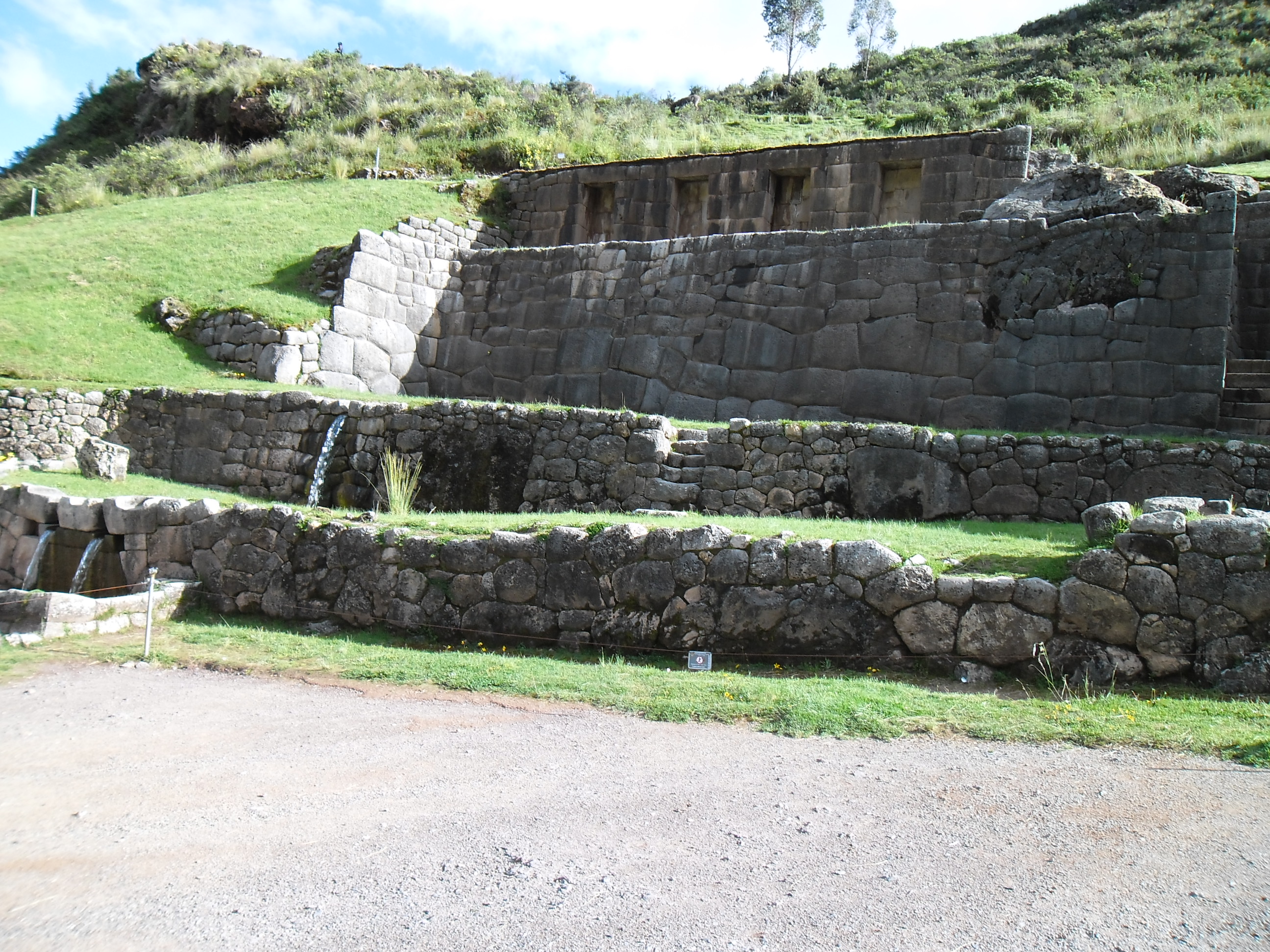
We took a bus to another site called Tambomachay. This place was used for rest and recreation and spiritual renewal. There are natural springs here that the Incas channeled through their buildings so that they flowed down into sacred baths. The Incas came here to bathe and relax. The precursors to our spas.
The water still flows down just like it did 700 years ago.
The trail leading to Tambomachay
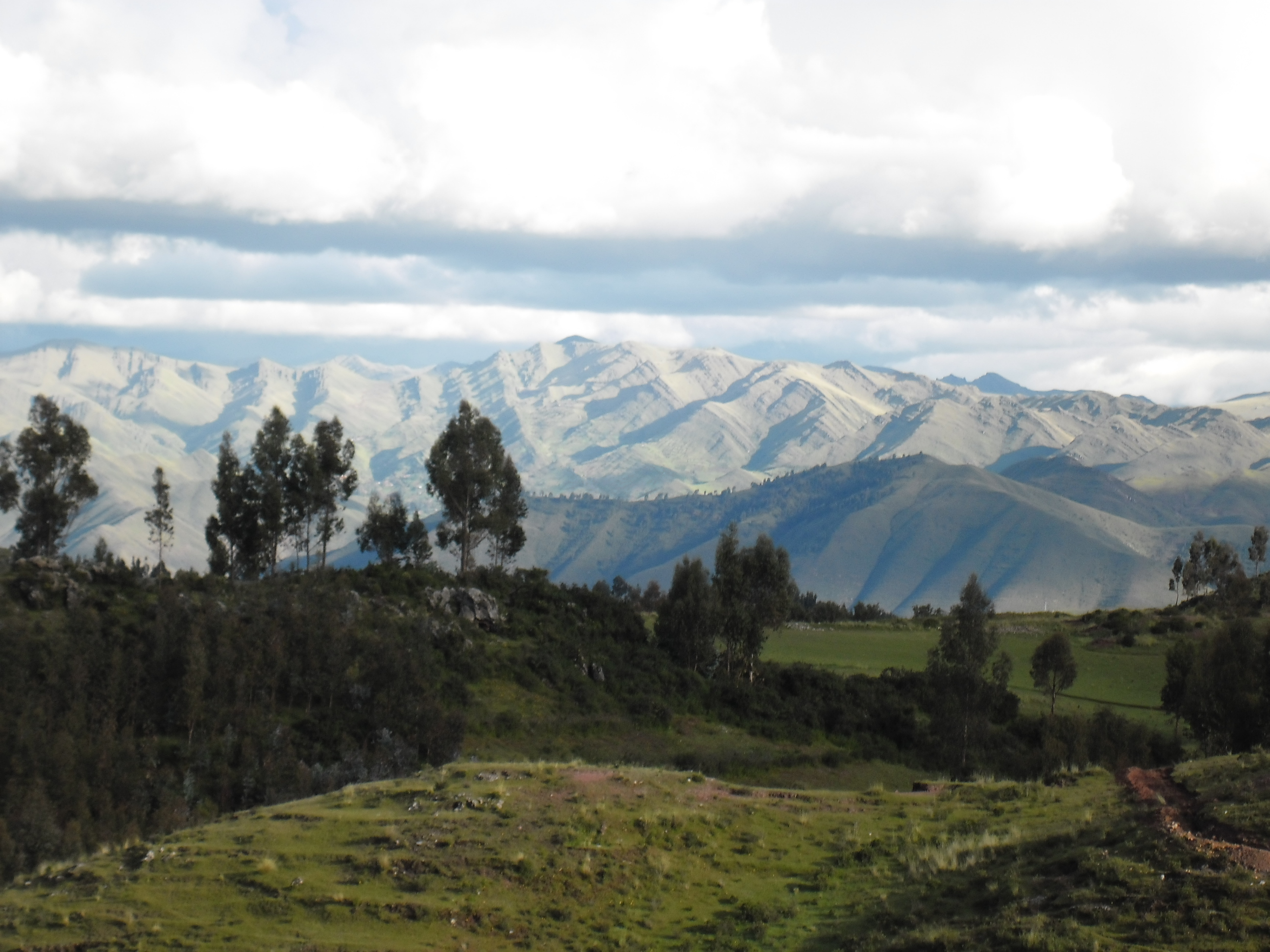
The Andes are everywhere
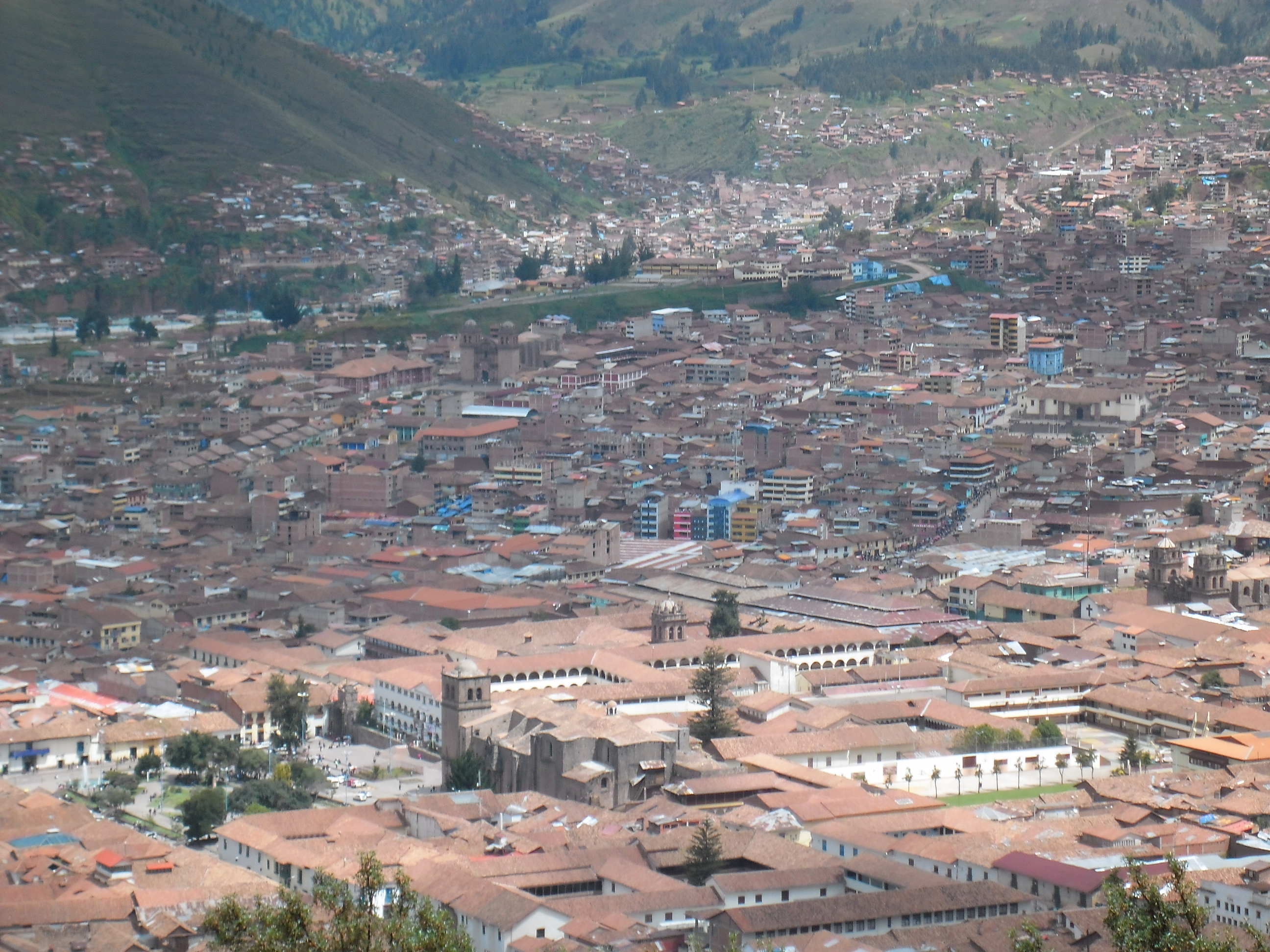
Looking down on Cusco from 1000 feet up
Cusco was a thriving and organized city at least a couple of hundred years before Columbus set sail. Exploring the area around Cusco, with Inca and Pre-Inca architecture still standing, is a great way to gain perspective on the passing of time.
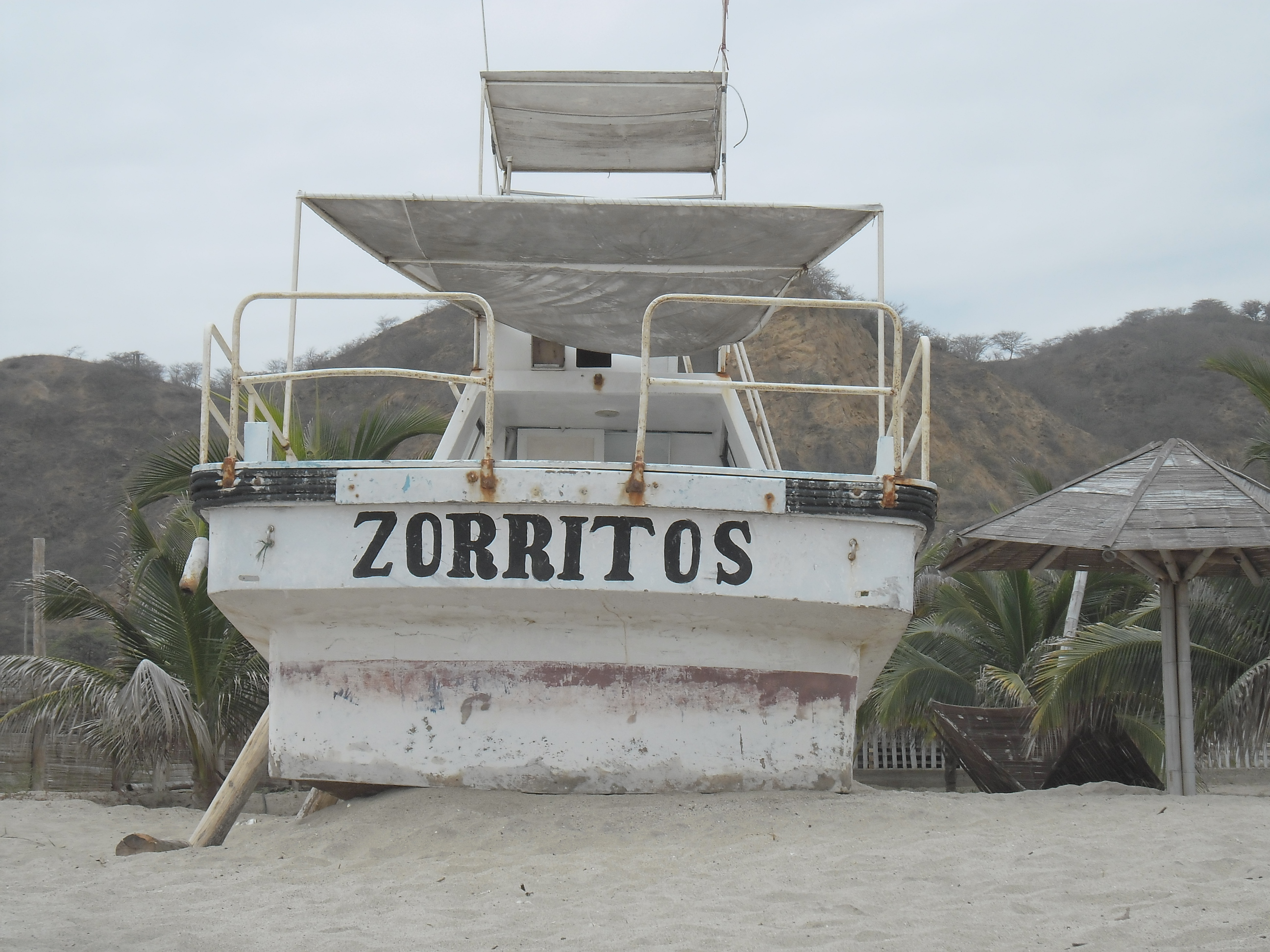 We left Ollantaytambo, high up in the Andes, and flew to Northern Peru, just south of the border with Ecuador. We stayed on the beautiful, isolated tropical beach south of the town of Zorritos. It was high season in Ollanta, but low season on the coast. We stayed in a hostel called Grillo Tres Puntas, and we pretty much had the whole place, and the beach, to ourselves. We relaxed in the hammocks and took long walks, ate lots of ceviche and seafood stew, drank quite a few caiparinhas, and lazed away a few perfect days.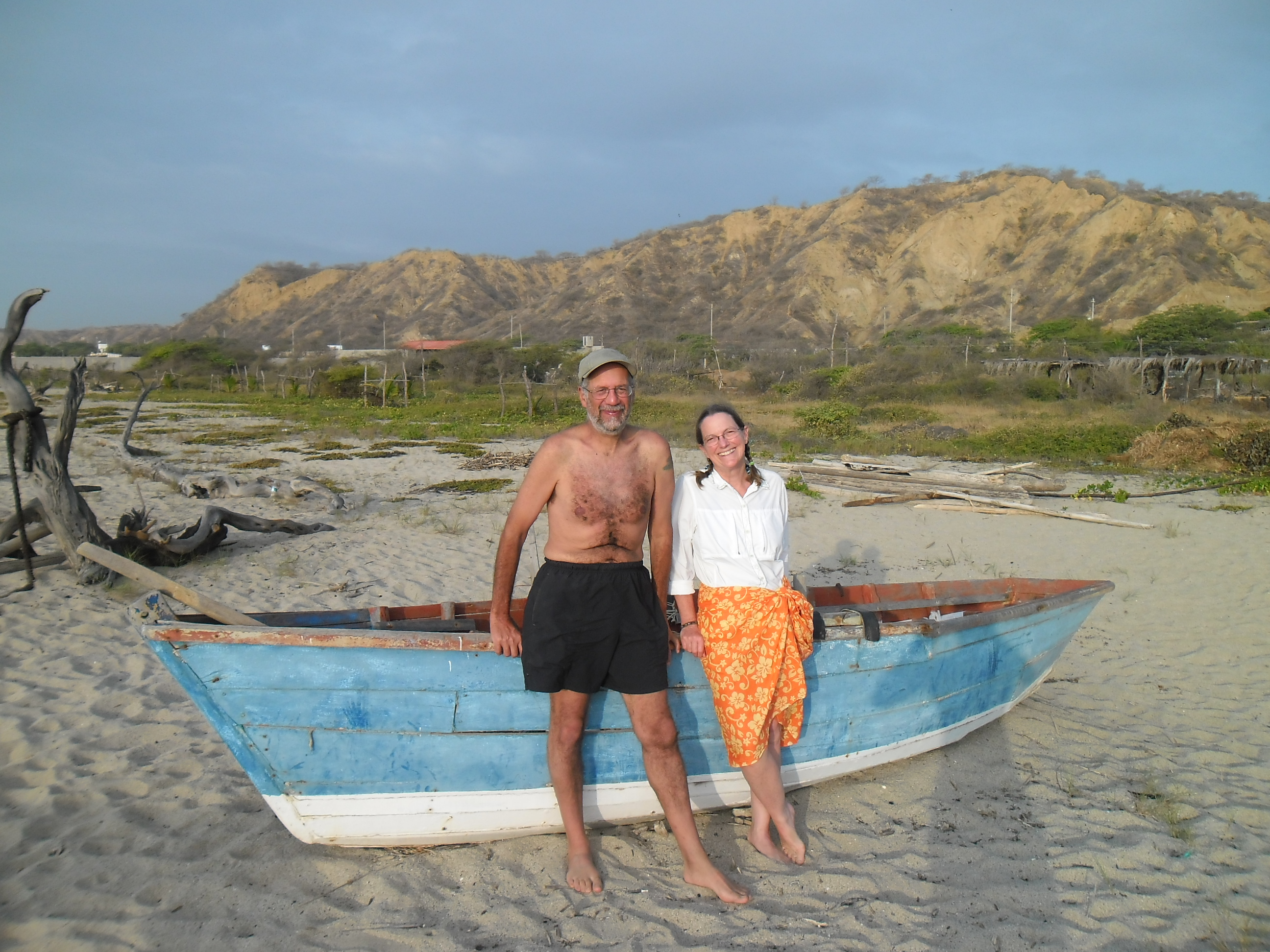
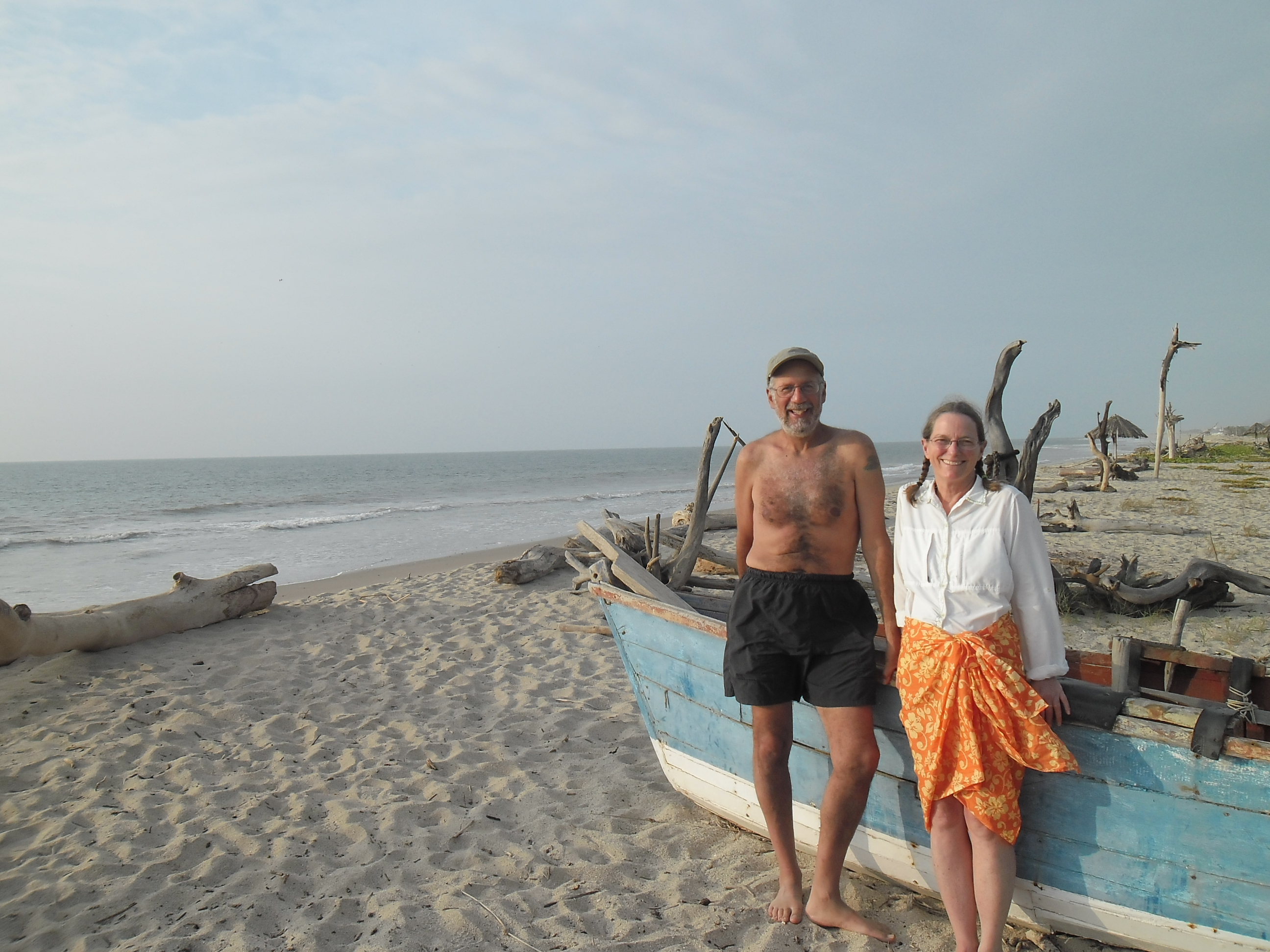

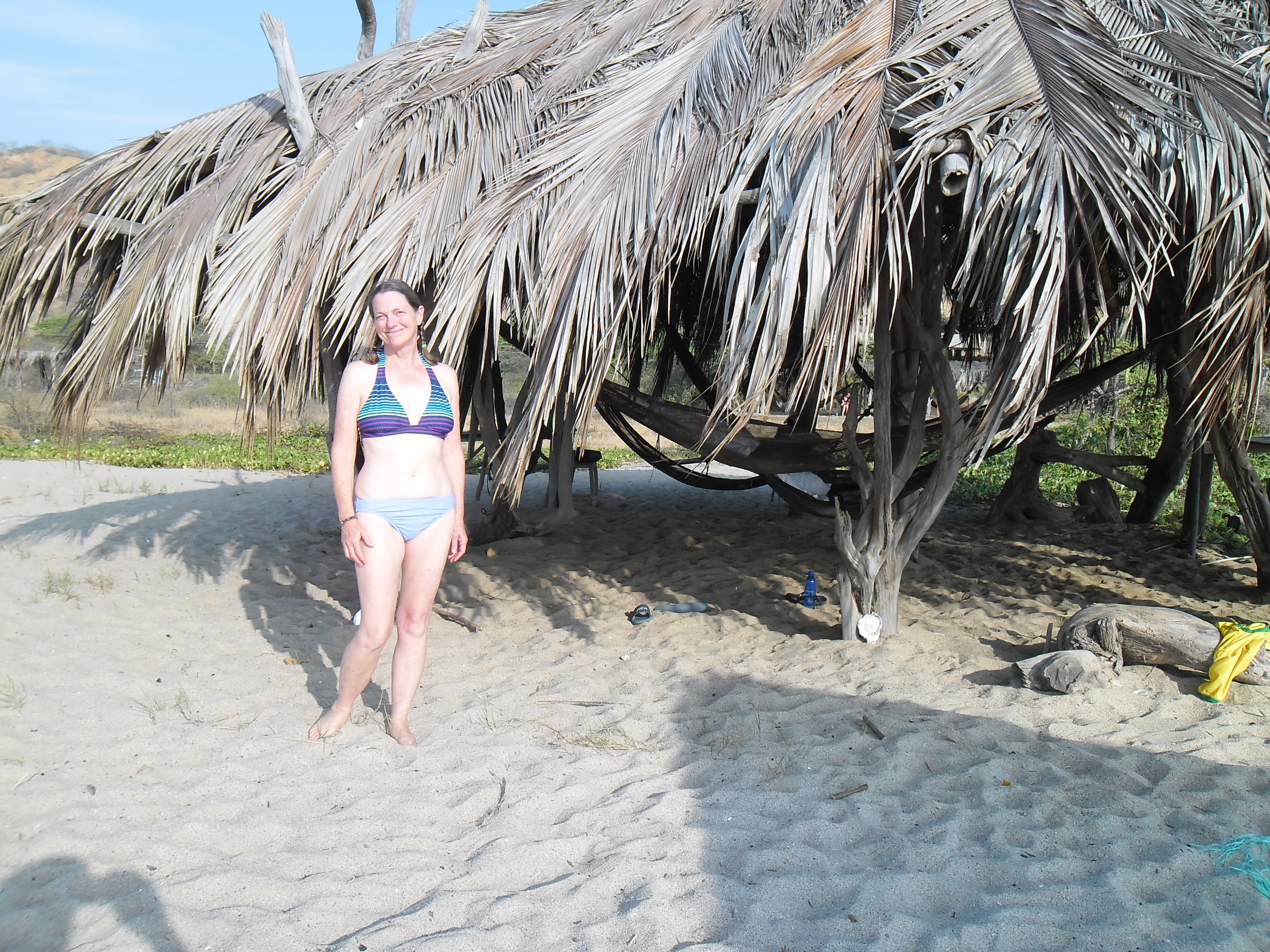 A great way to say goodbye to South America and to Peru after being on the continent for nine months. It has seemed to us that every experience we had was better than the last one. Everywhere we went was the best place we had been yet. This beach was no exception. The water was warm and the breeze was gentle. The pelicans flew by, skimming the waves, and the magnificent frigate birds (that´´s their real name) soared overhead.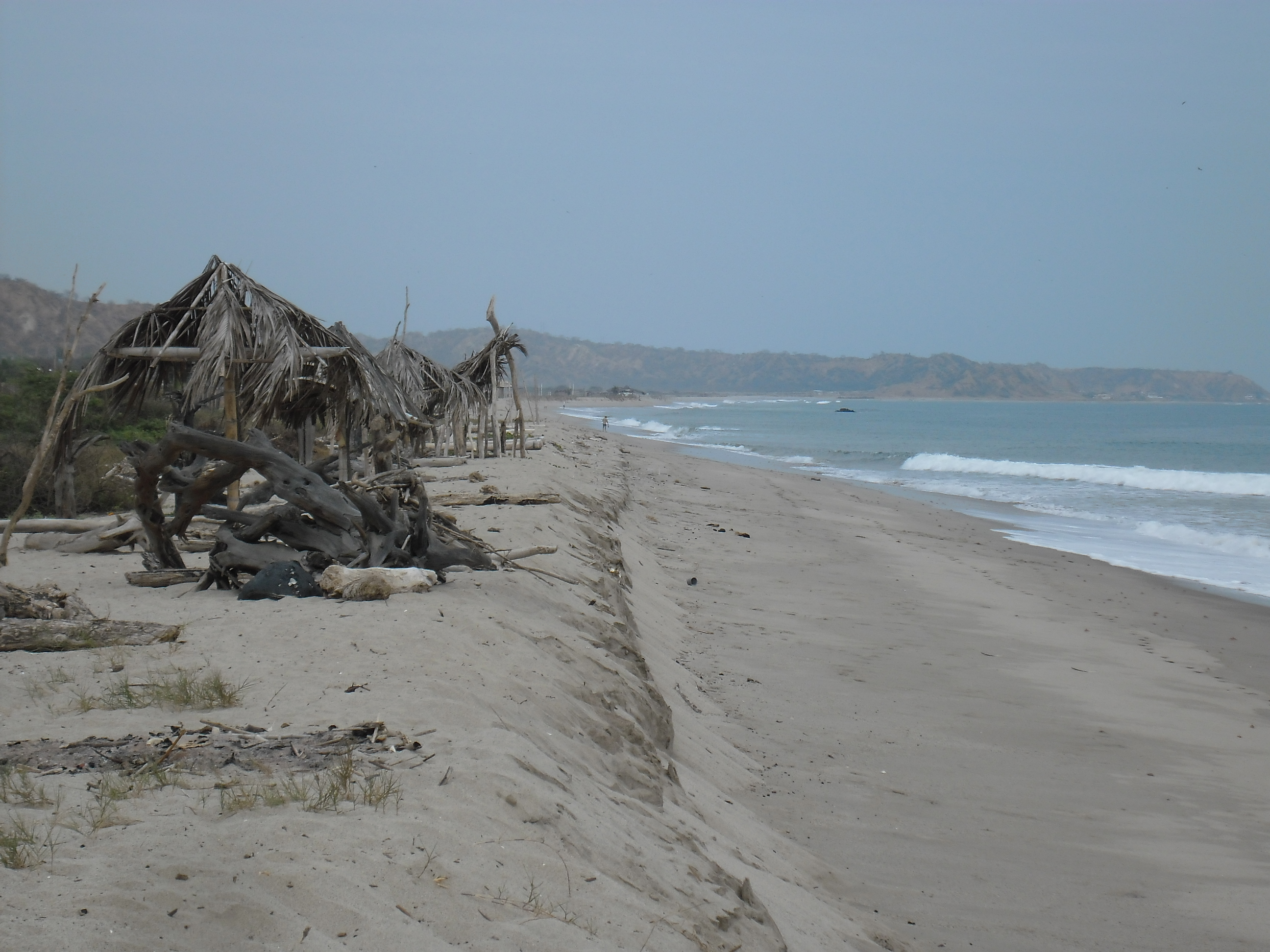
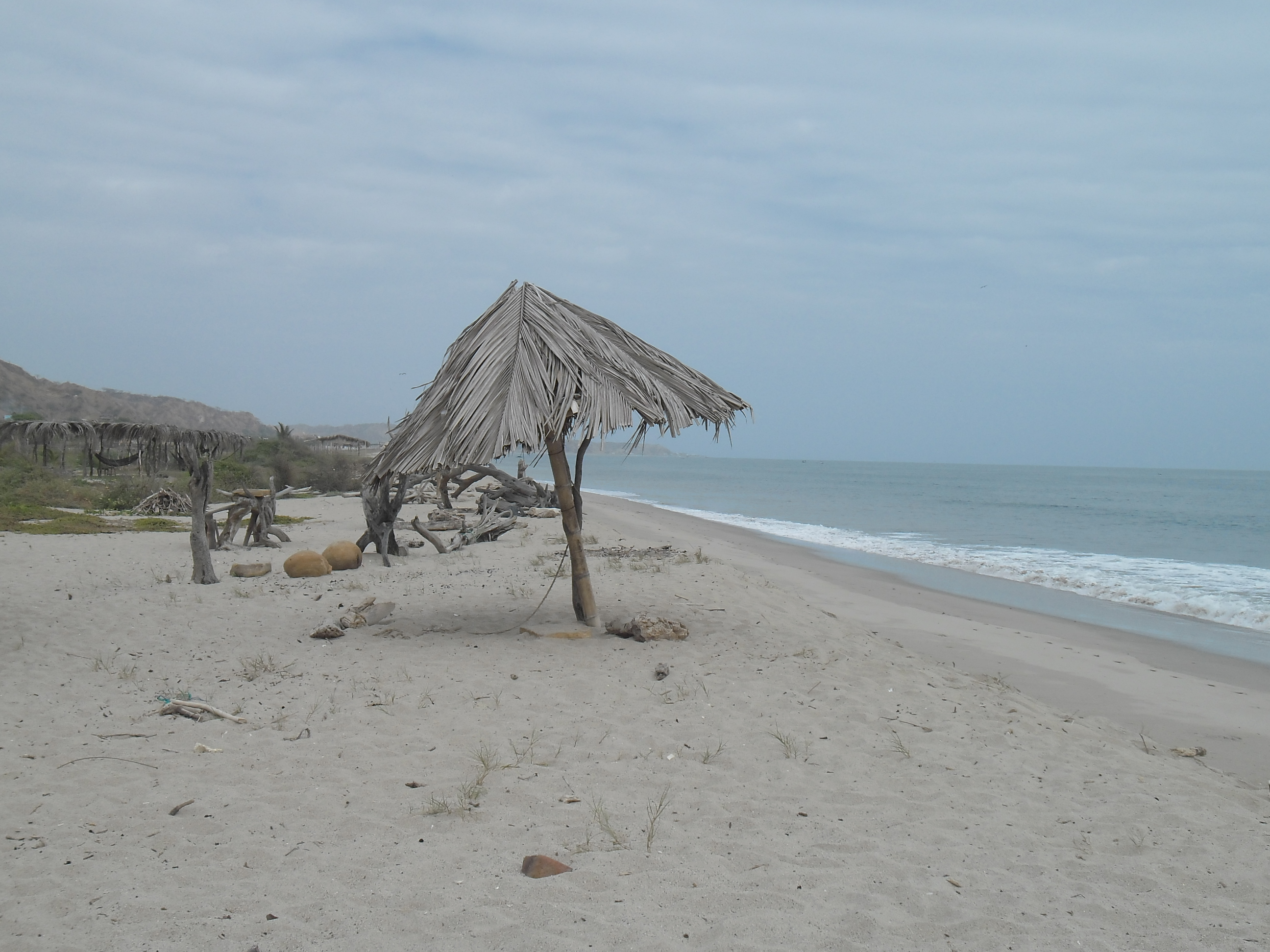
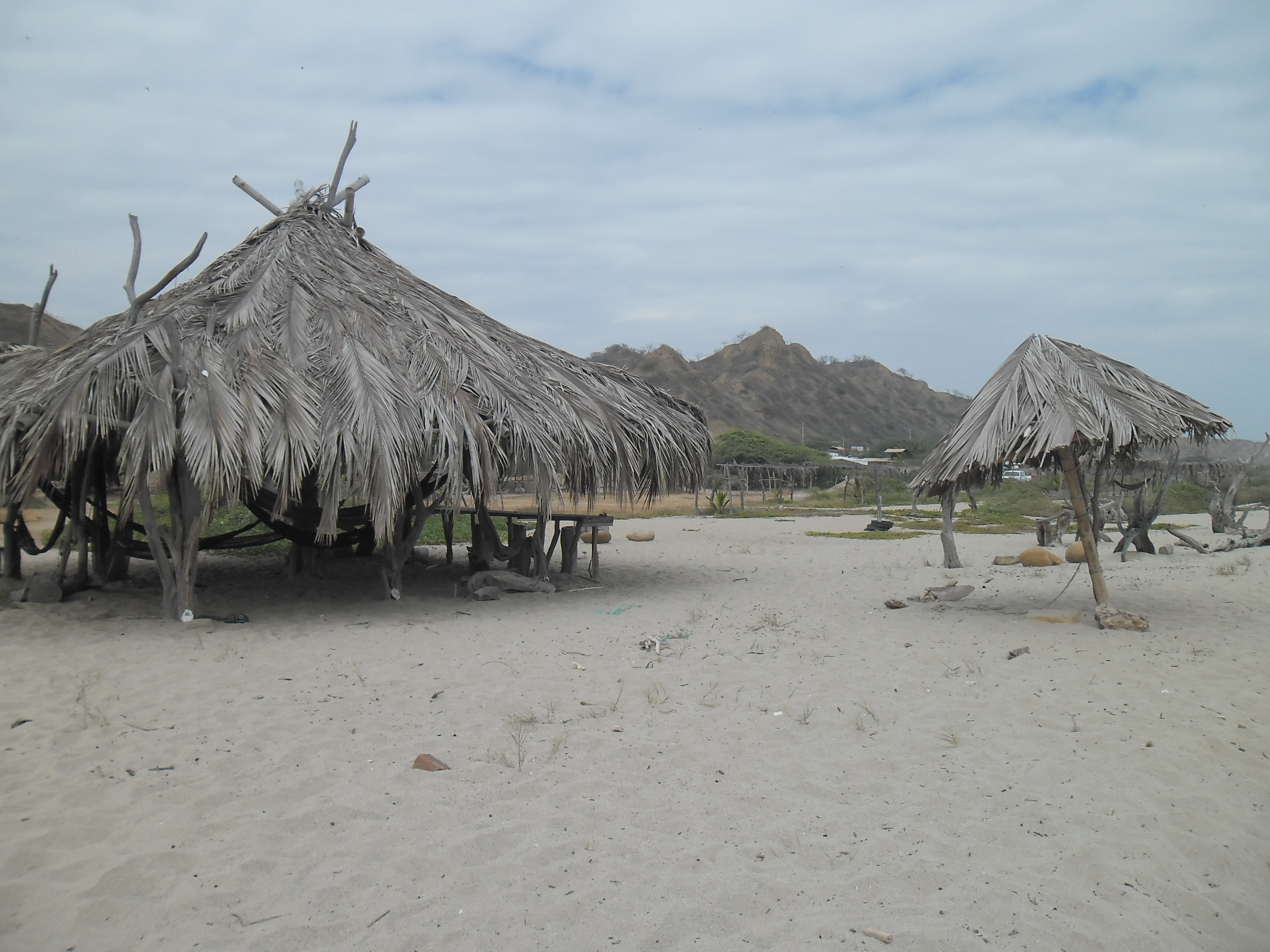
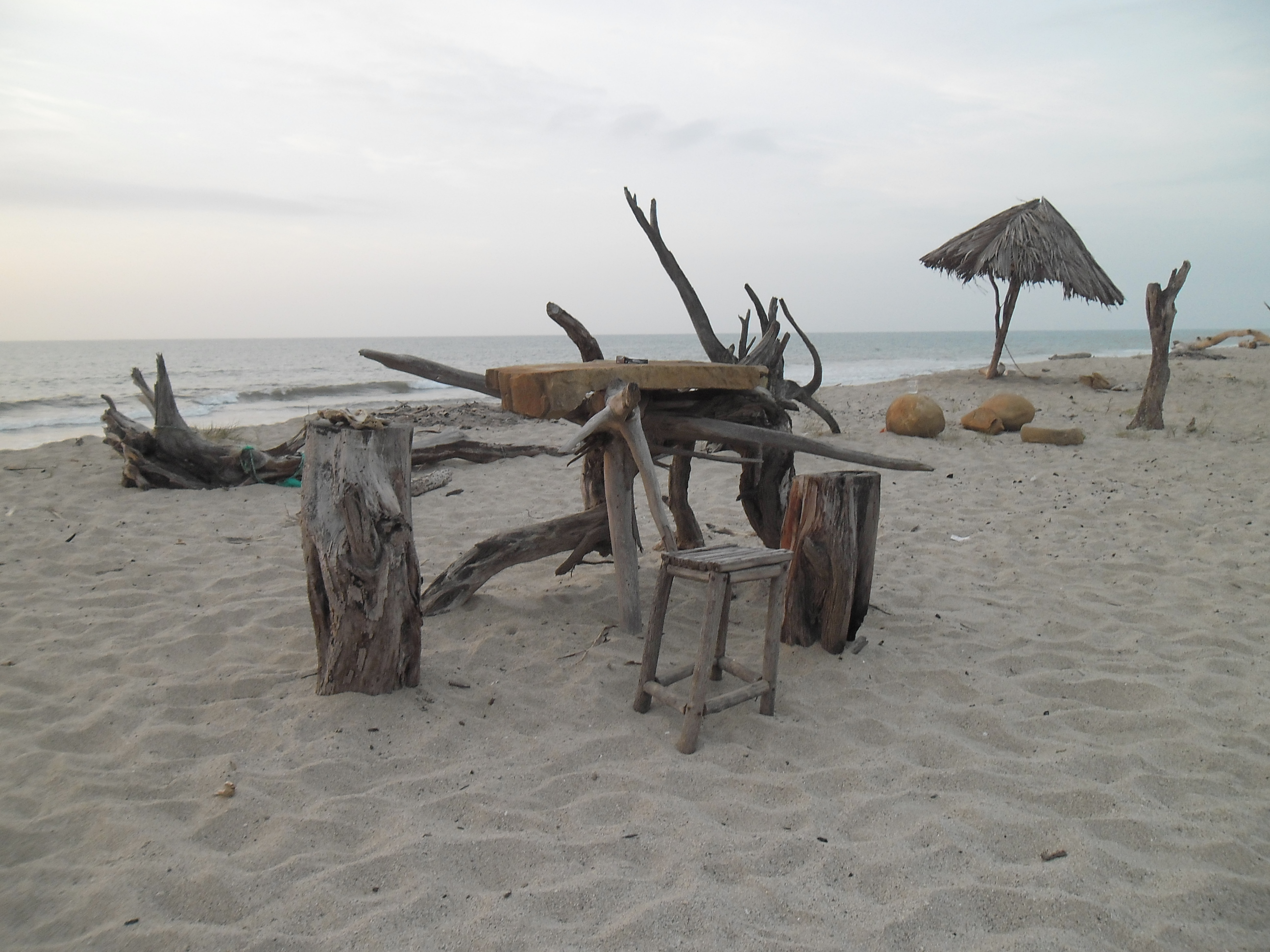 Tres Puntas was built by a guy named Leon, from Barcelona, over the course of years. One of the features was El puente rústico. He collected twisted wood and built the bridge, which really didn´t go over anything, but it did afford some elevation, and we often sat up on top to watch the sunset. Leon also loves the hairless Peruvian dogs, and he raises them.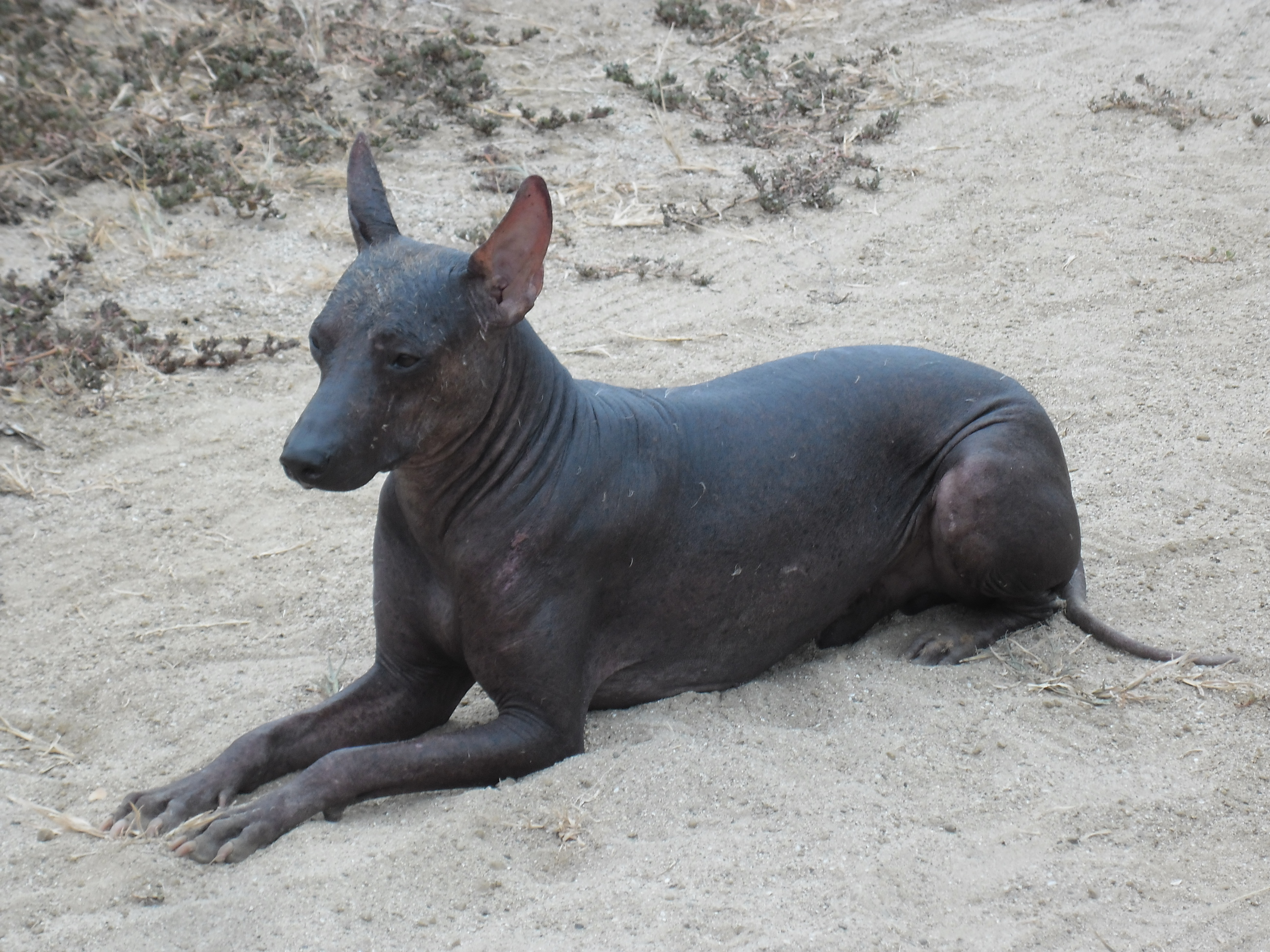
 A group of five Australian tourists showed up one day, and all of us went out on an excursion to see the magnificent frigate birds in their nests. The birds truly are magnificent, with a wingspan of six and a half feet, and their ability to soar. They cannot swim, and they never go on land. They soar over the ocean and they skim things off the water. This particular species nests in mangrove trees near the Ecuador/Peru border, and they don’t really wander too far. We drove to Punto Pizarro, then got in a boat, and motored to the mangroves, called manglares. It was impossible to estimate how many birds were there, but my guess was close to one hundred thousand of them. Each pair lays one egg, then the male and female take turns on the nest until the egg hatches. We arrived at the beginning of the nesting season. The males inflate a red pouch on their chests to impress the females. The pouch looks like a red balloon, and it also looks like a heart. We got extremely close to them. Truly a Wild Kingdom outing.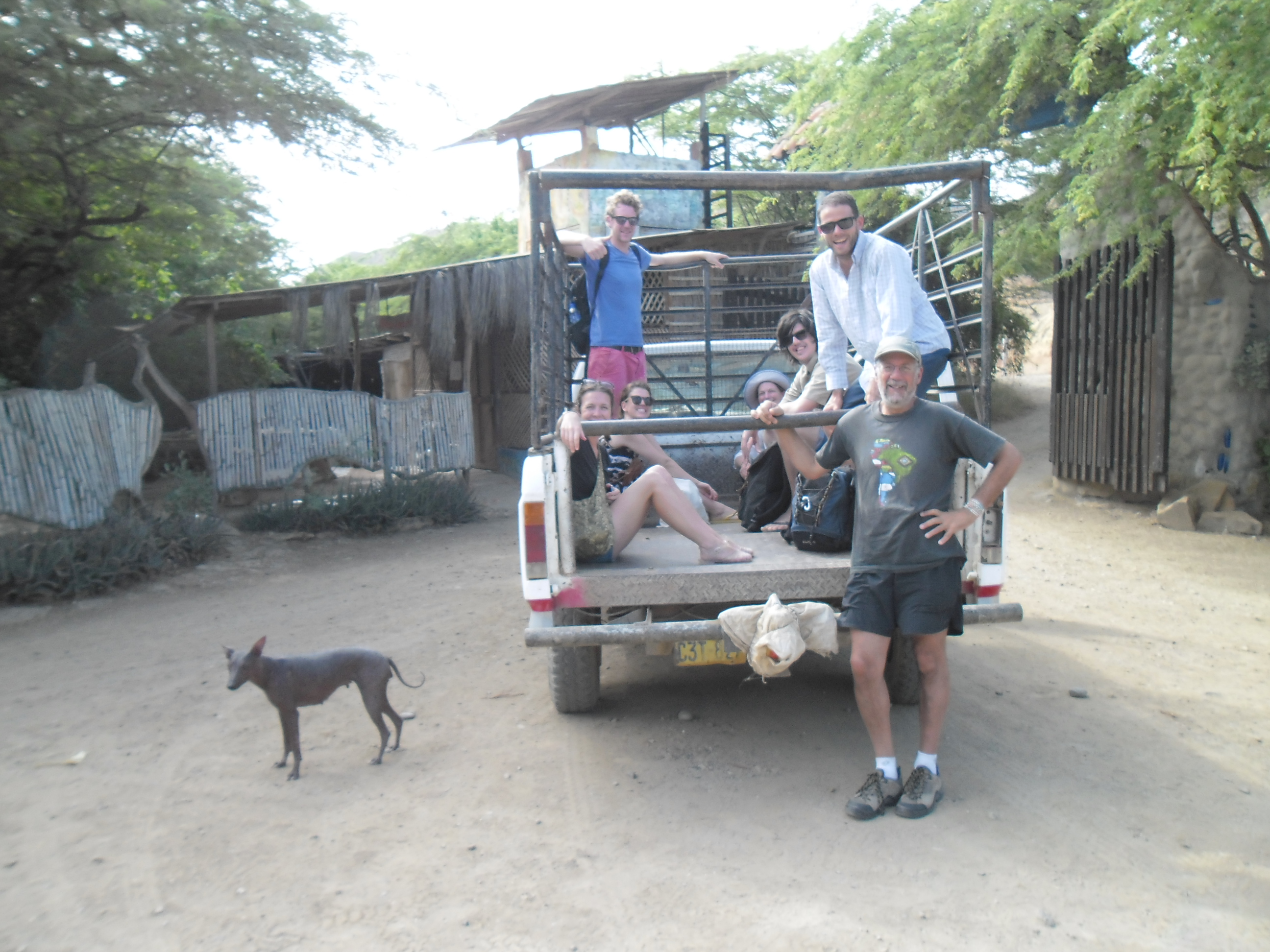
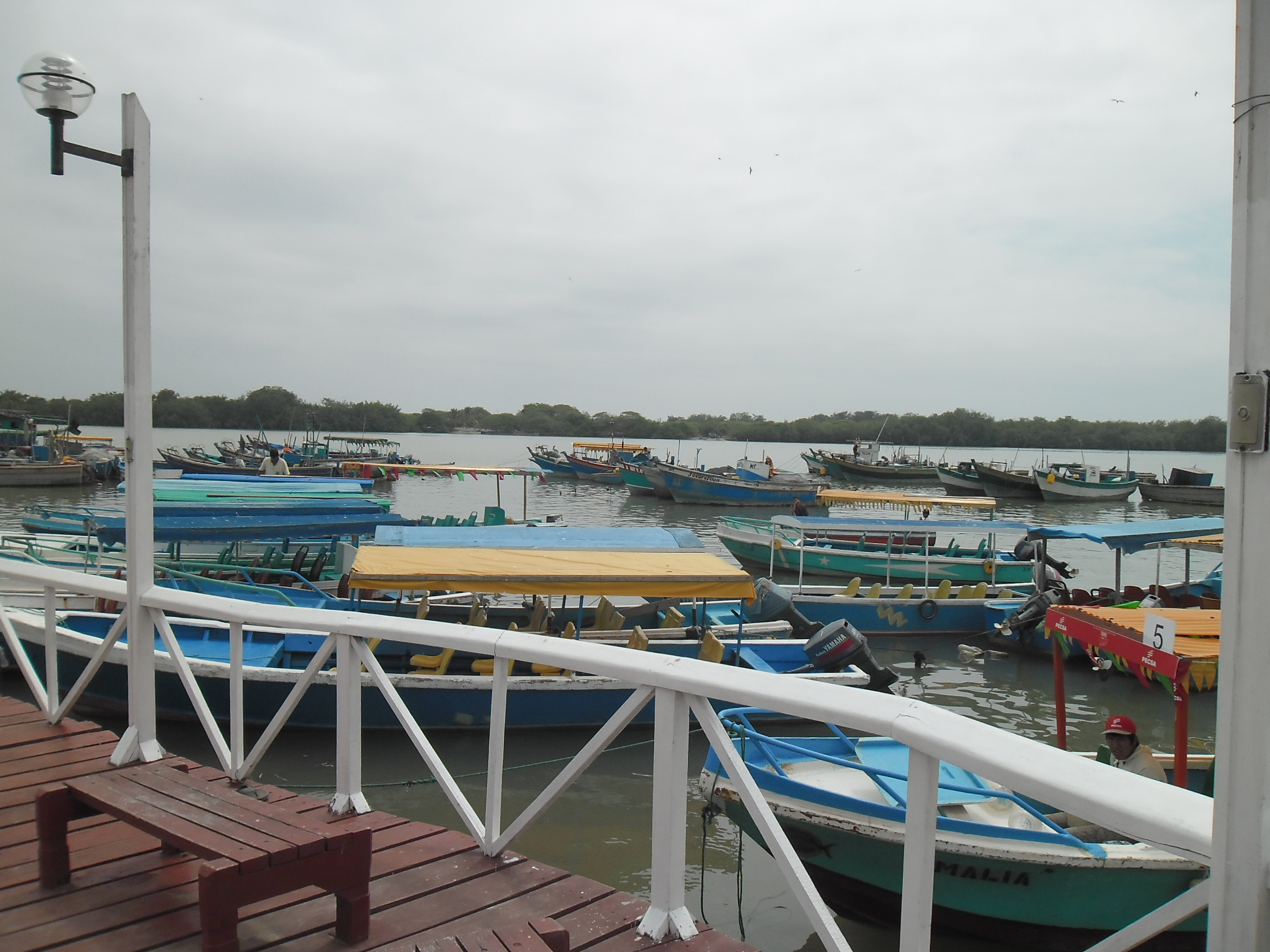
 After we left the mangroves, we stopped at a little island for lunch. Very good ceviche.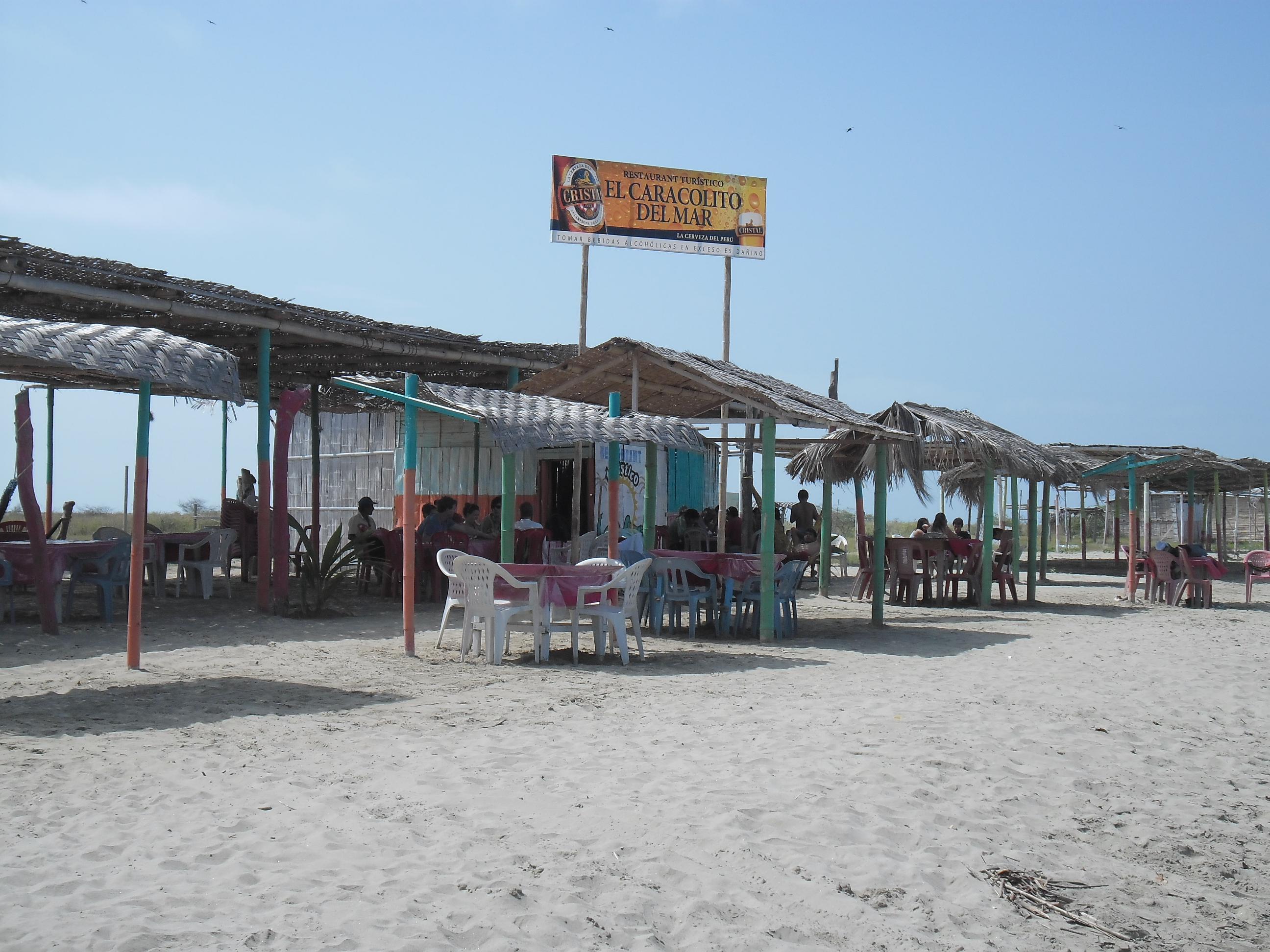
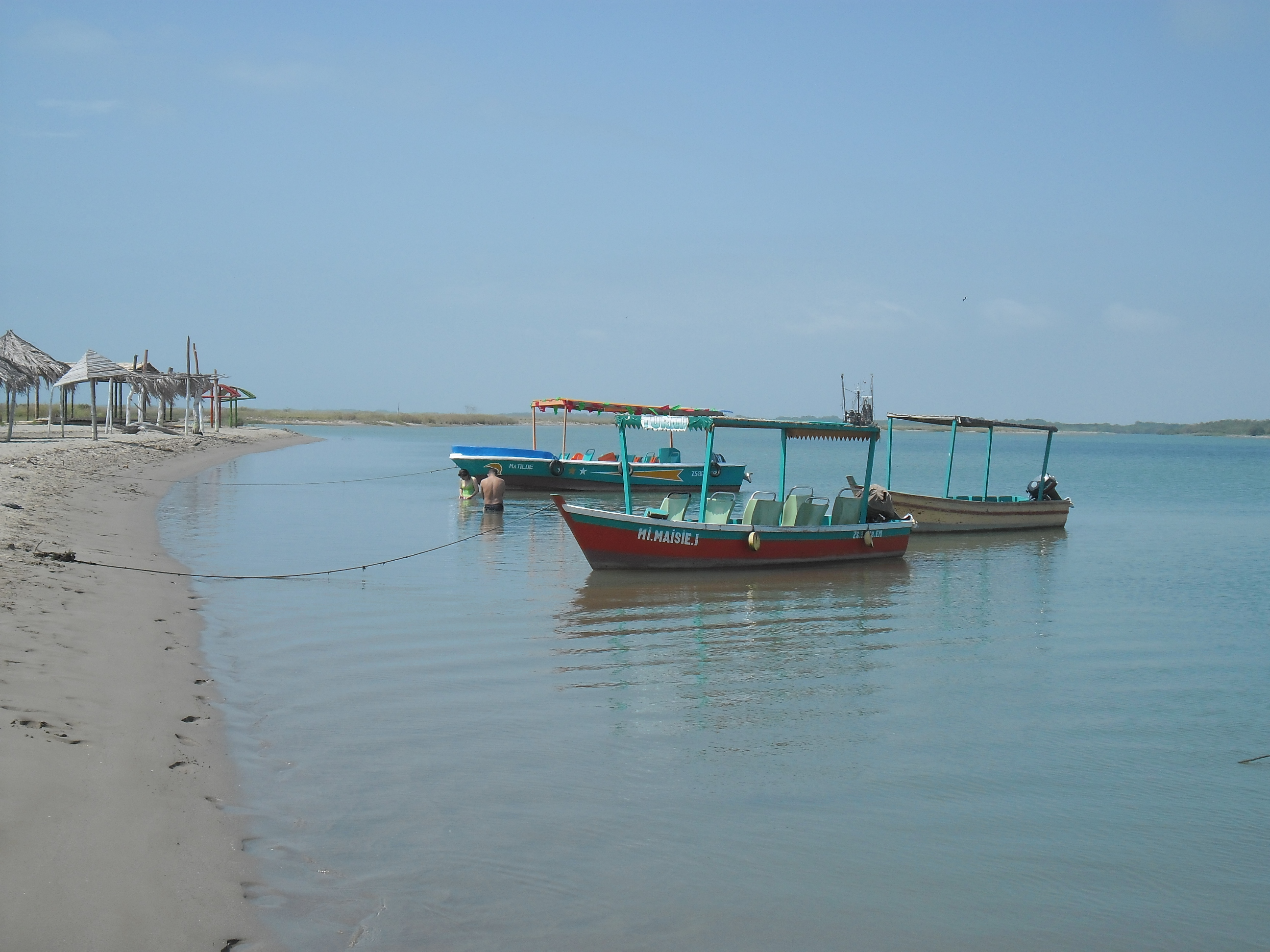
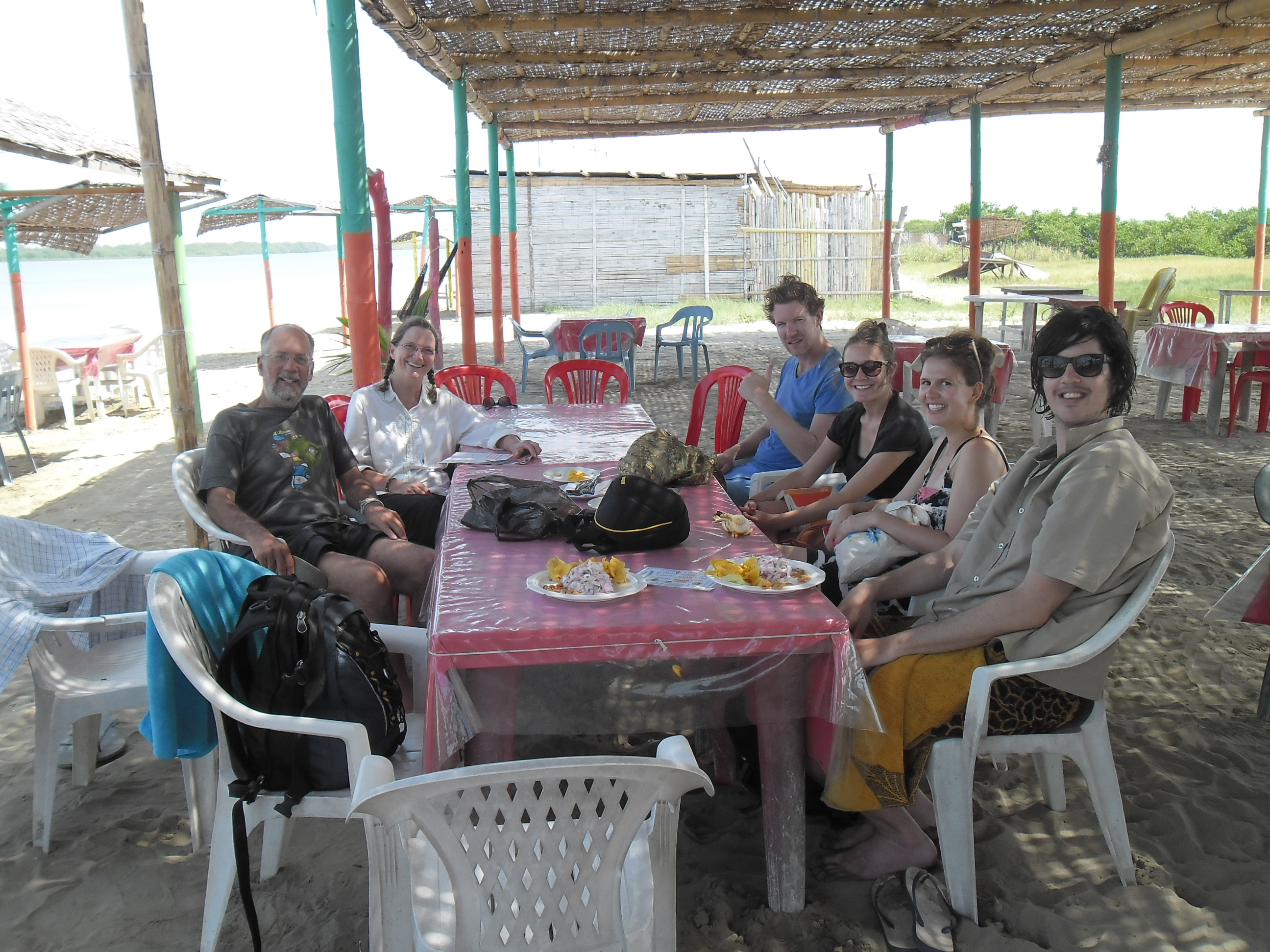 There were a few other outings that we could have gone on, but we couldn’t bring ourselves to leave the beach. The hammocks were calling, and it was just a little too tranquil and beautiful.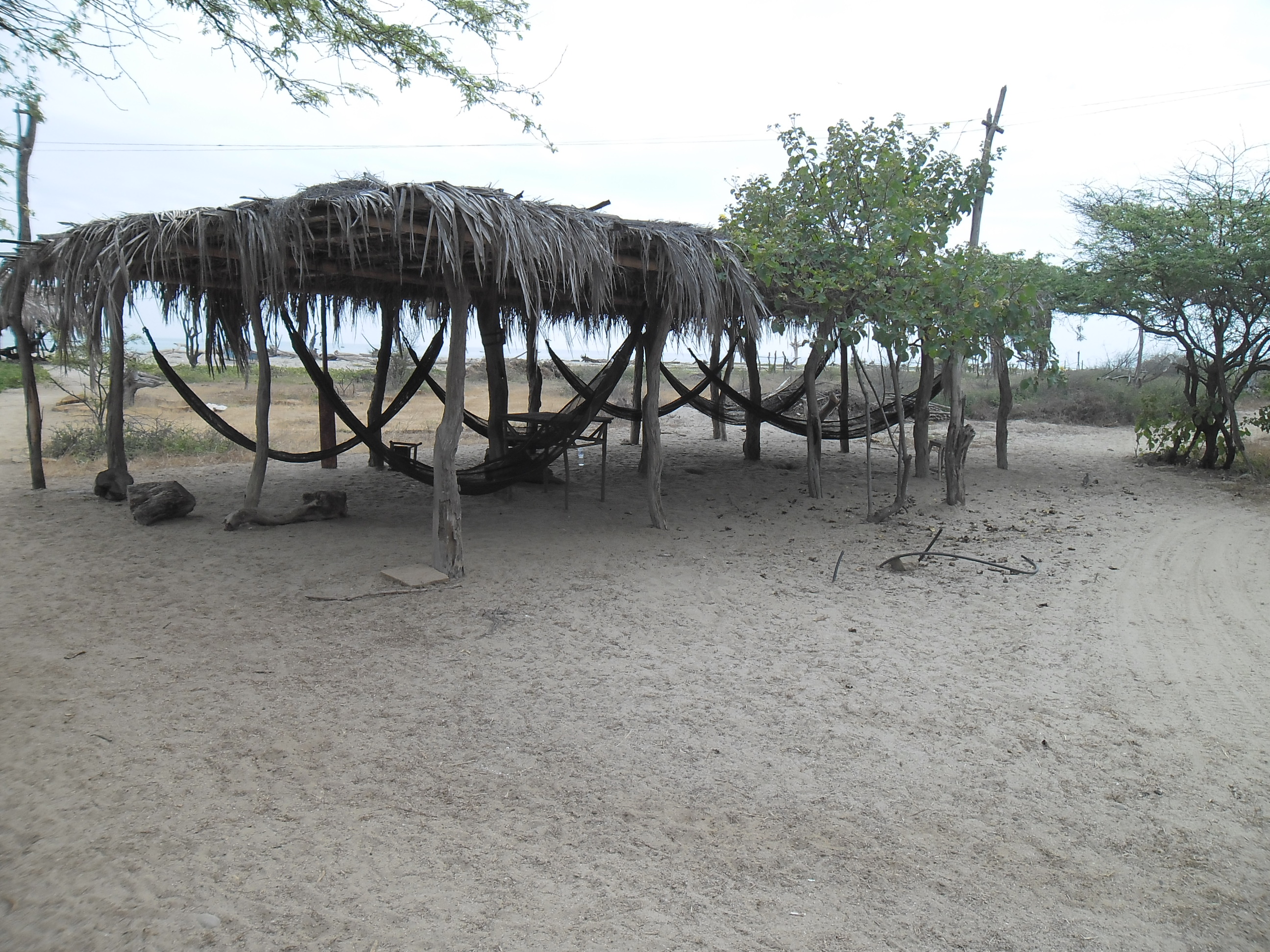
 Ready for what comes next.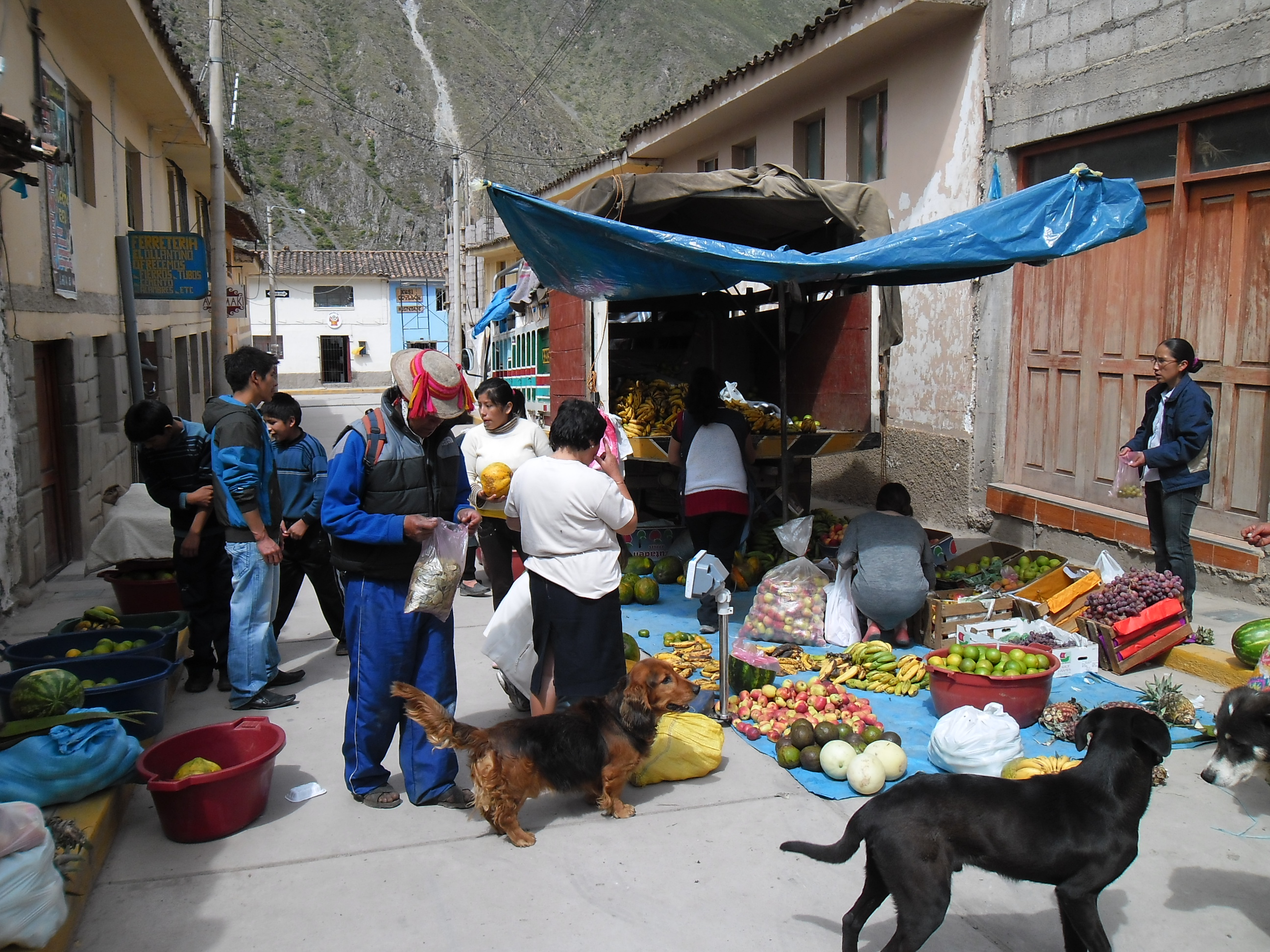
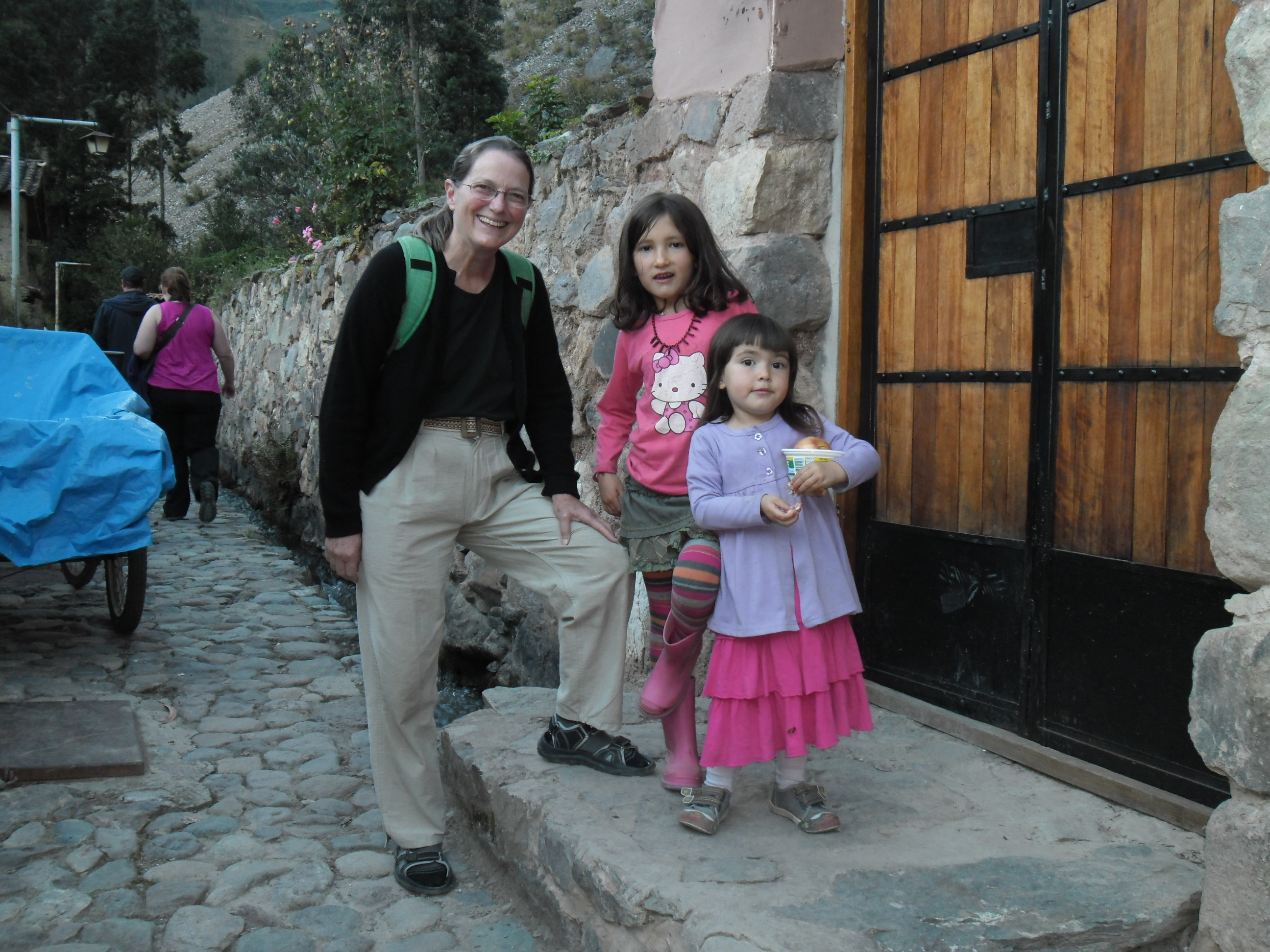
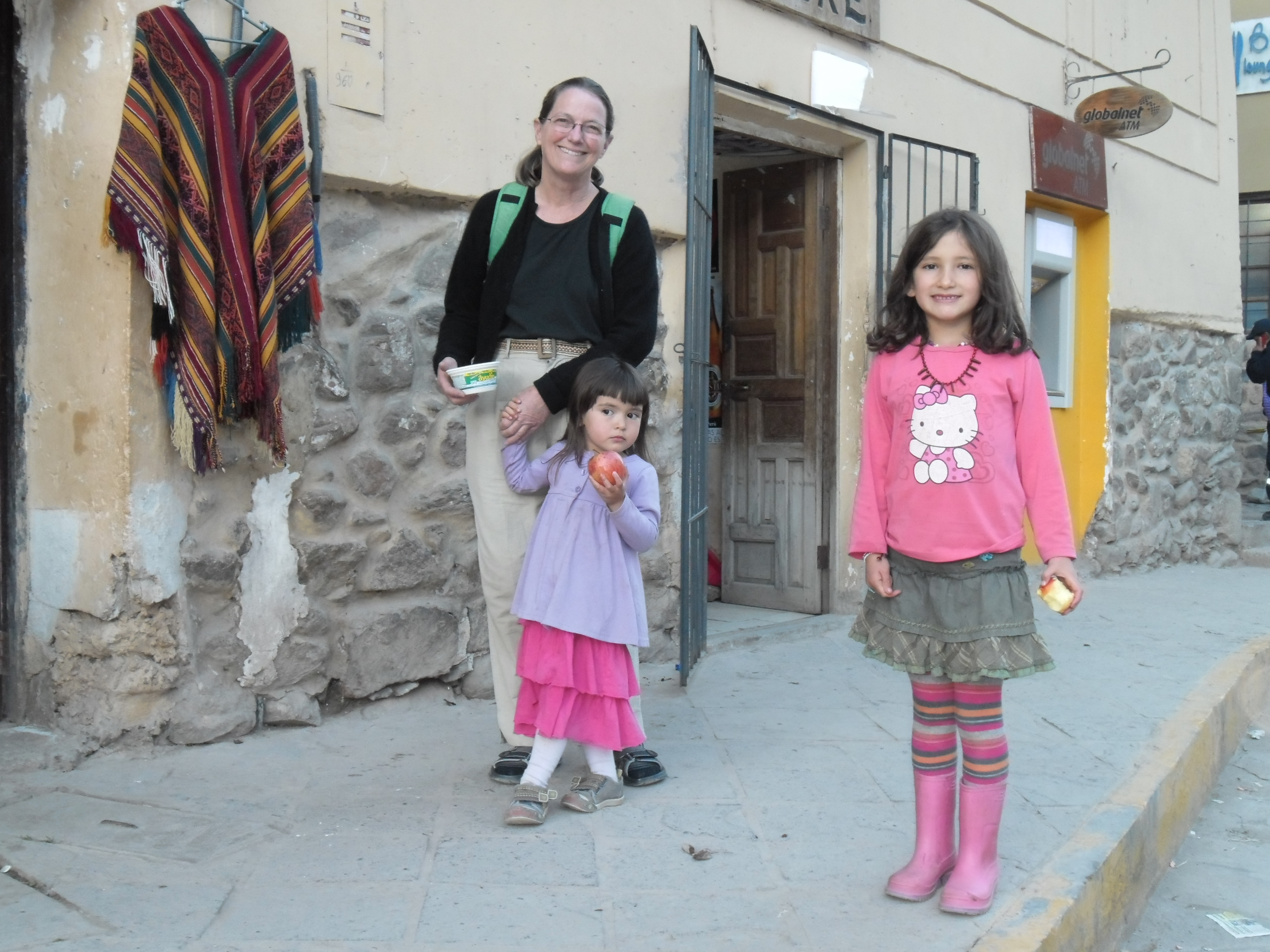
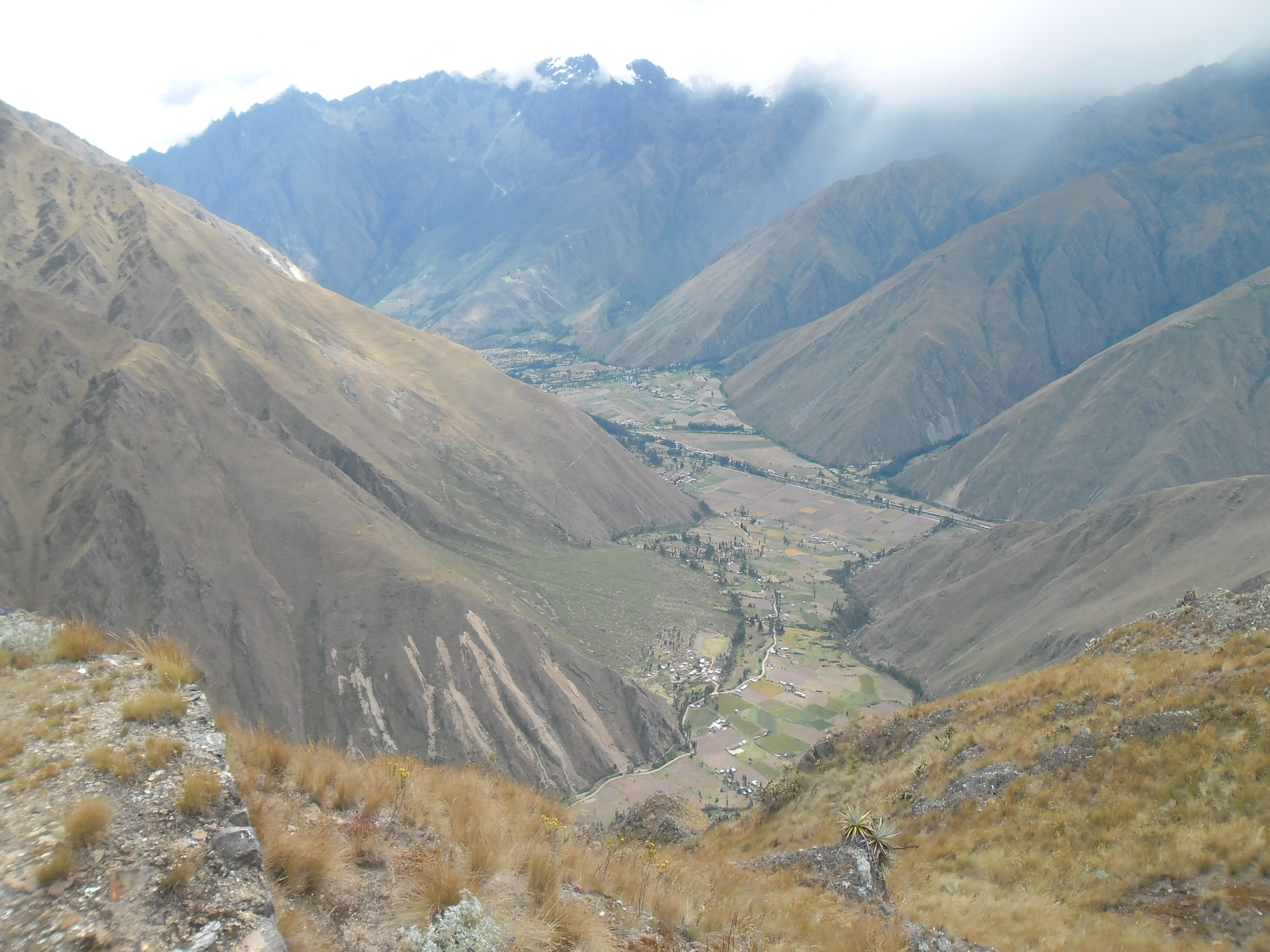
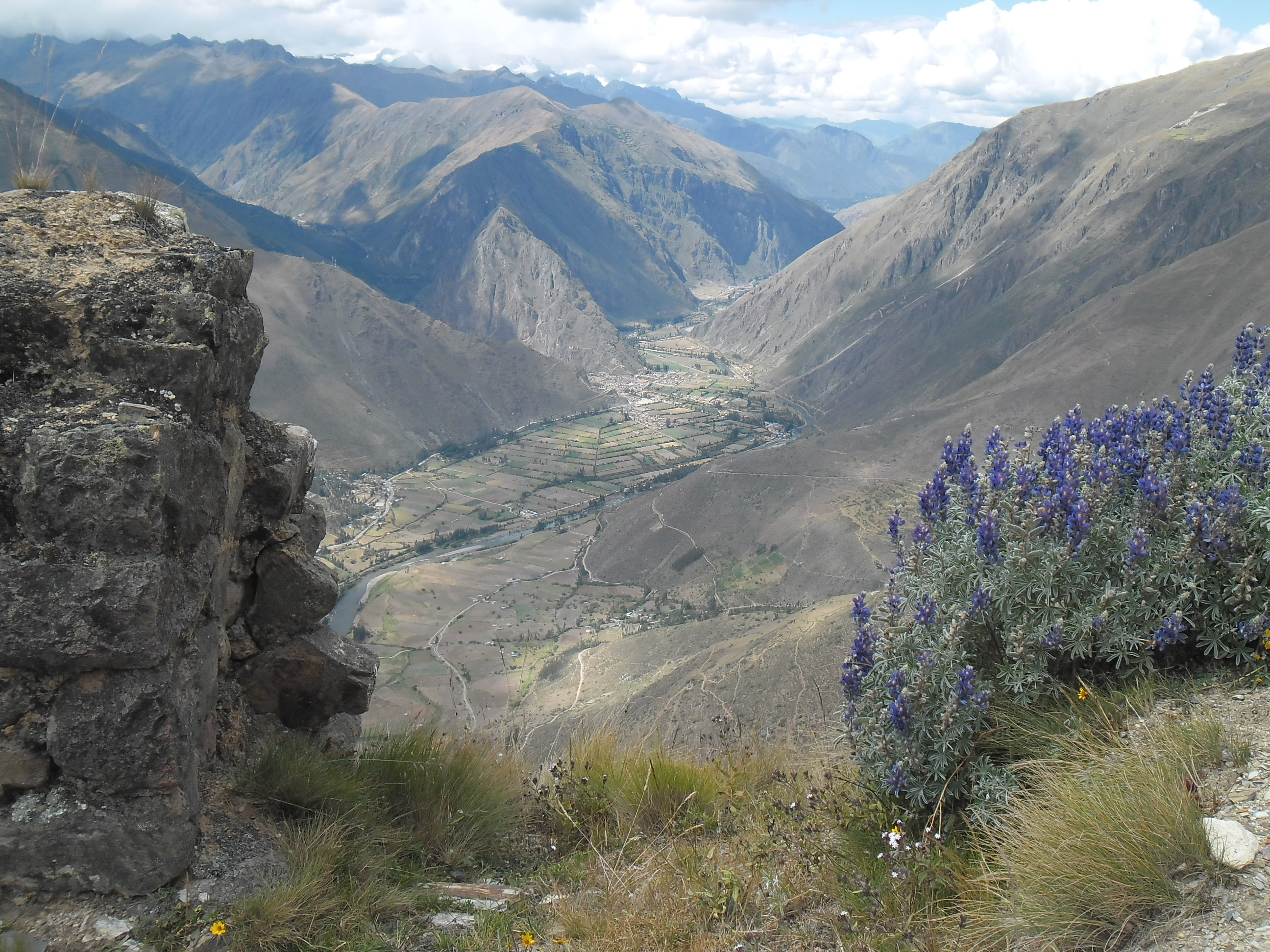
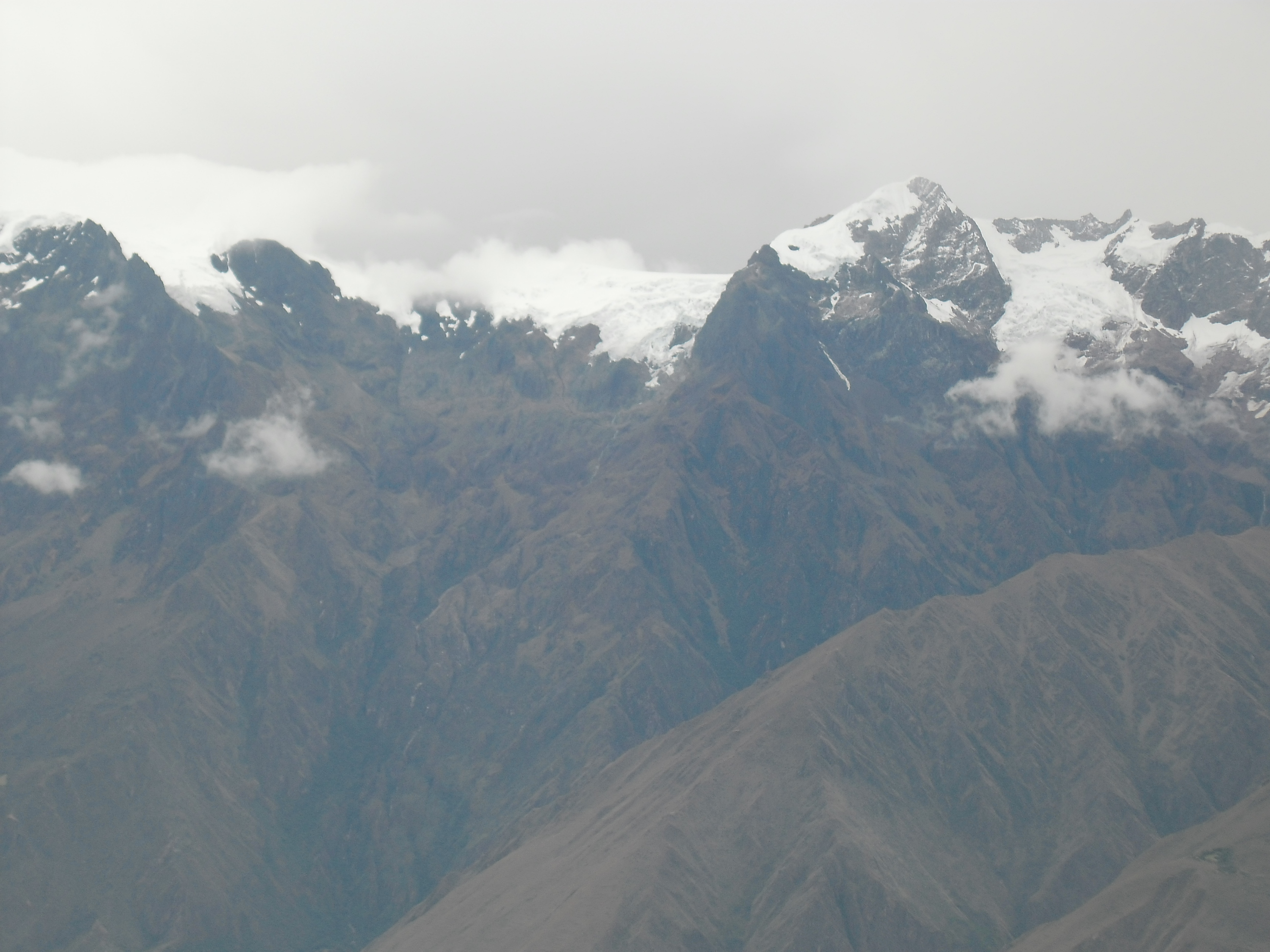
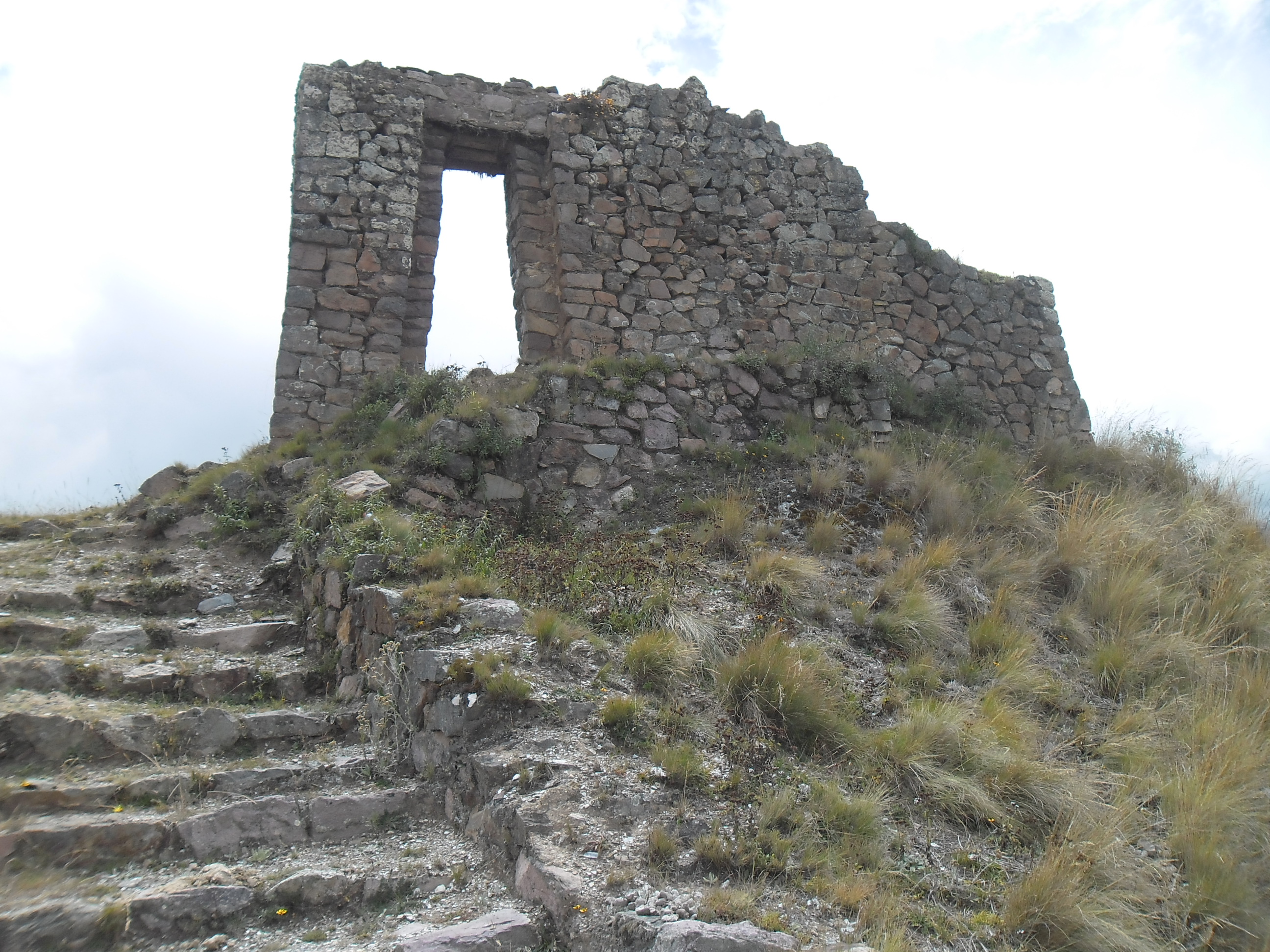

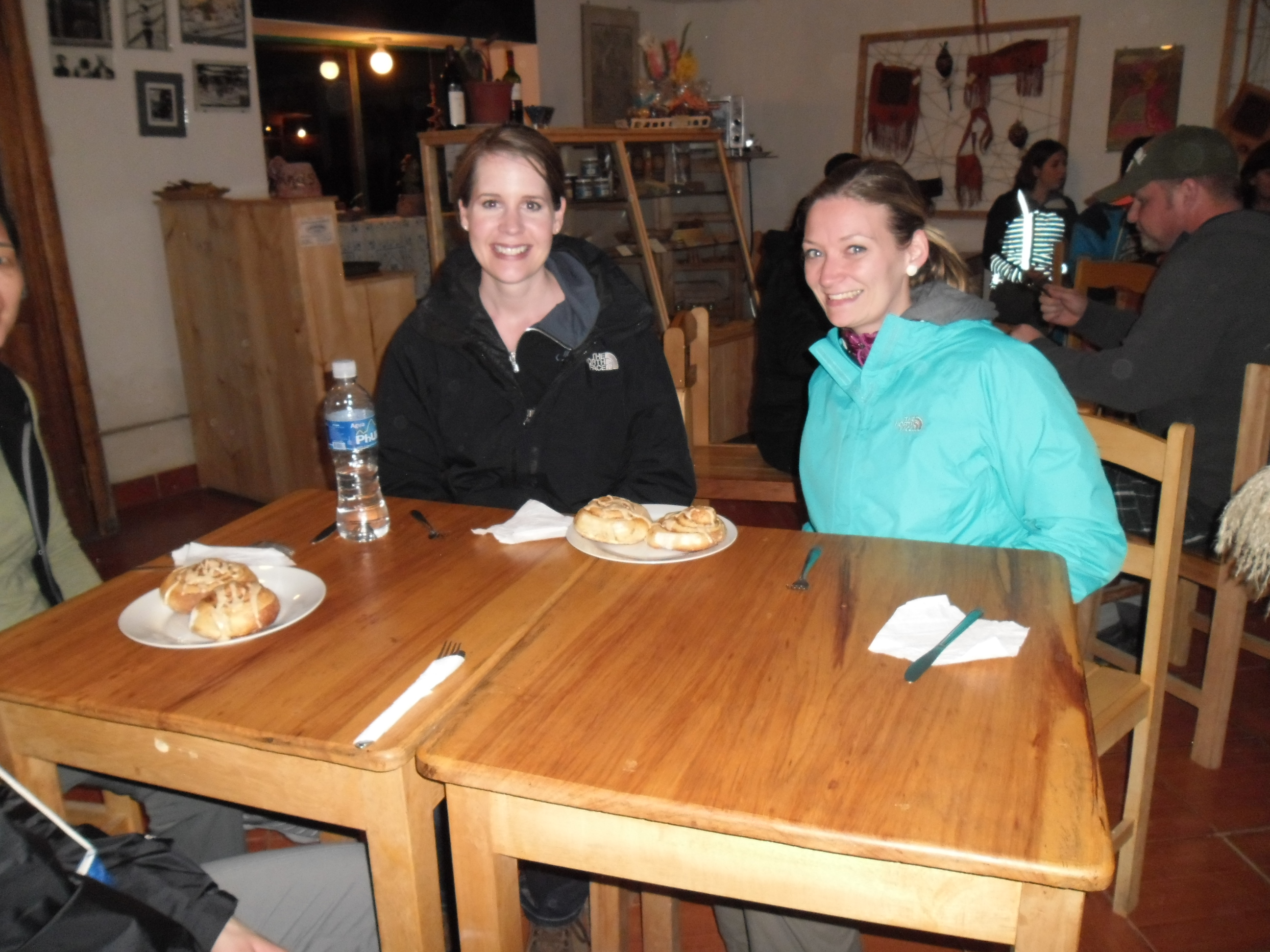 Next week, we might try some onion buns, for sandwiches on their way to Machu Picchu.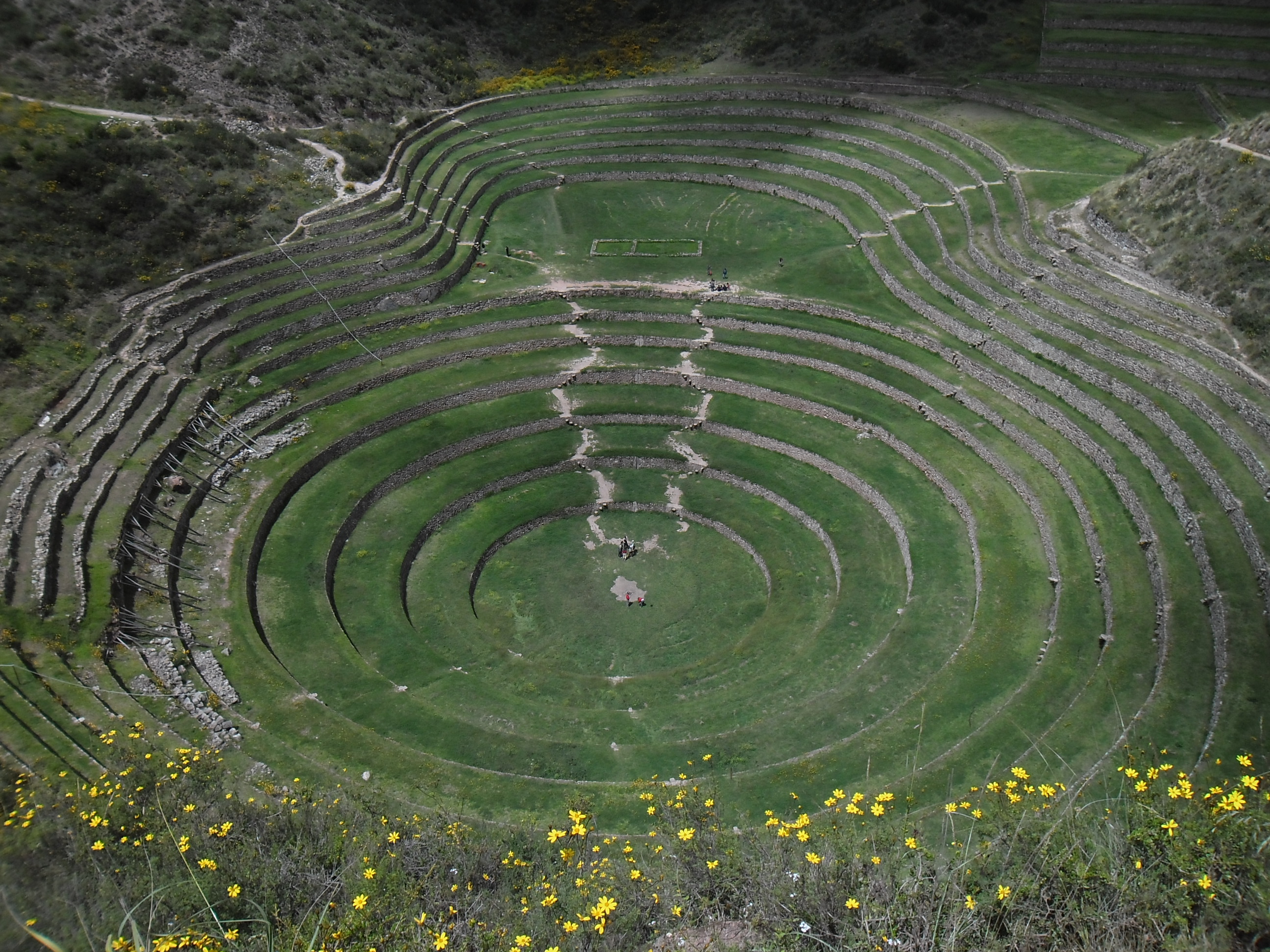
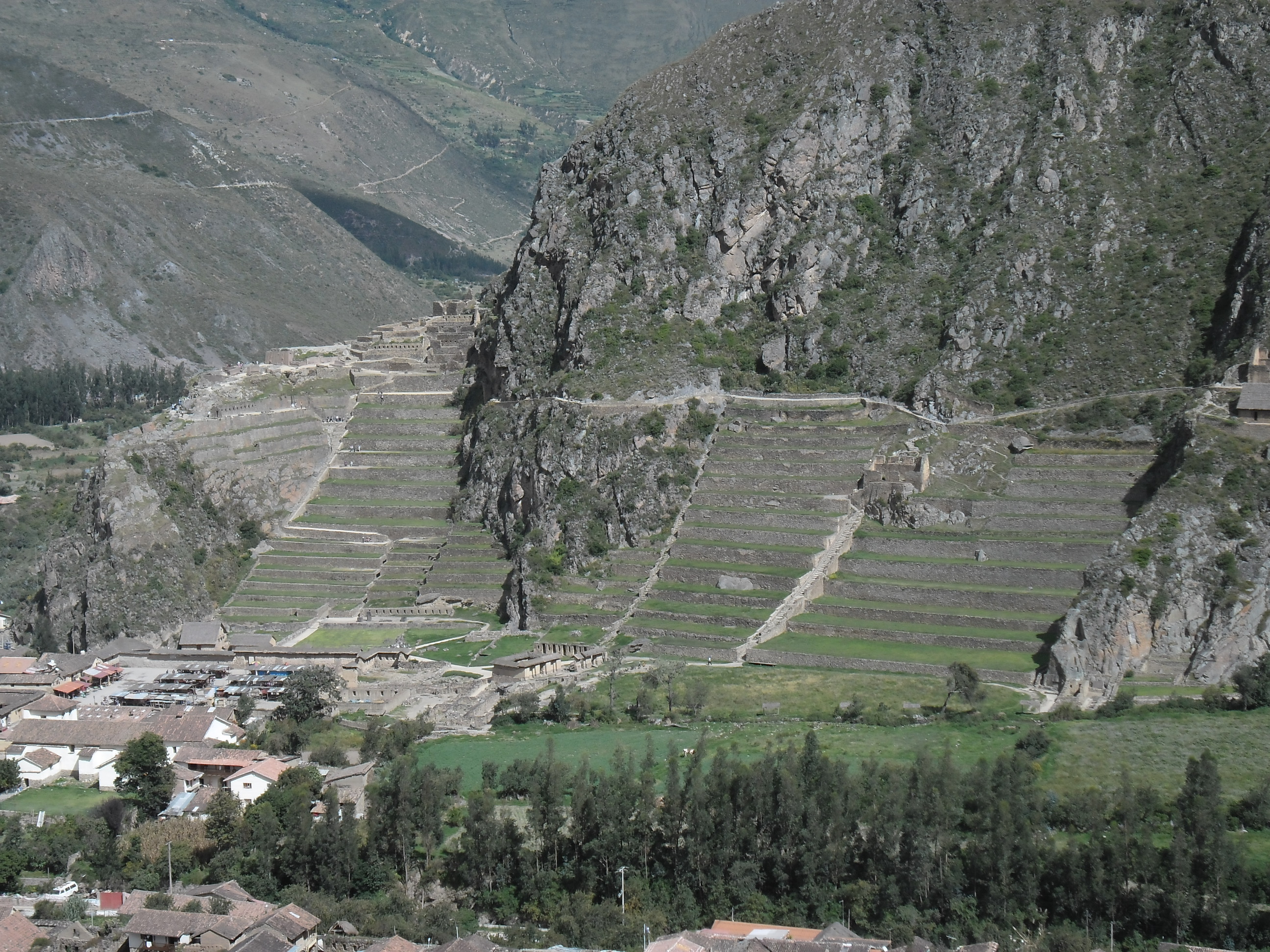
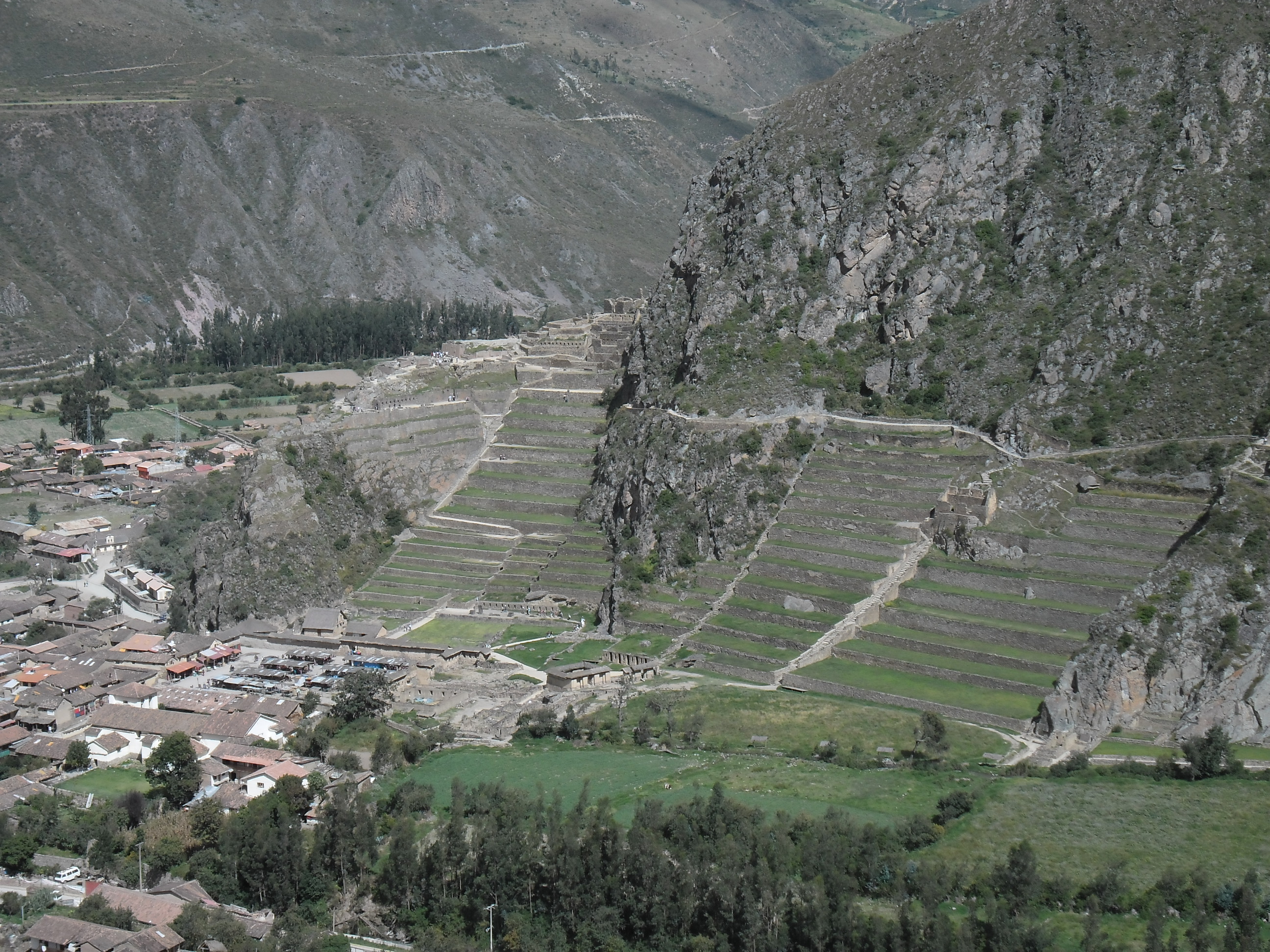
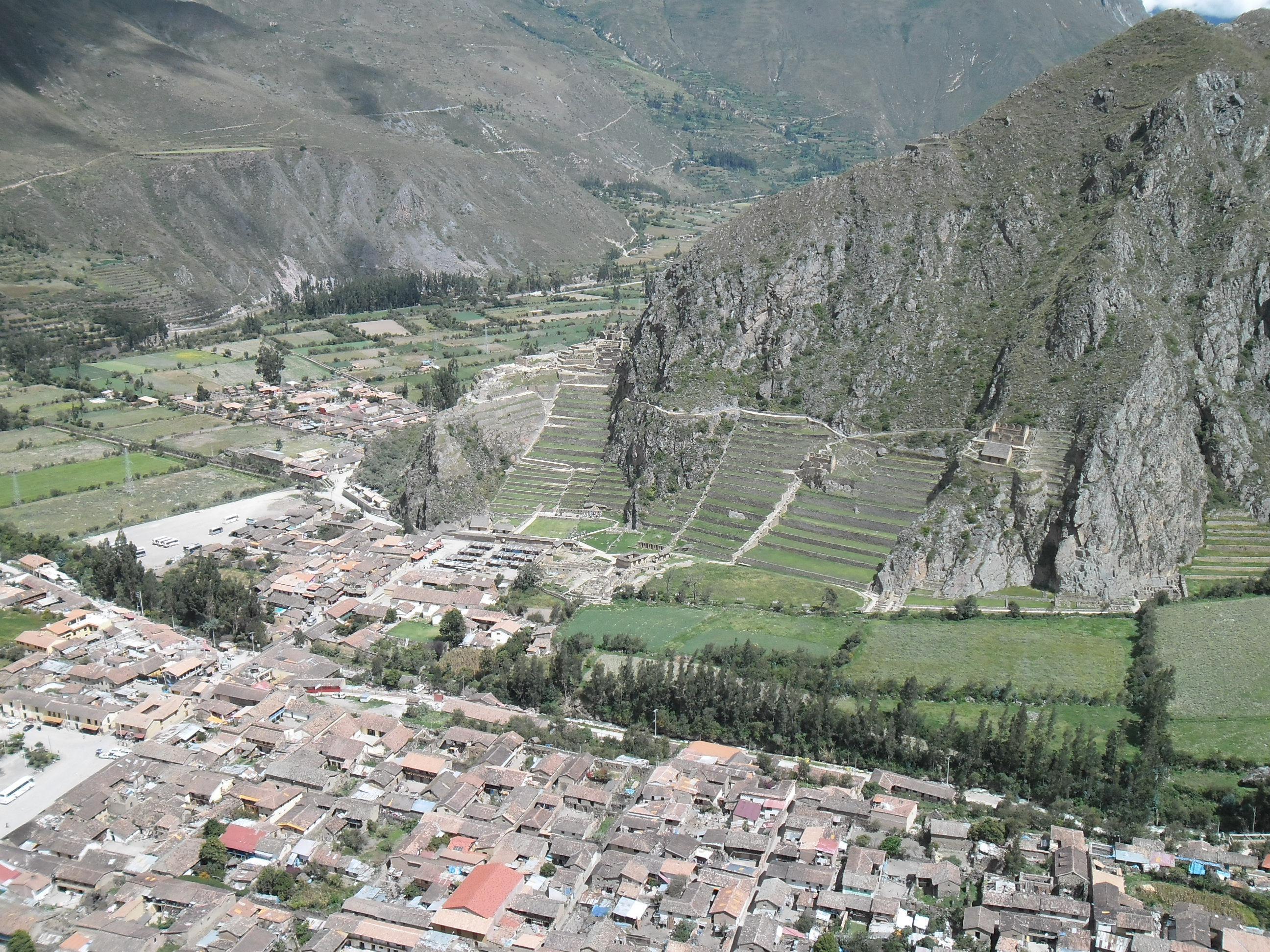
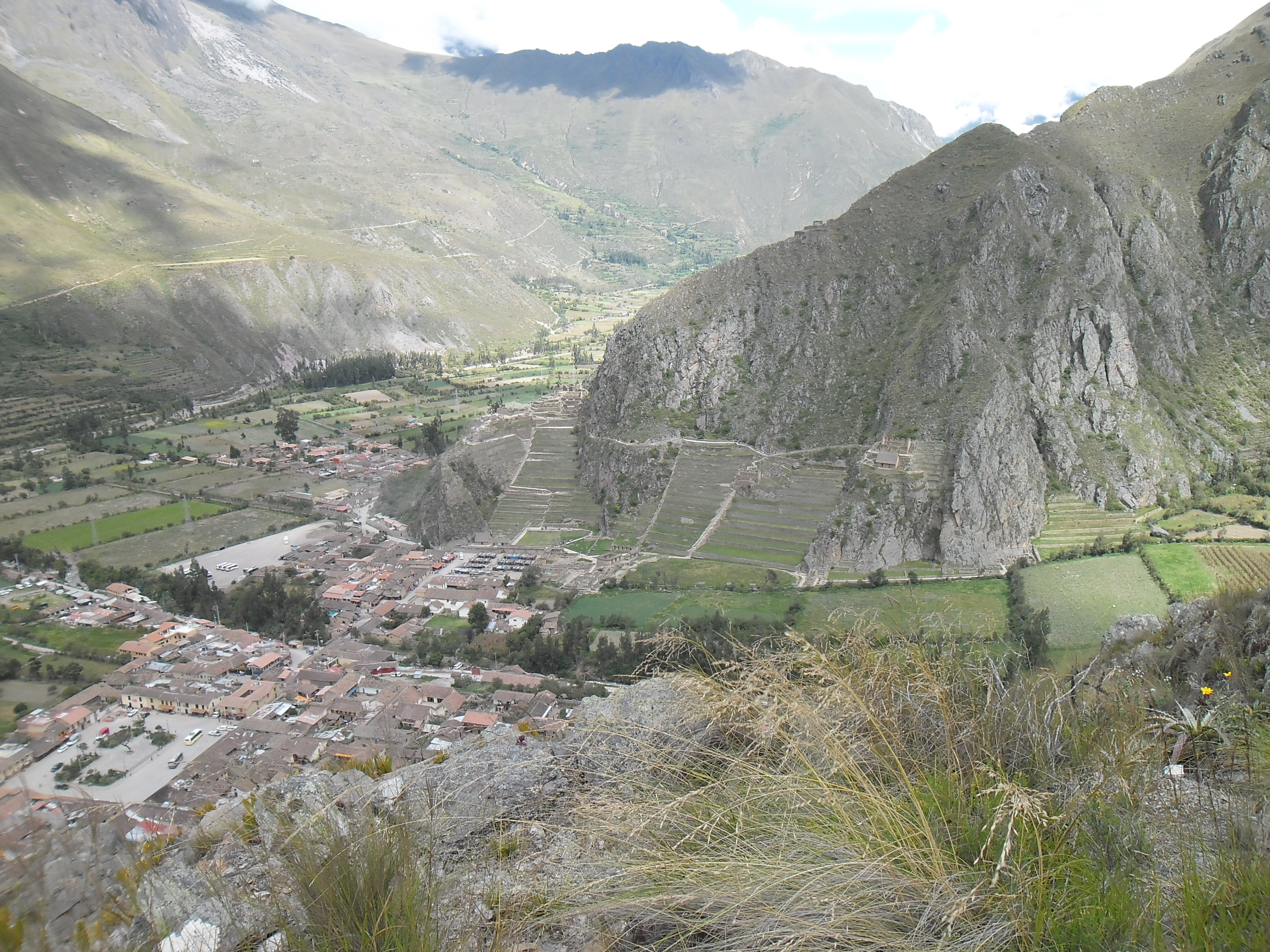
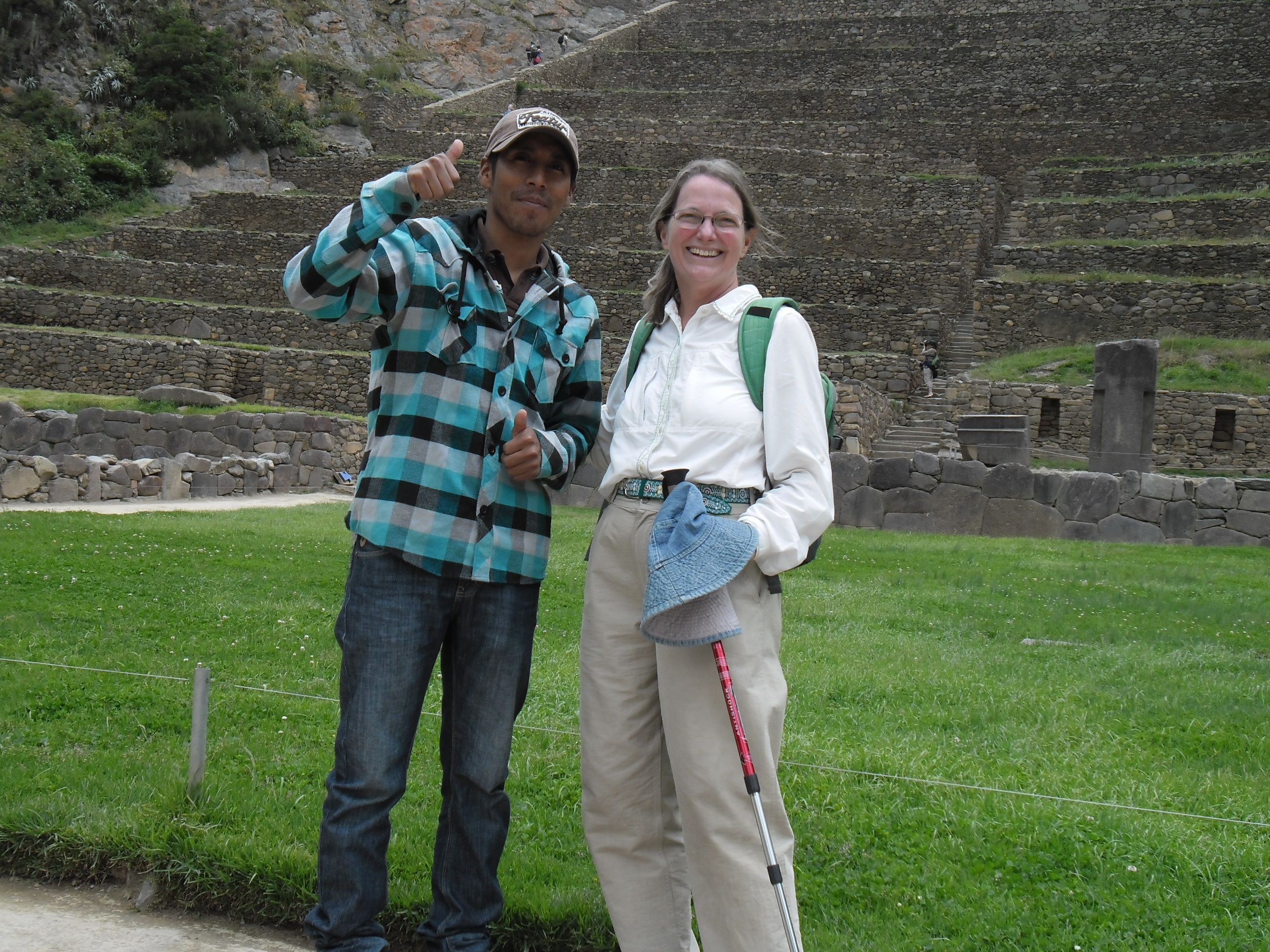
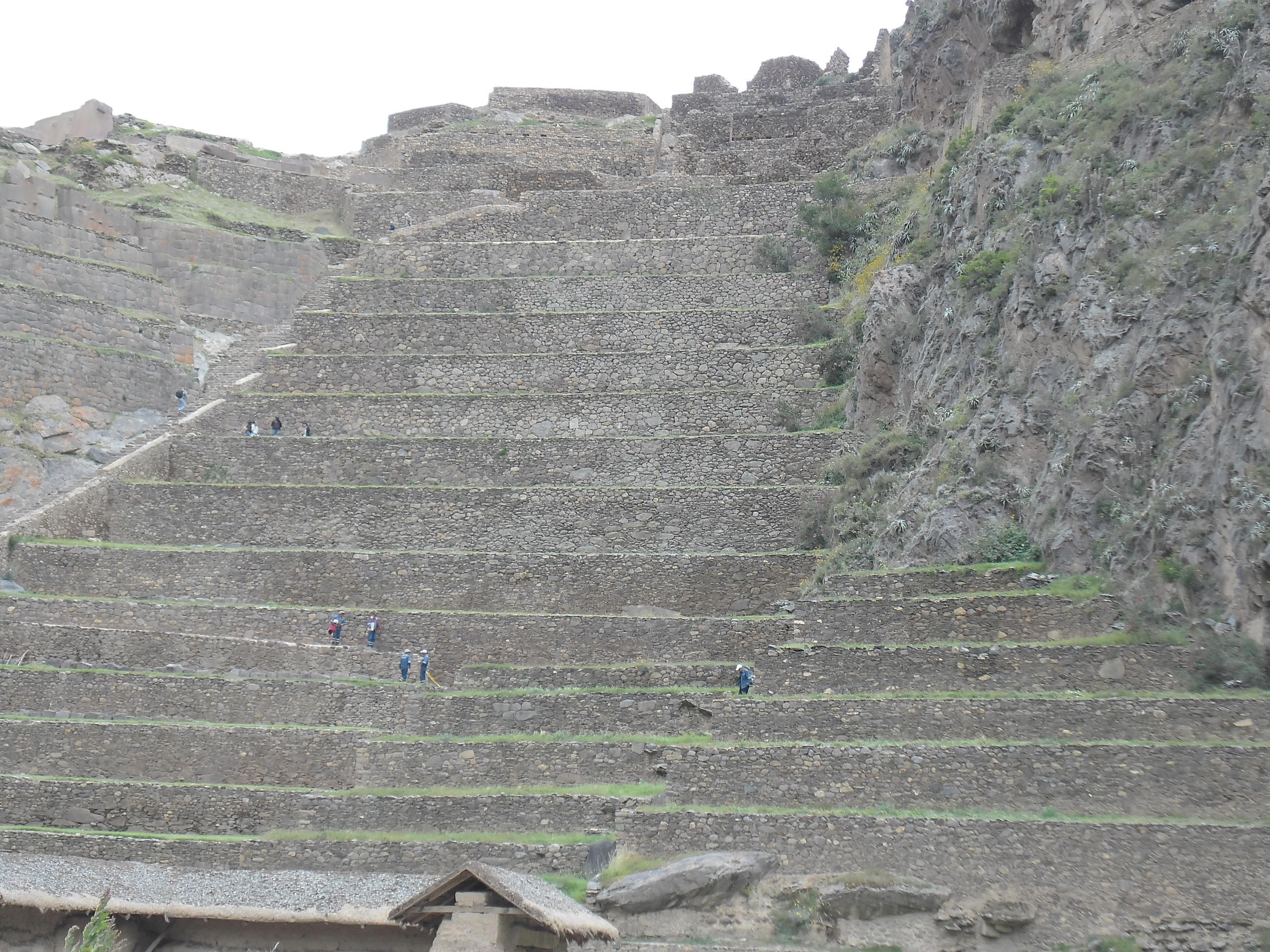
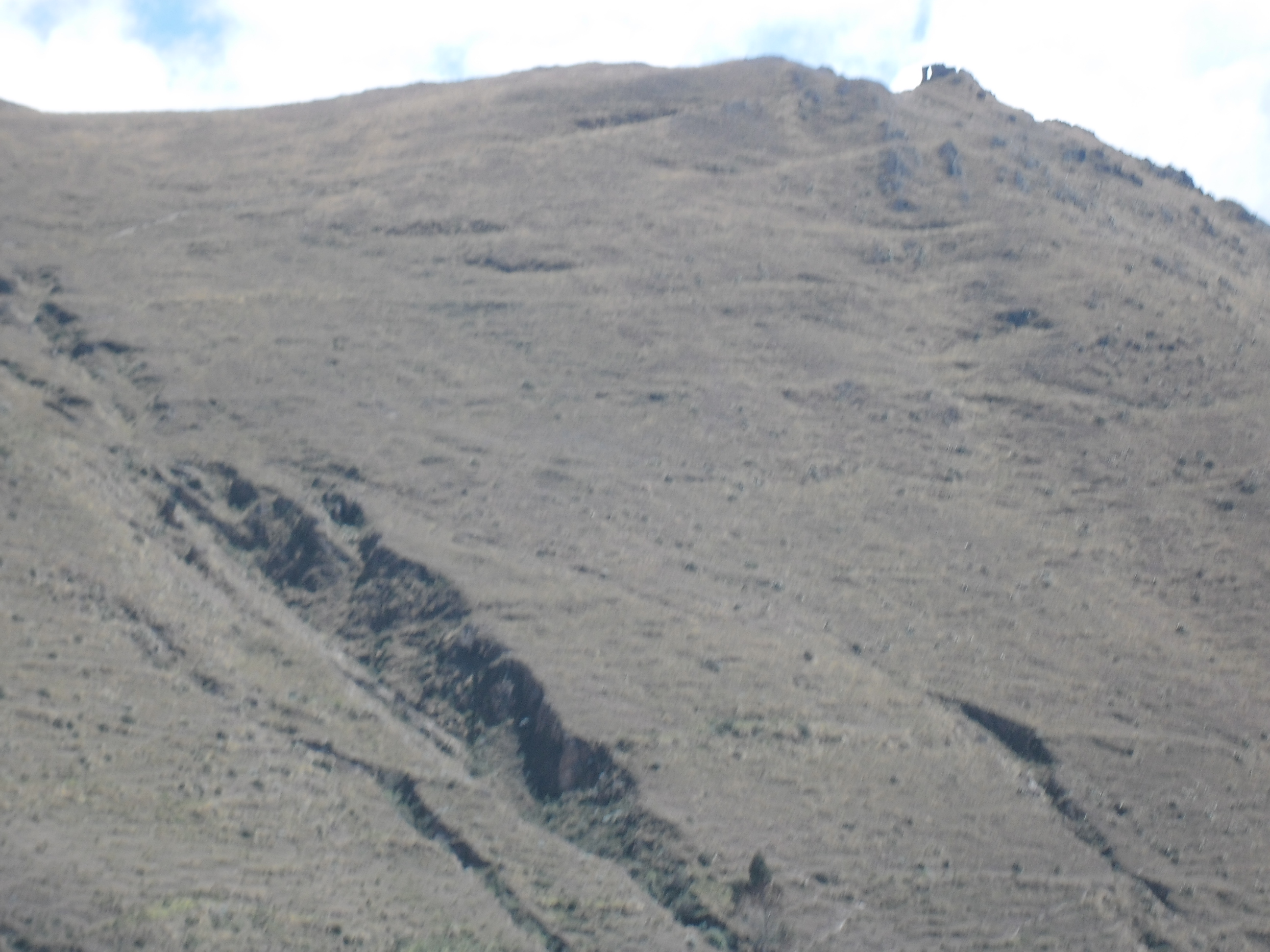
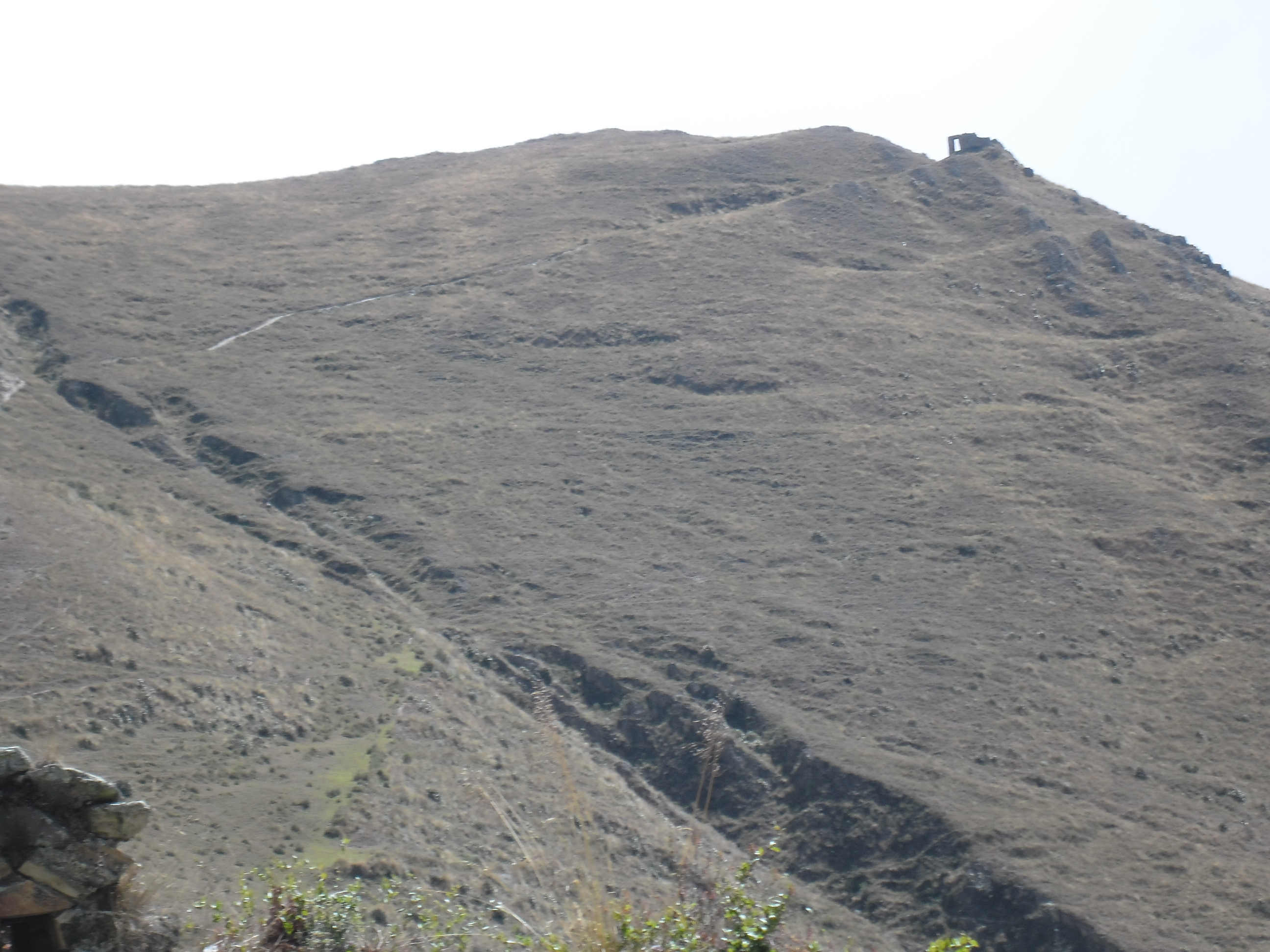
 You can see across the valley to Tunupa, the messenger and watcher, next to his storehouses. The Incas used the storehouses to store potatoes and corn.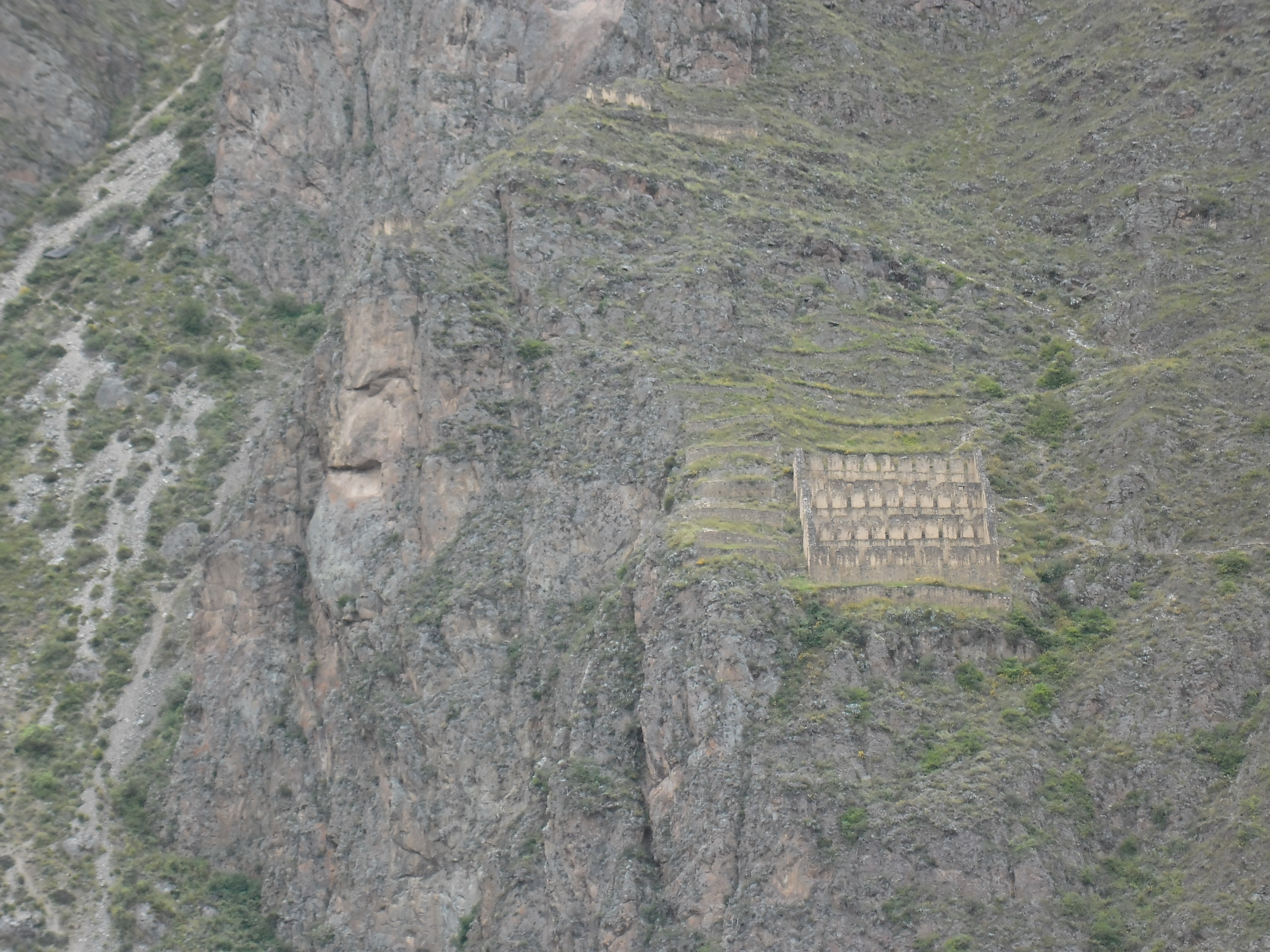

 mikeandmonica