We´ve been in Ollantaytambo for two and a half months, living and working at Apu Lodge, and being part of the community. We´ve made some friends, and it will be sad to leave. At Apu, we helped out with breakfast in the morning. We also helped with the shopping, welcoming guests, we gave English lessons, and we did whatever needed to be done.
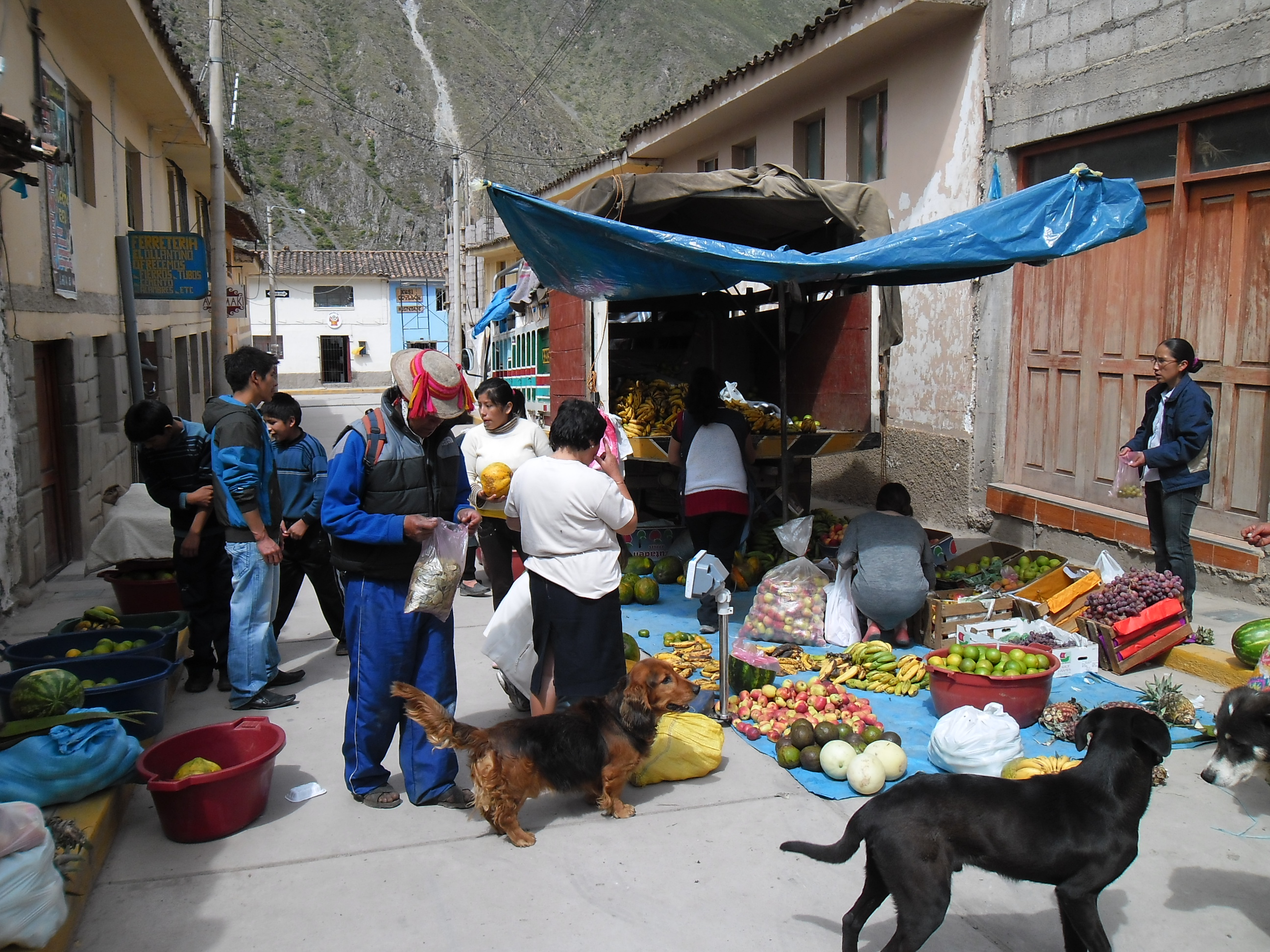
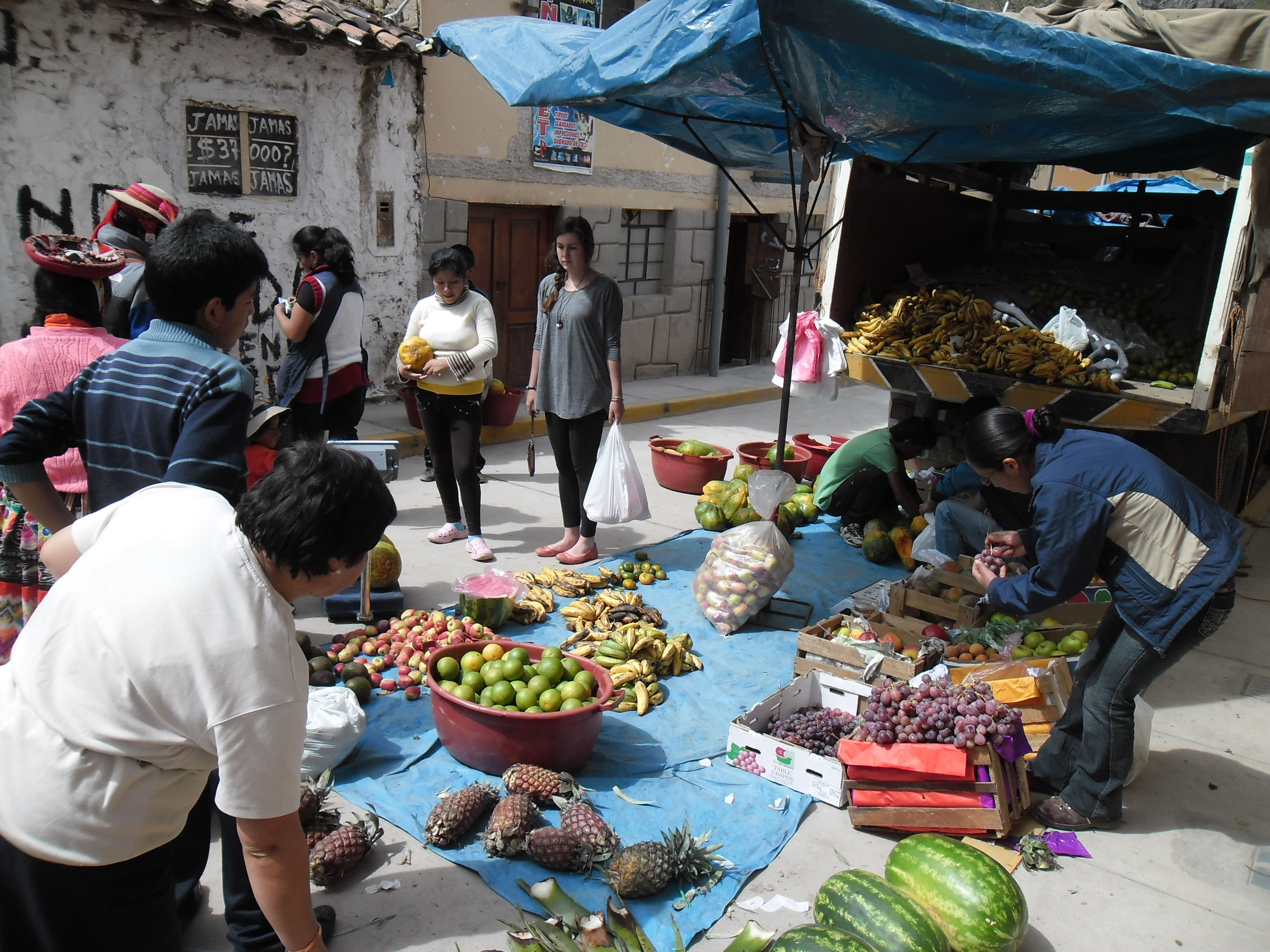
Every Tuesday morning, the produce truck pulls into Ollanta, and we stock up for the week
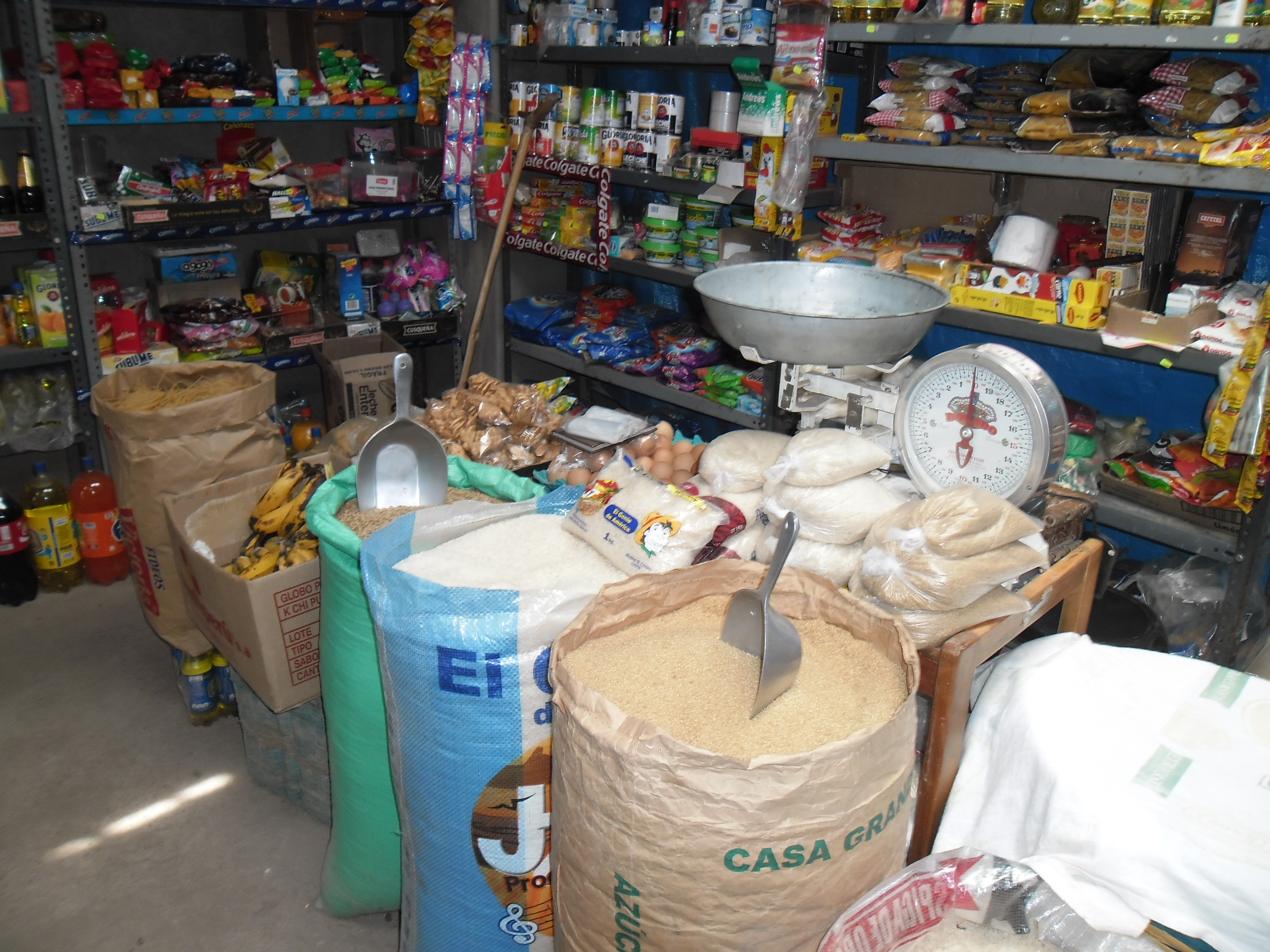
We would buy things in stores too
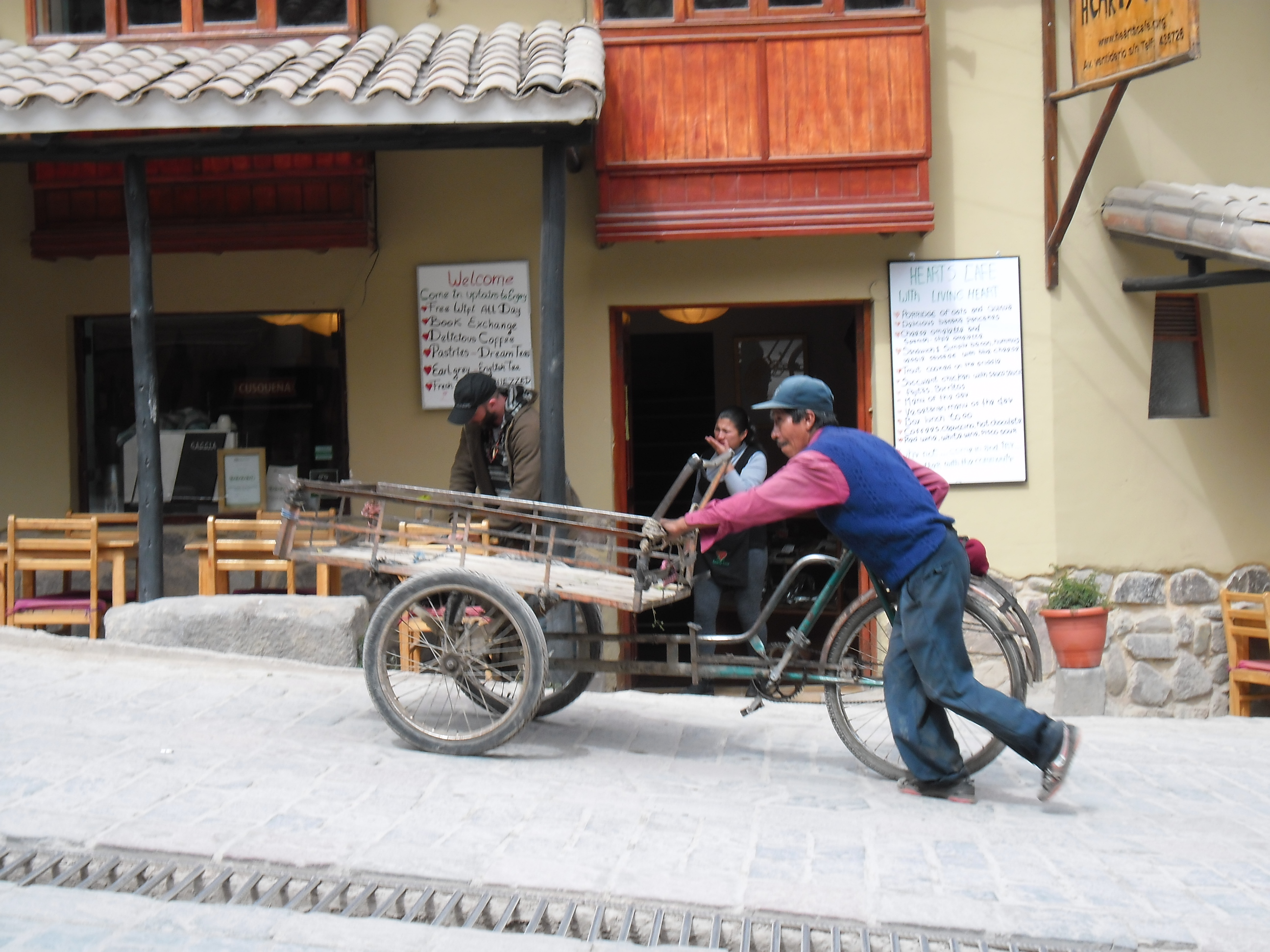
The lodge is at the end of a little street, and there is no vehicle access. Very often, we would help the guests, either when they were arriving or when they were leaving. We would use the trici to wheel their luggage.
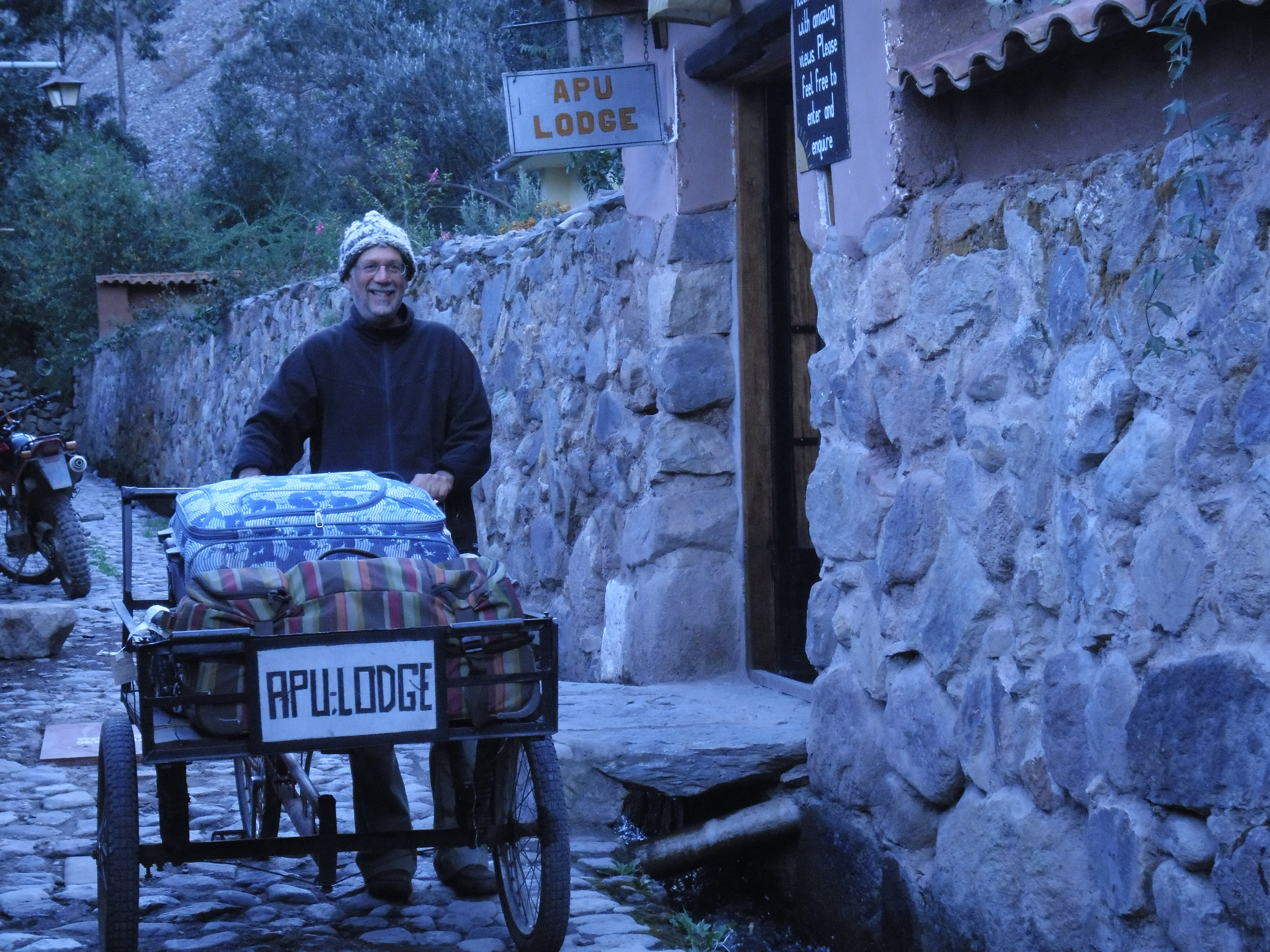
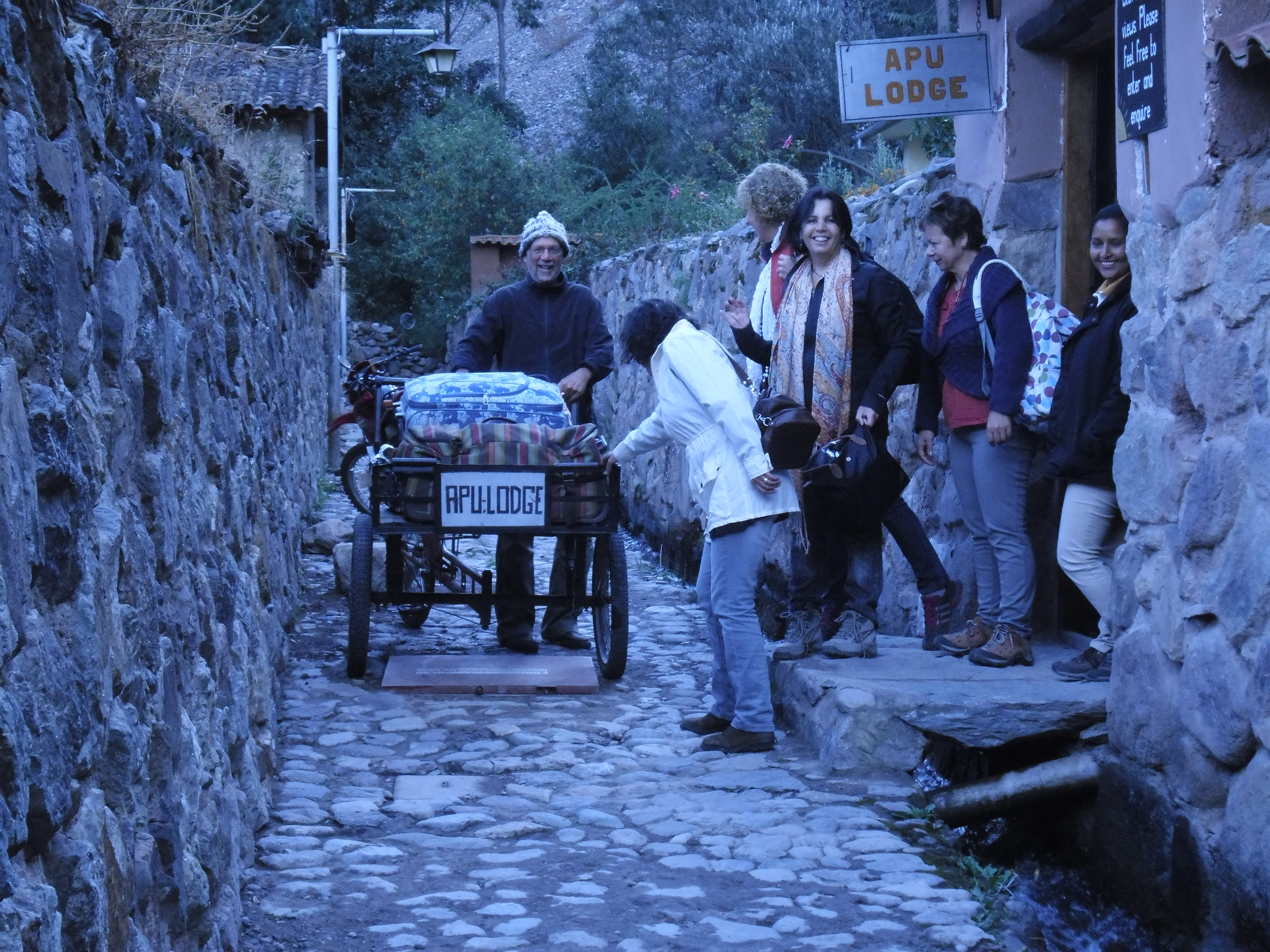
Mike helping a group of Chilenas
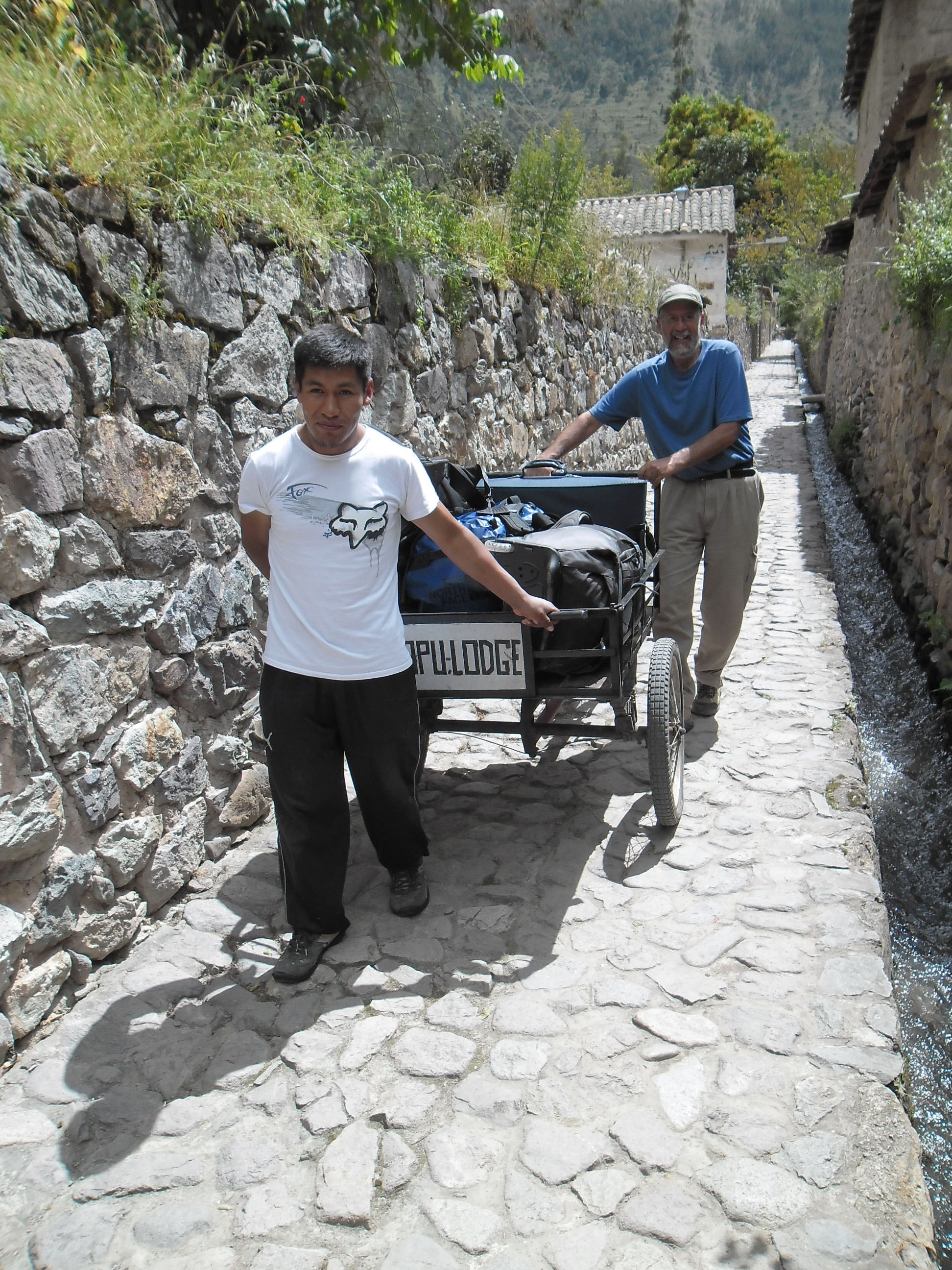
Gregorio in the front. We tried to keep the luggage from dumping into the irrigation ditch.
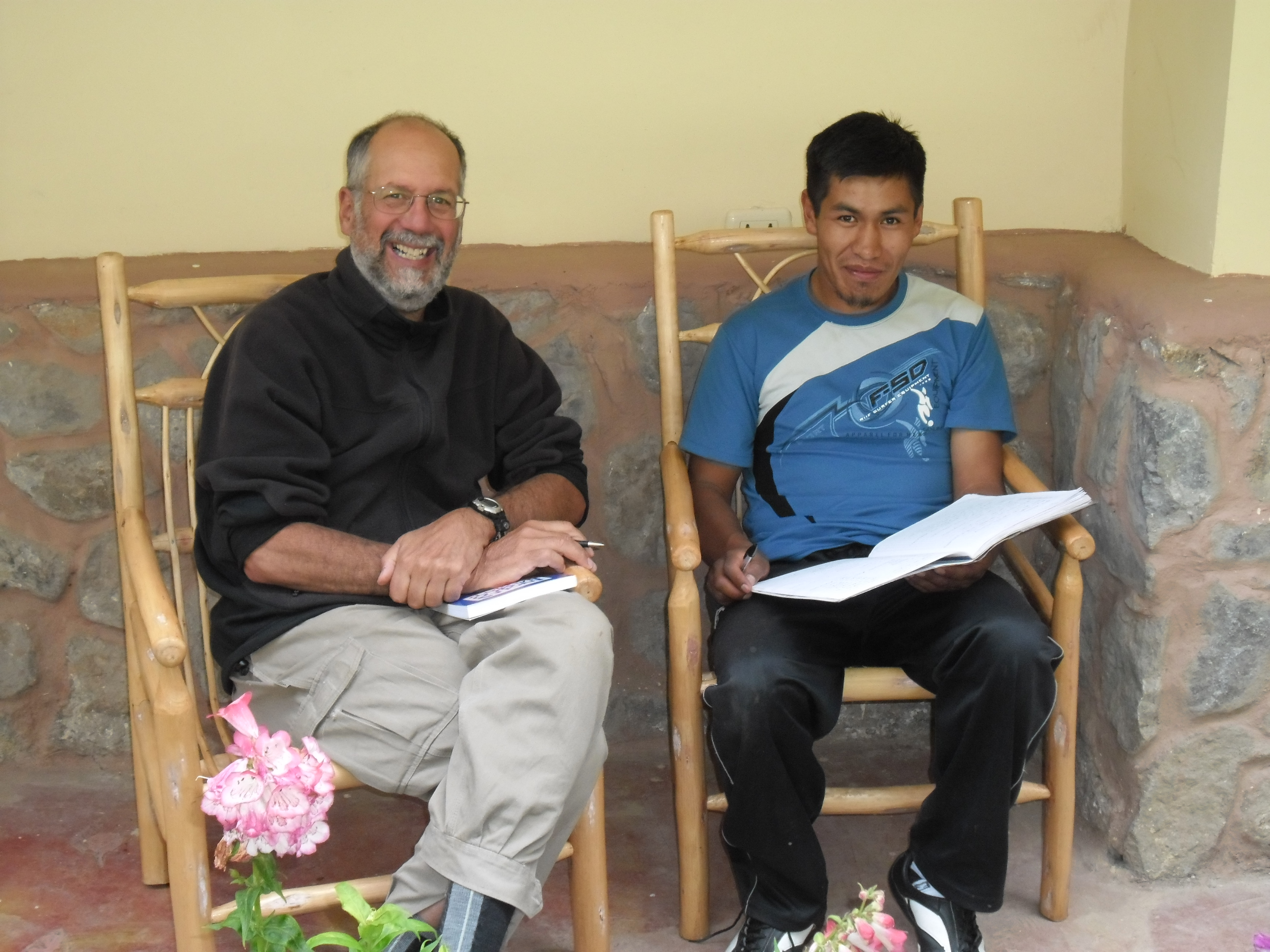
An English lesson with Grego
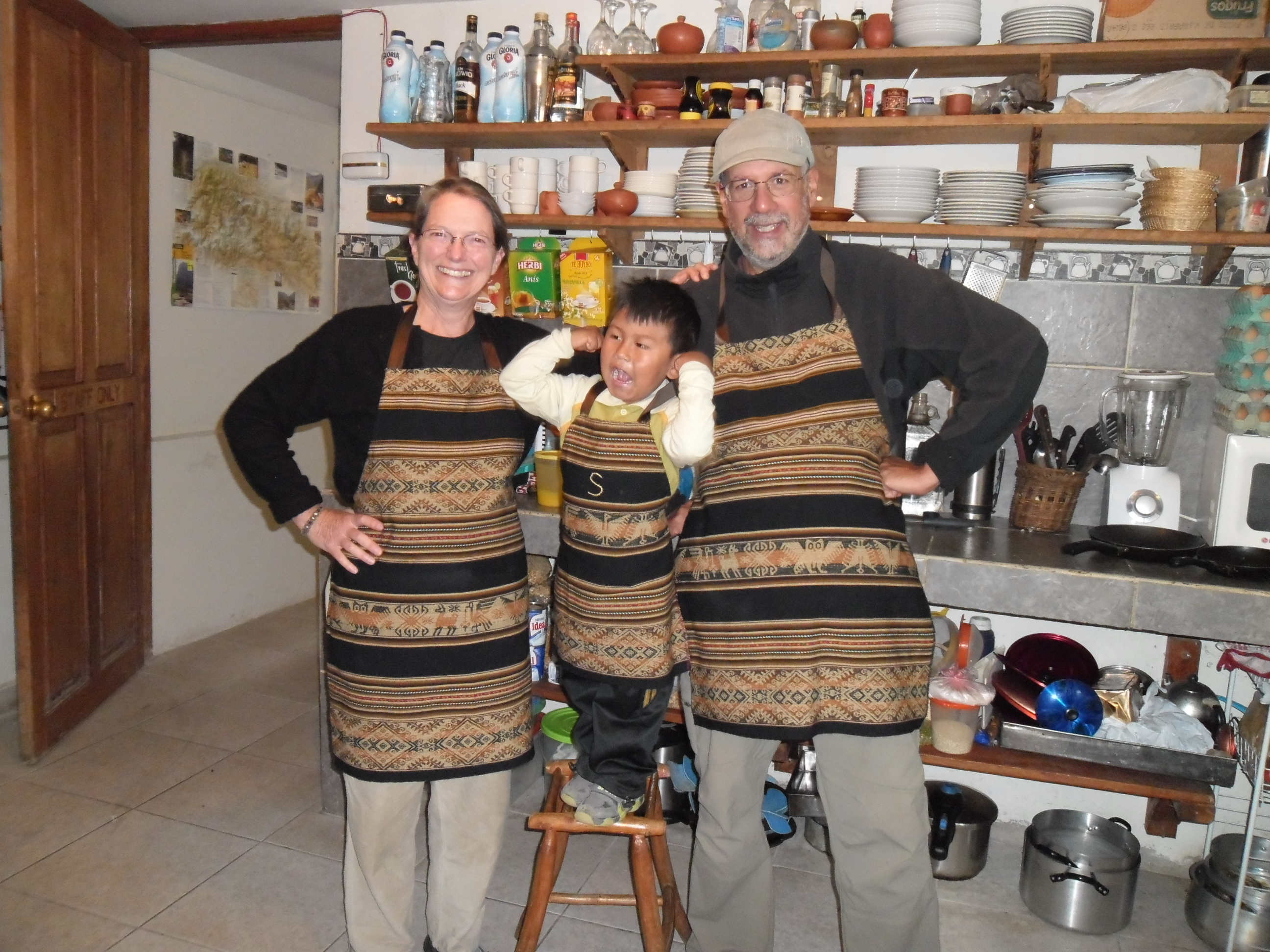
Samir would help us with breakfast sometimes
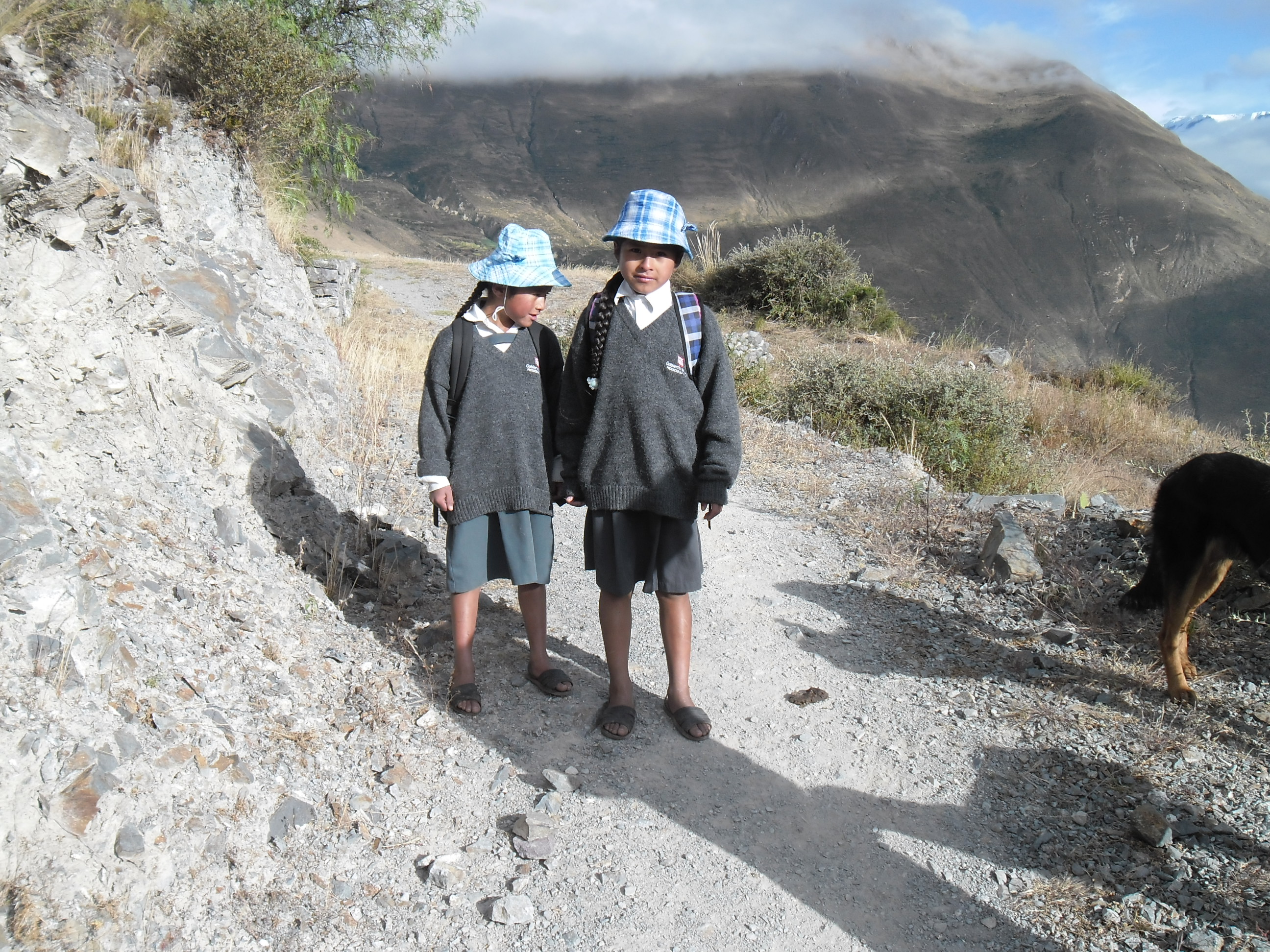
After breakfast, Mike would often accompany Ruth and Samir to school.
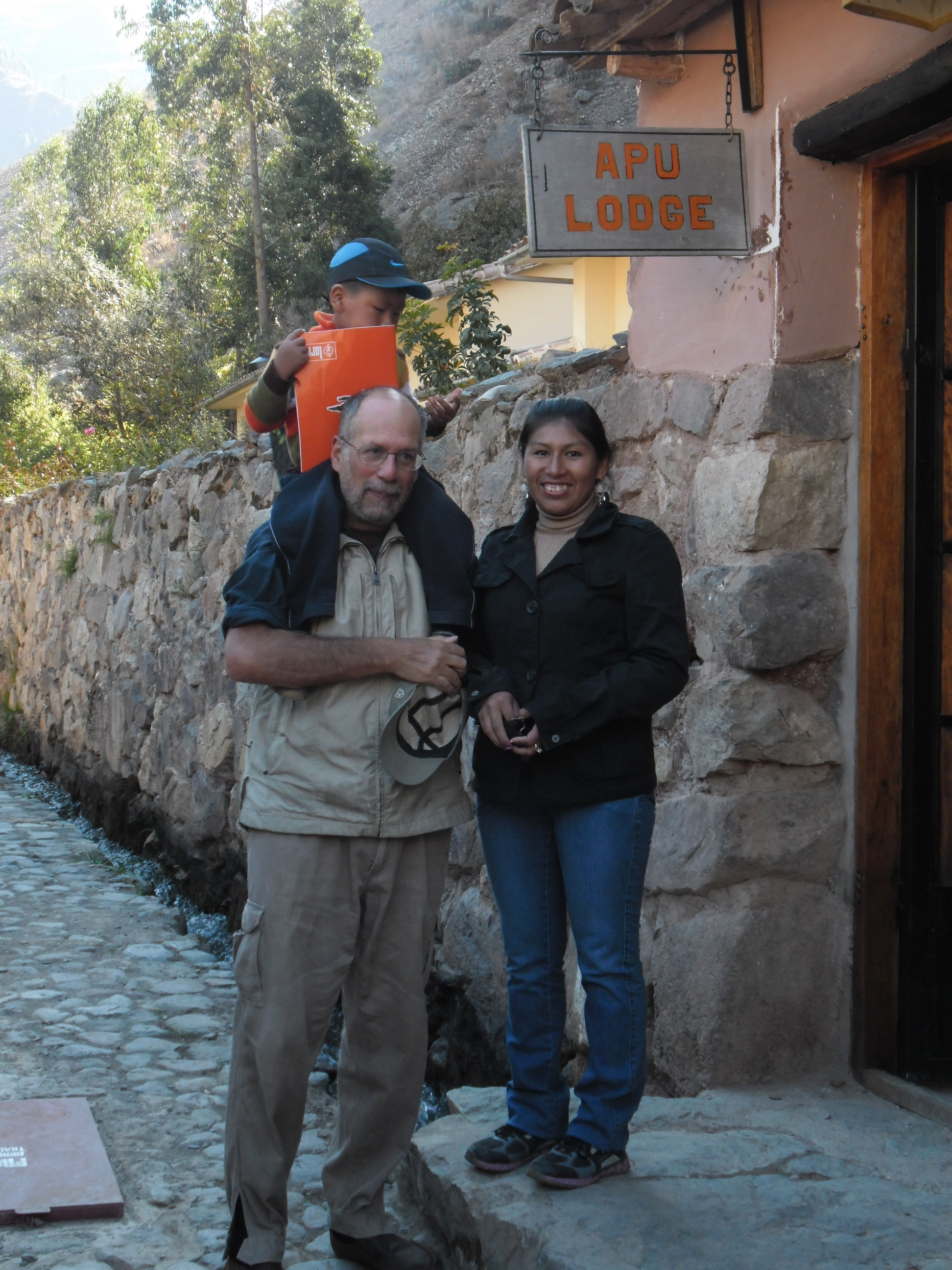
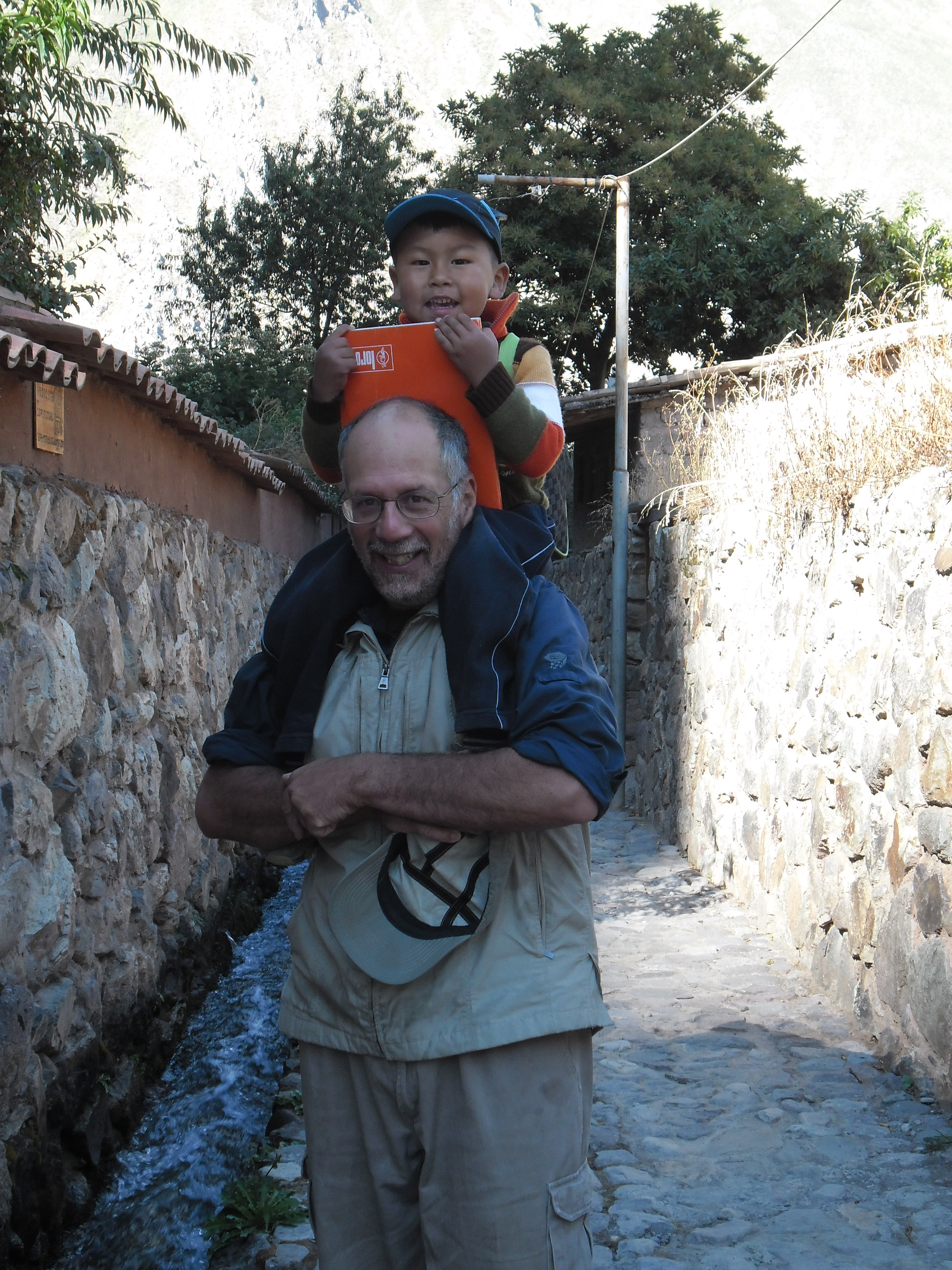 Sometimes we would go down to the plaza with Nina or Mayu Rumi. Sometimes we played “Old Maid” with them. Monica would often sew with them.
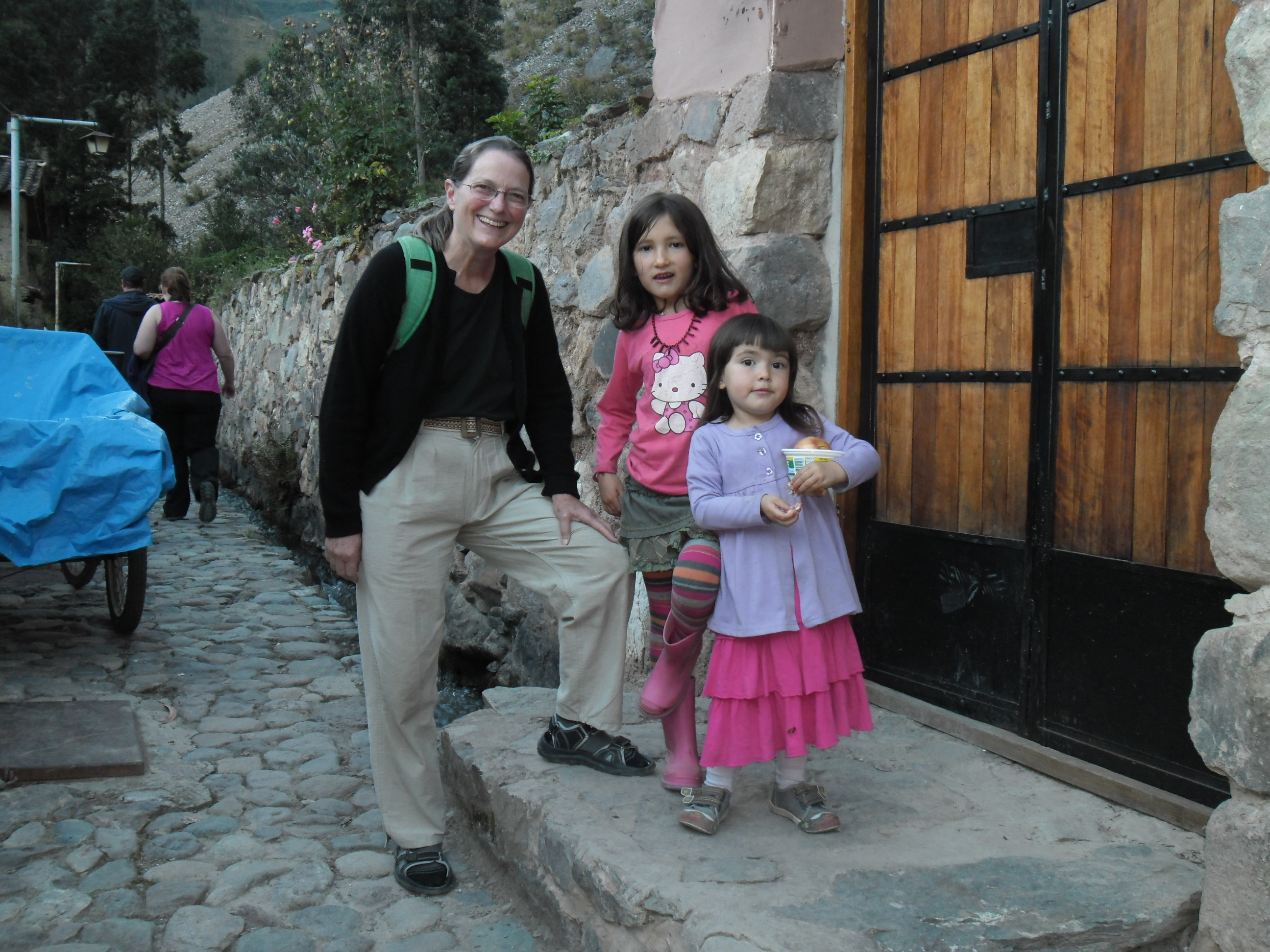
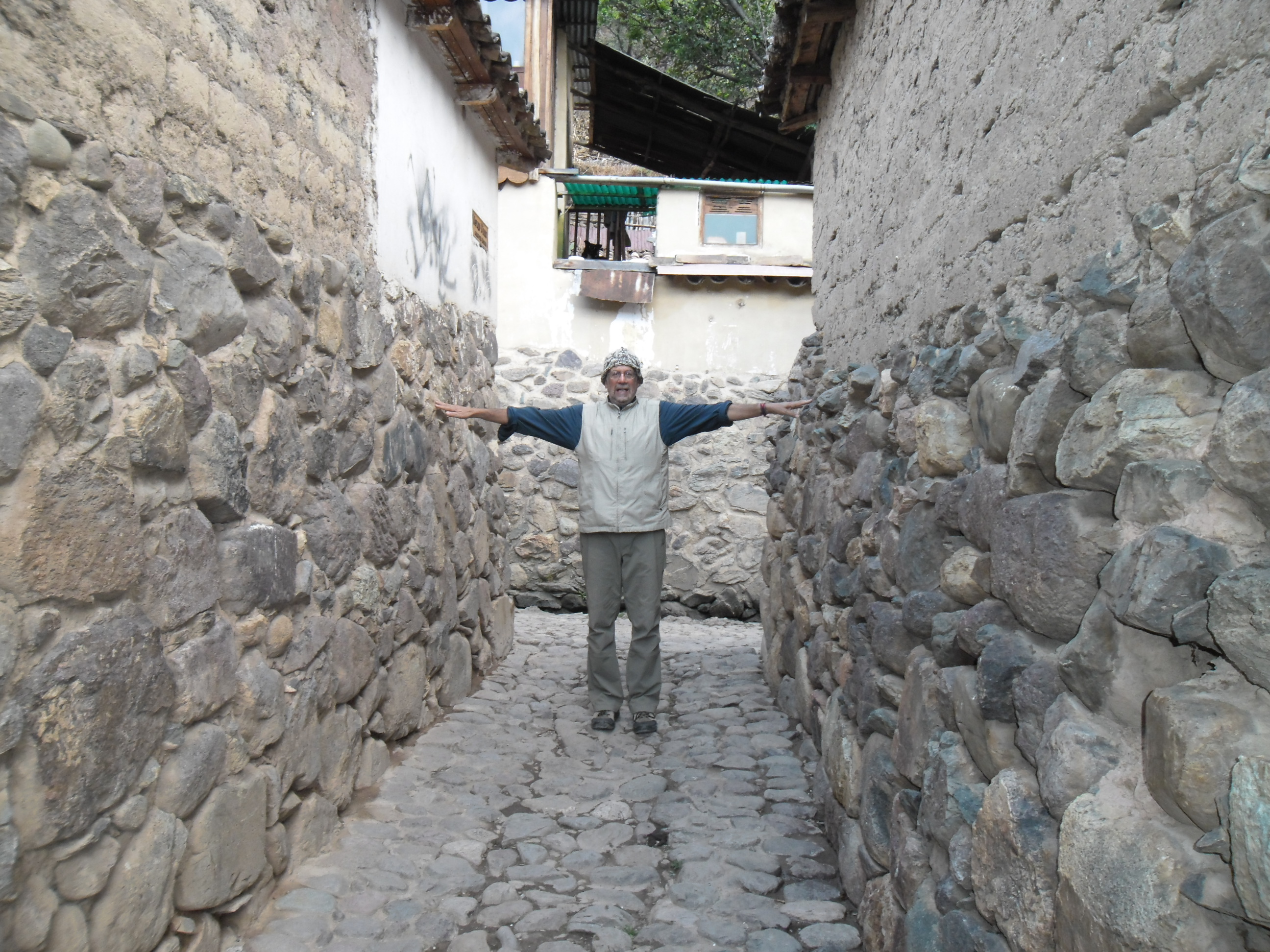
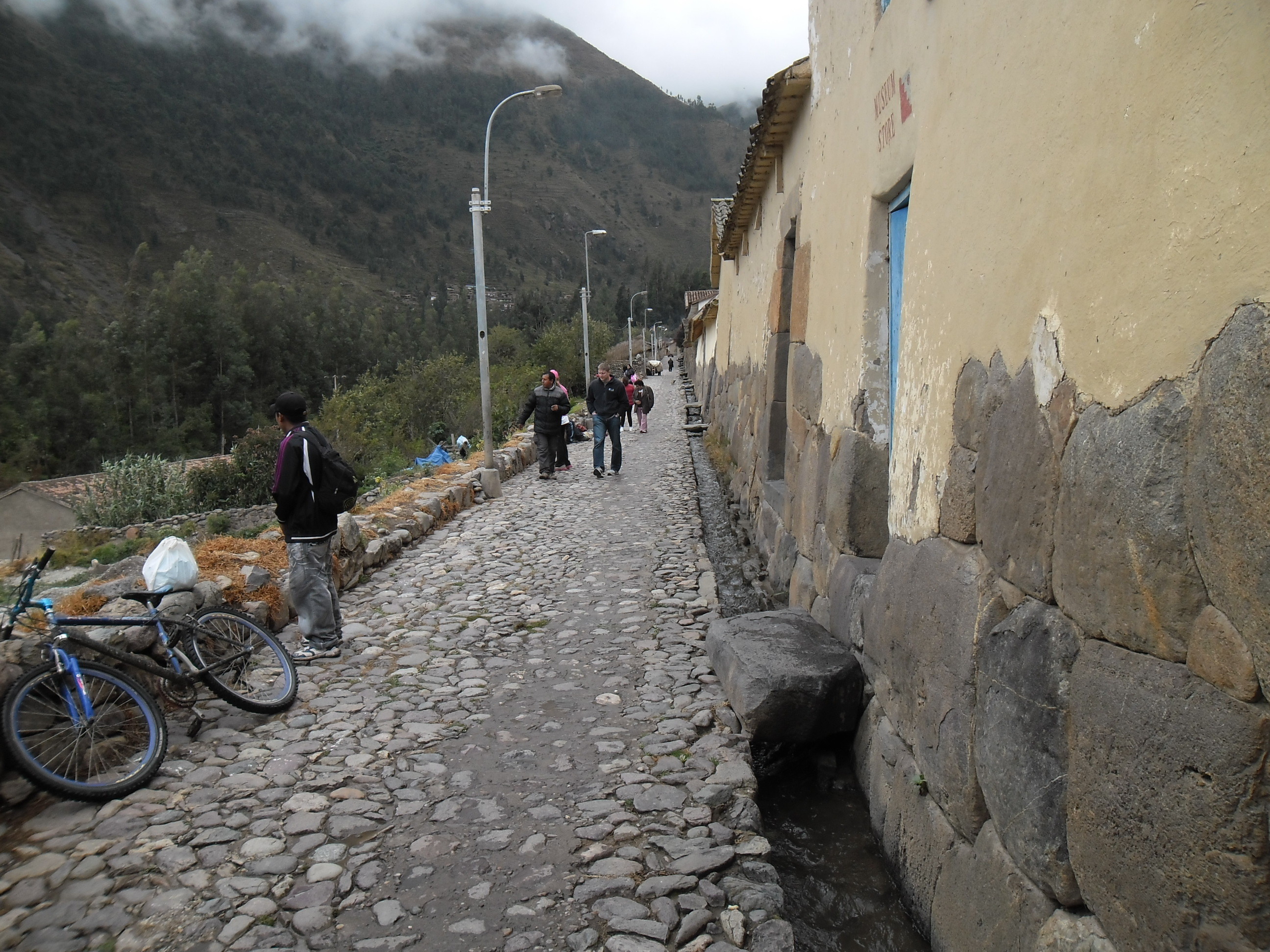
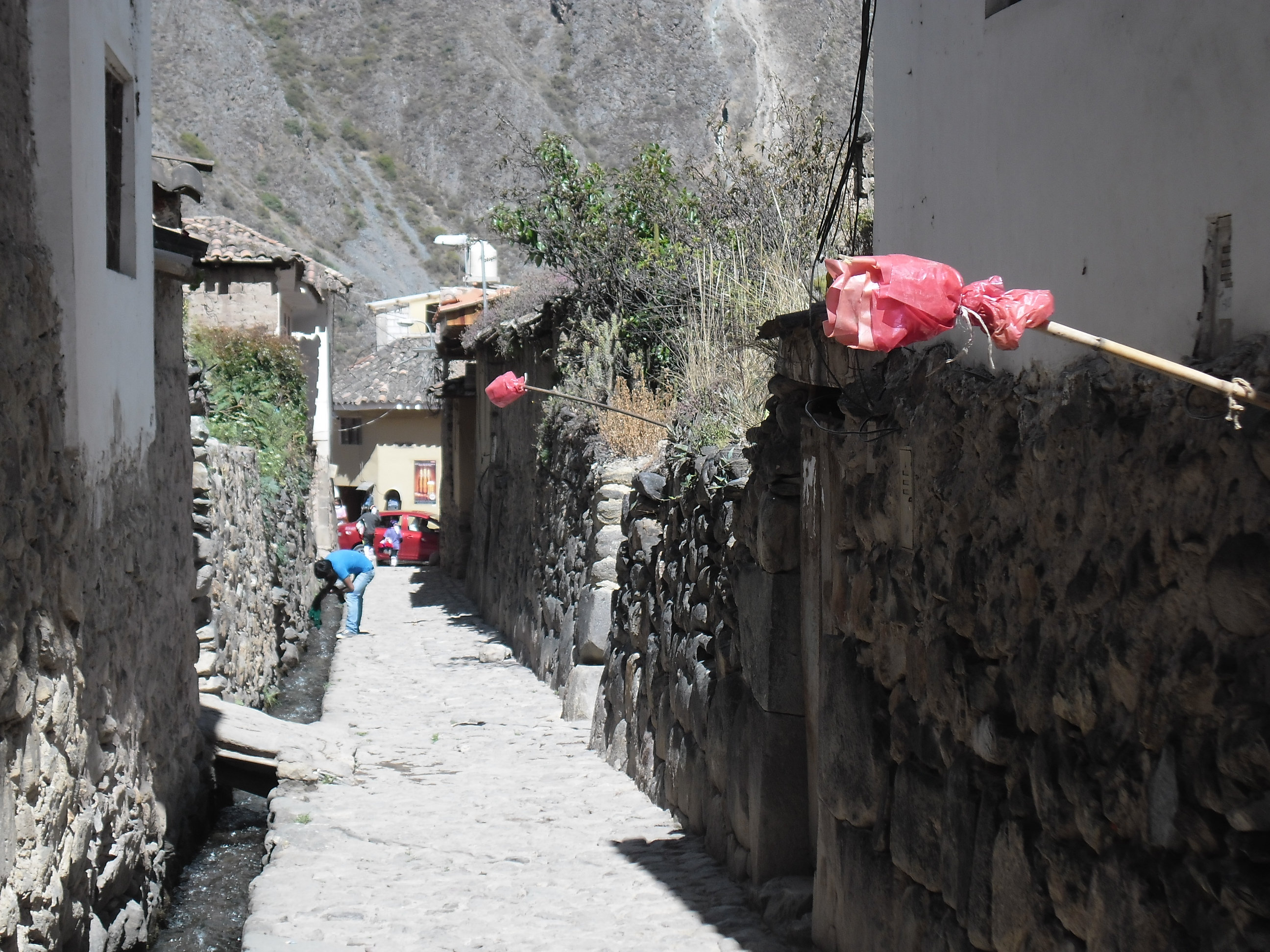
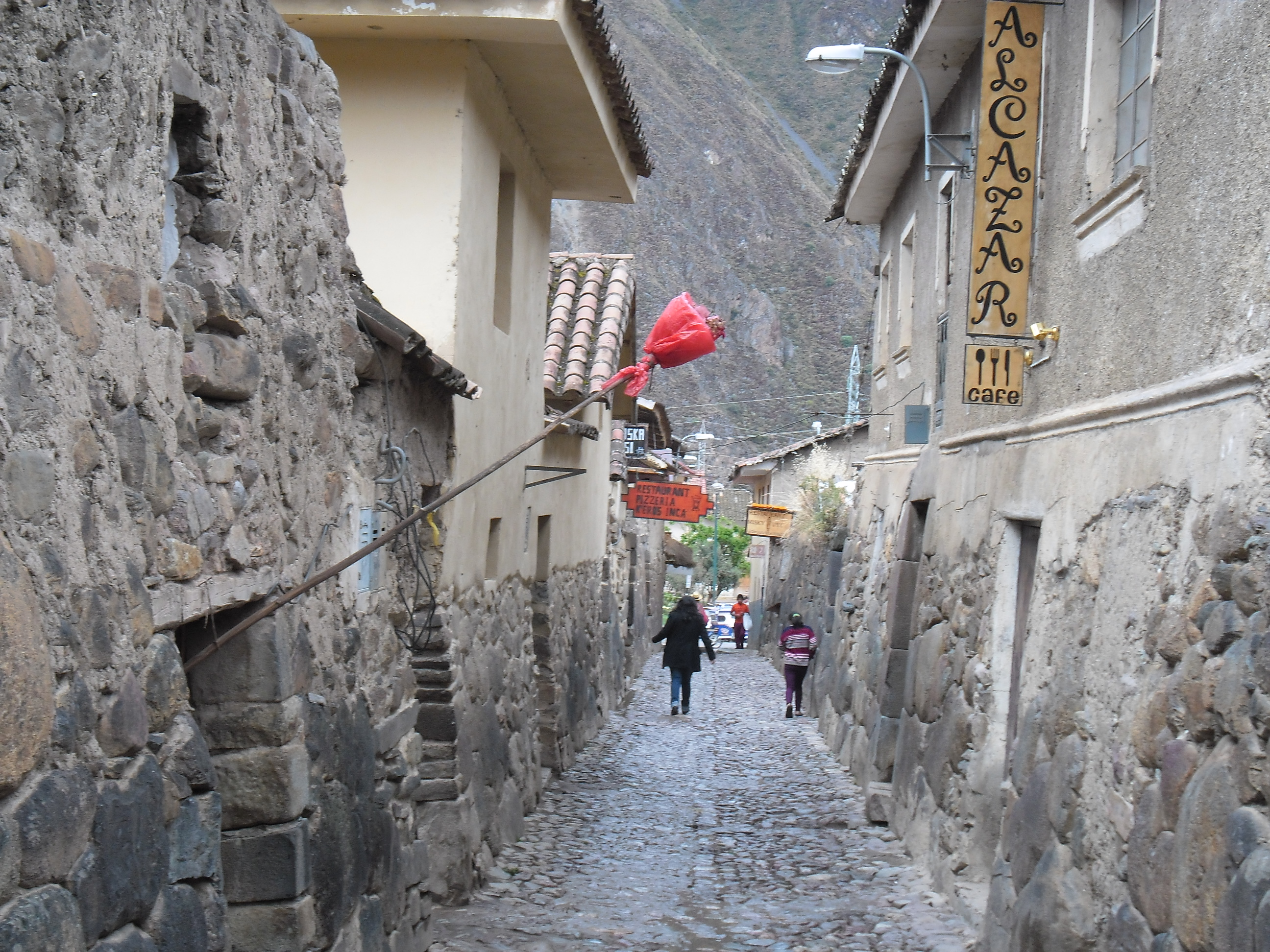
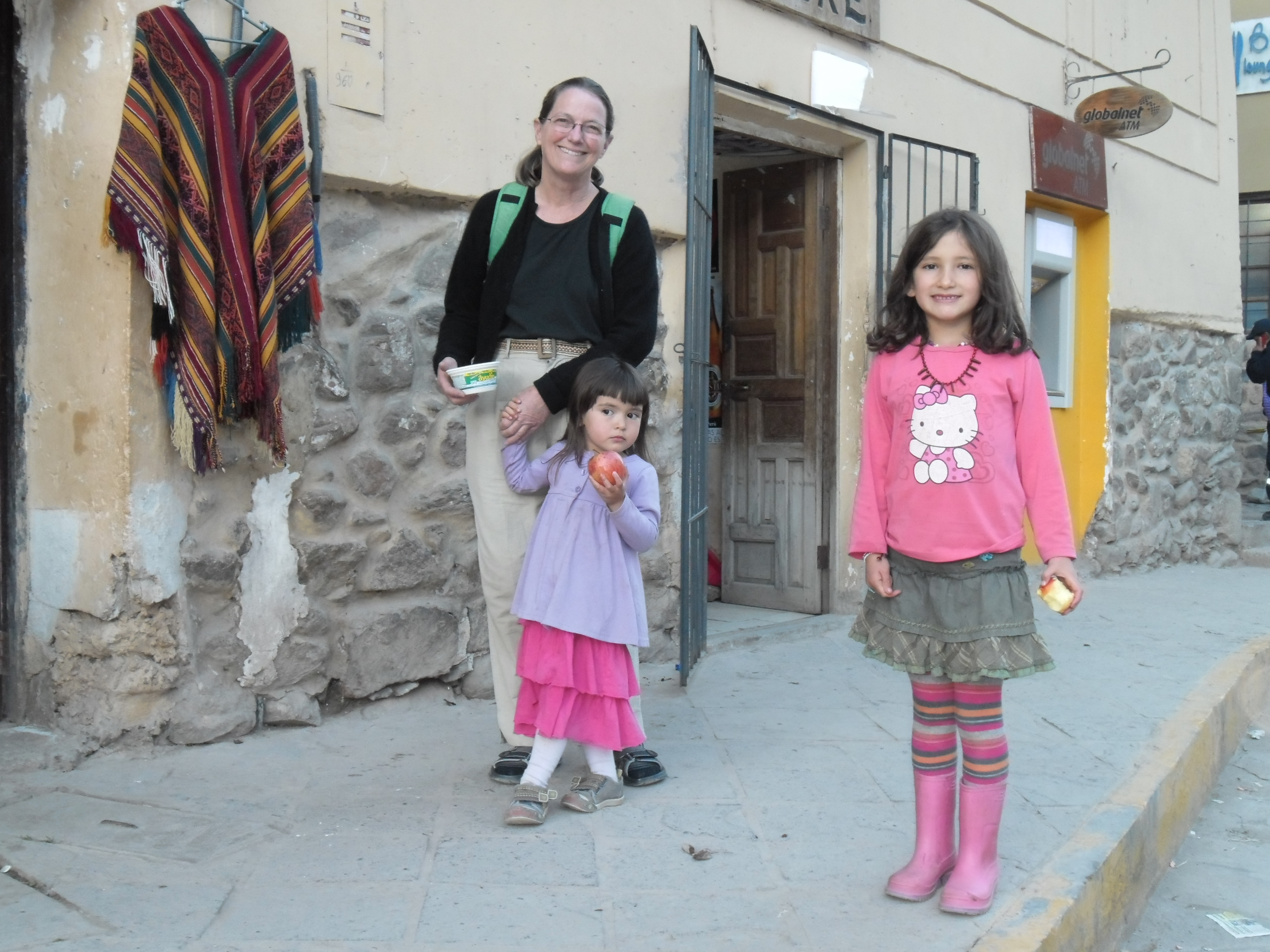 The narrow streets of Ollantaytambo. These are the original Inca streets and some of the walls.
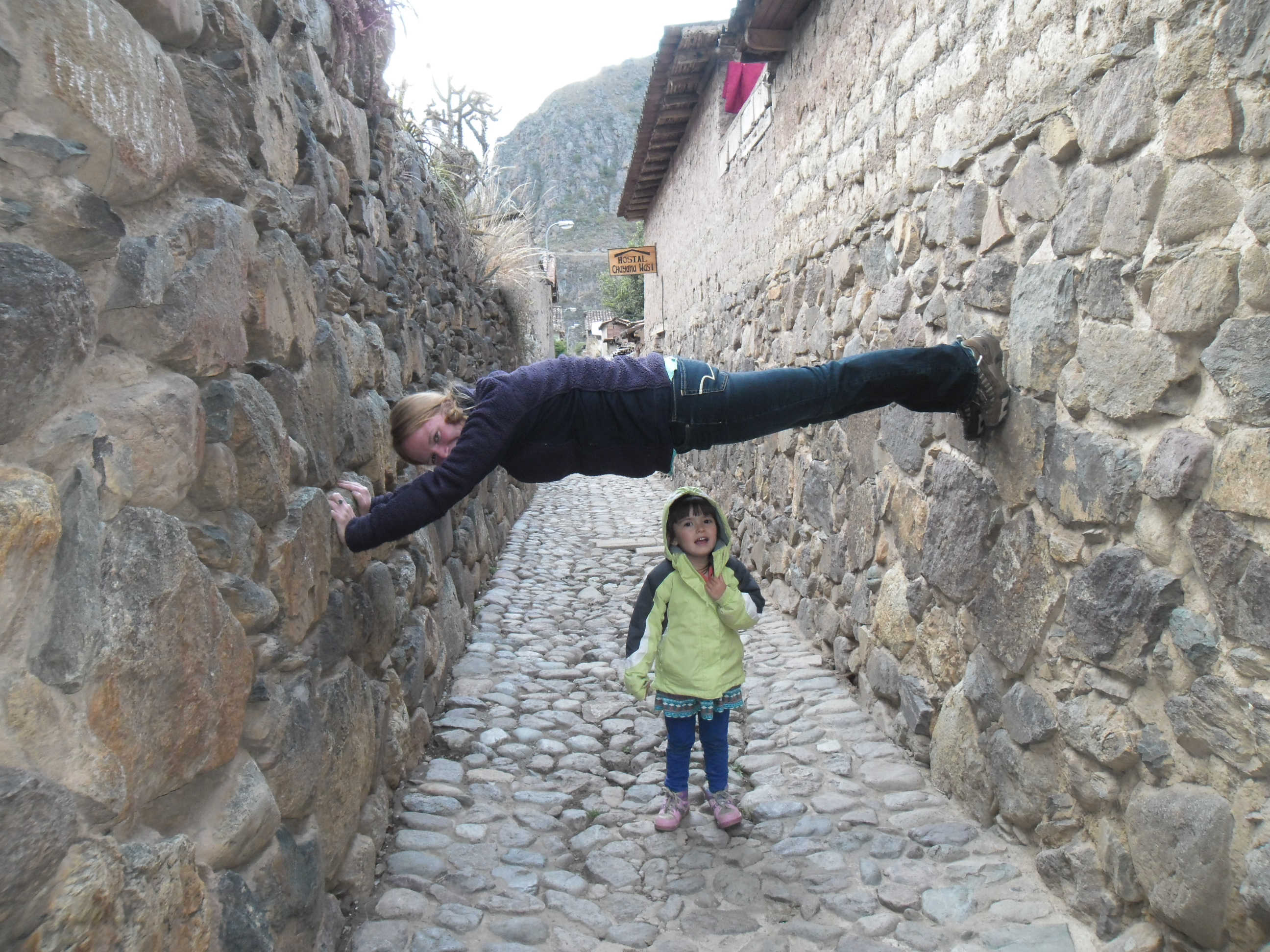
Amy is a fellow volunteer at Apu
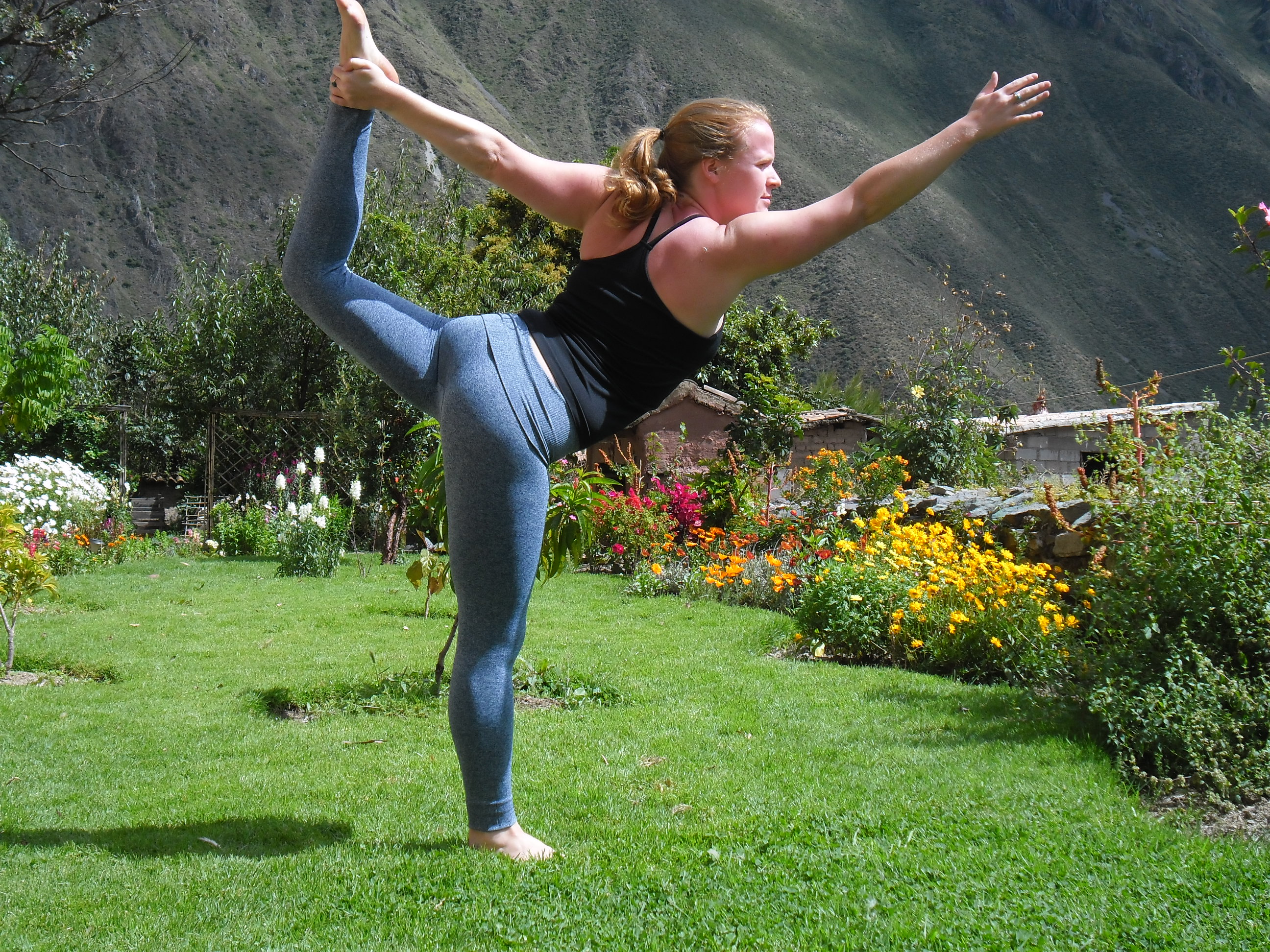
She´s also a Yoga teacher
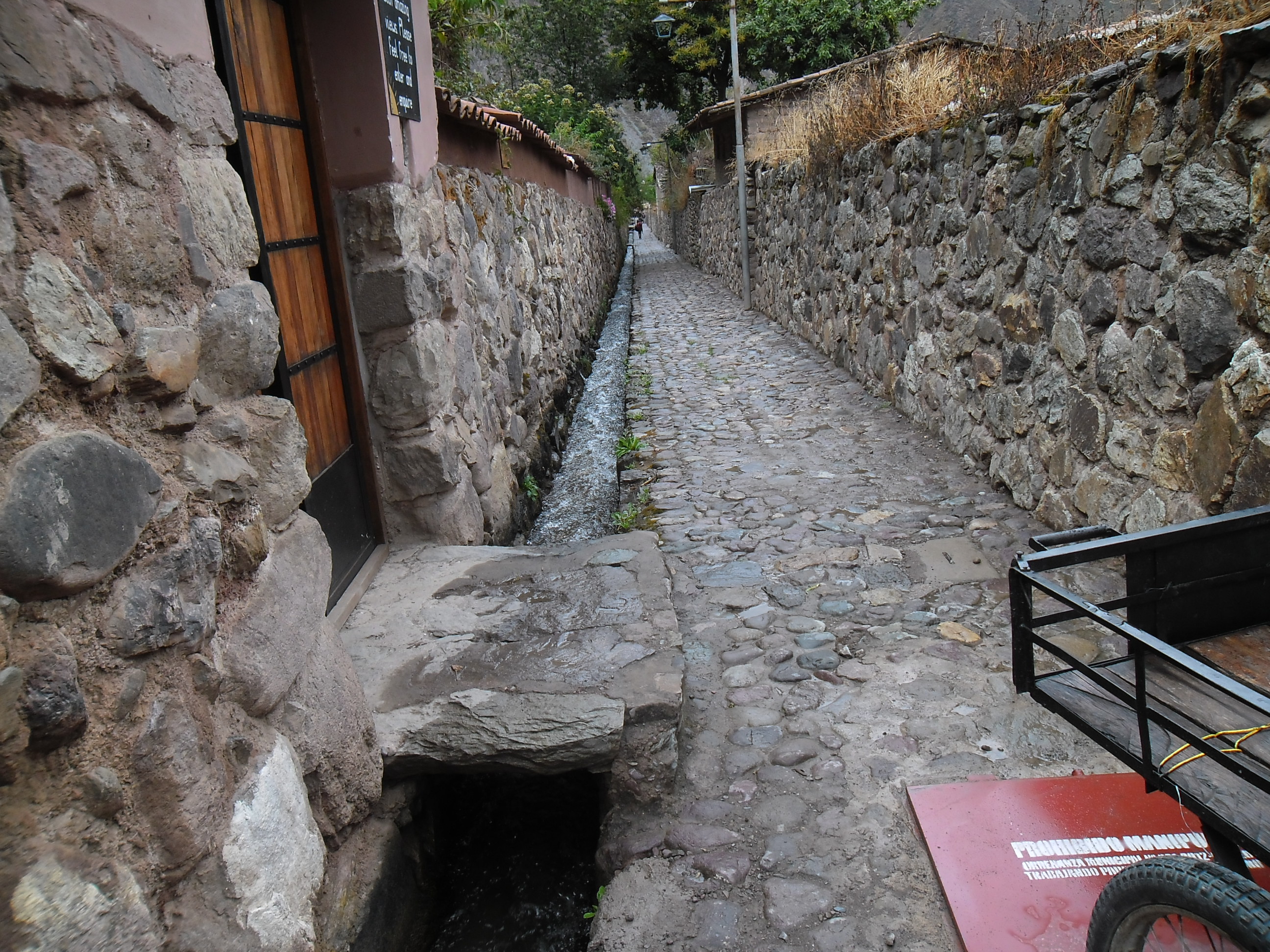 Here is a photo of the irrigation canal that runs by the lodge. These were built by the Incas, and they still are functional. They are called sequias. These canals run down all four of the streets of town. They also run through the backyards. It´s beautiful to have such an abundance of free water. The water is clear and cold. You know that you´re becoming acculturated when you walk down the street, past a guy who is butchering a sheep by the sequia, and you don´t even hesitate. Or a pig. One night, Moni and I were returning to the lodge, and as I stepped over this stone bridge, a guy shot under my feet, carried along by the water. I thought he was dead. Monica and I ran down the street, caught up with him, and hauled him out of the water. He was alive, unconscious, and drunk. Soon, some police officers arrived, flipped him on to a board, and carried him away. Apparently, it´s not unheard of for drunk guys to fall into the canals.
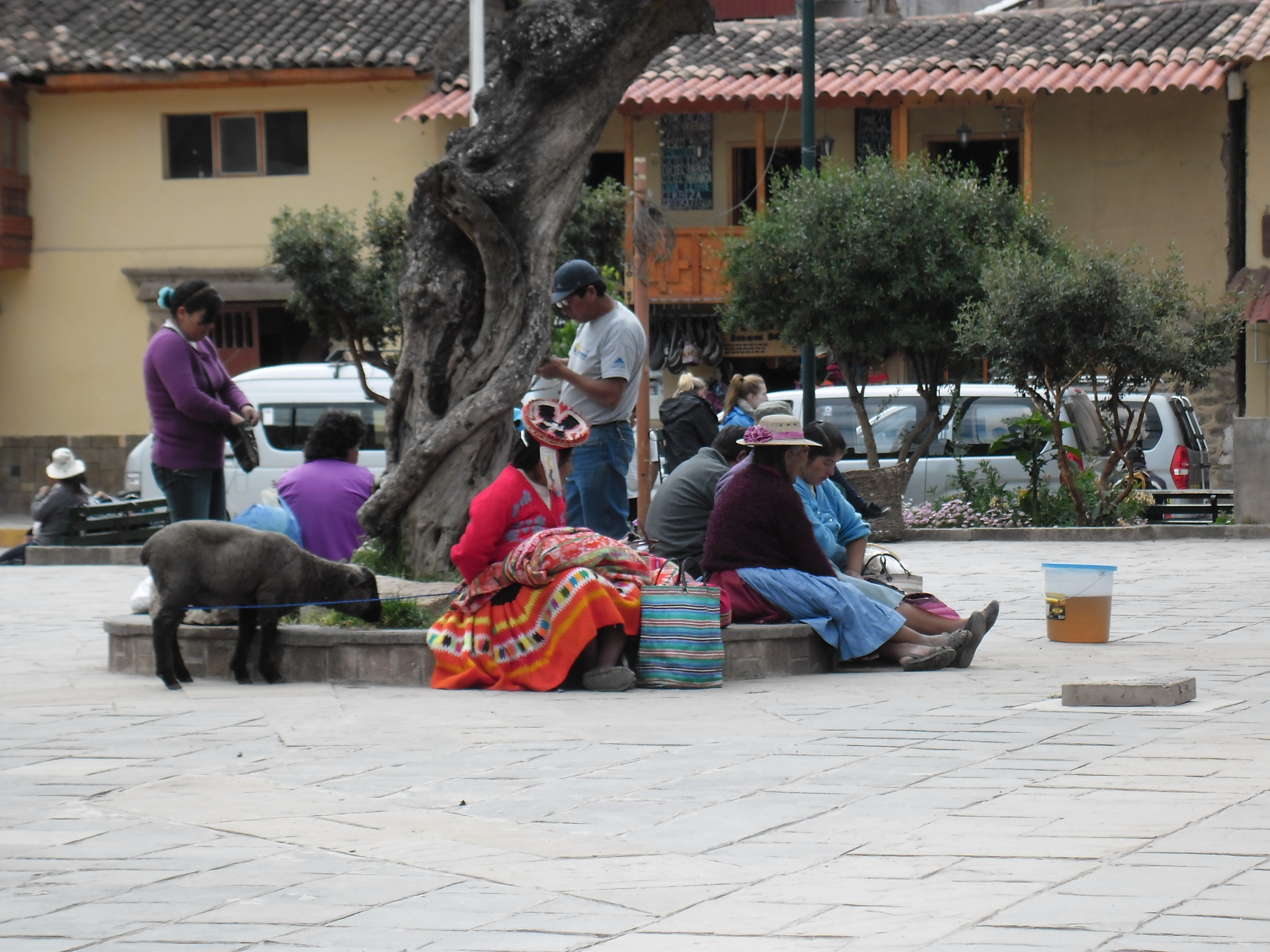
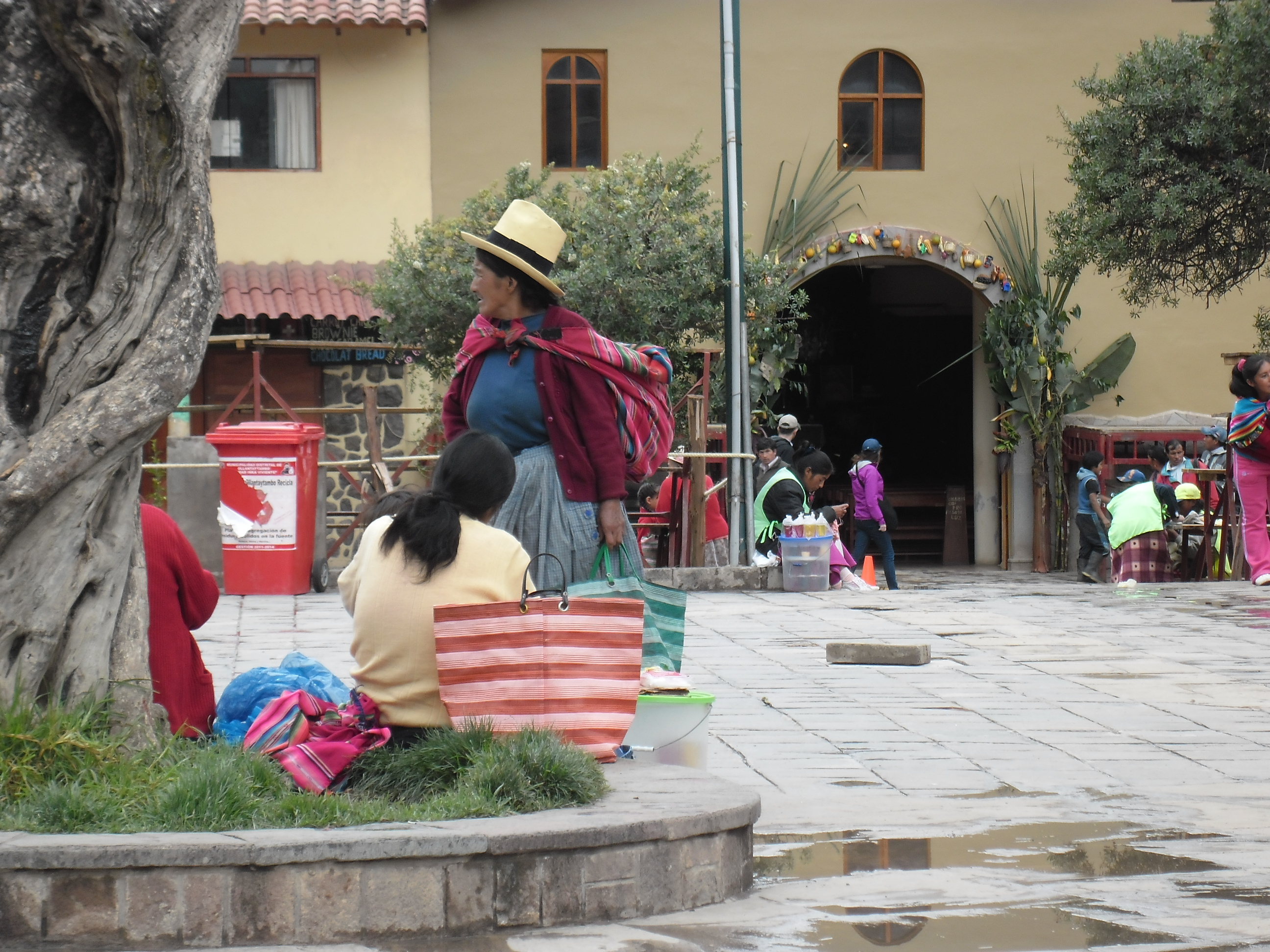
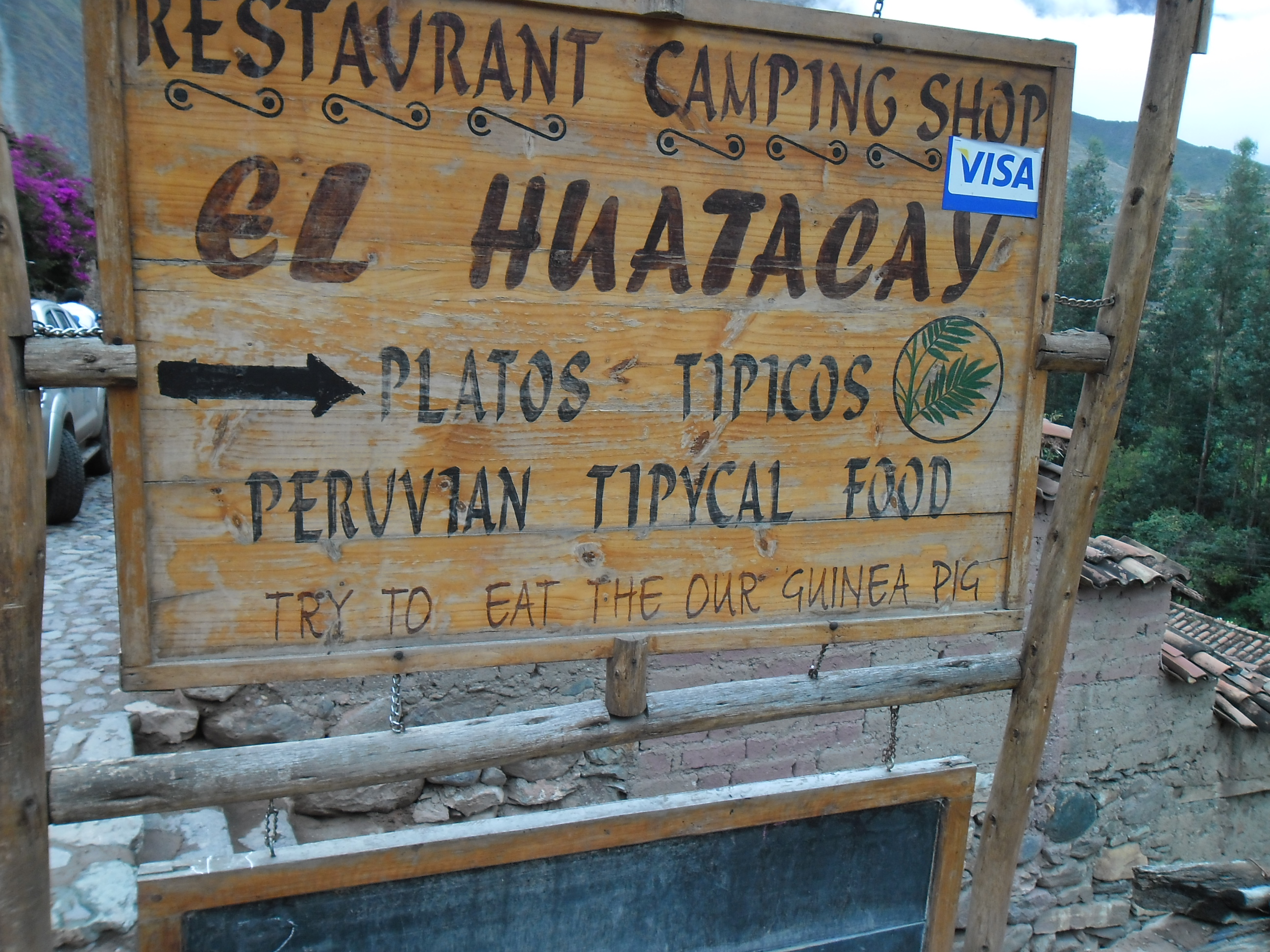
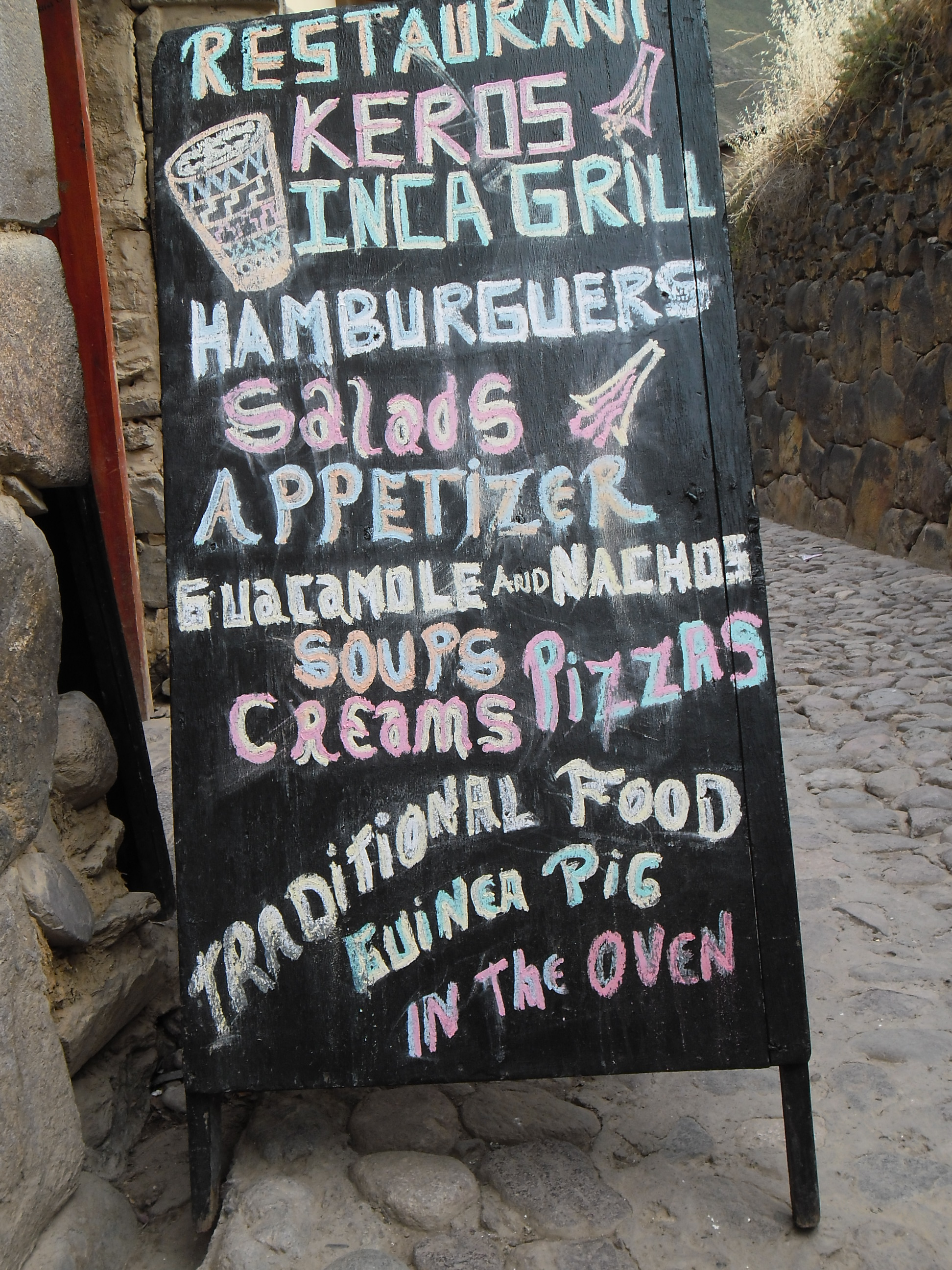
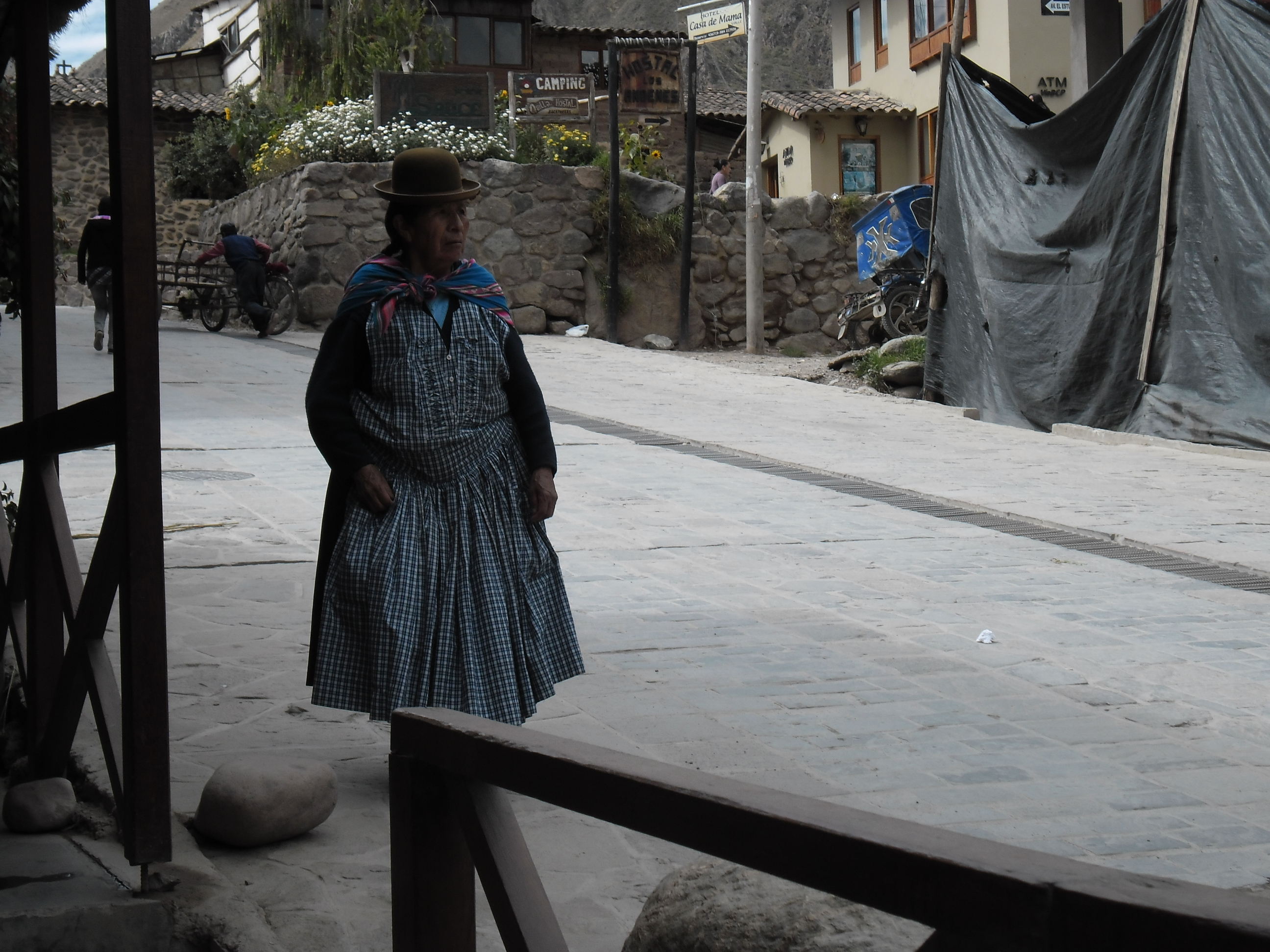
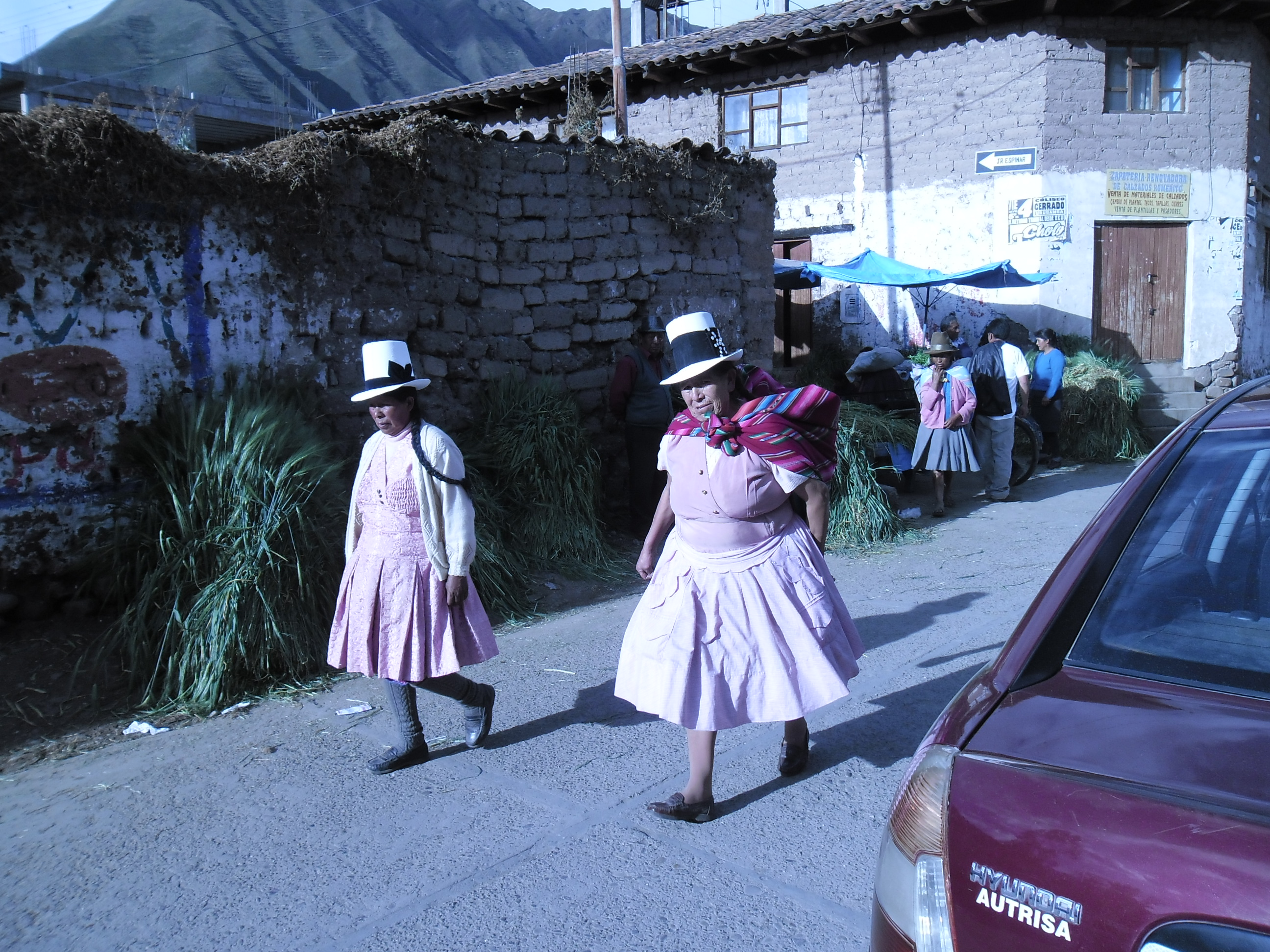
The plaza is a very lively and friendly place. A perfect place to hang out in the afternoon. The streets of Ollanta are also friendly and interesting. Some of the restaurants have their menus outside, and some of them try to entice the tourists to try some cuy. Cuys are definitely guinea pigs. They´re all over, and they actually have a good life, up until the moment.
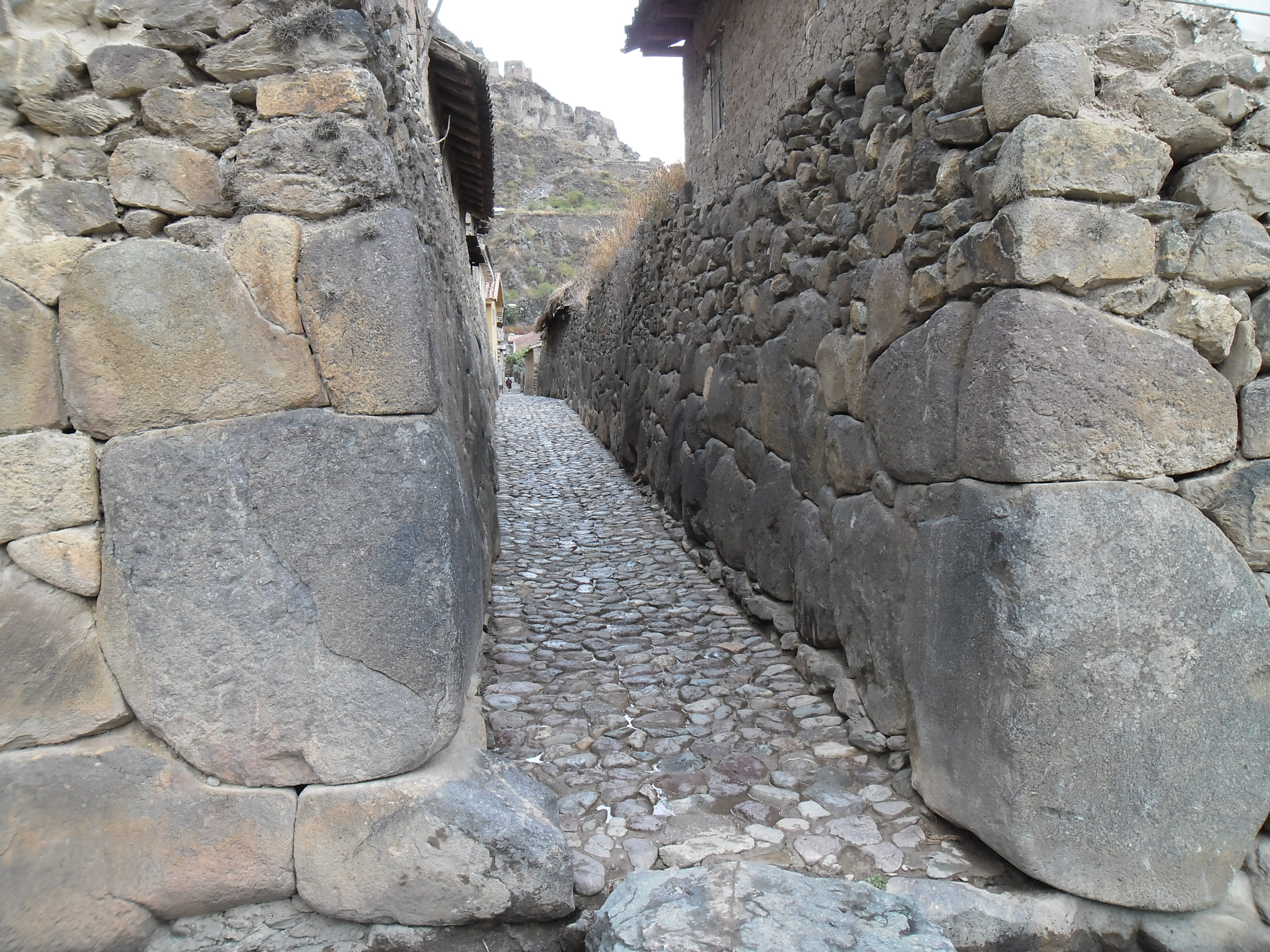
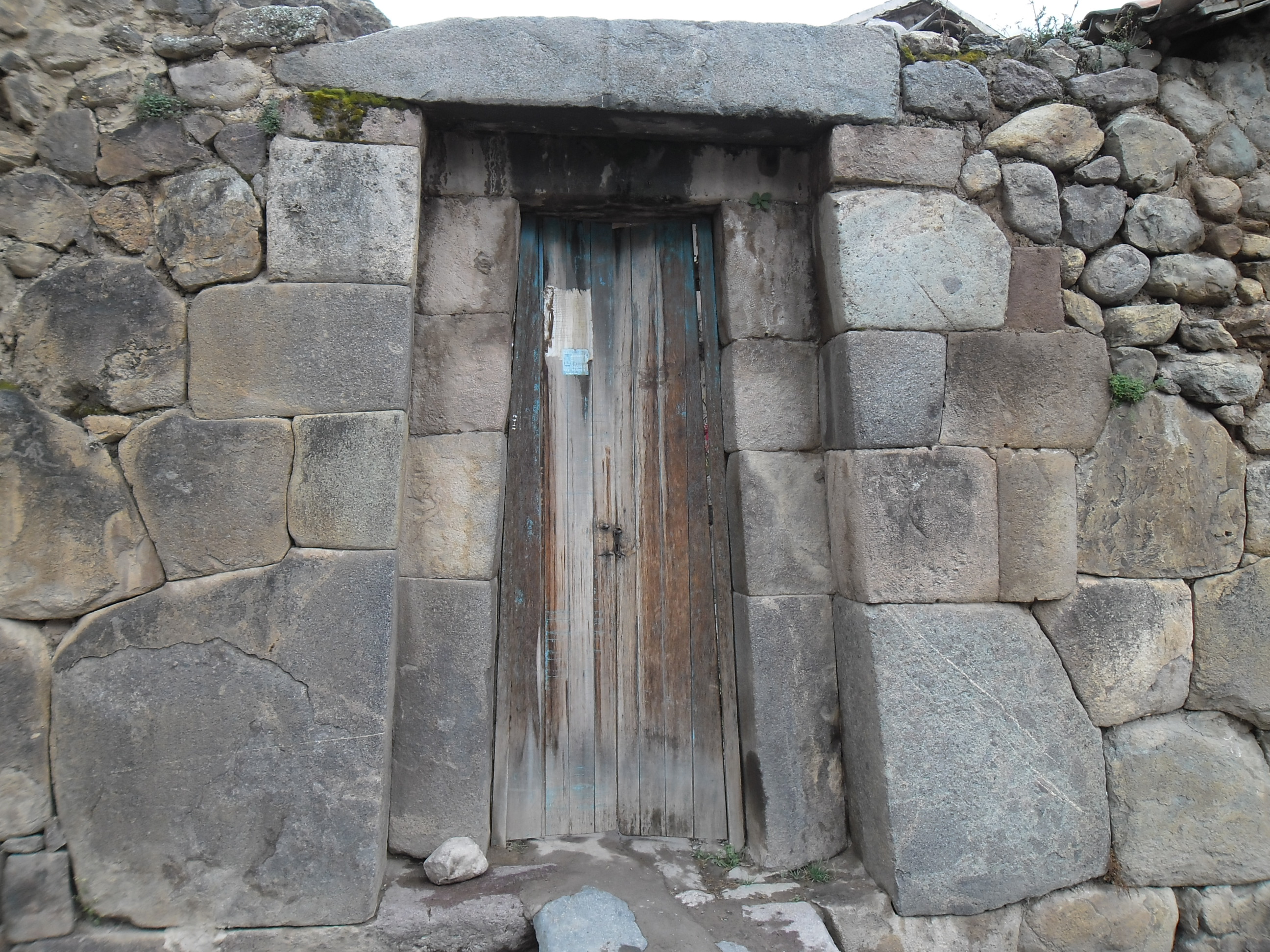
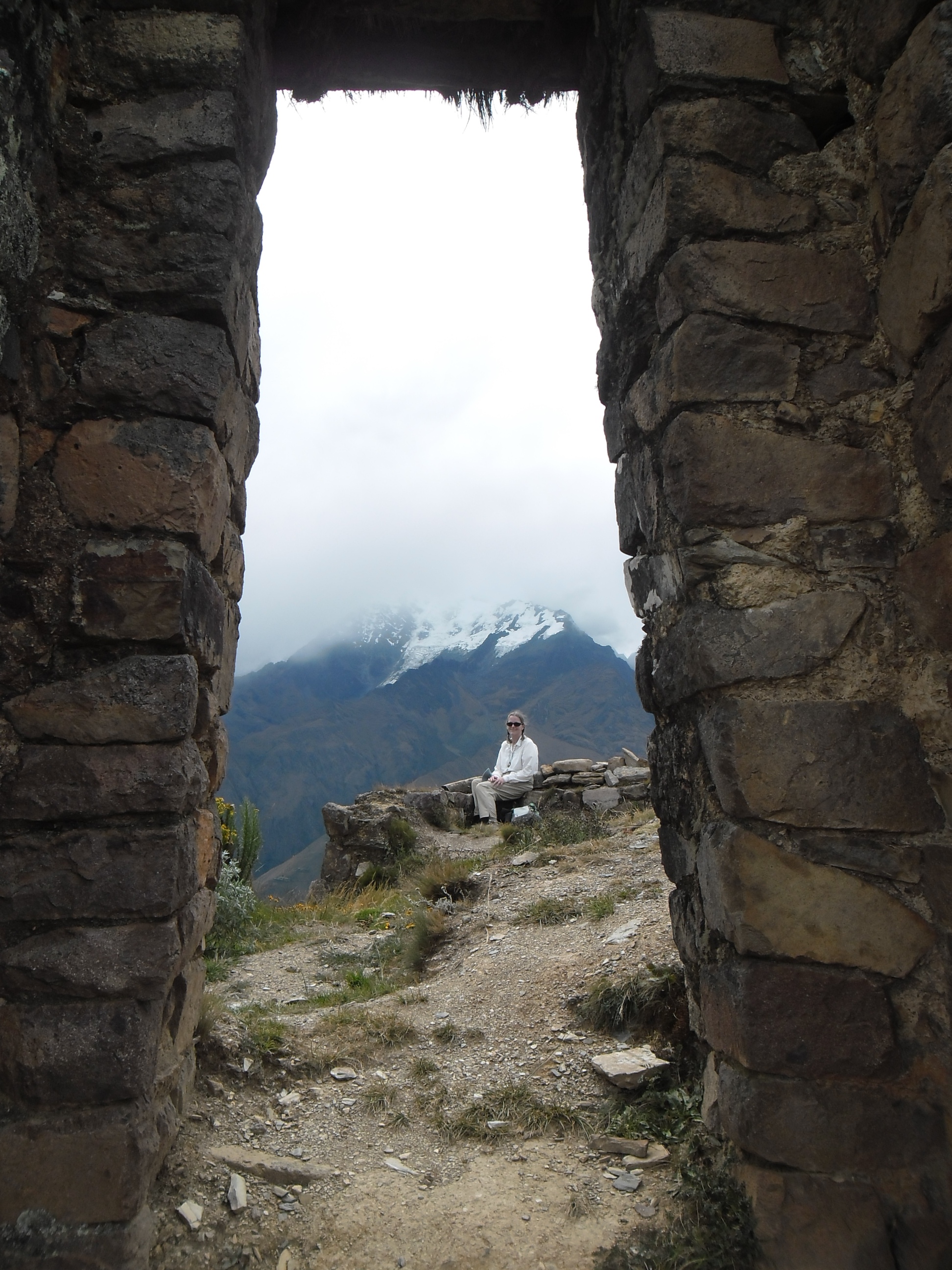
An original Inca doorway
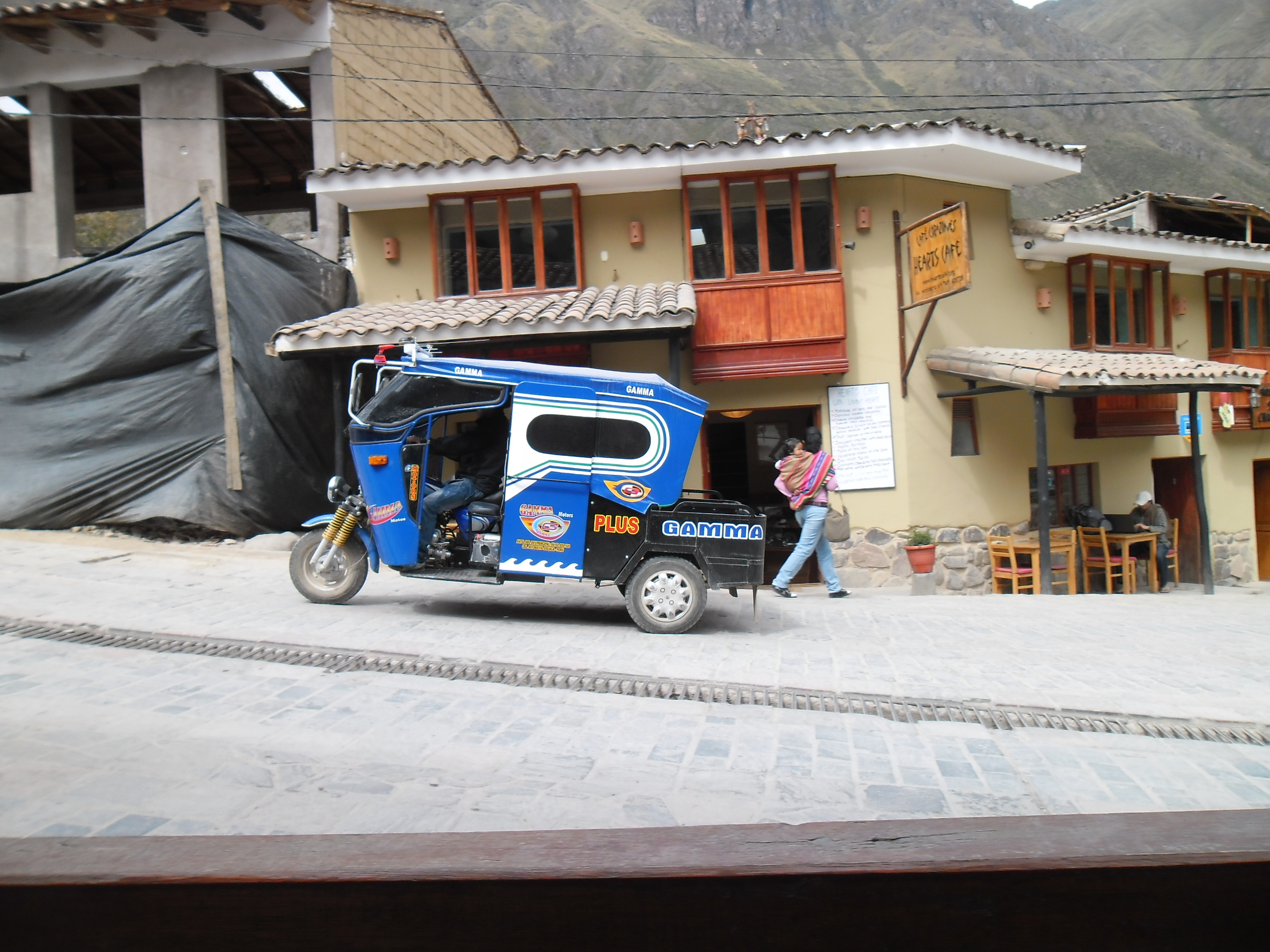
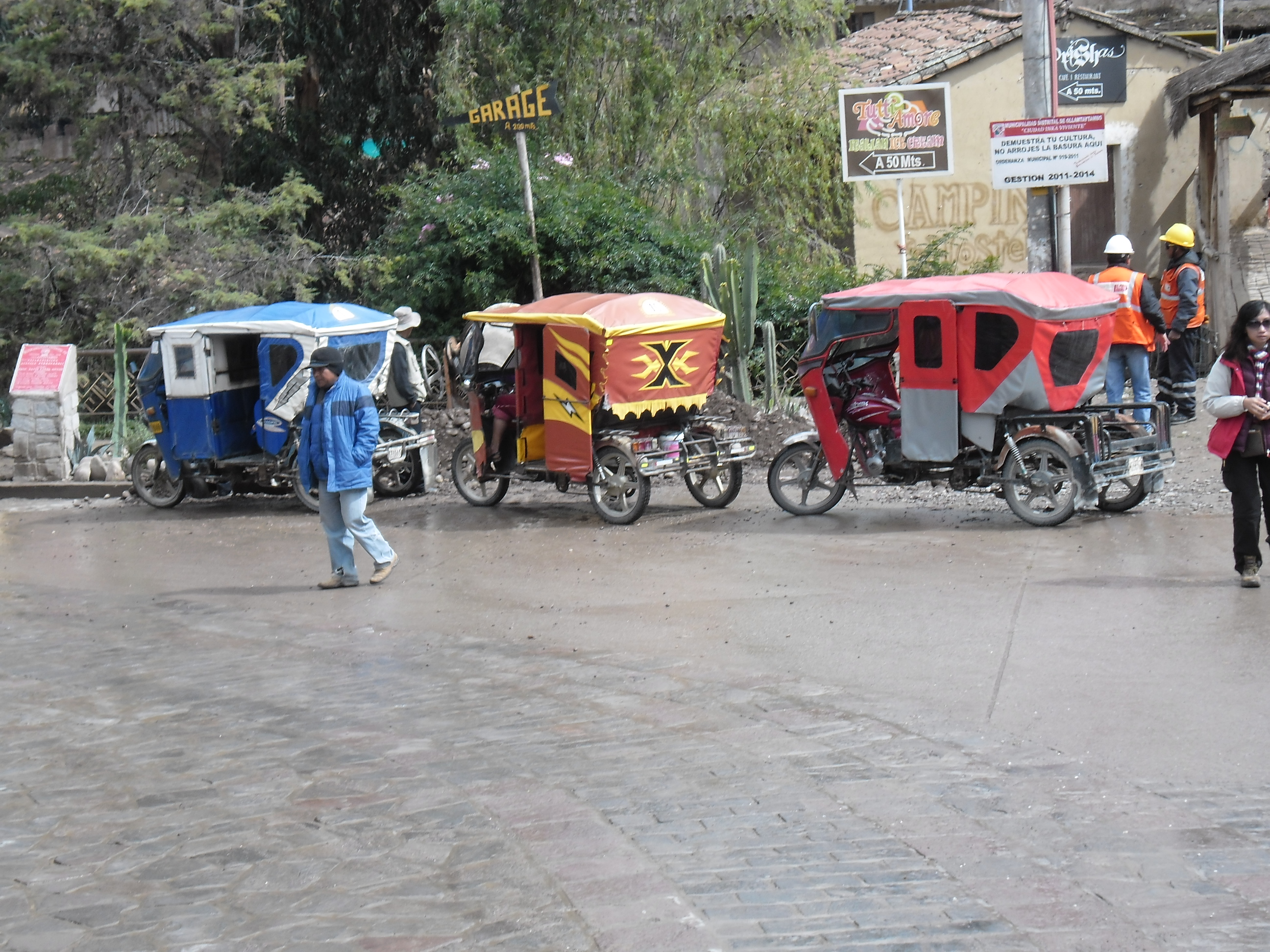
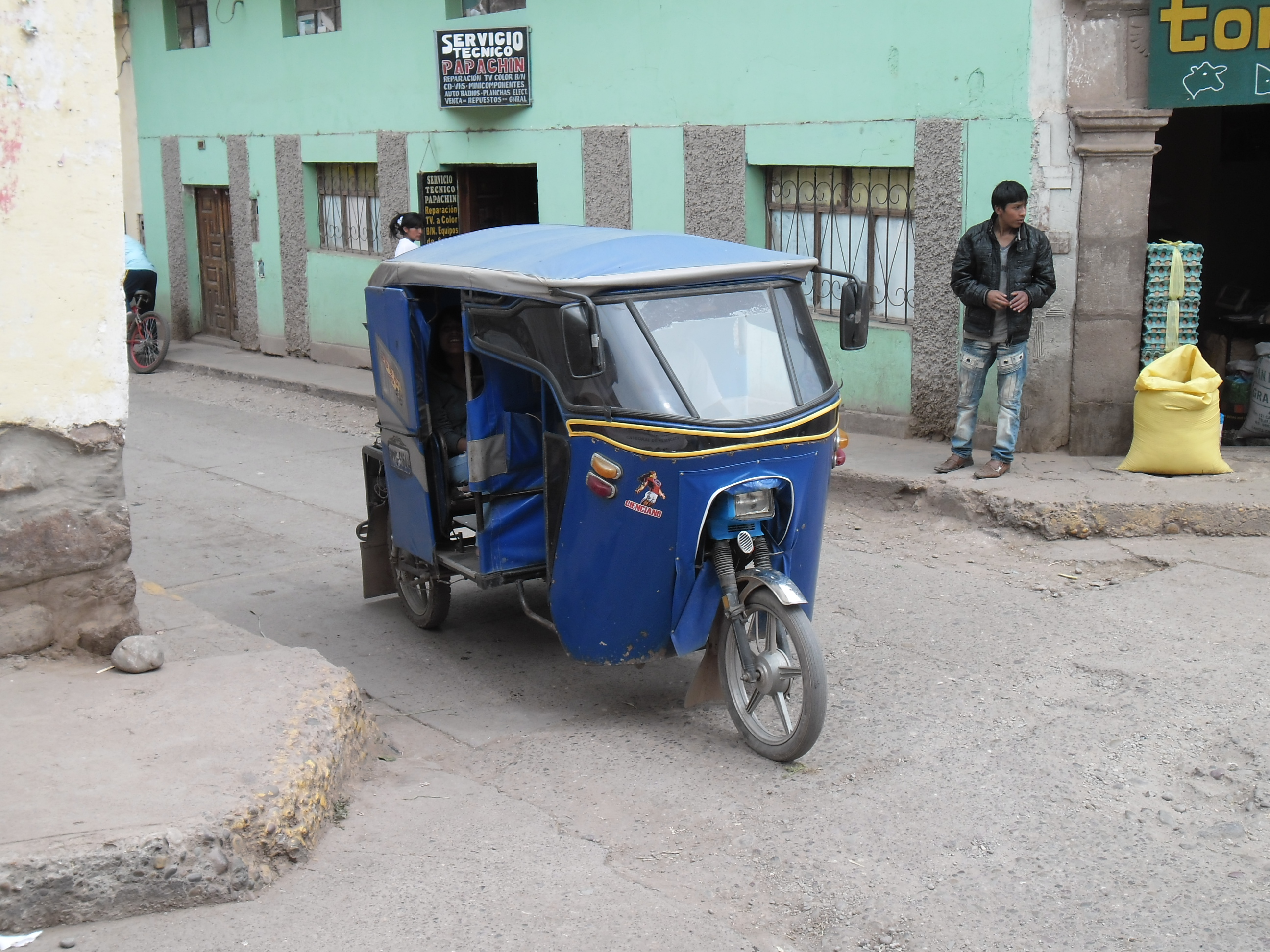
 Mototaxis are a popular mode of transportation. These are motorcycles with three wheels. The driver straddles the seat, and often pushes off with his leg to turn or back up. They look an awful lot like Fred Flintstone when they do it. They give cheap rides, often short ones, and they are everywhere where we´ve been in Peru.
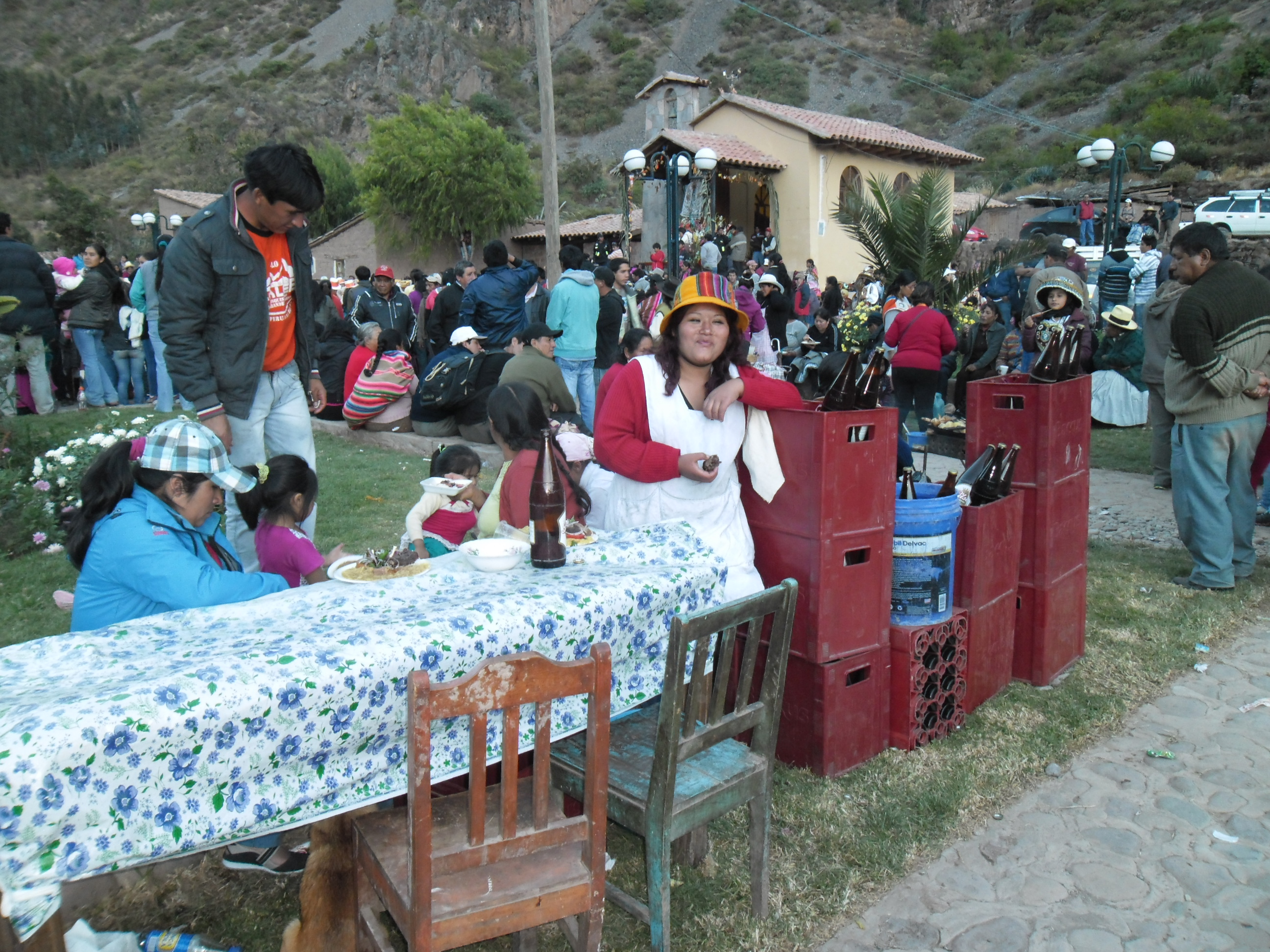
 Chicha is a drink that they´ve been drinking in The Andes for centuries. It ismade by boiling corn and then fermenting it. It´s like beer. A little sweet. A little sour. When the señoras brew up a batch, and they´re ready to sell it, they hang a red plastic bag from their door. That´s the sign. People come in and buy a glass, or a bottle to go, and sit and talk. The one time Monica and I went into a house for some chicha, I told them that Moni was a nurse. Then they all took turns explaining their ailments to her and asking advice.
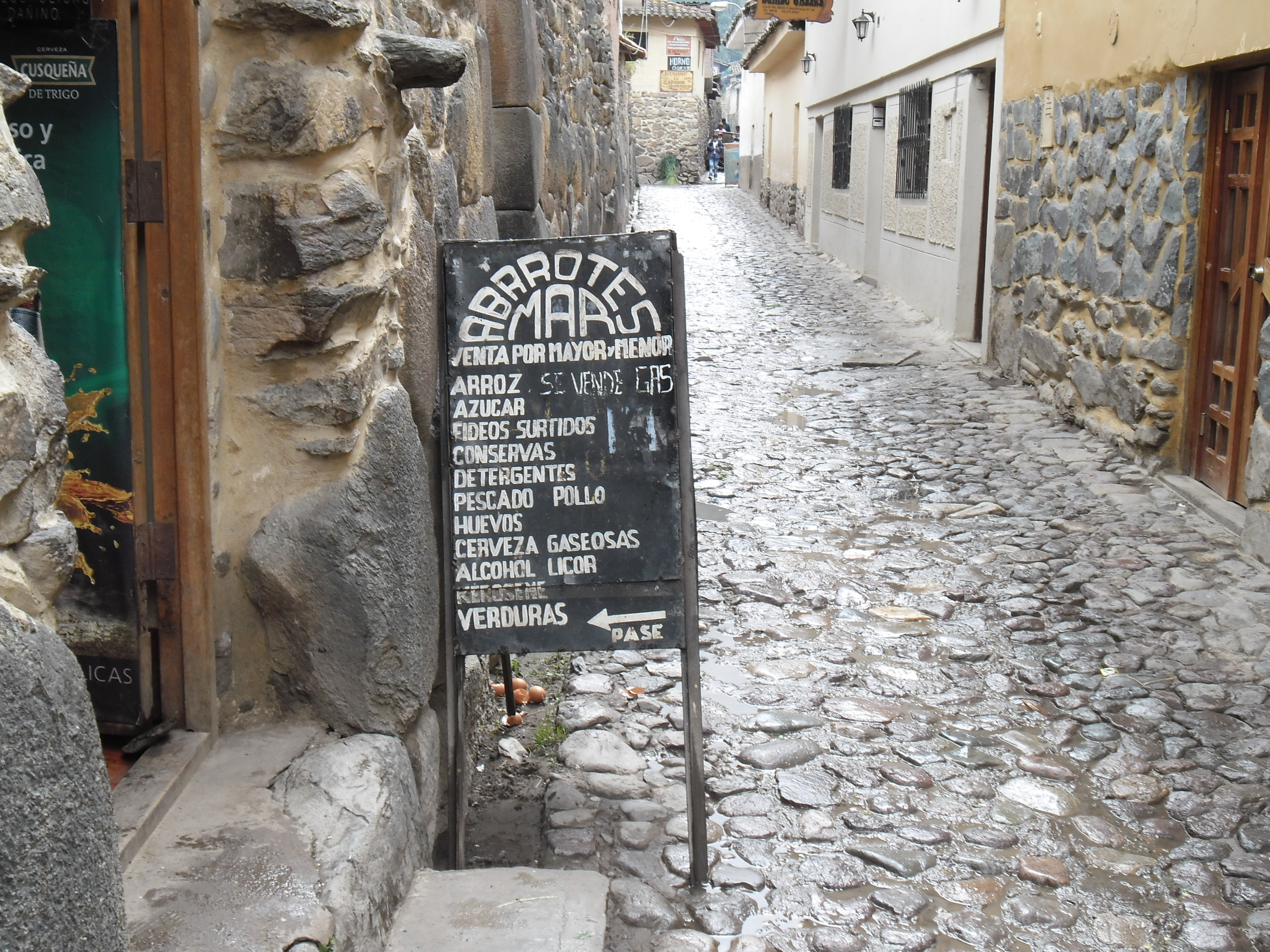
Abarrotes Mar was our favorite little grocery store. You could buy an egg, or a cigarette, or a quarter kilo of rice, or just about anything.
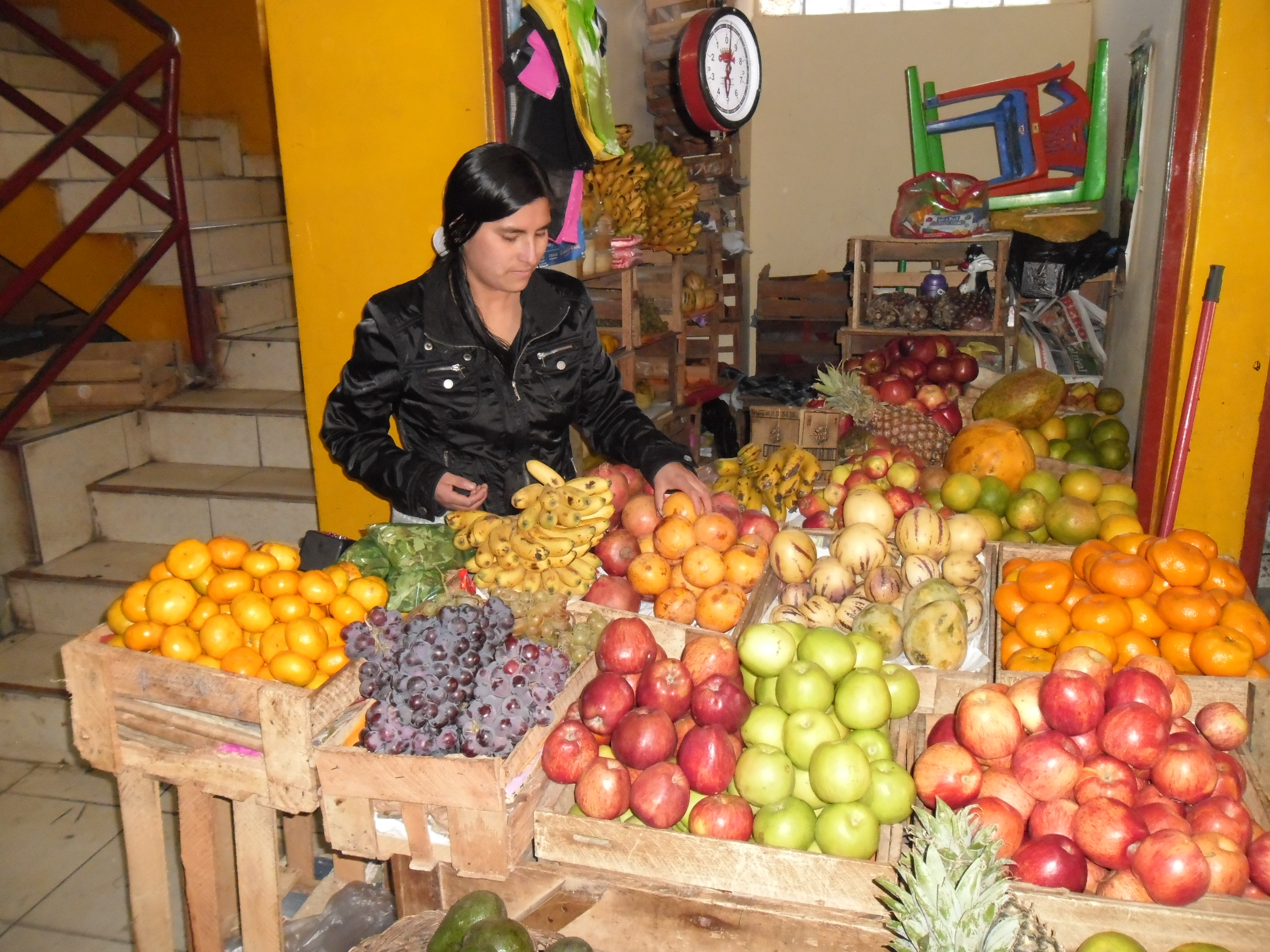
We bought a lot of mangoes from Maria, in the public market.
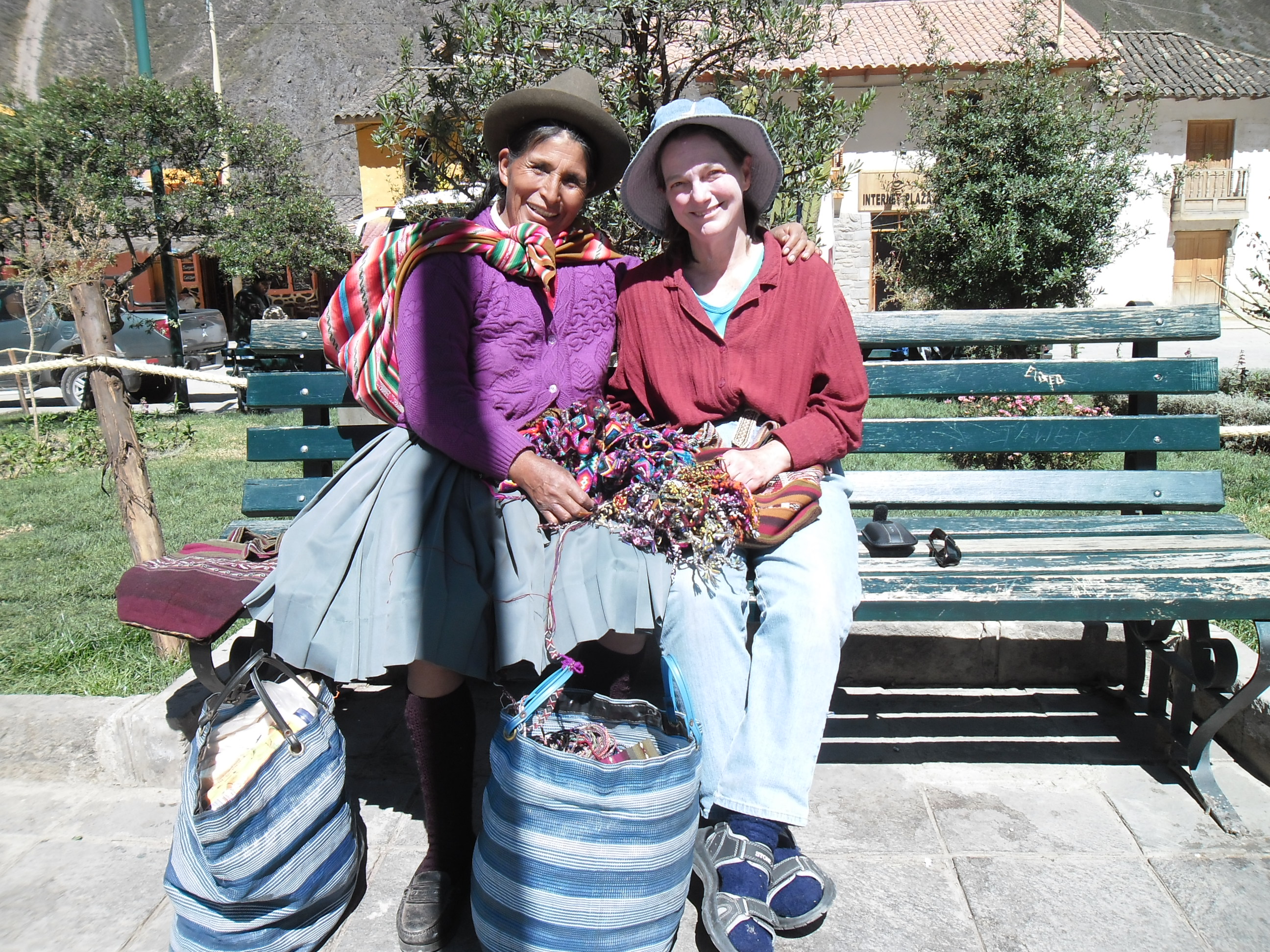
Justina was from Chinchero, a small town on the way to Cusco. She would come by a couple times a week to sell her weavings. We got to know her, and we bought bracelets and wall hangings from her.
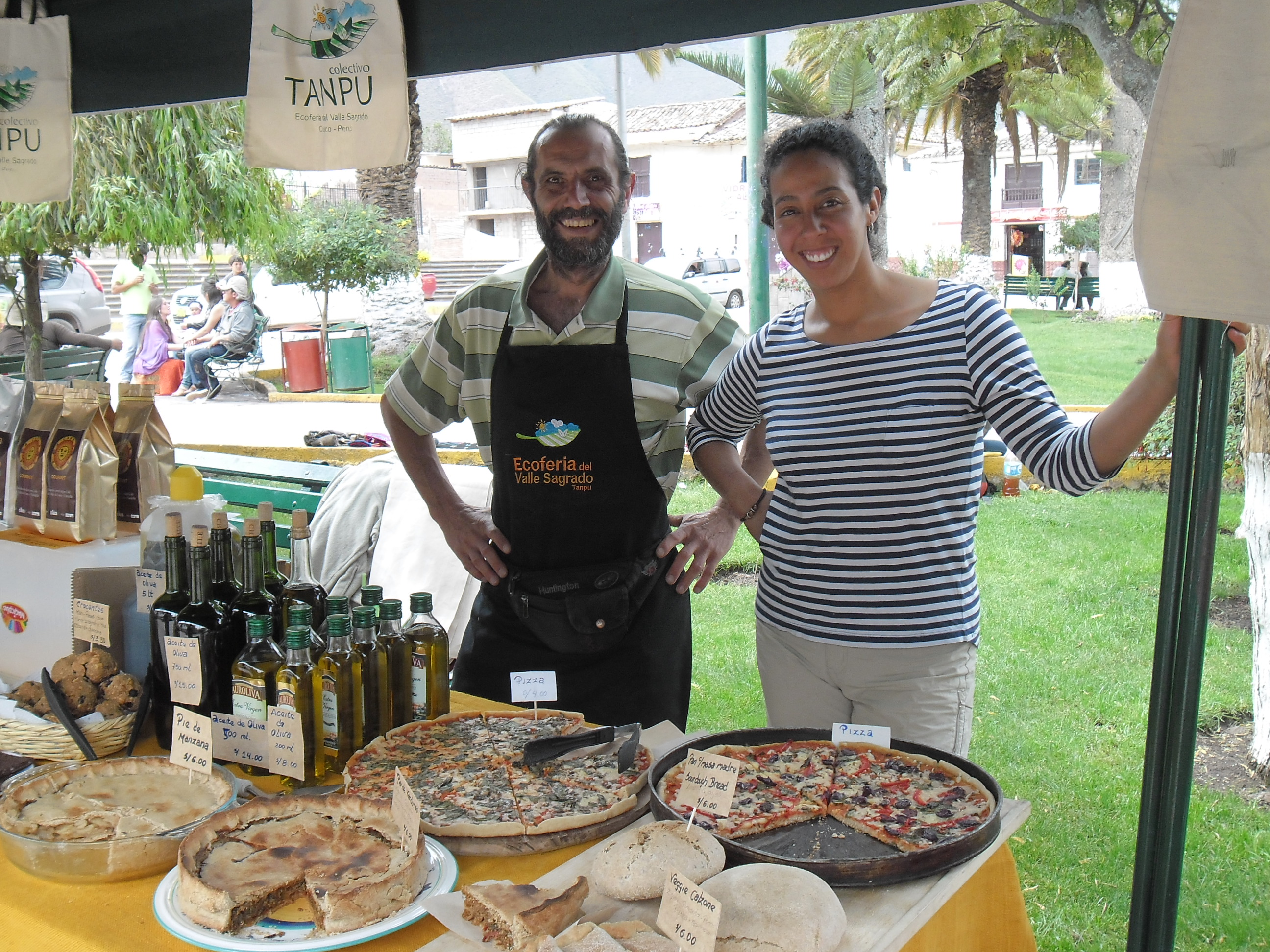
Our friends Mino and Sabrina, from Piccolo Forno
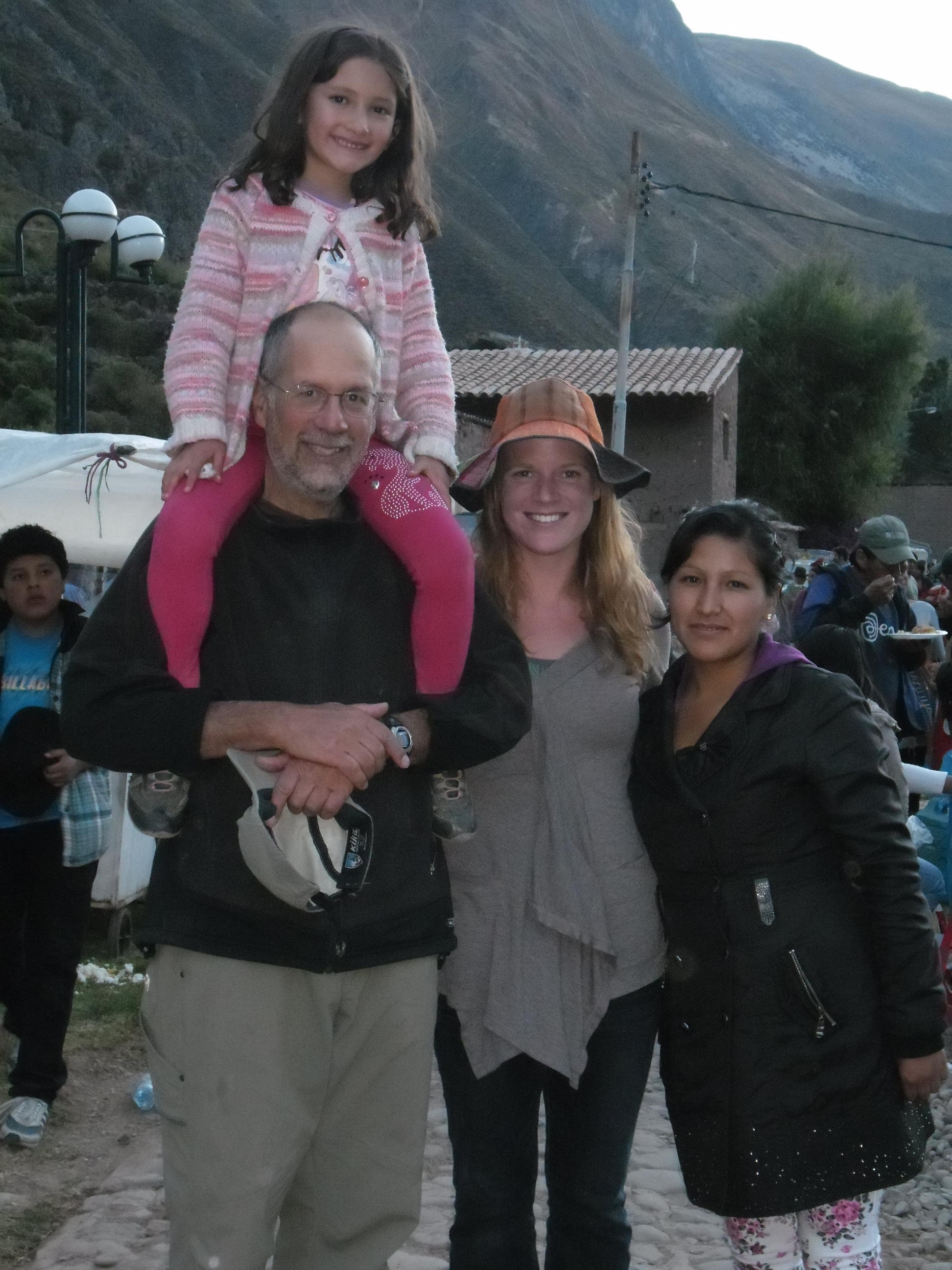
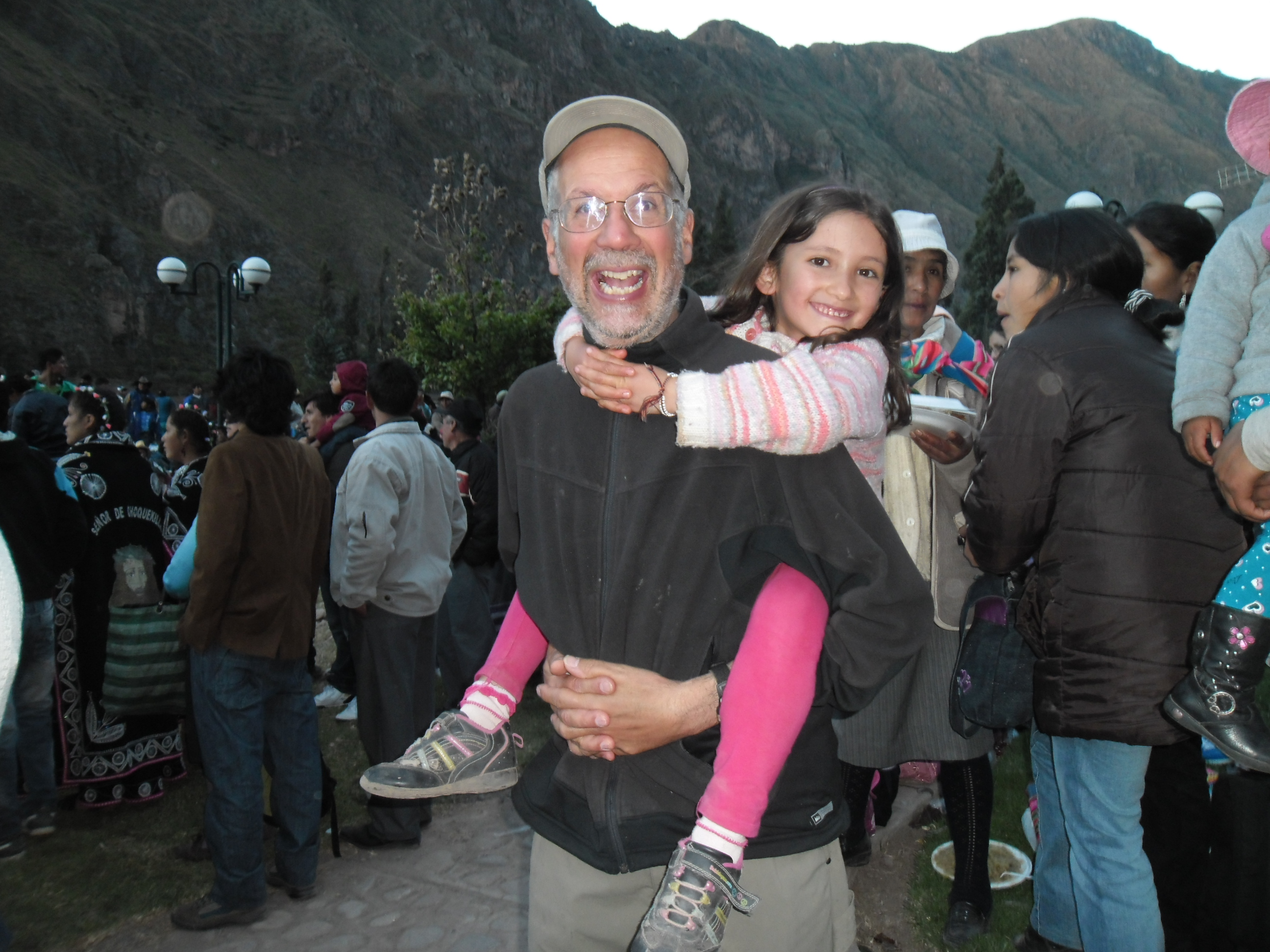
We loved working at Apu Lodge. We liked being part of this team, which was great not only at working together and getting things done, but also at having fun. Any excuse for a party was a good one. Carlos was working there when we arrived, but left halfway through our stay, to work at a bigger hotel, closer to his home in Urubamba. We had a party for his goaway, then a little party for Mike´s birthday.
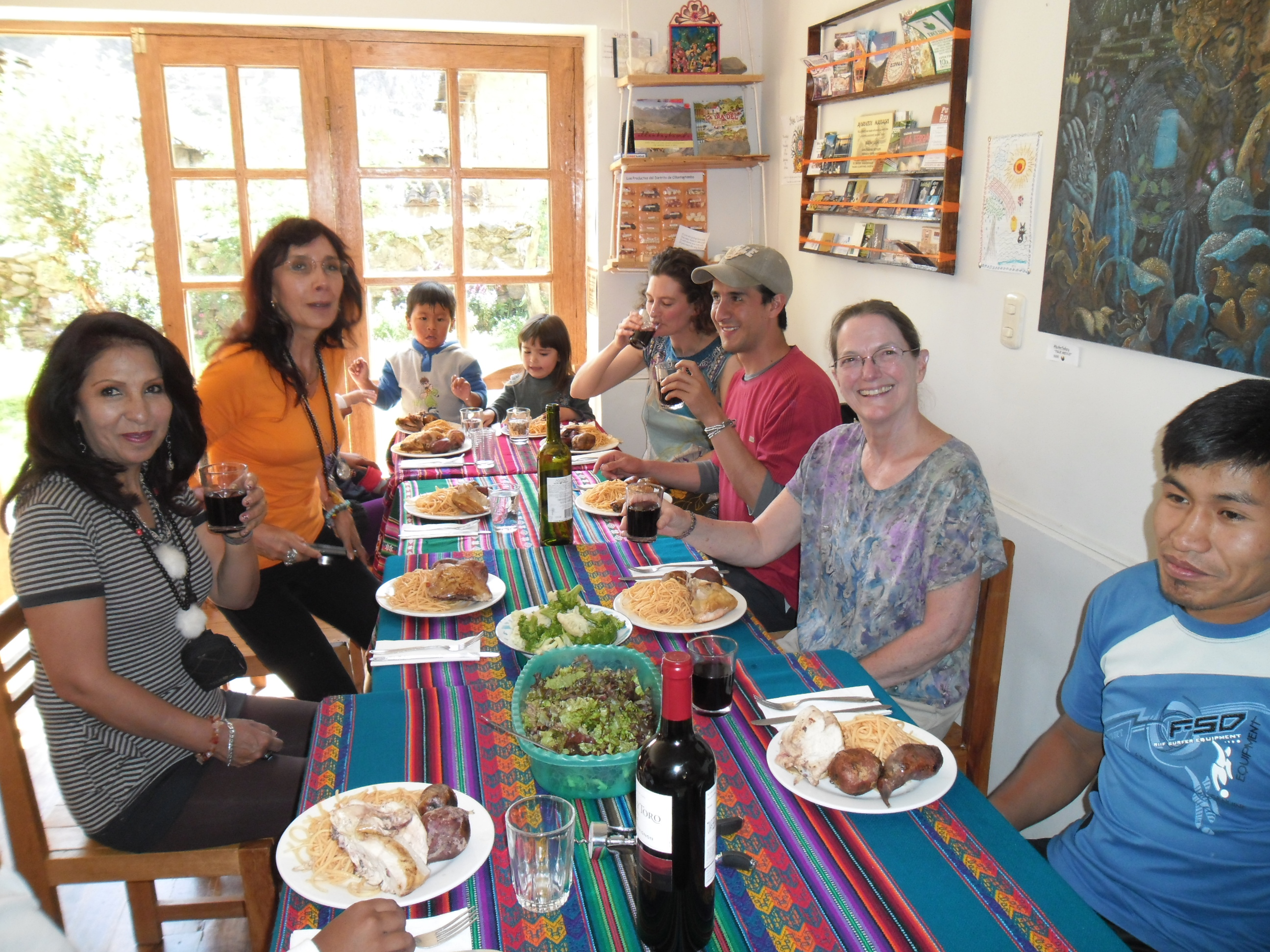
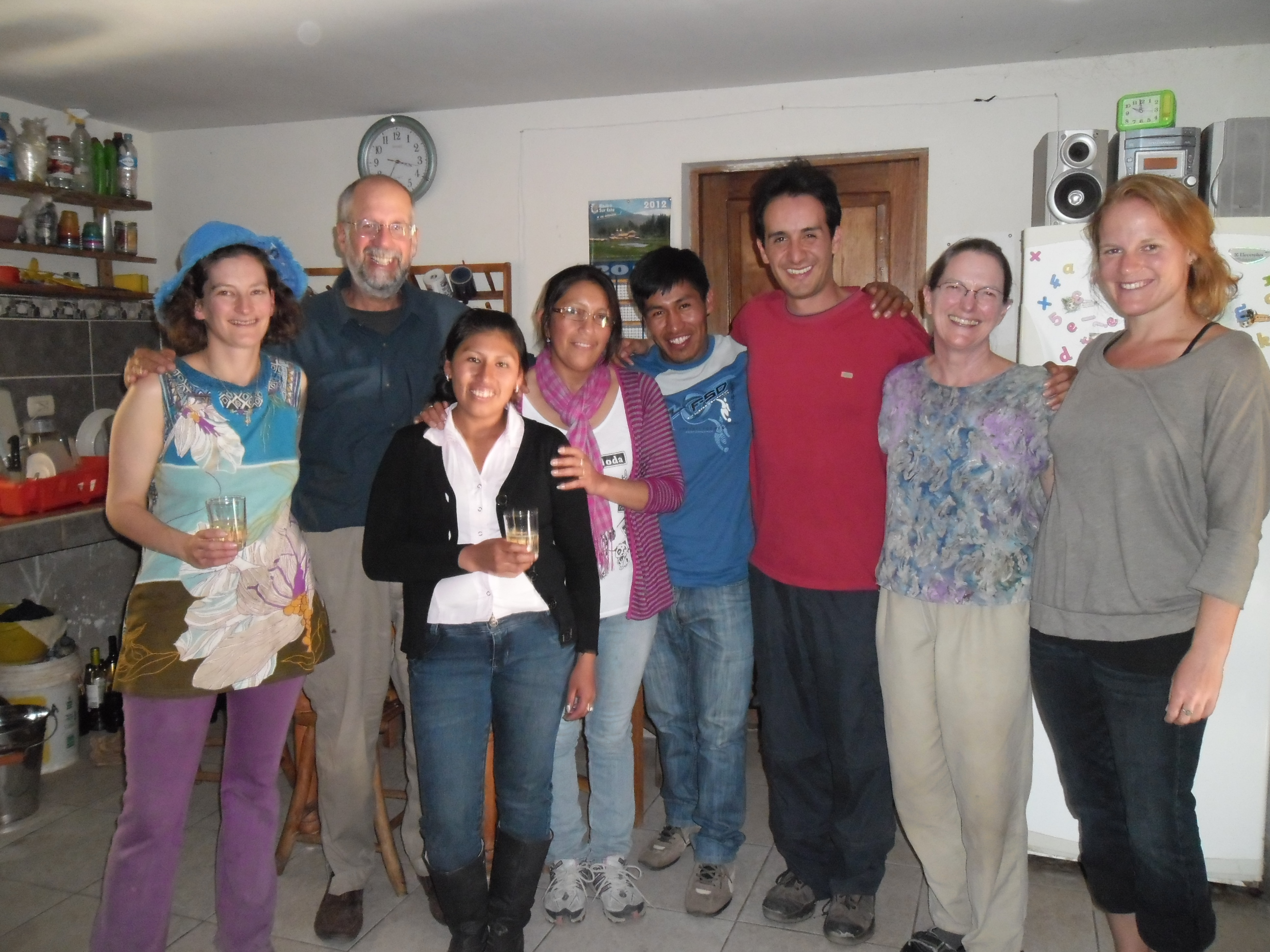
This was the whole crew. Louise, Mike, Ruth, Pancha, Grego, Carlos, Monica, Amy
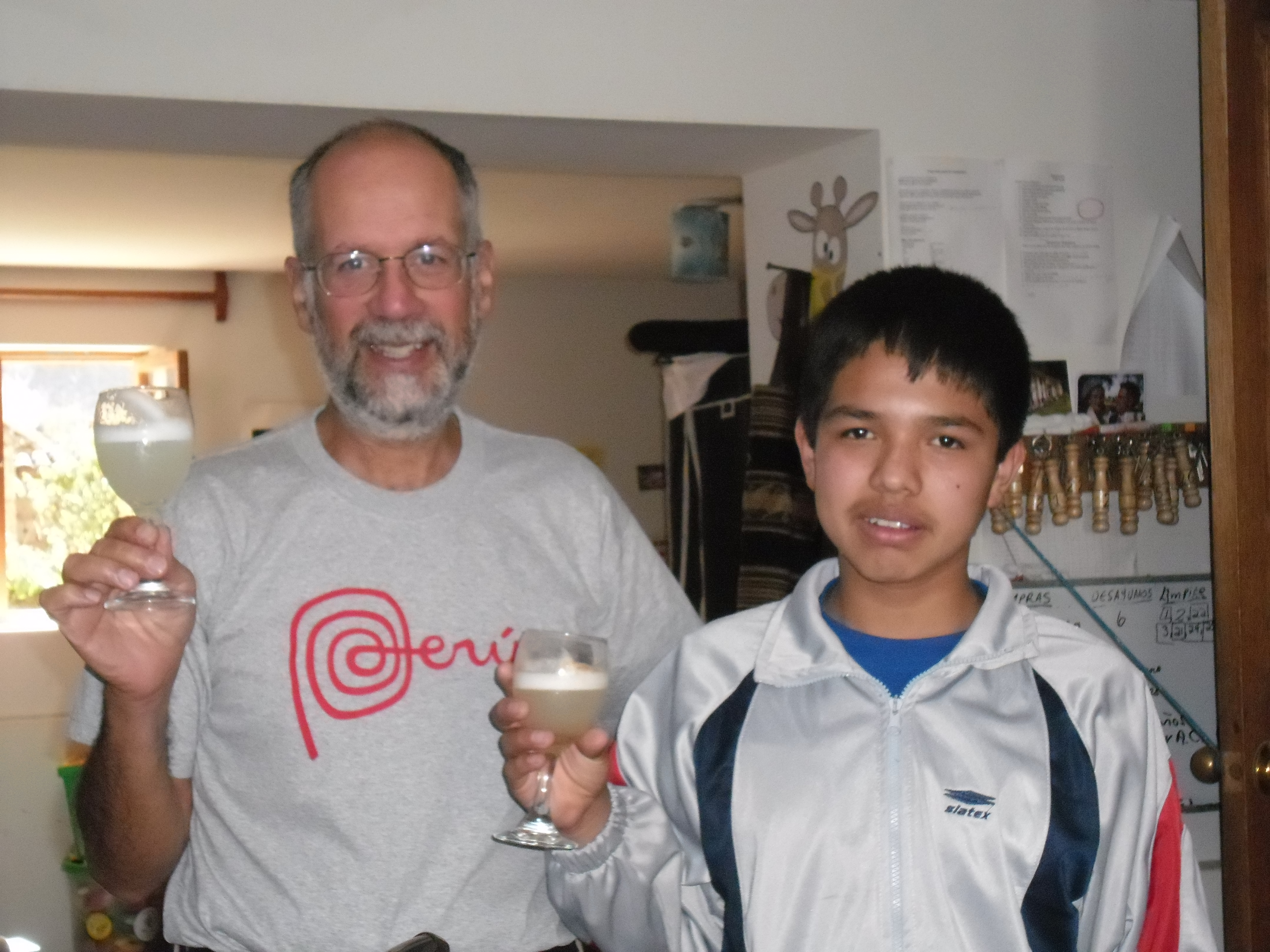
Yonel was a pleasure to work with on Sunday, when the other crew took days off. A little pisco sour won´t hurt him.
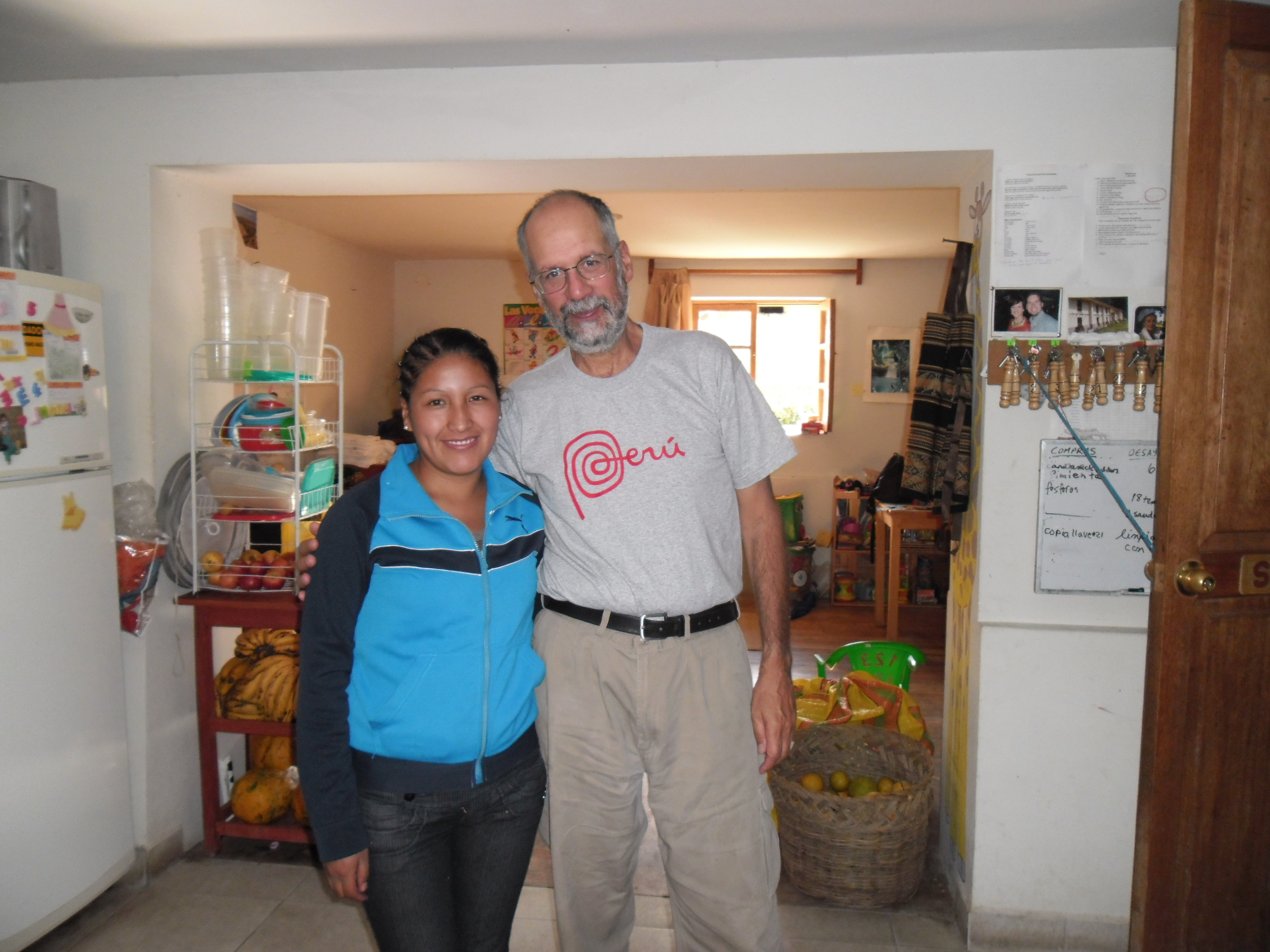
Karina also helped to celebrate my 59th.
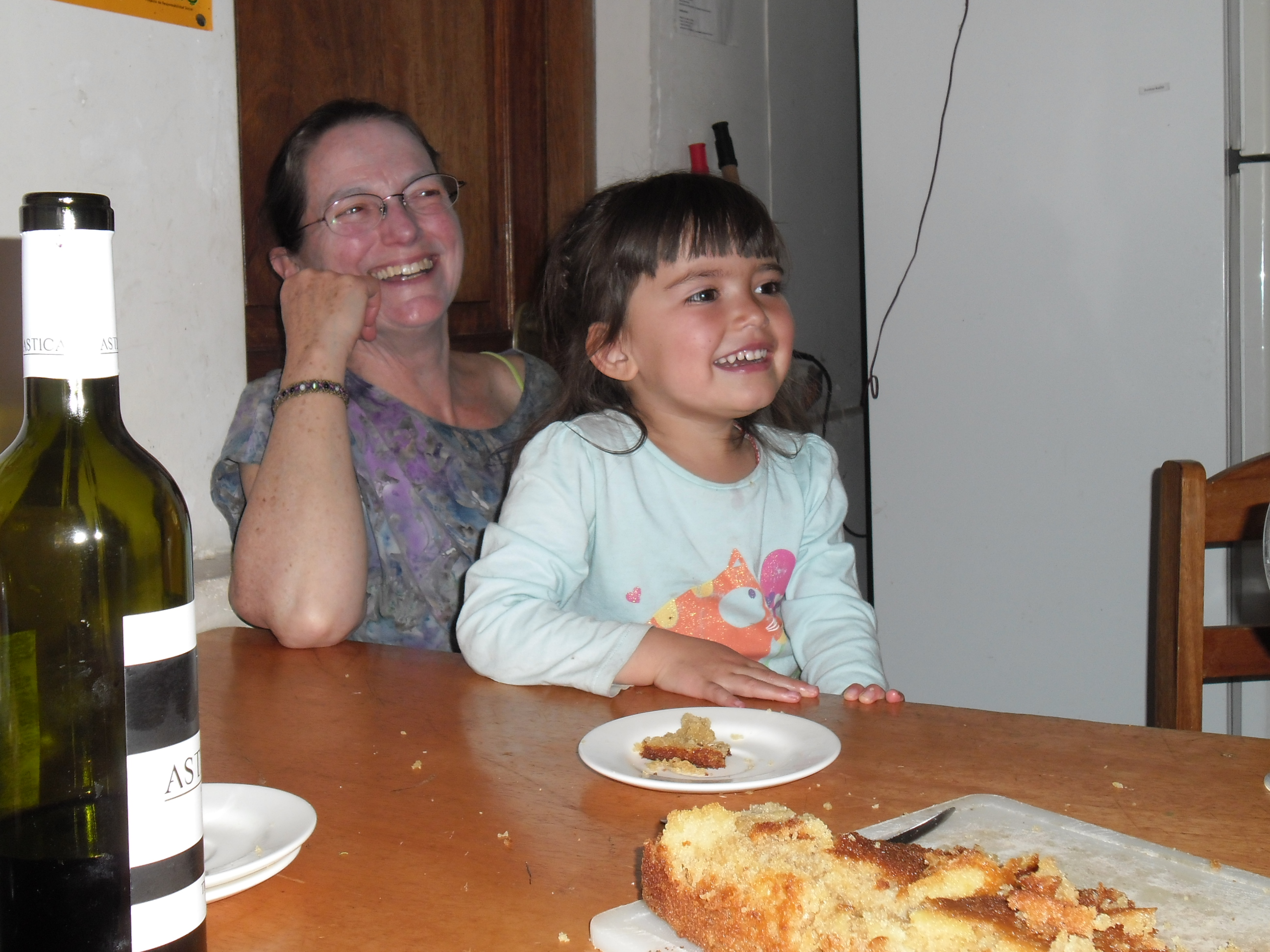
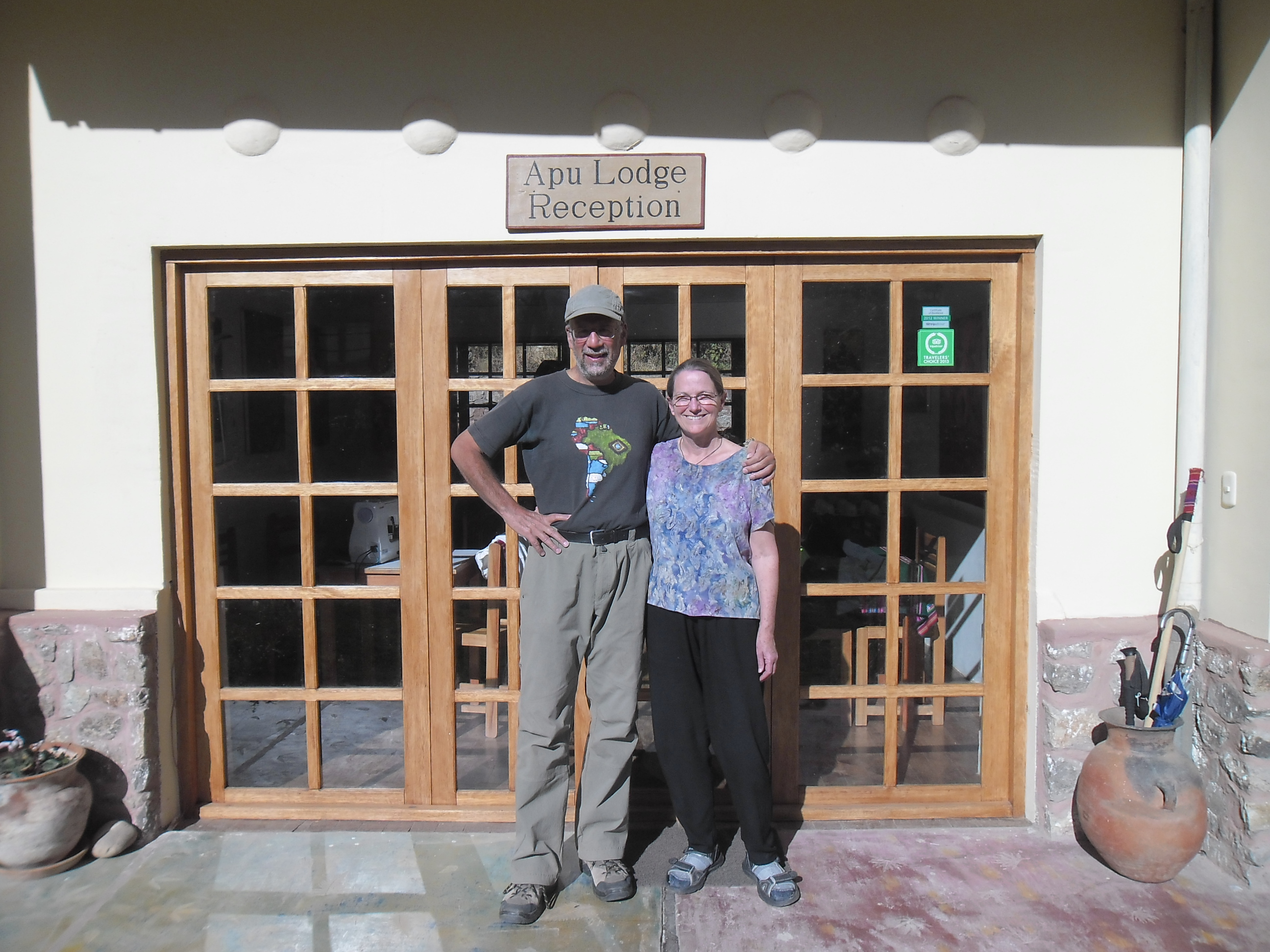
Thank you, Apu Lodge
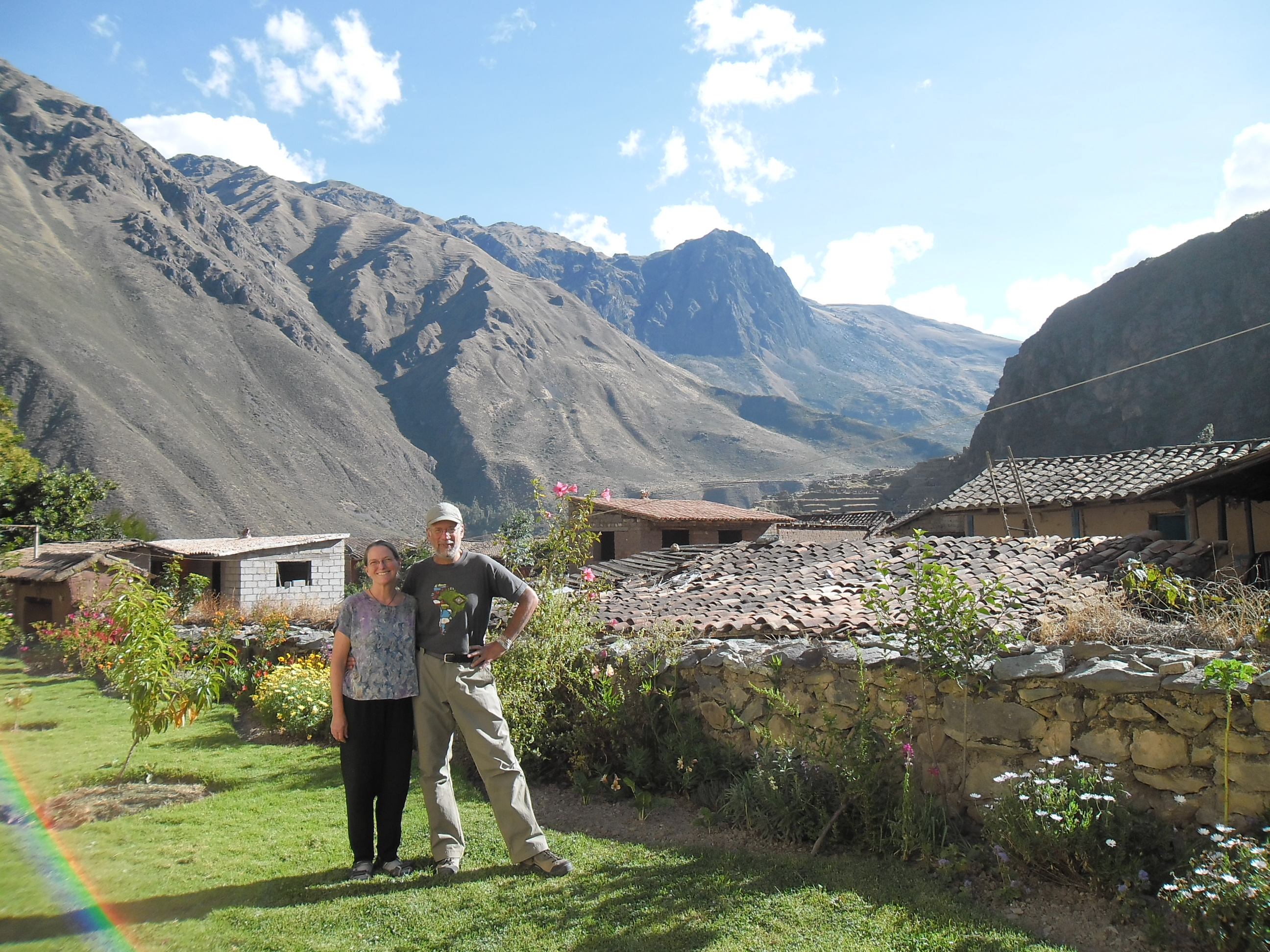
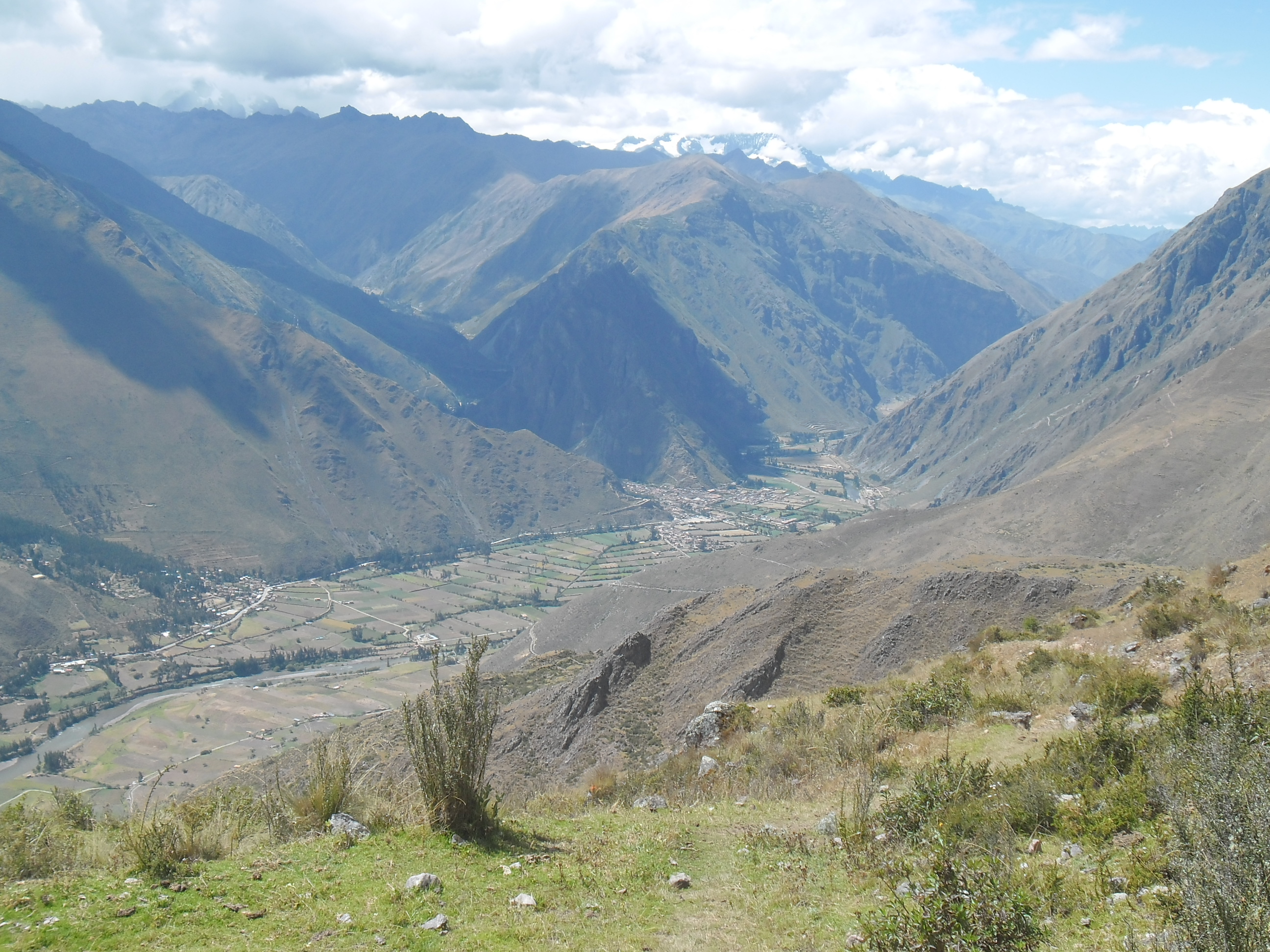
Farewell, Ollantaytambo. We will miss you.
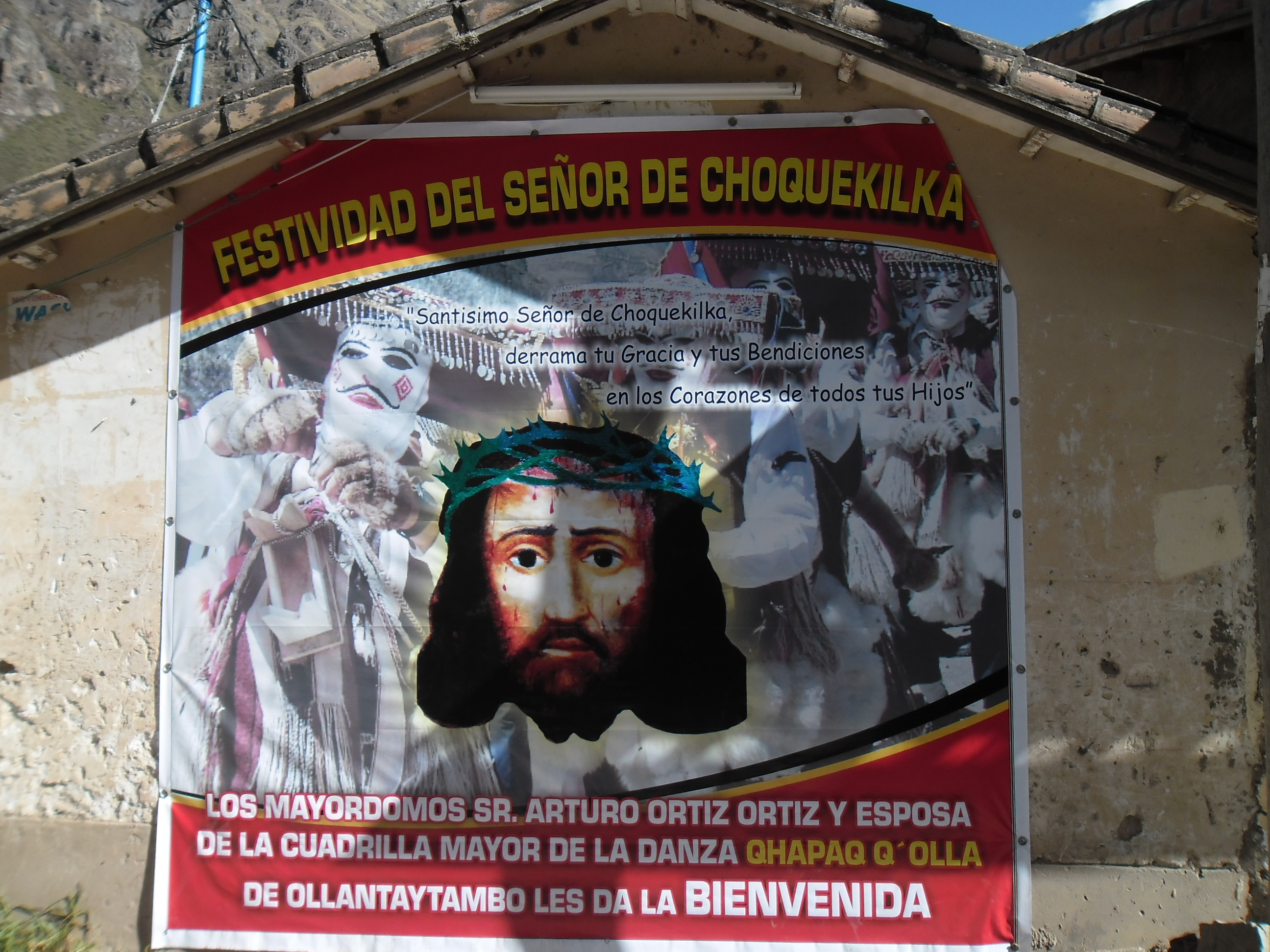
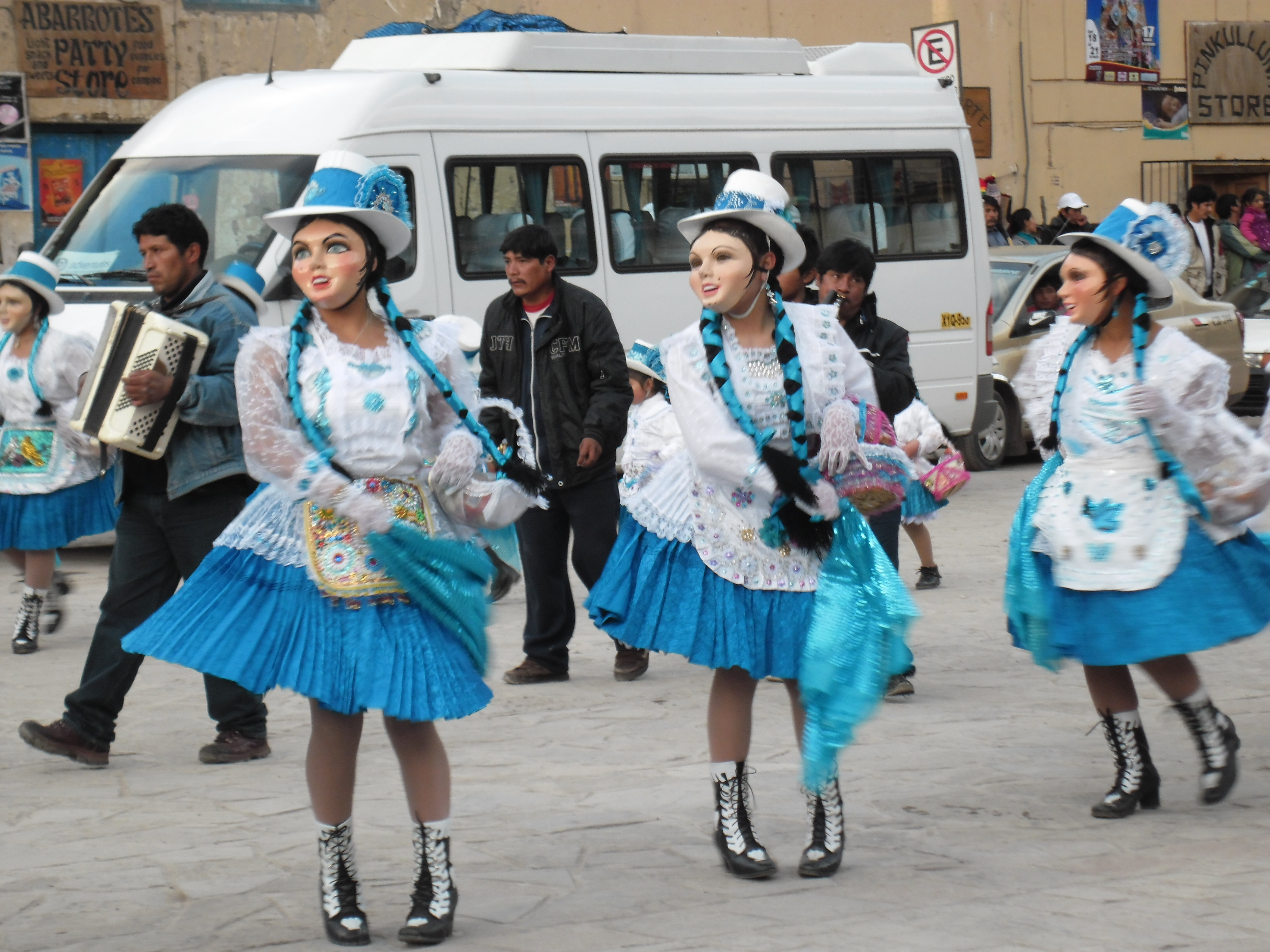
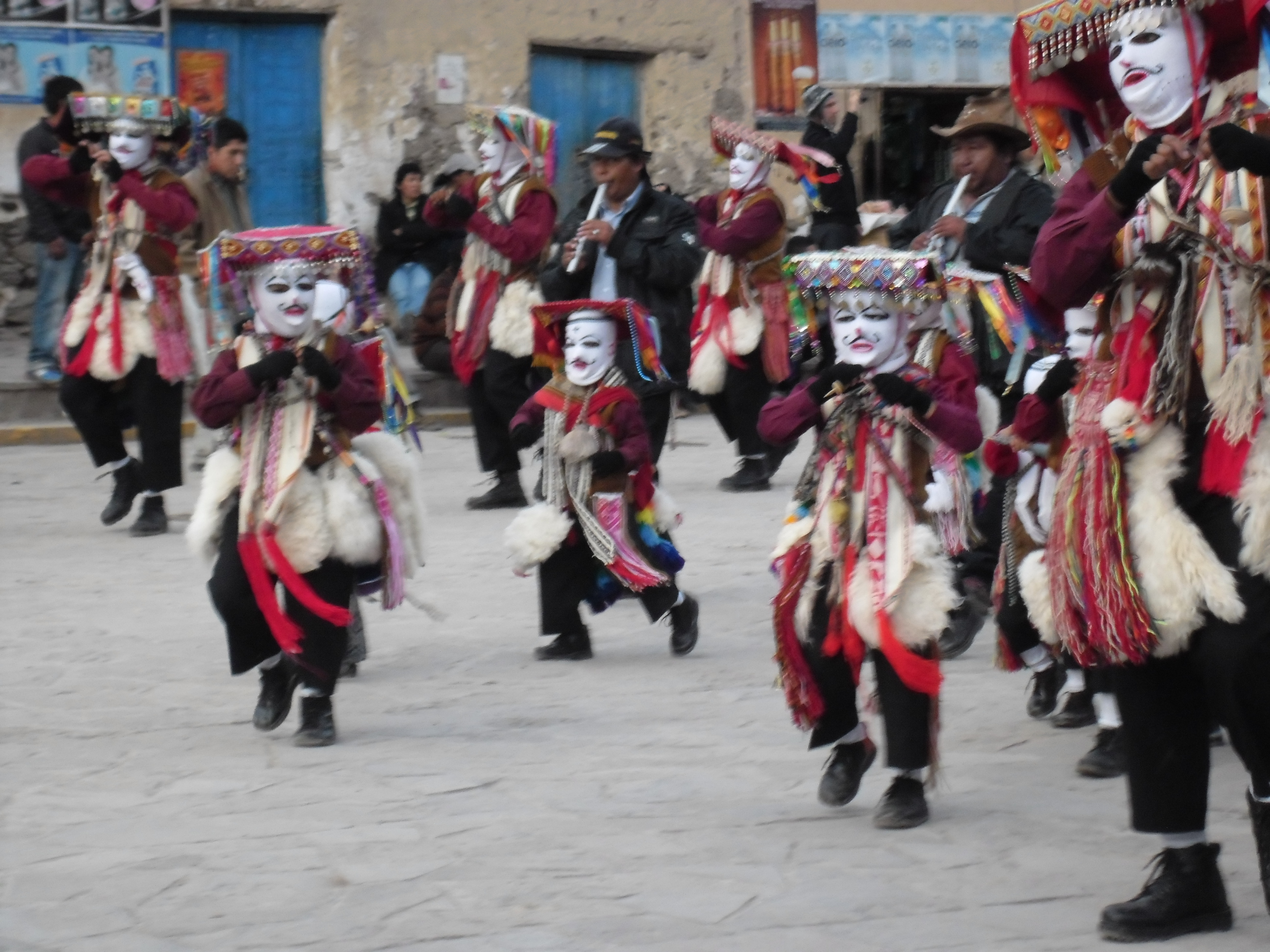
 mikeandmonica