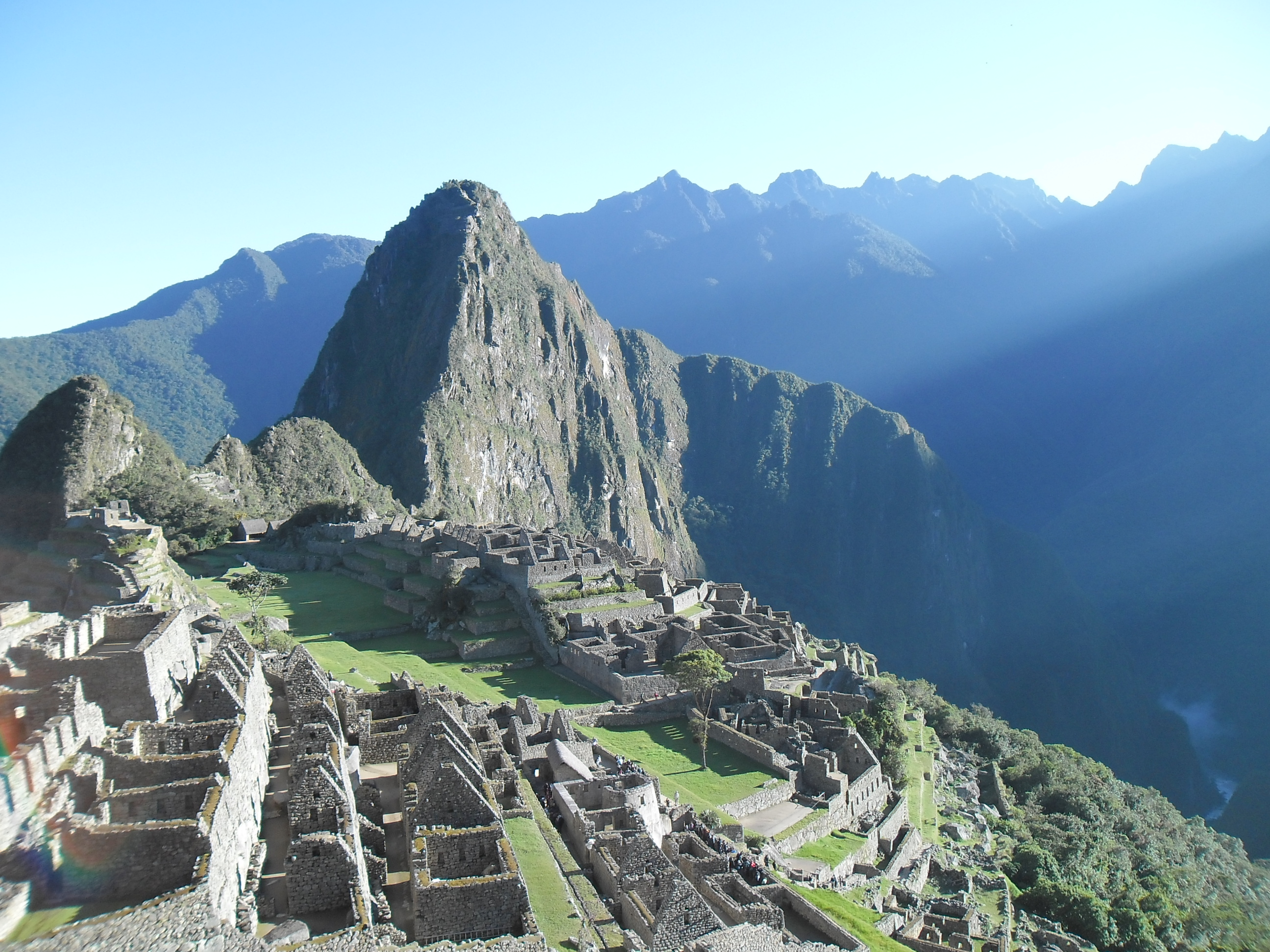
 Nothing prepares you for the magnificence.
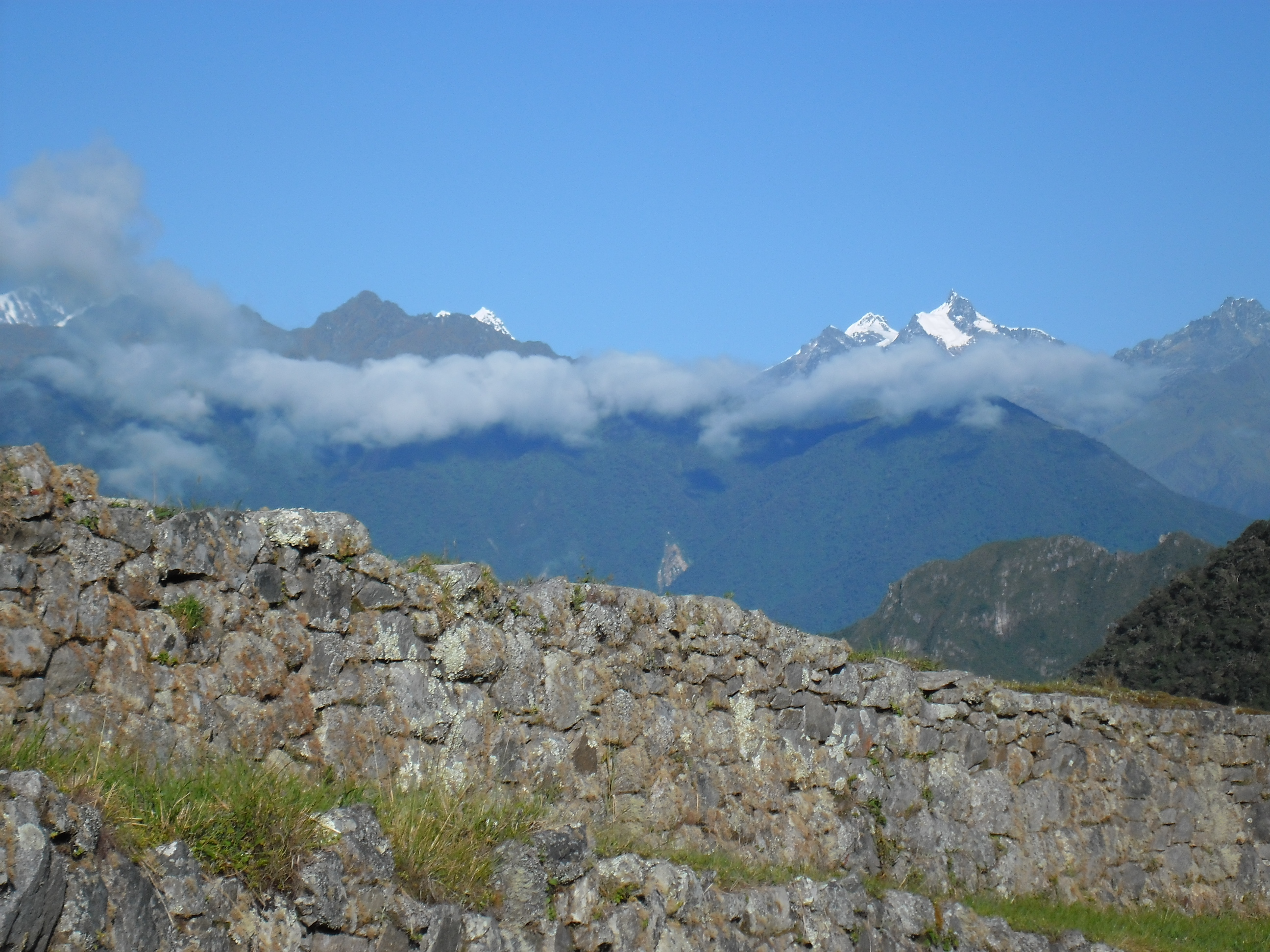
We had read books about Machu Picchu before we went there. We had read articles and first-hand accounts. We had talked to many people and heard their stories. We knew what to expect. Still, nothing can prepare you for the magnificence of the place. The spectacular isolation surrounded by rainforest mountains, ringed by the 20,000 foot snow-capped peaks.
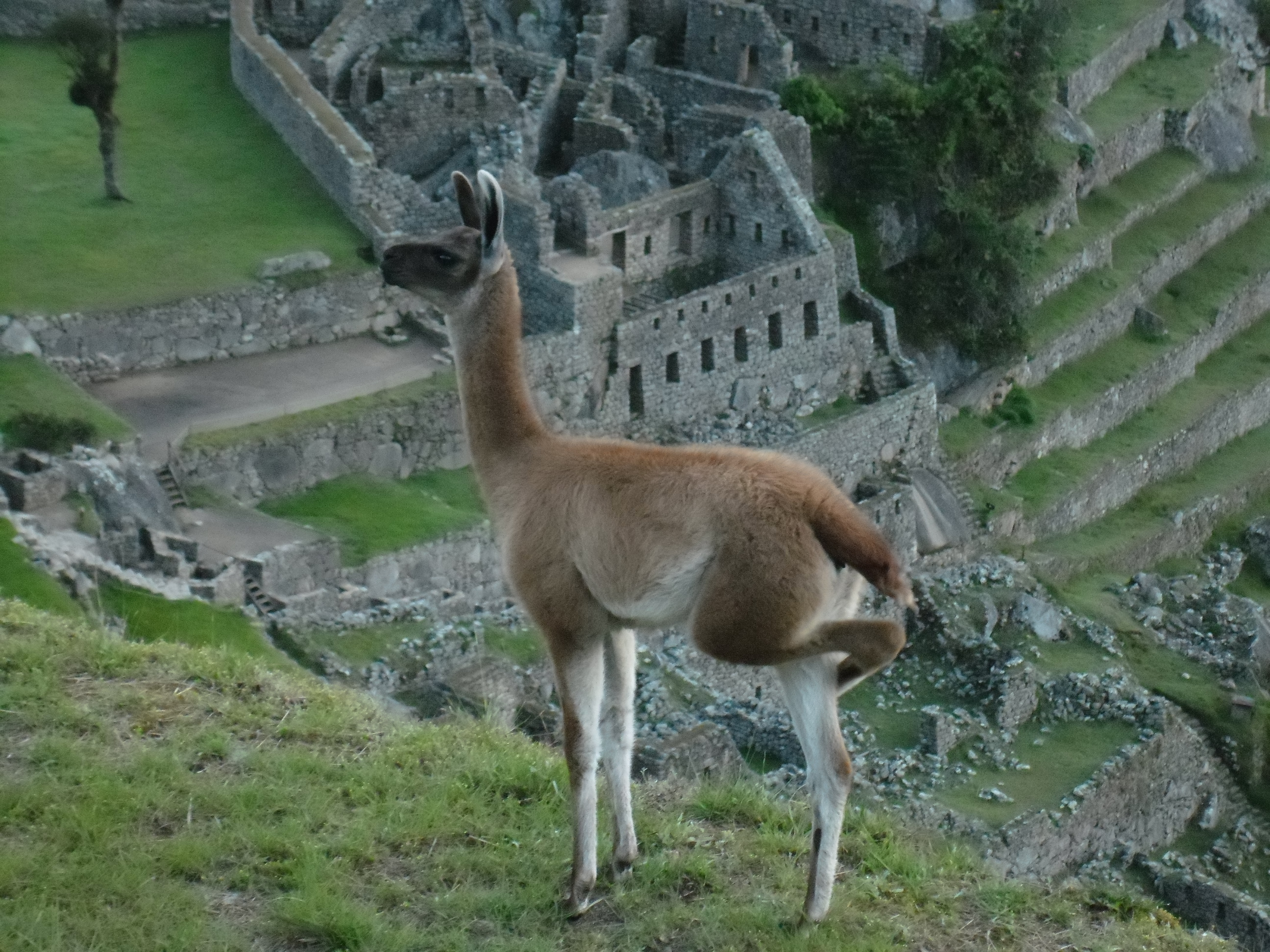 A resident vicuña
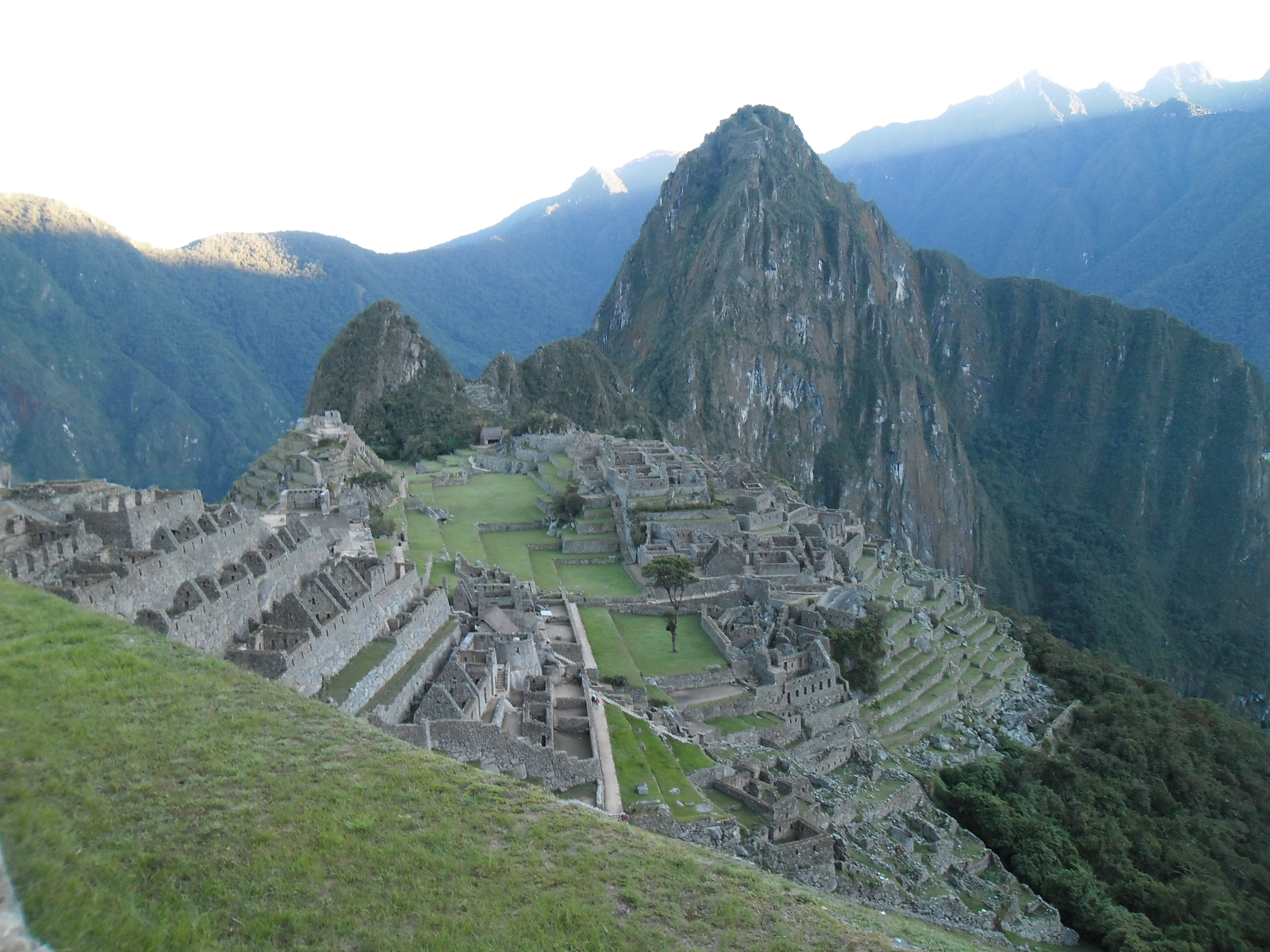
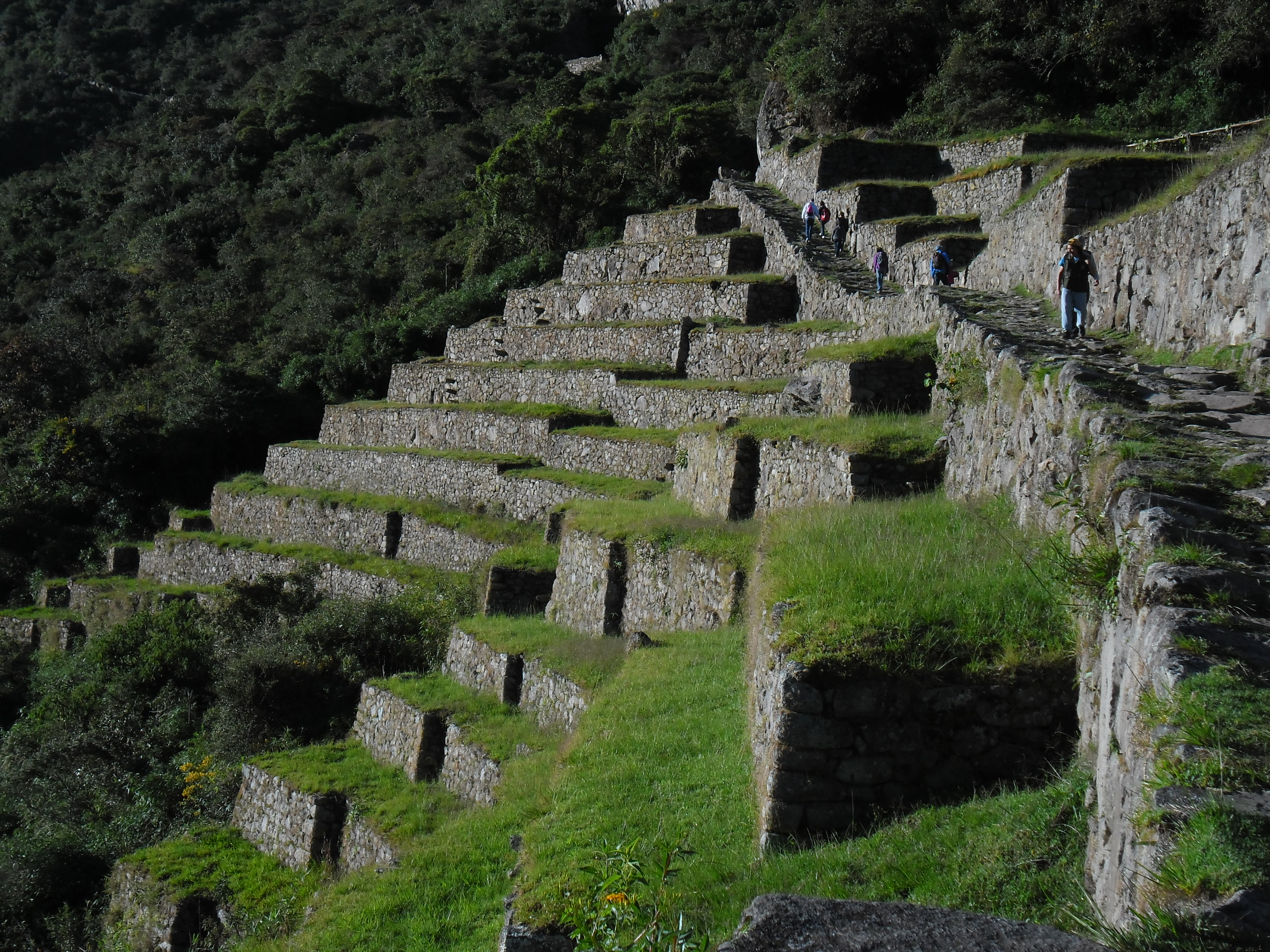 Agricultural terraces below the Inca Trail
The city of Machu Picchu itself was designed, built, and lived in by the Incas in the 1400´s and 1500´s. It was abandoned and never discovered by the Spaniards, then it sat in the jungle, pretty much undisturbed, for almost four hundred years, before Hiram Bingham brought it to the world´s attention in 1911. Because it was never discovered, it is now a perfectly conserved example of the architecture and the life of indigenous culture before western contact. And because the Incas were such intricate and skilled architects and engineers, it is a testament to the world of how to build a city in perfect harmony with its surroundings.
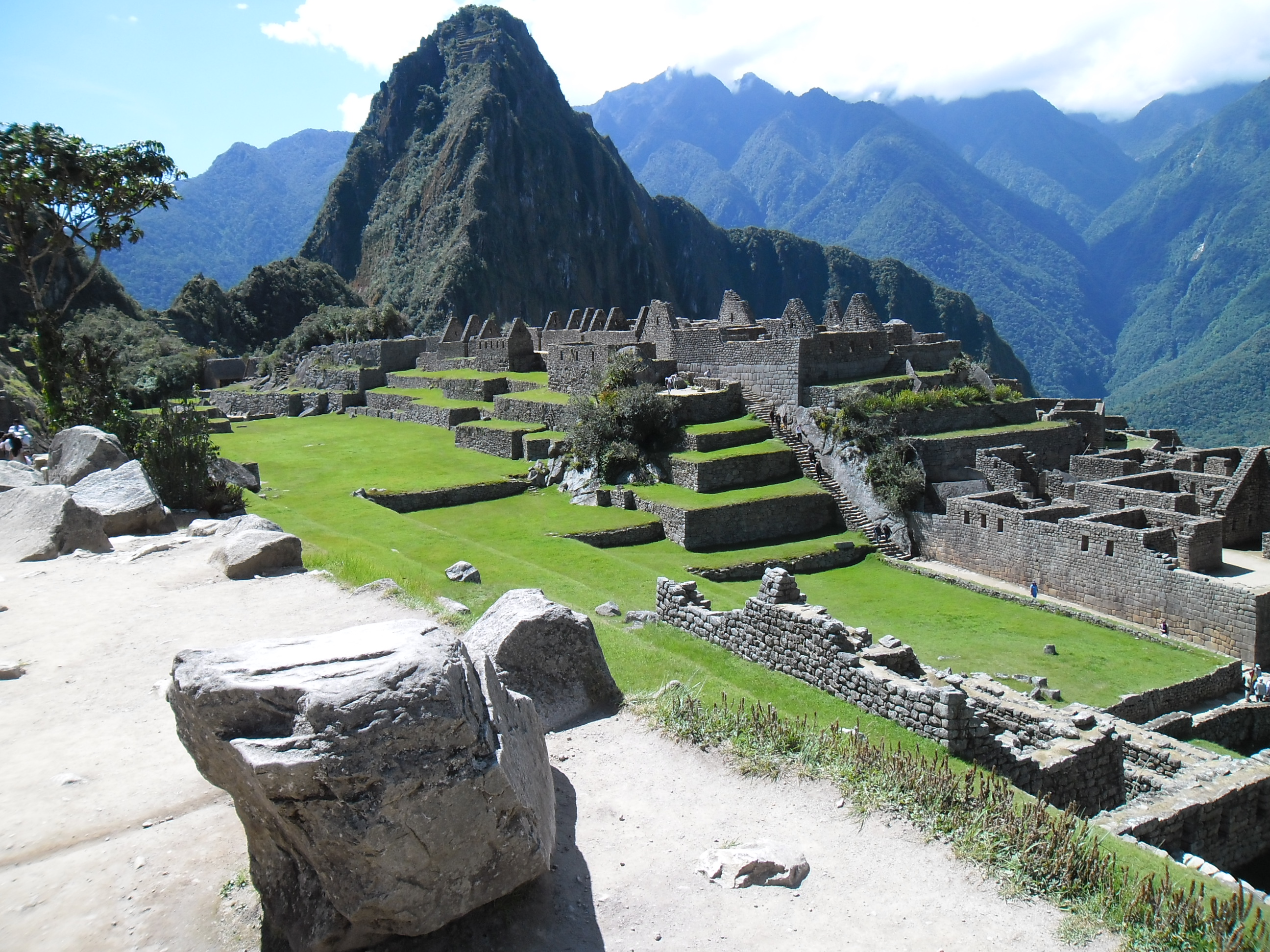
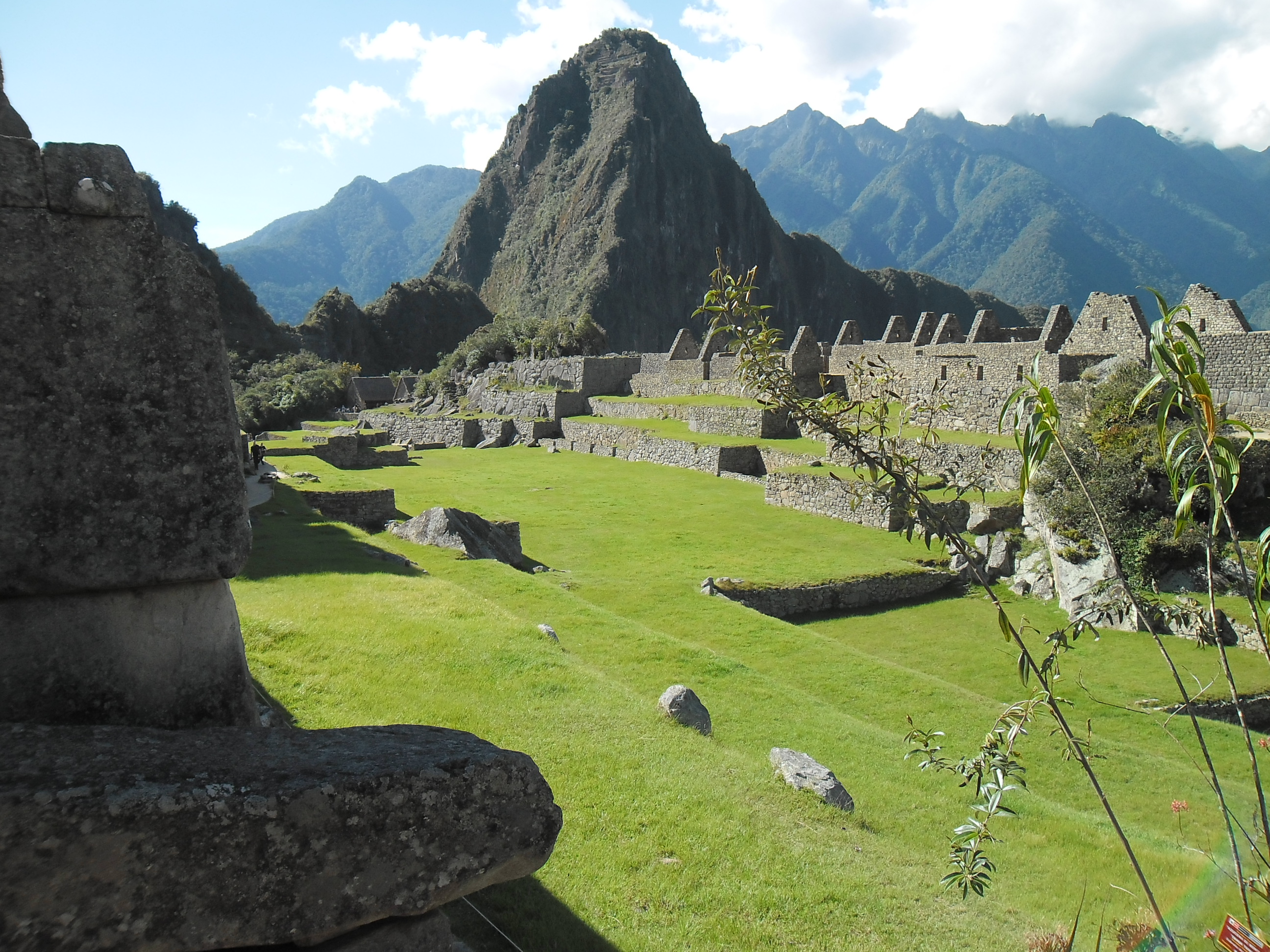
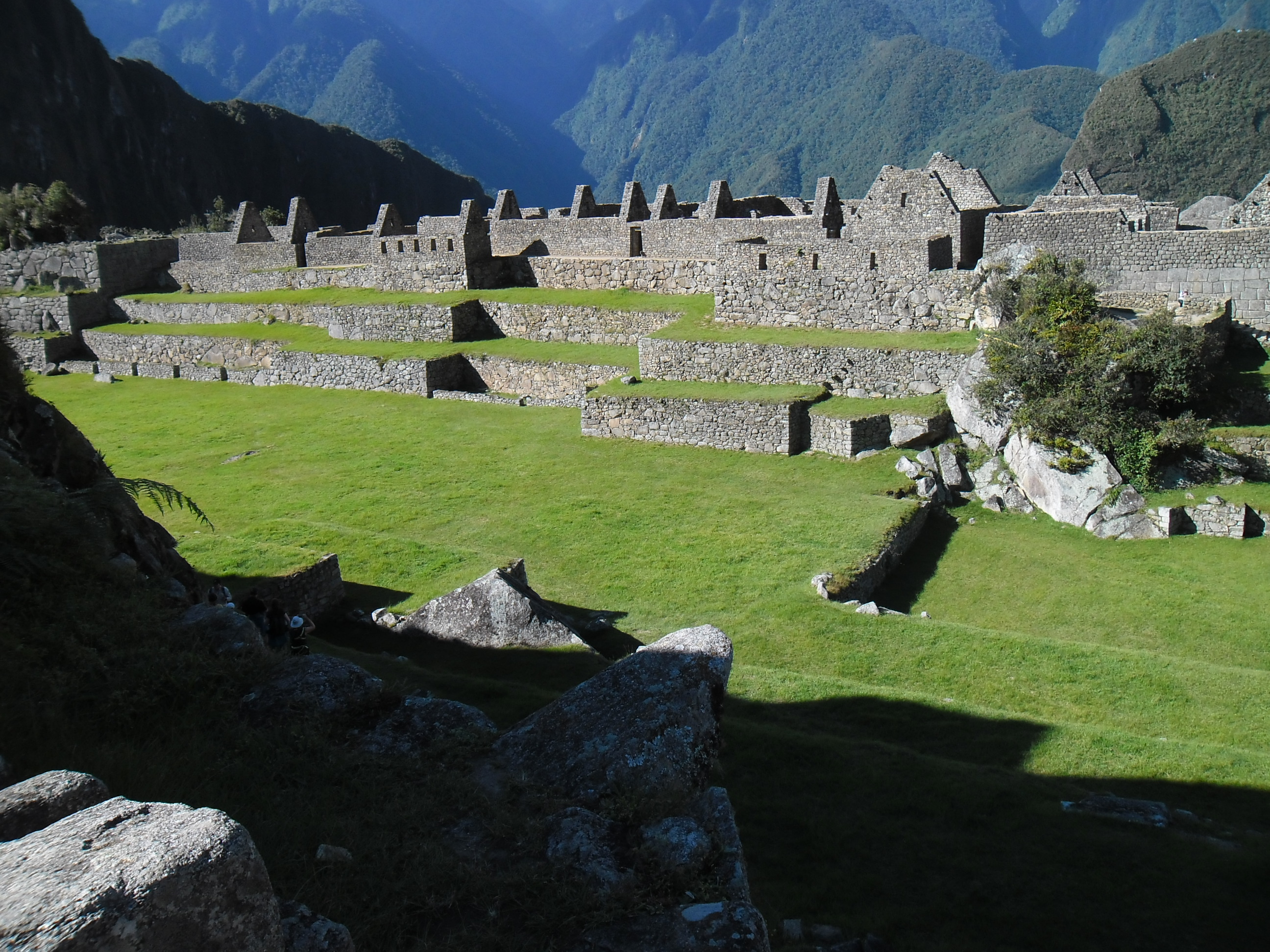
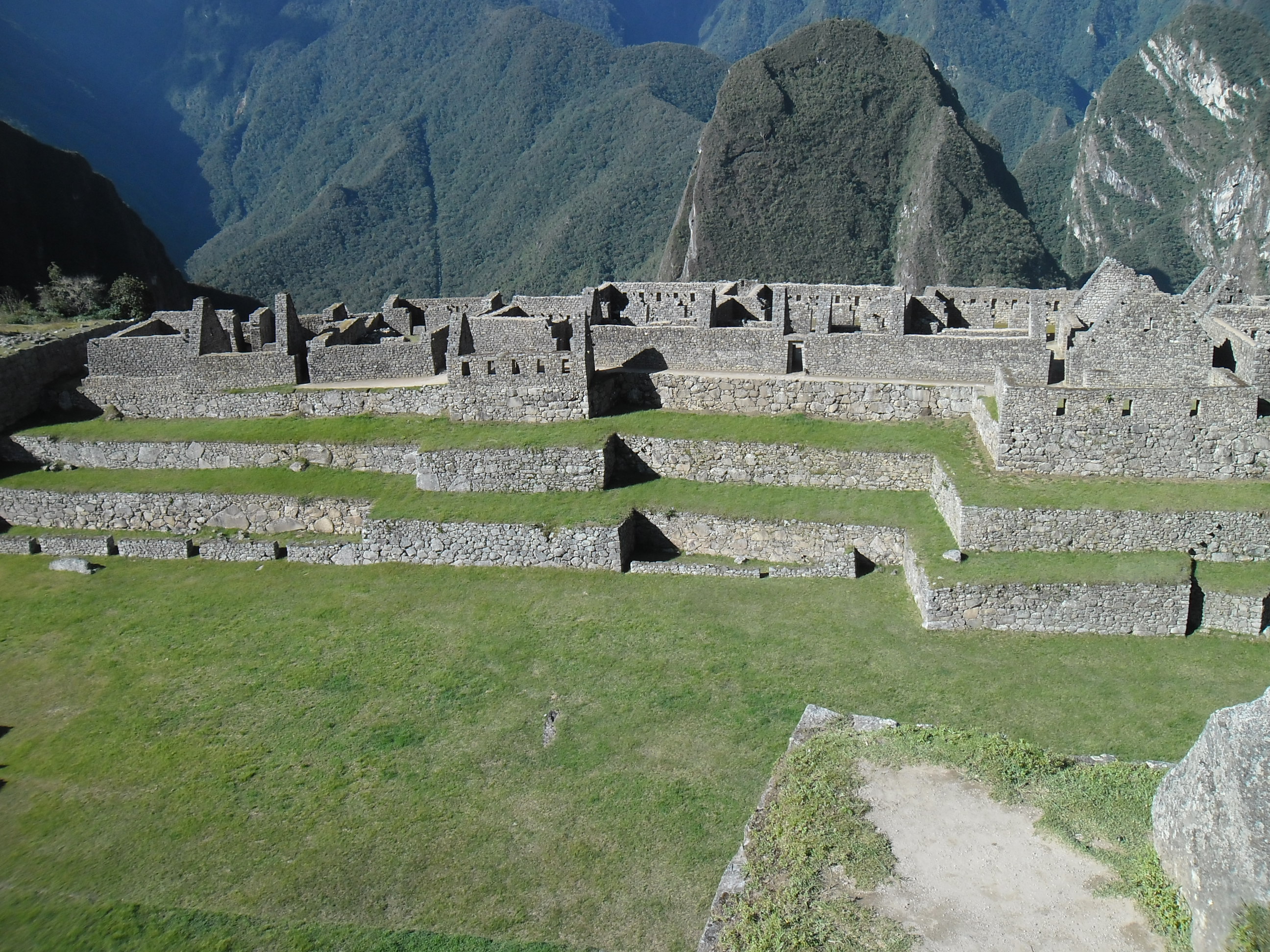
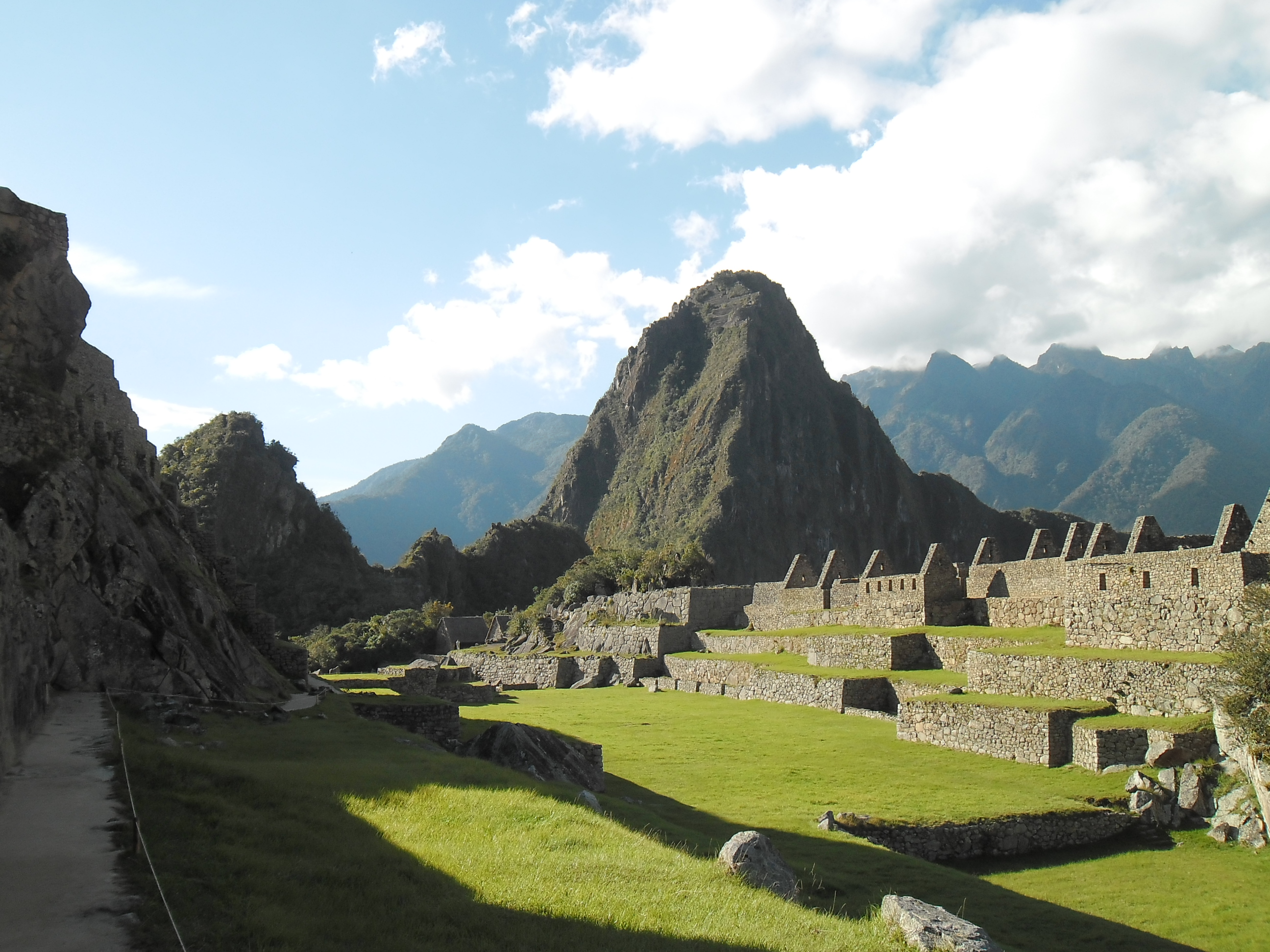
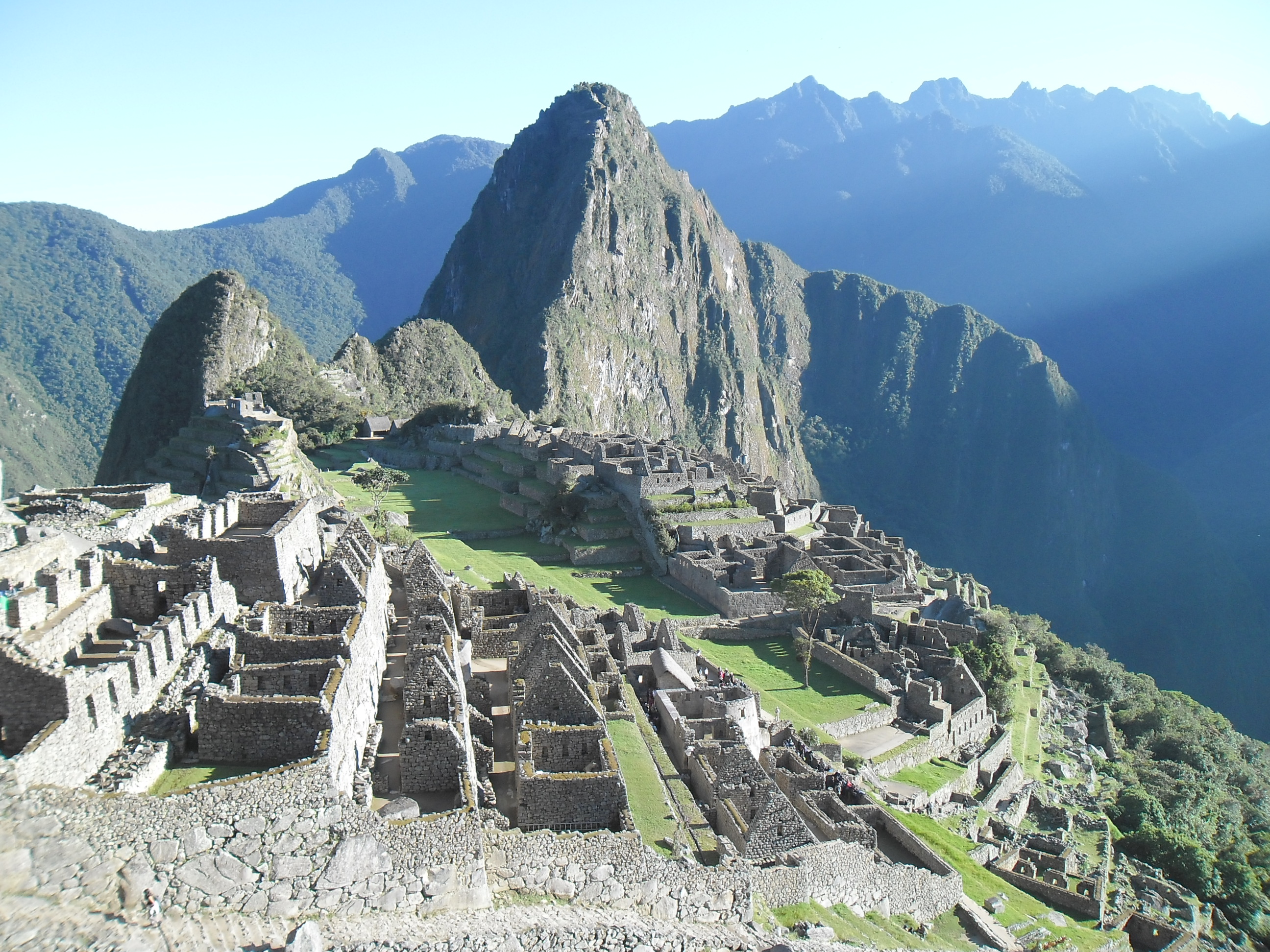
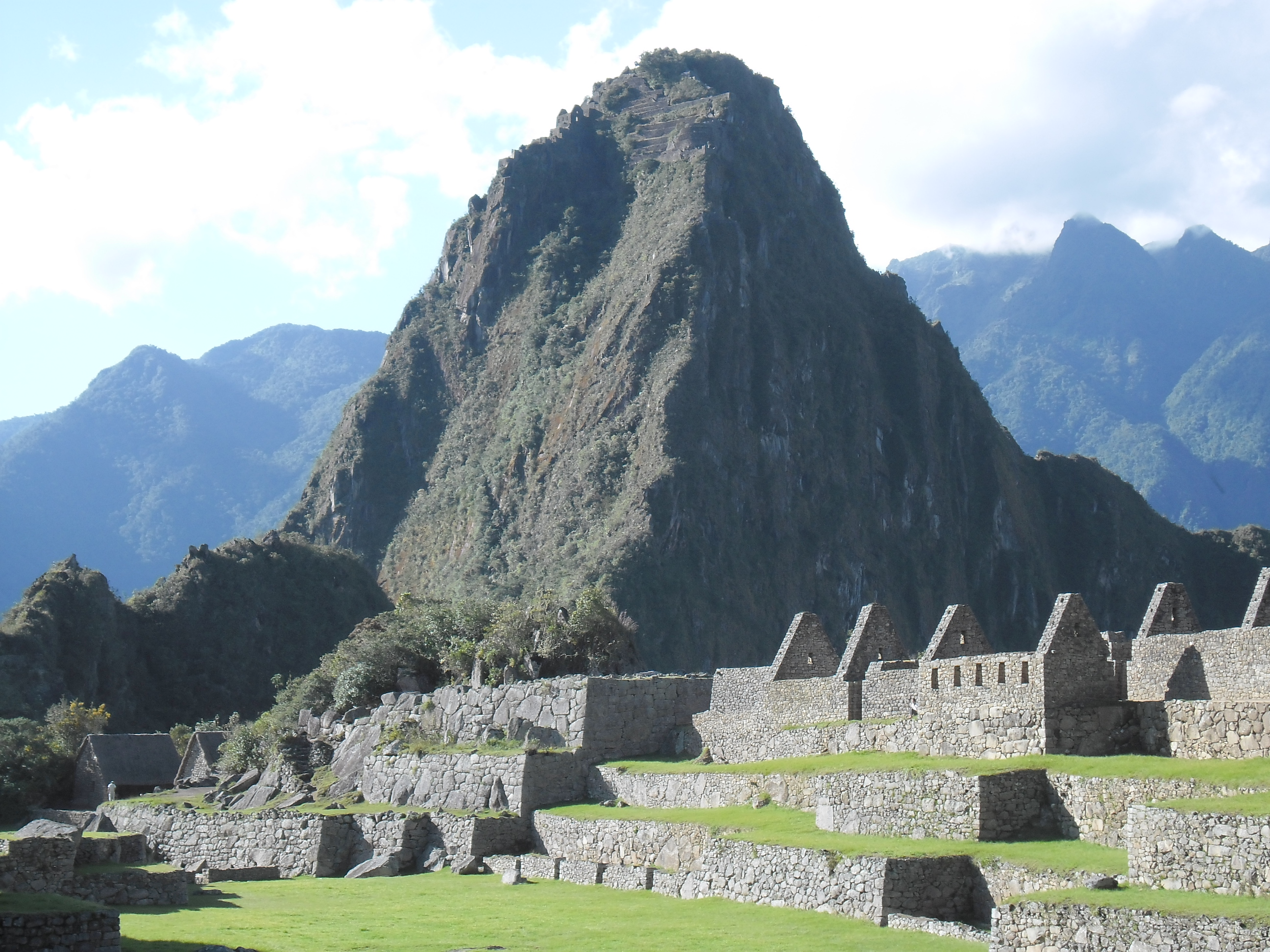 The Incas were pantheists, which means that they worshipped nature. The mountains were living gods, the sun was a living god, the rivers were living gods. Machu Picchu was totally designed before one stone was put in place, and it was designed not only as a city where people could live and with its own agriculture, but it also was designed to reflect and to offer prayers to the mountains and the sun. One of the temples, called El Templo Principal, is a three-walled building. Its open side is perfectly aligned, facing Mount Machu Picchu, so that the mountain god could be received in the temple. Mount Machu Picchu is the tallest mountain at the site, and was the main god of the site.
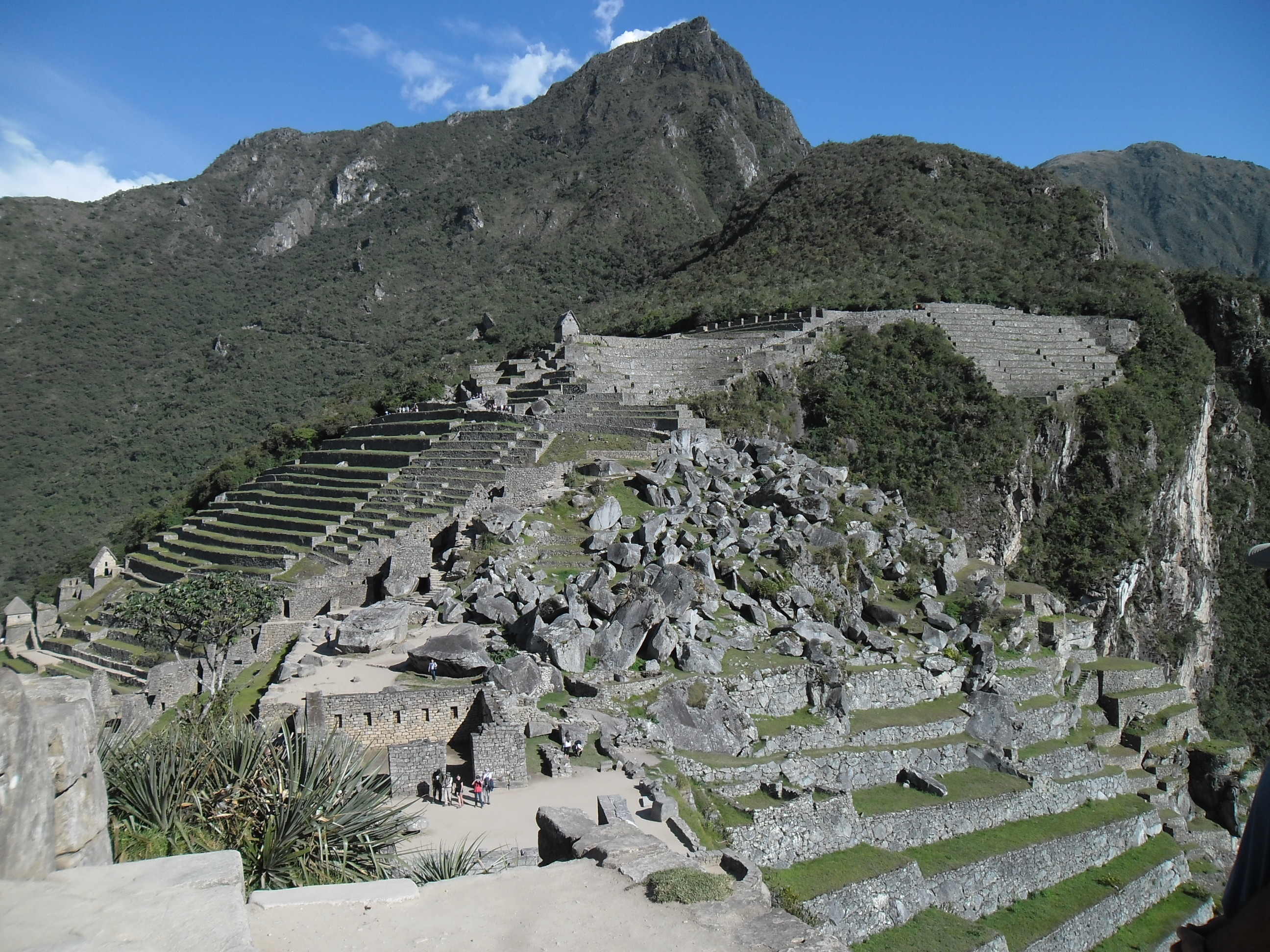 Mount Machu Picchu in the background. In the foreground is the quarry, which the stones were chosen from.
“The Temple of the Sun” has two windows, and a perfect rectangular stone inside. One window is aligned so that the sunrise on December 21, the longest day of the year, completely illuminates the rectangle, with no shadows. That’s like the scene in Indiana Jones, where he finds the secret door to the treasure. The producers of that movie read all of Hiram Bingham’s writings before they started the movie. The other window is aligned to do the same on June 21, the shortest day of the year. Exact and precise. Every stone is perfect. Every stone has a purpose. The temple itself is built upon a natural rock. The stones seem to grow out of the rock.
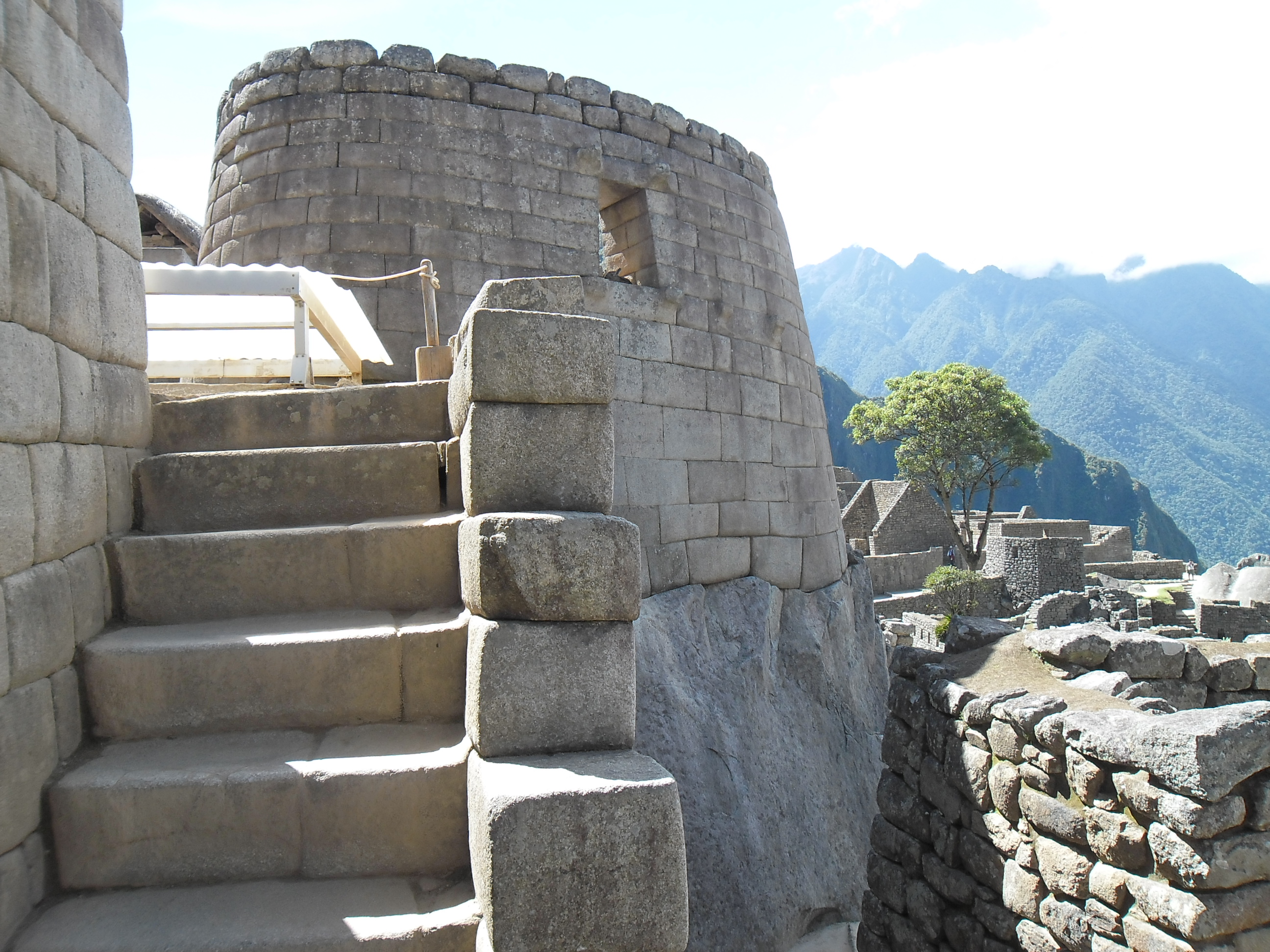 El Templo del Sol
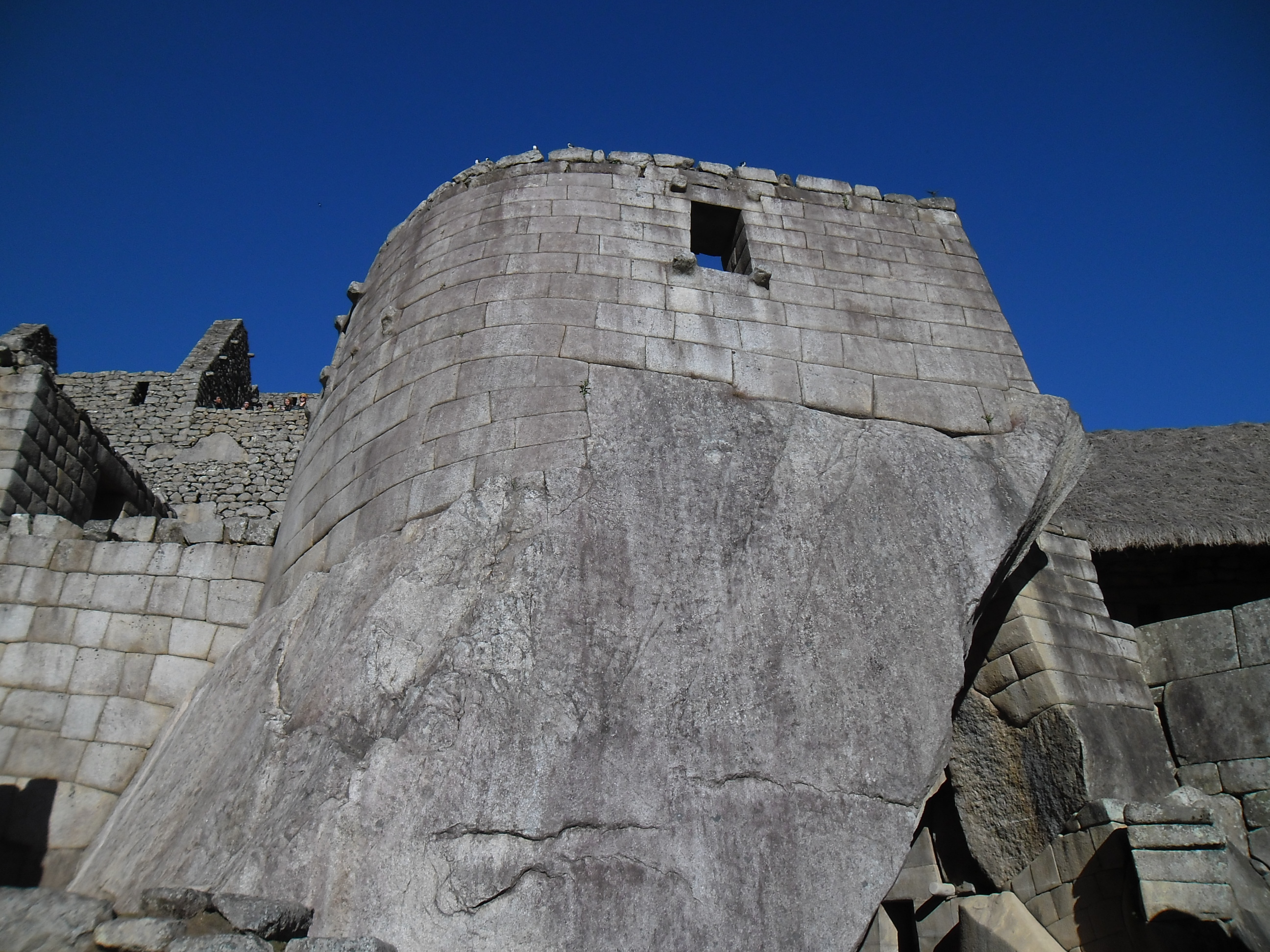 The temple is built on a granite outcropping. This is the window that faces the summer solstice, on December 21.
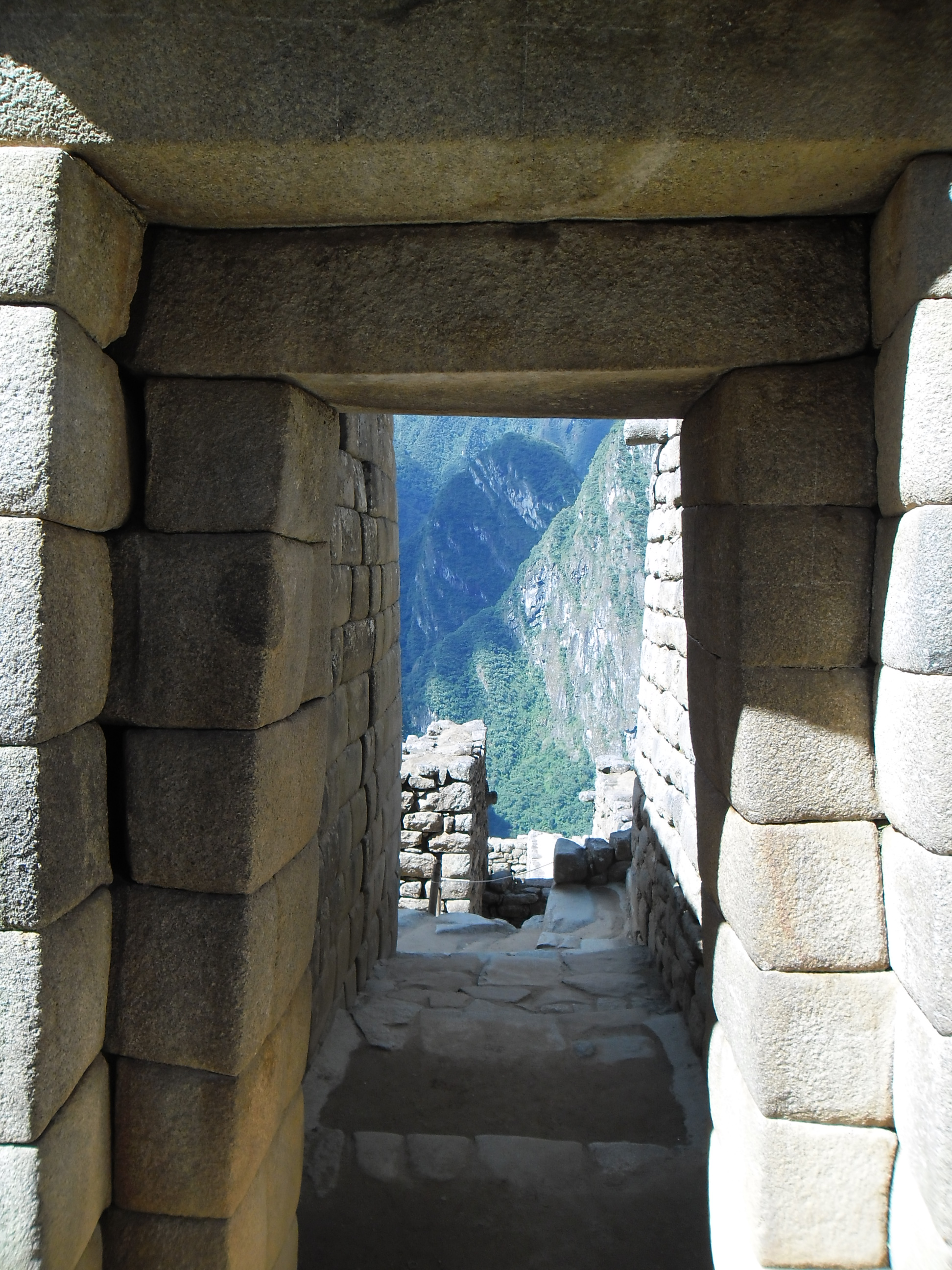
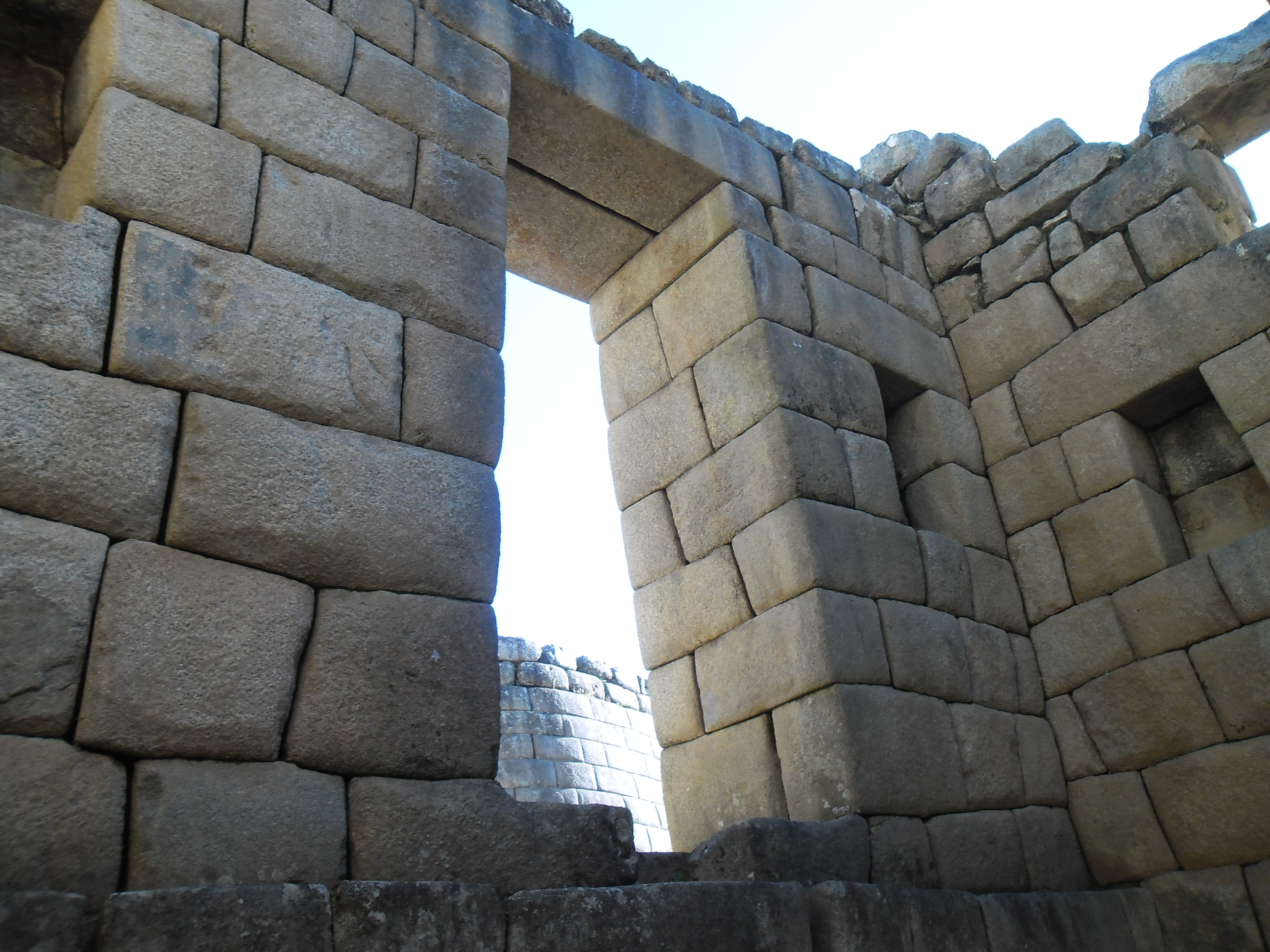 Fine stonework inside the temple. Trapezoidal doors are a trademark of the Incas.
 The natural setting for the city is literally breathtaking. Machu Picchu itself is 8,000 feet above sea level. It is a level piece of land, having been carved and leveled by the Incas, kind of like a diving board between two mountains. The diving board is a peninsula of land, a ridgetop that drops vertically down on three sides, 1500 feet down to the raging Urubamba River. Two words that could be used over and over to describe the territory would be: Massive and Steep. The city´s access is from the fourth side, where the Inca Trail arrives through the mountains from Cusco and Ollantaytambo. Huayna Picchu is one of the mountains that punctuate the city. When you see the iconic photograph of Machu Picchu, with the city in the foreground and a huge, space-needle like mountain in the background, that mountain is Huayna Picchu. It rises 1200 feet, straight up, from one end of Machu Picchu.
Monica and I, along with about four hundred other people that day, climbed to the top of Huayna Picchu. A few years ago, you could have arrived at Machu Picchu, and just hiked up. Because of the growing amount of people, now you have to register and buy a ticket in advance. It´s like climbing to the top of the Empire State Building on the outside of it. When you look up at the mountain, it seems impossible that anybody could climb it. The Incas, however, climbed it a lot, and they carved steps into the granite that snake ever-upwards.
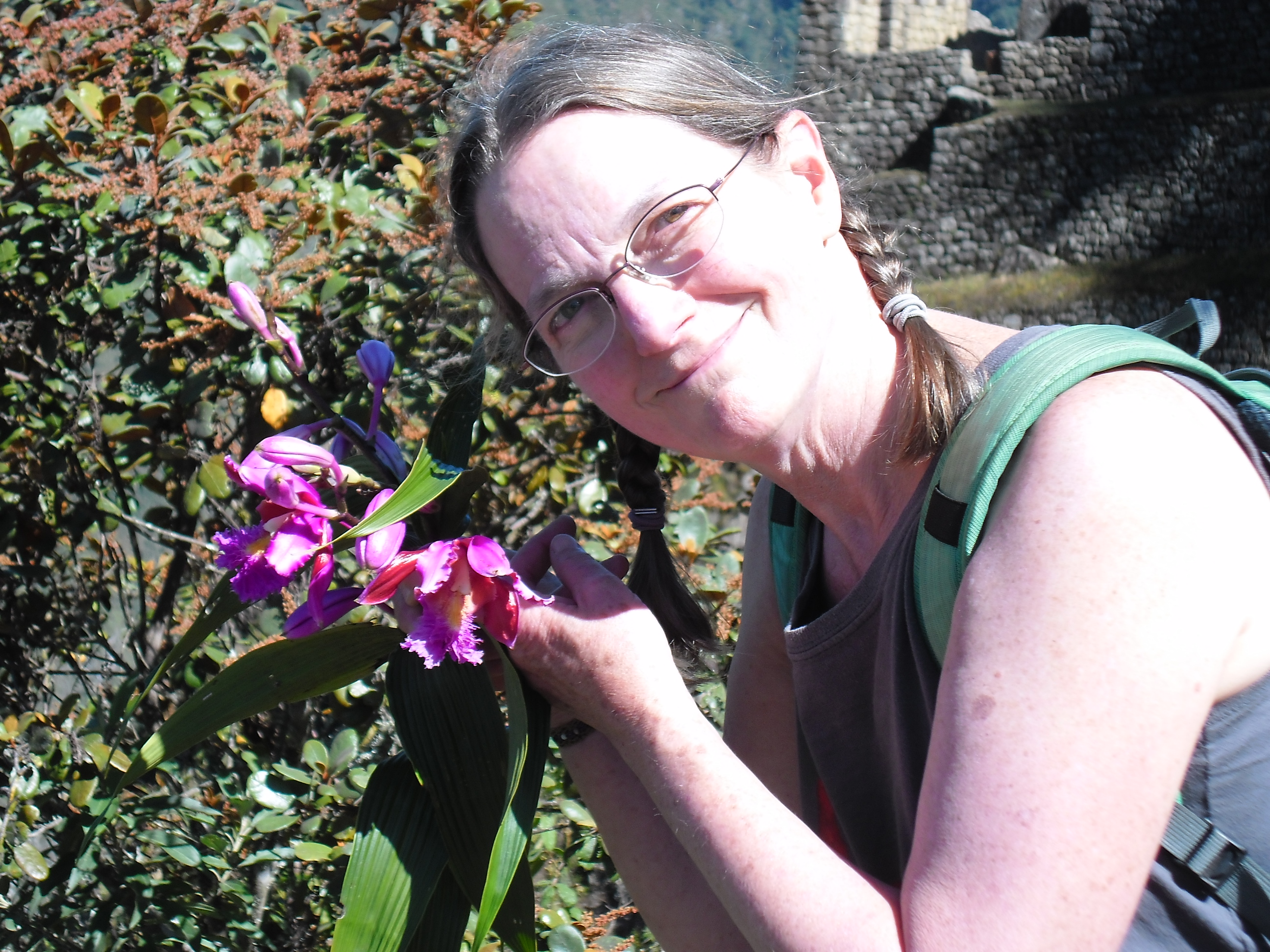 Orchids were everywhere on the trail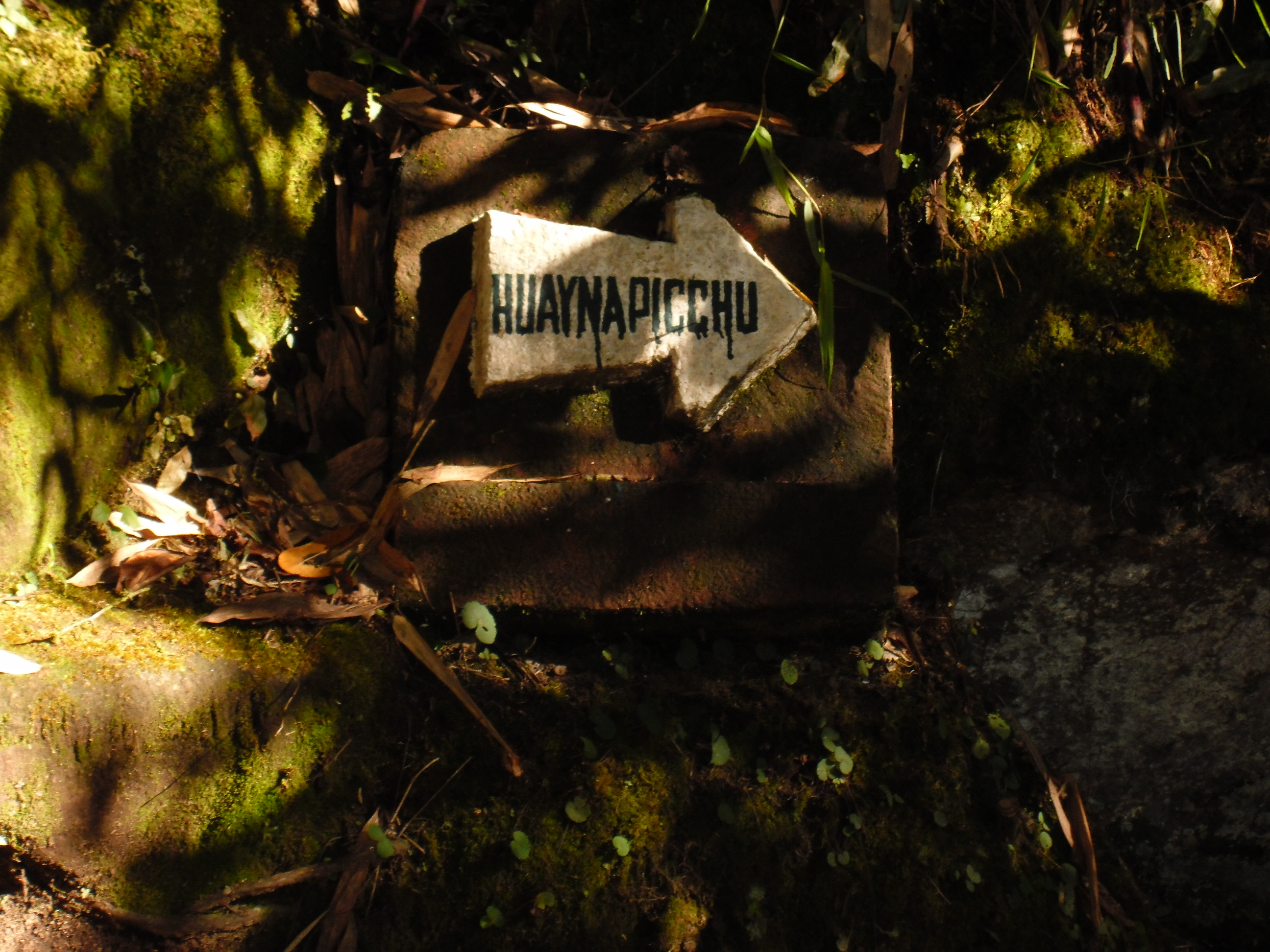
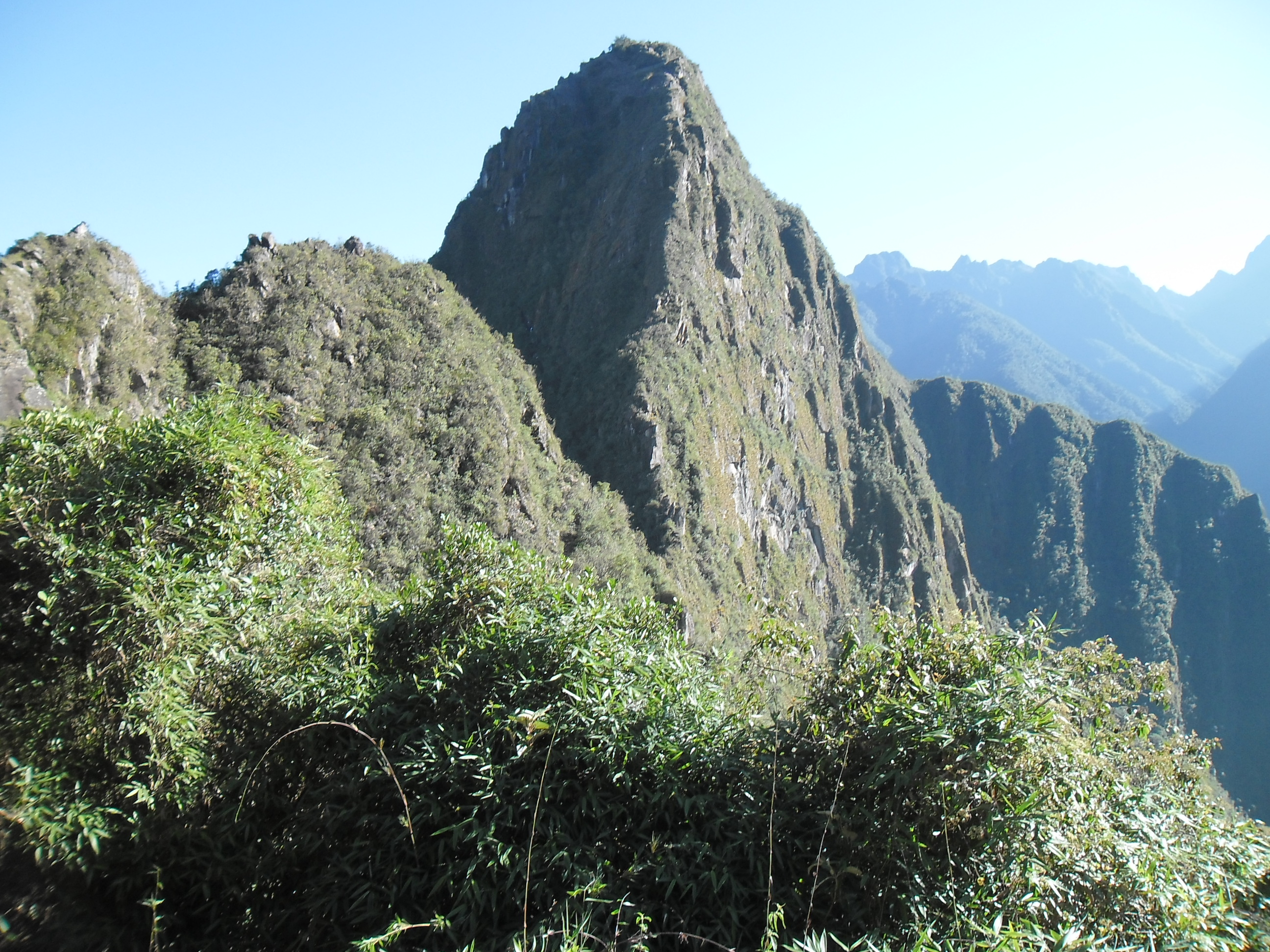 Our destination
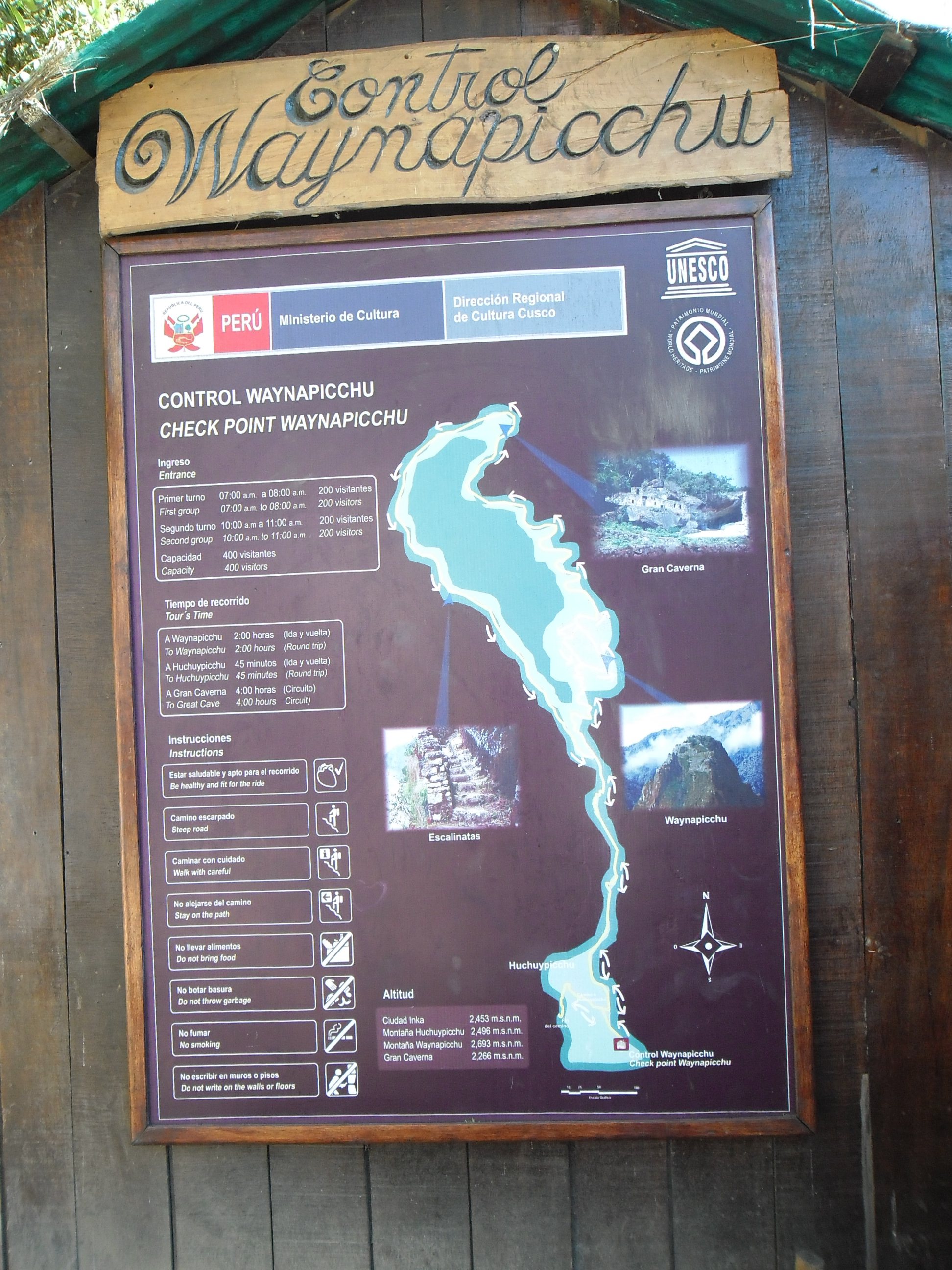 You have to sign in on the way up, and sign out on the way down. Maybe they´ll come looking for you if you don´t sign out.
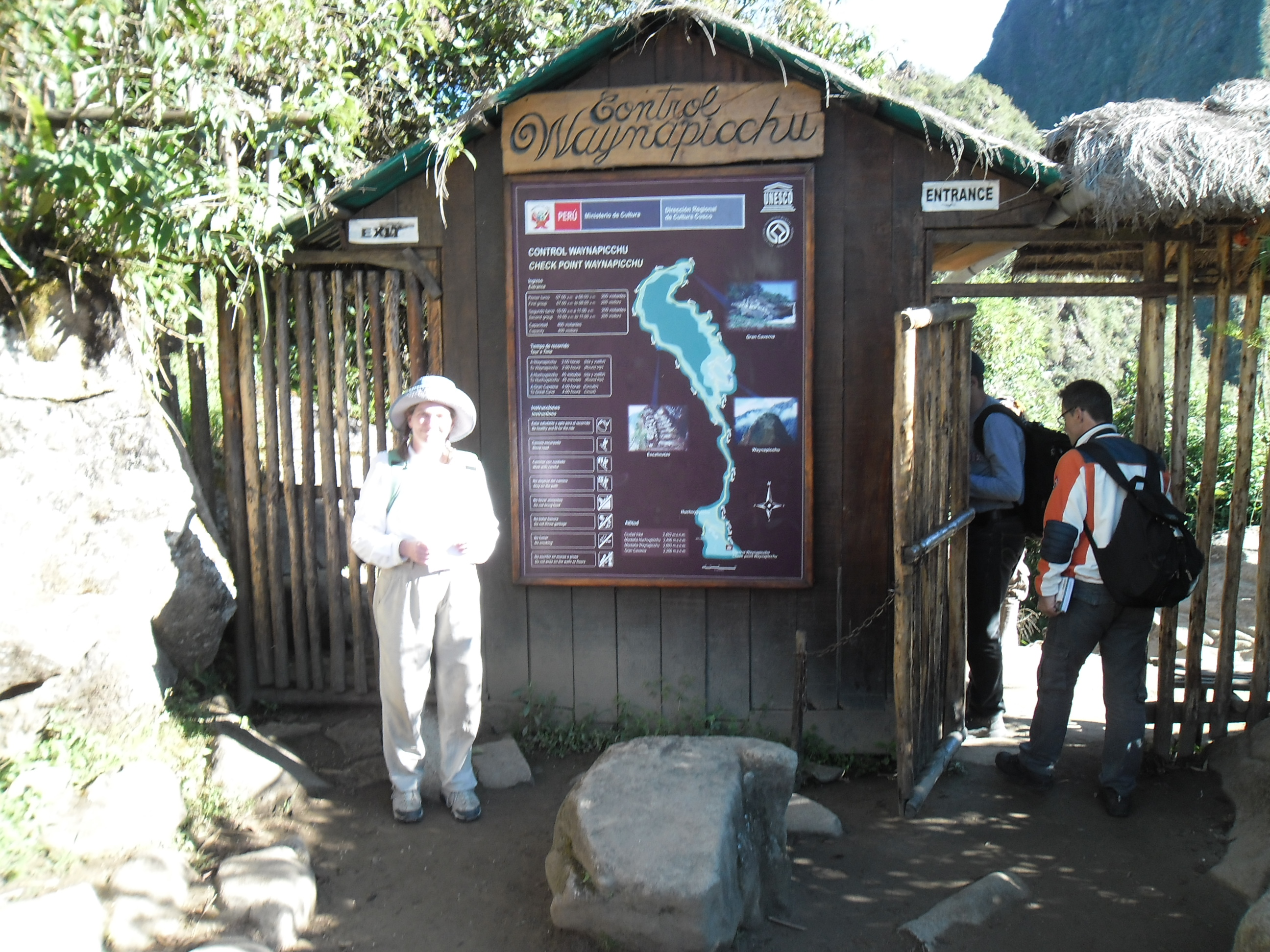 Before
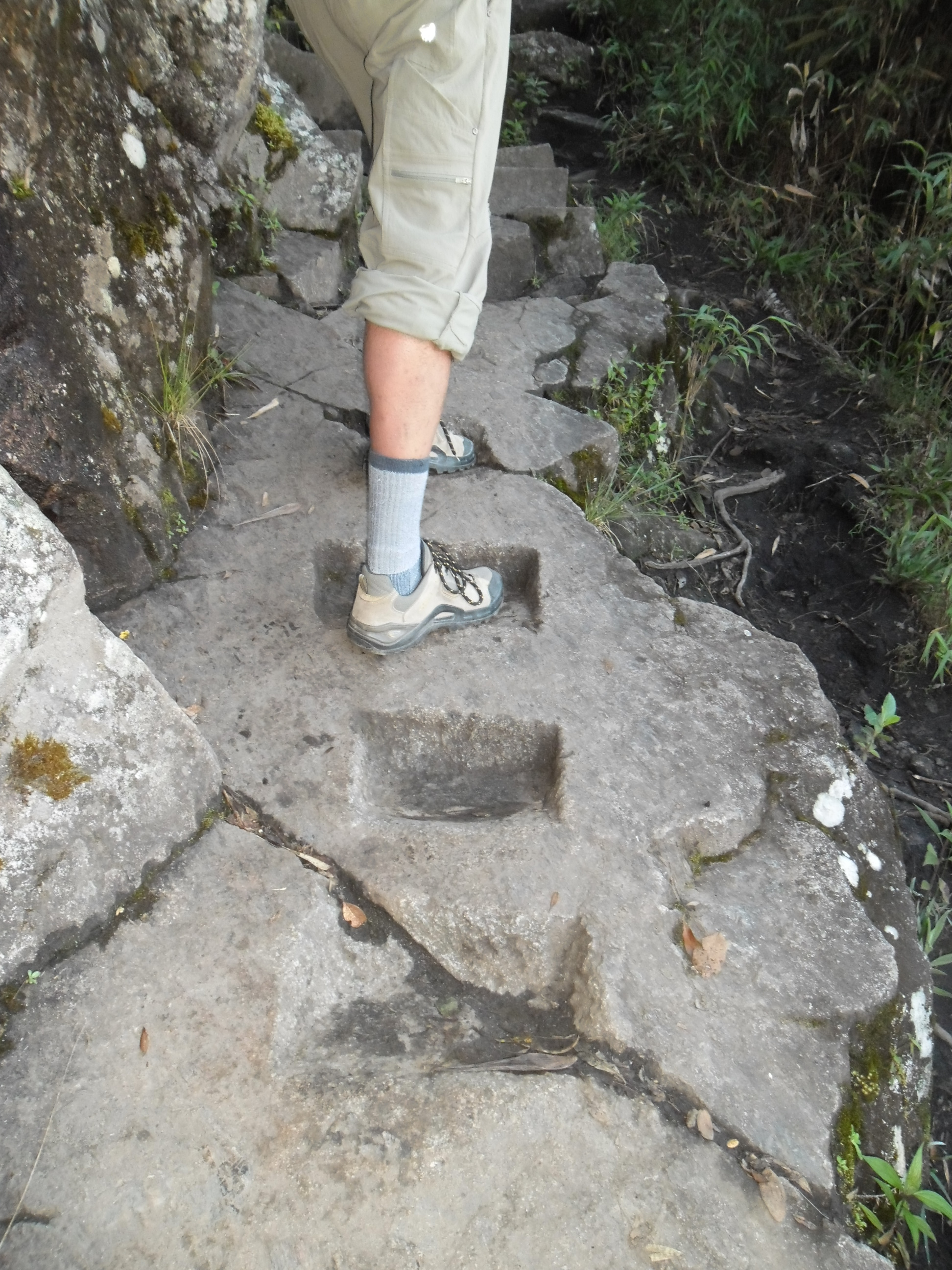
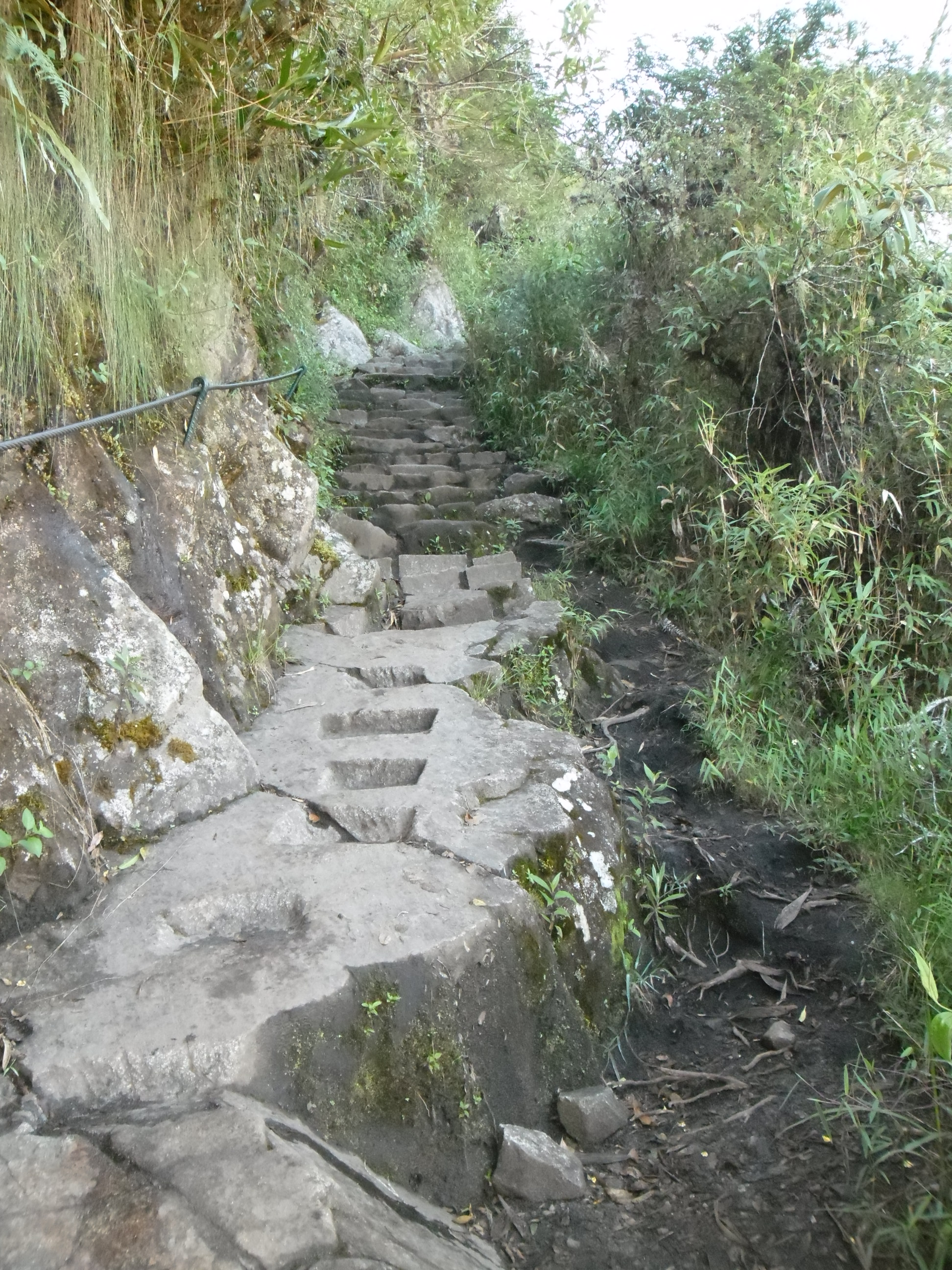
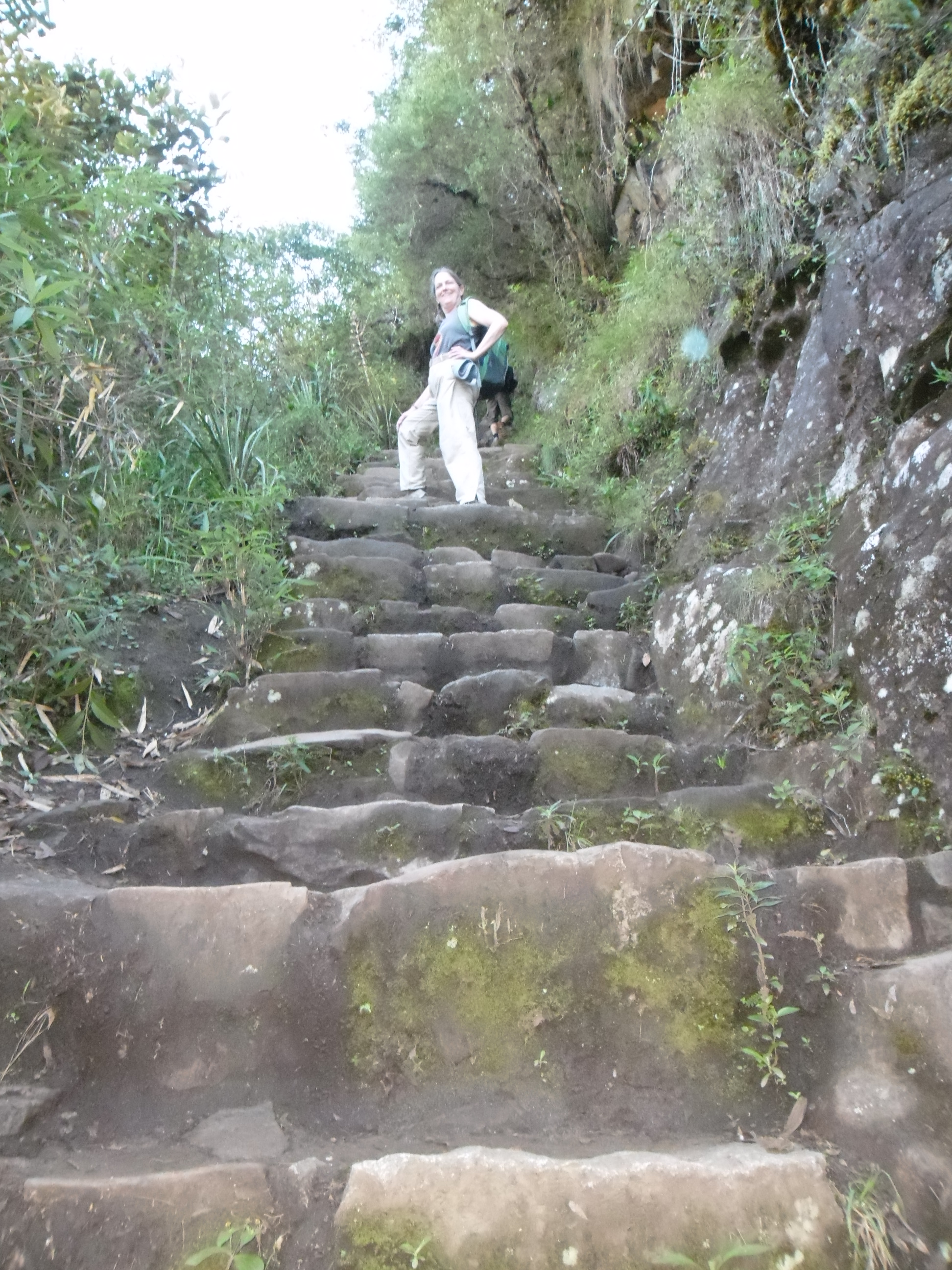
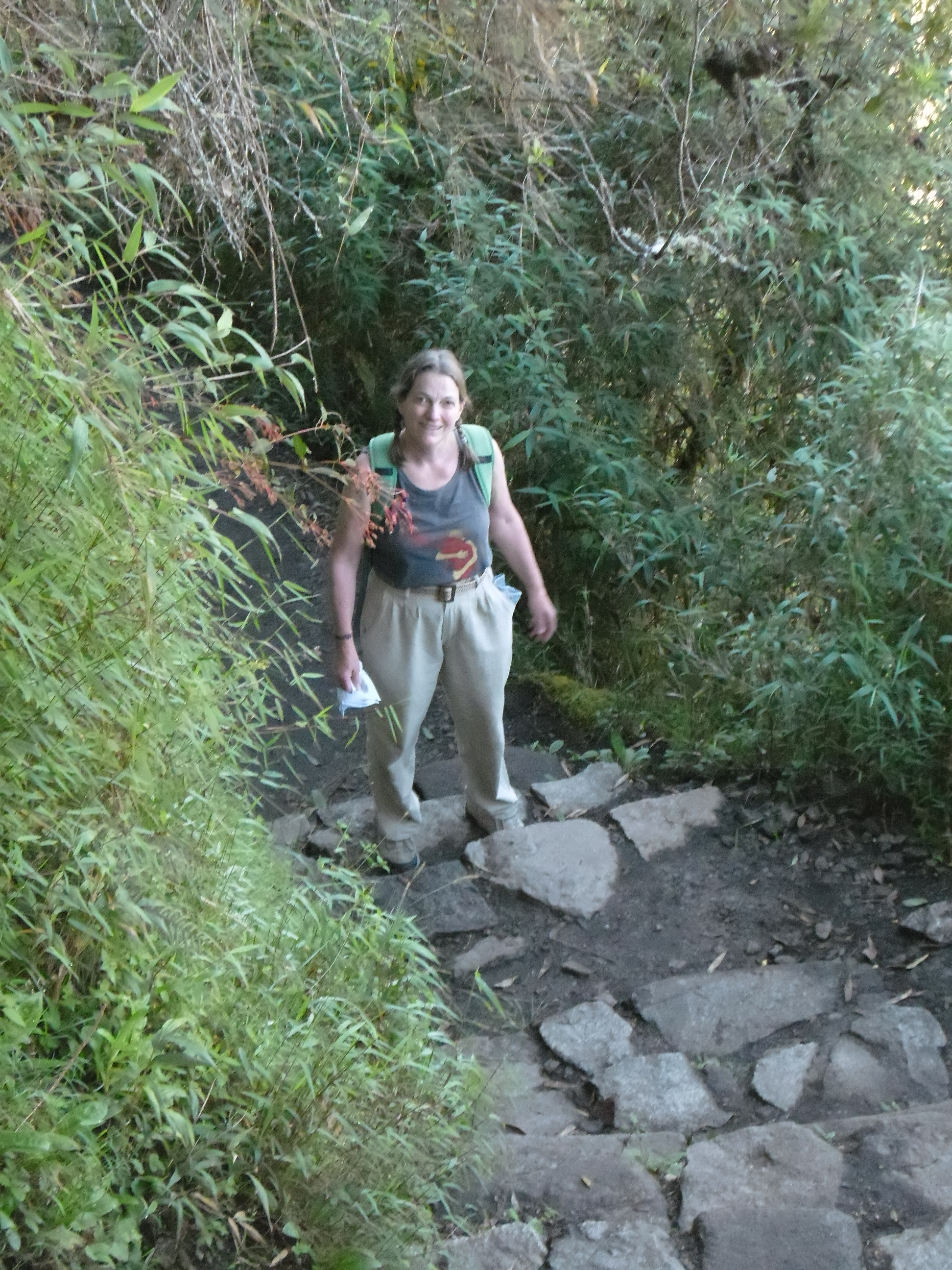
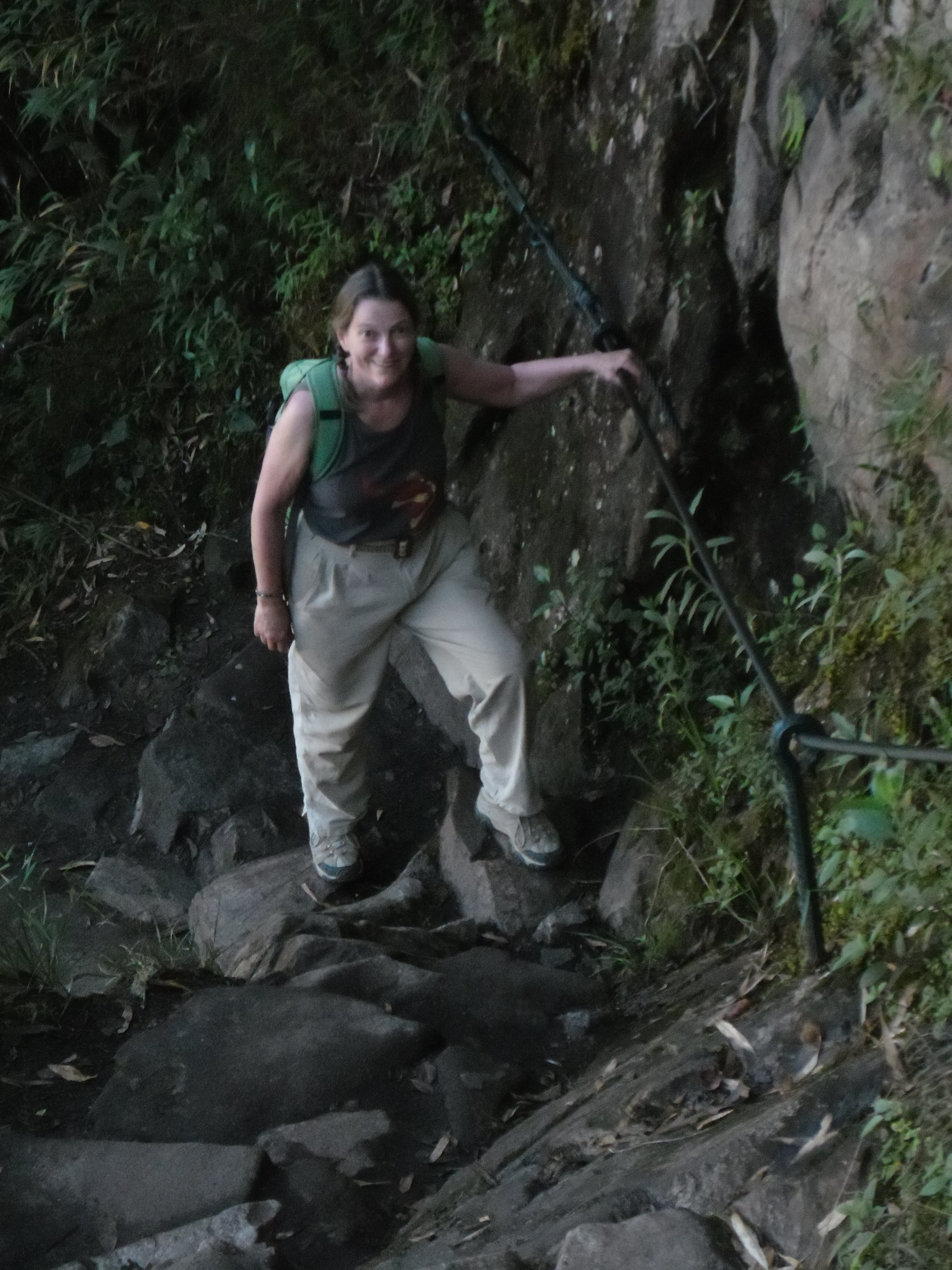 Climbing
The guidebook describes the journey as “like a never-ending stair-master, but with much better views than your gym has.” It then says that when you finally reach a look-out point, “you look down onto one of the most spectacular scenic views in the western hemisphere.”
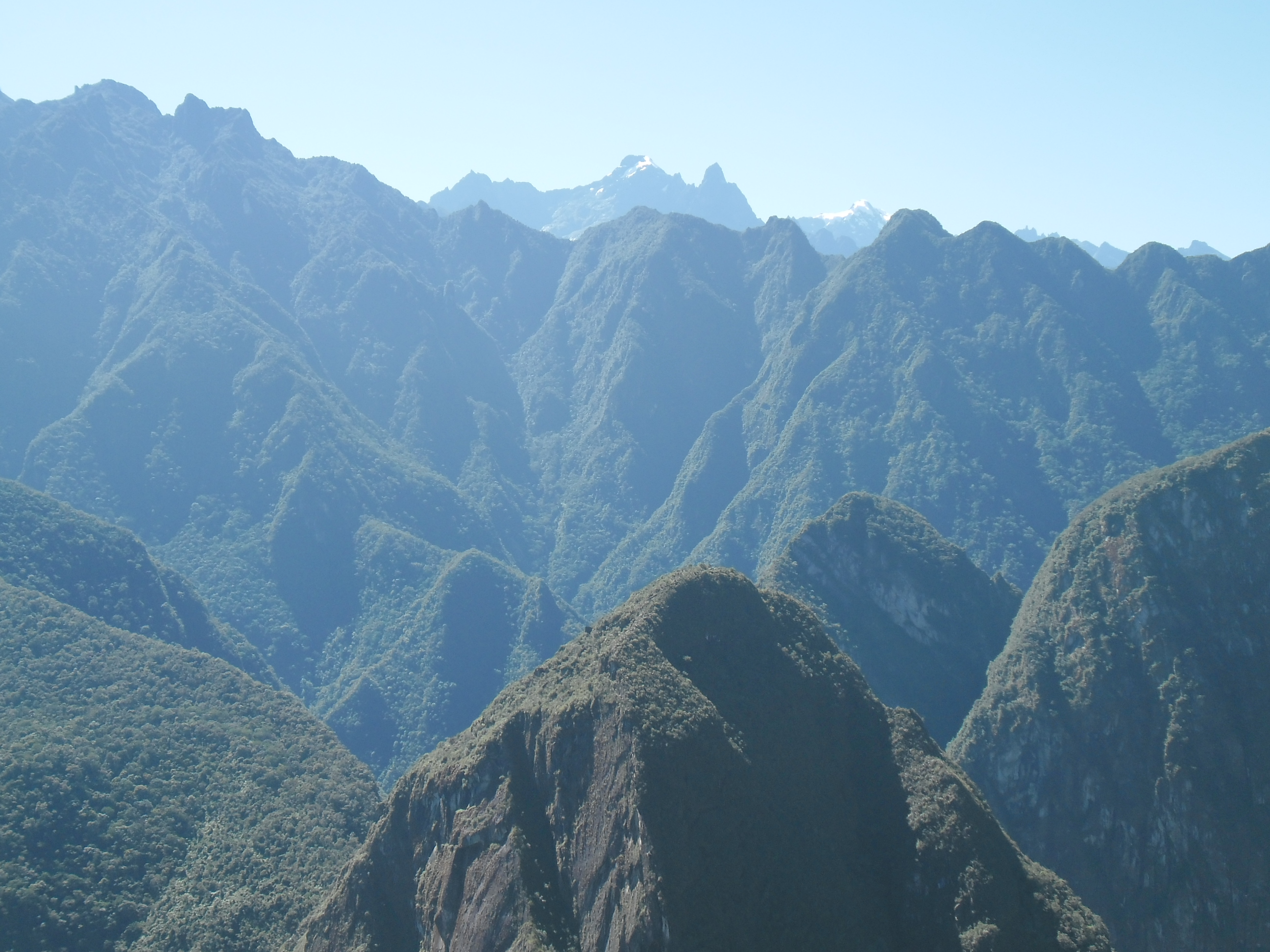
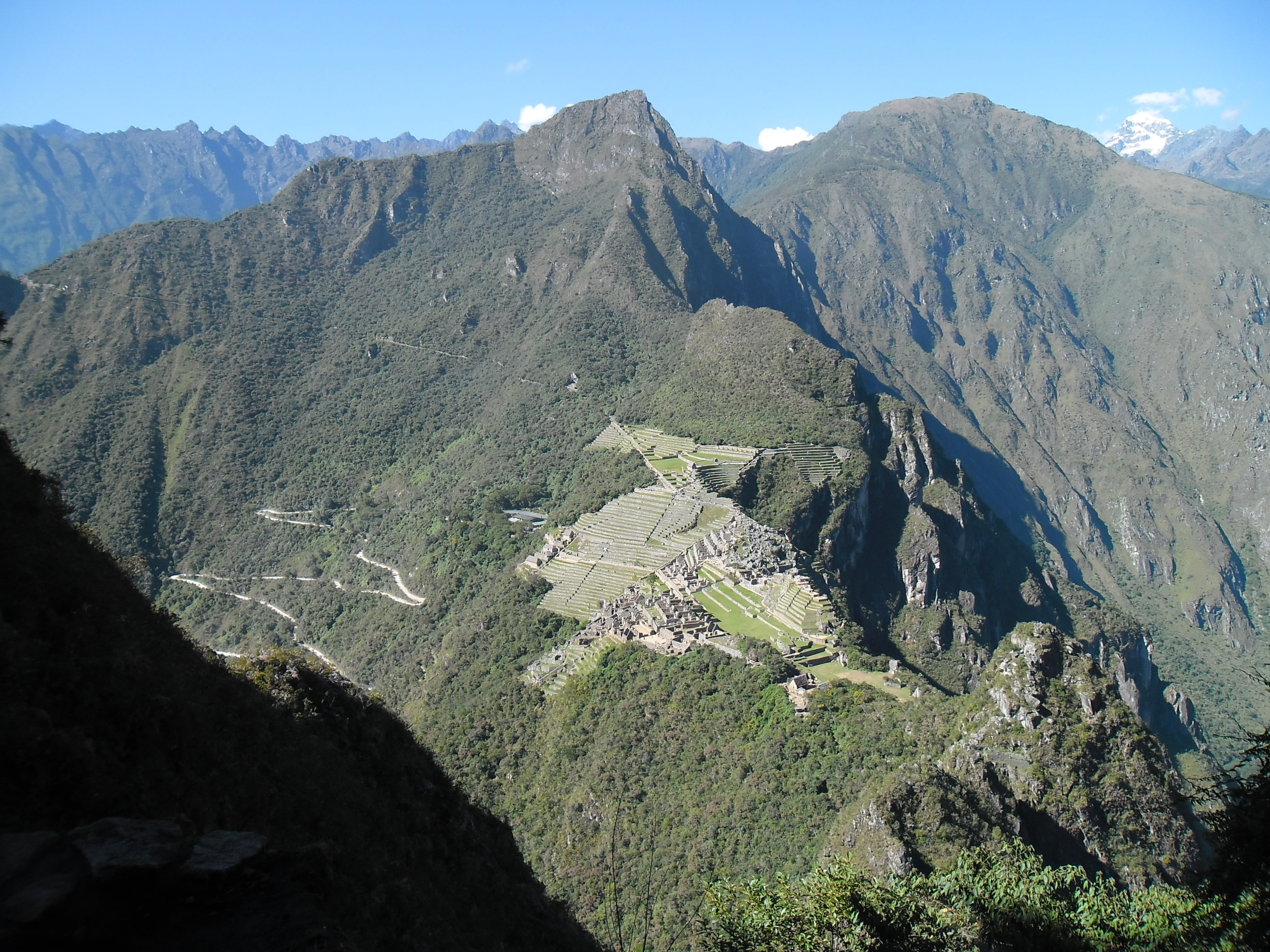 Machu Picchu from Huayna Picchu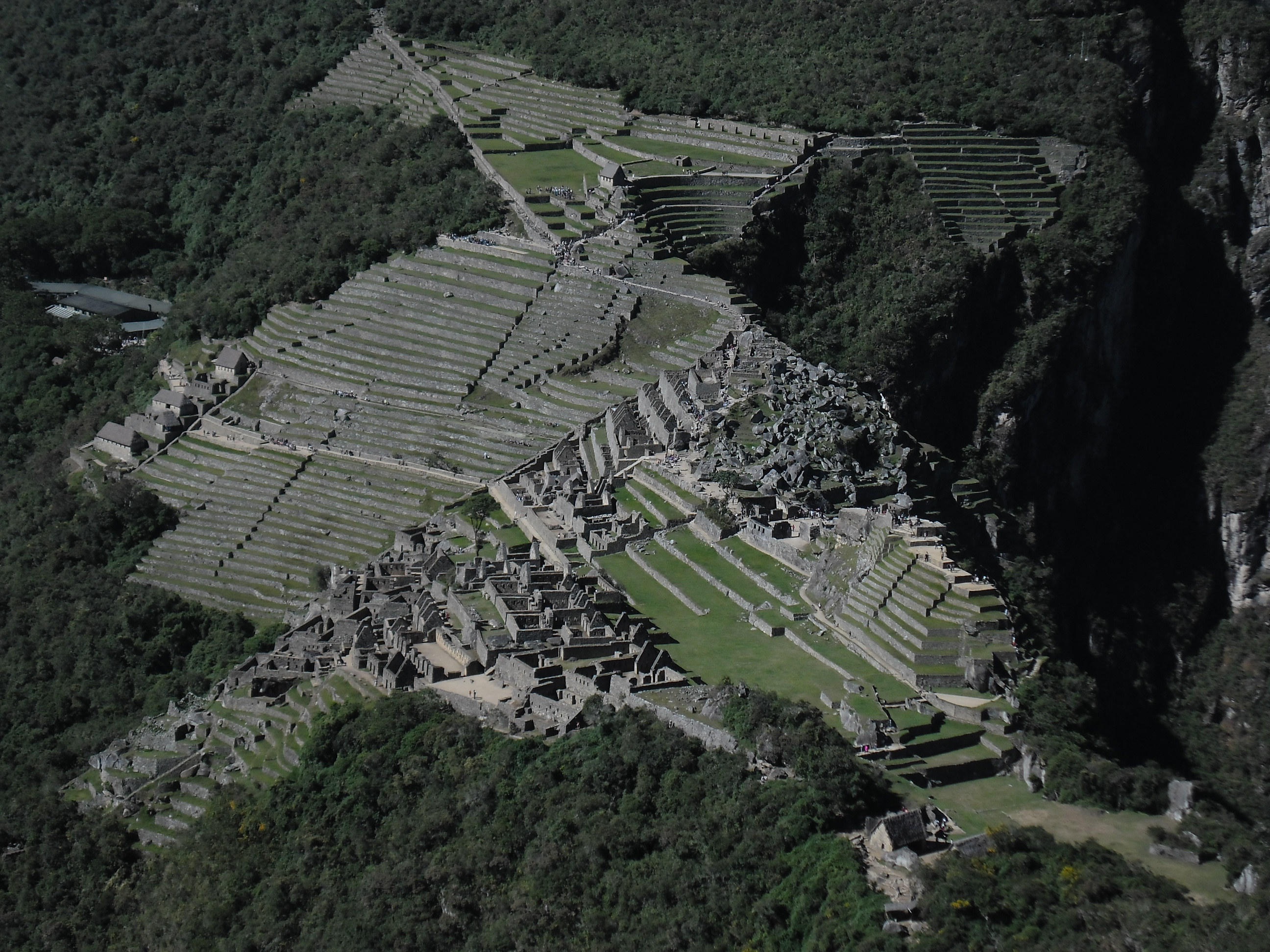
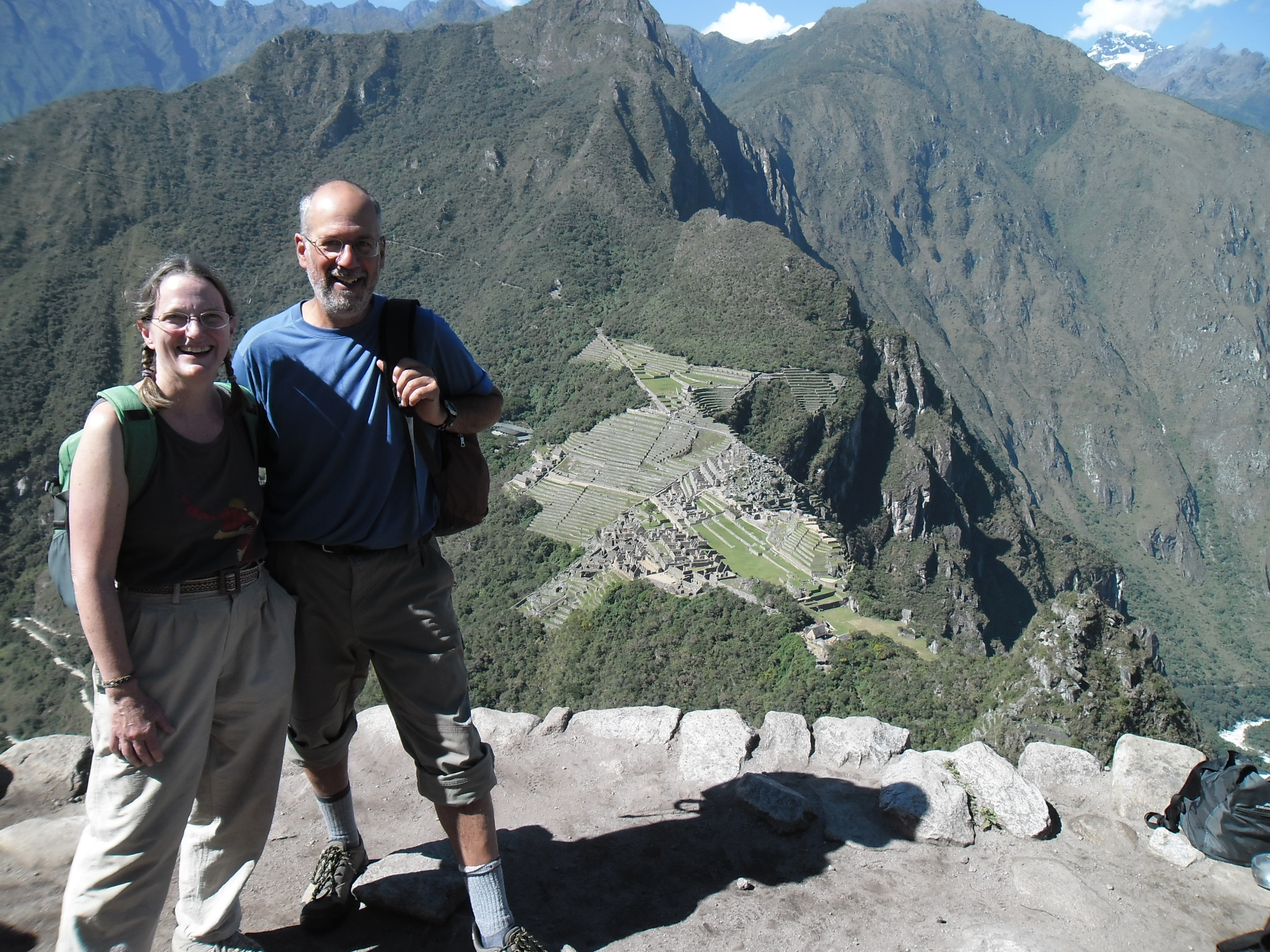 At the lookout point
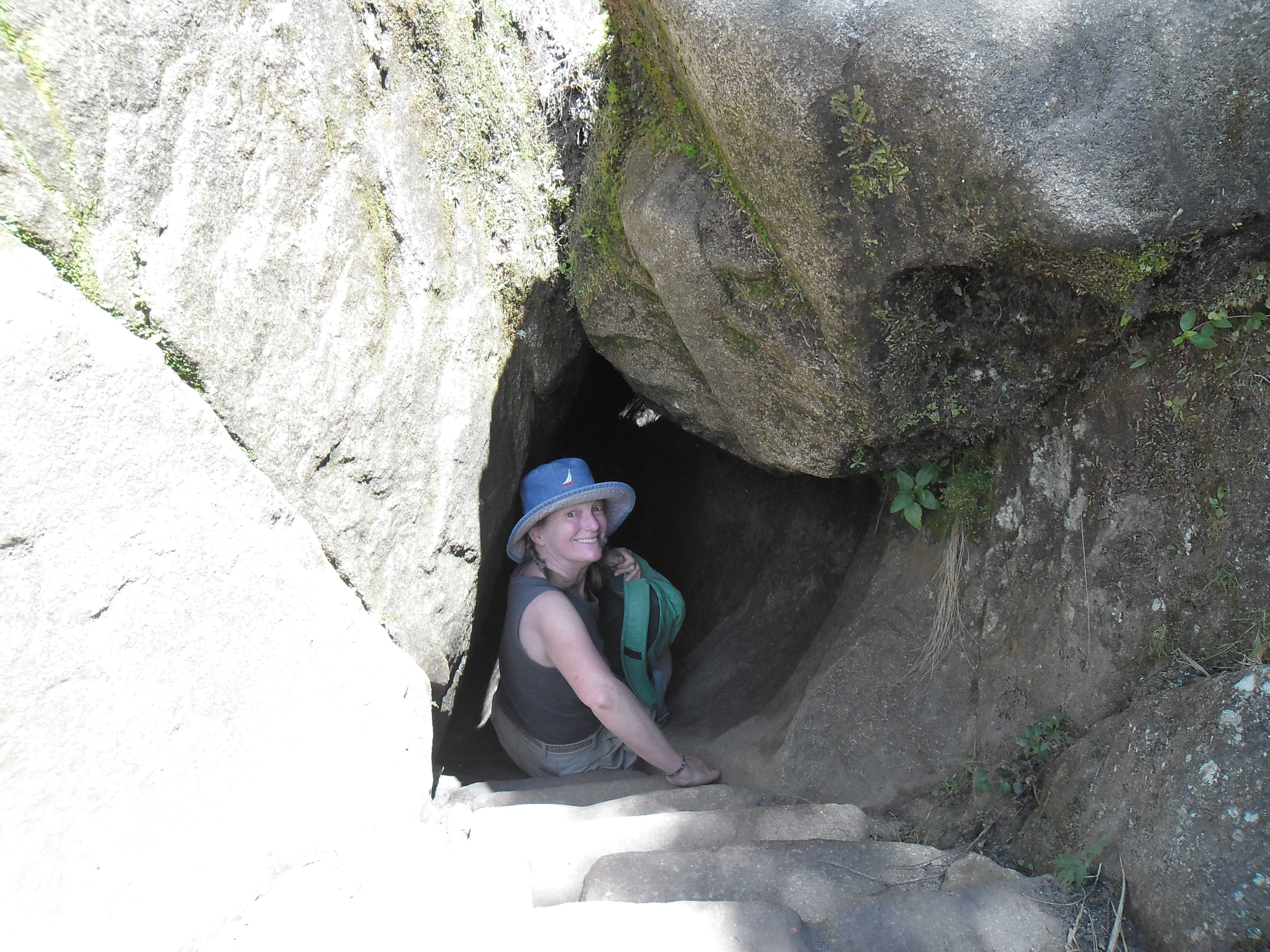
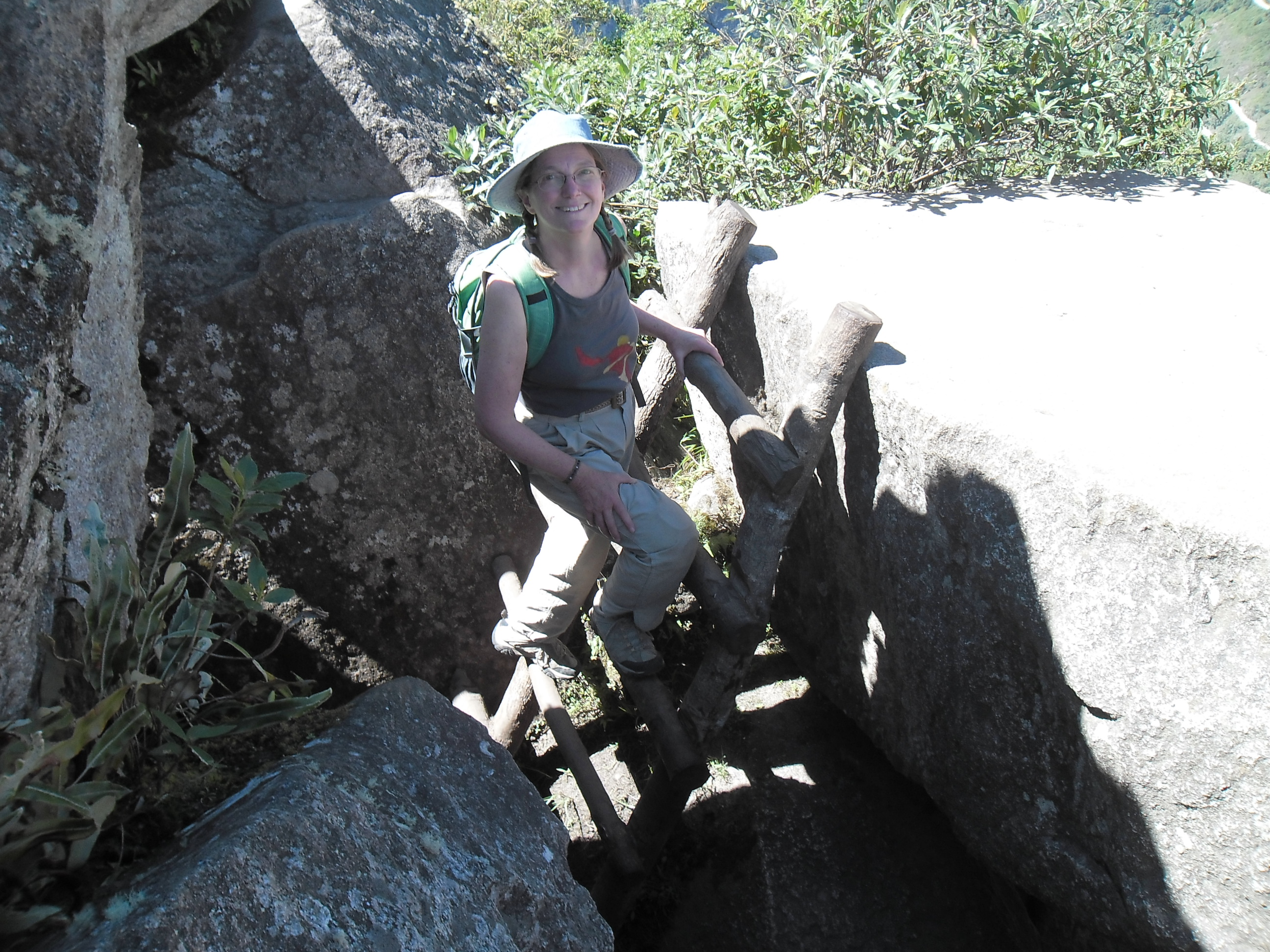
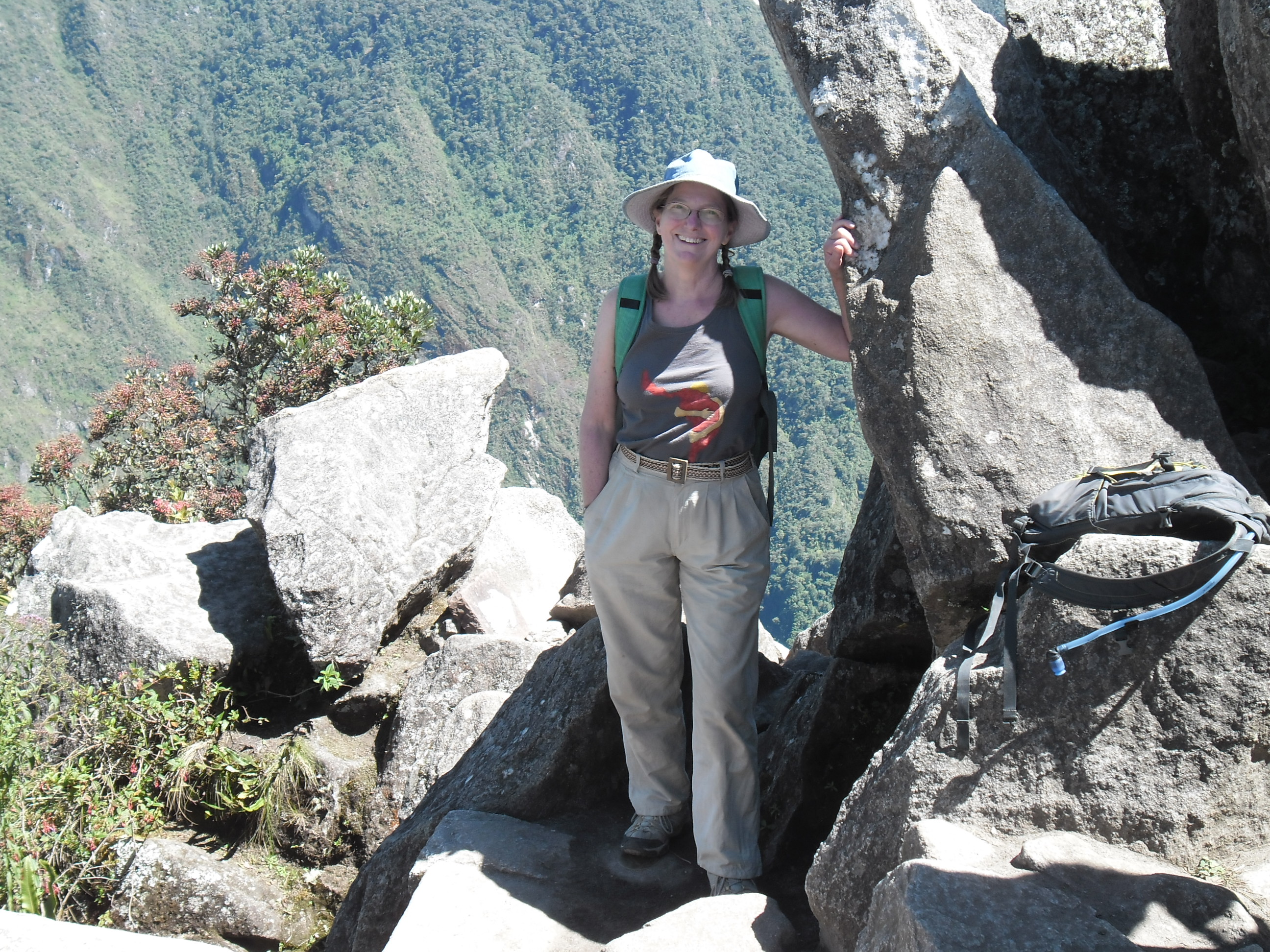
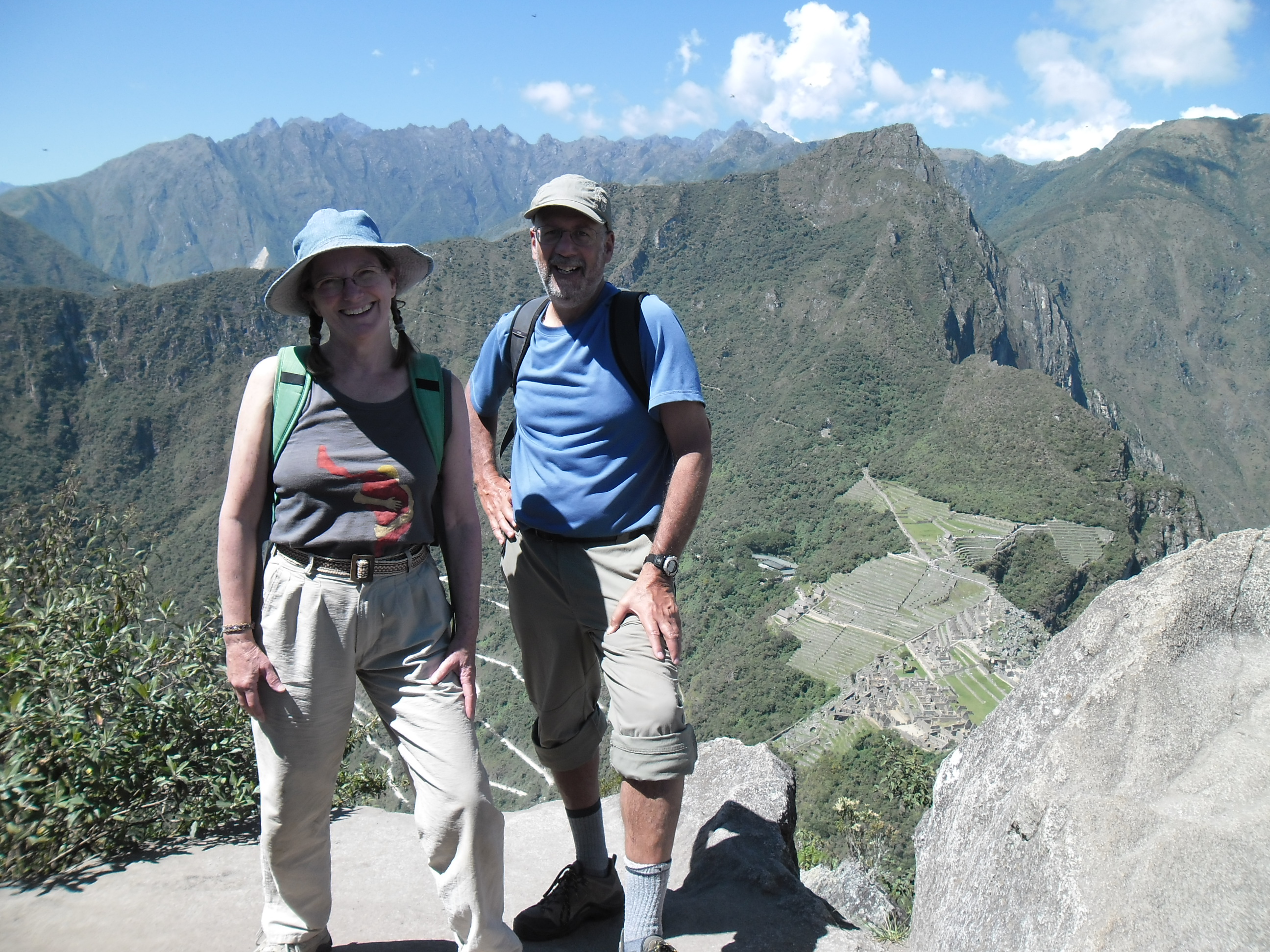 We continued up to the top, through a tunnel, up a ladder, and over some boulders.
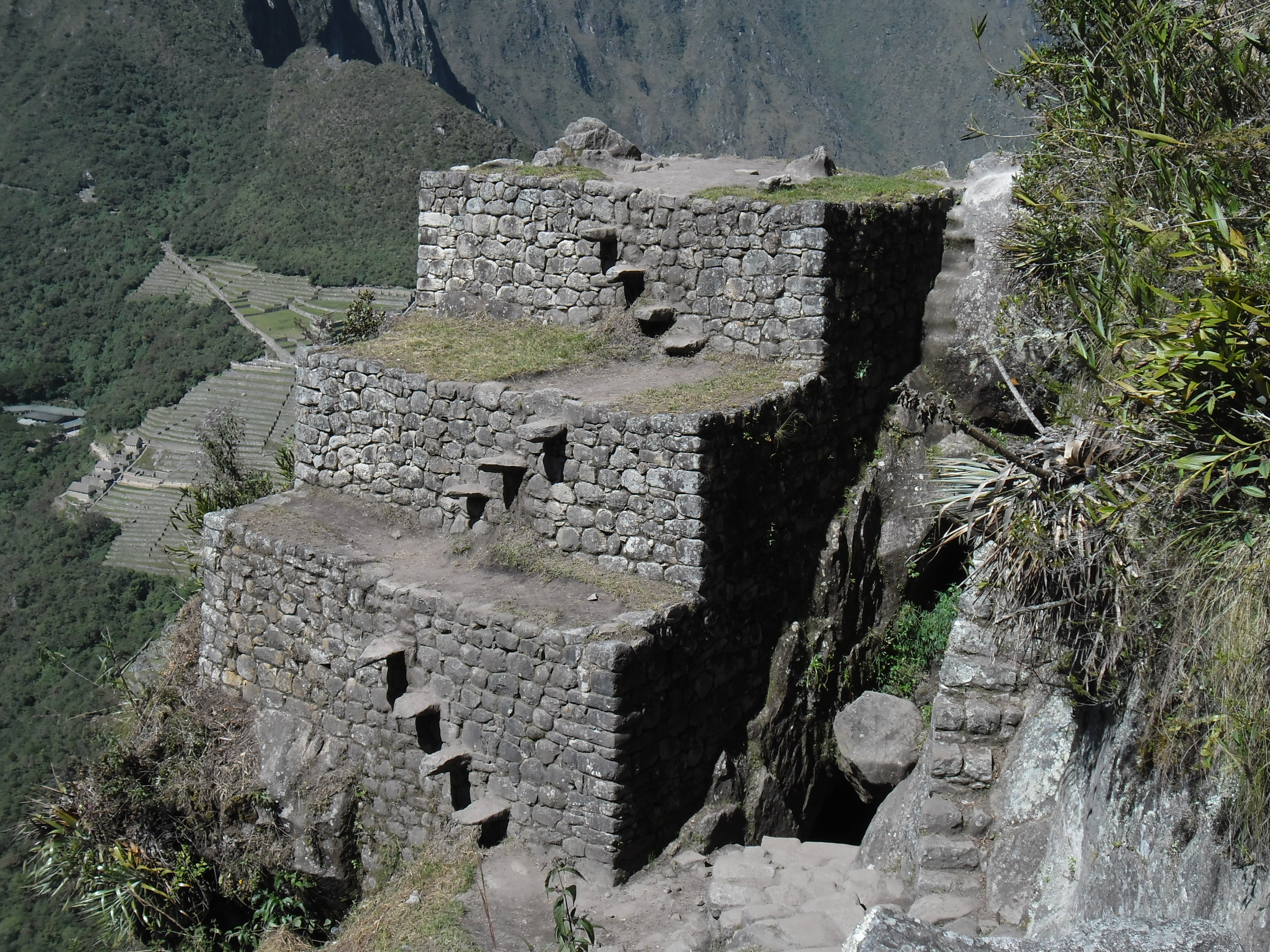 A ceremonial “usnu” near the top.
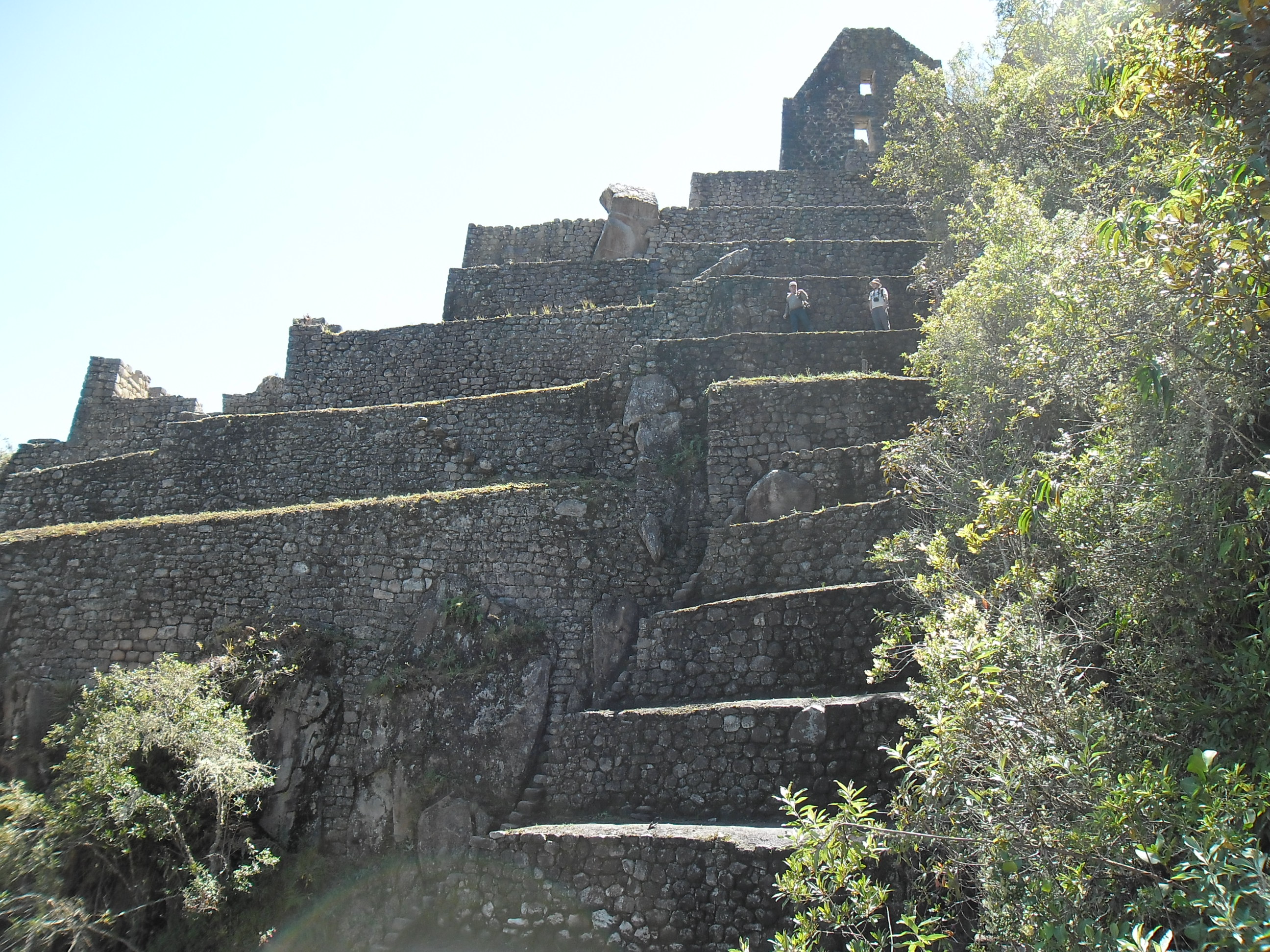 A storehouse near the top
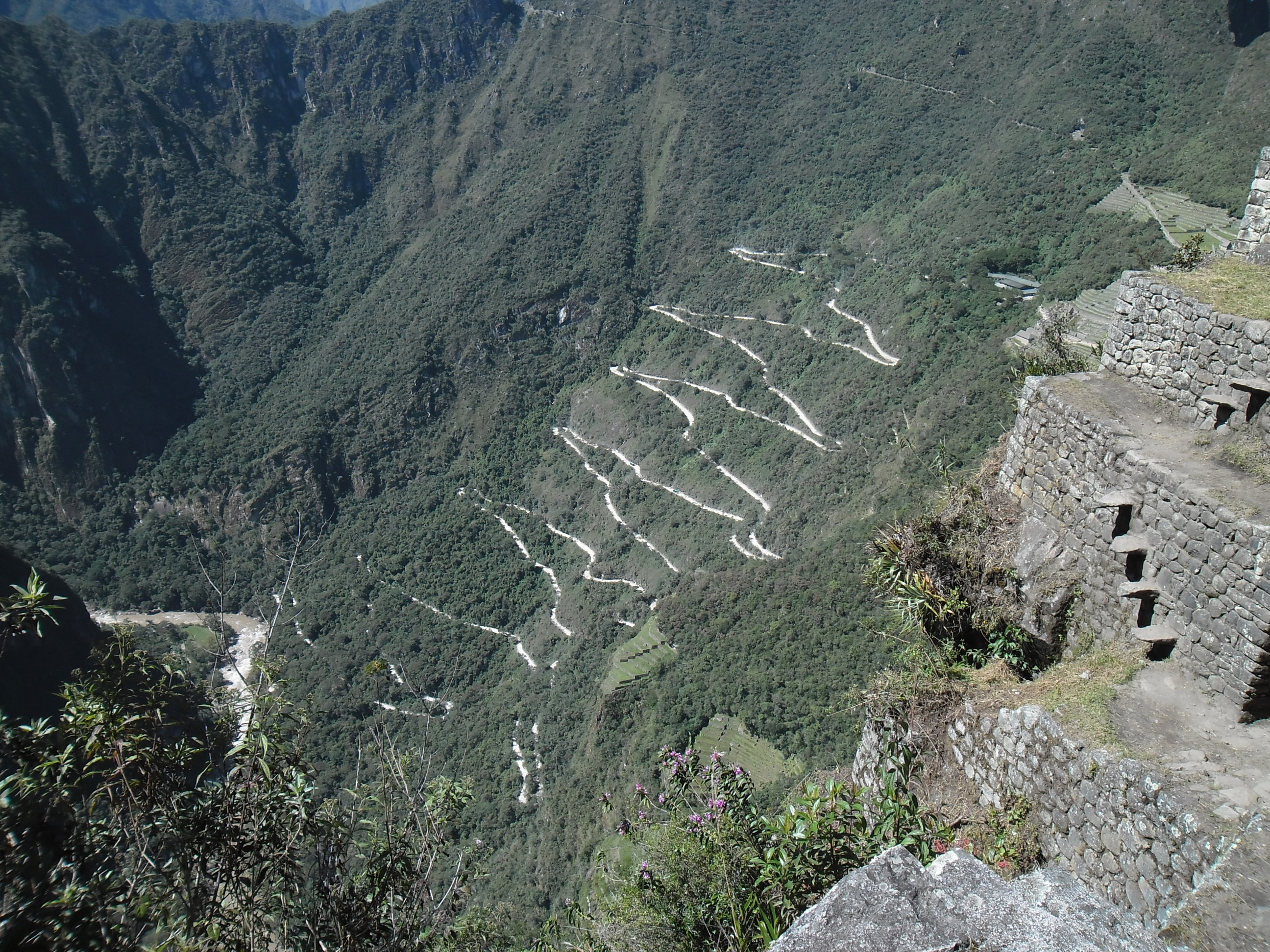 The Hiram Bingham Highway. This is the road that the buses use to reach Machu Picchu.
Climbing Huaynapicchu, and being on top of the mountain for a few hours, was the highlight of our day. The views and the perspectives were immense. After we descended, we took a break before exploring the city in more detail. (I asked Mon if she would climb Huaynapicchu again. She said, “Are you kidding? I hope I’ll be able to climb the steps up to our room tonight.”)
We went to El Templo del Sol (Temple of the Sun), to El Templo de Tres Ventanas (Temple of the Three Windows), and to El Templo Principal (The Main Temple), among other places. The Incas worshipped the mountains. Machu Picchu was built as an homage to the mountains. In the photos below, you can see how the sculpted rocks in the foreground reflect the distant peaks.
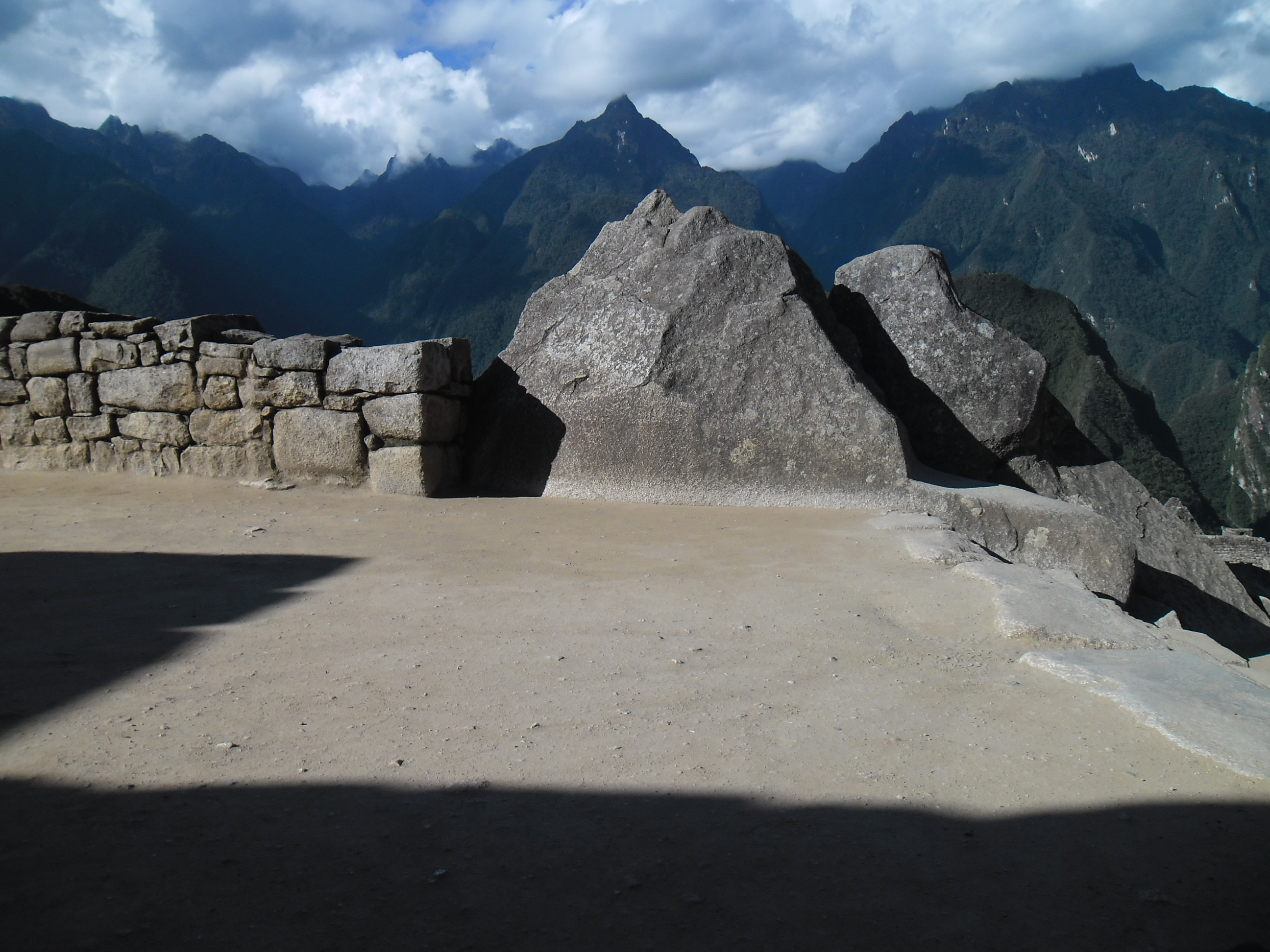
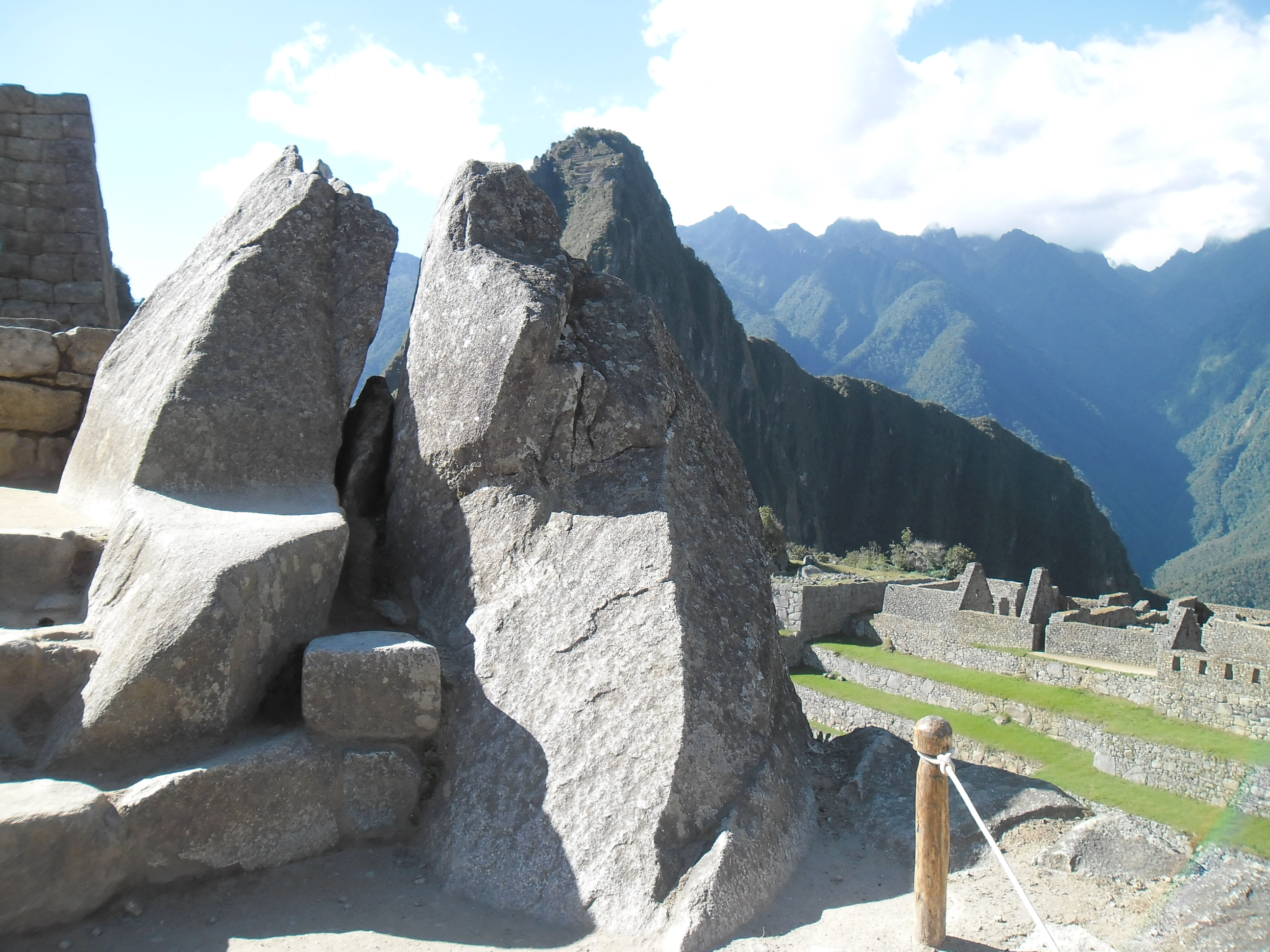 Above the Plaza Principal is the Intihuatana. This is a sacred rock that´s not exactly a sundial, but rather a sculpture that casts the shadows of the winter and summer solstice in a certain way. Spritual seekers claim that they can feel energy emanating from the rock. Others say that the rock sits in the sun all day, of course it´s warm.
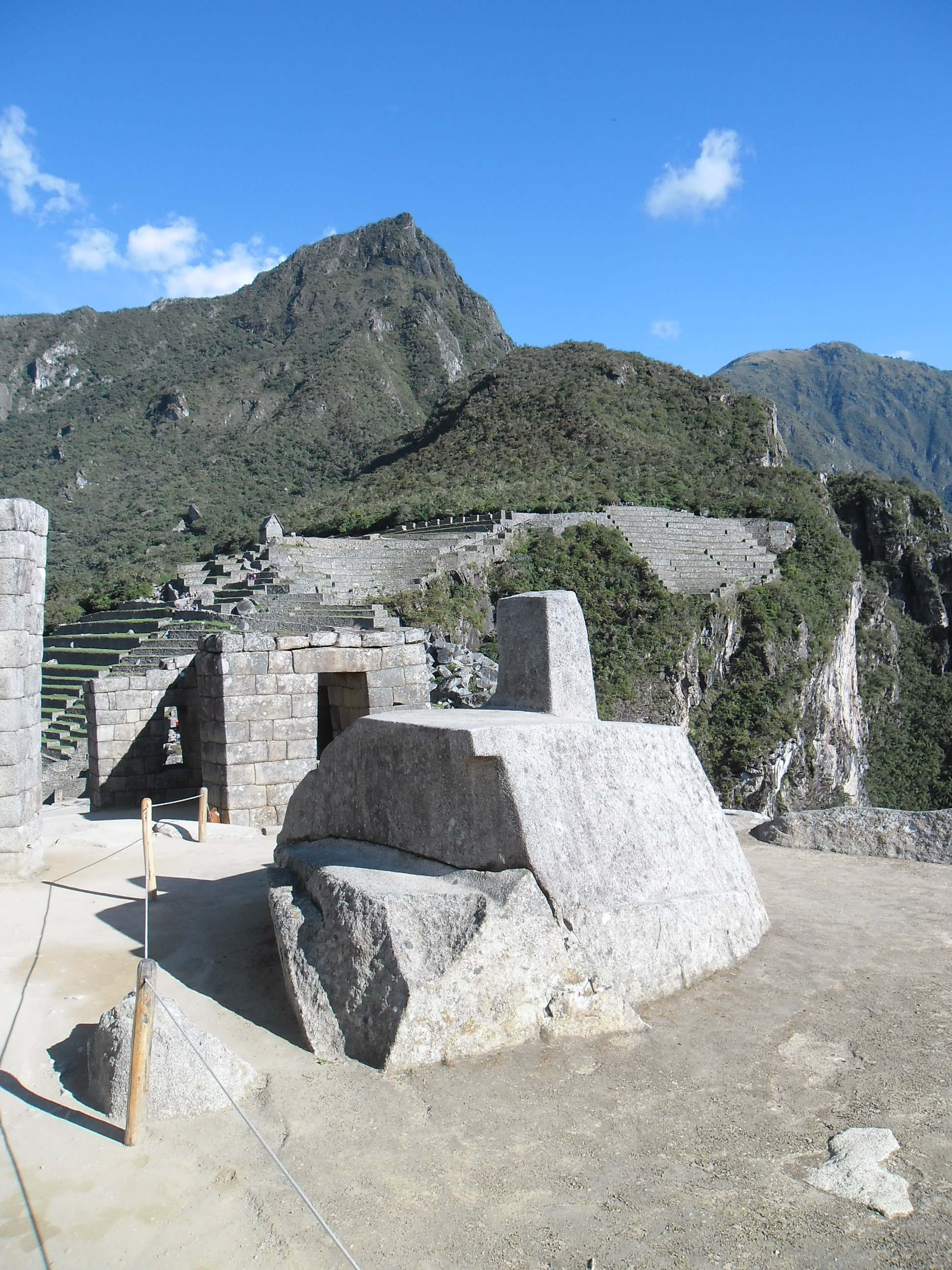 The masonry work in Machu Picchu is exquisite. For the normal people who lived there, they could build a house in just a few months, roughly cutting stones and slapping them together with mud. (These houses are still standing just fine.) For the temples, however, they pulled out all the stops. The stones were cut and polished with painstaking precision, and then assembled flawlessly. The buildings reflect the mountains. The mountains reflect the buildings.
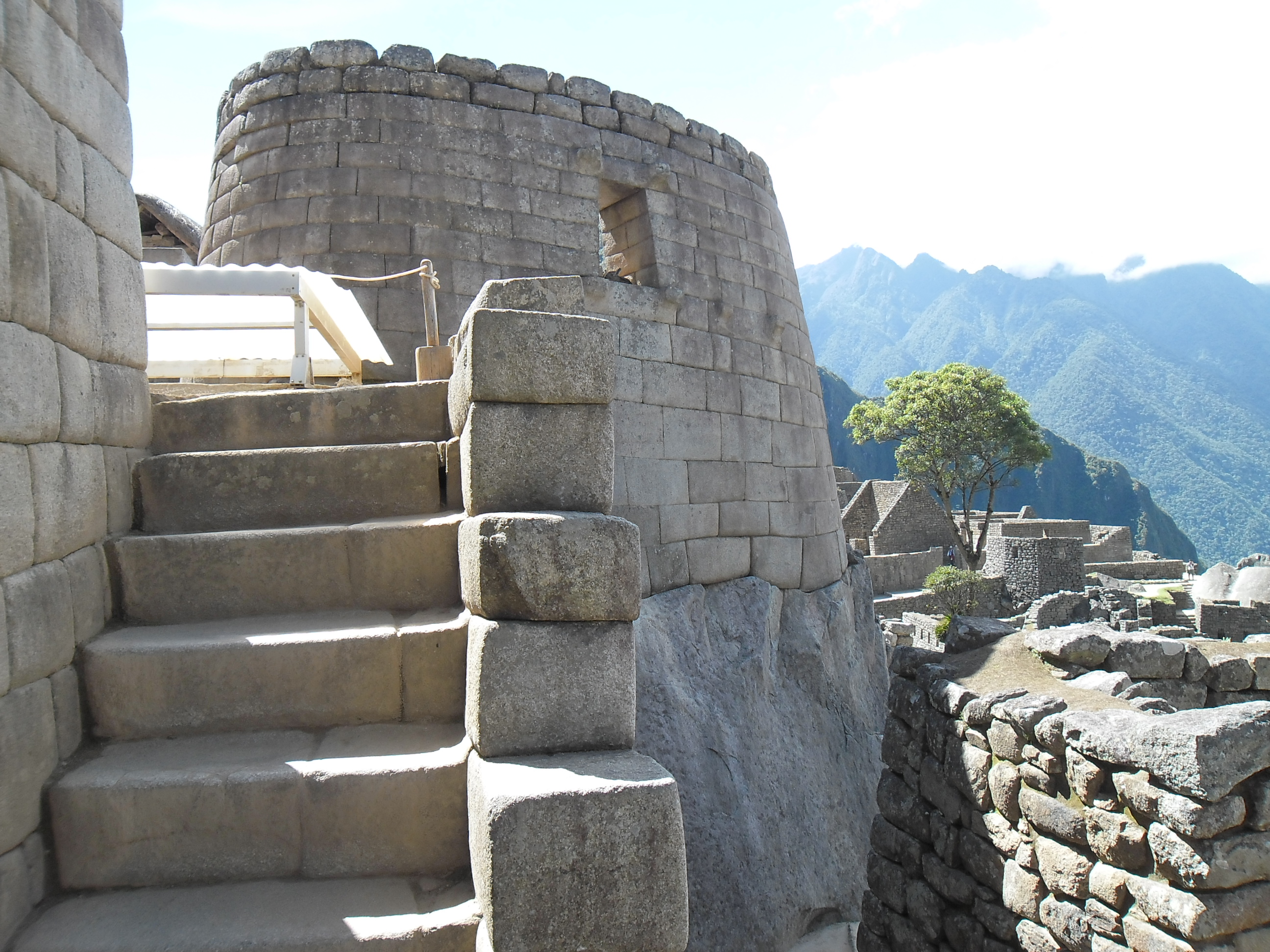 Templo del Sol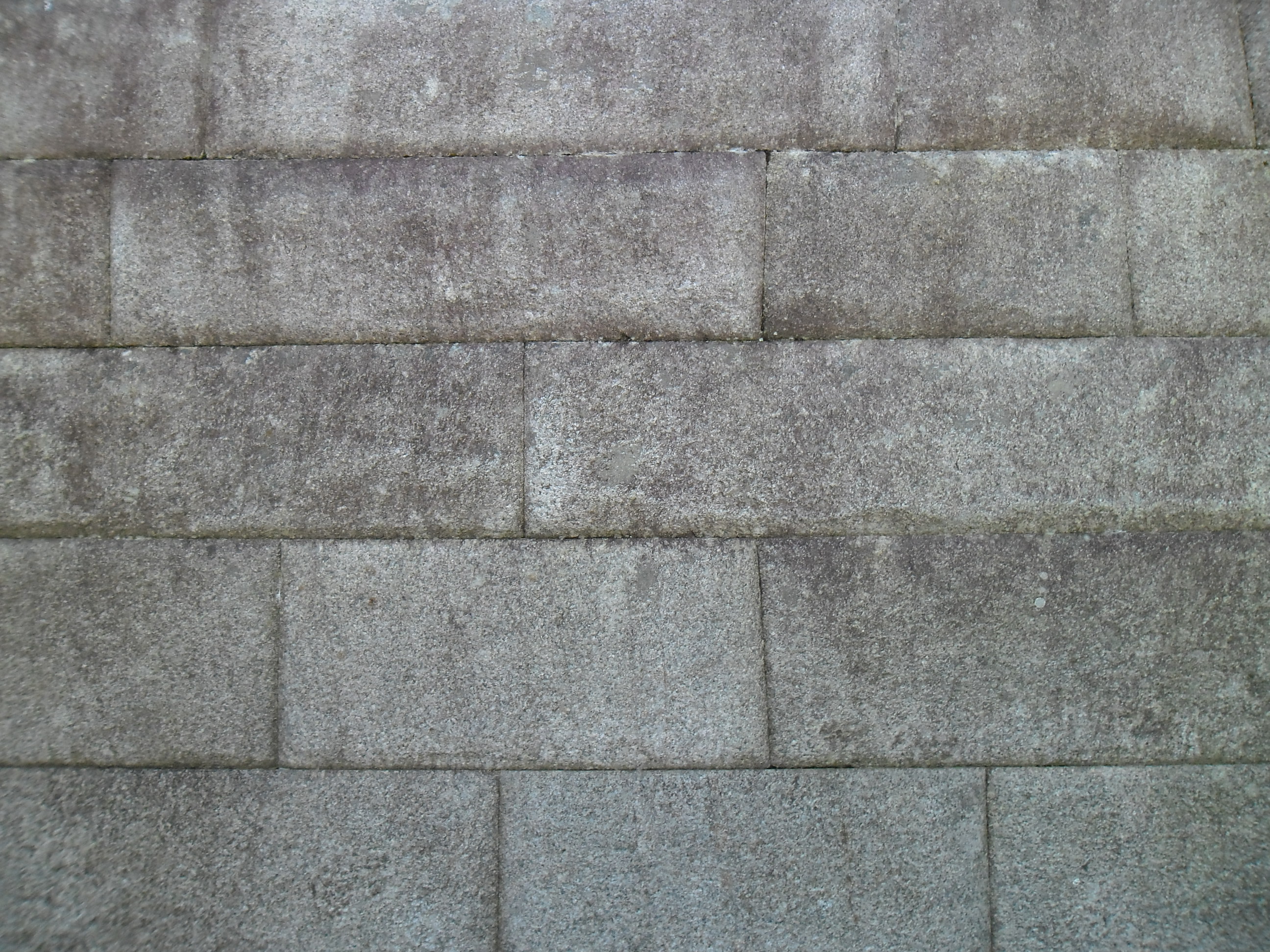
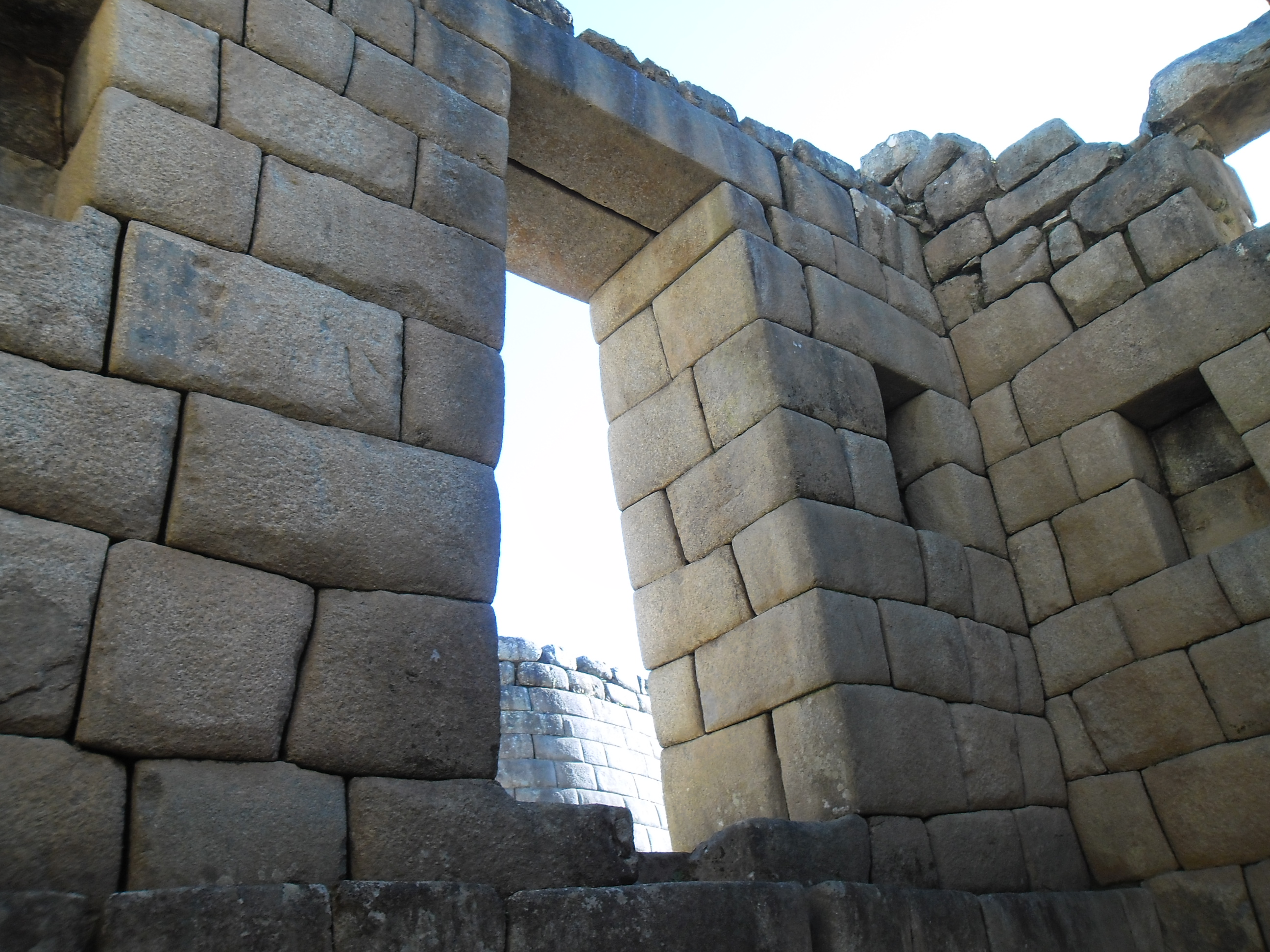 A trapezoidal doorway in Templo del Sol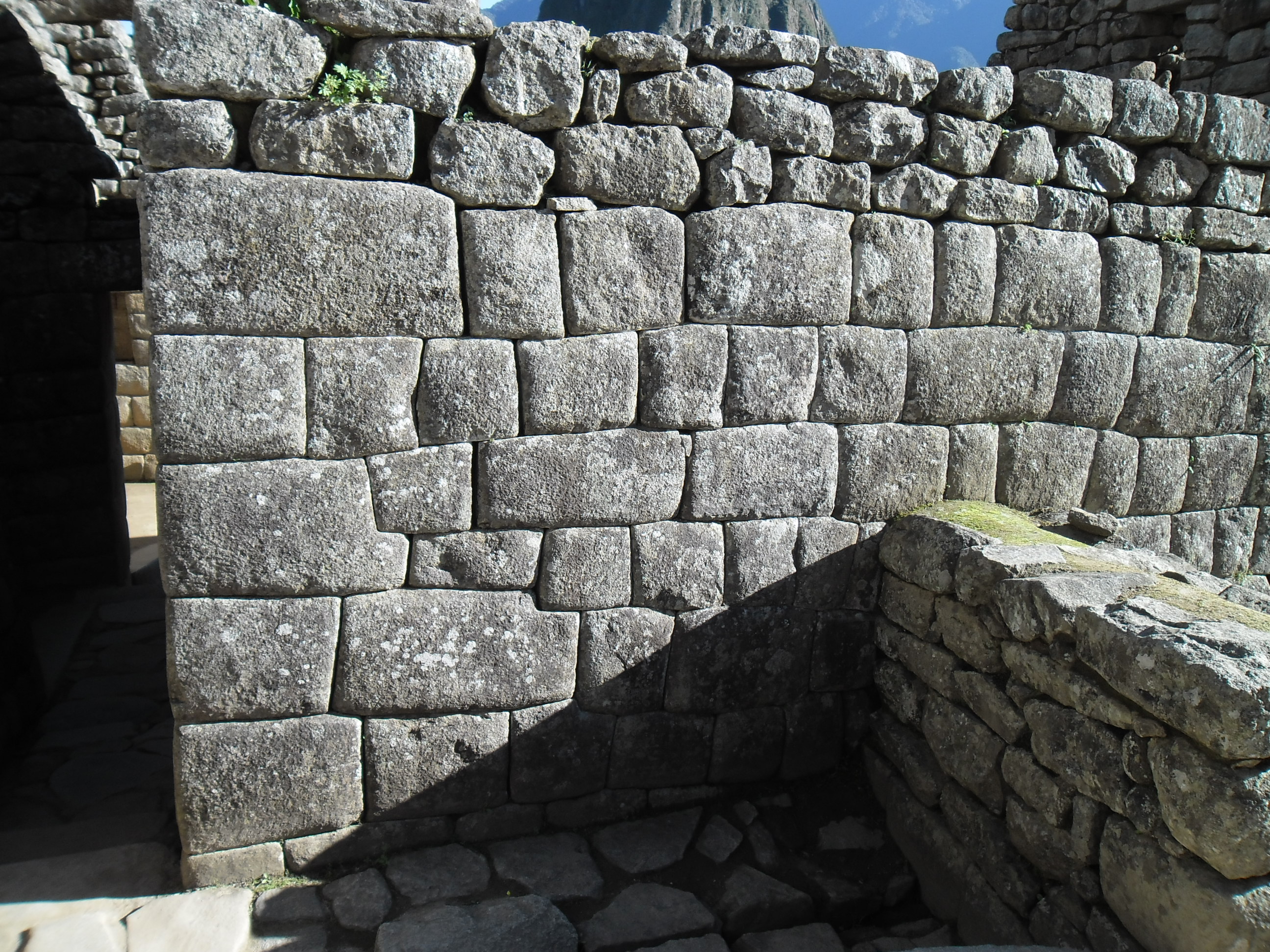
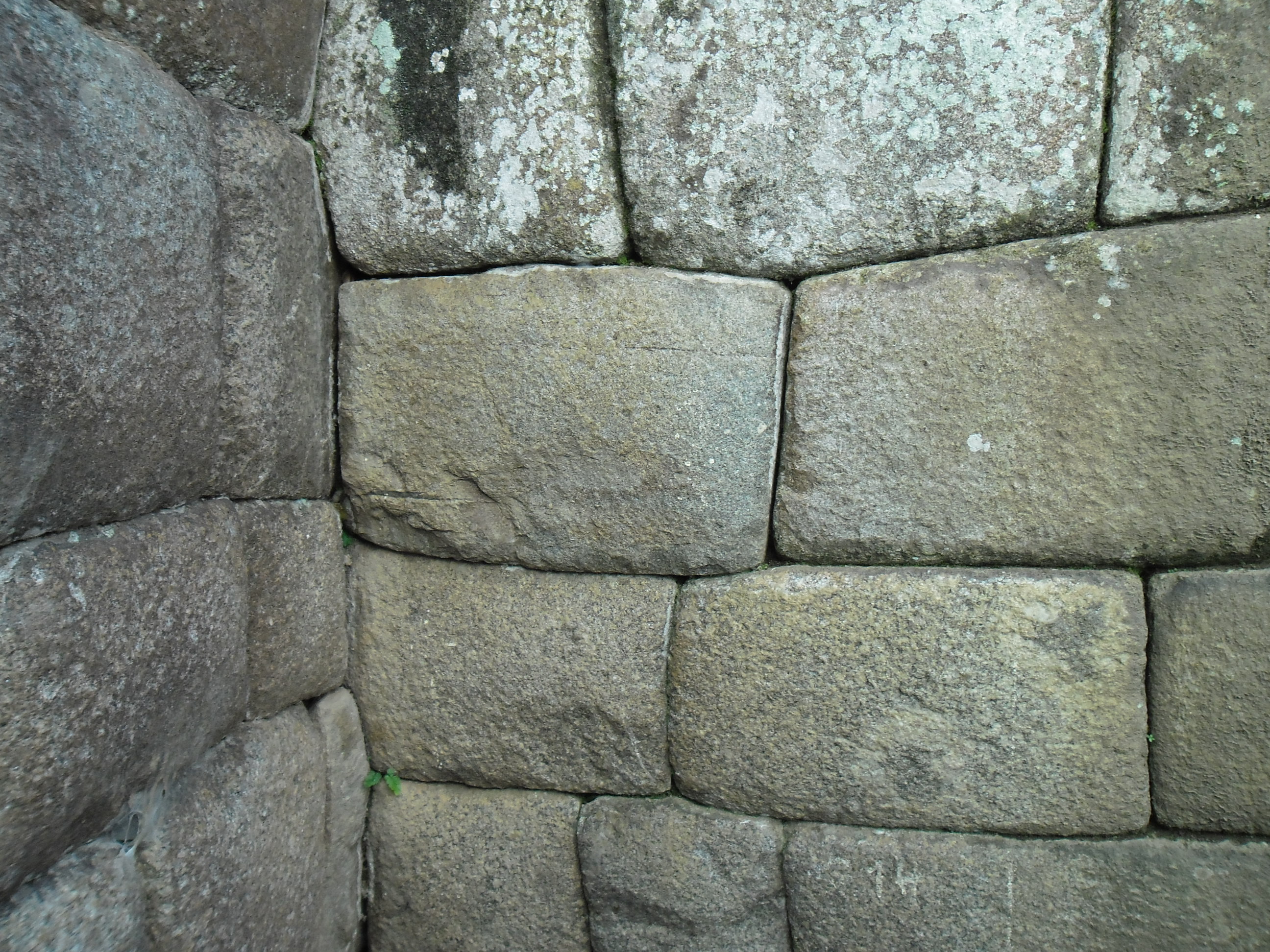
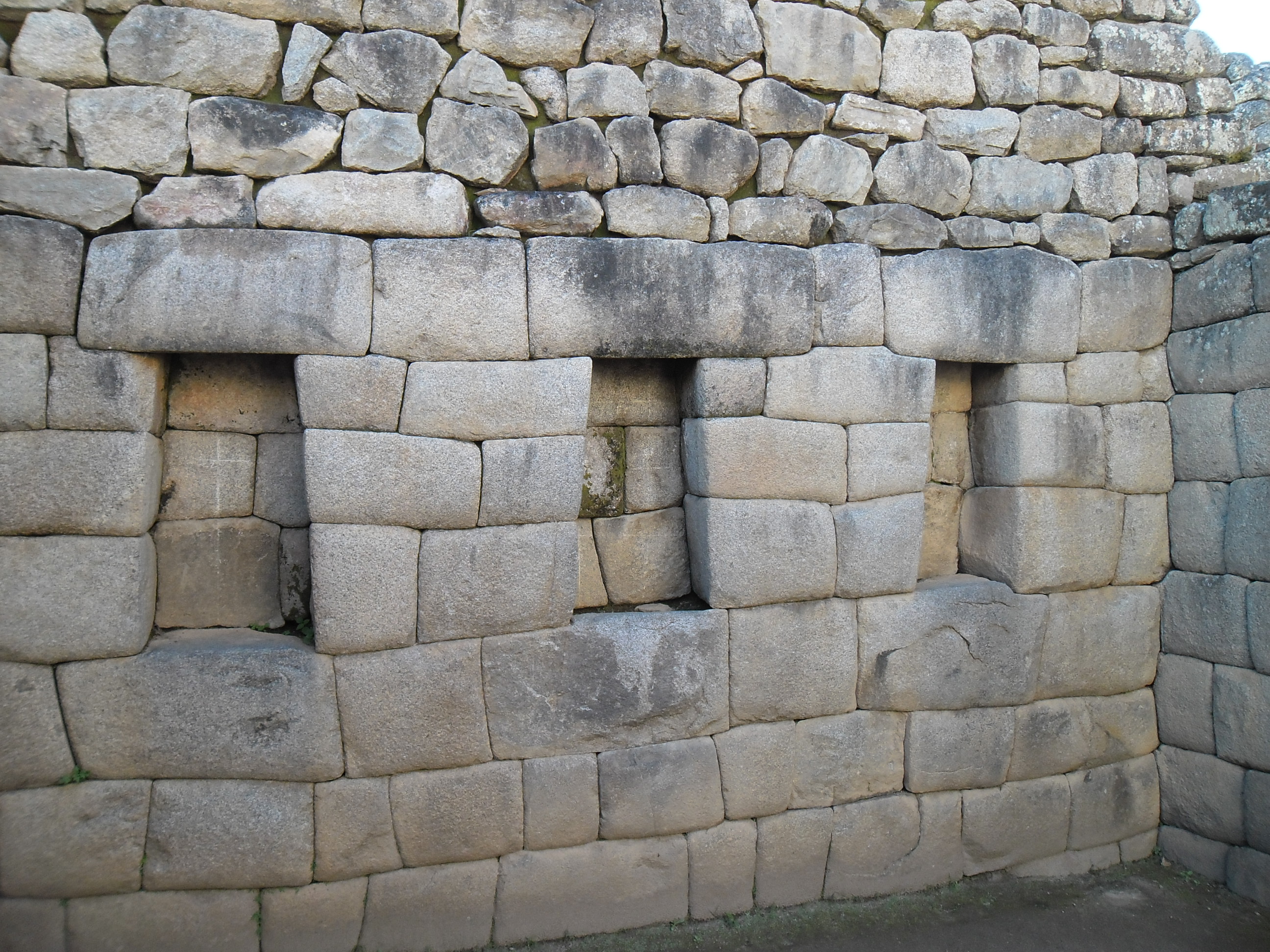 This was a priest´s private bedroom. The niches were for personal belongins.
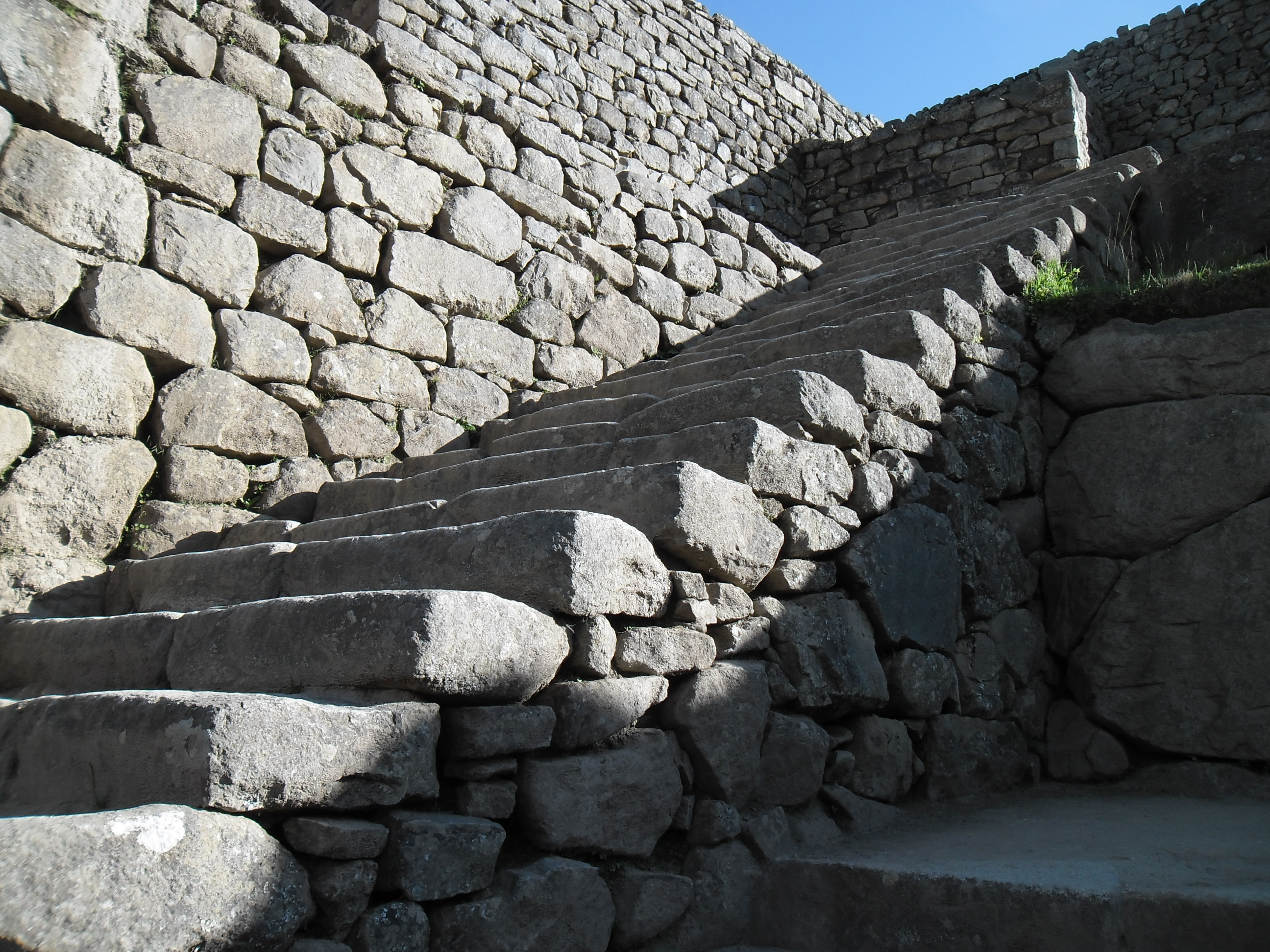 A granite staircase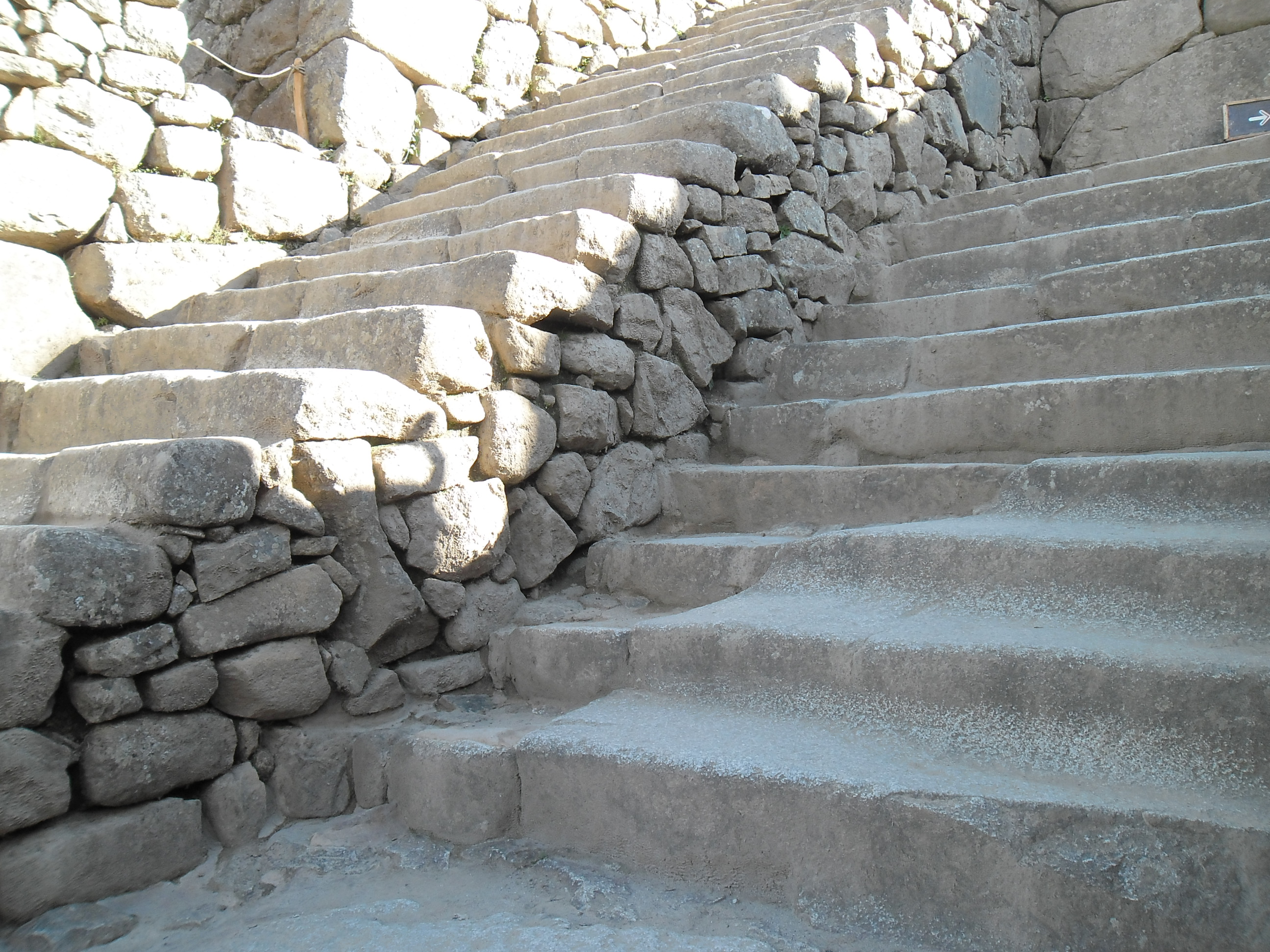
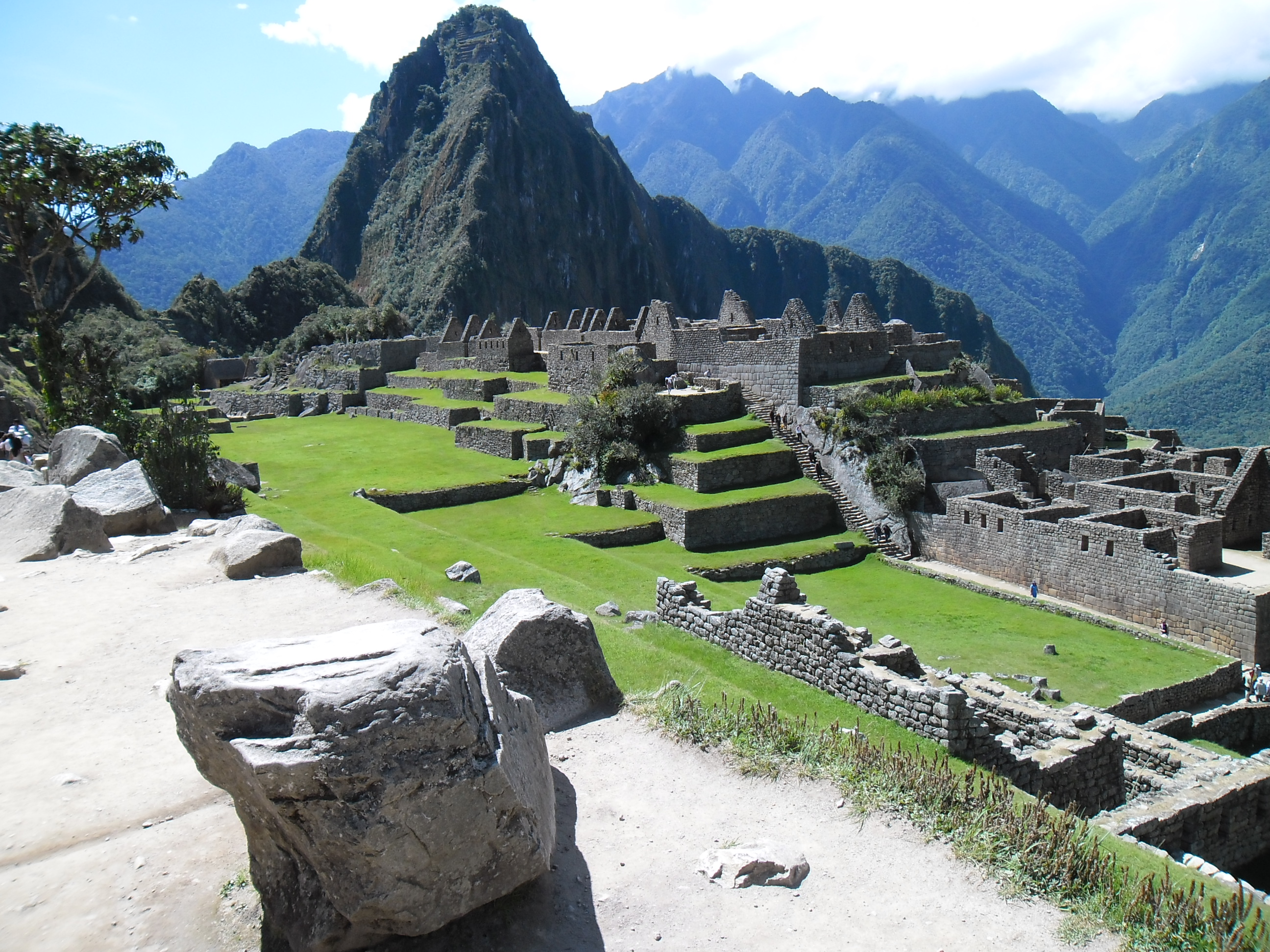 There are many ways to get to Machu Picchu. Lots of people choose to walk there on the Inca Trail. To do so, you must go in with a group, with a registered guide. It’s either a four-day or a five-day trek. Your choice. The hike takes you up and down, through mountain passes and valleys, and is one of the “to do” treks on the list of world trekkers. Arriving at Machu Picchu on the Inca Trail is arriving as the Incas arrived. Exhilarating.. Monica and I chose to take a train, then a bus. We slept in Aguas Calientes, the town at the base of the mountains. We set our alarm for 5:00 in the morning, left the hotel in the dark, and walked to the bus stop. The buses were already rolling, and there were a couple of hundred people waiting in line. Machu Picchu is the premier attraction in South America. It’s a dream of millions of people to come here. We’re glad we made it.
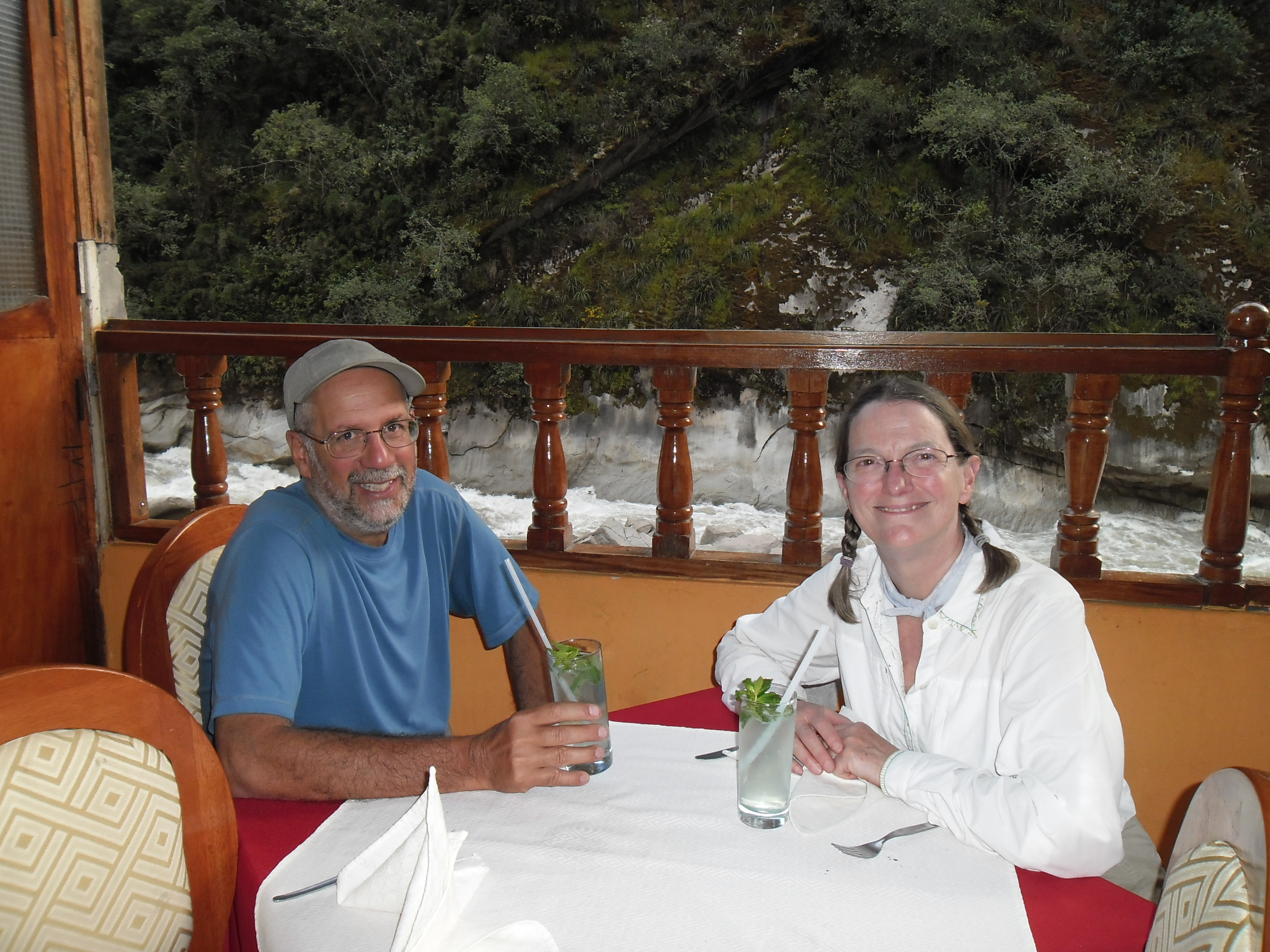 The end of the trail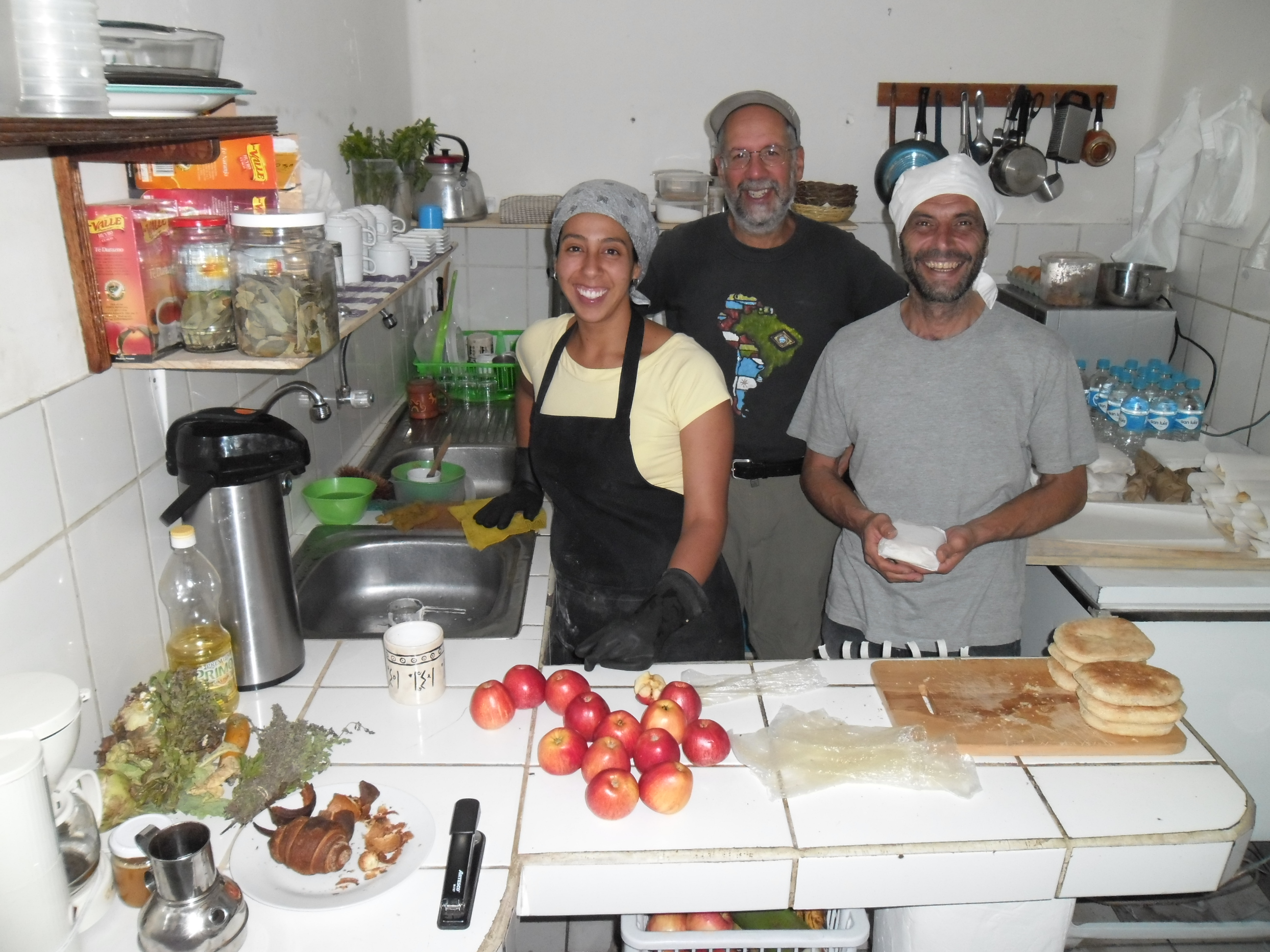
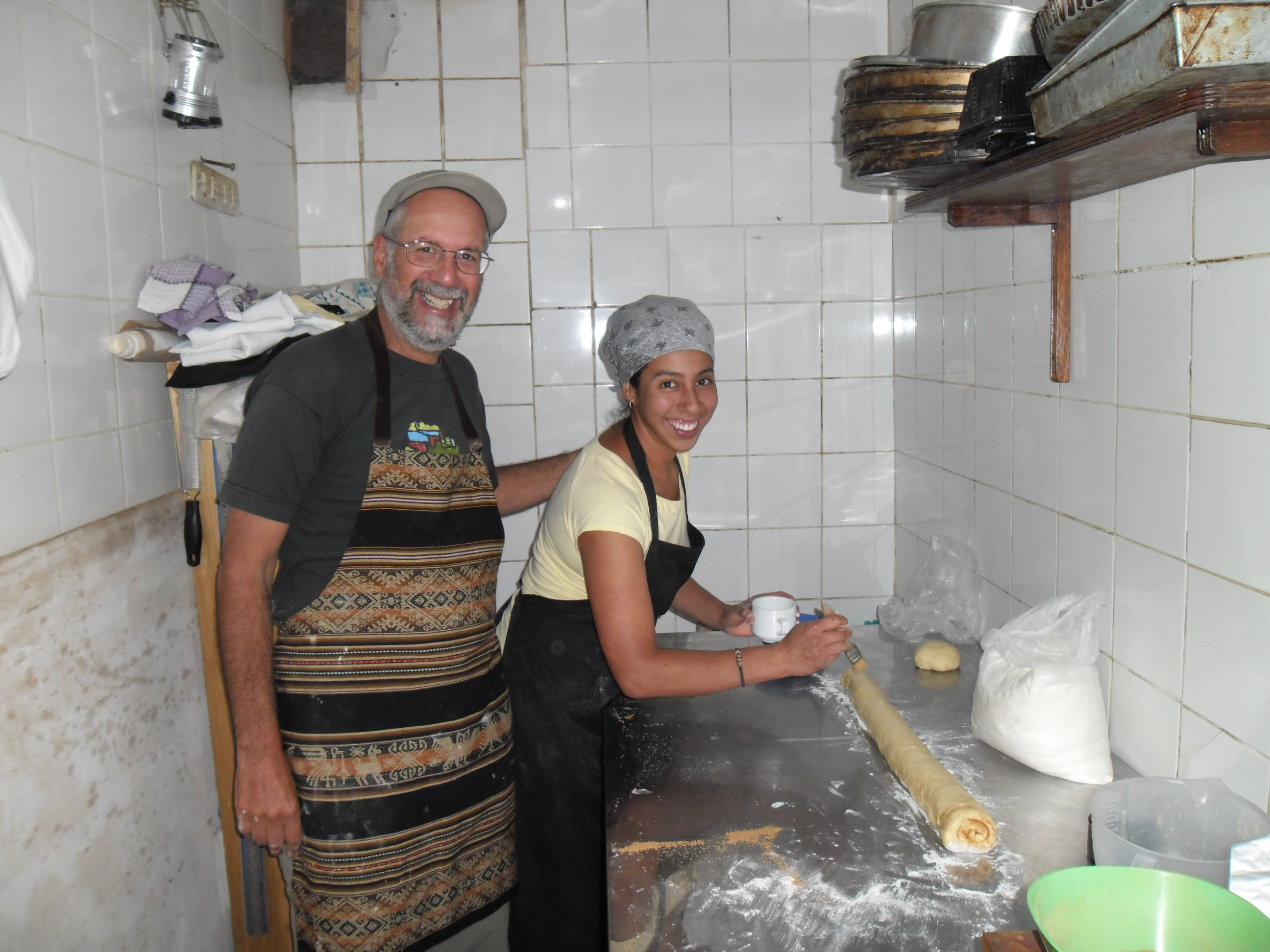
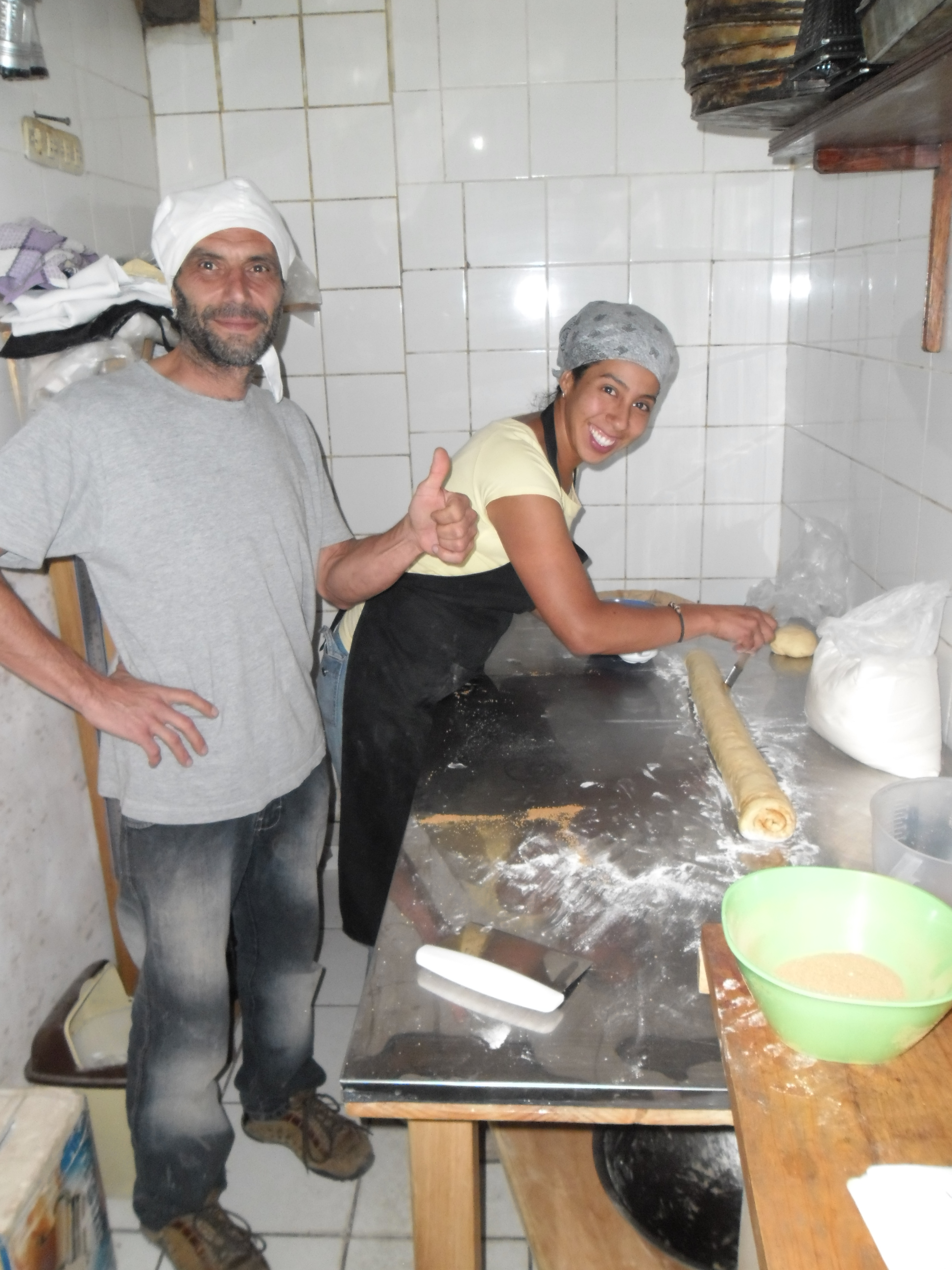
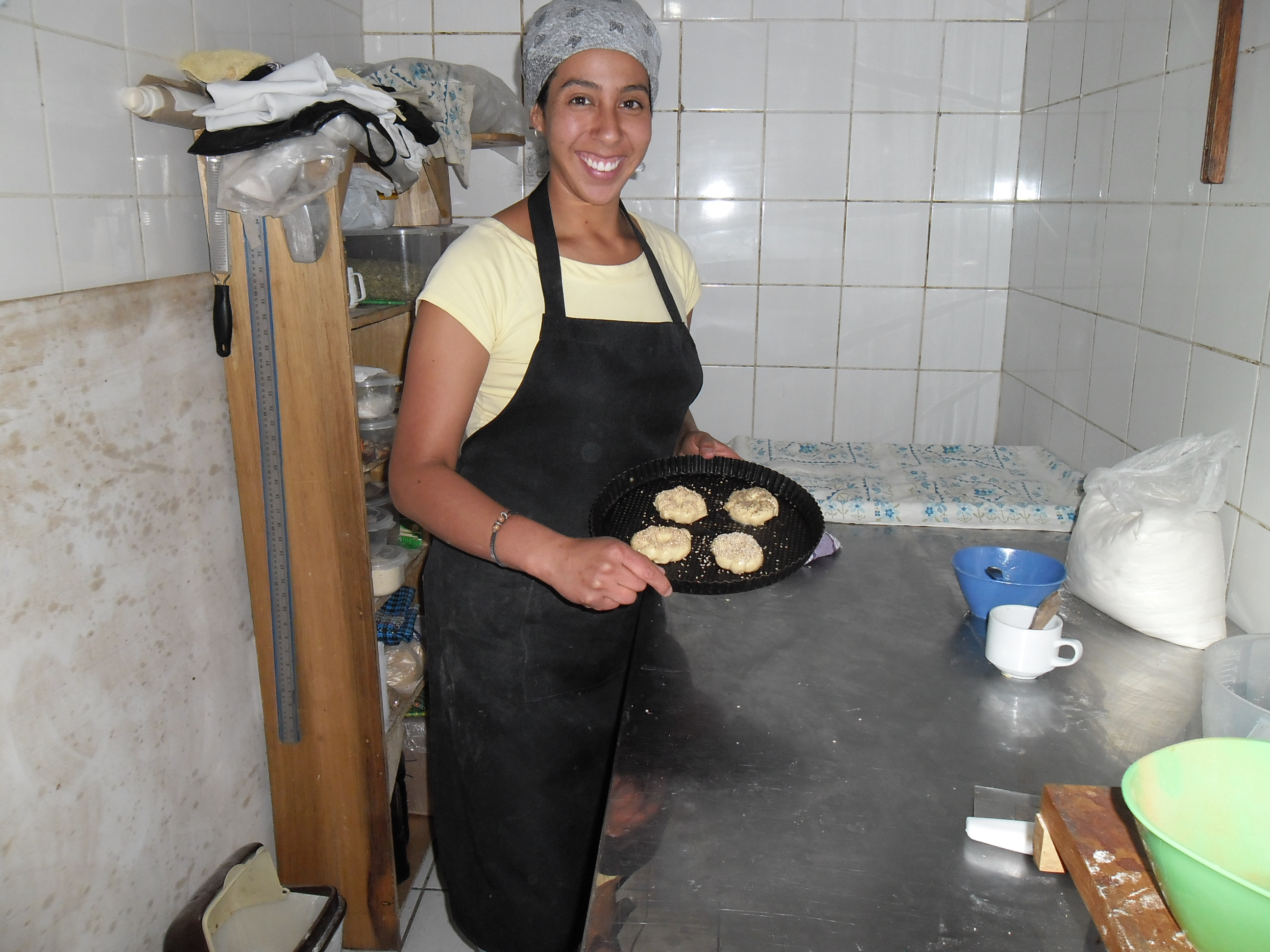
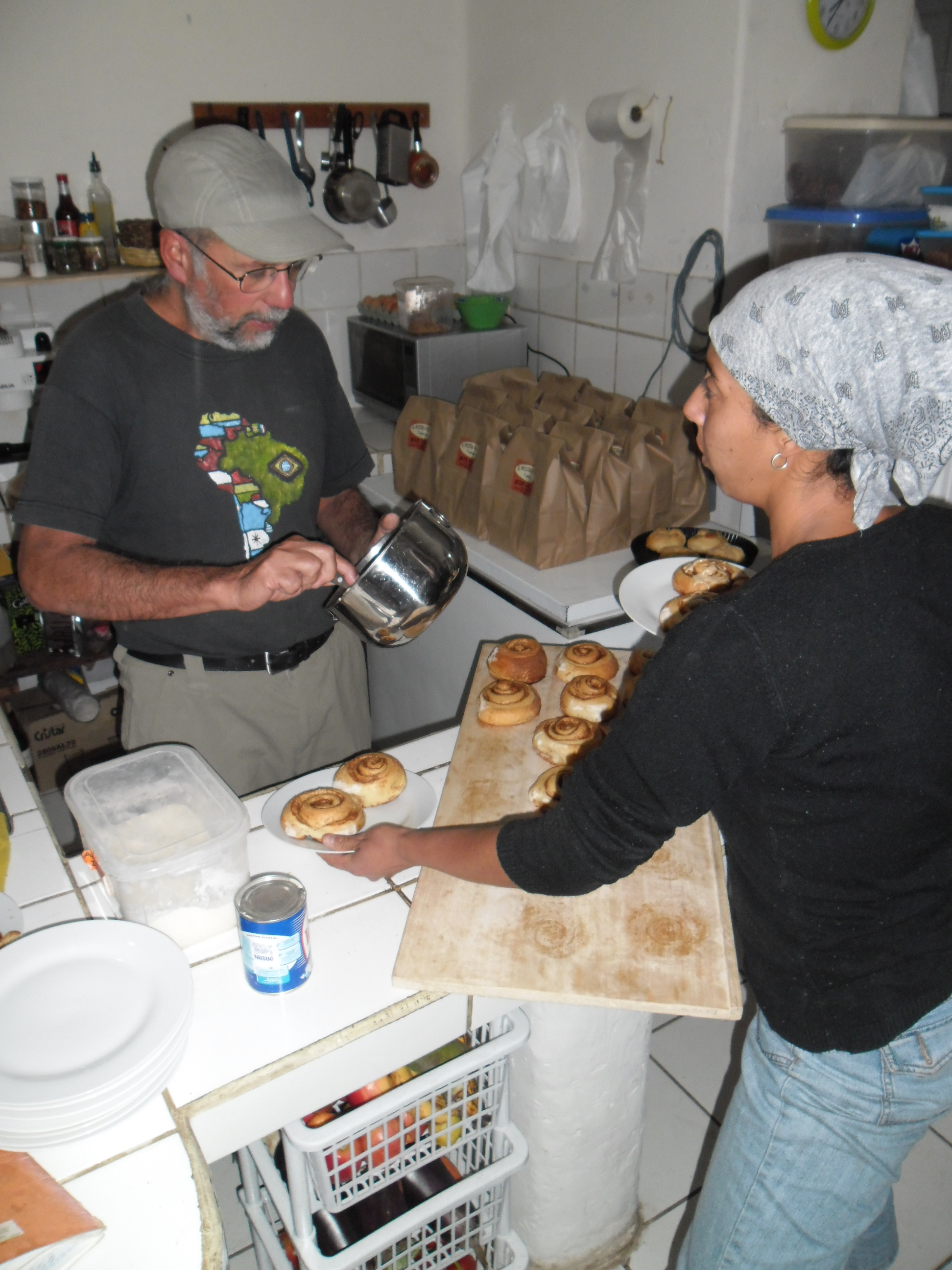
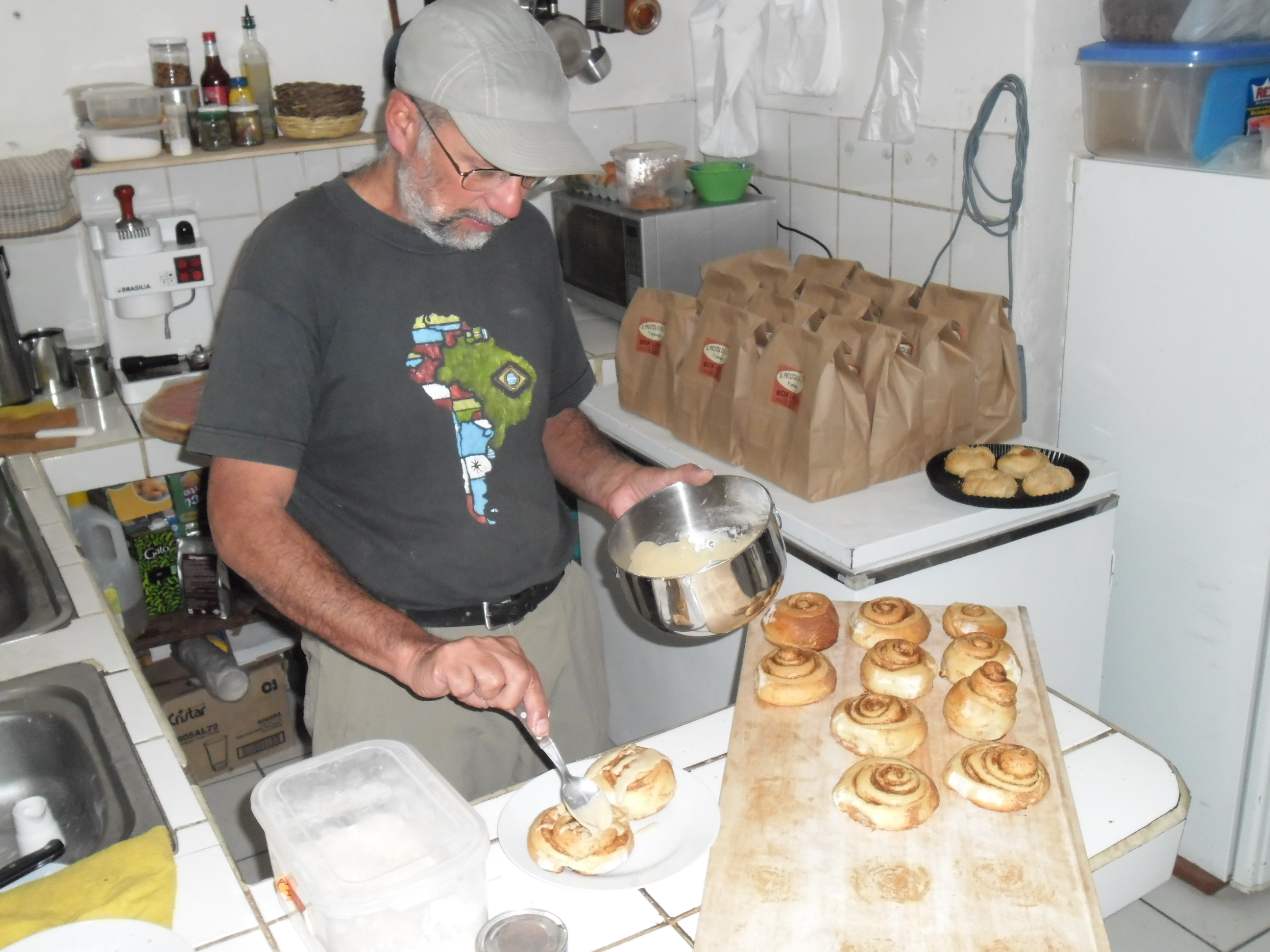
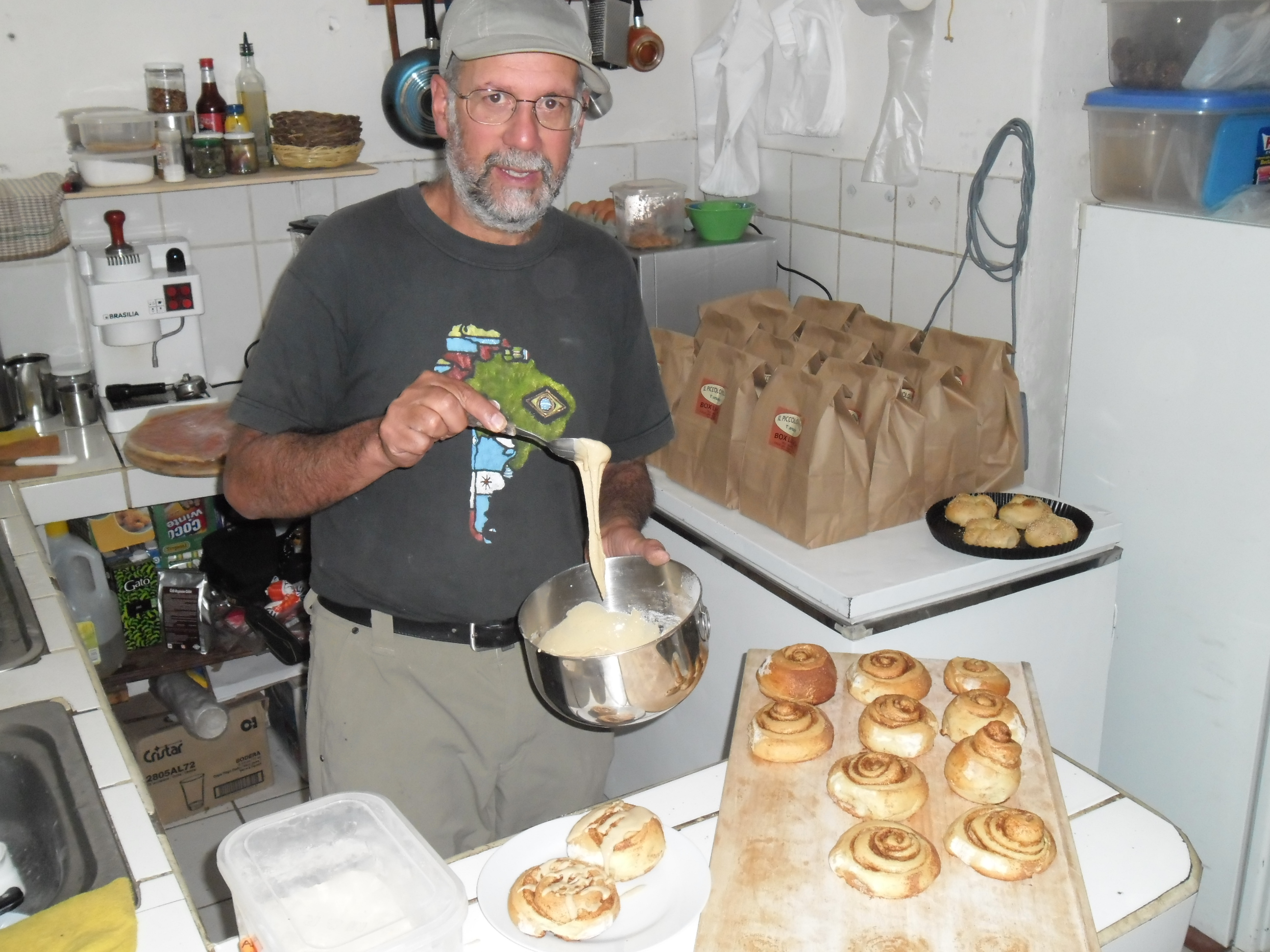
 Next week, we might try some onion buns, for sandwiches on their way to Machu Picchu.
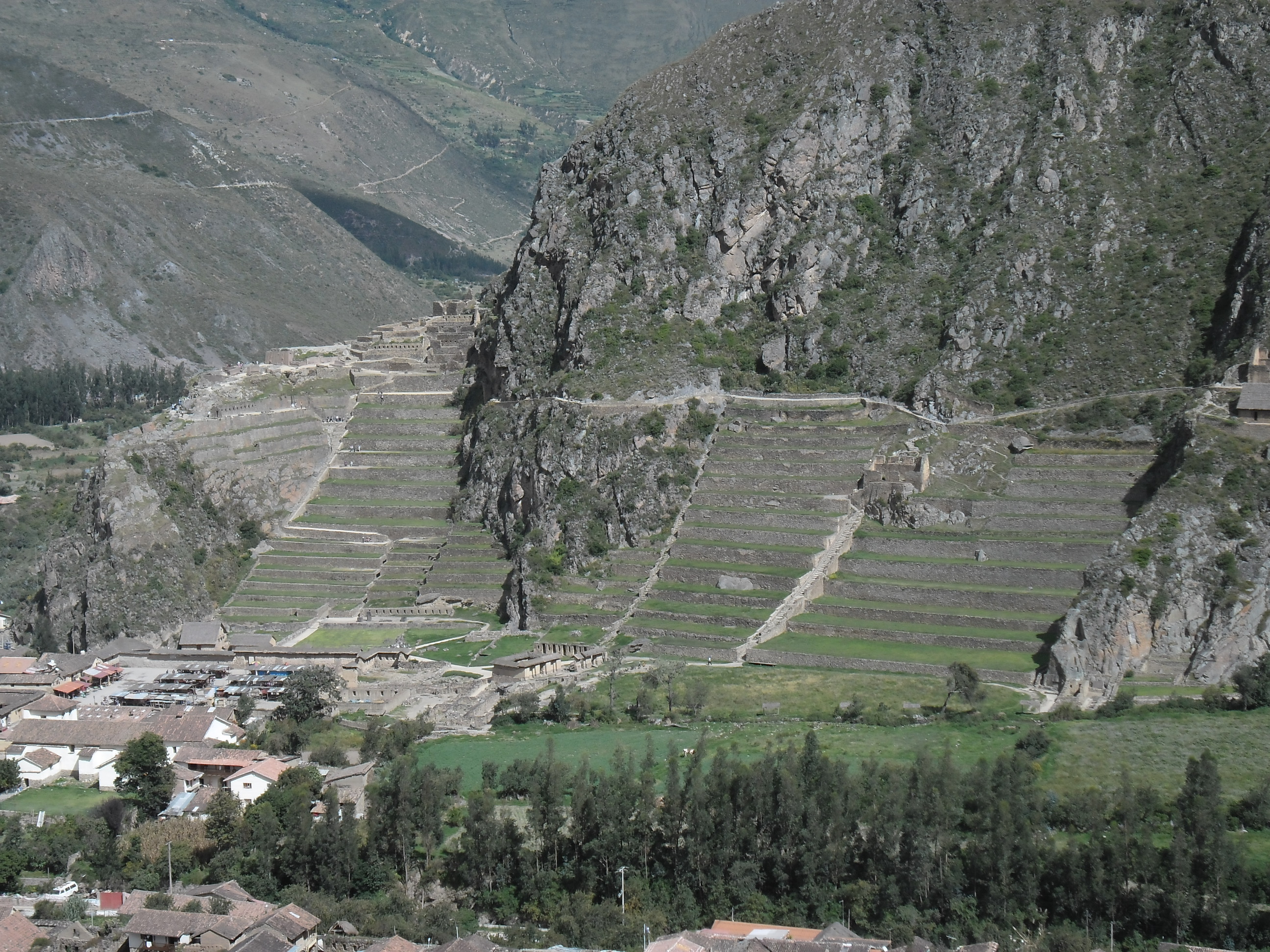
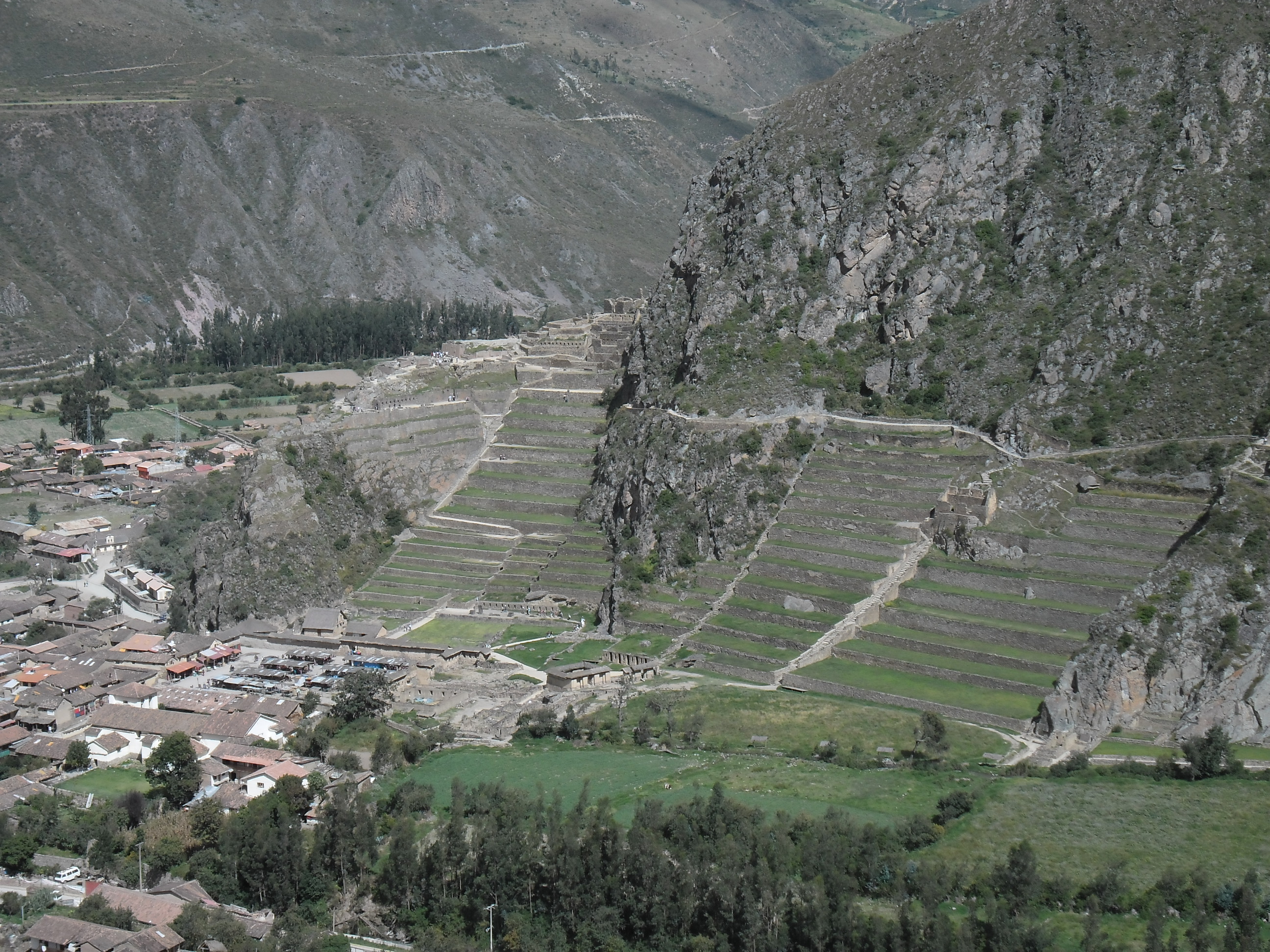
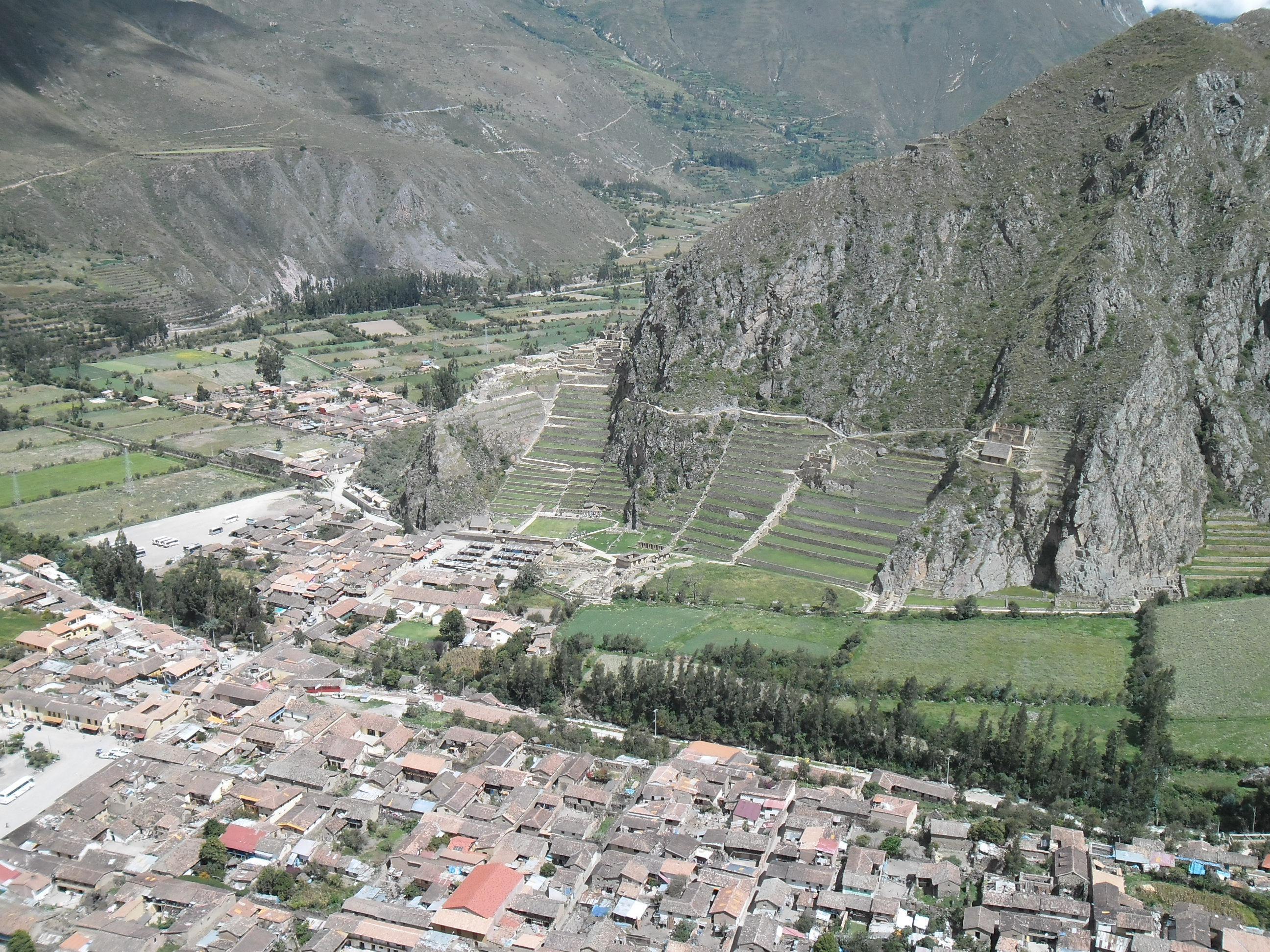
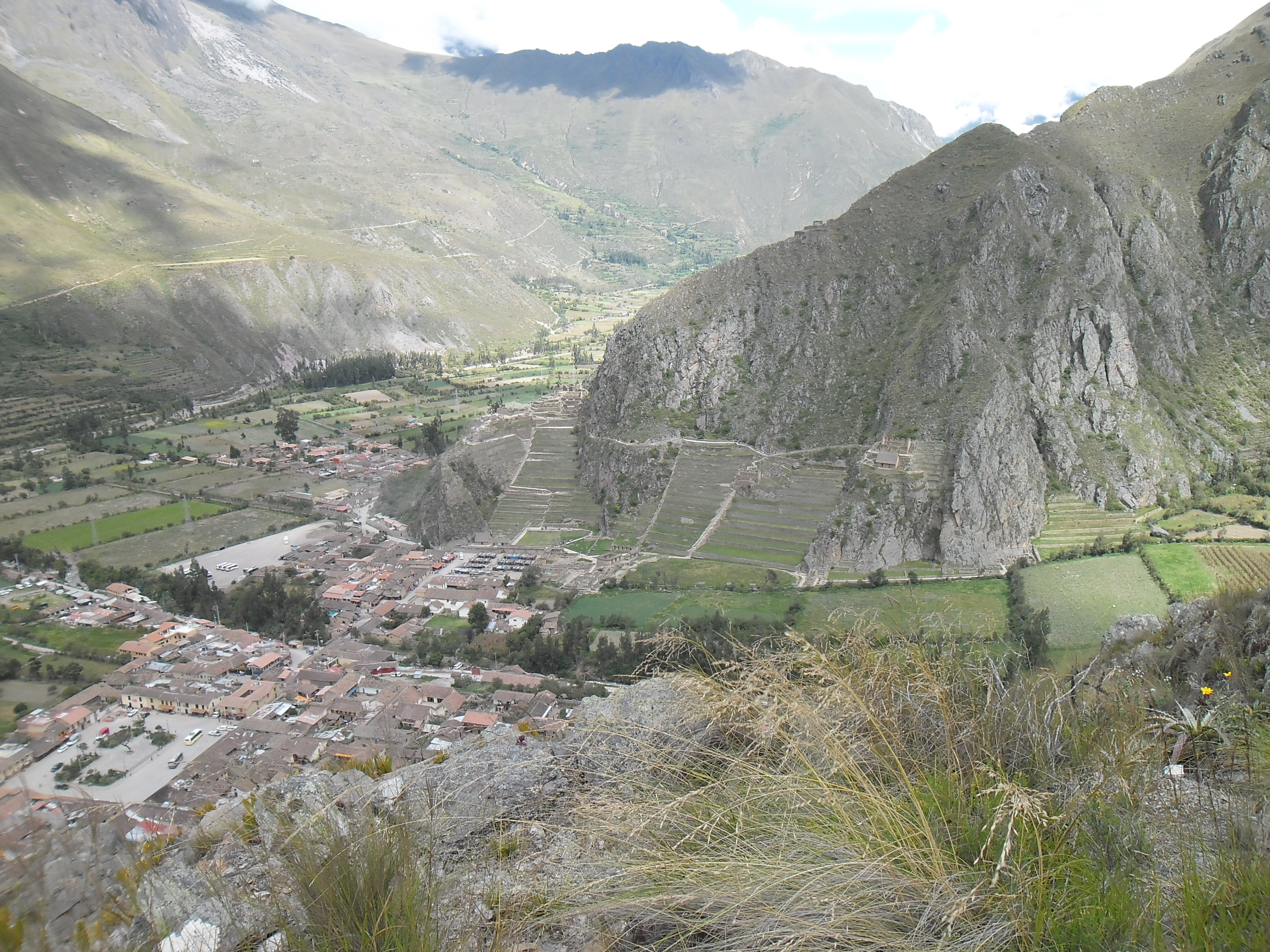
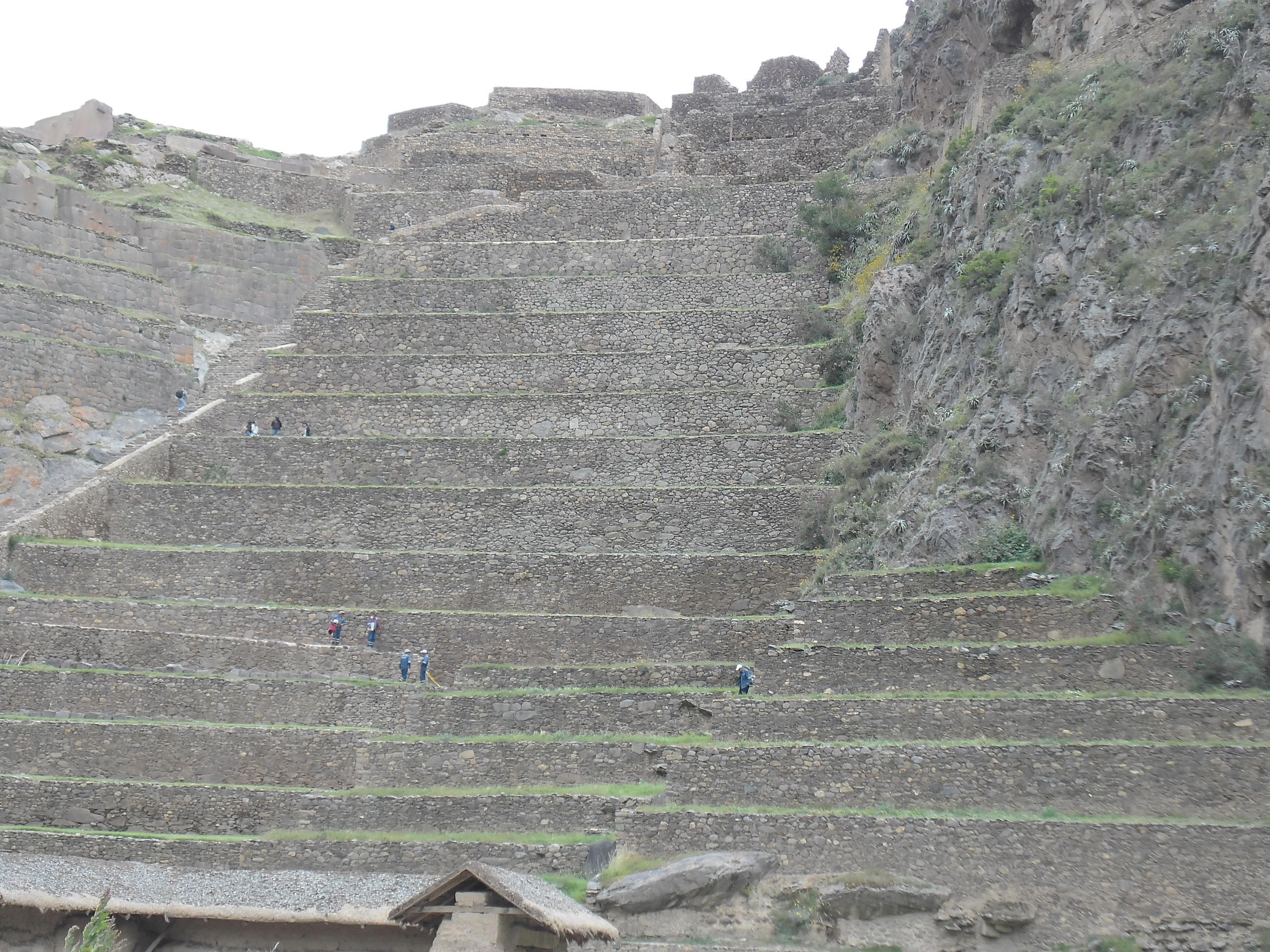
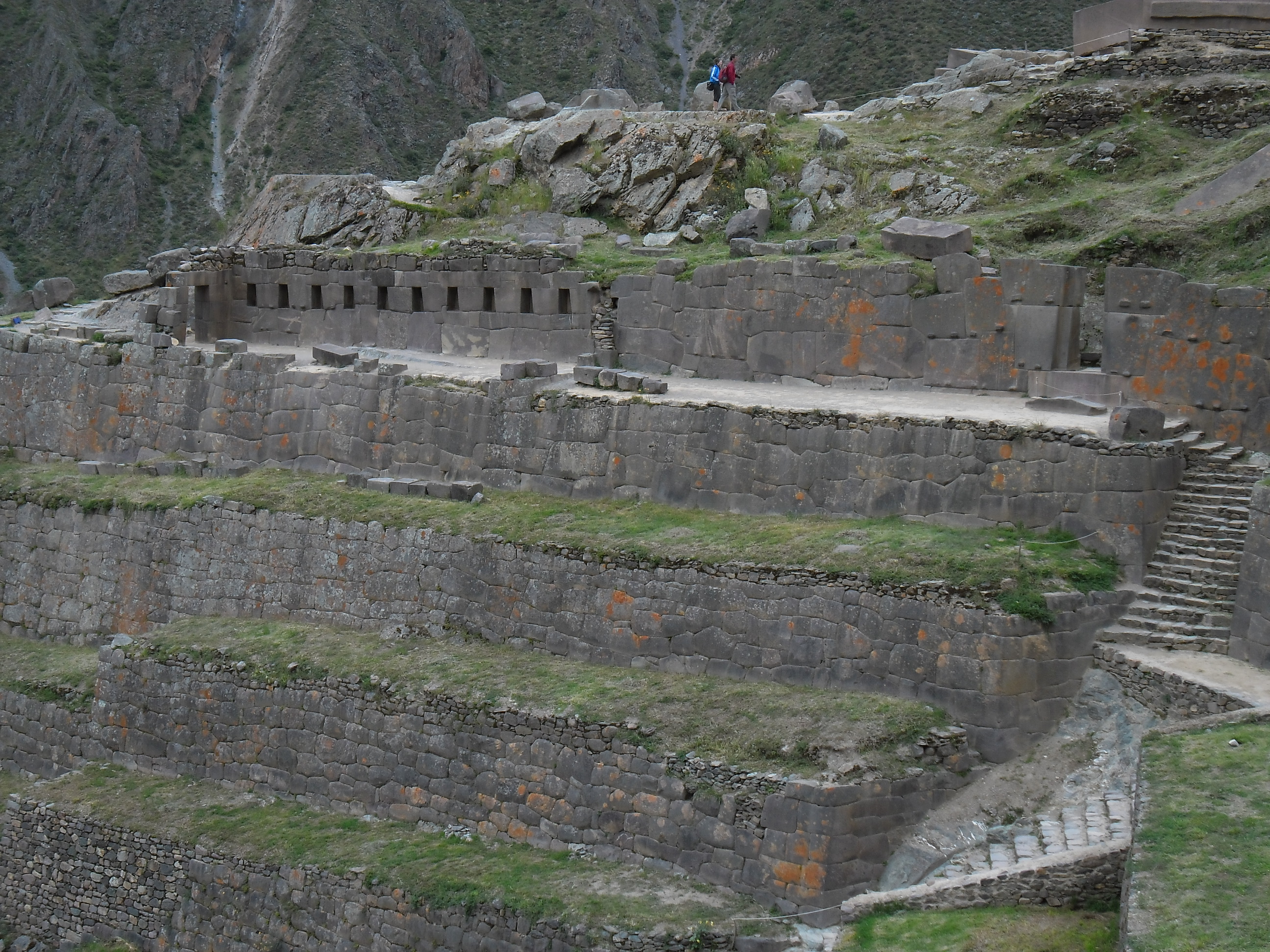
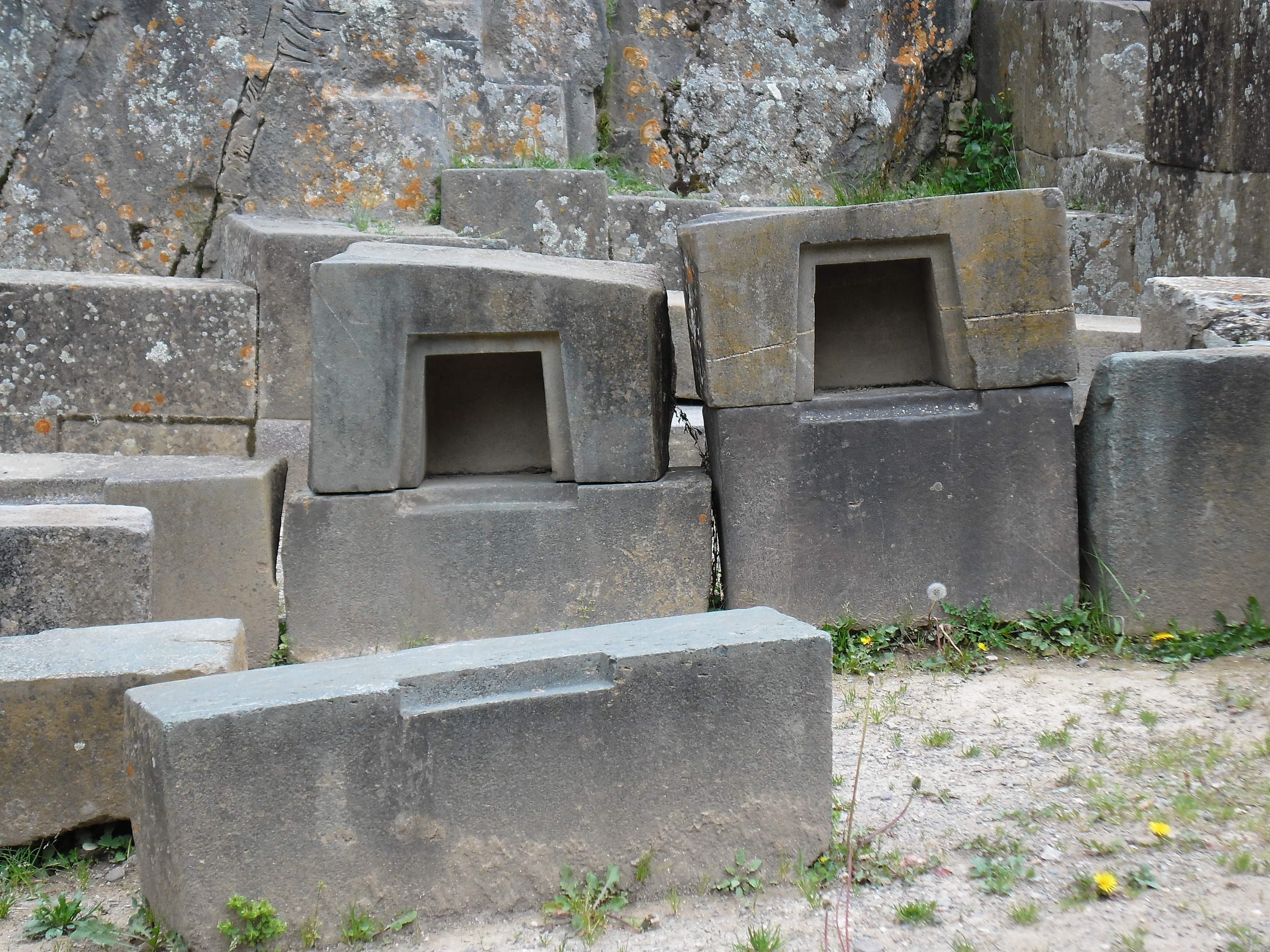
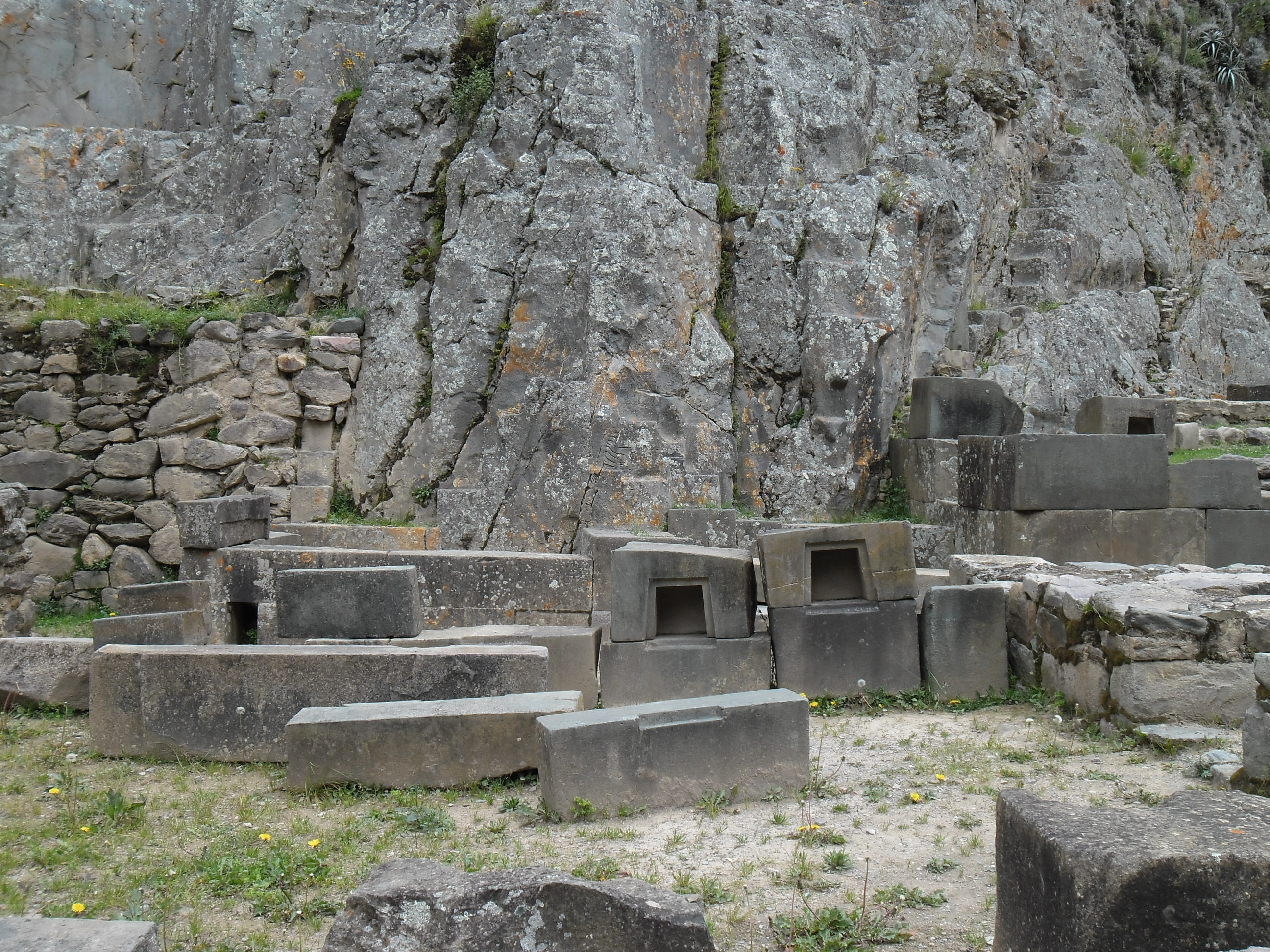
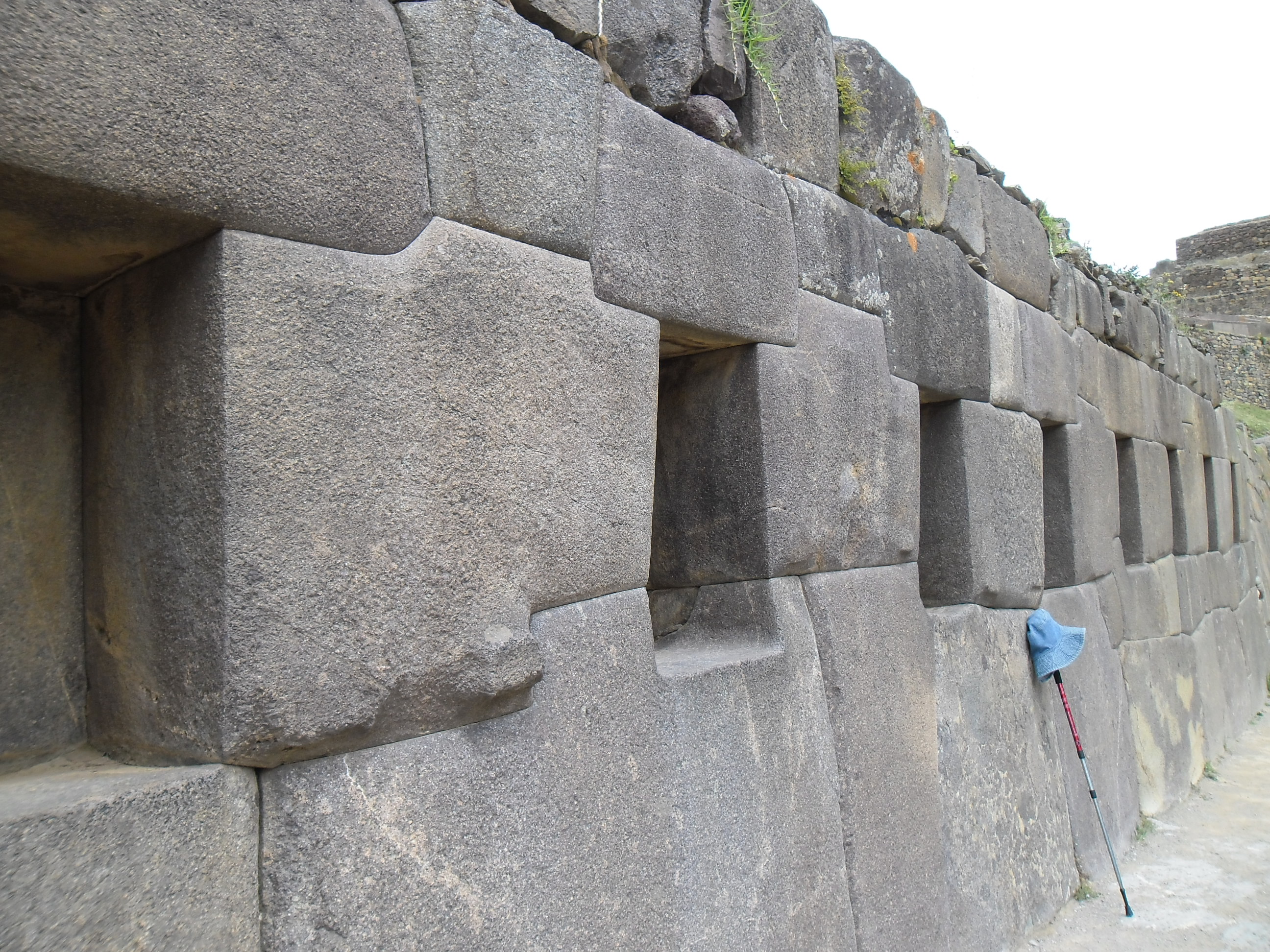
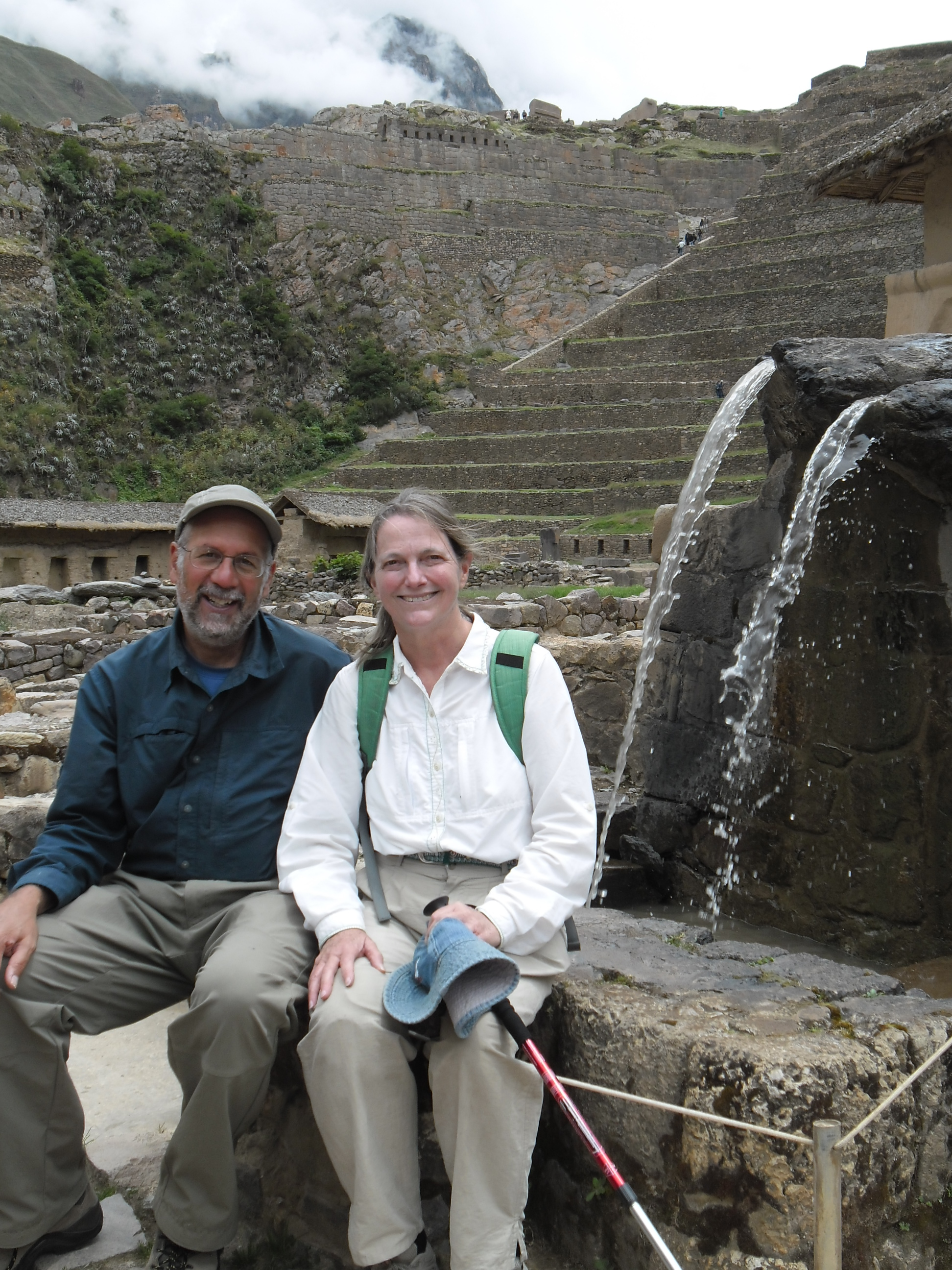
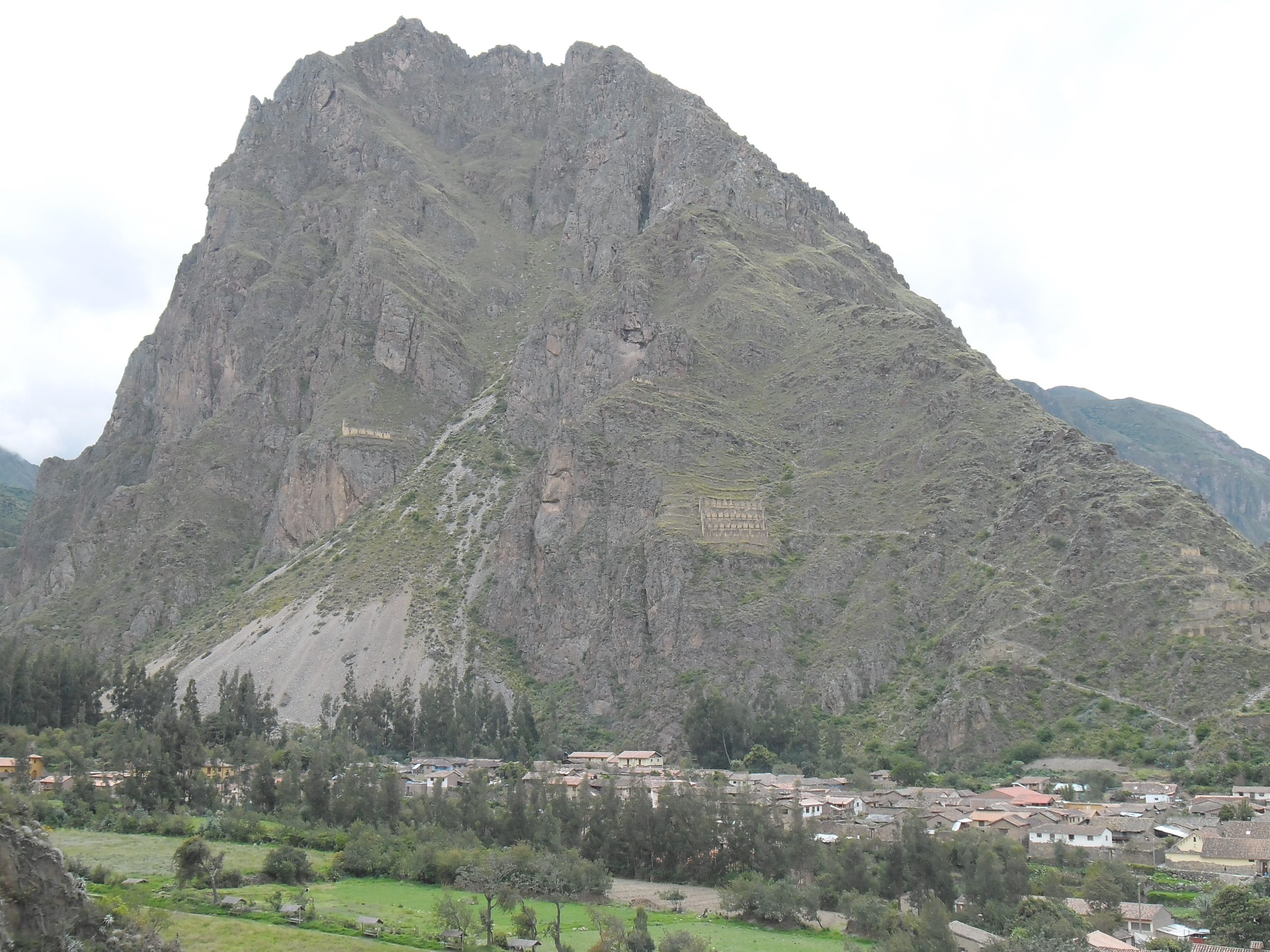
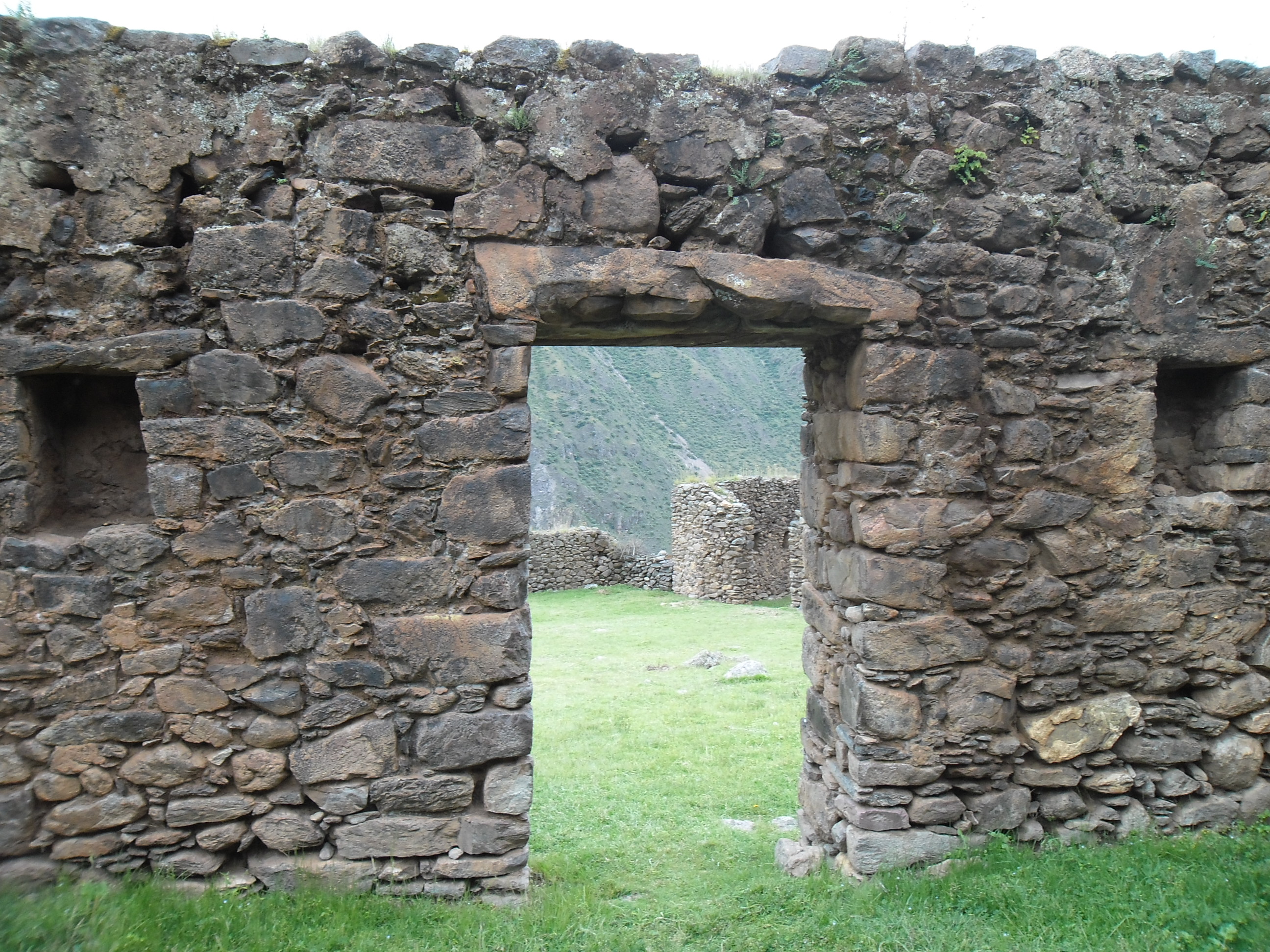
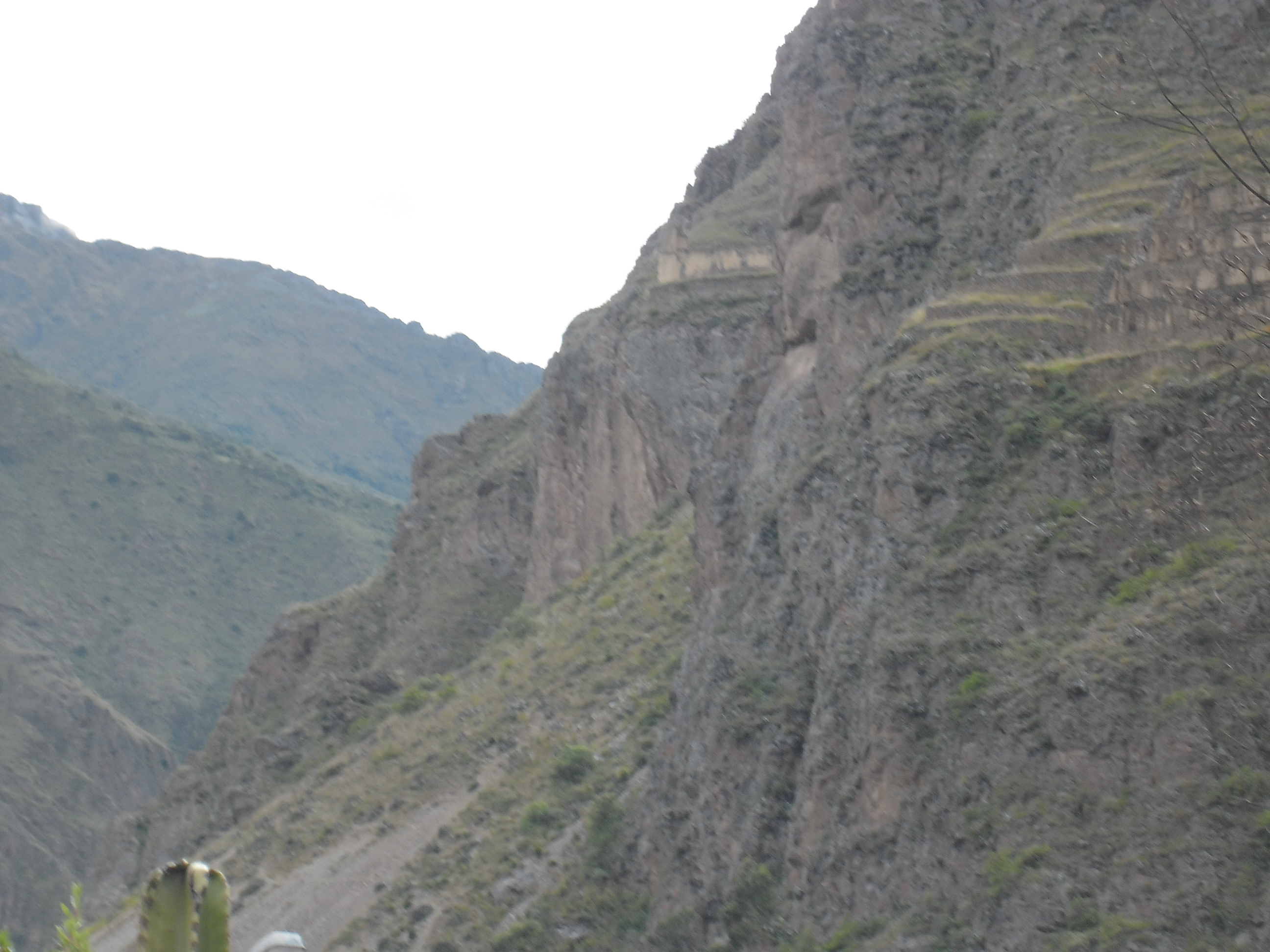
 You can see across the valley to Tunupa, the messenger and watcher, next to his storehouses. The Incas used the storehouses to store potatoes and corn.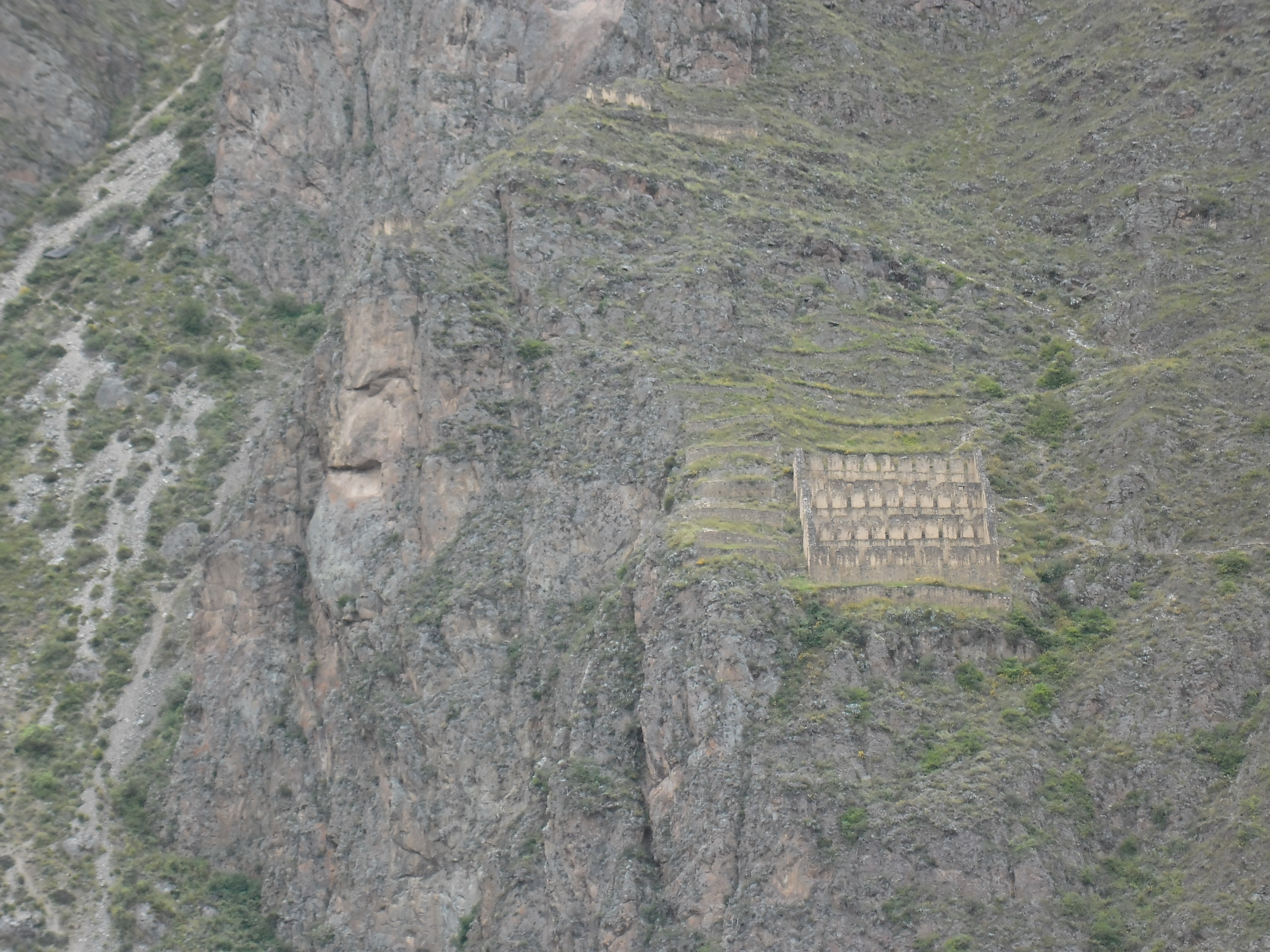

 mikeandmonica