Valparaíso, the end of a month in Chile
We ended our month in Chile with a five-day stay in Valparaíso. Monica had been wanting to go to Valparaíso for years, ever since she read The History of Love, by Nicole Krauss. In that novel, there’s a character who sits in the cafes of the city, reading and writing. That image has stayed with Monica throughout the years, and she has wanted to go there ever since.
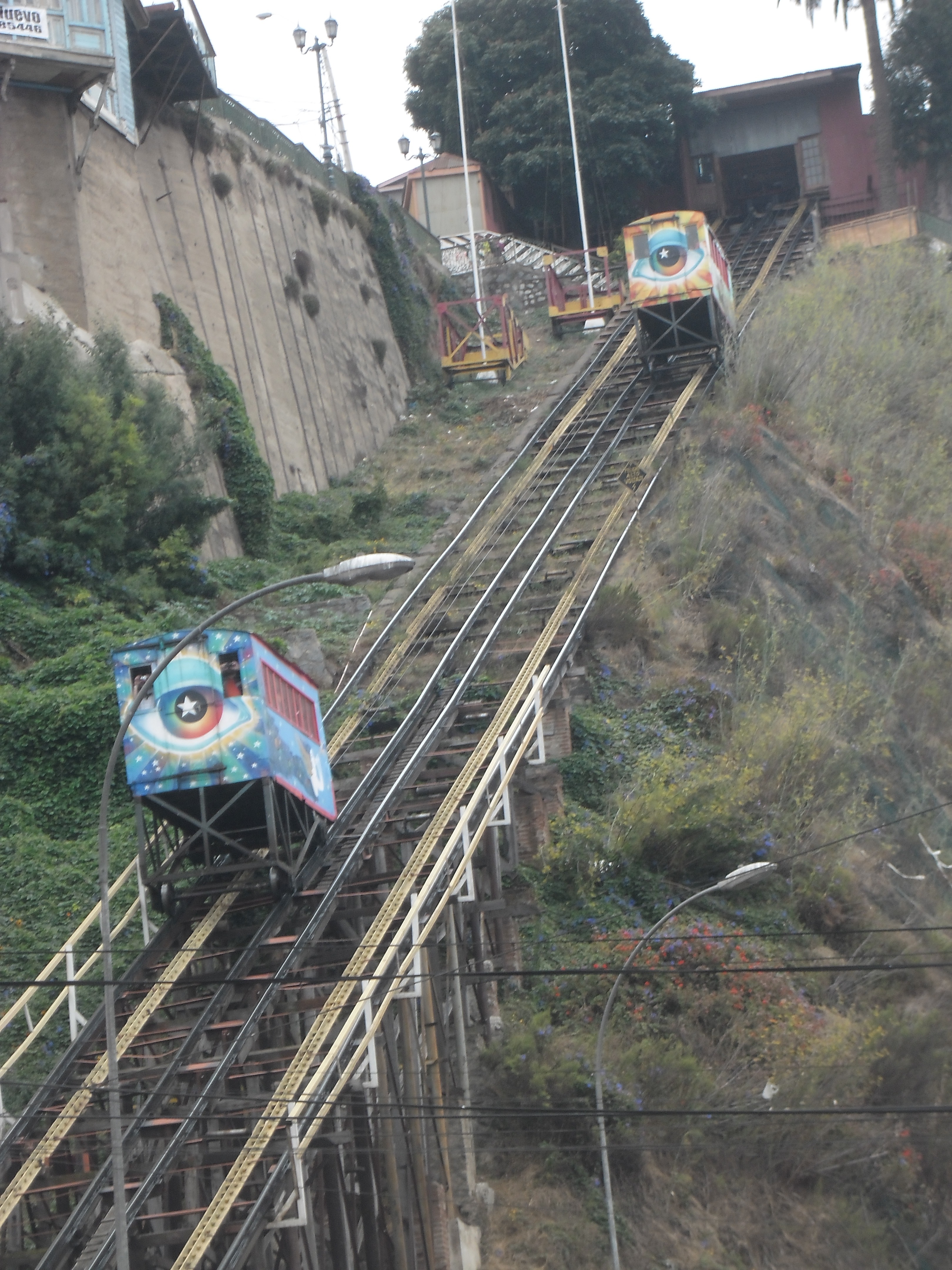
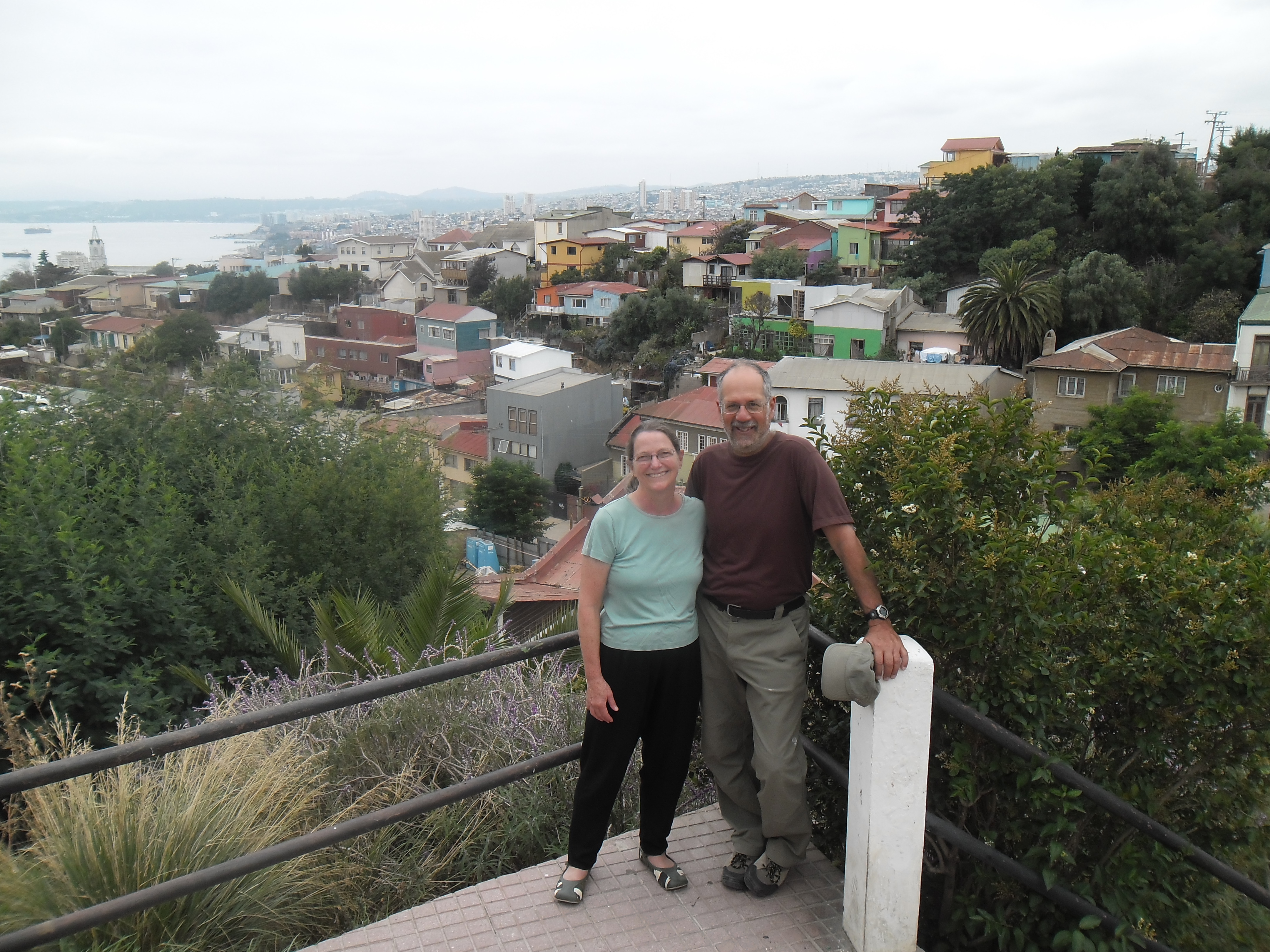
She finally got her chance after her retreat. We went straight there from Santiago. Valparaíso is a port city, about 100 kilometers from Santiago. The guidebook says that “it is the most unique city in Chile, and perhaps in all of Latin America.” This is because of a combination of natural geography and human ingenuity. The city is designated as a UNESCO World Heritage Site, for its architecture, geography, and history. The city is on a bay (hence the port) and it rises dramatically out of the ocean. It is immediately steep and hilly; Valpo is comprised of 42 separate hills, some of them very steep and high. These hills (cerros) offer magnificent views of the beautiful bay. Also, humans have built beautiful buildings up and down all of these hills, and have built boxcar elevators (ascensores) that will c arry you up and down the hills, for a small price. The earliest of the ascensores were built in 1886, and the most recent one in 1920. There used to be 39 of them, but now there are only ten that are still operating. They’re old and rickety, but they still work, and they definitely save your knees. 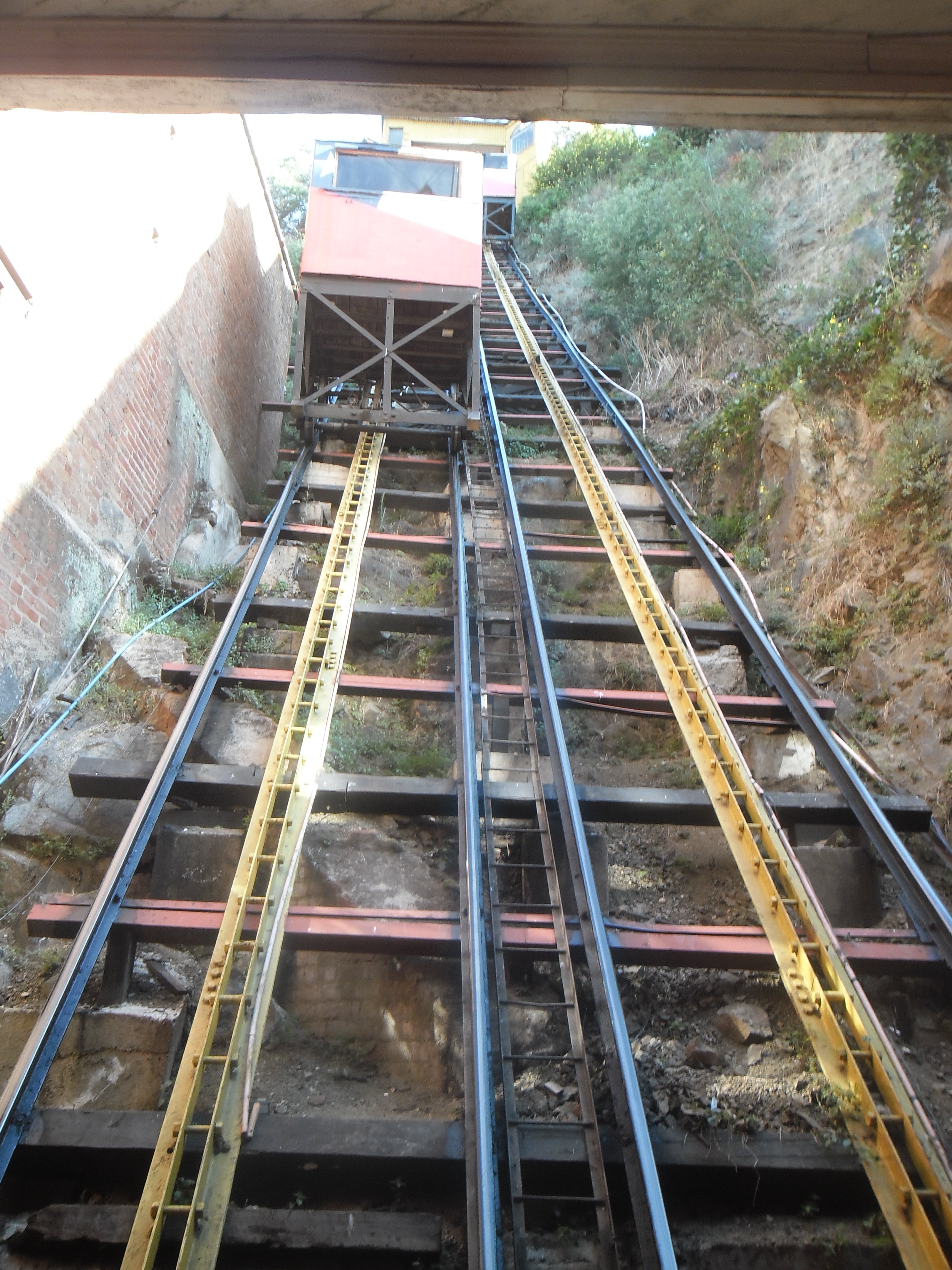
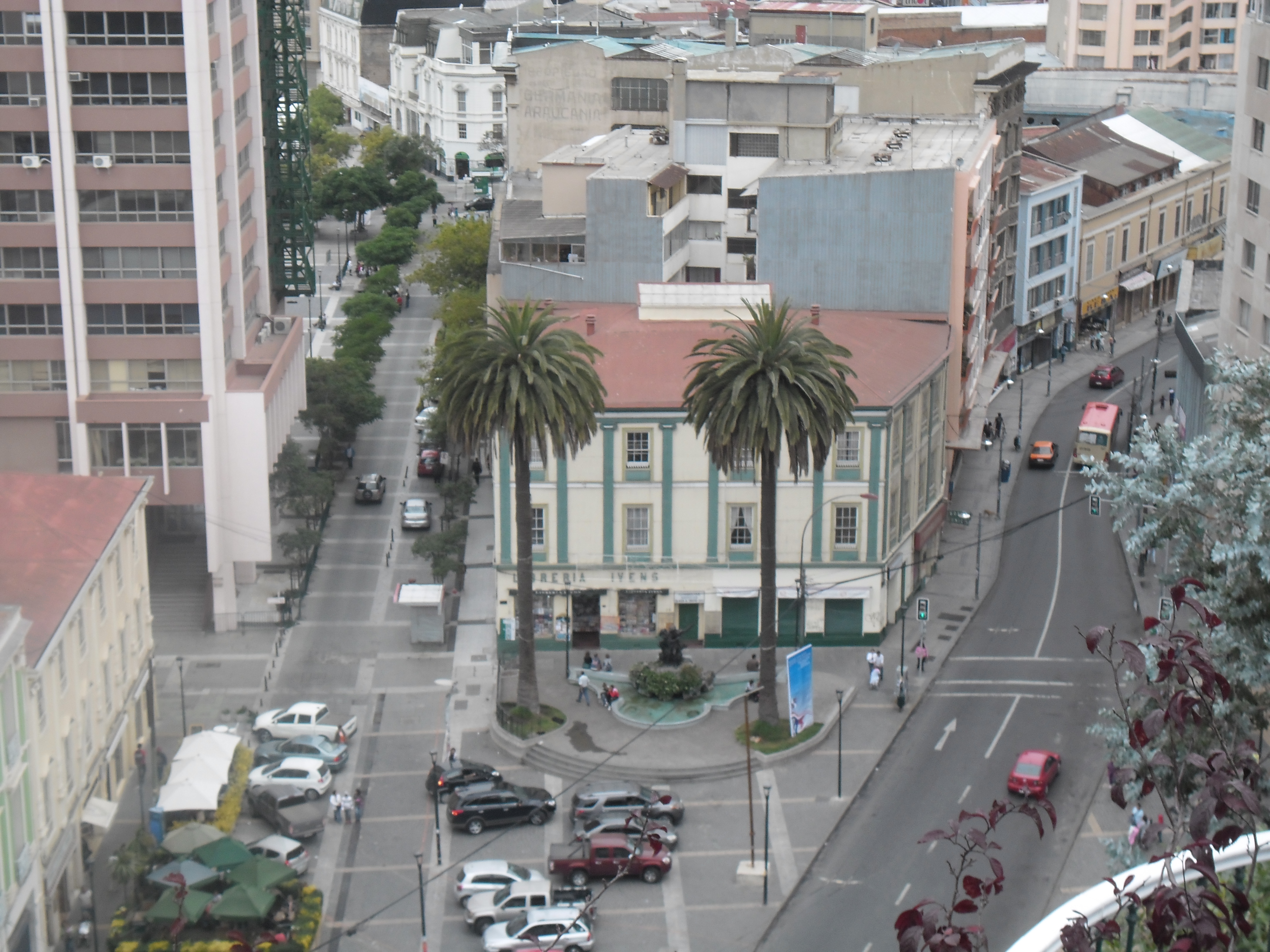
 There are great views of the city on the top of the cerros.
 Valparaíso is a working port. The navy has ships there, and big freighters come and go, loading and unloading. Cruise ships too. The port is always loaded with tourists watching the action. You can also get on little tour boats to take a tour of the bay.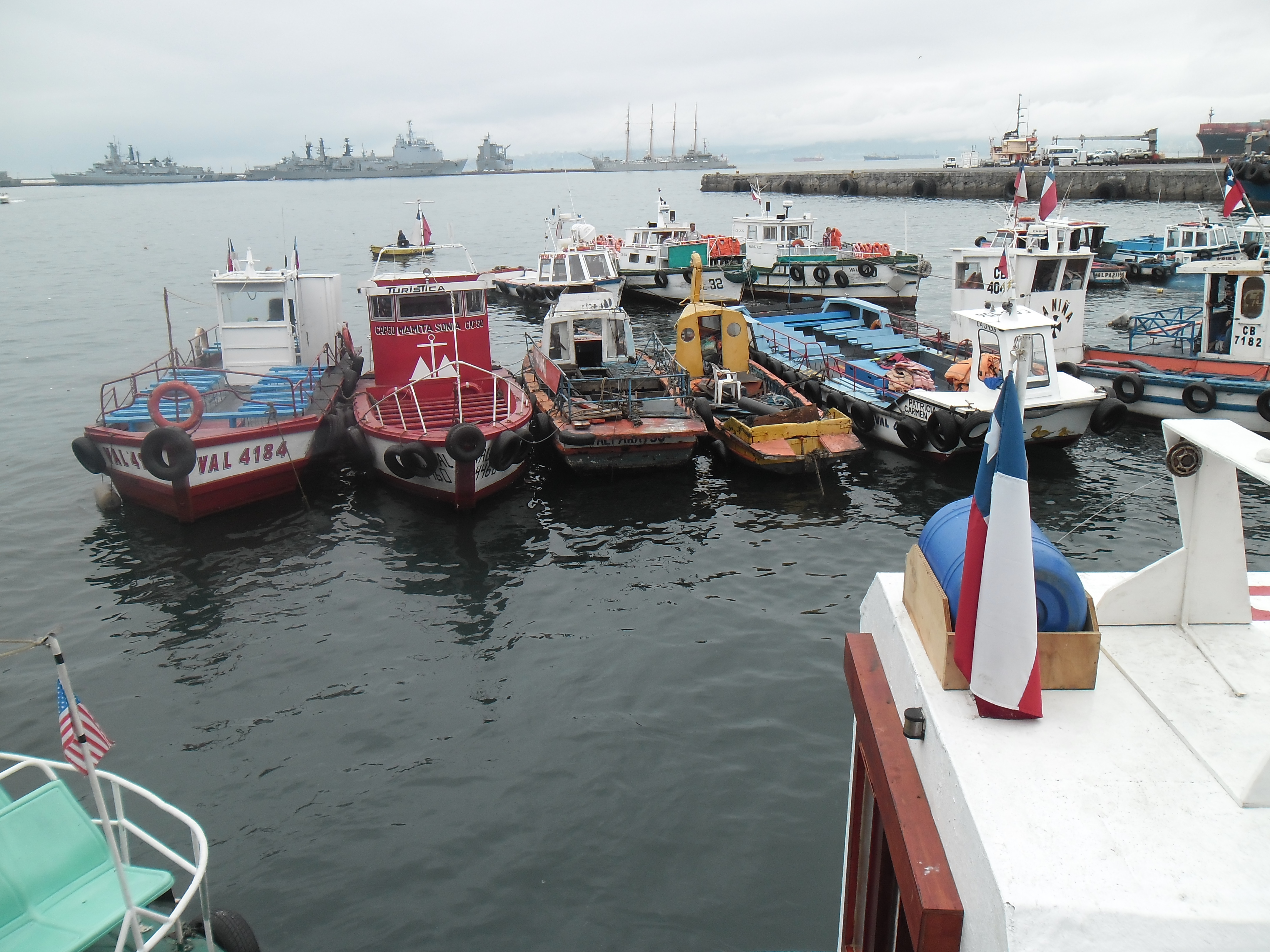
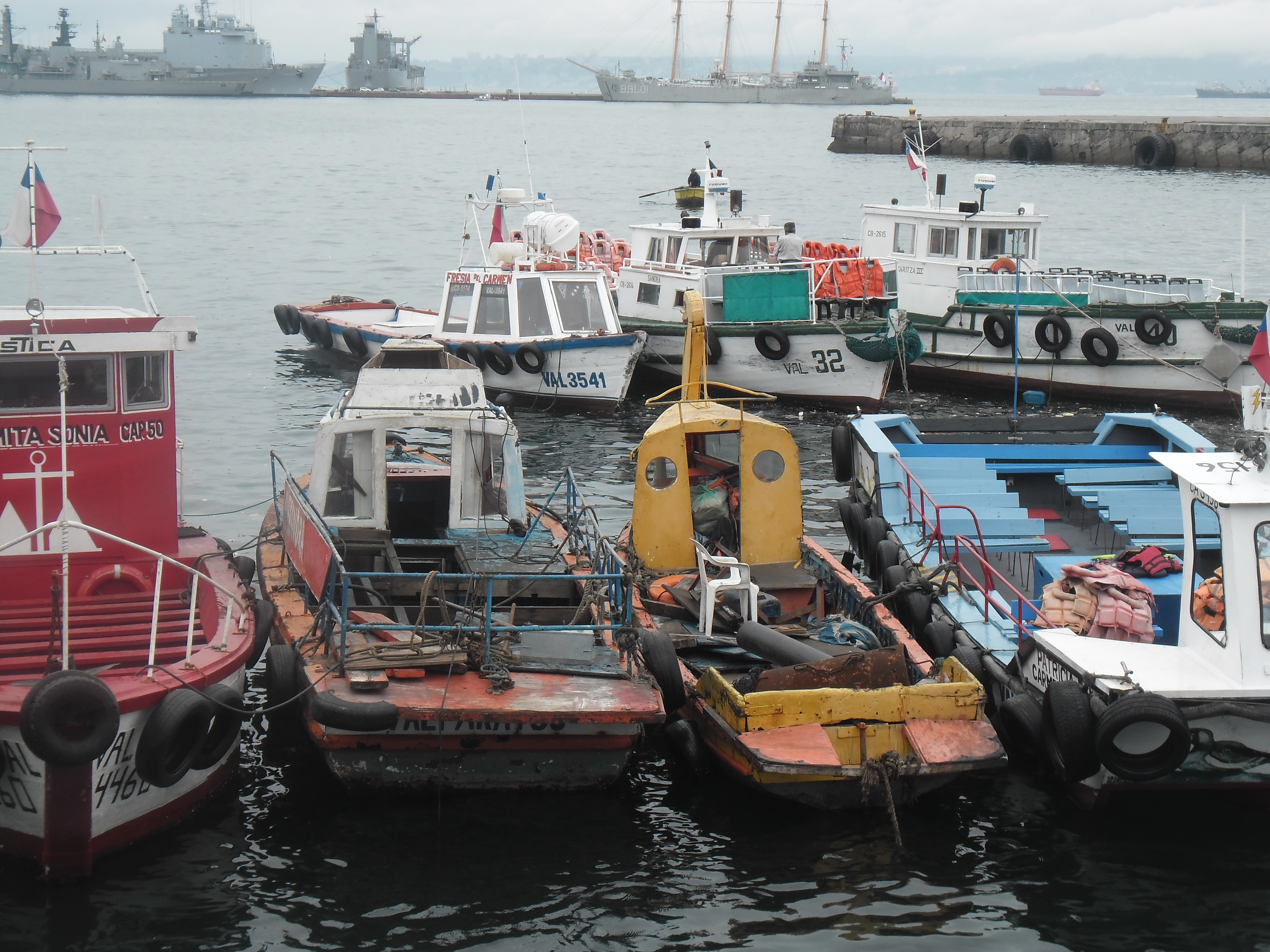
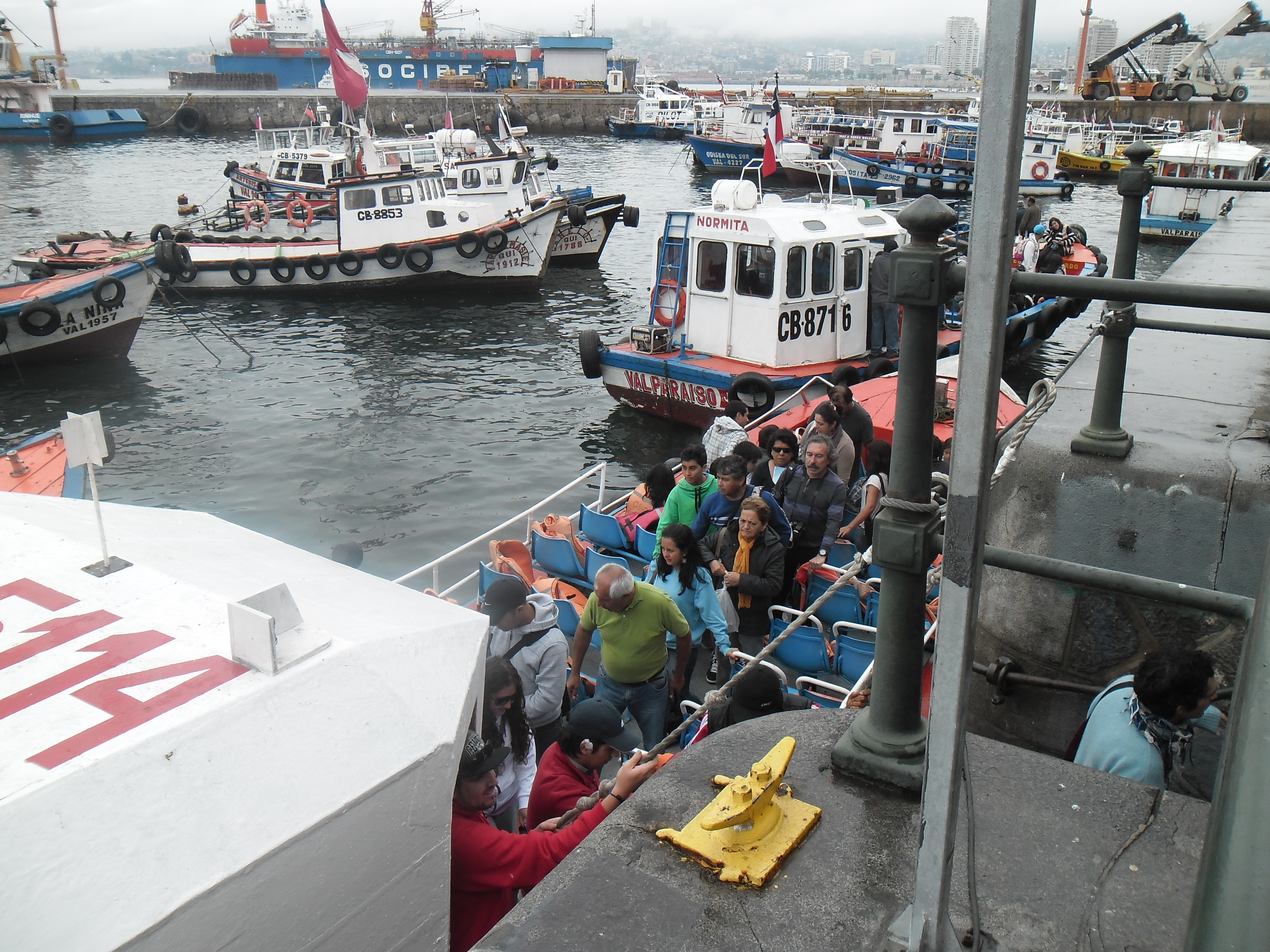
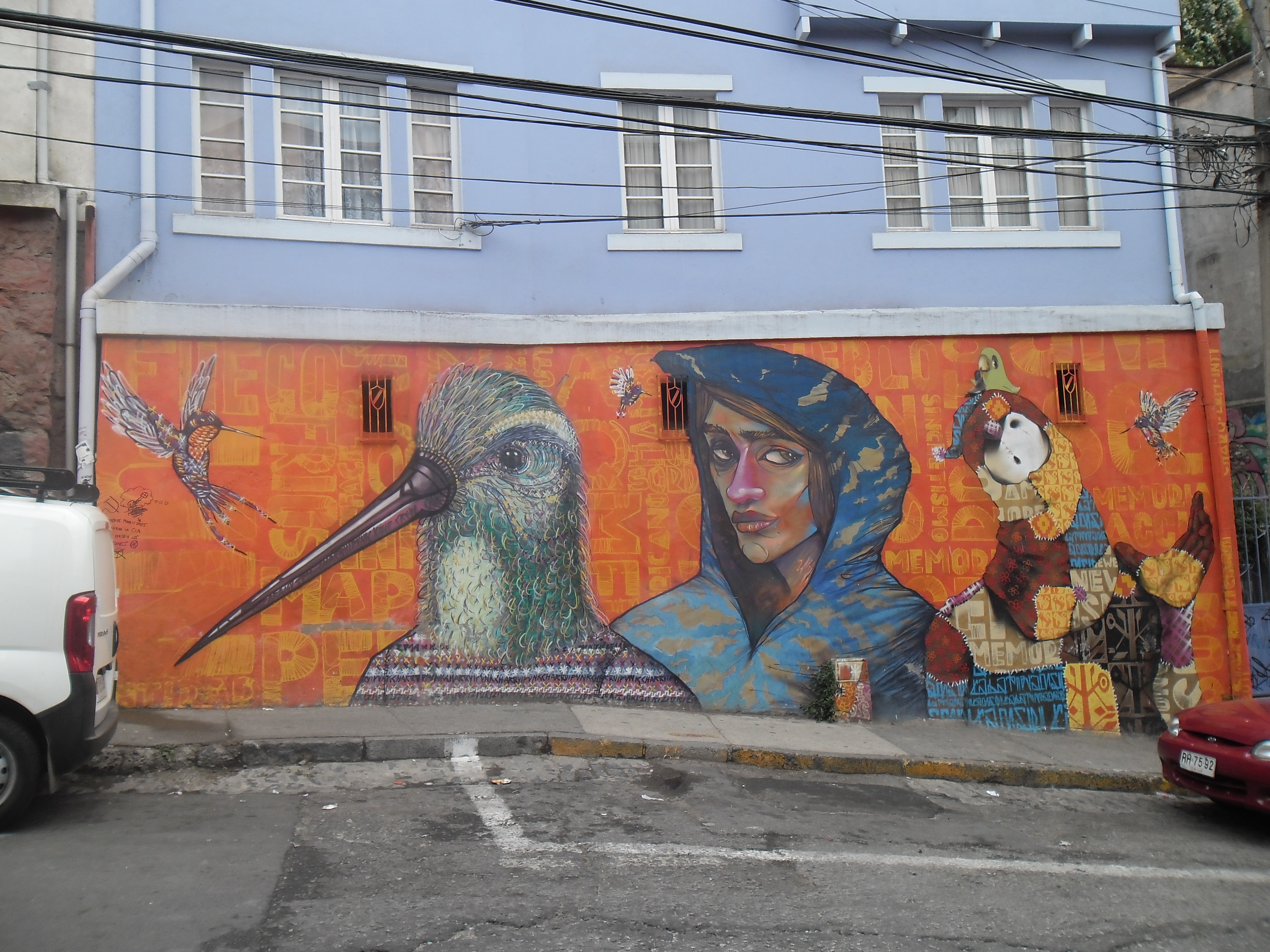
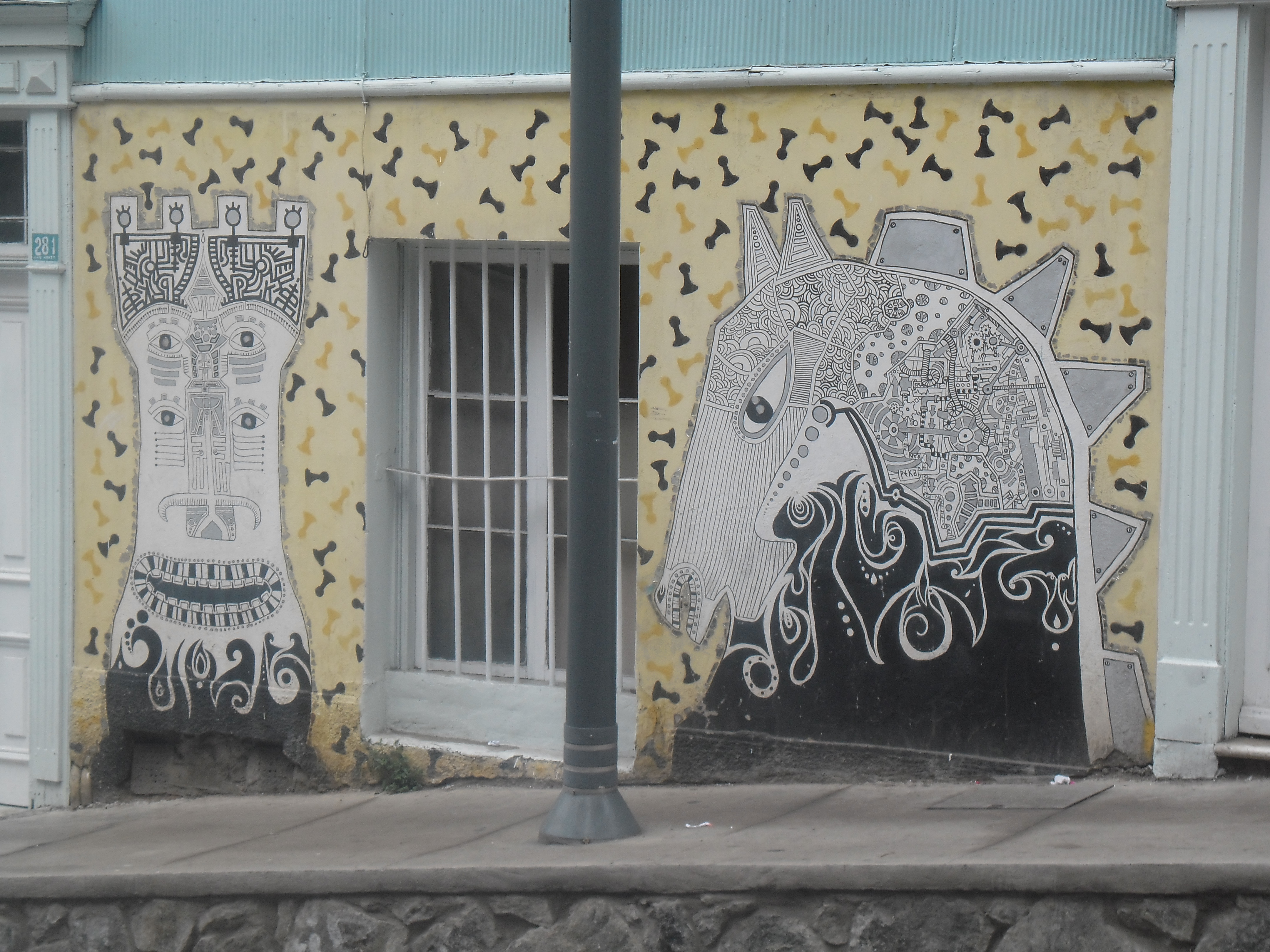
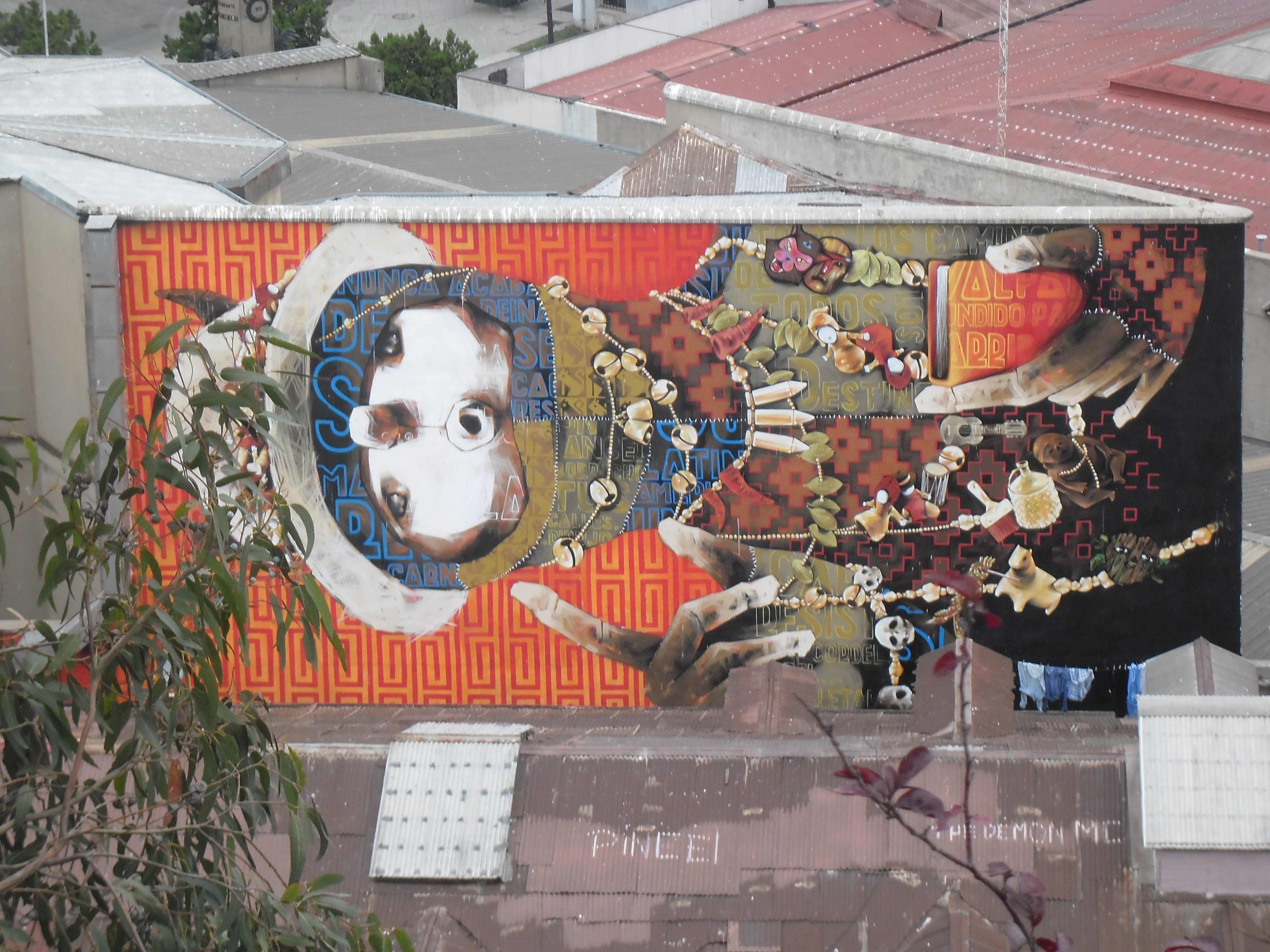
 The town is full of tourists. Lots of peole from Brazil and other parts of Chile. Lots of people from France and Germany. Mostly, they wander through the streets, looking at the beautiful views and discussing which restaurant they want to eat at. The big vistas out to the bay, the steep streets, the colorfully painted buildings. The town is also famous for the colorful murals that are all over.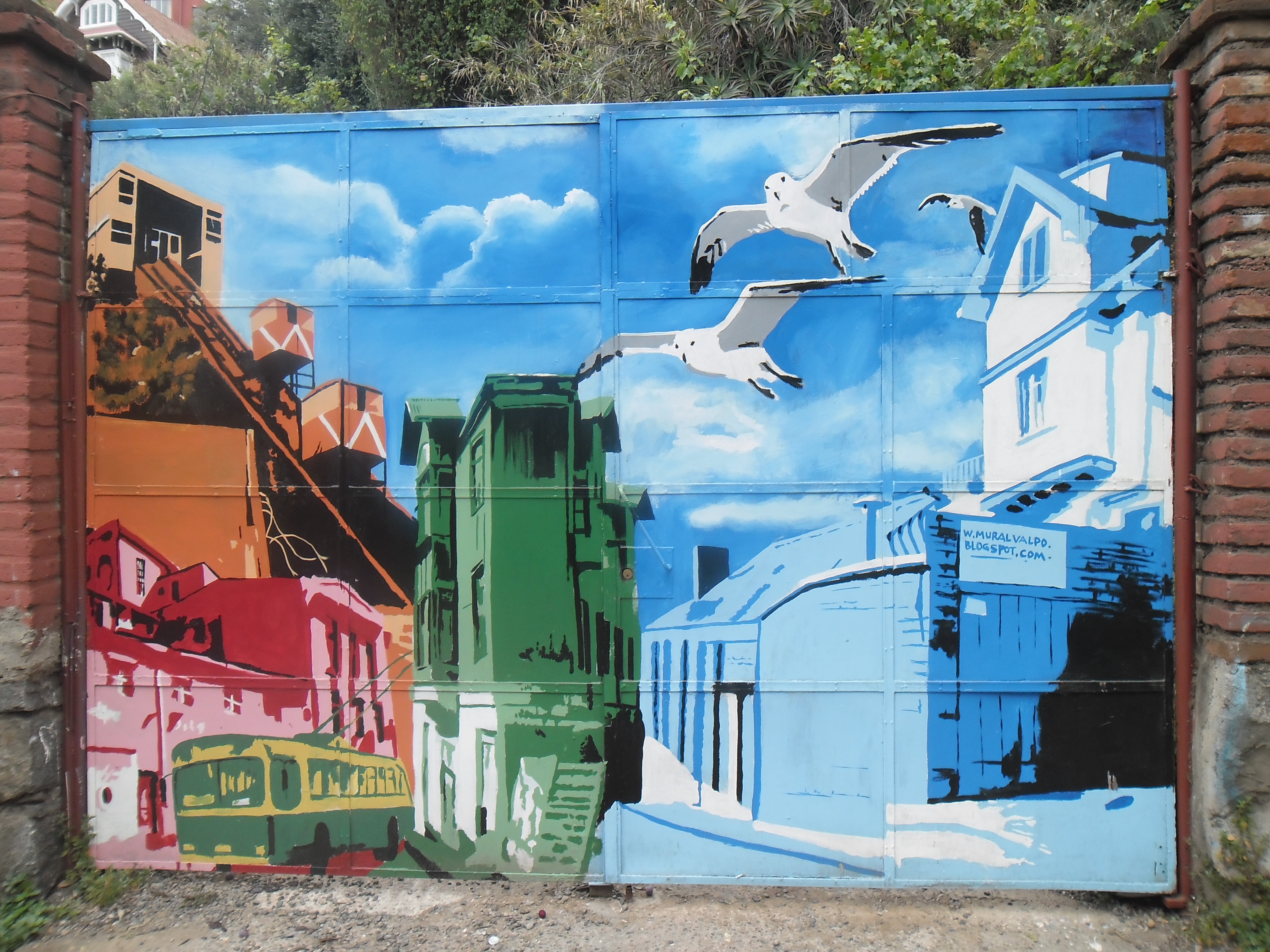
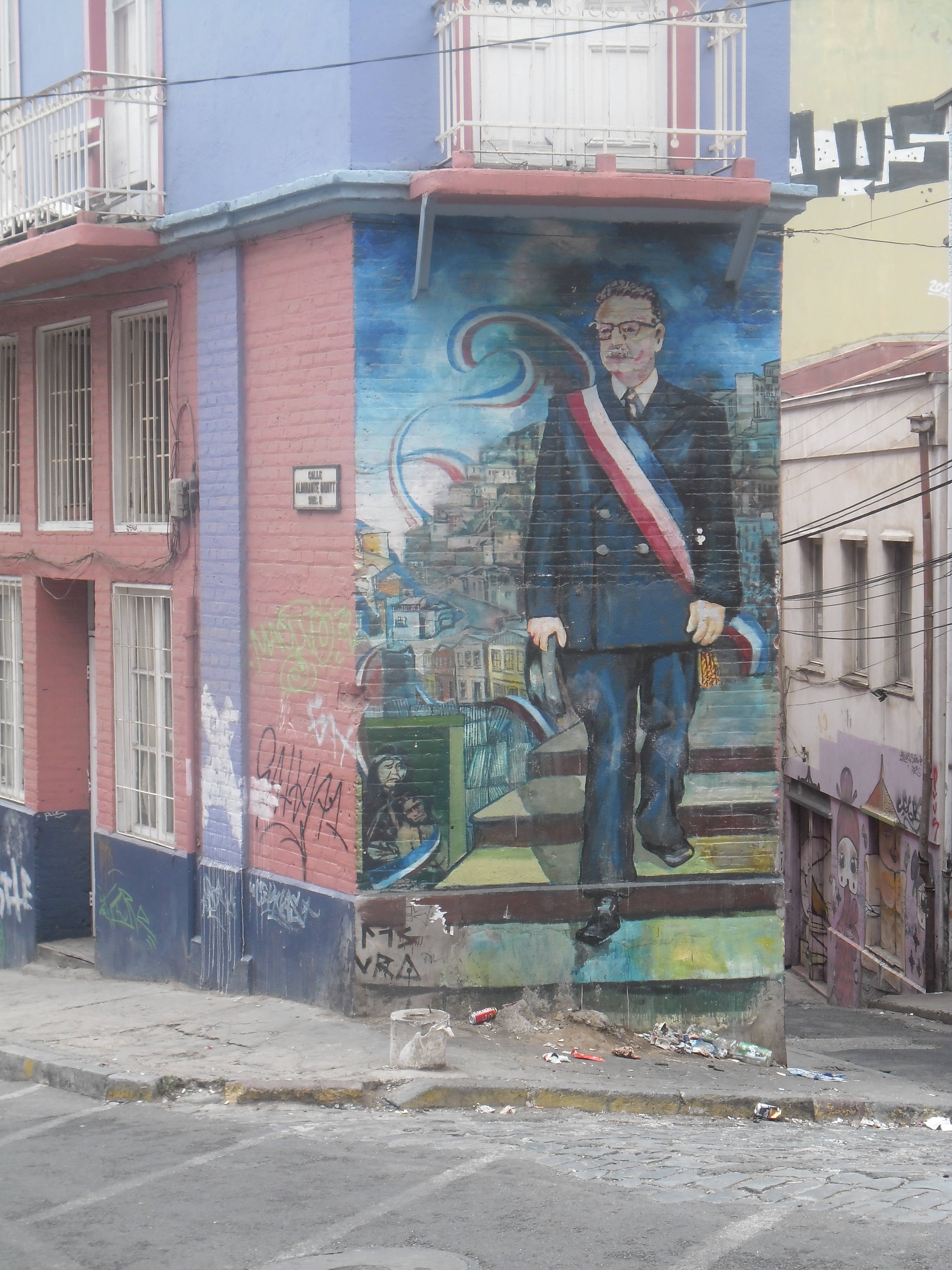
 Even Salvador Allende has a rememberance.
 We stayed in a little hostel (five rooms) in a historic part of town. We took an ascensor up and down to get there and to go to the city. The hostel had a “balconcito” where we could look out over the street.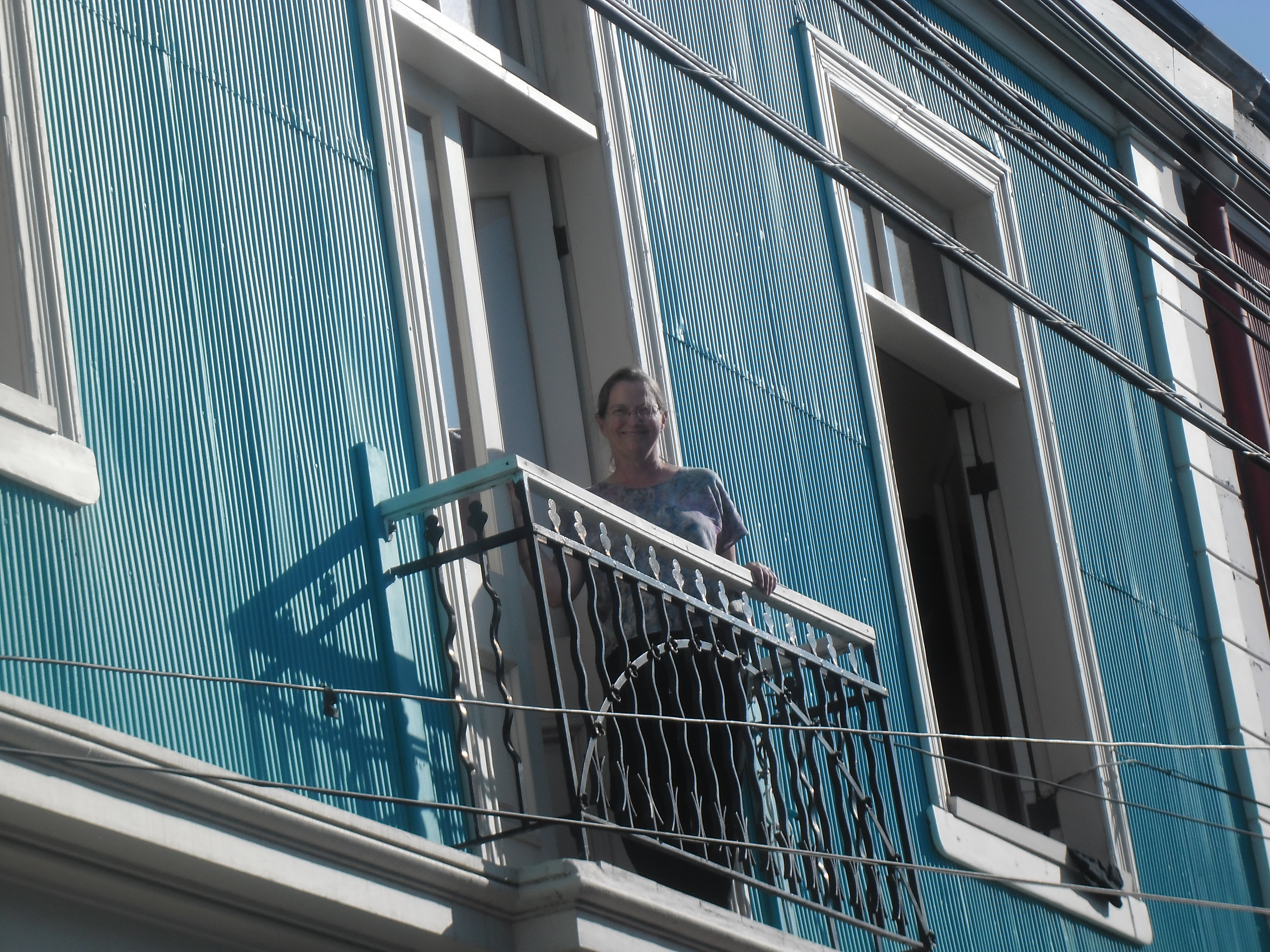
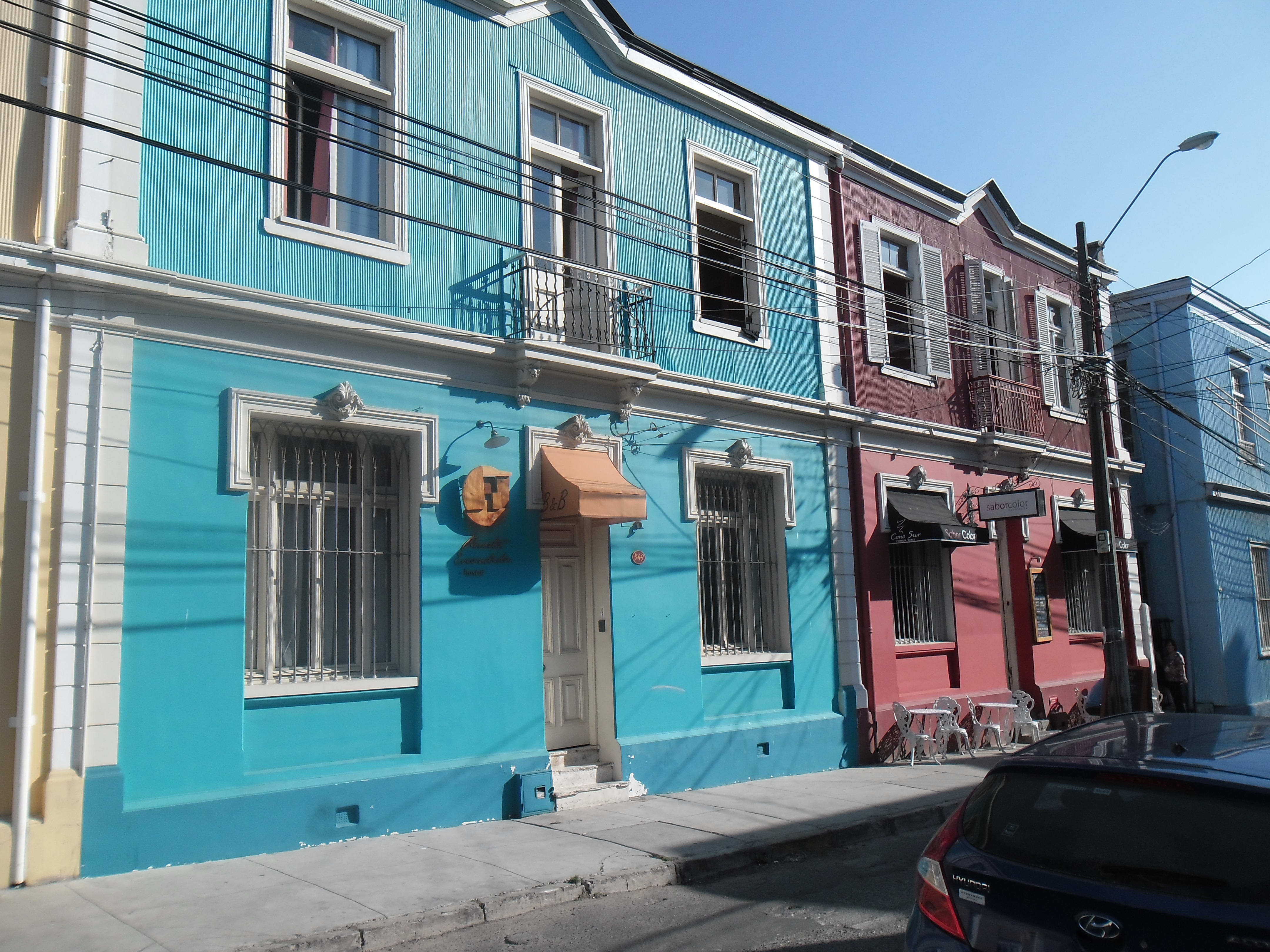
Our hostel, “Puerta Escondida” is the blue building.
We wandered through the town like the rest of the tourists, enjoying the beauty. 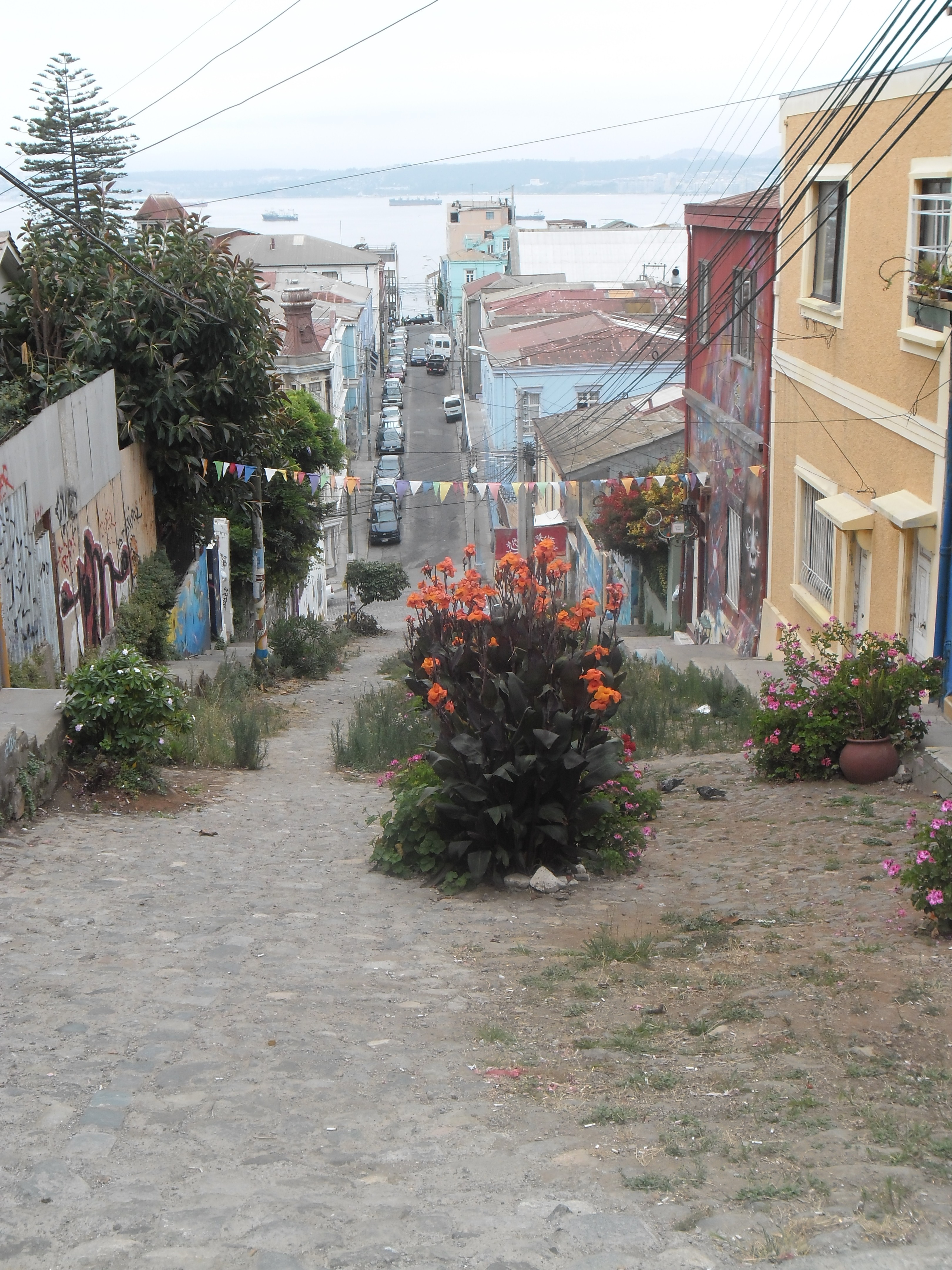
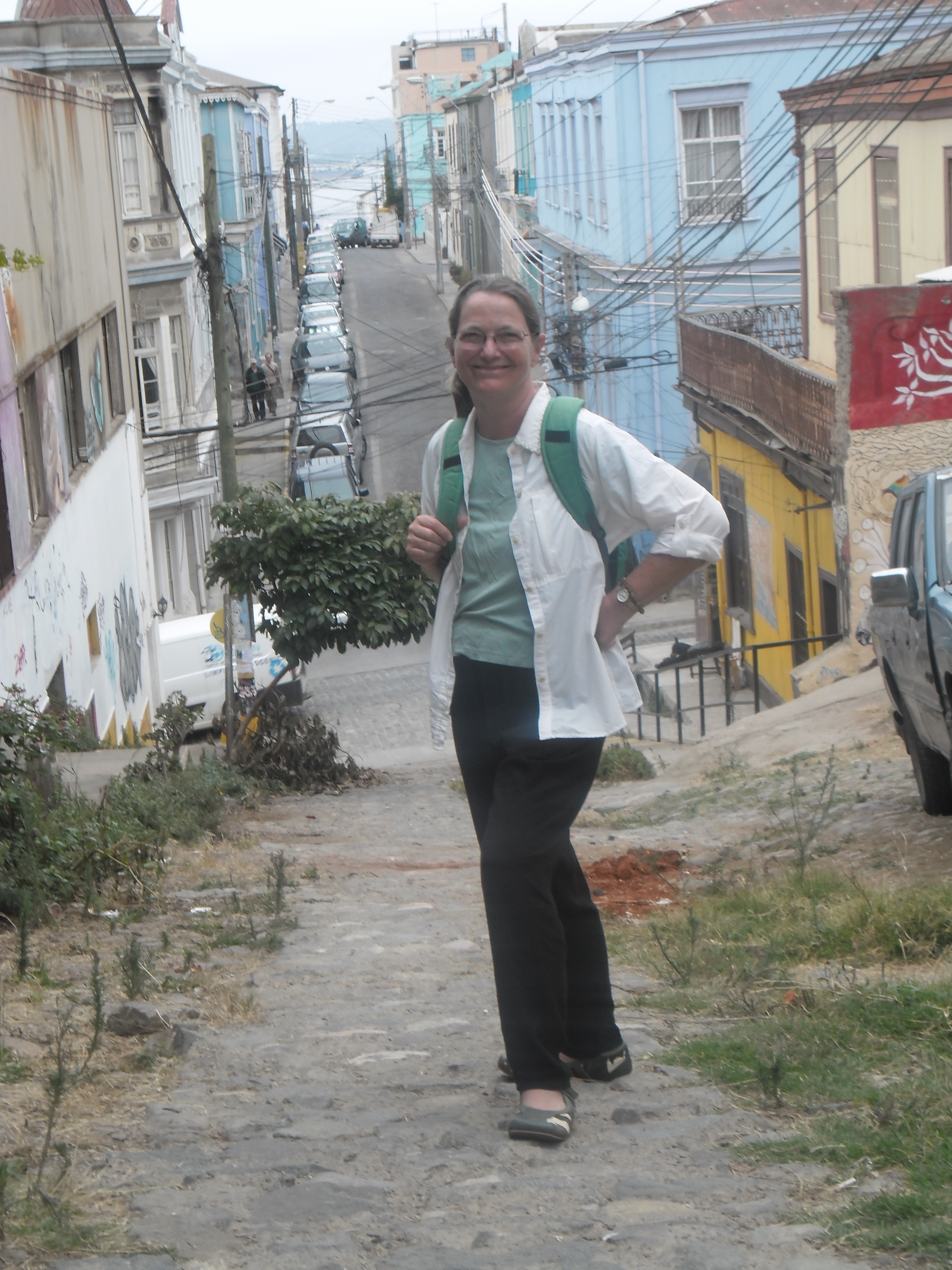
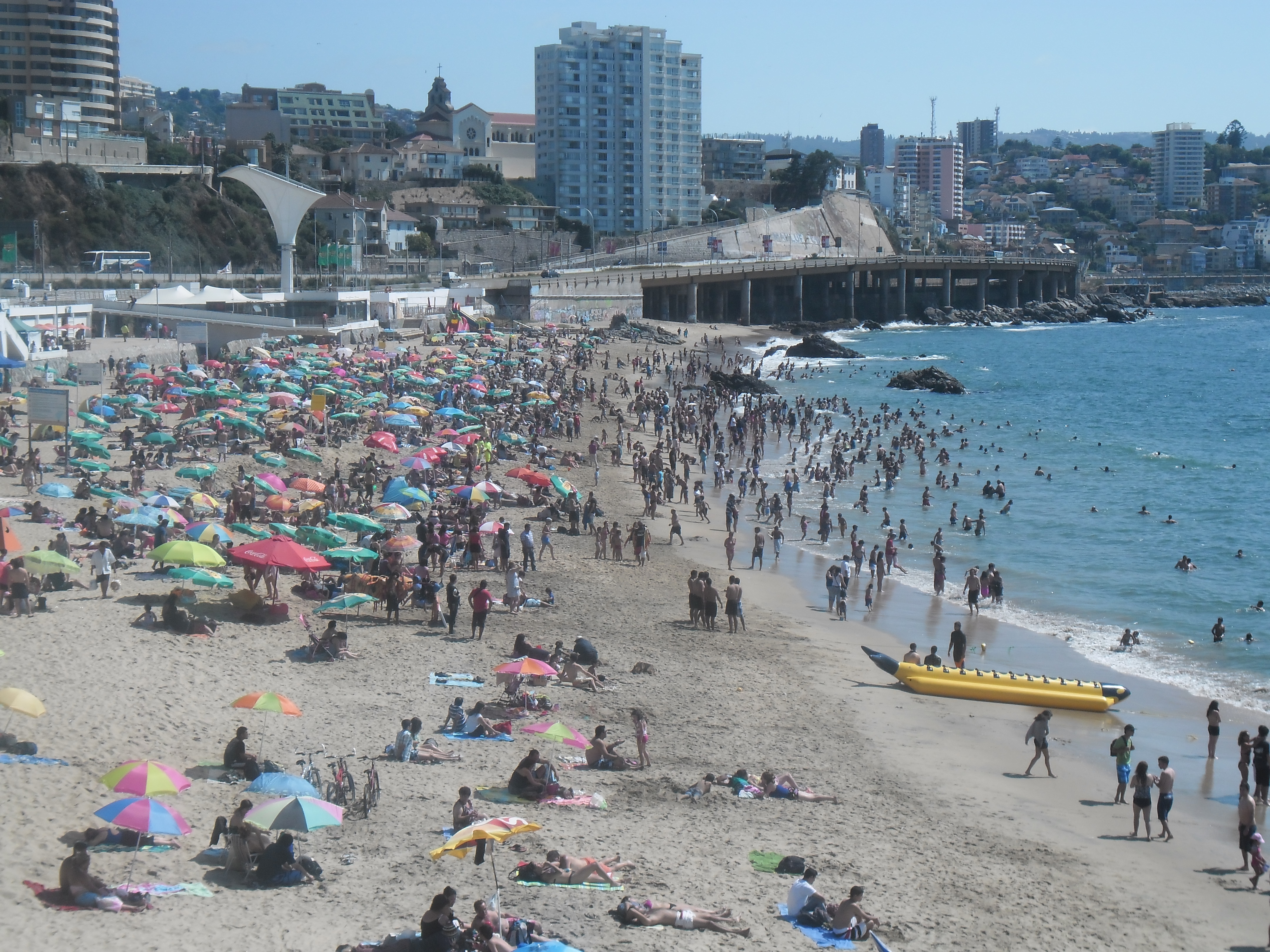
 One day, we took a bus and went north of town, to check out the beaches and towns. This is mid-January, and high season for the people of Santiago (los santiaguinos) to head for the beaches. It’s summer vacation for the kids, it’s hot in the city, and families take off. Viña del Mar is a city right on the ocean, just a few kilometers from Valparaíso. The beaches were full of people. Chilenos everywhere you looked.
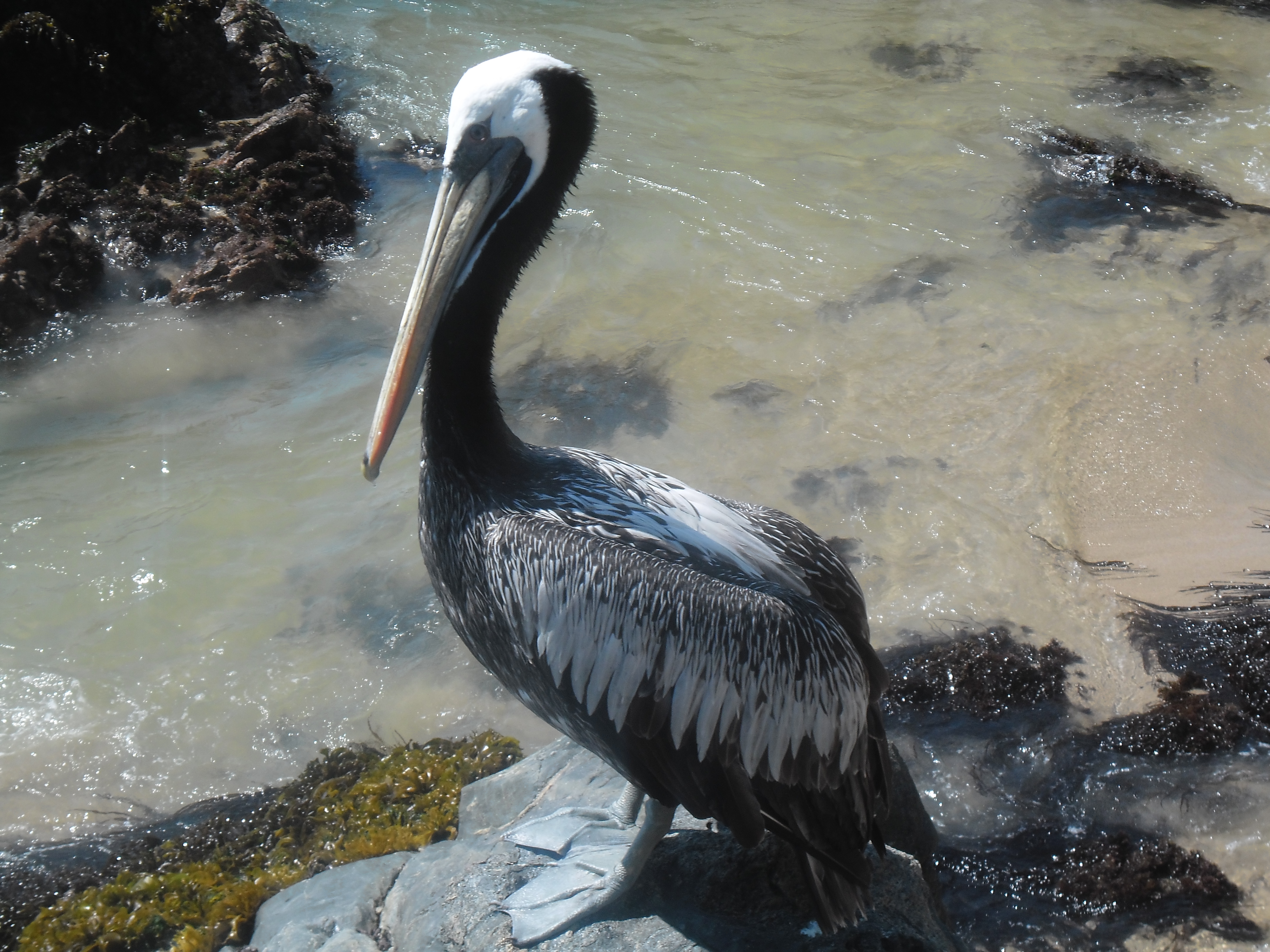
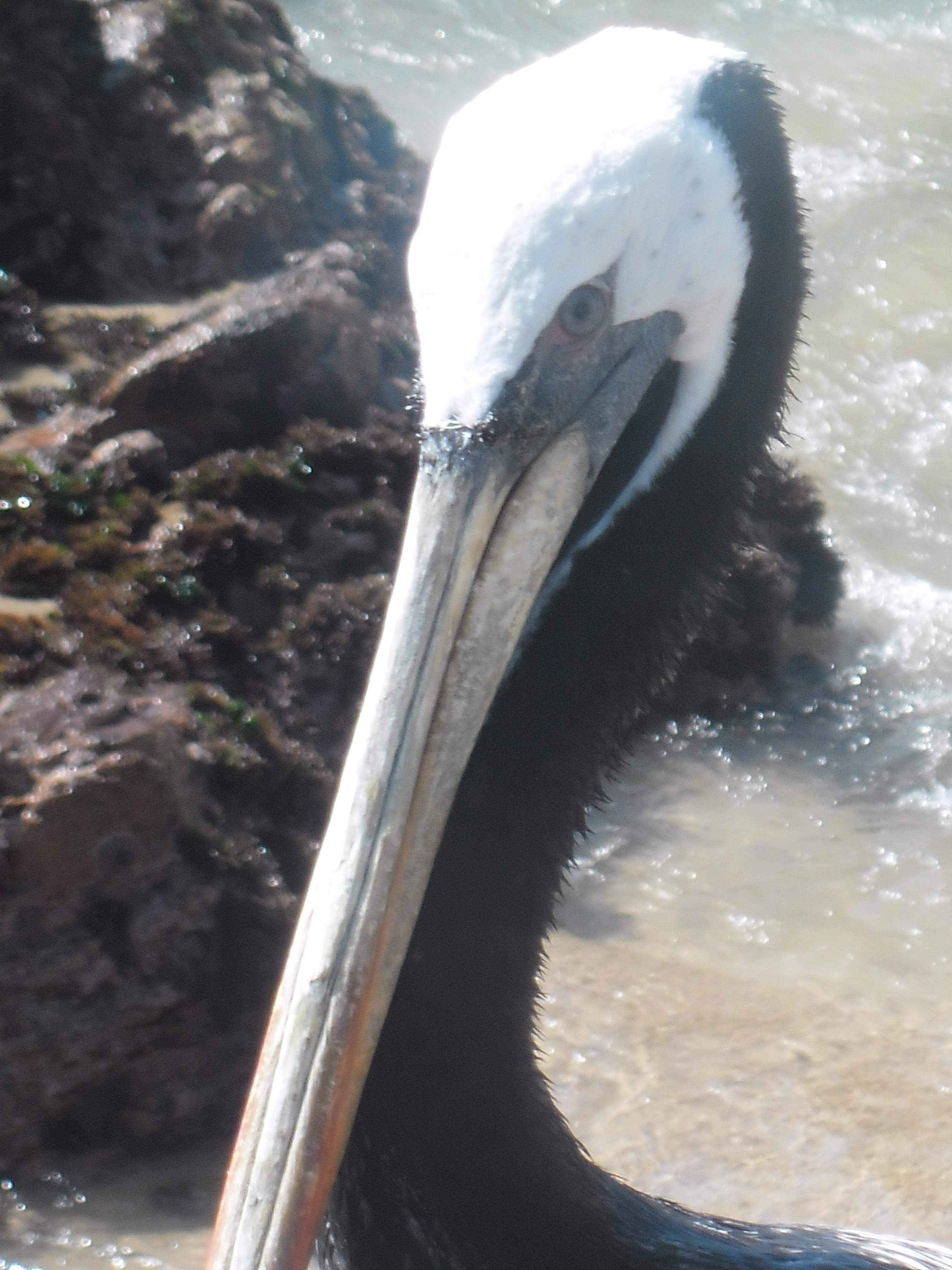
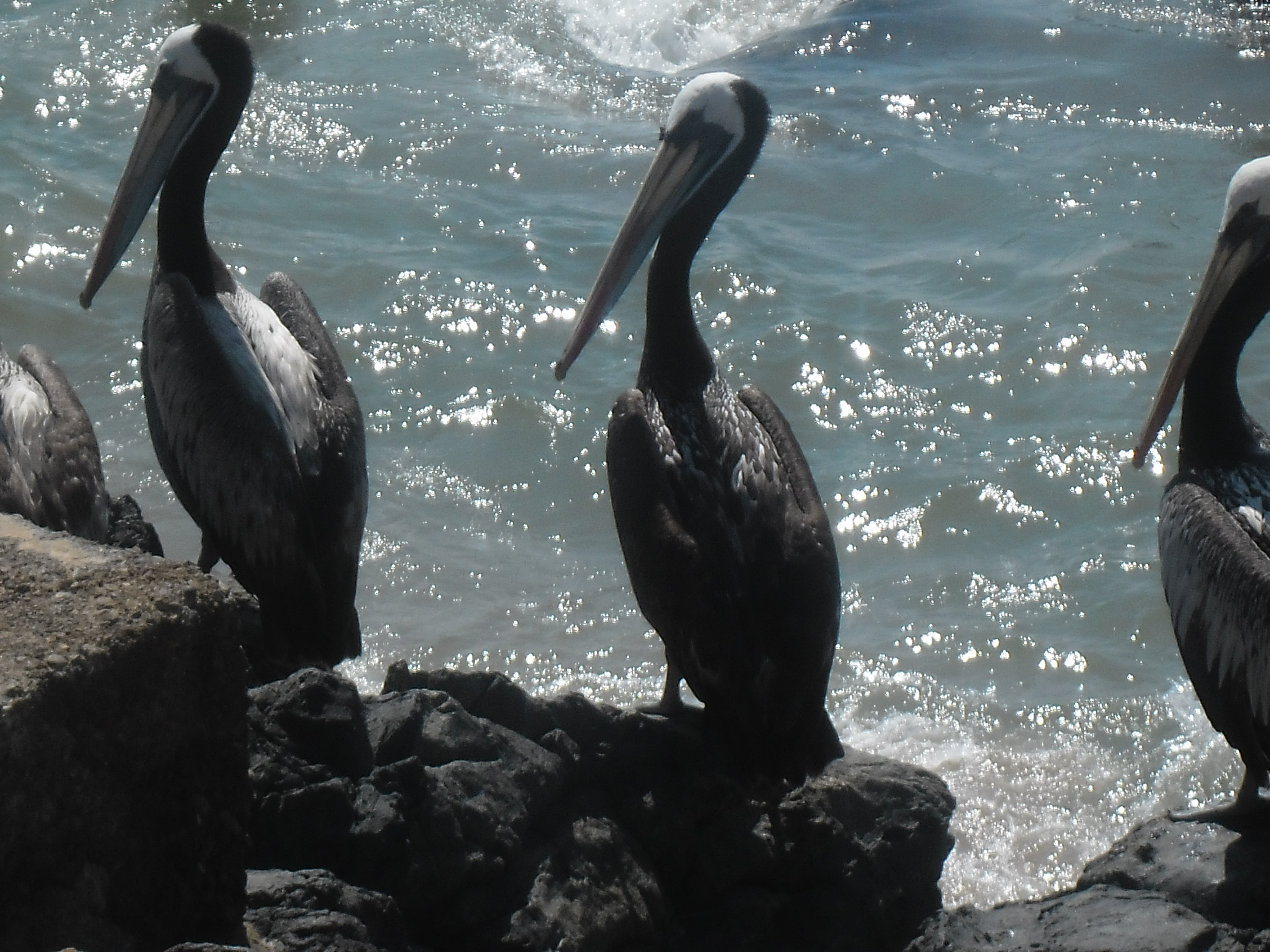
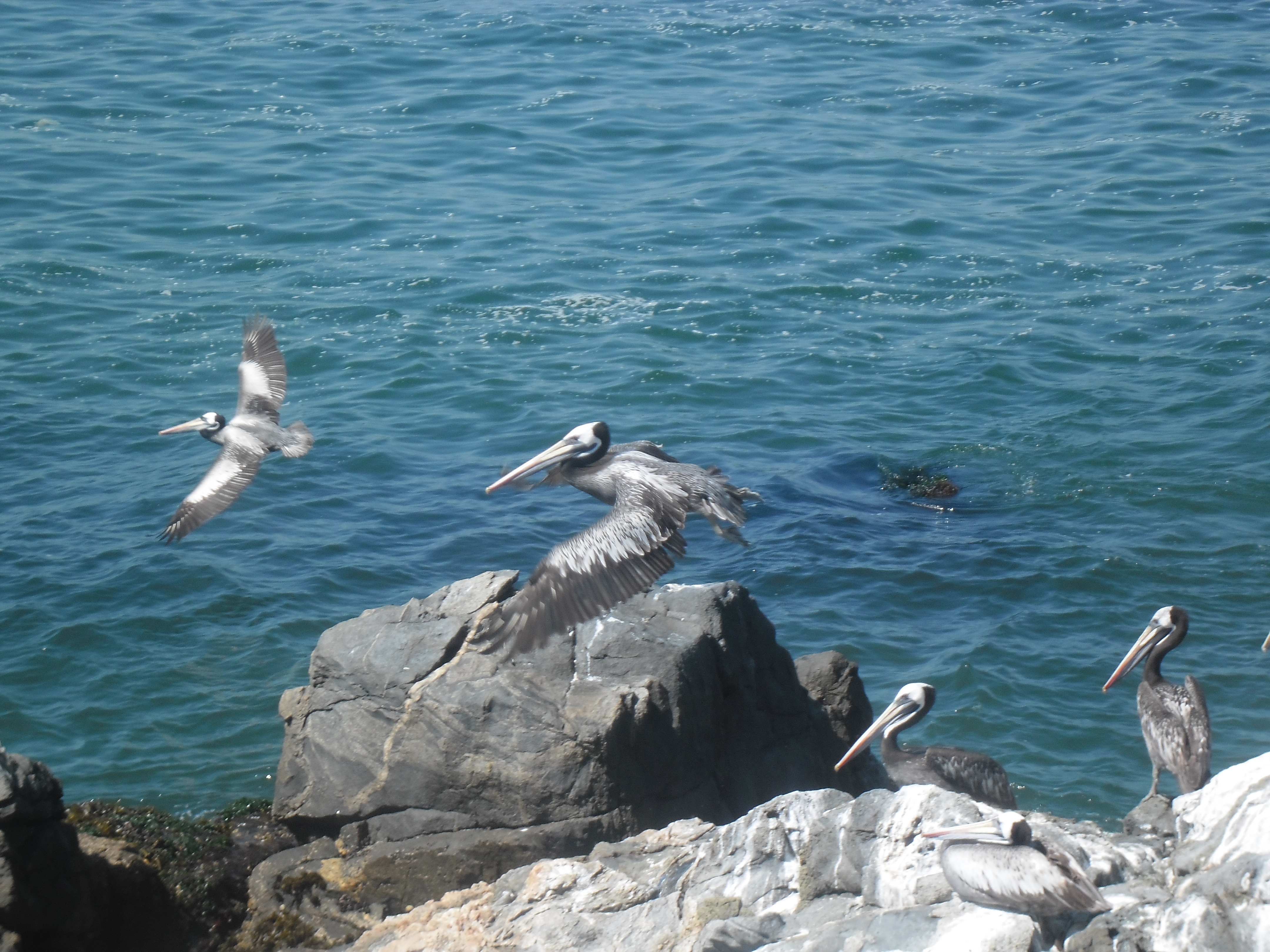
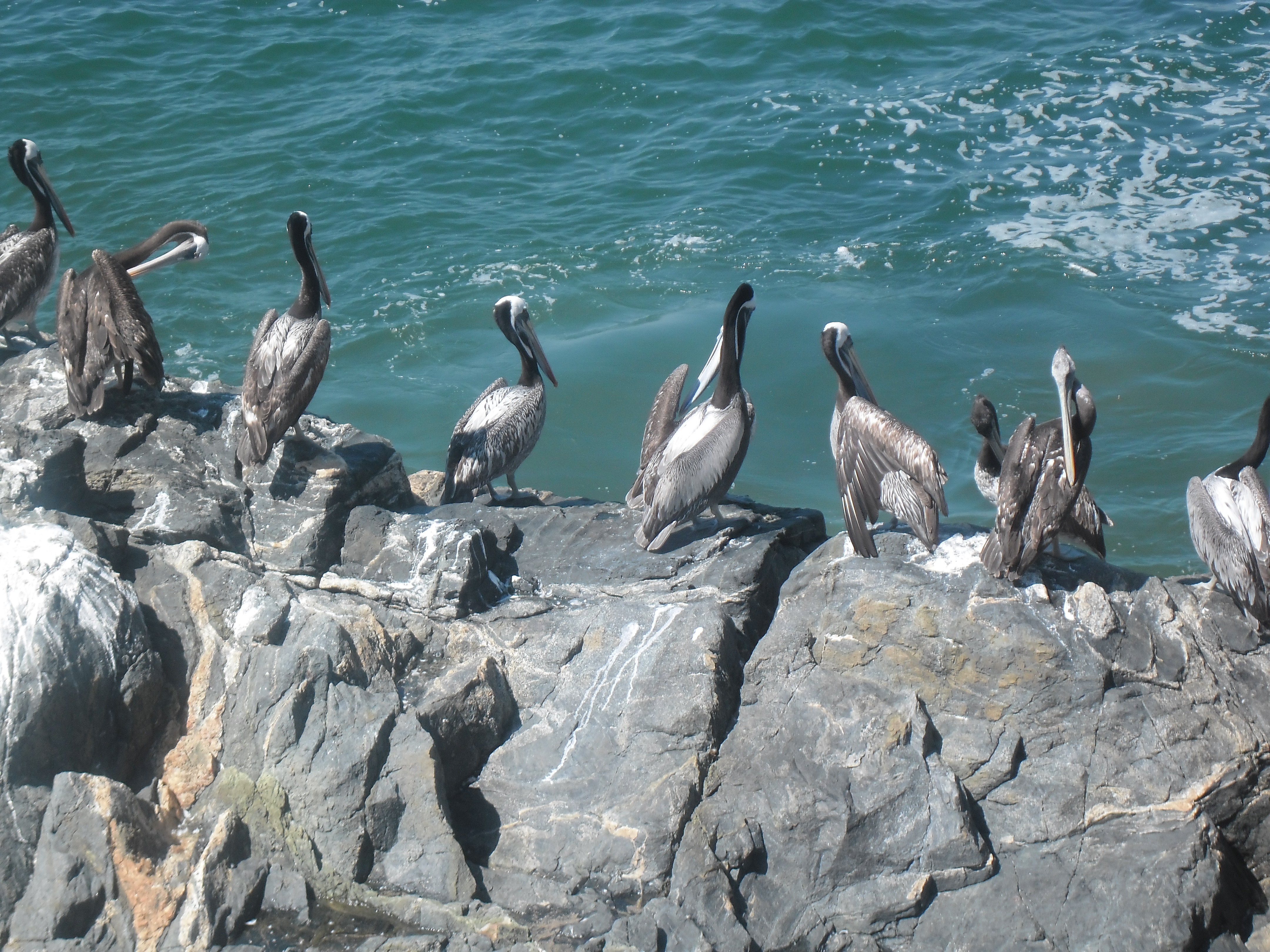
 There were also lots of pelicans nearby. We spent an hour or so being closer to pelicans than we’ve ever been. They are spectacular birds, and I love seeing them on the Oregon coast, but yu can’t see them this close. And the pelicns here are different. They fly the same, but they have distinctive black and white band on the tops of their wings, visible as they fly.
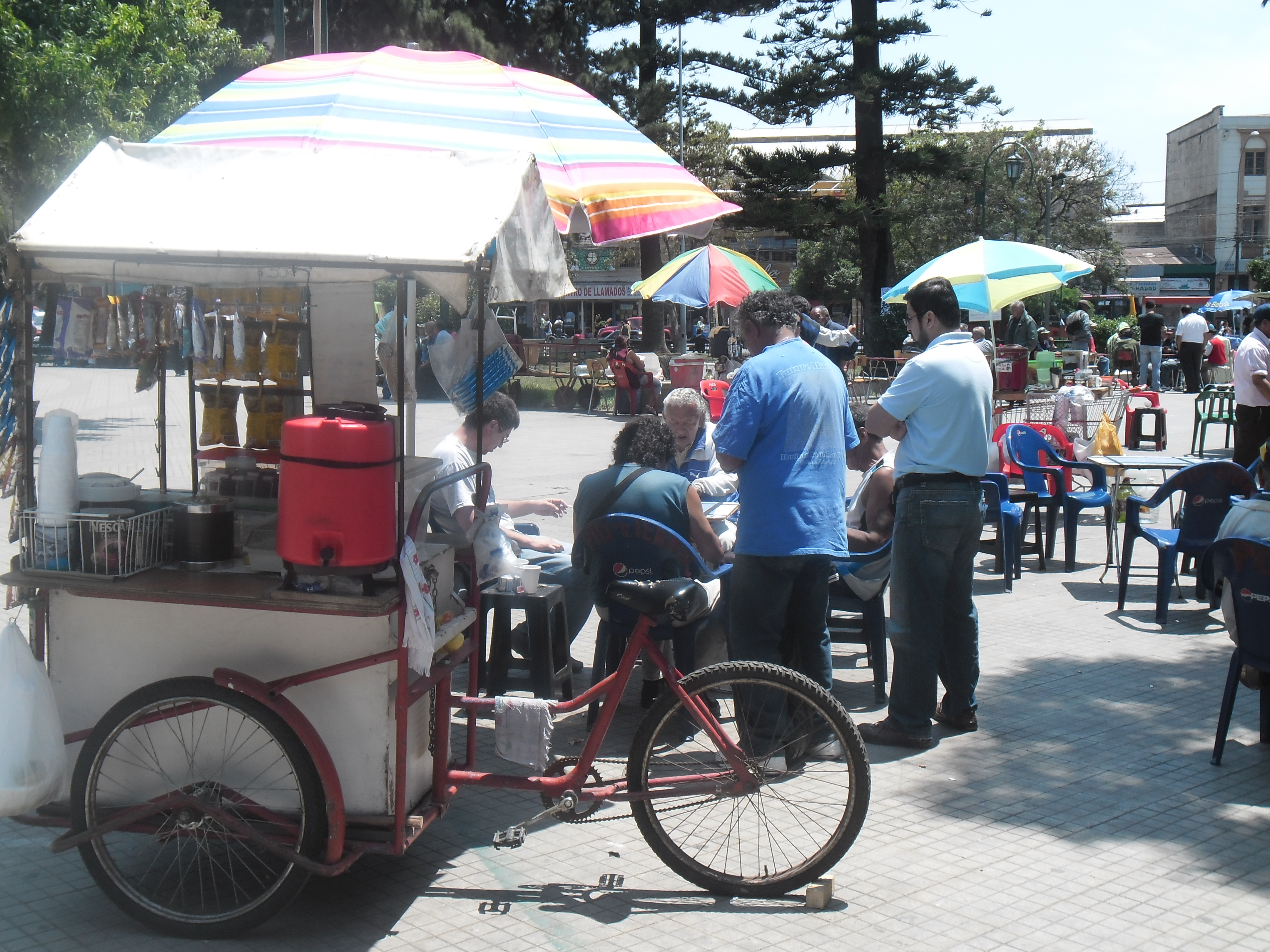
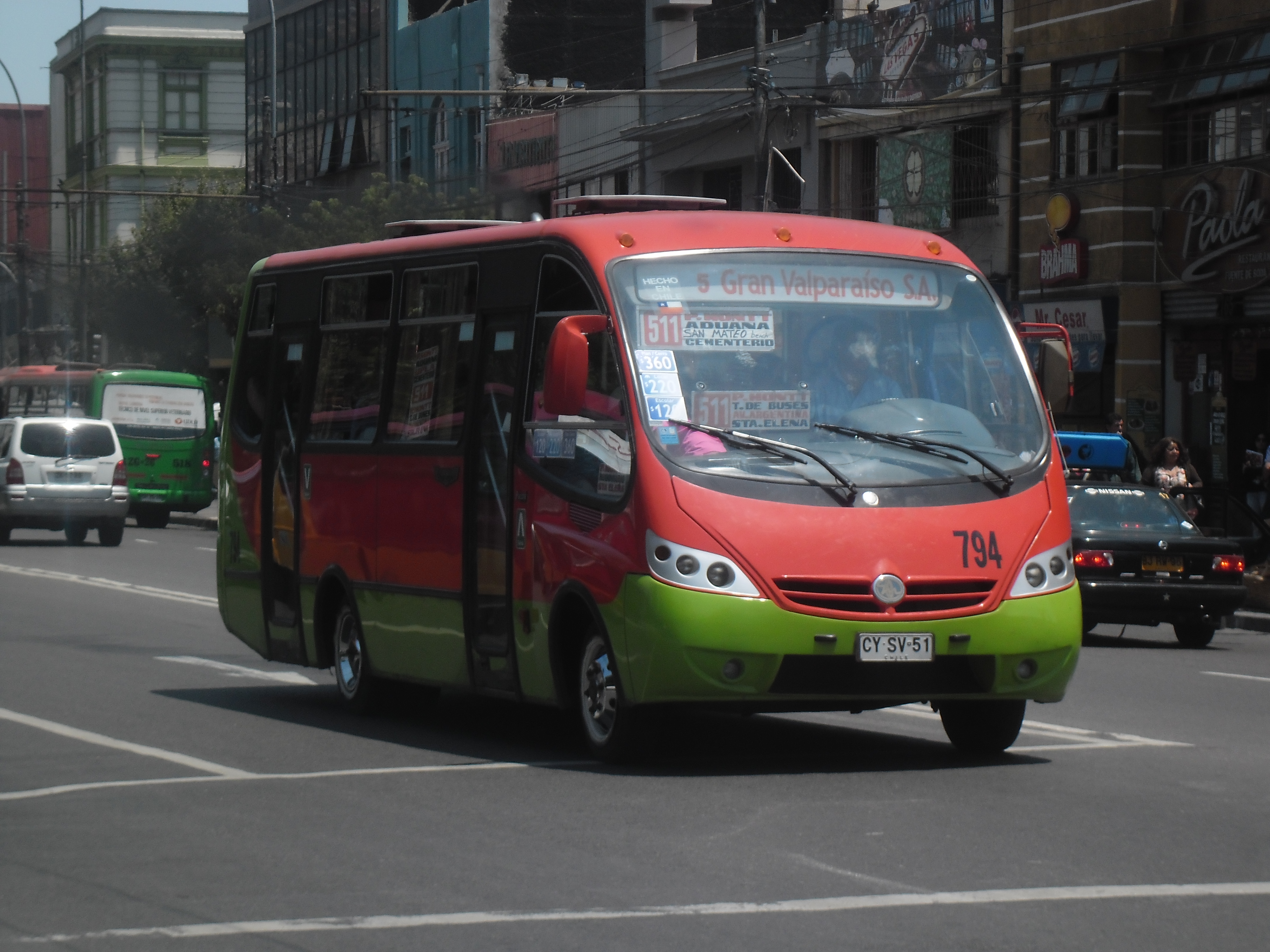
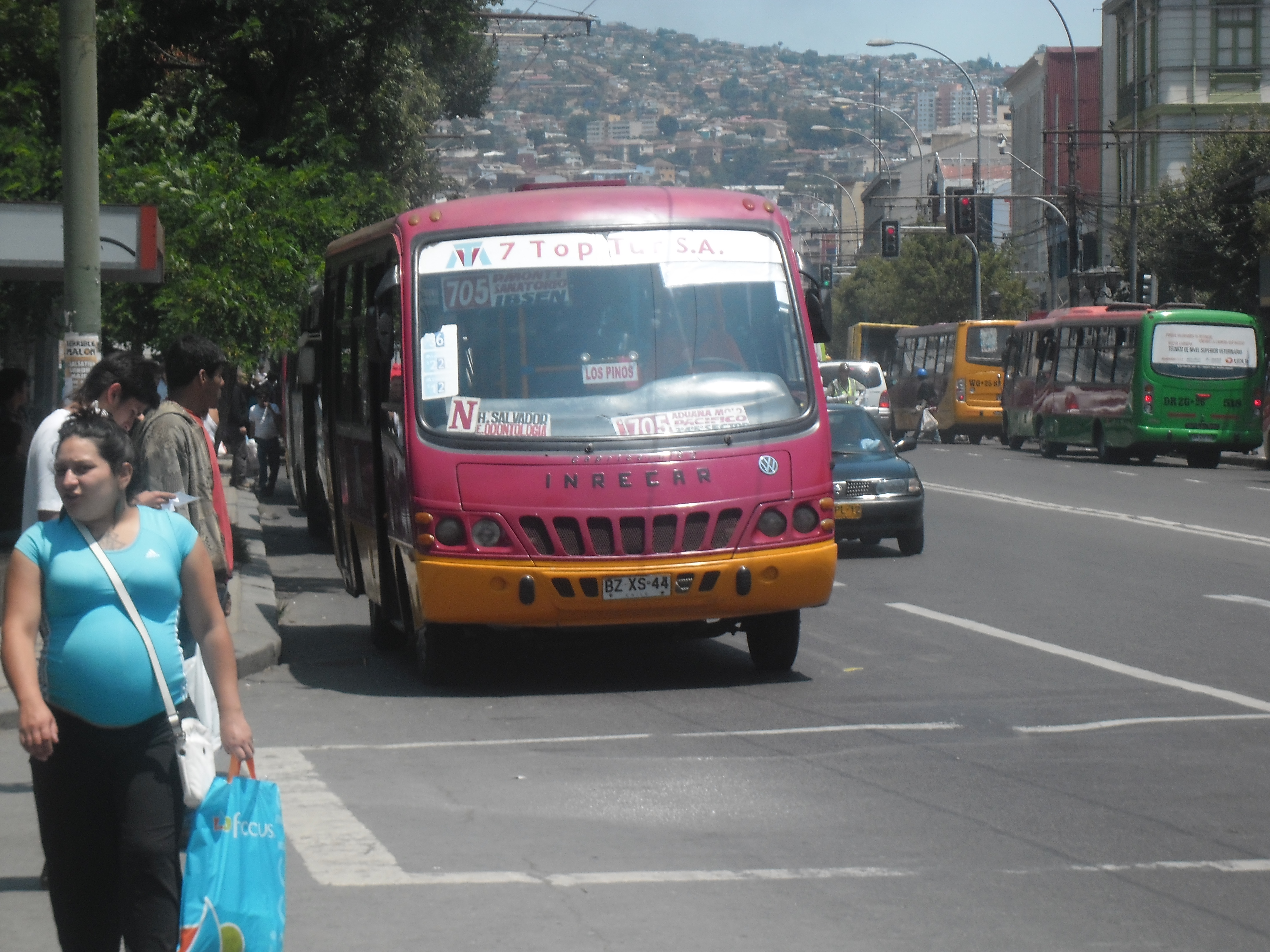
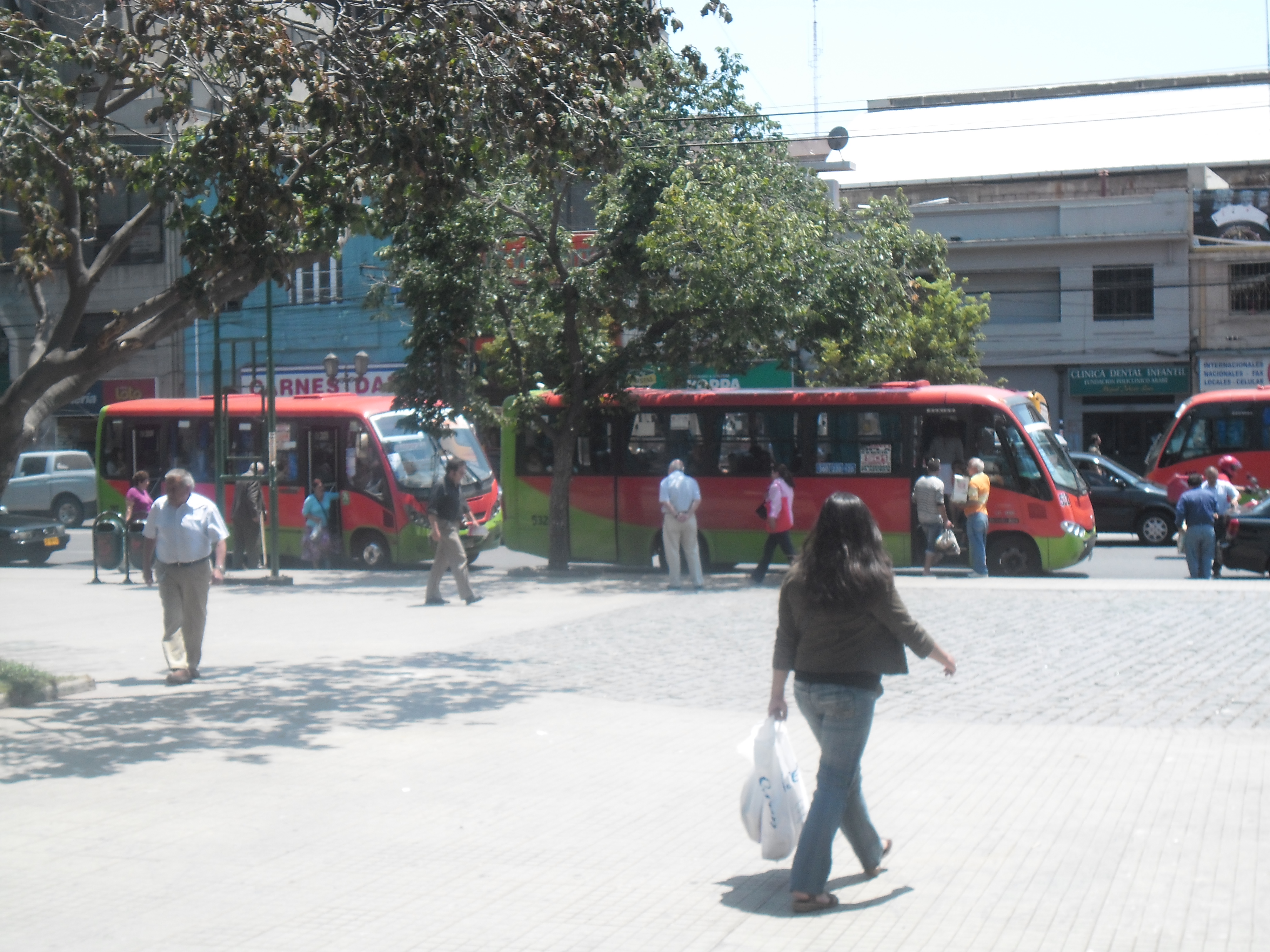
 Of course, Valparaís is much more than a tourist and beach town. The plazas are full of life, especially in the early evening. In the afternoons, though, they’re also full of people playing cards, buying and selling, and spending time. People get around the city on little buses that zip along. They have their designated routes, but they don’t have many actual bus stops. You can just flag them down wherever you are, and get off wherever you want. The traffic, like the city itself, is very chaotic, but they do stop for you when you’re in a crosswalk.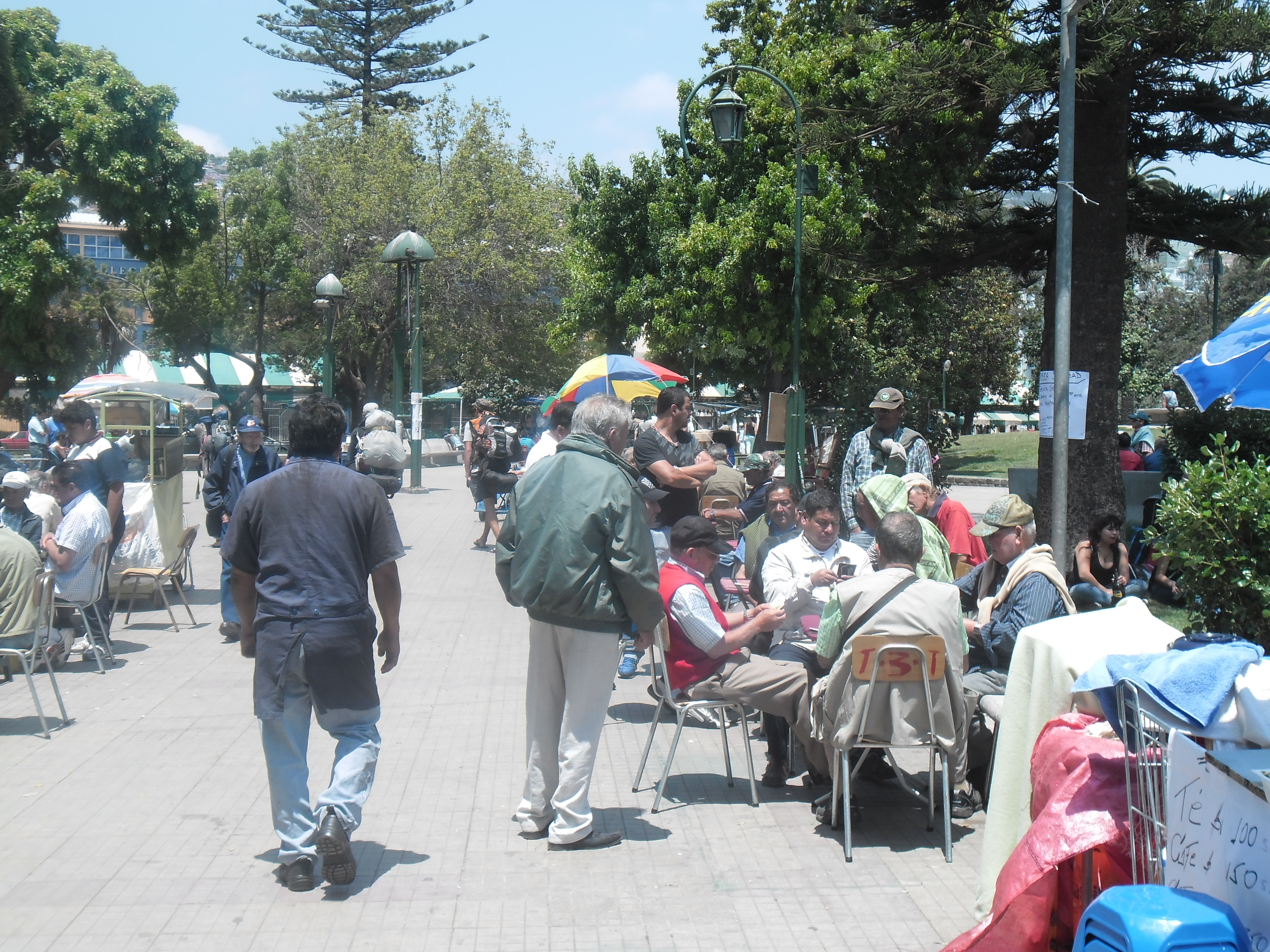
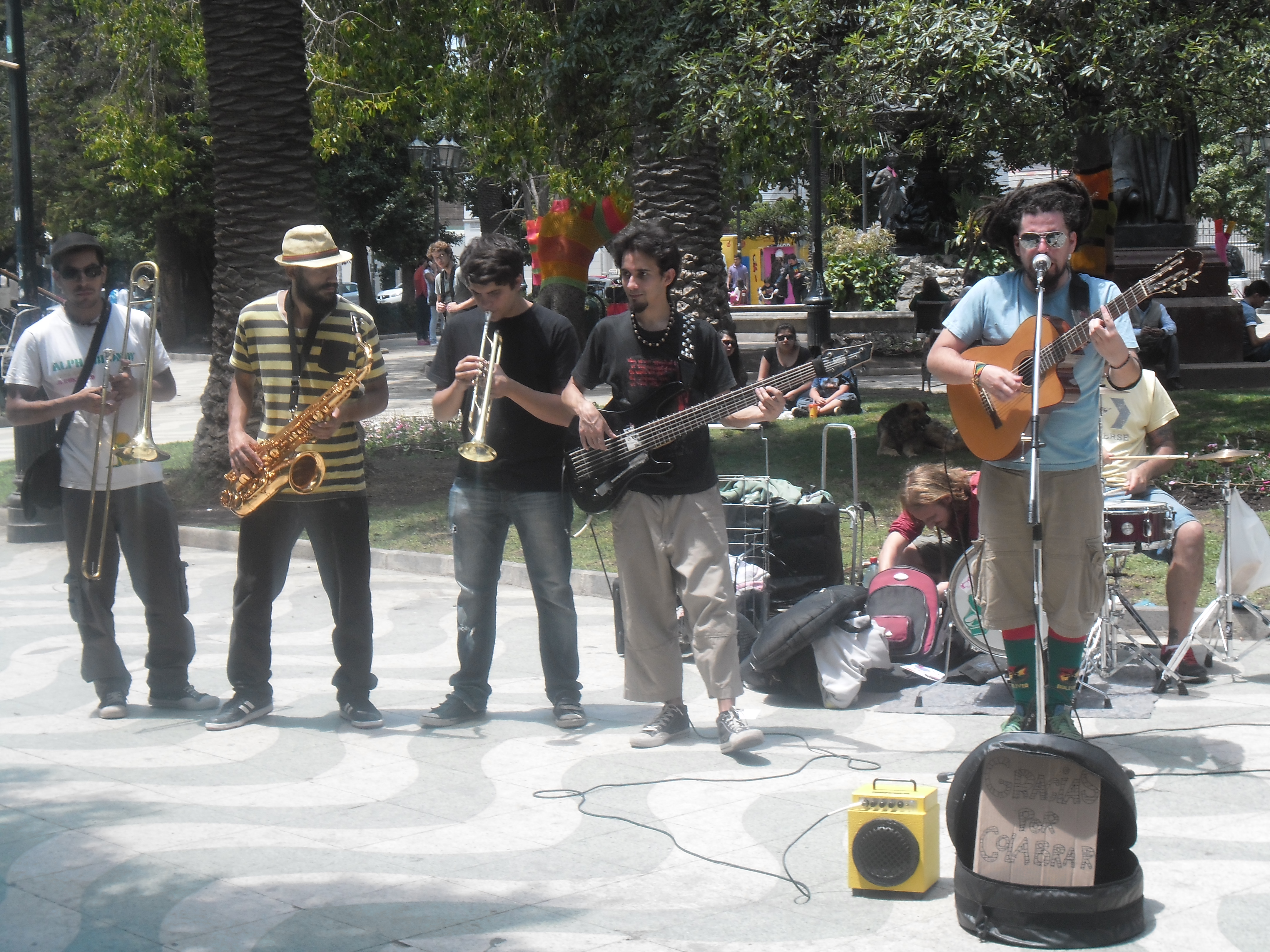
Great music! They got a tip from us.
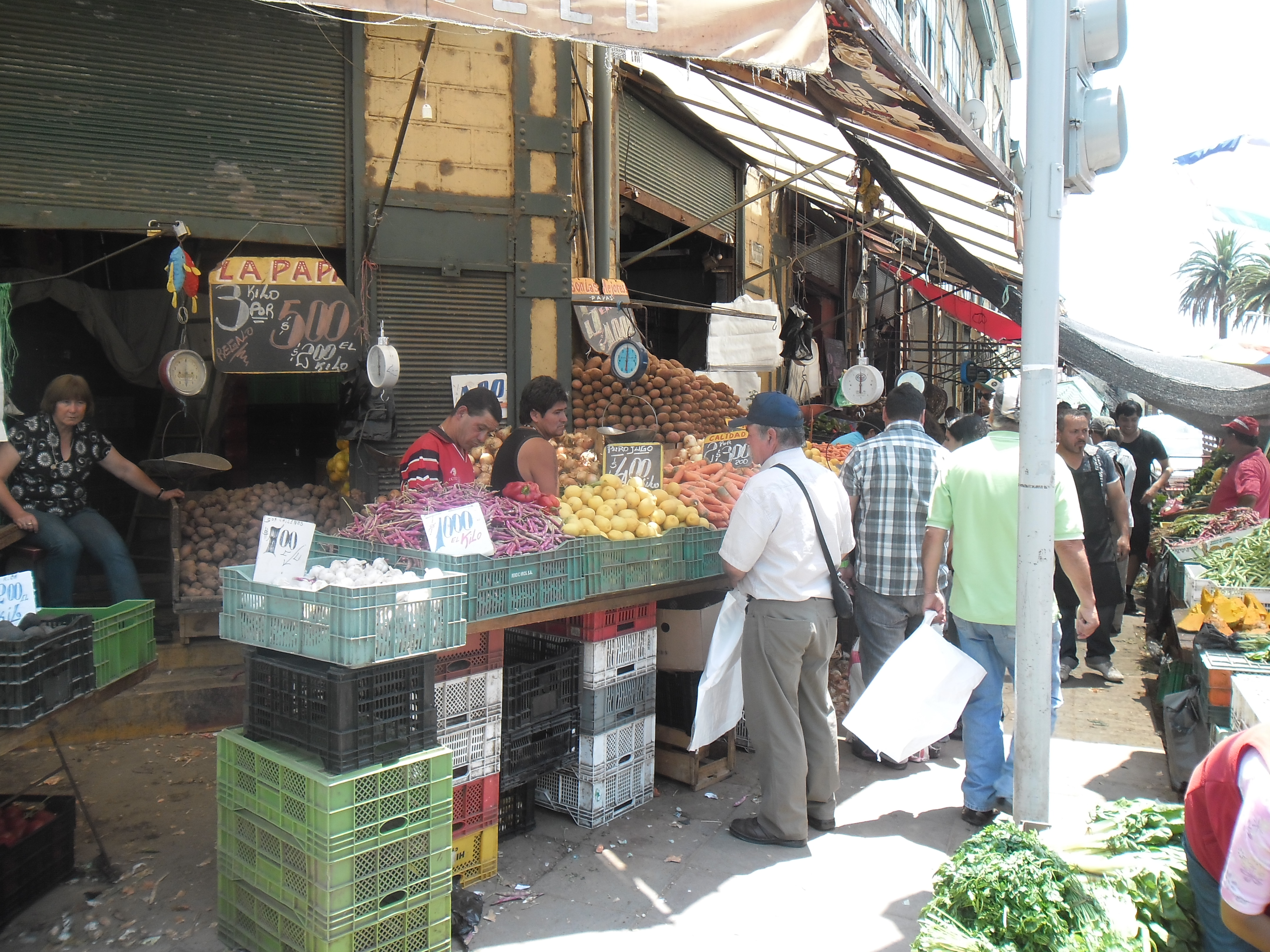
The market is also bustling and beautiful. Lots of great produce, lots of great seafood. 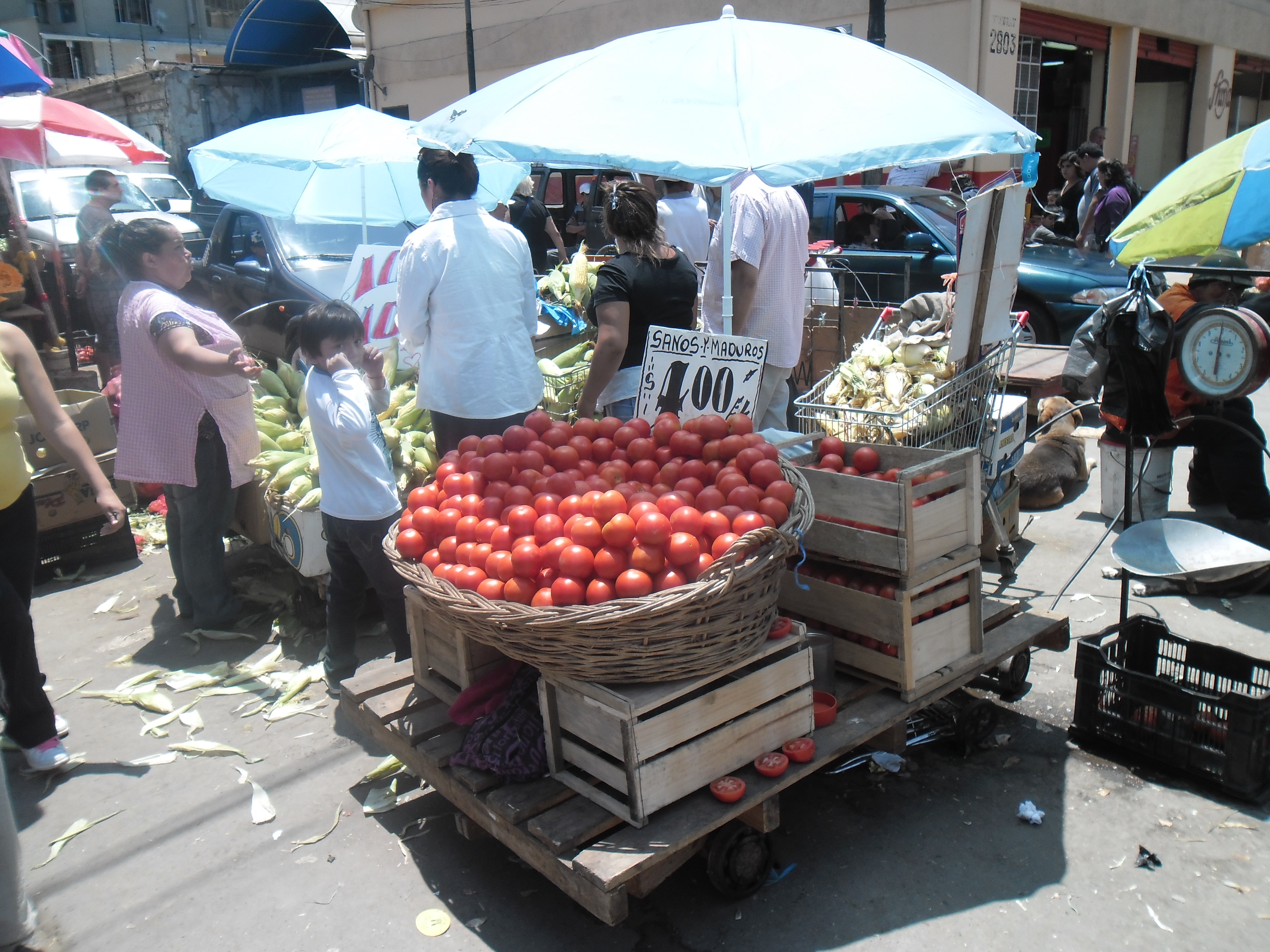
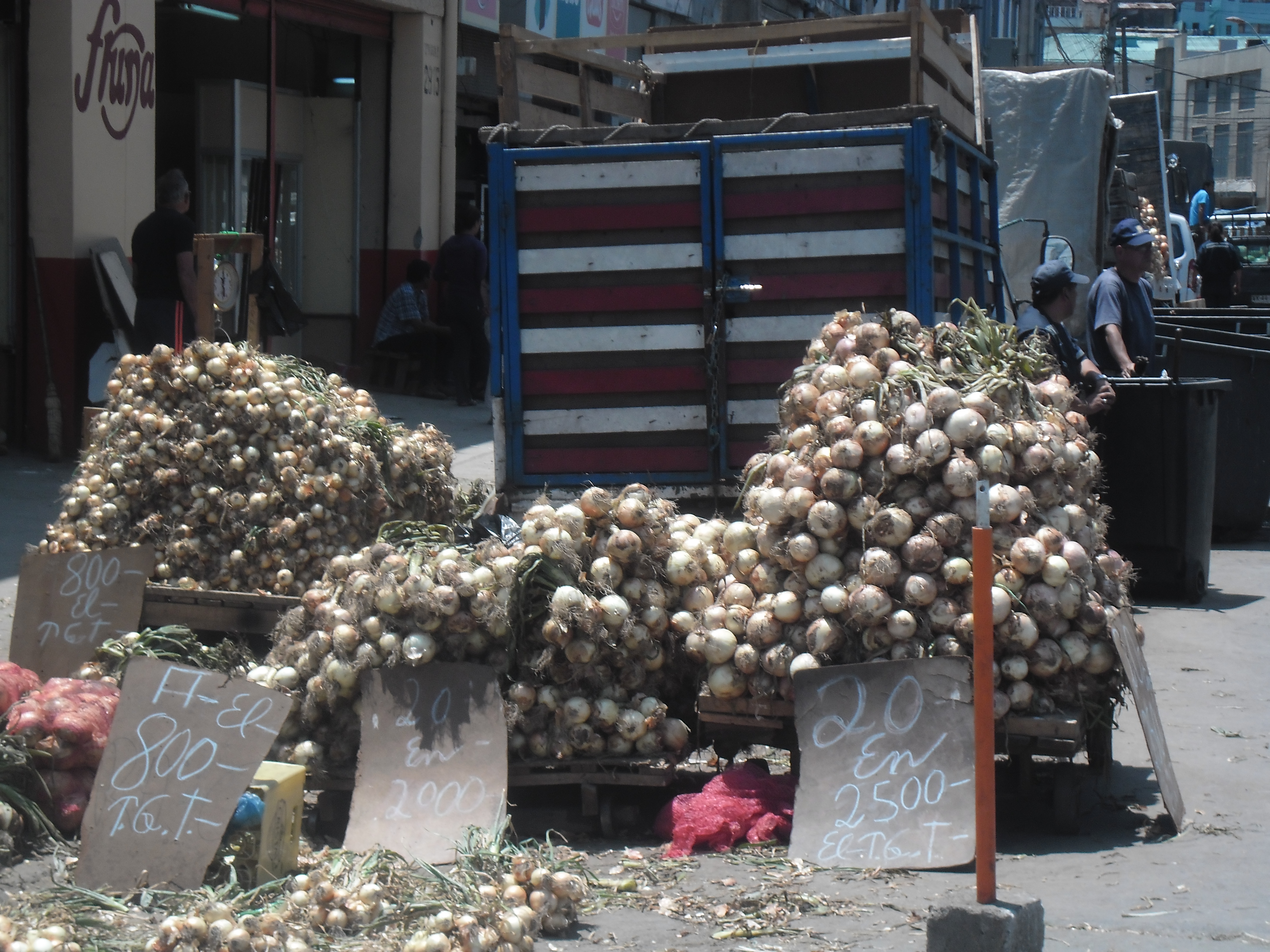
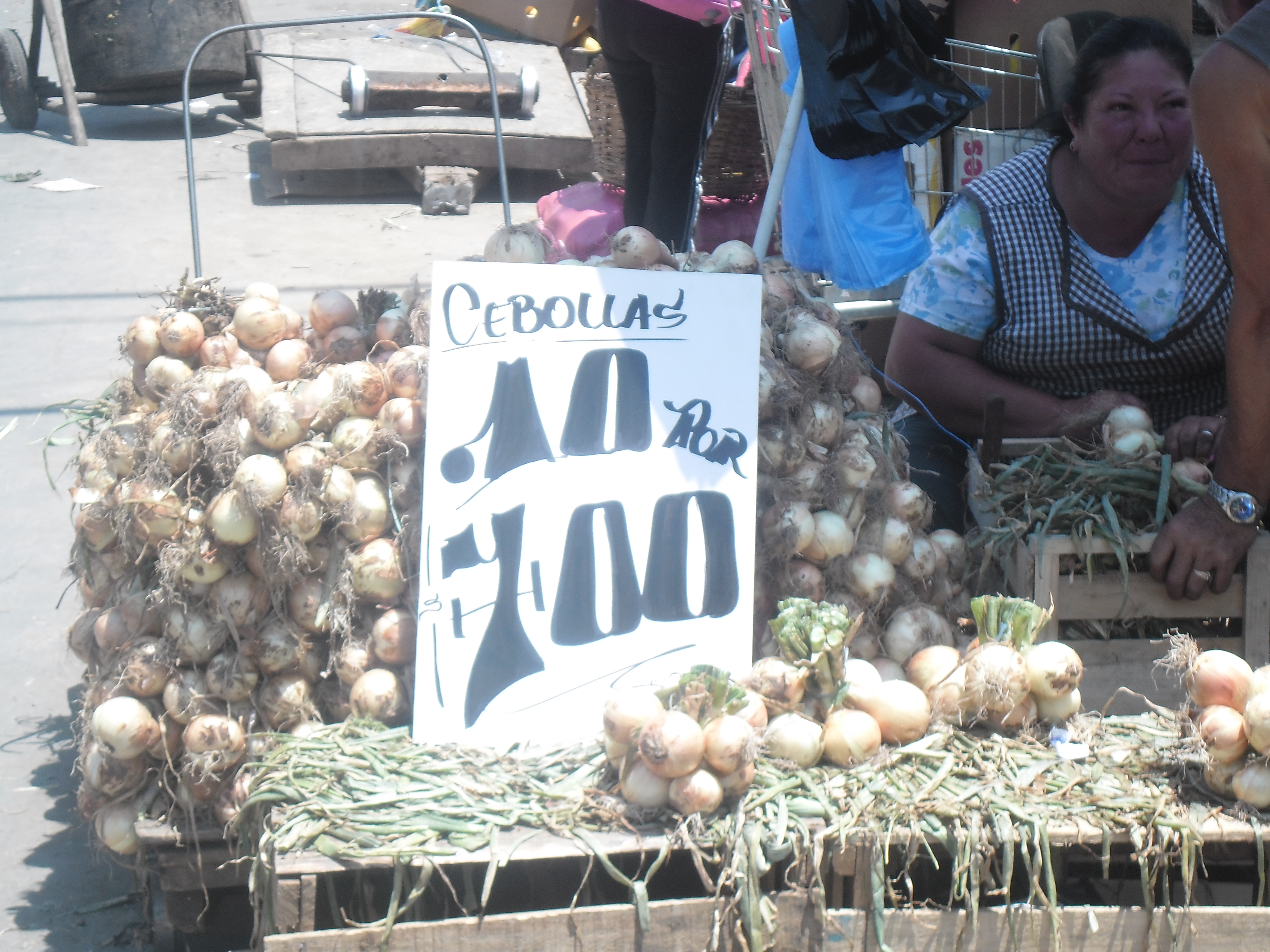
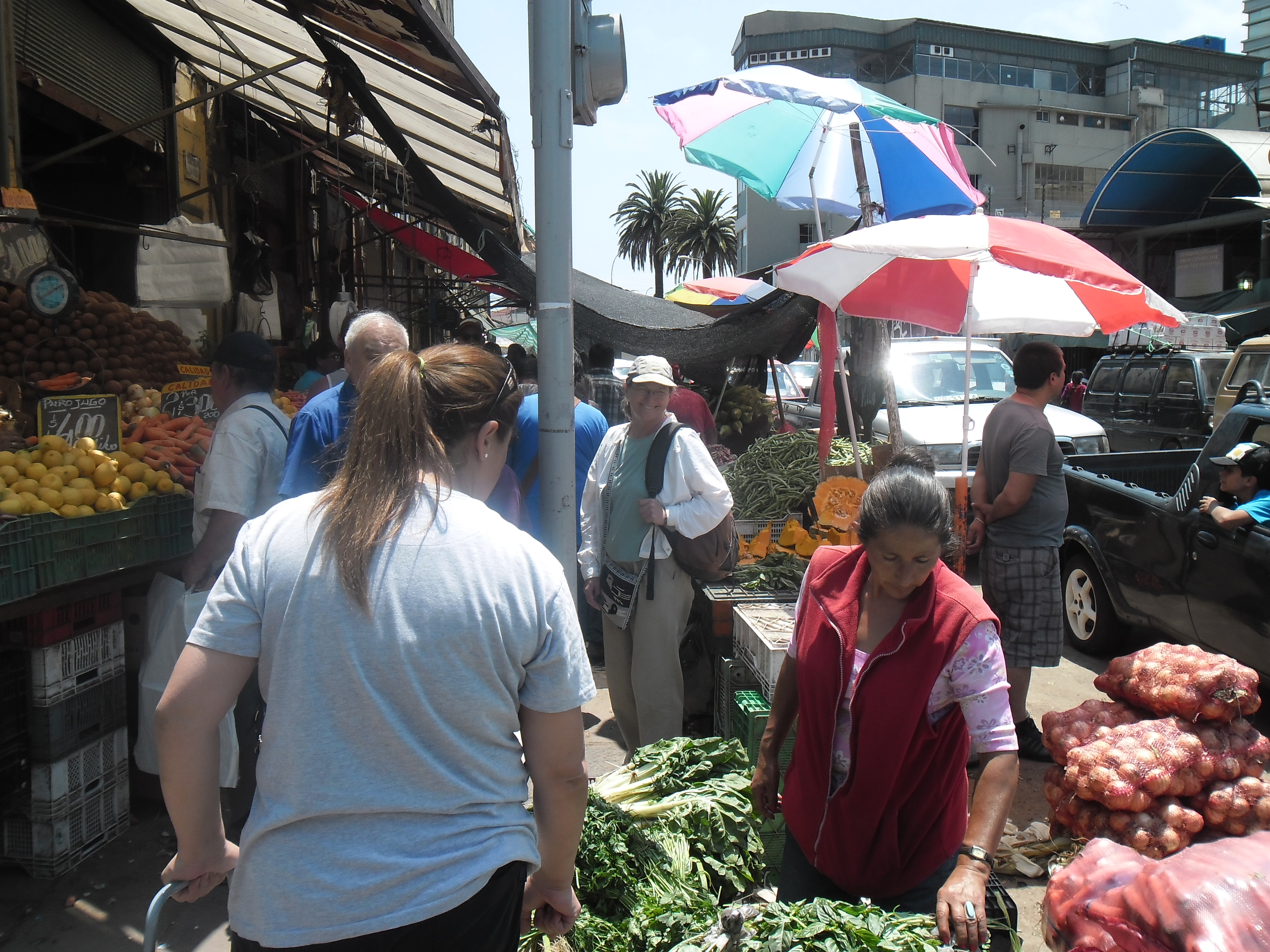
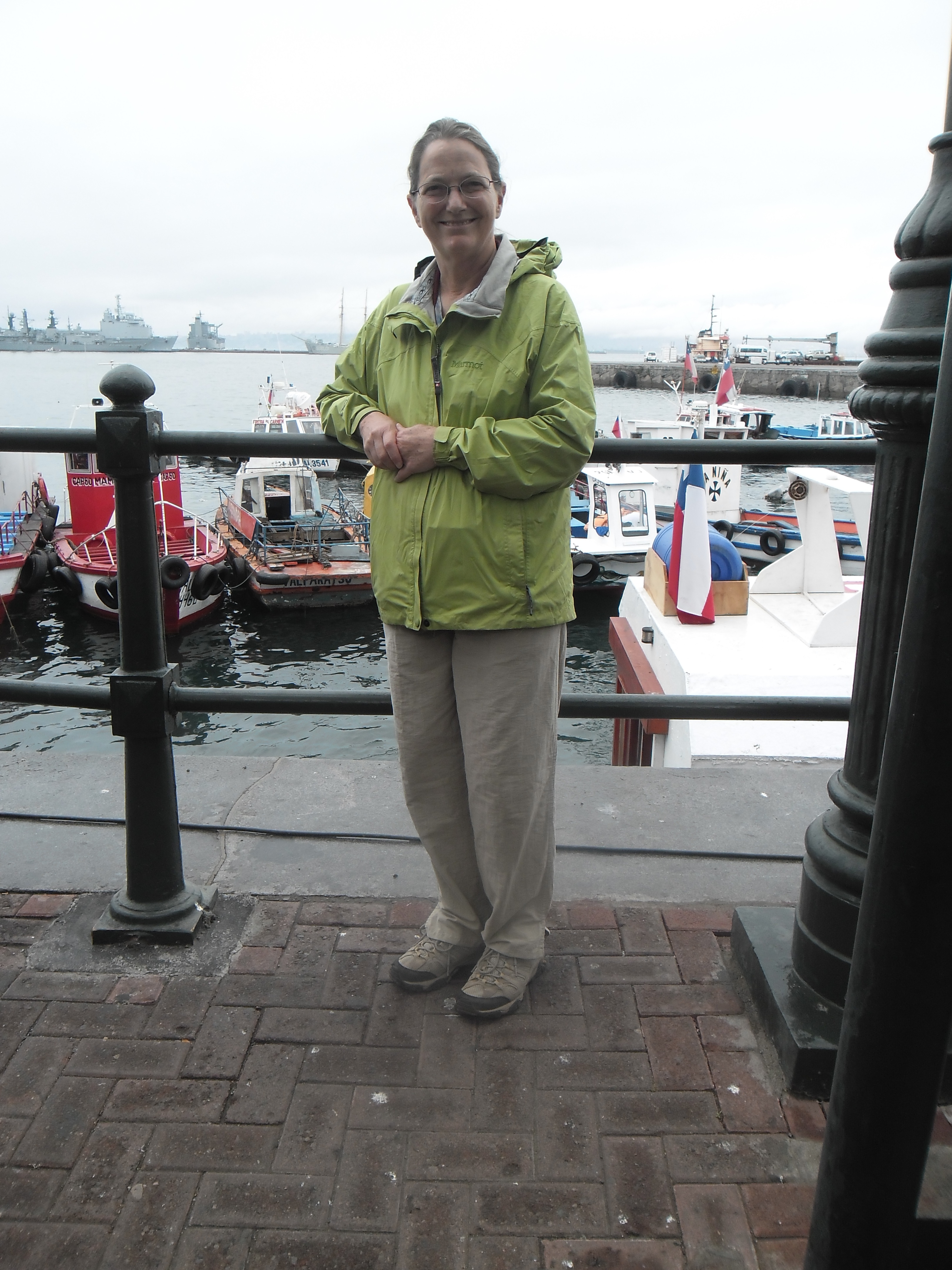
Do you see Monica?
 Mote con huesillo was one of our favorite drinks in Chile. Mote is a type of grain, a type of wheat. Huesillos are little dried peaches. They boil the mote with the huesillos (it actually means little bones, or pits) and some sugar, and they serve it cold. We saw it all over Chile, always on the street or in the markets. This was our last mote con huesillo, because in the evening we got on a bus to Mendoza, Argentina. A month ago, we were in the cold rain of Chiloé. Now, on January 16, we´re headed toward Mendoza, the city of wine, mountains, and sun. Chile has treated us well.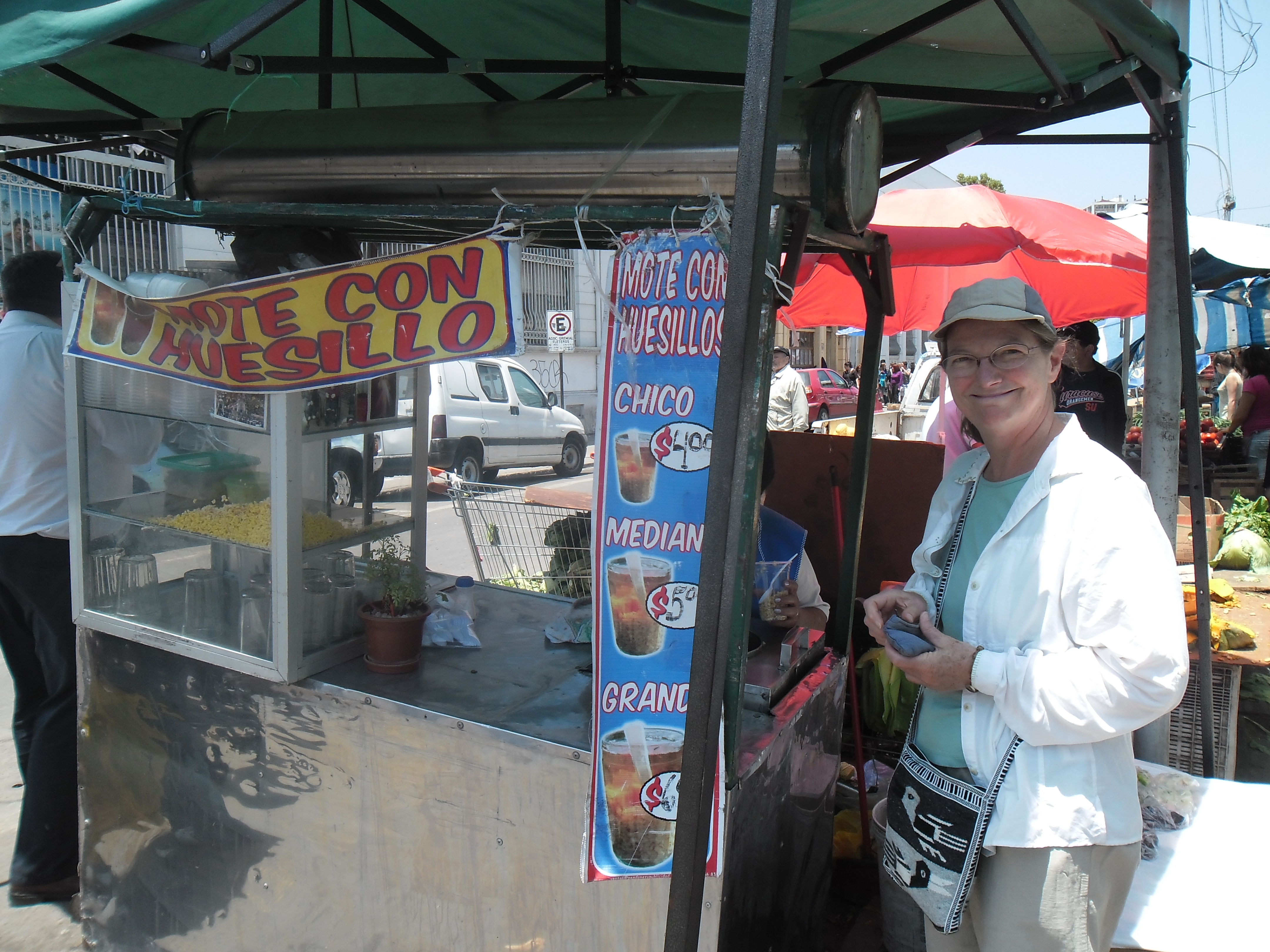
 mikeandmonica
Wonderful to hear from you and read all your adventures. Have fun in Mendoza! Love to you both!
WOW, GREAT pics ! a lot of them looked like paintings and you are THERE ! so cool ! thanks so much for sharing !
looks like you are having a complete blast !!!! Adventure PLUS ! xxoo love you !
Love the murals and the birds. I am going to see if Lare will paint a mural out back on a small part of the house. Be a fun summer project. Just catching up with some reading. xo Us
Oh Monica! I loved “The History of Love”! and I’m thrilled to know that it made such an impression on you that you just had to go there! It sounds like a very special city, loved the murals and the box car lifts. Mike, good thing you had your knee repaired for this city! Love hearing from you and seeing all the great photos! Buen viaje!