Archive

Monthly Archives: January 2013

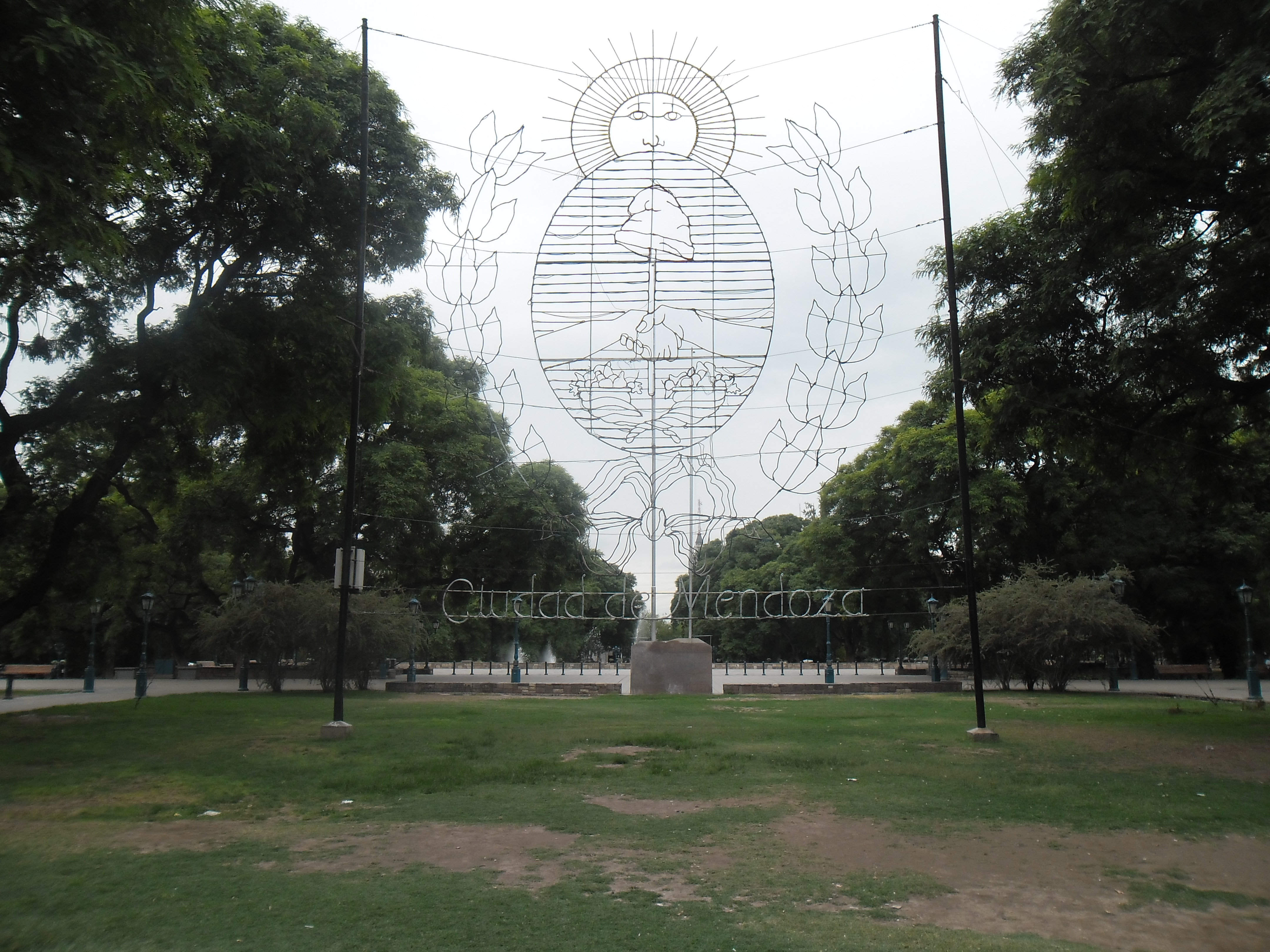
SAM_0615Mendoza, Argentina—–The city of Mountains, Wine, and Sun. Mendoza Province is the epicenter of the Argentina wine earthquake that is rocking the wine world. There are over 950 wineries here. Small one-person operations to mega-production. There is wine everywhere—billboards, stores, magazines, posters on the hostel walls, everywhere.

Geographically, this area is perfect for–take a guess–wine. The city of Mendoza is about 1500 feet in elevation. It is desert. However, it also sits at the base of the tallest peak of the Andes, Aconcagua. Water flows abundantly down from the high Andes, and the desert is alive. There are beautiful old sycamores that line the street. There are gardens on the corners. Flowers. Shade. All of these have been planted and irrigated through the years. Without irrigation, there is just desert, but there is irrigation everywhere. The canals run along the streets.

Wineries and farms–lots of olives and olive oil here too–have been established up the sides of the mountains. There’s a magic combination at work here. Desert. Elevation. Volcanic soil. It hardly ever rains here. Too much rain, or rain at the wrong time, can wipe out the grape crop overnight. At the same time however, there is a full and never-ending (?) supply of wonderful water. The elevation also means that there are hot days and cold nights. Grapes like that because they can produce lots of sugar. Also, different varieties thrive at different elevations and at different sun slopes. Wineries just a few kilometers away from each other can produce totally different wine.

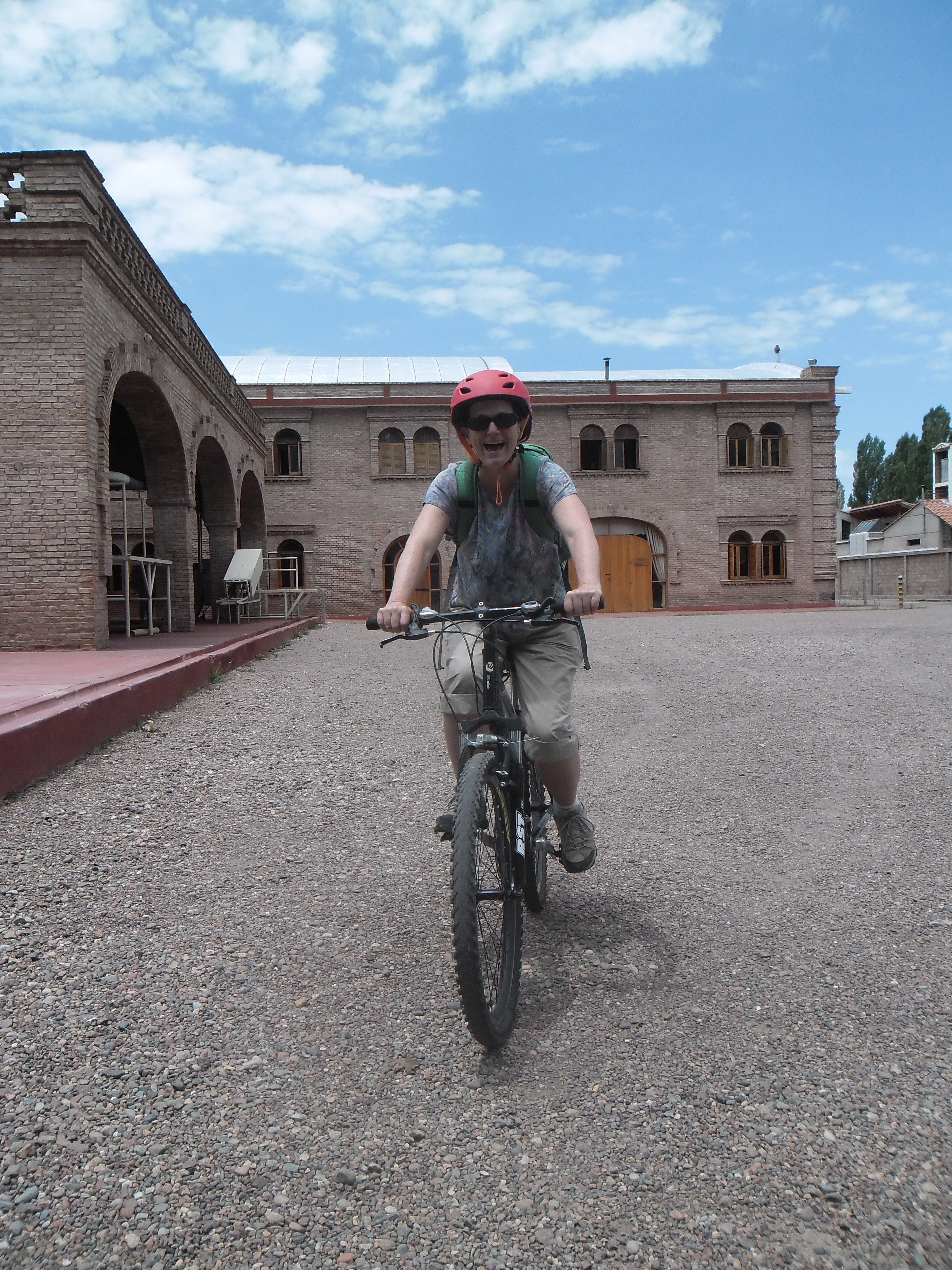
Malbec is the most famous wine from here. Malbec is what makes Mendoza one of the eight wine capitals of the world. Nobody else does Malbec. California does Zinfandel, Australia does Syrah, Germany does Lieframilch, Italy and France have their specialties. But Argentina has Malbec. And a good Malbec is pretty tasty. SAM_0602We didn´t stay in Mendoza very long–four days–but we did manage to combine two of our favorite things, bikes and wine, in a bicycle winery tour. We biked to three different wineries on the outskirts of Mendoza, got the tour of the wineries, and we drank a lot of good wine. Martín has a little business, taking people around and talking wine. He himiself is a wine grower and a bicycle builder. Lawrence from Germany, Senon from Australia, and Joro from Bulgaria (our first Bulgarian!) went also, a total of six of us. Martin’s rule was, “If anybody looks like they’re too happy, I call a taxi and their tour is over.” We all were able to contain ourselves, and a great time was had by all.
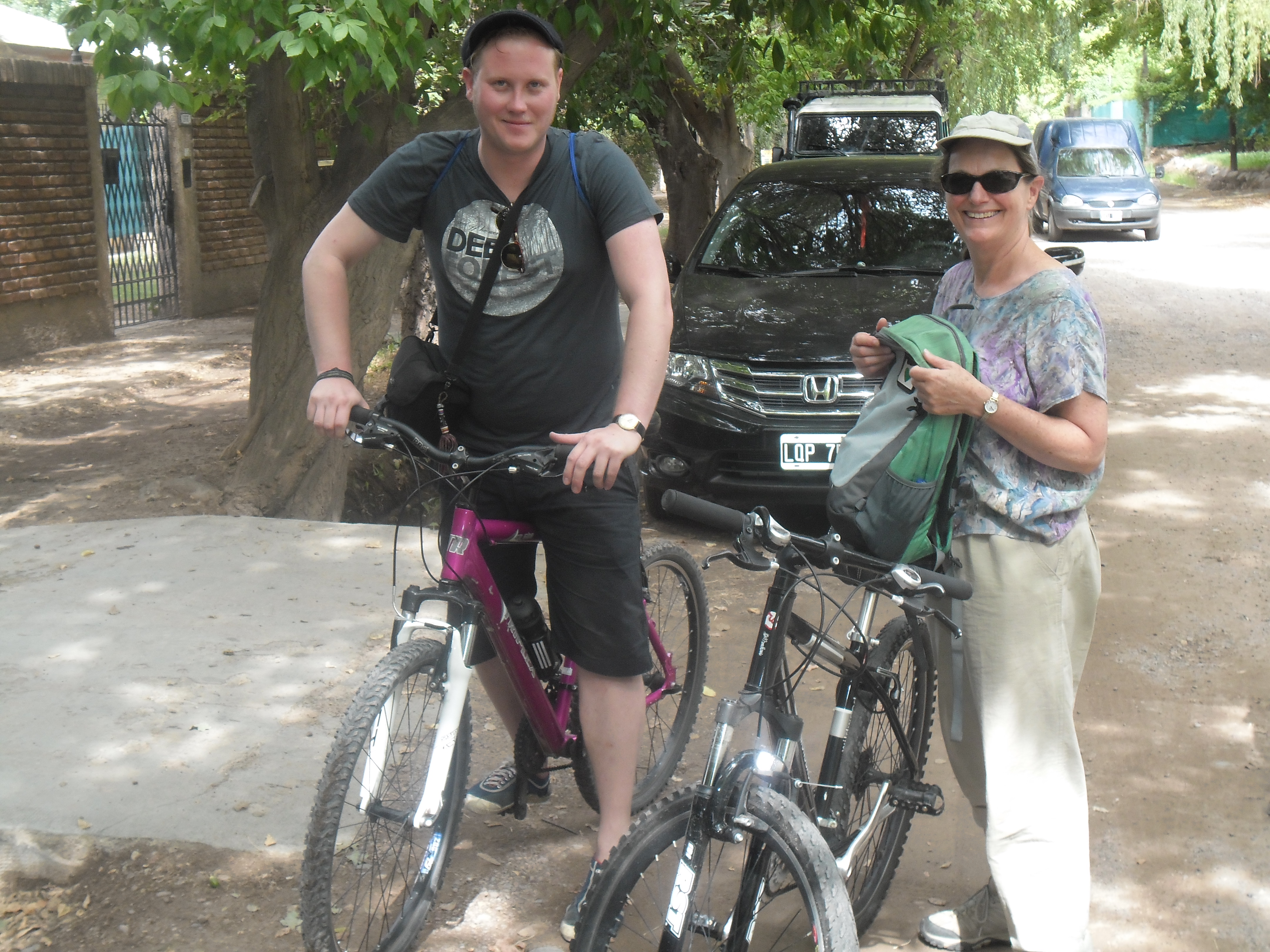
Lawrence and Monica saddling up

Lawrence and Monica saddling up

Our first winery was a very small, very personal winery, named and owned and operated by Patti Caramelo. His name is on every bottle, and one of his impprters is in Oregon, so maybe we’ll find it in Eugene. Patti wasn’t there on the day that we arrived, one of the few days of the year when he’s gone. His three daughters are all involved in the winery, as growers and marketers. One of the daughters, Cecilia, talked to us about the winery and about wine. We learned how to swirl the wine properly, in order to produce what we English-speakers refer to as “legs.” These are the tell-tale traces of wine that release most of what we smell. I asked Cecilia what they call them in Spanish. They are called lágrimas. Tears. It´s more poetic and evocative than legs, and, I believe, more accurate. Running down a glass, they do look like tears, running down a cheek.
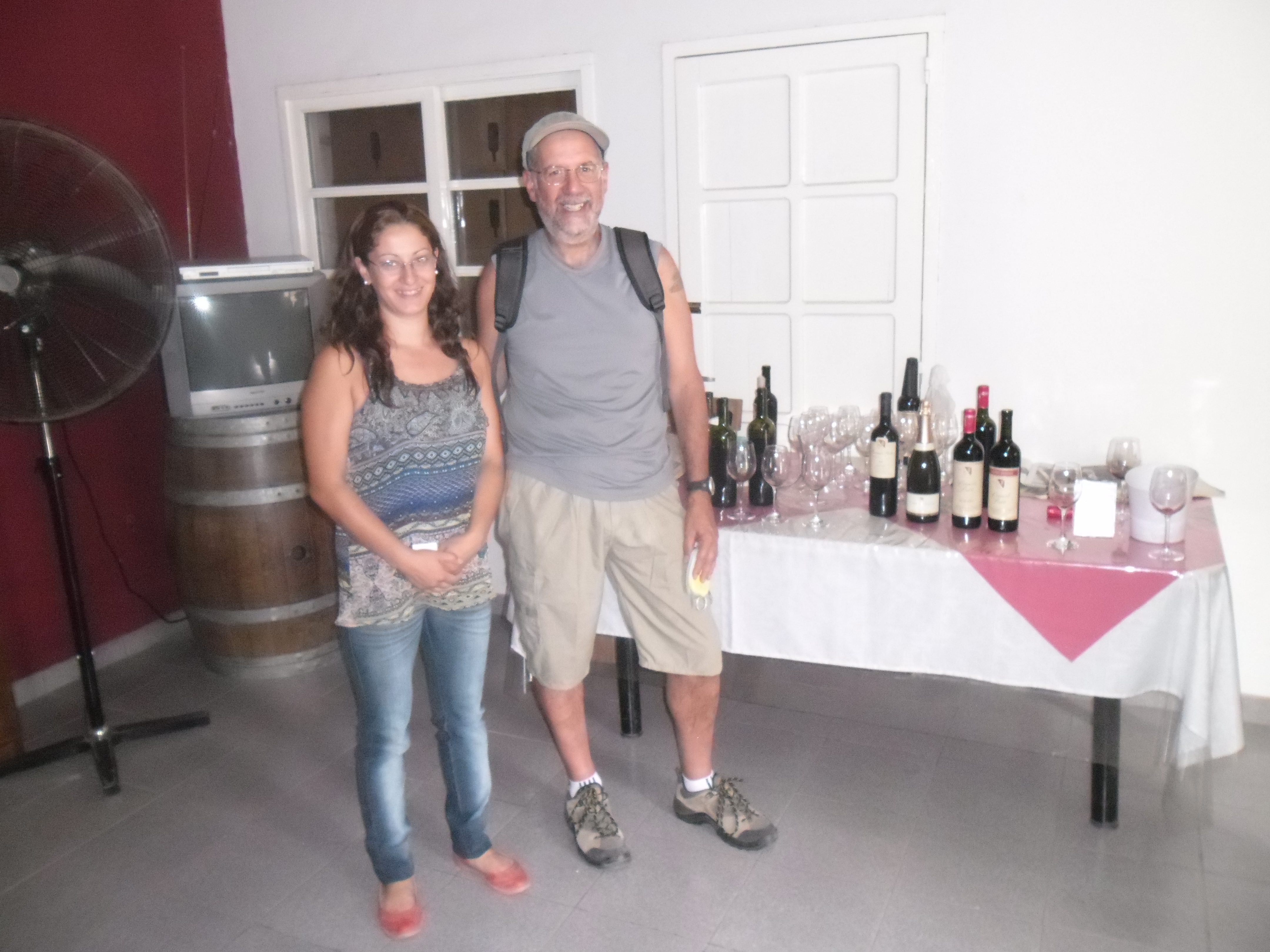
Cecilia and Mike talking wine

Cecilia and Mike talking wine

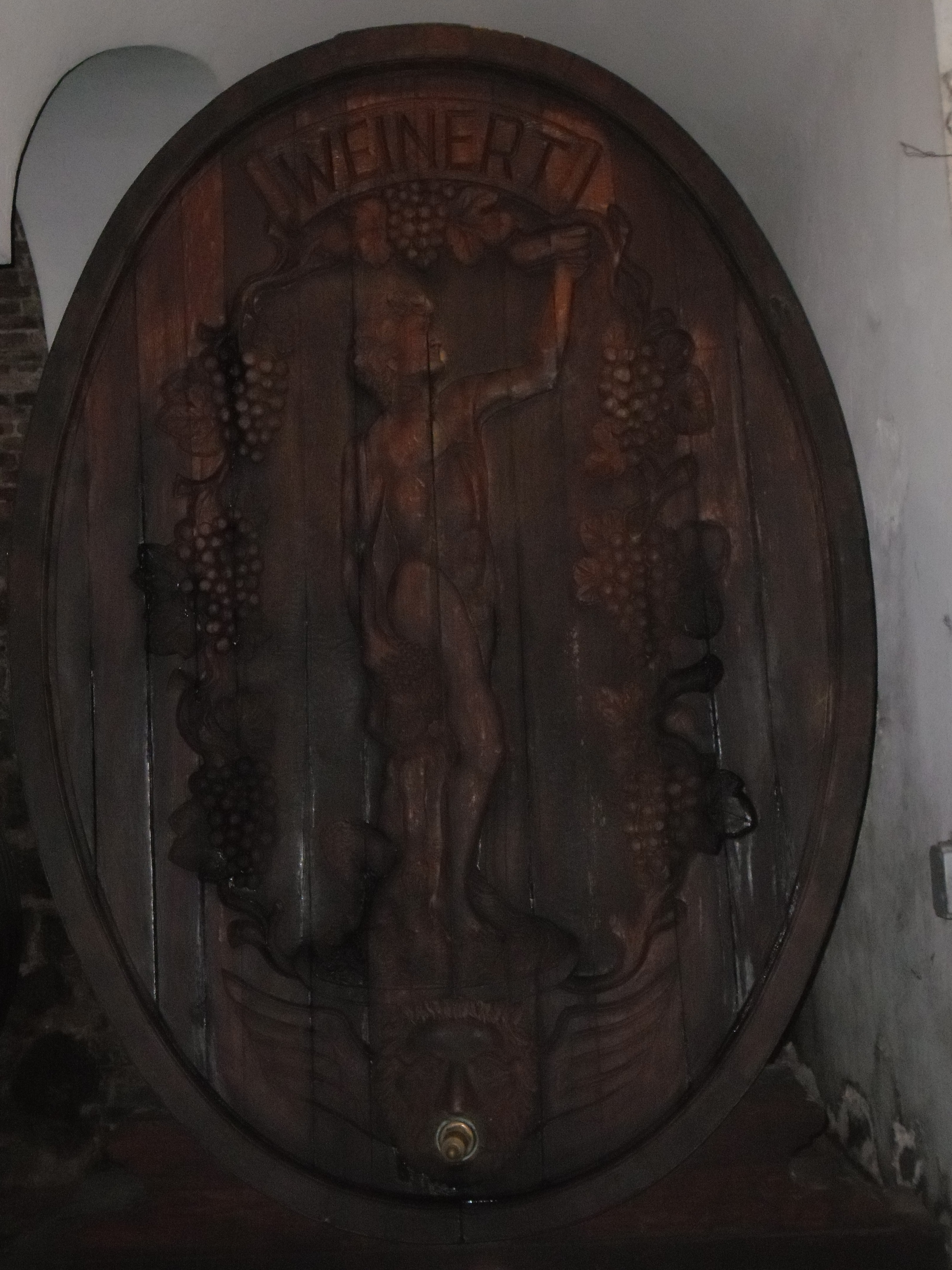
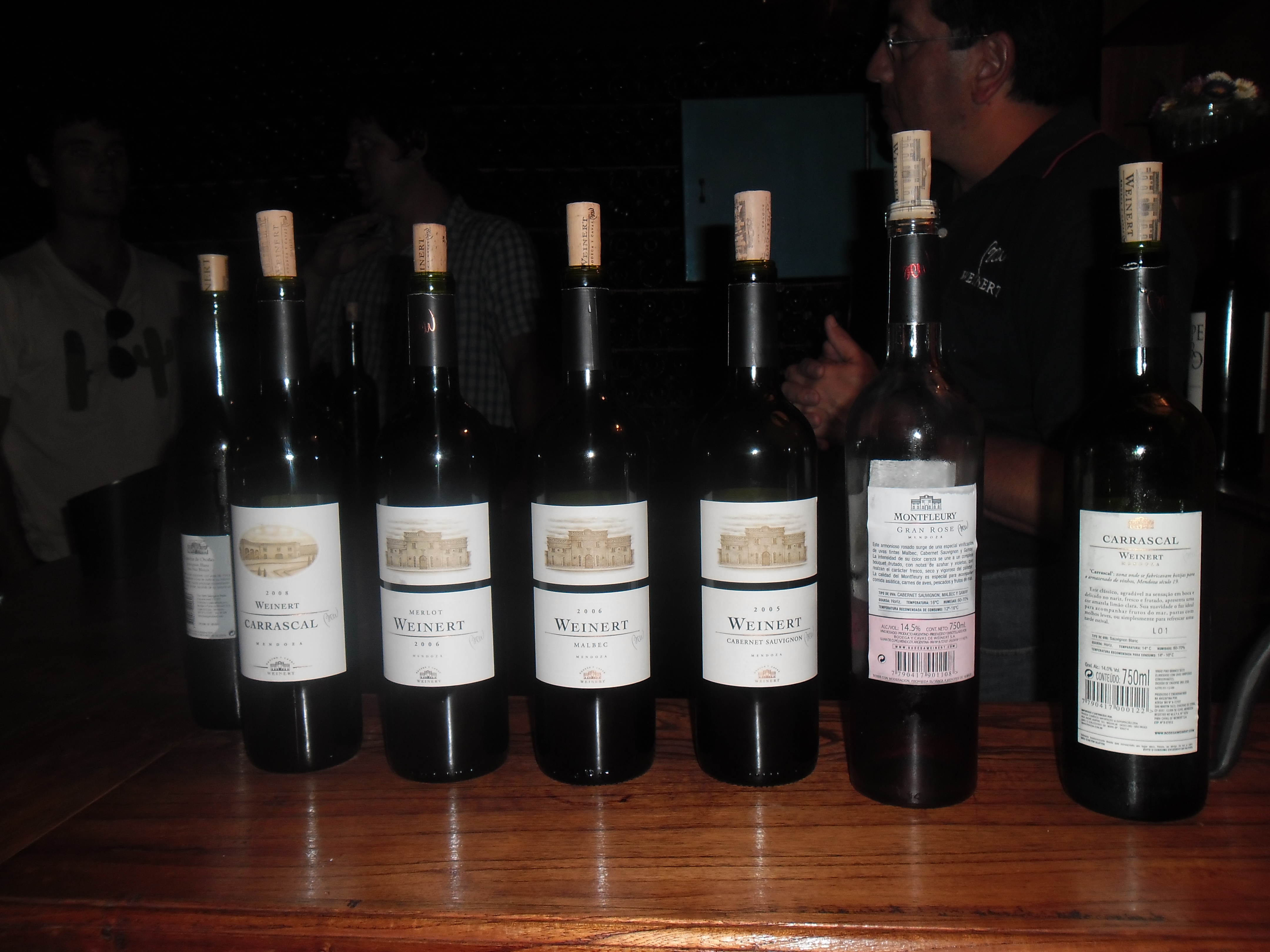
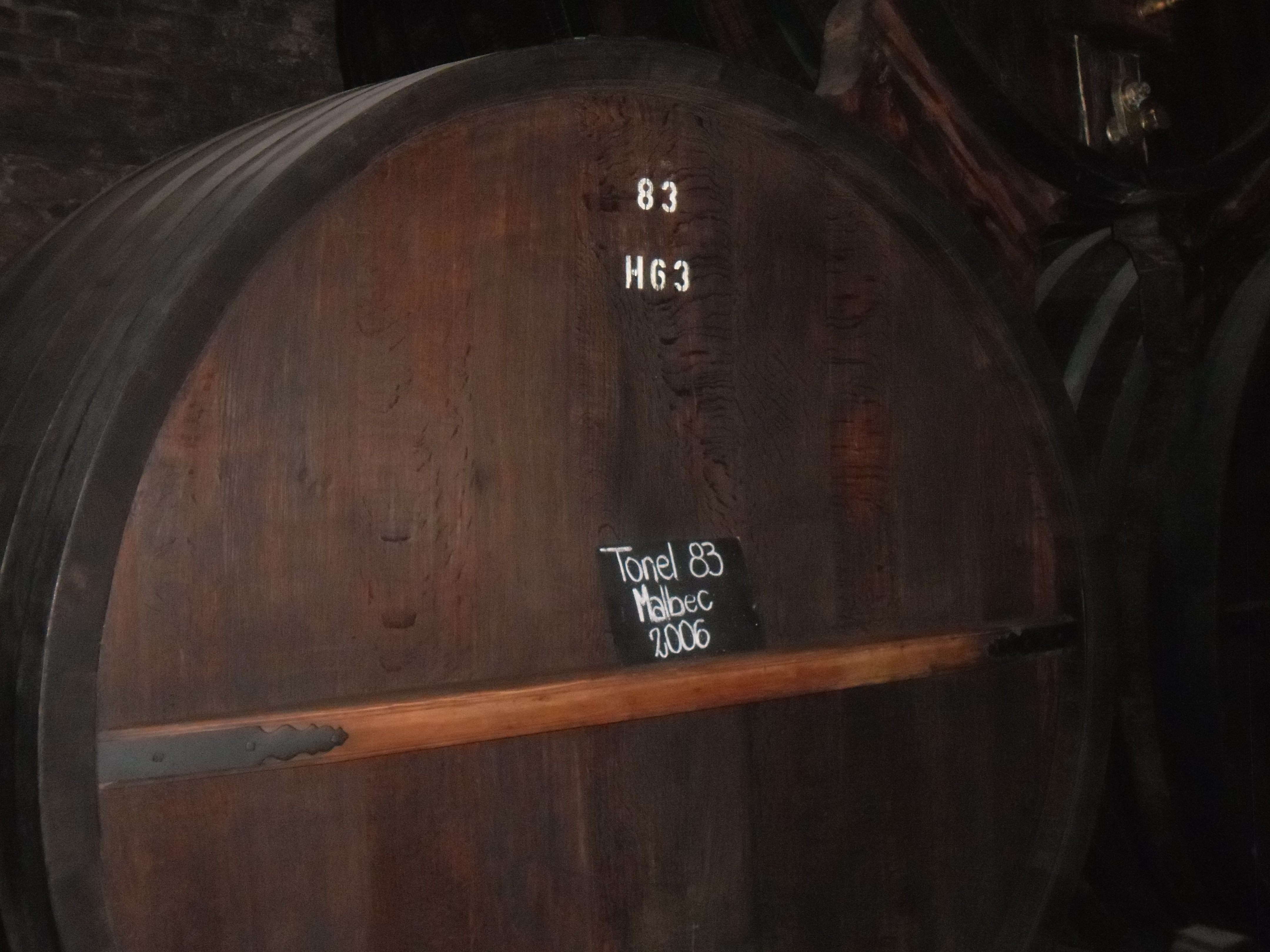
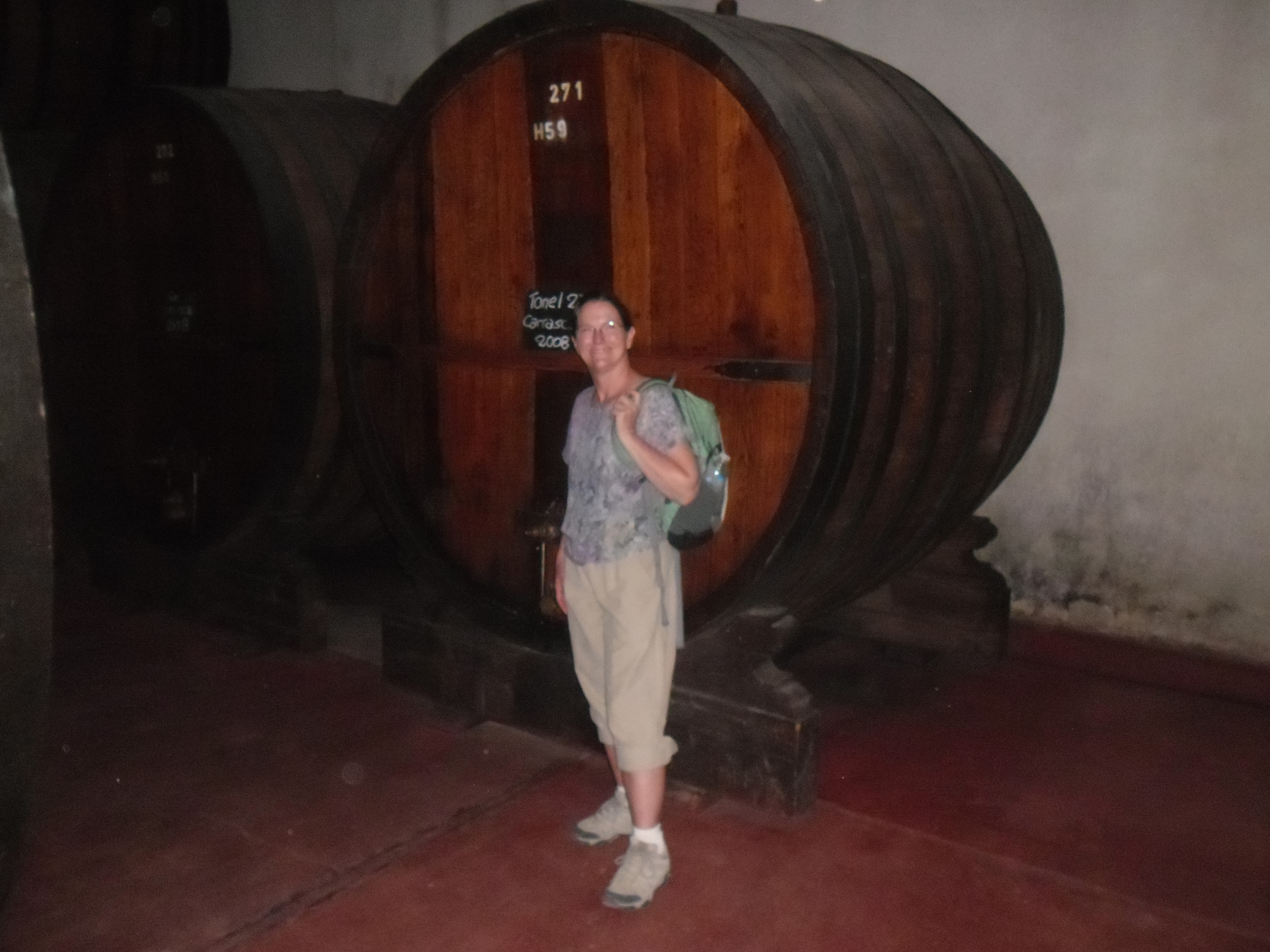
We also went to a couple of bigger wineries. We went into the underground storage rooms and saw some giant old oak barrels, and we tried a lot of different regional wines. SAM_0600SAM_0601SAM_0606SAM_0610
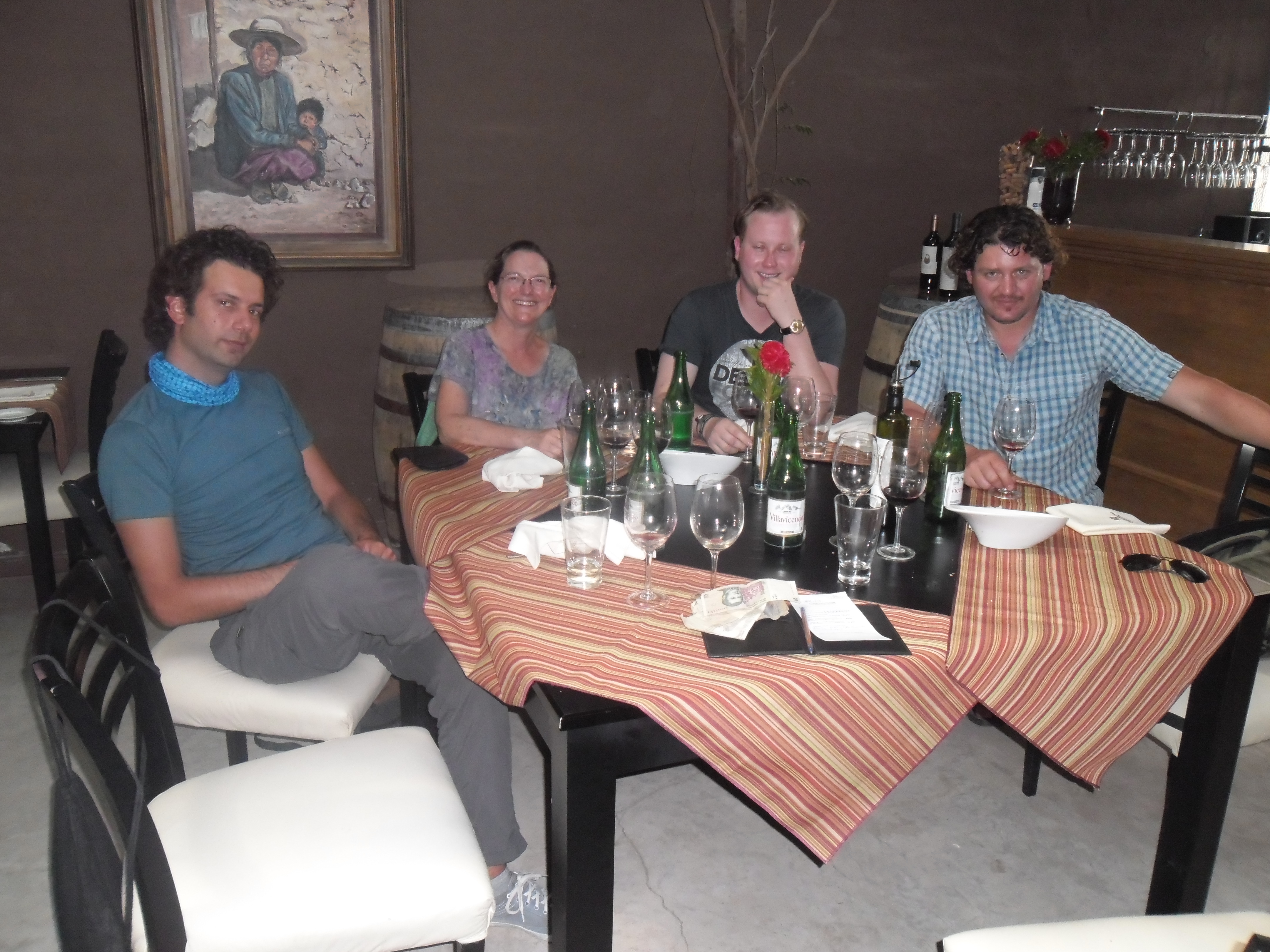
Lunch with Joro, Moni, Lawrence, and Martín

Lunch with Joro, Moni, Lawrence, and Martín

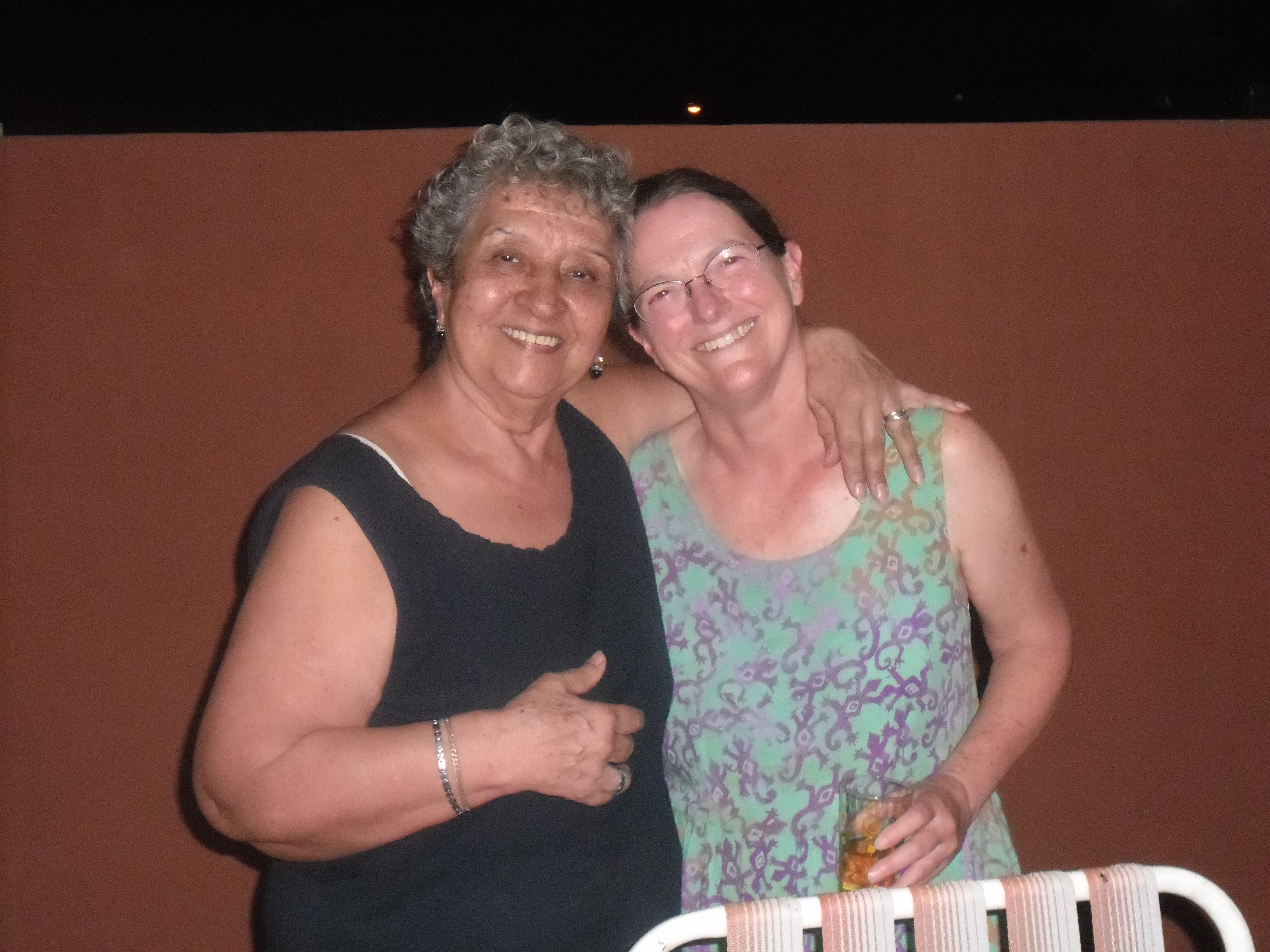
For the first part of our stay in Mendoza, we stayed in a little apartment in the back of a house. We moved into a downtown hostel after two days, just to be in a more central location. Raúl and his wife Mónica live in the house with their 18-year old daughter Vanesa, and Mónica’s 78-year old mom, Morroch. We talked a lot with them and learned about their lives in Argentina and in Mendoza. Raúls father was from Italy, and he emigrated to Argentina in the middle of World War Two. Raúl grew up on a farm, without electricity or running water. Now he’s in the computer and cell phone world.

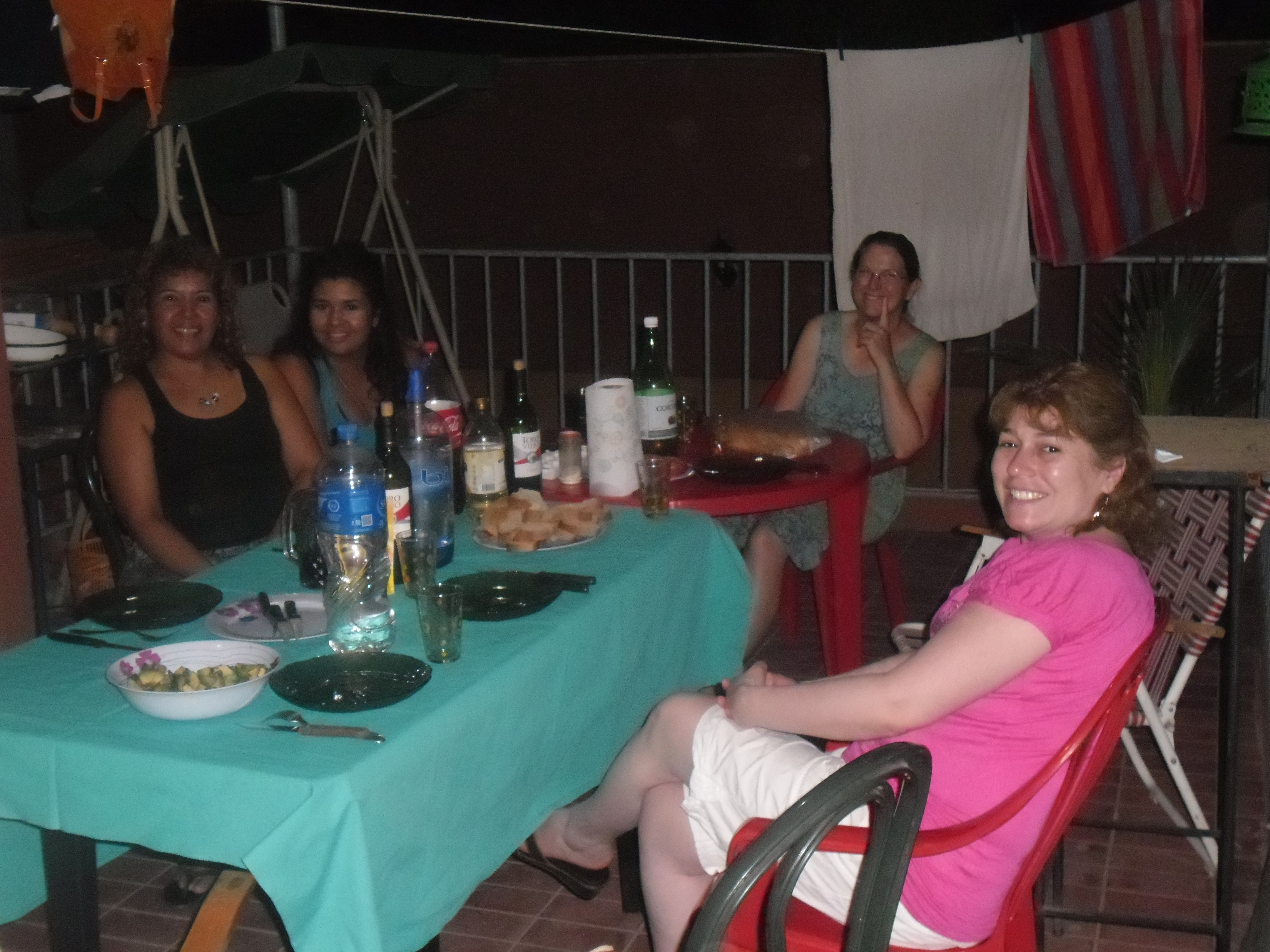
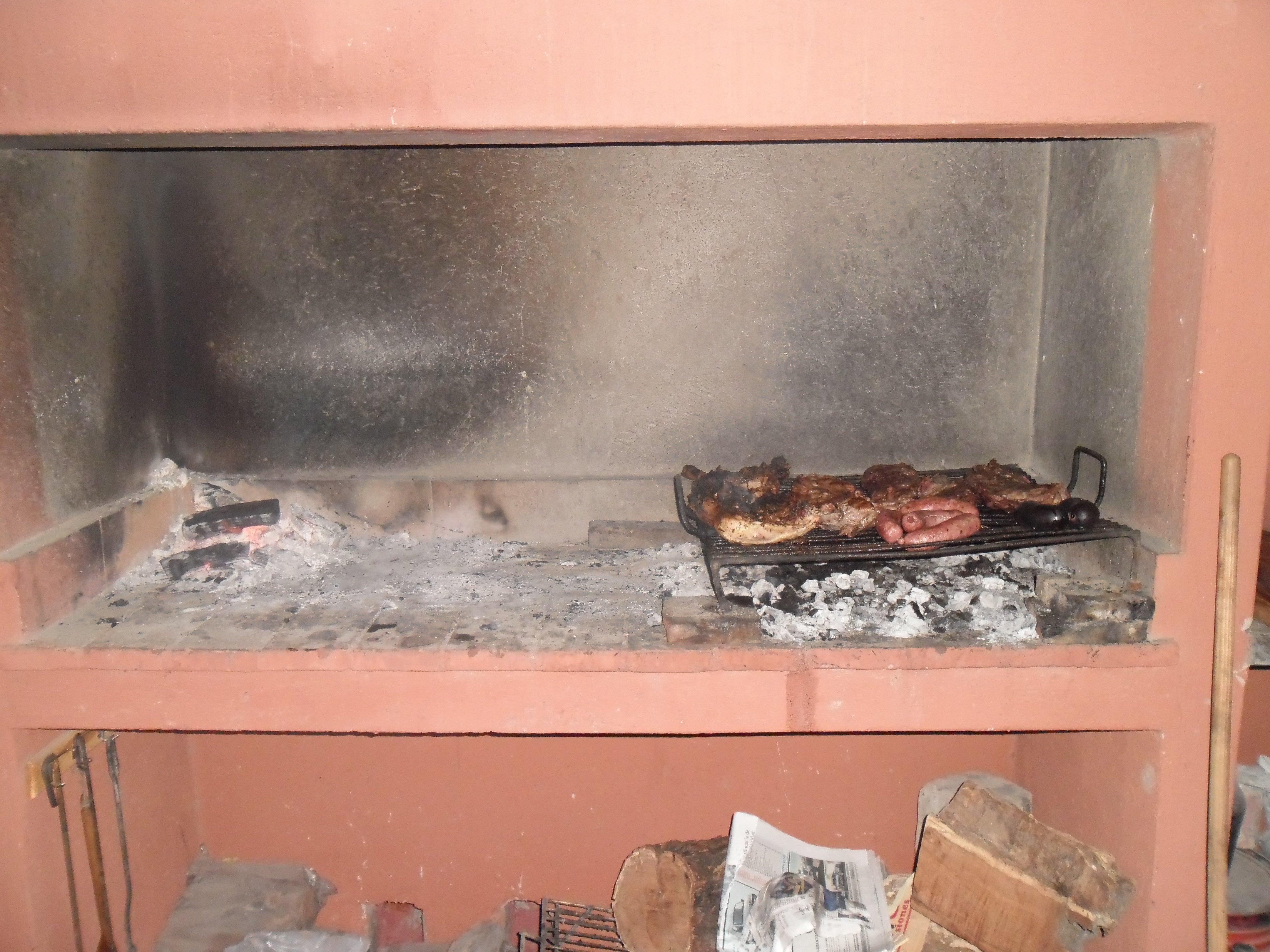
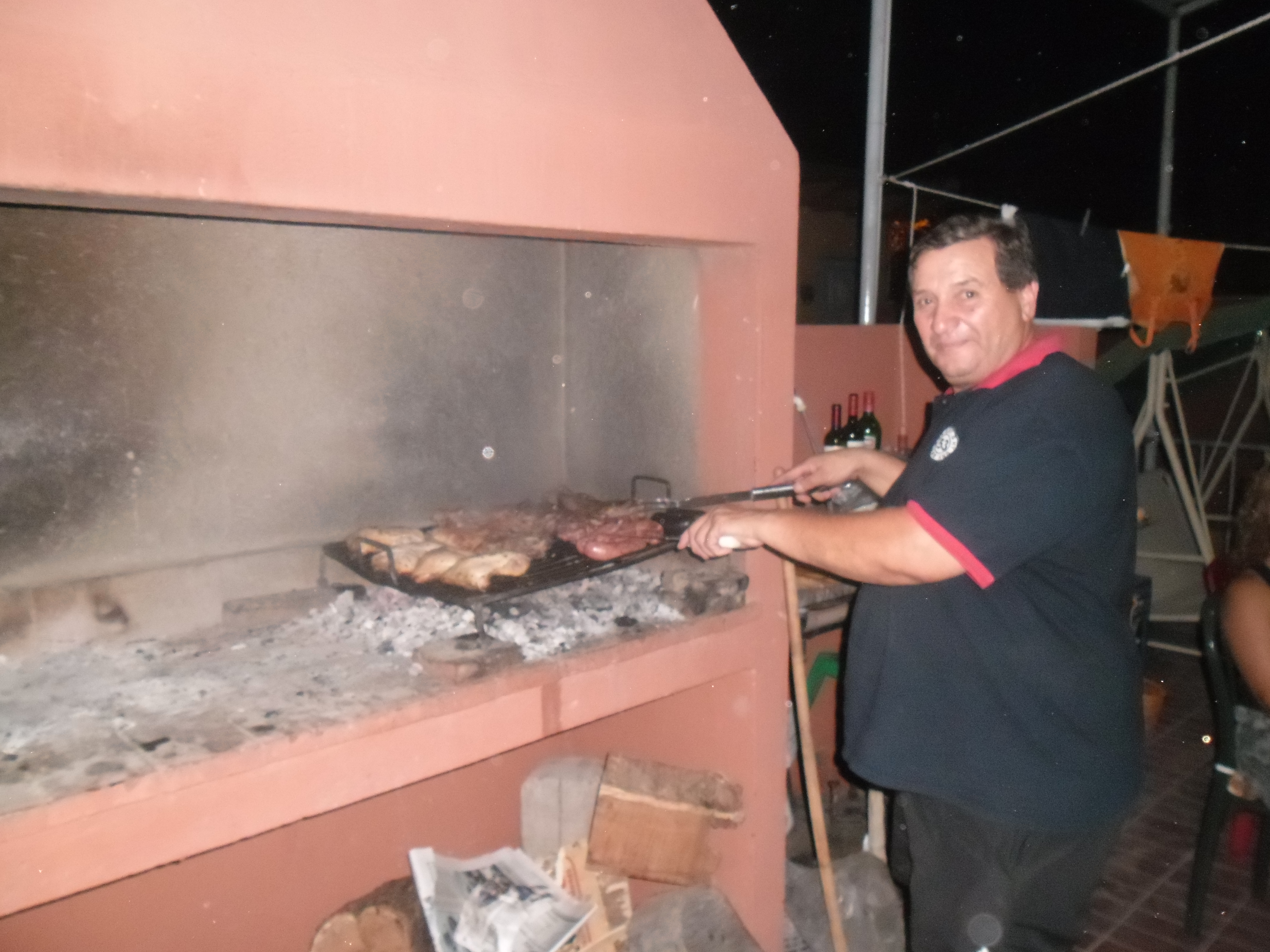
He wanted to do a real Argentina asado (barbeque) with us, so we planned it. He asked us what time we wanted to eat. We knew that we were in Argentina, the land of late dinners, so we didn’t want to say anything too early. We said, “How about eight o’clock?” Raúl was appalled. “You can’t eat at eight o’clock! What are you thinking???”  “Okay, how about nine o’clock?” “Noooo, it’s still light at 9:00.” So, he came up to the terrace at 9:30 to start the fire, and at 1:30 am, we were still sitting around the table, along with Paula and Richard from Chile, who were also staying in one of the apartments.
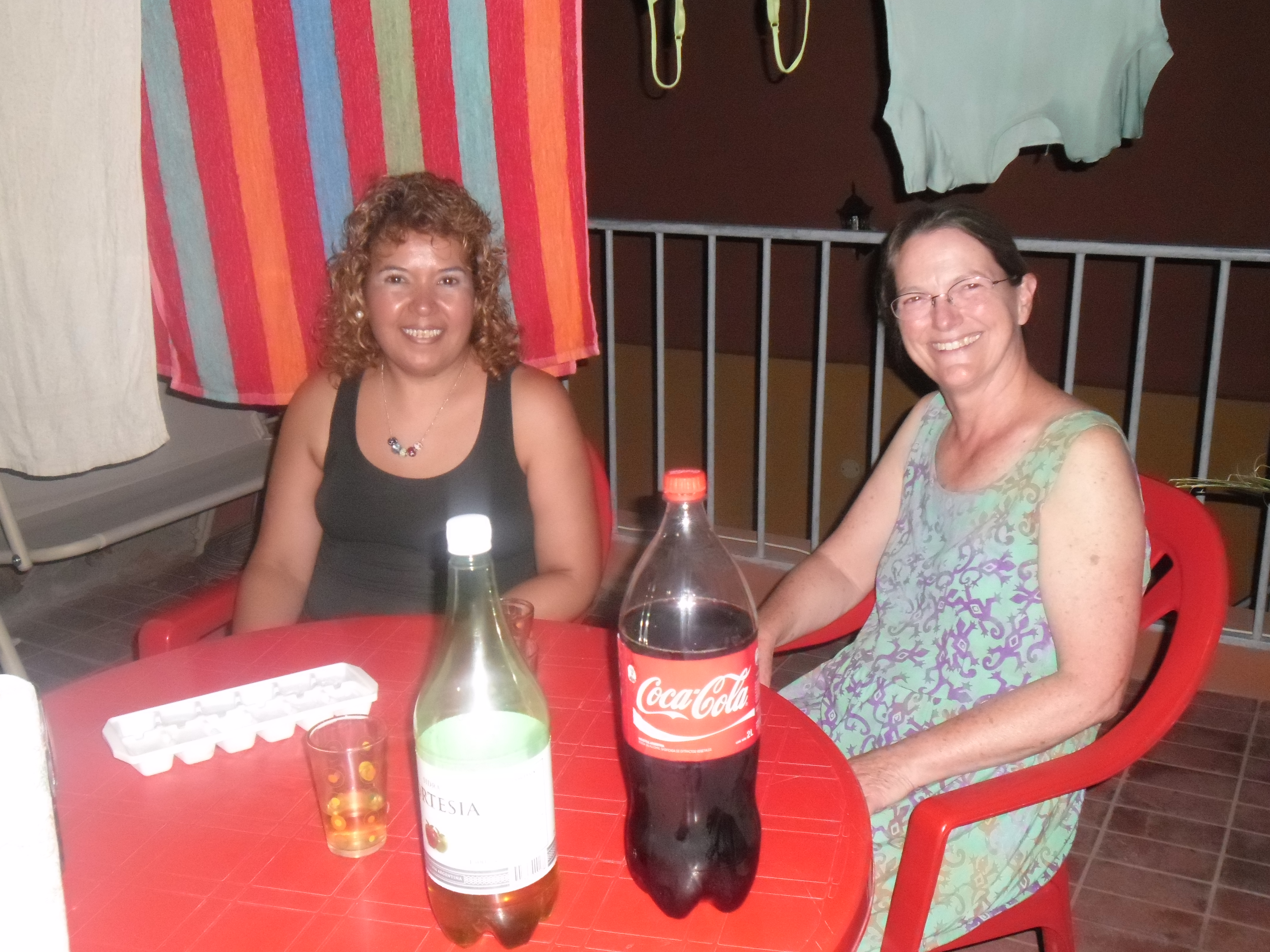
Mónica and Mónica
Mónica and Mónica

Mónica and Morroch

Mónica and Morroch

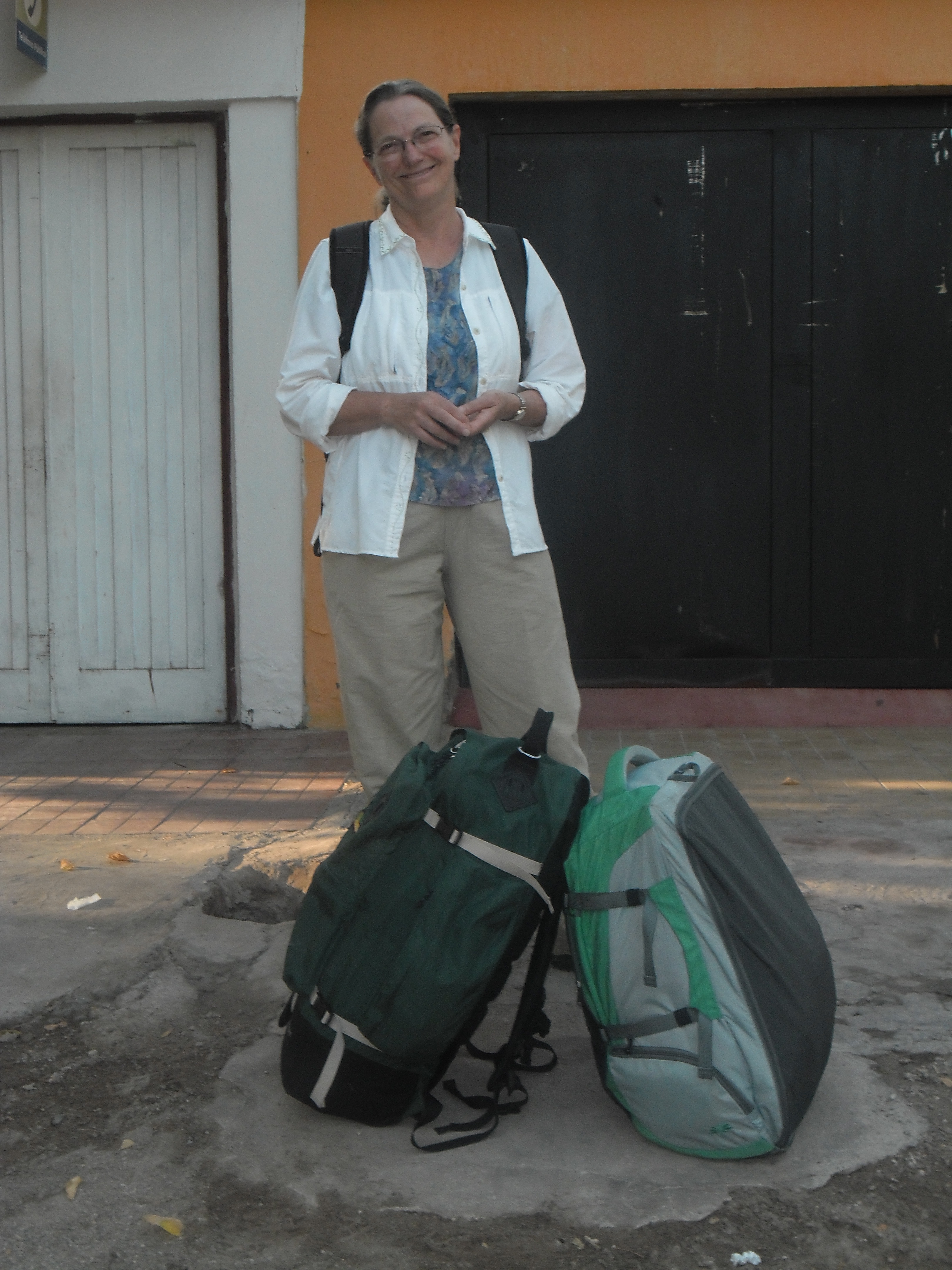
One of the features of an Argentine parrilla (that’s the structure that is in every backyard in the entire country, where they cook the meat) is its size, and one of the tricks of the asado is to have a fire burning in one corner to produce coals and embers, while the meat cooks on the other side, slowly and evenly. The coals and embers are continually transferred, from the fire in the corner, to under the meat. SAM_0594Raúl was very good at maintaining the proper temperature. I got the feeling that he had done this before. SAM_0591SAM_0593The next day, we said good-bye and caught a bus into town. Here’s Moni with all of our belongings, waiting for the bus. In a few more days, we will be off to Salta, way up in the northwest of the country.SAM_0595Onward Ho!
 

We ended our month in Chile with a five-day stay in Valparaíso. Monica had been wanting to go to Valparaíso for years, ever since she read The History of Love, by Nicole Krauss. In that novel, there’s a character who sits in the cafes of the city, reading and writing. That image has stayed with Monica throughout the years, and she has wanted to go there ever since.

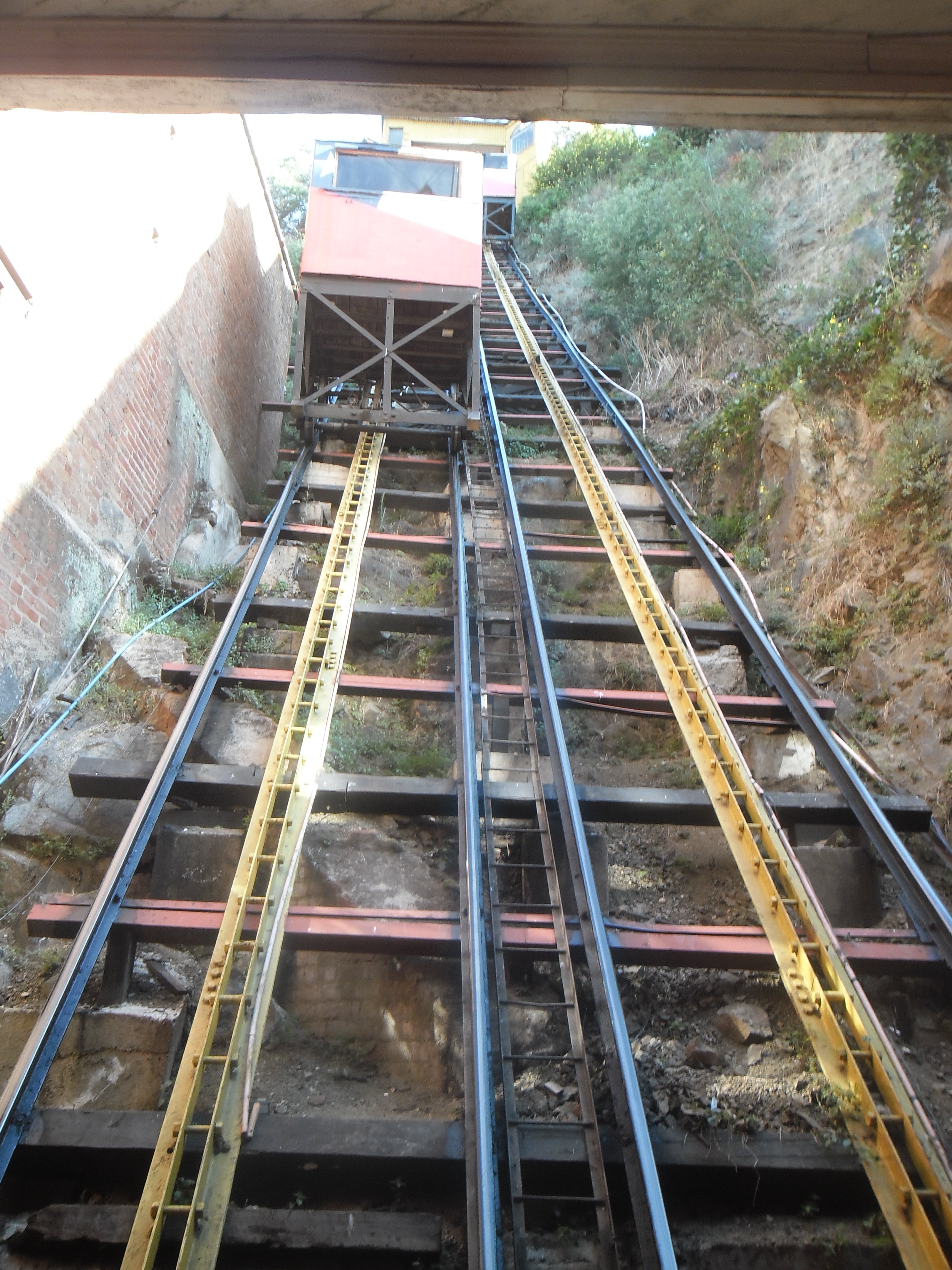
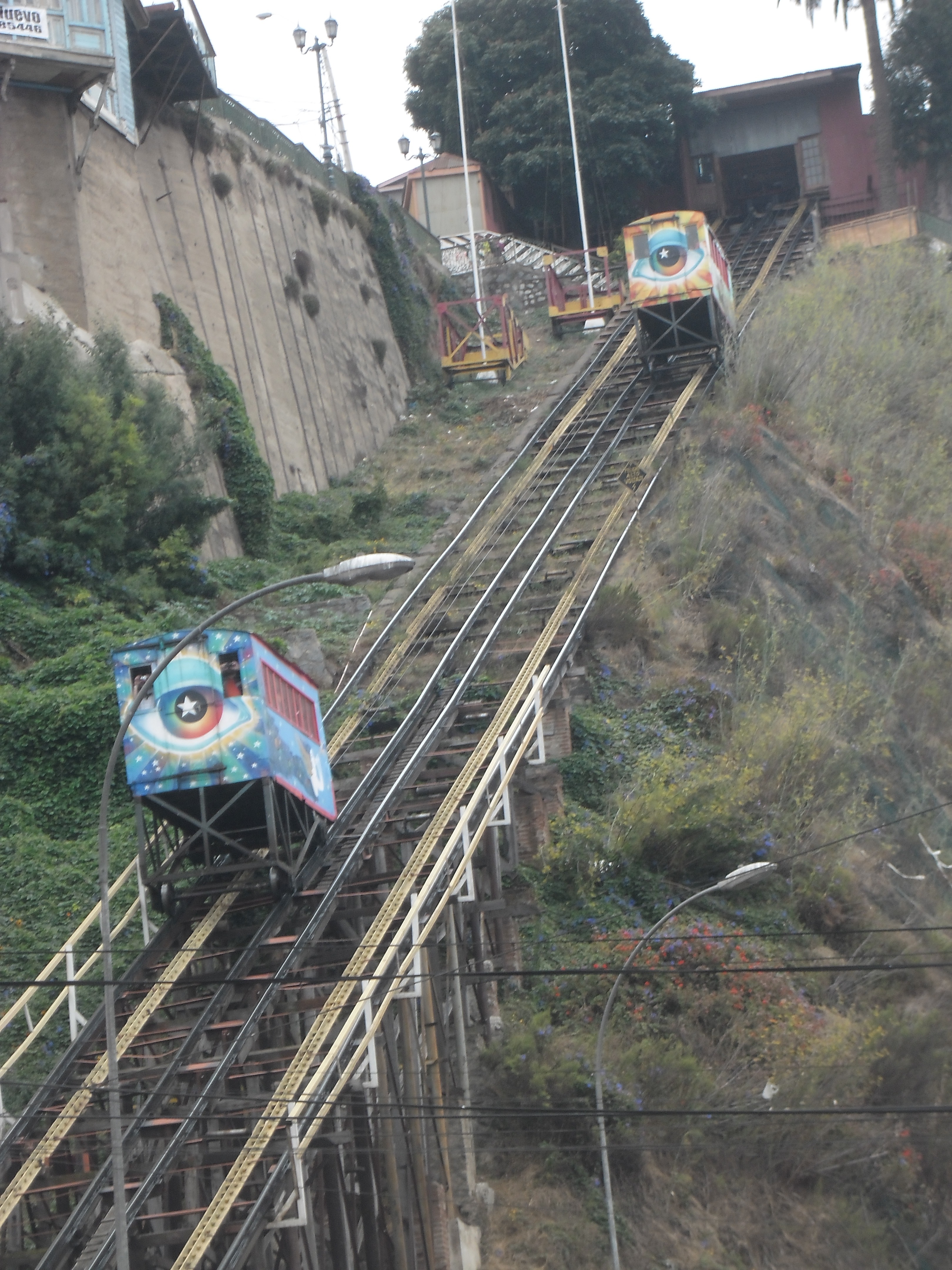
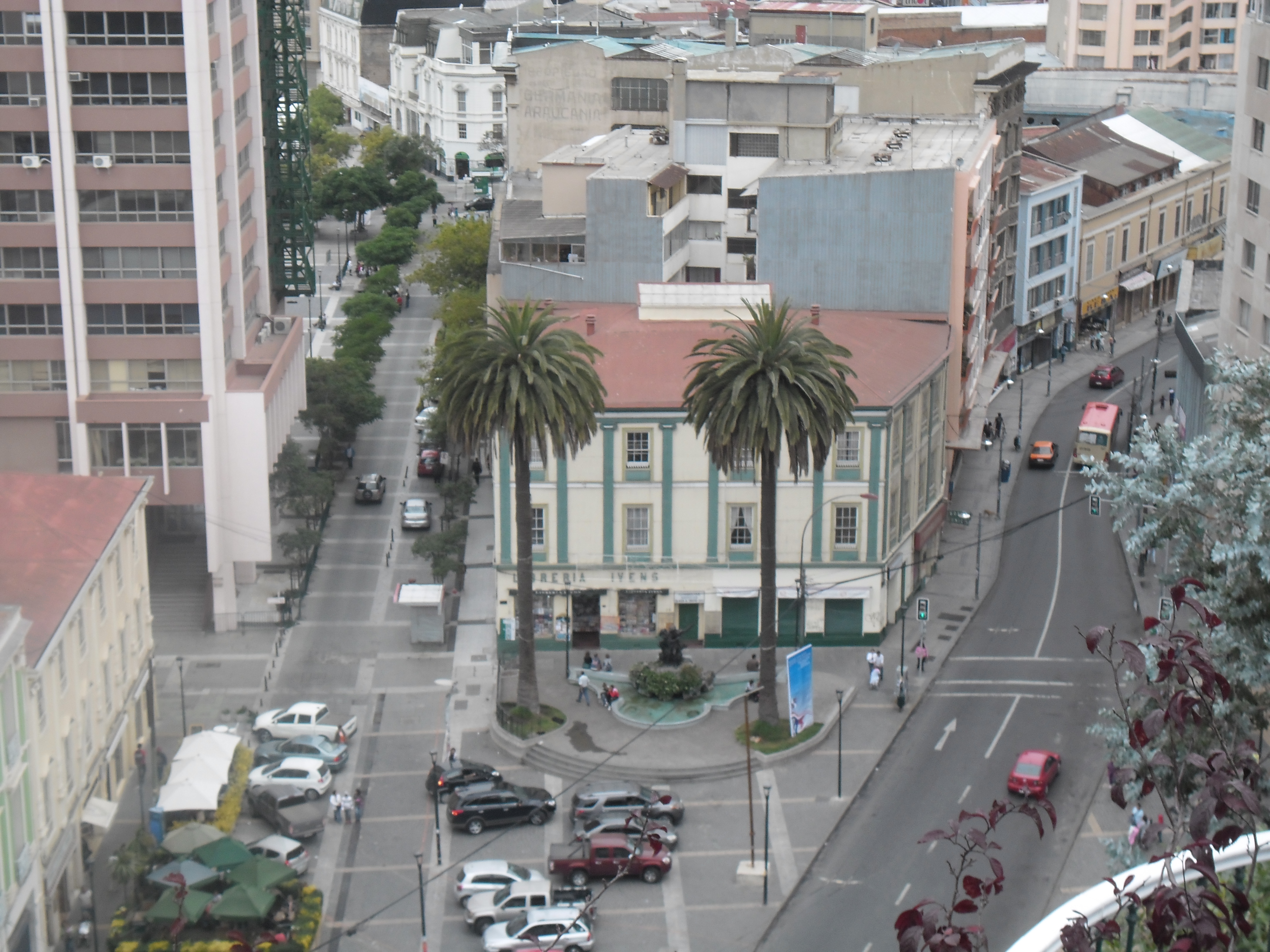
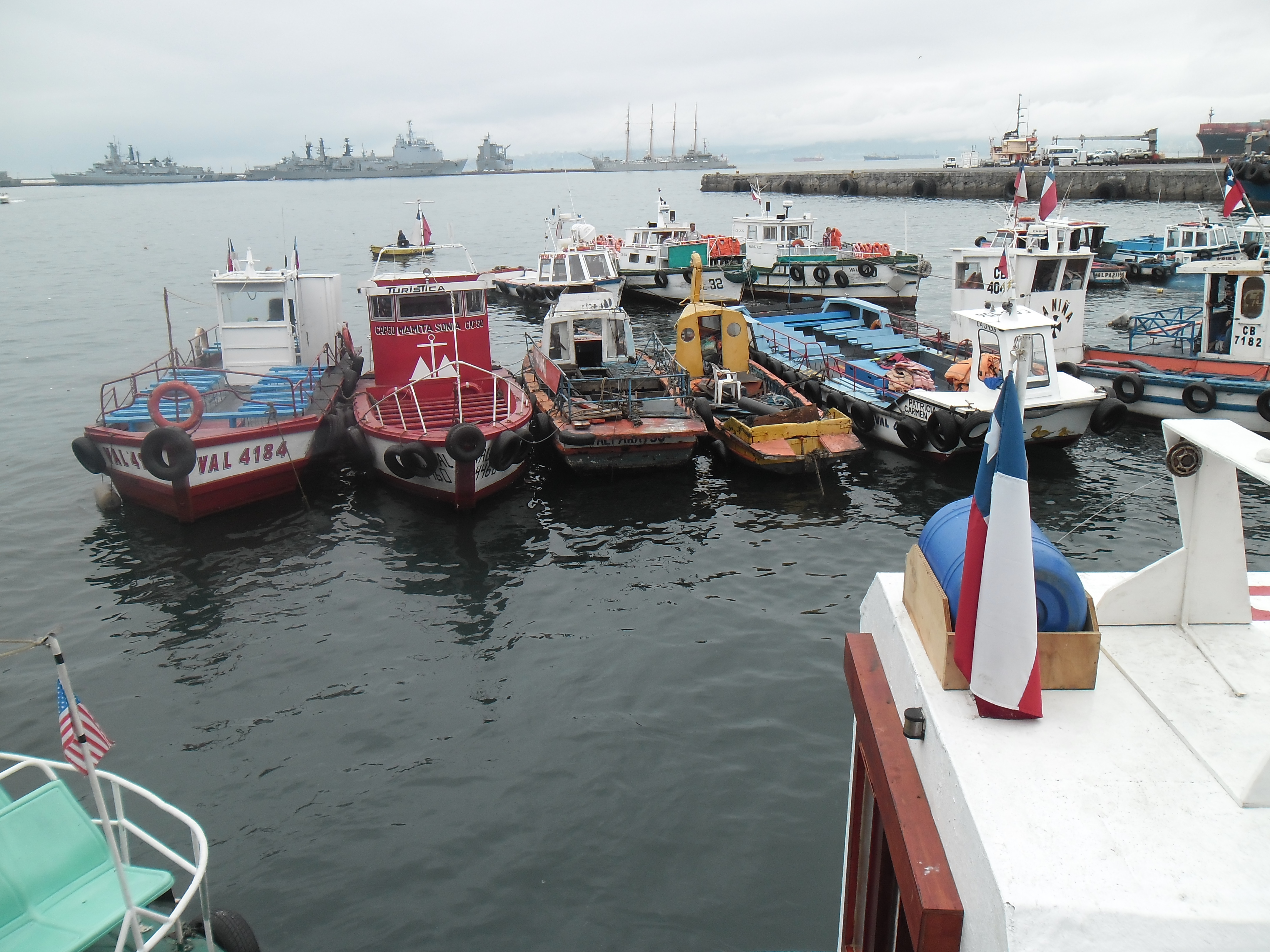
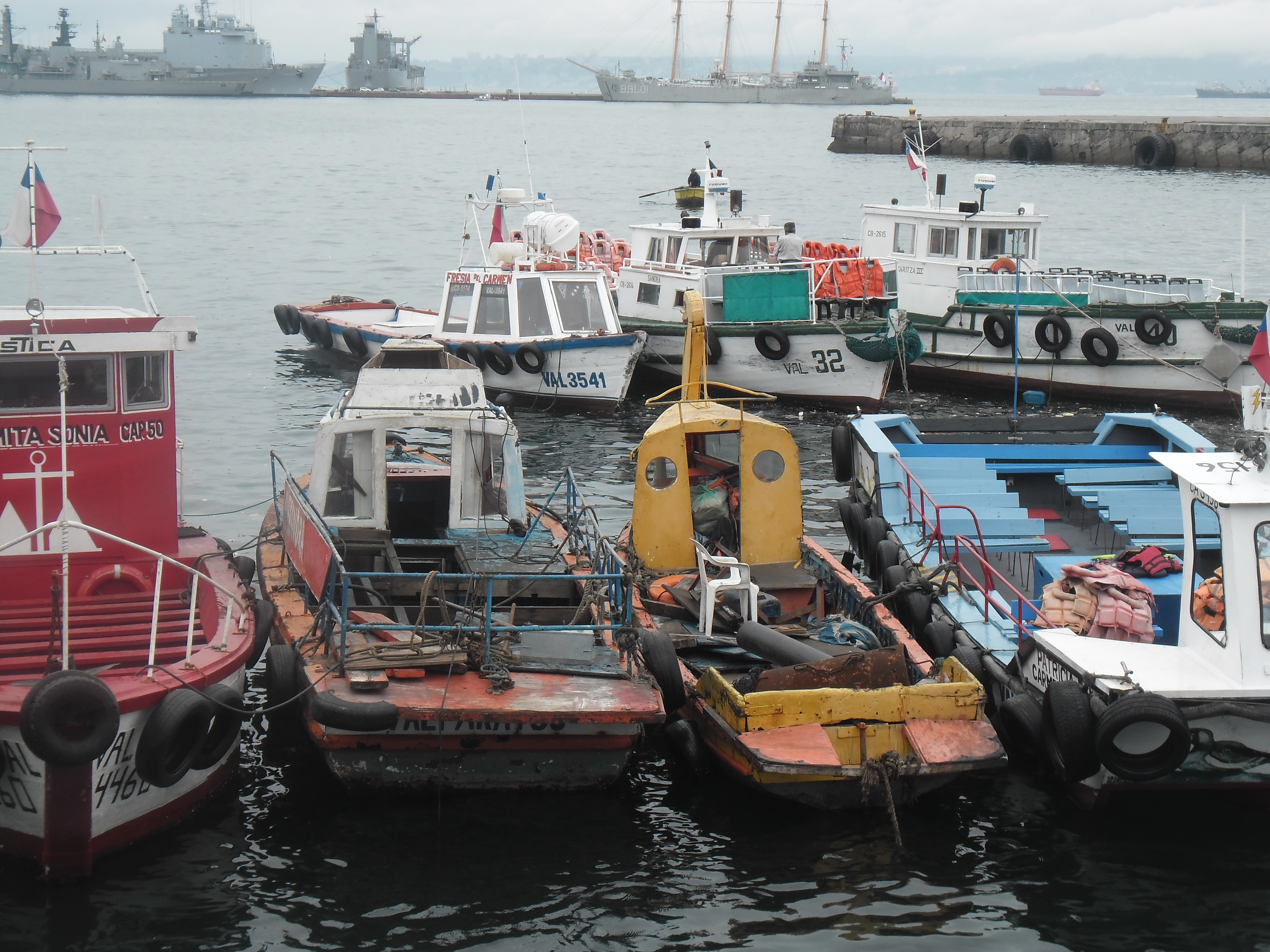
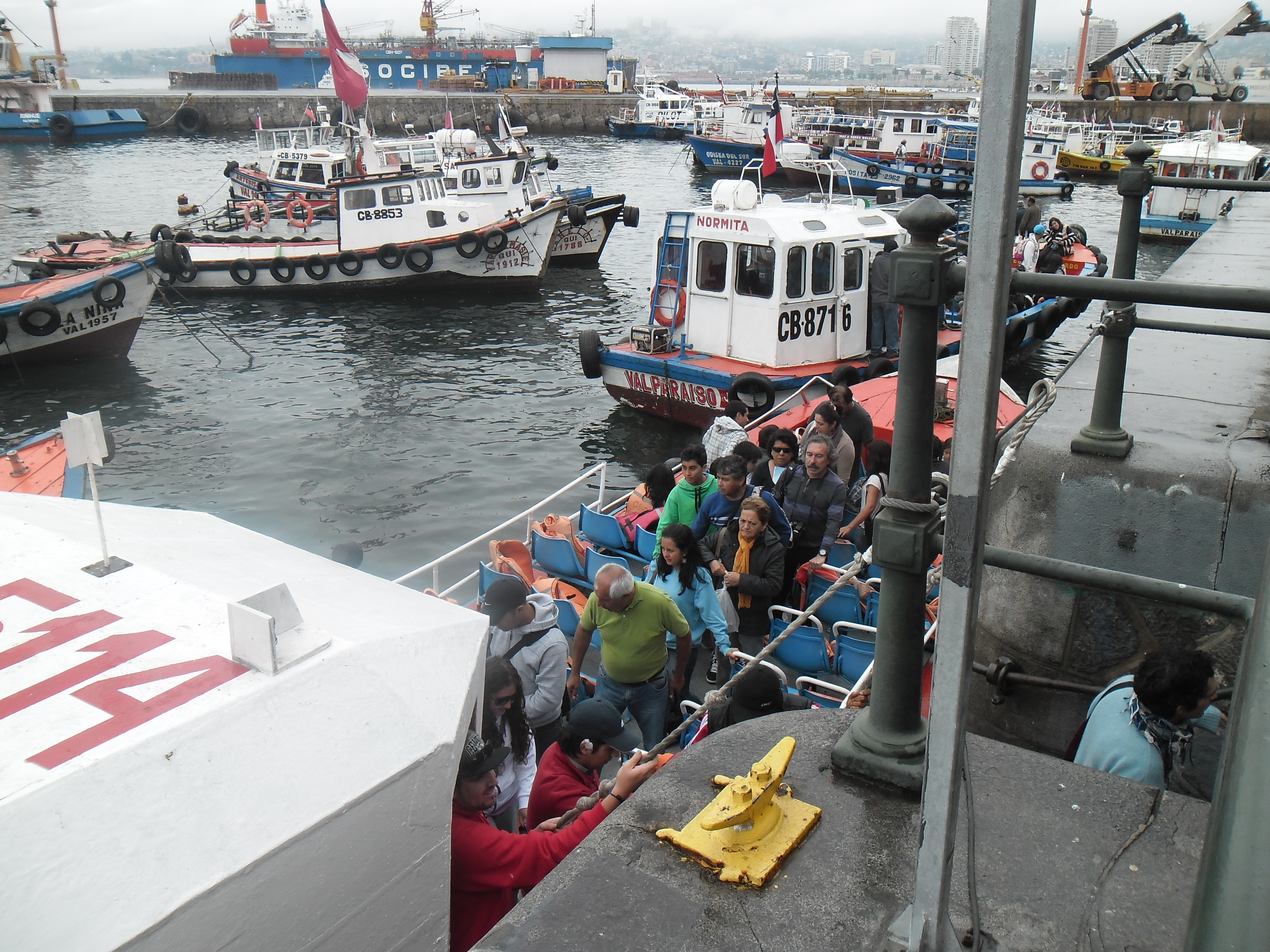
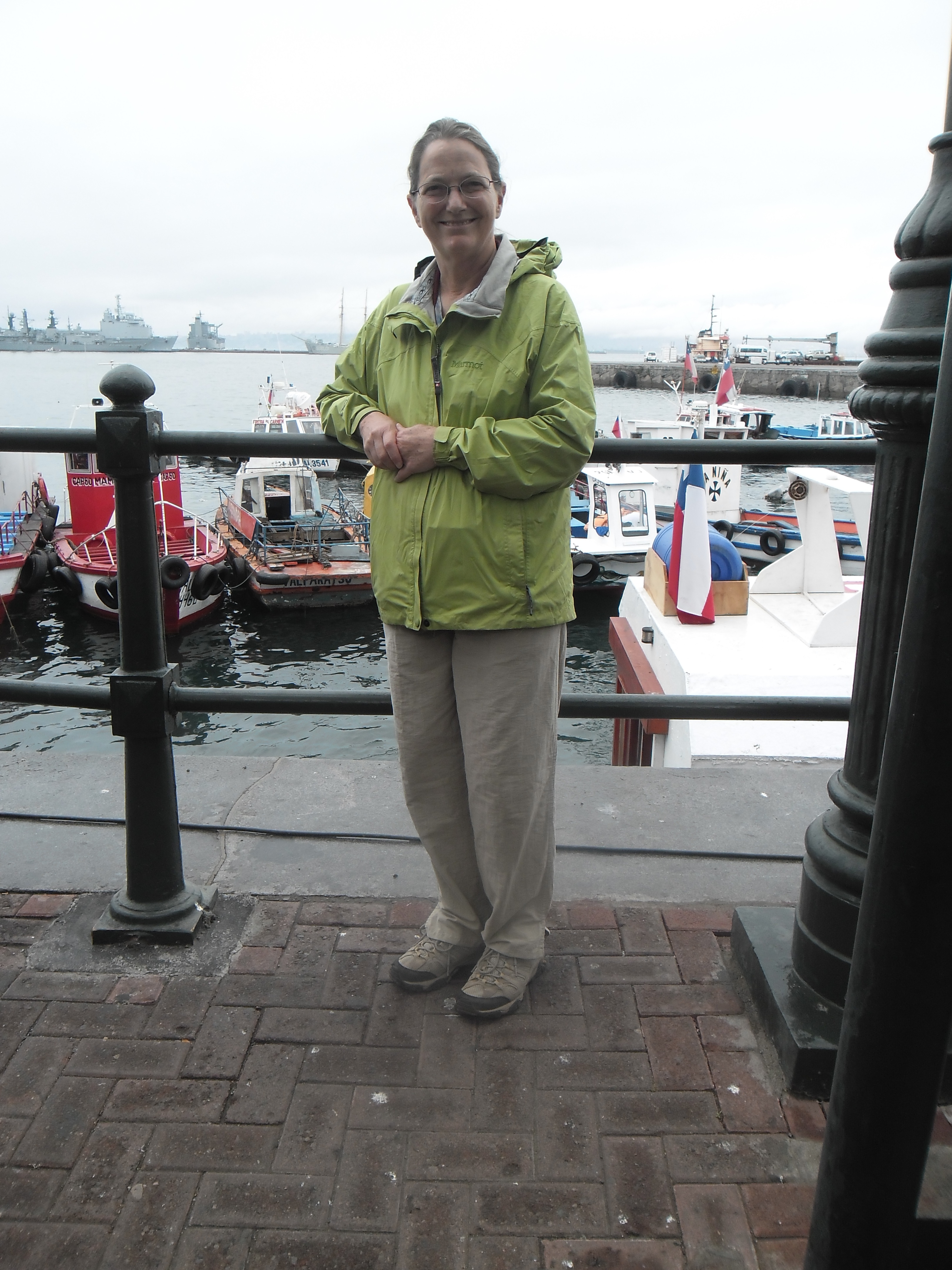
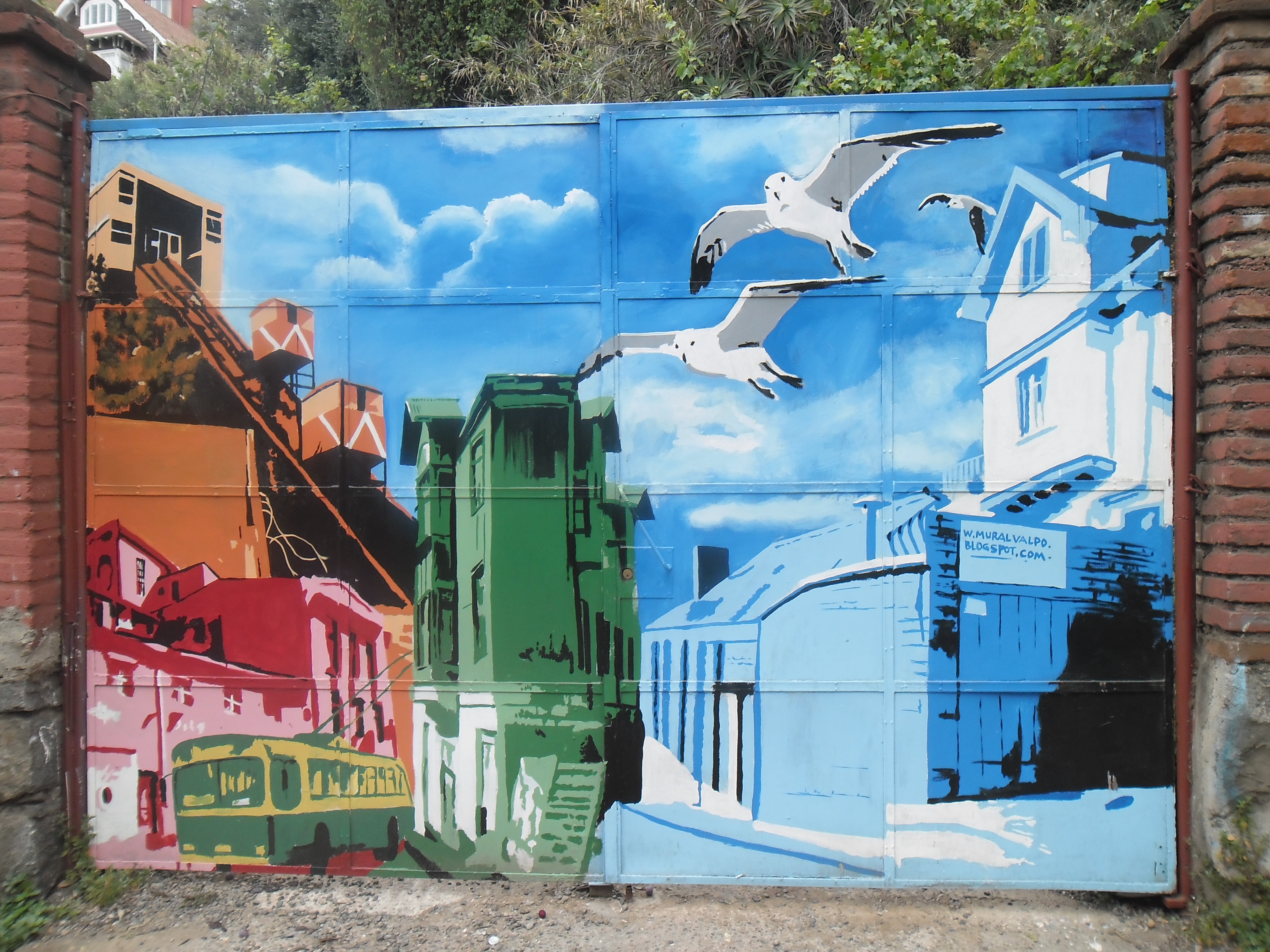
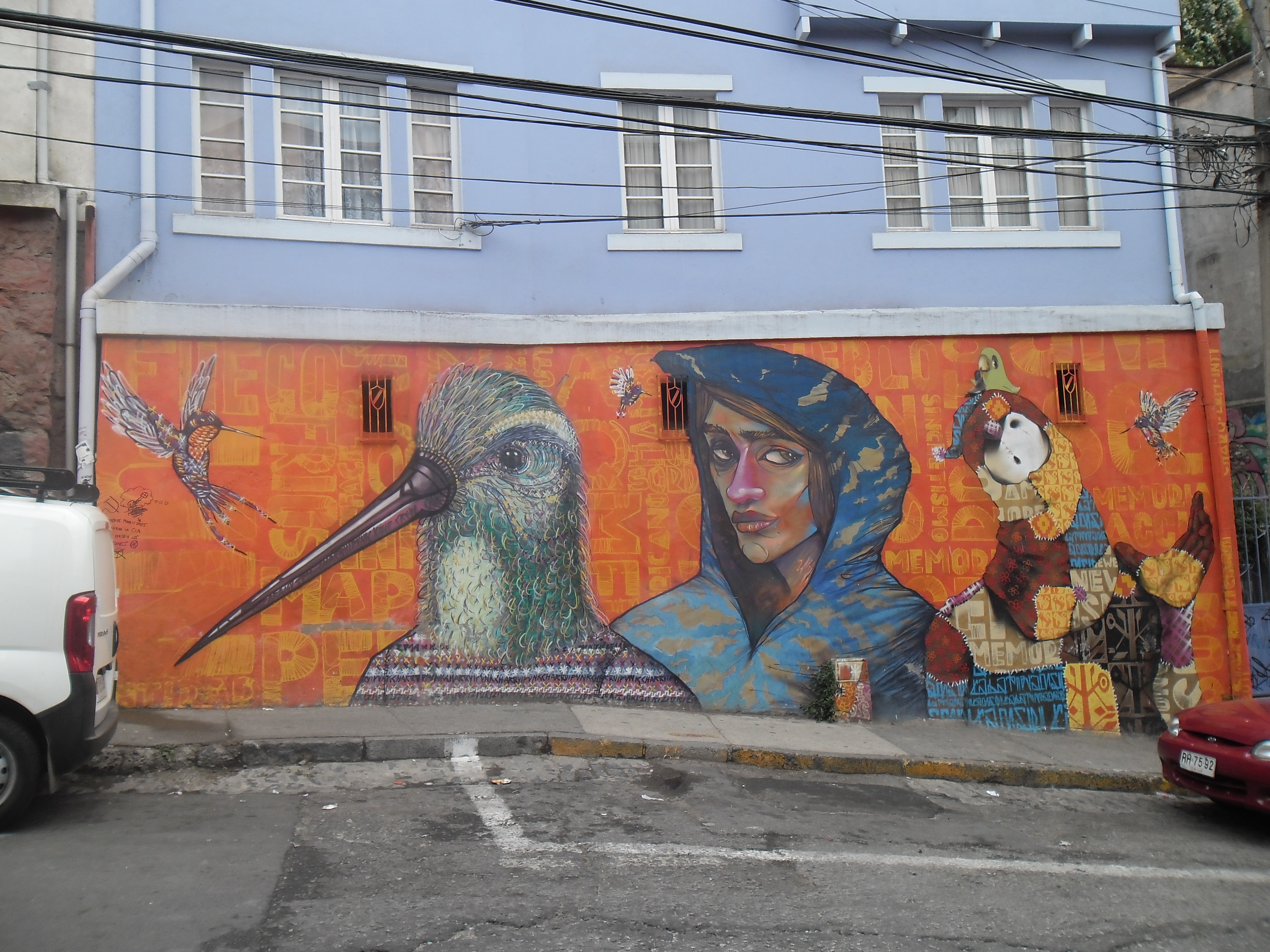
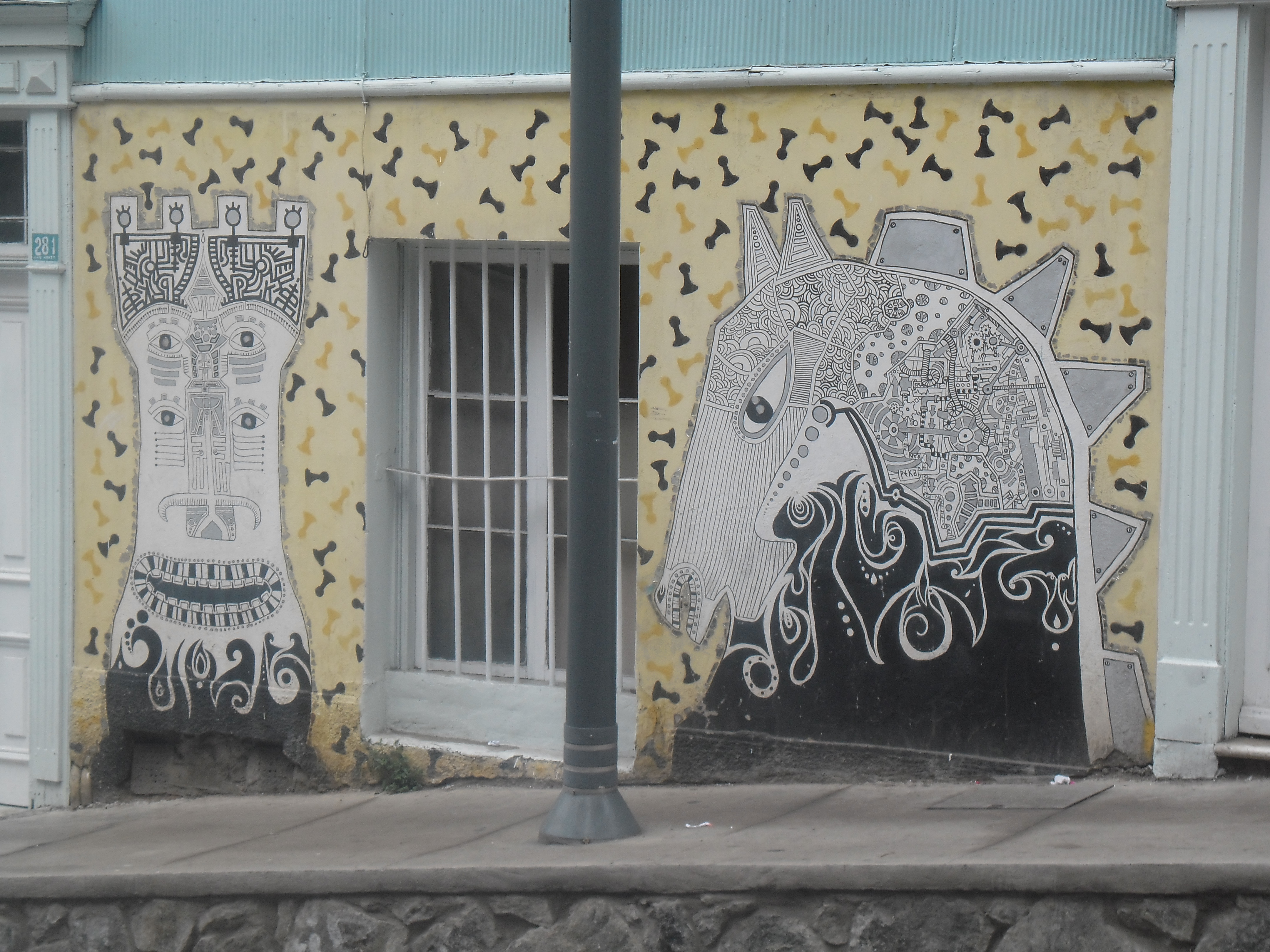
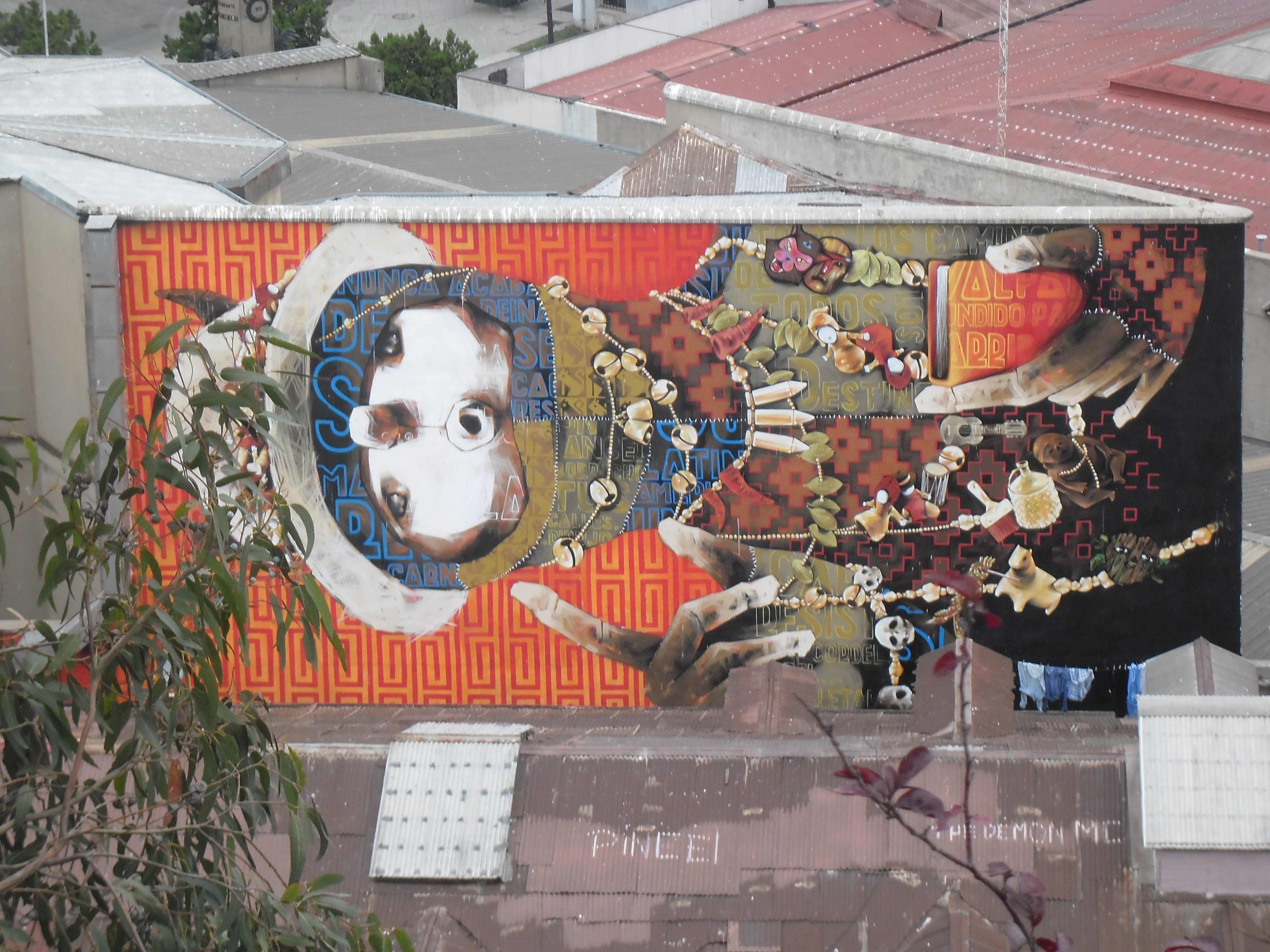
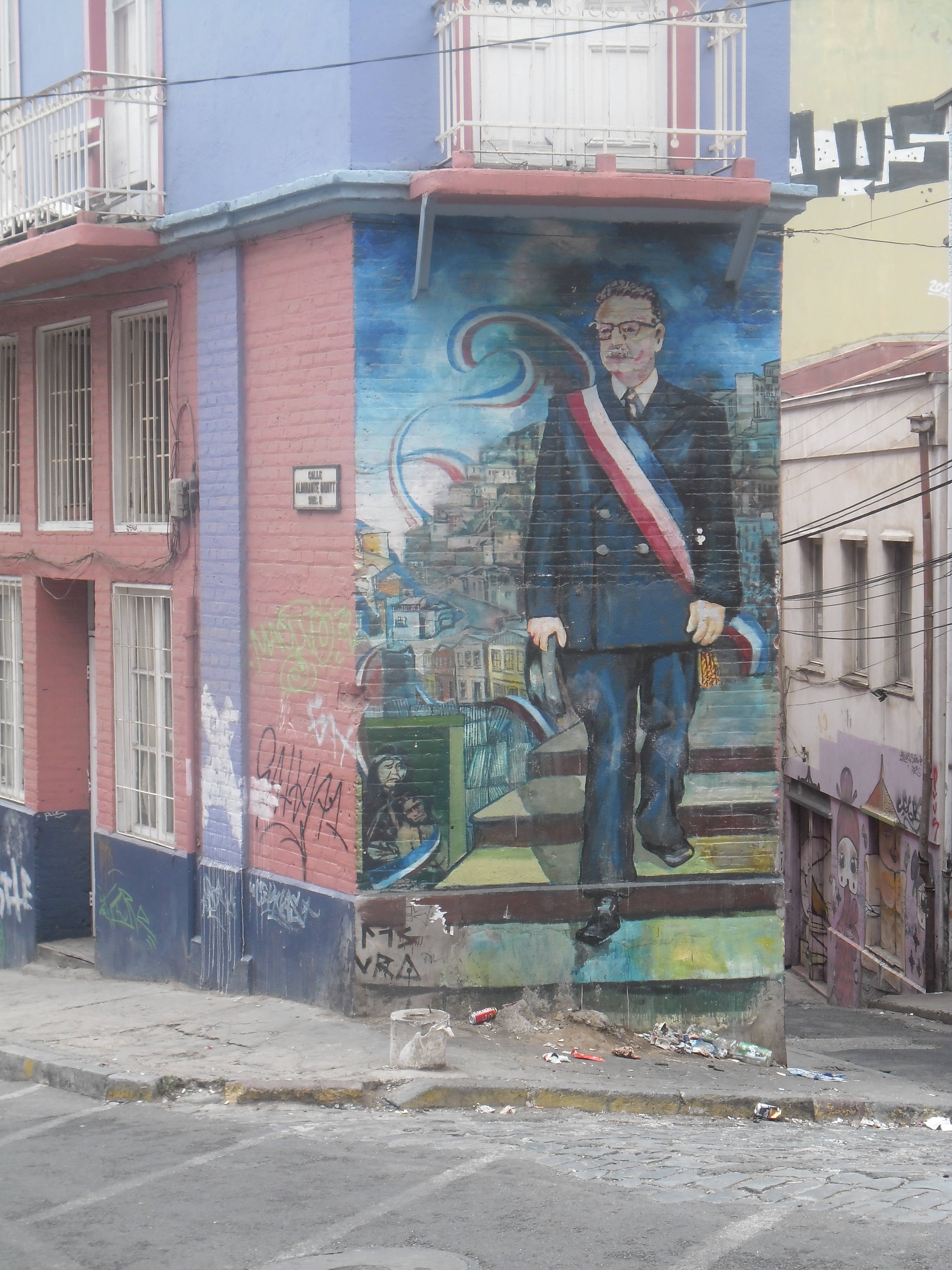
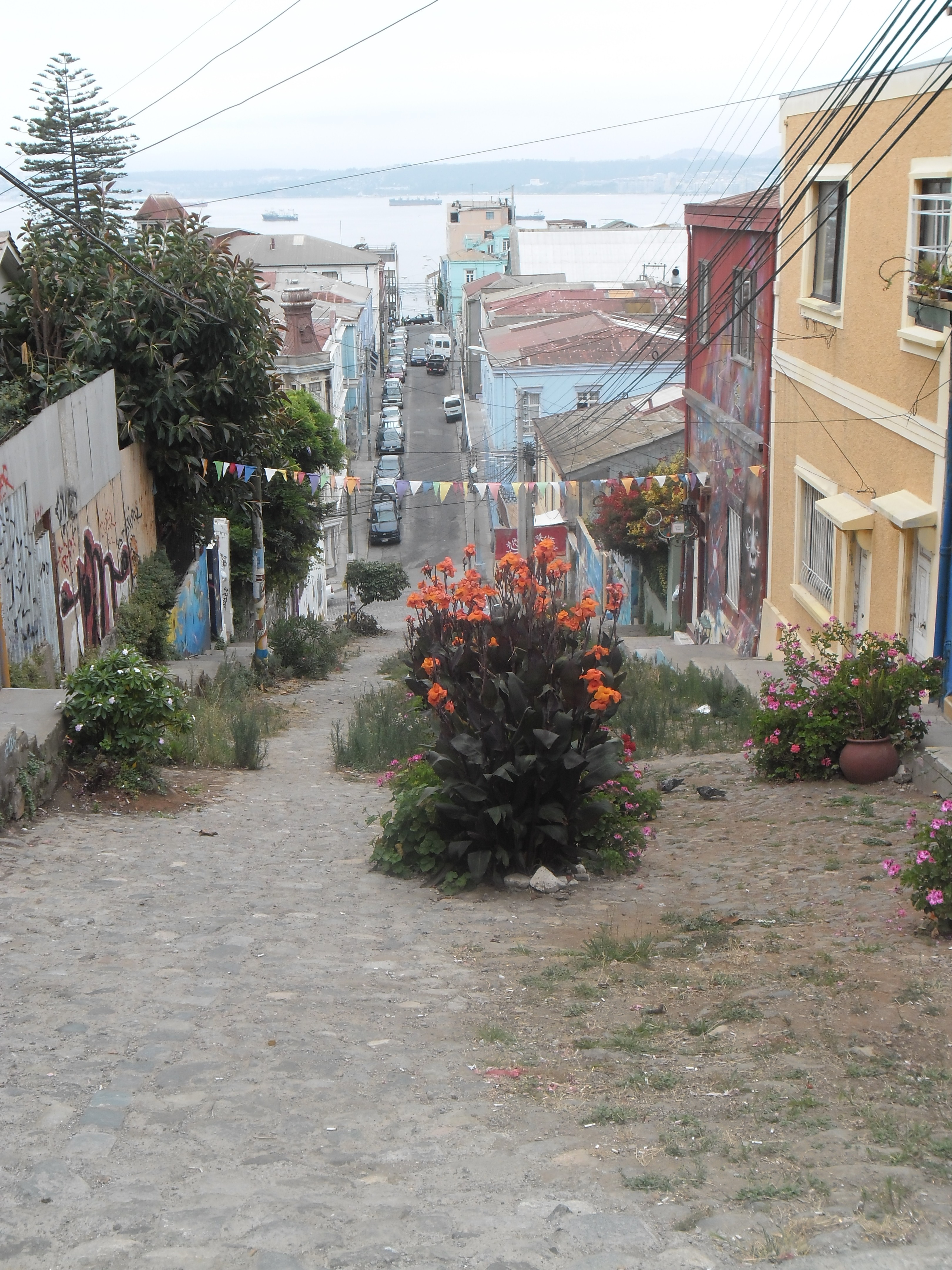
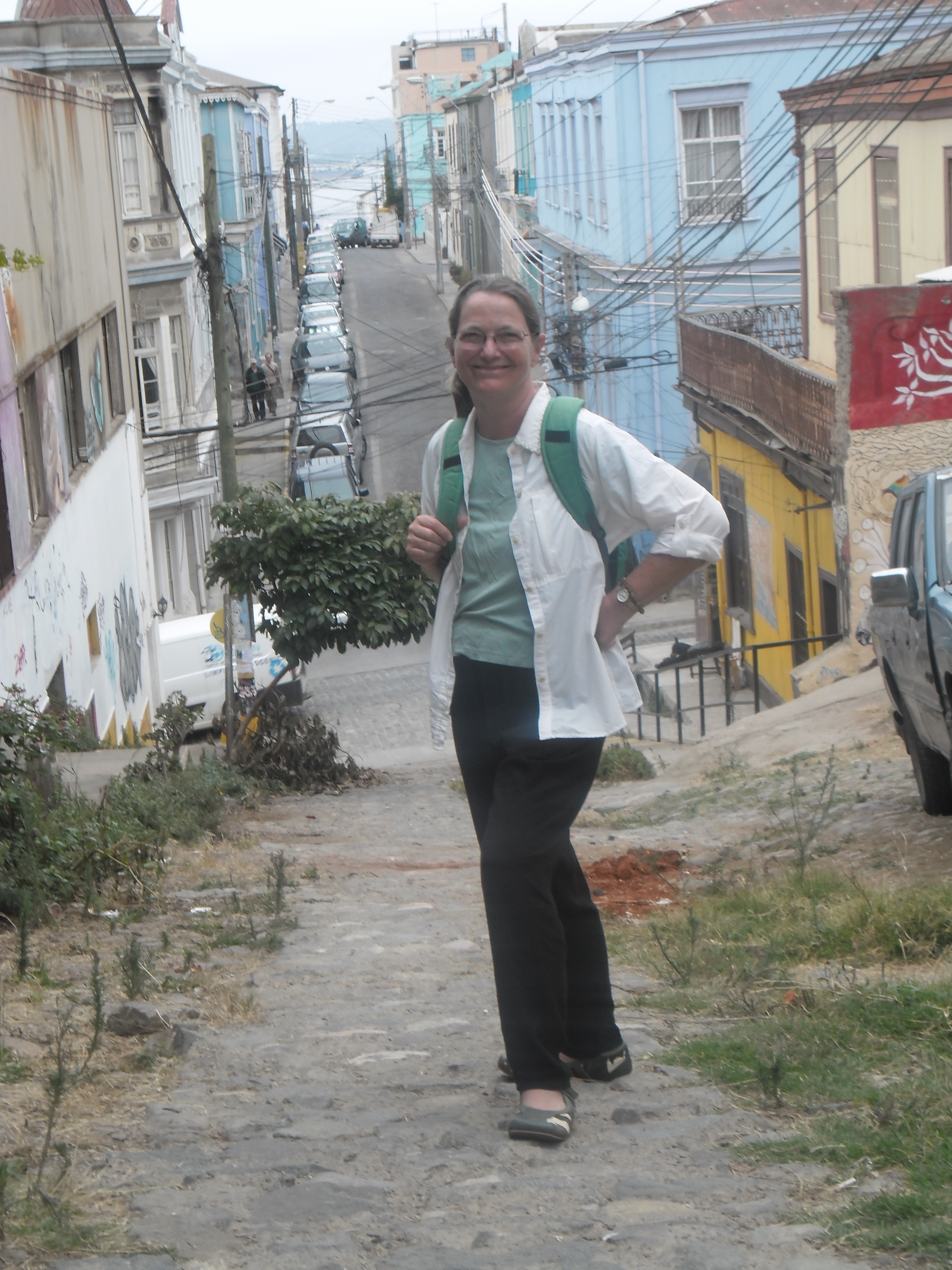
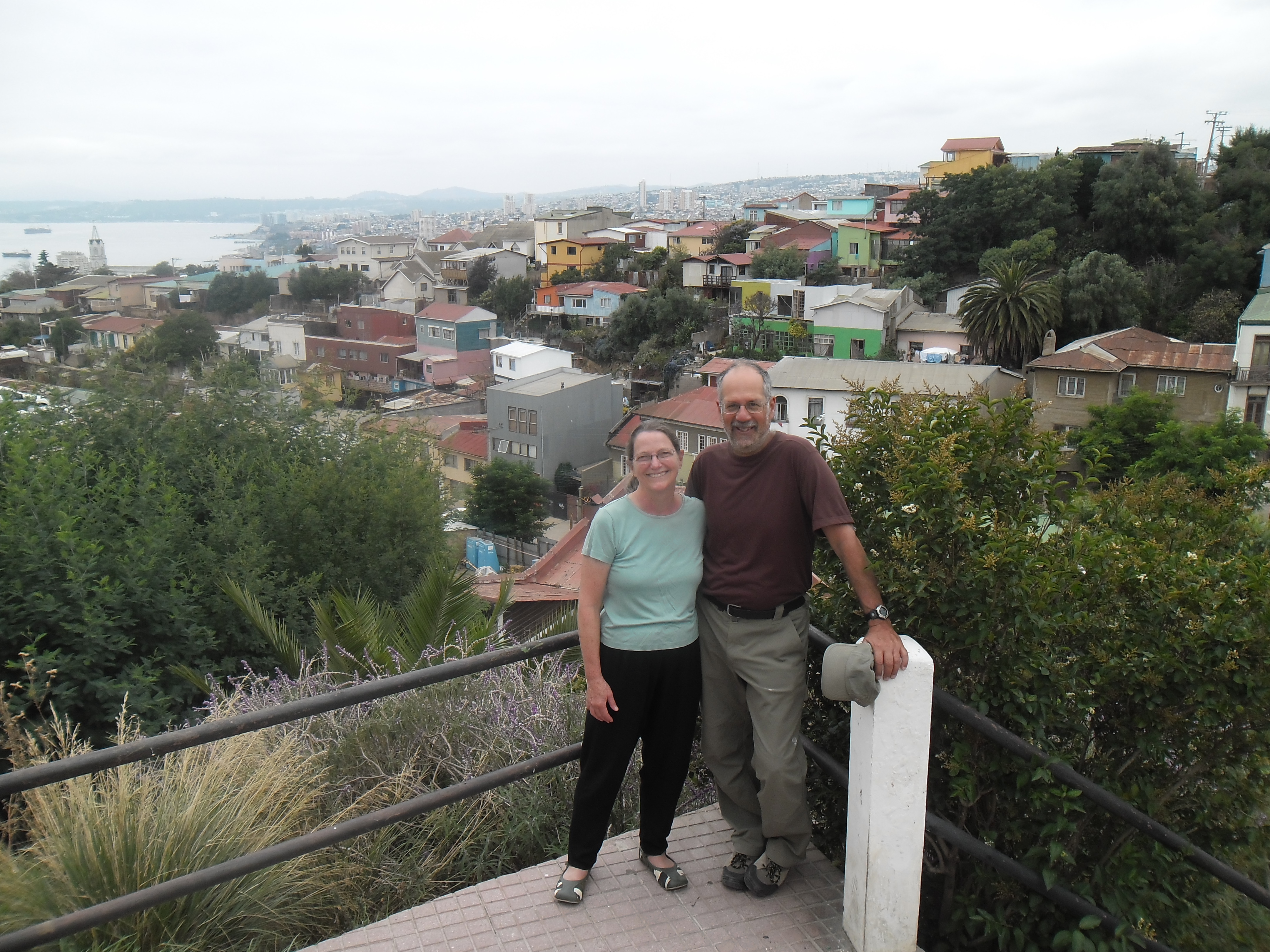
She finally got her chance after her retreat. We went straight there from Santiago. Valparaíso is a port city, about 100 kilometers from Santiago. The guidebook says that “it is the most unique city in Chile, and perhaps in all of Latin America.” This is because of a combination of natural geography and human ingenuity. The city is designated as a UNESCO World Heritage Site, for its architecture, geography, and history. The city is on a bay (hence the port) and it rises dramatically out of the ocean. It is immediately steep and hilly; Valpo is comprised of 42 separate hills, some of them very steep and high. These hills (cerros) offer magnificent views of the beautiful bay. Also, humans have built beautiful buildings up and down all of these hills, and have built boxcar elevators (ascensores) that will c arry you up and down the hills, for a small price. The earliest of the ascensores were built in 1886, and the most recent one in 1920. There used to be 39 of them, but now there are only ten that are still operating. They’re old and rickety, but they still work, and they definitely save your knees. SAM_0543SAM_0514There are great views of the city on the top of the cerros.SAM_0515Valparaíso is a working port. The navy has ships there, and big freighters come and go, loading and unloading. Cruise ships too. The port is always loaded with tourists watching the action. You can also get on little tour boats to take a tour of the bay. SAM_0513SAM_0511SAM_0510SAM_0512The town is full of tourists. Lots of peole from Brazil and other parts of Chile. Lots of people from France and Germany. Mostly, they wander through the streets, looking at the beautiful views and discussing which restaurant they want to eat at. The big vistas out to the bay, the steep streets, the colorfully painted buildings. The town is also famous for the colorful murals that are all over. SAM_0554SAM_0522SAM_0519SAM_0516Even Salvador Allende has a rememberance.

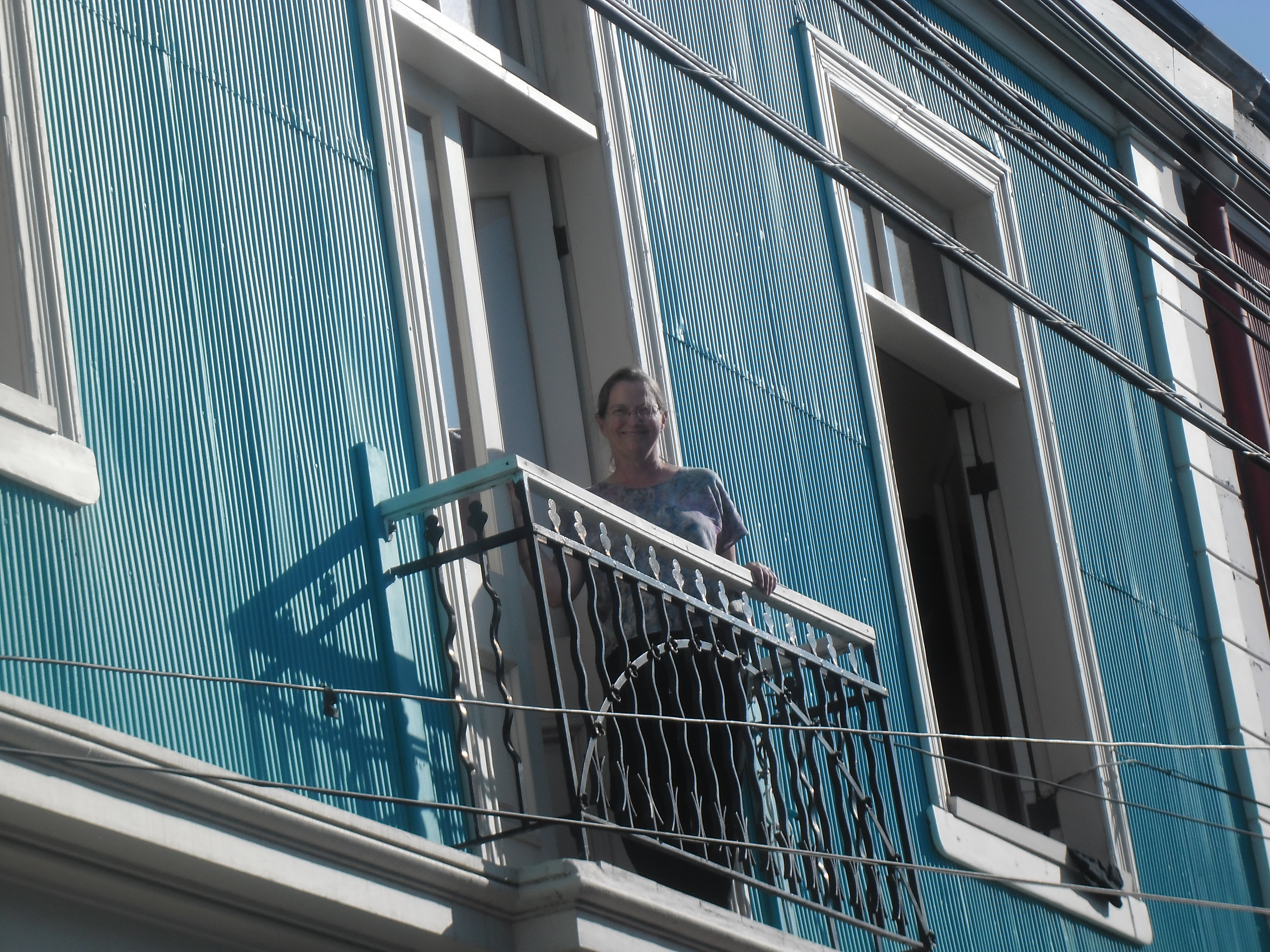
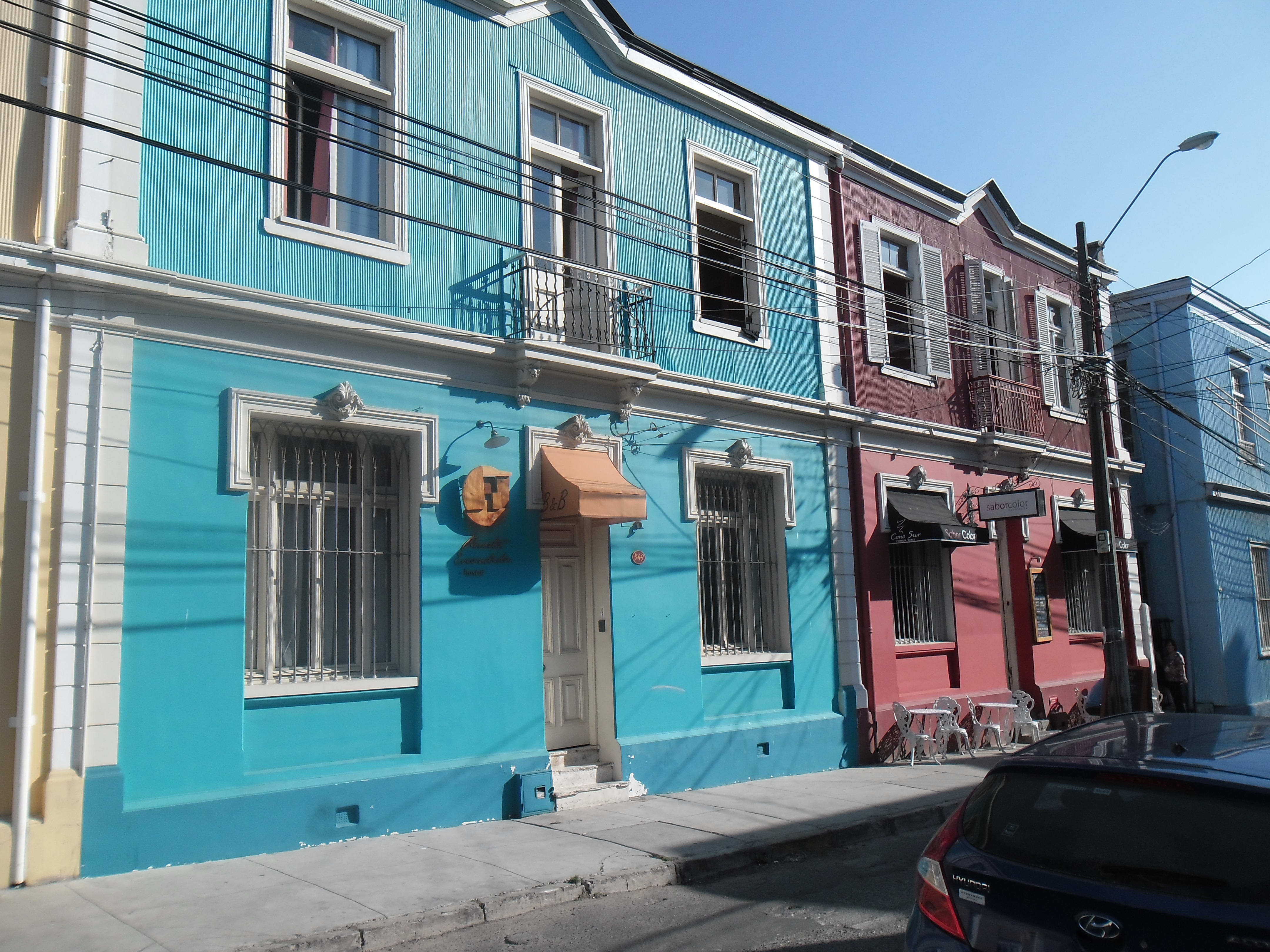
SAM_0521We stayed in a little hostel (five rooms) in a historic part of town. We took an ascensor up and down to get there and to go to the city. The hostel had a “balconcito” where we could look out over the street. SAM_0545

Our hostel, "Puerta Escondida" is the blue building.

Our hostel, “Puerta Escondida” is the blue building.

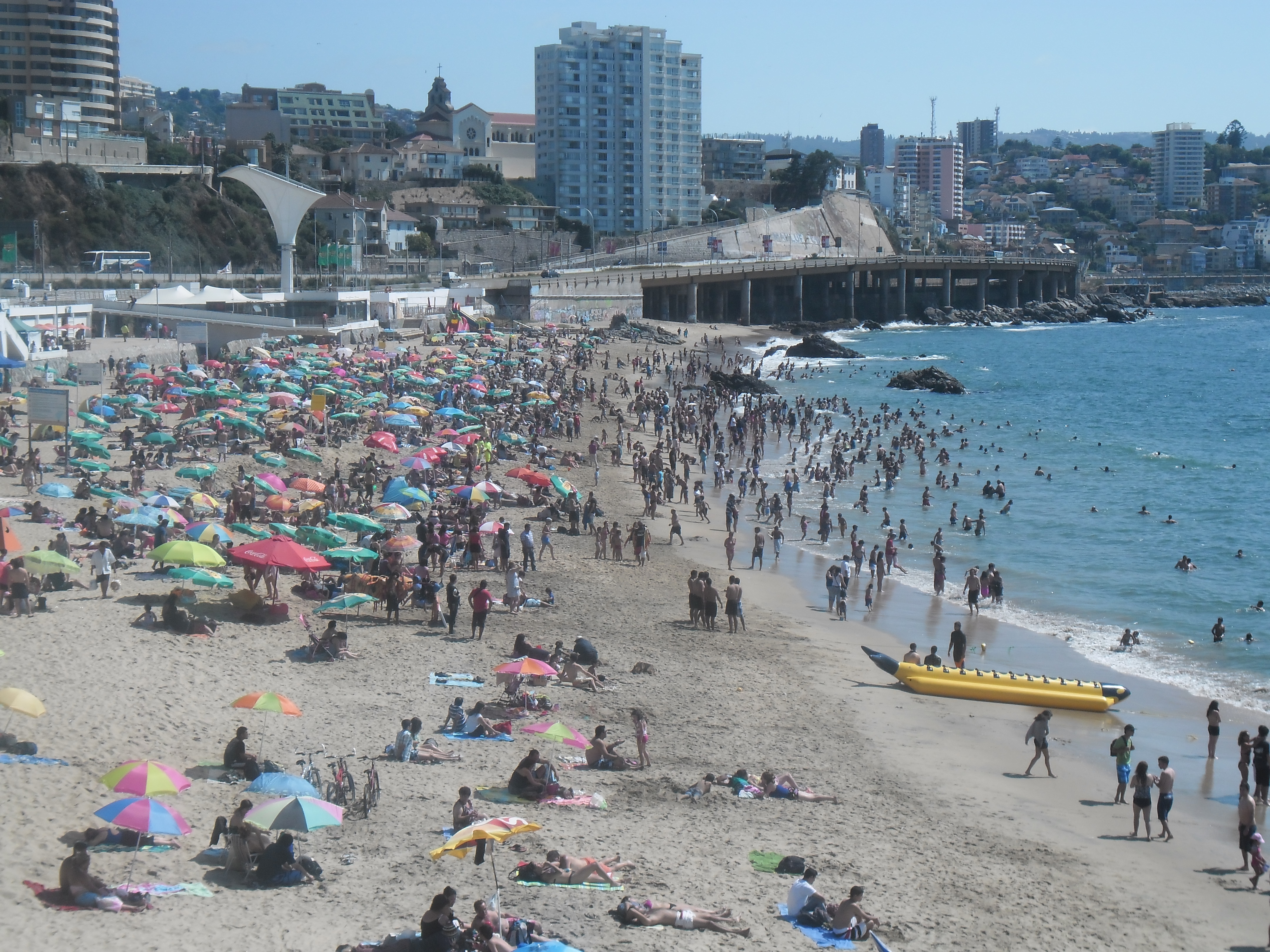
We wandered through the town like the rest of the tourists, enjoying the beauty. SAM_0551SAM_0550SAM_0556One day, we took a bus and went north of town, to check out the beaches and towns. This is mid-January, and high season for the people of Santiago (los santiaguinos) to head for the beaches. It’s summer vacation for the kids, it’s hot in the city, and families take off. Viña del Mar is a city right on the ocean, just a few kilometers from Valparaíso. The beaches were full of people. Chilenos everywhere you looked.

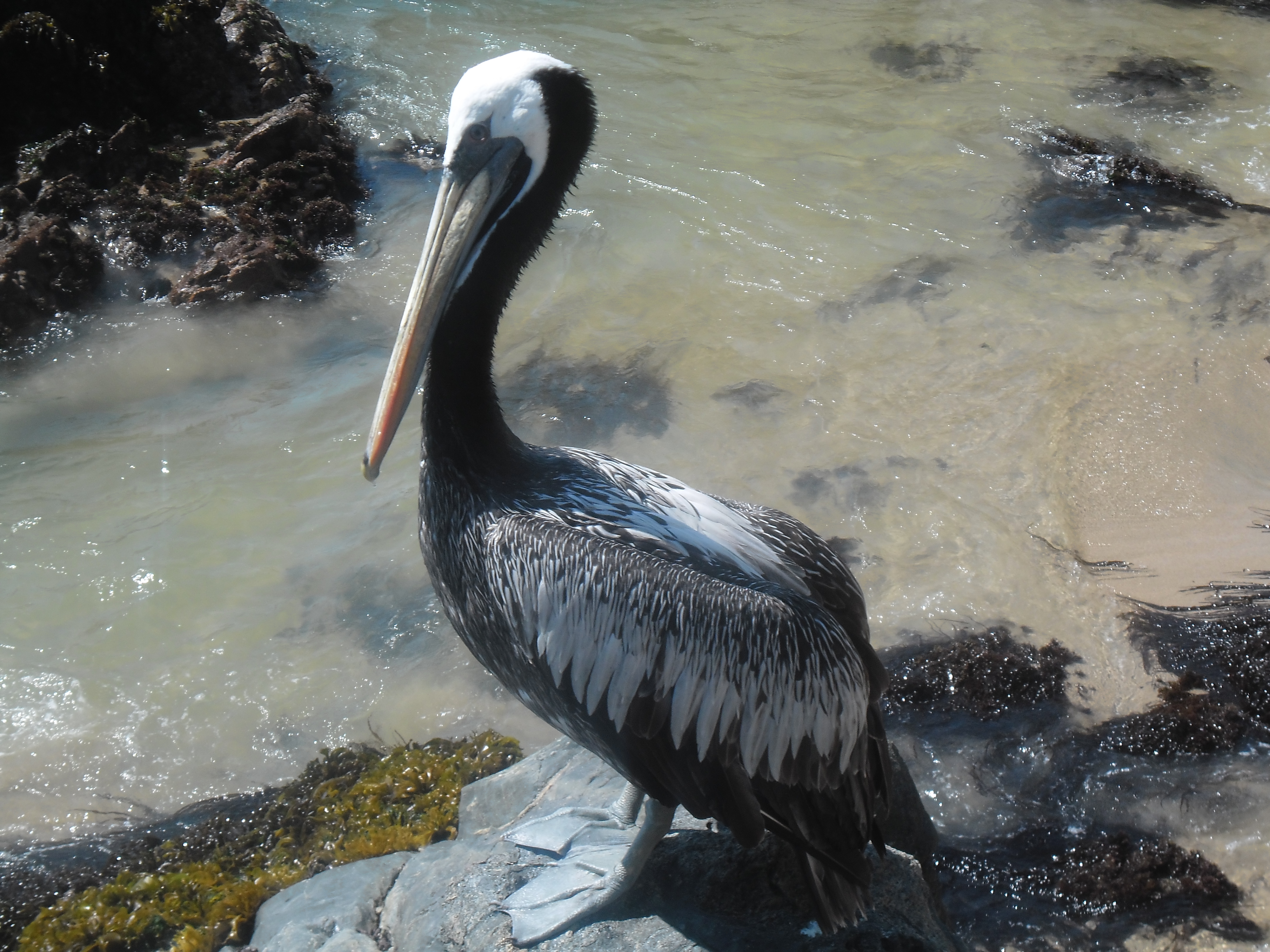
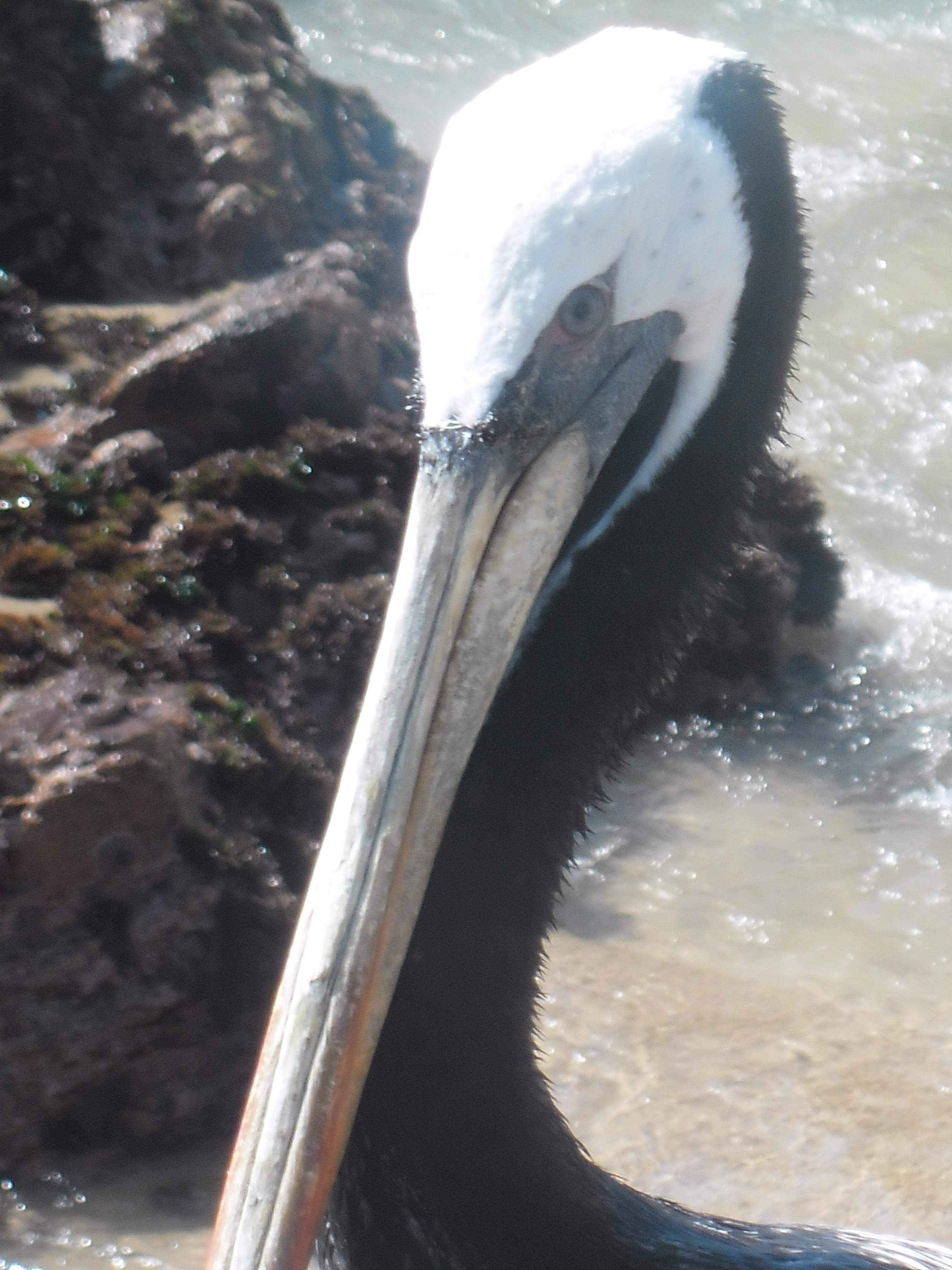
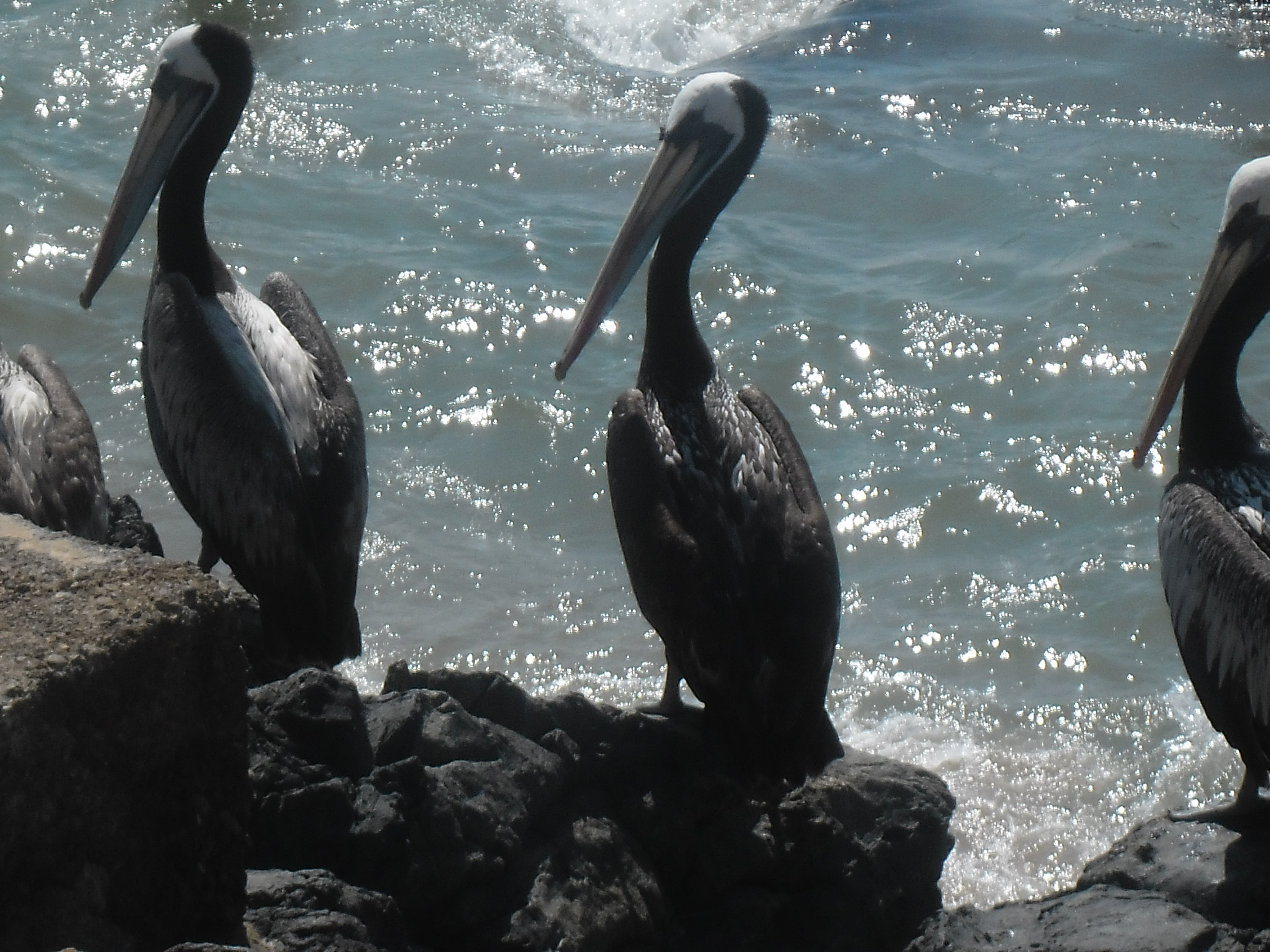
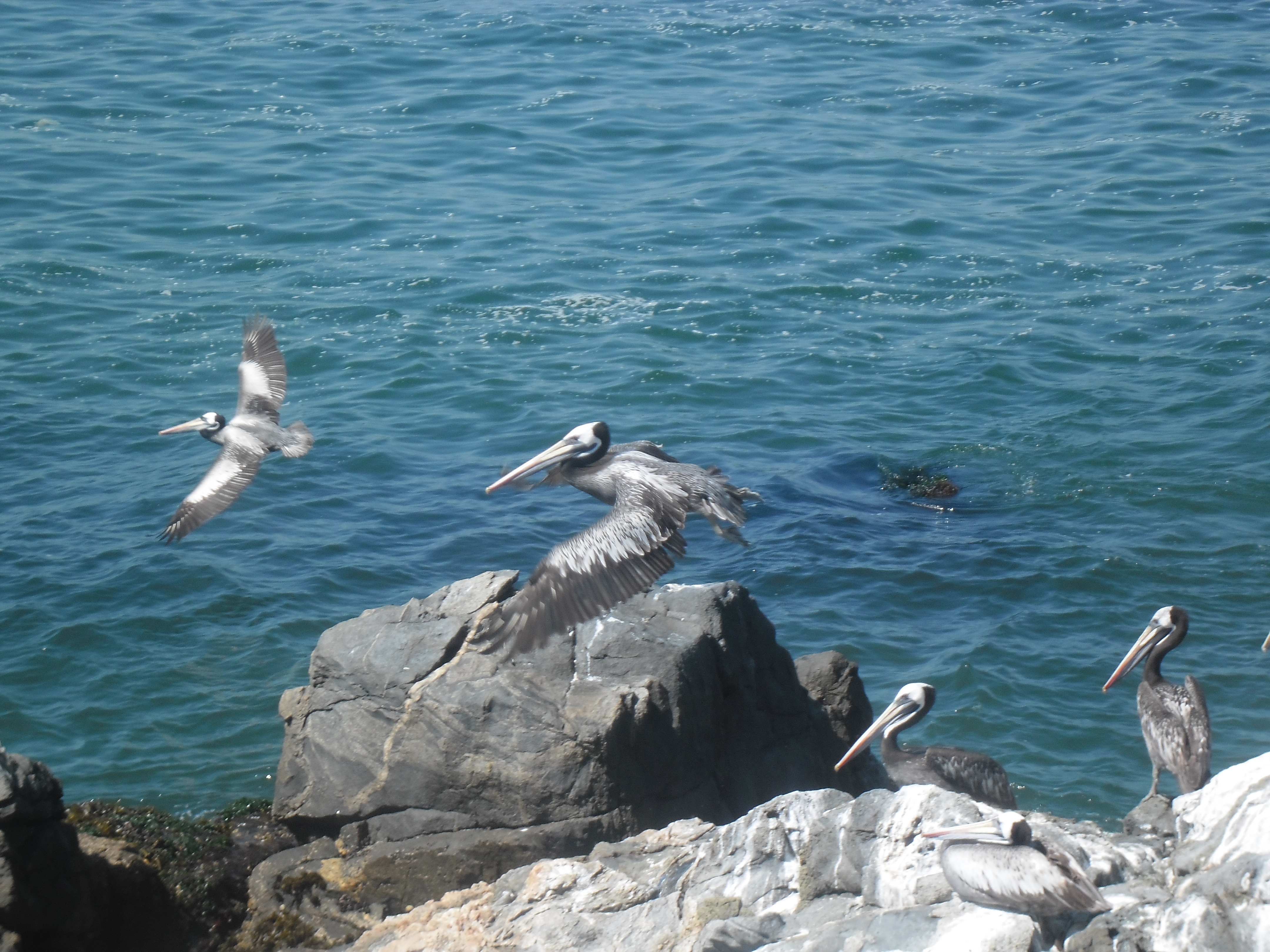
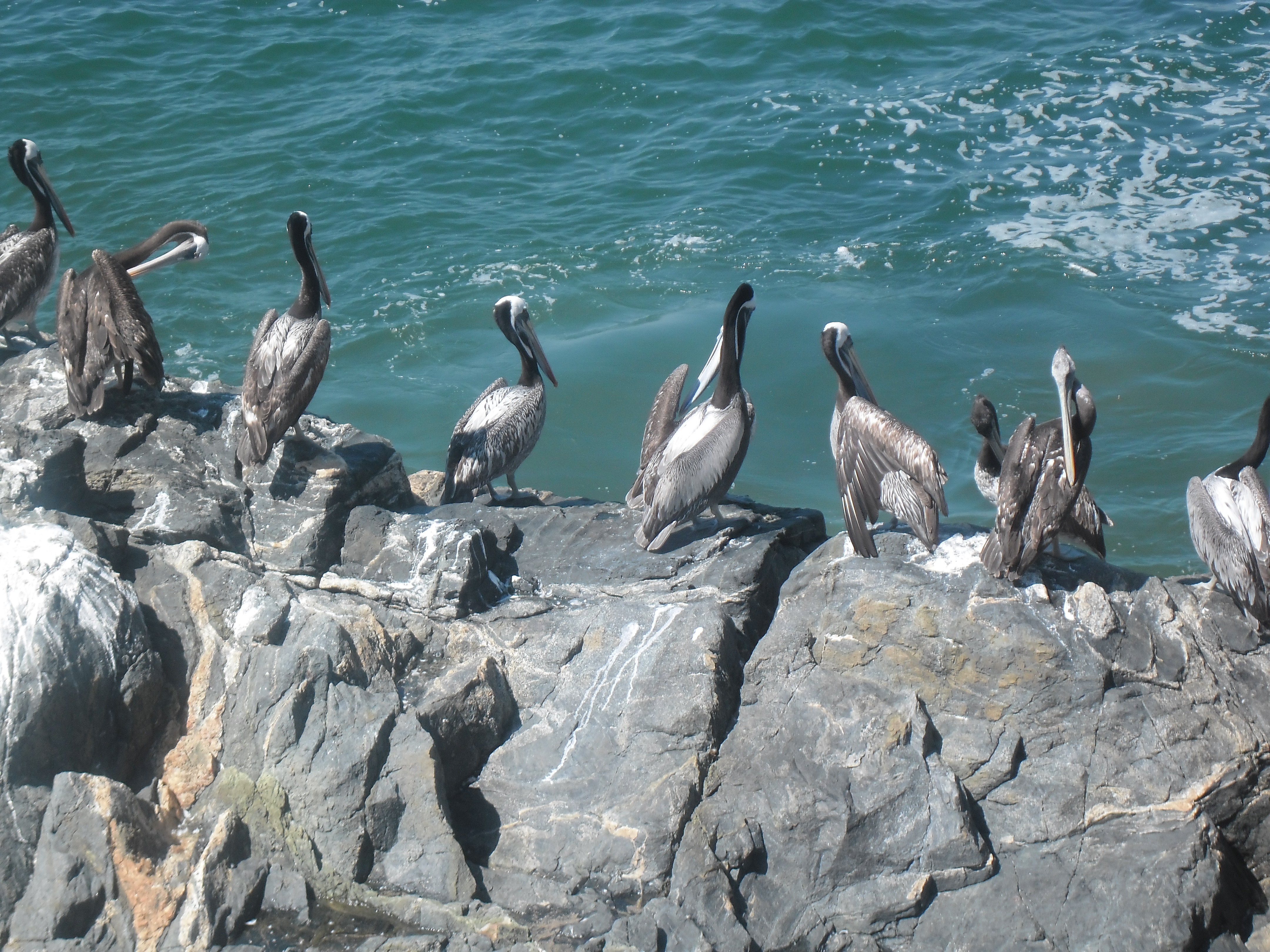
SAM_0542There were also lots of pelicans nearby. We spent an hour or so being closer to pelicans than we’ve ever been. They are spectacular birds, and I love seeing them on the Oregon coast, but yu can’t see them this close. And the pelicns here are different. They fly the same, but they have distinctive black and white band on the tops of their wings, visible as they fly.

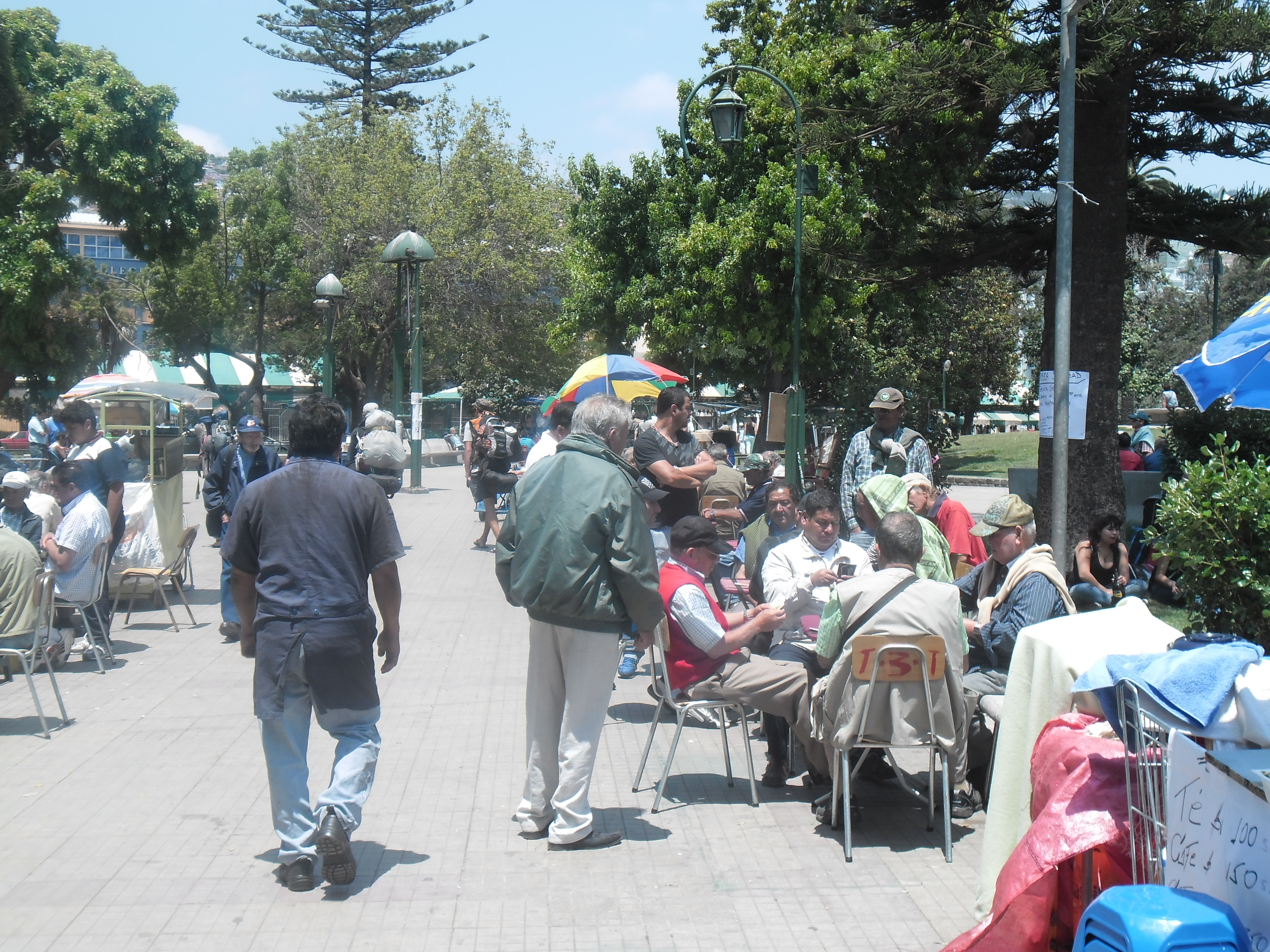
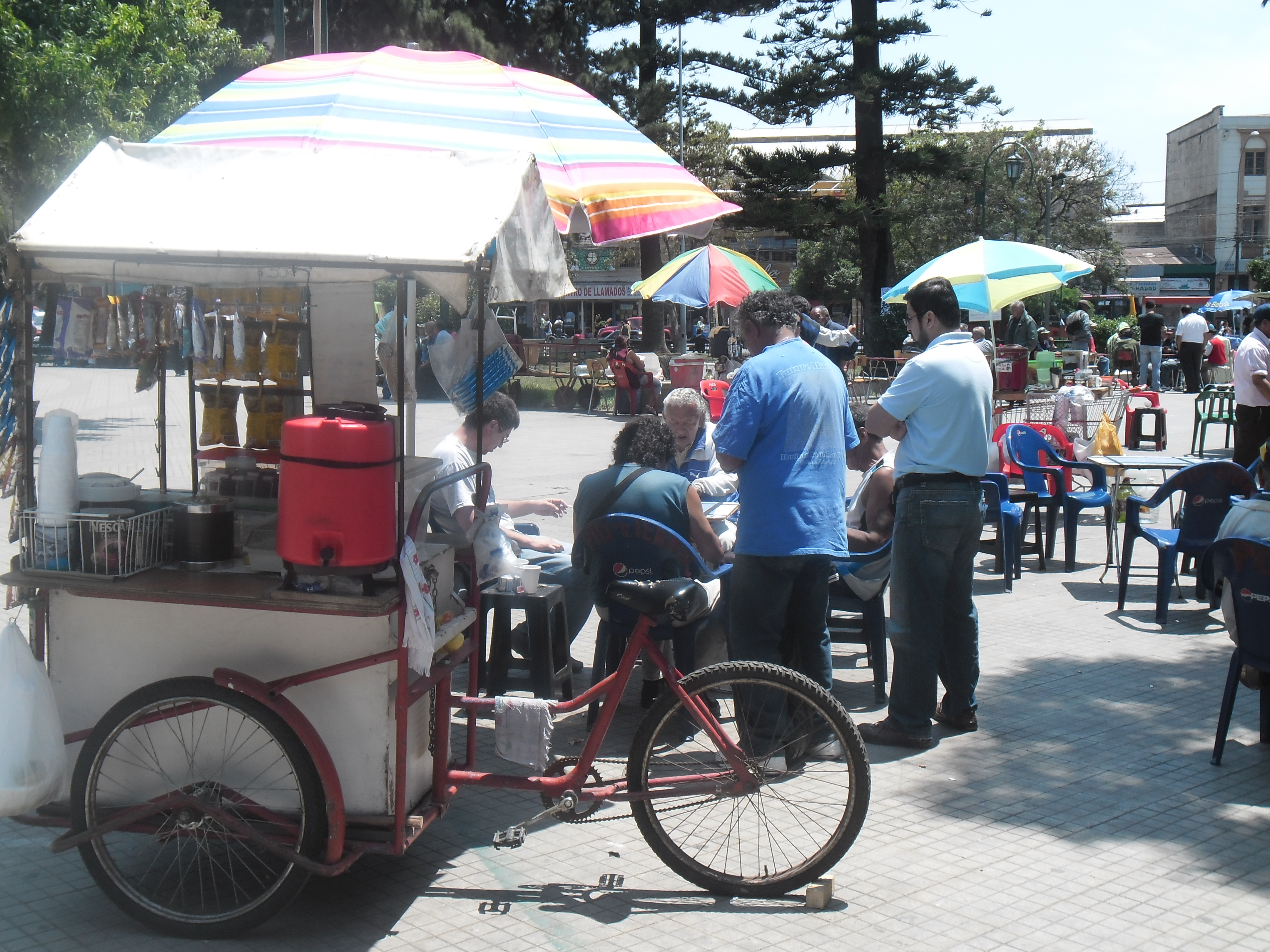
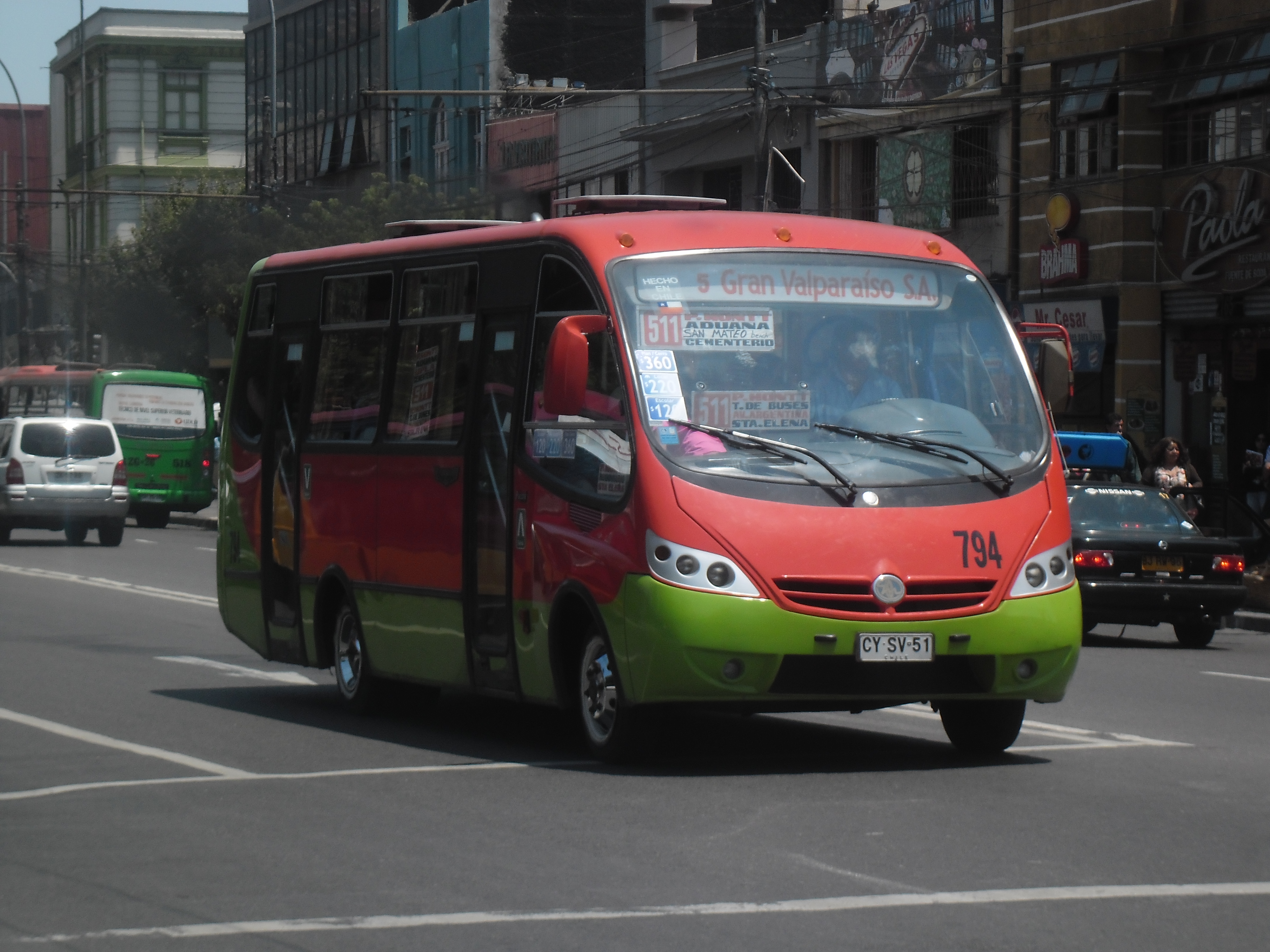
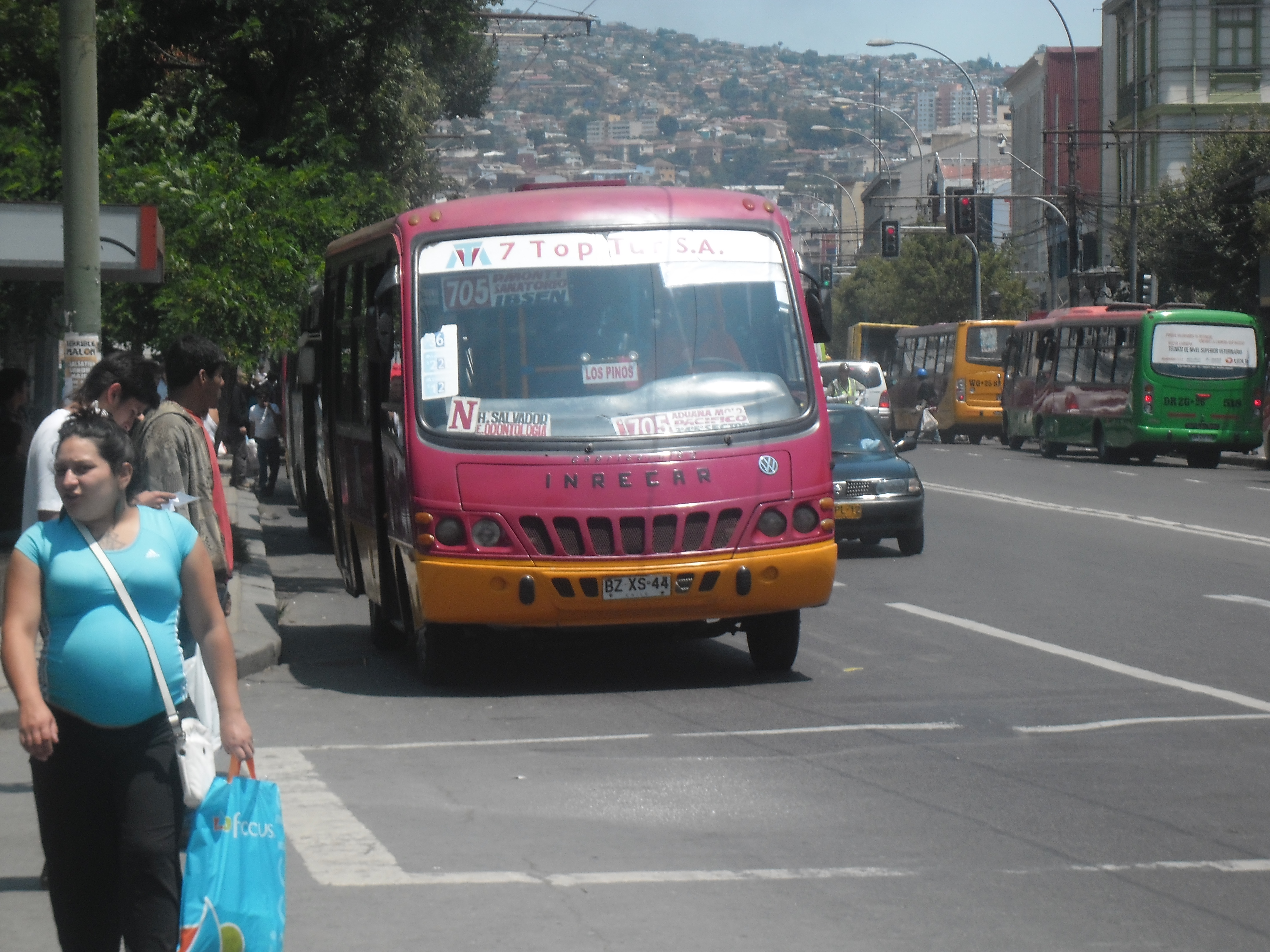
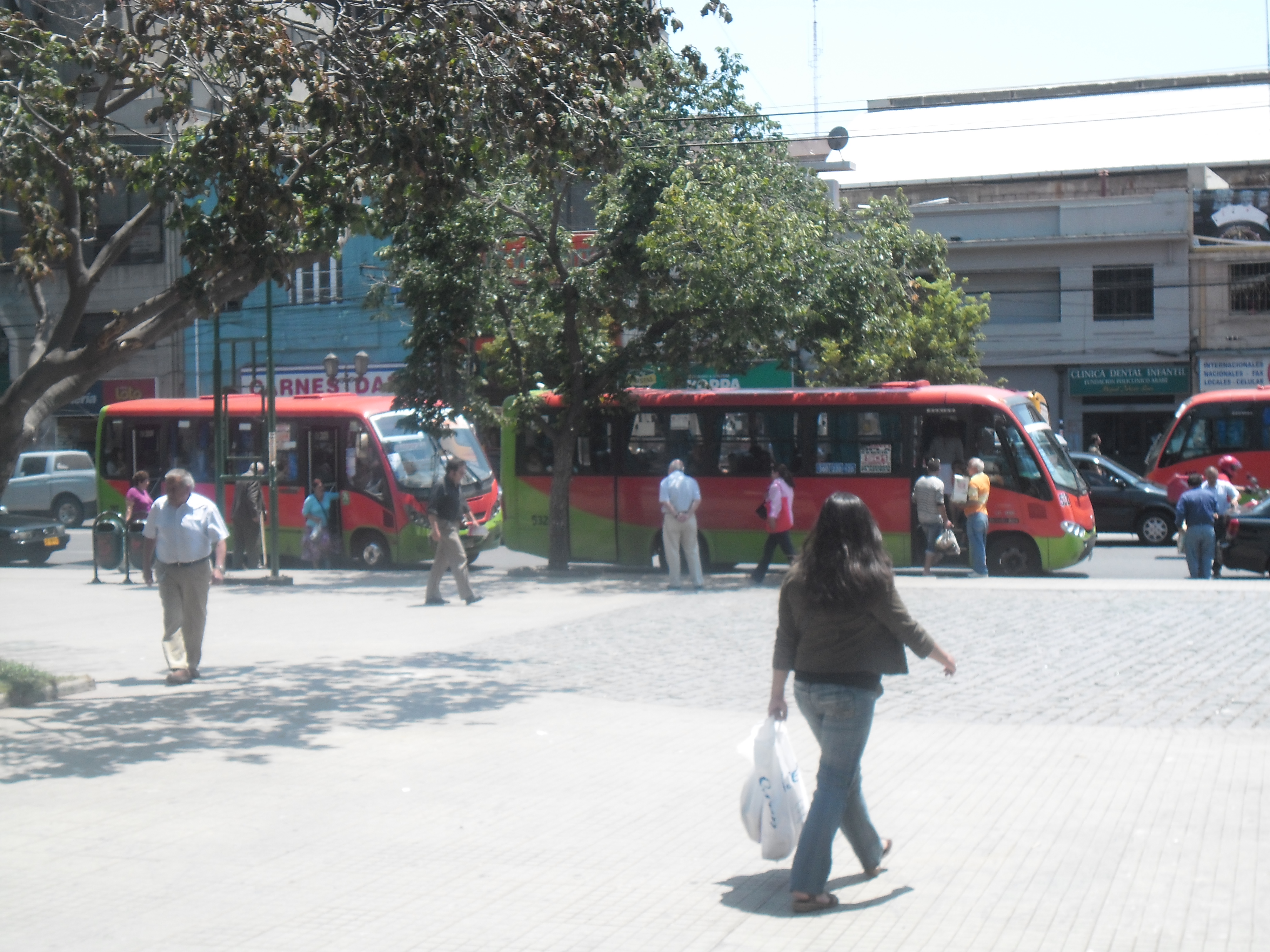
SAM_0537SAM_0536SAM_0532SAM_0530SAM_0524Of course, Valparaís is much more than a tourist and beach town. The plazas are full of life, especially in the early evening. In the afternoons, though, they’re also full of people playing cards, buying and selling, and spending time. People get around the city on little buses that zip along. They have their designated routes, but they don’t have many actual bus stops. You can just flag them down wherever you are, and get off wherever you want. The traffic, like the city itself, is very chaotic, but they do stop for you when you’re in a crosswalk. SAM_0561SAM_0564

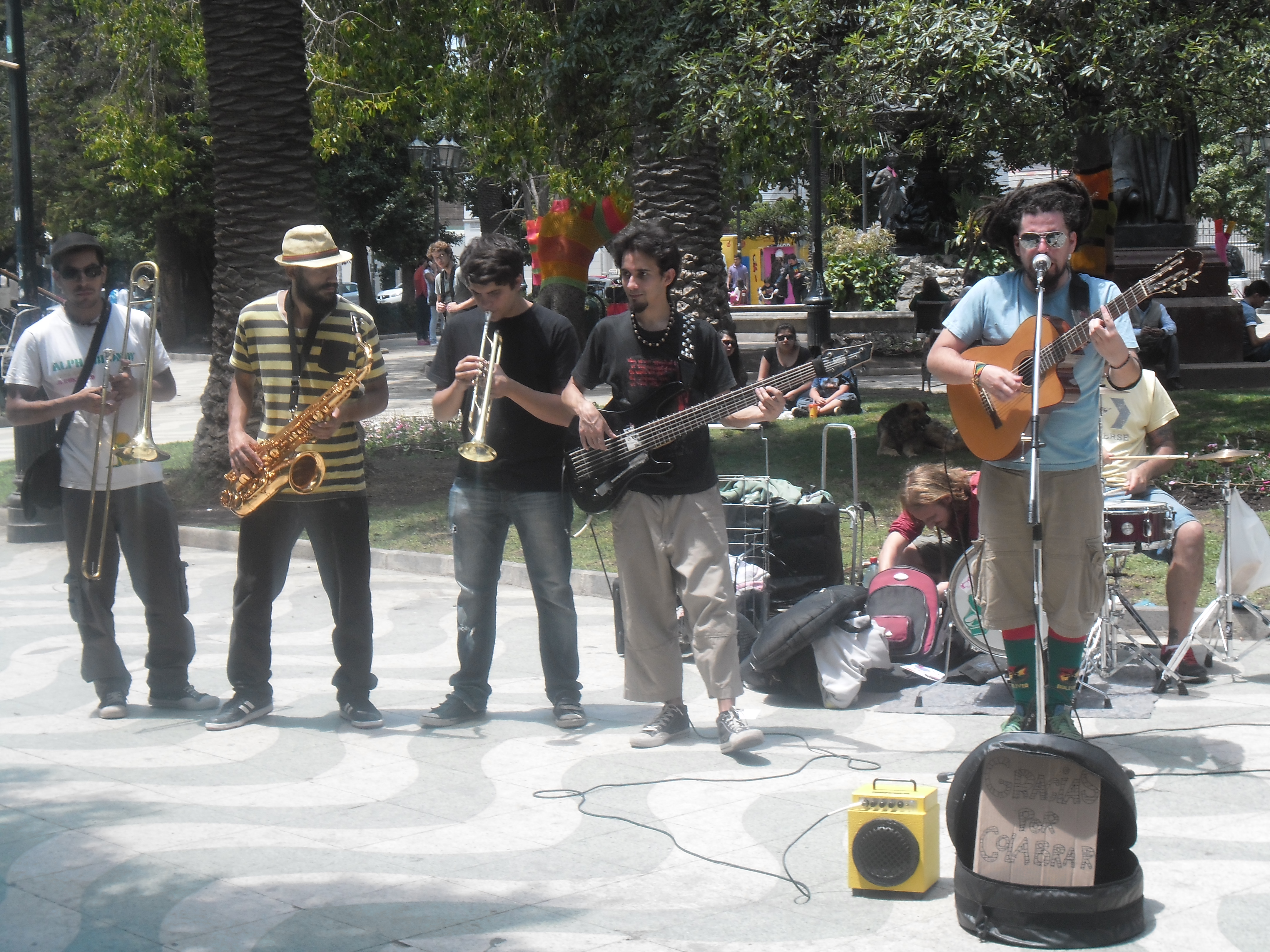
Great music! They got a tip from us.

Great music! They got a tip from us.

SAM_0565SAM_0566SAM_0573

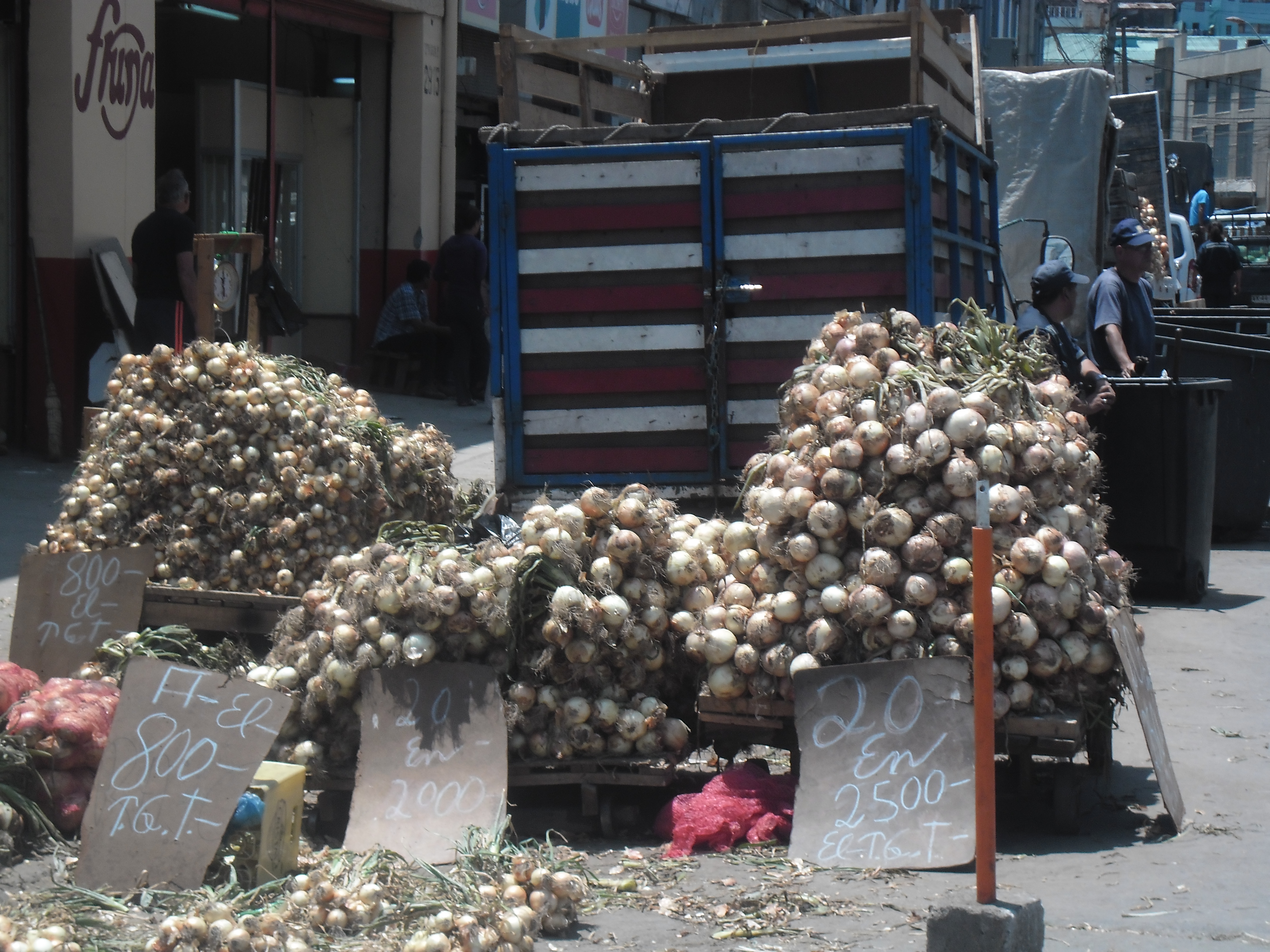
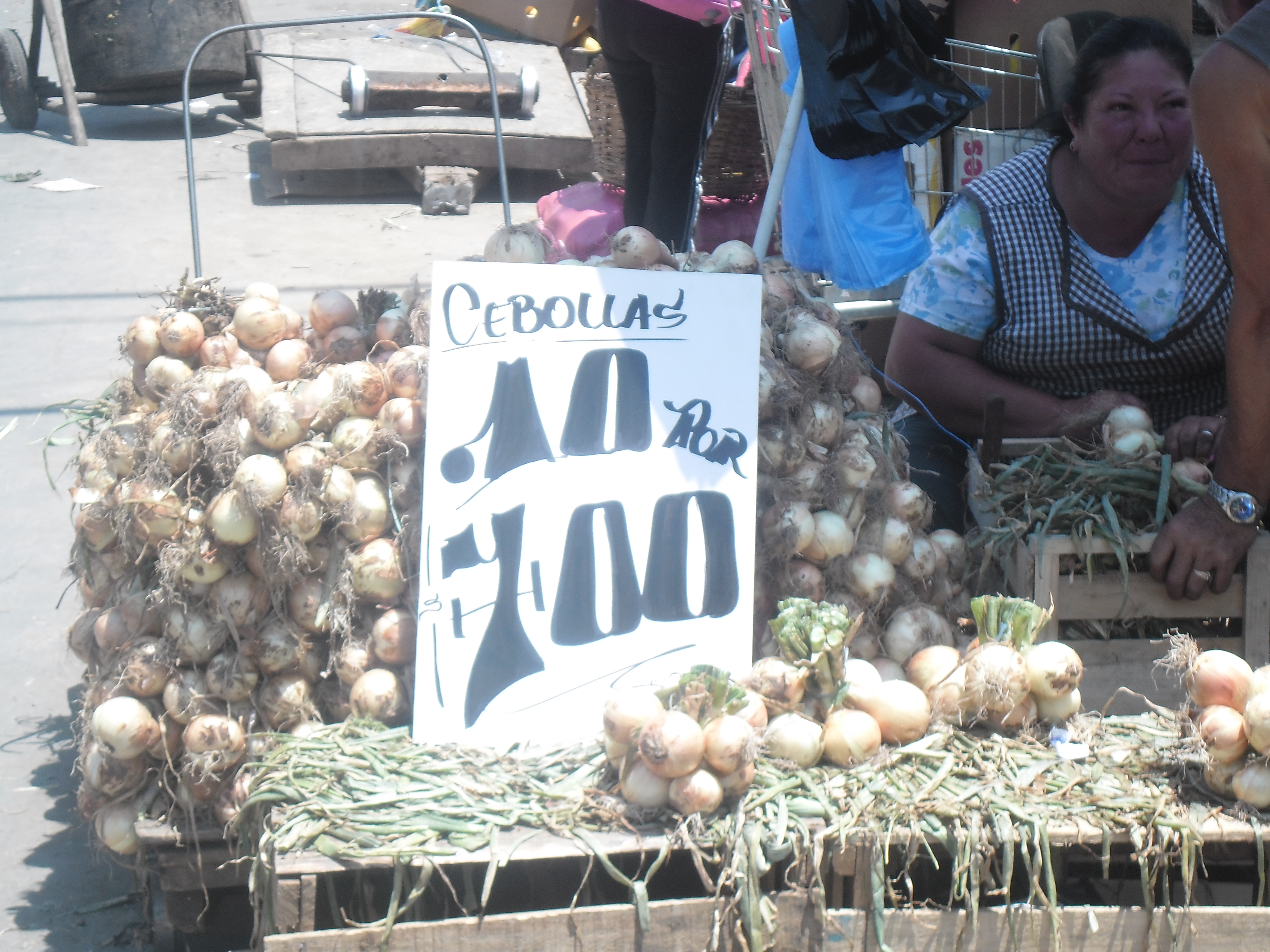
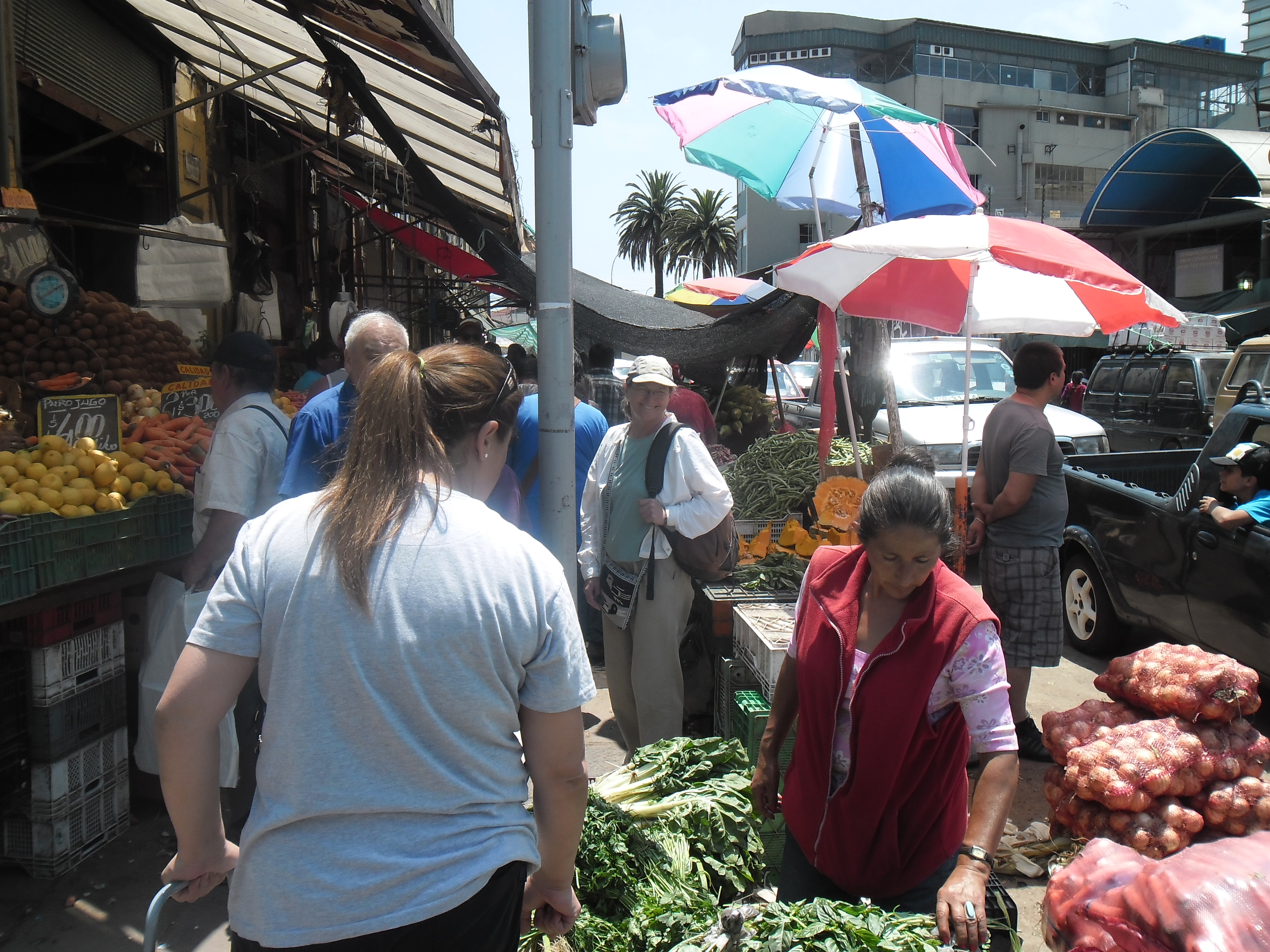
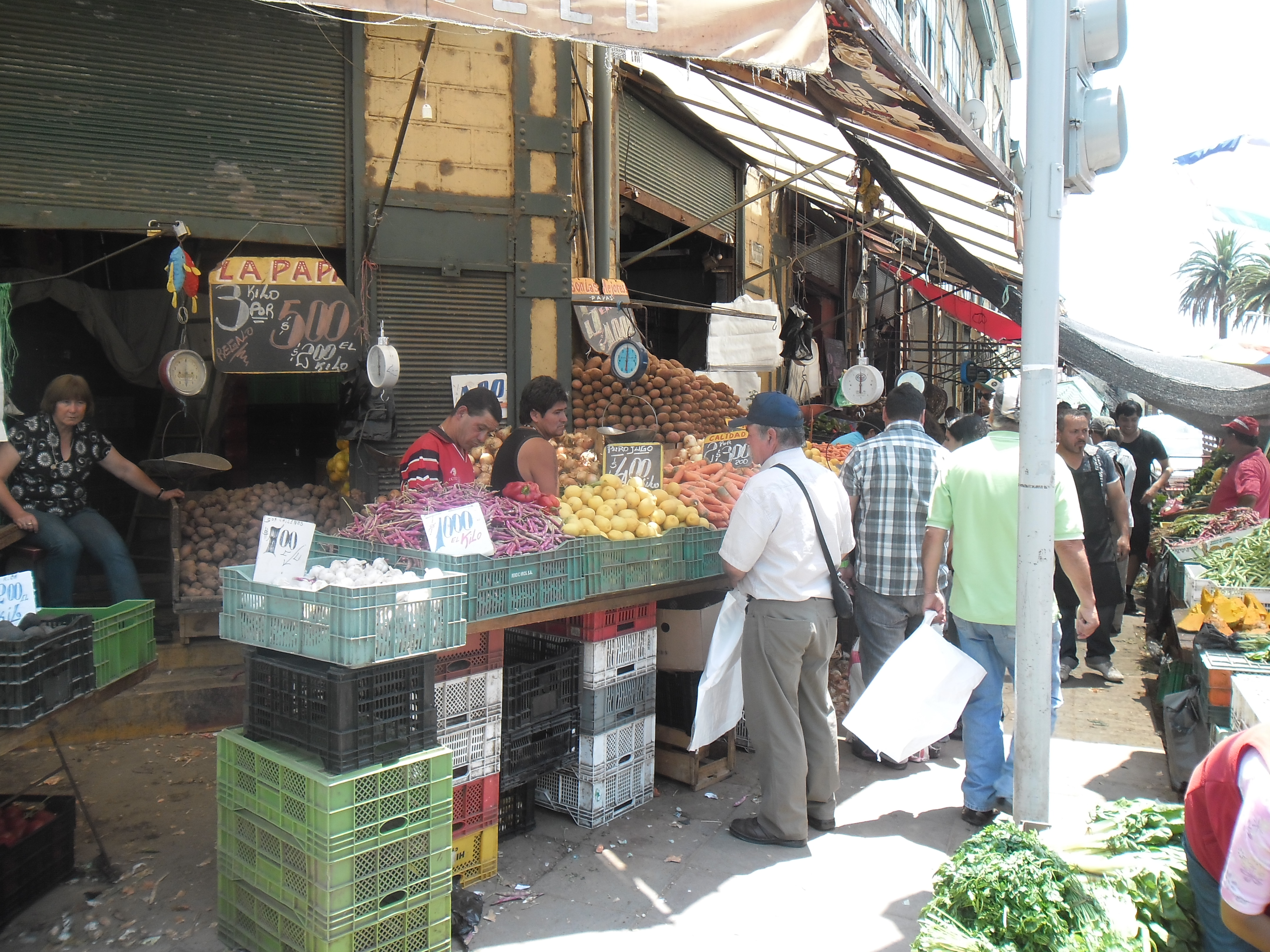
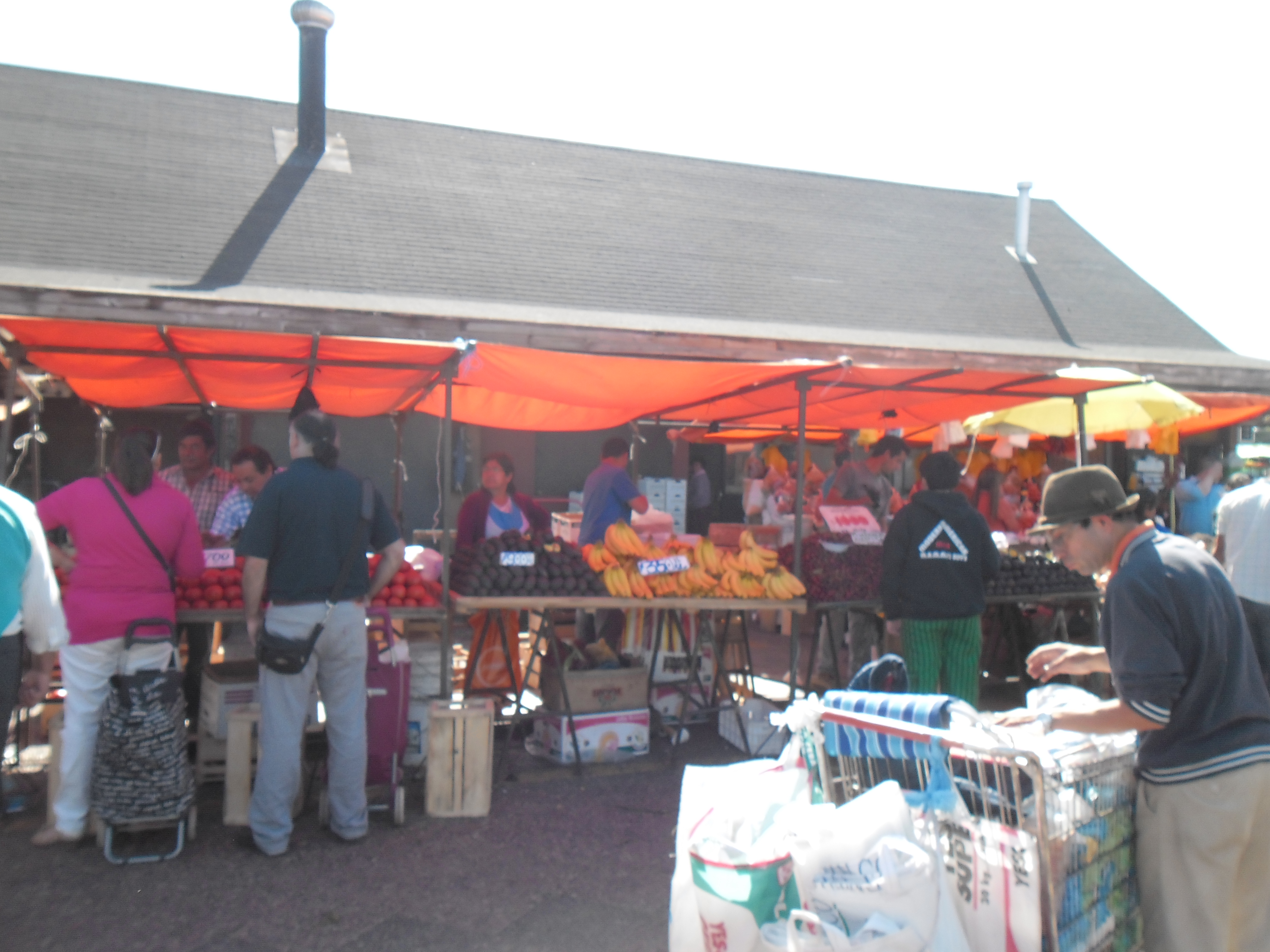
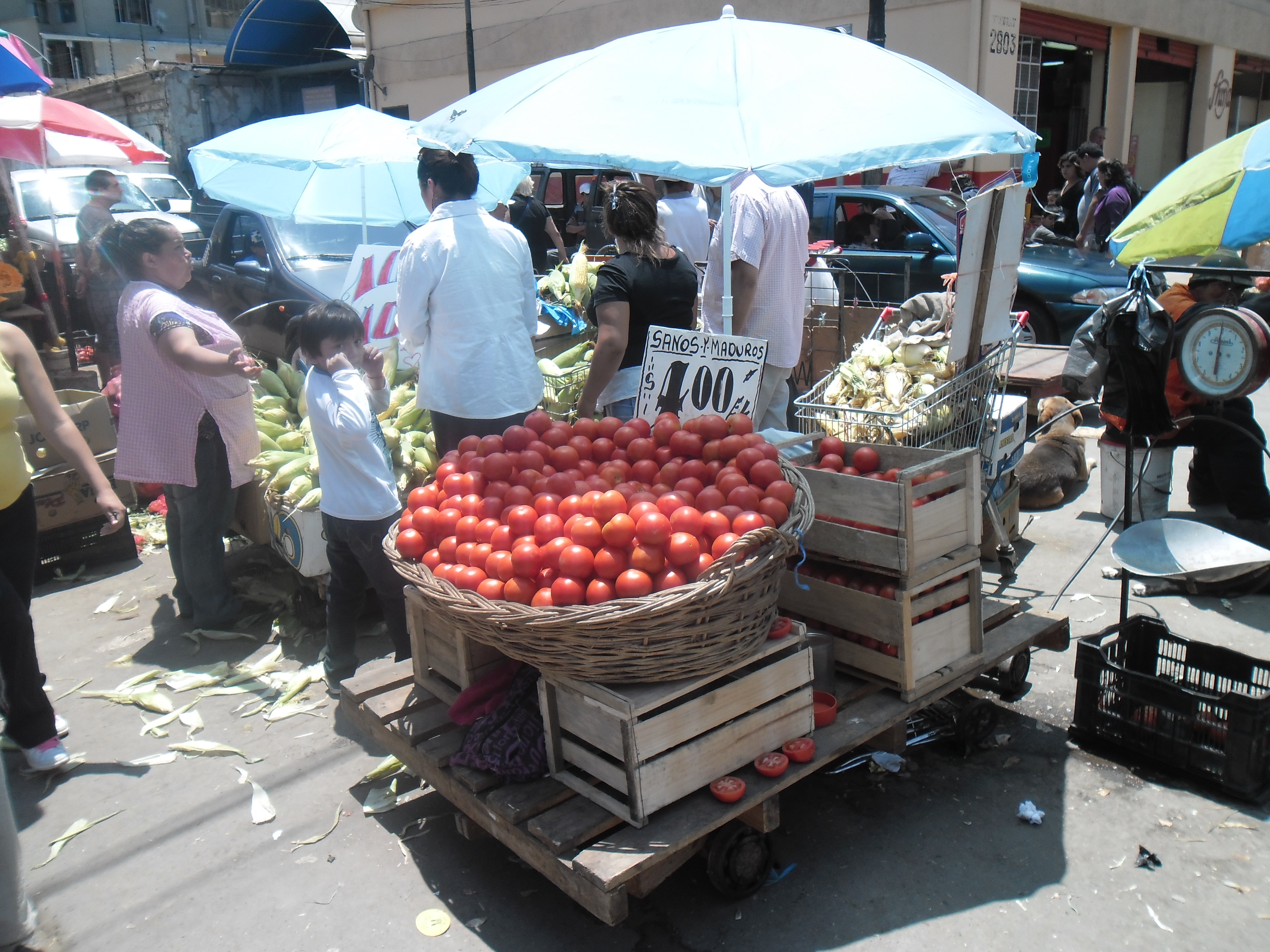
The market is also bustling and beautiful. Lots of great produce, lots of great seafood. SAM_0576SAM_0577SAM_0578

Do you see Monica?

Do you see Monica?

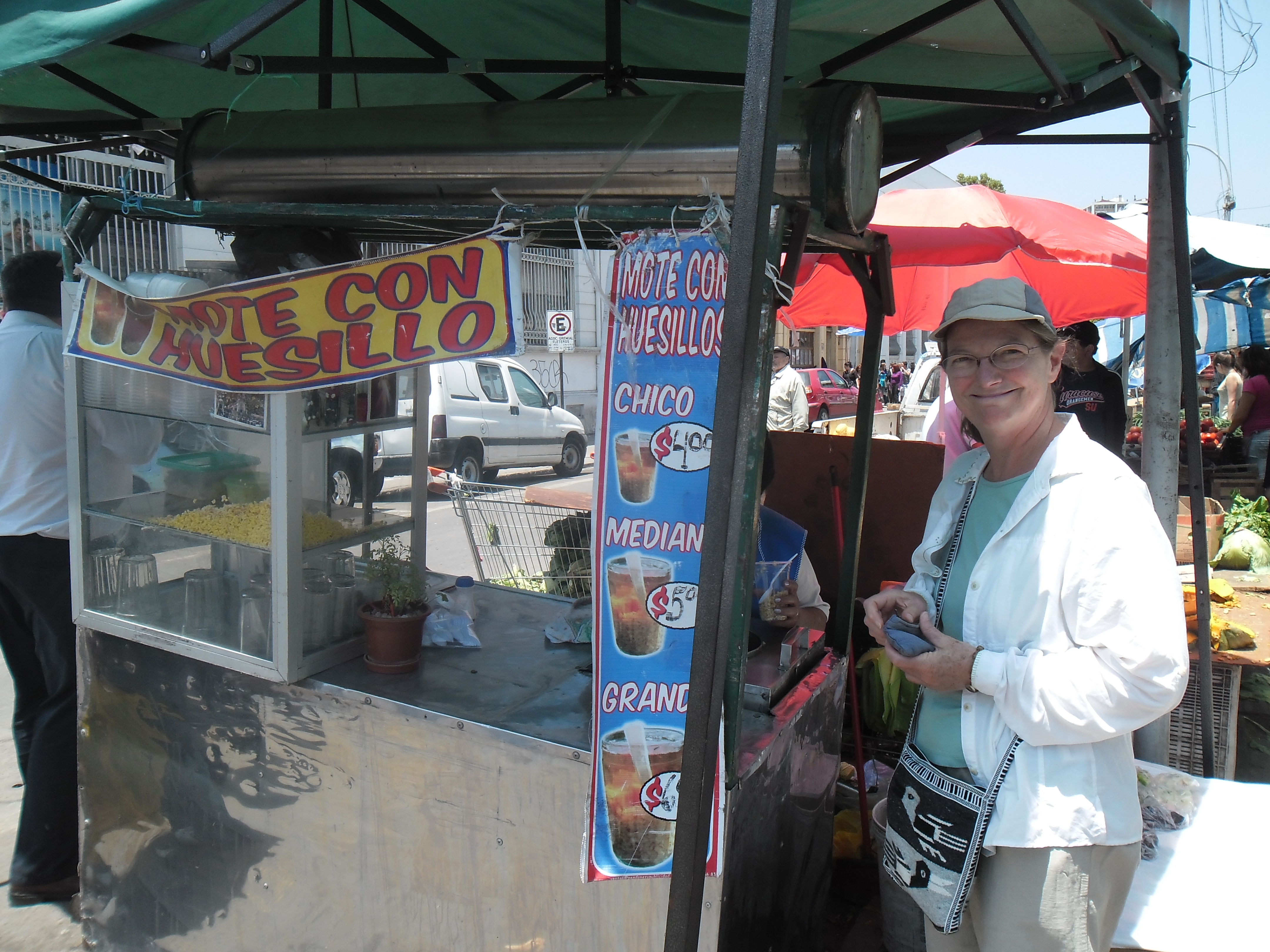
SAM_0580Mote con huesillo was one of our favorite drinks in Chile. Mote is a type of grain, a type of wheat. Huesillos are little dried peaches. They boil the mote with the huesillos (it actually means little bones, or pits) and some sugar, and they serve it cold. We saw it all over Chile, always on the street or in the markets. This was our last mote con huesillo, because in the evening we got on a bus to Mendoza, Argentina. A month ago, we were in the cold rain of Chiloé. Now, on January 16, we´re headed toward Mendoza, the city of wine, mountains, and sun. Chile has treated us well. SAM_0583

Santiago is the capital of Chile, and one of the captals of Latin America. It’s probably the most modern city in South America. The subway is fast and clean and quiet, with beautiful (seriously) spacious stations–big art on the walls, restaurants, and stores. Compared to Santiago, Buenos Aires seems kind of crumbling and run-down, although both cities have their own personalities. Even though Santiago (and most of Chile) is in serious earthquake territory, it has the tallest skyscrapers in South America, and they are building more. The city has a magnificent background of snow-capped mountains, but the air pollution usually keeps them hidden.

We had a full day in Santiago before Monica went off to a five-day zen retreat on the outskirts of town. We went to “El museo de memoria y derechos humanos.”  The museum of rememberance and human rights. It´s a museum dedicated to documenting the seventeen years of madness–1973-1990–when the military dictatorship ruled the country. The museum was inaugurated during the presidency of Michele Bachelet. She and her family were imprisoned and tortured during “la dictadura,” and her election in 2006 helped Chile to move forward, much like Nelson Mandela´s did in South Africa.

The museum has a lot of first-hand accounts of the brutalities and atrocities committed by the government. Photographs, stories, interviews, and original recordings of events. The dictatorship is still fresh in people´s memories. Pinochet didn´t leave office until 1990. More than 40,000 people were either imprisoned, tortured, or killed during his stay.

One thing that the museum doesn´t mention is the USA´s involvement in toppling the government and the assassination of Salvador Allende, and the installation of Augusto Pinochet as dictator. Richard Nixon and Henry Kissinger (then the secretary of state) directed the CIA and orchestrated the military coup that brought down the government and assassinated Salvador Allende. They were afraid of Salvador Allende’s (democratically elected) socialist governmetnt. Kissinger is famous for (among other things) saying, “I don´t see why we have to stand by and let a country go communist due to the irresponsibility of its people.”

Allende was killed and the coup happened on the morning of September 11, 1973. The dictatorship immediately arrested anybody who they thought might not appreciate them, and they filled Santiago´s huge soccer stadium with prisoners. Severe oppression, torture, and death were the tools they used to control the population and keep their power. They justified their actions by saying that they were looking for stockpiles of weapons.

We are reading a novel as we travel. It´s Isabel Allende´s latest novel, El Cuaderno de Maya. It´s the story of a teenage girl from Berkeley who has to flee the country and she goes down to Chiloé, Chile. The novel talks a lot about Chiloé, and also the recent history of Chile. Isabel is the niece of Salvador. She has written a lot about the dictatorship. She says in this book that the dictatorship simply grew tired of what they were doing. The interrogators knew that there weren’t any weapons hidden, and they weren´t really looking for answers. They just wanted to intimidate the populace.

Incredibly, the people voted the dictatorship out, and the dictatorship allowed them to do so. The country held a vote in 1988. People could vote YES, for eight more years of the regime, or NO. The NO´s won, presidential elections were held, and the country had a new government.

It´s only been twenty three years. The scars are still here. But Chile is a hopeful, optimistic place.

The main highway in Chile goes north and south. Driving along, through the middle of the country, you can see how fertile and abundant it is. Ocean to the west, mountains and volcanoes to the east, the valley is green, with one river after another flowing down from the cordillera. The country has gone grape crazy. Hundreds of vineyards, the grapes are everywhere. Also, fields of corn and tons of other vegetables.

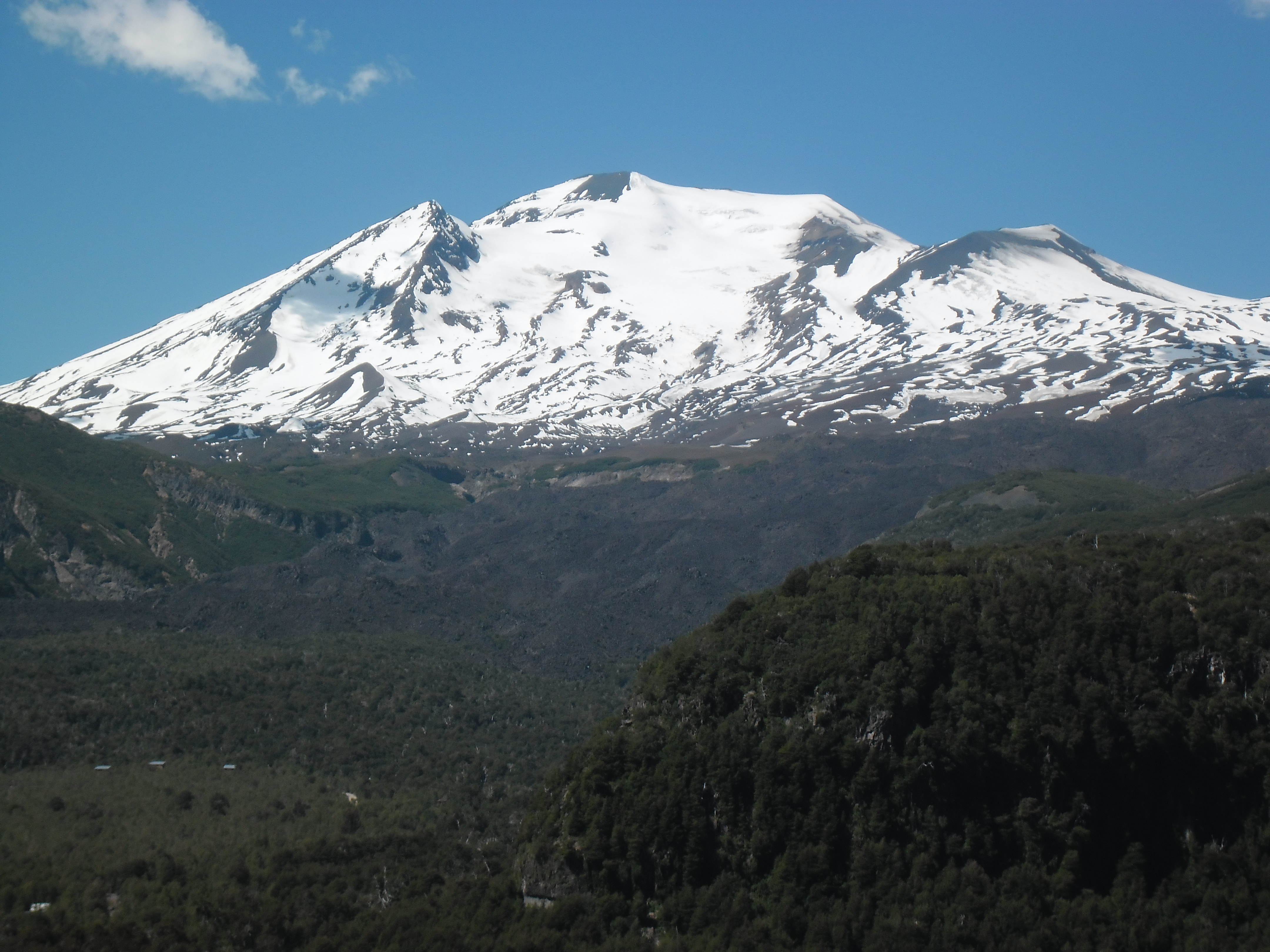
The town of Chillán is halfway between Valdivia and Santiago. It’s no longer in the south, starting to get up north. You can see volcanoes from downtown. Chillán has been hit hard in the past by earthquakes. The latest one was in February 2010. Chilenos are always ready for the next one.

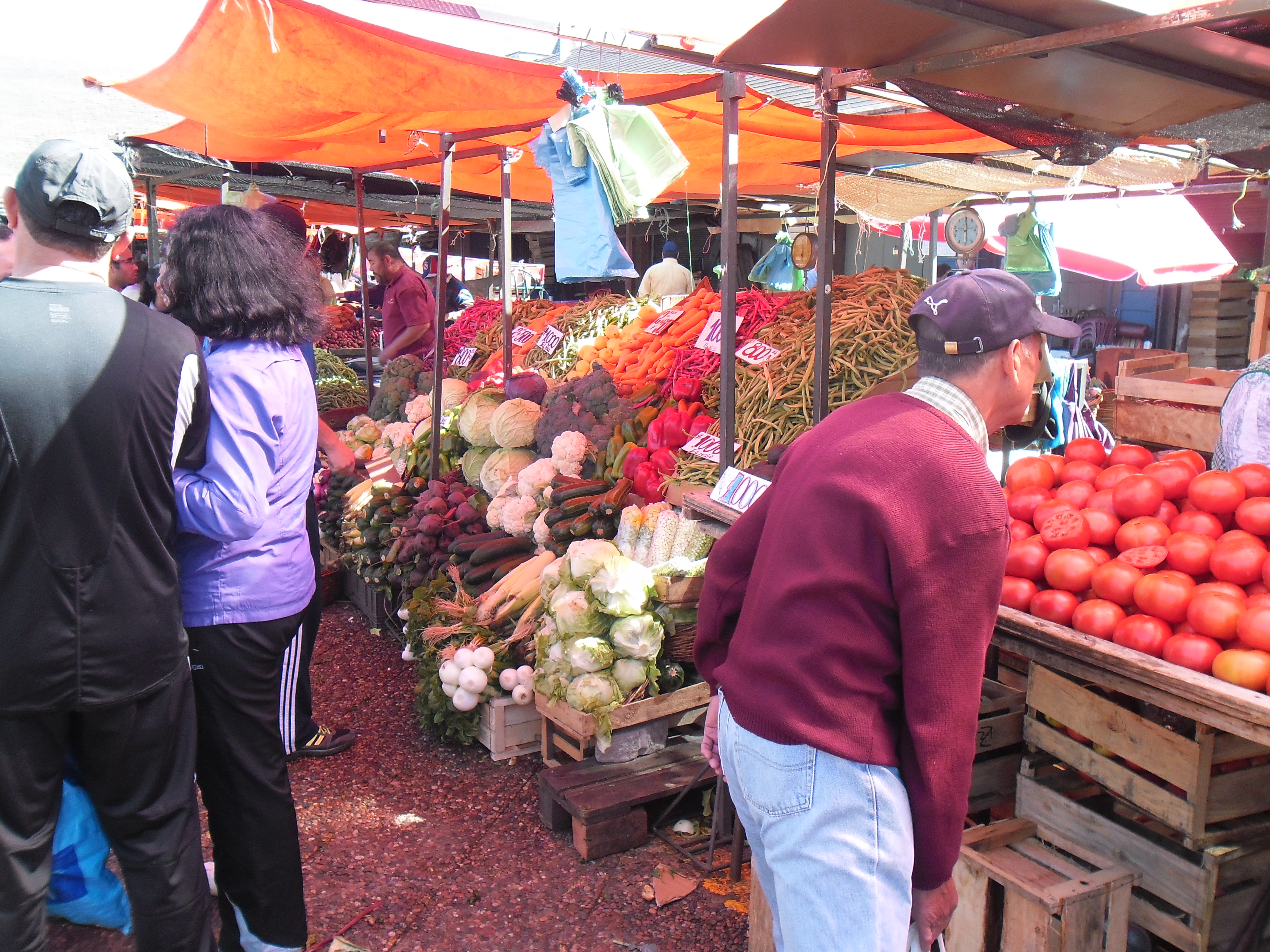
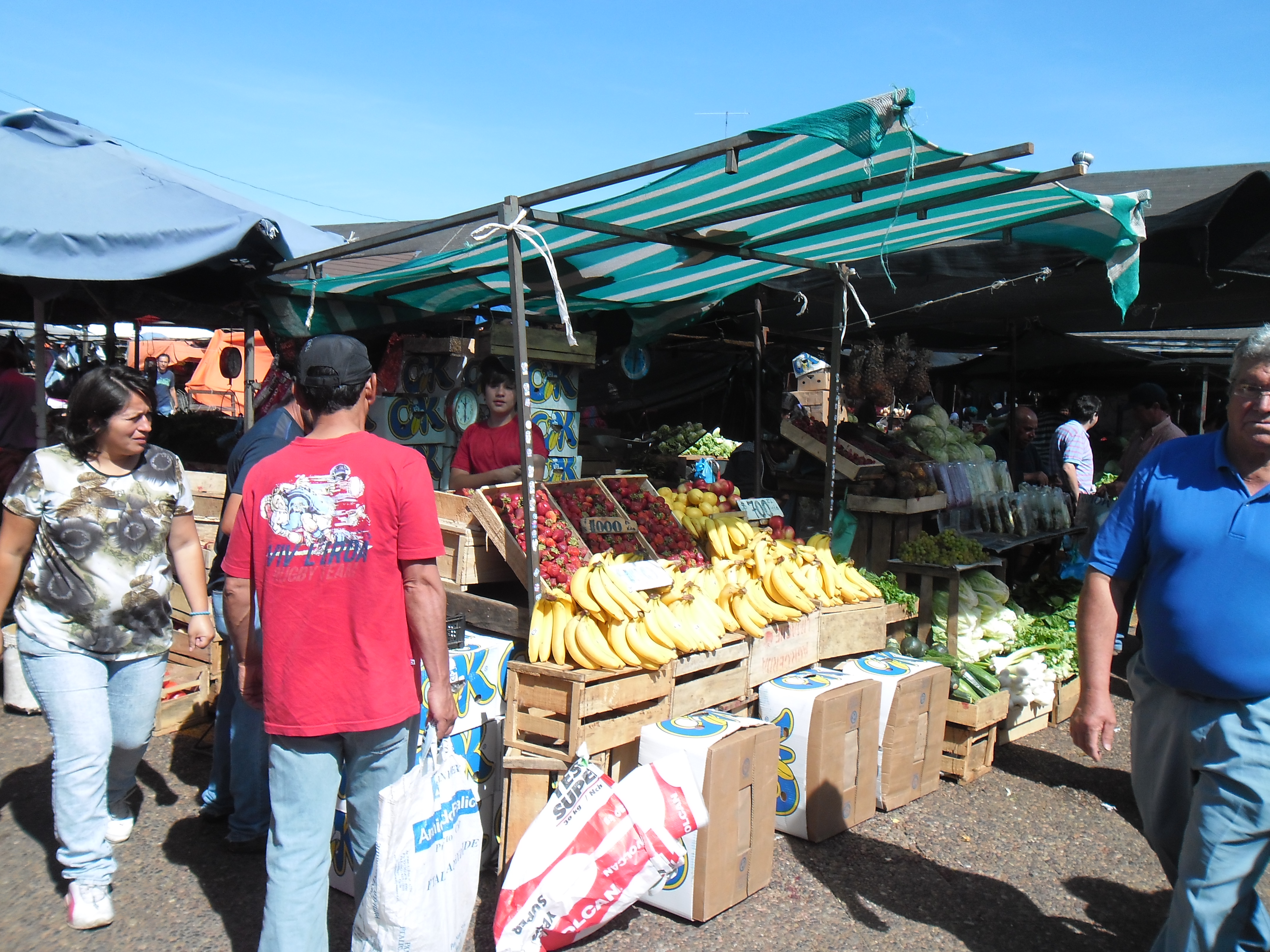
The marketplace in Chillán is the center for all the region’s produce. Mountains of beautiful fruits and vegetables come into the market, and people come and take it away. It´s busy every day of the week. SAM_0490SAM_0491SAM_0492This was one of the best markets we’ve seen yet. The restaurants in the marketplaces are usually great. It’s a chance to eat regional foods without fanfare. We ate paila marina, pastel de choclo, longaniza con porotos, and we drank a few glasses of mote con huesillos. ¡Qué rico!
We went east from Chillán, toward the volcanoes,  in search of some mountain air and a peaceful new year. We got on a small local bus and went to Valle de Las Trancas, about seventy kilometers from town. The bus is the lifeblood of the people who live up the valley. People got on and off continually. Grandmothers and schoolchildren, farmworkers and families. Some people just put a package on board and told the driver or the guy (There’s always a guy riding with the driver. He collects the money, helps people on and off, and knows everything. He’s kind of like a conductor on a train, but that’s confusing here, because conductor means driver.) When they delivered a package, the bus would stop and honk, and somebody from a house would wander down to get the package. Most of the people who got on knew the driver. Everybody said hello and good morning, many of the passengers knew each other. The bus would stop for anybody who flagged it down, and would stop anywhere to let people off.

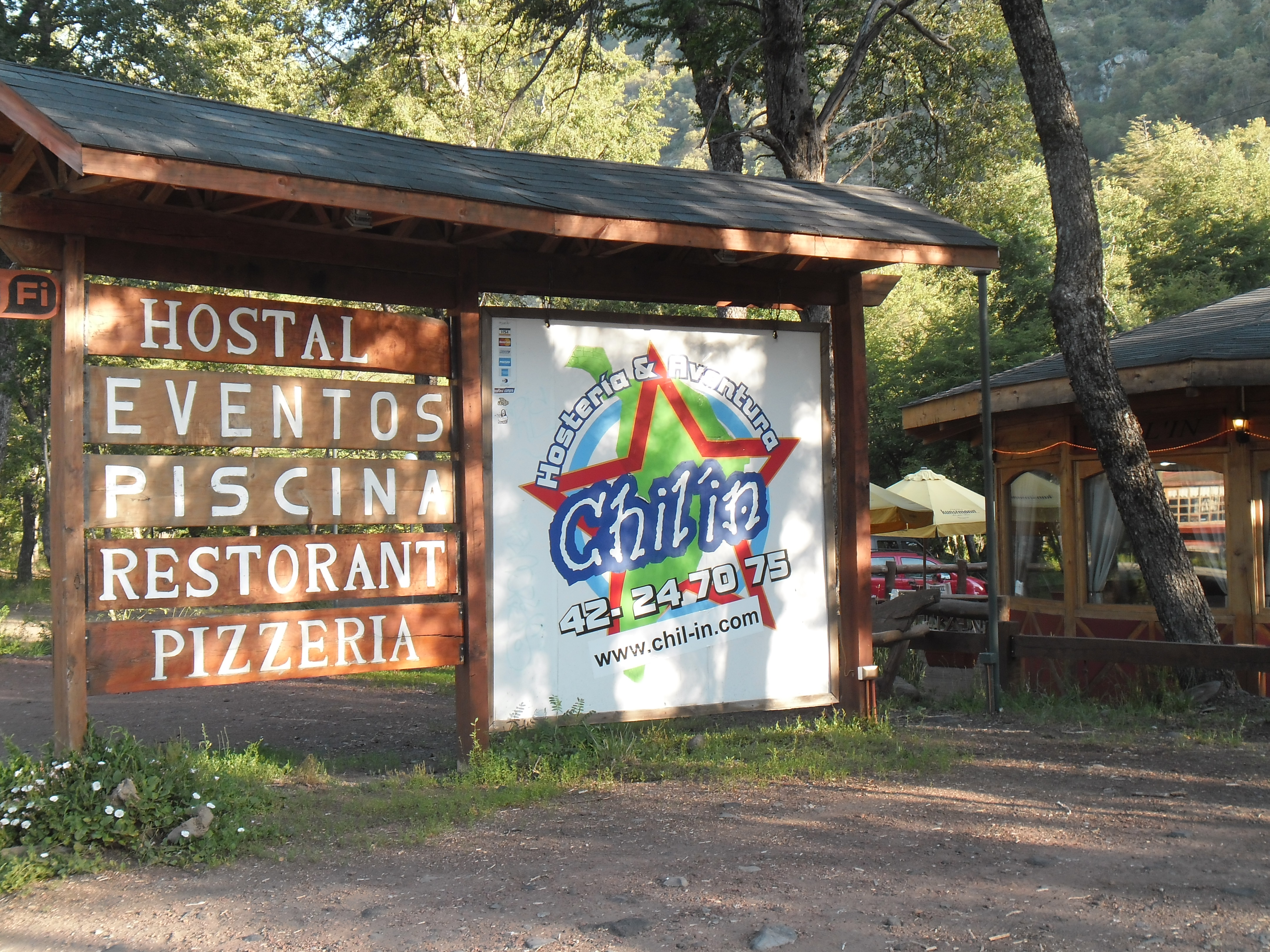
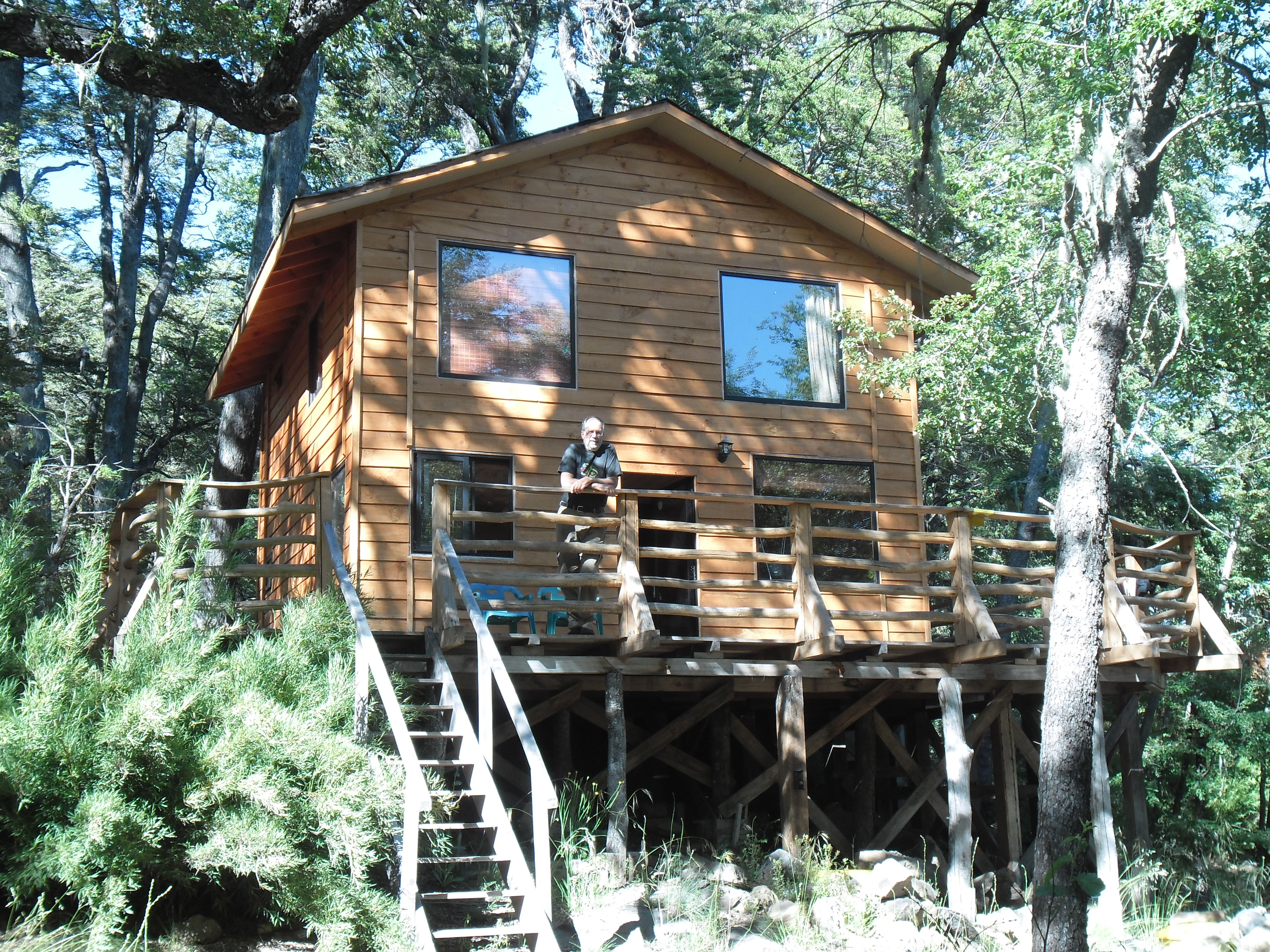
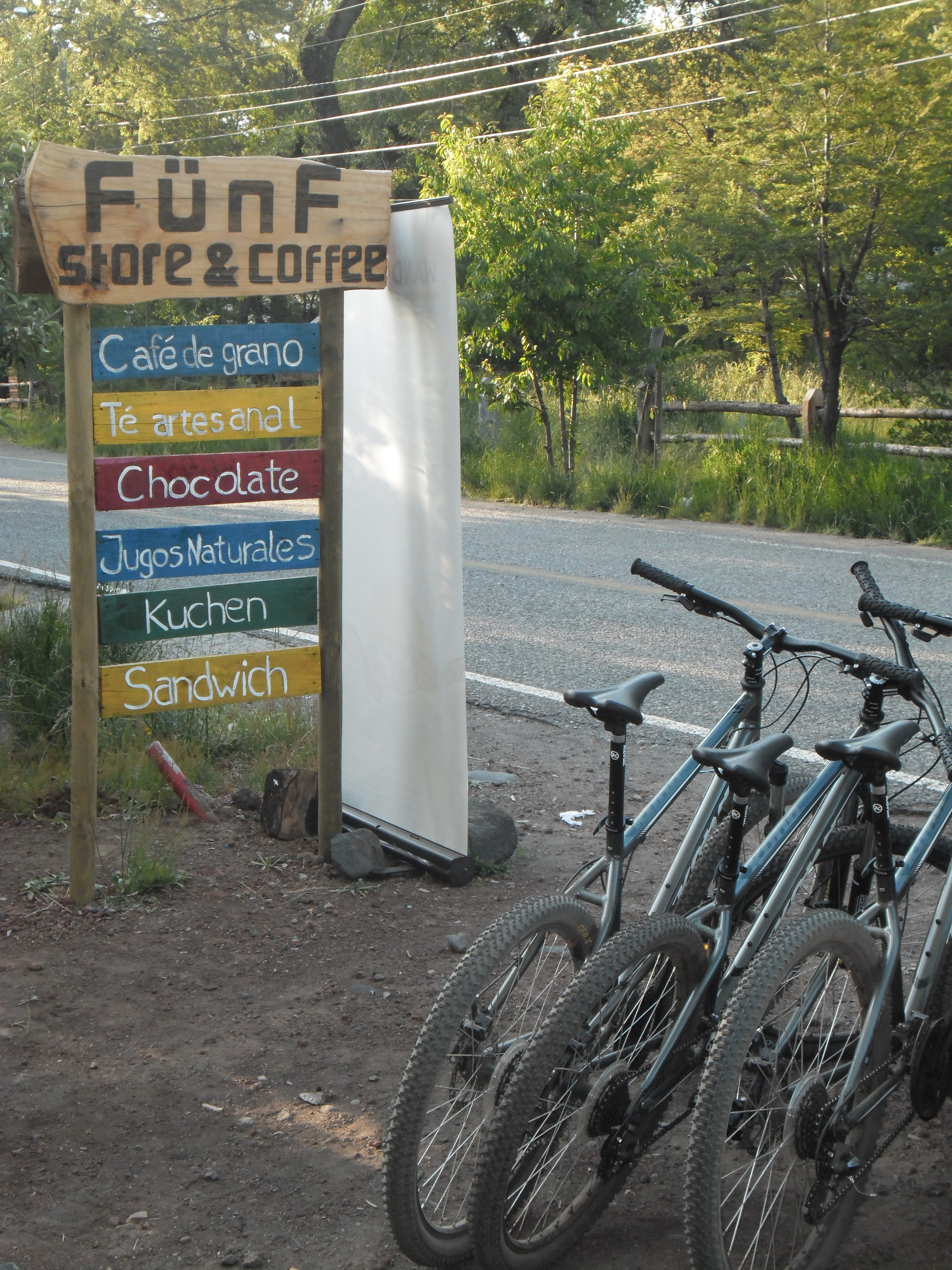
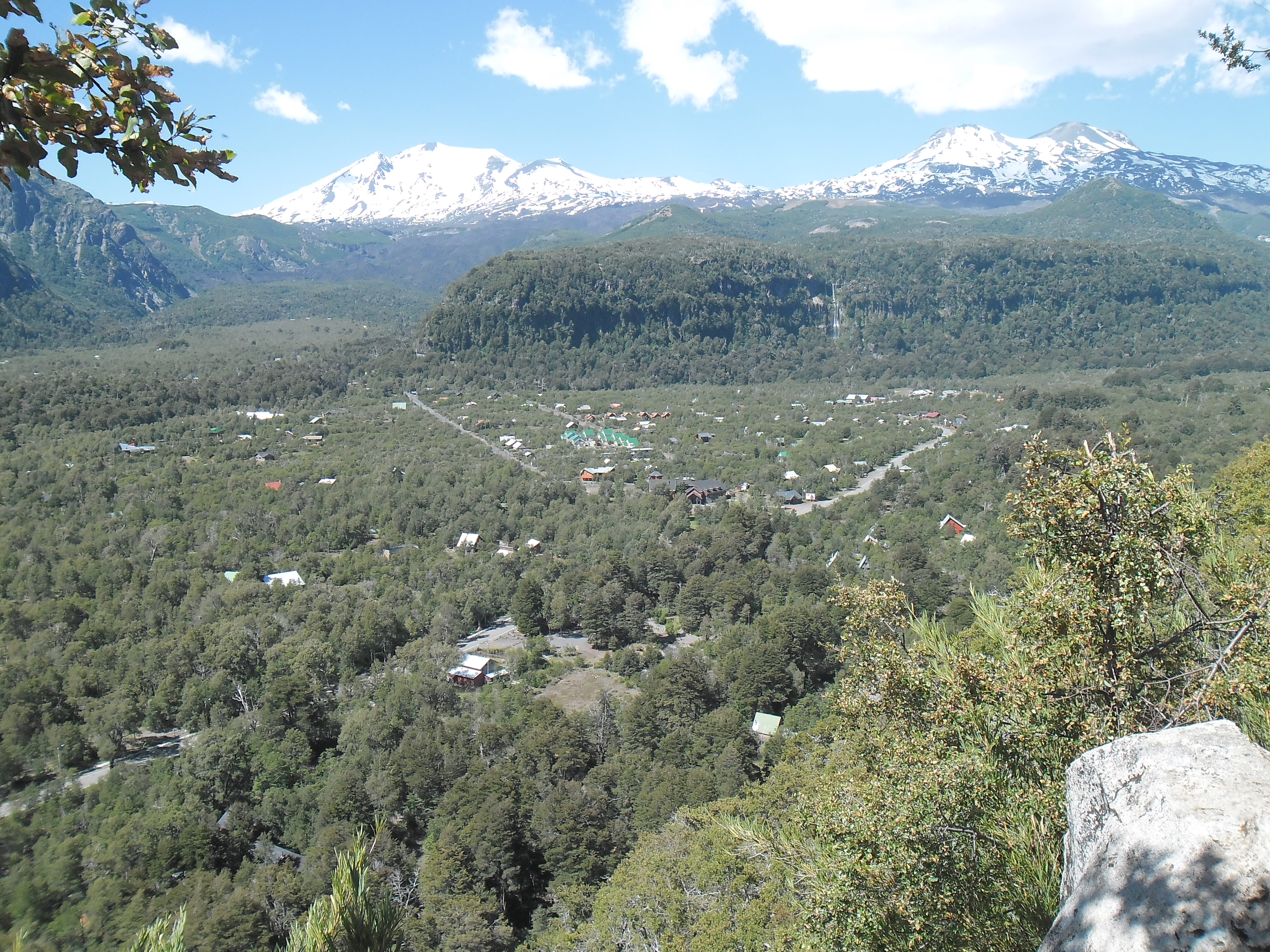
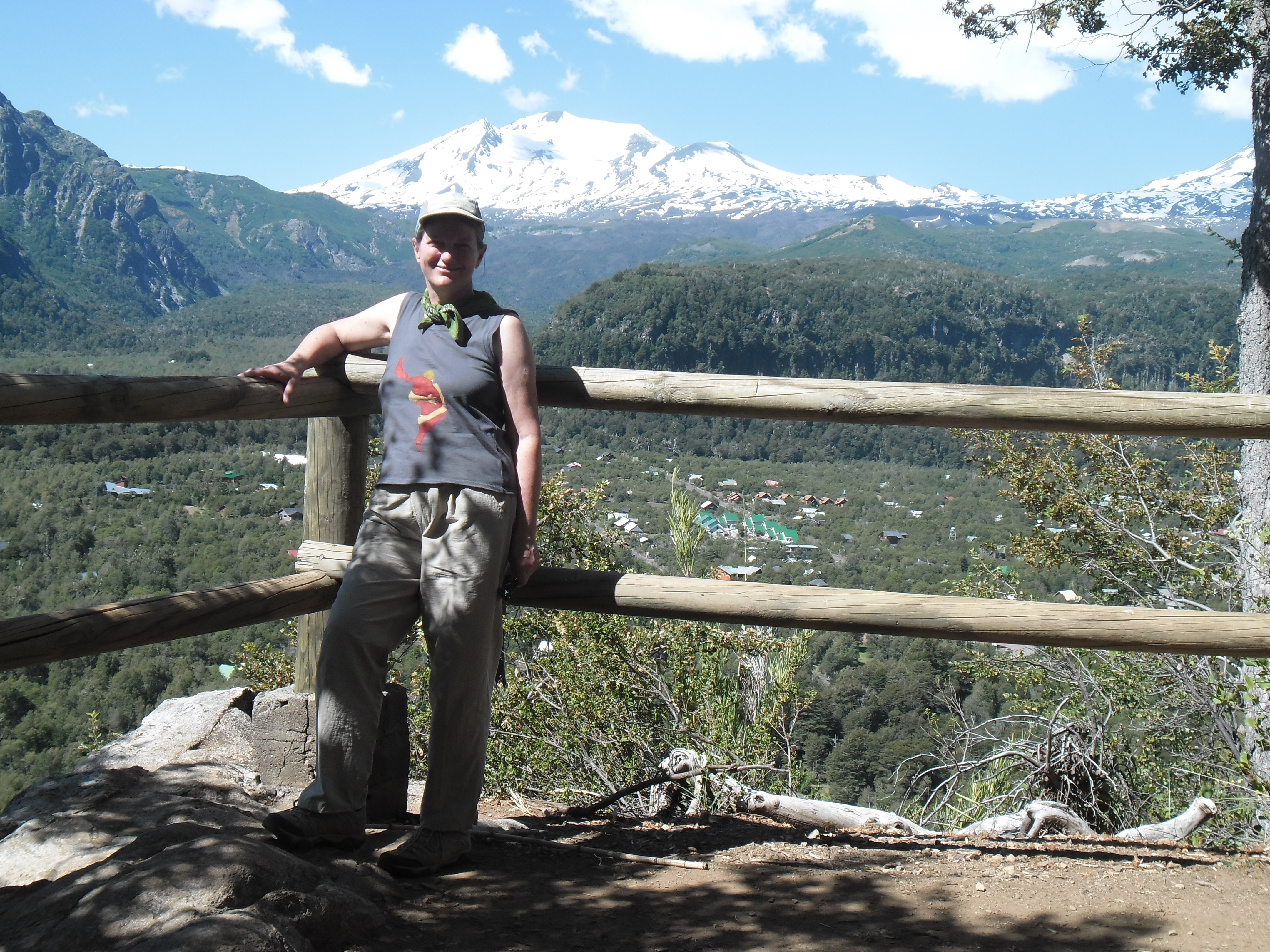
We got off in Las Trancas. It’s not a town or a village, more like just a few building along the road. We were oping to find a place to stay a few days until after the new year. Trancas is really geared for the wintertime and for skiing. The busy season here is June, July, August, the dead of winter. There is a ski resort eleven kilometers up the road. In summertime, it’s pretty empty, and most of the businesses (there aren’t many) were closed. It didn’t take long, however, to find “Chil-in.” It’s a little hostel and restaurant run by a dreaded French guy named Fipa. We stayed in a beautiful log cabin for the christening of 2013. Lots of birds (big woodpeckers–carpinteros) and trees and the river in the back. Very peaceful. SAM_0508SAM_0502Next door to Chil-in is a little coffeeshop run by Lena from Germany and Matías from Chile. We also met Andy, a competitive skiier from the south of Chile (Punta Arenas) who has spent most of the ten past winters skiing in Whistler. Now he´s moving here. He compares the area and the ski resort to how Whistler was twenty years ago, and he´s ready to settle, and he wants to be here as the area develops. Now he has a little business renting bikes, with or without a guide. (him) SAM_0507We hiked a bit along the river and also up to a viewpoint of the valley and mountains. This was directly in back of our cabin. We enjoyed the quiet and the solitude of the mountains and welcomed in 2013. Early in the morning of January 4, we got on a bus to the capital of Chile, Santiago. SAM_0494SAM_0496SAM_0499

A few weeks have passed since we were in Chiloé, and we have left Southern Chile and its clouds and rains. Now we are in Santiago, the capital of Chile, in the middle of the country. It is sunshiney and eighty five degrees. Monica at the moment is at a five-day zen retreat on the outskirts of the city, and Mike is exploring the town on his own.

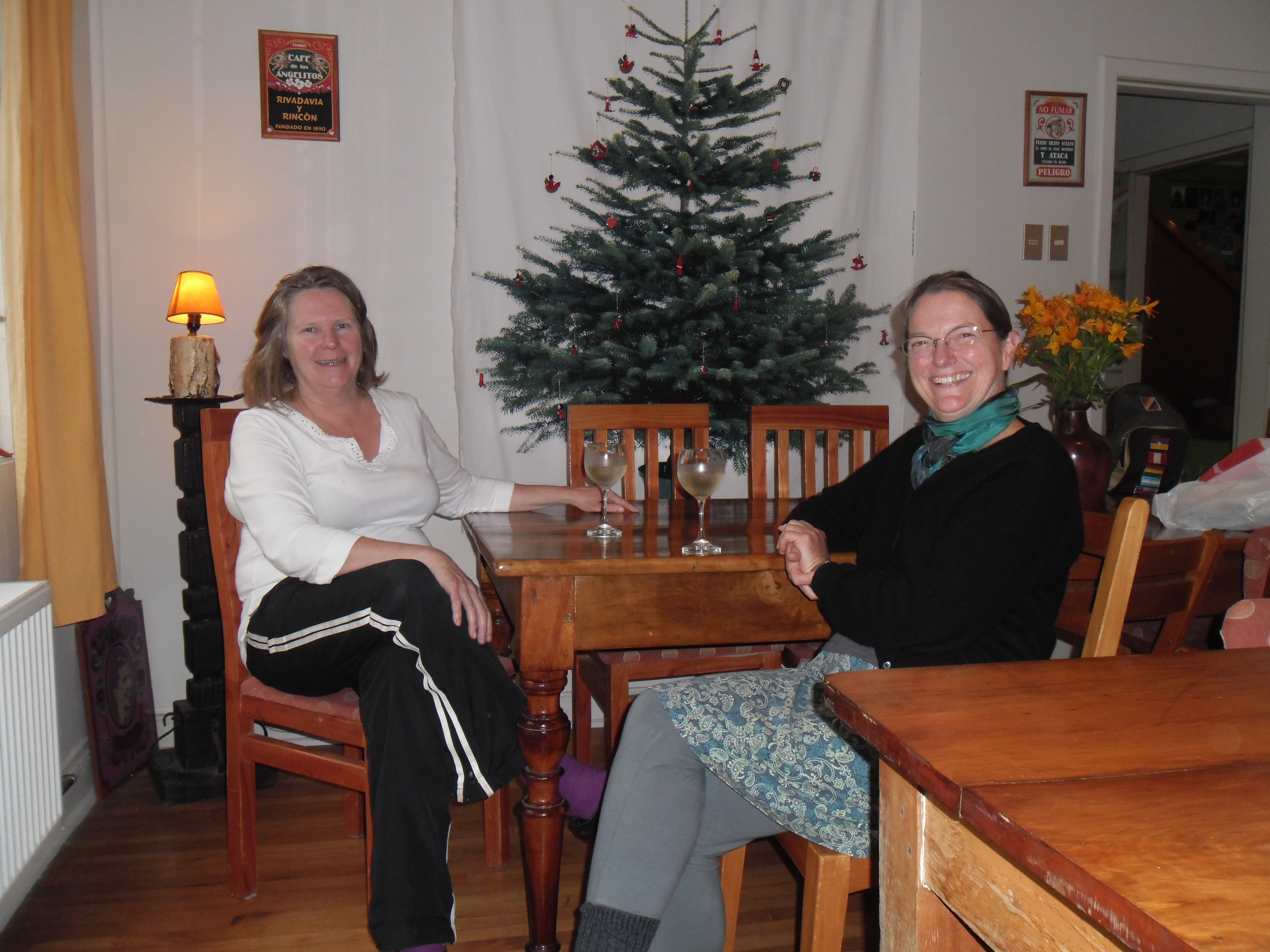
After Chiloé, we traveled up to Valdivia, and arrived there on December 23, in time to hunker down for  Christmastime. We stayed there for five nights in our cozy hostel and with our newfound, temporary, international community. It really doesn´t take much to make friends on the road. As soon as the tents are up and the fires are going, all is well.

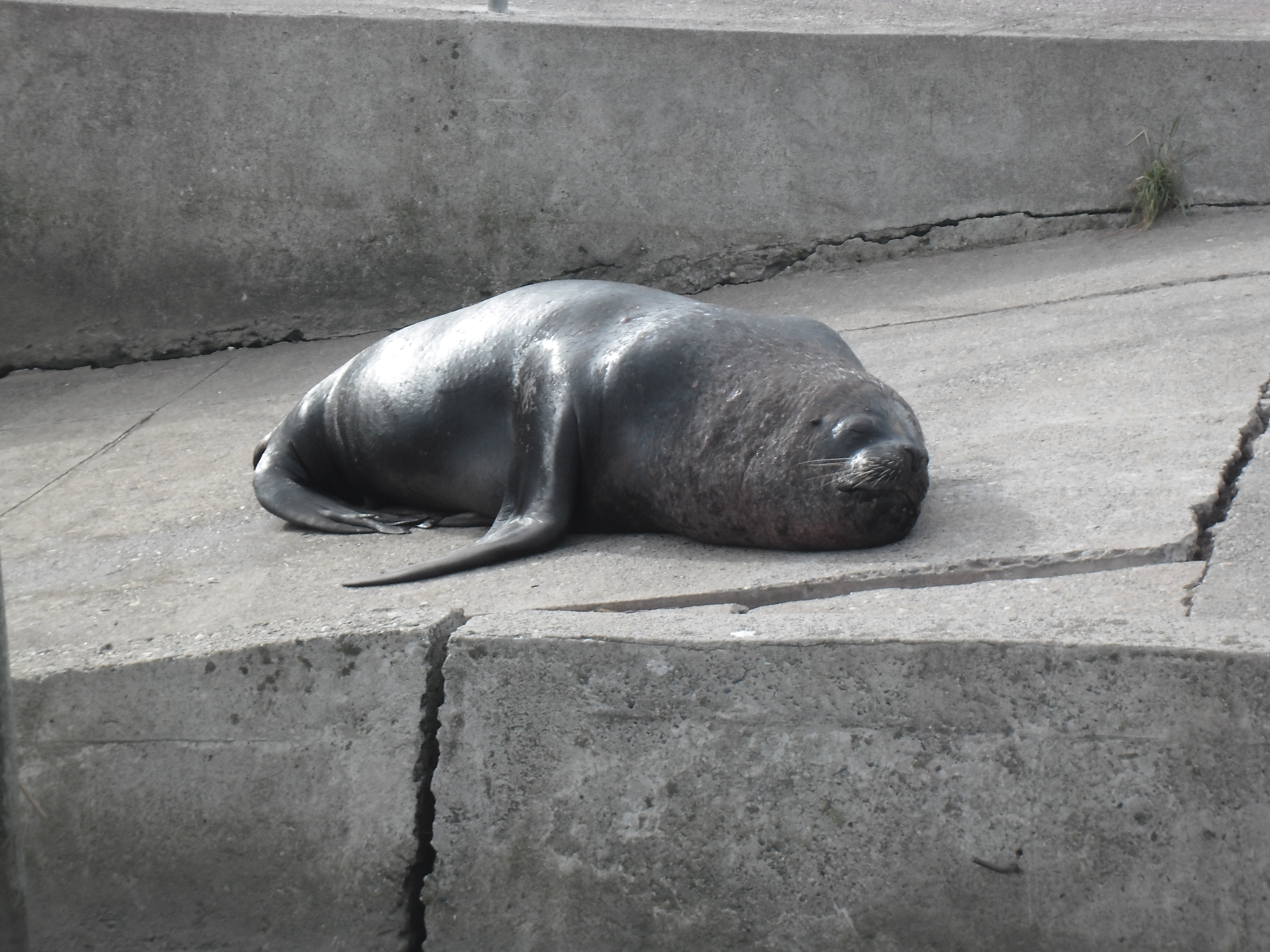
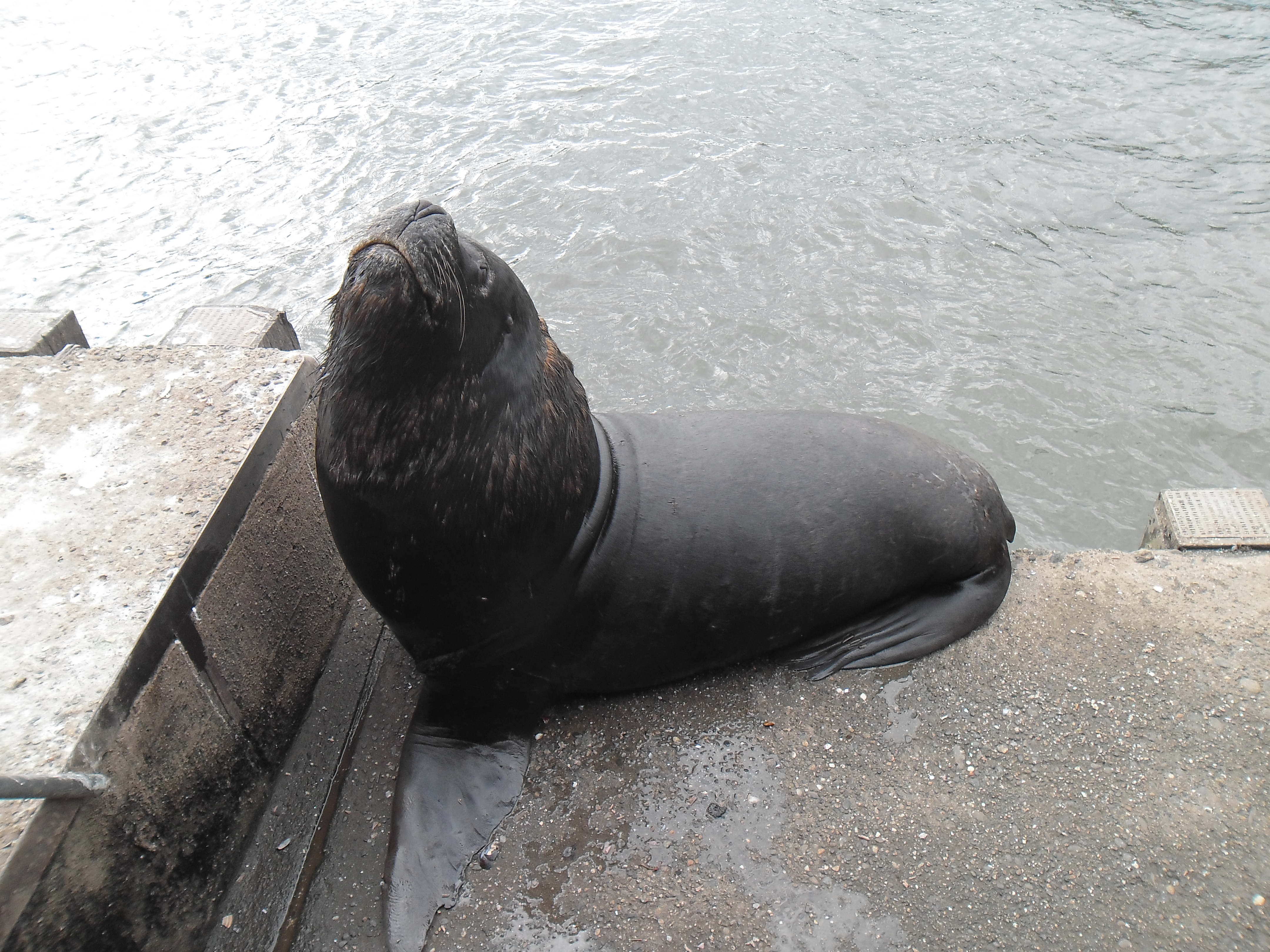
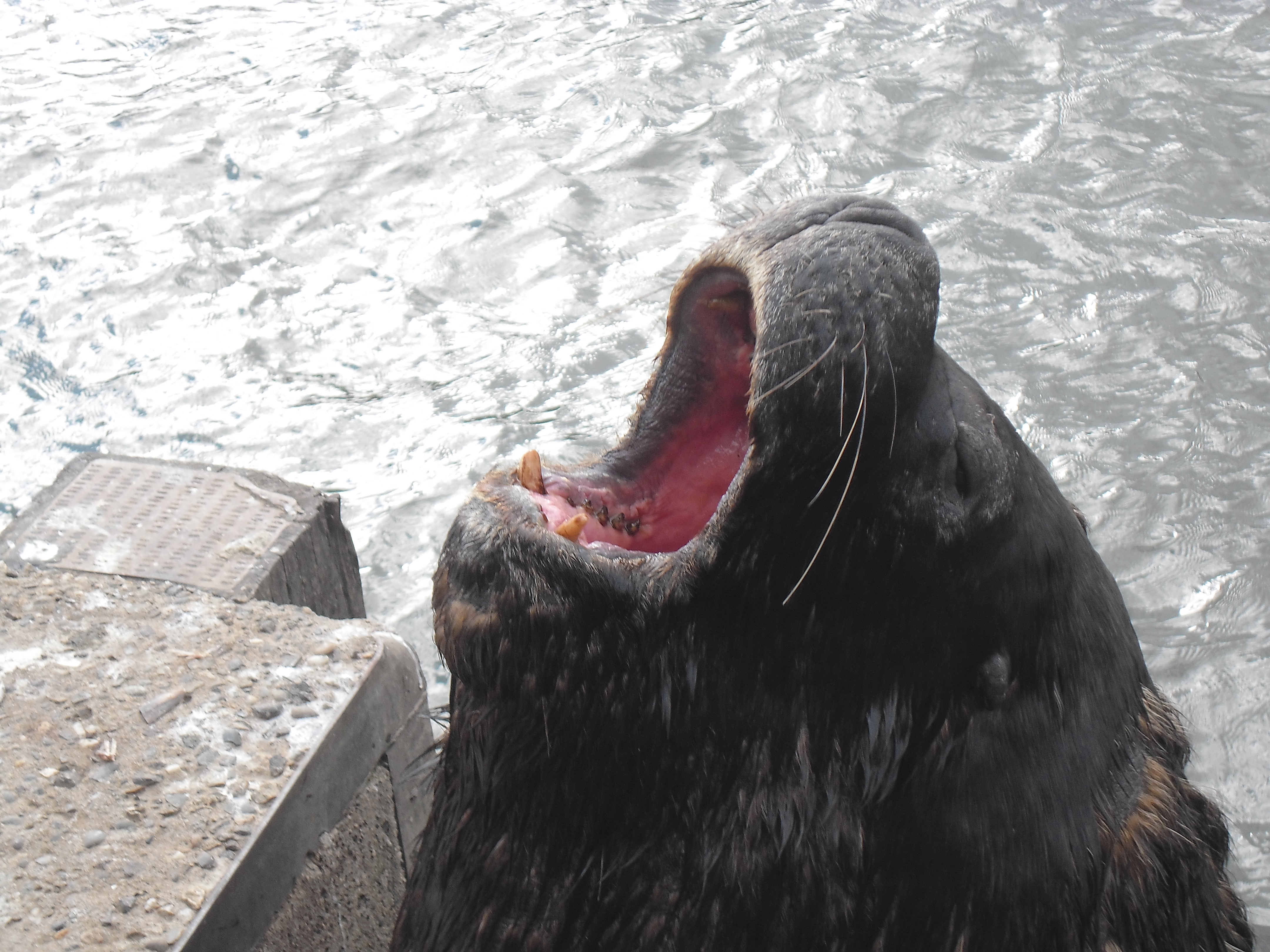
Valdivia is a small, pretty university city near the coast in Southern Chile. It´s a river town with a lot of rain, and it rained while we were there. The town is just inland from the coast, and we saw lots of cormorants and pelicans, and lots of sea lions, hanging around the seafood marketplace.

SAM_0482SAM_0475SAM_0478This is the Pacific Ocean, just like in Oregon. It is great to be back on the west coast. We spent a lot of time inside our beautiful Aires Buenos Hostel. Viella is the owner. She’s from Eureka, California, and has even spent time in Eugene. She’s lived in Valdivia for a long time, and has created a very welcoming place for travelers passing through.

Monica and Viella

Monica and Viella

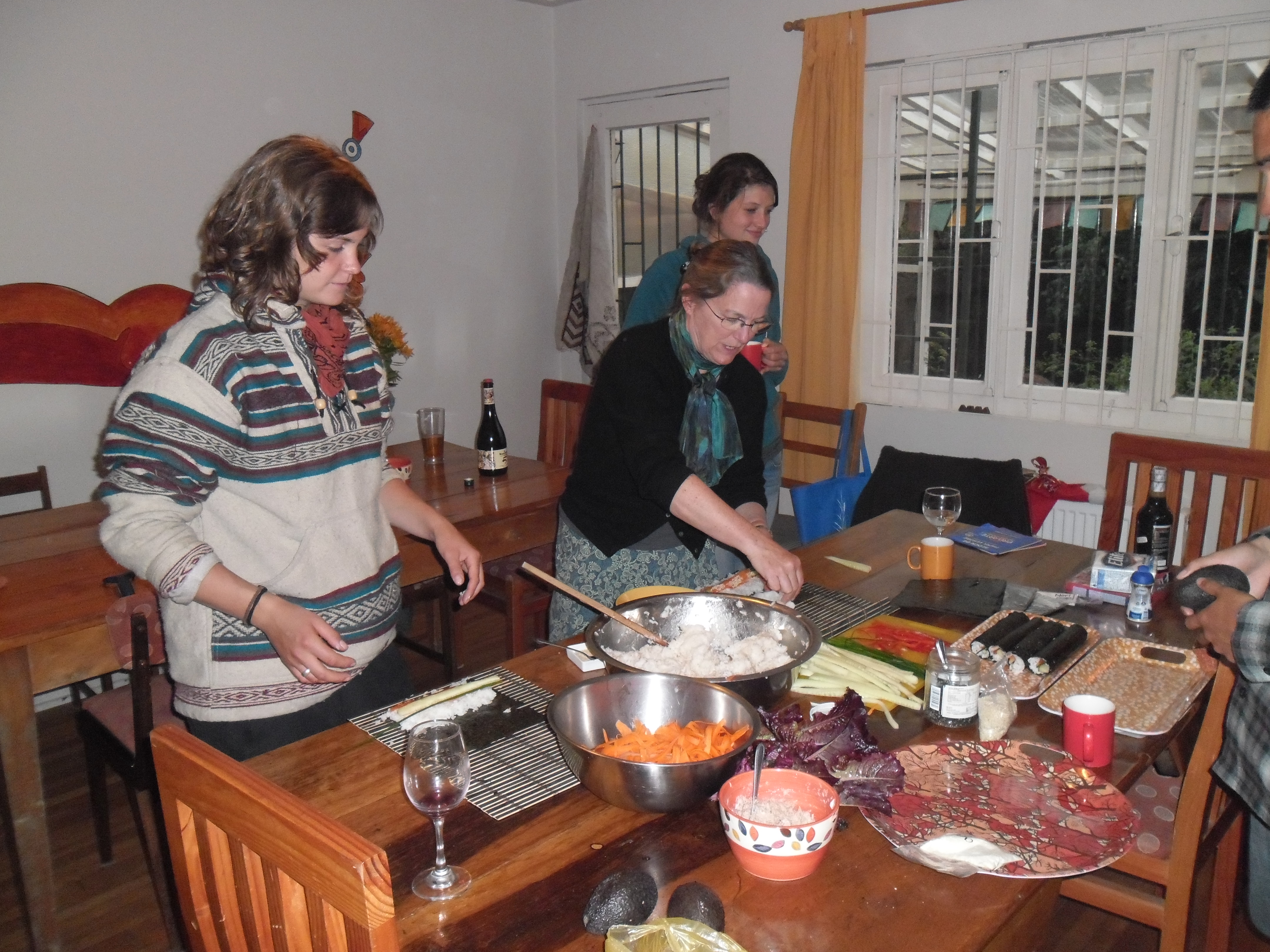
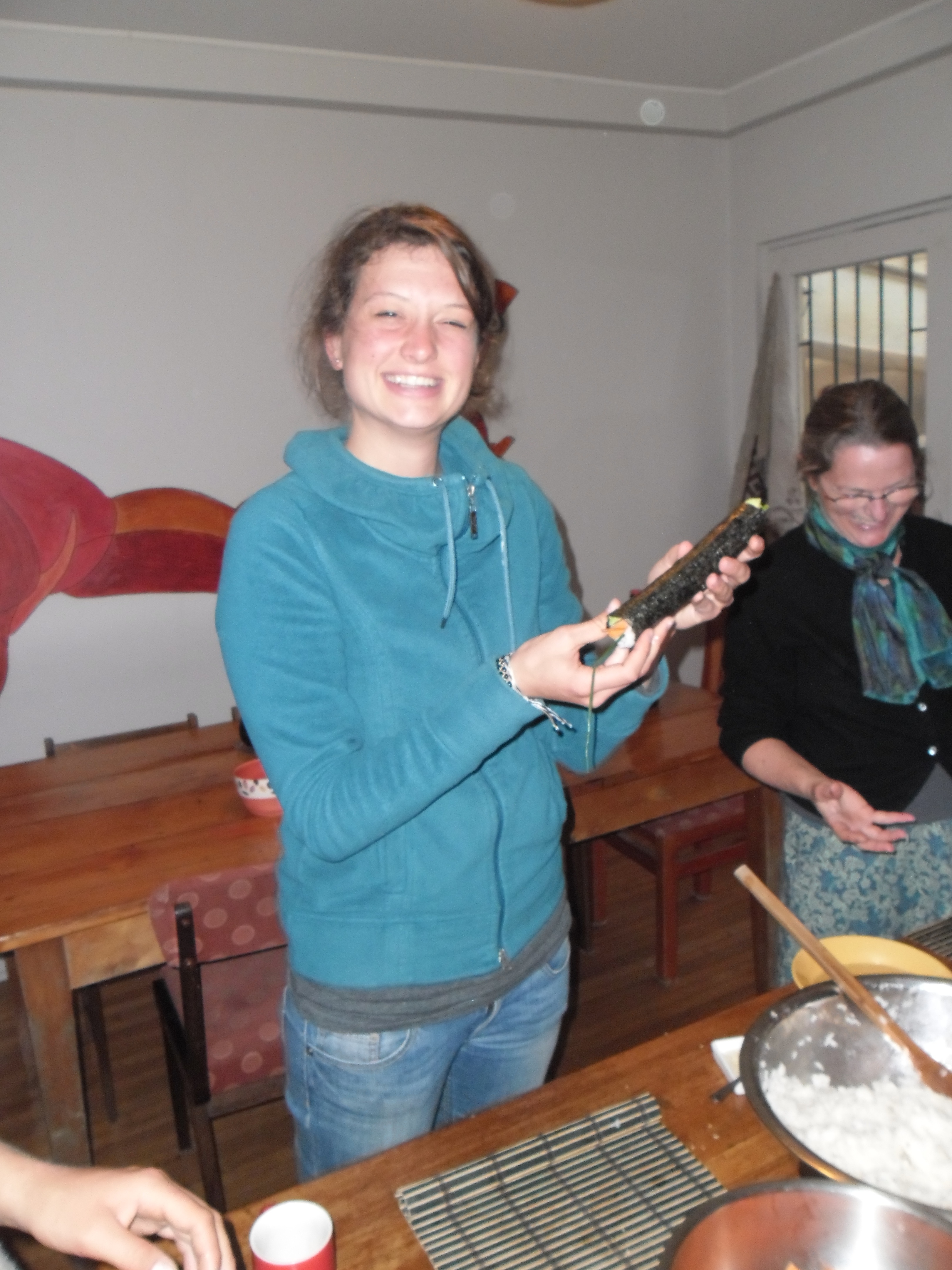
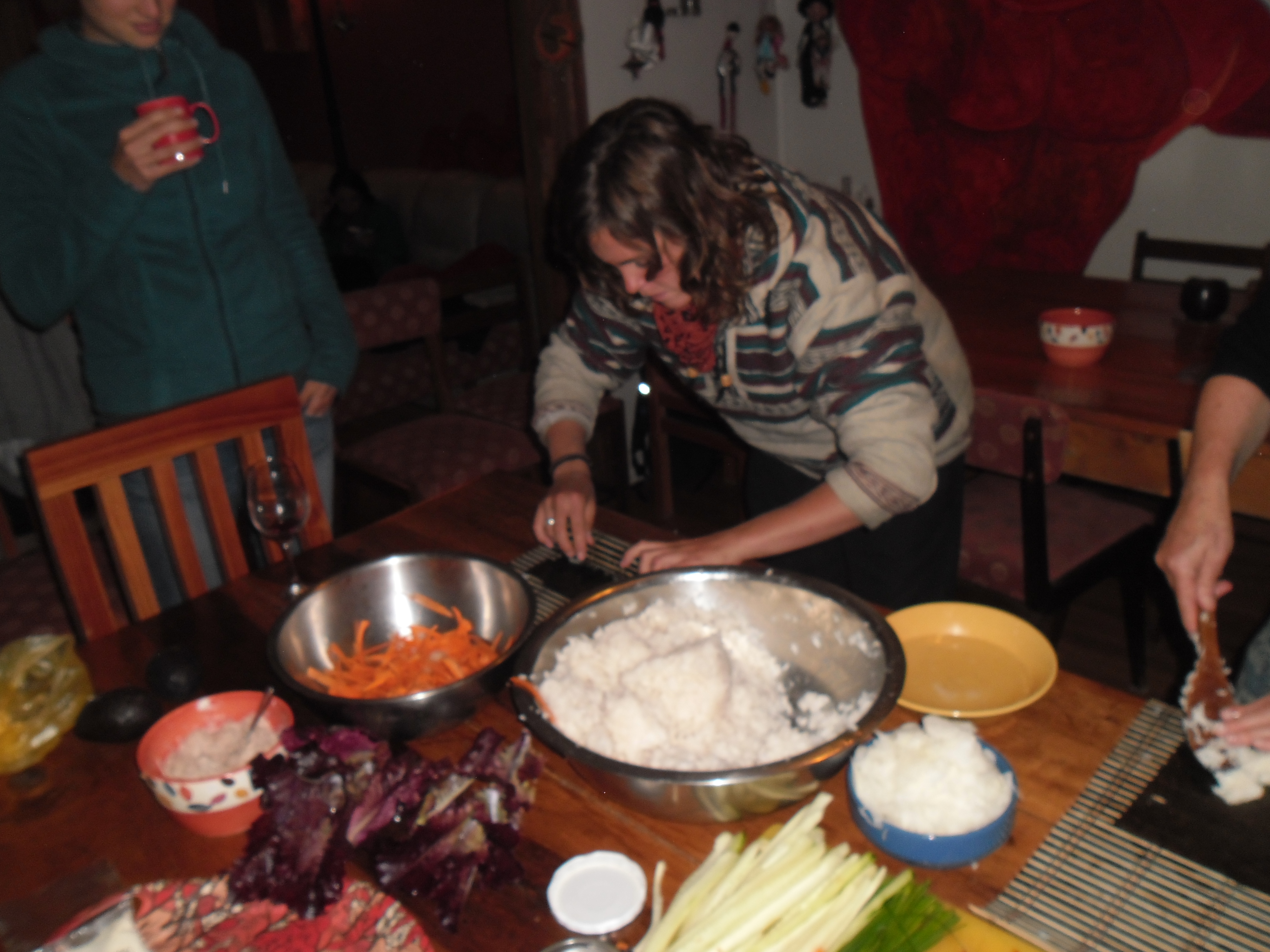
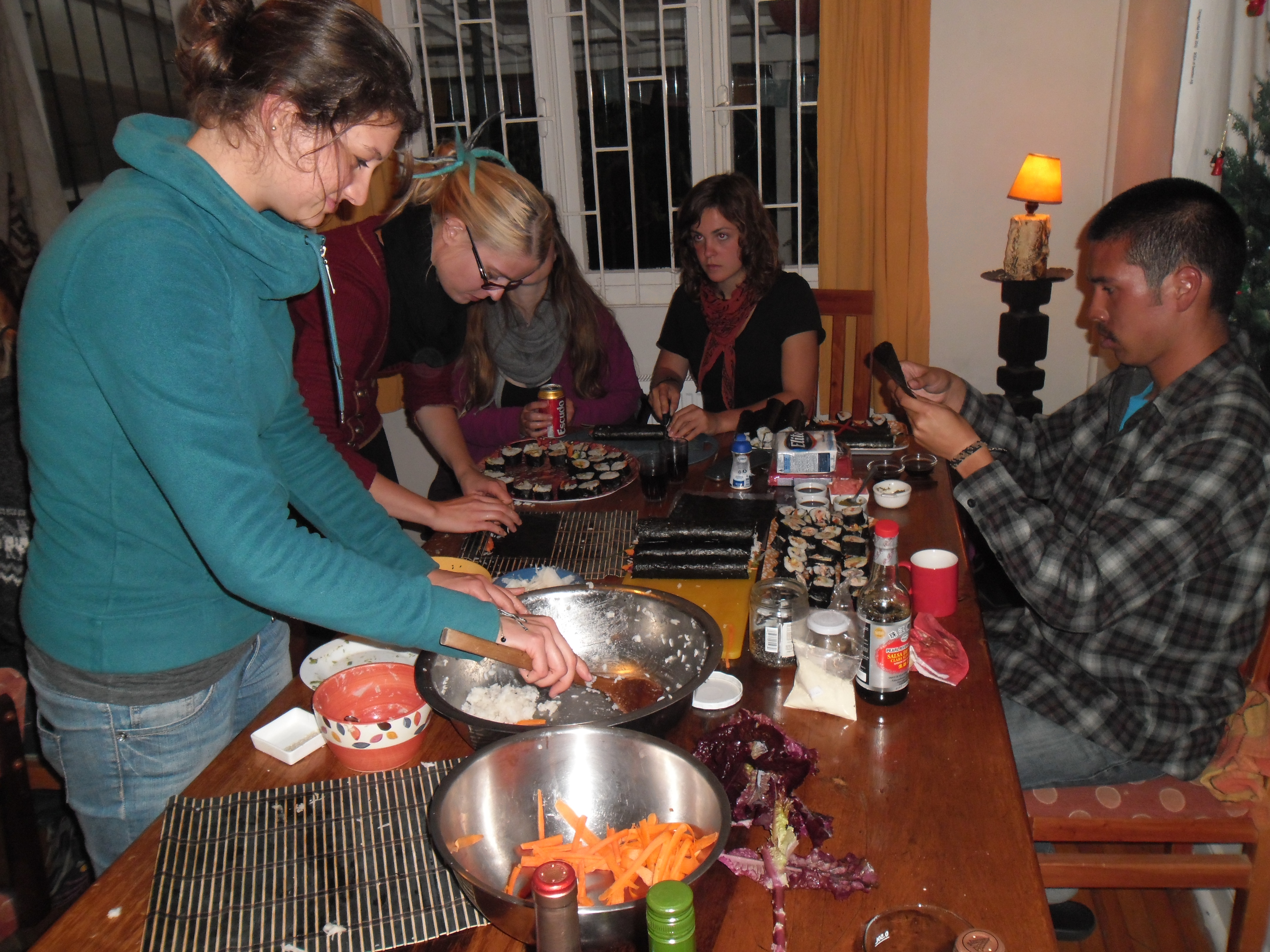
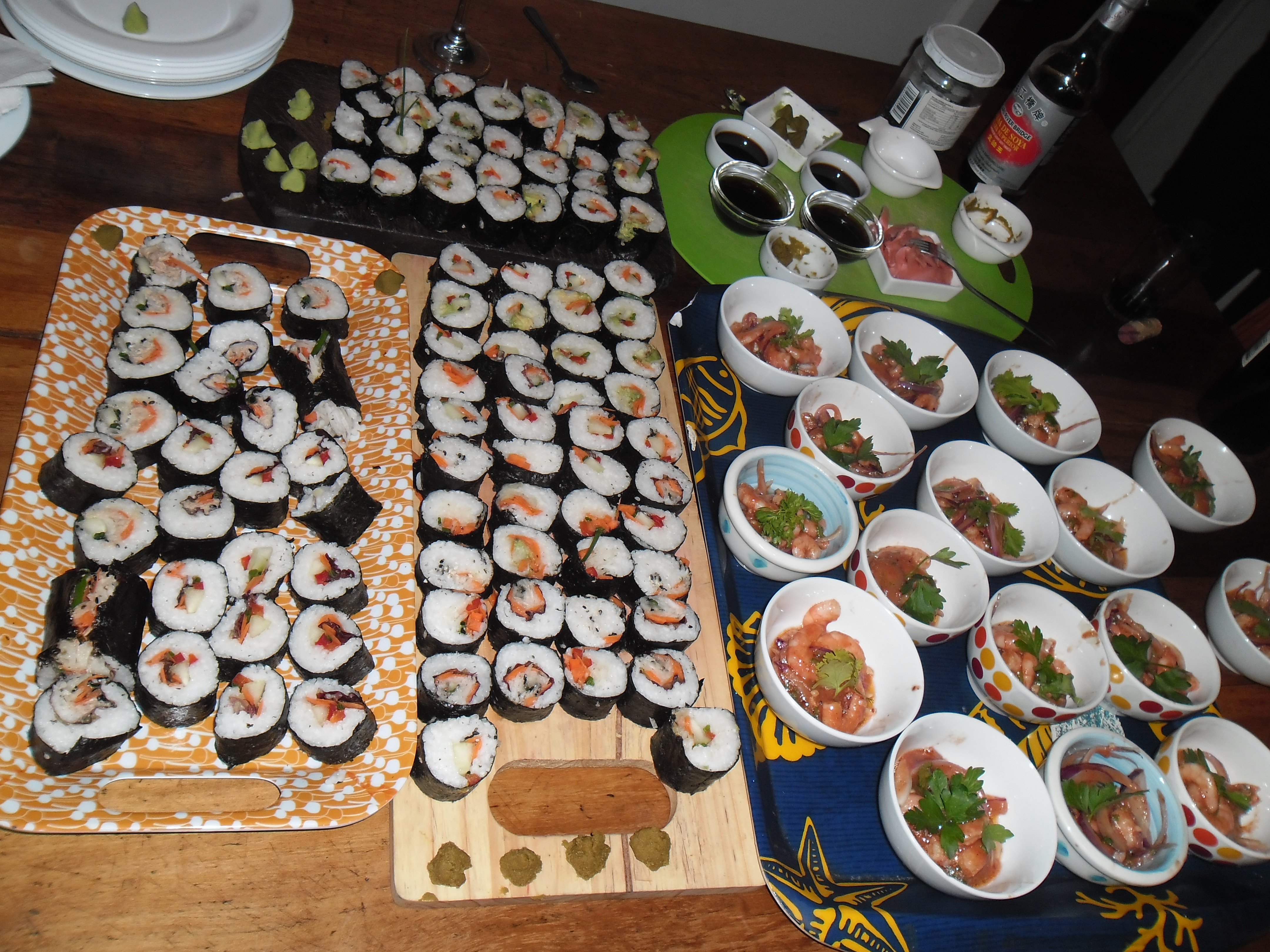
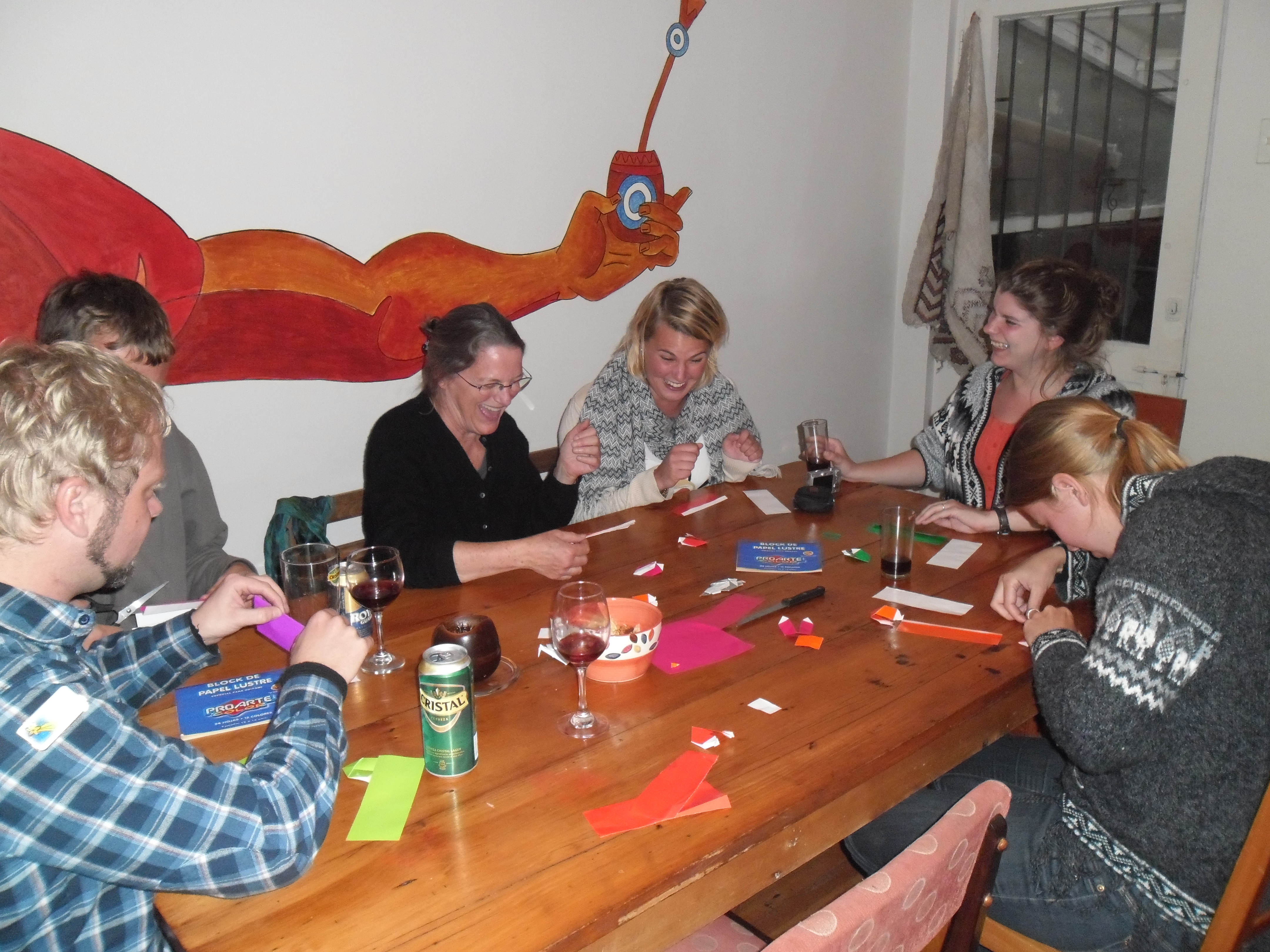
SAM_0457We cooked a big pot of black bean soup the first day we were there, a perfect rainy-day meal. Christmas Eve and Christmas were real events. Christmas Eve featured sushi, ceviche, and French crepes, as well as a Santa Claus origami workshop, led by Monica. The sushi was a group project. For many of the sushi rollers, it was their first time rolling sushi.

Luzy from Germany and Victoria from Austria learning about sushi from Japan

Luzy from Germany and Victoria from Austria learning about sushi from Japan

SAM_0440SAM_0439SAM_0449

SAM_0458

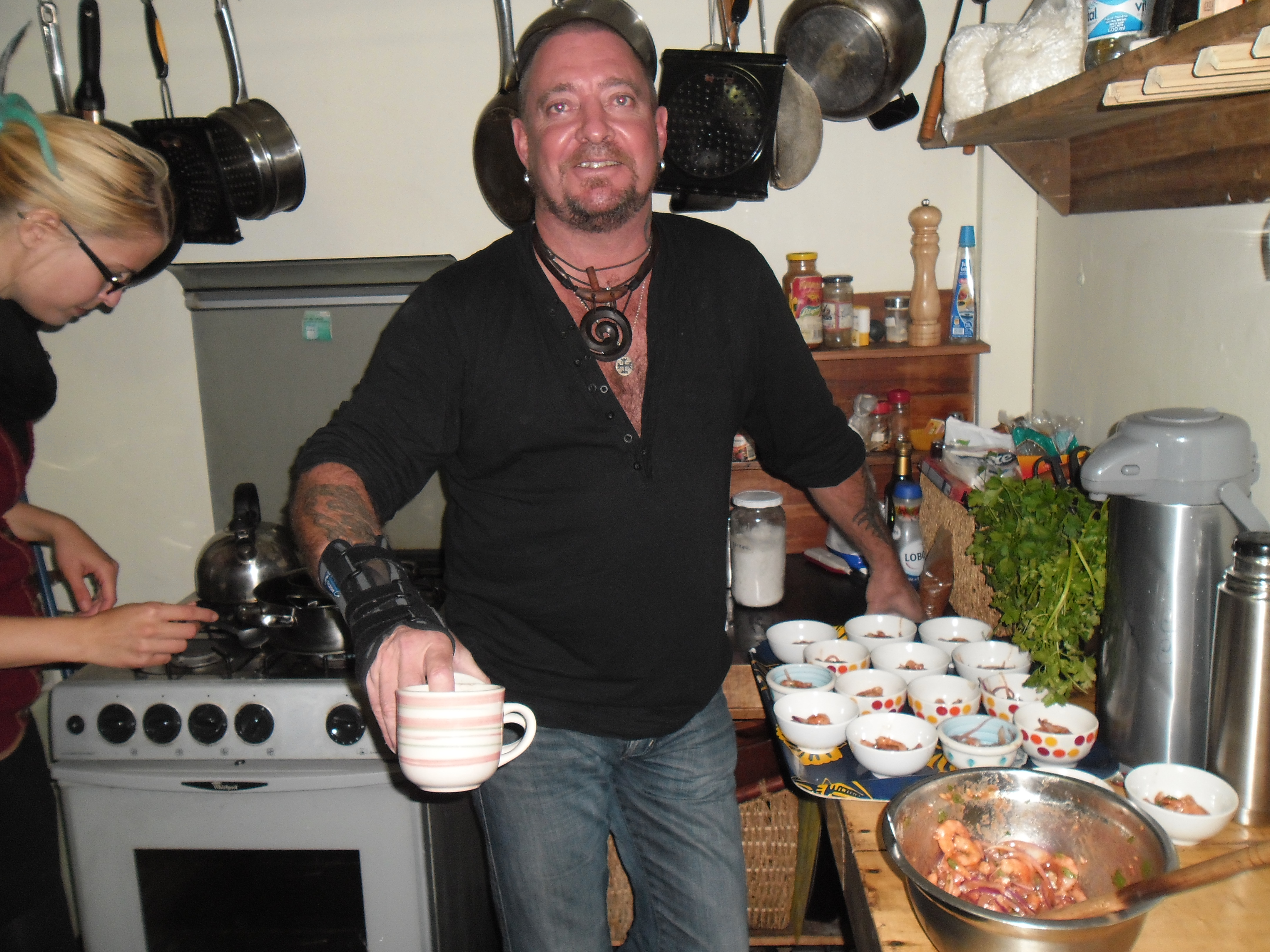
Mosa from France was in charge of the ceviche. He was sure to cook the shrimp.

Mosa from France was in charge of the ceviche. He was sure to cook the shrimp.

Sonya

Sonya

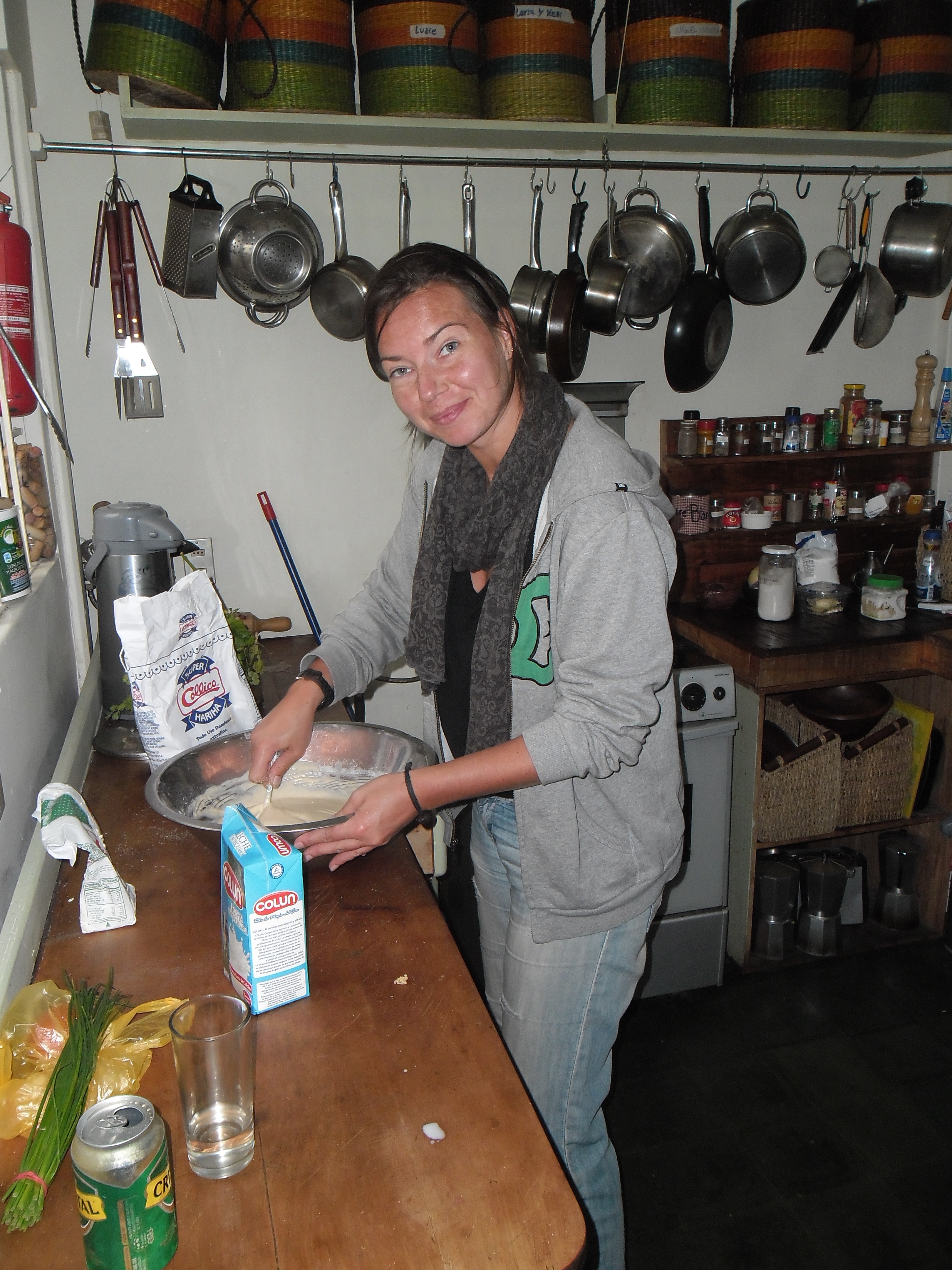
Sonya from France was the crepe maker. She said that everyone, yes everyone, in France knows how to make crepes from the time that they are kids.

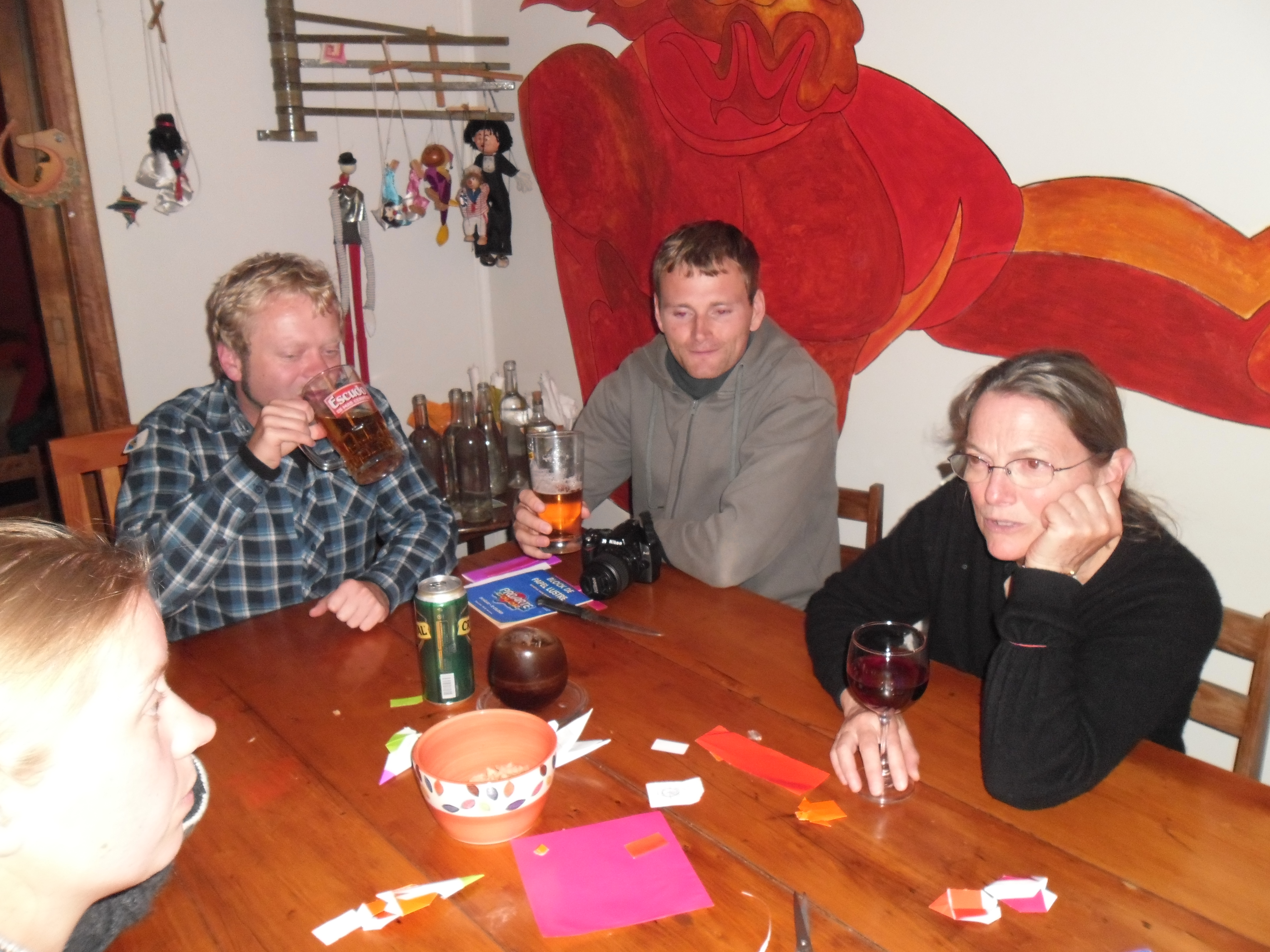
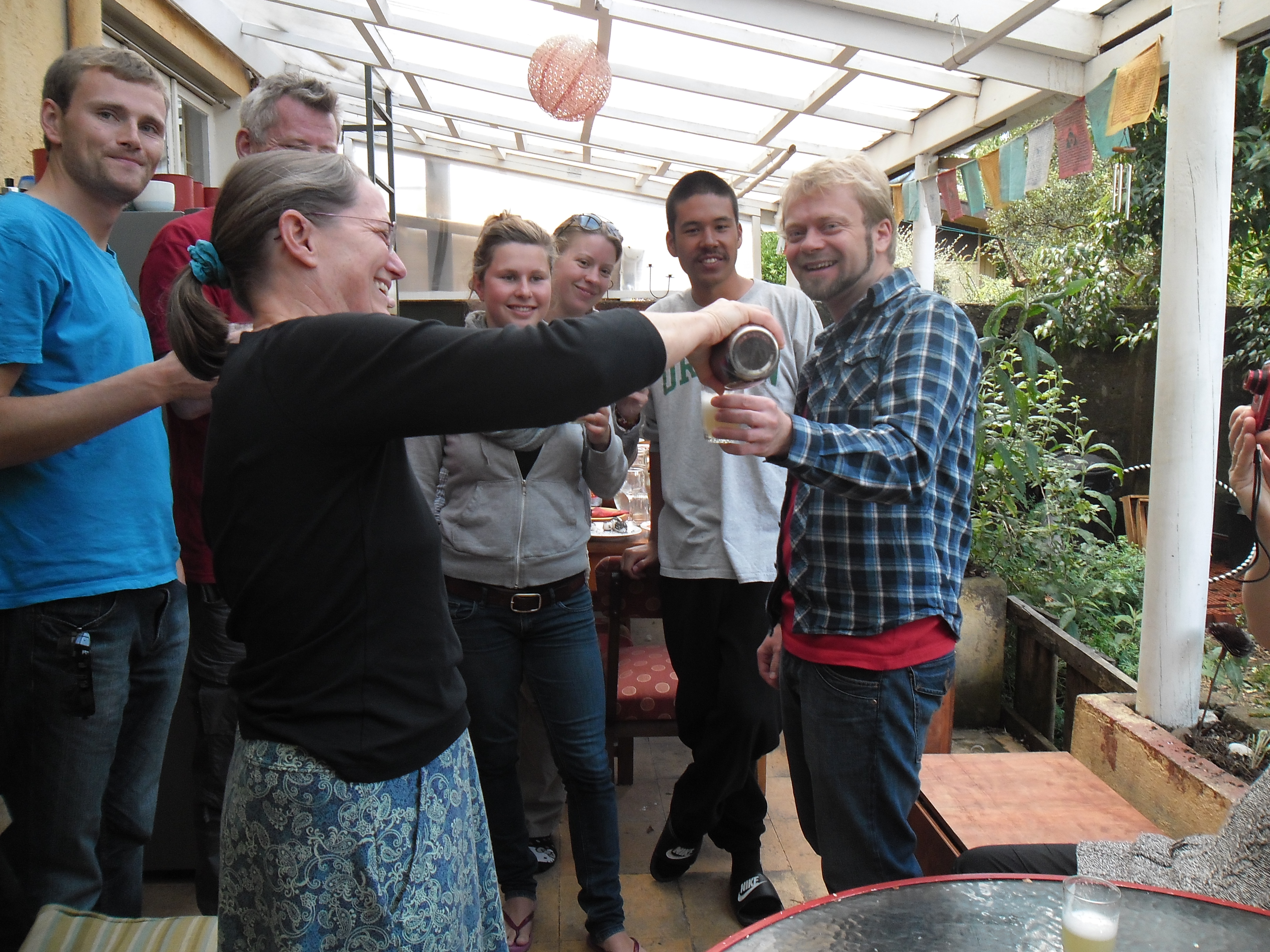
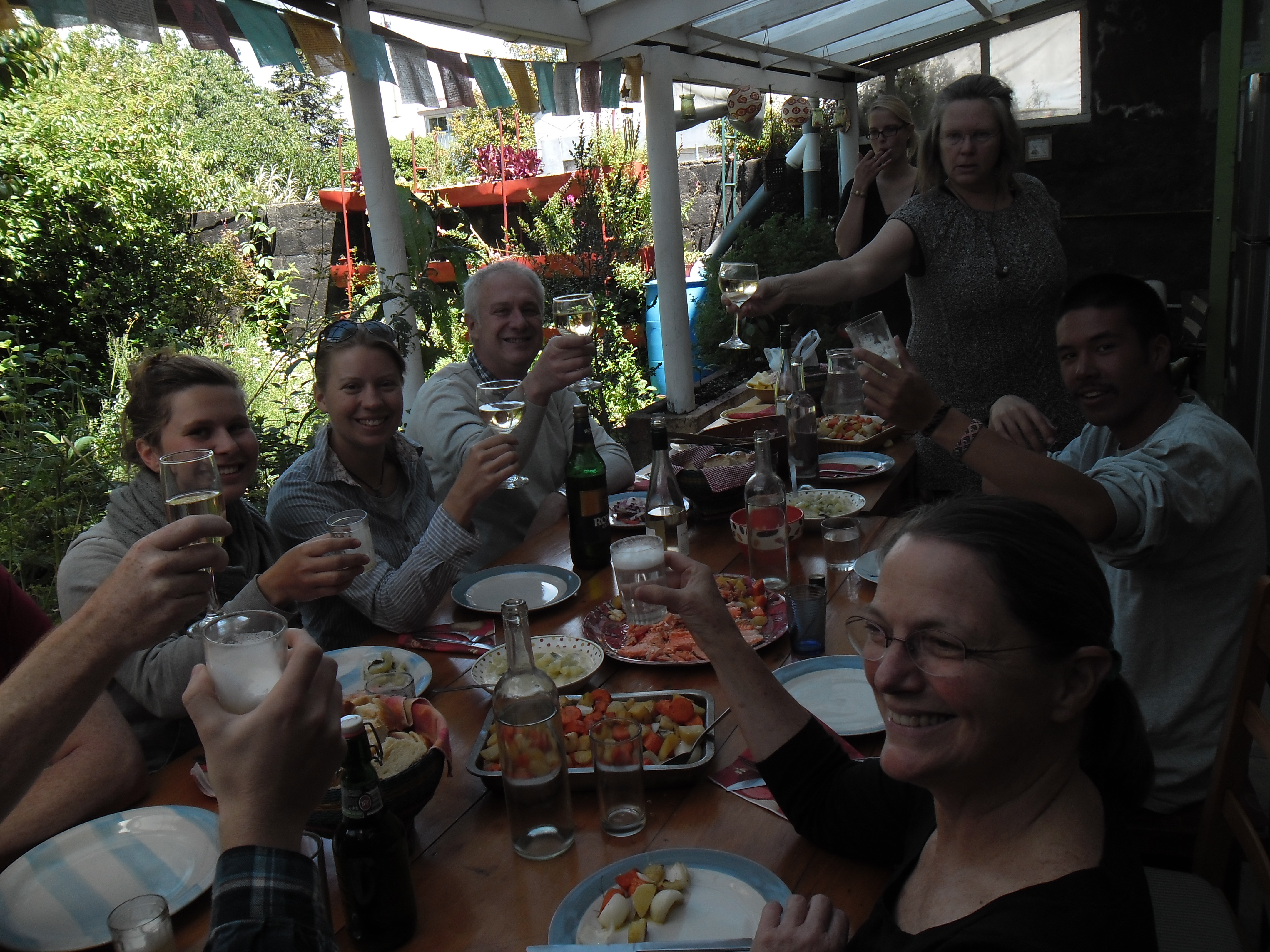
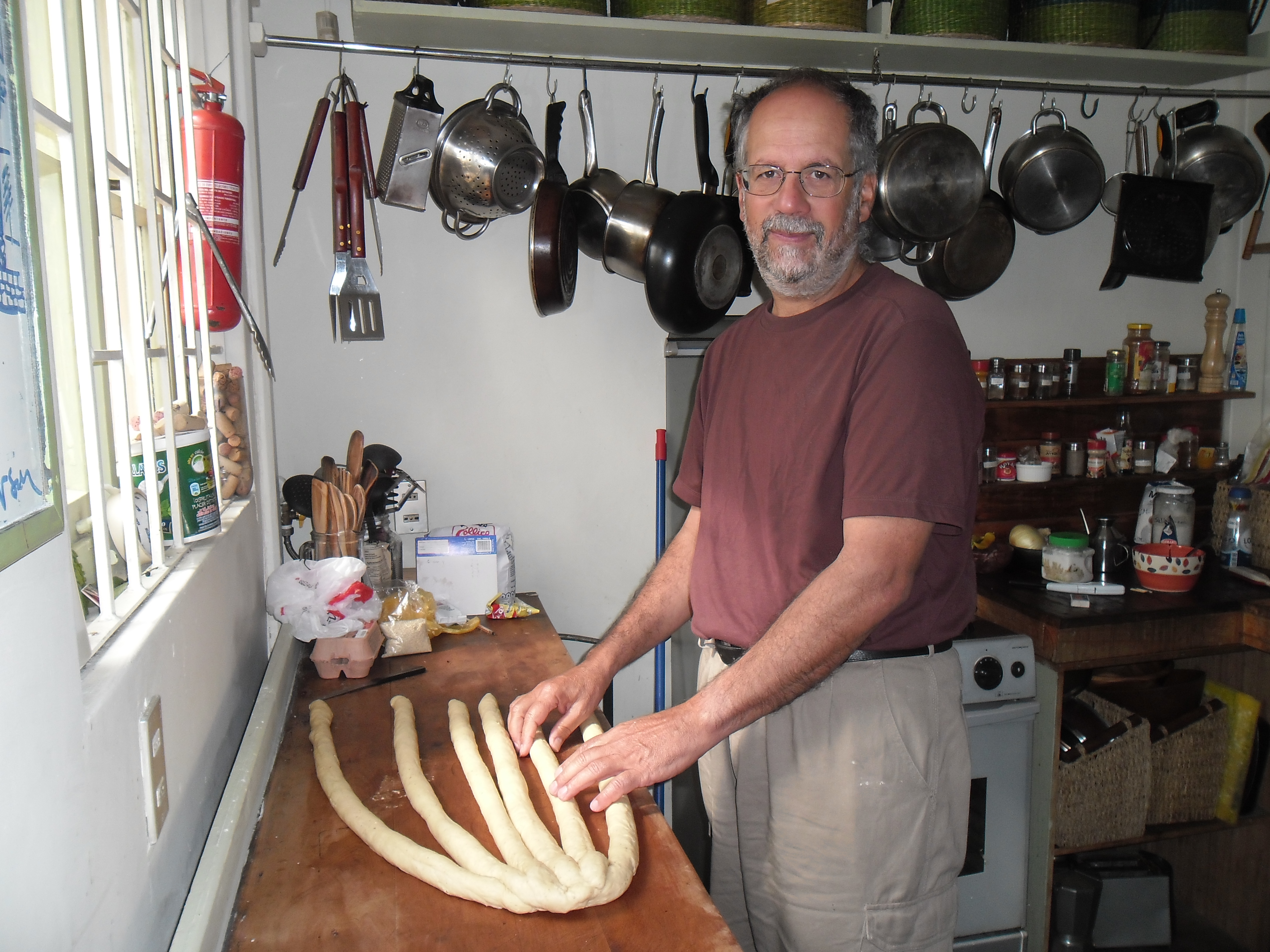
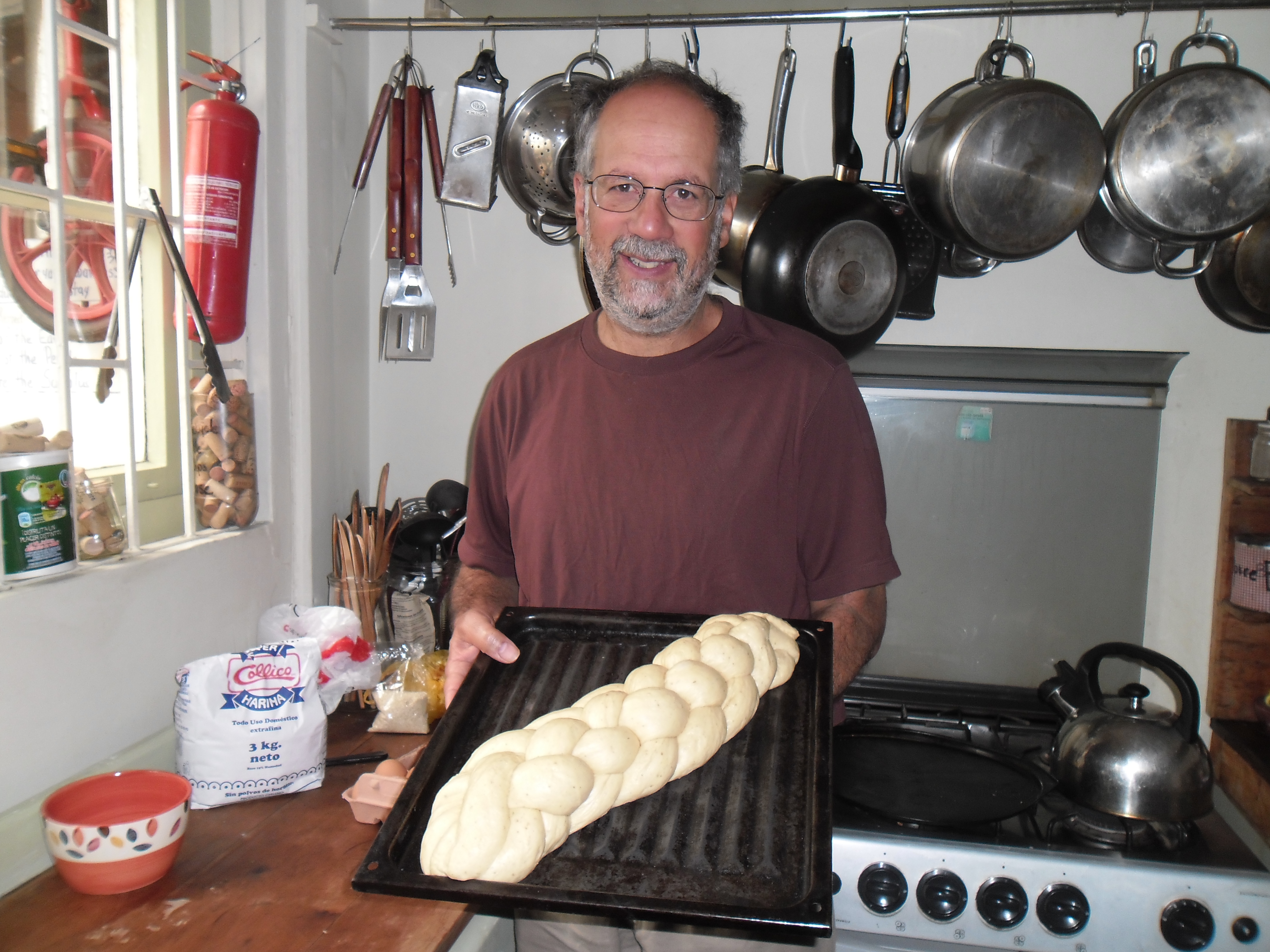
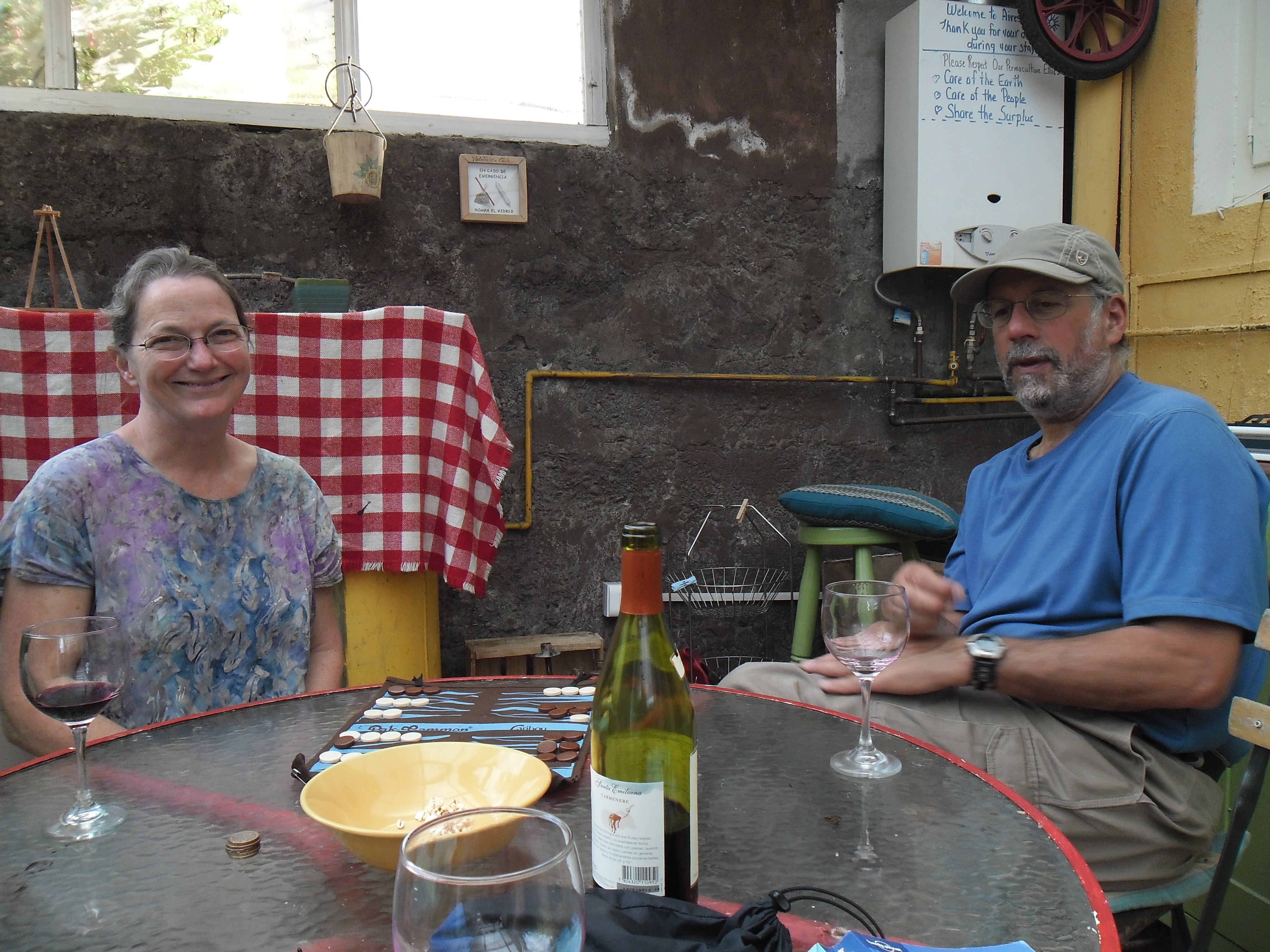
The origami session was very well attended and enthusiastic. SAM_0453The next day, ten of us contributed time and money for a group mid-afternoon dinner, which began with our new favorite drinik–pisco sours. Moni whipped some up to please the crowd. SAM_0469Sandra and Martin, from Germany, cooked salmon and roasted veggies. Mike made a six-strand challah, and there was plenty of wine and champagne to stretch the afternoon into the evening. SAM_0471SAM_0459SAM_0465We’ll remember Valdivia as our last glimpse of Southern Chile before heading north into the warmer weather, and for celebrating our 28th anniversary there. We’ll remember the walks by the river and the refuge of the hostel, staying dry while it was raining, and enjoying our friends, as well as the backporch for a few bacgammon games. SAM_0484